Tag Archives: Boeing

Qantas Comes to Town

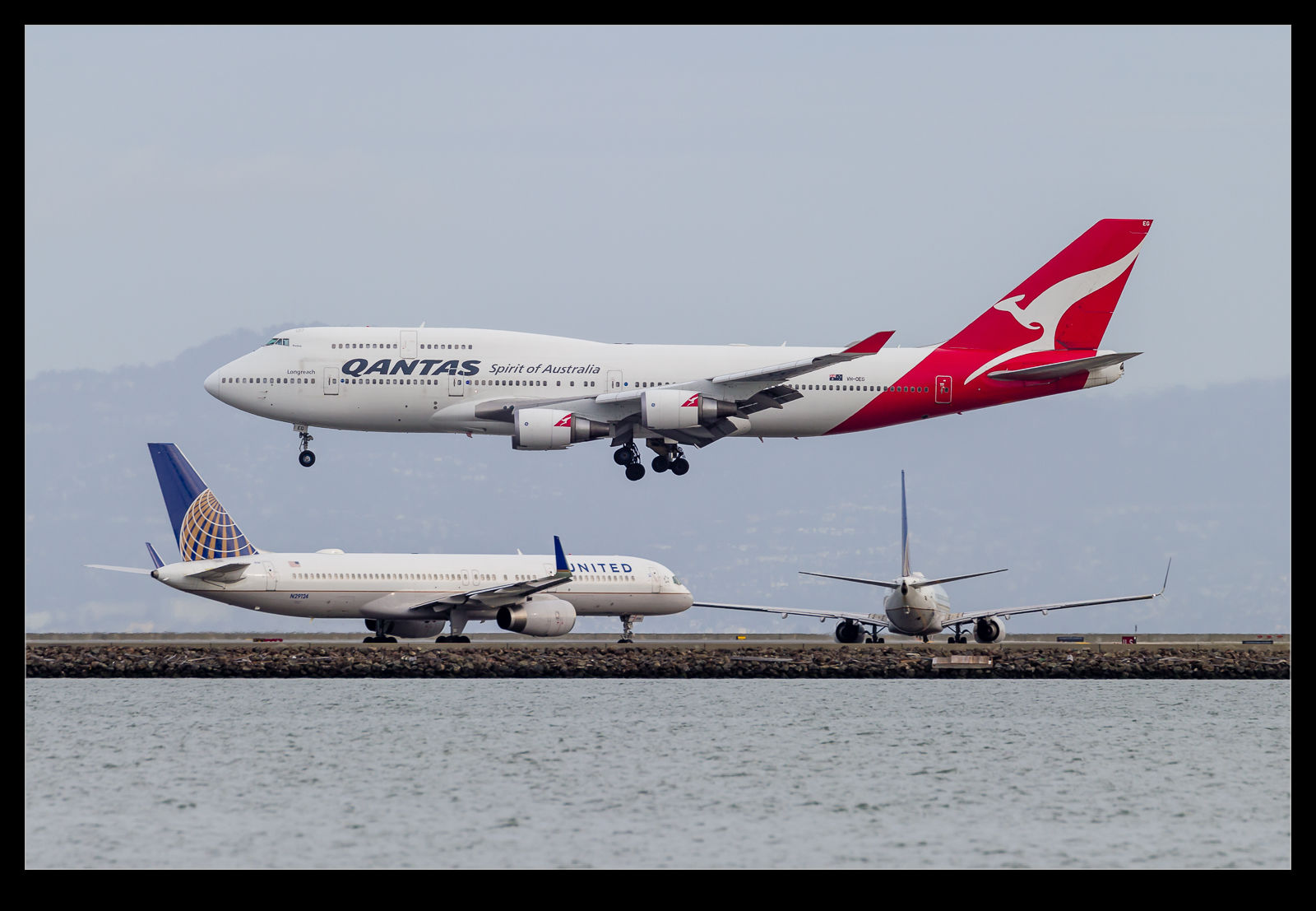
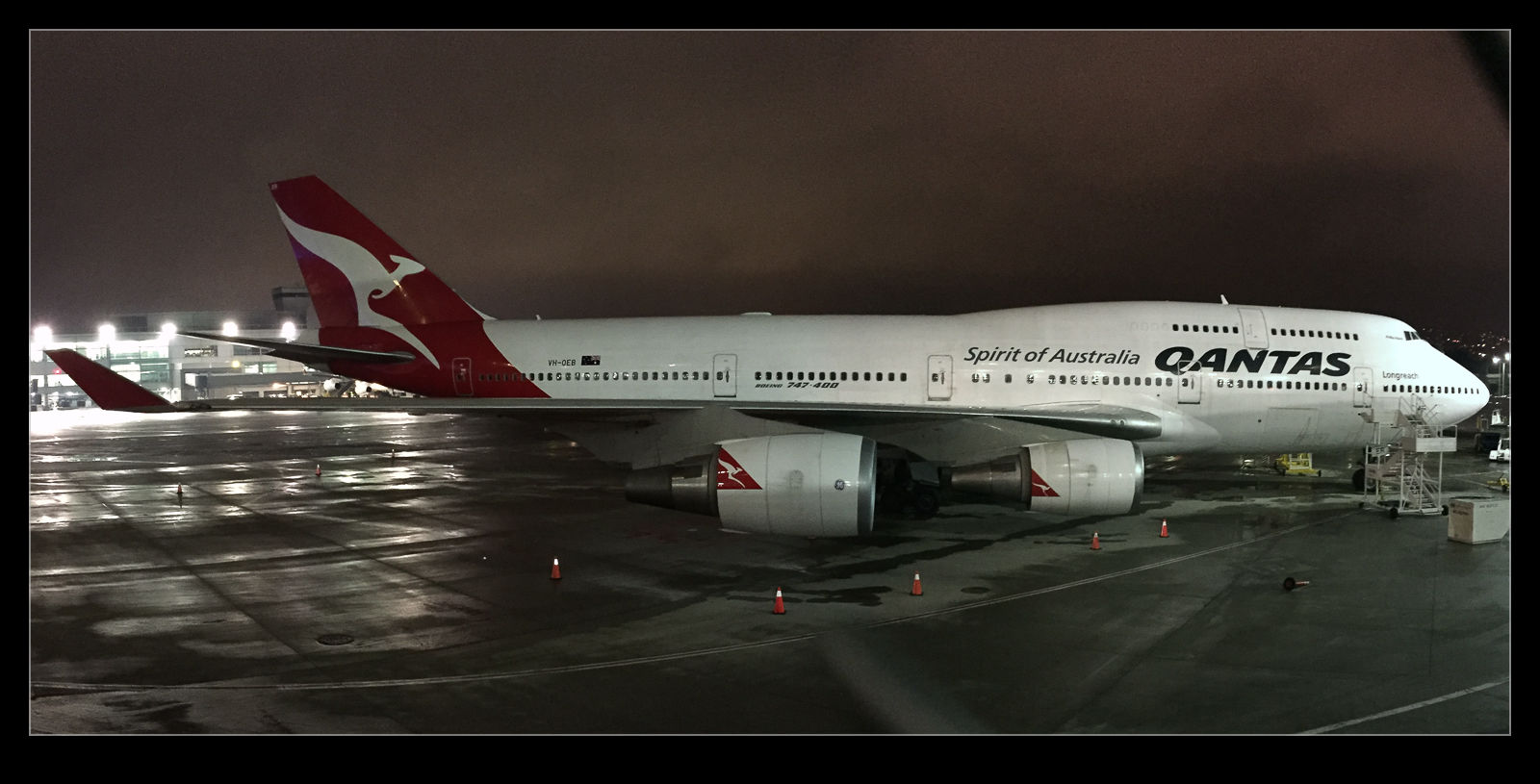
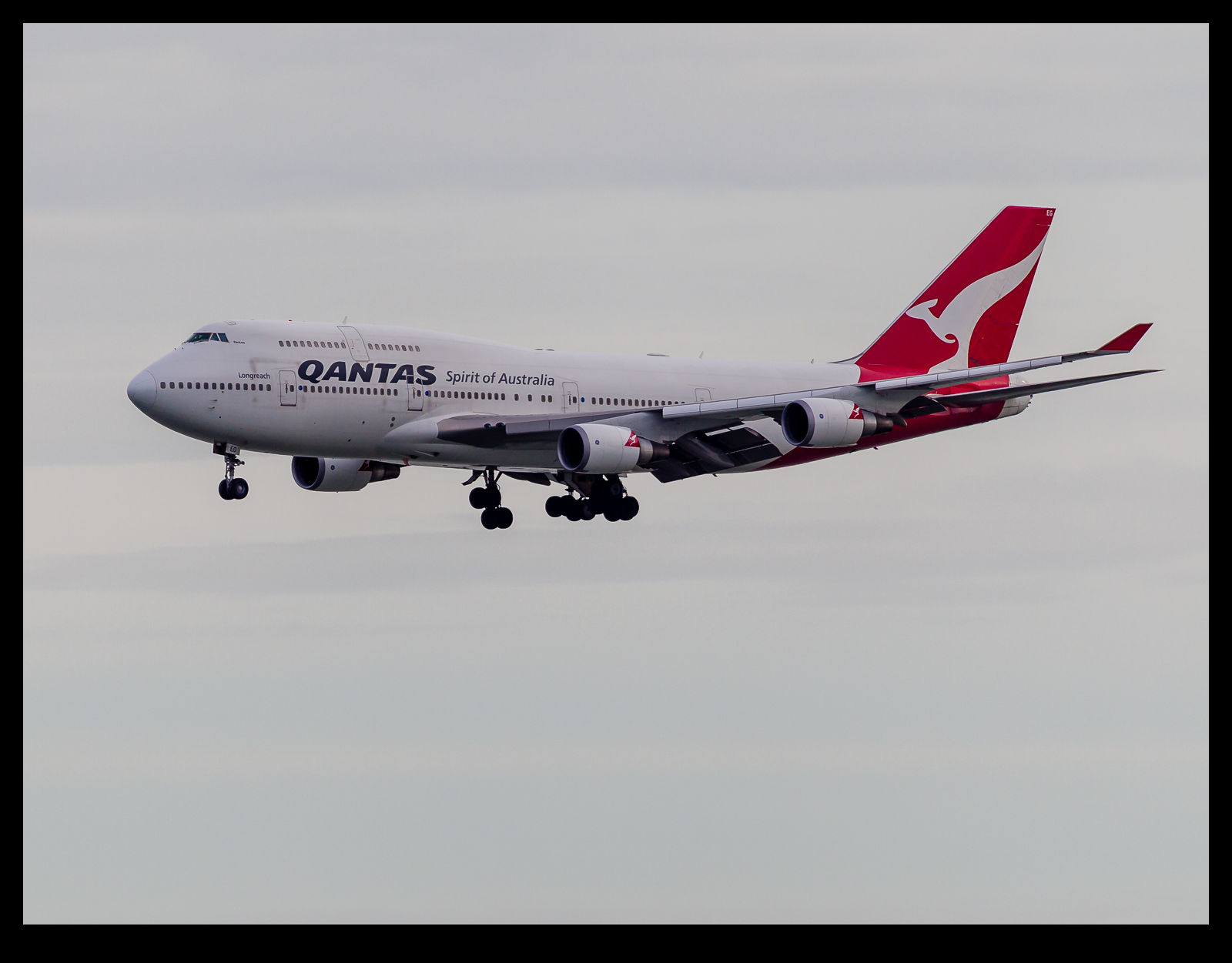
AU0E5671.jpgIf you shoot a few times at the same place, you get familiar with what to expect. Consequently, the arrival of a new operator is something of interest. In this case, it is the return of an operator. Qantas used to operate to SFO but pulled out a number of years ago. Now they have returned with a 747-400 coming in several times a week. I got my first view of one of the jets when I was at the airport to pick some people up. The scheduling of their flights means that they land in the morning but don’t leave again until late the following night. In the mean time, the plane is parked up near the parking structure for the international terminal and it was from there that I saw it.

IMG_3623-Pano.jpgI thought I ought to get an airborne shot so headed our one morning to see the arrival. The weather forecast was for a nice start followed by cloud moving in. The forecast was almost spot on but was a little optimistic about when the clouds would show up. They arrived a little early. Having had some really nice morning light on earlier movements, the conditions got a lot more overcast and dull by the time that the jet showed up. I guess this means I will have to try again at some point.

C59F8549.jpg

New KLM Colors

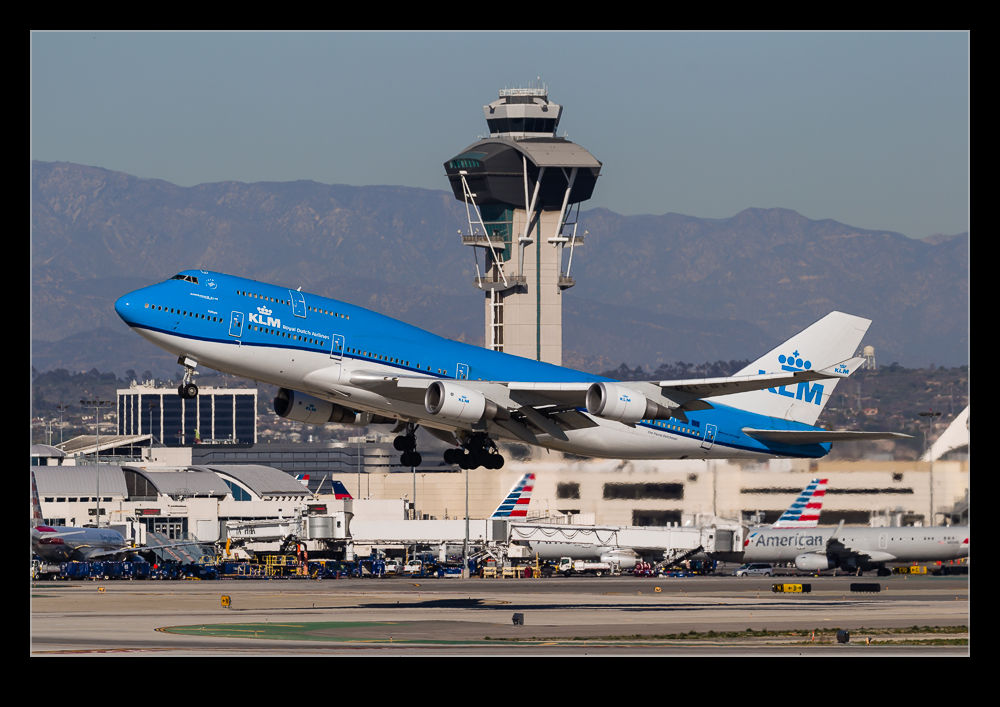
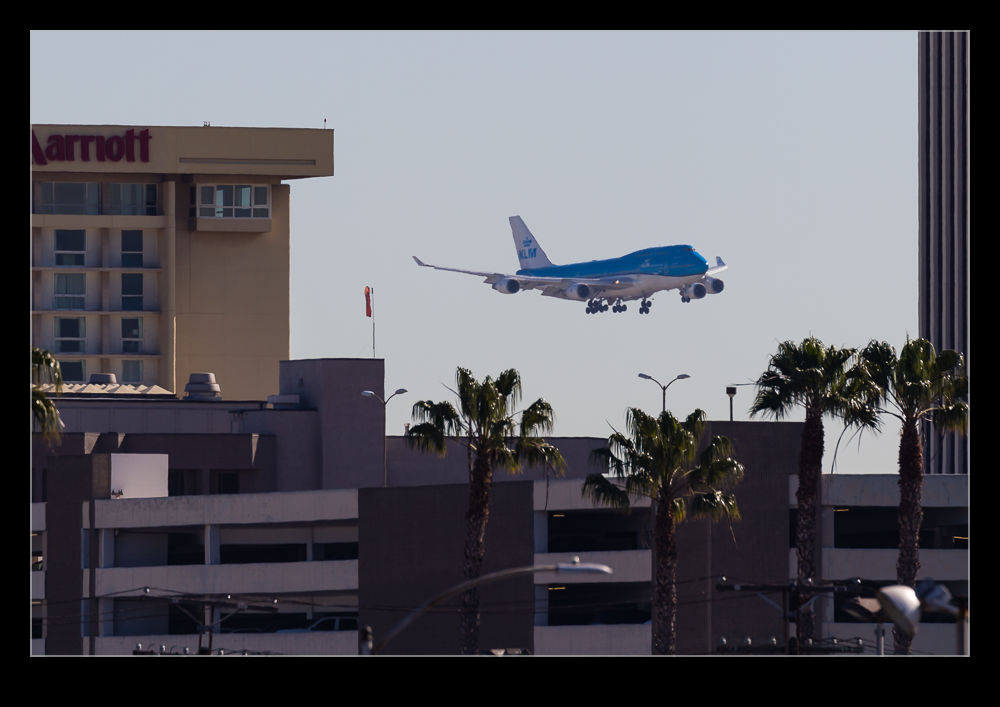
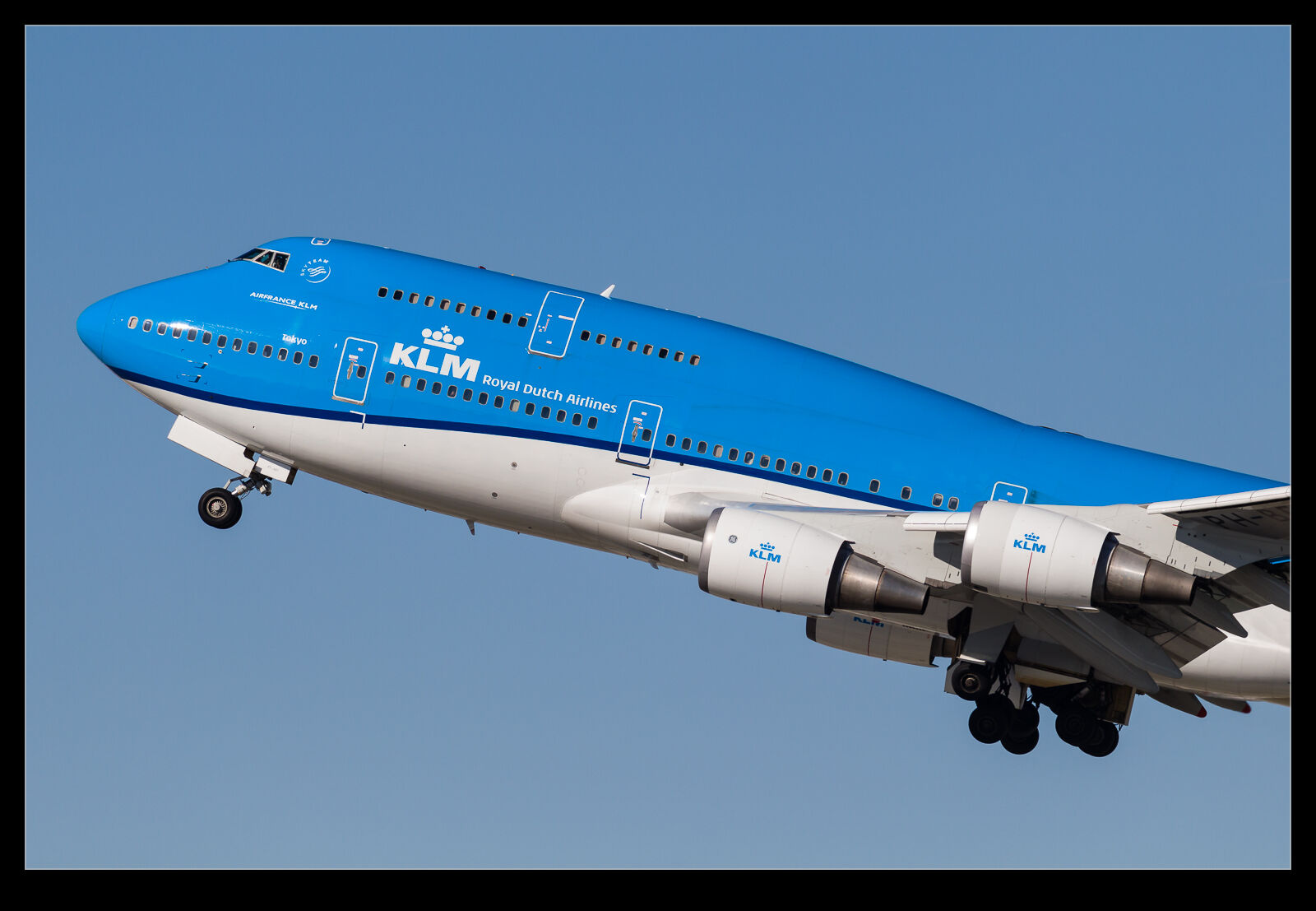
C59F9882.jpgKLM are one of the few airlines that are not soon to be rid of their 747s. They have demonstrated this by starting to repaint them in a new color scheme. When I was at LAX, one of the newly painted jets was due to come in. Annoyingly, rather than follow the normal approach path to the 24 complex, he came straight over the field and went in on the 25 complex. I saw it come overhead and could see it in the distance as it landed over on the other side of the airport.

C59F9026.jpgFortunately, later in the day I was on the south side up on Imperial Hill awaiting a message from my buddy that he was ready to roll. I had not thought further about the KLM jet but, since it had come in earlier, that meant it was going to go out again. It took off in front of me – catching me a little by surprise. I was able to get a shot of it in good light so all was not lost.

C59F9893.jpg

Floating Down The Runway in a Jumbo

AU0E4070.jpgAirline operates are usually pretty predictable – at least provided the weather is not too extreme. You tend to get jets on glide path and at the appropriate speed. This results in touchdowns being reasonably close to the same place each time. However, poor are flying these planes and they introduce some variability to the mix. A recent visit to SFO included one United 747 that was a bit off target.

AU0E4060.jpgFirst I should point out that the runway in use is a long one and that a 747 at the end of a flight can get down safely in a lot less space than is provided. In this case, that helped. The 747 came across the threshold and flared for landing. It was higher than normal and must have been carrying some speed because it floated a long way down the runway. When it eventually touched down, we had the city skyline behind it which only emphasized how far it had gone. No harm done and it exited with plenty to spare but it was conspicuous enough to have got all present commenting on it.

AU0E4050.jpg

Skywest Races Southwest

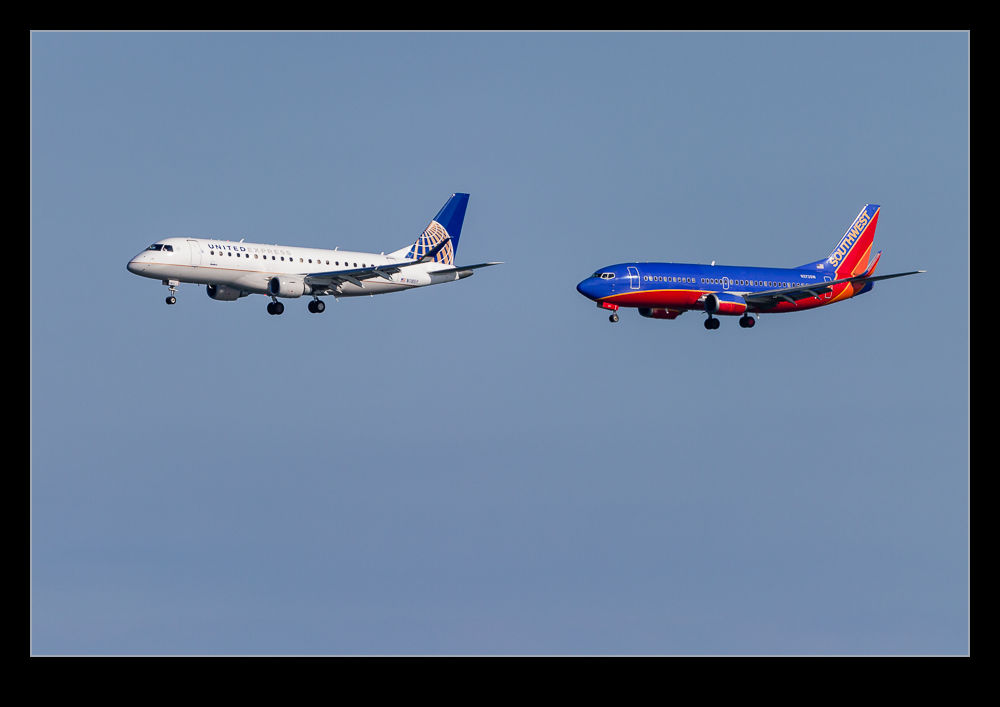
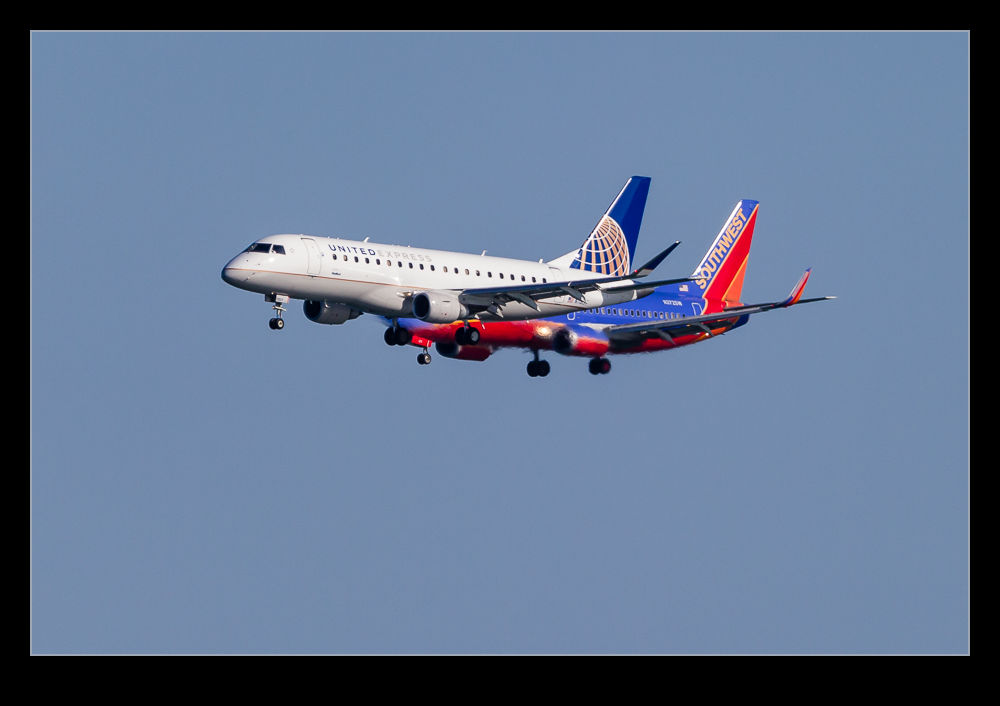
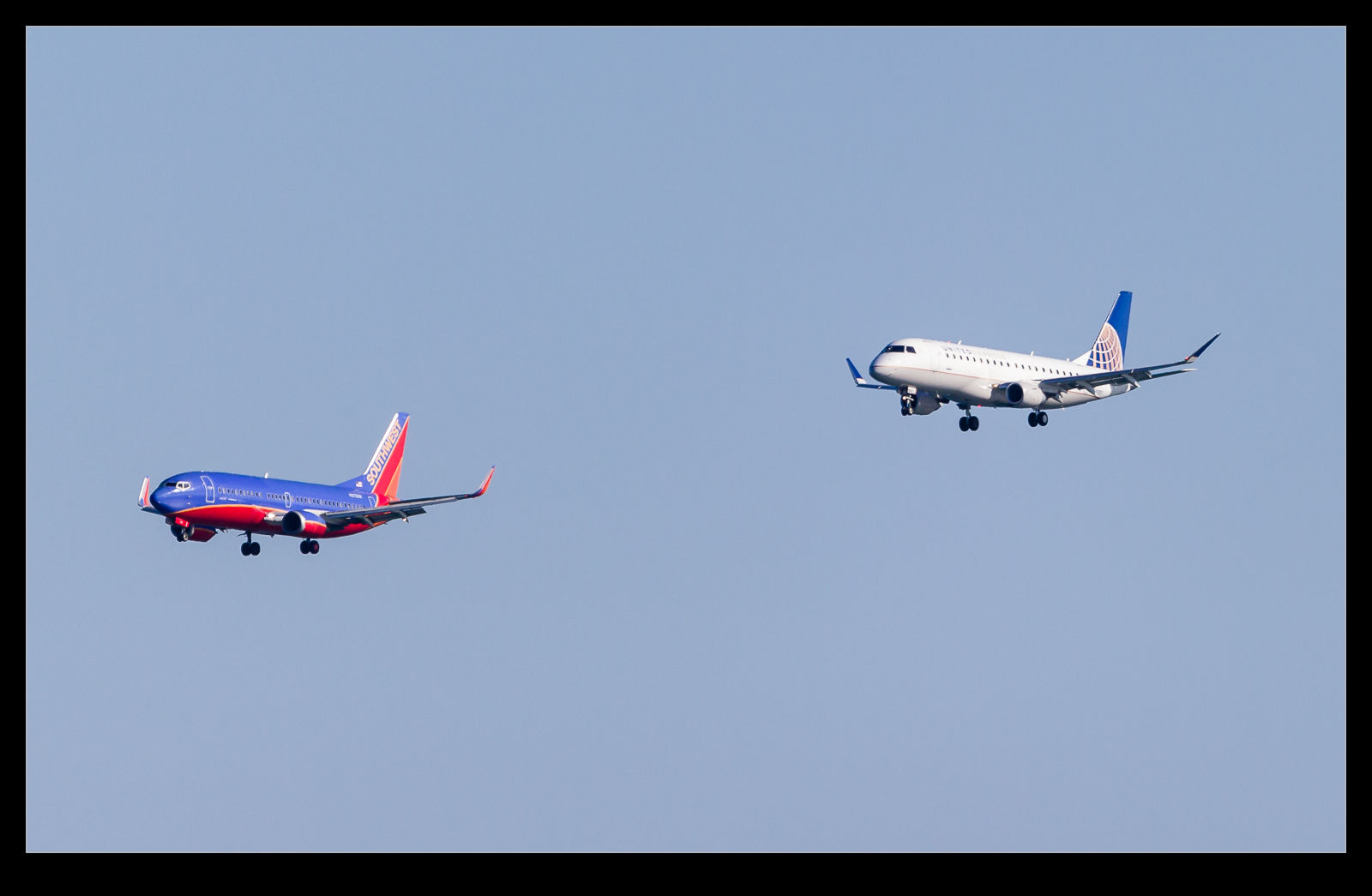
AU0E5056.jpgI like having more than one airliner in one shot as you have probably figured by now if you read the blog a lot. Since SFO has parallel approaches, getting this type of shot is not a rarity although you do appreciate it when it works out. In this case a Skywest Embraer E175 (operating for United Express) and a Southwest 737 were lined up on the approach. They were offset a bit so their relative position from my viewpoint changed during the approach which provided a nice variety of compositions.

AU0E5046.jpg AU0E5032.jpg

Canadian Hornet Cockpit Displays

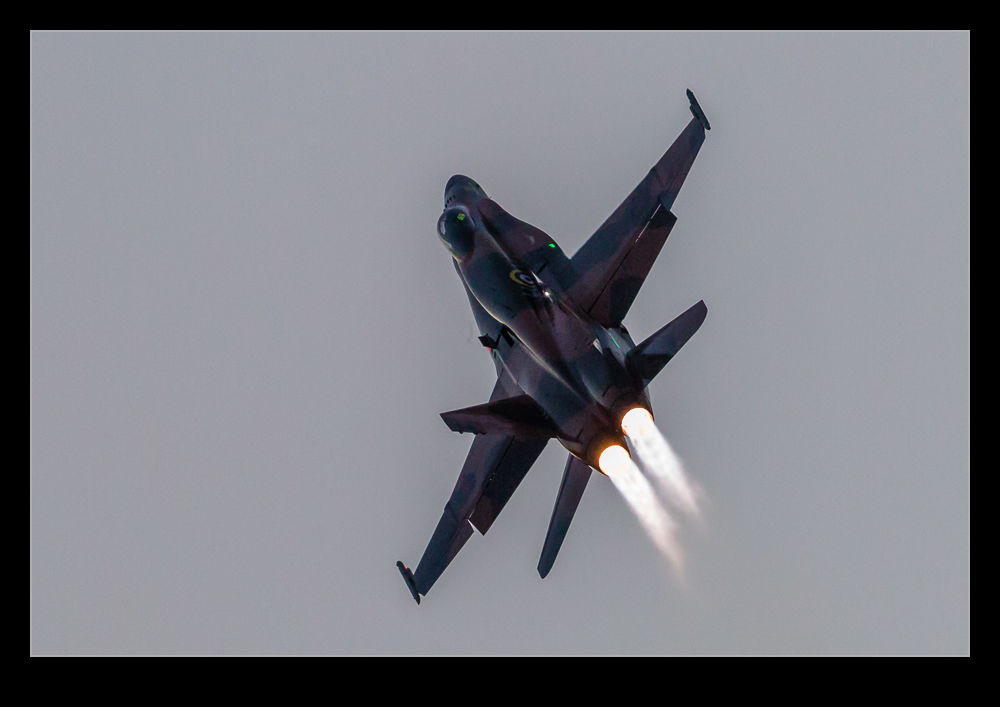
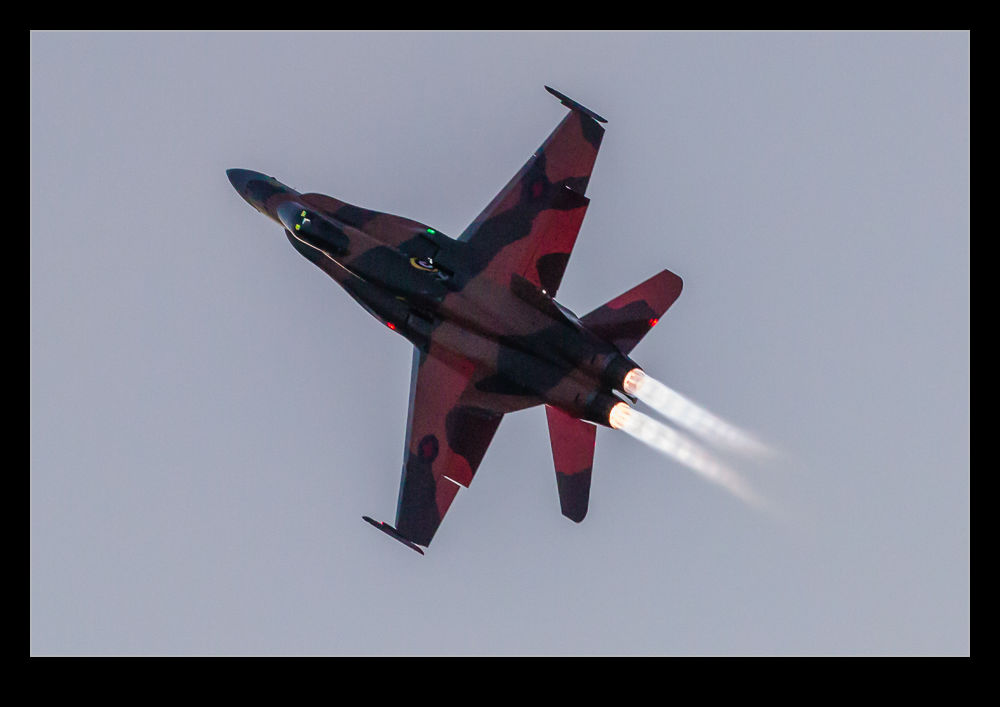
AU0E0371.jpgPreviously I may have mentioned my recent efforts to go through images I took a long time ago. The evening show at Chino had a number of performers and one of them was the Canadian Hornet demo. When I go through my images, part of my process is to render all of them at 100% and then view the full size image on one screen and the zoomed in version on the other. This allows me to see whether the shot is sharp and also whether there is anything glaringly wrong with it like bits cut off or someone’s head in the way.

AU0E0375.jpgI was going through the shots of the Hornet which flew after the sun had gone below the horizon, I noticed that, as it flew over the top of a loop, I had a view into the cockpit. Normally, this would be dark as the brightness of the day overpowered the shade of the cockpit. However, since it was pretty dark, the glow of the multifunction displays on the panel is clearly visible. We aren’t going to be able to see the details of the displays themselves but they are very conspicuous which is not the norm.

Another 747 Operator Bites the Dust

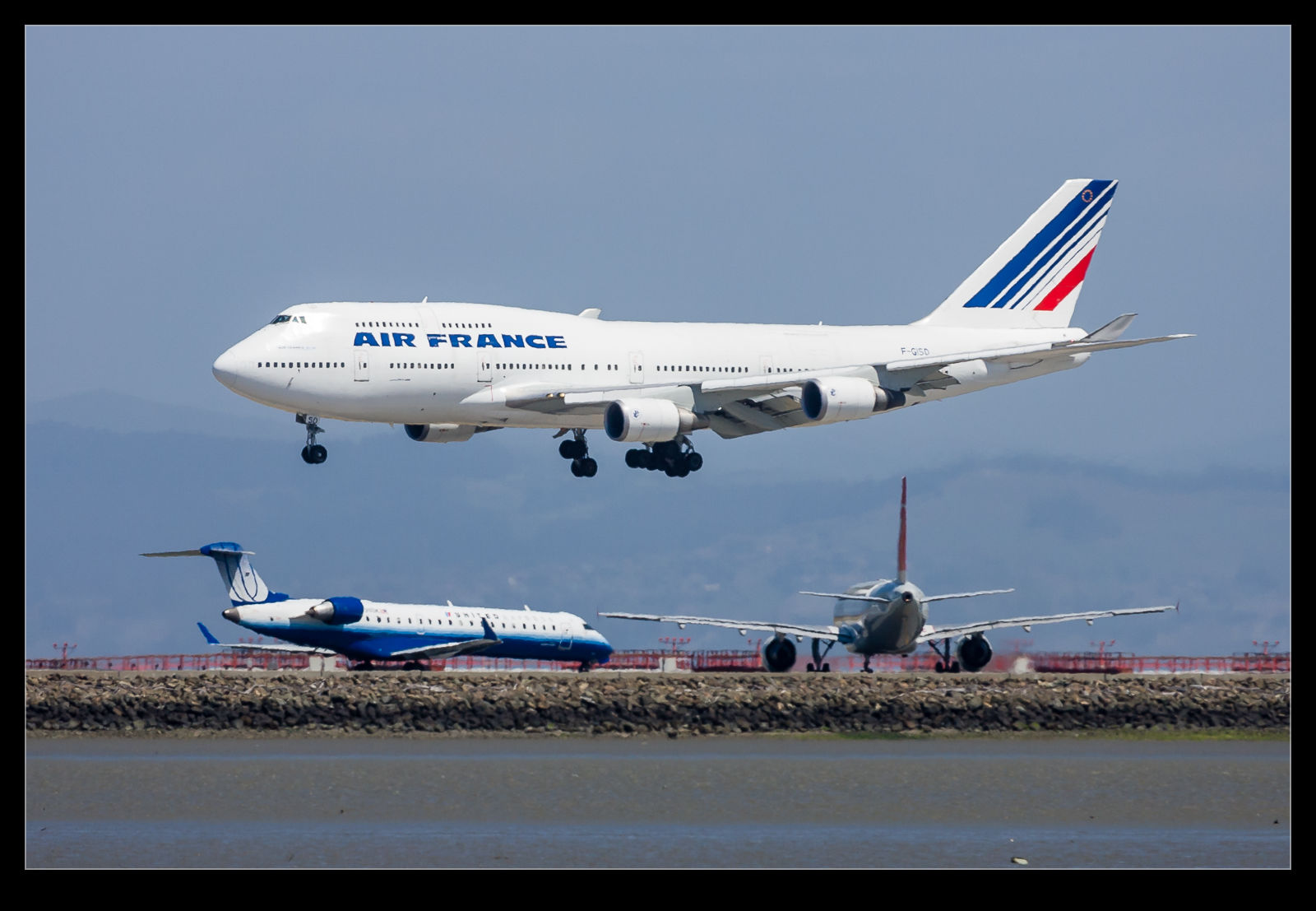
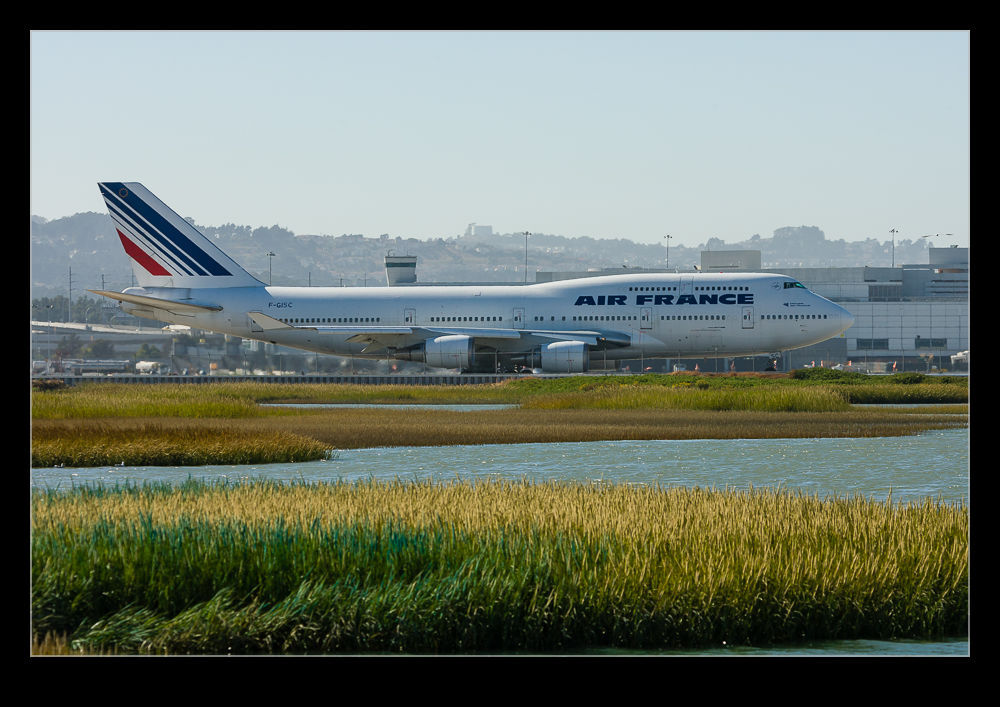
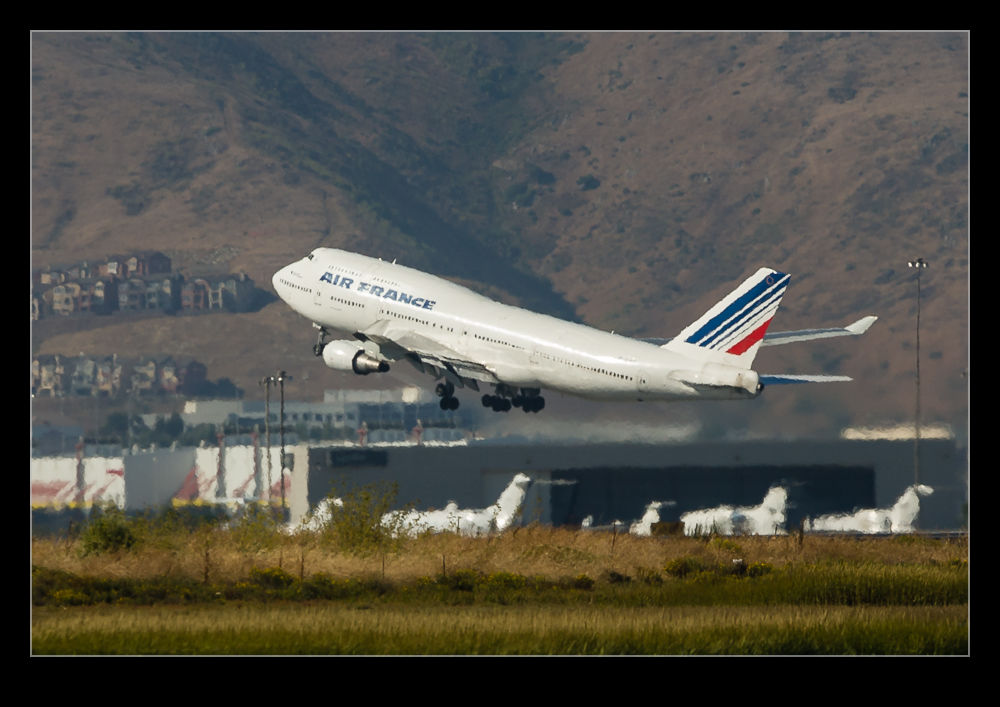
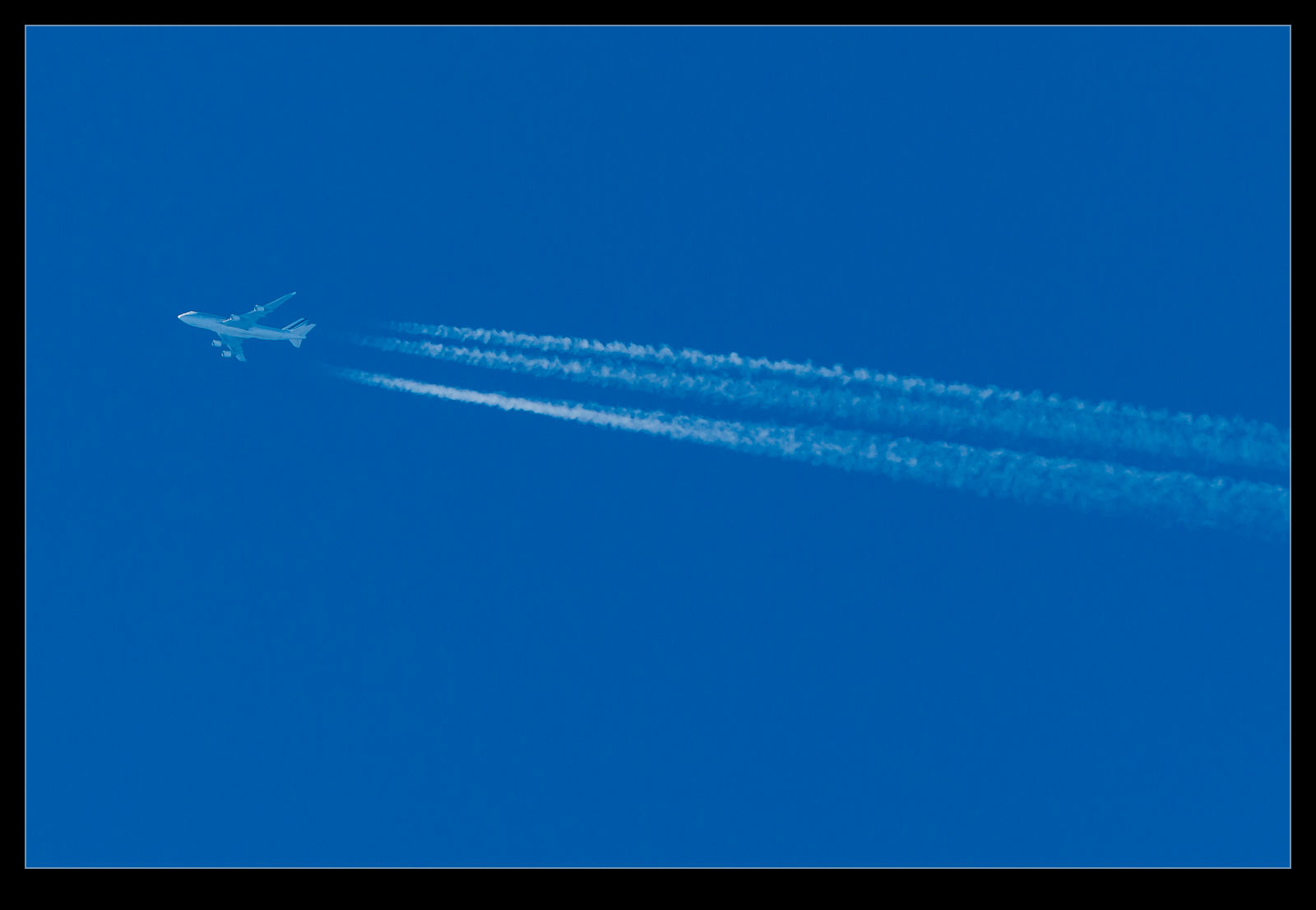
QB5Y1360.jpg There is a steady stream of Boeing 747 fleet retirements right now.  This month another one occurred when the last Air France 747 flight took place.  I have not seen a huge number of their Jumbos over the years but they have cropped up from time to time.  It turns out that the best shots I have got have all been at SFO although these were mainly taken long before I moved here.

QB5Y0652.jpgAnyway, farewell Air France 747s.  I wonder which operator will be next?

QB5Y0657.jpgC59F5539.jpg

Ripples in the Skin

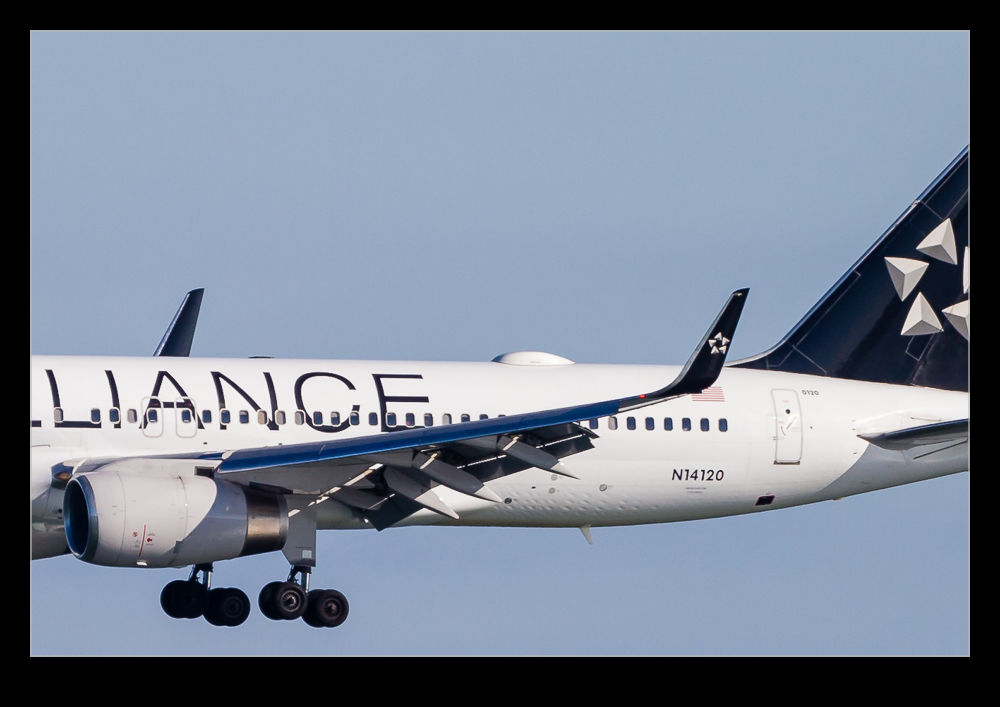
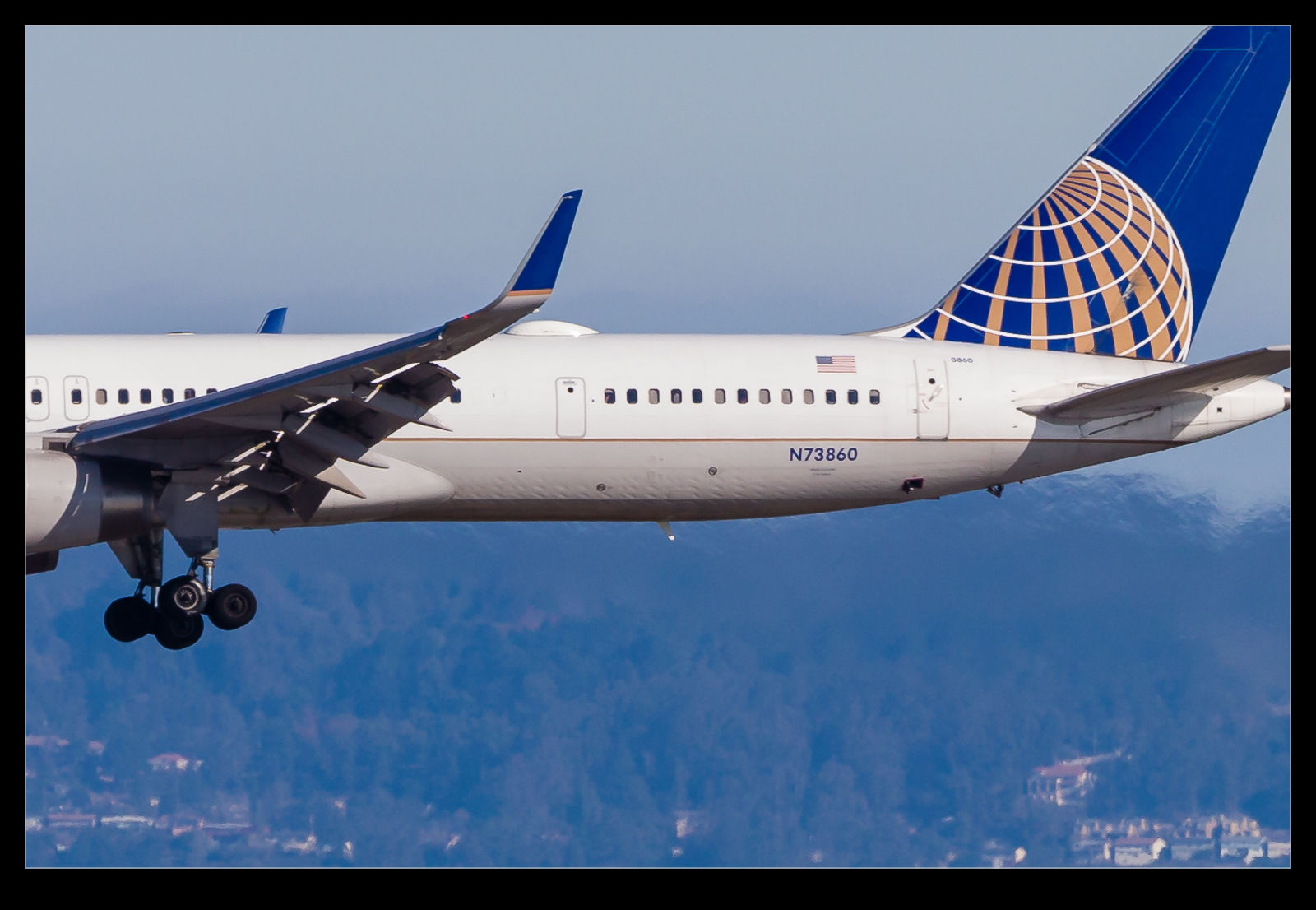
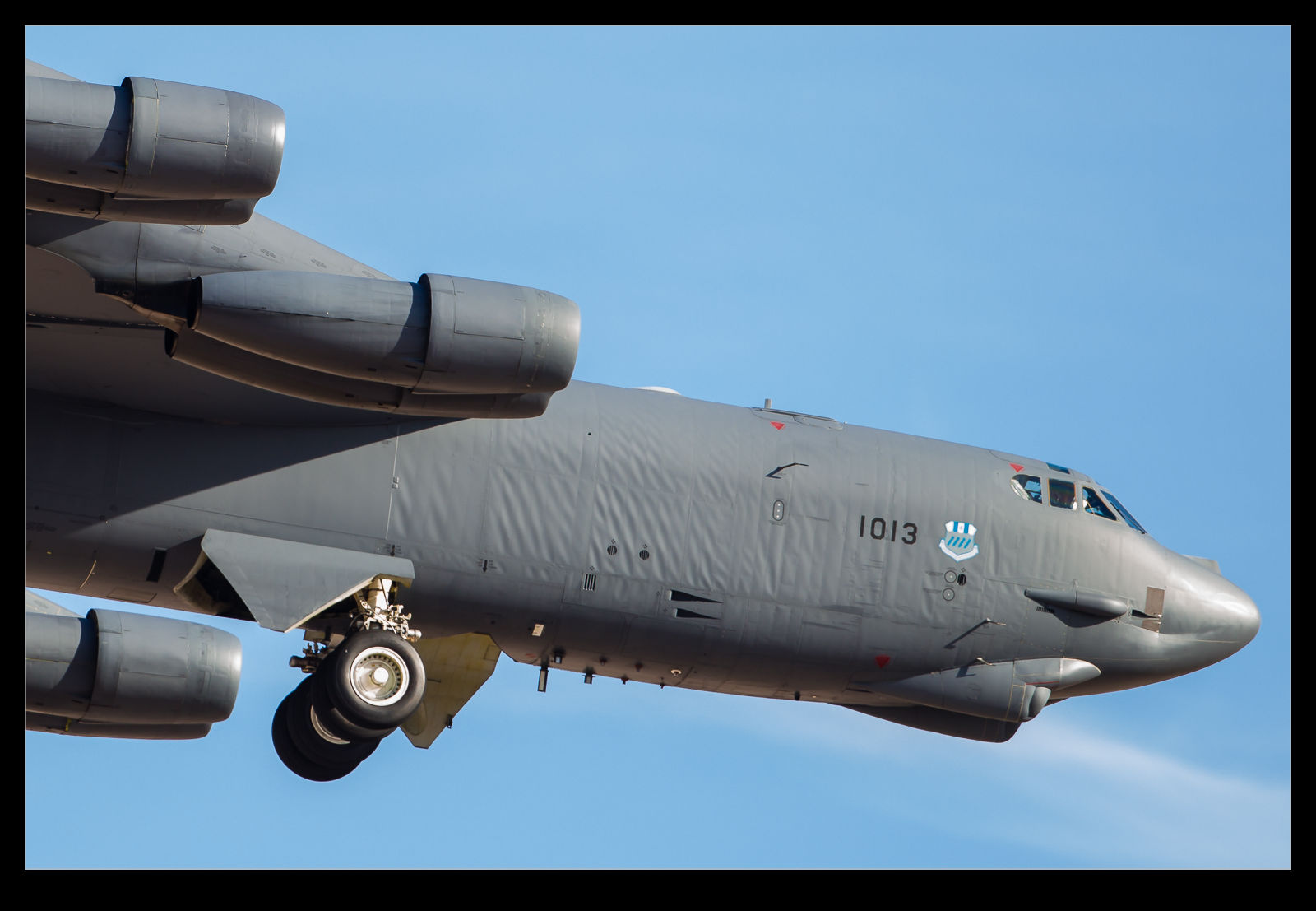
AU0E4290.jpgThe construction technique for aluminum aircraft fuselages is known as semi-monocoque. A monocoque structure takes the entire load through the shell of the structure. In airframes, the skin is very thin and so frames and longerons are joined to the inside to provide additional rigidity while the skin still takes a lot of the load. If you haven’t ever seen the cross section of an aircraft structure, you may be surprised to see just how thin the skin panels actually are. They are perfectly up to the task of pressurization and bending loads so no need to panic.

AU0E4488.jpgAn outcome of this design approach is that the panels between the frames and longerons can experience some load directions that induce a measure of buckling. Nothing that is beyond their elastic limits but something that can be apparent if the light comes from the right angle. The lower side of the rear fuselage of the Boeing 757 is an area that is susceptible to this in certain flight conditions. I saw a number of them recently – both -200 and -300 models – and they both were showing visible distortion of the panels. The sun angle meant that the shadowing of these areas was apparent.

AU0E9169.jpgThe 757 is by no means the only aircraft to experience this phenomenon. The B-52 Superfortresss is a jet that shows this effect on plenty of occasions. I have heard people comment on it being a function of the age of the airframes but it is more of a result of the design of the basic structure than anything else. Certainly nothing to be immediately concerned about.

Did Anyone Bother With This Livery Design?

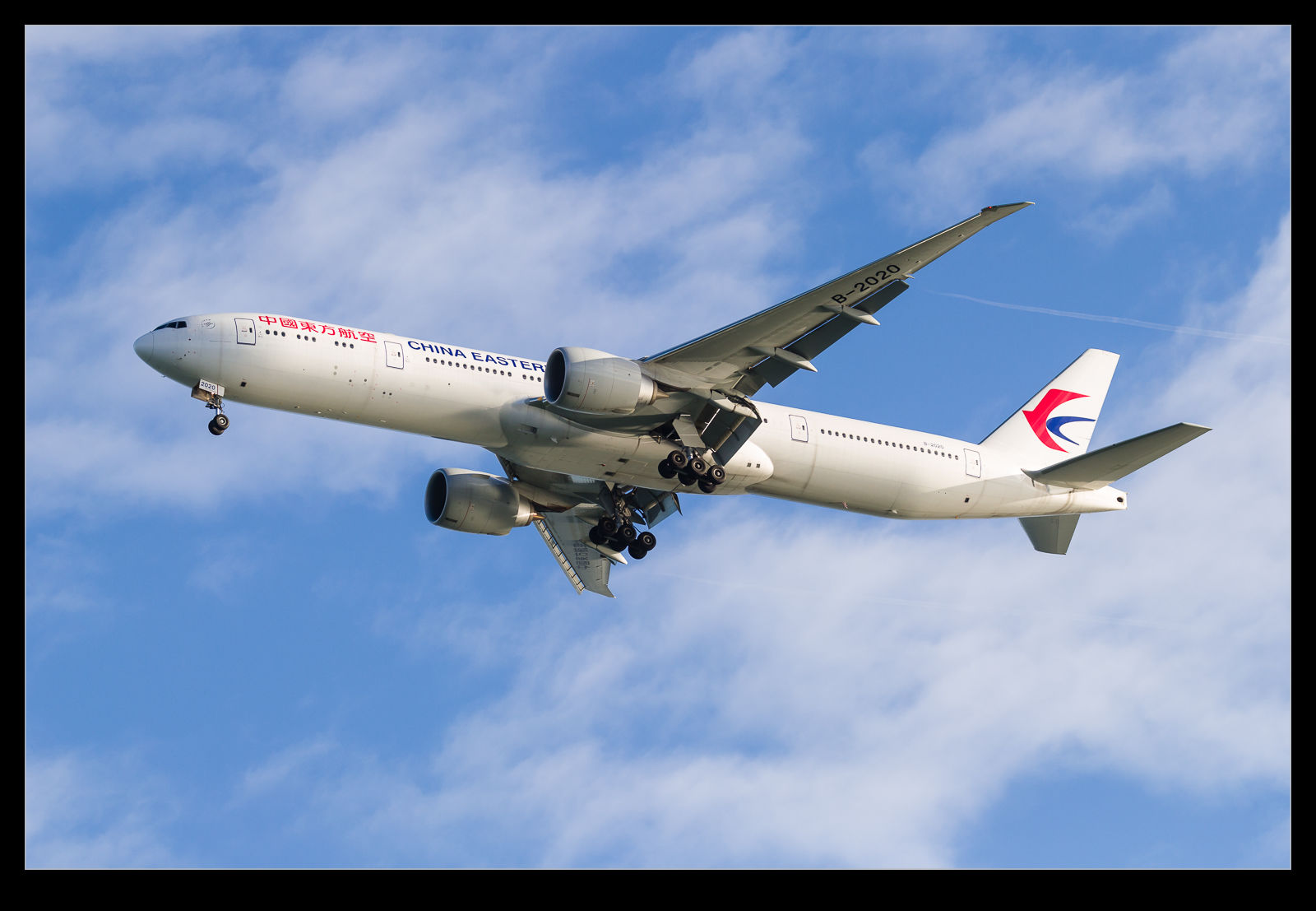
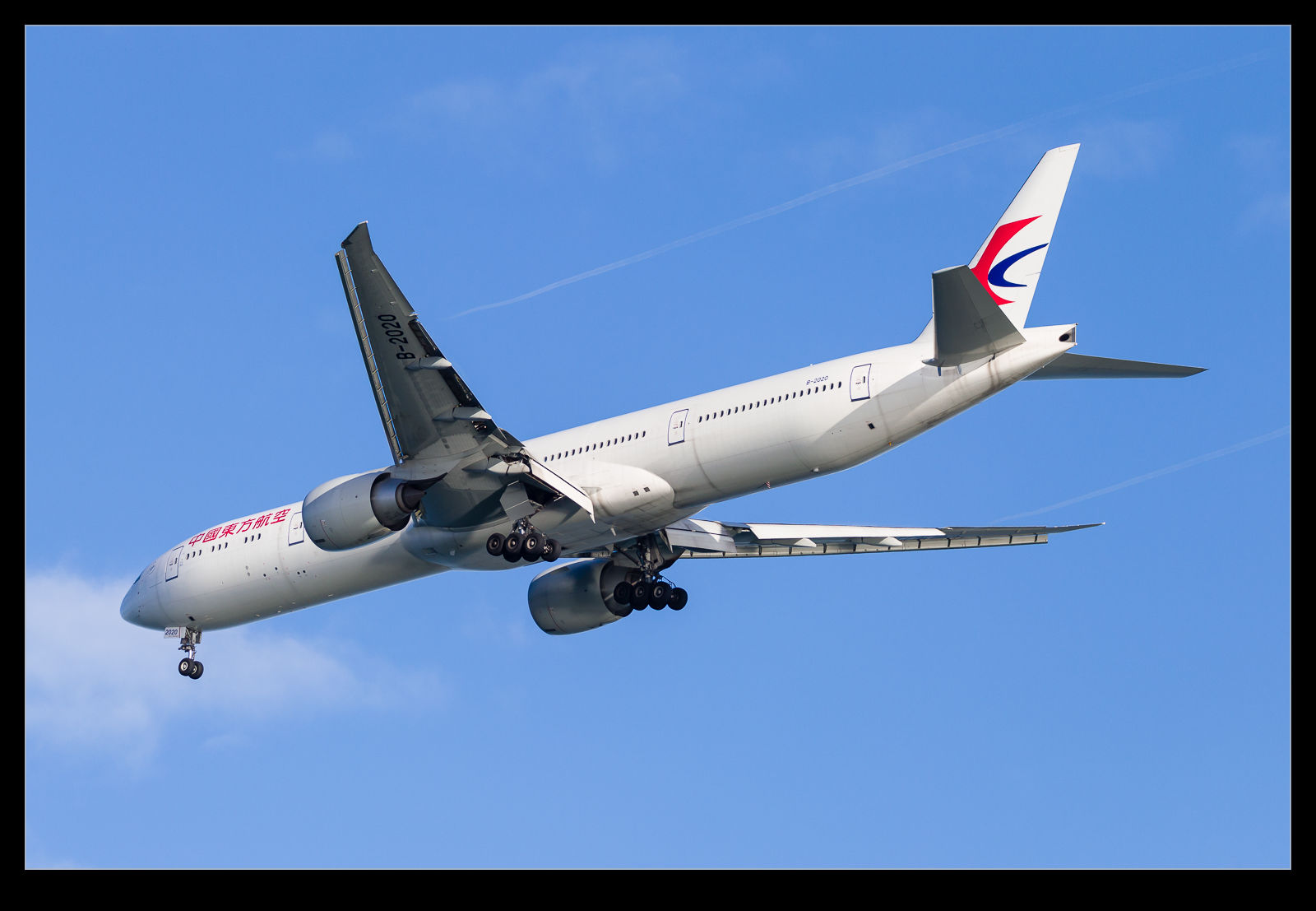
AU0E1538-2.jpgNot long ago I complained about the dirty condition of a China Eastern A330. At the time, I thought it might be a non-standard jet because the livery was basically white with a couple of distinguishing marks. It turns out that I hadn’t appreciated that China Eastern have replaced their previous colors with a new and less colorful scheme. Since then I have seen some 777s come in with the new scheme. In an era of relatively bland airline colors, it seems to me that China Eastern have gone a stage further and taken any interest at all from the livery. Not a cool effort on their part I think. They should check out what China Southern is doing by comparison.

AU0E1559.jpg

747 Formation Takeoff – Well, Nearly

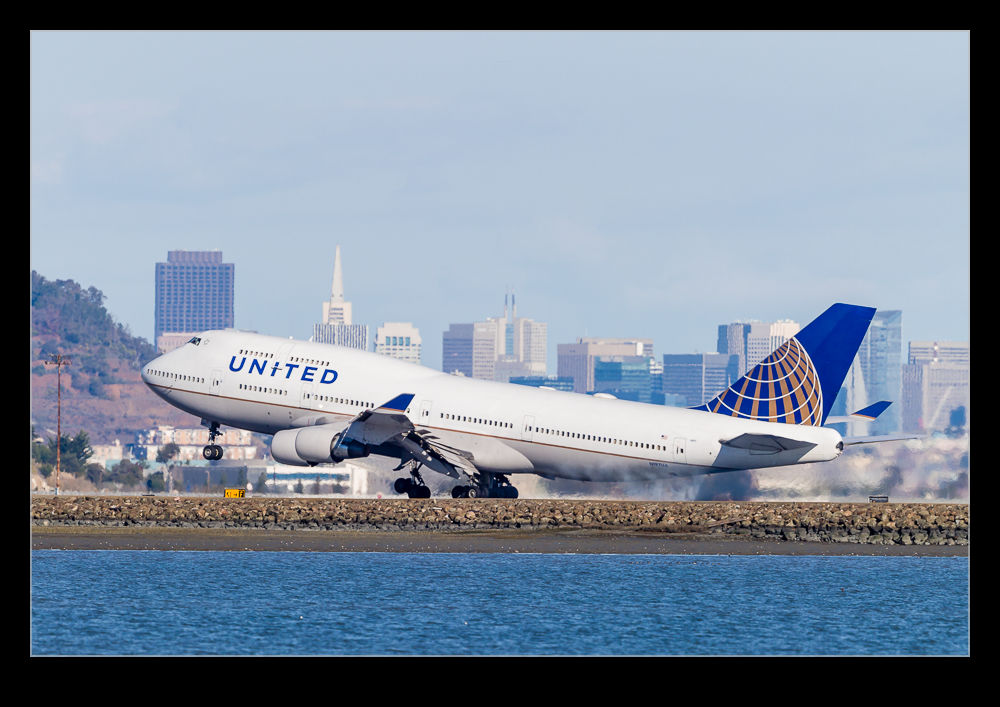
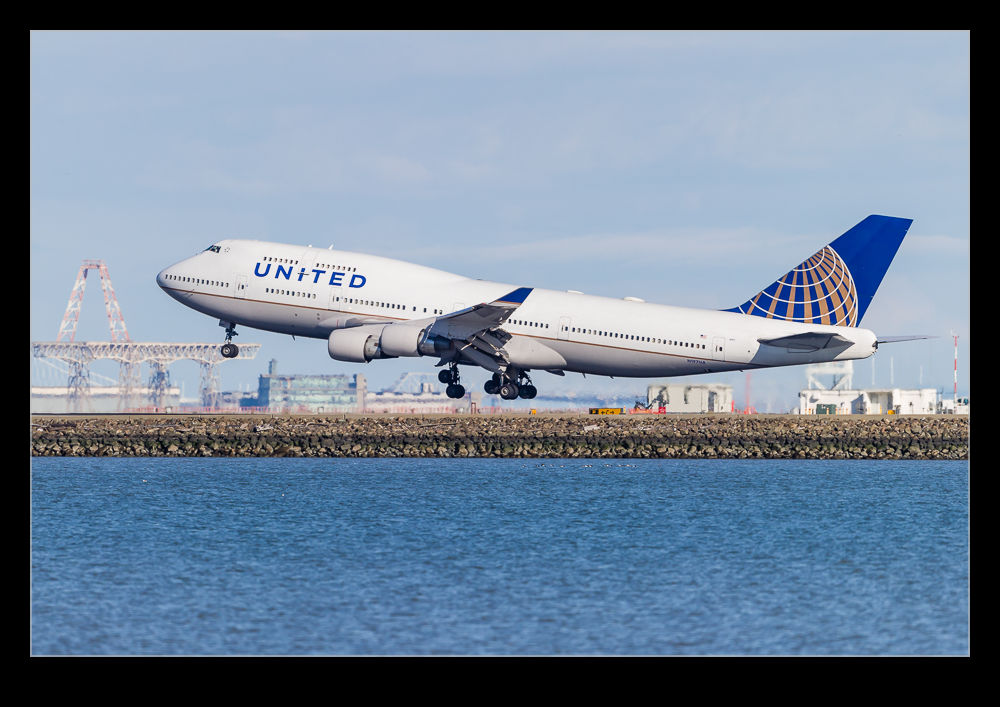
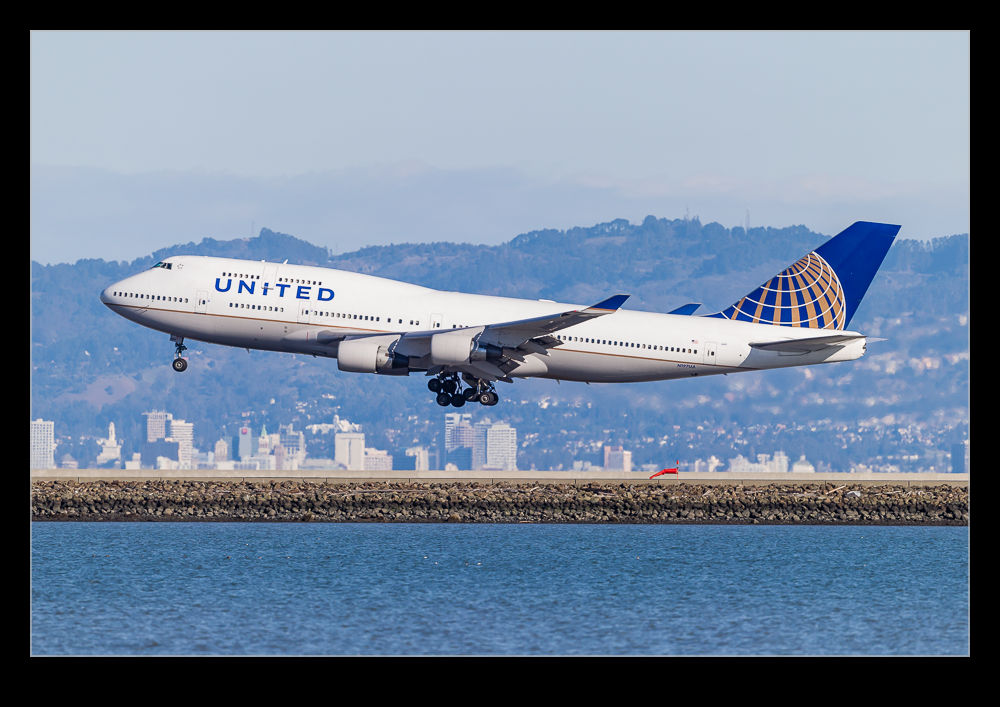
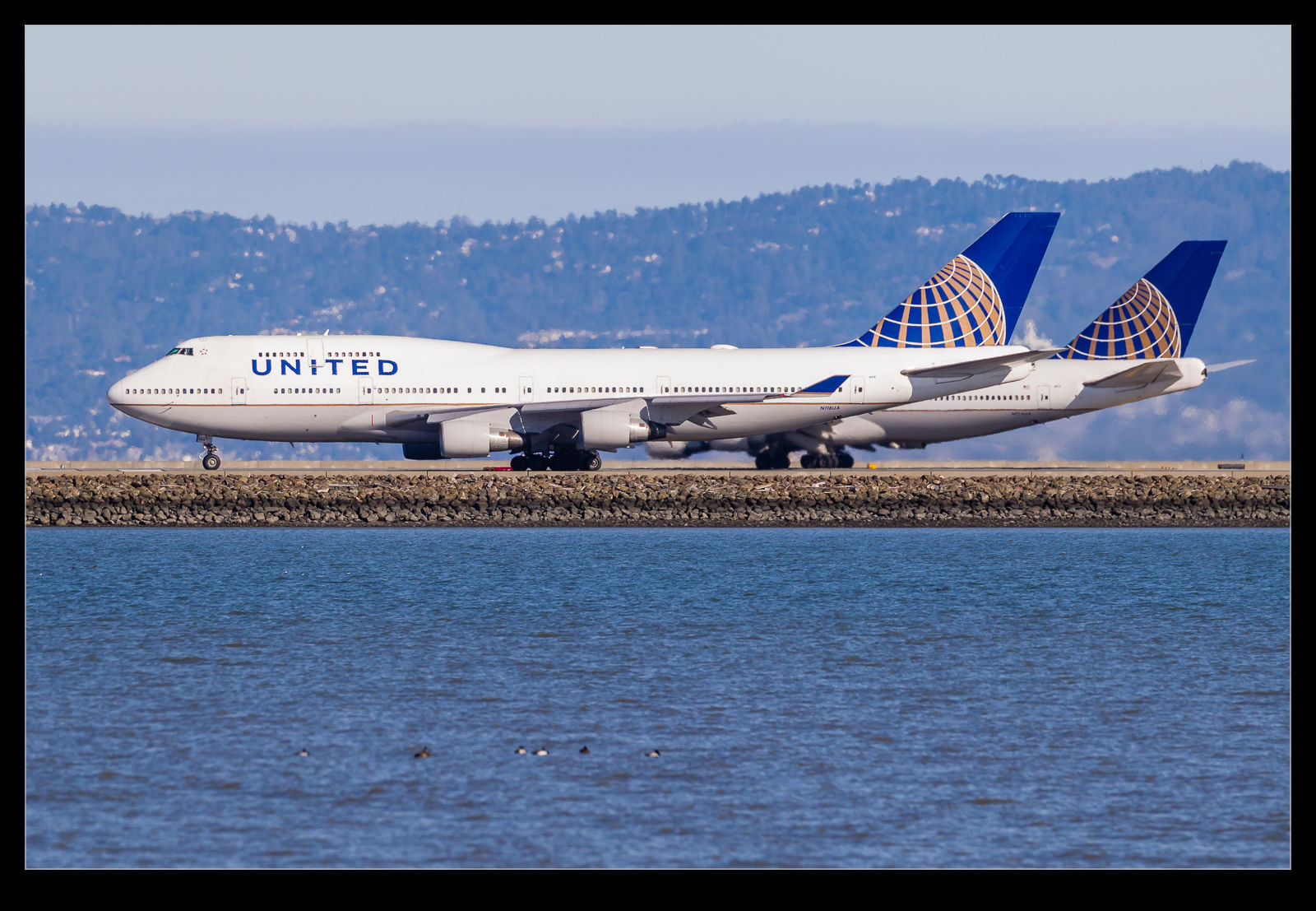
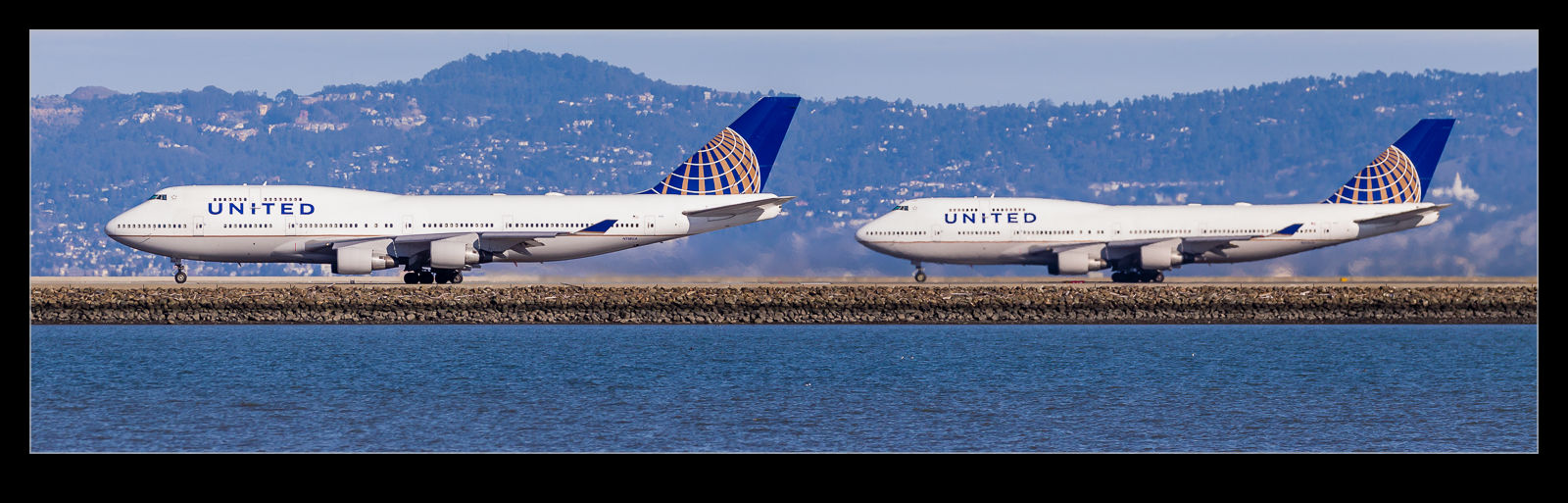
AU0E4529.jpgWhile the world’s 747 fleet is progressively running down, United is still a big operator of the type and SFO is a focus of their operations of the type. Consequently, during the surge of departures to Asia in late morning, you will have a pretty steady stream of Jumbos taxiing out and taking off. While Roger and I were out, a couple of them taxied out at the same time. We had one holding short of 28L and the other was in the gap between 28L and 28R as incoming aircraft approached. I joked with Roger that the two of them should line up on parallel runways and depart in formation.

C59F7901.jpgWhen the inbound jets had landed, both aircraft moved forward again and, sure enough, they lined up on both runways. We couldn’t help but laugh at this since they seemed to be following our instructions. You will regularly see parallel departures on the 01 runways but we couldn’t believe that we would have the same thing here. Sadly, we were right. The closer jet departed first and was then followed a short while later by the second. It would have been very cool to see them climb out side by side but that was a bit too much to ask.

C59F7912.jpg

The Less Subtle Bits of Dreamliner Design

AU0E2346.jpgAirliner design is a complex task with many compromises. It is not a surprise that some aspects of the design that results aren’t exactly what you would like. Today I am picking on one particular type – the Boeing 787 Dreamliner. This is almost as new as it gets in the airliner design world so you would expect it to be better than what came before.   However, having seen a number of them recently, I have been focused on two areas of the design that are rather disappointing. One is the wing root fairing area and the other is the cargo doors.

AU0E3642.jpgA nice smooth design is what the old aero guy in me likes to see and the inlets and fairings around the transition from the fuselage into the wing root are pretty ugly. They are obviously there as a result of functionality requirements but it does not look good and I imagine it comes with a drag penalty that has had to be accepted.

AU0E2336.jpgThe other area is the cargo doors. I am not sure whether this is a function of the load transfer requirements from composite to metal in the hinges but this area looks rather chunky and draggy. I know from previous projects that the nature of composites versus metals means that you can end up with some large joining fixtures to redistribute the loads but there may be other reasons I haven’t thought about. Given how smooth some metallic fuselage cargo doors are, these jumped out at me. Perhaps I have never looked closely enough at other types. Whatever the fairness of it, I just don’t like what they have done here.