Tag Archives: Boeing

What Does 40 Years of Design Get You?

AU0E1641.jpgThe Boeing 747-8 has not been a terribly successful program.  Boeing decided to update the 747 family with new engines and revisions to the wing along with a stretch to the fuselage.  The resulting jet was delayed by its own and other program issues and it came around at a time when there were few passenger airlines interested and the freighter market was taking a kicking.  The result has been anemic sales and a production rate that has steadily reduced as a result of the low demand.  However, from a technical point of view, it is a nice upgrade.

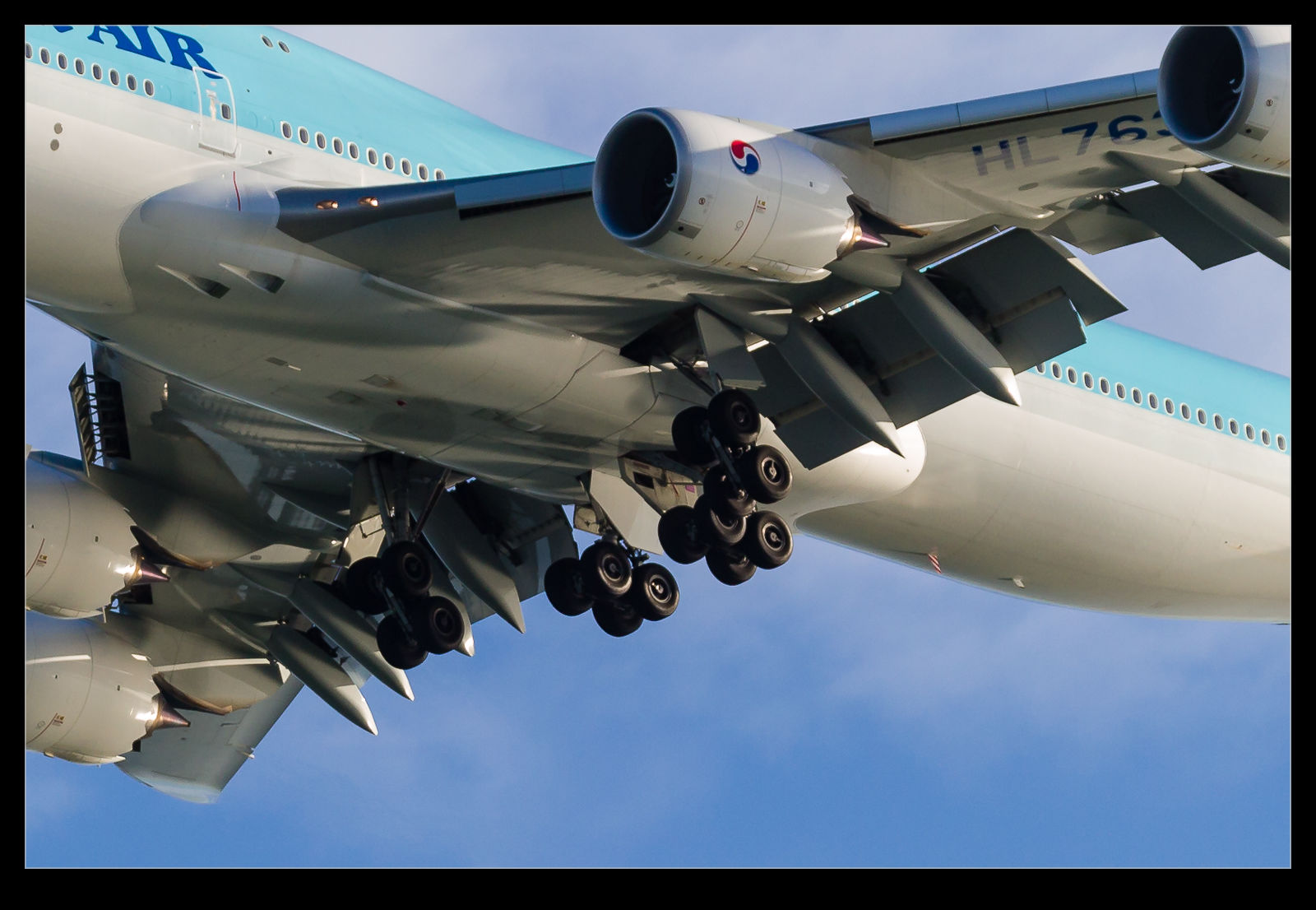
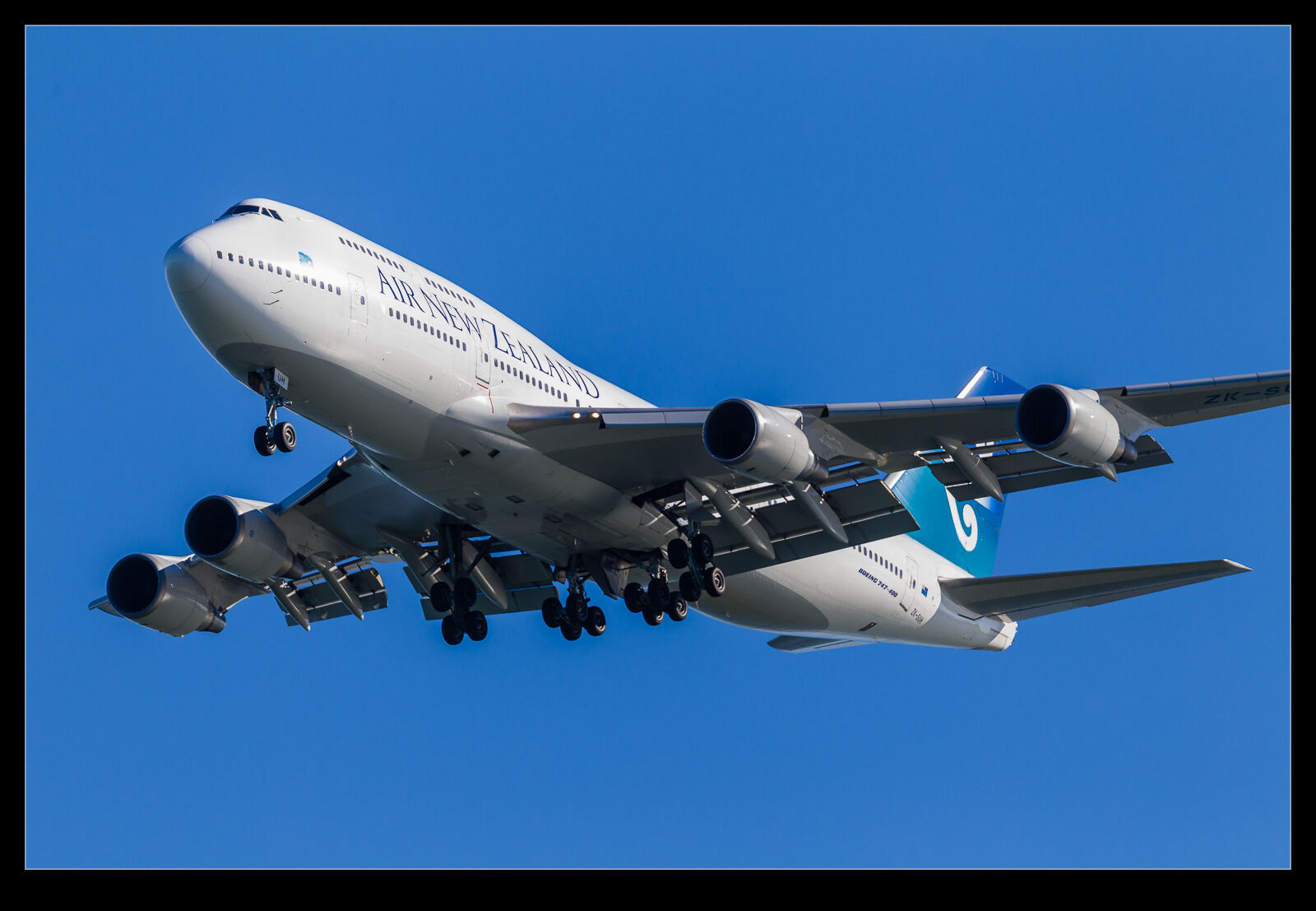
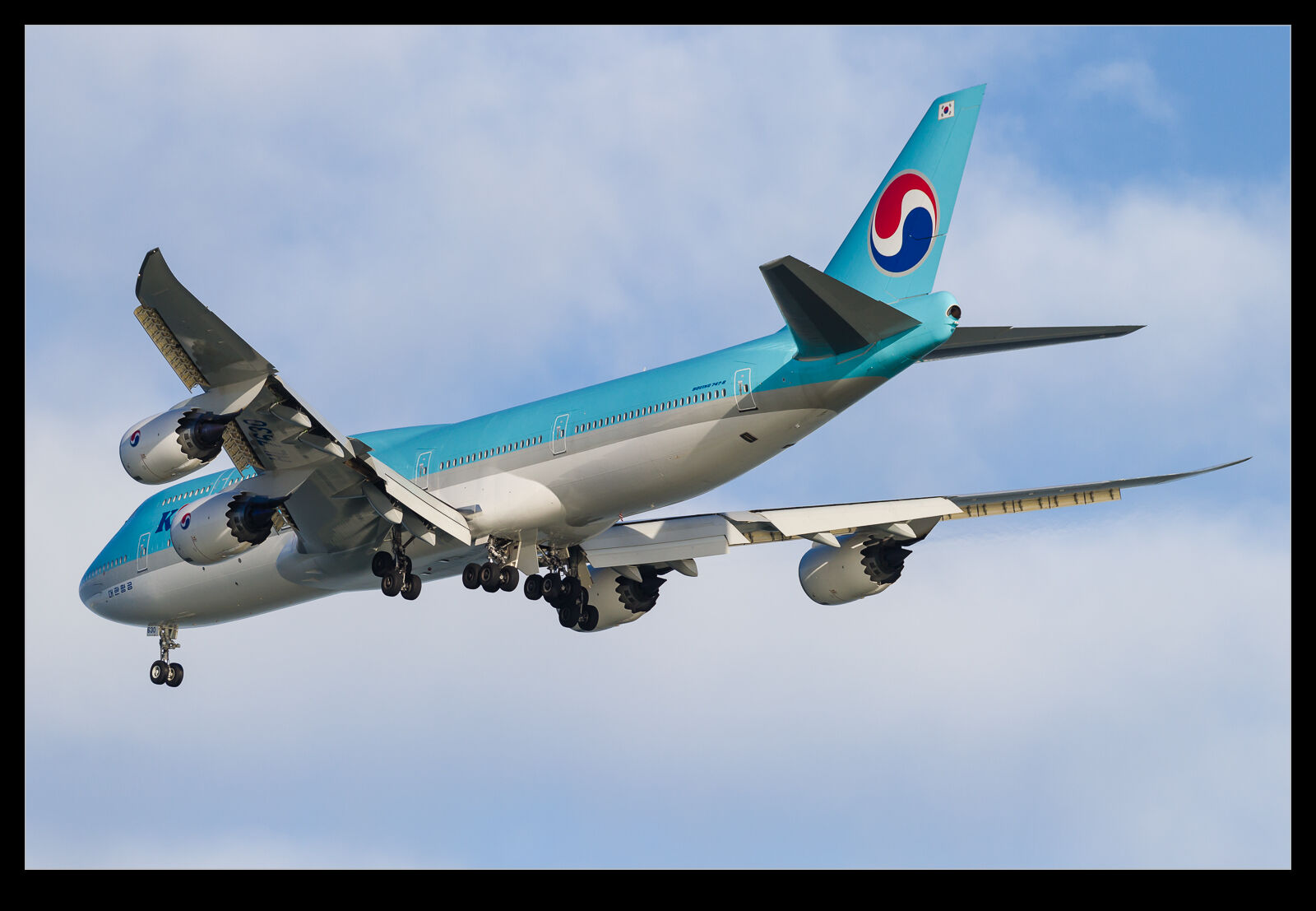
C59F2632.jpgThe wing came in for a lot of attention and was significantly redesigned.  The most conspicuous change is the introduction of the swept tips common to many Boeing designs these days.  Less obvious is that the flap system was completely redesigned.  The original 747 flaps, carried through on the 747-400 are very complex.  Sections are triple slotted.  The Boeing aerodynamicists came up with a single slot design to replace this which apparently has good performance but I imagine is a lot simpler to make and maintain.  Only from the rear on approach can you see the difference.  These shots compare a 747-400 from Air New Zealand with a Korean Air 747-8 and you can see for yourself how much simpler the new design is.

AU0E1681.jpg

WestJet and the House of Mouse

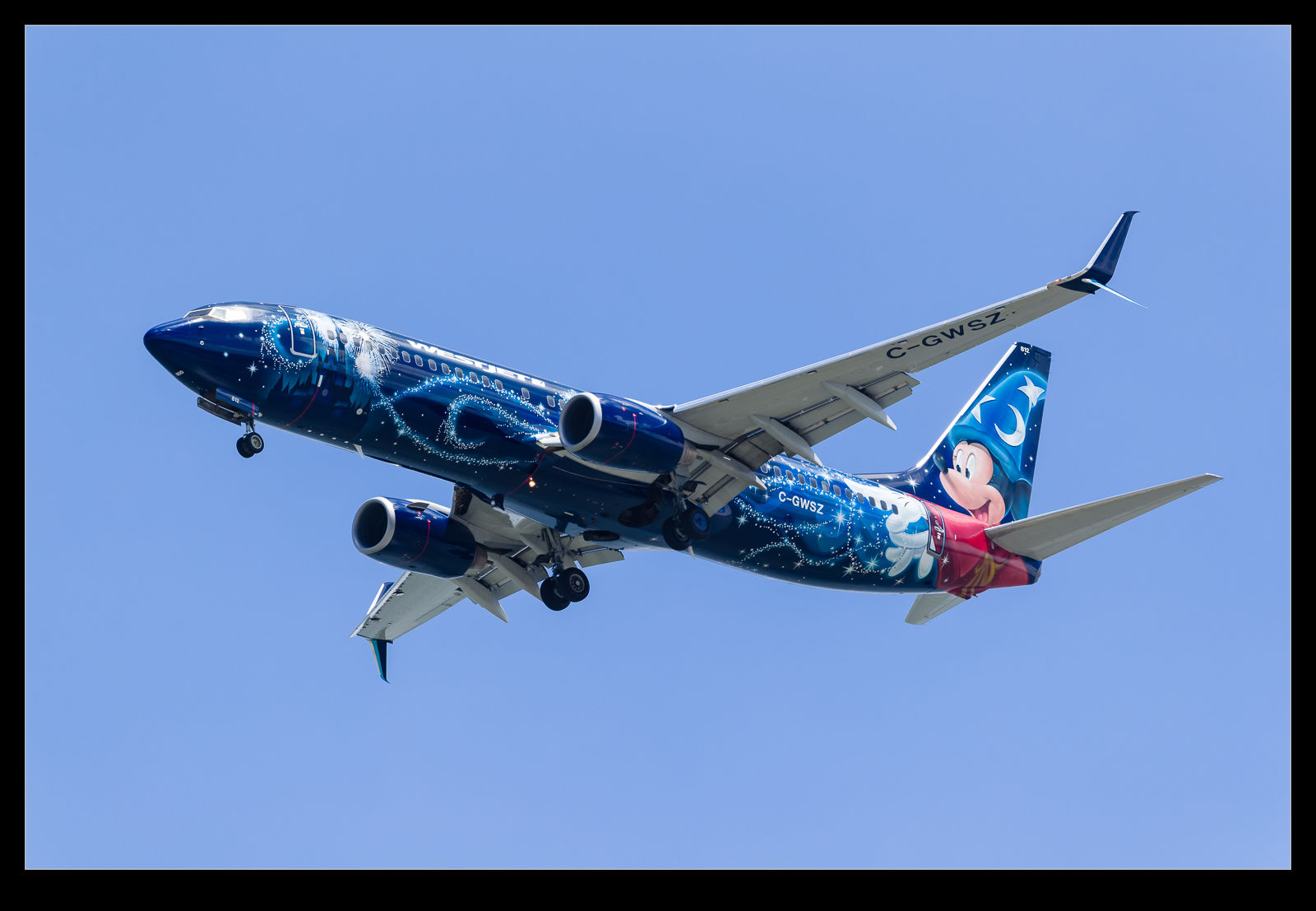
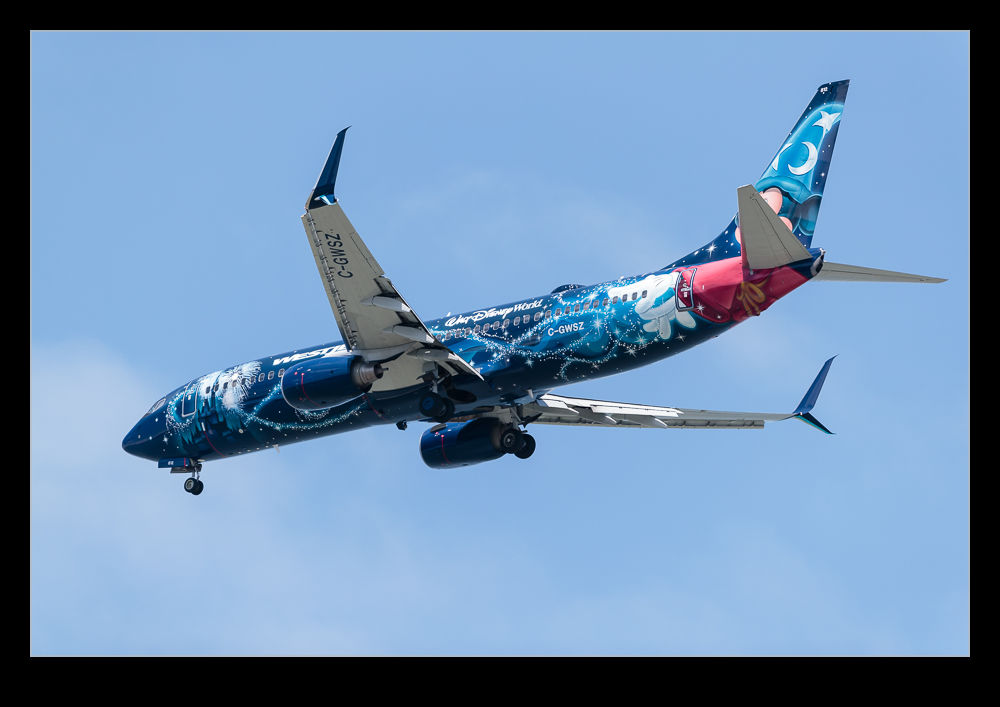
AE7I0543.jpgPromotional paint schemes are not uncommon – particularly with certain airlines.  Alaska has a bunch of them.  This one was a new one for me.  WestJet, a Canadian airline, seems to have a marketing tie up with Disney too.  They have painted a 737 up in an all-over shame that certainly gets your attention, if only to wonder what on earth it is.  I was pleasantly surprised to catch it having had no idea it was on its way.

AE7I0547.jpg

What, No Winglets?

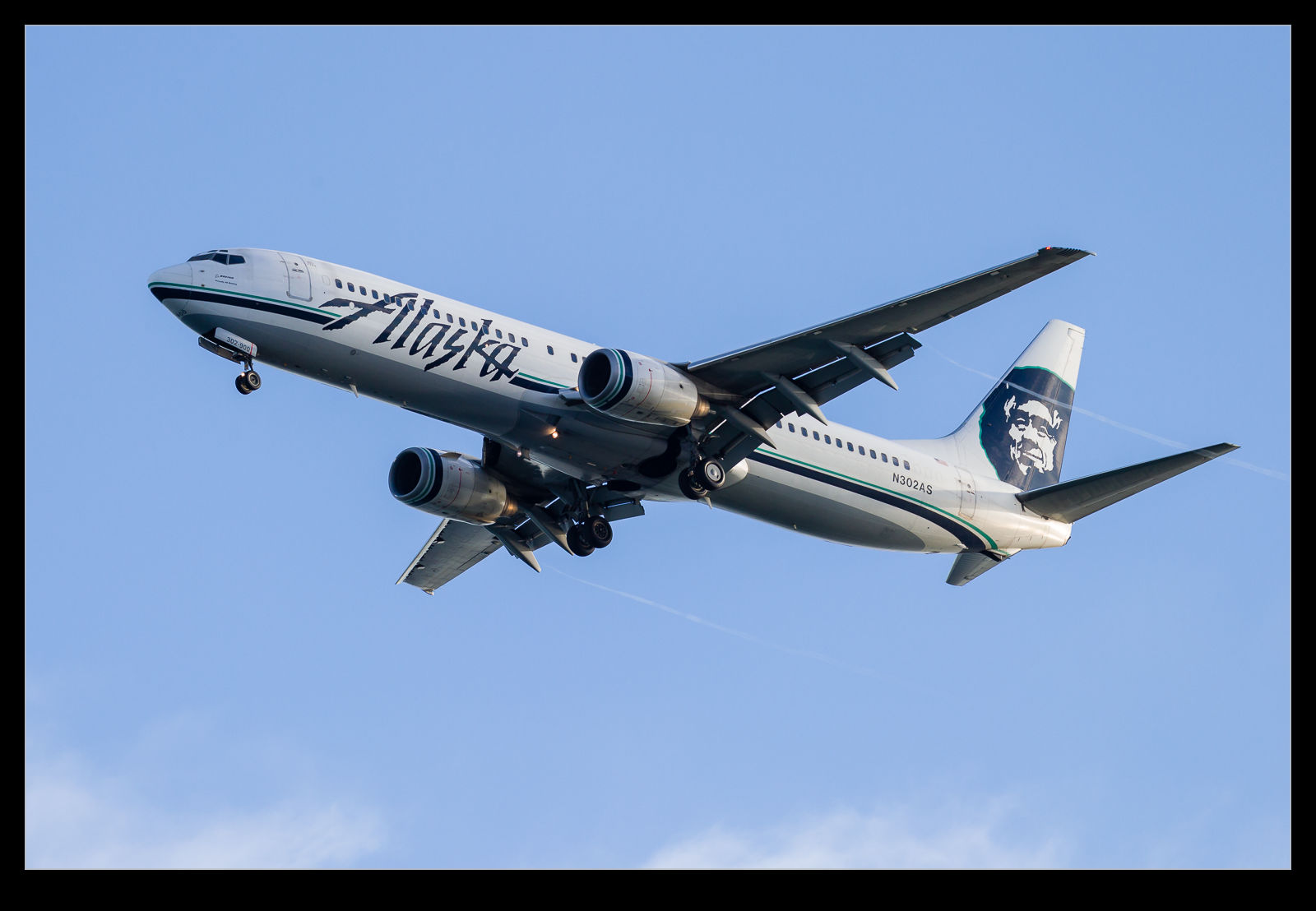
AU0E1246.jpgThere is not a huge amount of variation in airliners these days so coming across something a little different is usually a moment of interest.  While the name Alaska Airlines might suggest an airline focused on Alaska, it is actually headquartered in Seattle and seems to have a wide range of operations all across the west coast.  Consequently, we see a lot of them in both Oakland and SFO.  They have a large fleet of 737-800s and 737-900ERs and both types have been retrofitted with the APB Scimitar winglets.  Apparently, not all of them though.  This example I saw coming by Coyote Point and it not only doesn’t have Scimitars, it doesn’t have winglets at all.  A rare beast these days.

The Camera Might See But Autofocus Doesn’t

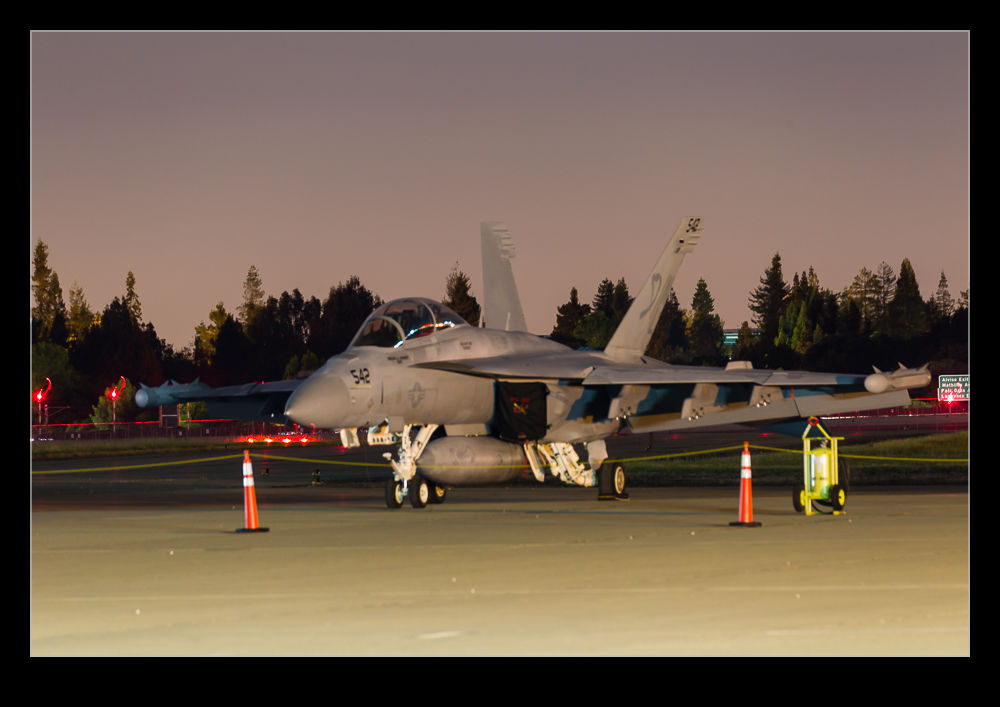
C59F0628.jpgAnd I could barely see much myself!  We were on the ramp at Moffett Field for the arrival of Solar Impulse.  There was some time to wait while we were out there.  As I looked around, I thought I could see something parked further down the ramp.  There was very little light but there appeared to be some aircraft.  I figured it was worth a look given that I had a tripod.

In the days of film shooting, I couldn’t trust the camera metering for long exposures.  Reciprocity failure was part of the issue but the cameras were a lot less advanced in those days.  In this case I trusted the camera for the first shot and it worked out really well.  Sadly, there was nothing to focus on so I made my best forts at focusing on what was visible and it was some background lights.  Sadly, they were too far away to get focus on the aircraft.  The sensor was able to gather the feeble light without any problem though.

It turns out that there was a pair of Navy E/A-18G Growlers sitting on the ramp.  Leave the camera to it and you get a reasonable exposure.  When I saw the shot appear on the screen, I was quite amazed.  I was looking at the jets and I could barely make anything out.  The camera was able to see the whole thing – just out of focus based on my inability to focus it properly.

Texas One Retires (for now)

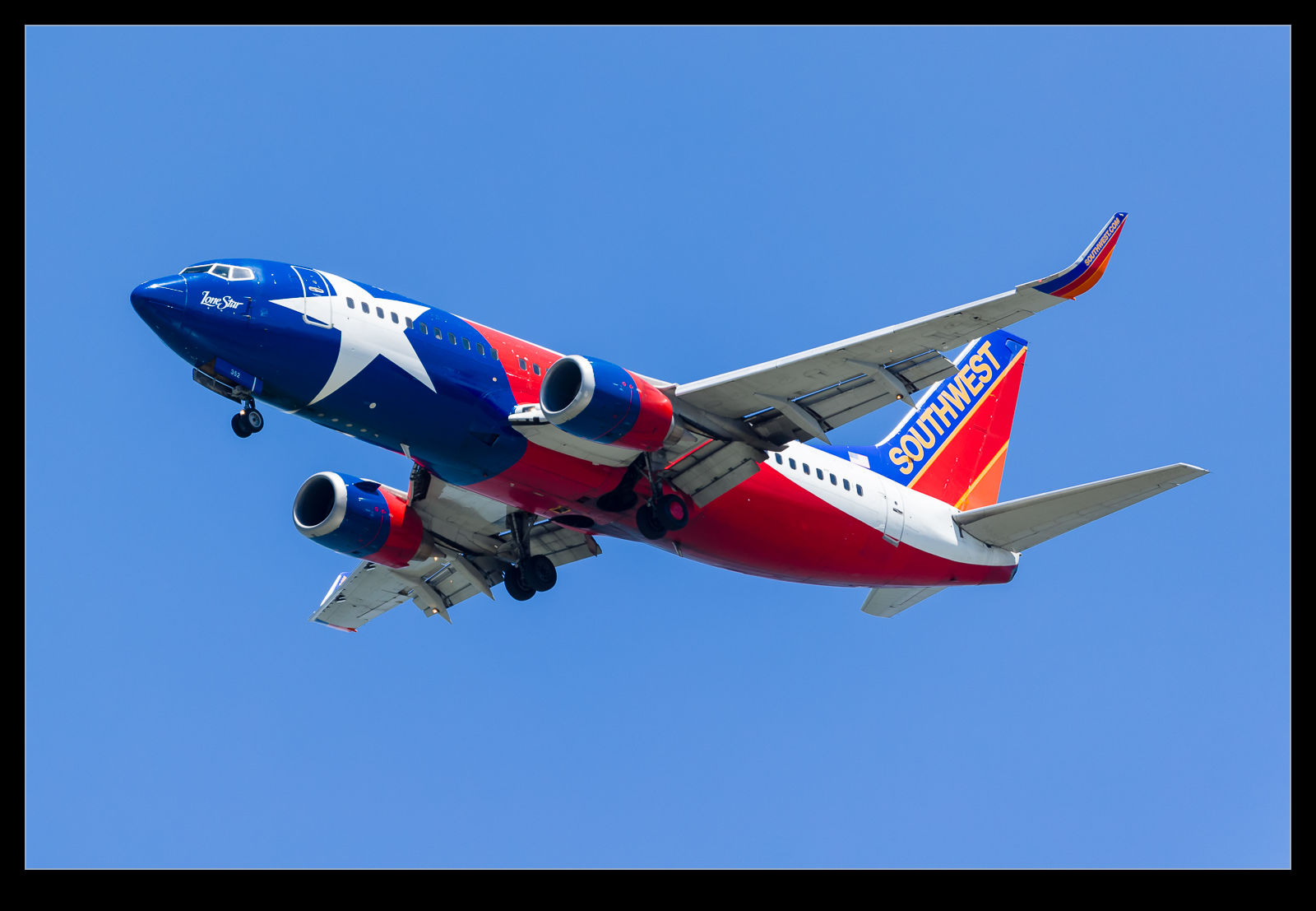
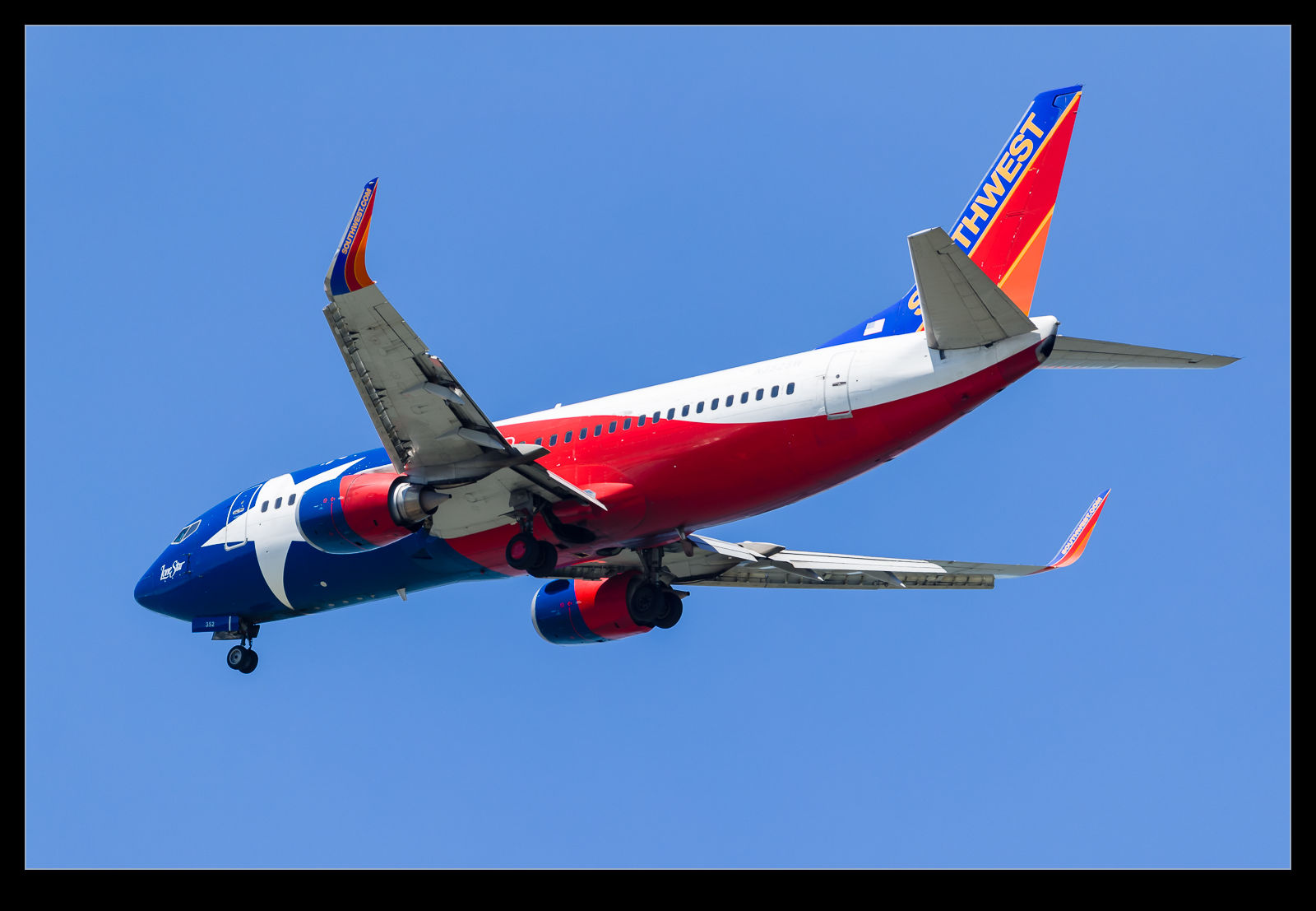
AE7I0650.jpgI saw online this weekend that Southwest Airlines had retired Texas One, a jet painted up in Texas colors.  Texas One is a 737-300 and Southwest is accelerating the withdrawal of the 300 Series jets.  It flew out of Dallas to a facility that will break the jet for parts.  By coincidence, I happened to shoot this very jet the day before when it arrived at SFO.  I had no idea that it would be at the end of its career.  Nice surprise.  For those that like the colors, fear not.  I hear that Southwest will be painting another jet in this scheme before too long.

AE7I0659.jpg

Pulling a Cloud With You

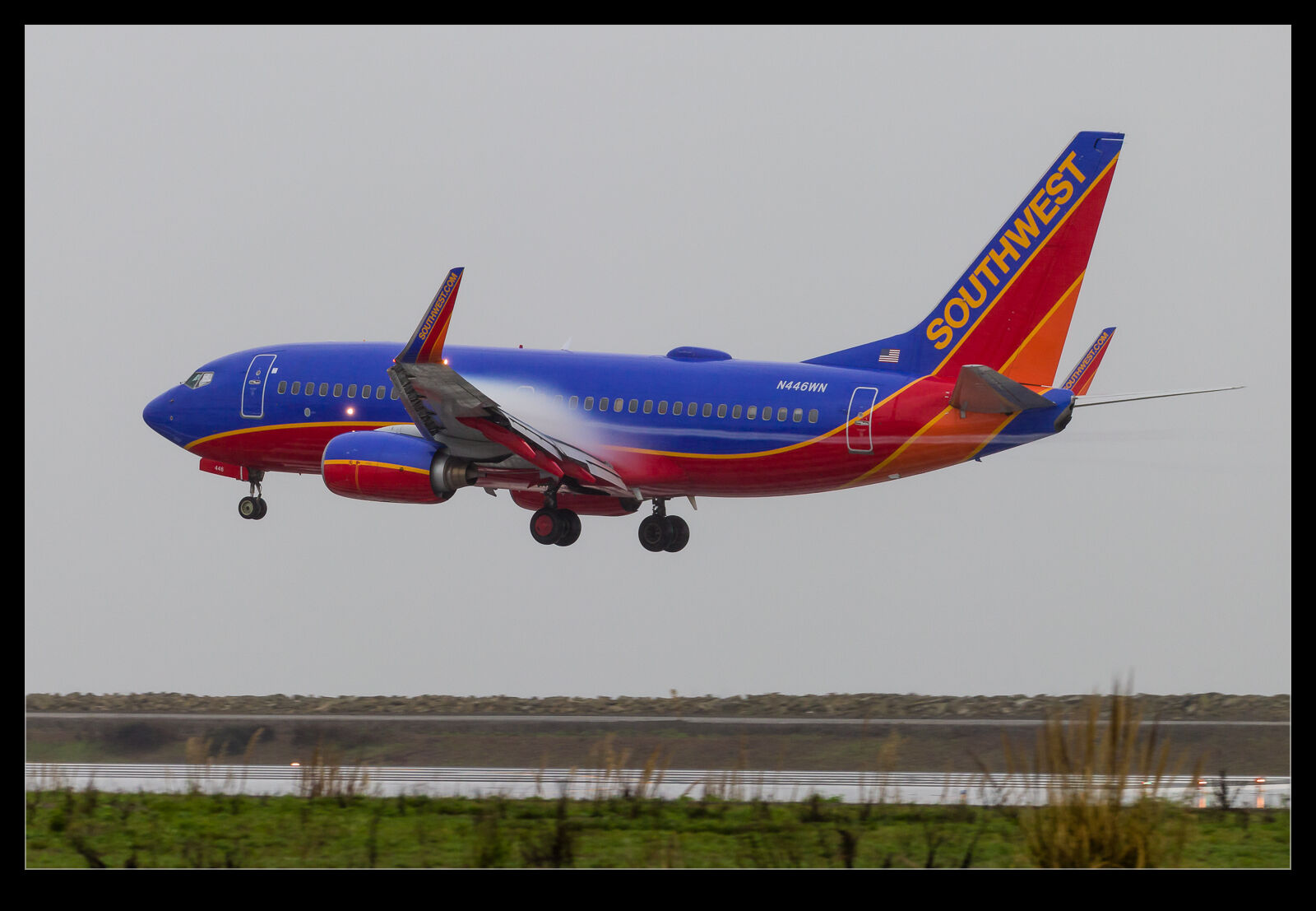
AU0E1411.jpgGetting shots of vapor is a popular thing when shooting fast jets.  An airliner on a damp day can also result in some clouds being formed.  While shooting something special at Oakland, I was getting a few shots to make sure the light metering was working as planned.  A Southwest 737 came in and, as it flared for landing, it had a nice cloud of moisture form over the wing.  Normally these things pop up further out on the approach and don’t make for a good shot but this one was close at hand.

B-1Bs on a Mission

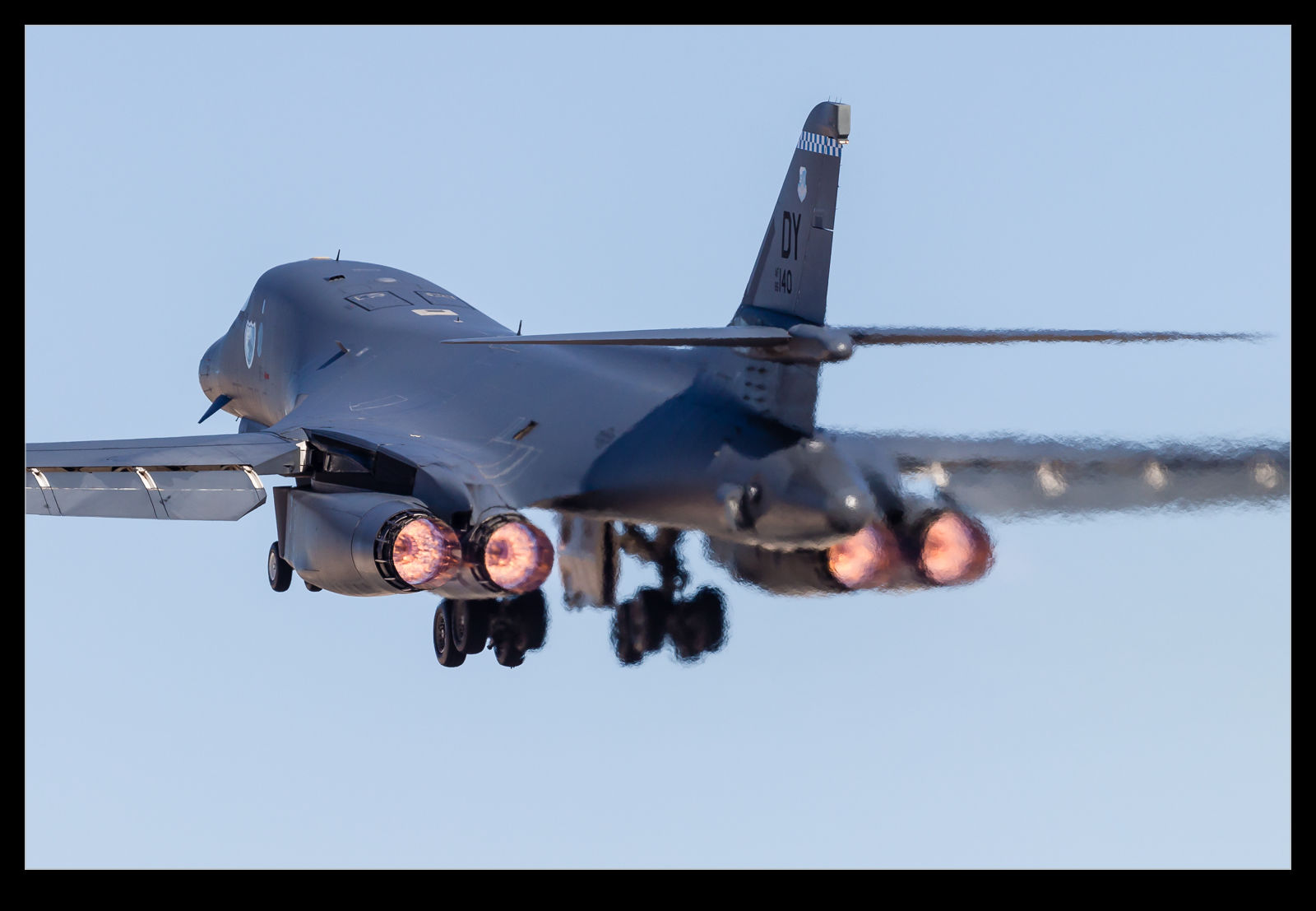
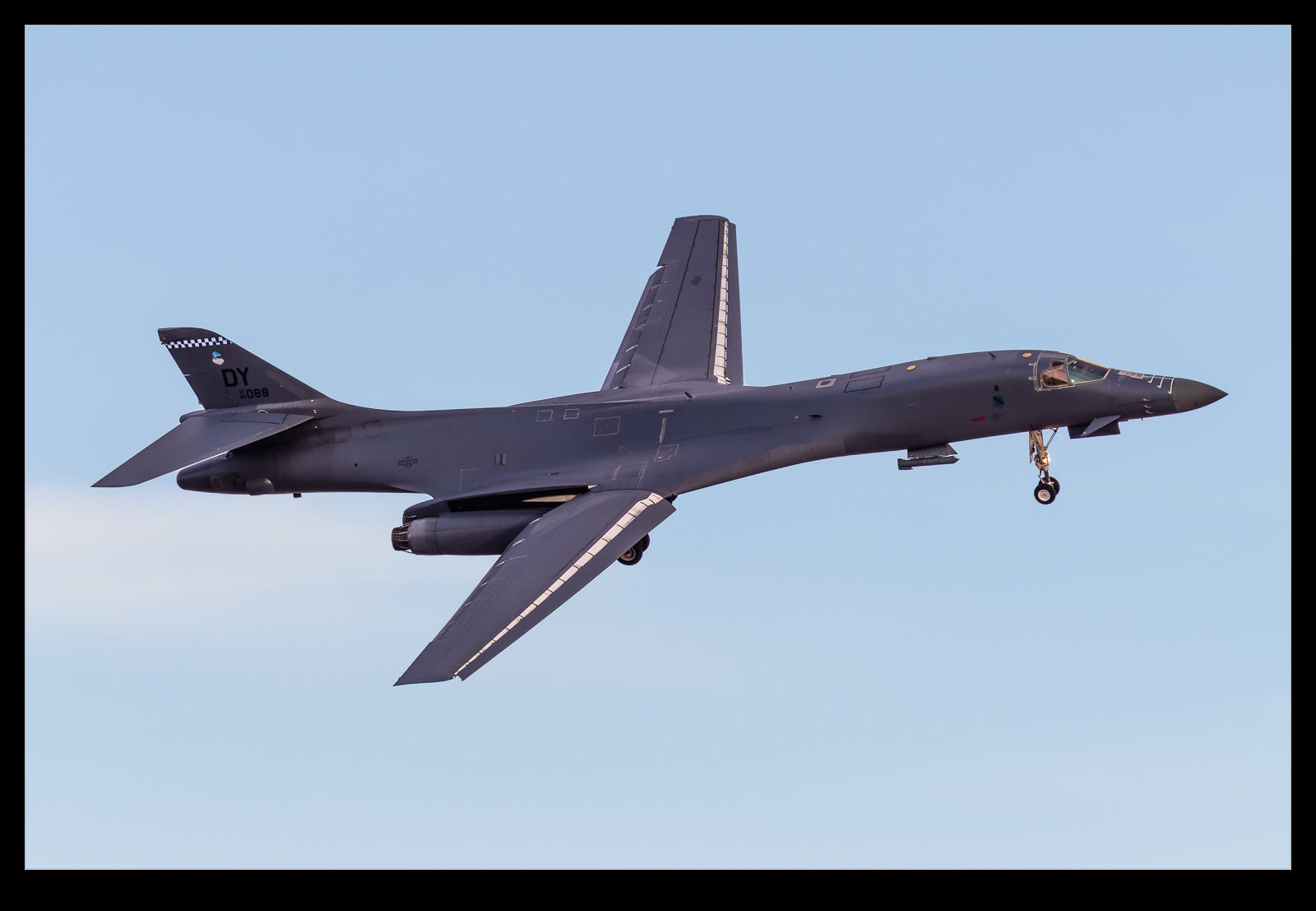
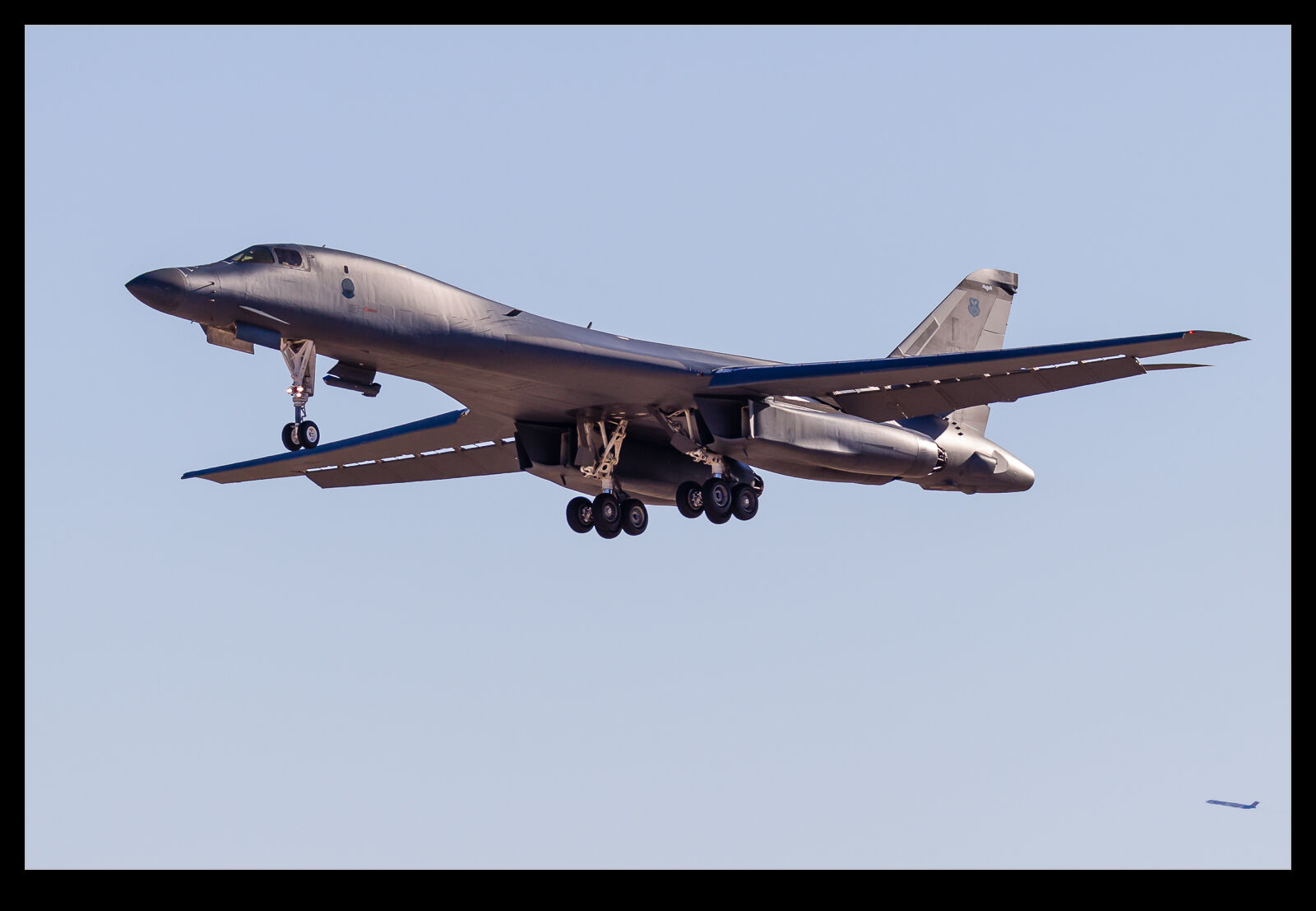
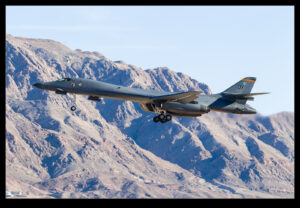
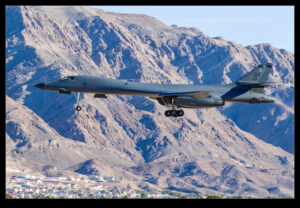
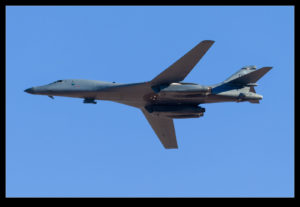
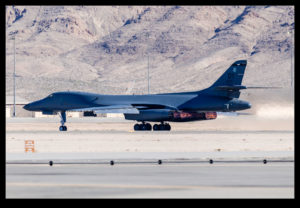
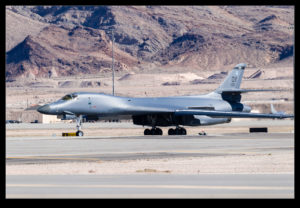
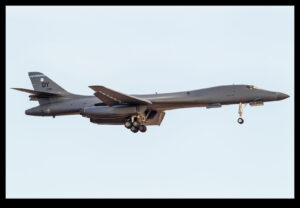
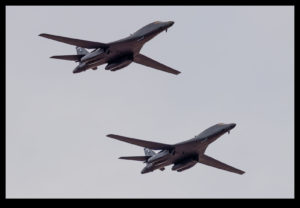
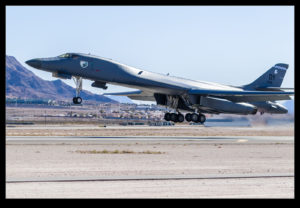
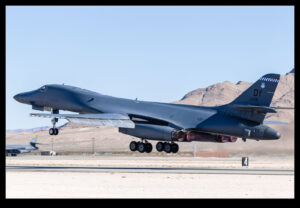
AU0E6358.jpgThe B-1B Lancer is a cracking aircraft.  The combination of size and power makes it look epic when it is in action.  A B-1 departure is not something that you will forget in a hurry.  Four large afterburning turbofans will get your attention and it has a very elegant shape to boot.  The variable sweep wings add a little interest too.  At minimum sweep for takeoff and landing, they look a little ungainly given how long the span is.  Put them all the way back and pour on the coals and the jet can really get moving.  Sadly, airshow appearances are few and far between these days so the chance to see vapor clouds forming around the jet are limited.  (I recently went through some old negatives from a UK airshow at which a B-1 made a fast pass in damp conditions.  The shots aren’t great but the effect is cool.)

C59F6056.jpgA couple of B-1s would launch each day as part of the Red Flag 16-1 exercises.    I was lucky enough to have a couple of good opportunities to see then.  When we were out between the runways, the B-1s launched off the right side.  Not ideal for lighting but you aren’t going to complain.  Because they are a large jet, you have to make some choices with lenses as to what you are aiming to get.  A quick swap of bodies can really help.  A long lens is not much use when they are level with you but the cool shot from behind as they climb out benefits from the big glass.

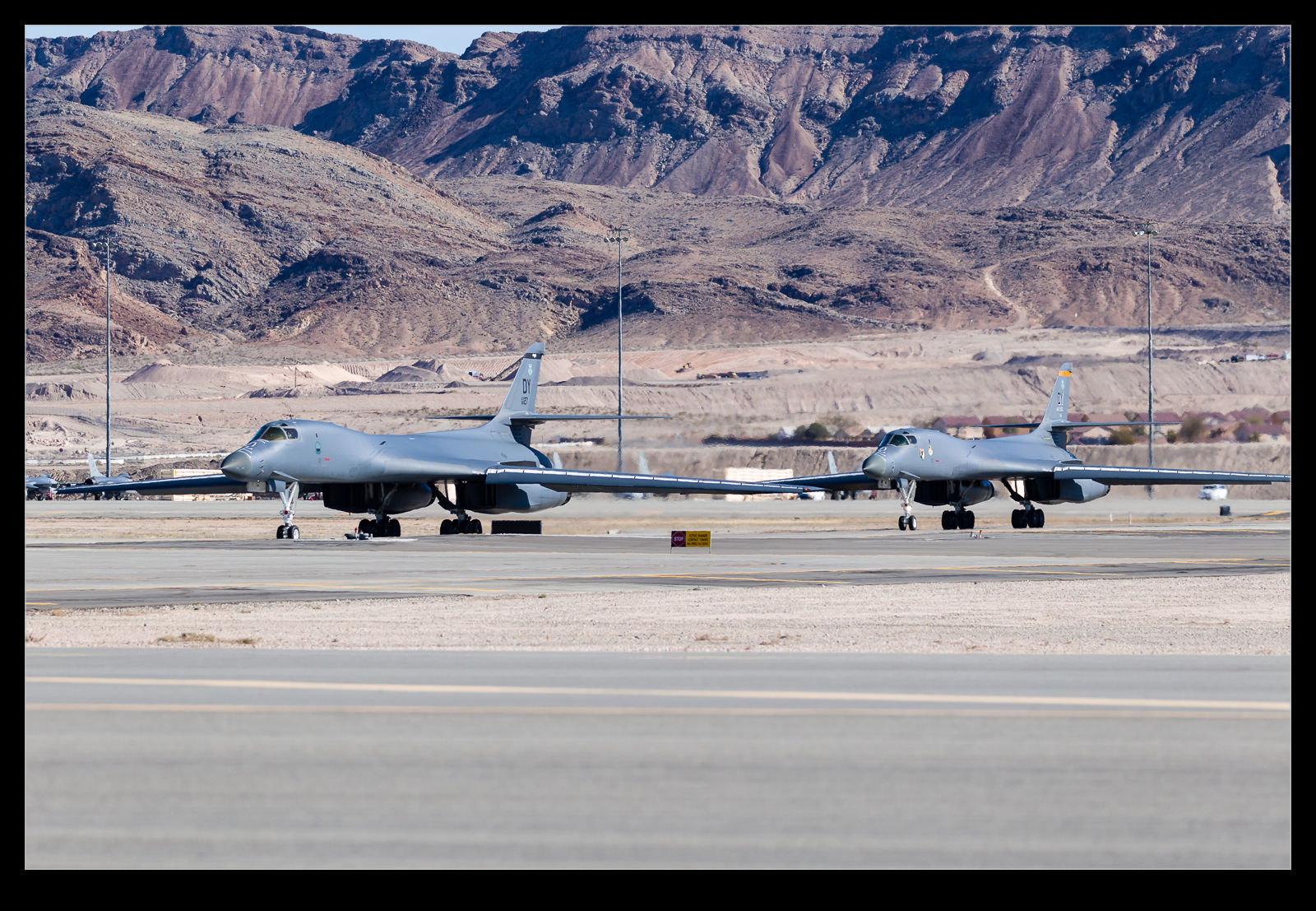
AU0E7668.jpgOn my first day there, the jets returned at the end of the mission as a pair.  Sadly, the clouds had moved in and the conditions were not great for getting a shot.  However, you aren’t going to ignore them.  On the second day when I was at the EOR, we got a good view of the two jets taxiing out and taking off.  The heat haze is a bit of a problem but not so much as to make it something you can avoid shooting.  Operating as a pair, they look more menacing.

C59F6757.jpgOften the B-1s are at the end of the recovery phase.  However, on this day, they came back relatively early.  I was still at the EOR when they broke into the pattern.  They did land on the opposite runway from the one we were at but they are big enough for this to not be a big deal.  A nice bit of mountain in the background certainly helps enhance the shot a little.  What a great looking jet.  I don’t know anyone who isn’t excited when they see one in action.

Hyperlapse Oakland Approach

I was a sitting by the window on the approach to Oakland and decided to play with the video functions on my phone.  I have shot video clips a number of times of the approach but it takes a lot longer than you realize and makes for a very dull video without editing aggressively.  Also, the turbulence when handholding a phone means the video is very jerky.  Instead I switched the phone to time lapse mode and pointed it out of the window.  The result is an accelerated version of the approach.  The bumps are smoothed out by the compression of time and the maneuvers become more aggressive.  I let the thing run until we are at the gate since that provides a more natural finish point.  We spent a lot of time facing the water as we descended which is a bit less interesting than I would like but you can see that we are getting closer quite quickly.

New Alaska Livery

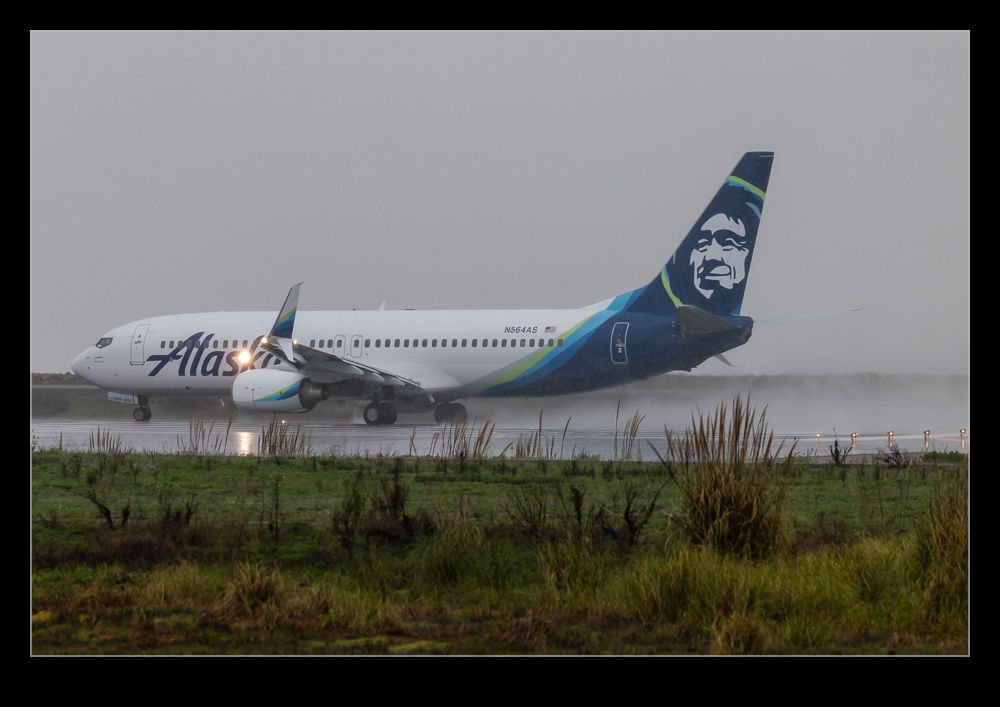
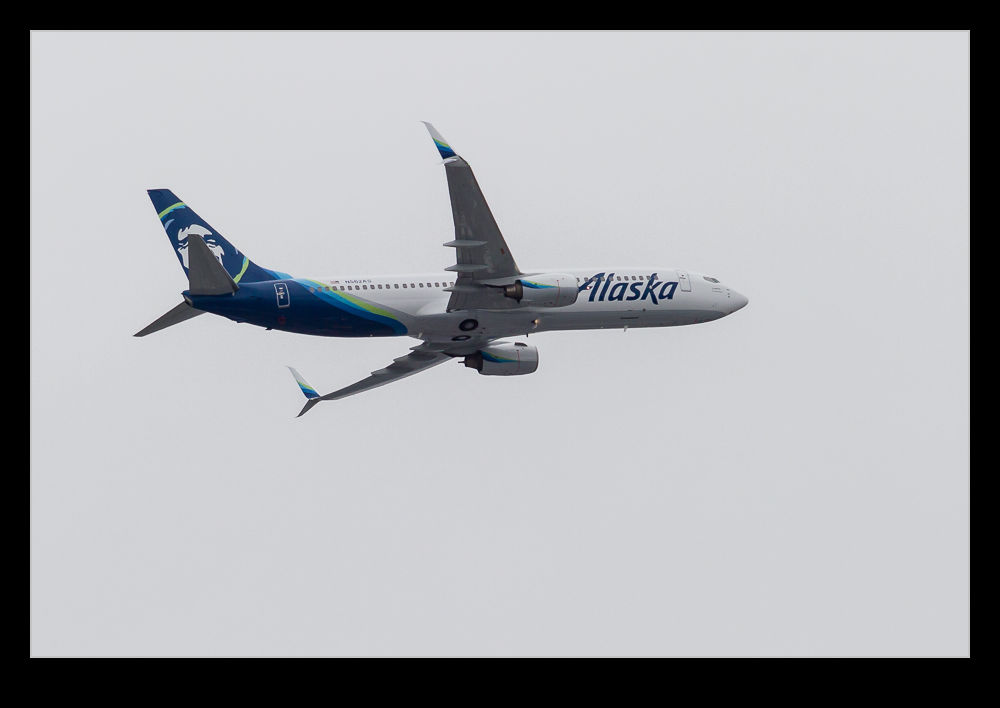
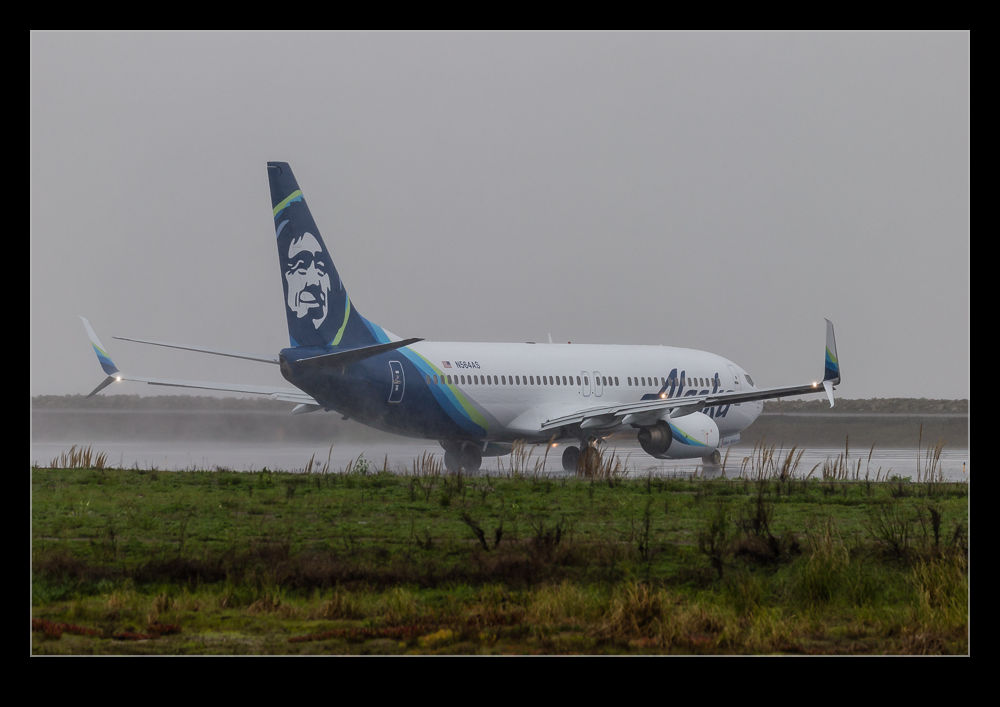
AU0E1191.jpgWhen an airline decides to change its livery, it isn’t too long before large numbers of their aircraft are in the new scheme and you start forgetting that there was ever a previous paint job. In between those two points is the time when you are interested in the change. Catching something in the new livery is of interest. Alaska Airlines has changed their colors. As an airline that is active in this part of the world, the chances of catching the new look should be good.

AU0E9943.jpgIt so happens I have seen two of them in close succession. One was overflying me while I was out walking. There was a lot of wildlife on my walk so I had a long lens on the camera so managed to get a couple of shots. The light was not great and there was plenty of cloud so not a great shot. The next time was shortly afterwards when the conditions had become considerably worse. Torrential rain meant that the plane was pretty obscured by the rain drops even though it was not far away. Neither of these will be shots that get pulled from the archives I imagine as they will be replaced by many more as the planes get repainted. However, they were my first encounters with the new look.

AU0E1172.jpg

Scimitars on the 737-700

C59F7204.jpgWhen APB launched their Scimitar winglet retrofit program, they picked up a number of customer pretty quickly.  I was soon seeing them fitted across the 800 and 900 series 737s of a number of operators.  United and Alaska both seem to have gone all in pretty quickly.  However, I guess the 700 series jets were not such a high priority – maybe the business case is not as compelling.  Consequently, I hadn’t seen them fitted to any 700 series jets until I came across this United example.  It was the first I had seen in action.  I still haven’t seen many so I wonder whether this is going to be a fleet fitment or if United are testing it on a few airframes before making a larger decision.  Anyone know?