Author Archives: Rob

Updates to the Workflow

A while back I wrote a piece about how I manage my workflow when bringing in new pictures from a shoot.  If you are so inclined, you can read the original post here.  I thought it might be appropriate to bring the topic up to date since I have tweaked the workflow a bit since then.  As I mentioned before, this is not all original thinking from me.  I have picked up suggestions from a number of places and then adapted them to my own needs.  If they are useful to you, that is great.  All of this is based on using Lightroom as an image management tool.

The basic process involves creating a series of Smart Collections for a given shoot.  I have adapted these collections a little and have a basic set, not all of which are required for every shoot.  However, what I have done is exported these collections to a folder on my computer so I can re-import them for each shoot and tweak them rather than start from scratch each time.  For example, they all have the keywords section blank so that I can paste in the required keywords for the shoot easily.

I will initially create a Collection Set for the topic and, if this is an event that occurs more than once, a Collection Set within that for the specific date.  Then, within that, I shall import the Smart Collections from my templates.  In the first instance, these will have lots of files in them since the criteria have not been narrowed down but I shall then edit each one to have the appropriate keywords and, if required, the specific dates.  Date Taken is the criterion I will use then, either with a specific date or a range.   Of course, this does require me to have put the appropriate keywords on all of the images first including whether they are HDR, panorama or time lapse images.

The following are the smart collections and a description of what they contain.  To avoid repetition, it can be assumed that they will all fit the keyword and date range criteria.

  • Not Rejects – All images that have not been rejected, are not marked as HDR or panoramas and are not video clips
  • Picks – All images that have been marked as a Pick and are not video clips
  • HDR Originals – All marked as HDR that are RAW files
  • HDR Edits – All marked as HDR that are not RAW files
  • Pano Originals – All marked as panoramas that are RAW files
  • Pano Edits – All marked as panoramas that are not RAW files
  • Time lapse – All marked as Time Lapse (Duh!)
  • Not Geotagged – All files that do not have GPS coordinates associated with them
  • Videos – All video files not marked as rejects
  • Rejects – All files marked as rejects (again, duh!)

The reasons for some of these are obvious but others are less so.  The not rejects file specifically excludes any shots I have marked as HDR or panorama since, when running through the edits, it is easy to see a shot that makes up one of those processes and think it is boring and delete it.  Keeping them separate from the start is important.  I keep the originals and the edits apart since, when I come back to them later, it is a lot simpler to look through the finished versions without having to find them amongst the originals.  Previously, they ended up in the same smart collection and, after getting bored trying to find the finished one, it occurred to me that they could be kept apart easily.

I now try to geotag all of my images.  Having the folder that shows that they haven’t been done reminds me to do this if I have not done it straightaway.  I have found that Lightroom has a bug (I have found more than one!) that, when you have imported a bunch of stuff, if you go to the map page, it gets a little lost and keeps the map view looking like the grid view.  You can get back out without any problem but have to restart to get back to map view.  If you go to map view before doing all of the importing, it seems fine then.  However, this folder makes sure I don’t forget to do it at some point.

With all of this set up, it is then easy enough to get into the process I have outlined before.  I go to the Not Rejects folder and render 1:1 previews of all of the files.  This can take a while so I will often start it off and then go and do something else for a while.  I can then come back and run through the images.  I will have a full screen version on one screen and the zoomed 1:1 image on the other.  This allows me to easily see which shots are not sharp or have an obvious flaw like a pole through the foreground or someone’s head in the way.  A quick “X” and that shot disappears from the smart collection and I am on to the next.  If it is okay, right arrow and I am moving on.  This kills a lot of shots quite quickly.

Then it is a simple case of looking at the shots in Grid view, usually quite large, to see the ones that are duplicate or just plain crap.  I can select which to get rid of and “X” again has them consigned to the trash.  Once all of this is done, I will run a BluRay backup of all of the shots including the XMP files after which I shall delete all rejects.  Hopefully that leaves me with a lot less shots to play with.  I can then pick the ones I think are the best and mark them as Picks.  It then leaves me with a smaller smart collection which I can go in and pay some attention to making more detailed edits.

This process continues to evolve.  Maybe I shall write another update in a couple of years.  In the meantime, I hope it might be helpful to someone for me to have shared it.  Happy shooting!
Team SHAR

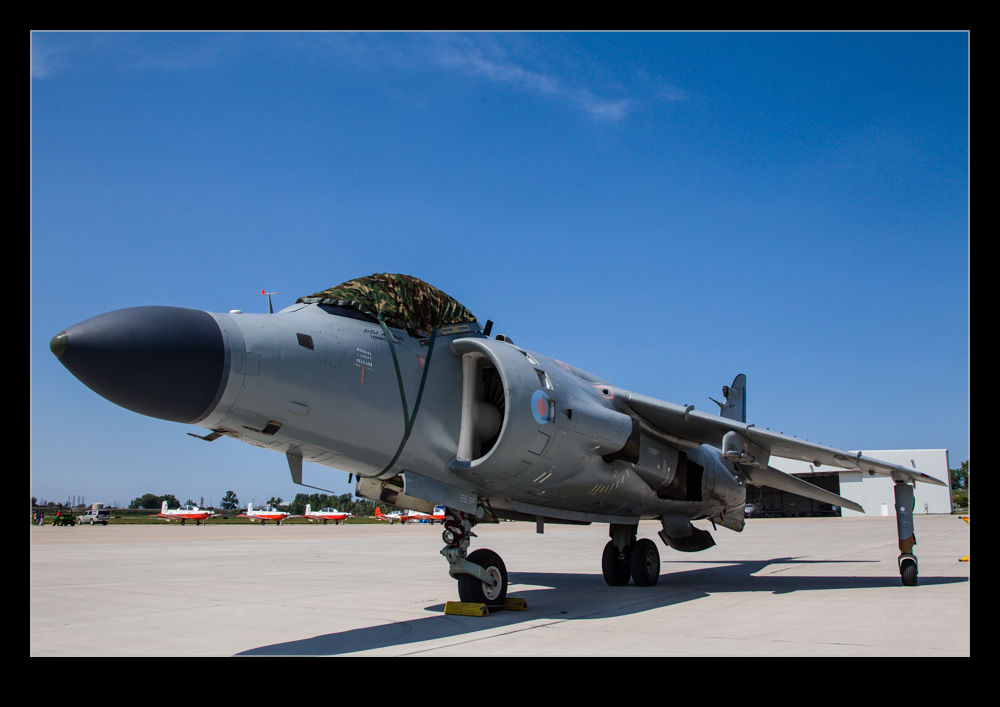
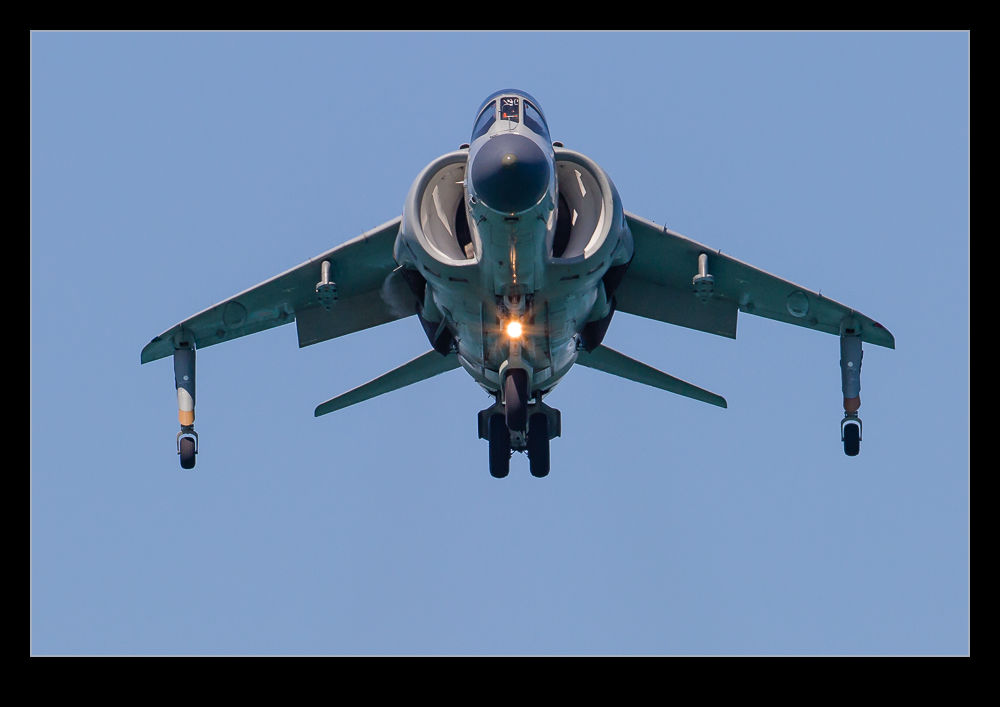
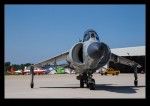
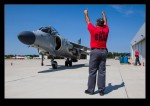
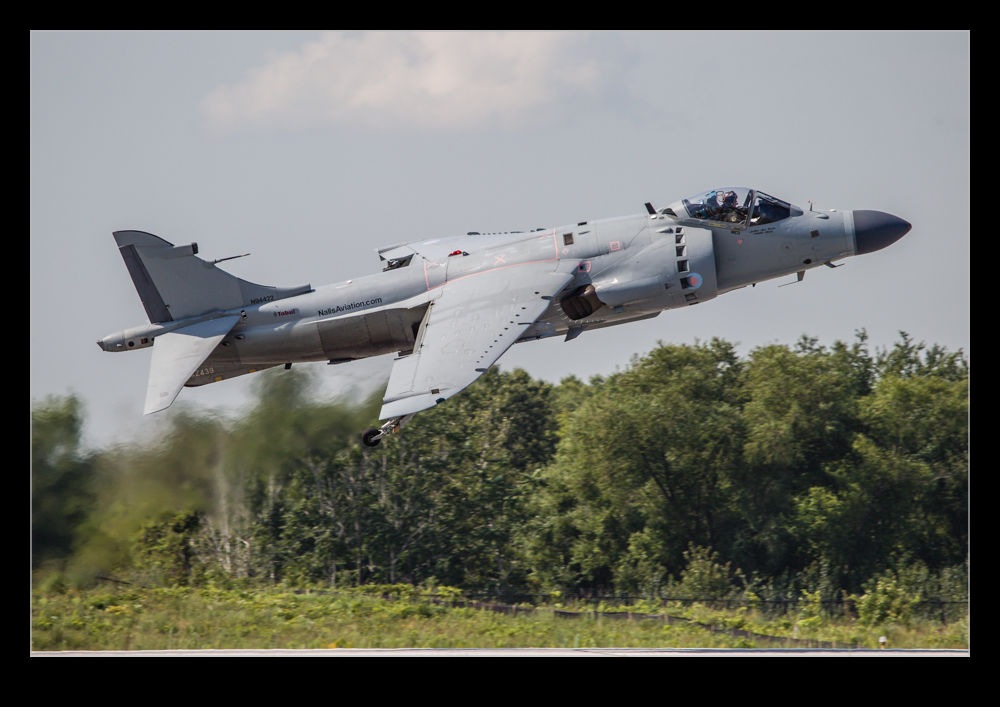
wpid7576-AU0E2766.jpgI have spent time with Art Nalls and his Team SHAR at various events over the years but it had been a while since we had last crossed paths.  Therefore, it was good to see Art and the guys again at Gary for the Chicago Air and Water Show.  This year has been a busy year for the team.  Not only have they got themselves well established on the show circuit but the lack of military participation has meant a relatively modern fast jet is in high demand to fill the gap left by the normal front line fighters.  Add to that, the difference that a Harrier brings and you can see why their calendar has been filling up.

wpid7580-C59F4939.jpgI caught up with Art early in the day and ended up running some errands with him for a while.  However, I didn’t want to miss other acts on the ground so left them for a while to do some other stuff.  I did get back later in the day and chatted to the guys for a while and watched the launch and recovery.  With the jet on the ground, I also took the time to get some shots of it while no one was working on it.  On the final day of the show, I did head back to the beach to try and catch it in action too.

wpid7592-AU0E3939.jpgIt was, as always, great to hang out with the team.  They did a great job and closed out the show nicely.  I hope it isn’t as long before I next see them!
Chicago Air and Water Show

wpid7588-AU0E3590.jpgMiddle of August means the Chicago Air and Water Show is back.  This year’s show, like all other shows in the US, was always going to be a bit different since the US military was not going to be taking part.  That means a shift in emphasis from normal with a lot more civilian acts.  With no headlining team this year (normally the Blue Angels and the Thunderbirds alternate), there was a question as to whether the attendance would be significantly reduced.  It is a free show so you might think it isn’t that big a deal but the sponsorship is important and that requires people to show so it was going to be interesting to see how things shaped up.

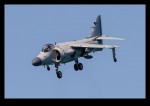
wpid7543-AU0E0739.jpgThere were some jets to add some noise and speed to the proceedings.  Art Nalls brought his Sea Harrier and Paul Wood brought the A-4 Skyhawk.  Both displayed twice on the show days to add a hint of military jets to things.  Of course, these are not operational fighters and are nursed a little more carefully than a front line jet which the pilot can swap for another if he breaks anything.  However, they still are able to up the tempo a bit.

wpid7559-AU0E1772.jpgI mixed my time between the flying on the beach in Chicago and Gary airport where everyone was staging from.  It is fun to get the mix of the actual displays and the activity around launching and recovering the planes.  The shots are a mix of those.  I got to spend a lot of time with Team SHAR and will have a separate post about that in due course.  From what I saw and heard, the attendance on the beach was pretty strong, if a little down on previous years.  It looks like the show does indeed go on!

Passing Airliners

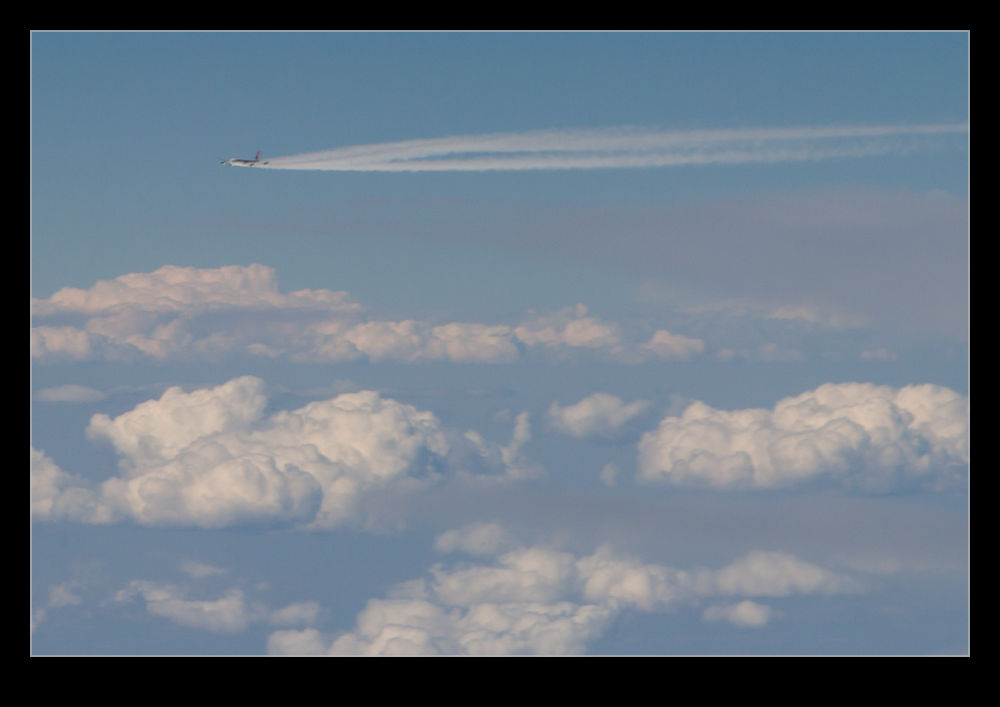
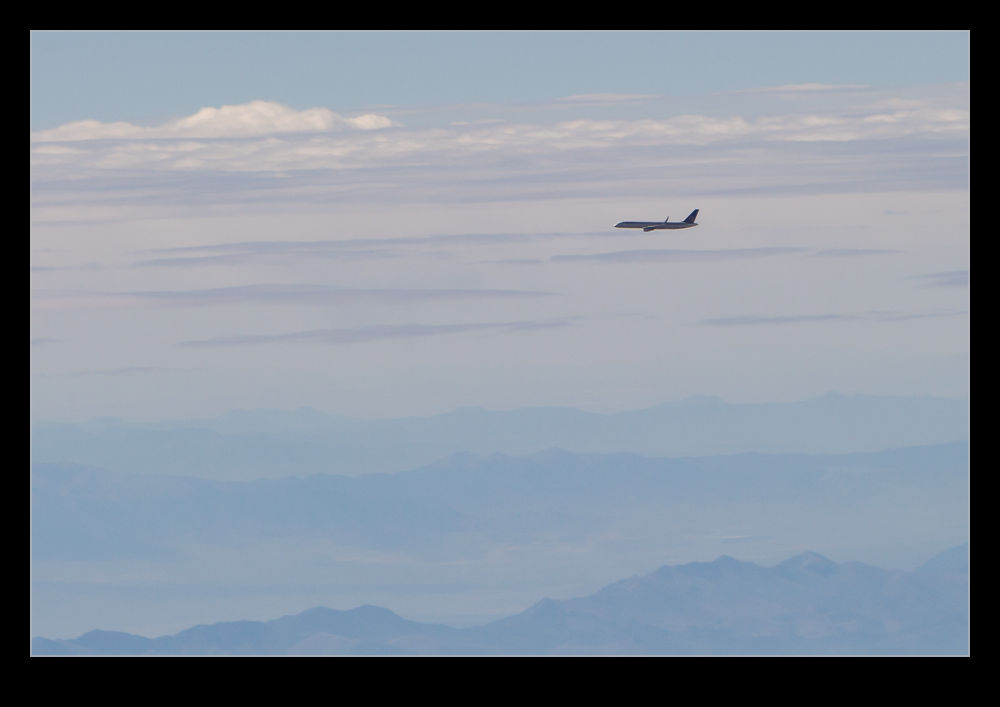
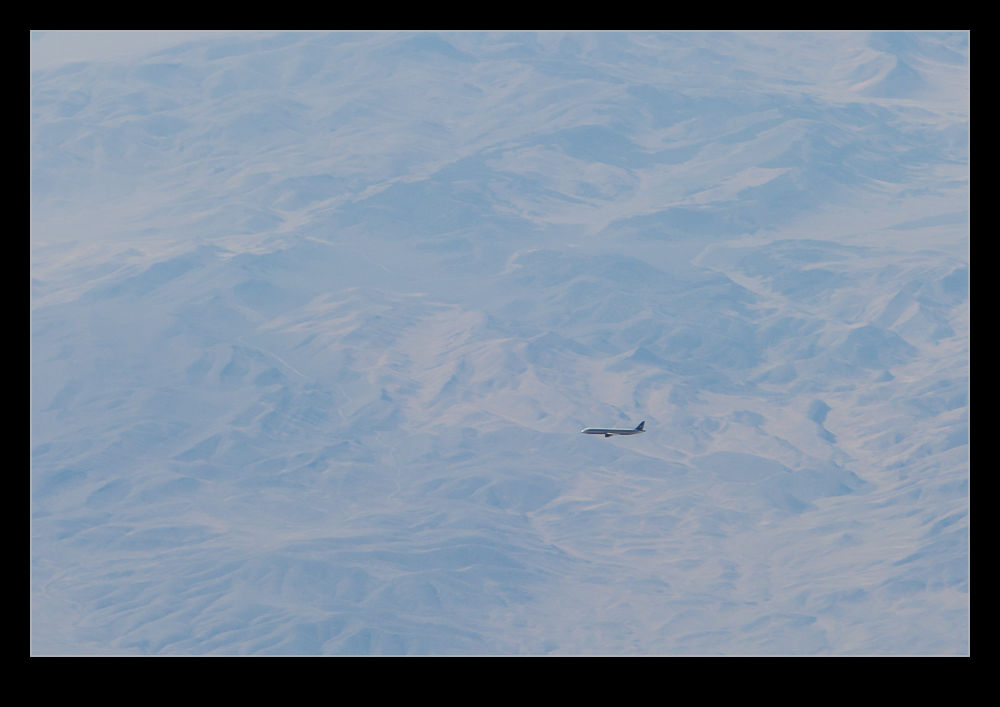
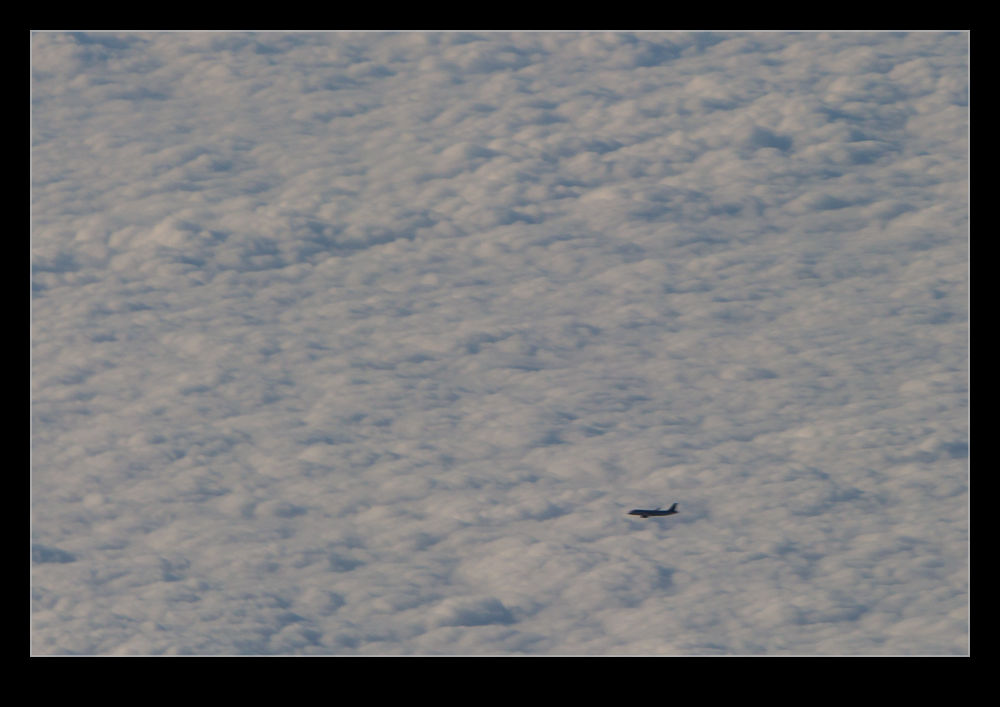
wpid7447-AU0E0226.jpgMore on the looking out of the window of airliners theme today.  This time the subject is other airliners.  If you don’t stare out of the window much, you might not be aware just how much other traffic is out there.  Actually, there is quite a lot.  At various times you might see other jets passing in the opposite direction, pacing you at a distance and crossing your path.  Sometimes they seem very close.  With some of the apps that are available now, if you have wifi on-board, you can even be prepared for some of them showing up.

wpid7445-AU0E9875.jpgHere I shall highlight a quality warning.  The attached shots are not great.  They illustrate a point but nothing more.  There have been quite a few occasions when we passed very close to another aircraft.  However, those were not times I had a camera handy.  even if I had, the chances of getting a good shot are not great.  Even when you are close, you are really not that close.  It just seems a lot closer than normal – which it is.  However, you are still well separated.  Therefore, to get a shot, you need a medium length lens at least.

wpid7443-AU0E9863.jpgSadly, aircraft windows are not designed for optical perfection.  Moreover, since they are pressurized and scratches are a source of fatigue which you certainly do not want, the manufacturers put a nice perspex sheet between you and the window.  They certainly are not optically perfect.  Now you are shooting with quite a long lens through two layers of less than perfect material.  This is not a good recipe for quality shots.  There we go.  I have made plenty of excuses.

wpid7455-AU0E0314.jpgYou are now going to get a small aircraft if you are lucky and a small blur if you are not.  If it is pulling a contrail, you might do better since they can make some nice shapes.  However, chances are you won’t get much at all.

wpid7449-AU0E0251.jpg

Clouds From Above

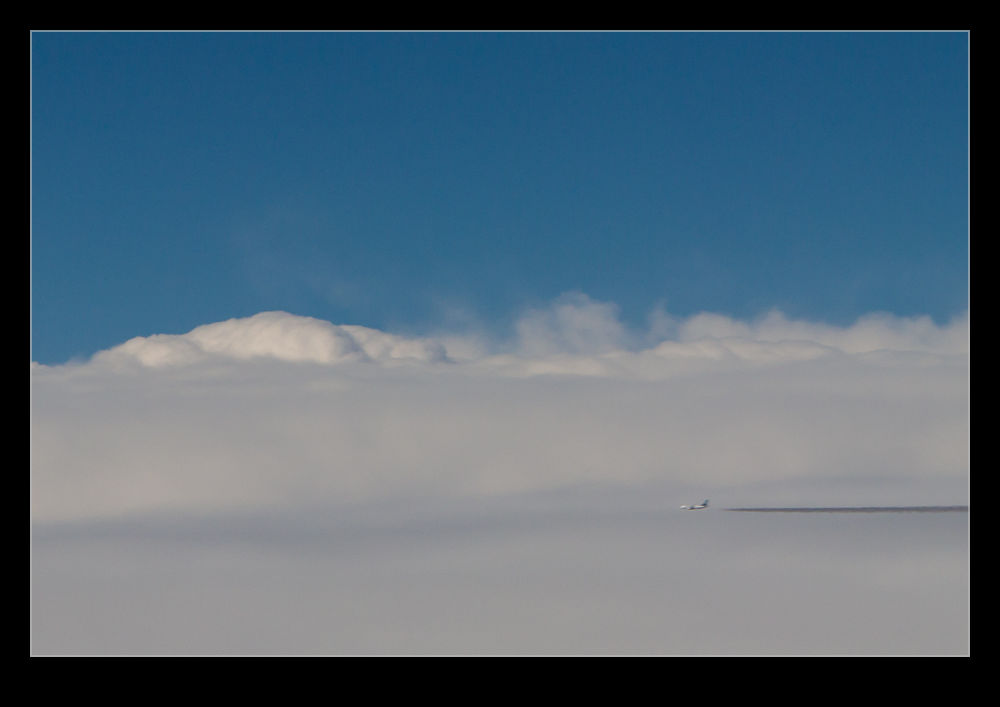
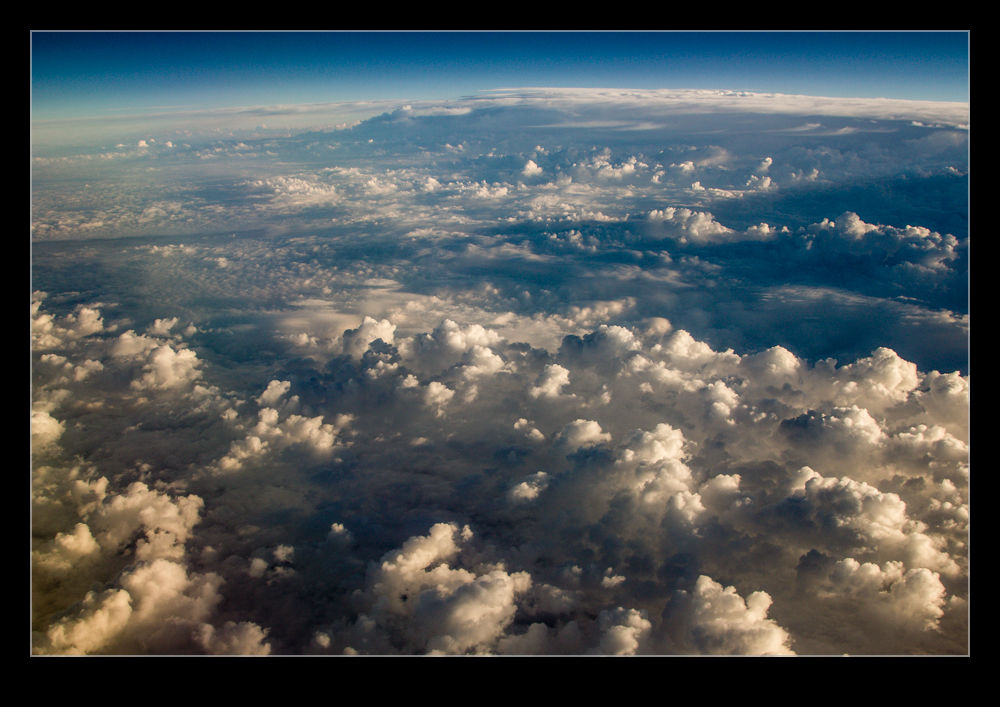
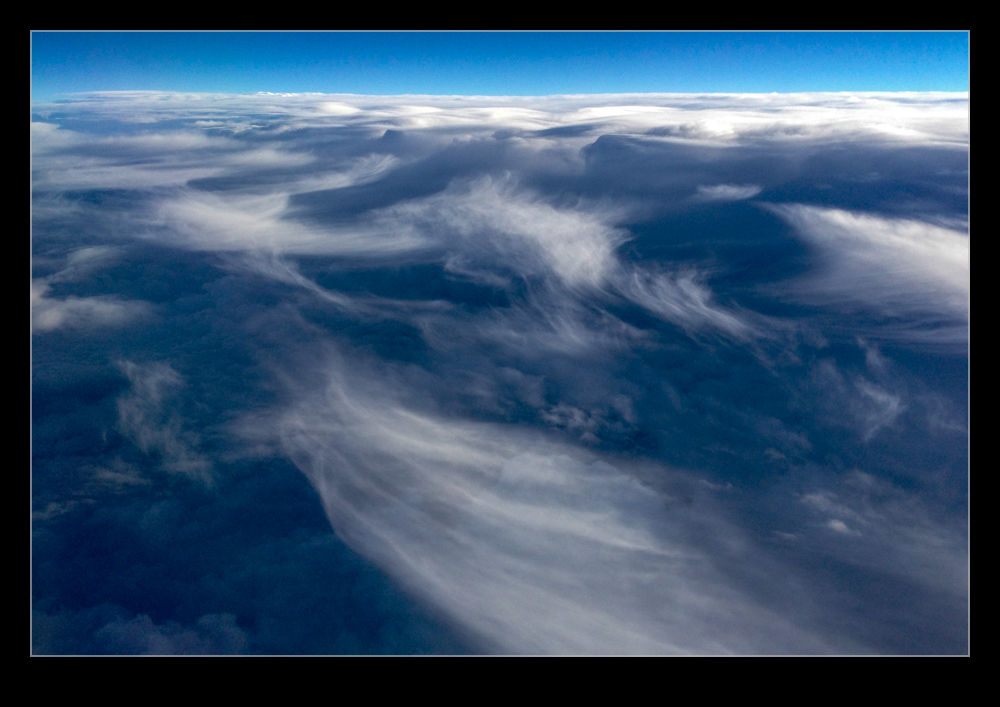
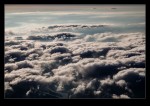
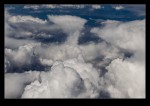
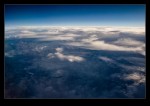
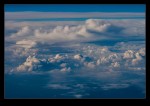
wpid7461-AU0E9856.jpgMy frequent flights mean I get to spend some time looking down.  Often when flying across the country, the skies are remarkably clear.  There may be a lot of haze obscuring a clear view to the distance but the amount of cloud is usually not much.  Then, when there is some, it tends to be thick cloud cover below.  No real shape and texture.  Consequently, when I see some cool looking clouds, I get a bit more excited.

wpid7457-IMG_1666.jpgThese are a few of the clouds that I have recently had a chance to shoot as we passed by.  If you are not a cloud person, they are very dull.  If you are, you can spend ages looking at the different shapes and shadows.  I hope you are a cloud person.  If not, maybe my next post will be more up your street.

More Cormorants and Swallows

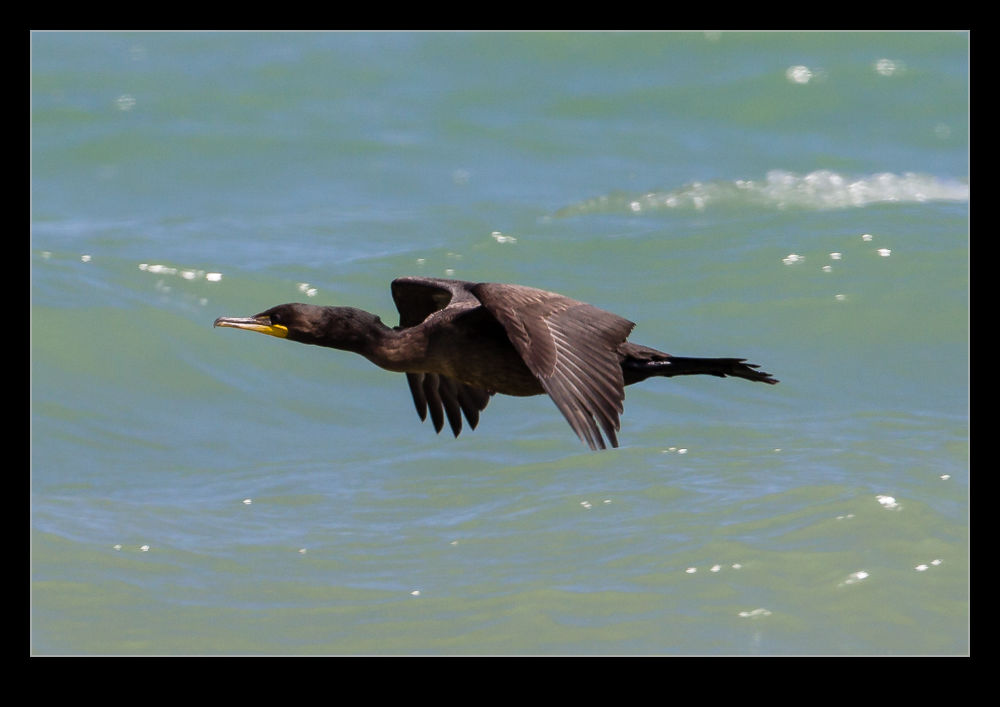
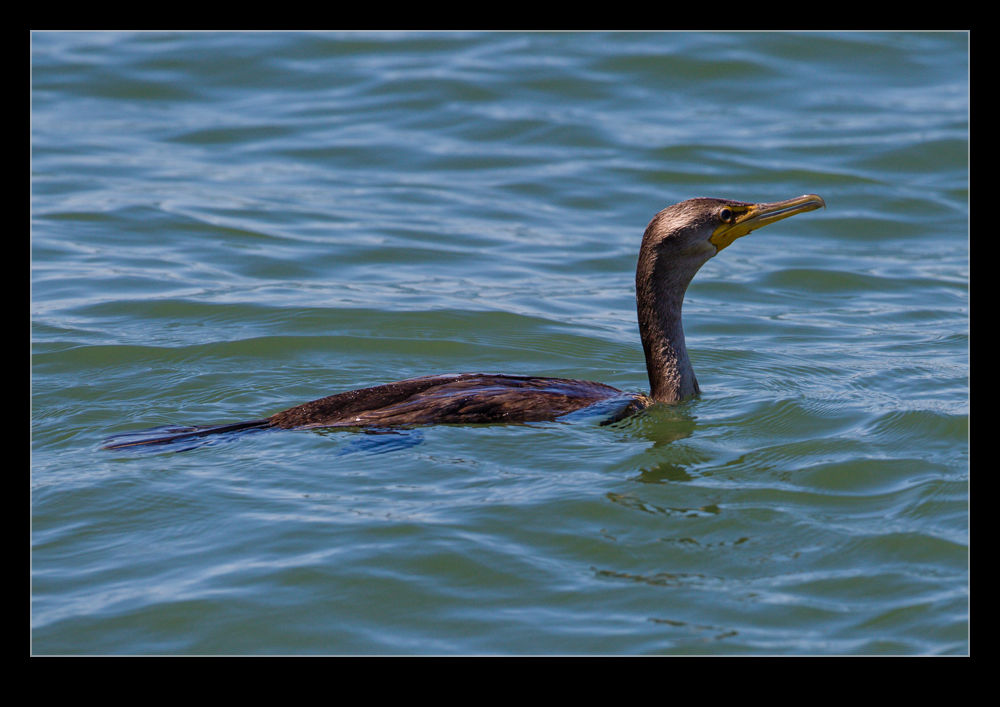
wpid7512-AU0E8691.jpgHaving recently posted about both cormorants and swallows, it would appear a little repetitive to post about both together.  Oh well, that isn’t going to stop me.  While in Indiana for the powerboat racing, I was sitting on the harbor wall for a while.  This was a popular place for the local bird life too.  We had a cormorant swimming nearby and I couldn’t resist a shot of him (or her – I am not a specialist on these things).

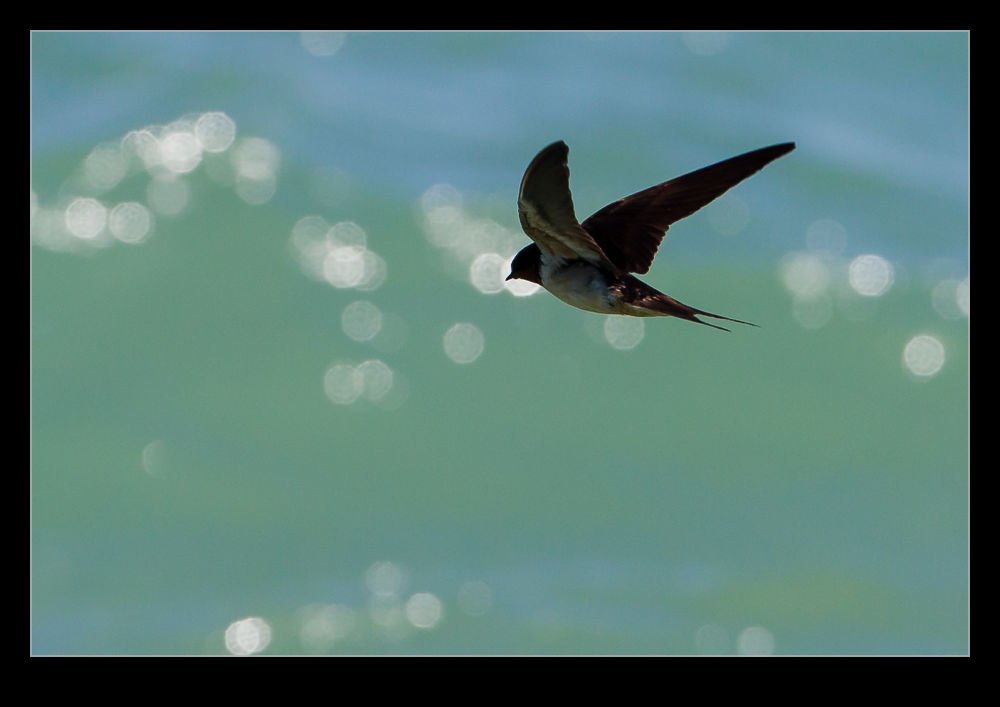
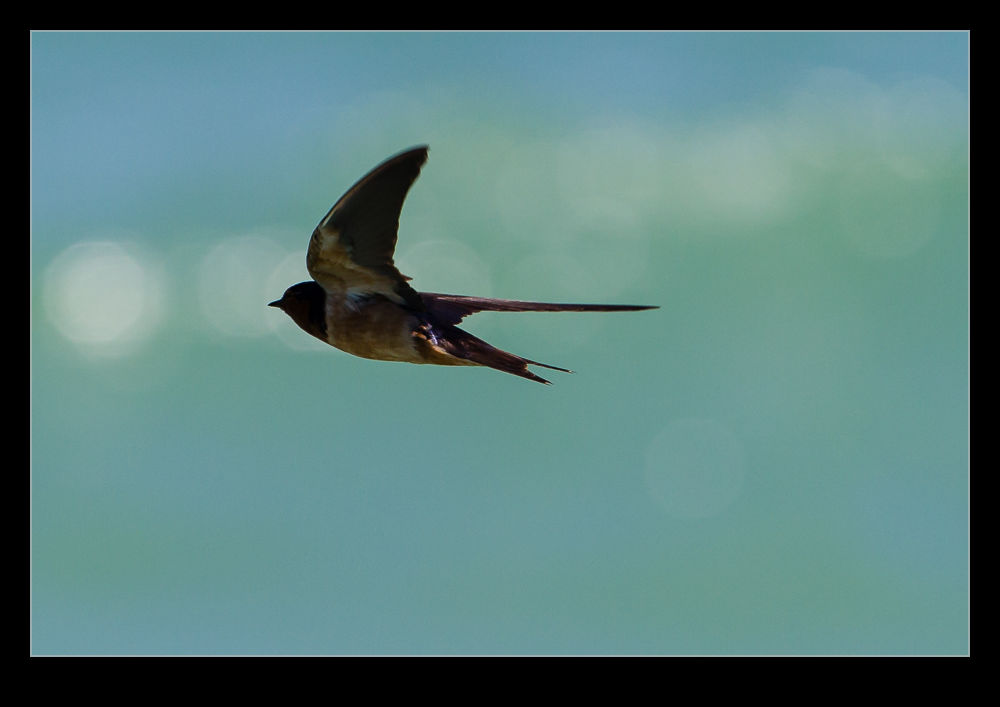
wpid7514-AU0E8742.jpgAlso, the local swallows seemed to be enjoying the air currents over the waves.  When watching them, they seemed to spend a lot of time almost in one spot as they soared on the wind.  Of course, trying to get a long lens on them was less straightforward and suddenly it was apparent just how much they were moving.  Still, got a few shots off.  It certainly provided some practice time between the races!

wpid7518-AU0E8807.jpgwpid7516-AU0E8755.jpg

Sunset Into Midway

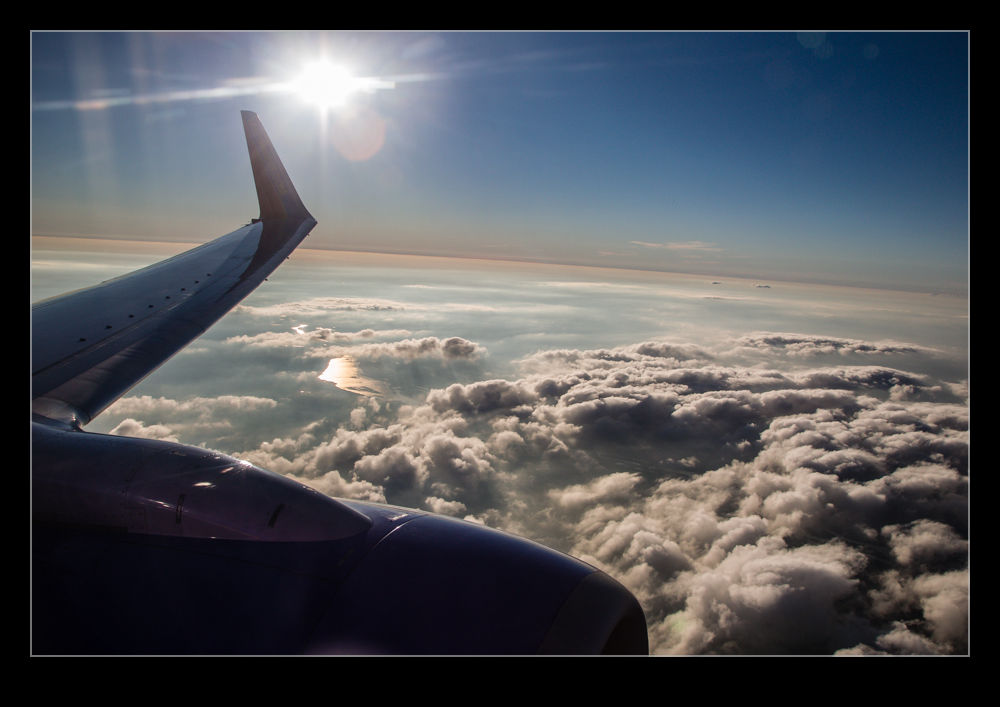
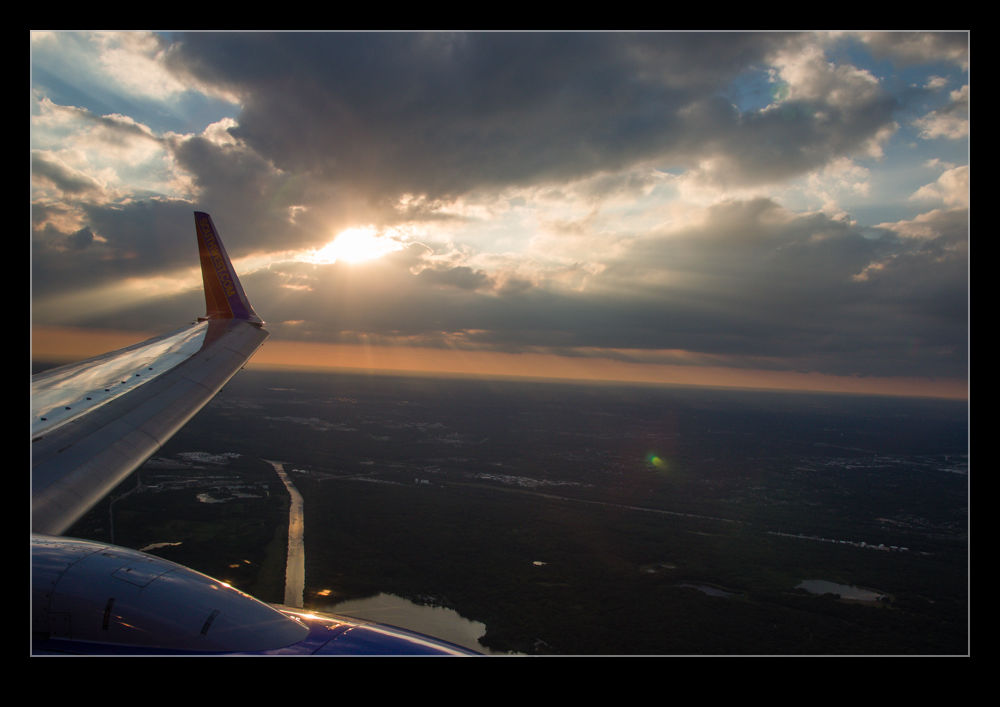
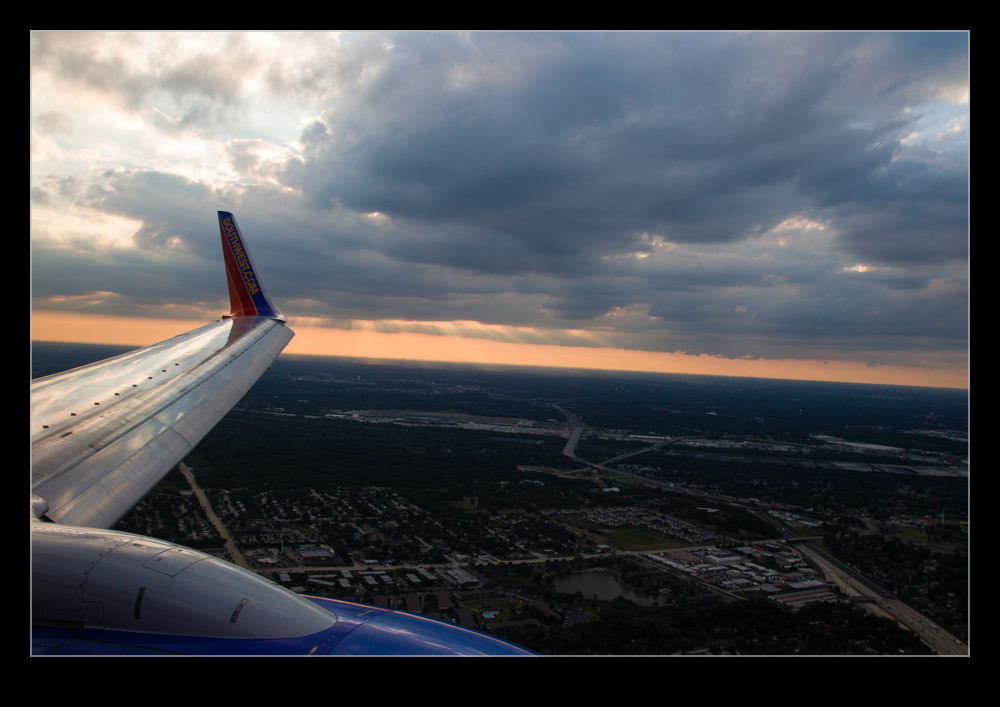
wpid7437-AU0E0348.jpgSouthwest Airlines and I are quite well acquainted.  I am on one of their 737s on a rather regular basis.  These days I am making the trip back and forth to the west coast a lot.  Coming back from there usually means me arriving back into Chicago towards the end of the day.  At this time of year, that can be around the time of sunset.  I tend to sit on the side of the plane that gives you a nice view of the sunset as we are getting close to home.

wpid7439-AU0E0368.jpgI don’t always have my camera with me (although I always have the camera in my phone) and the combination of light and clouds is not always ideal.  However, sometimes it just seems to work and give me something I am happy to remember.  These images aren’t something that is ever going to be a big deal to anyone else but they are nice for me.  No-one is going to want a wing and engine in the way either!  Since you can’t change position, the view is a variation on the same theme all the time.  That isn’t the point.  I just have to remember to look backwards sometimes to see what is going on.

wpid7441-AU0E0378.jpg

Cormorants – Not the Helicopter Version Though…

wpid7420-C59F2190.jpgWhile I would not describe myself as a bird guy, I do spend a fair bit of time trying to get photos of them.  I guess it is the “all things flying” part of my nature but they do make challenging subjects and also help with panning practice when I don’t have planes to shoot.  A species I have a particular fondness for is the cormorant.  I really don’t know why this should be.  Growing up by the sea I certainly saw plenty of them and their enthusiasm for bombing along at surface level over the water does fascinate me.

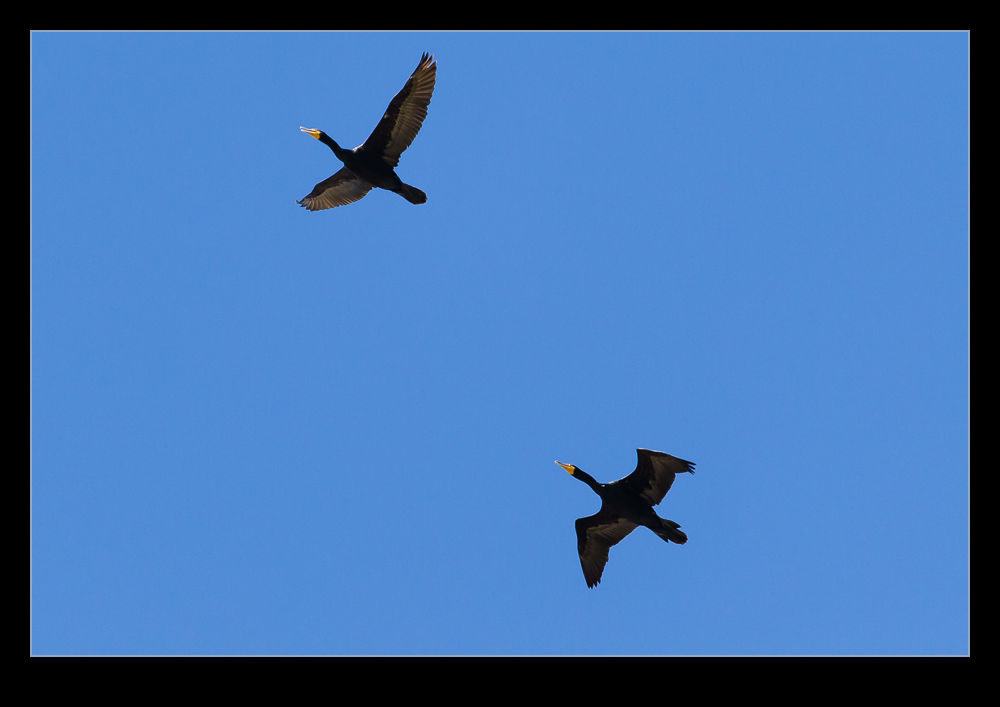
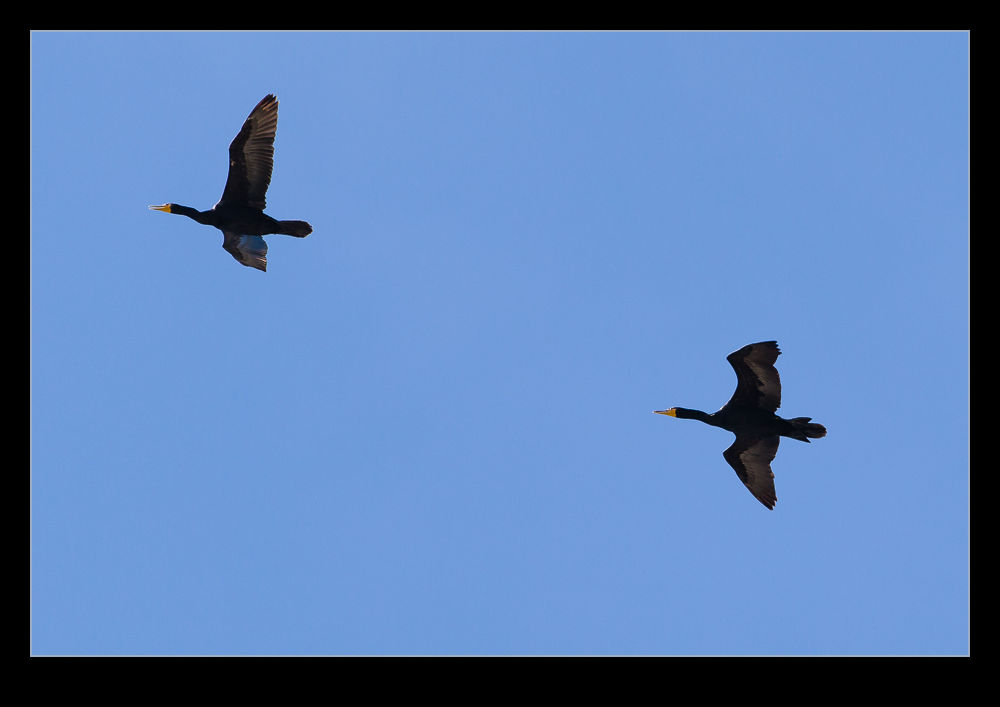
wpid7422-C59F2198.jpgCormorants in the US seem to be a lot happier to fly higher up than I remember in the UK.  While I was at Waukegan visiting the Warbird heritage Foundation, a pair of them blasted across the airfield.  I quickly tried to grab some shots as they flew over.  Nothing too special but something that pleased me all the same.

Baby Sloth Bears

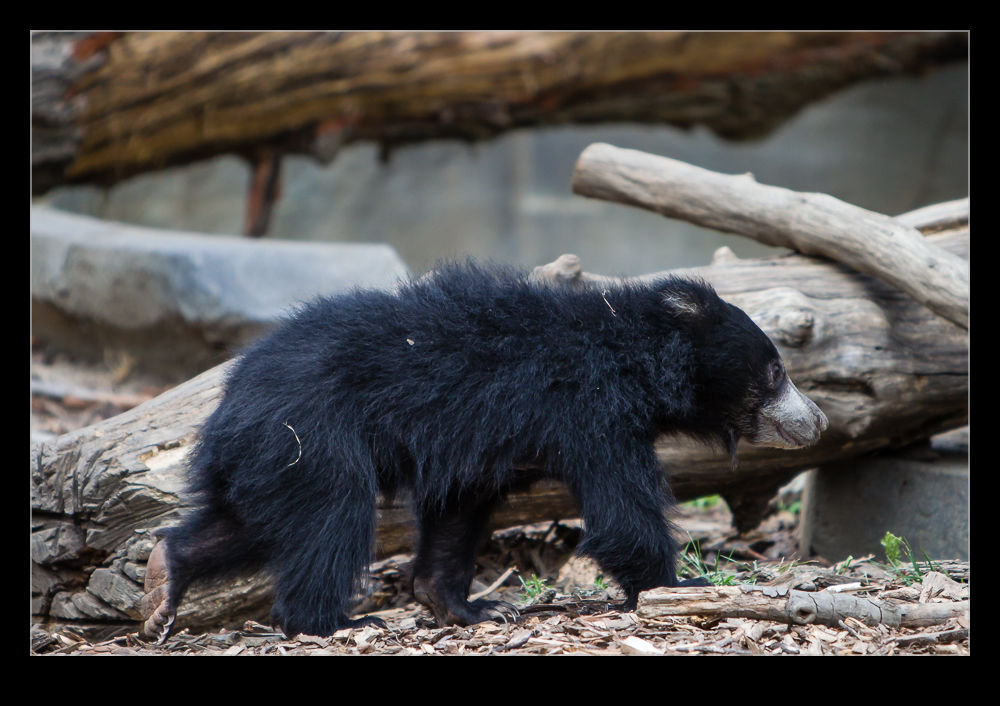
wpid7359-AU0E7352.jpgLast in the baby section, at least for now, is the sloth bear.  One of the bears at Brookfield had a couple of cubs earlier in the year.  They are now out in the enclosure for the public to see.  Baby bears are really quite cute.  Lots of fur and everything else a bit undersized so they look very ungainly.  Add to that the typical youthful energy of young animals as they explore all of the new things on offer and you get a popular spot for visitors.  I can’t judge – we were there for the same reason!

WHF Day Out

wpid7411-C59F2218-Edit.jpgWhat seems like far too long a time had passed since I had last had a chance to head up to Waukegan to see the team at the Warbird Heritage Foundation.  A nice day and a break in my schedule meant that I was finally able to resolve that shortfall.  I headed up to Waukegan keen to see what sort of day was in store.  As with any collection of older aircraft, the chances of much flying are relatively limited since the planes are usually in need of some sort of care.  However, there were a few parked out on the apron when I got there.

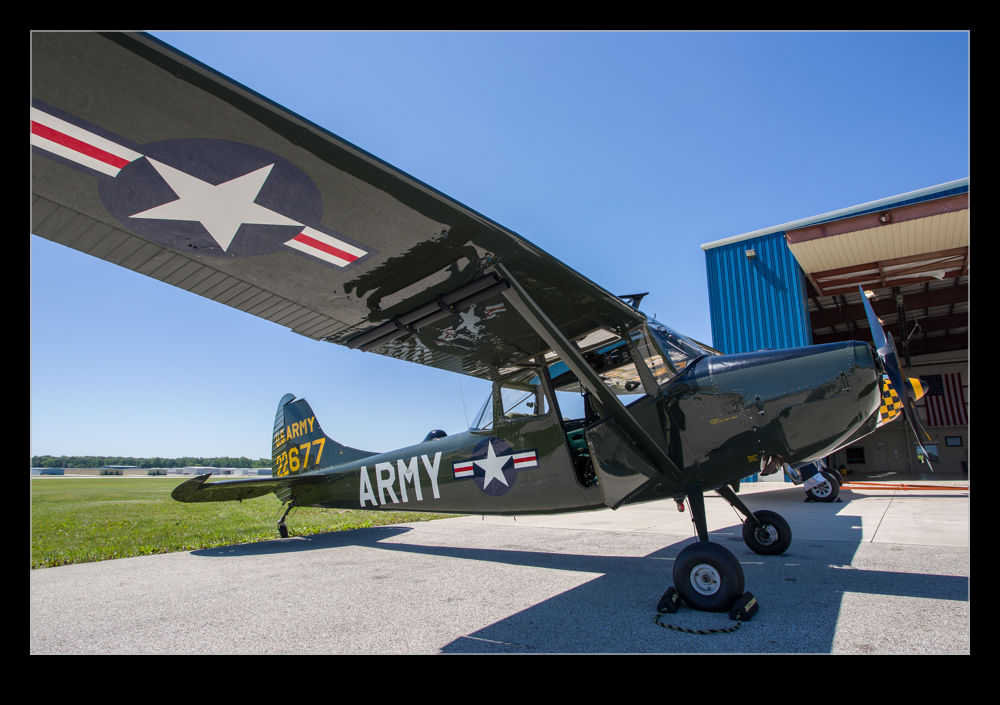
wpid7397-AU0E5396-Edit.jpgSean and Mike were busy taking care of them as I wandered up.  The first thing Sean told me was that he had flown the Bird Dog that morning and that it was a shame I hadn’t been there.  Indeed so!  Telling me I have missed out on a great opportunity is just cruel!  Never mind.  I still haven’t seen the Bird Dog fly so it would have been good to see it let alone fly in it.

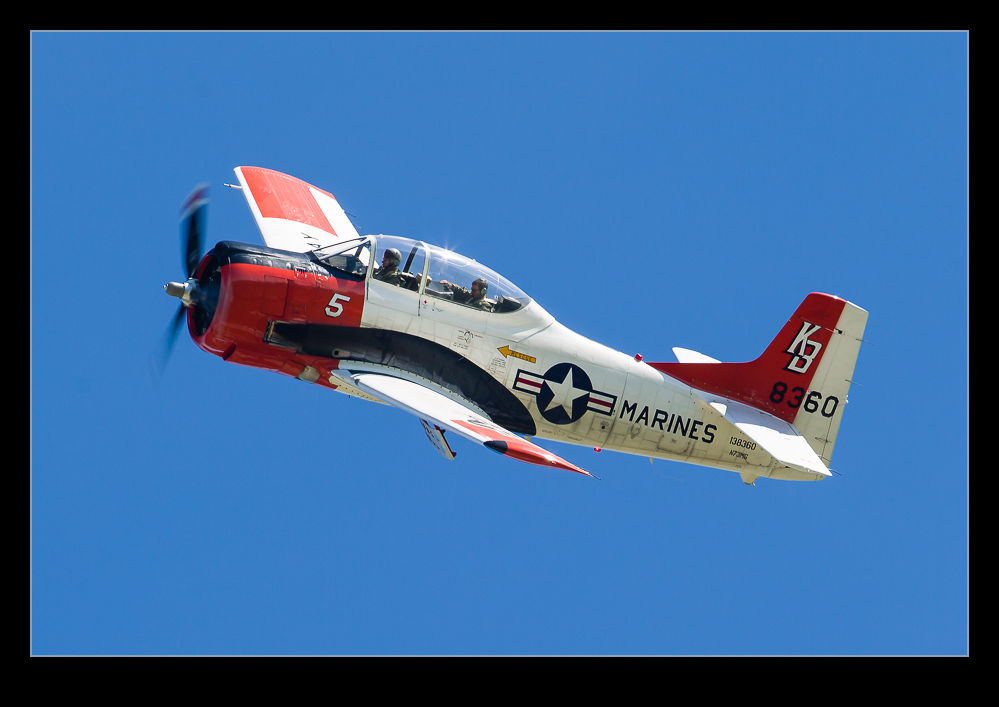
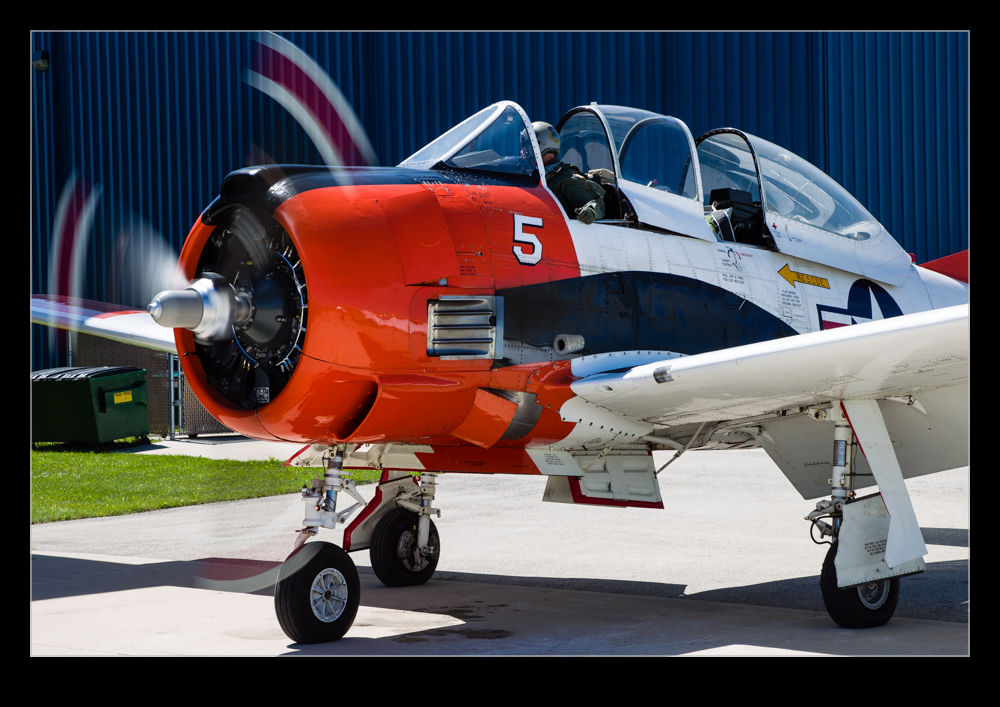
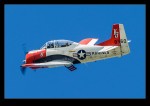
wpid7401-AU0E5417.jpgThe project for the day was the T-28 Trojan.  Not so long ago, this aircraft had an engine go bad.  The chip warning light came on while Sean was flying it and, since he was close to the field, he made a speedy descent to land.  The engine pretty much gasped its last as he taxied in.  A rebuild later and now the plane is flying again.  However, as with all engines after overhaul, it is going through a running in period.  This also requires a different grade of oil and a change of oil was the task for the guys.

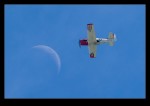
wpid7405-AU0E5466.jpgWith the new oil in, the engine was run and the oil topped off.  Then it was time for a flight.  Jeff is a regular T-28 pilot and member of the Trojan Horseman and he came along to fly with Sean in the back seat.  Putting hours on the airframe is the goal but not going too far from the field in case anything goes wrong.  They did their duty flying patterns over the field and I grabbed some shots when I could.  Most of the time they were quite far away but, with the moon traversing the sky, a couple of opportunities presented themselves for shots with the moon in the background.

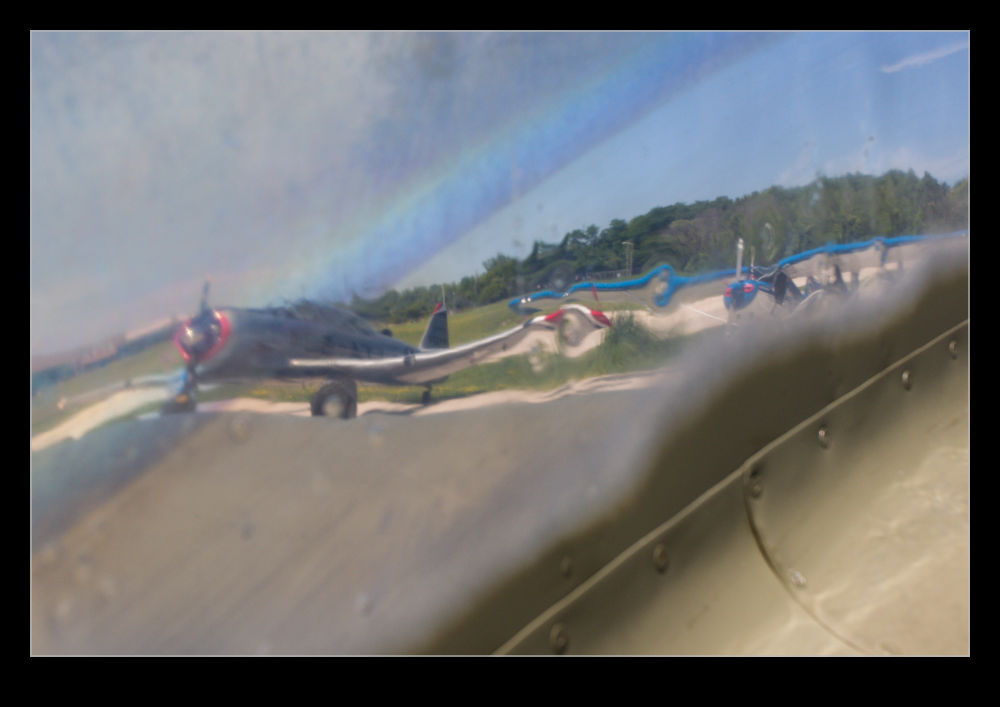
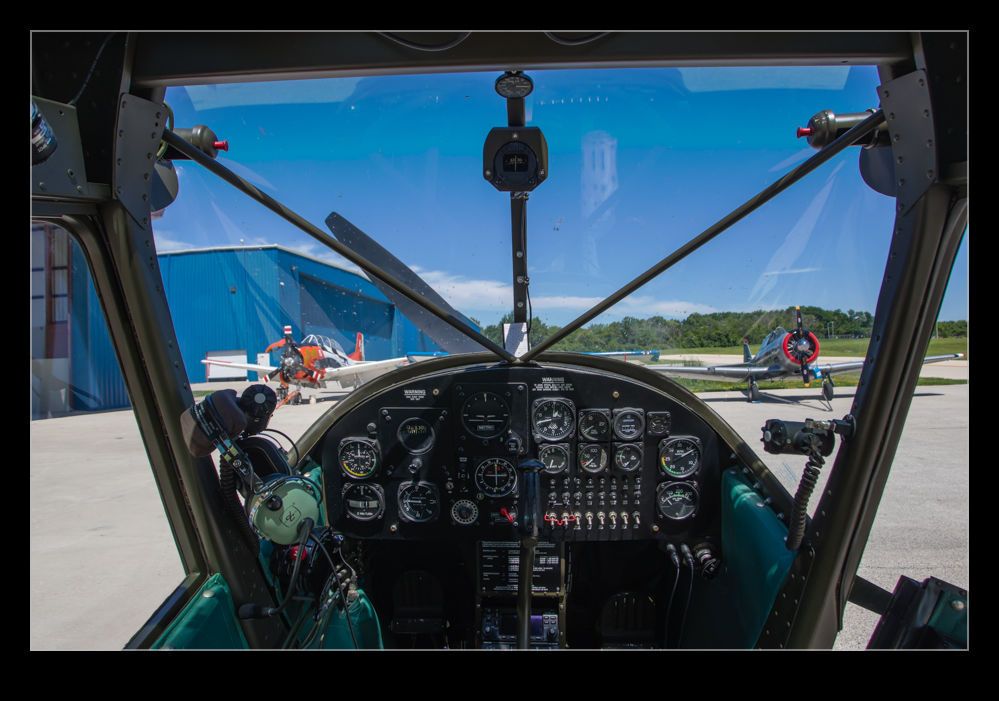
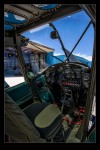
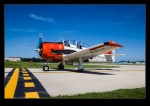
wpid7395-AU0E5379-Edit.jpgI also grabbed some shots of the aircraft on the ground while they were off doing their thing.  I haven’t got much before of the Bird Dog so spent a bit of time with it including getting some shots of the cockpit.  Harsh exterior lighting meant a but of HDR was required for some of the shots but hopefully it isn’t too obvious!  I have shot these planes a lot over time but there is always a chance for something new.  Good to see you guys again and hopefully it won’t be so long next time!