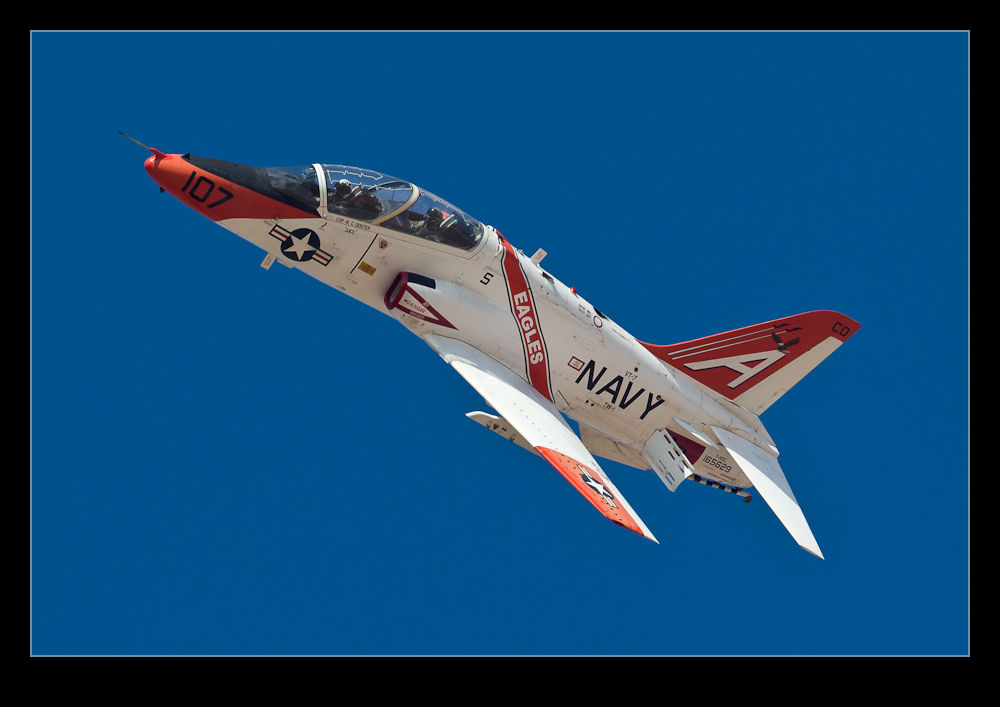
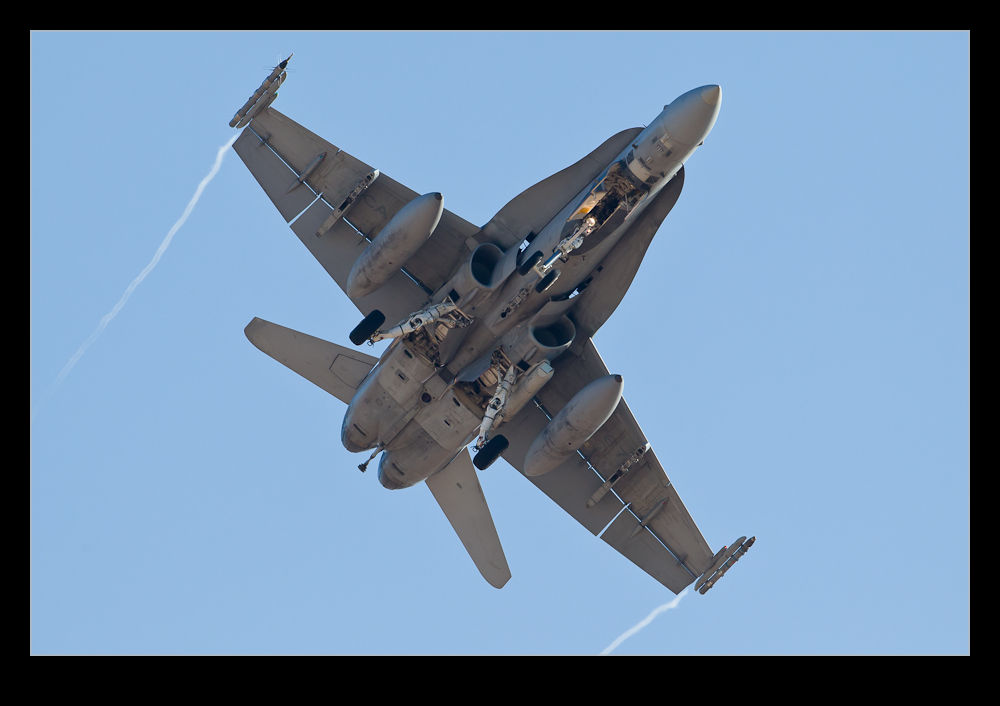
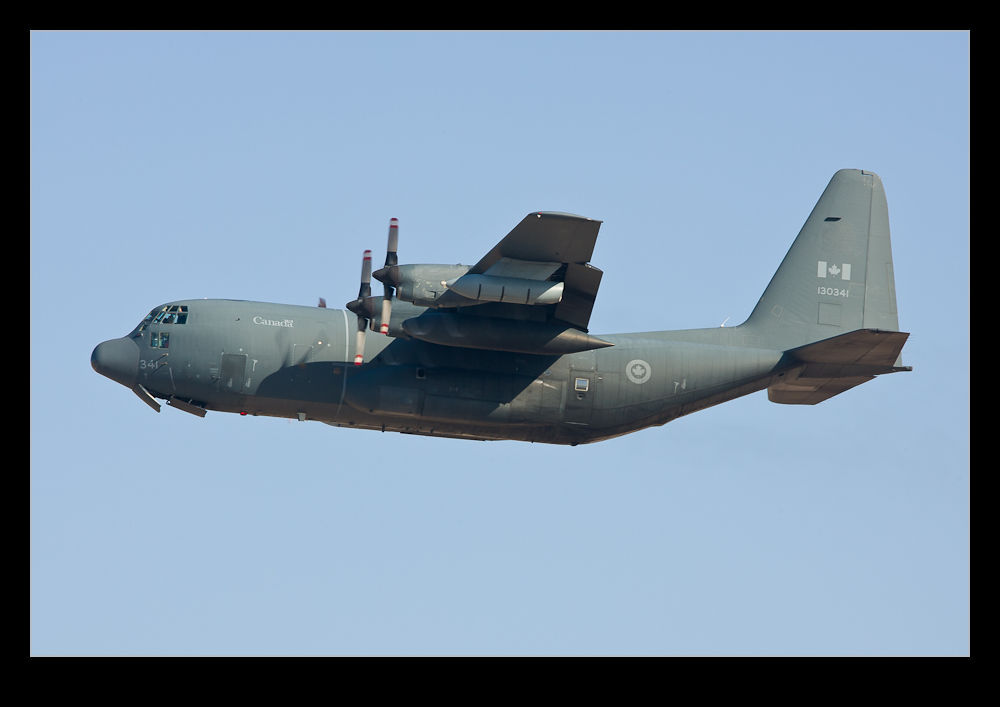
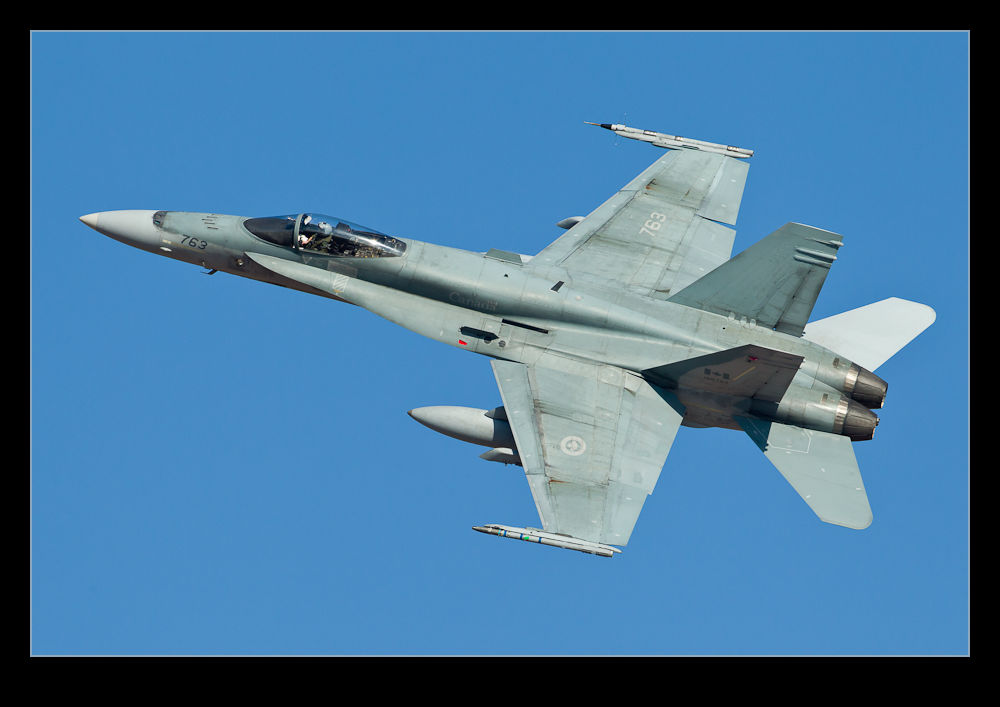
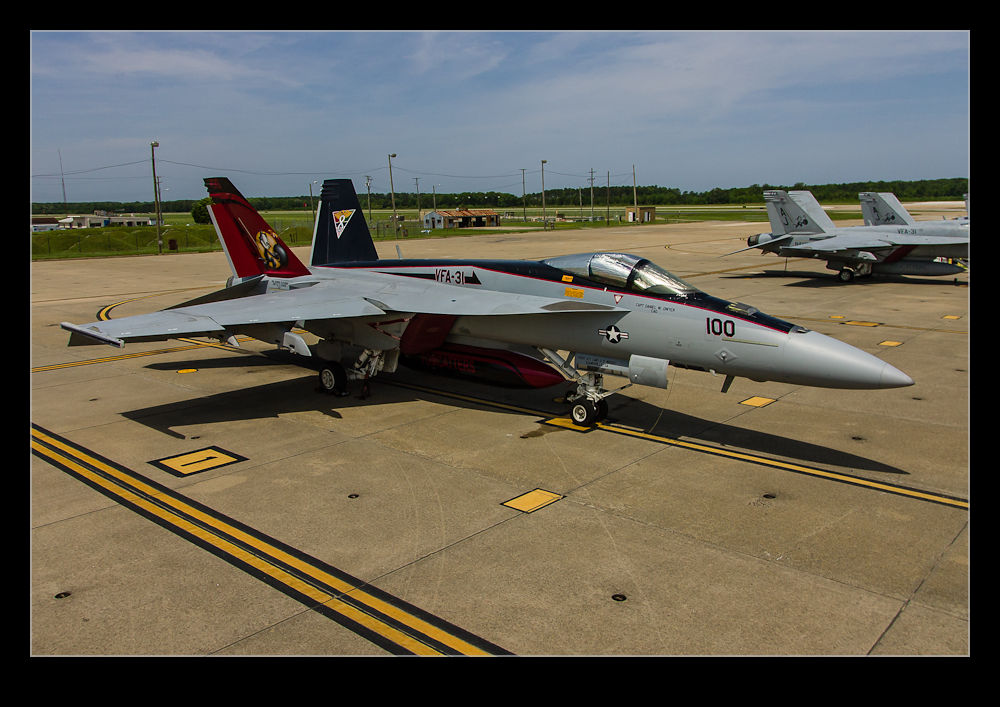
 The ISAP theme continues! In a previous post (that you can read here if you missed it) I talked about some shooting I did with some friends outside NAS Oceana, the premier fighter base for the US Navy on the east coast. Well, the field trip from the symposium included a visit to Oceana as well although this was to be on the flightline. VF-31 was the Squadron that hosted us. They provided us with an excellent visit.
 The squadron was not undertaking operations that day so their part of the ramp was occupied by planes but nothing was moving. This gave us a great space in which to move around. We were basically free to go to the end of their line where it met the taxiway and to shoot from anywhere in there. The only restrictions were the normal ones on a Navy base. No shooting open panels and no shooting Super Hornets down the inlets.
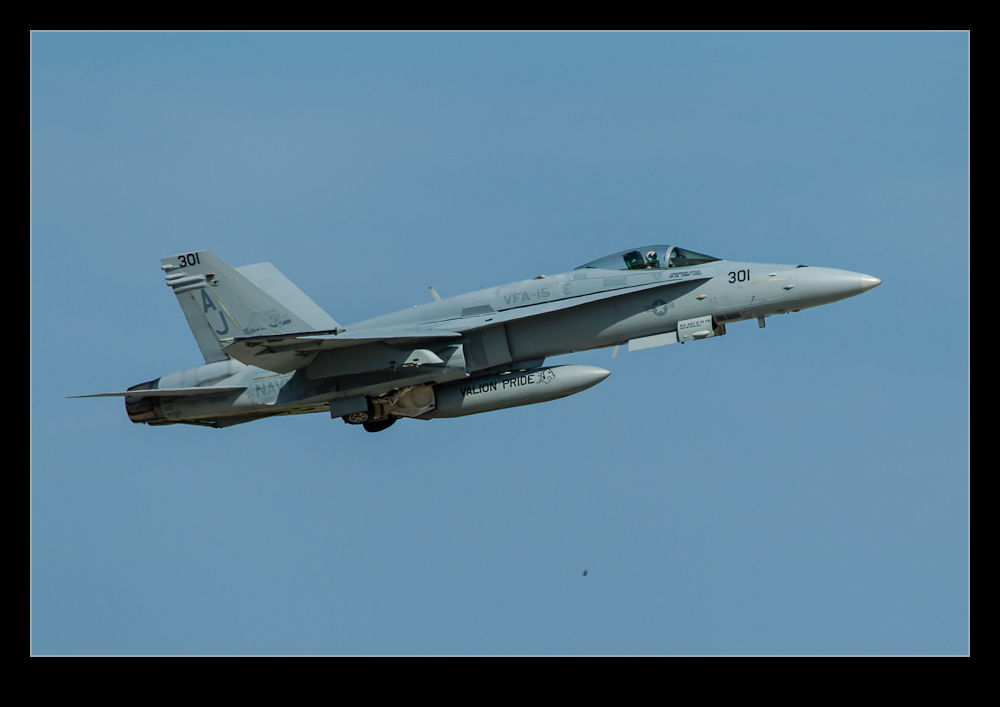 There was a fair amount of activity on base and the weather was very nice (if a little breezy). Since we were there in the morning, we had the sun pretty much behind us which worked out well. The squadrons that were flying that day seemed to have a steady stream of jets on the move. They would taxi passed us on the next taxiway from the one we could get to the edge of so we could see the jets coming by easily and when they were in the hold they were easy enough to shoot.
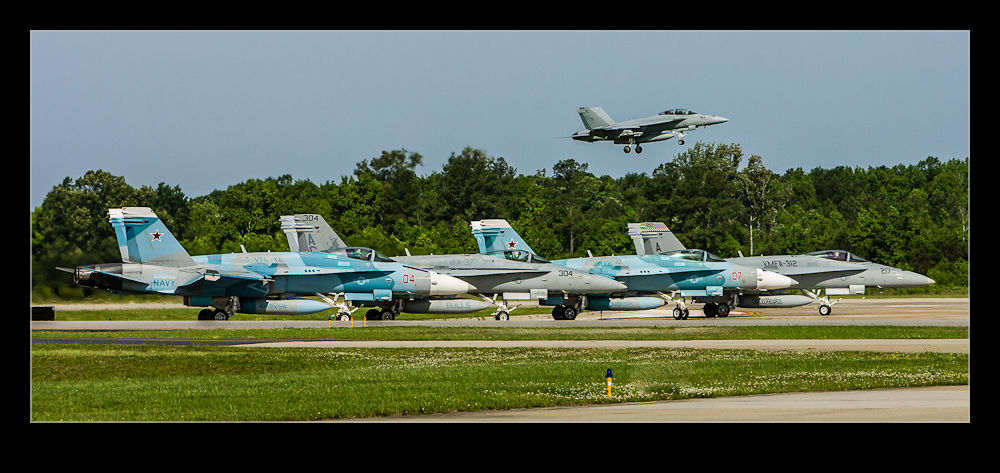 The warm weather meant that shooting anything too far away was going to be fruitless if using a long lens since the heat distortion was too much. However, if you went a little wider, you could minimize the effect of that, at least for the size of shots that are going to be posted online. They wouldn’t stand up to too much enlargement I suspect but they certainly show what was going on.
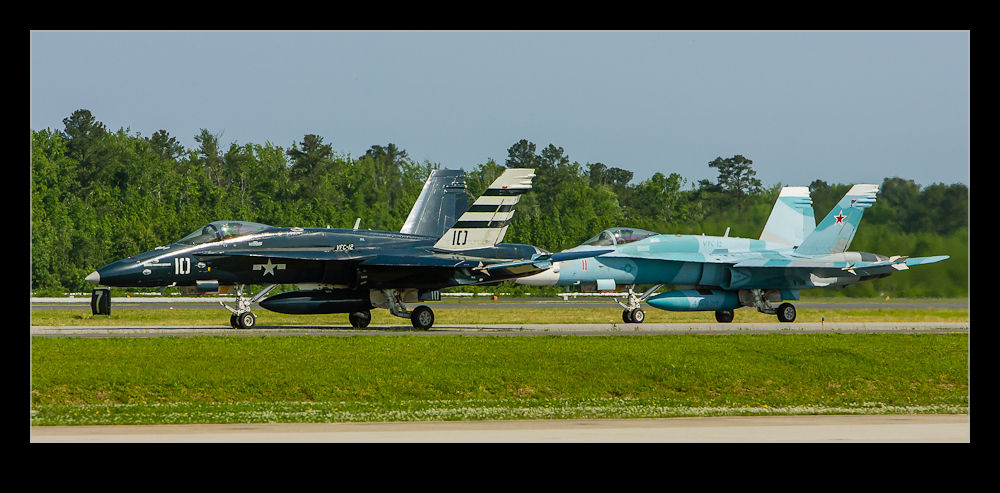
 Interspersed with the regular jets were a few in special schemes. There were a number of the squadron specials up and flying as well as one of the CONA marked aircraft. We also saw a few jets that were in the aggressor colors but that had moved to a new squadron so we a combination of new and old markings. I am sure they will be repainted in gray before long so that is something good to have seen while it was around.
 The VF-31 special aircraft was at the end of the line up and the squadron kindly provided some steps to allow us to get a higher look at it. These were originally for us to get a group photo in front of the jet but, once they were there, most people took the opportunity to get a few shots as well. These things tend to work quite well with everyone taking a turn but occasionally, as with people who linger very close to a subject, you get a few people who forget that they aren’t the only person involved. Thankfully, he majority are very considerate and “help” the less fortunate to play well with everyone else!
 The next squadron along the ramp was VF-213. They did have some operations underway. One of the things they were doing was providing experience flights to midshipmen who were yet to decide their career path in the Navy. Additionally, they appeared to be in the process of training up a number of the ground crew. Consequently, when one of the jets came in for a running change of backseater, we got to see the midshipmen swap over and the ground crew being shepherded through the process of turning the jet. It was fun for us but I wonder how much they enjoyed having their early work being watched by so many. Many thanks to them, though, for tolerating our presence.
Our stay was slightly extended since our bus driver had been taken ill while we were on base and a replacement had to come in and help out. I didn’t hear the final outcome but hopefully he was feeling better later on. With a new driver in place, it was time for us to move on. Considering the size of the group we had, the team at Oceana did a great job of hosting us. Many thanks for everything.
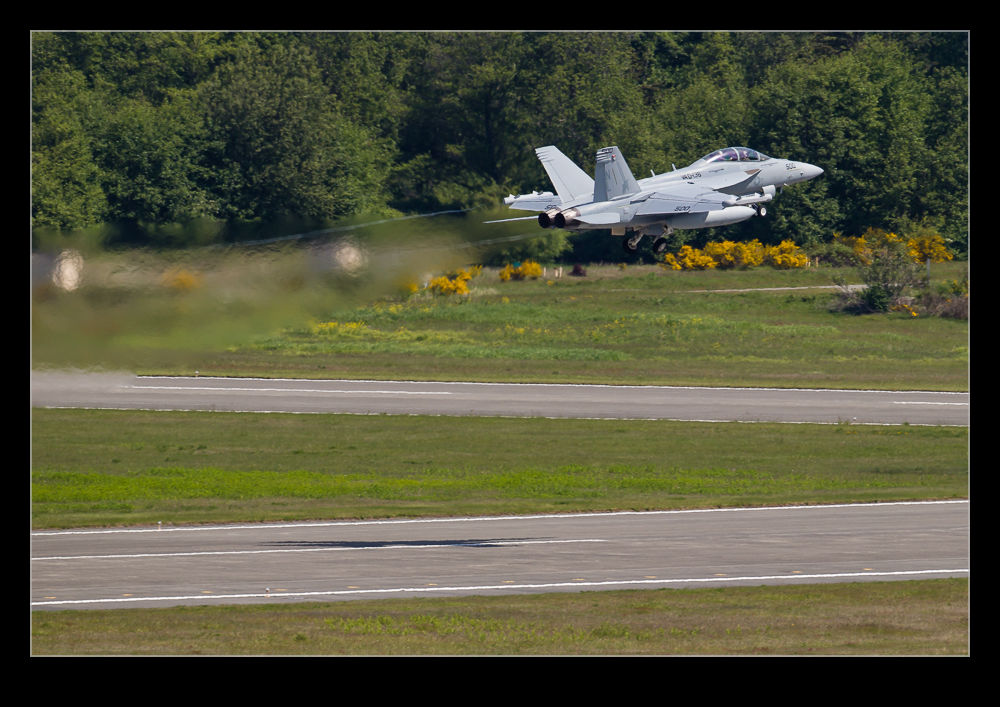 The day before the ISAP Symposium kicked off, there was a smaller field trip to NAS Whidbey Island. Located on an island (surprisingly enough) north of Seattle, it was a bit of a journey to get there with a bus ride and ferry trip to get us there. As with all military bases, you never quite know what will be going on when you get there. They can be a hive of activity or have no flying at all. We did okay on this trip.
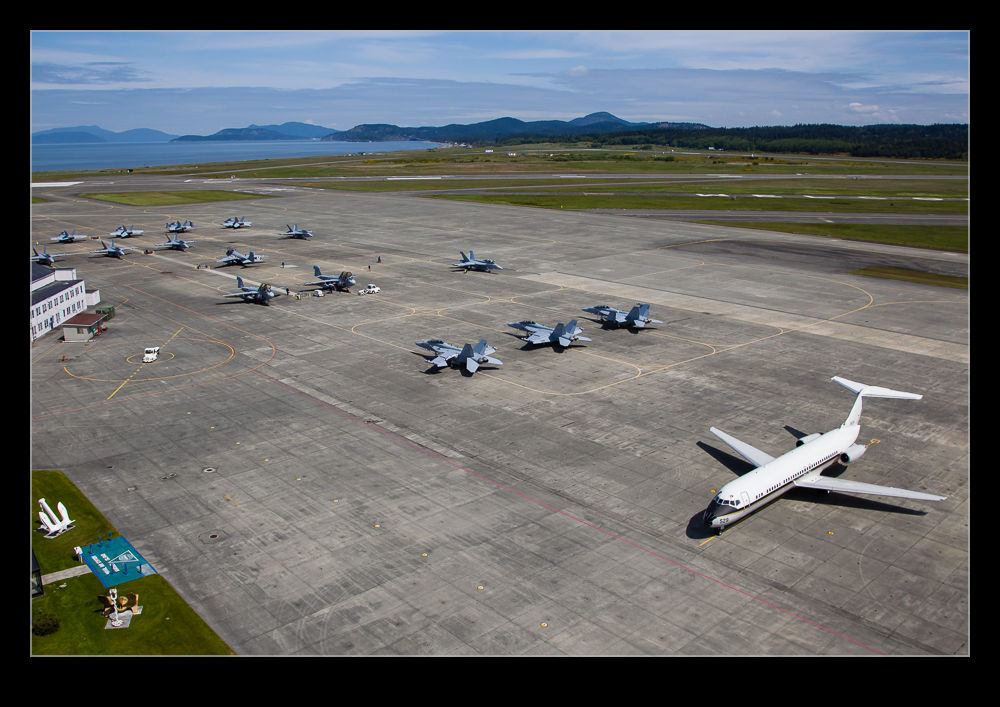
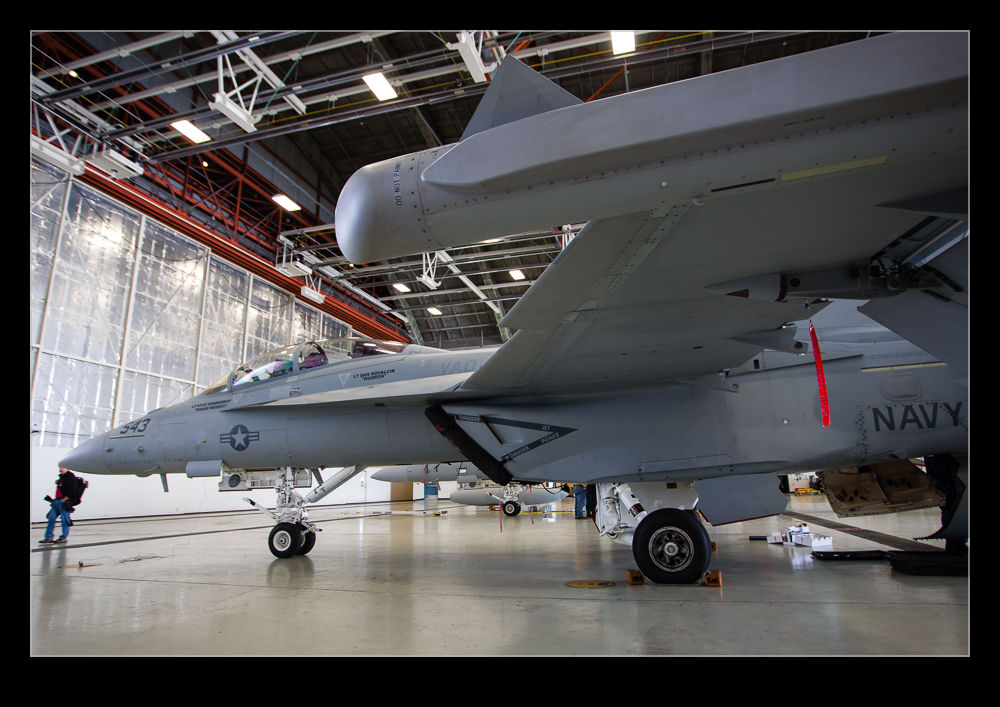 First we stopped in the hangar of an E/A-18G Growler unit. One of the officers was their to show us around and answer any questions. There was also one jet in the hangar that we could shoot. We then migrated outside to see some jets launching or coming back from trips. Then it was time to head up to the tower. We got to hang out for a short while on the catwalk outside the tower cab. This gives you a great view over the ramp area and the field as a whole. We had a couple of movements while we were there but then things got pretty quiet which would have been a disappointment for the second half of our group who were up second.
 Lunch was served in the officers’ club which included some great mementos of operations and types passed. After that is was back on the journey home. A good little trip and a nice time to hang out with some folks I hadn’t seen for a while and others who were new to meet.