Tag Archives: transportation

Guemes Island Ferry

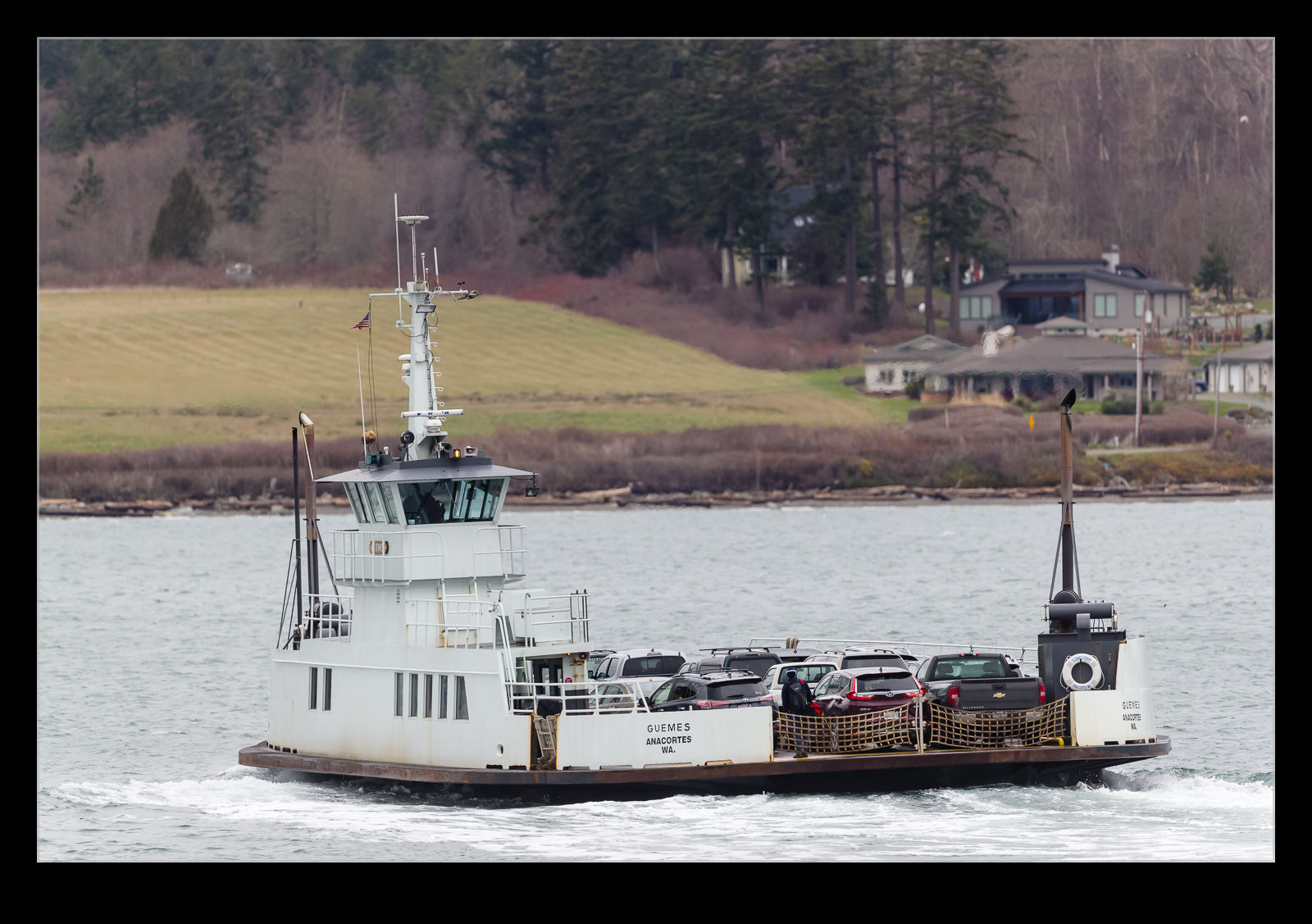
Since aviation photography has been limited over the last year, I am finding myself photographing passenger ferries a lot.  Having photographed some, I now am finding out about different ferry operations in the area and checking them out too.  Anacortes is well known for the Washington State Ferries terminal that serves the San Juan Islands and Victoria (when the border is open) but it also has another ferry service.  Just across the water from Anacortes is Guemes Island.  The only way to get there is via a ferry.
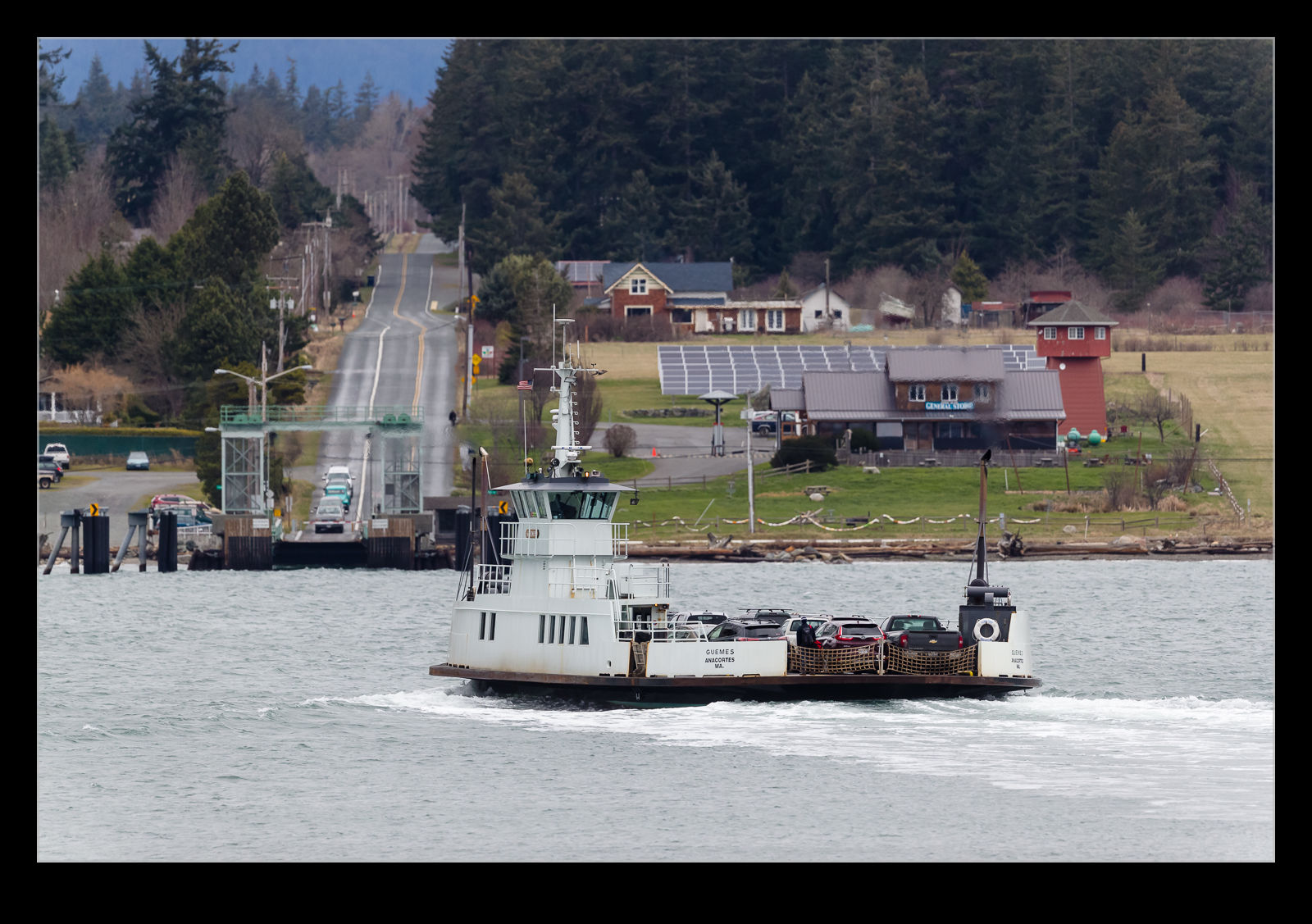
The crossing is not a long one and you can see across to the other terminal with ease.  The ferry is a basic boat with a car deck for vehicles and a small structure for the operators.  I assume there is some shelter for foot passengers too but I didn’t spot it immediately.  With such a short crossing, there are no special facilities.
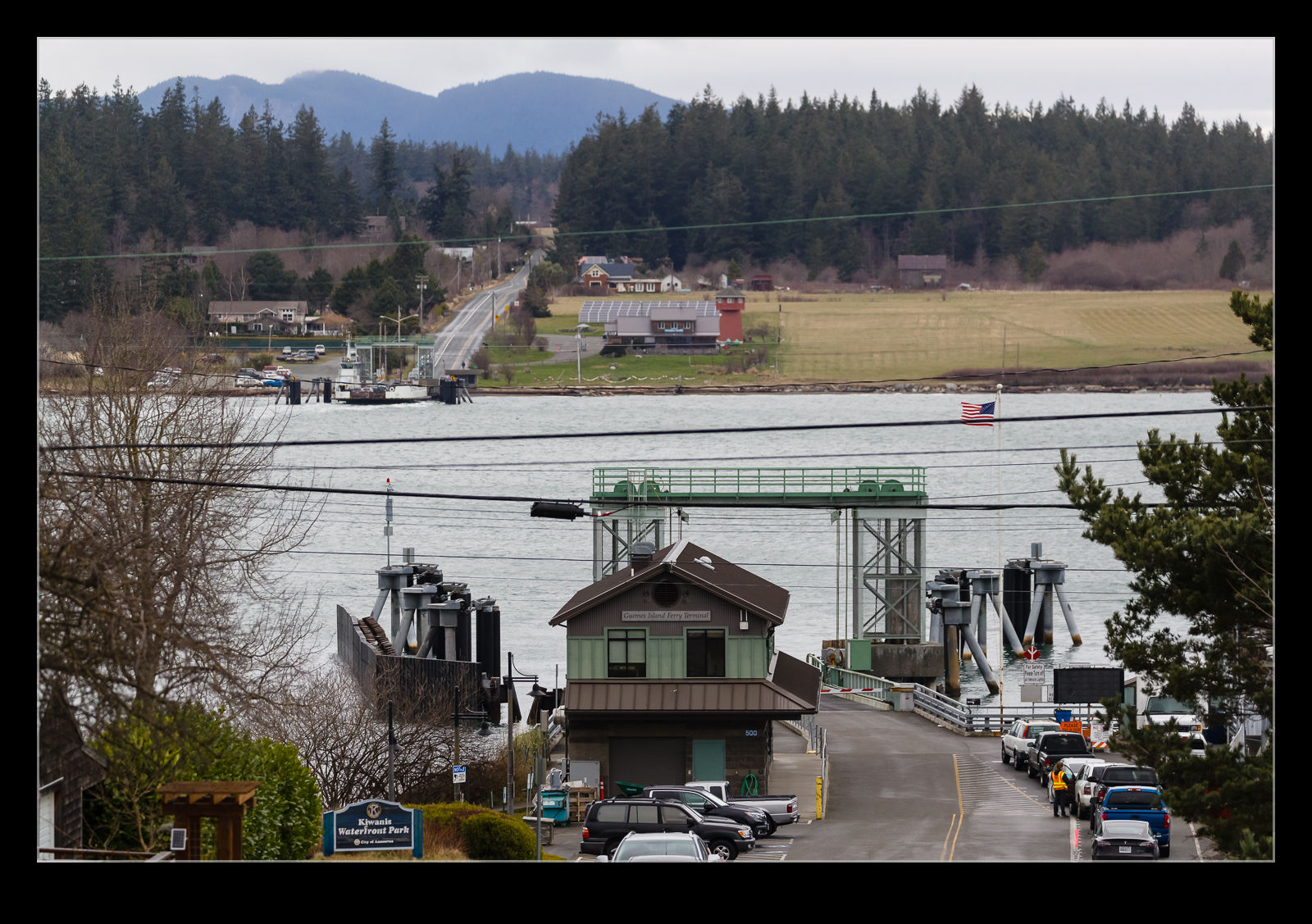
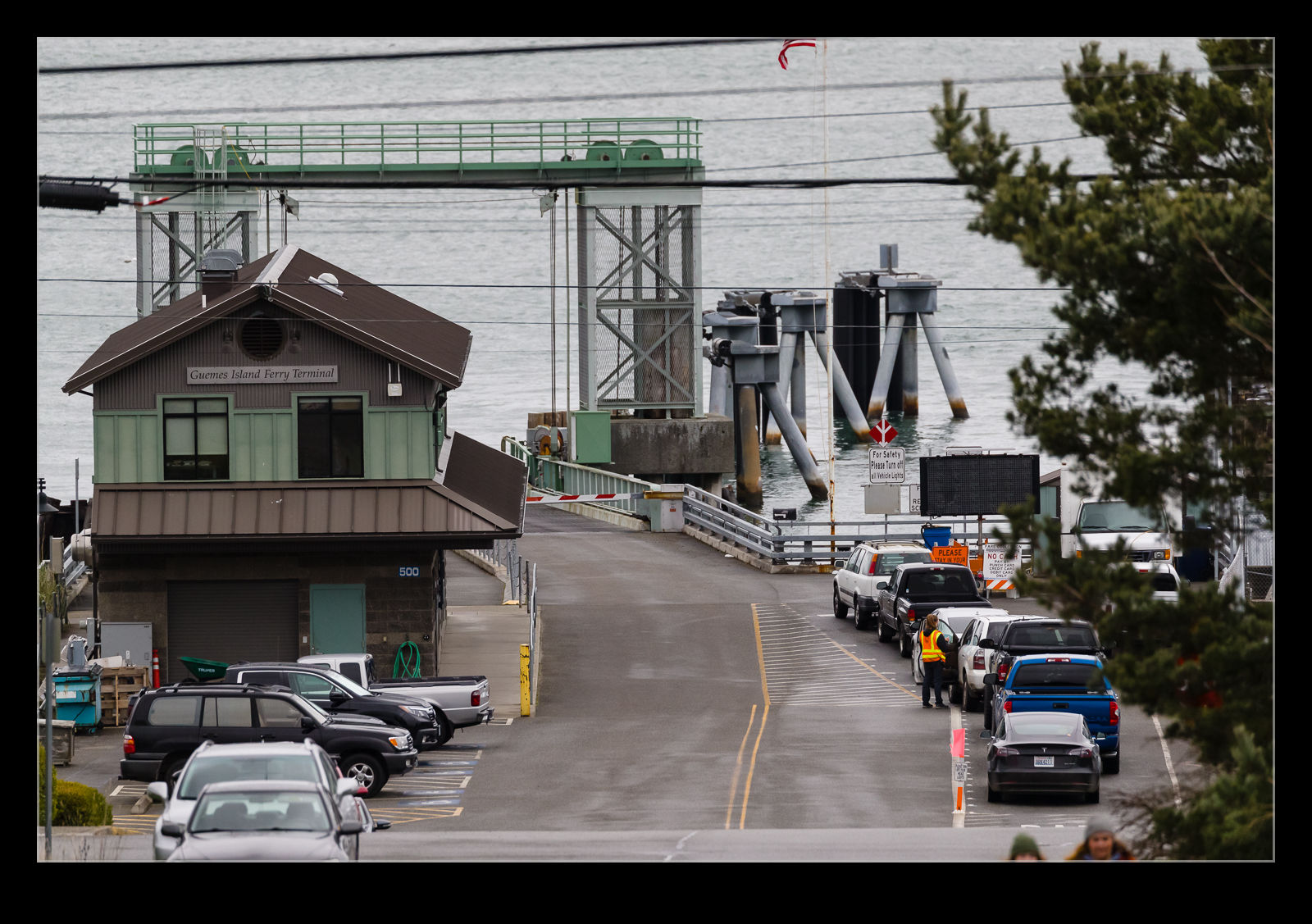
As you come down the hill, you look along the loading ramp and straight at the other terminal.  I saw a bunch of cars lined up to cross.  It didn’t appear that they would all get on so I guess they shuttle back and further pretty regularly.  It appeared to be half hourly.  As they made the crossing, the boat seemed to roll quite a bit.  It didn’t look like the smoothest of crossings.  I guess the boat is designed to be sufficient for the sheltered waters but I wouldn’t like to be on it in rough weather.  Then again, the crossing is short so you could suck it up if it was rolling about.  Maybe I will take a trip across some time and explore the island.
BNSF Along The Puget Sound Shore

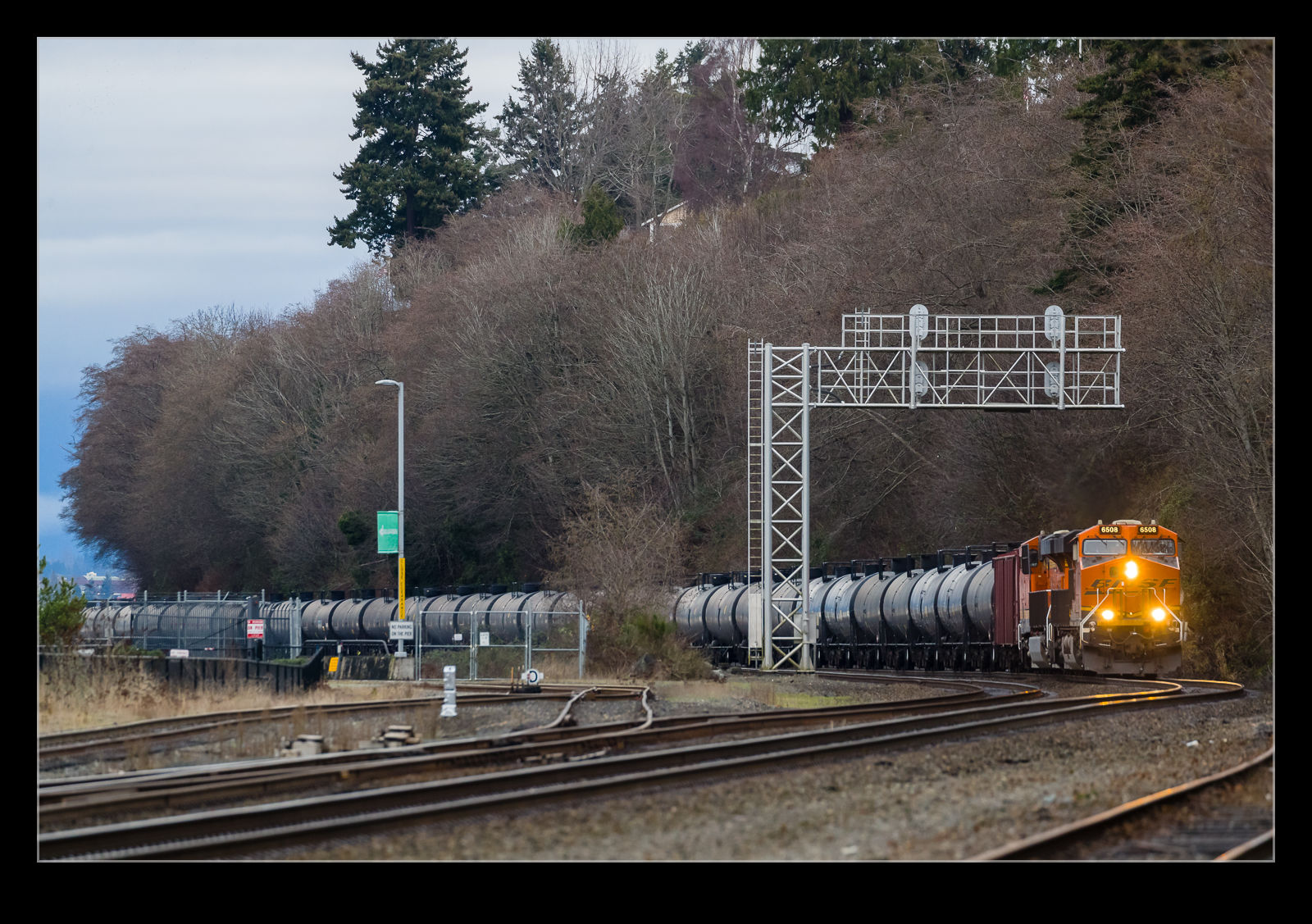
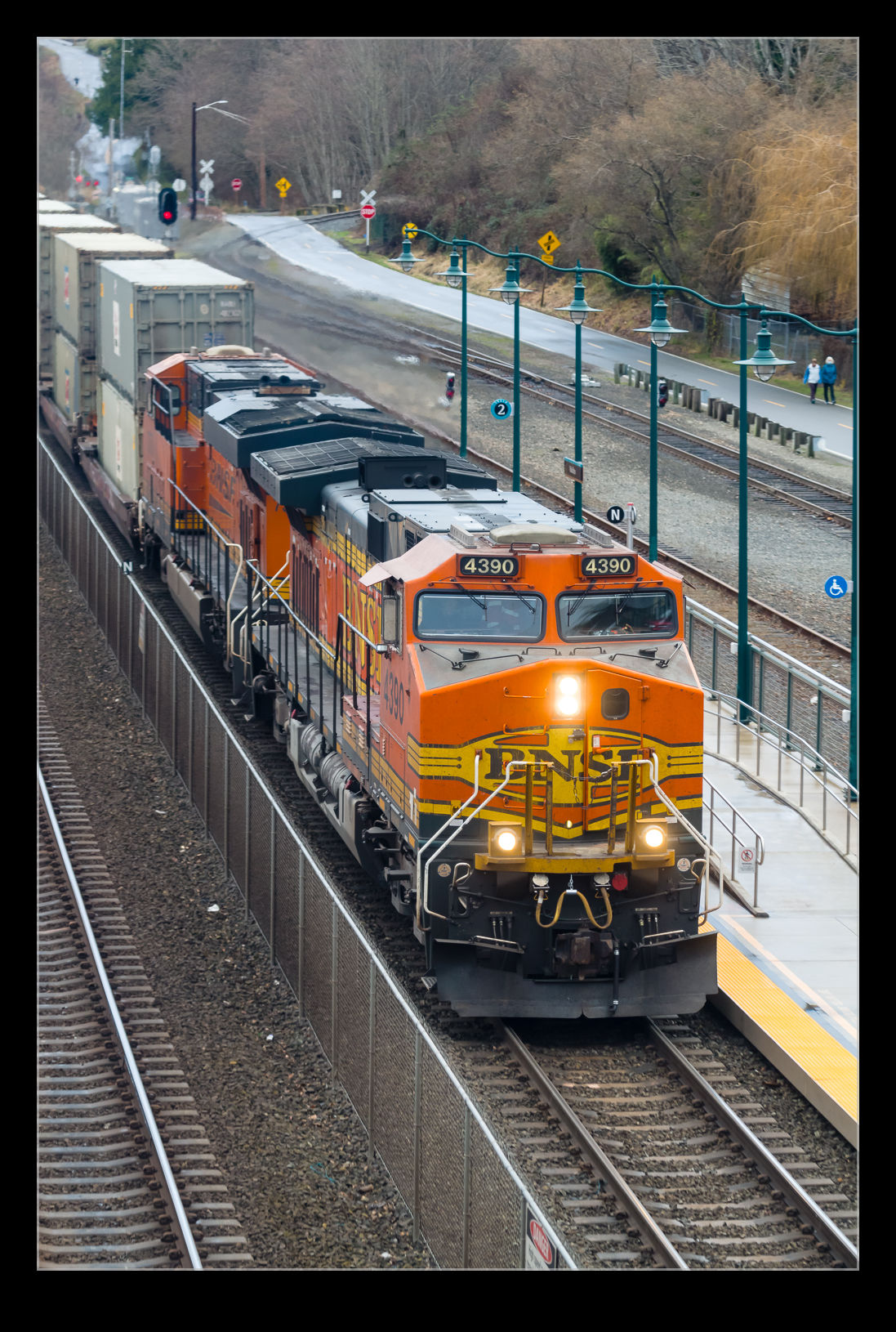
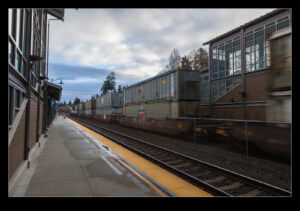
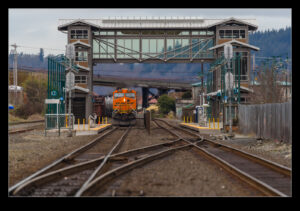
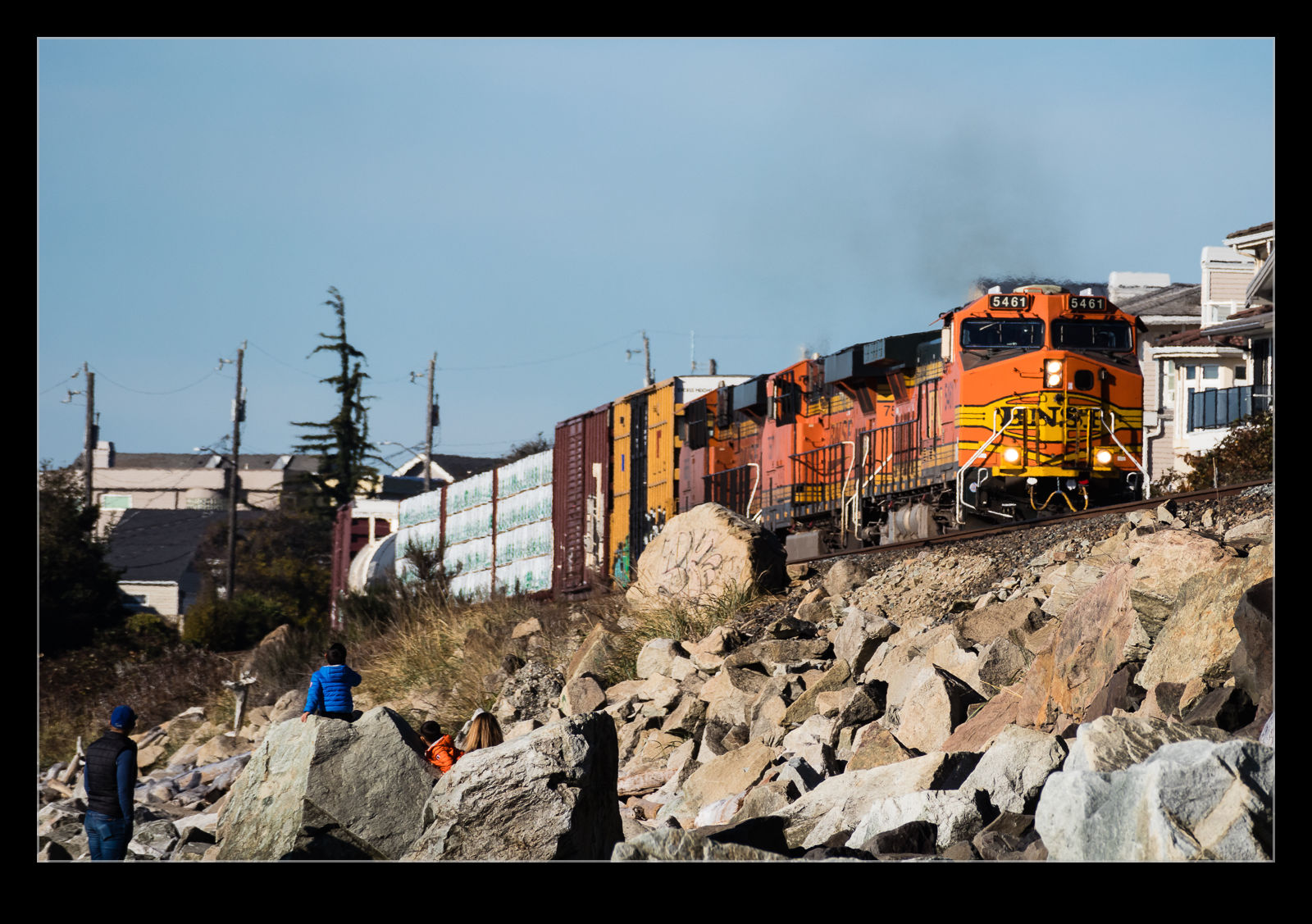
The terrain around Seattle is pretty undulating which is not ideal for railroads.  Consequently, a good amount of the track is along the shoreline where you can be guaranteed to be flat (provided you do a little work).  Mukilteo is part of the BNSF line and it runs between the houses on the hill and the water’s edge including the new ferry terminal.  There is a station there too for the commuter trains Sound Transit runs.

The majority of the traffic is freight traffic.  Double stack containers or oil tank cars are a regular feature.  I was there to look at the ferry traffic and the wildlife but, if a train is coming, I am not going to ignore it.  One came through while I was in the station while another came through a little later when I was up at the grade crossing.  For people living the US, long freight trains are not that unusual.  For friends and family in the UK, the length of a US freight train can be quite a surprise.  The leading locos can have disappeared off into the distance but the rear of the train hasn’t even come in to sight.  A curving coastline like that along Puget Sound means it is easy to be unable to see each end.

End of the Line for the 38 Stock

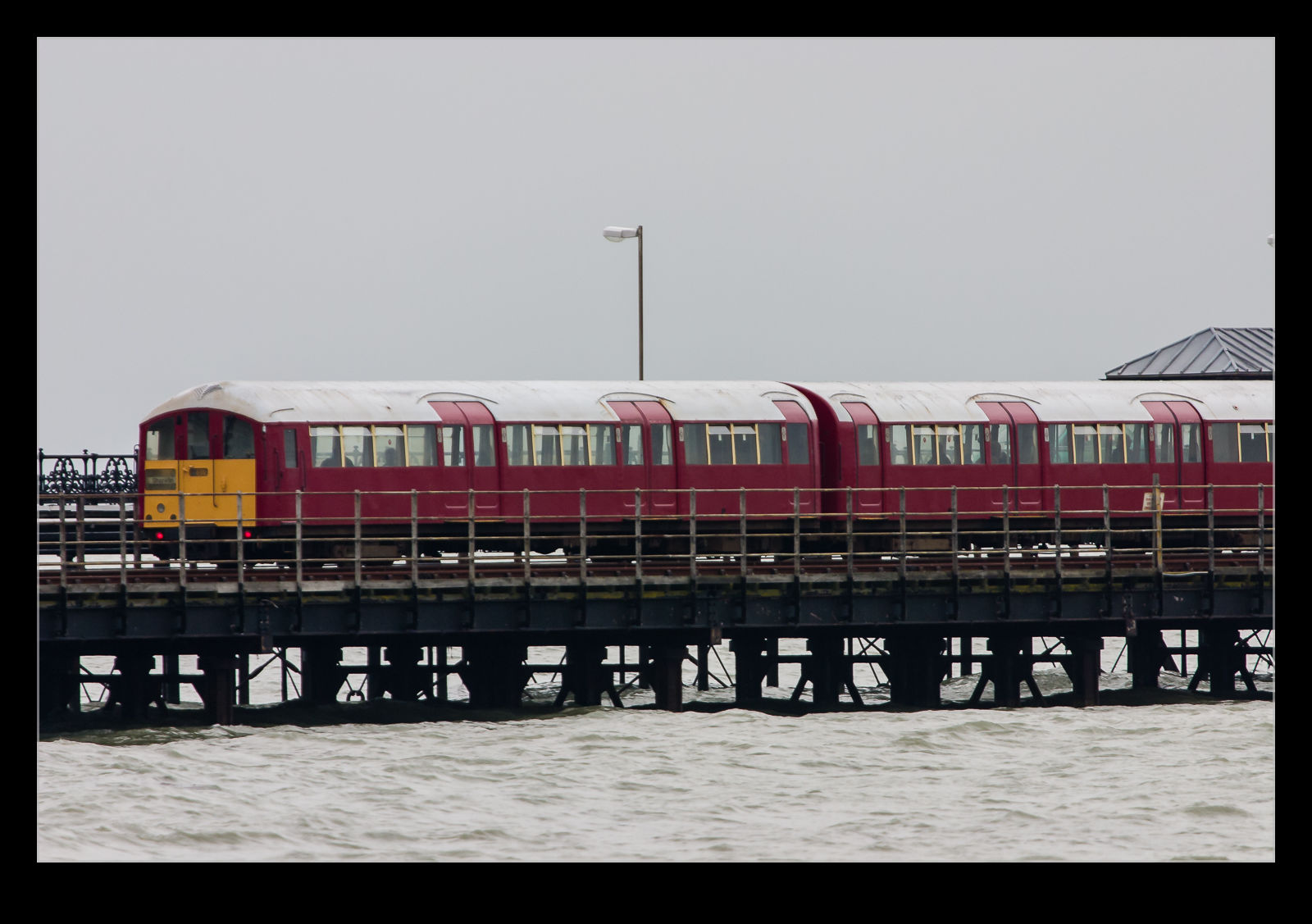
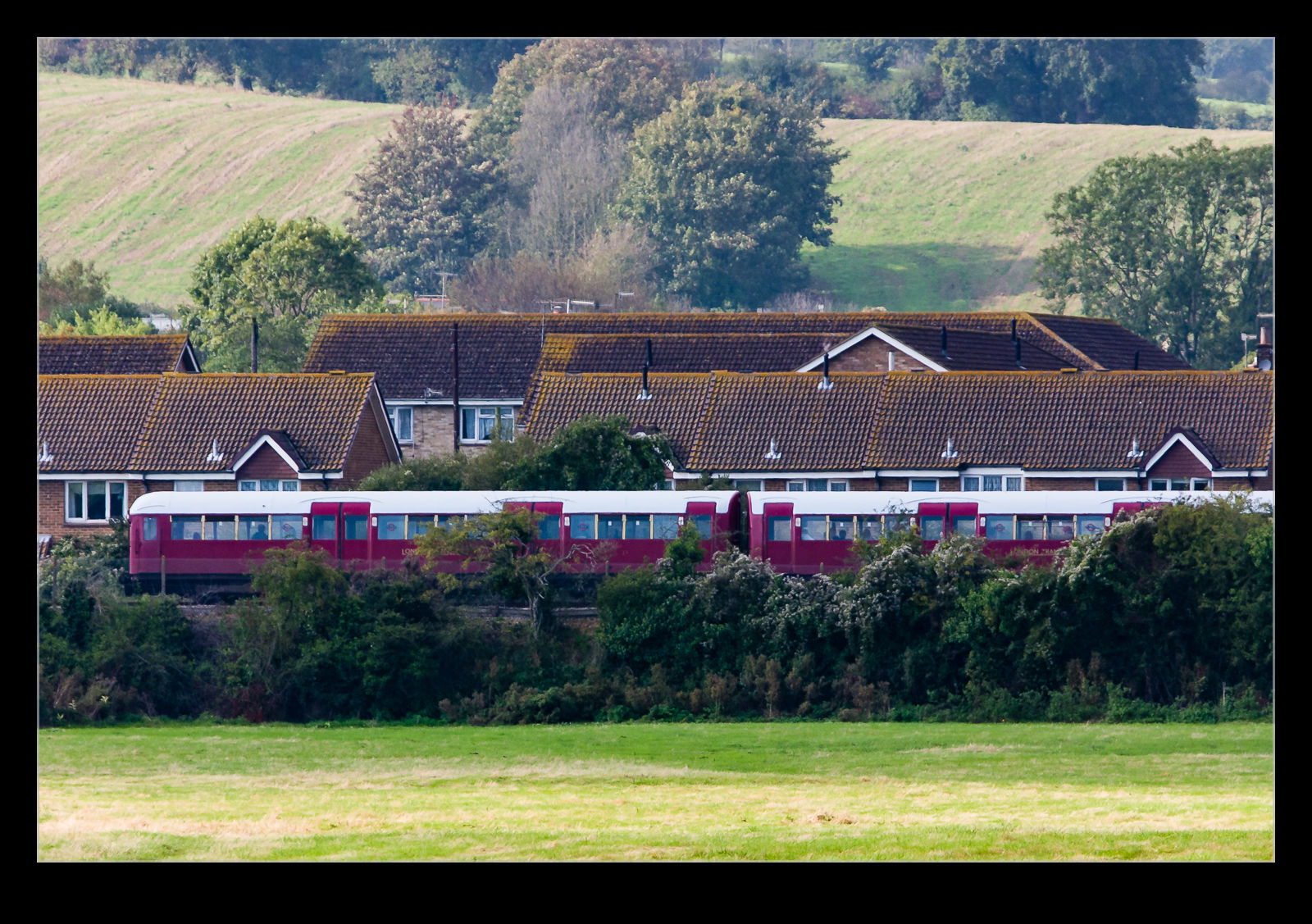
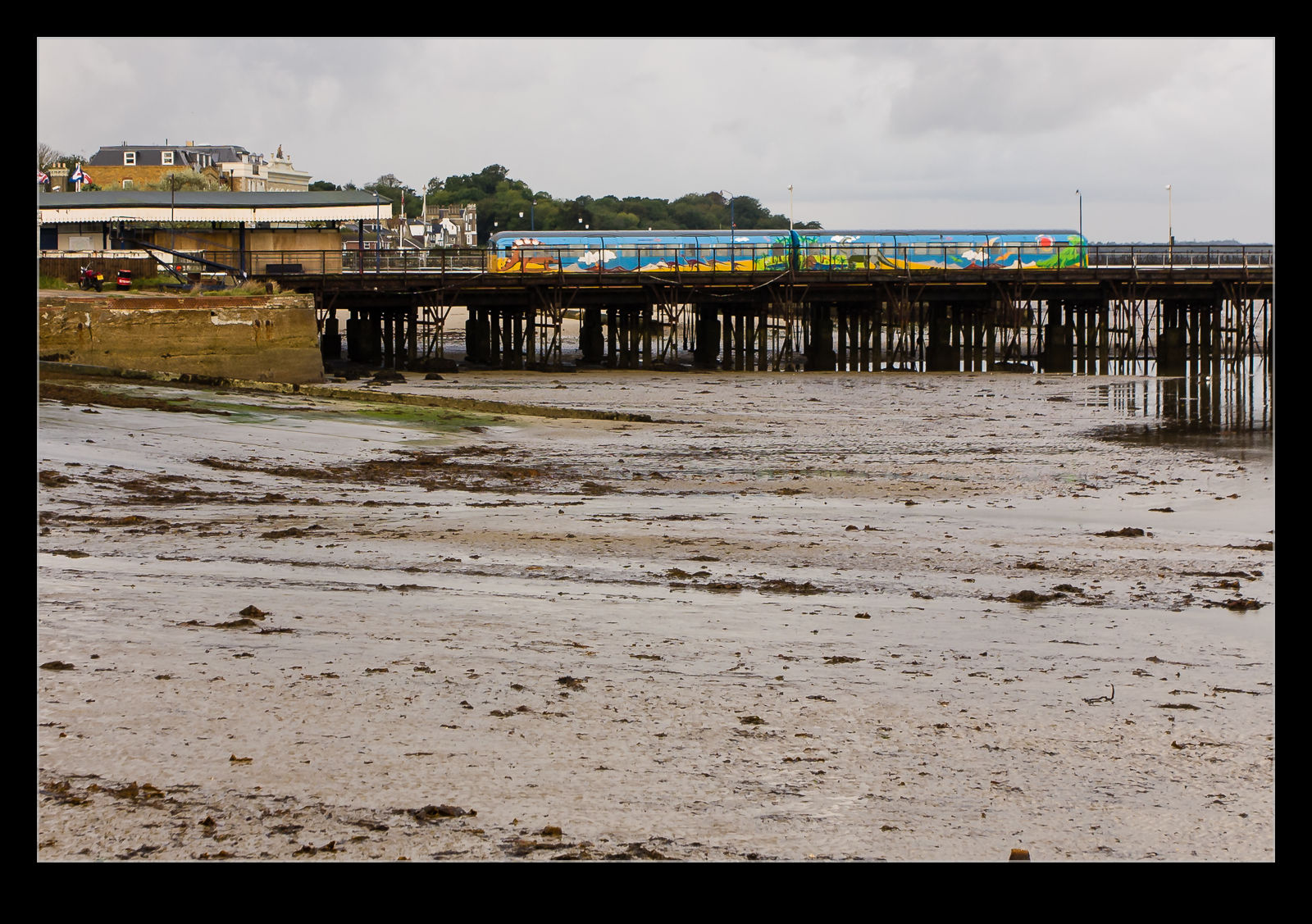
Prior to the 1960s, the Isle of Wight had an extensive rail network.  The Beeching cuts reduced it to one line, from Ryde to Shanklin.  It was electrified and the rolling stock was initially old London Underground stock from the 1920s.  This was in use when I was a youngster but it got replaced in the late 80s by the new(er) Class 483s.  These were also London Underground castoffs – this time from the 1938 stock.  They had gone through a modernization program to be used but they were hardly new.

Their time has finally come.  Replacement is underway with “new” stock based on retired District Line trains from London.  See a pattern developing here.  The system is shut down for a while for some significant track upgrades which will allow for a more frequent service.  The track desperately needed work and the old trains were falling apart so, hopefully, this will provide a big improvement.

When I lived on the Island, I didn’t think much about the stuff that was there.  All of these pictures I have taken when visiting more recently.  This is all I have to record the new extinct Island Line stock.  Two examples will be preserved if you want to go and see them!

San Juan Ferry and Barge

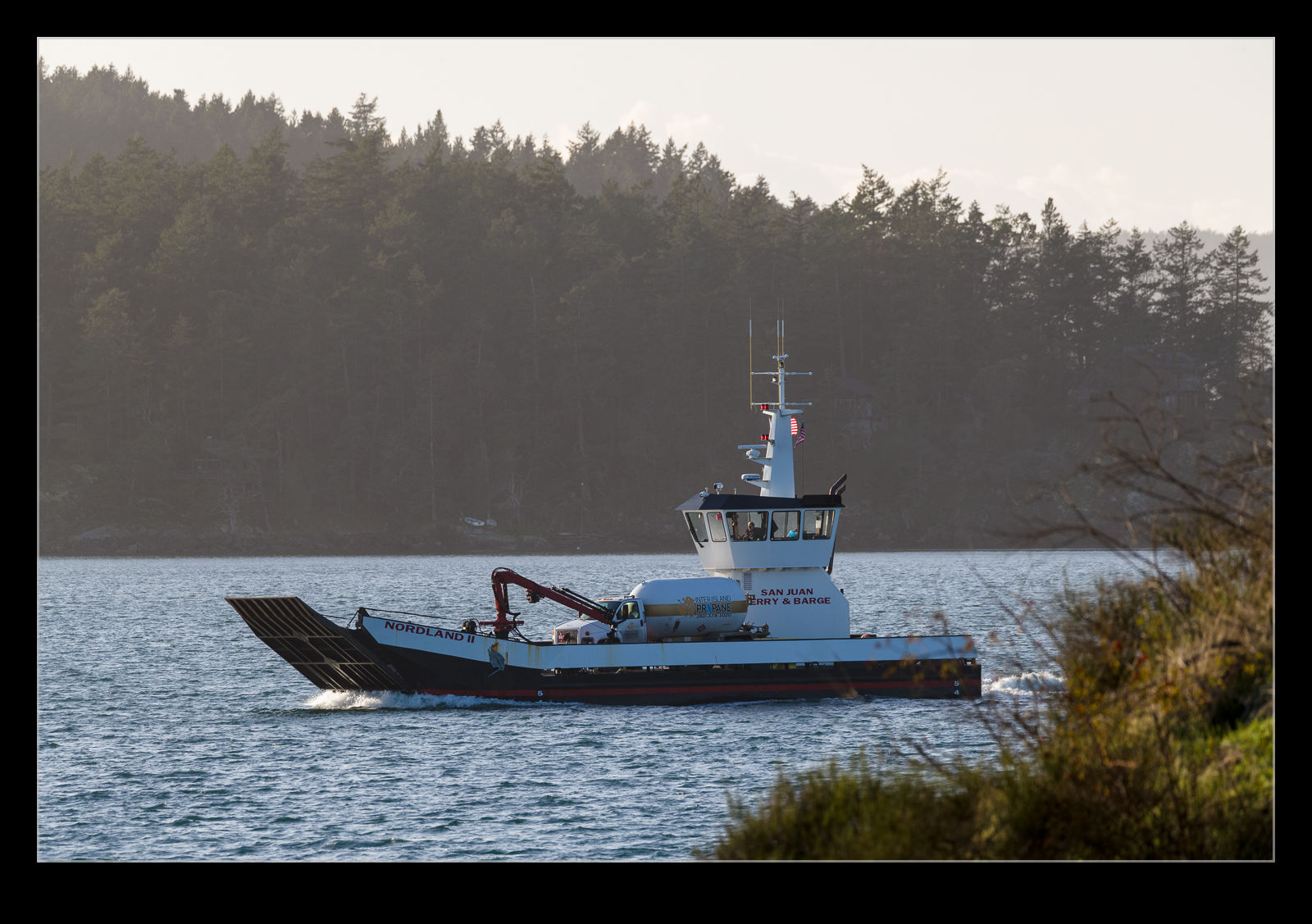
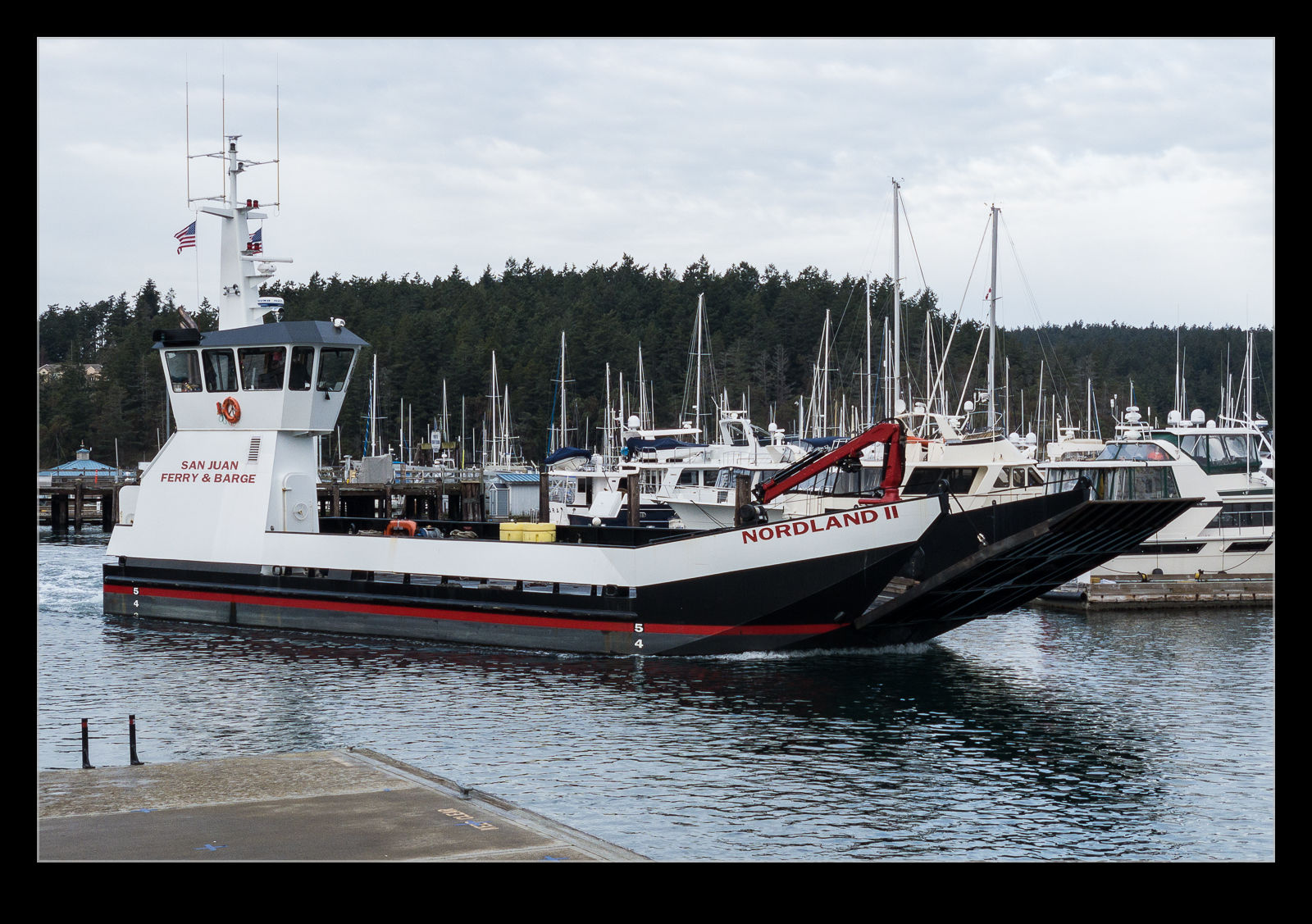
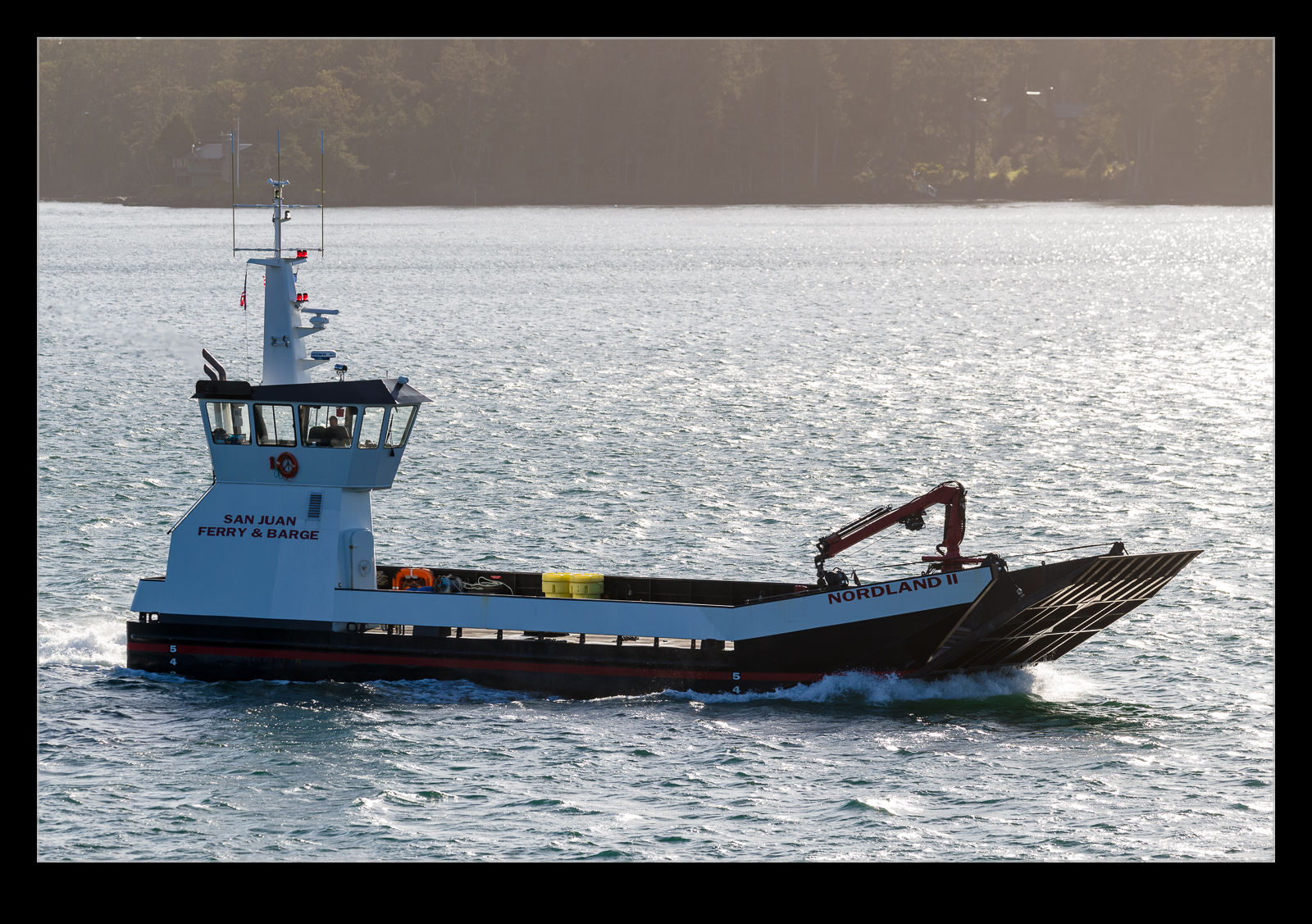
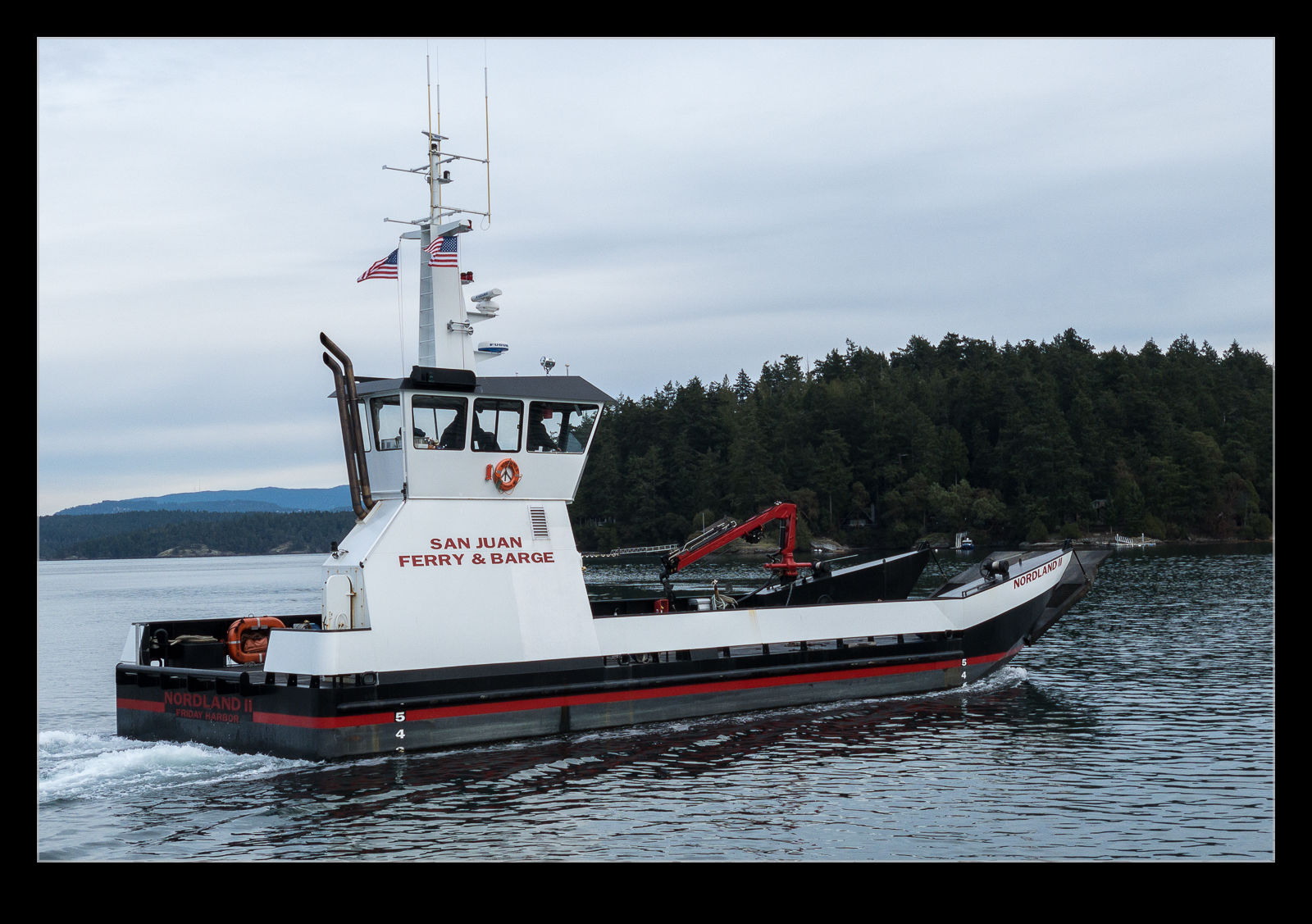
The Washington State Ferries service is the main way of getting between the San Juan Islands but it isn’t the only one.  On a previous trip to the islands, I had posted about an operator of a small ferry.  That post is here.  The operator is San Juan Ferry and Barge.  The boat in the original post is the Henry Island but they have a second, similar boat.  This is the Nordland II.

The Nordland II came past us while we were staying in Orcas a couple of times.  It had a truck with what looked like propane on board.  I imagine moving from place to place with a hazardous cargo is easier when you charter the boat yourself.  The front ramp means they can load and unload at any number of launching ramps around the islands which makes them super flexible.

They are based at Friday Harbor and, while we were walking around the waterfront, I saw them in the marina.  The Nordland II was making a trip out so I got a shot as they pulled out (along with a friendly wave from the crew!).  The Henry Island was still moored up so I grabbed some shots of it while I could.

London Buses in the Strangest Locations

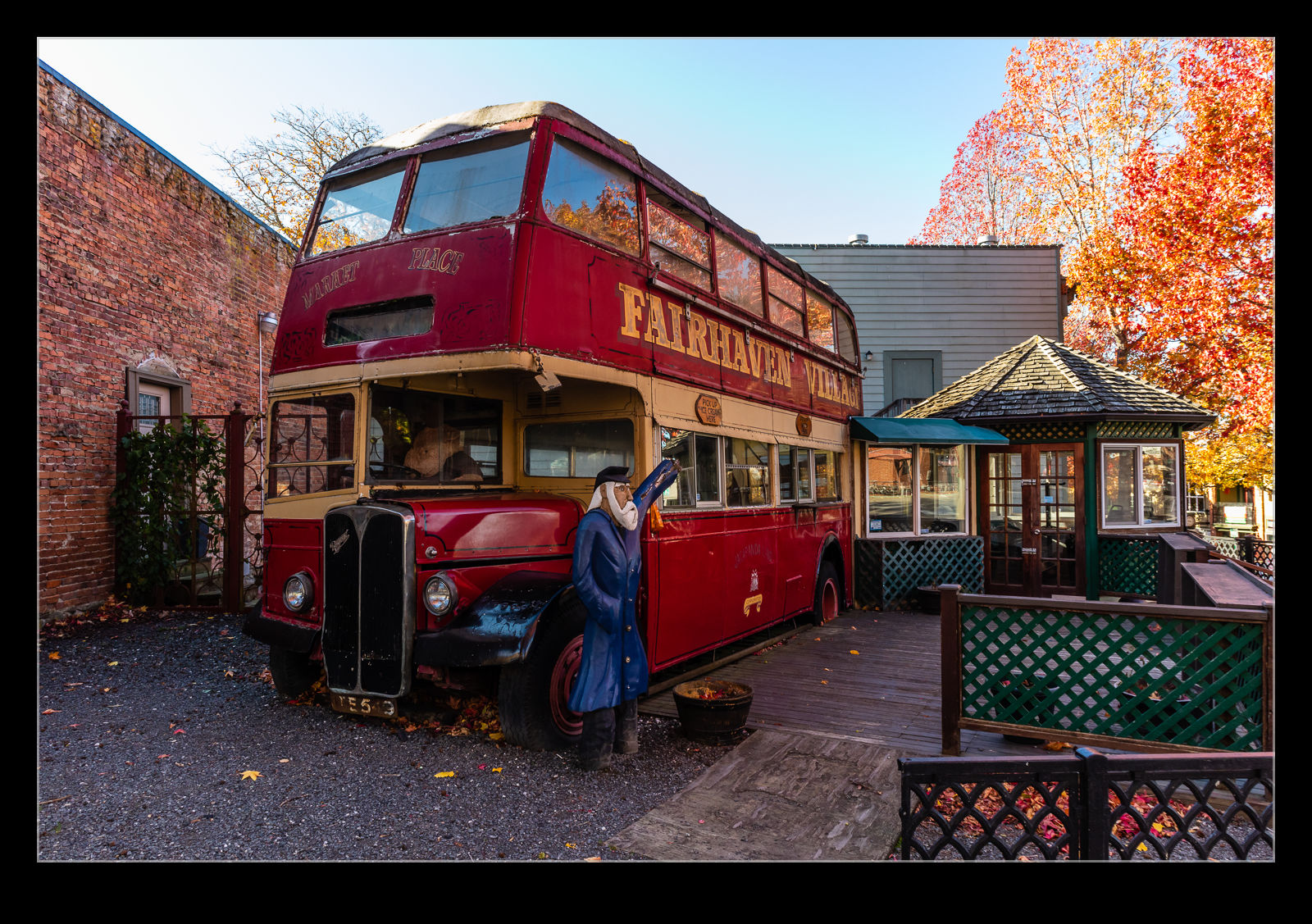
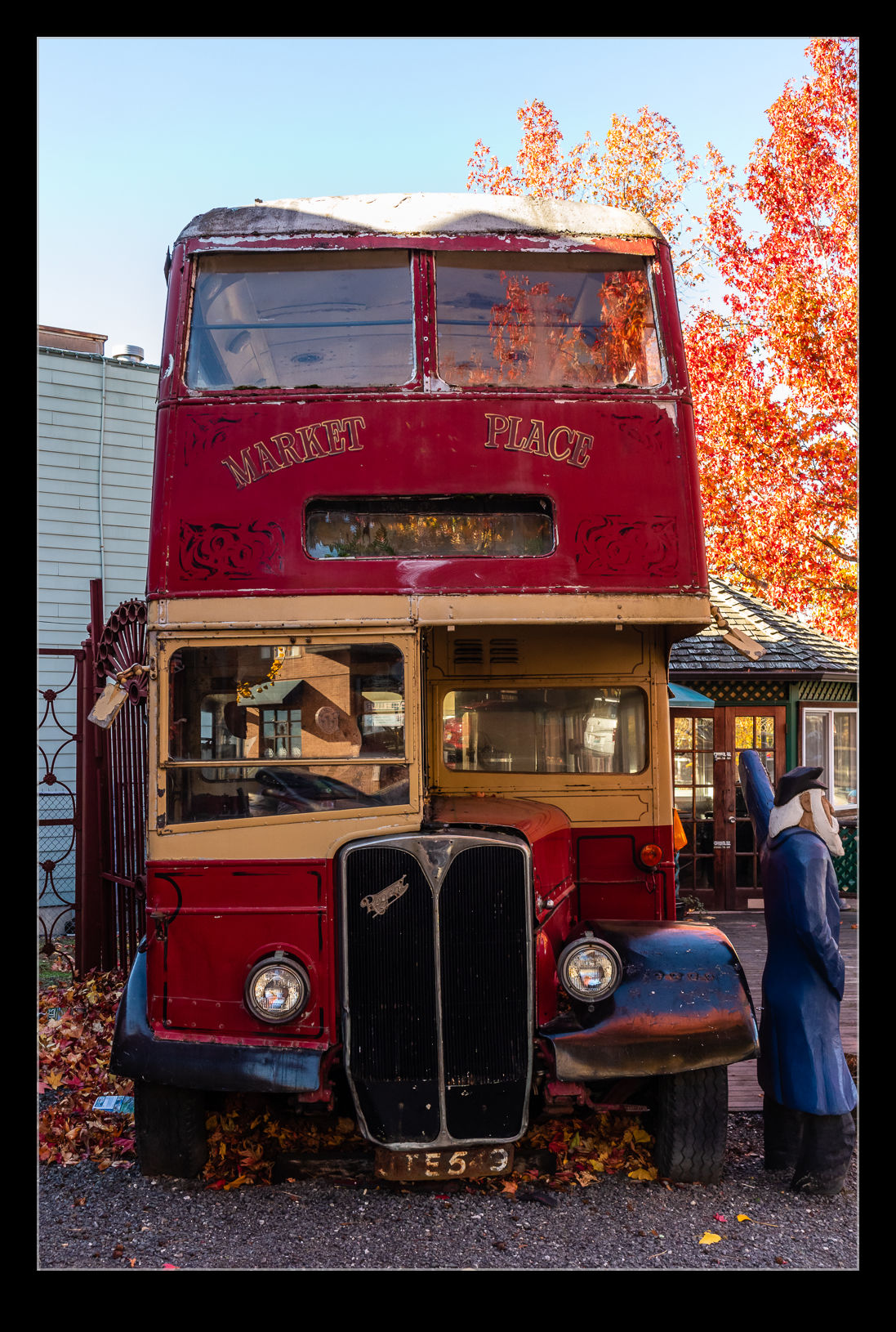
In the center of Fairhaven, I was surprised to see an old London bus.  This wasn’t a Routemaster but an older vintage of bus.  It was tucked in a shady area next to a building on a sunny day so it was a touch tricky to get a shot of.  It was also surrounded by various stuff so I maneuvered to get a reasonably clear shot of it.  It still has its UK registration plates so anyone that is familiar with London Transport history, can probably advise what it is.  No doubt there is a website for this sort of thing somewhere if I looked hard enough.

BNSF Along the Shore

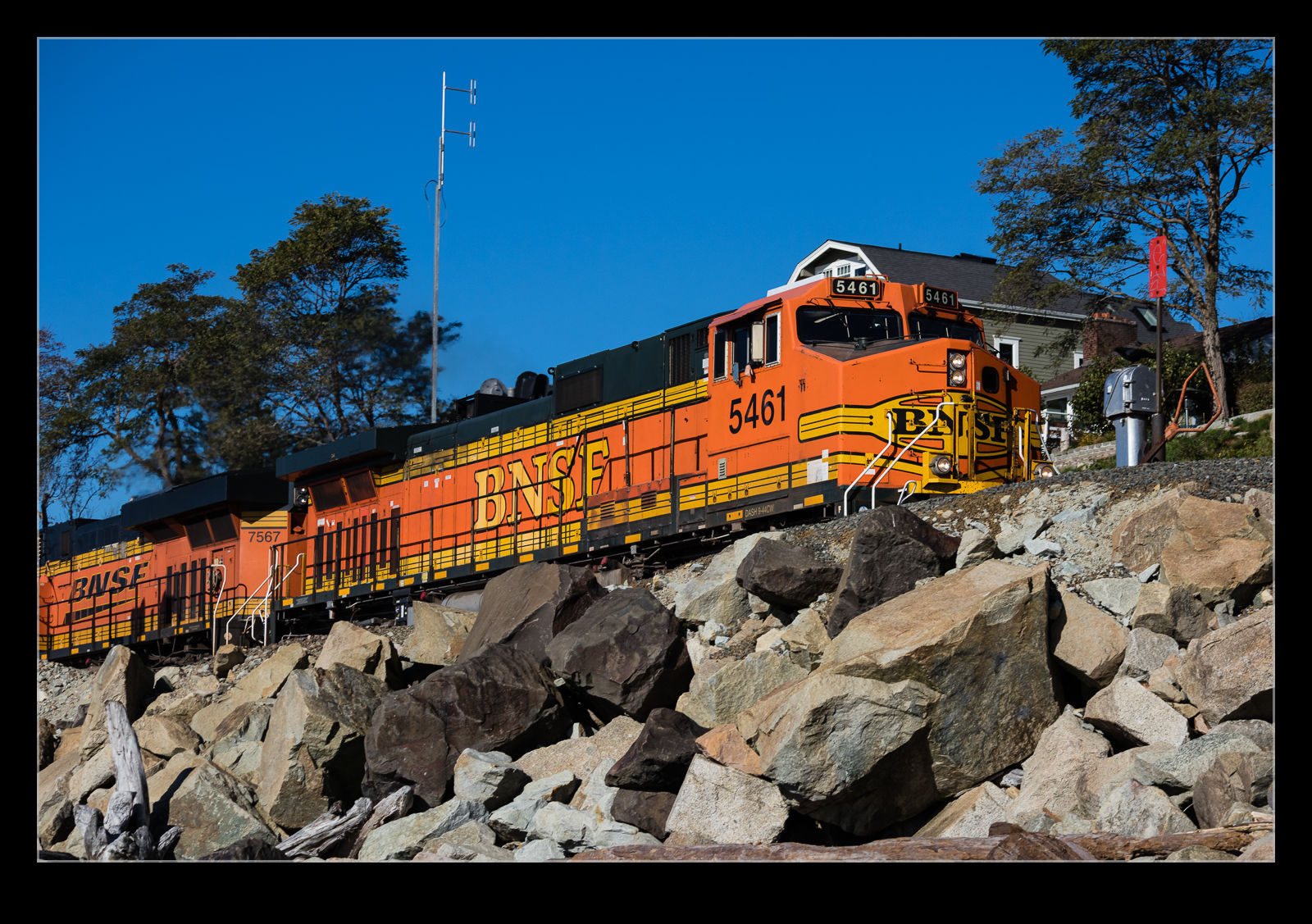
The beach at Shoreline is alongside the BNSF railroad tracks and there is always a good chance that a train will rumble past while you are there.  We got one while we were on a stretch of the beach that is tight up under the tracks.  I grabbed a few shots as the train headed south towards the city.

Stored Ferries

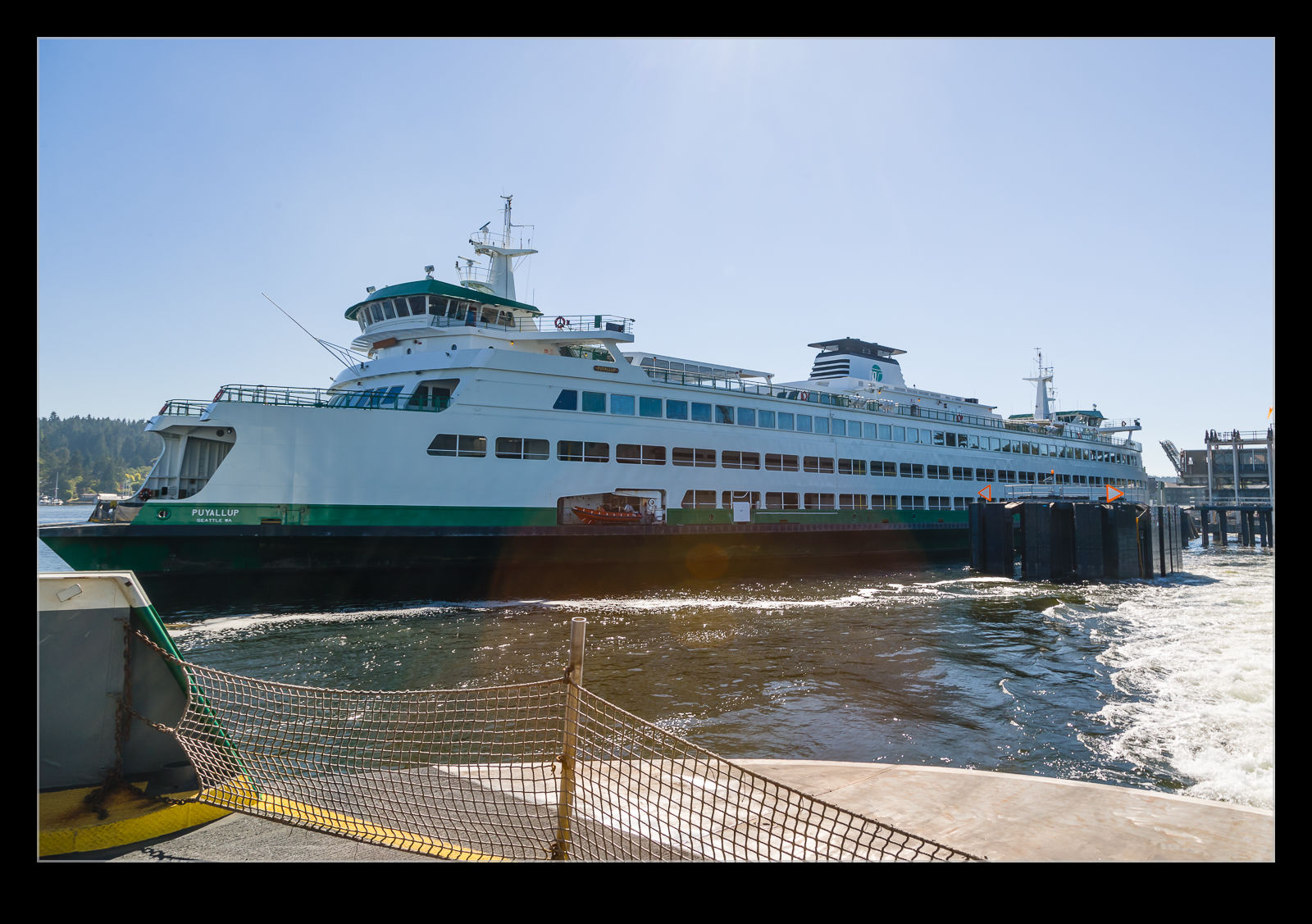
Bainbridge Island is the location of Eagle Harbor.  This is the maintenance base for the Washington State Ferries.  Look at it on Google Maps and you will see a ferry moored up in maintenance or long term storage.  However, since the onset of the pandemic, the ferries have been operating at a reduced schedule.  This has continued even though traffic levels during summer have increased markedly.  This reduced schedule means not all ferries are in service and a bunch are stored at Eagle Harbor.  Shooting in to the sun is not ideal but it was the only available shot.  Here are some of the ferries either in storage or awaiting a return to the full schedule.

Old British Locomotives

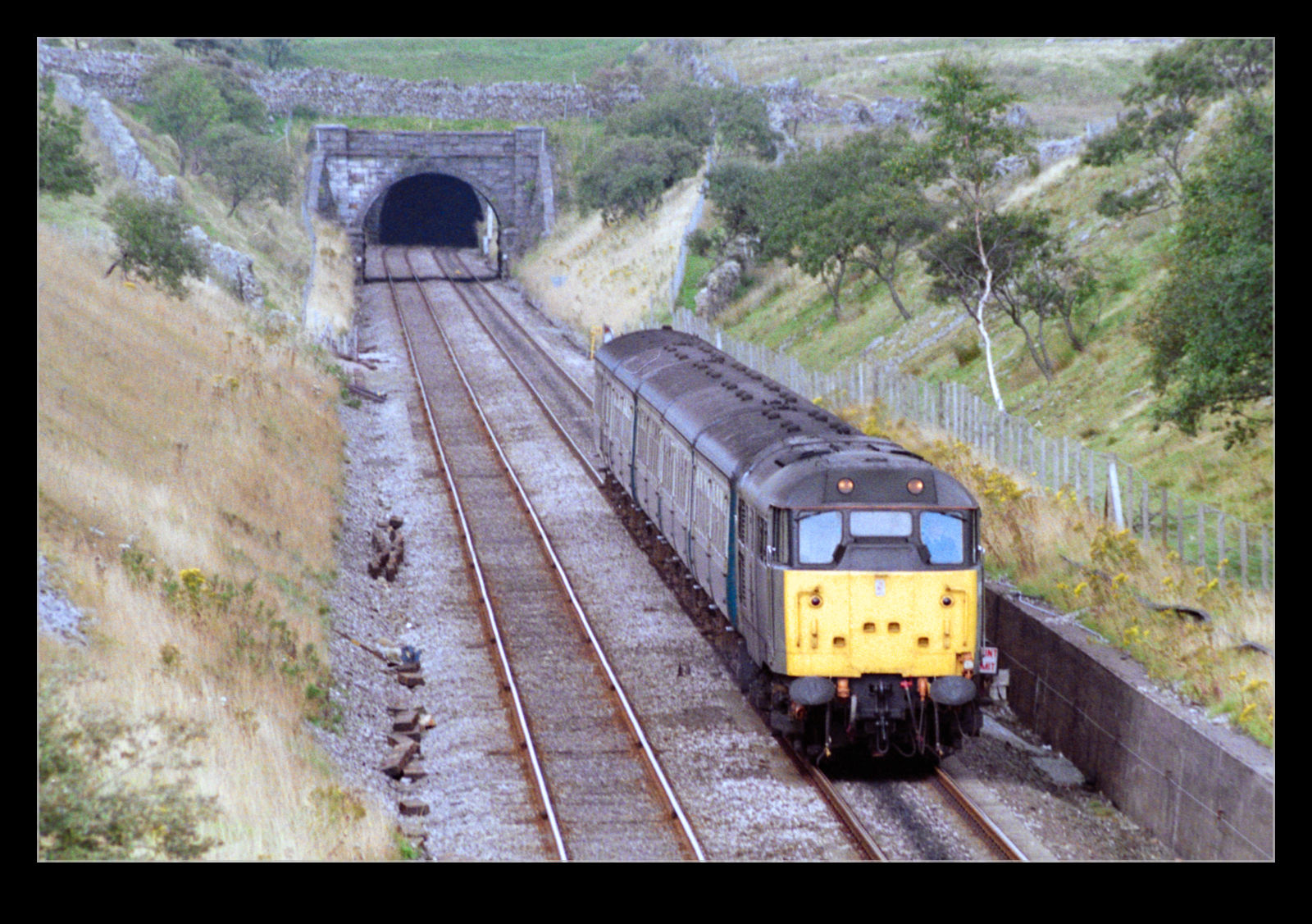
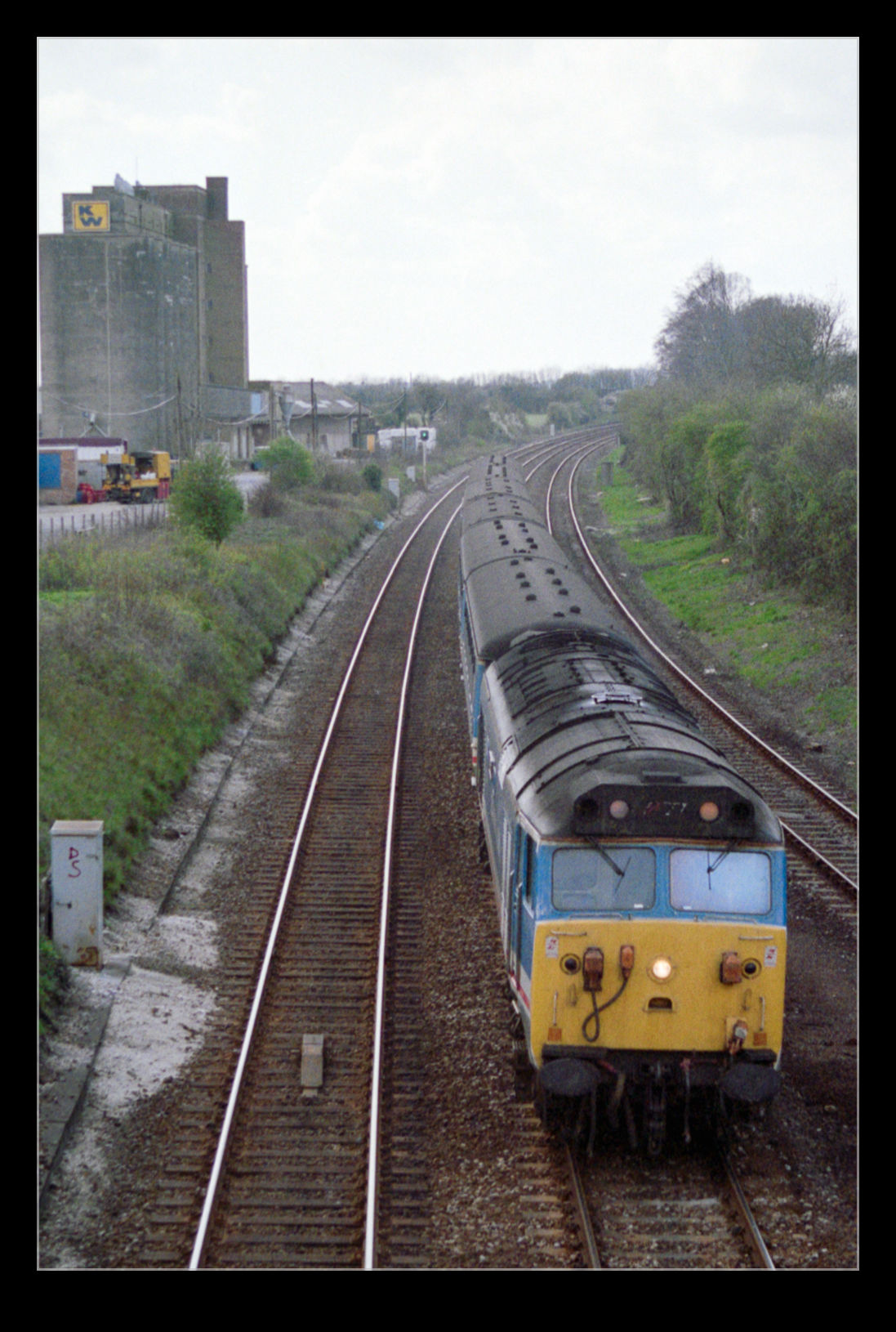
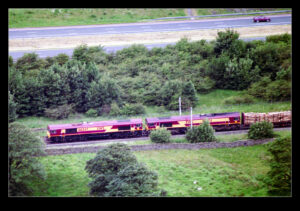
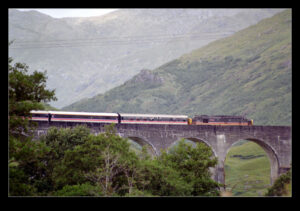
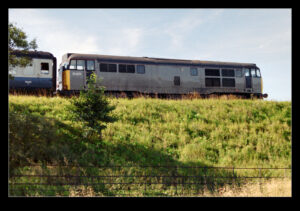
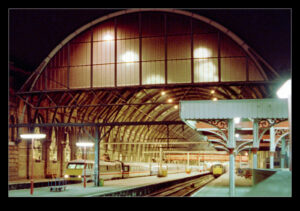
In the process of scanning so many old negatives, I come across shots that I had no idea I had taken.  When I still shot film, I would not go nuts taking shots but I was certainly willing to take a shot of anything that I found interesting at the time.  Since I had no idea that I was going to have a career in rail, I didn’t think trains would be very important.  However, I am an engineer at heart and any big mechanical items catch my interest.  It isn’t surprising that I found a few photos of trains.  Some of my old colleagues will find these of interest.  Others may just like them because they like trains.  My sister will probably like the Class 50 just because she used to commute to work behind them for a number of years!

The Old Ferry is a Substitute

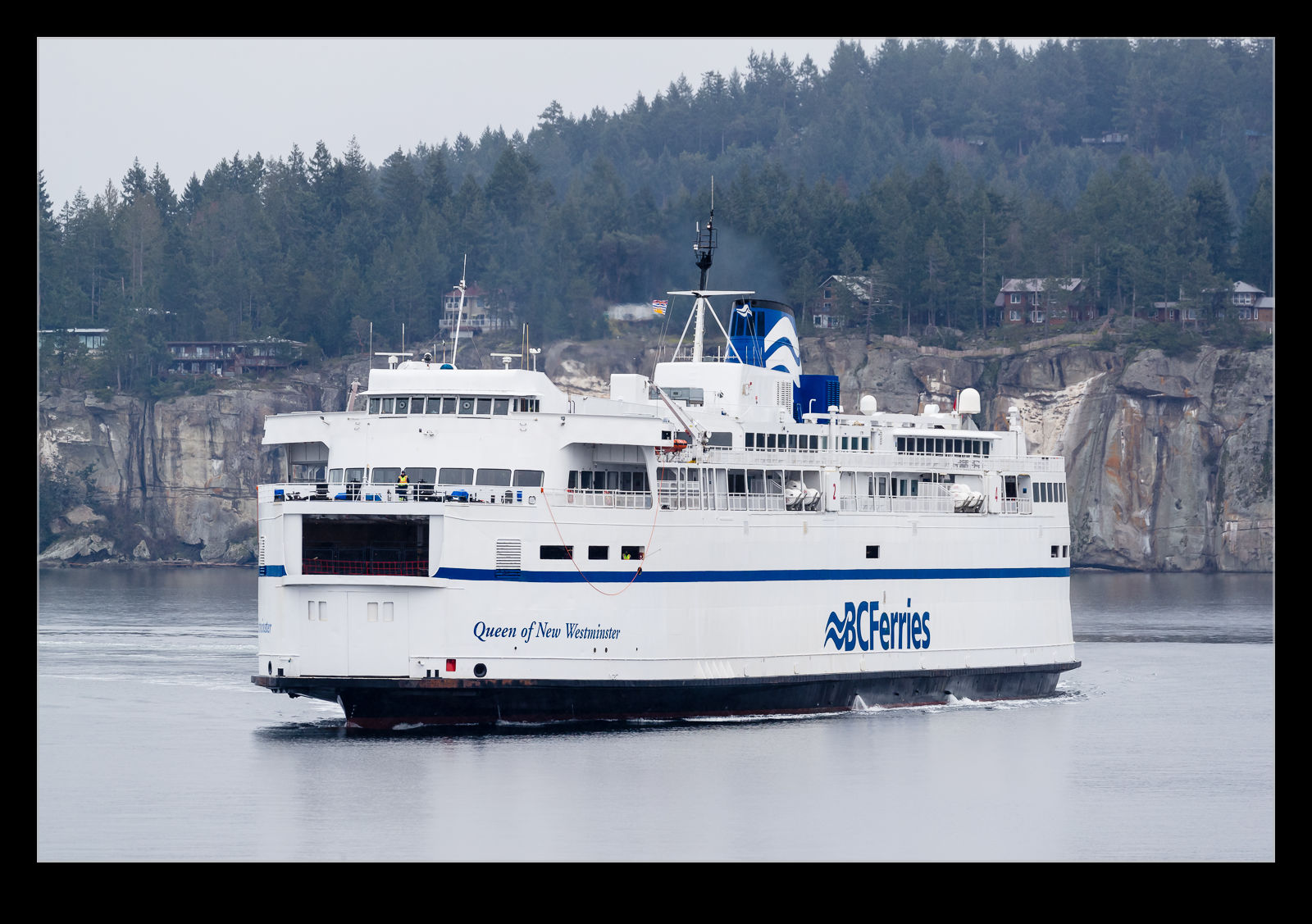
On our trip to Tofino, we were on an older ferry from BC Ferries.  The Queen of New Vancouver was our ride in both directions.  I am not an expert on BC Ferries but this boat clearly looked a lot older than the majority of the fleet.  That’s because she is.  All of her sister ships have been scrapped but she was refitted around 2007 for another ten to fifteen years.  (Wikipedia is my friend.). I guess that means her days are numbered.  I am not sure whether she is used regularly but I did hear that another ship was in maintenance.  Maybe that is why she was in use.  Anyway, here is the old girl.  We rode on one of the newer ships a while later and they are definitely better equipped for the passengers.  Maybe she still has some time to go though.

Looking Back at the HSTs

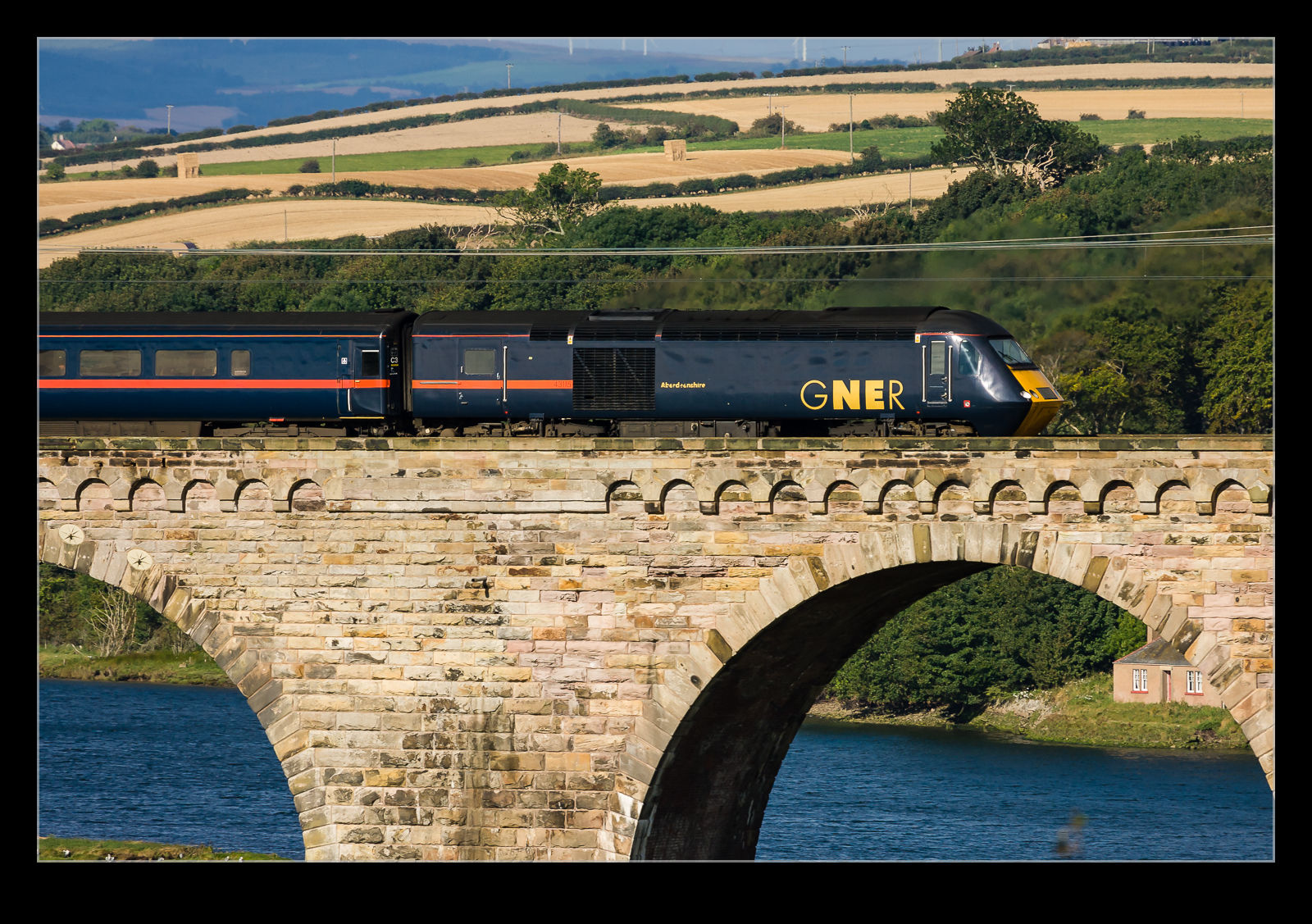
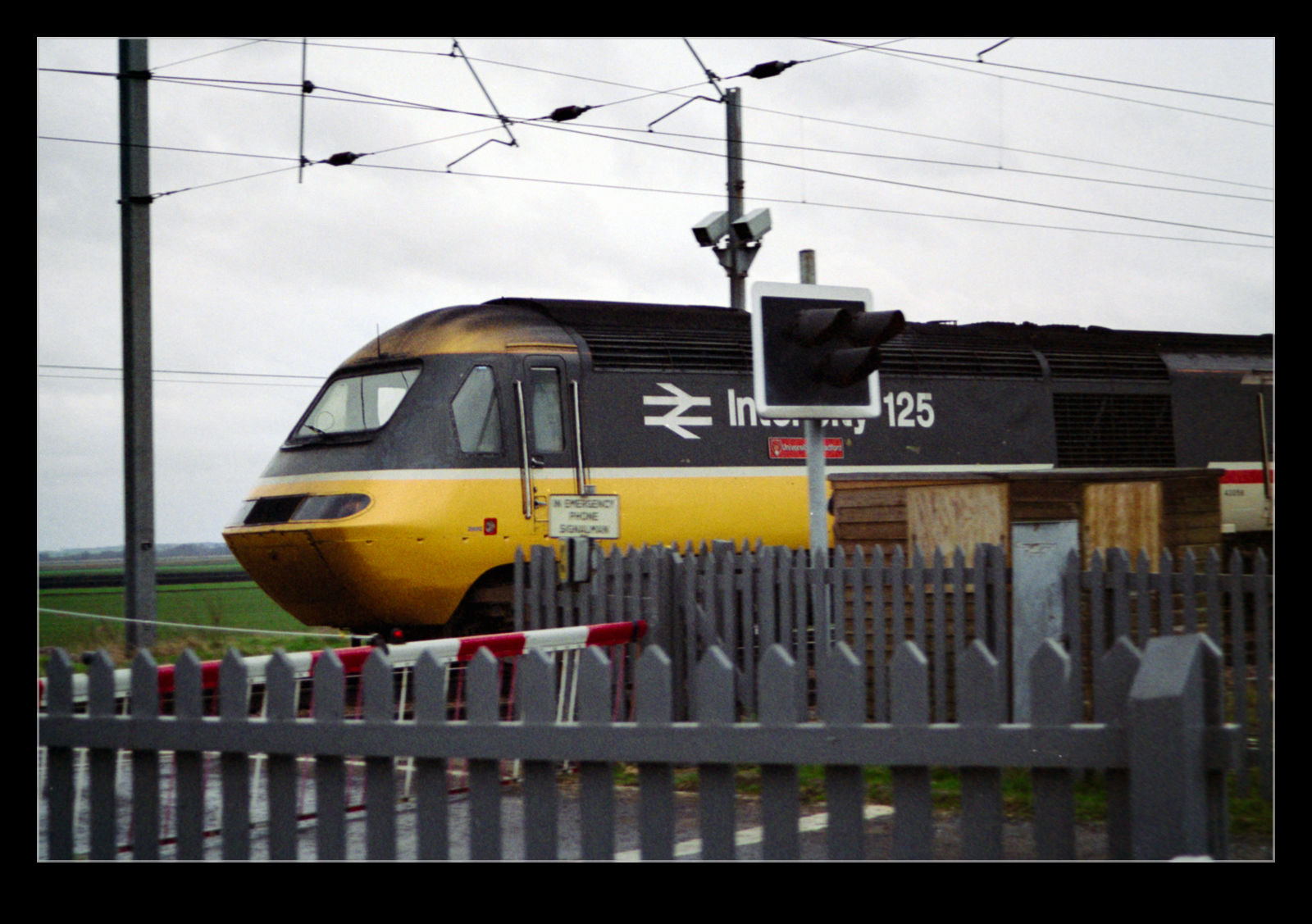
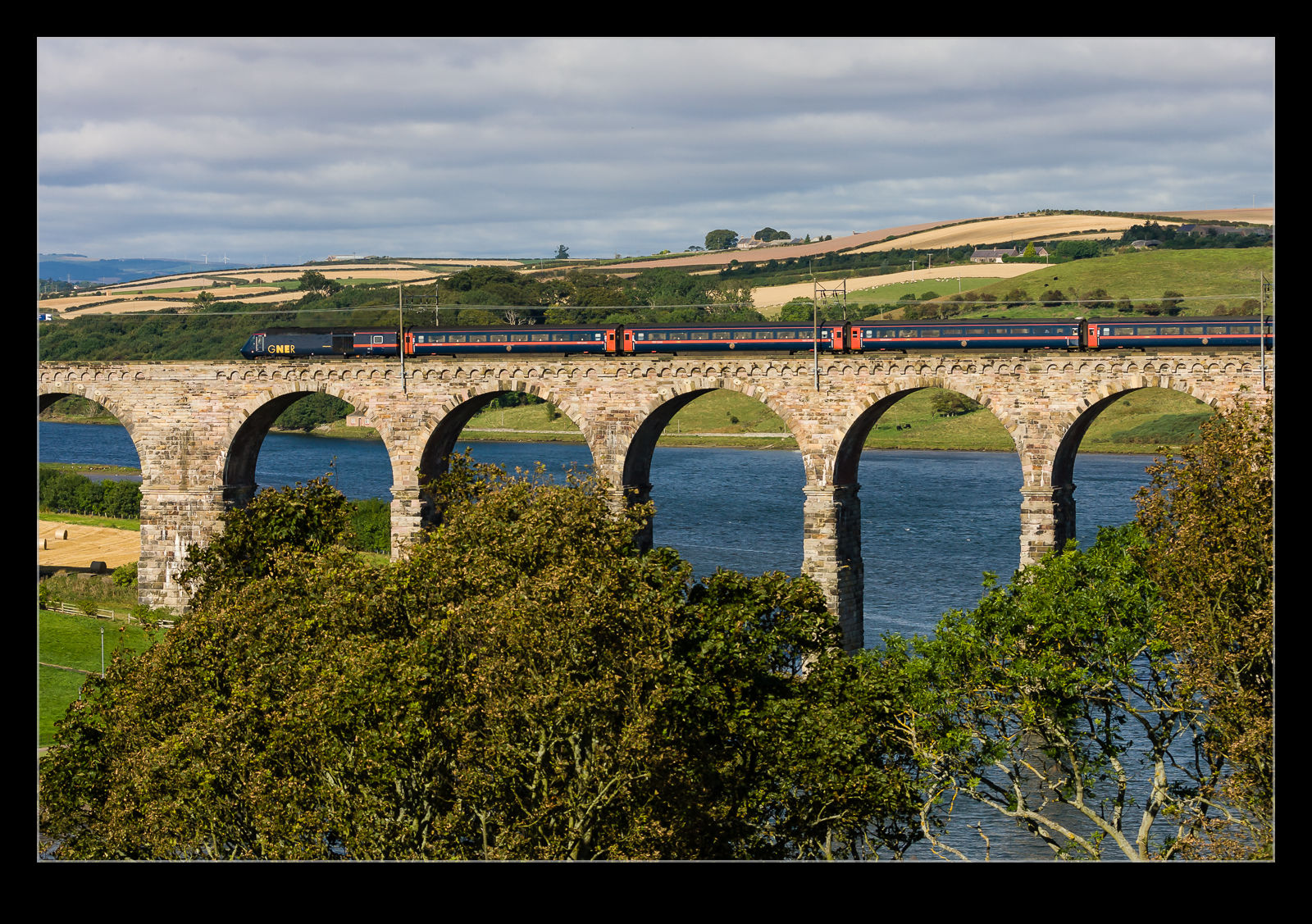
As a small boy, the new thing in British trains was the Intercity 125.  Known in the industry as the HST, this was a step forward in fast train travel for the UK.  When I started working in the rail industry many years later, the HSTs were a big part of our fleet.  They had been in service a long time by then but were still the backbone of certain corridors and were getting further investment.  Move on another 20 years and now the fleet is finally disappearing.

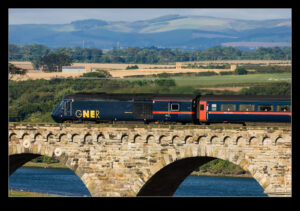
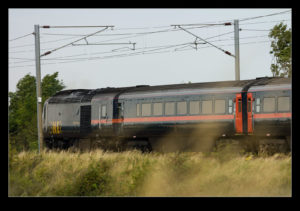
Some are still being reconfigured for a future on new routes, but the majority of the fleet is being replaced by a new generation of trains and it is a surprise just how long it has taken to find their successors.  The HSTs have been a solid fleet with strong performance, a level of redundancy and a ride quality that was impressive.  I figured I would through in a couple of shots I have of them.  I have very few, sadly.  One is an old one in British Rail colors from the 80s and the others are from the days of GNER.  What a shame I don’t have more.  Given the amount of time I spent traveling on them or inspecting them at depots and overhaul facilities, I should have tons.  Oh to have had had phones in our cameras then!