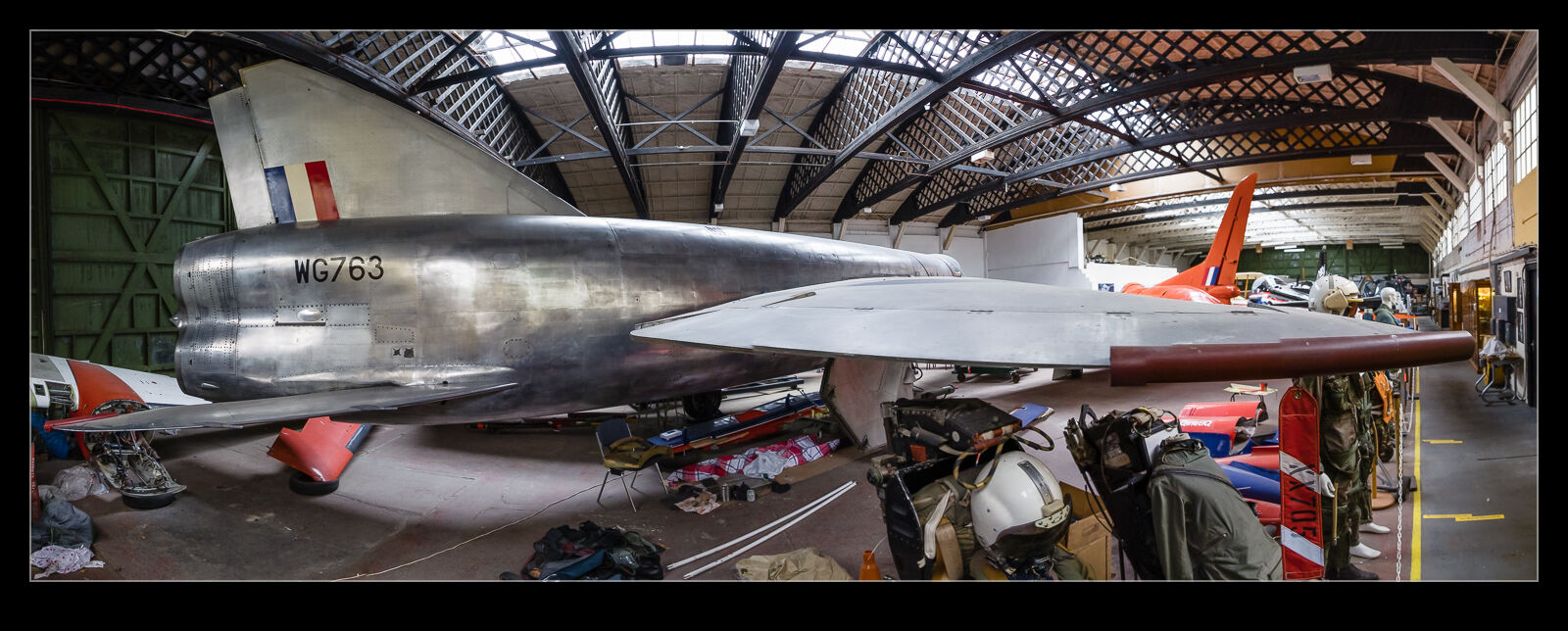
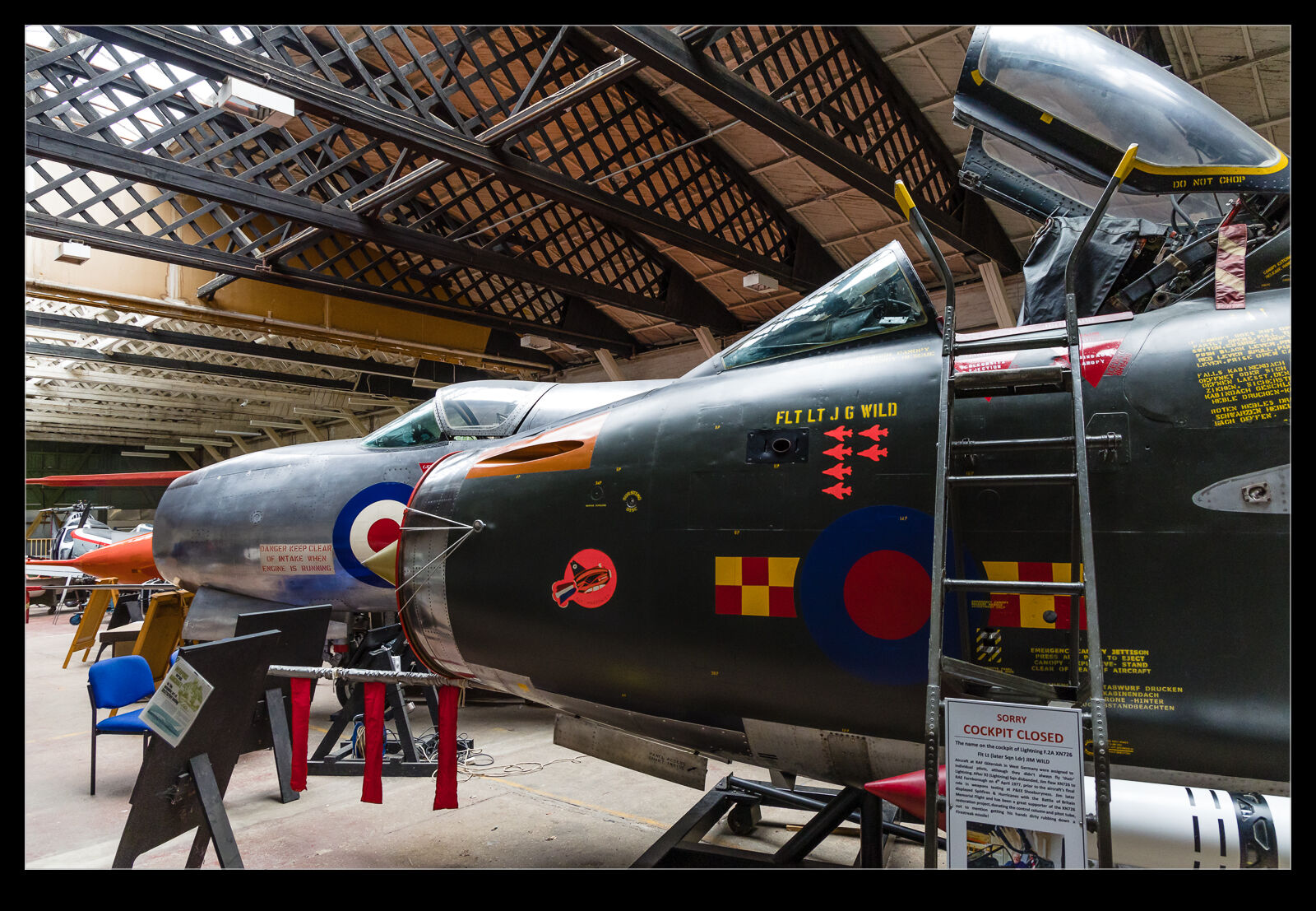
 Farnborough sits at the centre of the history of aviation in the UK. From the first powered flight in the country, through the development of key aircraft in the First World War, through the research into aviation that took place in what was originally called the Royal Aircraft Establishment and then evolved through various names. (Oh yes, it also has a large trade airshow every two years.) Eventually the establishment was closed down as facilities got consolidated.
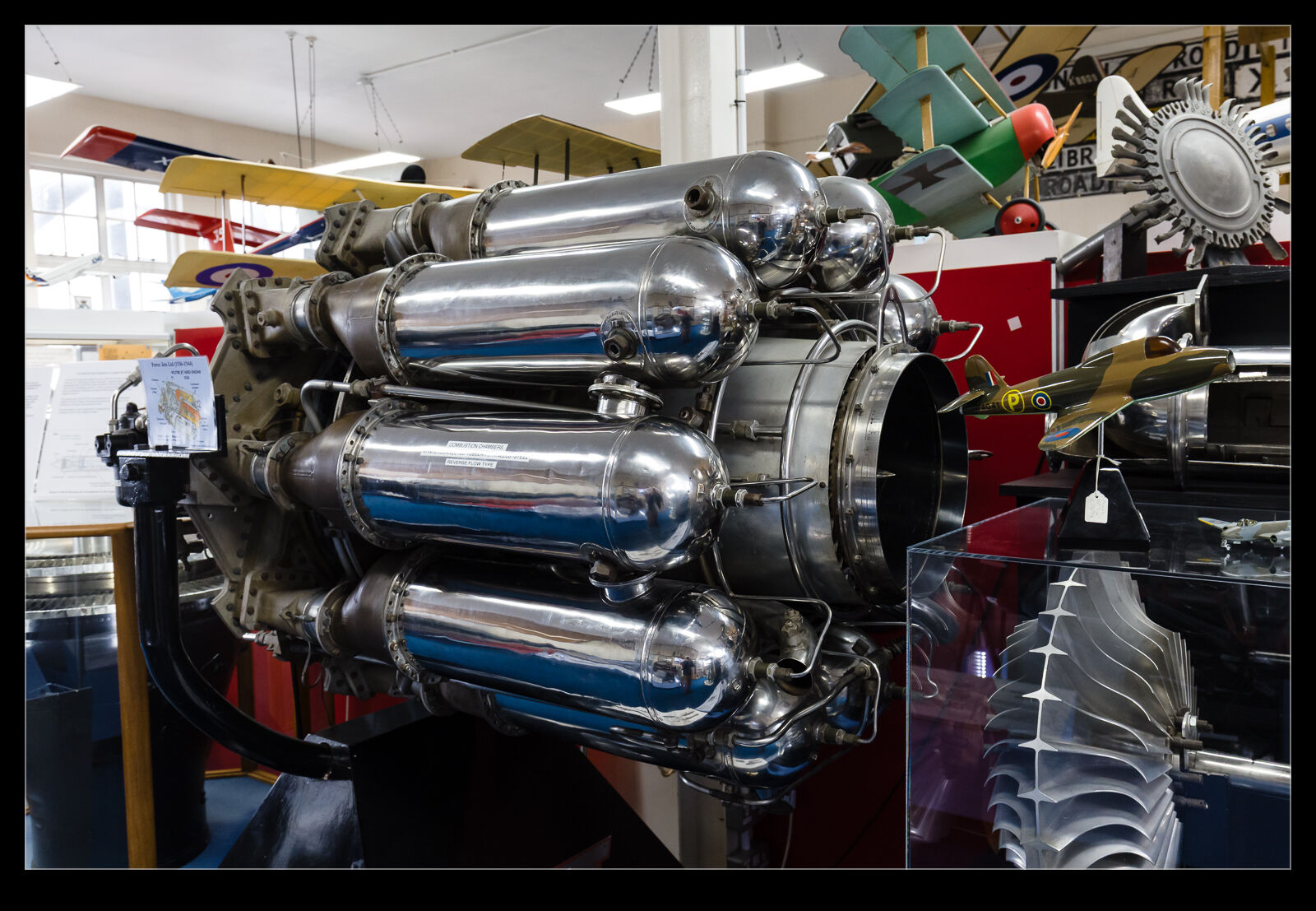
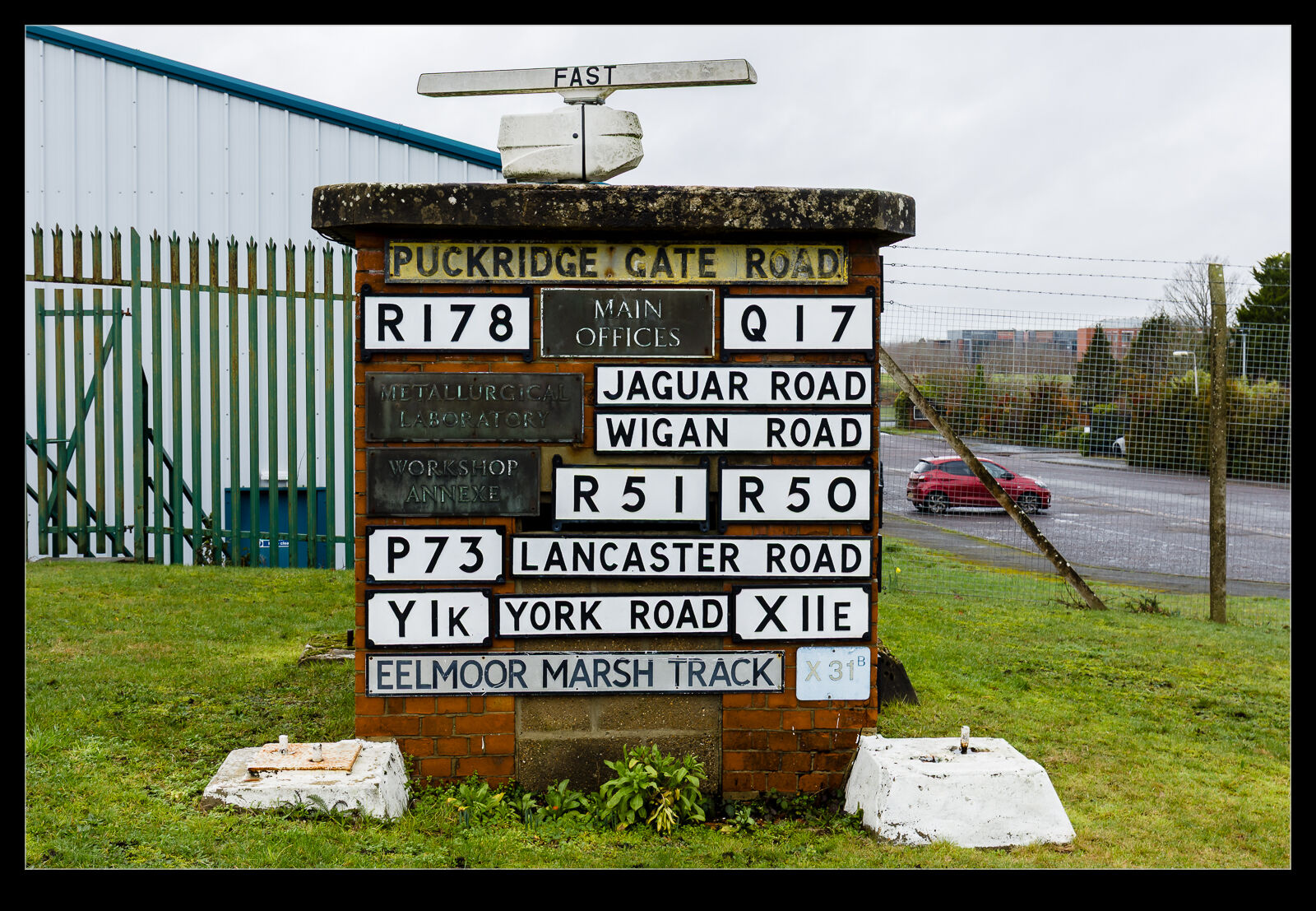
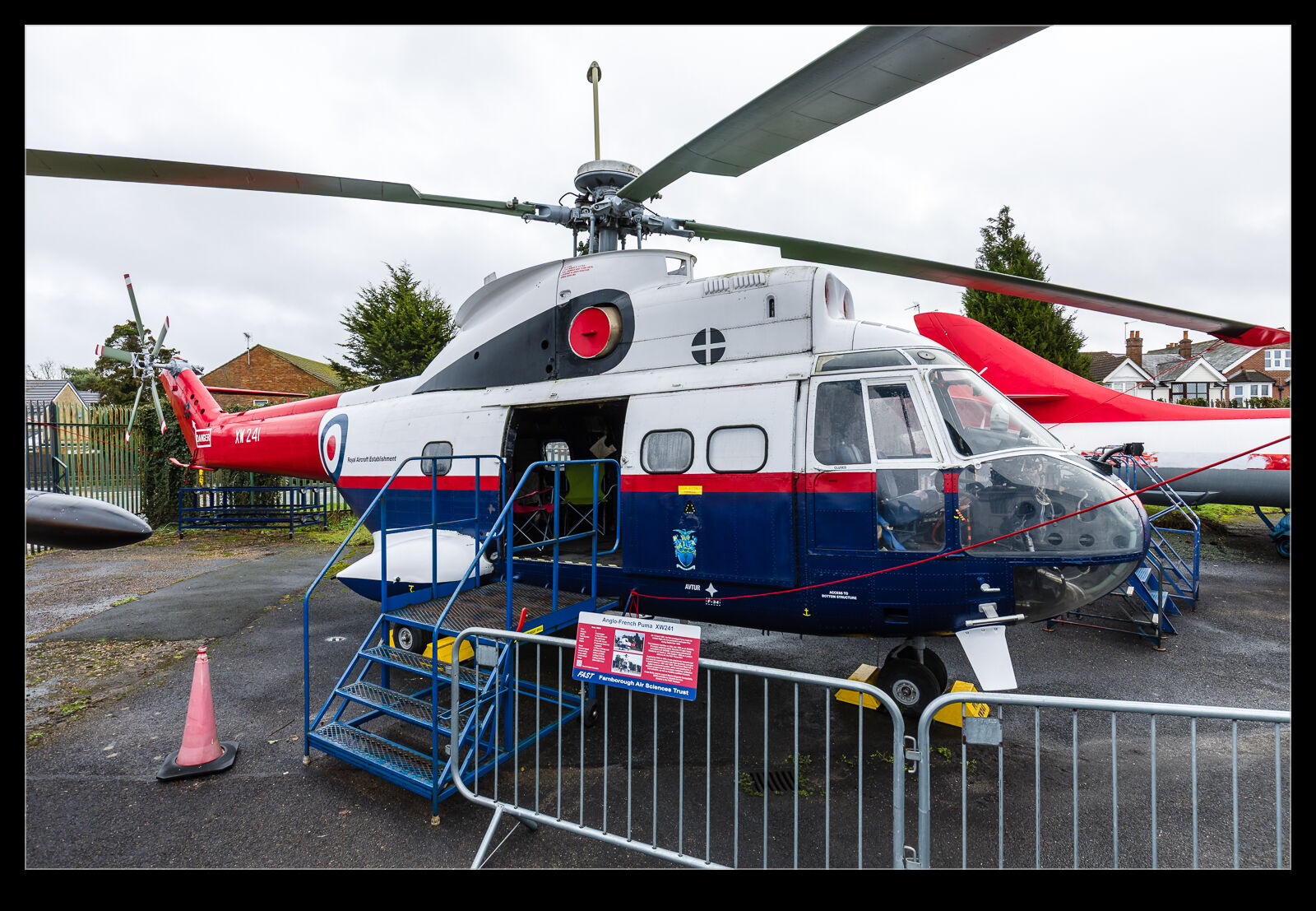 While there had been a museum on site, that collection got redistributed. However, a bunch of volunteers came together to create the Farnborough Air Sciences Trust (FAST). This museum is on one edge of what was once the airfield campus. They have many exhibits that document the varied work that was undertaken at Farnborough as well as the nearby Pyestock gas turbine research facility. Apparently, they have way more stuff than they can display so things get rotated in and out of the public space.
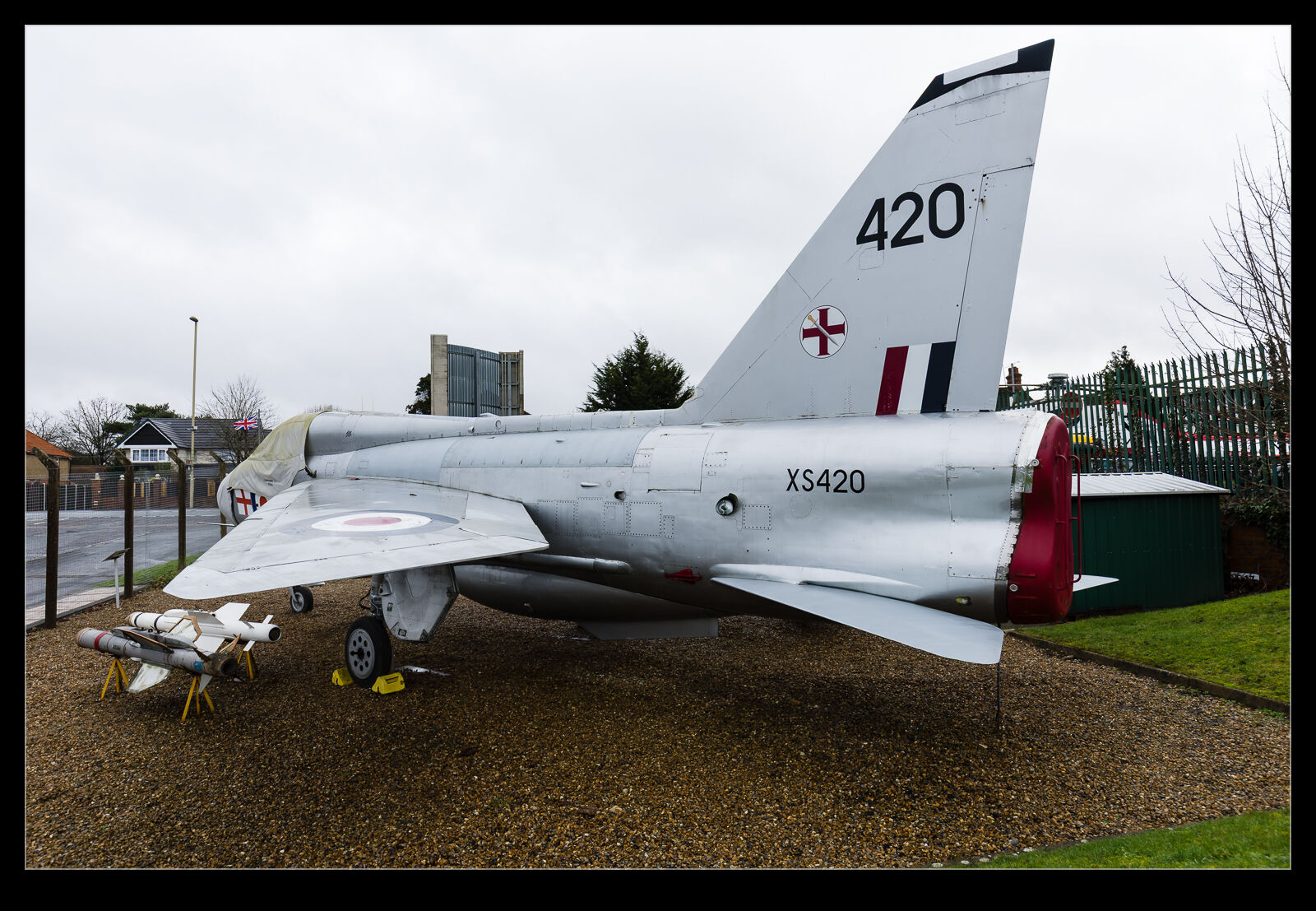
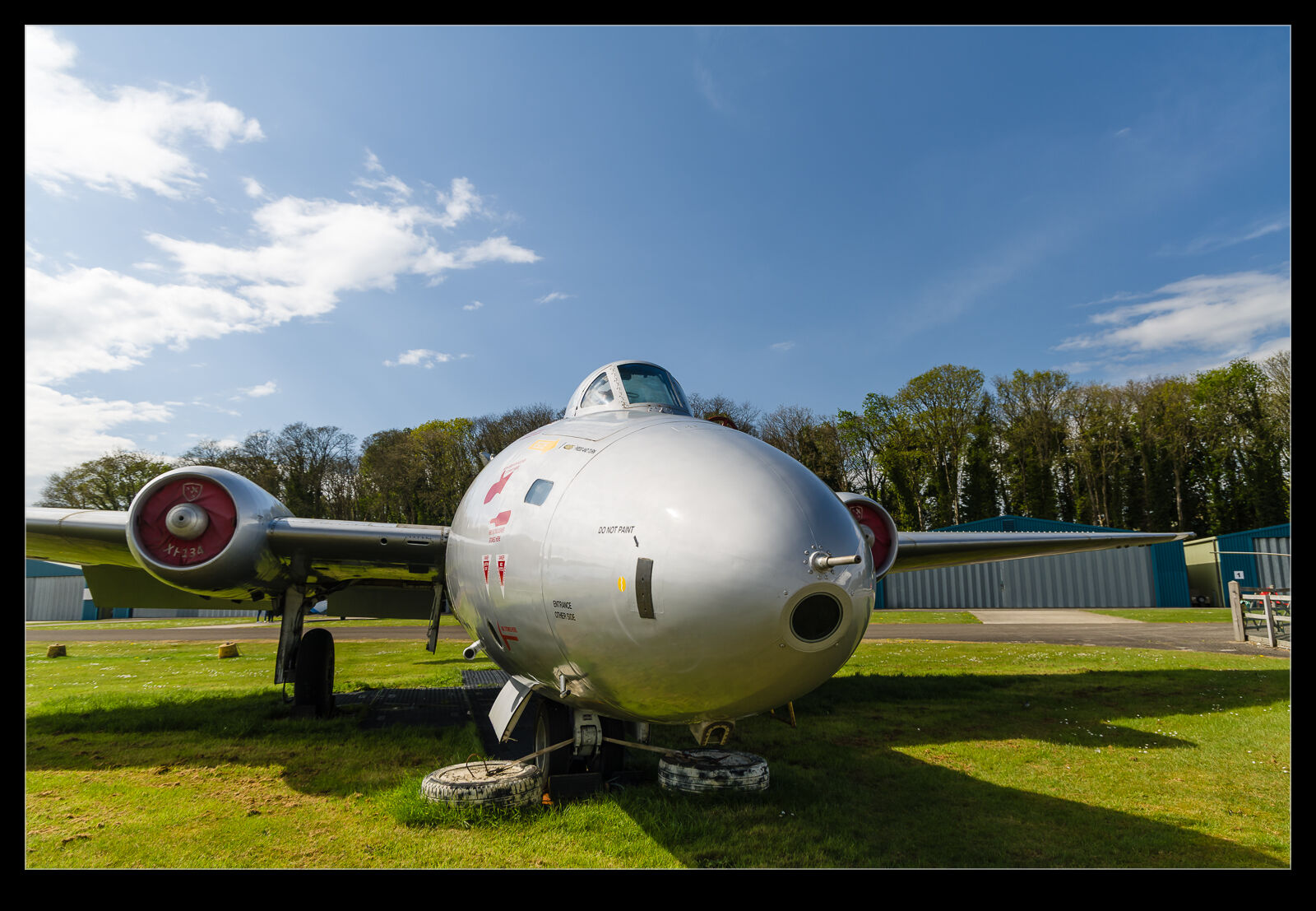
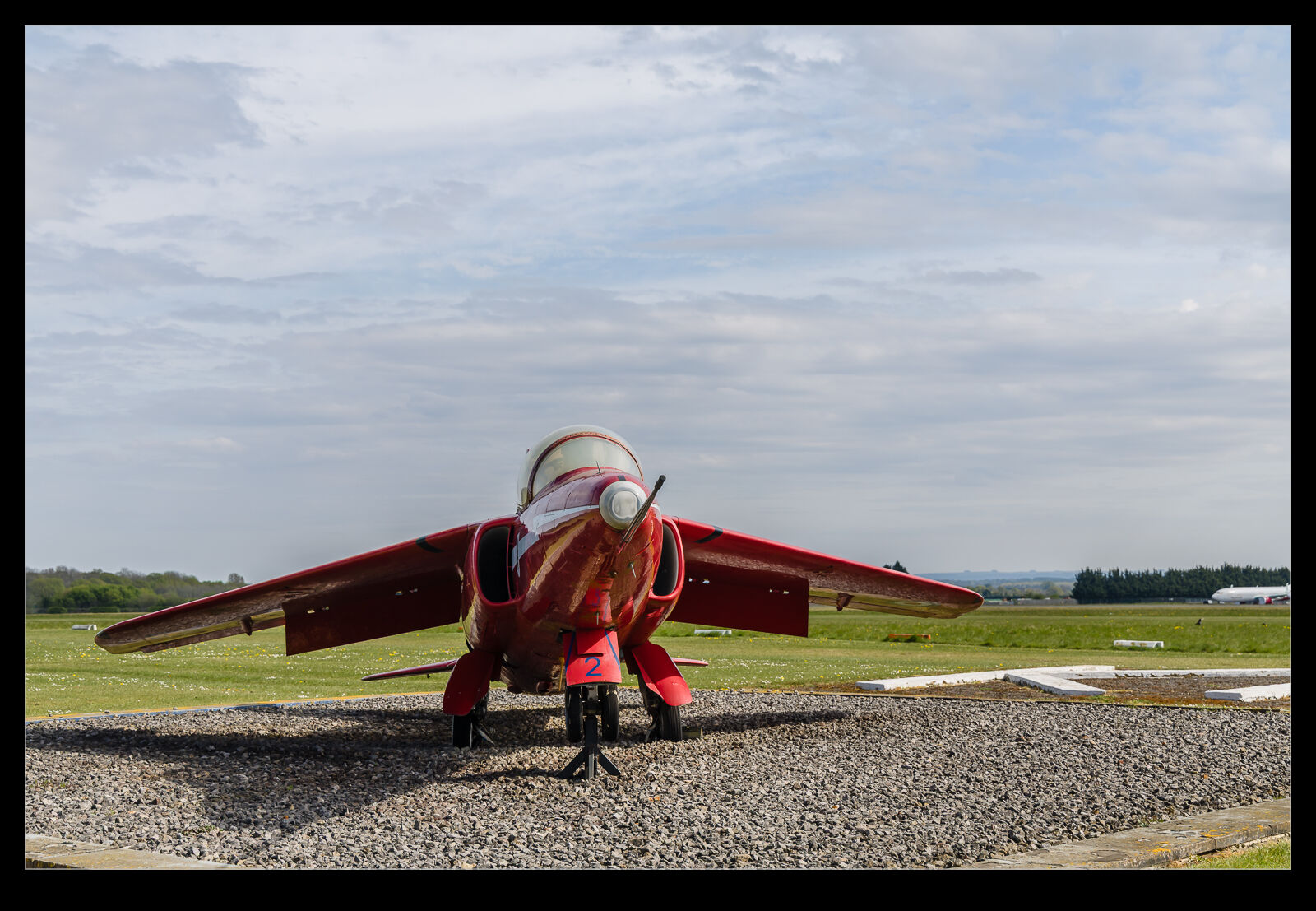
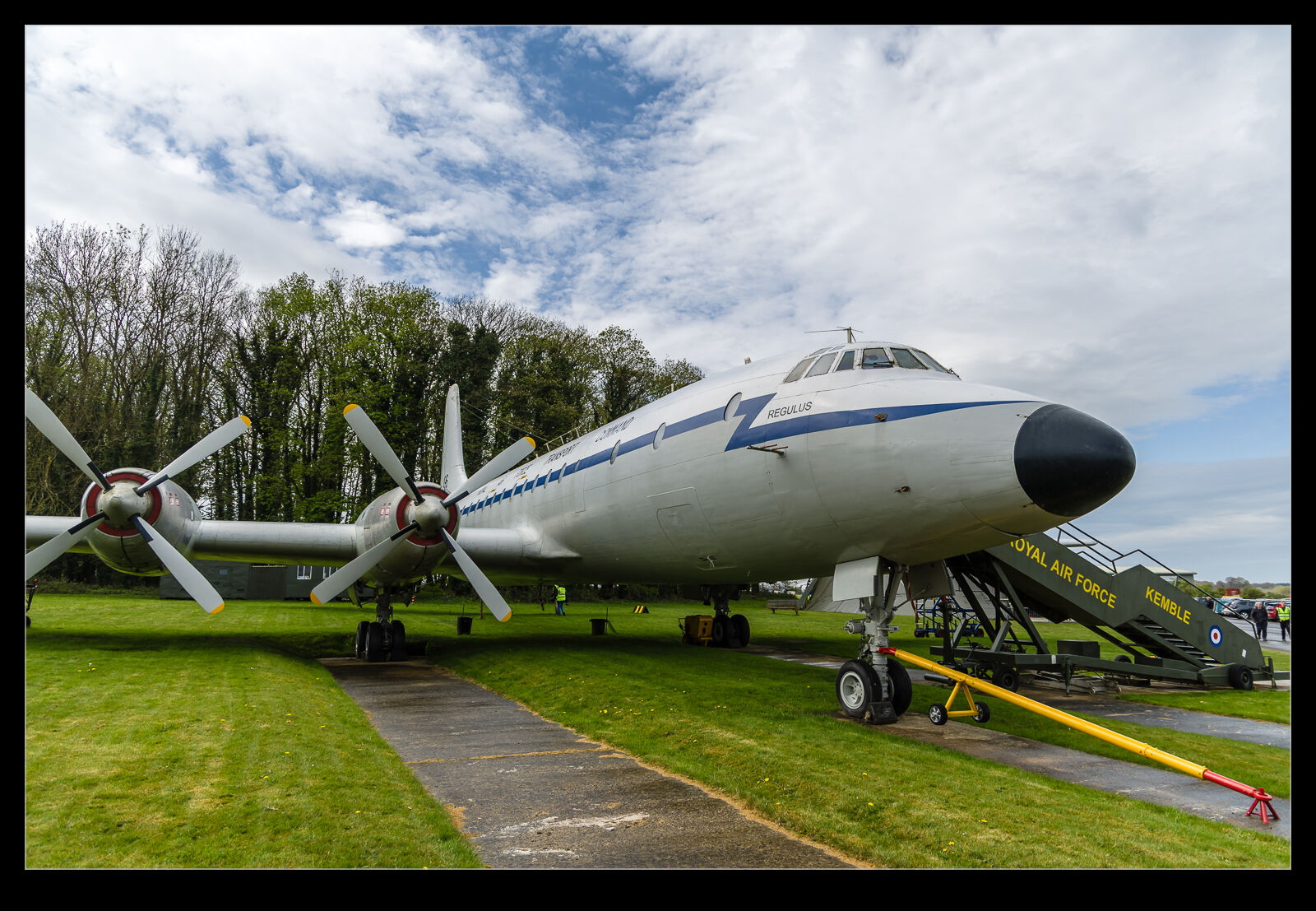
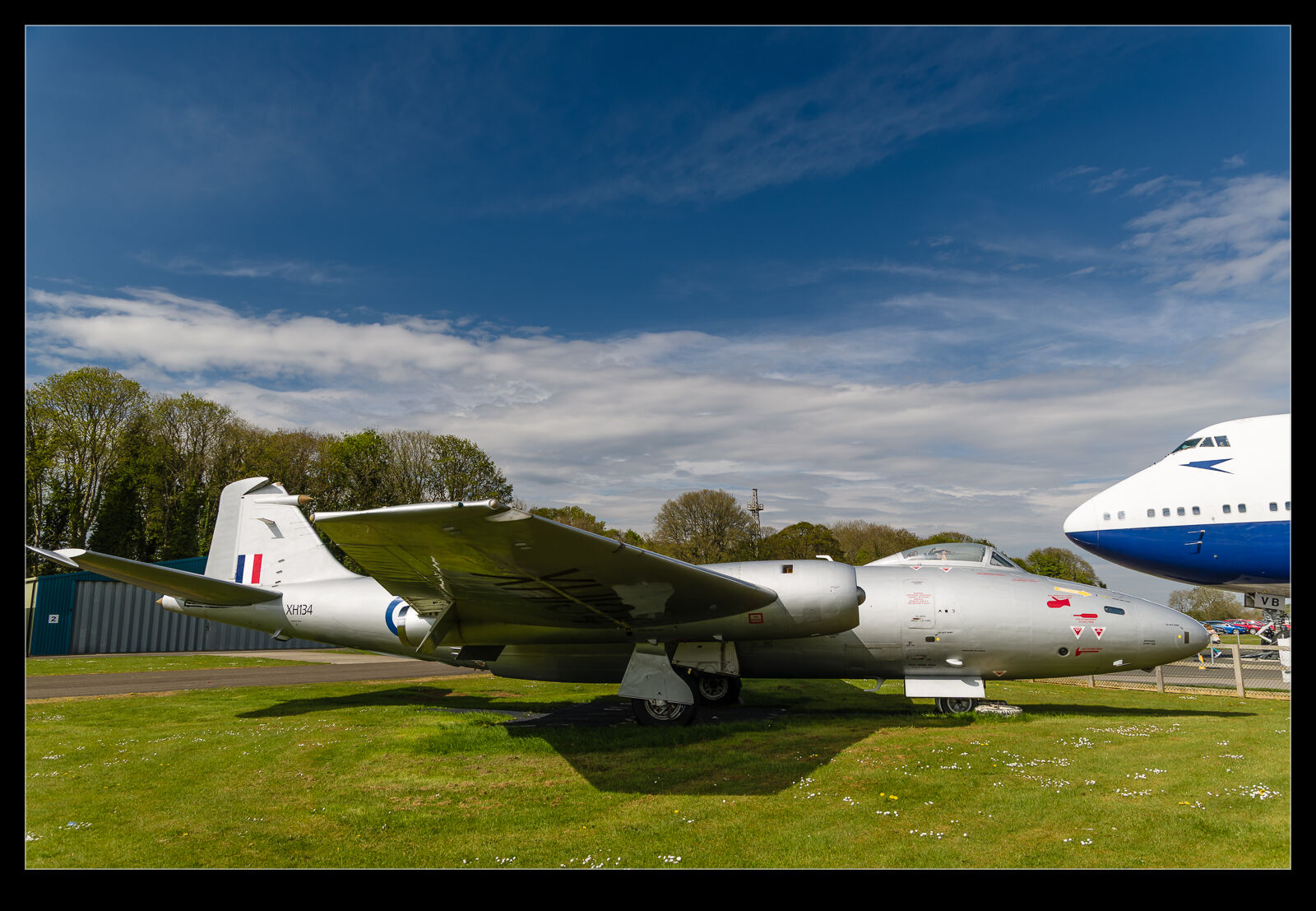
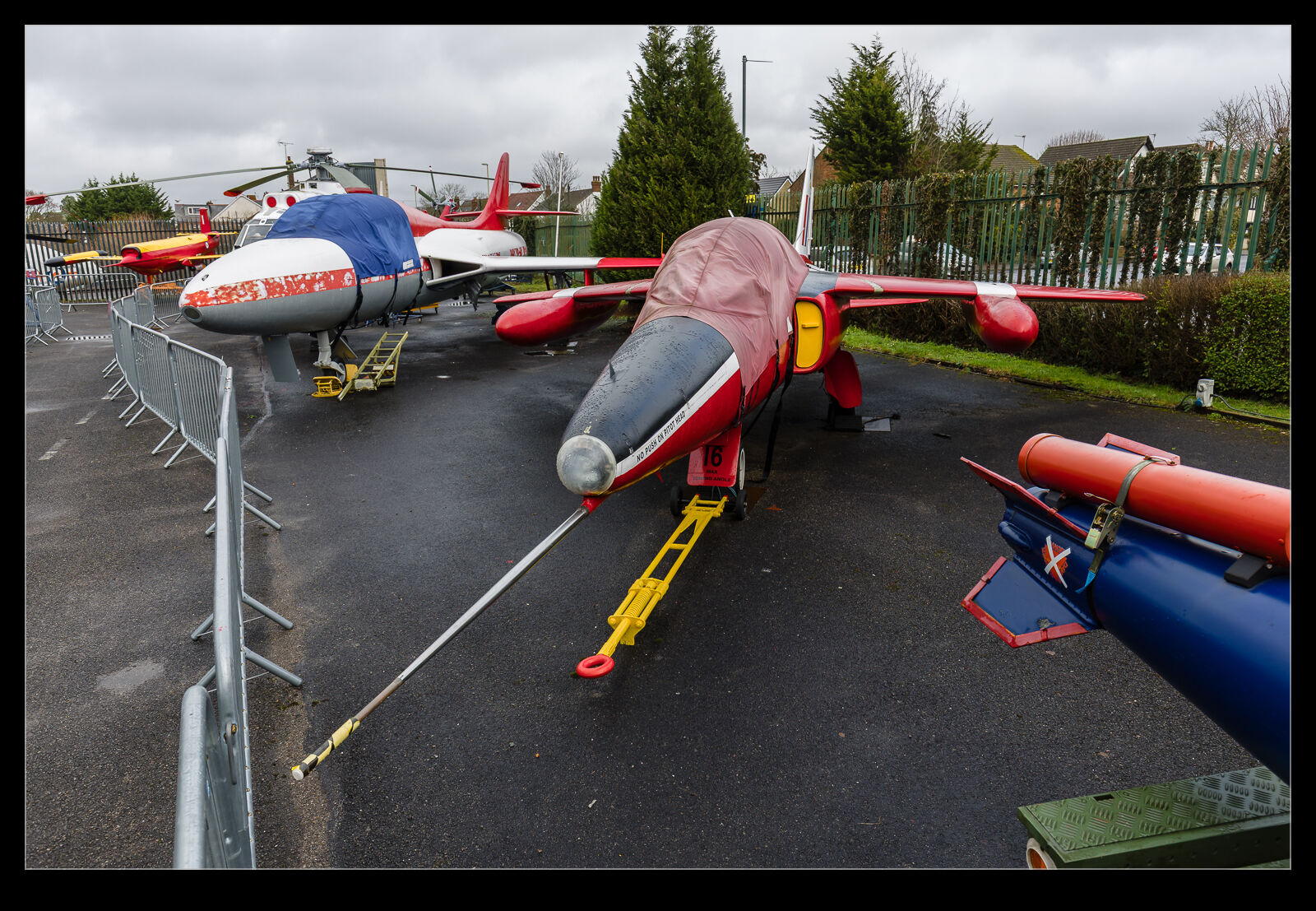
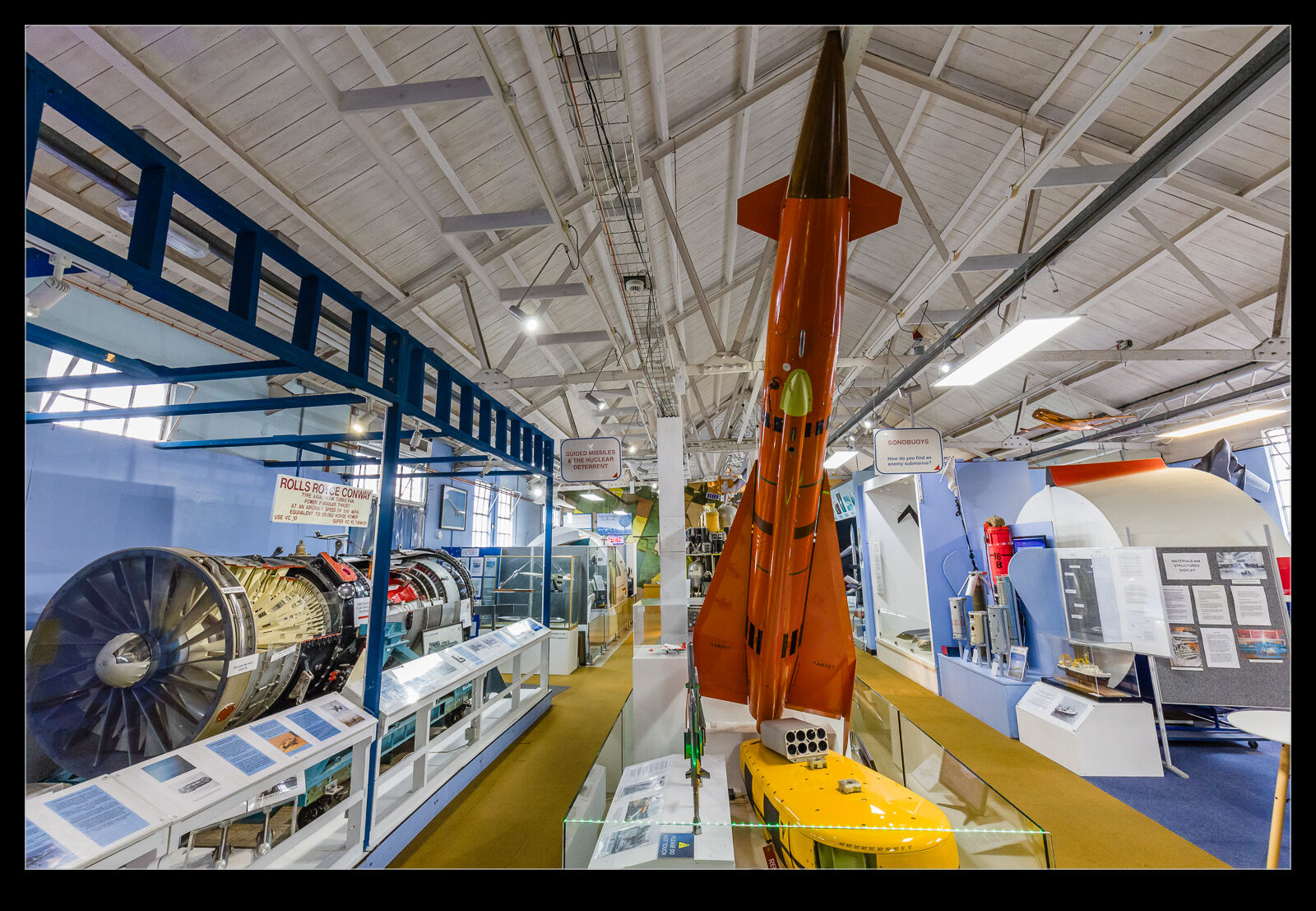 Some of the specific exhibits are worthy of their own posts so you will see more of this place in the future. I went one damp Saturday to take a look around. This was not optimal for the planes outside because the light was not great and most of the airframes had covers on their canopies. That didn’t stop me, though. There is a two seat Lightning sitting alongside the gate which is always a good start.
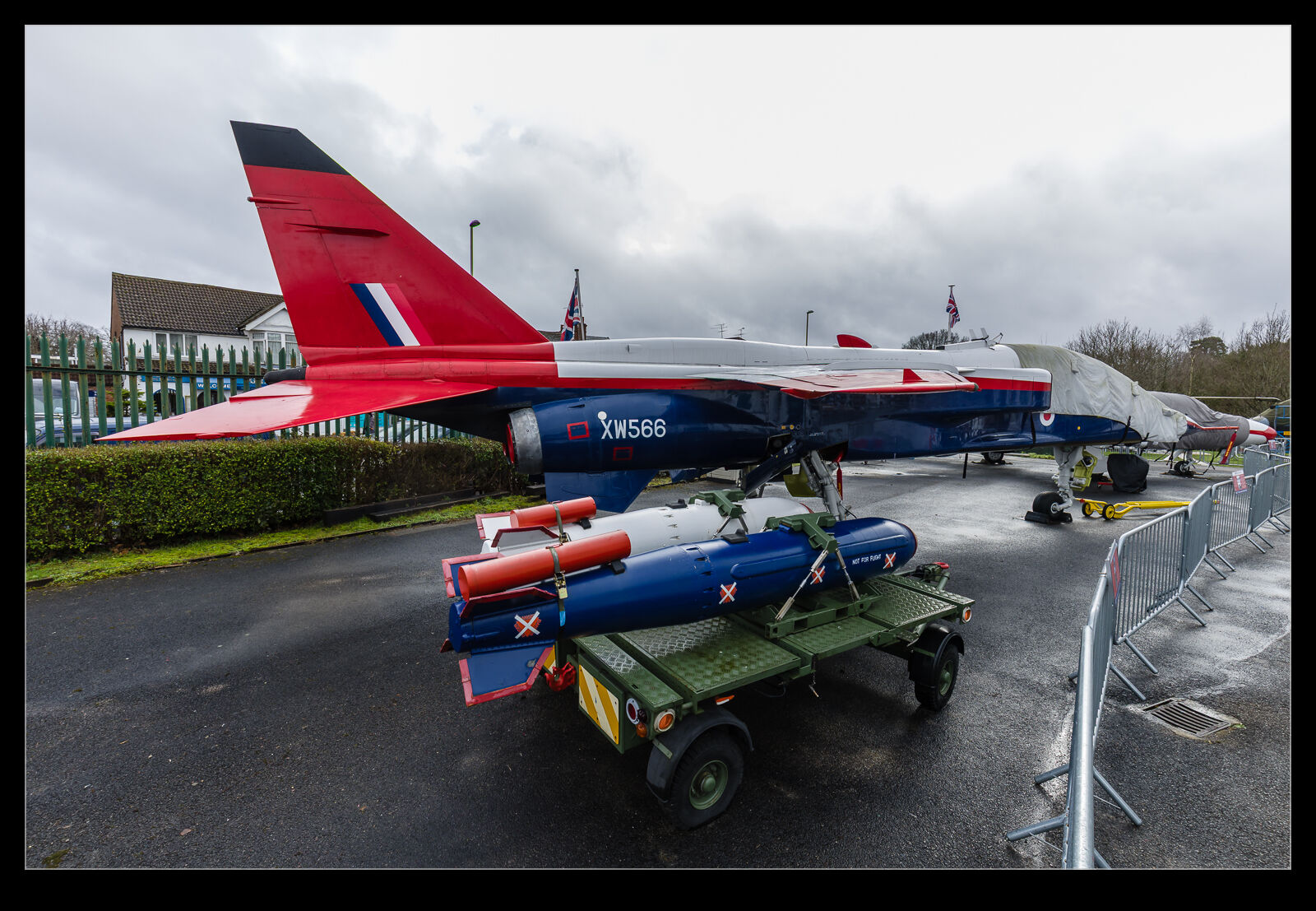 Within the museum grounds are some top types. The recent retirement of the Puma made me happy to see their example which was not built by Westland but was actually from Aerospatiale and provided to Westland to use as a pattern before it became a testbed at Farnborough. The raspberry ripple paint looks good on it.
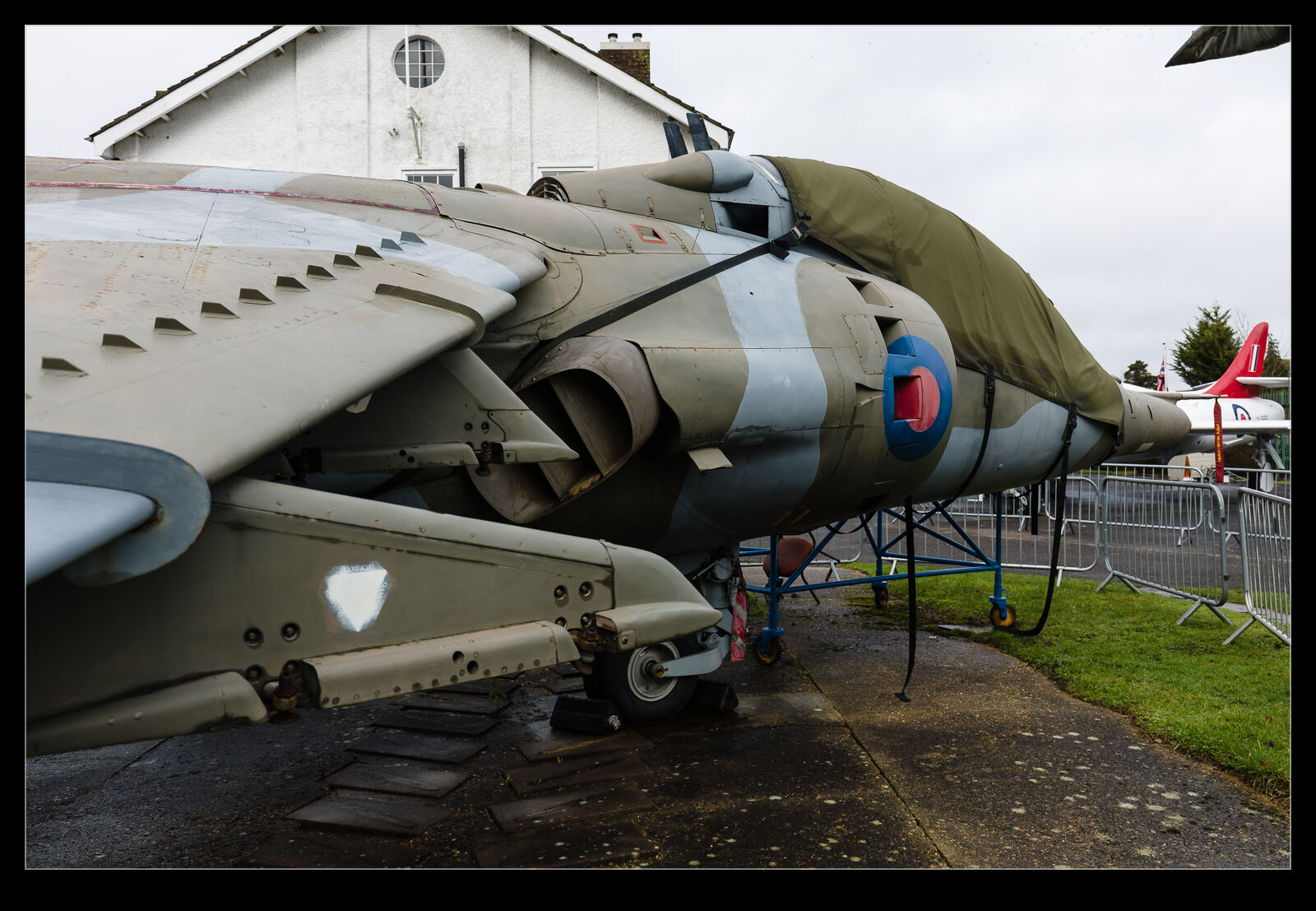
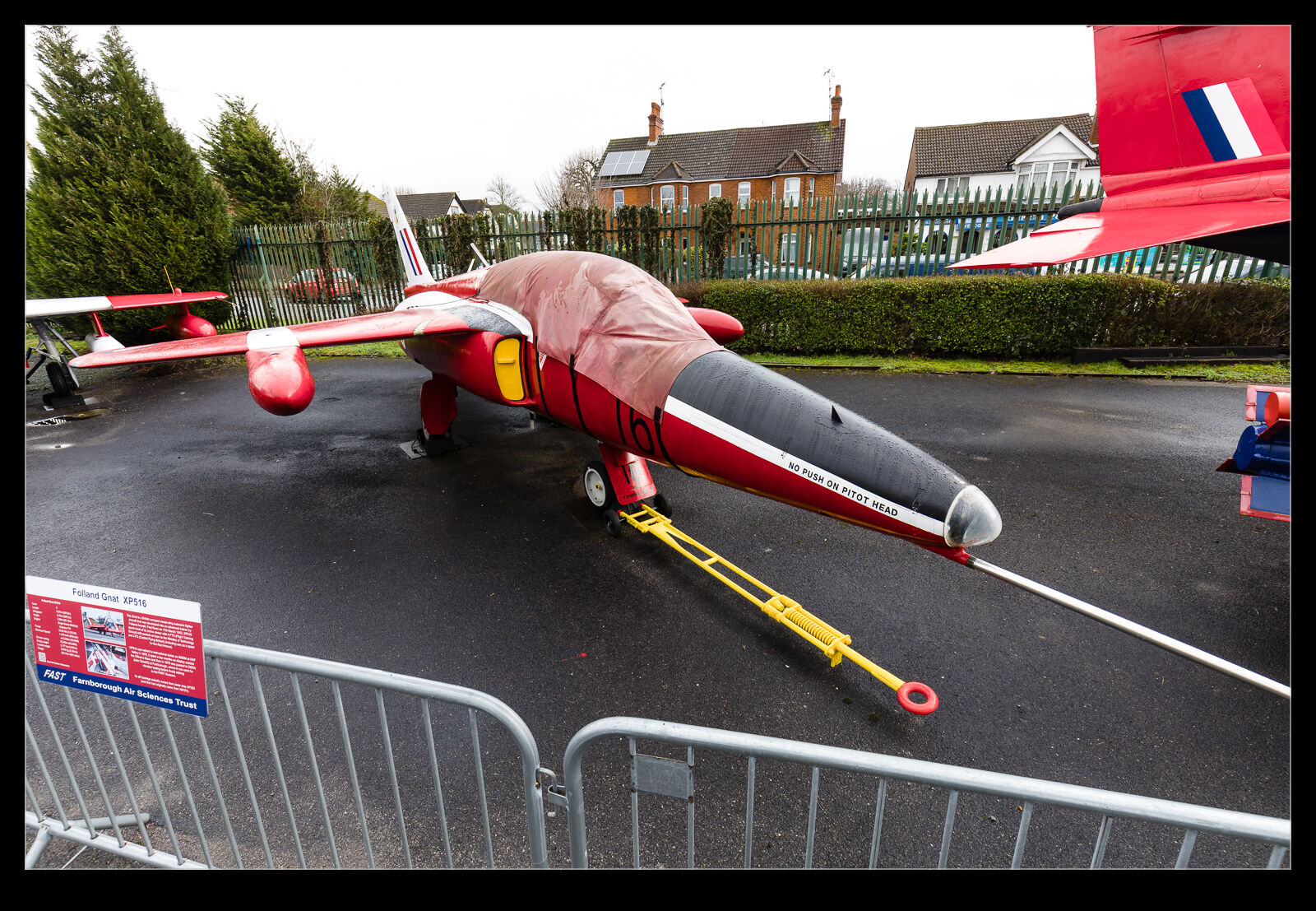
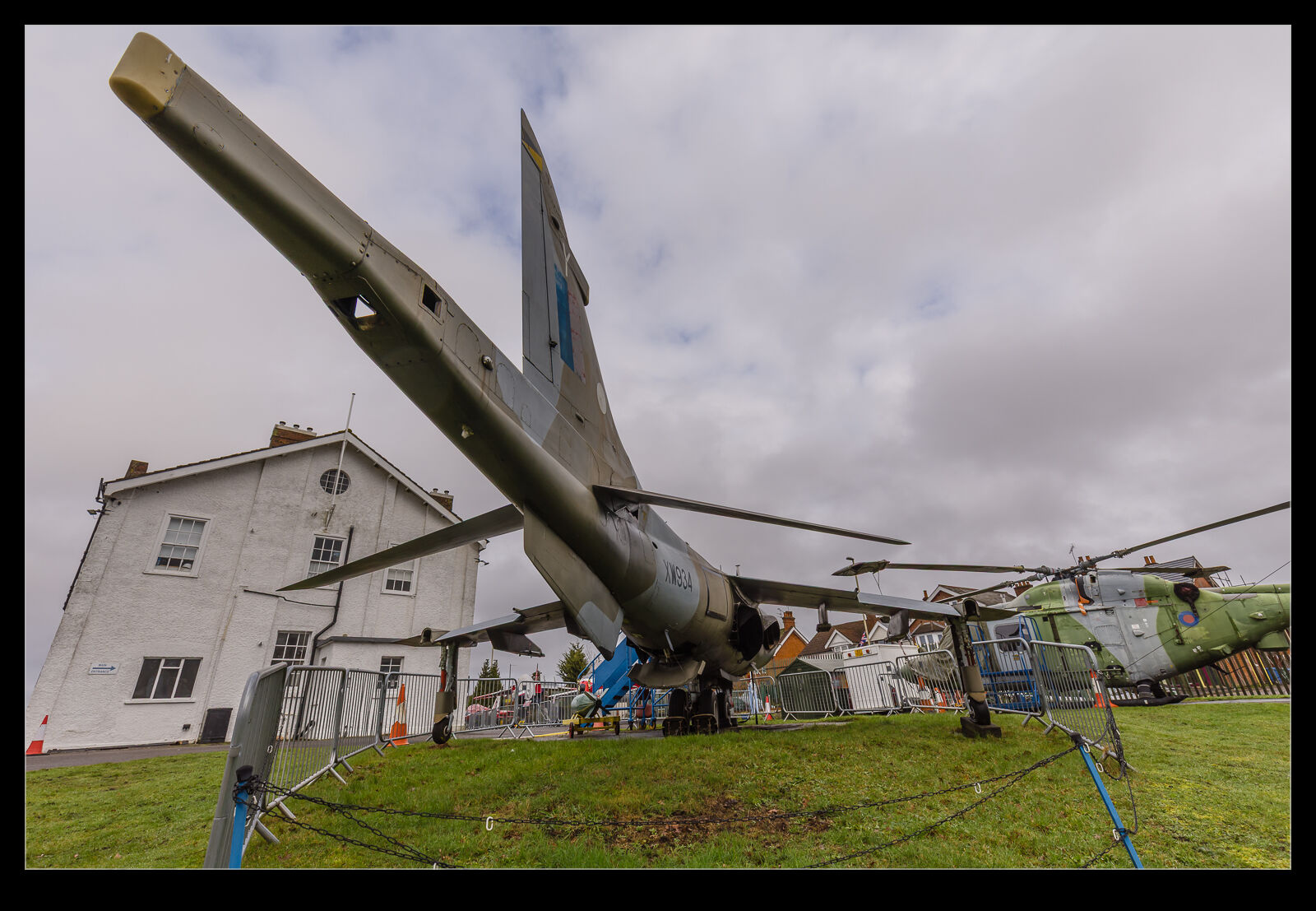
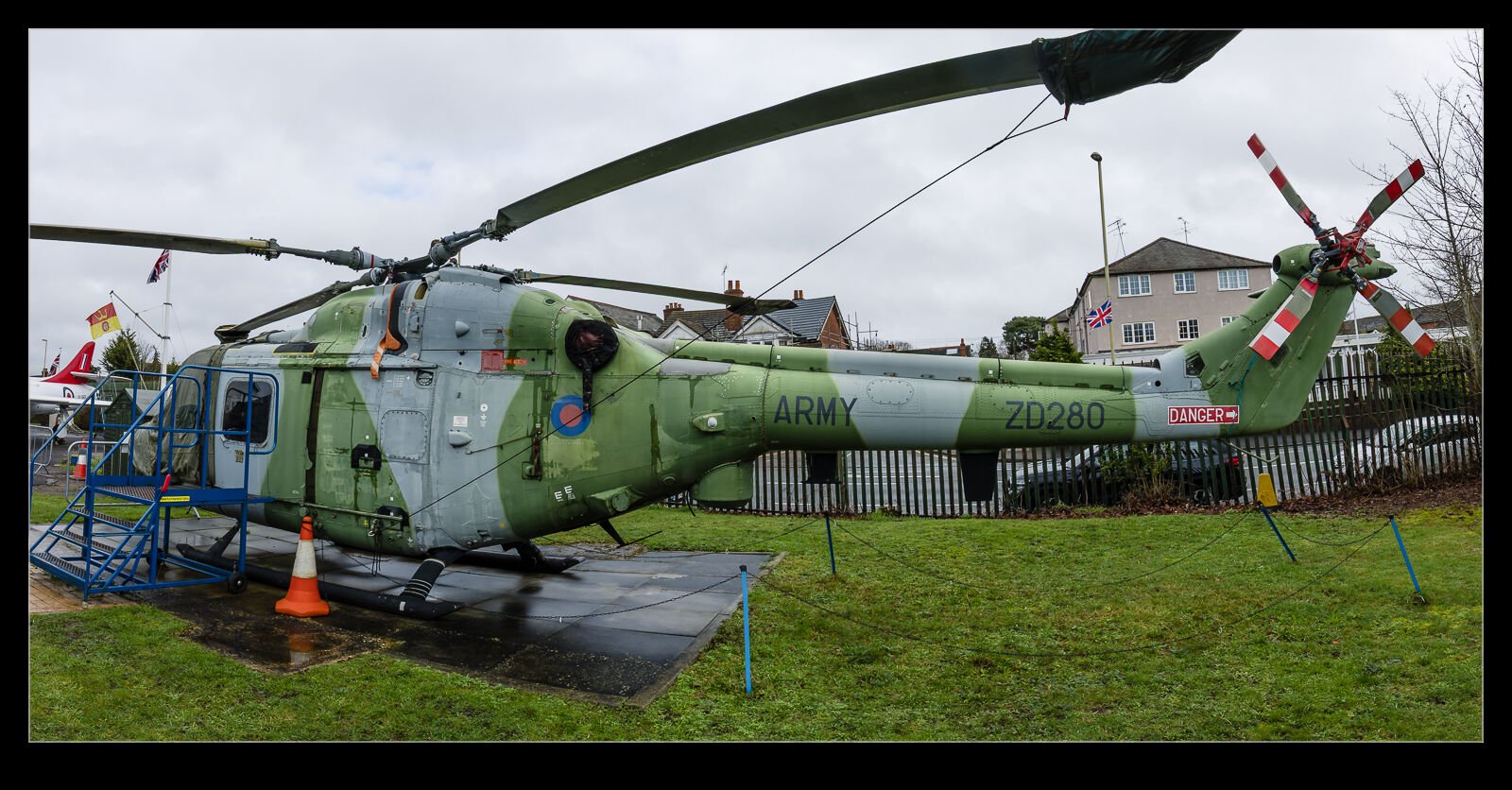
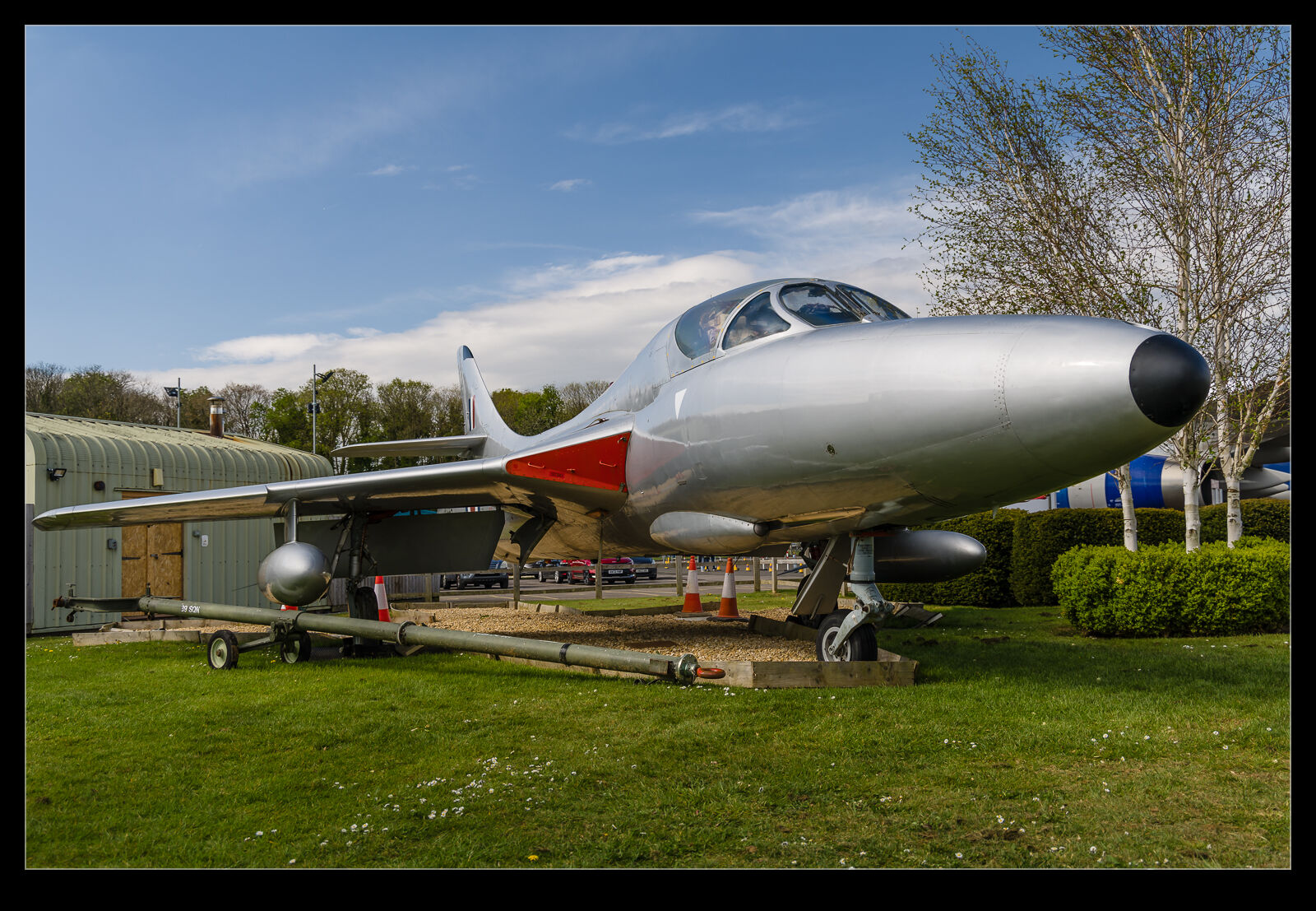
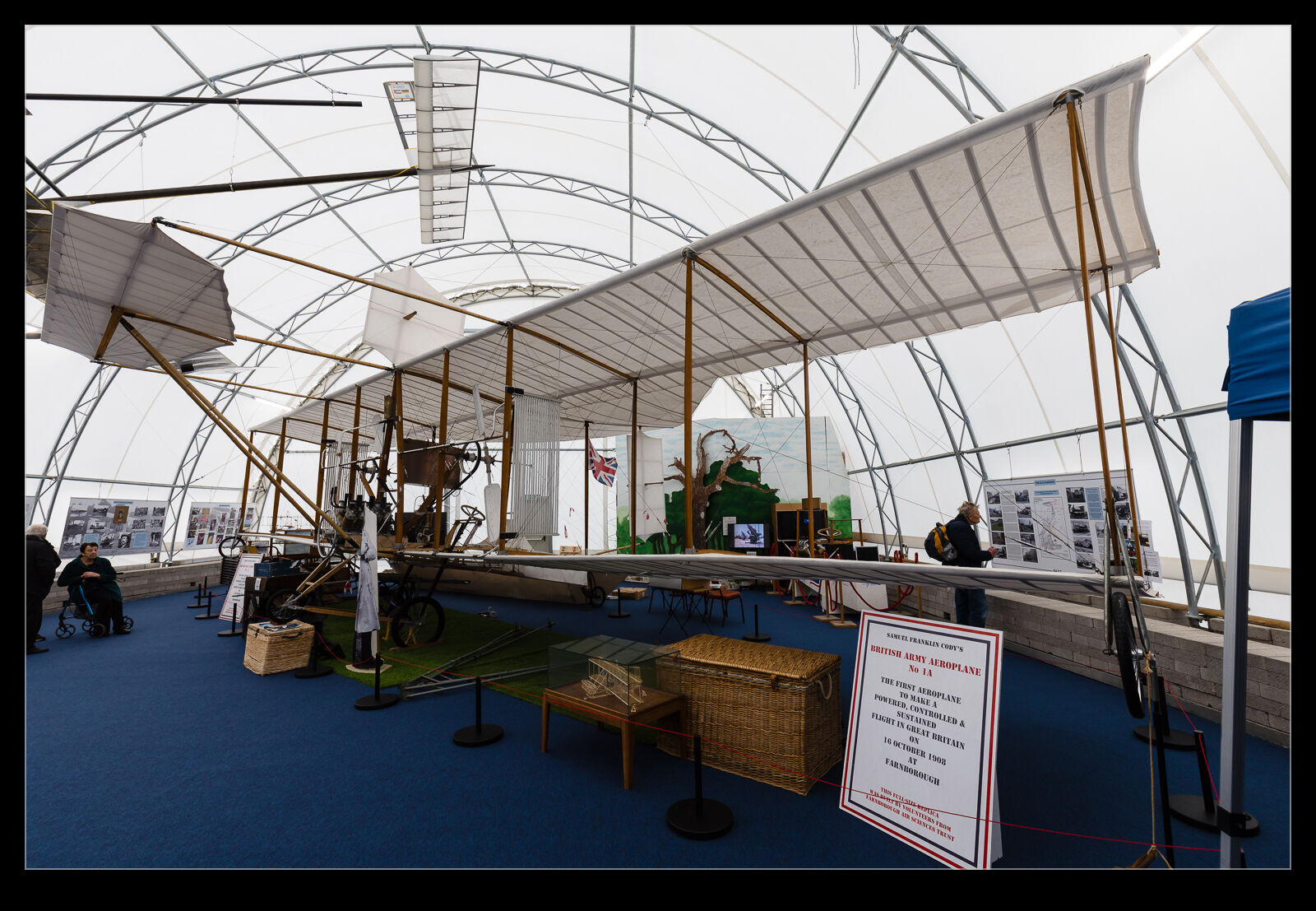 There are a couple of Hunters including one that had been used for research into night flying using low light TV and infra-red sensors. A Gnat is there which is always fine. A Scout and a Lynx are part of the collection and a two seat Harrier T4 was a particular pleasure. There are also cockpits from other type including a Canberra and a Trident. The museum is free to visit although they do welcome voluntary contributions. If you are in the area, it is worth a visit. More to come…