Tag Archives: washington

Little Nosewheel Tug

A post a while back talked about nosewheel tugs that lift the whole nosewheel and move it around.  That post can be seen here.  I commented then about how large the tug was.  I hadn’t then seen that there are far smaller versions of the same concept.  This one is in operation at SeaTac.  It is suitable for narrow body jets and regional jets.  I don’t know whether it is being trialed or whether these will gradually replace the traditional tugs.  I guess we shall see in due course.

Mt St Helens From Above

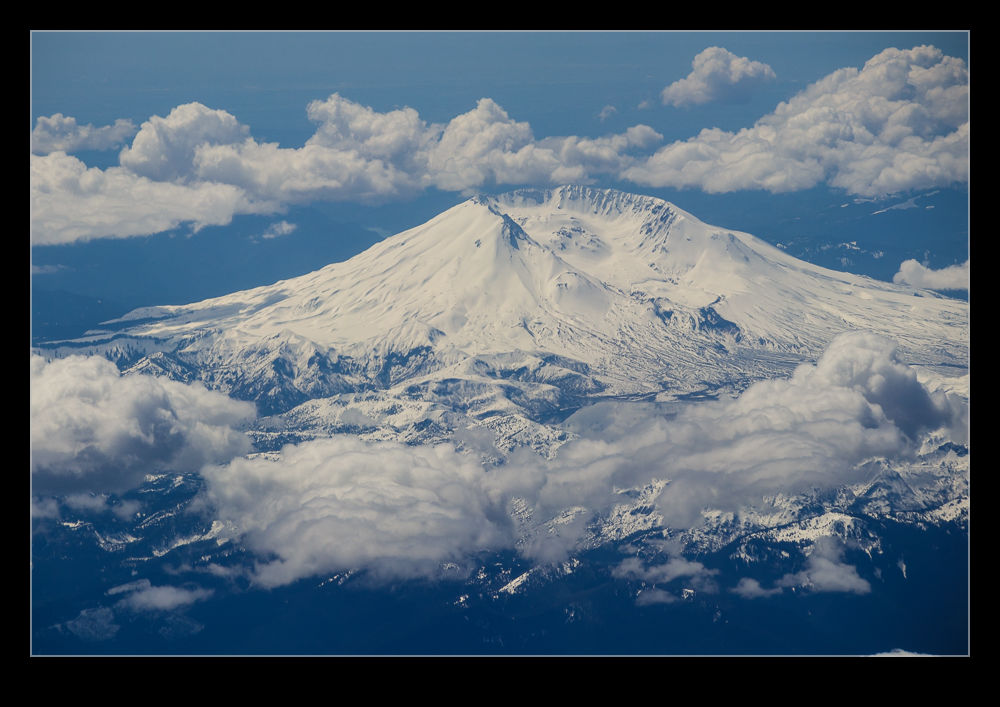
I have been on a couple of flights recently that took my past Mt St Helens.  One was coming back home from LA and the other was departing out towards Dallas.  In both cases I got a good view of the mountain covered in snow and with hints of clouds lower down.  When you live in Seattle, Mt Rainier is a constant reminder of the volcanoes that surround you but Mt St Helens is the one that has reminded everyone about the power that these mountains contain.  Hopefully it will be calm for a while.

Japanese Government Comes to Town

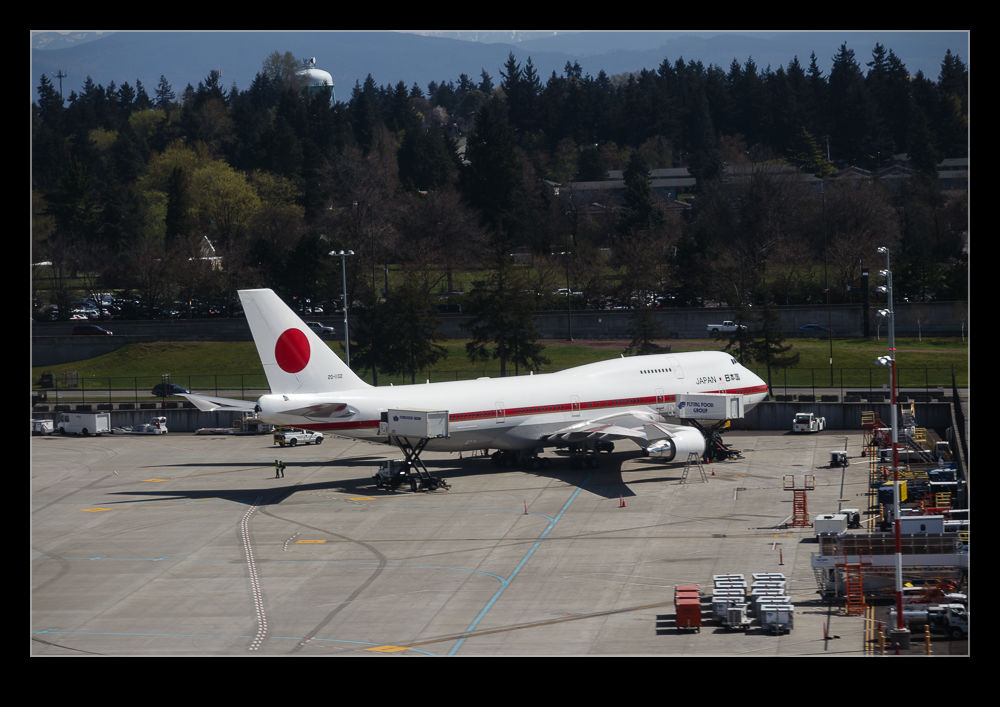
I was sitting at the gate waiting to board a flight when the sound of a heavy jet reversing thrust outside caught my attention.  It was a Japanese 747-400.  JAL retired their 747s a few years ago and that made an appearance on the blog here.  That meant this was a Japanese Government 747.  I was really annoyed to have only seen it at the last minute.  However, I was on the right side of the plane on takeoff to try and get a look.  I did get a shot but looking through the camera made me lose the wider view.  The Japanese 747s tend to travel as a pair.  Sure enough, a second jet was parked up and I didn’t spot it was there until too late.

Max7 Test Aircraft

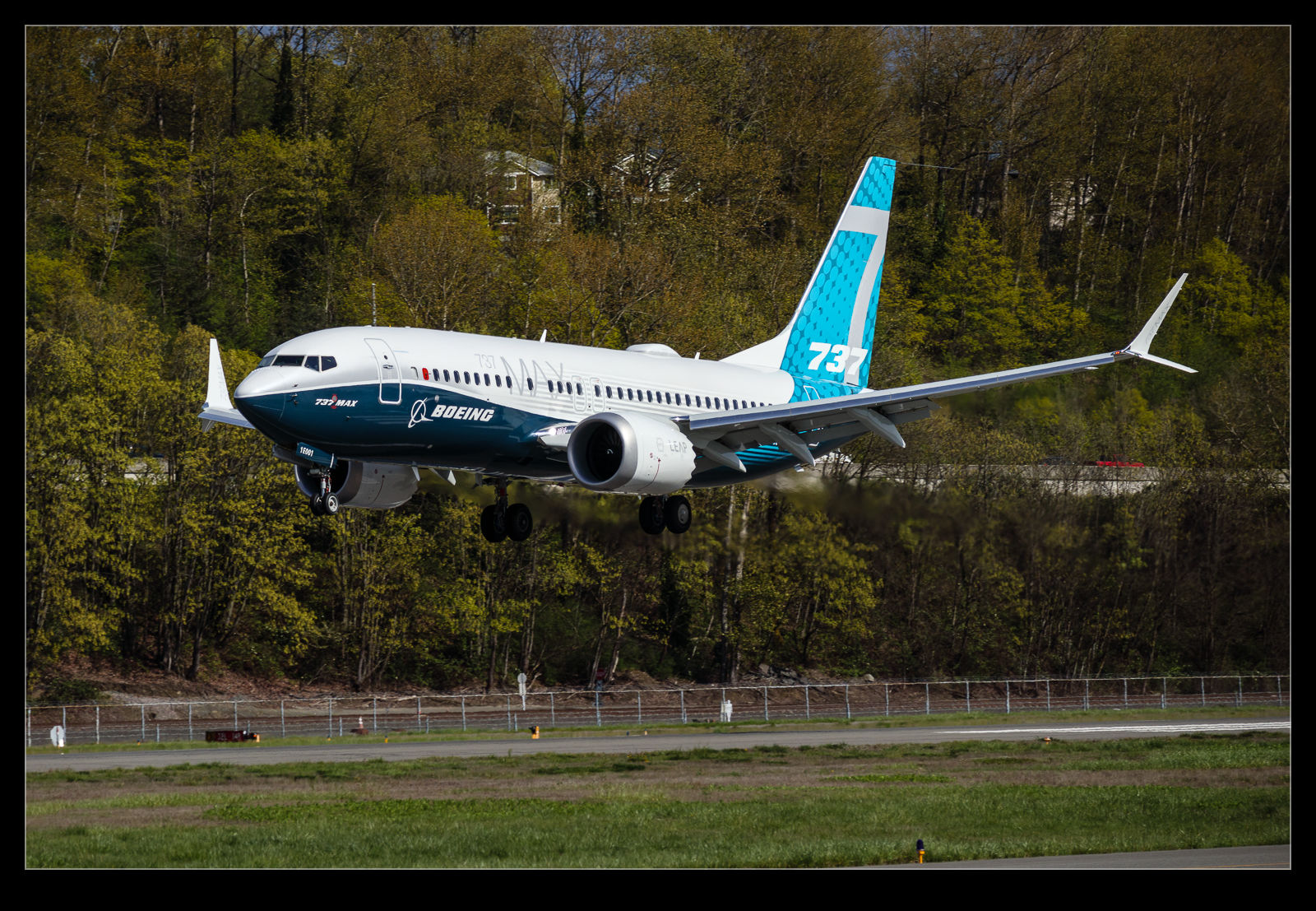
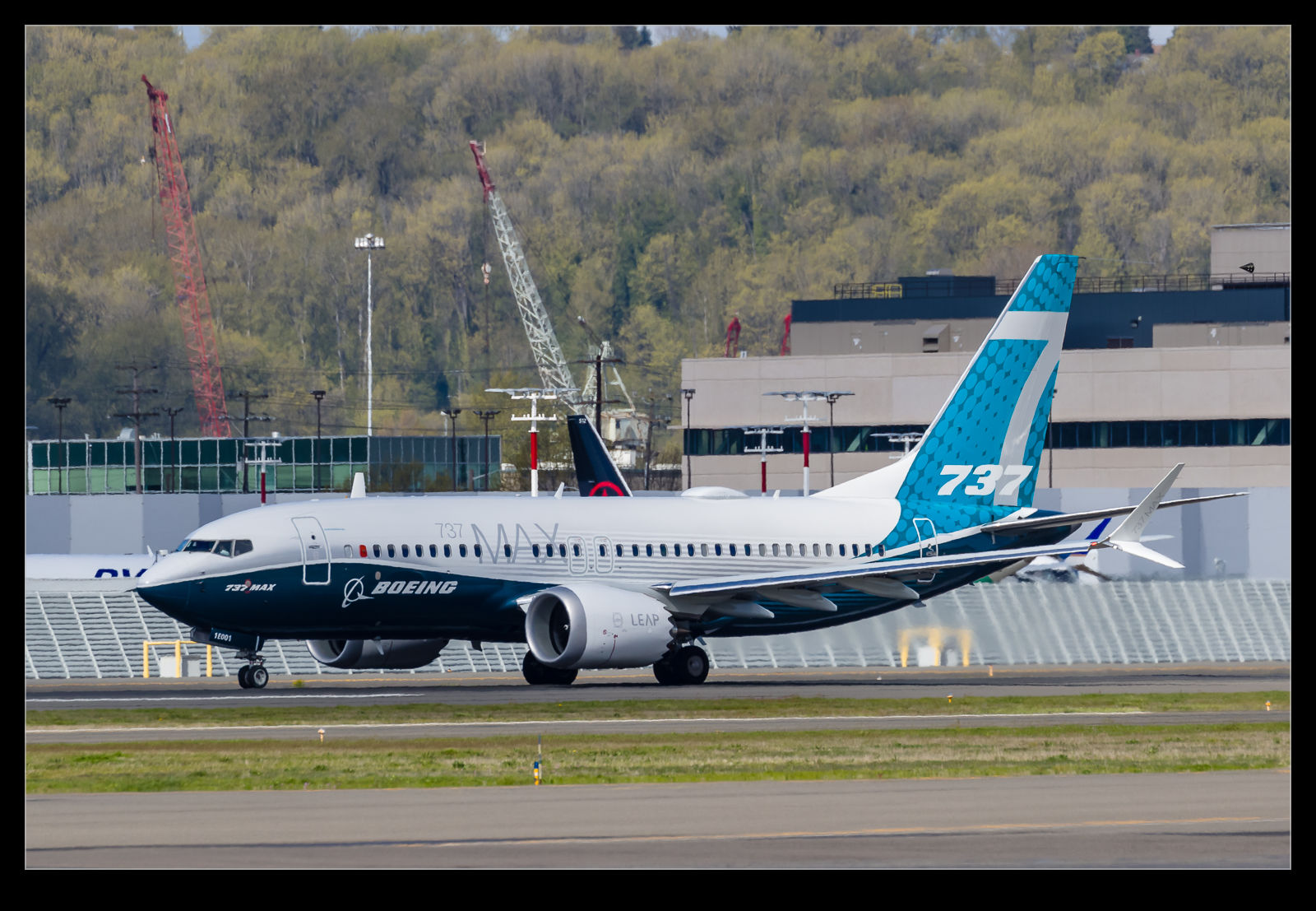
The 737 Max8 and Max9 Jets are both certificated and in service.  Next to come along is the Max7.  It is a lower priority as a result of a far lower level of orders combined with a redesign it underwent to make it larger than originally intended.  It is now flying though.  I saw one aircraft on the ramp at Renton when passing by and also saw the first test aircraft landing at Boeing Field.  I actually saw it take off as I drove in to the city heading to a meeting and it returned at the end of the day.  Neither the Max7 nor the A319neo has sold well so it will be interesting to see how many of these enter service.

Bounce It Down and Do It Again

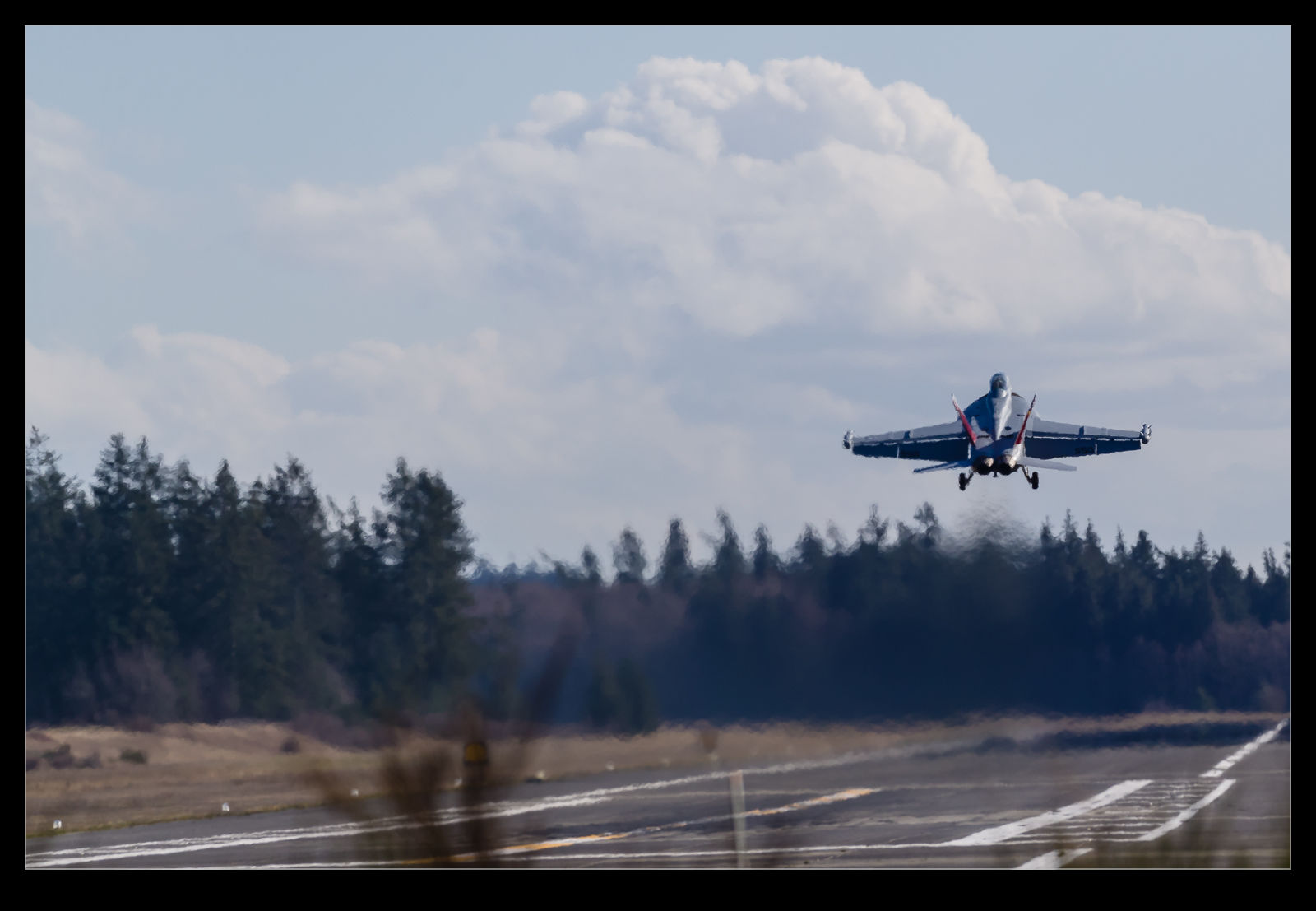
Since the Growler crews were training as if they were on the deck at sea, they don’t flare their landings at all.  They hit the runway hard and the tire smoke that results is substantial.  Normal landing procedure on a carrier is to go to full throttle as soon as they hit the deck.  There isn’t time to react if you miss the wire so hit the gas and, if the wire doesn’t stop you, you fly right off the other end of the deck and climb away.  Since there is no wire at Coupeville, that means every touchdown is followed by a rapid rotation and climb away.  The climb is pretty steep initially which keeps the speed under control until the power is backed off.

Putting Your Boat in the Water

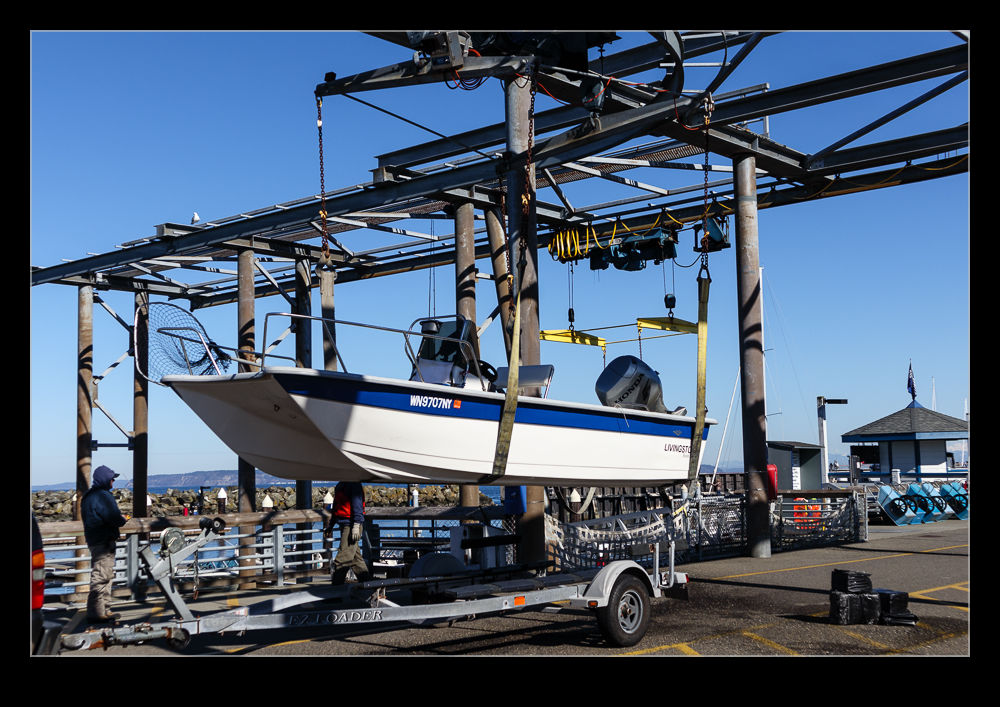
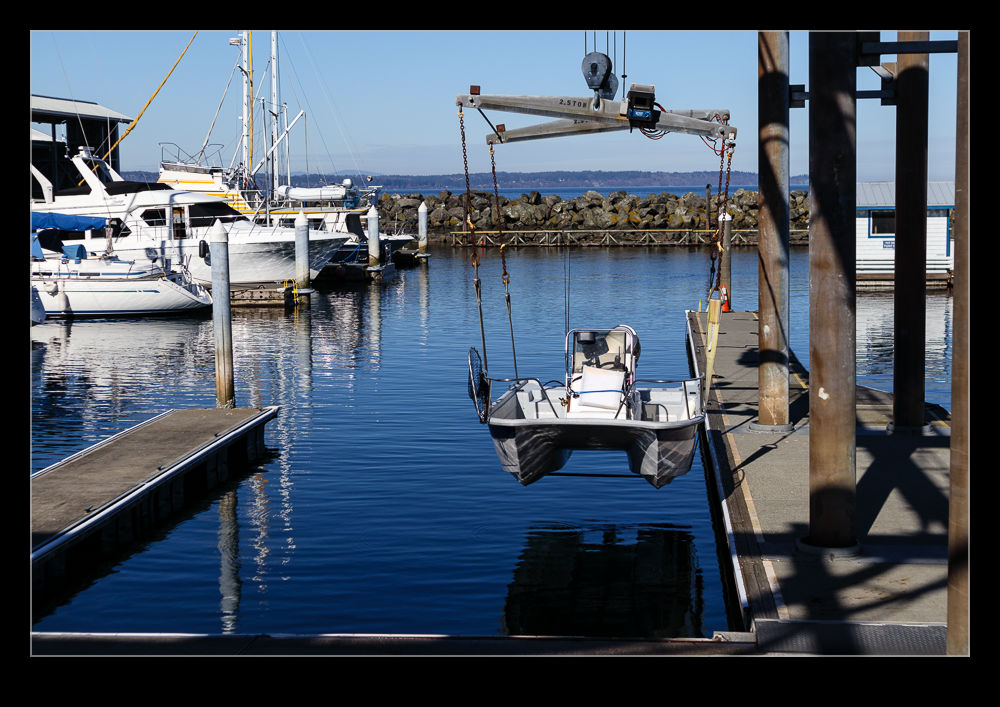
While walking along the shore in Edmonds, we passed the marina and the loading area for the boats.  They had a boat lift for the smaller boats to be taken off trailers and put in the water.  A guy brought his boat along just as we got there so I had to watch the process.  The two guys running the lifts clearly knew what they were doing but the guy insisted on explaining it all to them.  They handled it with good grace.

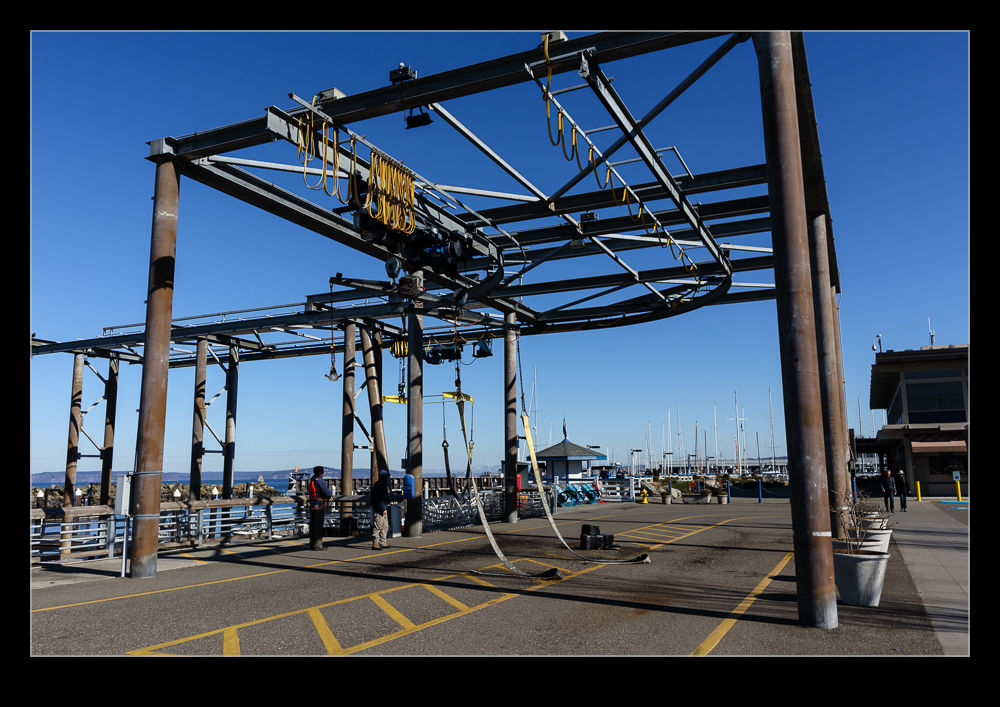
The lift had a track system that turned through ninety degrees.  There were two lifts in parallel if the demand was there.  The trailer was driven into position and the lifting straps were brought around.  They were then passed under the boat and it was lifted up.  Once it was clear of everything, the whole assembly motored along the rails, around the corner and out over the dock.  It was then a simple process to lower it down into the water and then move it away.

This was fine for boats of a certain size.  If you wanted to put anything larger into the water, a far larger rig was required but that wasn’t needed while we were there so I didn’t get to watch it.  In my younger days living in Cowes, I got to see those lifts at work a lot.

The First 737

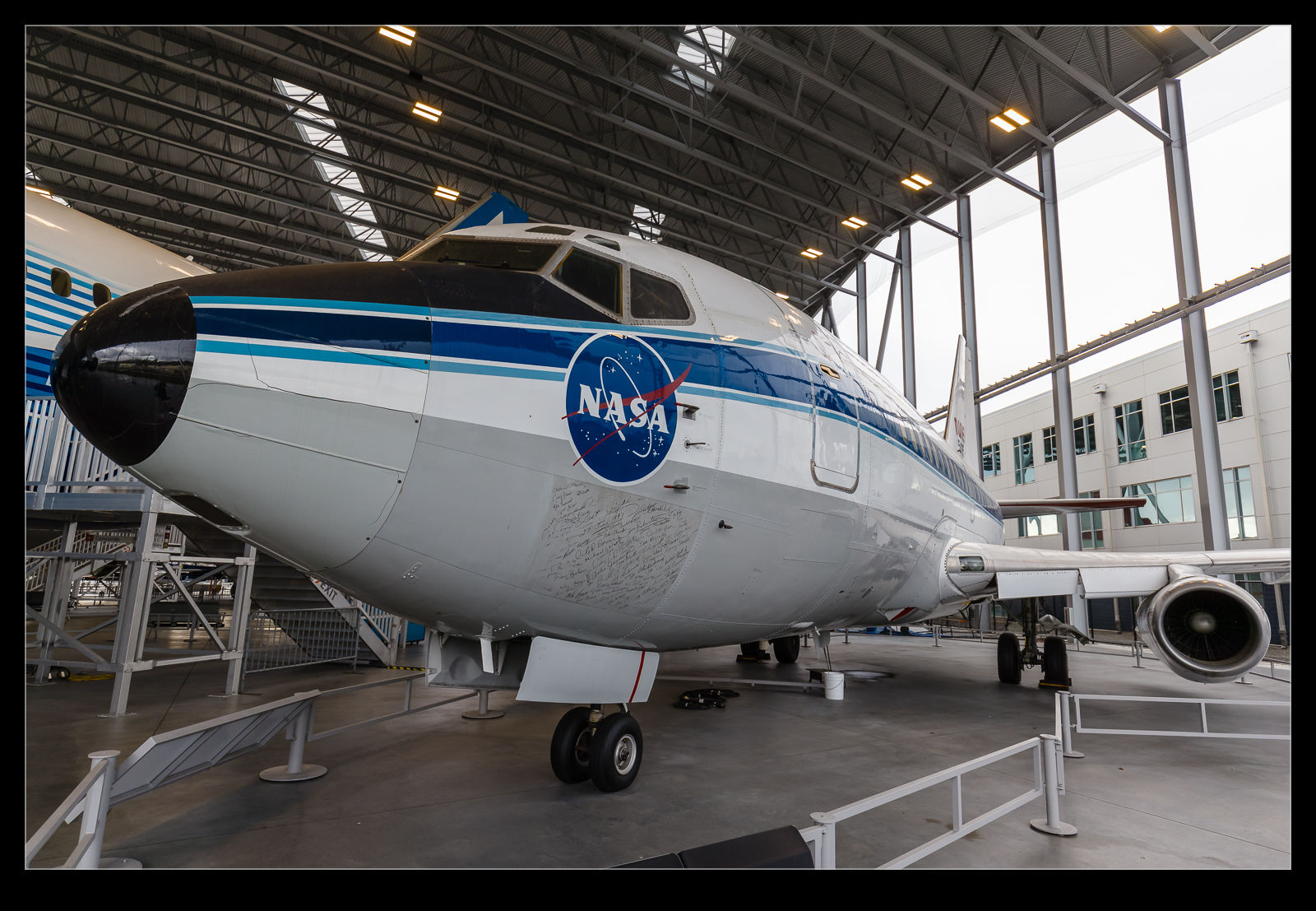
The Museum of Flight has a number of prototypes of Boeing airliners.  They have the first Boeing 737.  This is a 737-100.  Very few of these were built with the 200 series being introduced soon and then taking over completely until the introduction of the 300 series many years later.  (For those of us of a certain age, the 200 series was known as the Classic once the 300/400/500s came into service.  Today they are often called Classic when compared to the NG models which are, themselves, now being superseded by the Max.)
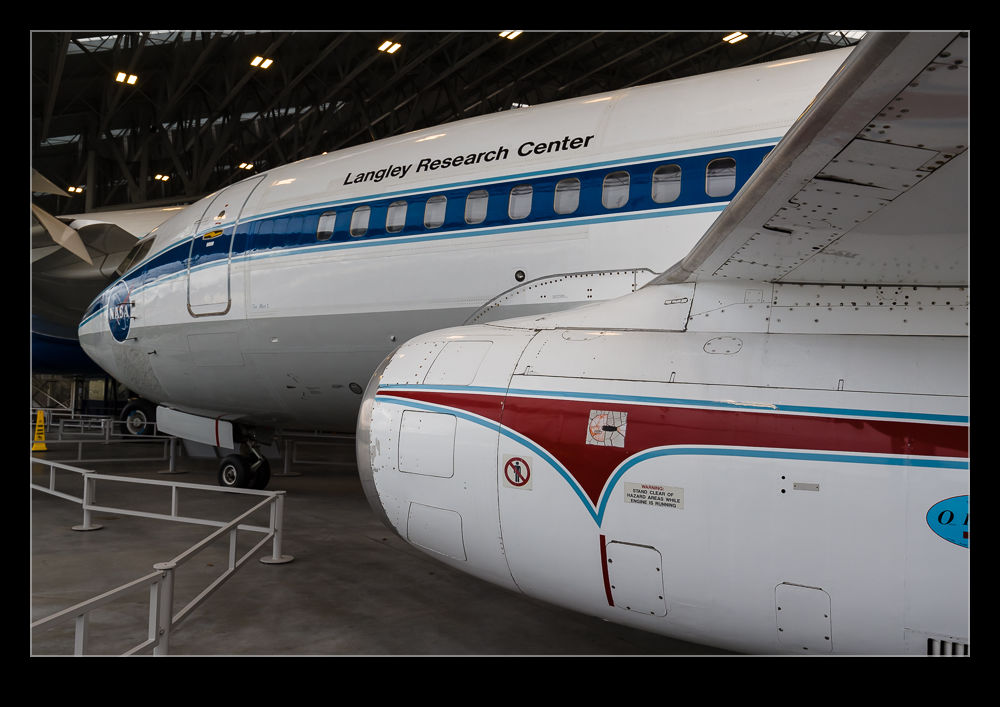
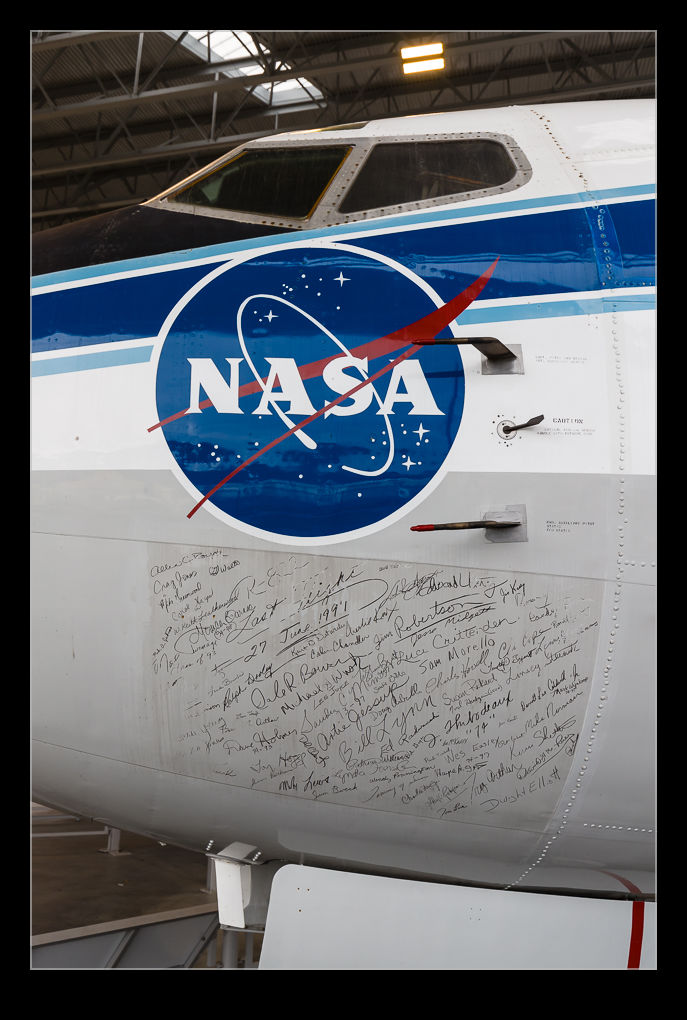
The first airframe ended up with NASA being used for testing duties of all types.  At the end of its testing career with NASA, it made its way back to Boeing Field and to the Museum of Flight’s outside collection.  These are now under cover with a roof having been built over the many aircraft.  The 200 series is a pretty short jet but the 100 is even more so.  It is quite something to see this aircraft and compare it to the big aircraft that are now the staple of Boeing’s output.  The Max 10 will be nearly 50% longer than the original.

The aircraft is displayed in its NASA colors rather than the original in-house colors when it was first built.  Also, since NASA used it for a variety of odd tests, it has a bunch of additions from those test activities.  Since it is parked in amongst the 787 and 747 test aircraft and is kept at the far end of the space, it is a little lost I feel.  However, when you contemplate its place in the history of airliner development, it really is a very significant plane.  There was a time when Boeing contemplated selling the whole program.  How different things could have been!
Growler Overhead

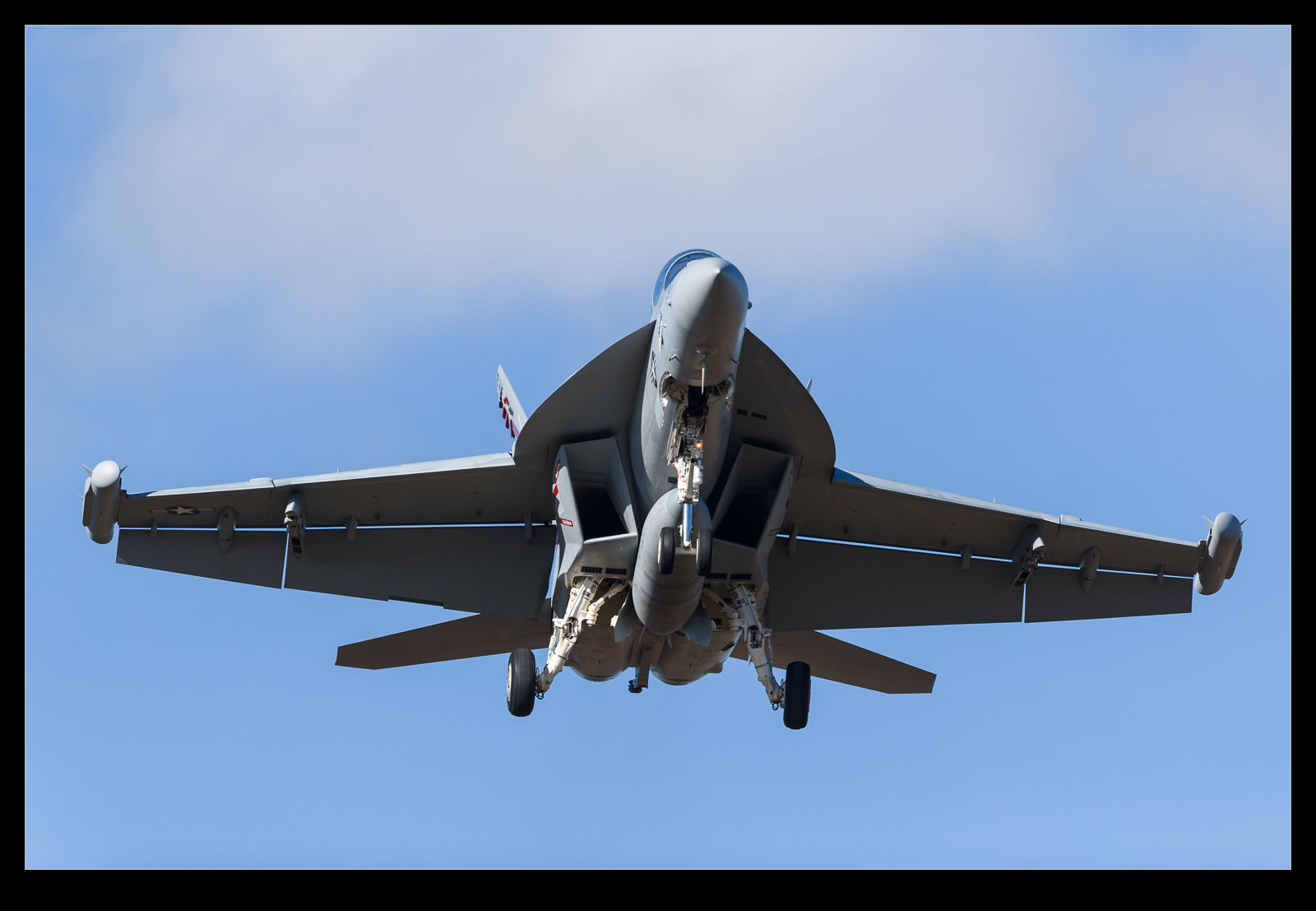
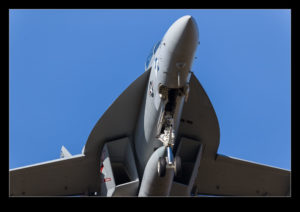
The approach to the runway at Coupeville brings the jets right over one of the local roads.  This meant I had the opportunity to go for some head on type shots of the jets.  As they came right over the top of me, I got a nice view of the underside of the jets.  I also experienced the noise level of a Growler.  I hadn’t thought to bring hearing protection and, if I go back, which I am pretty sure I shall do at some point, I will remember to take some.  You are really quite close and the sound levels are high!

Fort Casey Emplacements

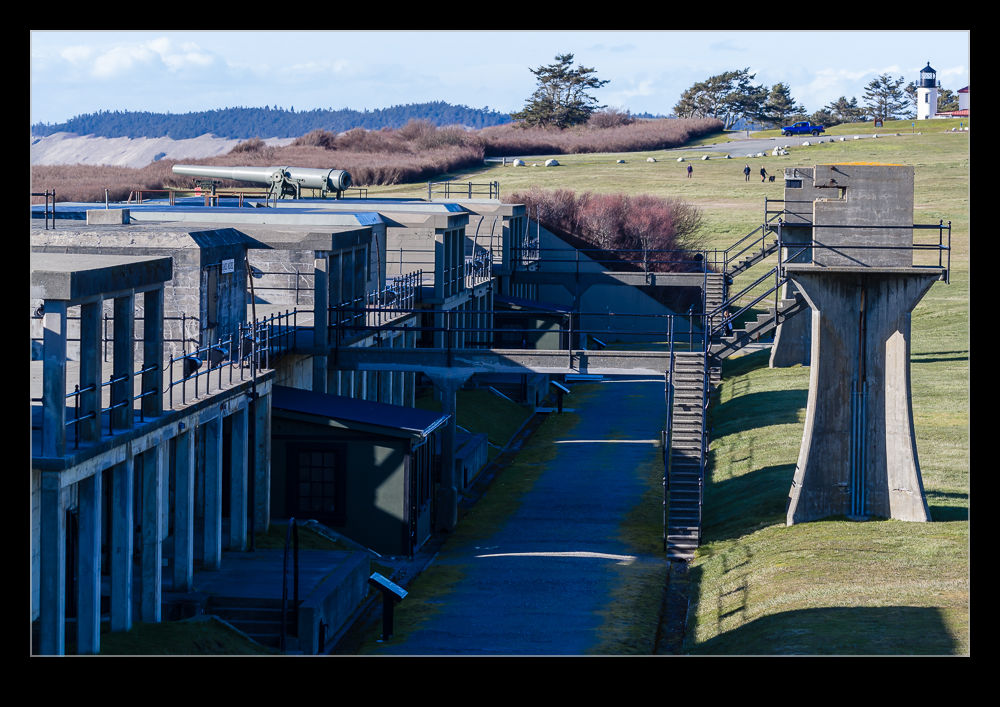
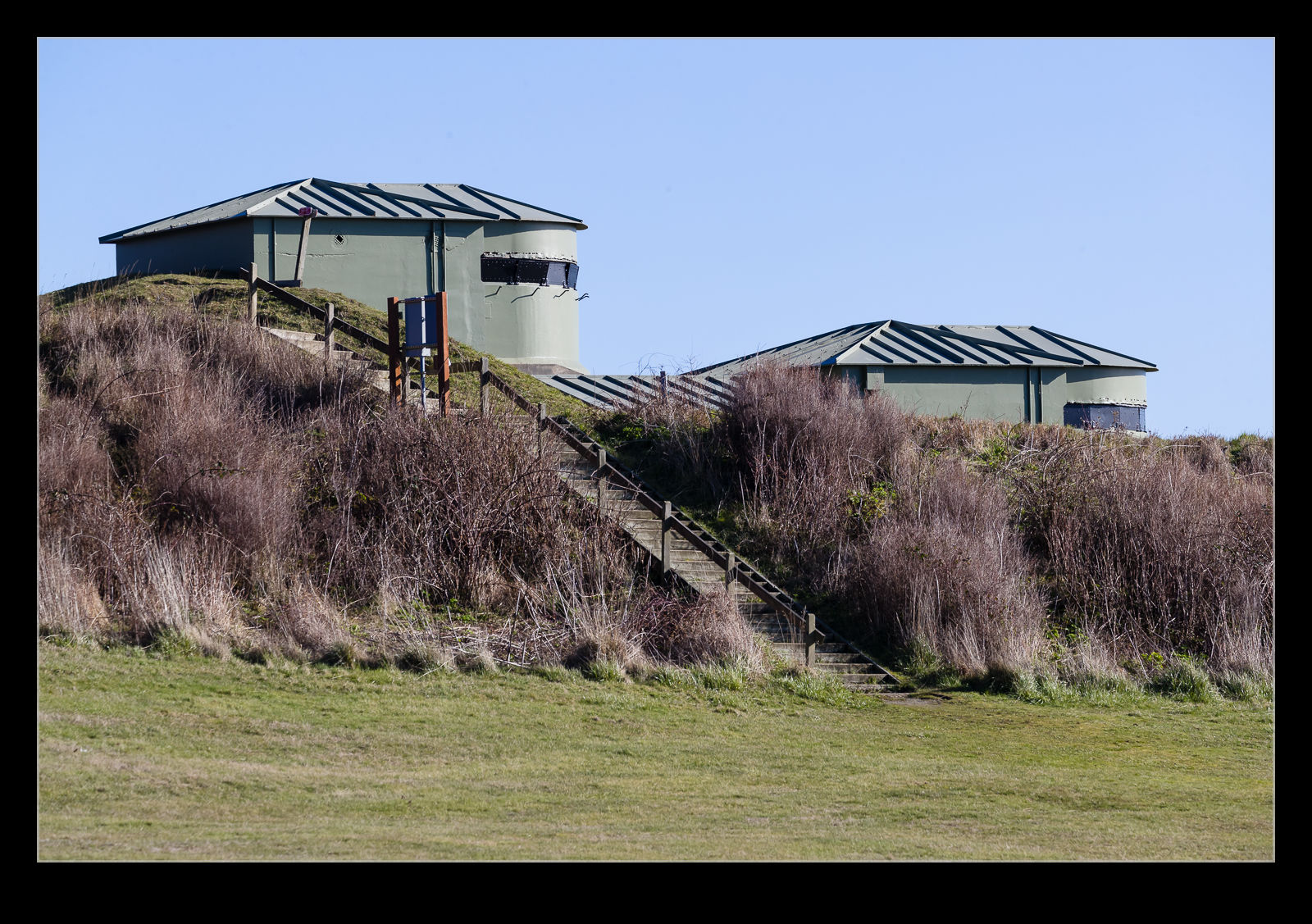
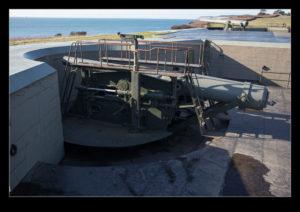
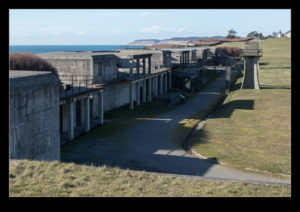
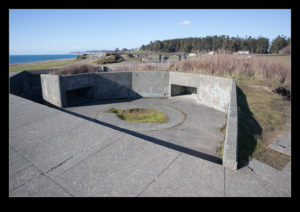
I posted about the lighthouse at Fort Casey here but the fort is obviously a lot more than just a lighthouse.  It was built to defend Puget Sound and this meant some big gun emplacements.  Much like similar emplacements along the west coast, most of the hardware is now long gone but some has been kept in place to show how things once were.  The emplacements themselves are pretty substantial and are well maintained by the park team.  With the guns gone, you see just how big the space taken up by the guns was.

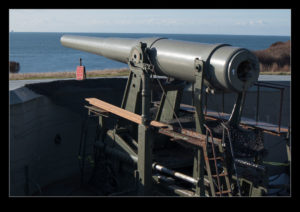
Meanwhile, a couple of installations are still equipped.  One has a gun elevated to the firing position while the other has the mechanism retracted.  The complexity of the gearing to raise, lower, elevate and rotate the guns is old school engineering at its best.

Behind the guns are some of the spotting towers.  From here the crews would have identified targets and called in the sighting requirements to the gun crews for them to engage.  They are painted green to blend in with the background since they would have been a primary target for any invaders.  As it happened, no-one came so these forts never engaged any enemies.