Tag Archives: museum

SC Maglev Museum

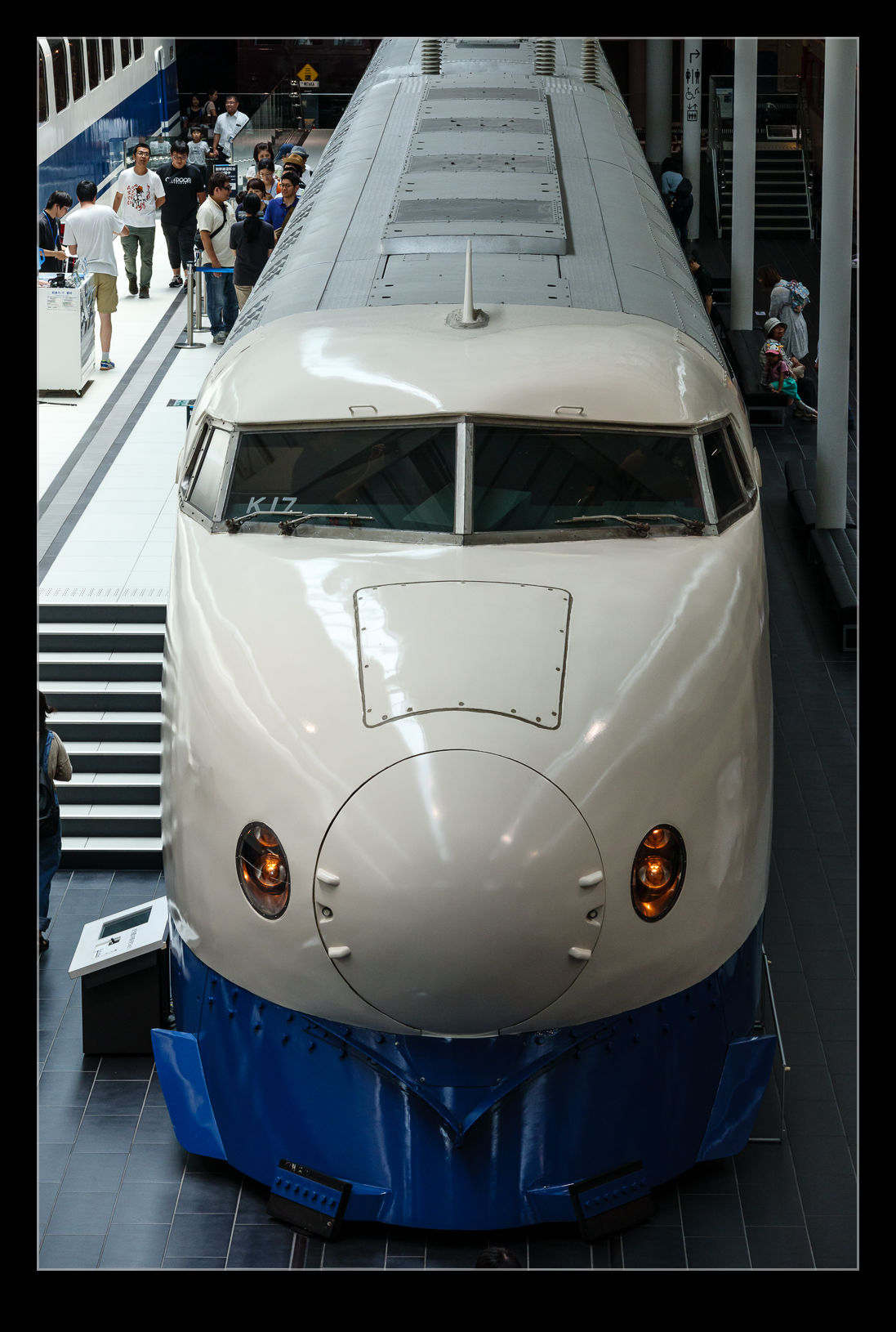
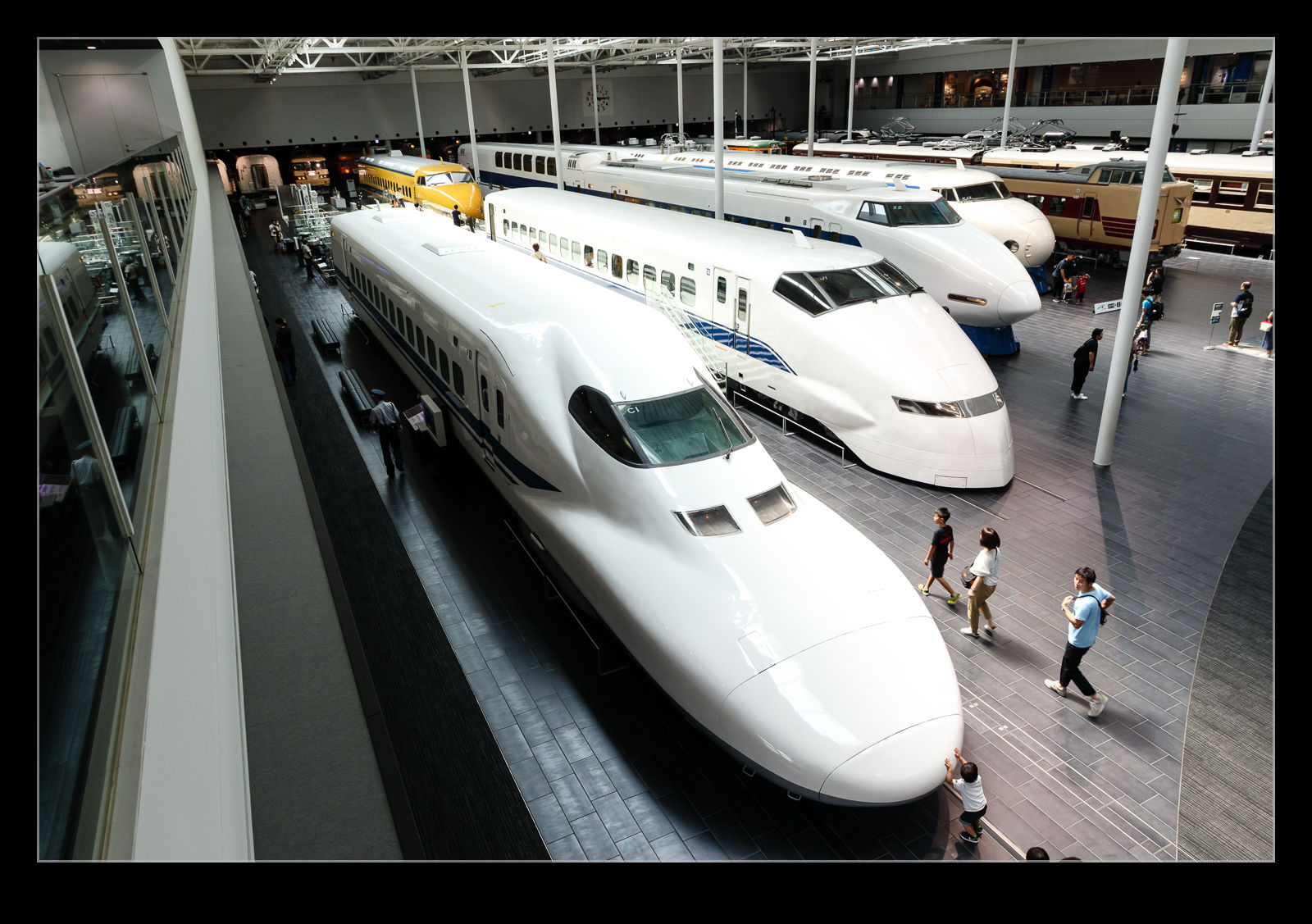
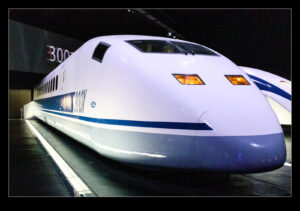
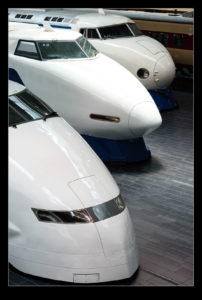
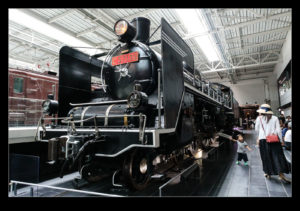
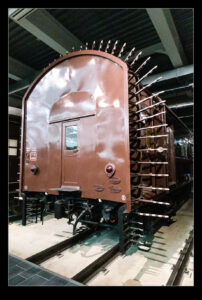
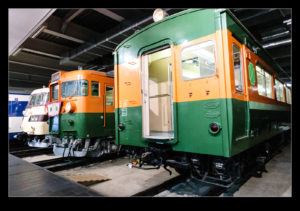
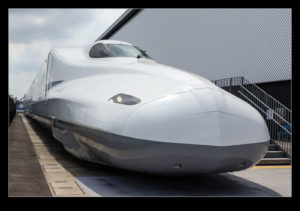
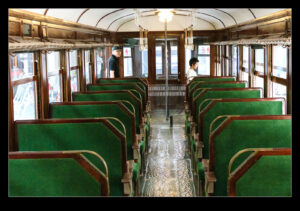
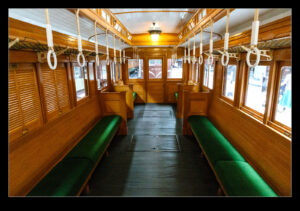
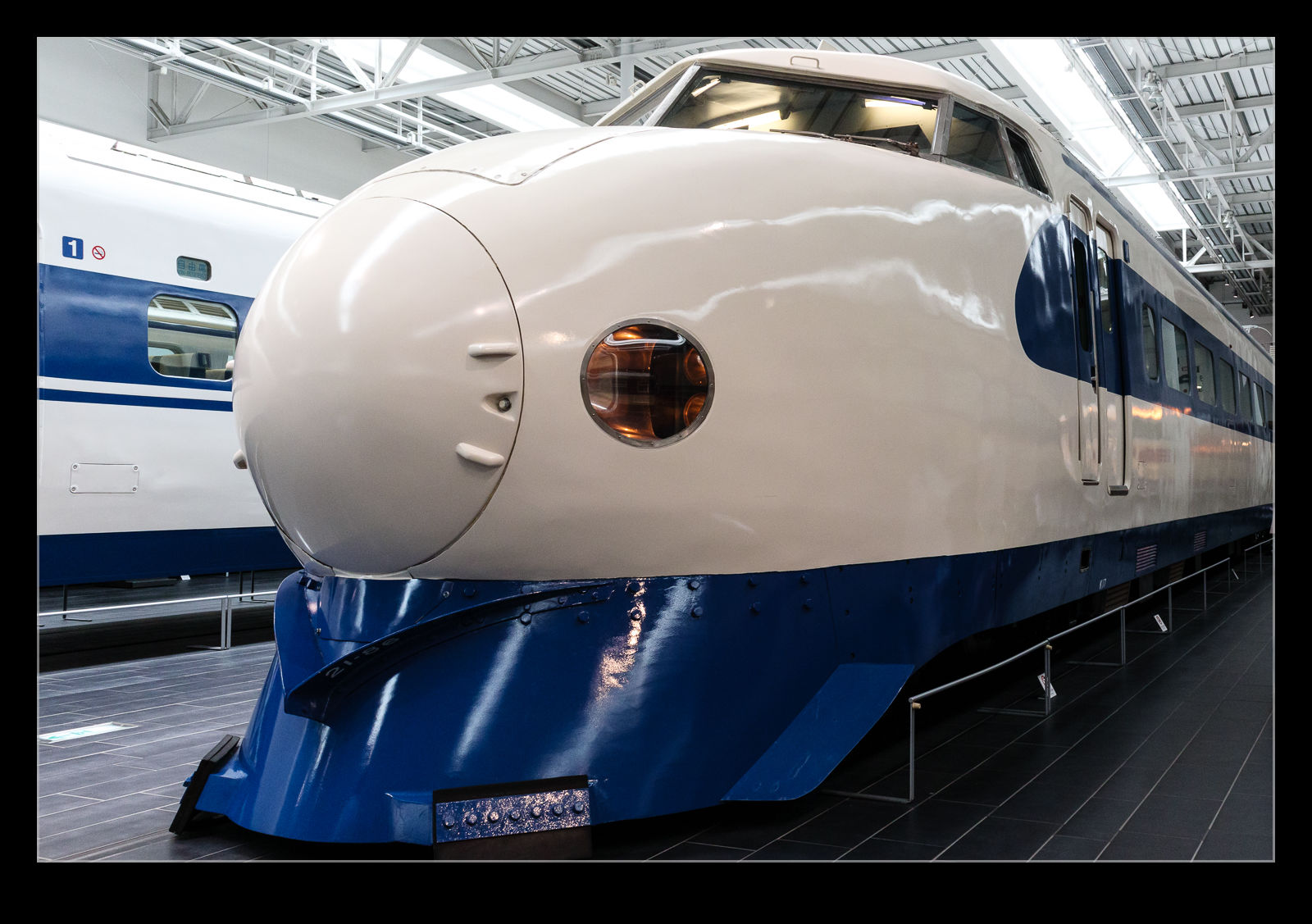
Nagoya is home to a museum of Japanese rolling stock.  The museum name focuses on Maglev technology and there is a Maglev prototype in the museum.  However, the exhibits are really a cross section of the Japanese rail industry over the years.  I will probably post some more from the museum as there were quite a few interesting exhibits.  Most of it was inside – most welcome on such a hot day – but the N700 prototype was outside.  I did have a look at that briefly along with an old steam locomotive but I was soon driven back inside by the temperatures.

When I first got there, you are directed into a hall with three significant exhibits.  It was so dark, I was wondering whether there would be any decent photo opportunities.  However, this was just the initial introduction and there were periodic videos and light shows to allow you to see these exhibits more clearly.  A little patience was required.  The main hall had the majority of the exhibits and they were lit normally.  There were plenty of people in the museum taking pictures with small children that didn’t seem to be enjoying it as much as the parents would have liked!  Maybe they wanted to be at Legoland across the street?

Big Steam Engines

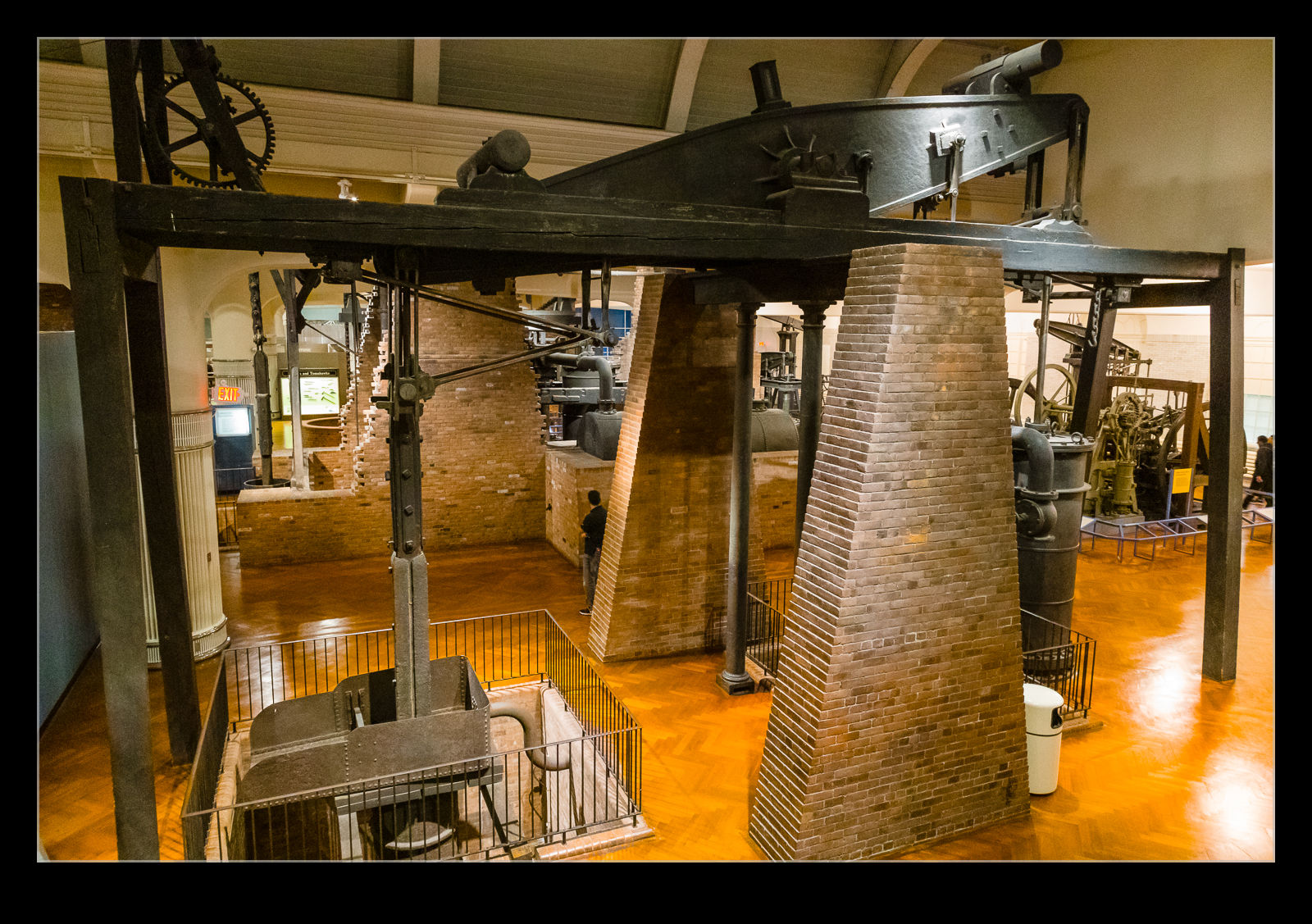
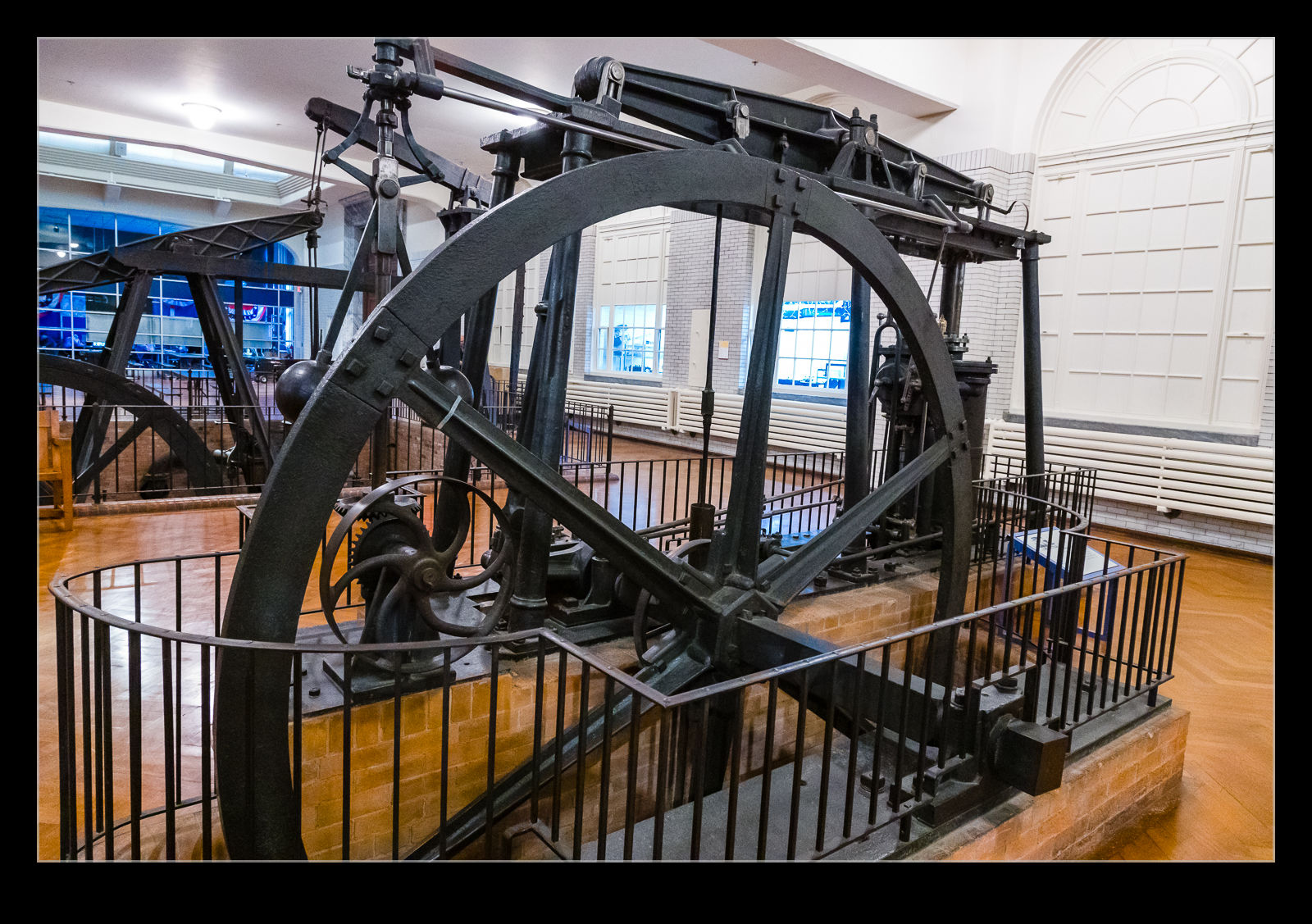
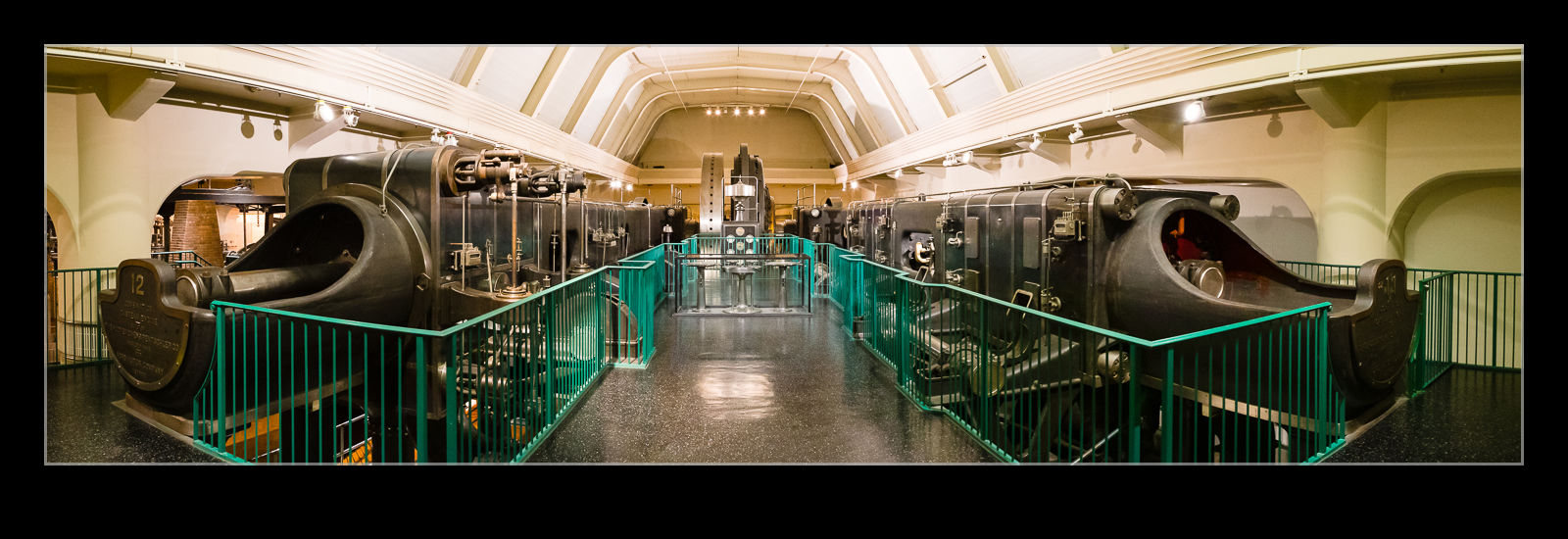
In the days of steam, power was produced by huge machines.  If you needed a more powerful machine, you just made it bigger.  The huge wheels and pistons that resulted were most impressive.  The Henry Ford has quite a selection of these old steam engines of various designs.  The efficiency improved as they introduced multiple phases to the machines to recover more work from the output of the engine.  The big beams and pistons remained a theme, though.  The large brick structures and the associated metalwork have been nicely preserved and displayed.

Power for a Factory

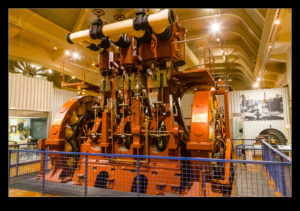
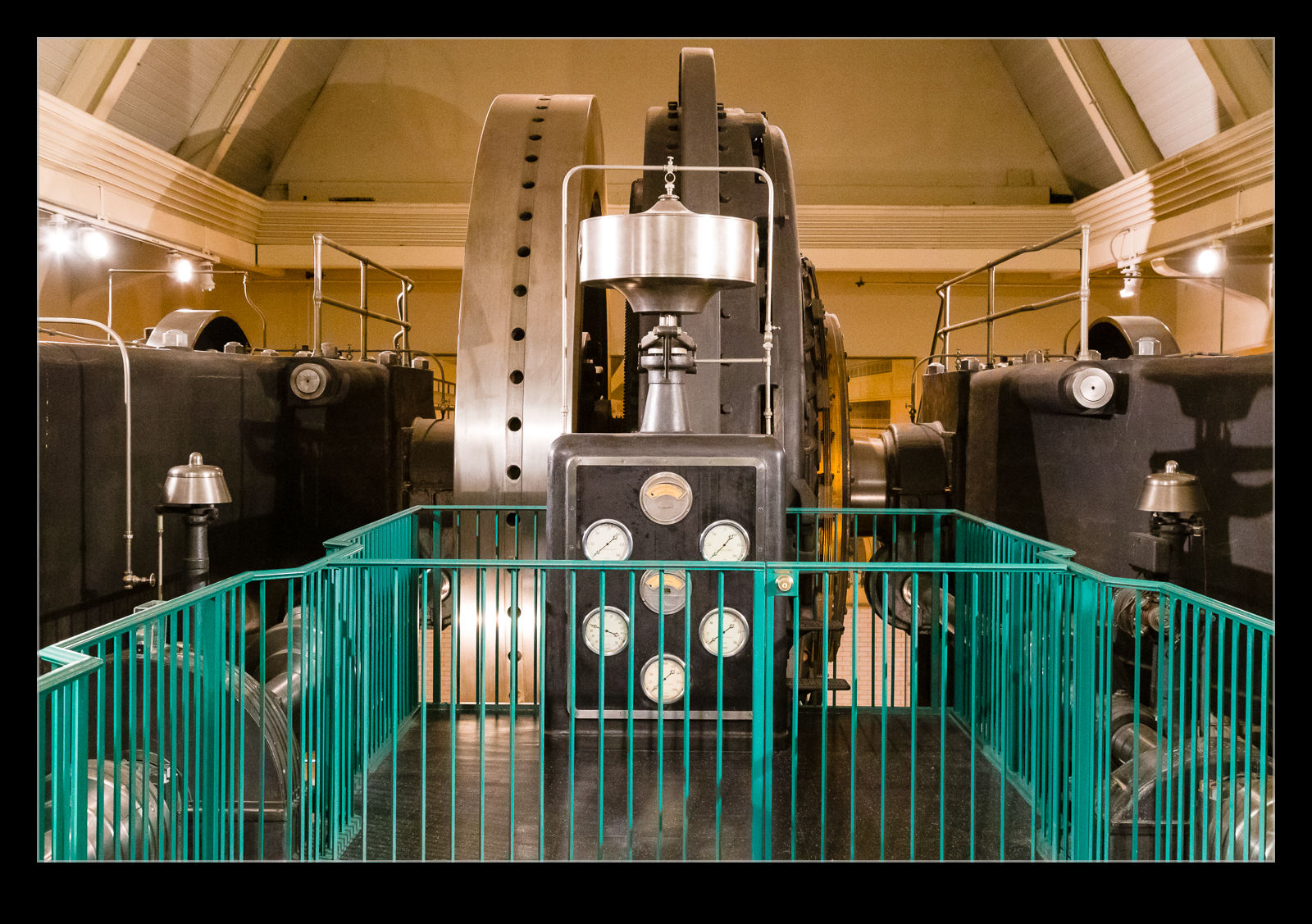
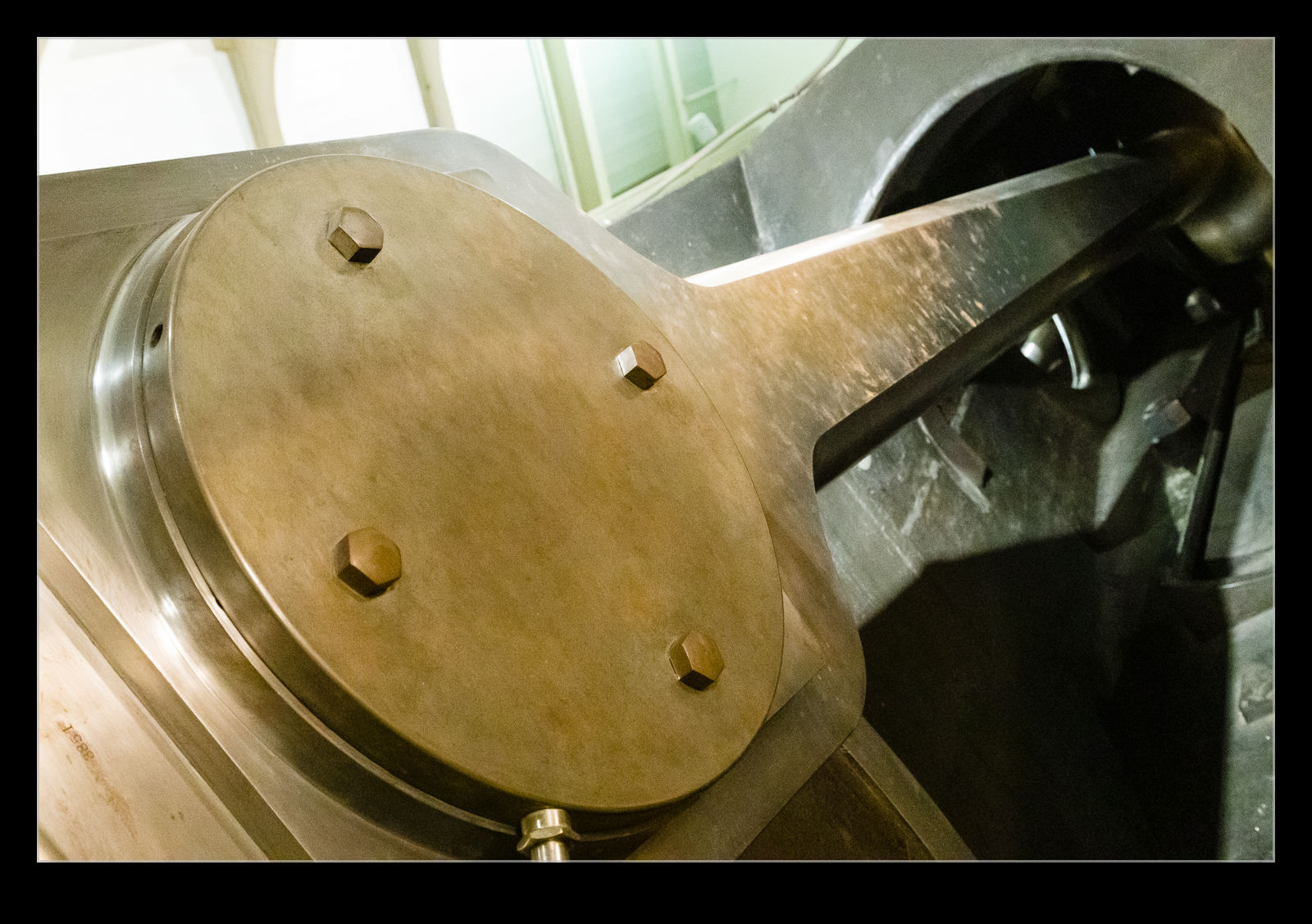
The Dearborn factory required a large power generation facility and, in days gone by, this was provided by a large steam engine driving generators.  This machine is now nicely preserved.  The scale of it is a bit hard to represent.  The cylinders are huge and the controls are substantial.  You can climb up on top of the whole thing to see how it went together.  Surprisingly, this is not a place that was getting too many visitors which meant I was able to nose around in relative peace.  It is hard to imagine what it would have been like when this enormous piece of engineering was in use and was generating the power for the plant.  Now it is idle but it still looks imposing.

Quite a Locomotive

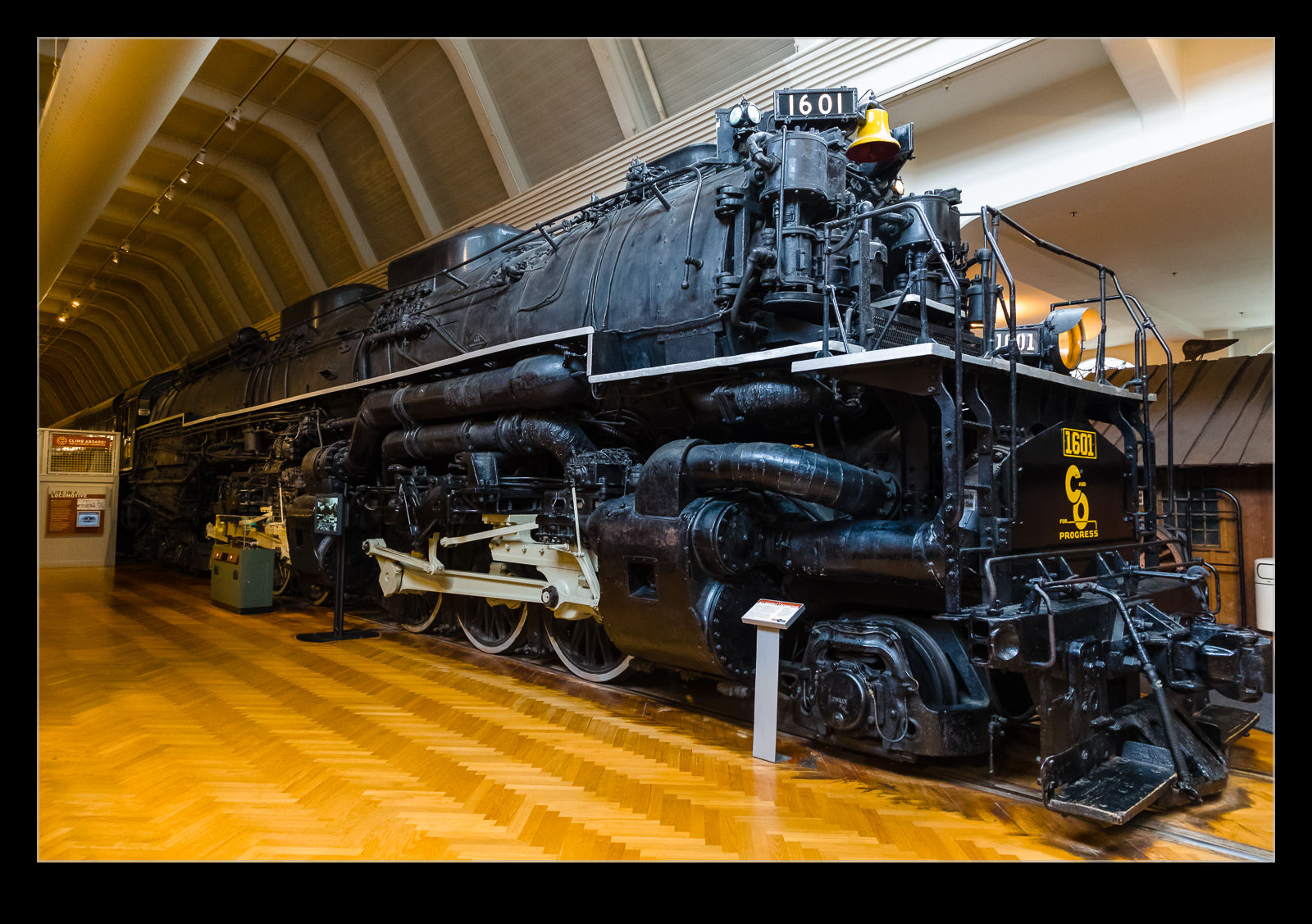
I know a few of the regular readers of the blog are in to trains so I hope this one pleases them.  The Henry Ford Museum covers all sorts of engineering endeavors including a selection of rail vehicles.  This was one of the last things we saw before we left so I didn’t explore very much.  However, there was one rather large steam locomotive on display.  This thing was a beast and I imagine it was quite the sight when it was in regular usage.  Our visit coincided with the running of Big Boy after restoration so something similar to this can been seen for real once again!

What New Shots Can I Get at Chihuly

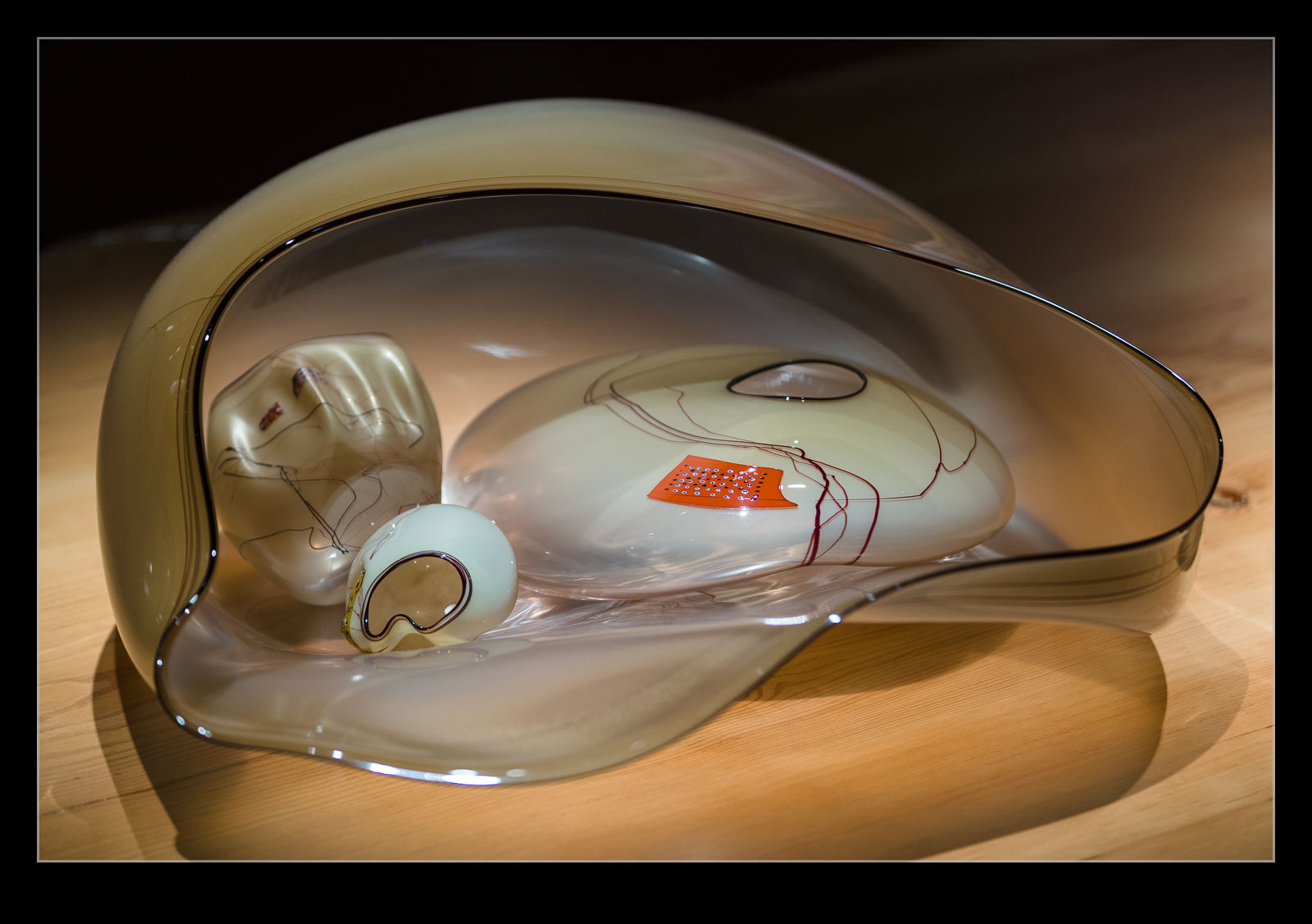
With new visitors staying, we were back at the Chihuly Museum in Seattle.  Since I had photographed there a few times already, I thought I would take in a different lens and just use that to try and get something different to that which I had shot before.  I took the 70-200mm f/2.8 lens with me.  First, the big aperture would be good in the dim conditions.  Second, that wide aperture would allow me to play with some shallow depth of field (the longer reach of the lens helping to enhance that effect) and lastly, that longer focal length would mean I could experiment with tight crops or longer views across galleries.

Here are a few of the shots I got as we walked around the galleries.

Automated Chevy Bolt

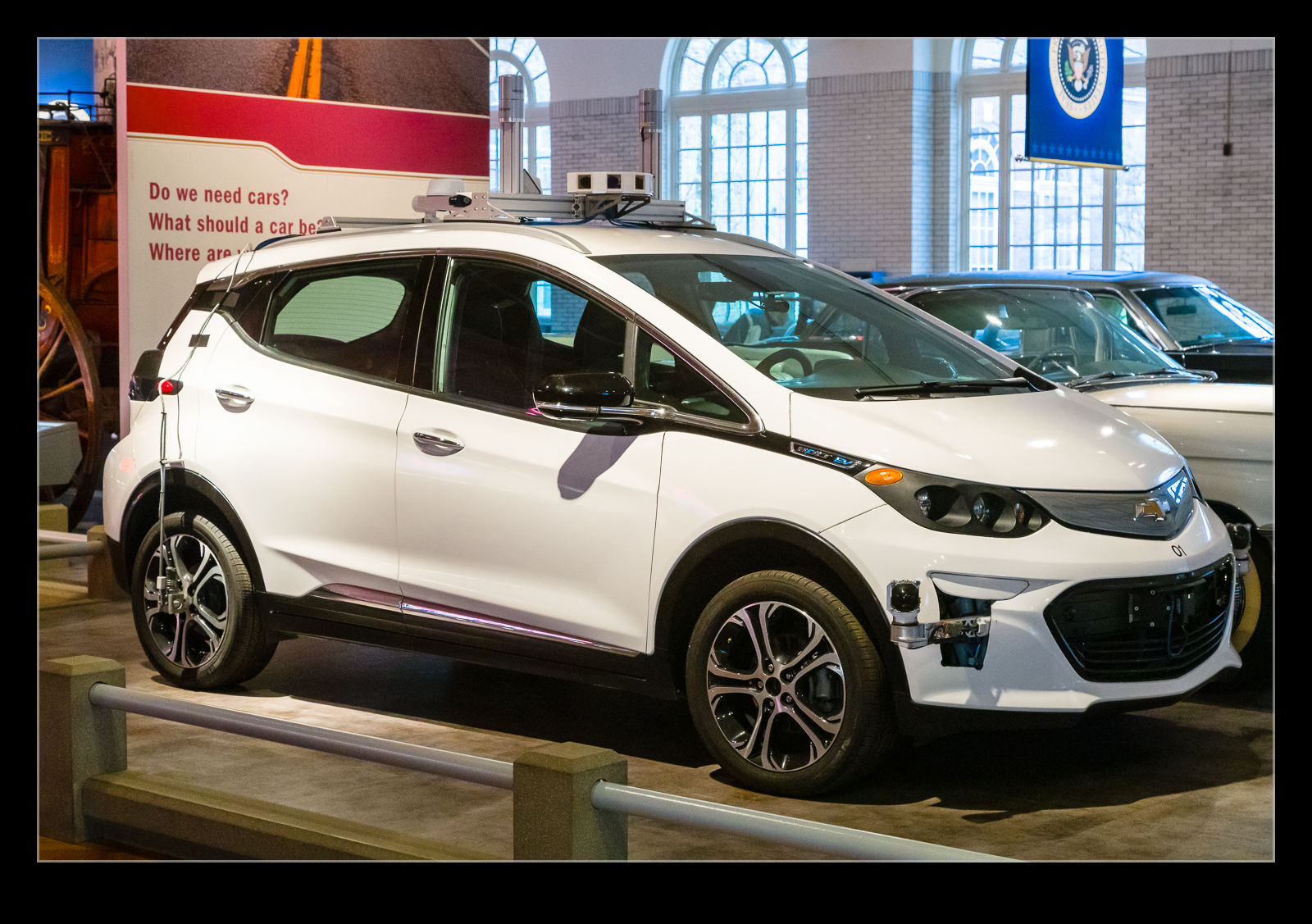
The Chevy Bolt is not the sort of car that would normally grab my attention.  This one did though.  It was at The Henry Ford (even if it is a Chevy) and it is tricked out with all sorts of sensors.  I assume it was some sort of development tested for automated vehicles.  I could have made the effort to go and read whatever was written next to it but that seemed far to much like hard work.  I guess I am the sort of person an automated vehicle is designed for if I can’t be bothered to even do that!
Mustang No. 1

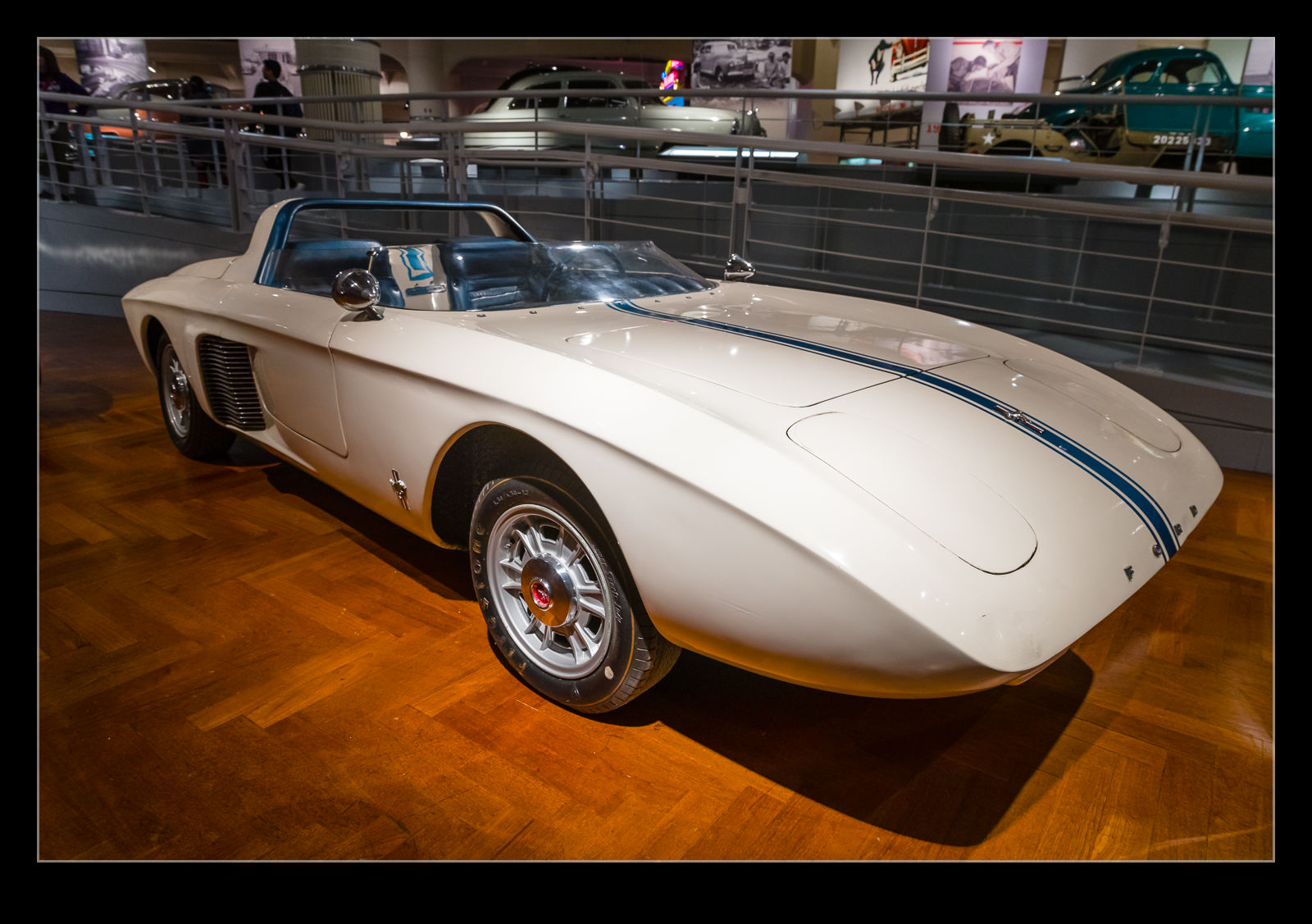
Since The Henry Ford is a museum founded by a Ford, it is no surprise that they have some significant Ford vehicles on display.  This includes the number one Mustang.  It looks quite different from what followed it, an example of which is not far away on the display.  It seems quite light and small compared to what followed and definitely compared to the current incarnation (like the pun?).  It’s is always cool to see something that is historic, irrespective of what the subject may be.  This one definitely led to an iconic brand.

Presidential Cars

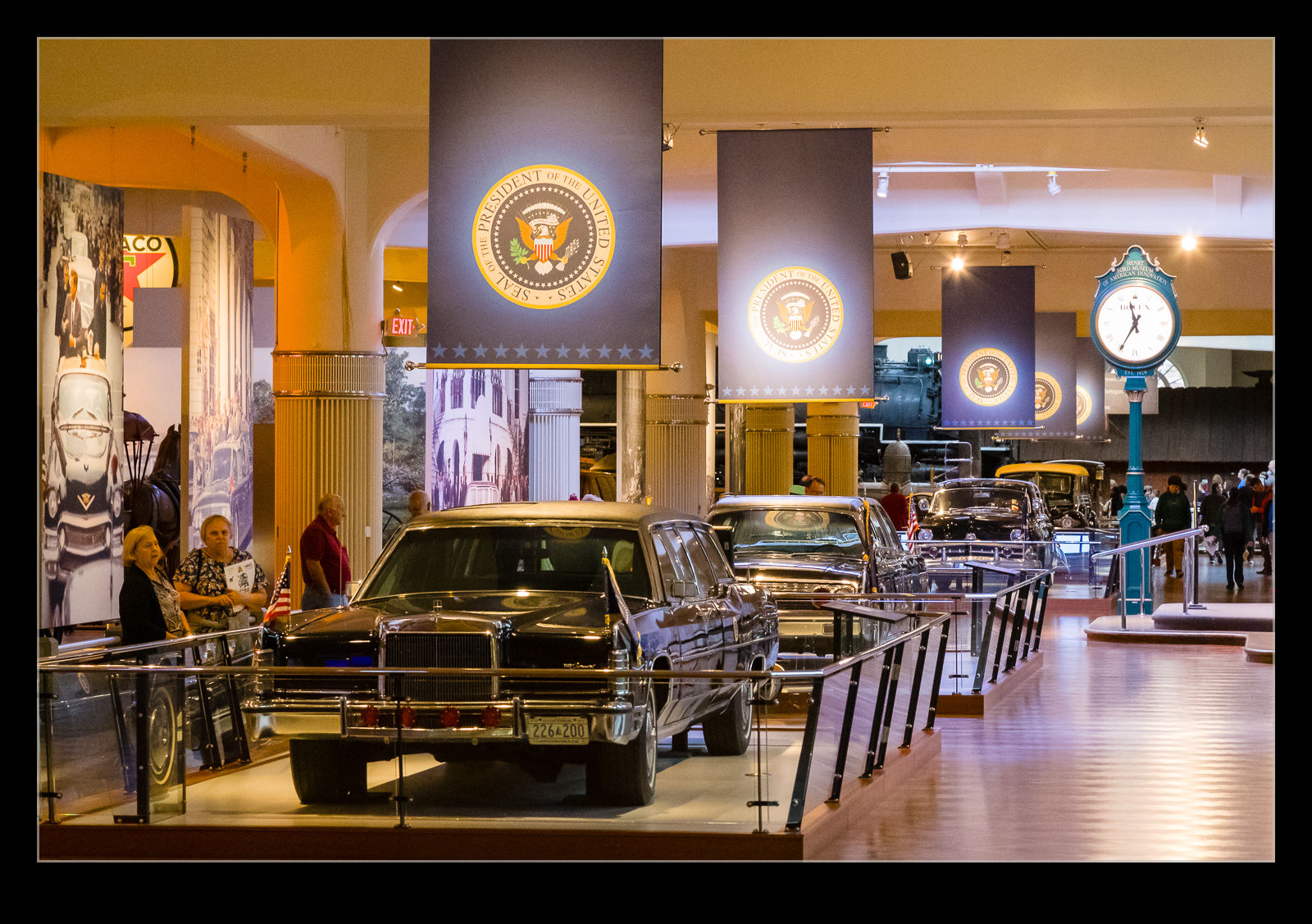
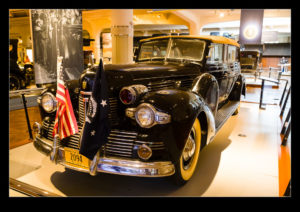
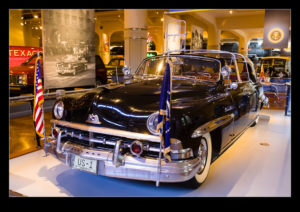
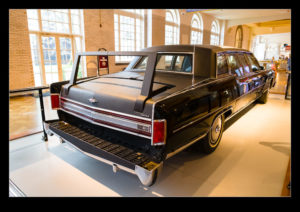
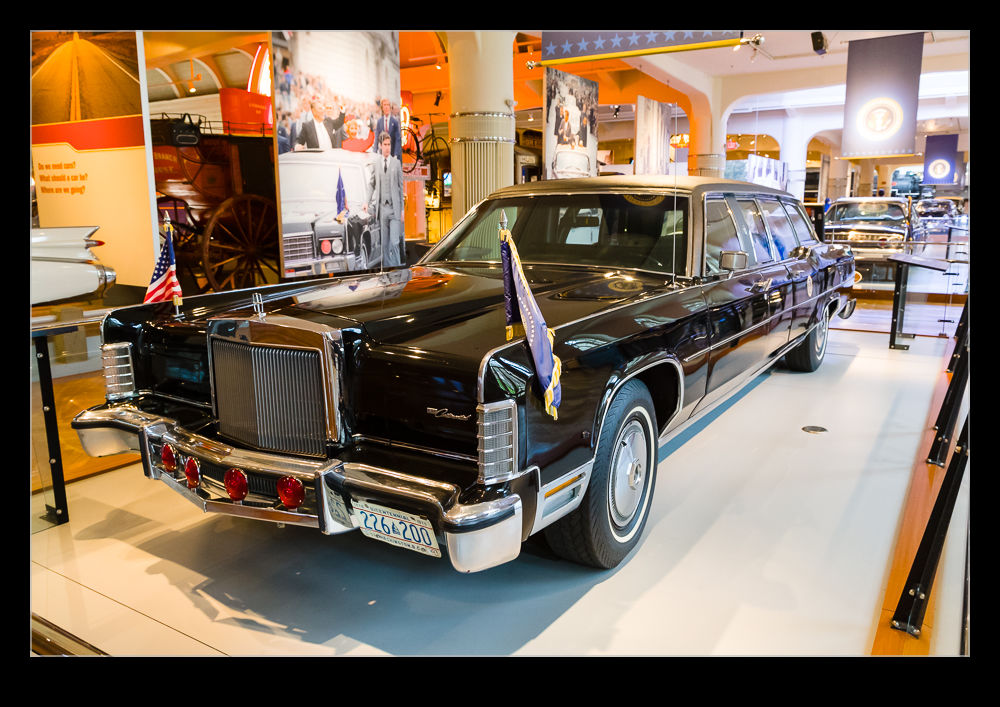
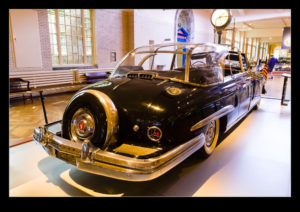
The Henry Ford includes a selection of presidential automobiles.  These all seem to have been Lincolns, unlike the current vehicle which is a Cadillac.  While the style has evolved over time, there are common themes.  The need to be seen and the requirements of the Secret Service to ride along show on the cars.  The most recent Lincoln was the car replaced by the current vehicle.  It has a folding rear bumper that agents can stand on and a pop up handrail for the them to hold on to.  The older vehicles have less of a security element.  The assassination of Kennedy changed all of that of course.

Sikorsky’s Historic Landmark

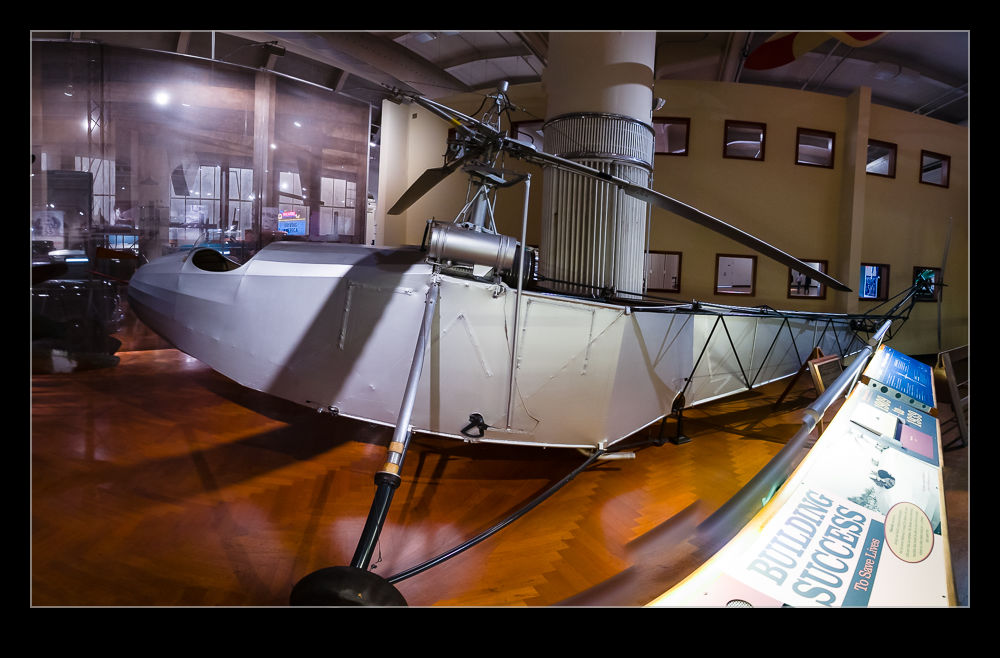
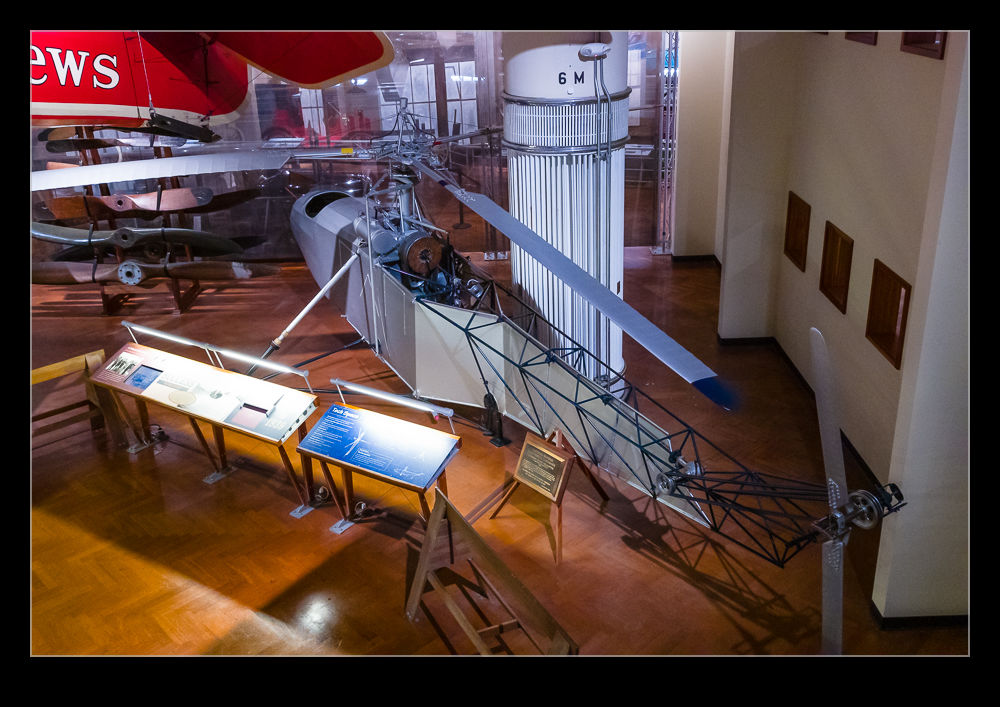
Igor Sikorsky is well known as a developer of helicopters even though his early work was based on fixed wing types.  The airframe he developed to demonstrate practical rotary flight was the VS-300.  This helicopter went through a number of design changes over its life including upgrades to the cyclic system to make it more controllable.  When testing with it concluded, it was donated to the Henry Ford museum in Michigan and that is here I saw it.  It is a historic landmark and hugely significant.  However, it is stacked up in a display behind other artifacts, so it is actually pretty tricky to photograph.  I tried making a pano of it to avoid the things in front with some success.

The Henry Ford (Museum)

We headed to Michigan for a family event recently.  We had a little time to spare and decided to check the Henry Ford (apparently it doesn’t have museum in the name but that is what it is).  The museum complex includes many elements including a village and tours of the F150 factory but we only had time to try out one so we focused on the main museum building.  As it turned out, we had way too little time to even do that justice.  As is often the way with us, we spent plenty of time in the earliest elements and then were rushing to see the rest when time ran out.

The museum is an eclectic mix of different themes, some of which will get their own posts.  It included elements about the industrialization of the country, sections on how homes had developed, examples of furniture styles, many different cars (no shock there given where we were), aviation, rail transportation, math and science and so on.  I have no idea how much of it we didn’t even see.  With time ticking, we had a frantic last few exhibits!  I could easily have taken a full day to check everything out.  With the village next door not even looked at, we had plenty left.
These types of museum have a difficult challenge.  They curate a bunch of old items and new ones to provide a comparison.  Of course, the newest ones are soon dated and there is a need to bring ever more in to provide some modern relevance.  They seemed to have done a pretty good job of meeting this need.  As we wrapped up and headed on our way, we were left contemplating how we had missed out on making a trip here when we lived in Chicago and this would have been a simple journey to make.  I don’t know whether I will ever get back to the area but, if I do, I shall make an effort to go back and give it substantially more time!