Tag Archives: engine

Was That Engine Supposed to Fit in There?

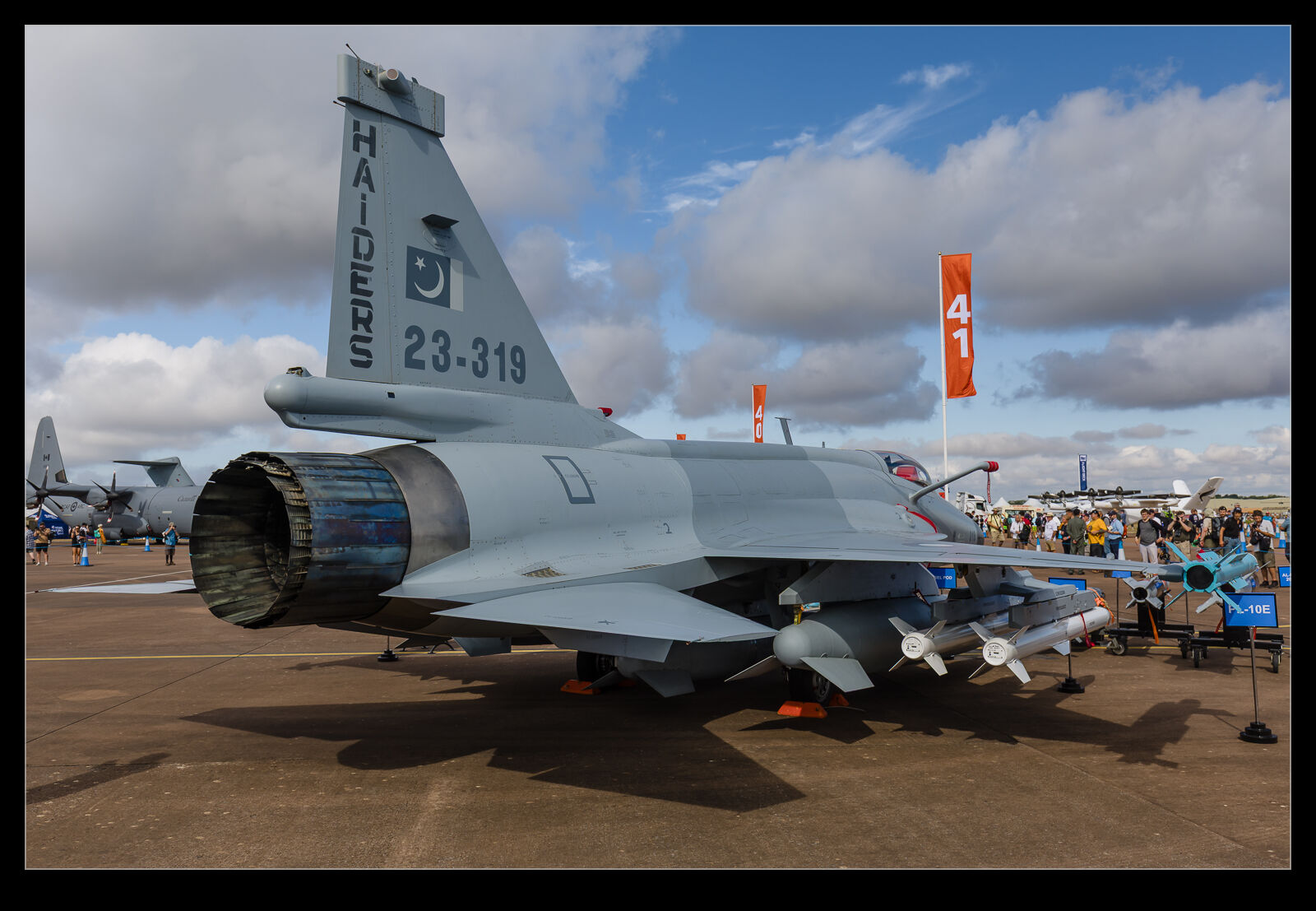
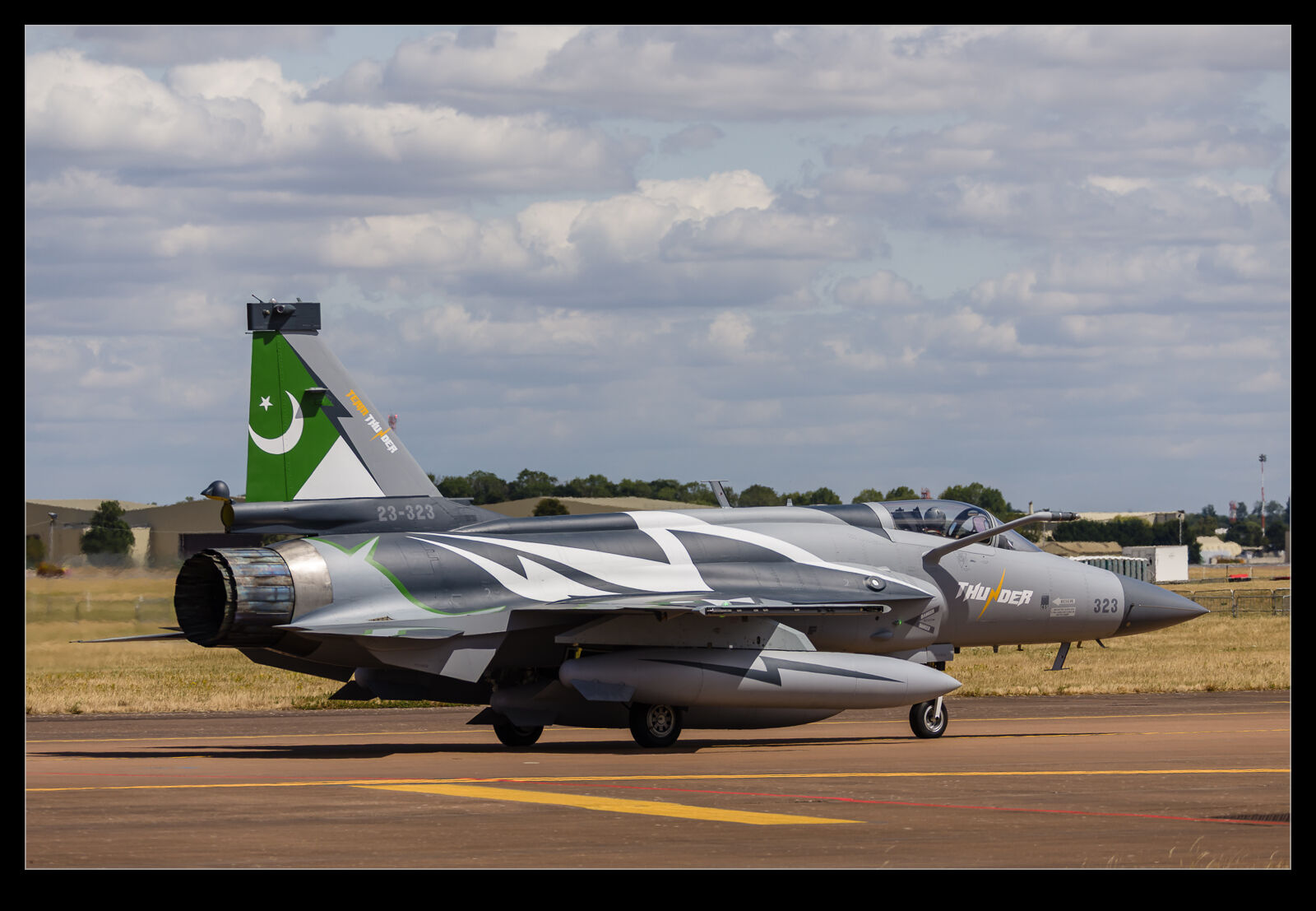
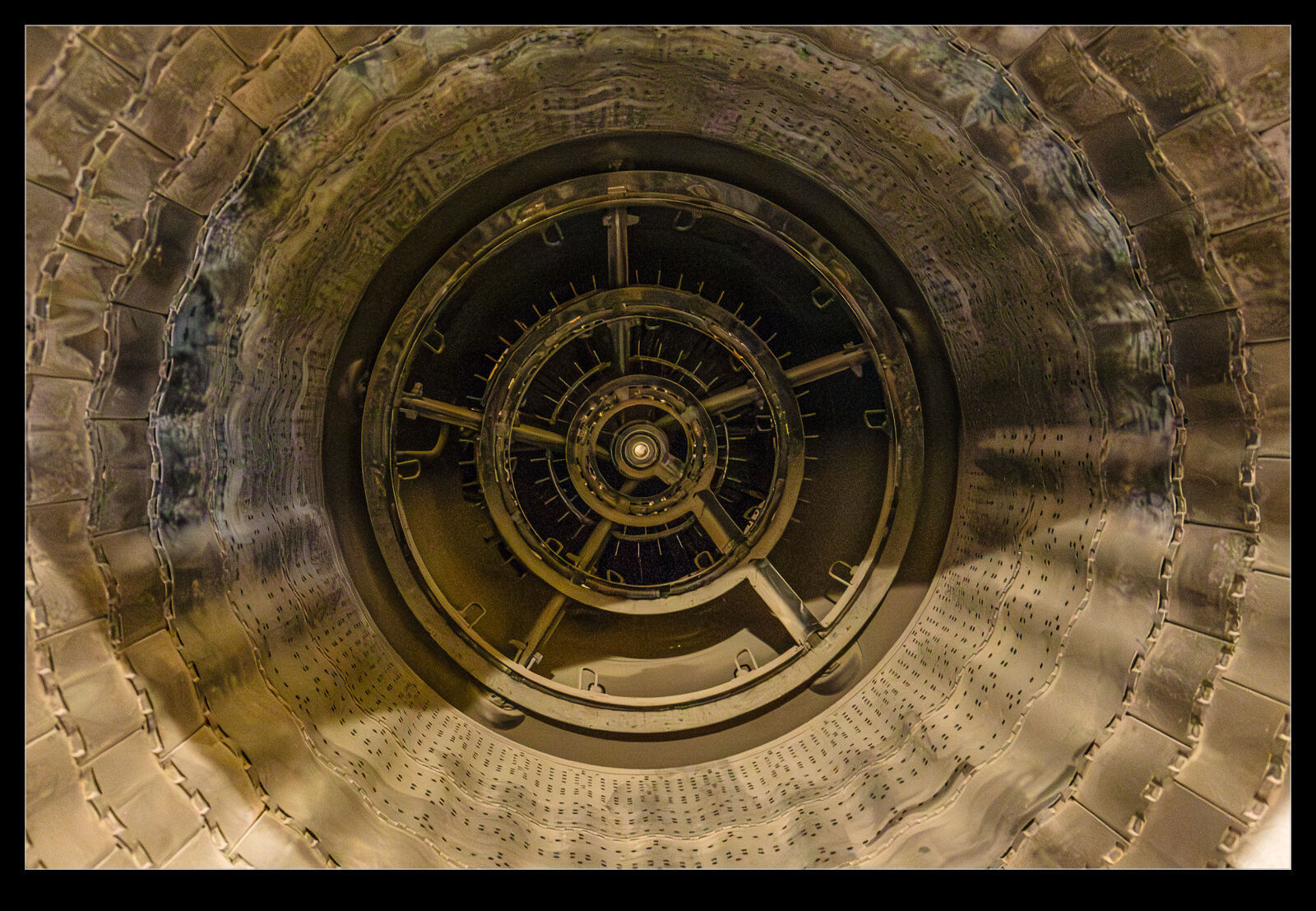
The JF-17 Thunder was one of the interesting aircraft to make it to RIAT in 2025. It had been before, but this was the first time I got to see it. The Pakistan Air Force brought a pair of them. I got to have a good look at one of them in the static park and something struck me about it. The engine installation. The plane is fitted with the Klimov RD93 engine which is a derivative of the engine for the MiG-29. The diameter of the nozzle for the engine seems to be very small compared to the rear fuselage size. Afterbody drag is a big deal on fighters and I wonder how bad the penalty is for this configuration. I understand that China is developing an engine to replace the RD93 and maybe the sizing of the fuselage is for this new engine. In the meantime, it does look like someone made do with the engine available.

How It Works – The Steam Locomotive

A Ladybird Book reference in the title for some of you of a certain age from a certain country. An exhibit at the National Railway Museum in York is a sectioned steam locomotive. One of the guides at the museum showed us the various stages of the process of turning coal and water into power for the loco. I hadn’t understood the process fully before (and probably still need some additional education to be honest) but having the side of the loco cut open to show the various processes and the flow of the steam really made it easier to understand. I was going to say visualise, but it isn’t really visualising when you are looking right at it!

CFM56 Inlet

I recently took an EasyJet flight from Glasgow to Southampton at the end of a work trip. I boarded from the front of the plane and, as we lined up on the steps, I found myself staring into the inlet of the CFM56 engine on this A320. The blade designs on this older generation of engine are not as complex as the newer LEAP engines but they are still interesting to me. The fan blades still have snubbers on this design and the textures of the metals and the inlet look cool.

What Is The Story With This Reverser?

I was scanning through some photos from my travels to Oregon with Mark and came across some photos of a United Airlines 737-700 landing at PDX.  It was braking and had the reversers deployed.  Looking at the shots, there is a dark burn mark on the engine nacelle that is split either side of the join in the reverser.  It looks like something has been cooked a little.  Anyone with experience that can suggest what has been going on with this engine?

A220 Engines Look Big Underneath

The A220 (or C Series as it was then) was the plane that spooked Airbus and then Boeing.  It was an efficient plane with a new engine – the Pratt and Whitney geared turbofan or GTF.  Airbus decided the re-engine the A320 family with a version of the same plane and the success of that project changed Boeing’s plans from a new plane to a reboot of the 737 which gave us the Max!  They went with a different engine to the GTF (and Airbus decided to offer both).  The GTF is a high bypass engine so it takes up a lot of space under the wing.  This A220 passed over me on approach to SeaTac and gave a good idea of just how large the engine nacelles are compared to the rest of the plane.

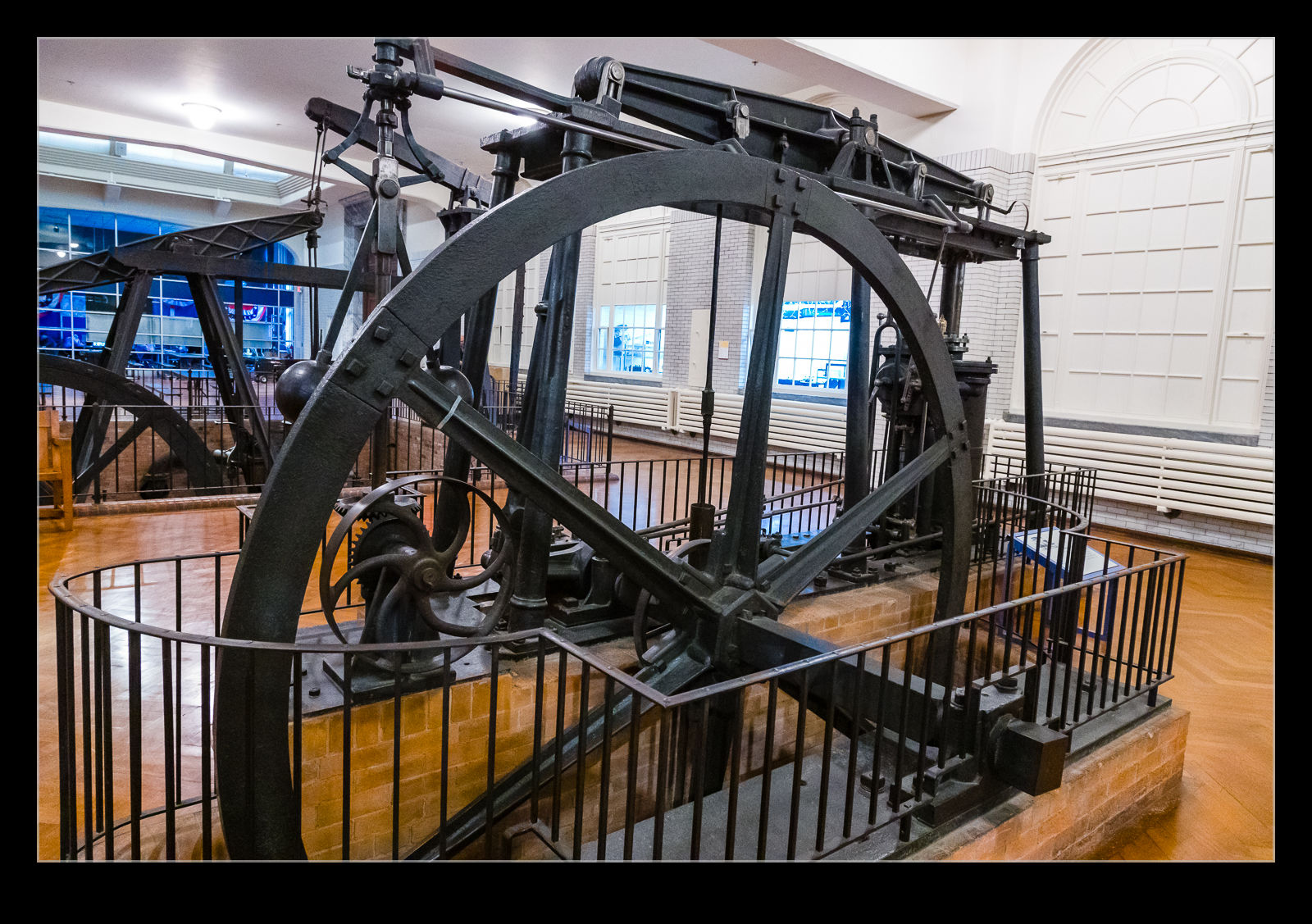
Big Steam Engines

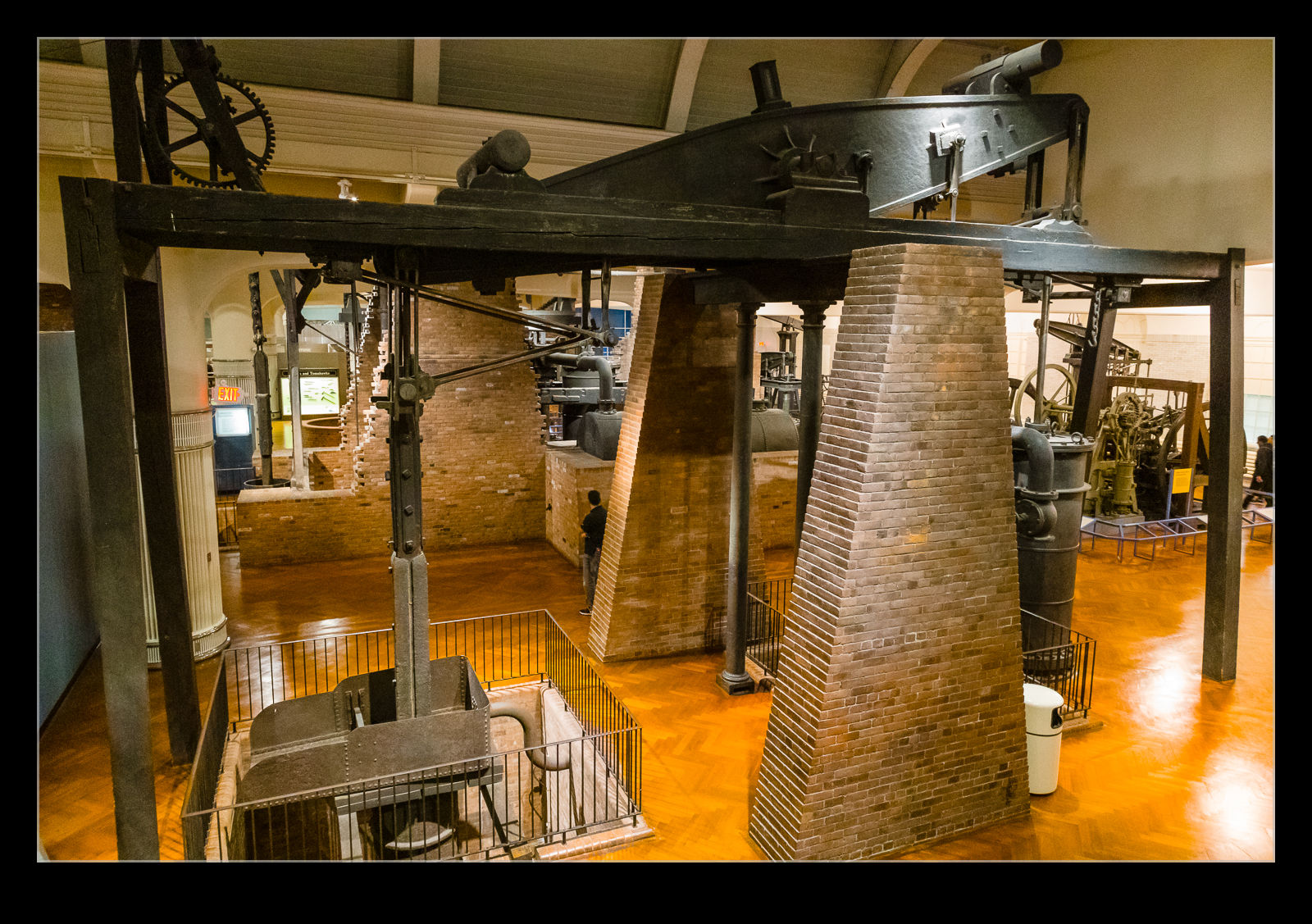
In the days of steam, power was produced by huge machines.  If you needed a more powerful machine, you just made it bigger.  The huge wheels and pistons that resulted were most impressive.  The Henry Ford has quite a selection of these old steam engines of various designs.  The efficiency improved as they introduced multiple phases to the machines to recover more work from the output of the engine.  The big beams and pistons remained a theme, though.  The large brick structures and the associated metalwork have been nicely preserved and displayed.

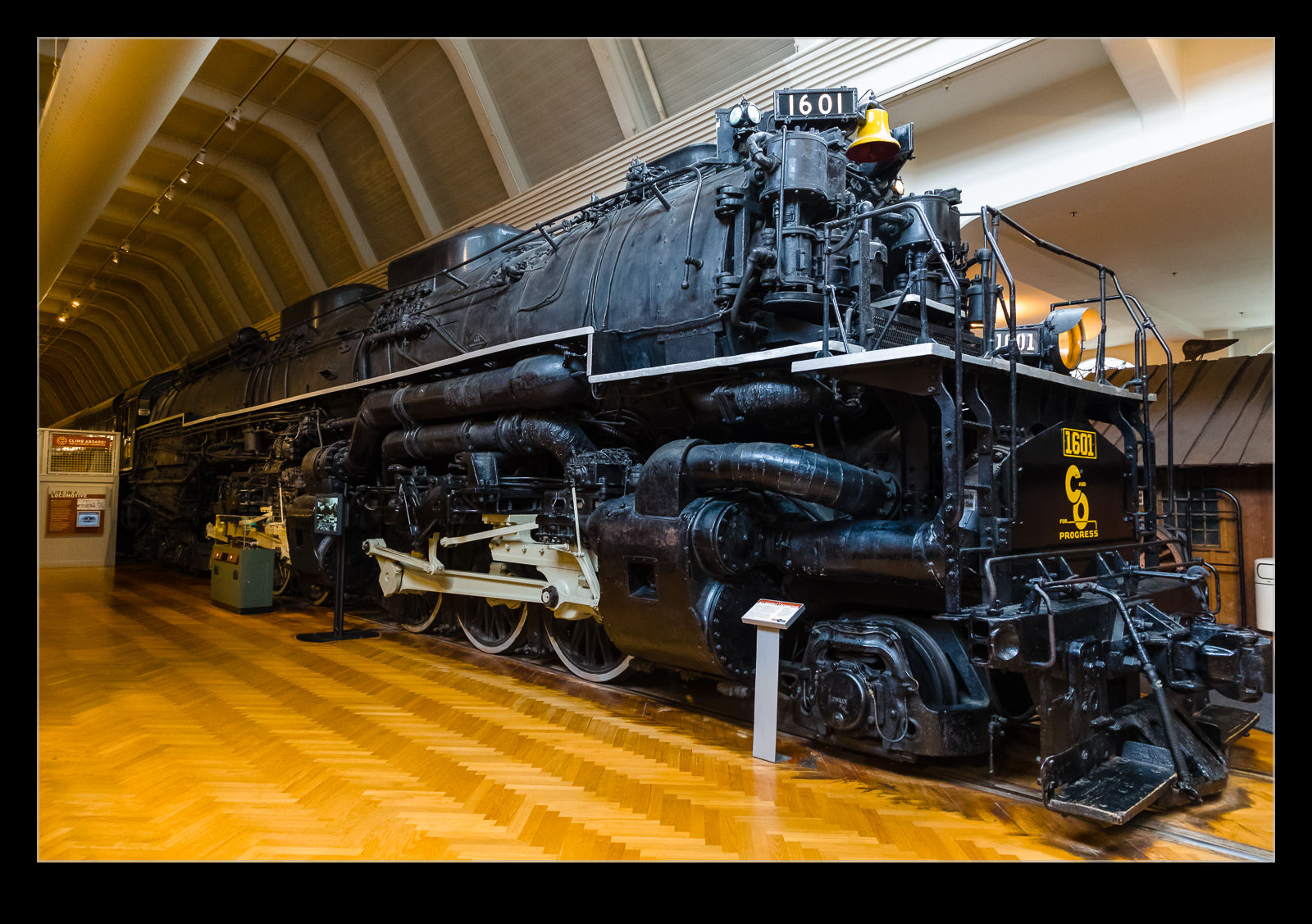
Quite a Locomotive

I know a few of the regular readers of the blog are in to trains so I hope this one pleases them.  The Henry Ford Museum covers all sorts of engineering endeavors including a selection of rail vehicles.  This was one of the last things we saw before we left so I didn’t explore very much.  However, there was one rather large steam locomotive on display.  This thing was a beast and I imagine it was quite the sight when it was in regular usage.  Our visit coincided with the running of Big Boy after restoration so something similar to this can been seen for real once again!

Anyone Have Any Engines?

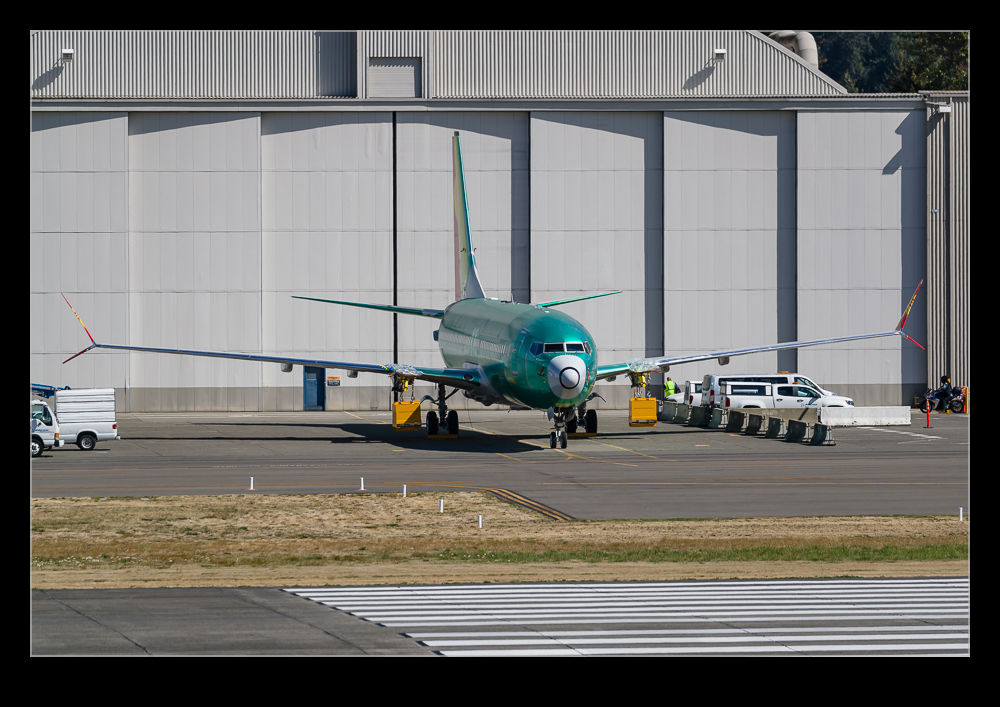
Engine supply is a bit of a problem for the big two airliner manufacturers at the moment.  Rolls powered 787s are going through a drawn out program of rework and A320neos are sitting around awaiting both Pratt and CFM engines.  Boeing is also short of CFM Leaps and the result is a lot of parked 737 Max jets at Renton and Boeing Field.  Apparently, they are flying jets to Boeing Field and then trucking the engines back to Renton.  As I flew over Boeing Field earlier in the week, the flightline did look full!

I wanted to see all of these parked jets so took a trip to Renton one weekend to see how things were.  There were certainly plenty of jets around and quite a few had ballast weights attached to the pylons.  Supposedly the backlog will not be sorted out until the fourth quarter (although some think that is a bit optimistic)!

Exodus of Southwest Jets

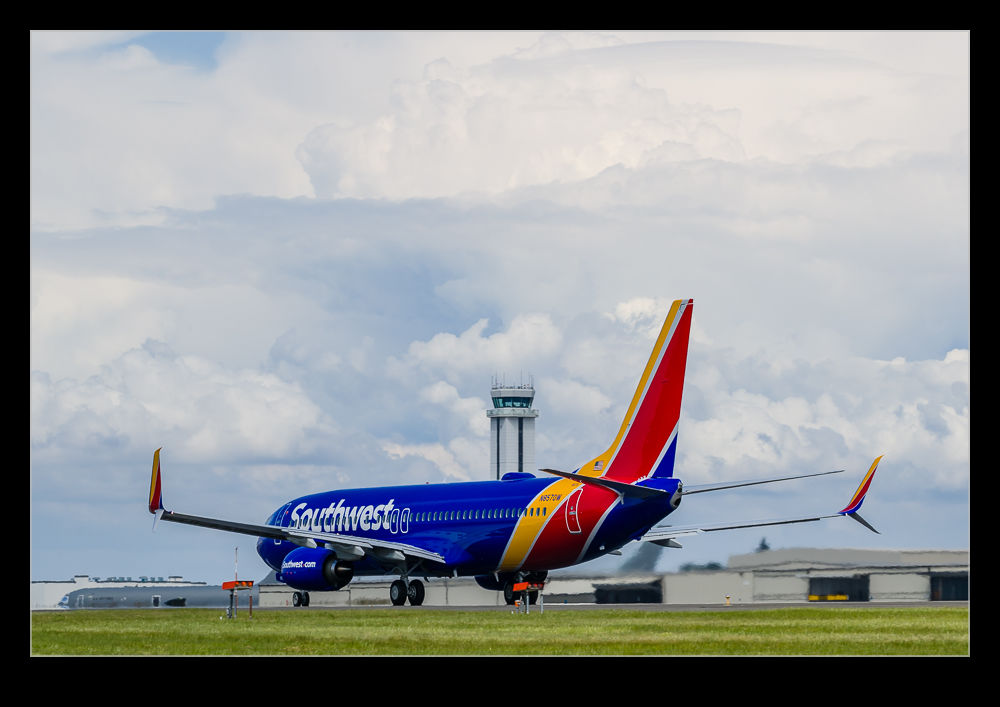
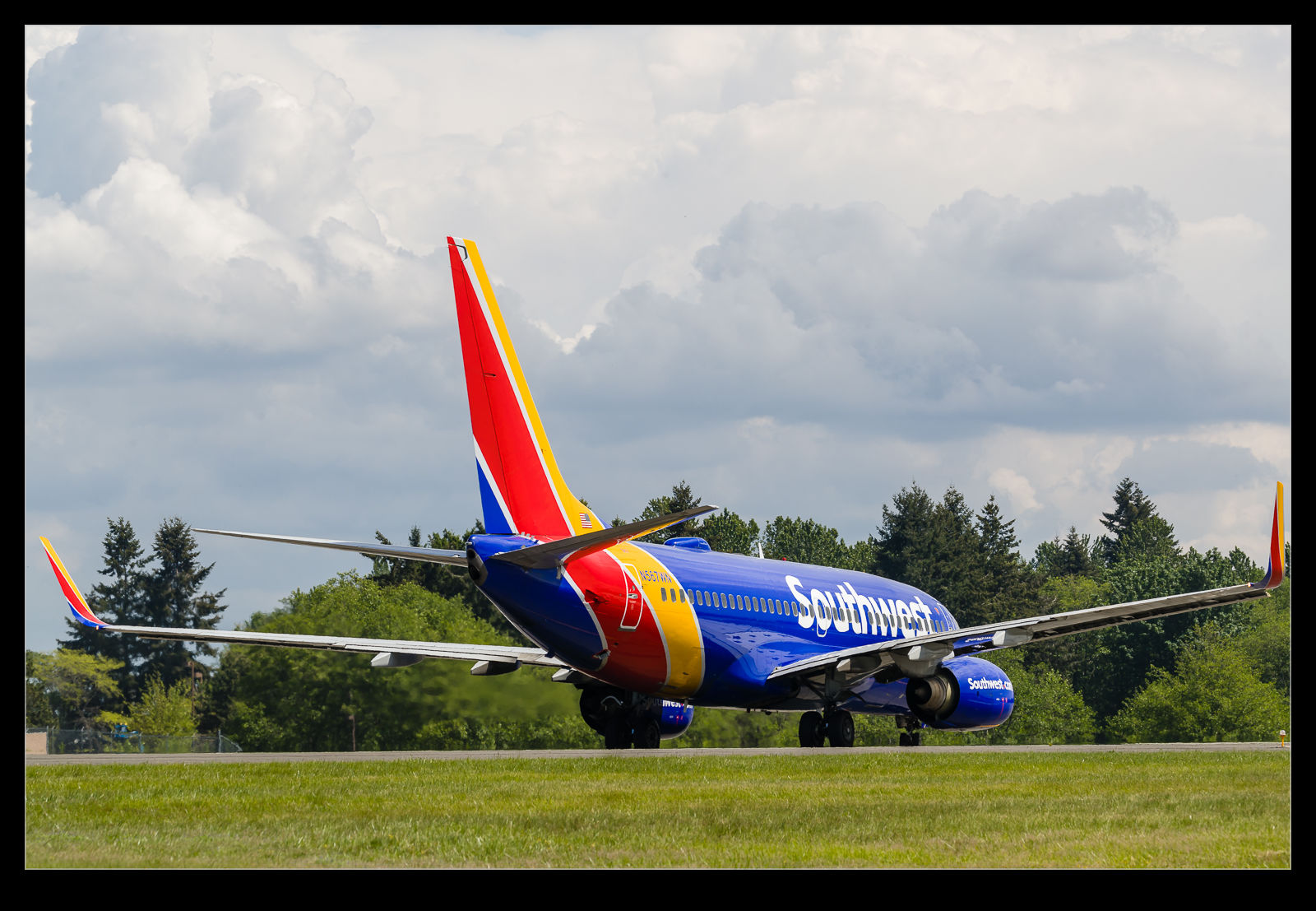
The failure of an engine on a Southwest 737 that sadly resulted in the death of a passenger caused a major review of the fleet of 737s.  Inspections were identified for the engines in the affected range and everyone was scrambling to find facilities in which to carry out the checks.  ATS at Paine Field is one of Southwest’s suppliers and they took in a number of the jets.  Towards the end of the fly day that Paine Field was having, three Southwest jets emerged from ATS’s facility.  They were towed to the north end of the field.

Here they were started up and they took it in turns to taxi down to where we were and then depart.  One of the jets was an 800 series and may not have bee affected by the inspection but could have been at ATS for other work.  The 700s were quite possibly part of the inspection process.  After a day of light traffic and warbirds, the appearance of three Southwest 737s and their subsequent departures made for a change of pace.

F1 Engines (New and Used)

I was too young to see a Saturn V launch.  My one and only space launch has been a shuttle flight and that was very impressive.  I can only imagine how cool the Saturn V was to witness.  Maybe when the new generation of heavy launchers comes into service I will get to see something similar.  The power for the first stage was provided by the F1 engines, five of which were clustered together.  We made a trip to the Kennedy Space Center a long time ago and a Saturn V is on display there lying on its side.  You can get face to face with the engine nozzles.

More recently, we checked out the Apollo exhibit at the Museum of Flight, here in Seattle.  They have a display of an F1 engine but this one is not looking so pristine.  This is because it is a used engine.  Not just used as in test firing used but used as in flew on a mission, free fell to the ocean, hit the sea at speed, sank to the bottom of the Atlantic and stayed there for decades.  Jeff Bezos, founder of Amazon, funded a project to recover the engines from Apollo 12.

The nozzle is gone which is no surprise given how thin it is as you can see in the pictures of the undamaged version.  However, the combustion chamber and the turbopump seem to have come through the experience in remarkable shape.  The injector plate is also on display and has been pulled out of the assembly to show it off more clearly.  The F1 was quite a feat of engineering – 1.5 million lbs of thrust and the pinnacle of 60s technology.