Tag Archives: aircraft

Special Liveries

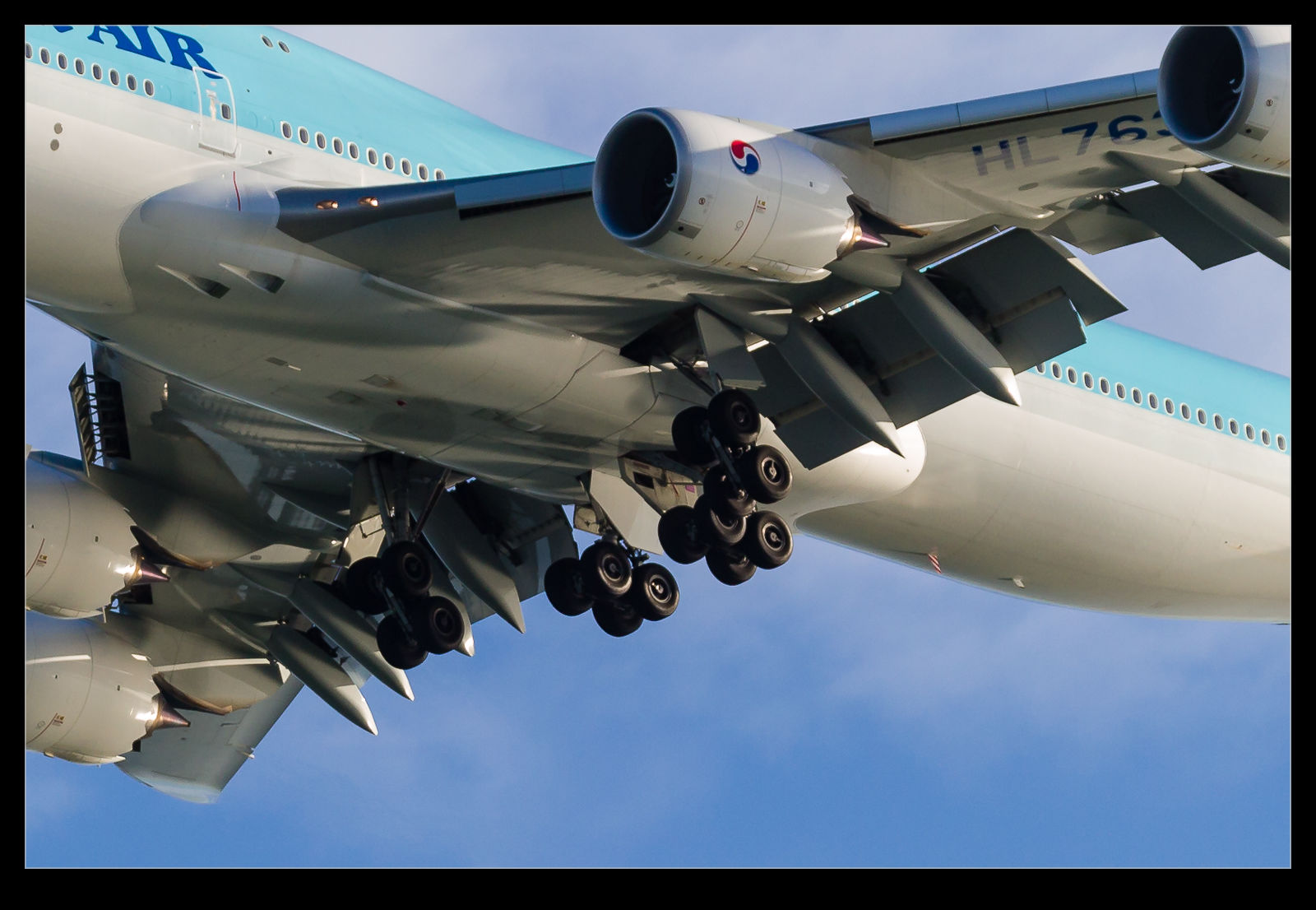
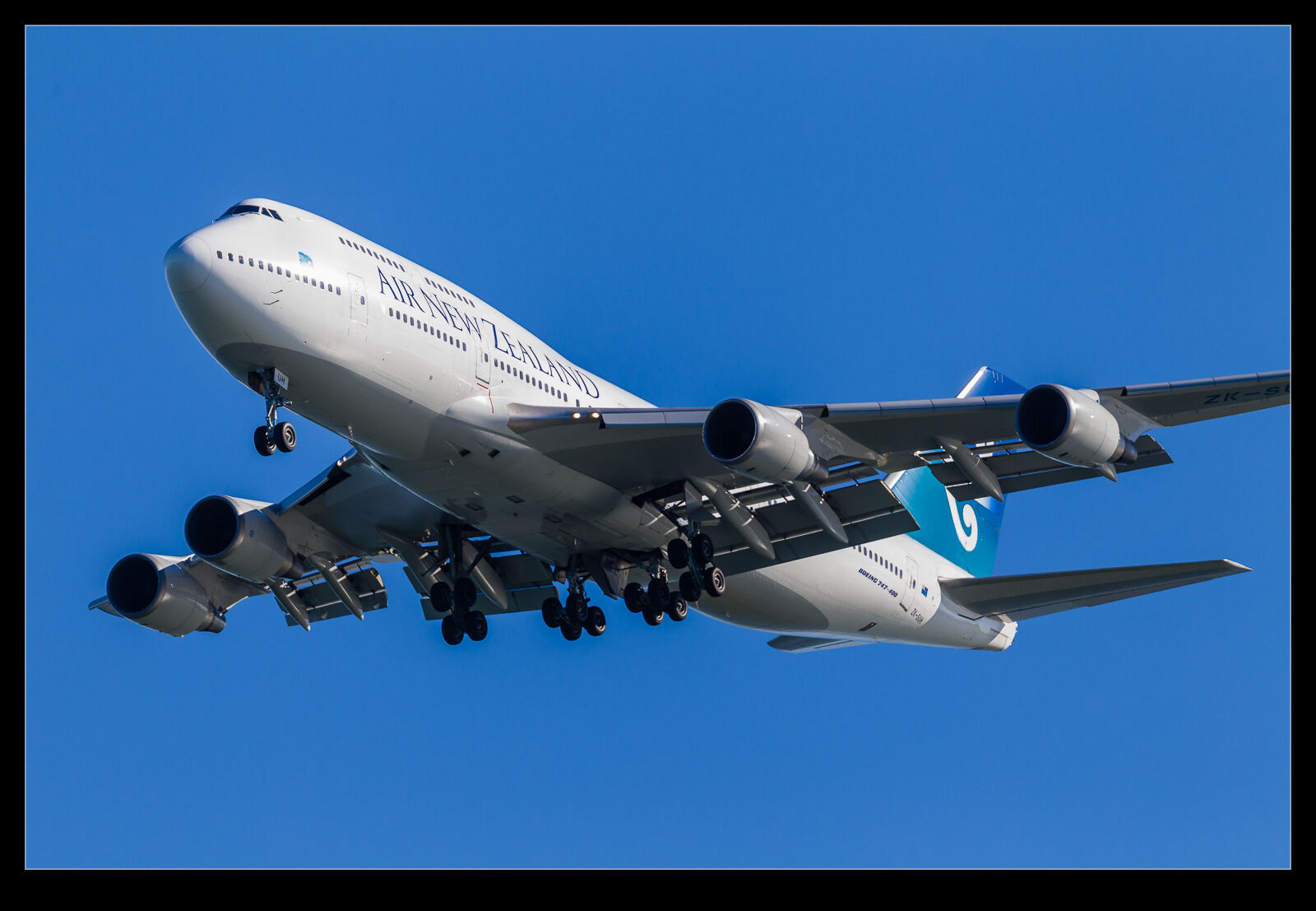
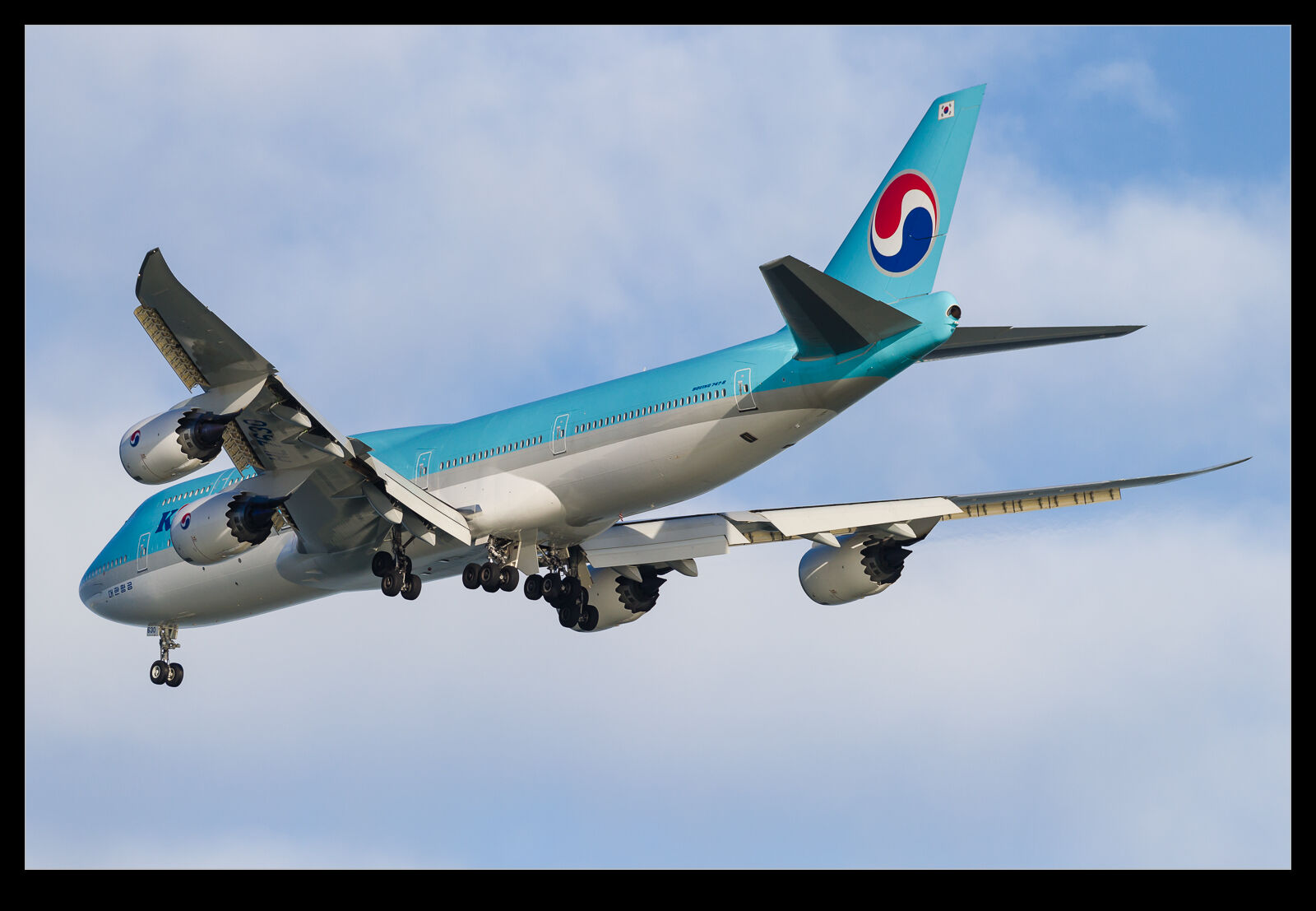
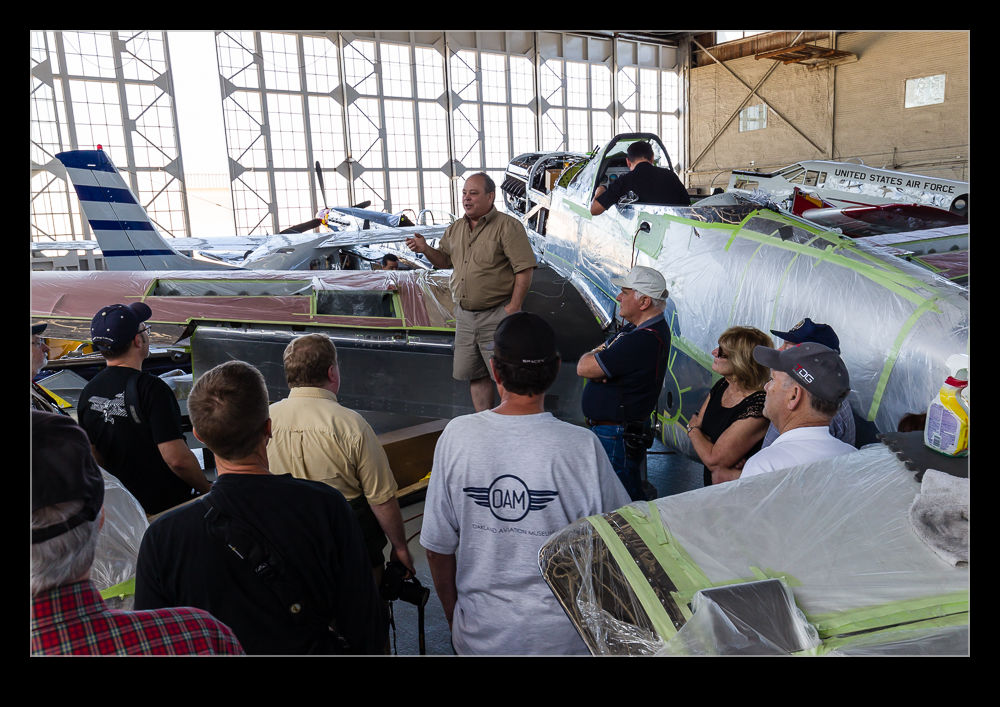
AU0E4912.jpgOn the whole, airline liveries are getting less and less interesting. Whether it is the branding style, the minimizing of cost or the need to return jets to lessors without too much repainting being necessary, they are ending up a bit dull. However, periodically, an airline will paint one or more of its jets in special color schemes. These may celebrate some event, recall a previous airline that was merged in at some point or be part of an alliance. Whatever the reason, it makes for some variety which is welcome.

C59F1772.jpgI figured I would see which special liveries I have managed to photograph over some time. All of this was prompted by a recent China Eastern A330 that came in to SFO. My friend Roger told me it was coming in which came as a nice addition to the morning. As I was looking at the shots, I started flicking back through the catalog.

QB5Y8897.jpgI decided not to include the alliance aircraft here. OneWorld, Star Alliance and Skyteam jets tend to be rather similar so I didn’t think they added something special. However, plenty of other jets have been more distinctive looks. It turns out that I have more of them than I realized and I didn’t want to just food this page so maybe I will have another batch of these at some point.

Everyone Has a Trainer Design

Scan 2-1646.jpgThe late 80s was a period when a whole bunch of companies were trying to come up with the perfect trainer.  A large number of sir forces were considering the replacement of their trainer fleets and much discussion was underway about what the appropriate type of trainer was for the future.  Basic jet trainers were ultimately going to be replaced with turboprops in a lot of places but that was in the future.  Meanwhile, all sorts of trainer designs were in the works either for the basic training task or for slightly more advanced levels of tuition.

Scan 2-1590.jpgSome of these designs made it to production.  Some of them never got beyond the prototype stage.  Not all of them went away entirely.  Even today you can still see some of the designs in an upgraded and modernized form being pitched at much the same market as they were thirty years ago.

Scan 2-1600.jpgLet’s start with the Redigo.  Built by Valmet in Finland, the Redigo was a turboprop evolution of a previous piston trainer, the Vinka.  It was seen as a capable but low cost training solution.  Finland bought a number although they are now retired.  A couple of export customers also took some.  Aermacchi bought the rights to the aircraft in the 90s but I haven’t heard much about it since.

Scan 2-1647.jpgThe Microjet was a small French design.  Powered by a couple of diminutive Marbore turbojets, it produced way more noise than its small size would have suggested.  The V tail configuration was distinctive and it made a number of airshow appearances.  The project was supposedly driven by Microturbo, the manufacturer of the Marbore engine – presumably to create a market for the engine.  It never proceeded beyond the prototype stage though.

Scan 2-1664.jpgPromavia created the Jet Squalus aircraft.  Promavia were a Belgian company but the design was originally from Stelio Frati in Italy.  Painted in colors that represented Belgium, it showed up at a number of air shows.  However, it also never proceeded beyond the prototype stage.

Scan 2-1649.jpgThe RFB Fantrainer was a German program.  It was a tandem seat aircraft with a ducted fan behind the cockpit.  It was designed to provide fighter-like handling characteristics in a training aircraft.  It was judged successfully in a competition to provide a trainer for the Luftwaffe but instead they went with a USAF based training program and did not take the aircraft.  It was sold to Thailand, though.  I don’t know what their current status is.  The aircraft was also the basis for a jet powered aircraft offered for the US JPATS competition by Rockwell.  However, it lost to what became the T-6 Texan II.

Pulling a Cloud With You

AU0E1411.jpgGetting shots of vapor is a popular thing when shooting fast jets.  An airliner on a damp day can also result in some clouds being formed.  While shooting something special at Oakland, I was getting a few shots to make sure the light metering was working as planned.  A Southwest 737 came in and, as it flared for landing, it had a nice cloud of moisture form over the wing.  Normally these things pop up further out on the approach and don’t make for a good shot but this one was close at hand.

The Early Emirates

Scan 2-1349.jpgIf you were to ask someone to name one of the dominant global airlines these days, it wouldn’t be long before the name Emirates came up.  The rapid growth and large fleet of wide-bodies makes Emirate a familiar sight around the world.  It is easy to forget that is was not always thus.  I first saw Emirates in 1988.  At the time, I had a small book of airliners around the world and it listed the planes that were potentially going to be seen in the UK.  It didn’t include short haul jets from the opposite side of the world but it did have something that could conceivably be seen.  At the time, Emirates were listed as having one A300 and two A310s.  A far cry from what they have now.

They used to fly in to Gatwick with the A310s.  While working for the CAA, I got to spend a bunch of time under the approach to Gatwick recording noise levels of the passing jets.  I did manage to get the occasional shot too!  Here is a scan of a slightly rough negative of an Emirates A310 passing the middle marker.  This plane would now be considered a bit too small for their regular operations!

Coast Guard C-130 in its Final Days

AU0E2027.jpgI wrote about the arrival of the C-27J Spartan in Coast Guard service. This means that the C-130s are going to be heading out. One the same day I saw a Spartan flying, one of the current C-130s took off. It was a nice illustration of what is now and what will be. I have seen the Coast Guard 130s around on a number of occasions but I guess they will soon be gone. Maybe I shall see them fighting fires somewhere.

AU0E2011.jpg

Those That Sneaked In

C59F0414.jpgI learned something significant while shooting the airliners from above LAX. It is a lot harder to see an airliner from above than I thought. In the many years of flying, I am familiar with the importance of maintaining a good lookout and the difficulty of spotting other aircraft around you in the sky. From our locations over the airport, we were generally picking out the aircraft from a background of the city, not the sky. I had figured that we knew the approach paths and what was due in so we would not have trouble seeing the planes as they came in.

C59F0857.jpgI was very wrong. First, they are not easy to find at all. Three sets of eyes were looking but we would find things at odd times, sometimes when they were very close. Also, with parallel operations to the 24 and 25 complexes, you can get distracted by activity on one side and miss out on something the other side. The result of this was that we did not see some of the jets until they were on the ground. Pete, who was with me, flies 777s so we were keen to get the BA jet when it came in. We knew the arrival time and still managed to miss it until it was on the ground. An Air France A380 also sneaked in past our “diligent” scan. An Aeroflot A330 was also successful in coming in untouched.

C59F0460.jpgAll of these were a little frustrating but not terrible. However, it did give me pause for thought about how I would plan the flight the next time in order to keep track of the things that I most wanted to get. This flight was my first time trying this so I was happy to have got so many shots that I like. The missed ones are not the end of the world. I did learn a lot though and will make sure I use that knowledge next time.

C59F1800.jpg

B-1Bs on a Mission

AU0E6358.jpgThe B-1B Lancer is a cracking aircraft.  The combination of size and power makes it look epic when it is in action.  A B-1 departure is not something that you will forget in a hurry.  Four large afterburning turbofans will get your attention and it has a very elegant shape to boot.  The variable sweep wings add a little interest too.  At minimum sweep for takeoff and landing, they look a little ungainly given how long the span is.  Put them all the way back and pour on the coals and the jet can really get moving.  Sadly, airshow appearances are few and far between these days so the chance to see vapor clouds forming around the jet are limited.  (I recently went through some old negatives from a UK airshow at which a B-1 made a fast pass in damp conditions.  The shots aren’t great but the effect is cool.)

C59F6056.jpgA couple of B-1s would launch each day as part of the Red Flag 16-1 exercises.    I was lucky enough to have a couple of good opportunities to see then.  When we were out between the runways, the B-1s launched off the right side.  Not ideal for lighting but you aren’t going to complain.  Because they are a large jet, you have to make some choices with lenses as to what you are aiming to get.  A quick swap of bodies can really help.  A long lens is not much use when they are level with you but the cool shot from behind as they climb out benefits from the big glass.

AU0E7668.jpgOn my first day there, the jets returned at the end of the mission as a pair.  Sadly, the clouds had moved in and the conditions were not great for getting a shot.  However, you aren’t going to ignore them.  On the second day when I was at the EOR, we got a good view of the two jets taxiing out and taking off.  The heat haze is a bit of a problem but not so much as to make it something you can avoid shooting.  Operating as a pair, they look more menacing.

C59F6757.jpgOften the B-1s are at the end of the recovery phase.  However, on this day, they came back relatively early.  I was still at the EOR when they broke into the pattern.  They did land on the opposite runway from the one we were at but they are big enough for this to not be a big deal.  A nice bit of mountain in the background certainly helps enhance the shot a little.  What a great looking jet.  I don’t know anyone who isn’t excited when they see one in action.

C-27J Spartan and the USCG

AU0E1932.jpgDefense acquisition programs are not renowned for being the most efficient and sensible programs. Selection of products and suppliers is heavily influenced by politics and locations along with the technical capabilities. Some programs have momentum due to their joint use nature. This doesn’t always mean that the departments involved actually like them. Such is the case of the Alenia C-27J Spartan. Based on the older G222 airframe but updated with the same engines as the C-130J, the aircraft was selected for the Joint Cargo Aircraft program between the USAF and the Army.

AU0E1722.jpgEventually, control of the program was moved from the Army to an Air Force only program. Meanwhile, the Air Force was not showing a lot of love for the aircraft. They had other programs they were more interested in. The result was that aircraft started getting delivered to storage and the Air Force was looking for a way out. That way is the Coast Guard. These aircraft will replace some old C-130s in Coast Guard service and the displaced aircraft will go for firefighting duties. The Coast Guard station at Sacramento has received its first aircraft. I saw one of them head out on a training flight while another could be seen in the hangar. Apparently, they will soon be repainted in Coast Guard colors and the 130s will start to head off to their new life. It will probably be unusual in due course to have a C-27J in Coast Guard markings but in the gray color scheme.

AU0E1959.jpg

Aerial Firefighting Demonstration

C59F7974.jpgEvery other year the Aerial Firefighting conference comes to North America.  This year it was held at McLellan Field near Sacramento.  A tow day conference, I originally was going to attend on both days.  Unfortunately, I had a work conflict and had to miss the first day.  Fortunately I was able to be there on the second day which was the day that included a demonstration session on the airfield.  An internal exhibition of products and services was open for the entire time but the demonstration included a wide number of airframes – far too large to fit indoors.

C59F8003.jpgThere was a wide variety of types on display.  Helicopters are a big part of aerial firefighting and there was a number on display.  Airbus Helicopters had brought their H215 demonstrator along as the conclusion of their North American tour.  This version of the Super Puma is a derivative of the AS332 (and indeed this airframe had a data plate that listed it as an AS332) and is designed to be a simplified and cheaper version providing a more affordable utility type.  It was alongside a new Bell 412 and some refurbished airframes including a Bell 205 and a freshly refurbished UH-60 Black Hawk.

AU0E2137.jpgFixed wing types came in all shapes and sizes too.  Air Tractor AT802s were on display in both wheeled and amphibious configurations and these two aircraft put on a number of water drop demonstrations.  A Pilatus PC-12 provided a demonstration of management of a fire with down linked information.  Calfire had a Bronco and a Tracker on the ramp while a bunch of Broncos were busy in a flying program to get ready for the season.  MAFFS had a P-3 on the ramp while another took off early in the program.  A Bombardier CL415 shared ramp space with a Neptune conversion of the BAE Systems RJ85.

C59F7932.jpgHowever, the ramp was dominated by one aircraft.  Global Supertanker had brought their converted Boeing 747-400 to show off.  They have taken the system from the 747-100 airframe previously in use and added it to a more modern version of the airframe.  Fresh from the paint shop and shortly to receive approval of the STC, they were keen to show off the aircraft.  I am not sure how well it will fit in with the needs of firefighting agencies around the world but it certainly is an impressive beast.

C59F7979.jpgI didn’t get to take as many stills as I had planned.  The organizers asked me to shoot some video for the, which I did.  Hayman was working with me so he made sure we had the necessary shots for the GAR feature.  After a few passes, I was able to switch and get some stills anyway.  I also got roped in to taking the group photo for the conference attendees.  If I had known that was required, I would have made some arrangements to get a better vantage point.  Still, it was a good day out and the conference sessions I saw were similarly informative.  Next year it is in France.  Perhaps we shall have to go!

Nice Challenger 300

AU0E0437.jpgI may joke about what my favorite business jet would be to buy but, of course, I am not getting one any time soon. That doesn’t stop me considering which would be a good choice. The large cabin ultra long range jets are, without doubt, a nice idea but I would actually like something in the super midsize bracket. This would meet most of my needs (except for paying for it of course). One great looking jet and a good performer is the Bombardier Challenger 300 (and the newer 350). I would certainly be happy with one of these. This example is one that I saw at Hayward recently. Should I get one do you think?

AU0E0452.jpg