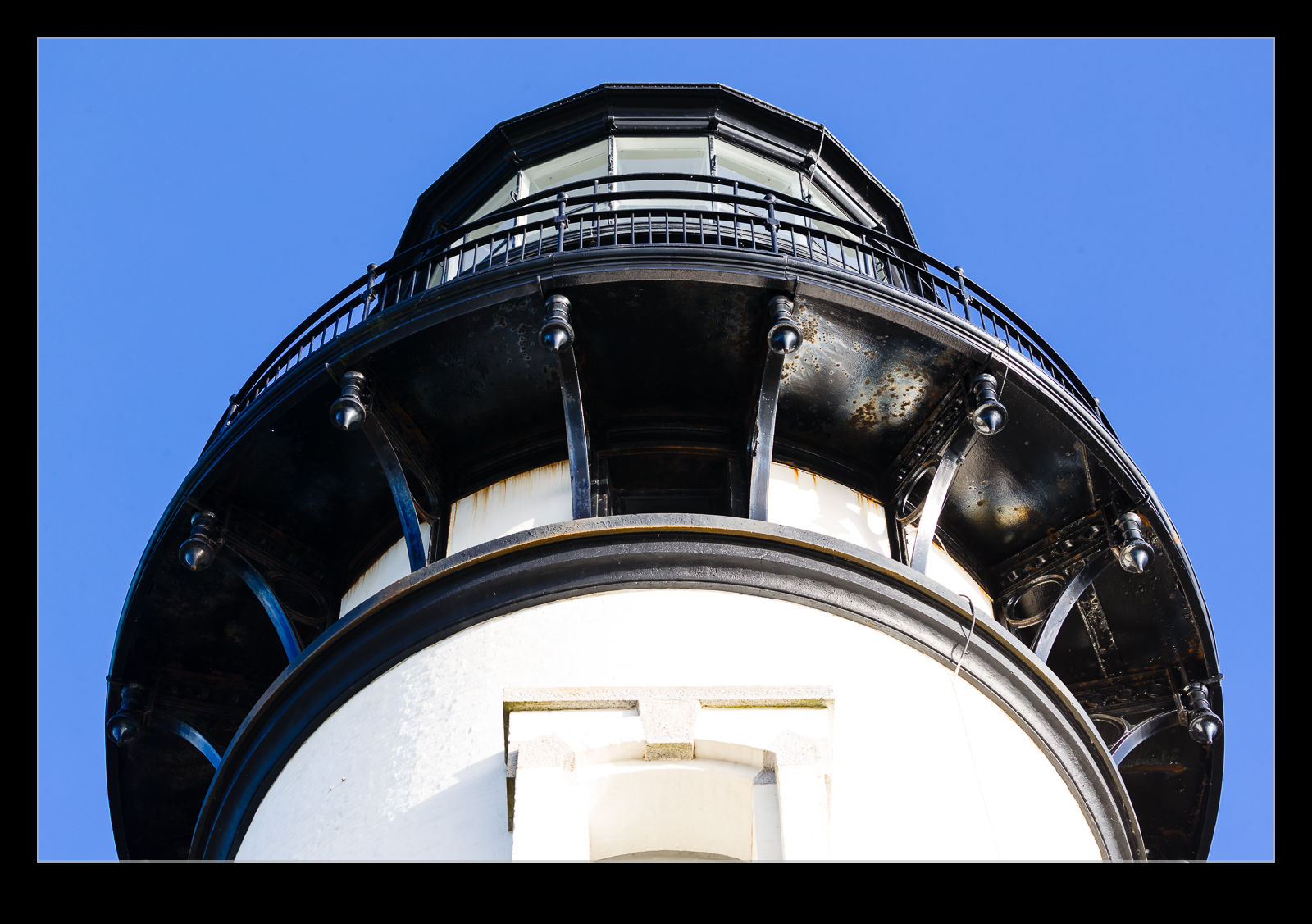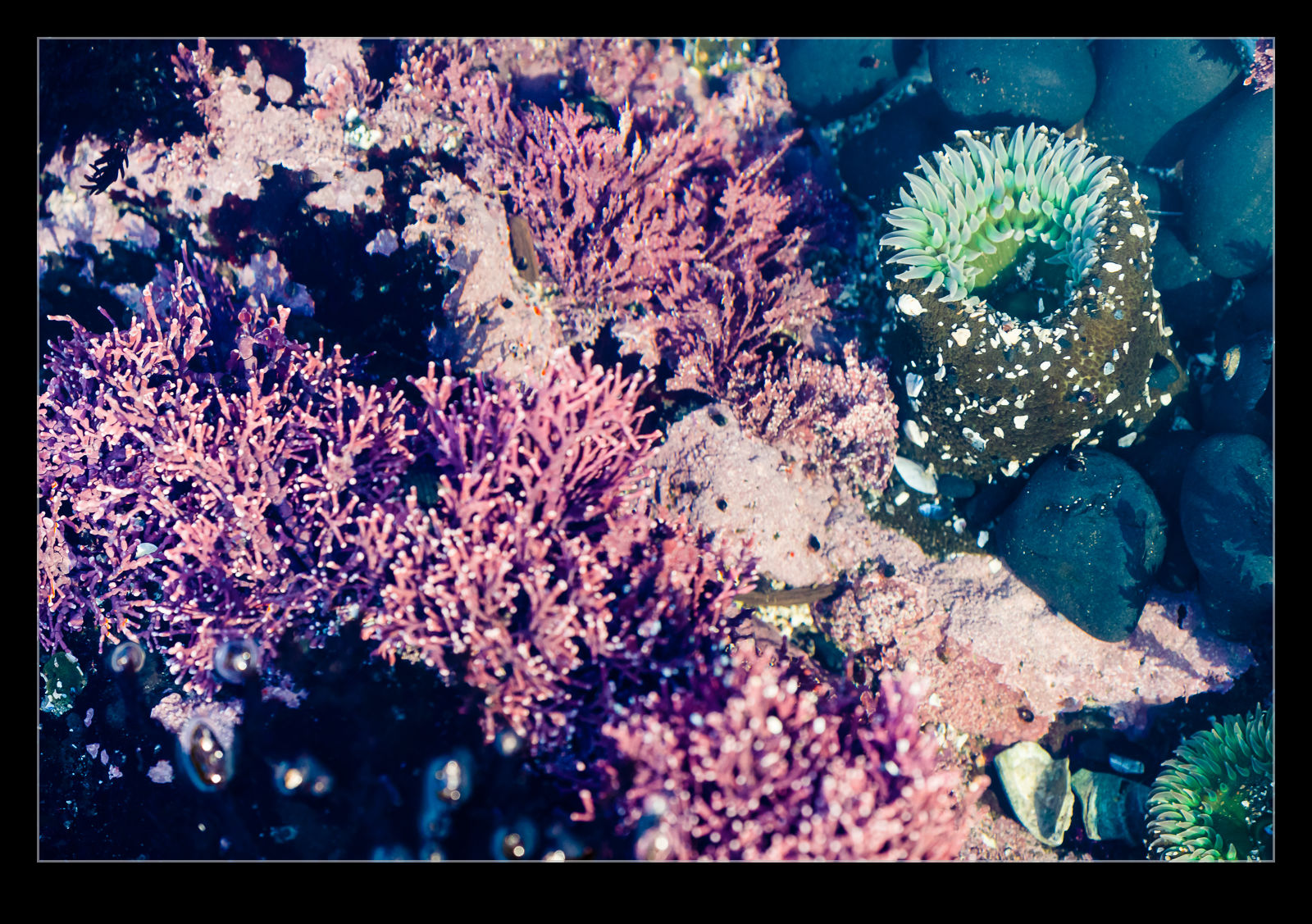
Hecata Head Lighthouse

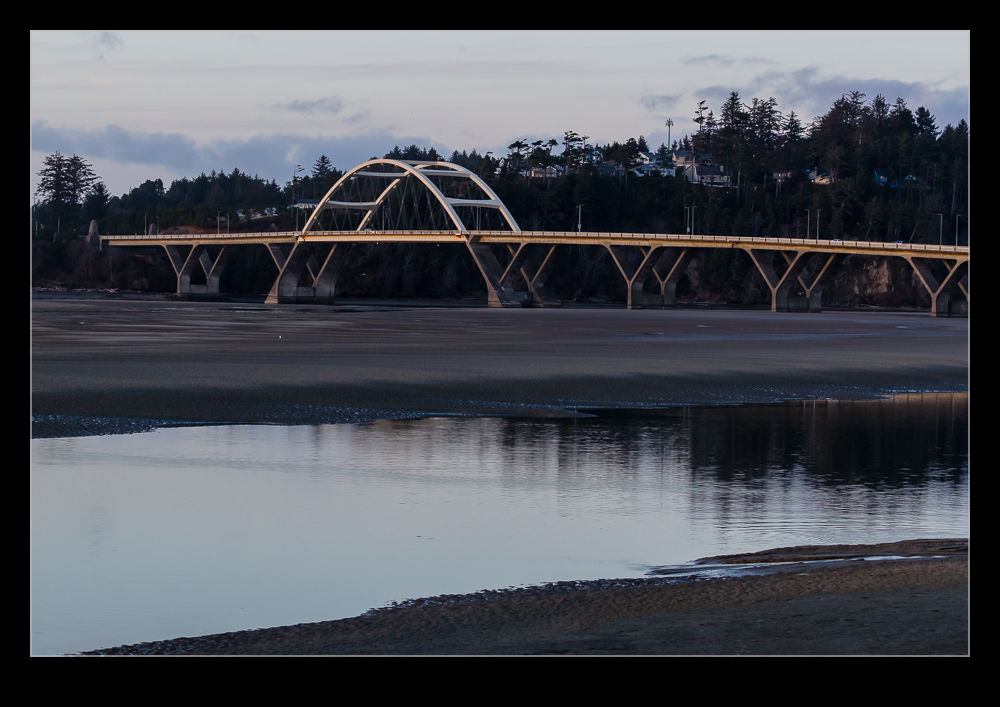
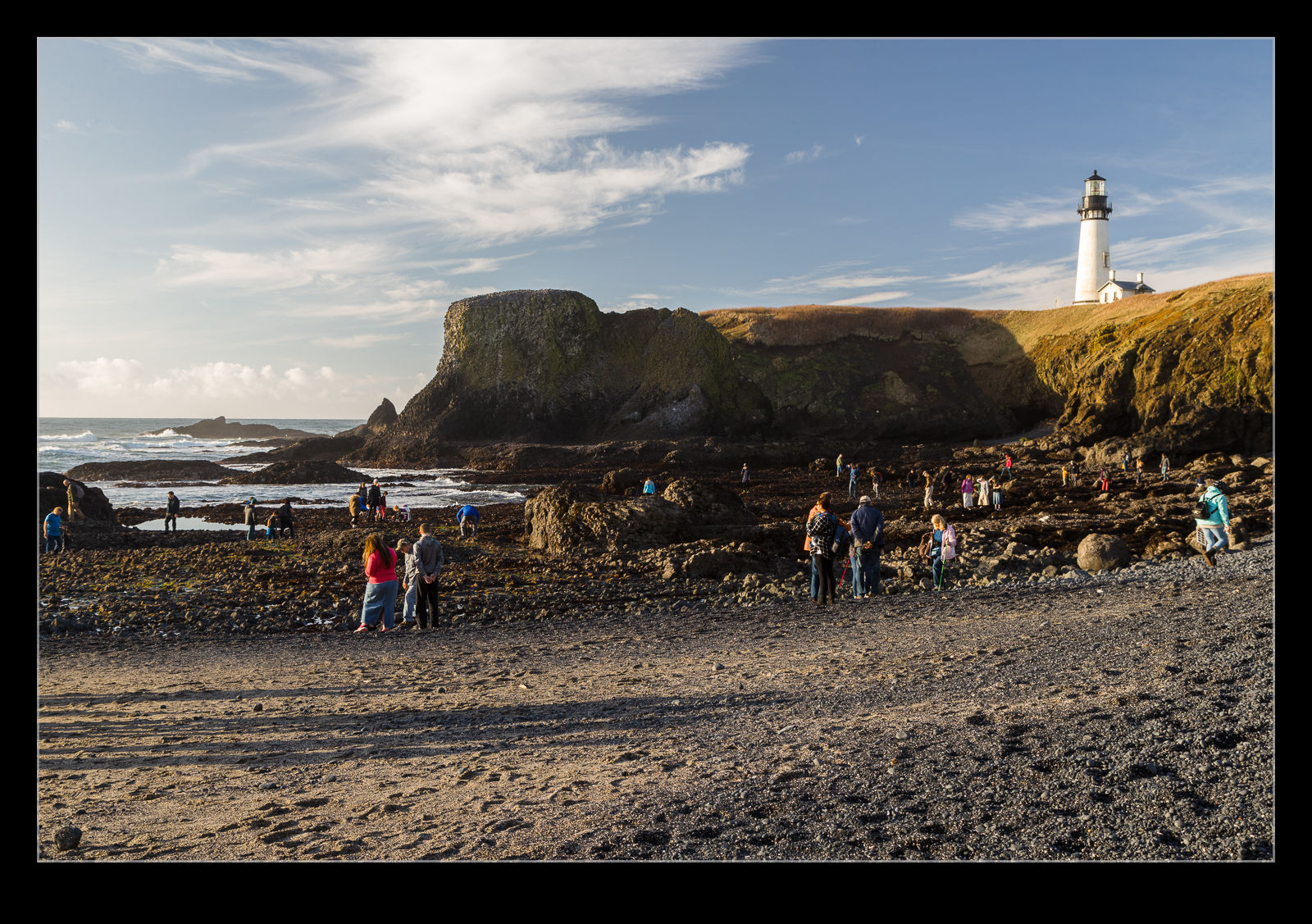
Head south along the coast from Yachats and you have a steady stream of gorgeous locations.  One of these is Hecata Head.  The treacherous nature of this part of the Oregon coastline means a string of lighthouses were built at intervals to ensure coverage and Hecata Head was one of those locations.  The lighthouse is still there and it a popular tourist attraction.

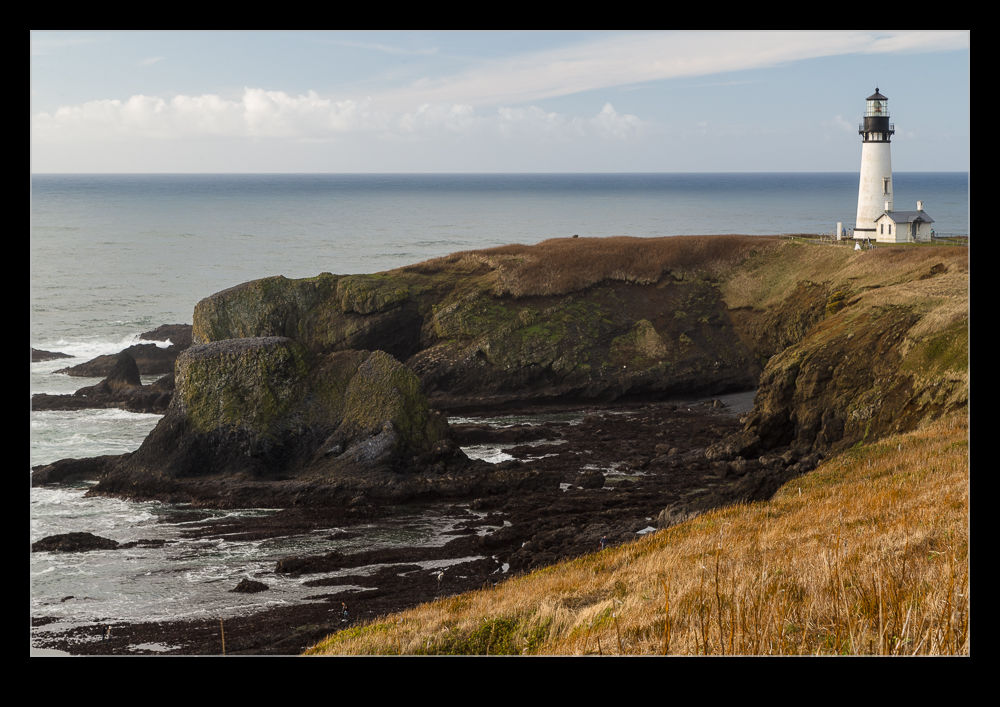
You approach the lighthouse from the beach below, as would the original residents in the days when Highway 101 didn’t exist and boat access was the main way there.  The houses for the keeper and assistant keeper were halfway between the beach and the lighthouse itself.  The keeper’s house is now gone but the assistant keeper’s house is still there and is fully maintained.  You can rent it out for events if you wish.

The location of the lighthouse itself provides a commanding view of the coastline and out to sea.  Whales migrate along the coastline here and there were people keeping watch for them while we were there.  If you head a bit further south on the highway, you get to an overlook which allows you to see back to the lighthouse and you see just how rugged the location is.  I imagine building everything there was no small feat and neither was living there year round.

The Sun is Setting! Too Late…

The Thai delivery flight I wrote about in this post went out in lovely light.  It was due to be followed by a Dreamlifter flight to Nagoya.  That is a long leg so means a heavy jet which should use a good amount of the runway.  The scheduled departure time meant it should be just before sundown.  They didn’t start on time, though, and the light was beginning to fade.  A bit of cloud on the horizon meant that sunset was going to be okay but the light was going to go before that.  Meanwhile, once the jet called up, they advised the tower that they needed to burn down a bit of fuel to get to the required takeoff weight.  Great, not what was needed!

By the time they were ready to go, the light was gone.  However, I had waited long enough so I figured I wasn’t giving up now (although I was now getting pretty cold!).  The ISO was being ramped up rapidly as I had to keep assessing the conditions while I waited and it got steadily darker.  Finally, they called for departure and lined up.  Looking up the runway over the ridge, I could see the jet approaching.  Something interesting was making the plane look very squashed!  Once it got over the ridge, they rotated and got airborne very close to me.  Everything was very flat but at least it was something different to shoot.

Some Seasonal Snow

Christmas morning in Kirkland had us waking up to some snow.  It had started to snow a little on Christmas Eve but plenty more had dropped overnight.  This was not snow that was going to last long.  It was rather heavy and damp and, having built up on the branches of the trees, it was pretty precarious.  When some of it slipped off, it would take whatever was below it too resulting in some significant dumps on the ground below or you if you were unlucky.  Paying attention to what was above you was a good idea.

I went out first thing.  Since it was Christmas morning, not much traffic had been out so the roads were reasonably untouched.  The light from the street lamps was still a factor in some places.  I wandered around the neighborhood checking out the view before it all went away.  The temperatures were not too low so I didn’t have to wrap up much and I knew things would soon melt.  However, it was a scenic place to be for a while and added a certain atmosphere to Christmas Day.

Cargojet Pairing

Freighter use is the great second chance for older airliners.  It is also a nice source of something different with the number of airlines shrinking as mergers and bankruptcies take their toll.  Cargojet is a Canadian freight operator that has a contract moving mail for Canada Post.  When I was at Vancouver, there were a couple of Cargojet aircraft on the ramp across from where we were.  One was a 767 and the other was a 757.  They were being loaded when I arrived and, as the evening light drew in, the first jet taxied.

It was getting pretty dark by the time they got airborne.  However, I was not complaining since I was able to get another airline in operation that I had not seen before.

EP-3 Aries

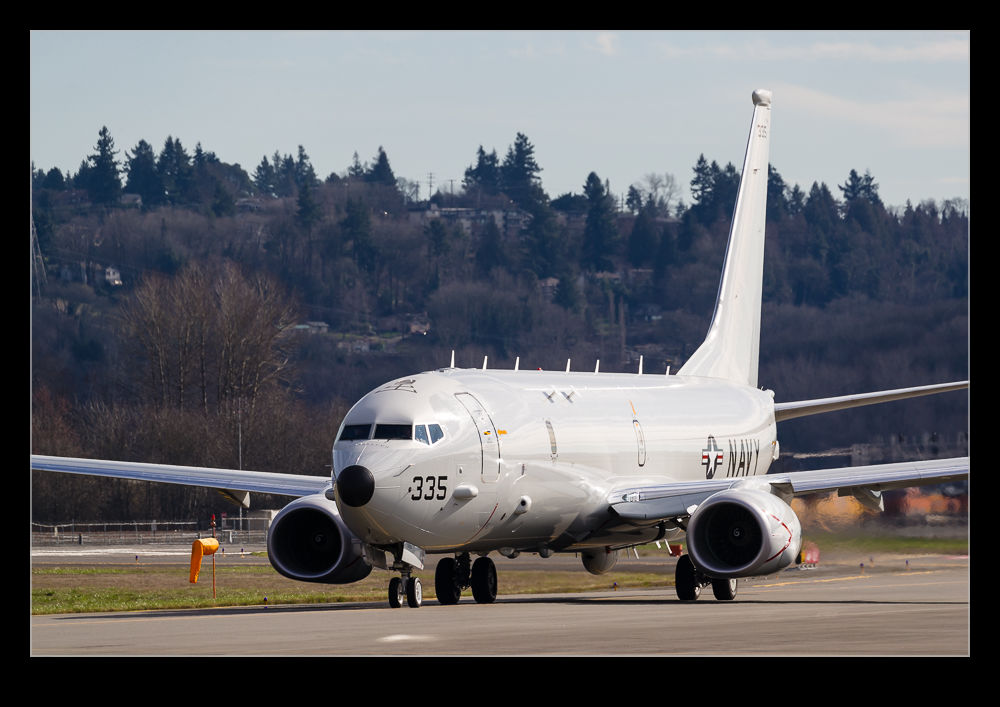
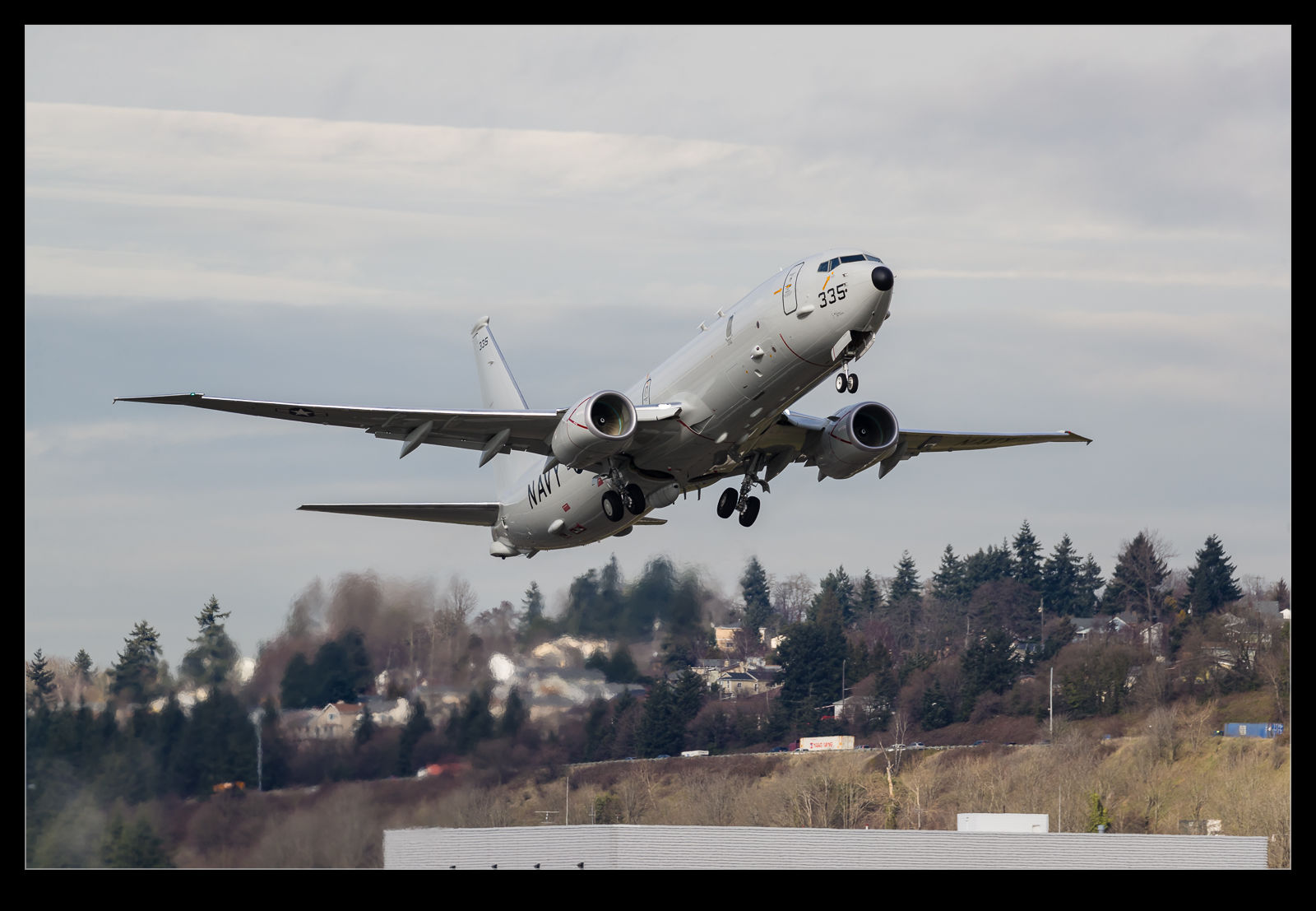
P-3 hunting was part of the plan when Paul and I headed to NAS Whidbey Island.  We had some success.  There was a nice bit of icing on the cake for us.  An EP-3E showed up too.  The EP-3 has a nice selection of large radomes added to the airframe to cover the wide variety of sensors that this type has to fulfill its role of listening to transmissions around the world.  I don’t know how long the EP-3 has once the P-3s are gone from fleet service so getting one was a definite plus.

It’s a Cluster of Cormorants!

This was an evening that I was out hunting planes.  I did have some success, but I got a lot more shots of birds than planes.  The cormorants were out in numbers and they obviously know I like them.  Log Boom Park in Kenmore has a concrete pier that goes well out into the lake.  At the end of the pier are pilings from a previous version of the pier.  They provide a nice spot for birds to rest and the cormorants had taken over the place.

The light was not in a good place for getting a photo but it was still worthy of a shot or two.  Some of the cormorants were stretching their wings to dry out.  They have a prehistoric look about them at the best of times but when they stretch the wings out, they really do look like a pterodactyl.  The concentrated group of cormorants were in a bad spot for the light but, fortunately, one of them was feeling antisocial and was on a different post.  The light was a lot better for this guy!

Qantas Dreamliner Delivery

Delivery flights from Paine Field are good news because the jets are going to be a bit heavier and will use more of the runway.  This brings them closer to where you can be to photograph them.  Qantas were taking their second Dreamliner and it was delivering early in the afternoon of a winter Saturday.  The winter light is just so good when the clouds have parted.  No harsh shadows and a low sun angle are great conditions to be shooting in.  I hope the crew had a good flight.  It was long enough!

US Courthouse in Tacoma

The US Courthouse building is an impressive structure that started out its life as Union Station.  It still carries the name on the side of the structure which is dominated by a large dome.  However, the station was moved to a nearby location in the 80s and the building abandoned.  It was eventually restored and converted for use as the Courthouse and that is what it continues as today.  We had lunch across the street from the building and, while I didn’t have my main camera to hand at the time, I grabbed a few shots with my phone which I could stitch together.  I did take some other shots later from the other side.  A cool looking building.

My Approach to Shooting and Processing on Crappy Weather Days

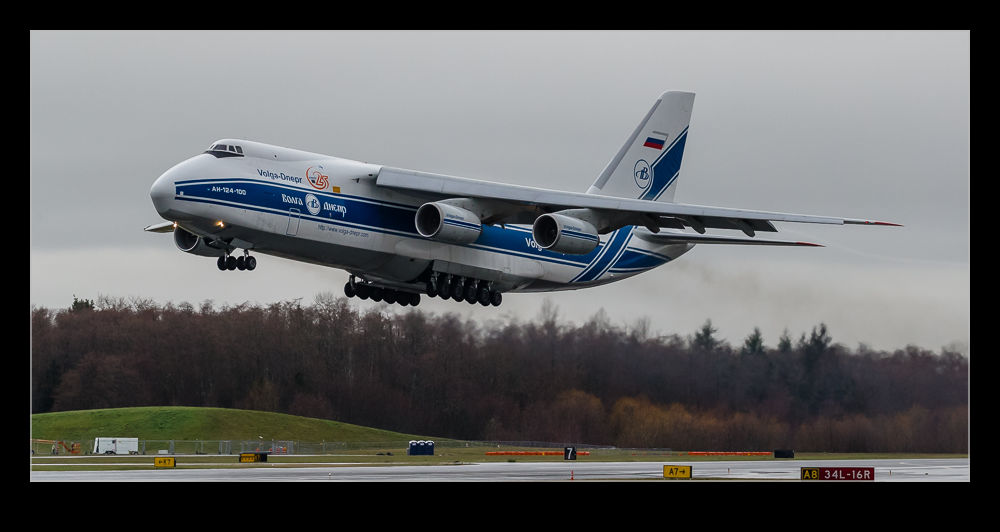
This is the finished image. This is pretty much what it looked like to the naked eye (through the viewfinder) when I took the shot given how dark the sky was.

A rare arrival was due on a day that was not good from a weather perspective.  It was dull and rainy and so not what you would hope for.  Conditions like this mean I try to exploit some of the features of the camera and the processing options available.  First, how to set up the camera?  With the light being bad and variable, I went to a pretty high ISO level.  I shot in aperture priority mode and added a lot of exposure compensation.

In my experience, the metering is pretty good when shooting against the sky in clear weather but, when there is a lot of cloud, the camera tends to treat the clouds as too bright and it underexposes the subject too much.  I use a lot of exposure compensation in this case with a setting of +2.0 being used on this day.  The reason I do this is that, aside from the exposure question mark, there is a lot more information available in the lighter end of the exposure curve.  Shooting in RAW gives you options.

This is how the camera recorded the image. This is the in camera JPEG that I extracted from the RAW file using Instant Raw From JPEG.

If you were to look at the aircraft at the time, you would see a dark and menacing sky but you would see plenty of detail on the plane.  The camera does not see that for the original shot.  The aircraft would be very dark.  When processing, this dark area would give you something to work with but the variation in data would be more limited.  Shoot overexposed and you get more to work with.

This approach will only work well if you are shooting RAW.  If you are using JPEG, too much of the usable data will be discarded during the processing in the camera.  To show you what I mean, here are two images.  These are both from the same shot.  One is the RAW file as it showed up when imported in to Lightroom and the other is the embedded JPEG that you can extract from the RAW file and which can be seen when the file is first imported before the rendering is undertaken.  As you can see, the JPEG is over exposed but the RAW rendering seems even more so.

There is way more data in the RAW file though.  Immediately, as I bring the exposure slider back down, the clouds go from being white to quite dark – just as they appeared on the day.  Meanwhile, the fuselage of the aircraft has a lot of the data intact and maintains a lot of the brightness that you could see at the time.  Very little needs to be done with the blacks and they are almost in the right spot by the time the exposure is good for the clouds.  The fuselage might be a bit too dark though.  A small tweak of the blacks and a little boost in the shadows to compensate for too much darkening with the exposure slider and suddenly the shot is looking a lot more like it did when I saw it develop.

My RAW processing baseline always results in a slightly more overexposed shot the embedded JPEG includes. When you first open the image, the embedded image you see in the previous shot initially shows up and then it renders the RAW file. This was the initial RAW rendering prior to any adjustments.

One advantage of shooting on such a crummy day is that the sky is a giant softbox – in this case a very soft one!  The result is that the light is a lot more even than on a sunny day.  The darker look can actually make the colors look a bit more intense than if they were losing out to the whites when the sun is right on them.  While there was only one plane I was specifically there for, playing around with these other shots and working on the technique was a nice extra benefit.