Category Archives: vintage

Ye Olde Pub Gets Closer to Home

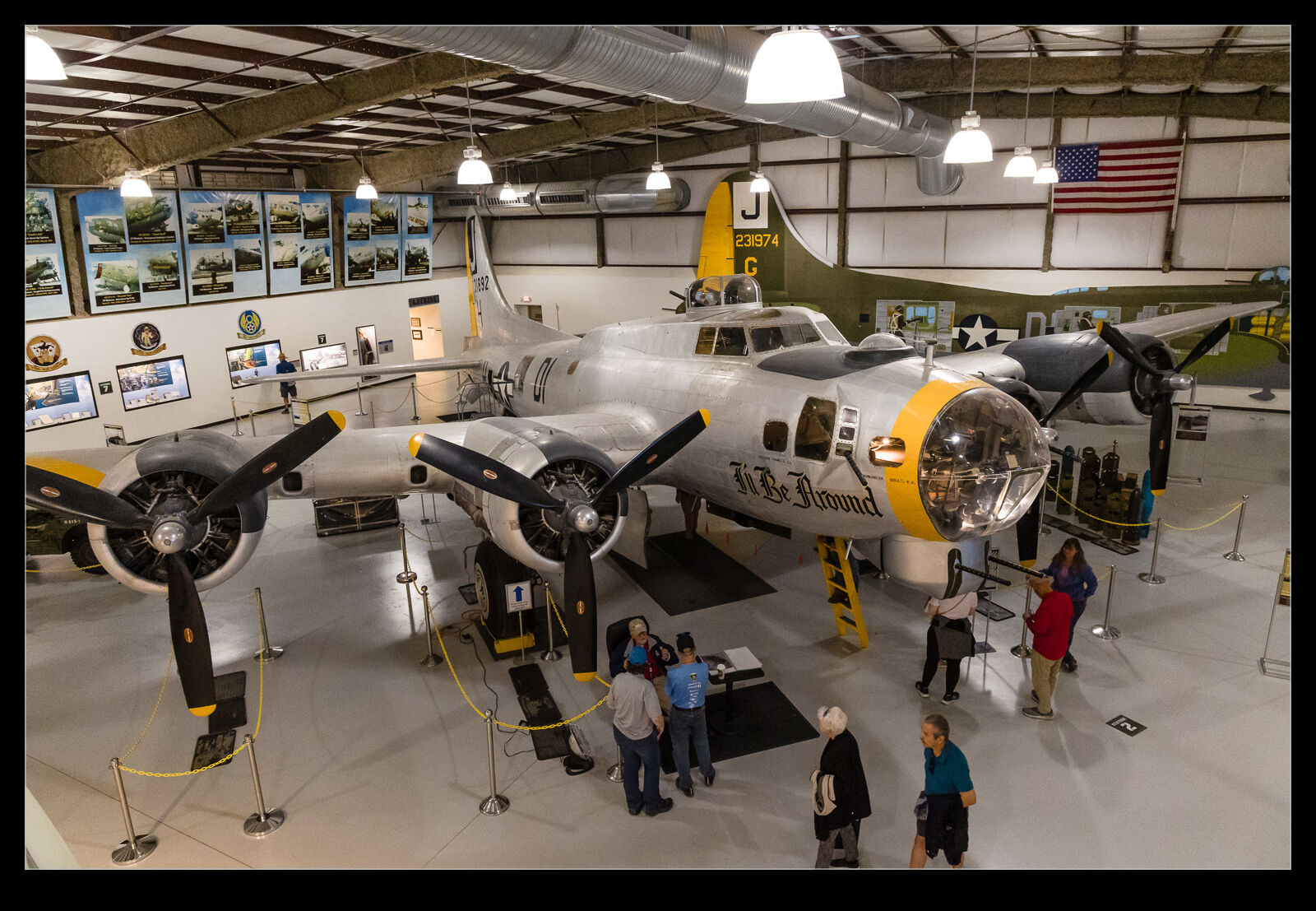
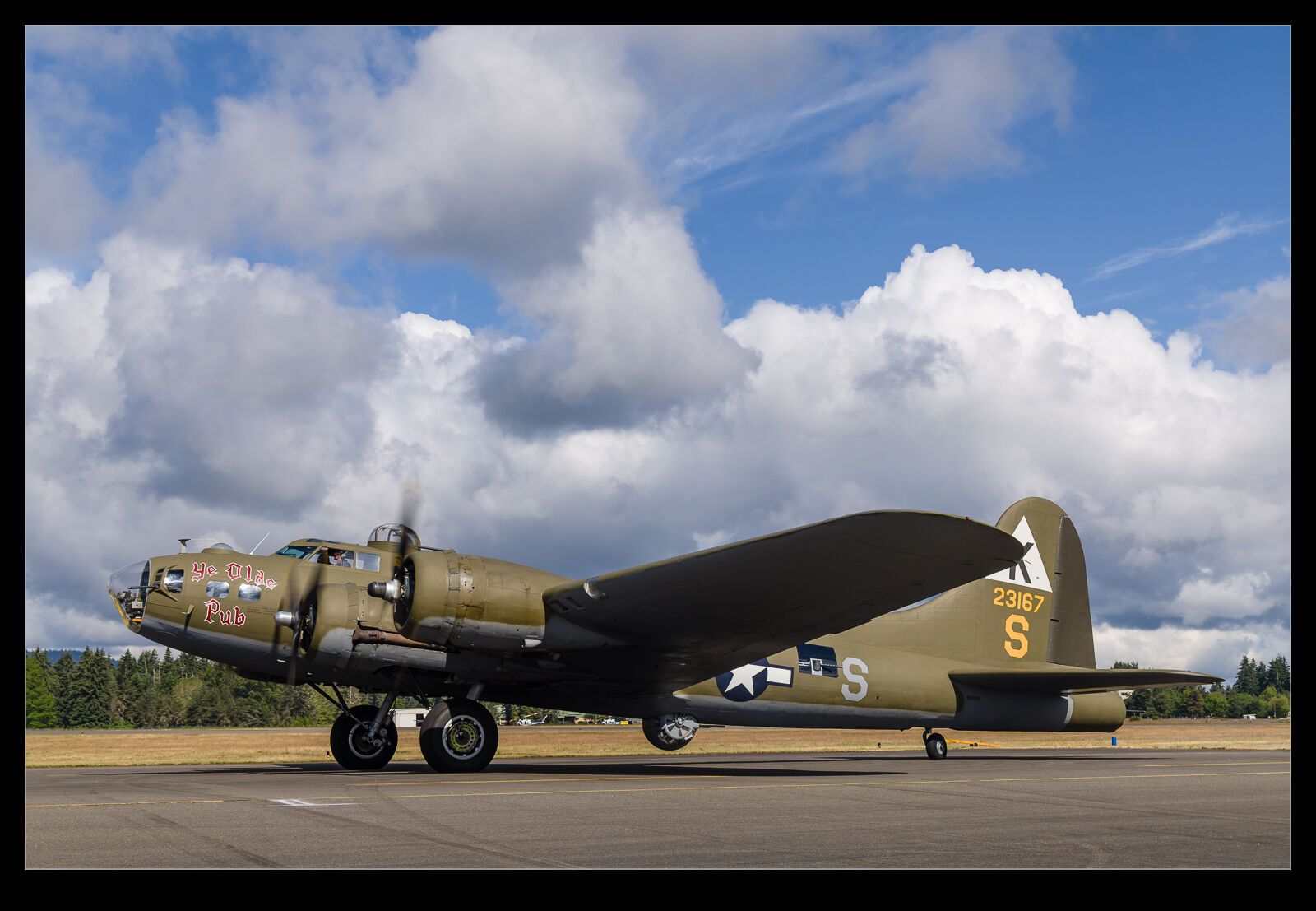
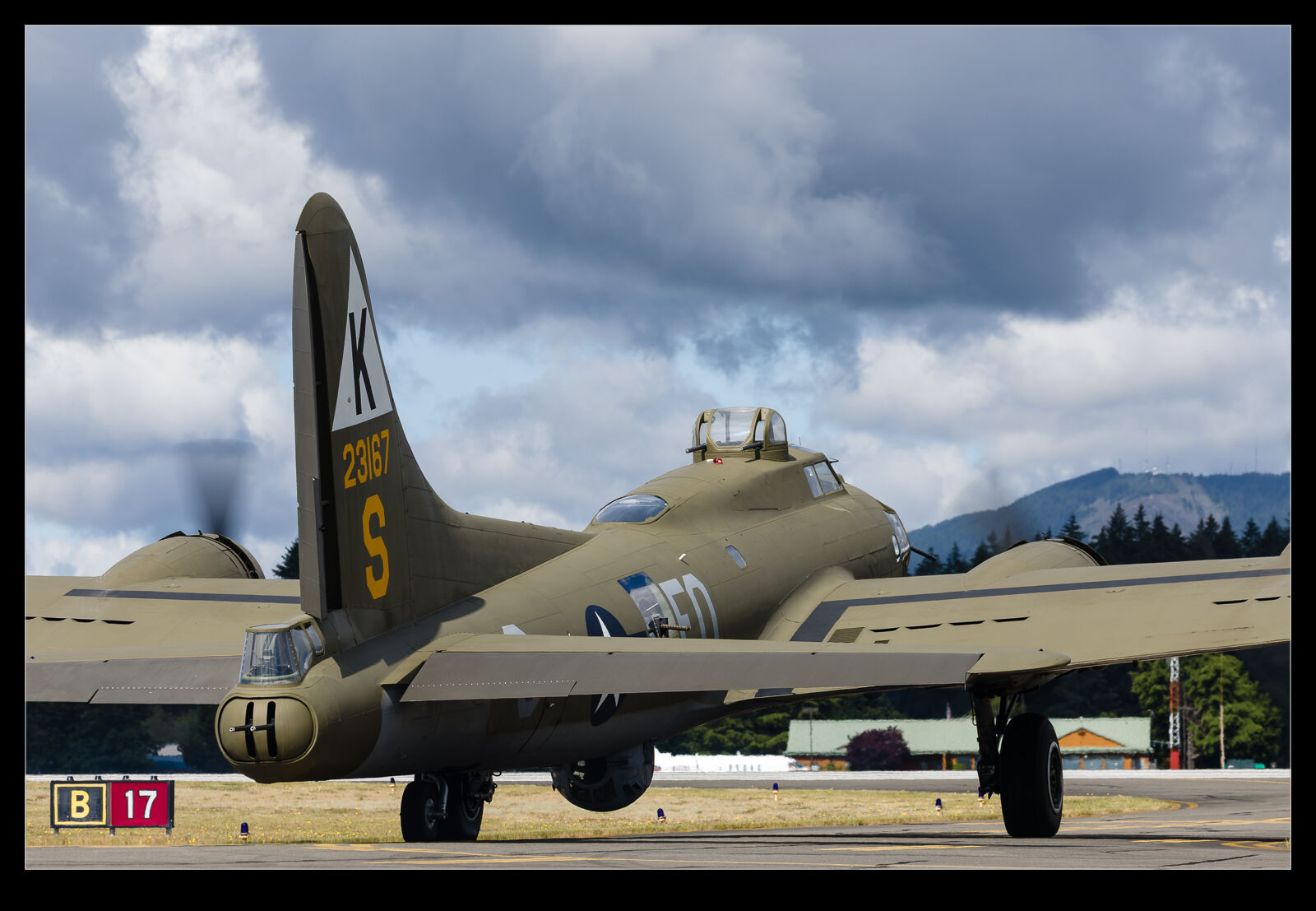
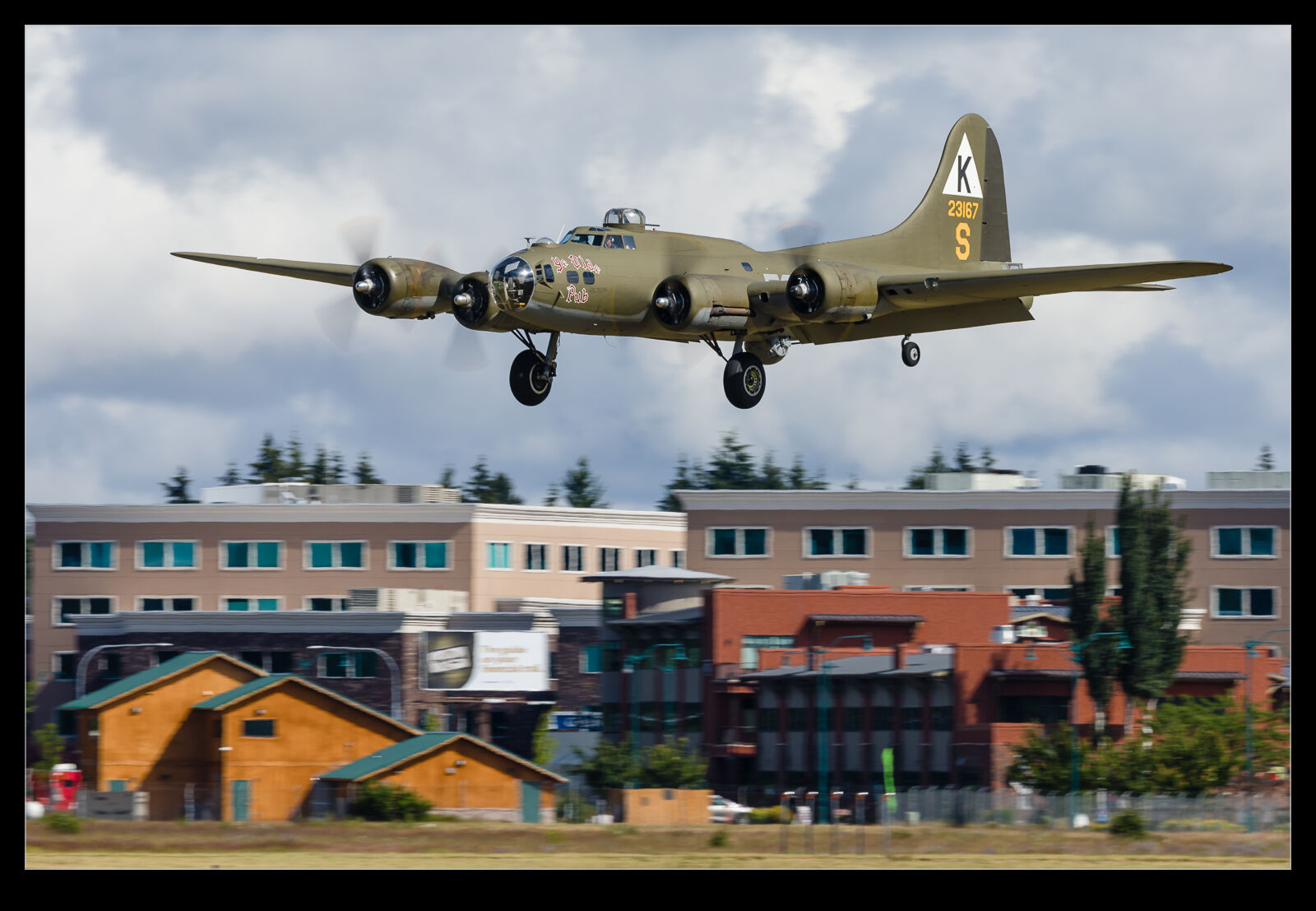
I had been able to photograph the B-17, Ye Olde Pub, when it appeared at the show down at Klamath Falls in Oregon. That was a bit of a hike to get to. In 2024 it put in an appearance at a show a lot nearer to our then home – the Olympic Air Show at Olympia. That made for a far shorter trip to see it – its home in Madras OR is also a fair trek. Olympia is only about 1:45 away if the roads are good.
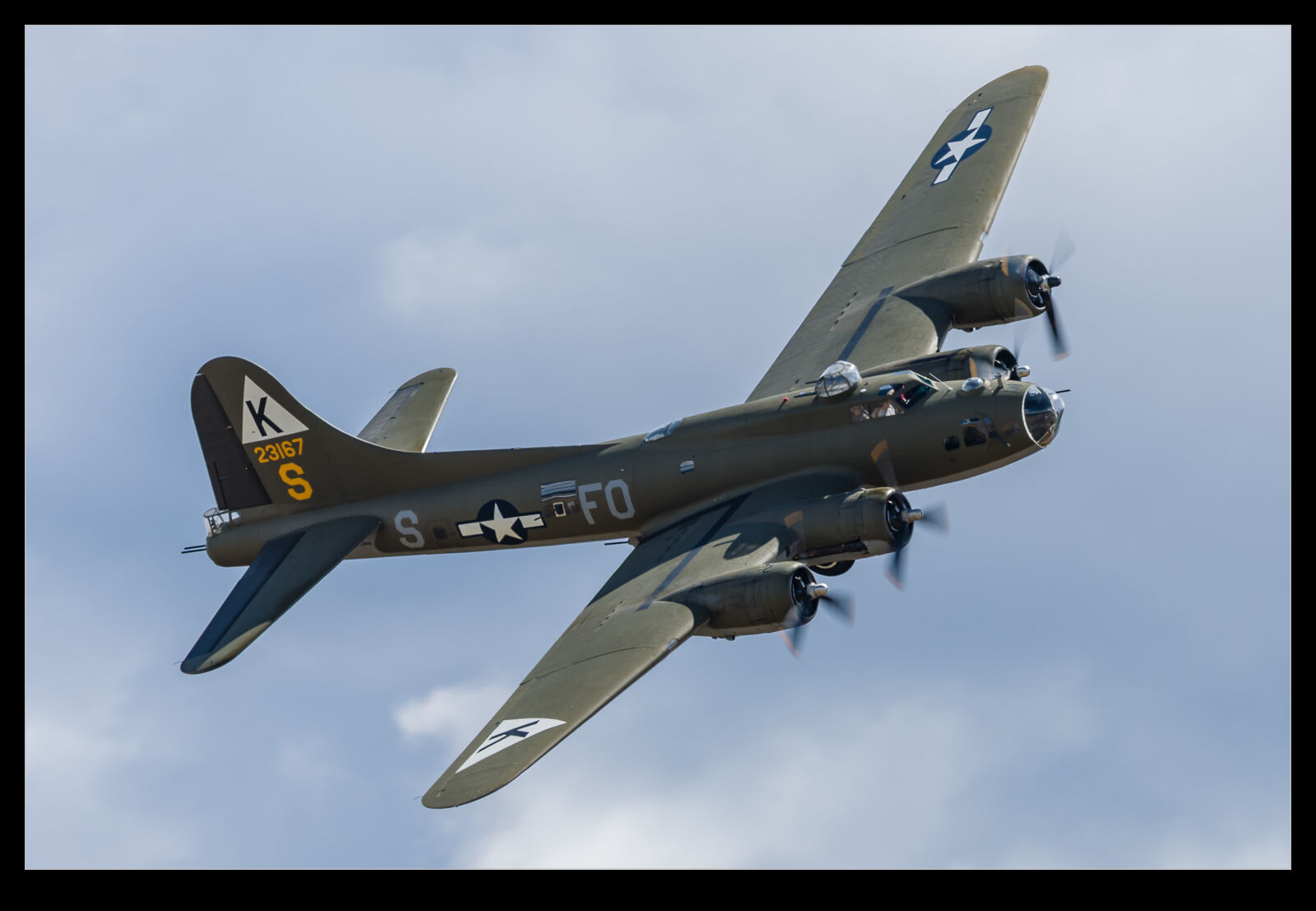
The put on a good flying display for the show. The light was surprisingly good for Olympia! It is held on a weekend in June that has a remarkable track record of delivering substandard weather. The local photographers constantly wish for it to be moved to a different time of year without any success. The plane was operating from the main ramp area which meant it was very close to you when it taxied in and out.
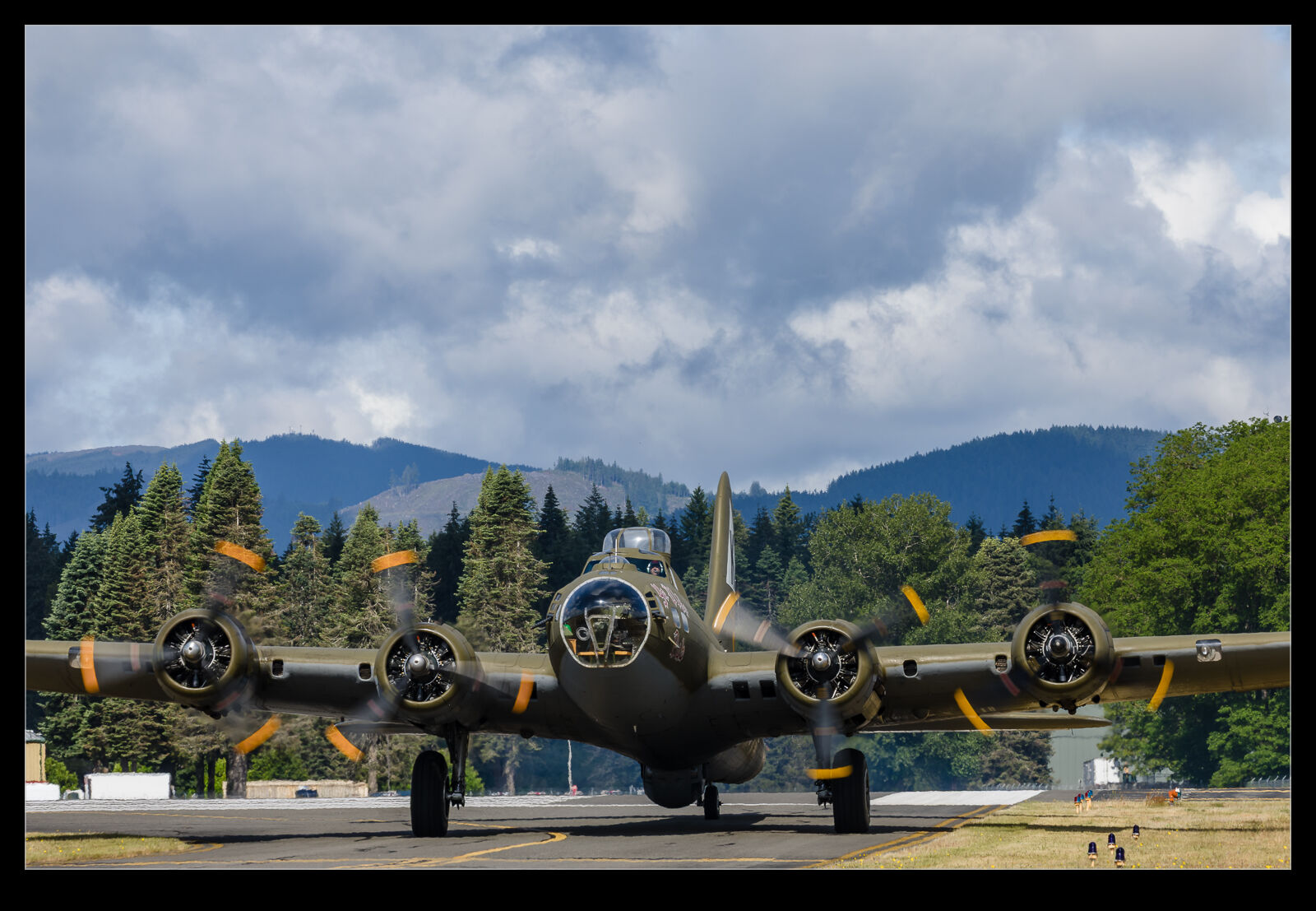
I wasn’t the first to spot this so I can’t claim to be the inspired person, but there is a taxiway marker board at Olympia that says B17. That made it quite easy to get a shot of the plane taxiing out with the B17 board in frame. A bit cutesy but I don’t think anyone was objecting. It seems like a lot of the airworthy B-17s are having major maintenance undertaken at the moment so having Ye Olde Pub active is great. I won’t even get upset about the use of the words “ye olde”!
The Conditions Are Calm at Last

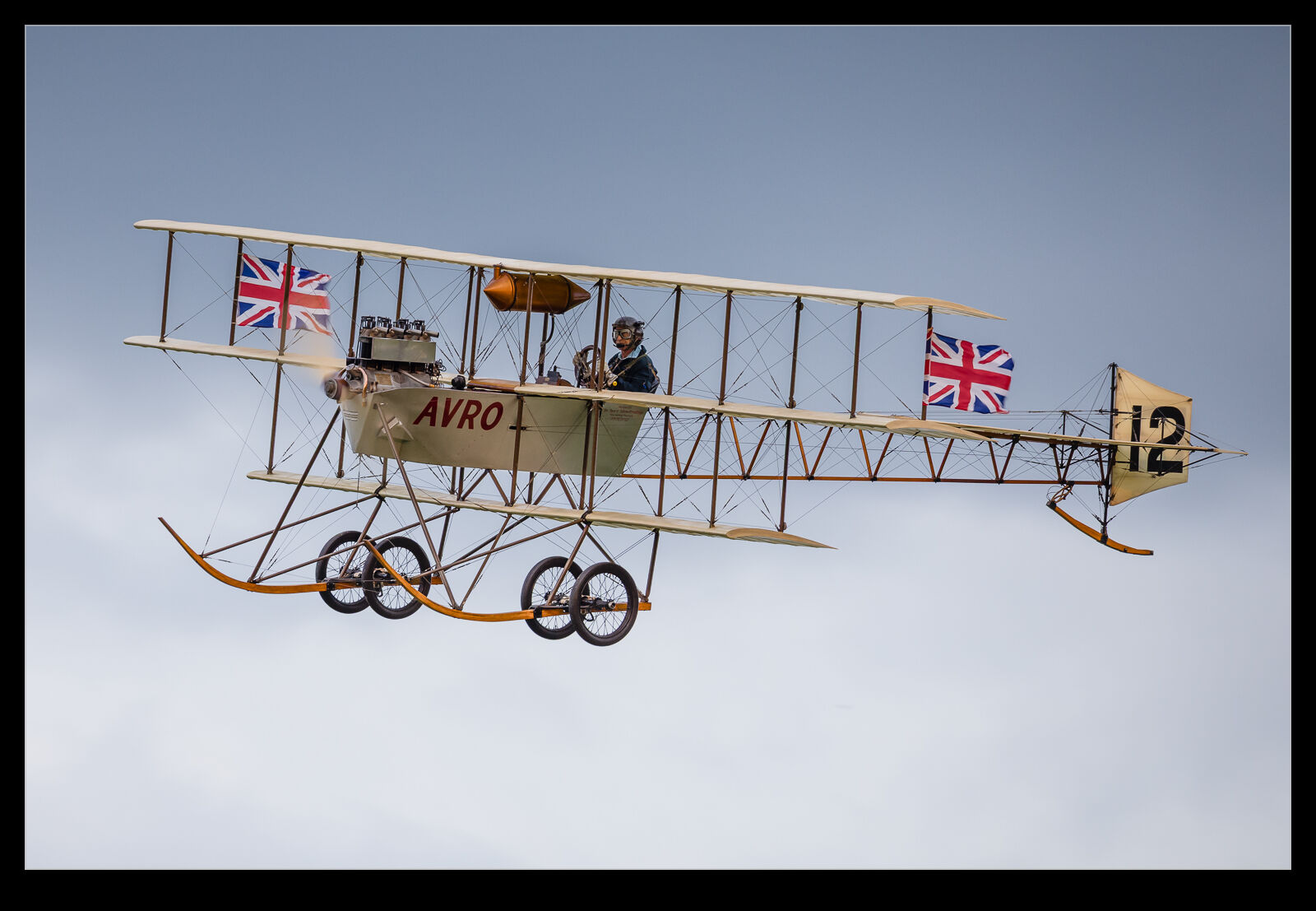
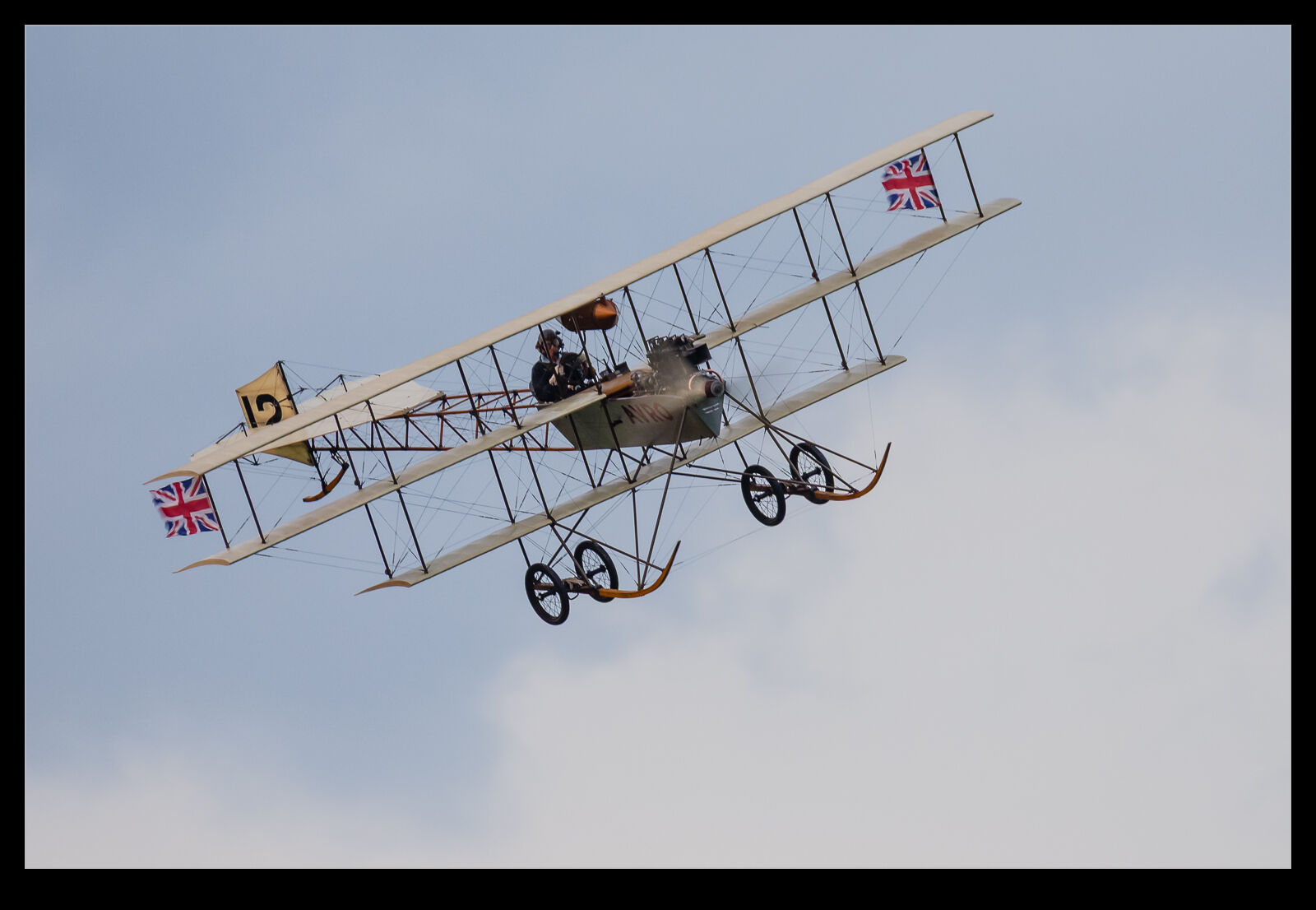
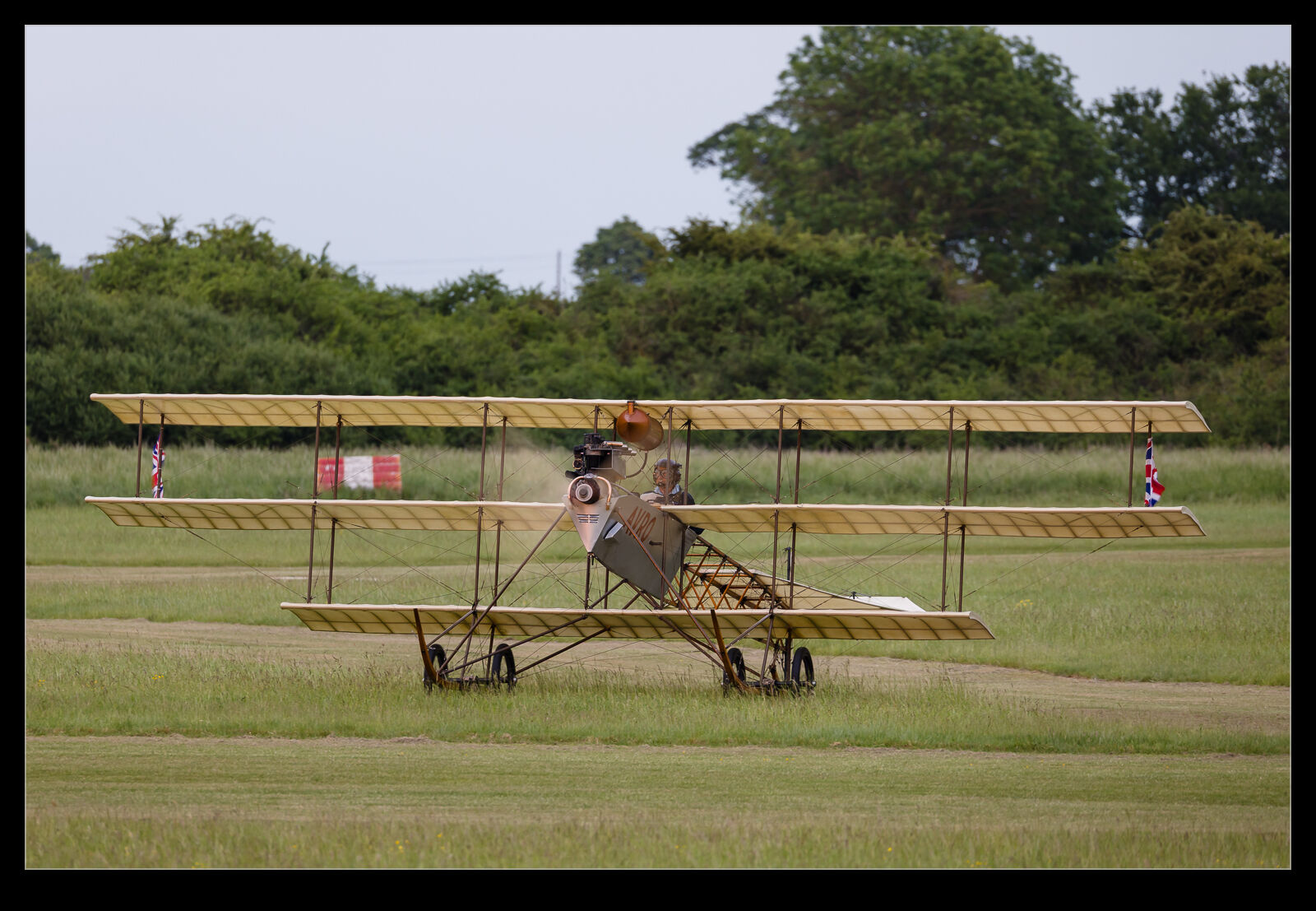
During my first show at Old Warden, there was a reasonable amount of wind throughout the day. This was in the back of all of our minds, and we wondered whether things would calm down enough to launch the Edwardian planes later in the day. The forecast was not for this to happen. As the sun started to get lower in the sky, I was quietly optimistic that the wind would calm but it was proving me wrong for the longest time.

Then, very quickly, things seemed to change, and the organisers realised that there would be a chance to get some more fragile types up in the air. Then it was just a question of what would be willing to fly. Getting these vintage types airborne requires, skill and effort but also a bit of luck. They didn’t all play ball, but the Avro Triplane was up for the challenge. I know it is a reproduction but that doesn’t stop it being great to see it fly in the lovely evening conditions.

My First Real Comet Aerial Shots

The de Havilland Comet was an air racing aircraft from the 1930s that won the MacRobertson Air Race from the UK to Australia. I first saw the aircraft at the end of the 80s but I didn’t see it fly at the time. There is a replica of the aircraft that is based in the US and I saw that at Oshkosh one year. However, it was this year that I finally saw it flying. It is a very elegant looking aircraft and one with a fair turn of speed.

It performed during the Military Air Show that the Shuttleworth Trust held at their Old Warden Aerodrome. The sun was going in and out while it was up which was not ideal but still provided plenty of opportunities to get some shots. Various passes were made, and I was quite pleased with how it looked head on as it ran in towards the crowd. I should have more chances to photograph it this year so let’s see how we do.

Pima the Following Day

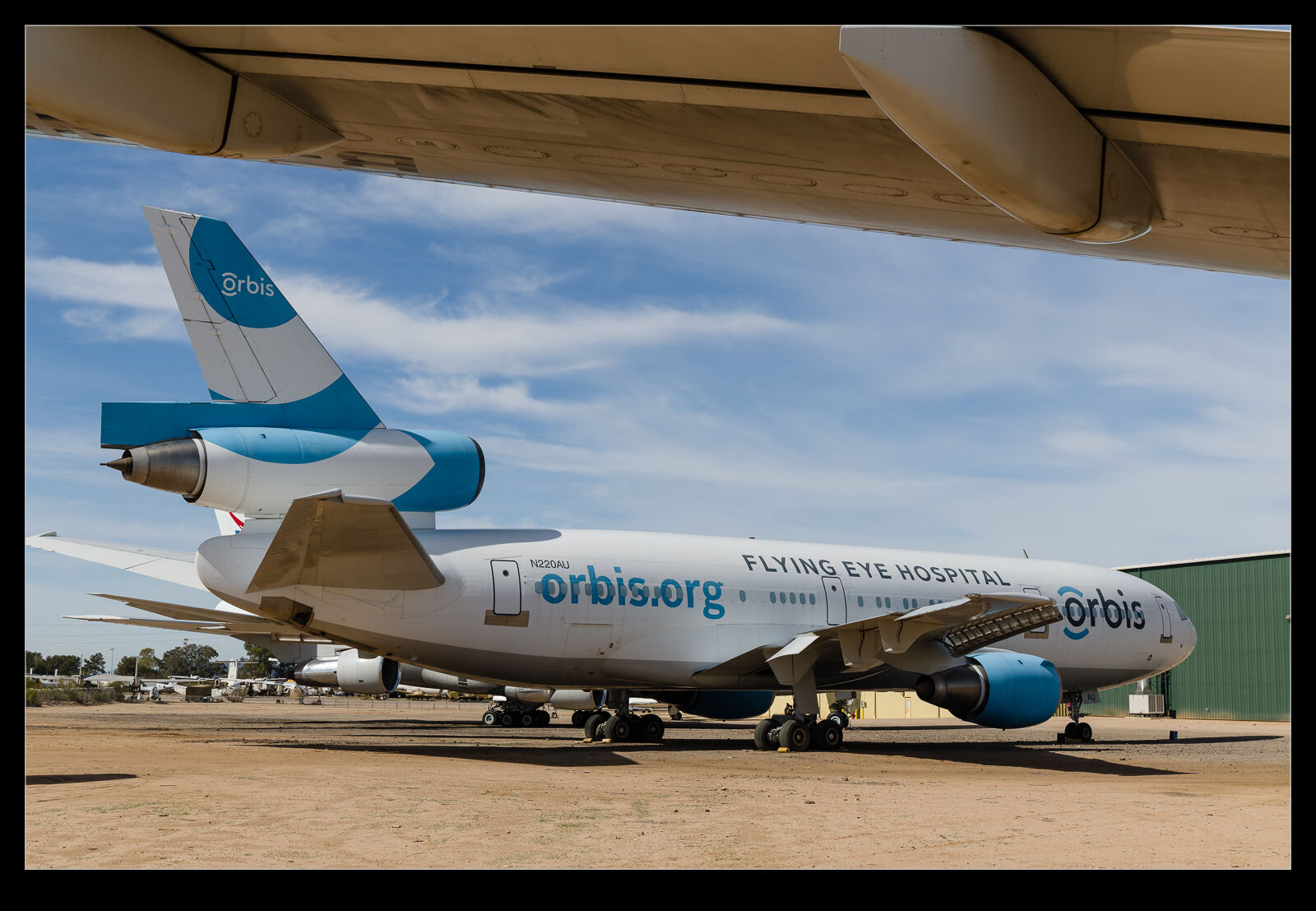
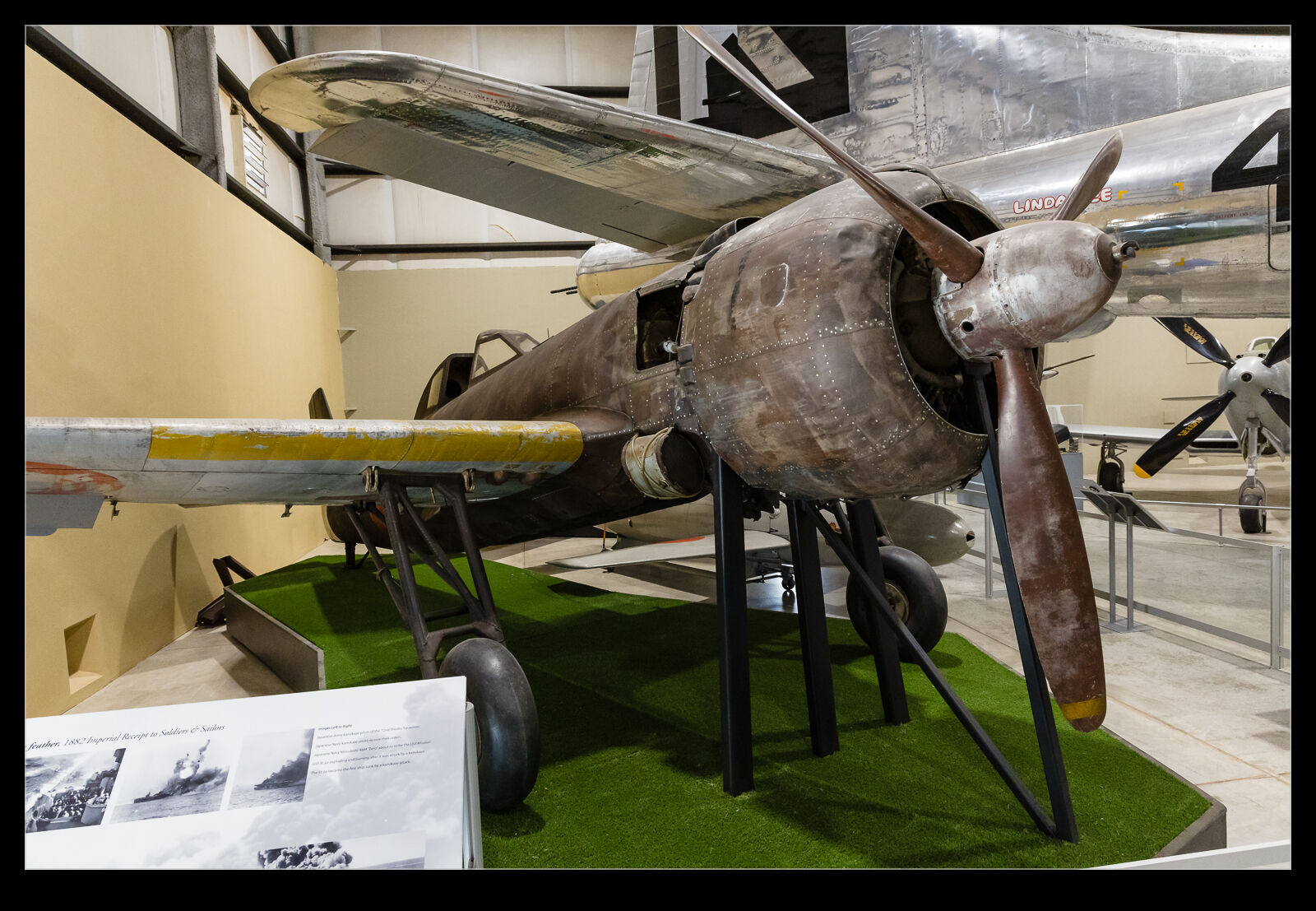
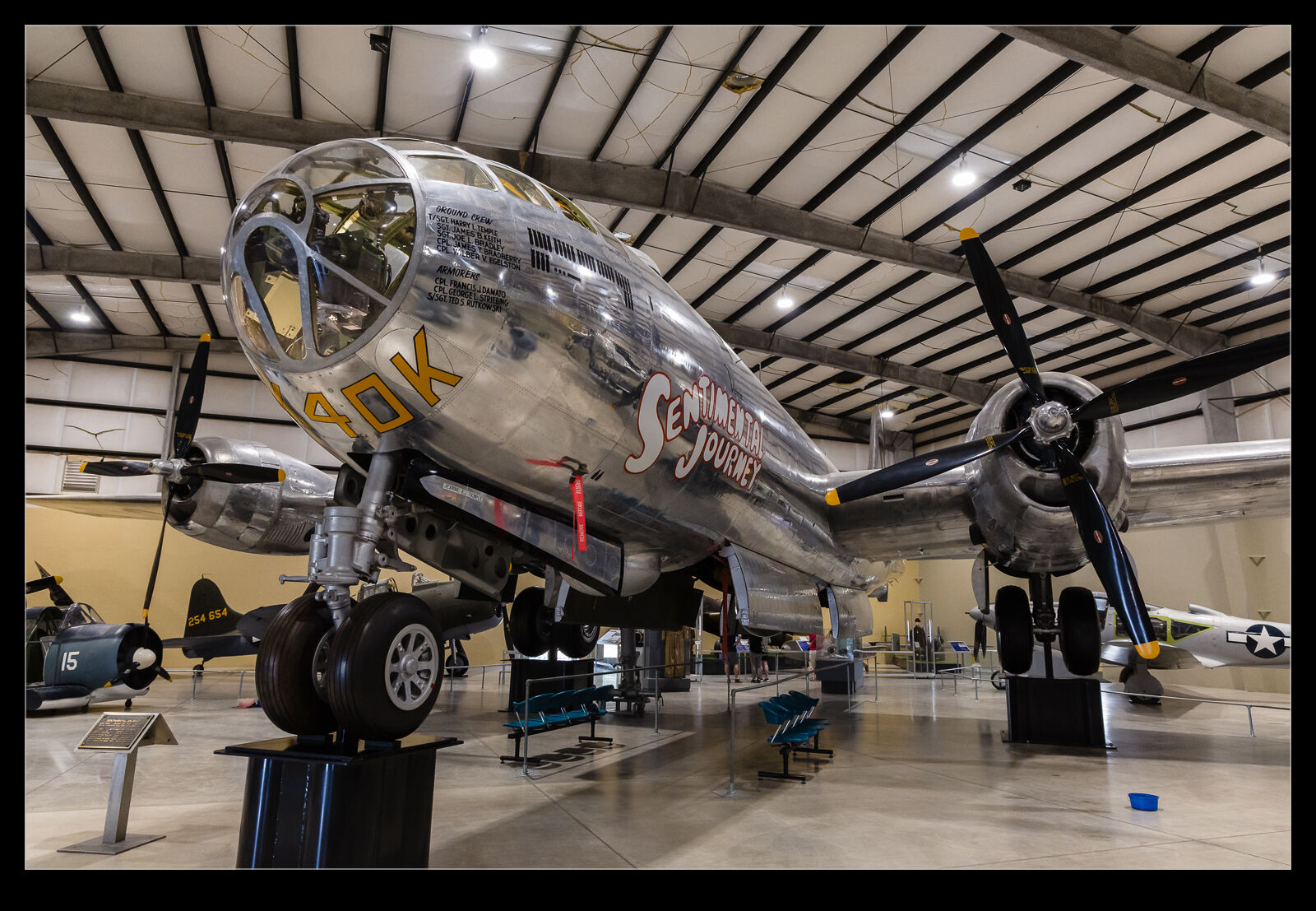
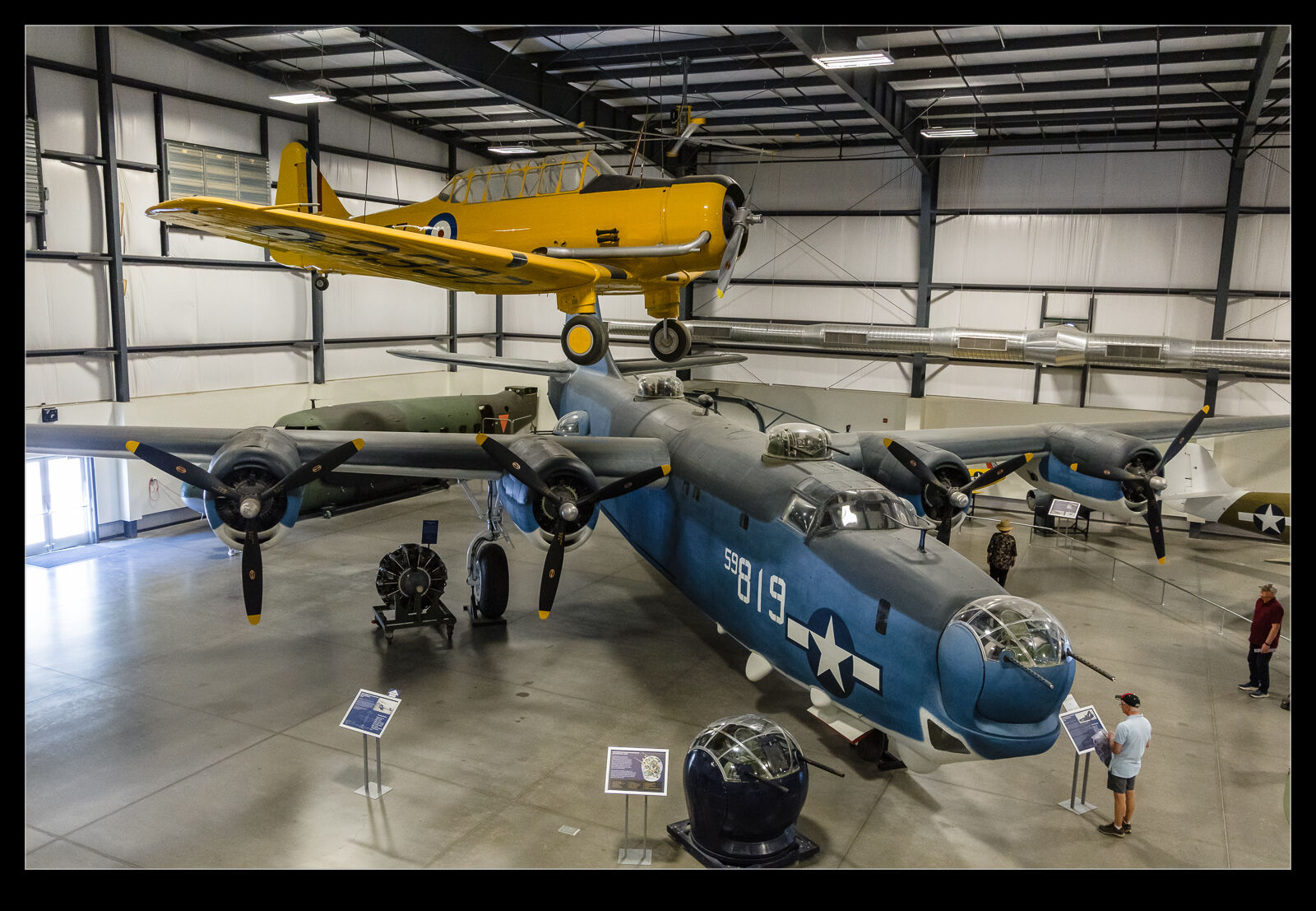
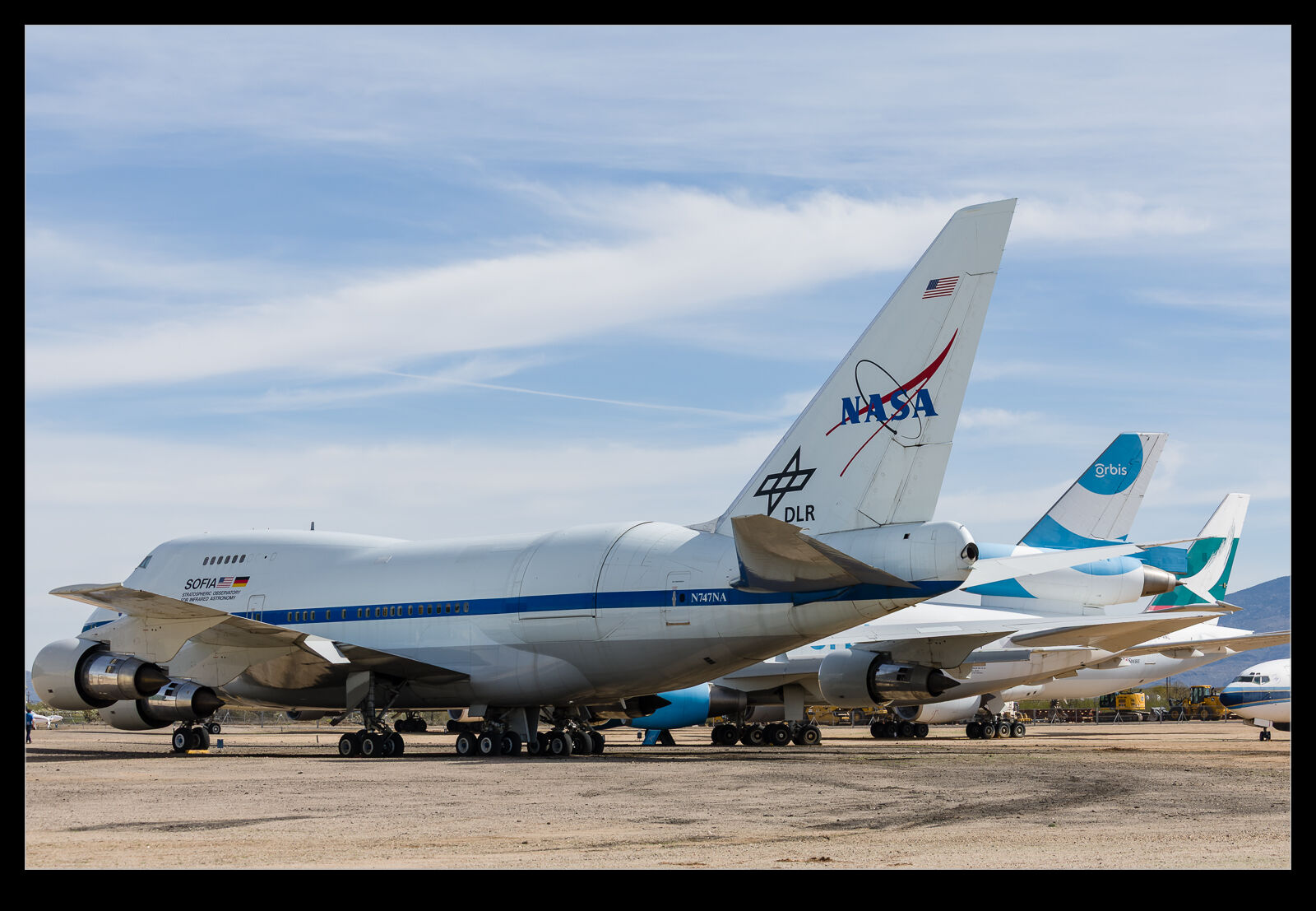
A bit of a step back for today’s post. This one goes back to early ’24 when Mark and I were in Arizona. We had done a night shoot at the Pima museum the evening before courtesy of our friend Joe. We decided to head back during the following day to see everything in daylight. Despite being early in the year, the temperatures were pretty high and there was a limit to how much I could handle outside. I did get a few different subjects but then it was time to retreat to the hangars to get out of the sun.

The museum was more extensive than I recall from my original visit years ago. I don’t know whether the hangars had all been added since I last visited or I had just not realised what I was missing. Whatever the reason, there was plenty to see. The variety of exhibits is just amazing. Whether it is vintage fighters, old civil aircraft or widebody jets, there is something there for any speciality. The strength of the collection makes it possible for them to get all sorts of exhibits, and their space means that can be of any size. Recently, they have taken delivery of a Martin Mars flying boat, for example. No small task when you aren’t too close to any water!

Tip Toe the Dragon Rapide in the Crosswinds

I’m pretty sure that, over the years, I have posted about the Dragon Rapide. It was the first plane I ever flew in, and I have seen a few over the years. When I went to Shuttleworth’s show recently, there was a Rapide undertaking pleasure flights. I suspect I might add more pictures of it to this blog before too long, but I am going to start with some images of it landing. There was quite a strong crosswind when I arrived at the airfield and the pilot was quite busy bringing the plane in. A nice bit of wing down technique and she kept this old taildragger under control. A little later the wind was really making things interesting, and it was the other wheel that was brought down first!

A Visiting Spit While We Wait

During the Buccaneer event that I went to at Kemble, we spent some time in an enclosure out near the taxiway. This would be good for the first part of the event, but I was out there quite a while before things were due to kick off. While hanging around, the purr of a Rolls Royce Merlin came to my ears and, downwind there was a Spitfire. It flew a nice curving approach and touched down before taxiing in quite close to where I was standing. It was a two-seat example and presumably had come to provide rides for some enthusiasts. I didn’t see it head back out, so I don’t know whether it was a brief visit or whether it did some rides and then left. Interesting markings on it, though.

Nice Retro Paint Job

I am not very good when it comes to identifying some of the older light aircraft types. I have some friends that will be despairing of me if they are reading this because they can tell any of these different types at a glance. Sorry about that guys. This plane took off from Paine Field one sunny evening and the old military style paint job looked lovely in that light. It looked like a Cub but I looked it up when I got home. Apparently it is an L4X and listed as Experimental. It isn’t listed as a Piper so maybe it is a home built of some sort. Whatever its origin, it did look nice with the sun on it.

Vulcan in the Countryside

In the 80s, after the RAF had retired its operational Vulcan fleet, you could come across examples of them in all sorts of places. When I moved to Lancashire in 1990, there was one sitting just outside Blackpool Airport. It lasted a few years but eventually succumbed to corrosion and was cut up. It is a big beast to preserve. There are still a few around and the home of one of them is Wellesborne Mountford airfield.  It is near Stratford on Avon and I had a work trip that took me within about ten minutes of it. When I had finished my meetings and was heading home, I diverted off to see if I could see it. Sure enough, pulling into the parking by the flying club meant I could see the plane clearly. I will be back in the area at various times so I will see if I can arrange a better look at some point.


My First Norseman

If you want to annoy your Canadian friends, be oblivious to famous Canadian aircraft. (We’ll, this will annoy Canadian aviation enthusiasts. I doubt it will bother Canadians that aren’t into planes.) The Norseman was built by Noorduyn (don’t ask me how that is supposed to be pronounced) and it was a rugged single engined bush plane. It is a beast of a plane and there is one on display at the BC Aviation Museum. I don’t know whether it is always stored outside or not but it was on the ramp outside the museum on the sunny day that Jim and I visited. Our guide opened it up so we could have a look at the interior. It looked very nice as it has been well maintained.

The Lancaster Progress is Good, But It Will Be a While

Jim and I made a trip to the BC Aviation Museum and one of the things he was particularly keen to see was the Lancaster restoration project that they have underway. When we got to the area where the Lancaster restoration is underway, we were disappointed to find the area was closed off that day. We were peering through the entrance at the front fuselage when the president of the museum wandered up with a guest. He asked if we were interested in seeing it and I don’t think it will take great insight to know we said yes.

He was only going to be there for a short while but was happy for us to come in and have a look around while he showed his guest what was underway. The front fuselage was looking very good and much work has been done on it. I was allowed to climb inside and seeing the pilot’s position exposed at the top of the plane was fascinating. The engines are undergoing work and they were in different parts of the museum. The centre wing structure was at one side of the hangar and you could see the work done on it and the engine mounts waiting for the return of some engines.

We didn’t have a long time there but were grateful for the fact we got in there at all. When we went outside, you could see the outer wing panels in storage alongside the hangar. I don’t know what their condition is and whether being exposed to the elements is causing much trouble but I am sure they have considered this as part of their overall restoration effort. It will be a long time before everything is done but then the Lancaster will be displayed in the colors it wore when it was operating as a search and rescue aircraft for the RCAF. Should look fantastic.