Category Archives: aircraft

What Does 40 Years of Design Get You?

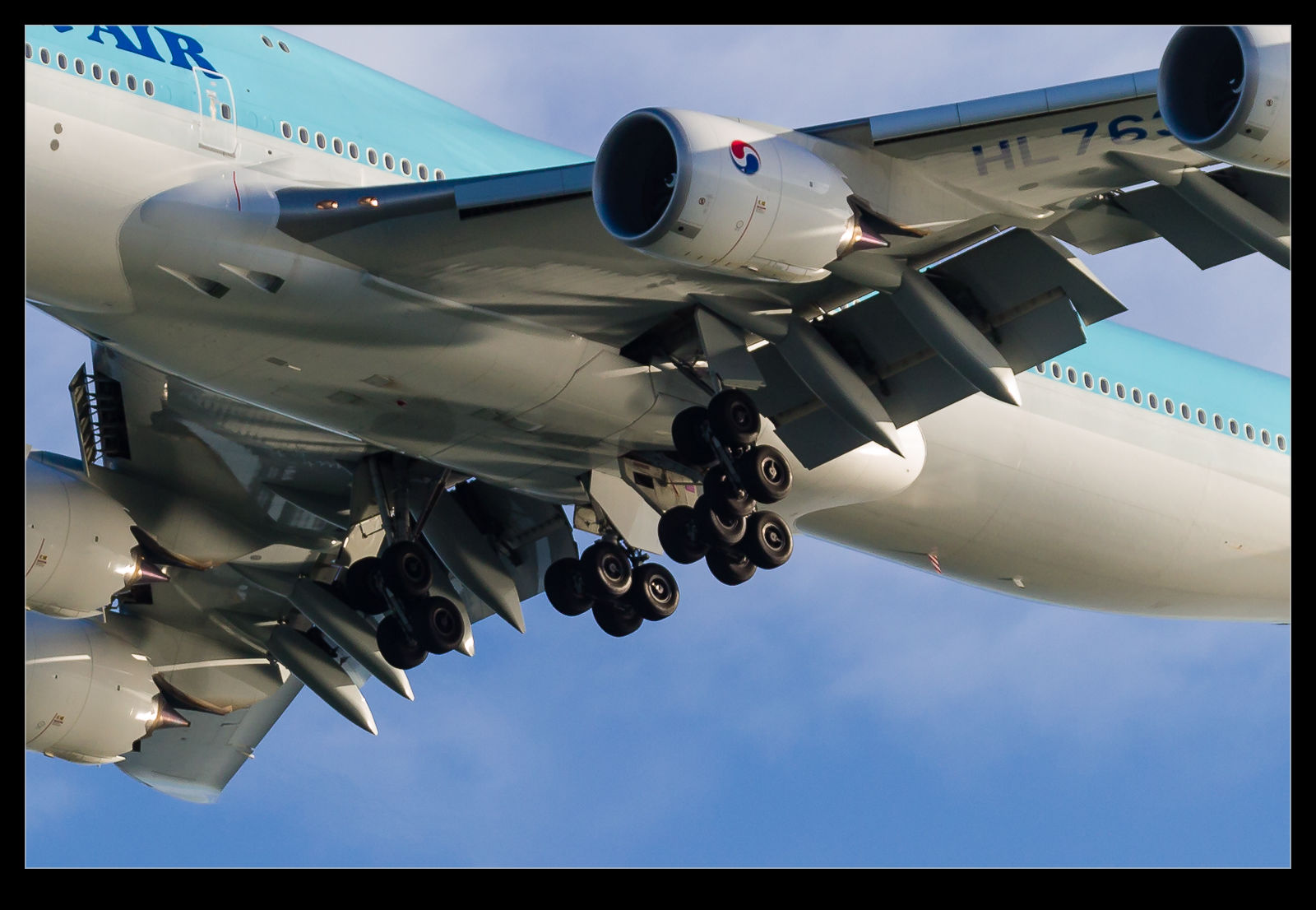
AU0E1641.jpgThe Boeing 747-8 has not been a terribly successful program.  Boeing decided to update the 747 family with new engines and revisions to the wing along with a stretch to the fuselage.  The resulting jet was delayed by its own and other program issues and it came around at a time when there were few passenger airlines interested and the freighter market was taking a kicking.  The result has been anemic sales and a production rate that has steadily reduced as a result of the low demand.  However, from a technical point of view, it is a nice upgrade.

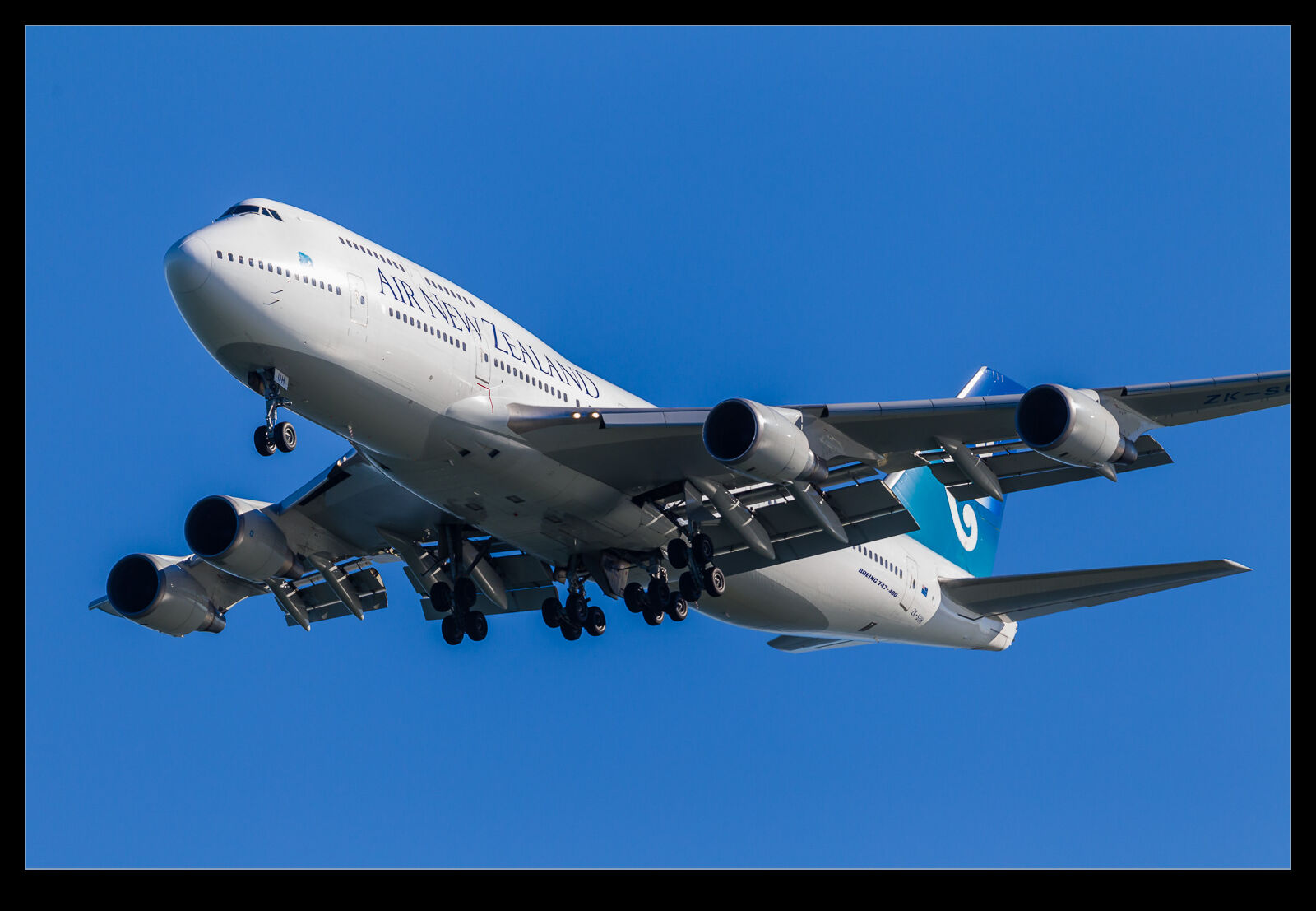
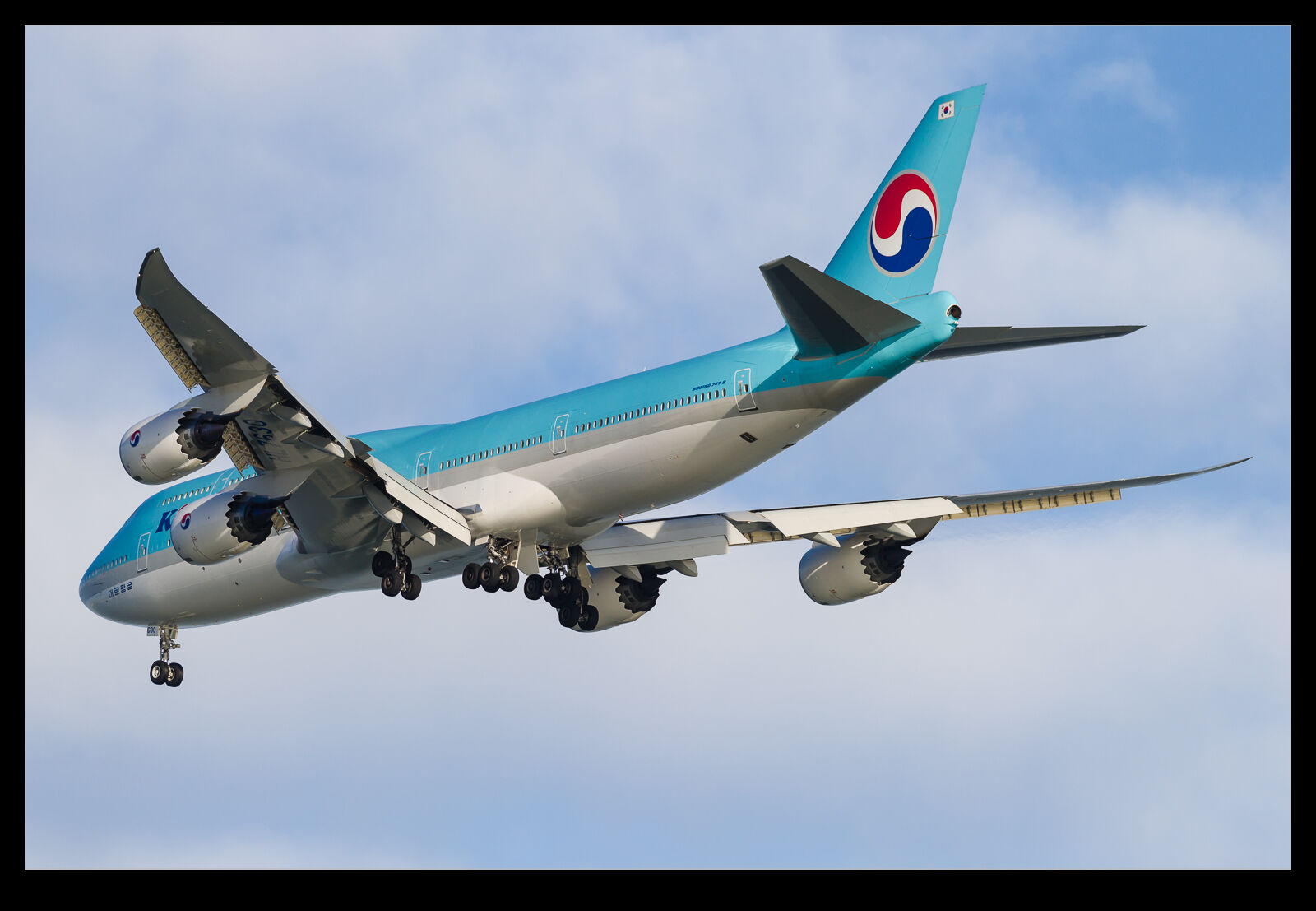
C59F2632.jpgThe wing came in for a lot of attention and was significantly redesigned.  The most conspicuous change is the introduction of the swept tips common to many Boeing designs these days.  Less obvious is that the flap system was completely redesigned.  The original 747 flaps, carried through on the 747-400 are very complex.  Sections are triple slotted.  The Boeing aerodynamicists came up with a single slot design to replace this which apparently has good performance but I imagine is a lot simpler to make and maintain.  Only from the rear on approach can you see the difference.  These shots compare a 747-400 from Air New Zealand with a Korean Air 747-8 and you can see for yourself how much simpler the new design is.

AU0E1681.jpg

Airmotive Specialties Visit

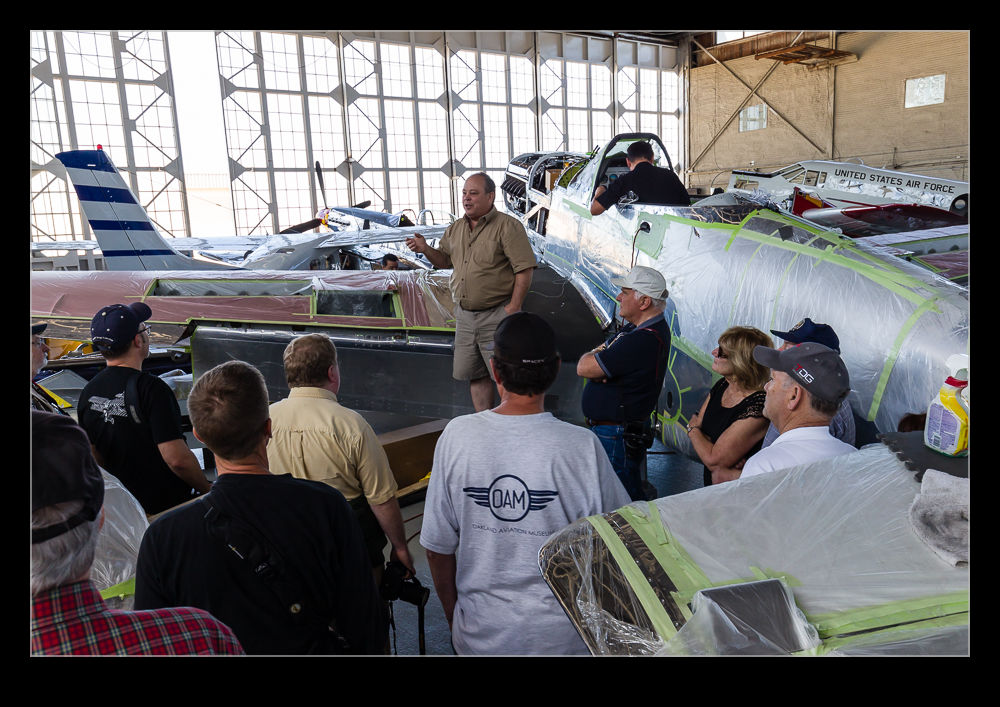
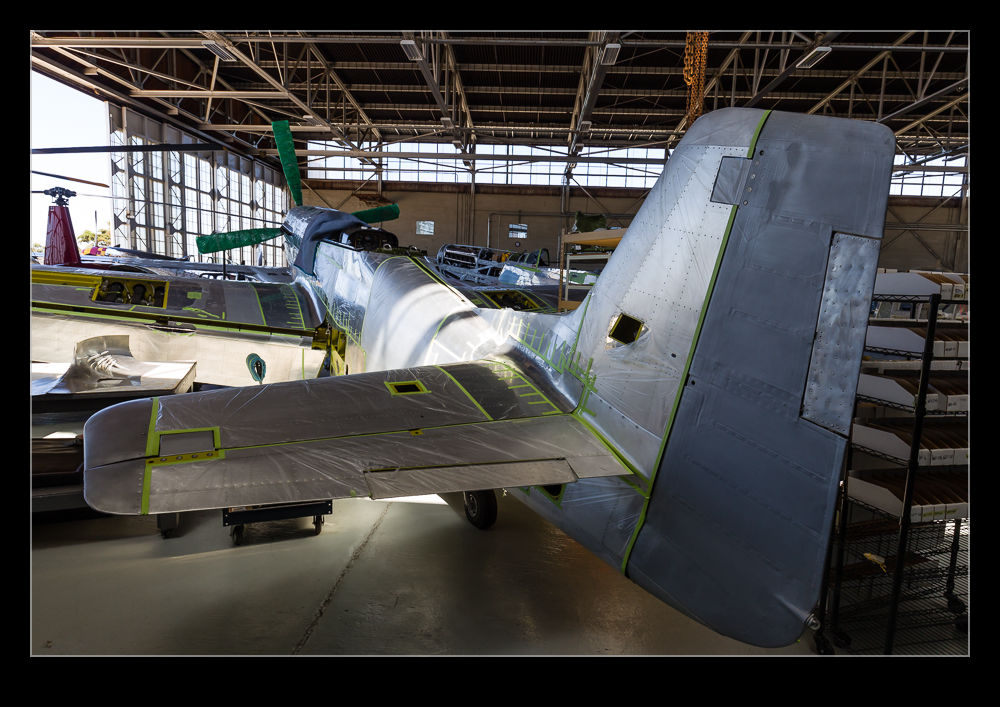
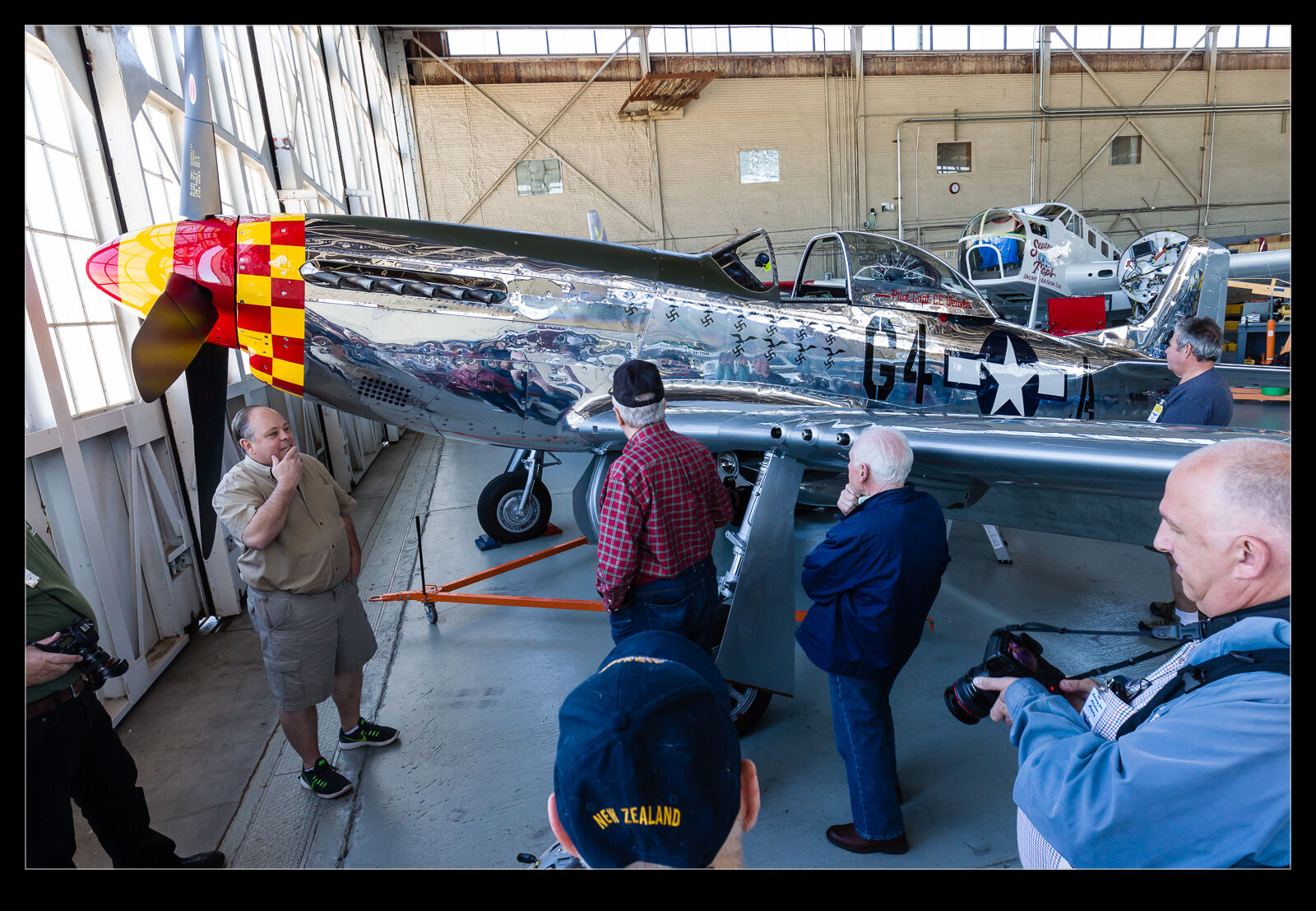
AU0E4162.jpgThe Society of Aviation History organized a visit to Salinas to the facility of Airmotive Specialties. Owned and run by Dave Teeters, Aviation Specialties provides a number of services but the thing that brings them most attention is the restoration of warbirds with a strong focus on P-51 Mustangs. During our visit, there were seven Mustangs in the hangar in various states of restoration. There were some other types too as well as some more commonplace types undergoing maintenance.
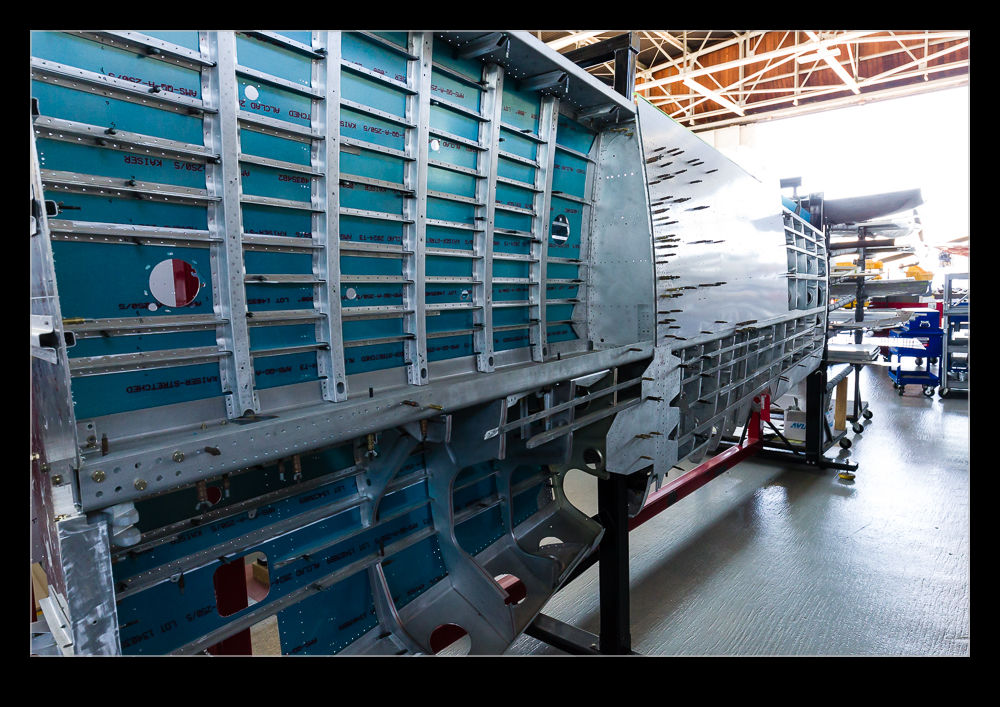
AU0E4175.jpgDave has spent his life in this business having started working for his Dad before setting up on his own. He supplies parts to his Dad’s business and vice versa as they both operate in the same field. Dave has really committed to the processes and capabilities needed to restore these vintage aircraft. His team is one that he has trained and many of his staff have been with him for years. He has also invested in technology. So many parts for these aircraft are hand crafted but Dave has acquired numerically controlled machines to assist in producing a large number of components. These machines are also capable of digitizing the outline of existing components to allow him to reproduce them as needed.
AU0E4195-HDR.jpgThe investment in these machines is substantial but the pay off comes in how quickly he can produce replacement parts once the process is done. Hand crafting these parts is an intensive business and, when sufficient are needed, the business case is straightforward. Even so, there are still many pieces that require the hand skills that are in short supply and are becoming rarer. Dave maintains capabilities with many old tools and techniques in order to make sure that they can always provide what the customers need.
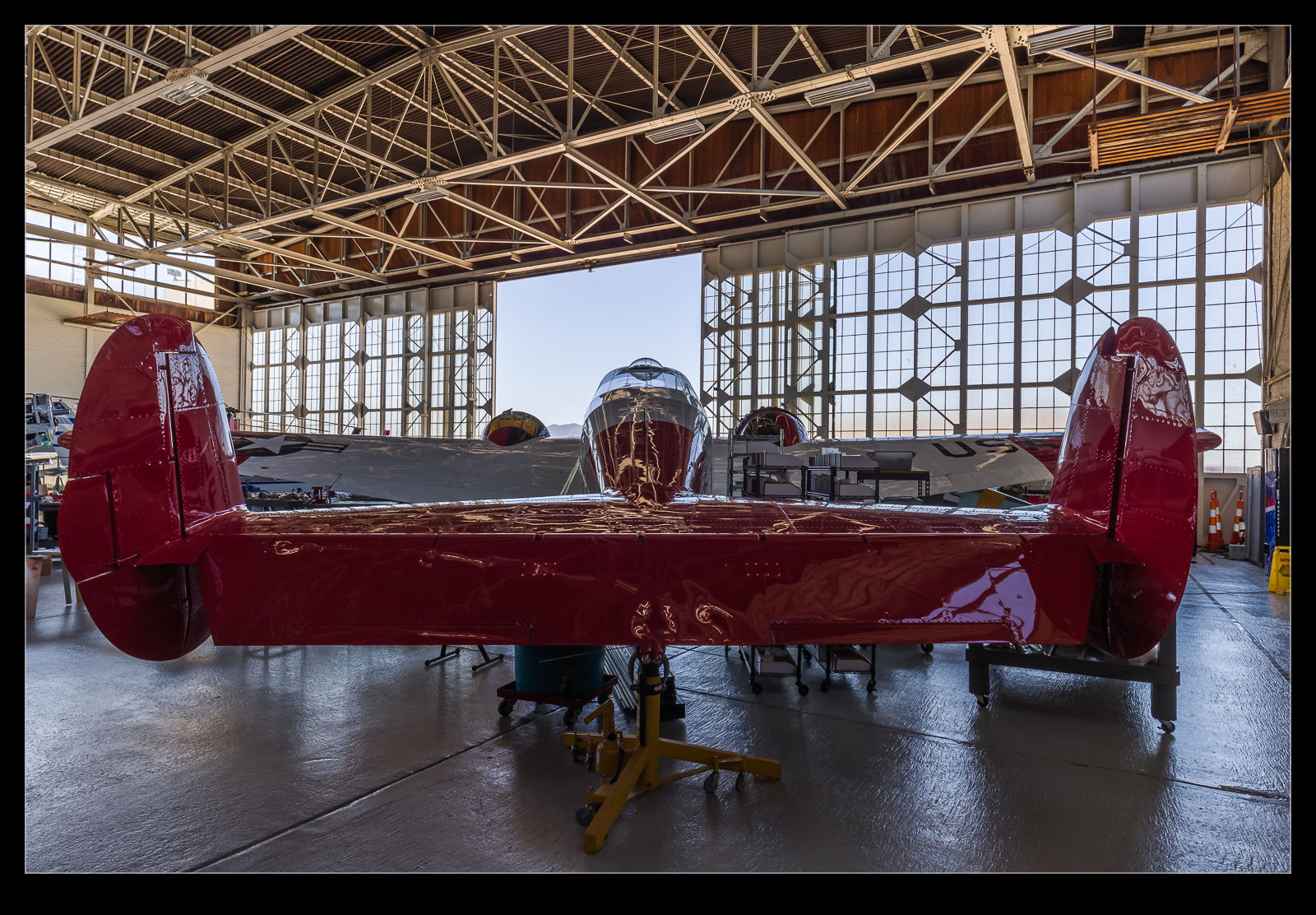
AU0E4188.jpgThe hangar was full of interesting projects in various states. Some were disassembled completely with rework on fuselages and wings plus various subassemblies. Others were fully complete and were just in for ongoing maintenance. A great looking Beech 18 was at the front of the hangar along with a P-51 due to be picked up by its owner. A couple of Robinson R44s were also parked in with a JetRanger – one of the R44s flew off later in the day.
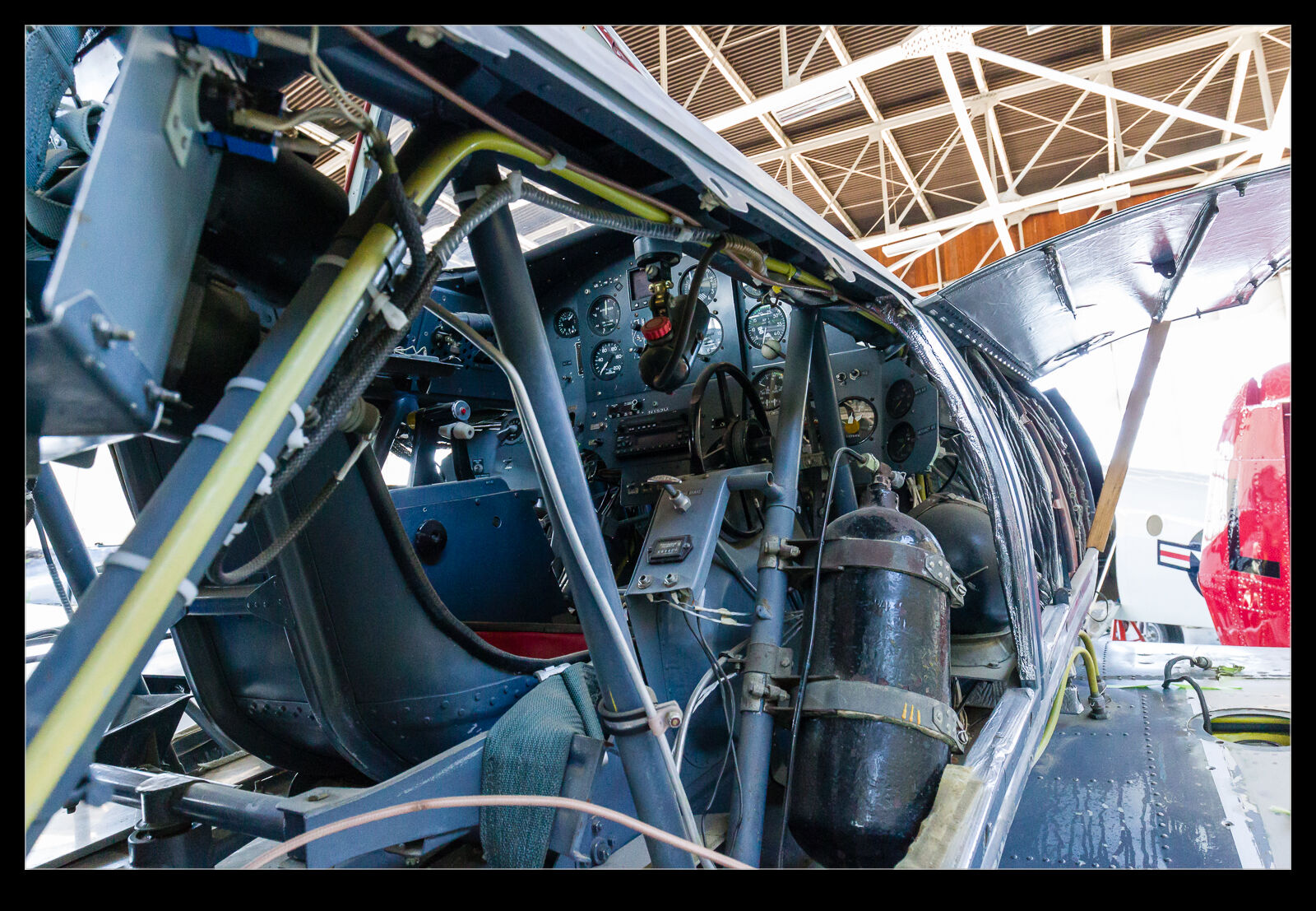
AU0E4192.jpgDave provided great access to our visit and was exceedingly generous with his time. He explained exactly how they work and answered any questions the group had for him. The hangar has some nice facilities for customers but, while they were very comfortable, the contents of the working area were of most interest to us and Dave gave us freedom to wander as we wished. It was a great time. Many thanks Dave.

AU0E4165.jpg AU0E4233.jpg

Rafale A Demonstrator

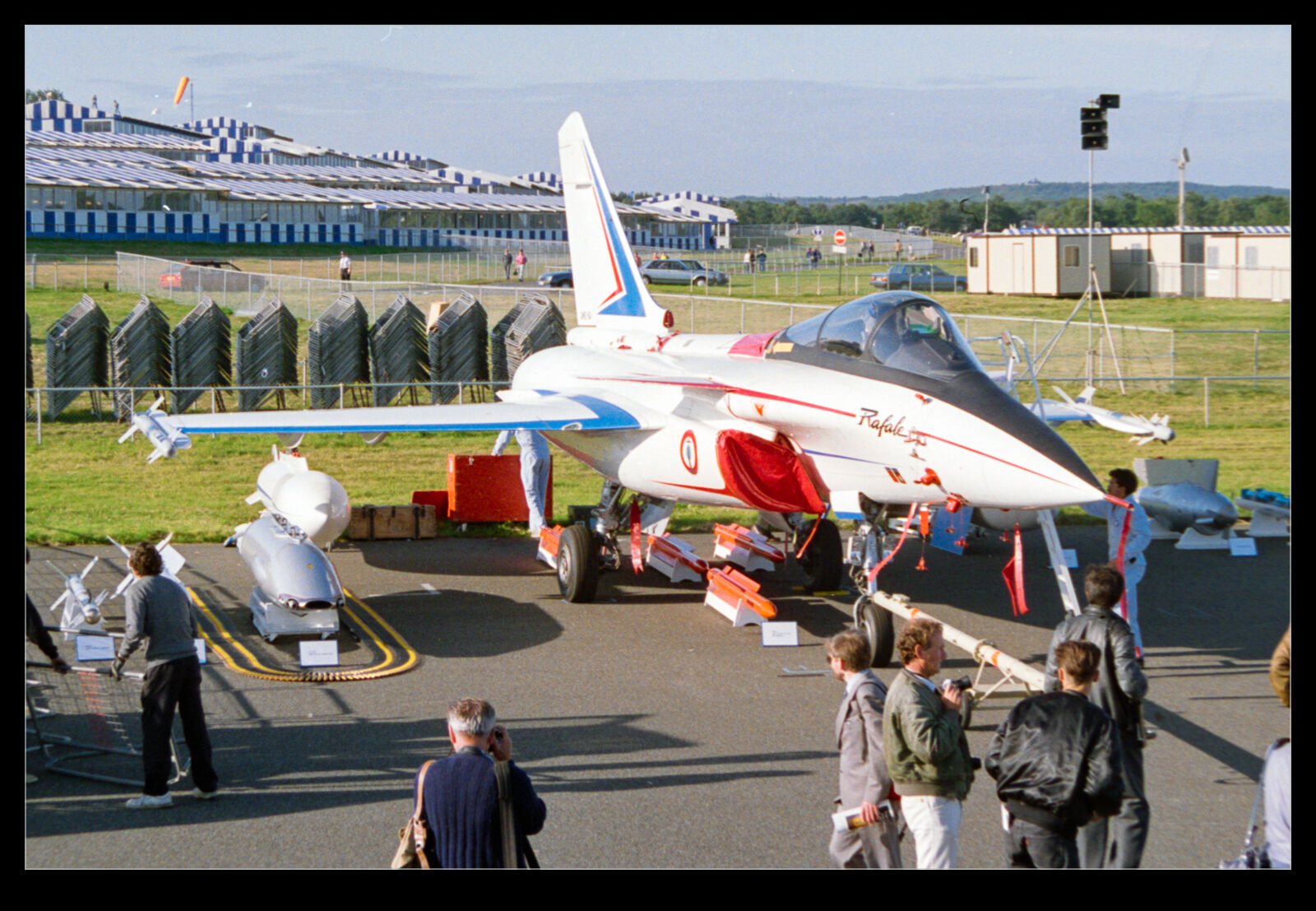
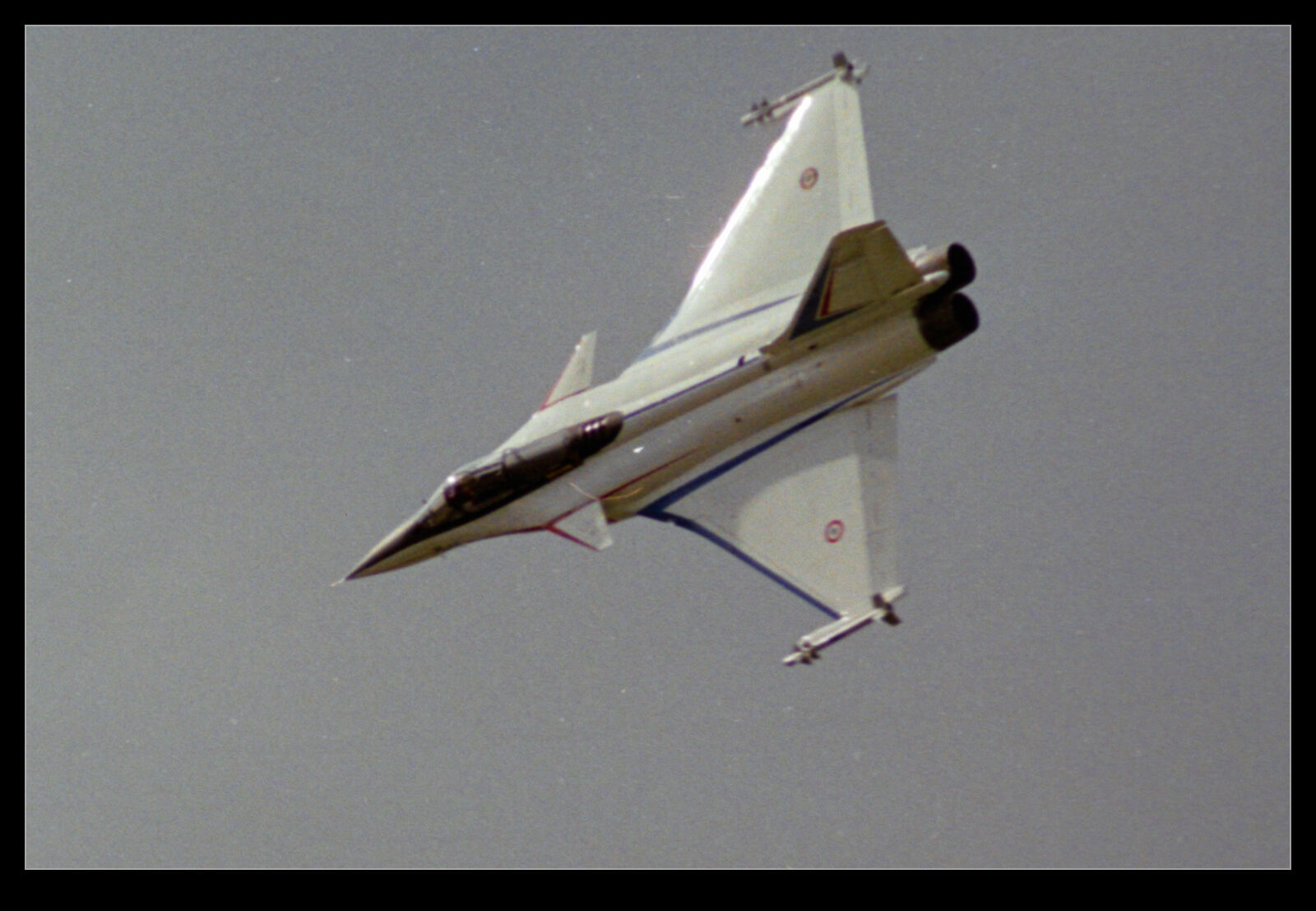
Scan 2-1502.jpgThe Dassault Rafale is a fantastic looking aircraft. Gradually being built in reasonable numbers, it has broken into the export market and has customers in Egypt and Qatar and probably India although exports to India are always hard to pin down! The French air force and navy will no longer be the sole operators. The Rafale B is a two seat version and the C is the Air Force’s single seat version. However, there was the Rafale A. One of them was built in the mid 1980s as a demonstrator. It looks almost identical to the production version but was actually slightly larger. Painted in Dassault’s house colors, it made a number of air show appearances. At the time, it was competing for attention with BAe’s EAP demonstrator. I didn’t get to see EAP until I got to Warton where I wasn’t able to photograph it!

Scan 2-1535.jpgHere are some shots of the Rafale A. It was originally powered by GE F404 engines although later one was swapped for the M88 that would power the production Rafale. The first Rafale C was rolled out in an all black paint scheme which made it look very cool. The size difference is not immediately obvious but a number of detail design changes were incorporated too including lots of sensors required for an operational type rather than the demonstrator. The wing planform was also altered slightly based on the experience gained with the demonstrator. I understand that, when the aircraft was retired, it went to the Museum at le Bourget in Paris.

Scan 2-1536.jpg

Inflatable Hangar for Solar Impulse

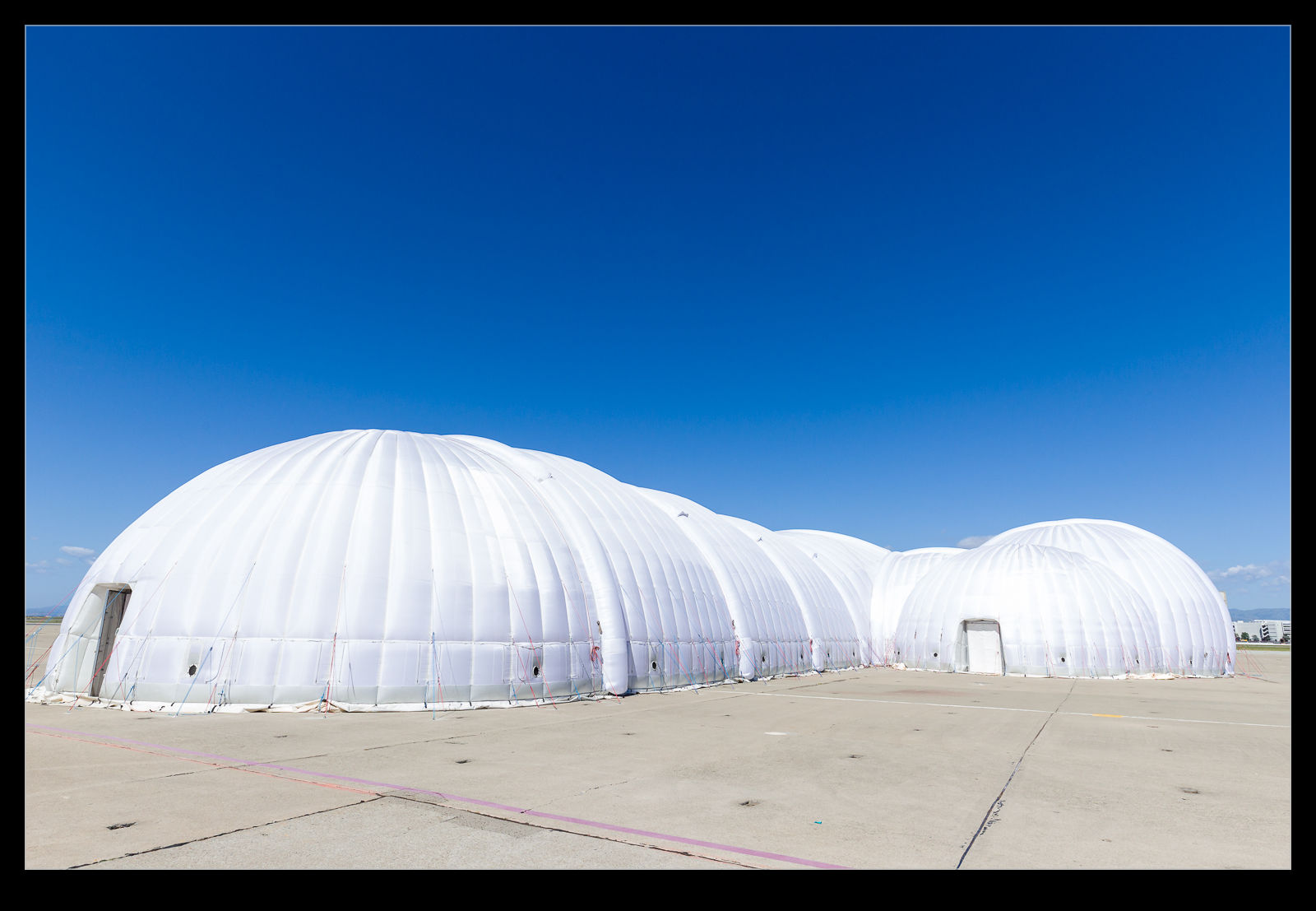
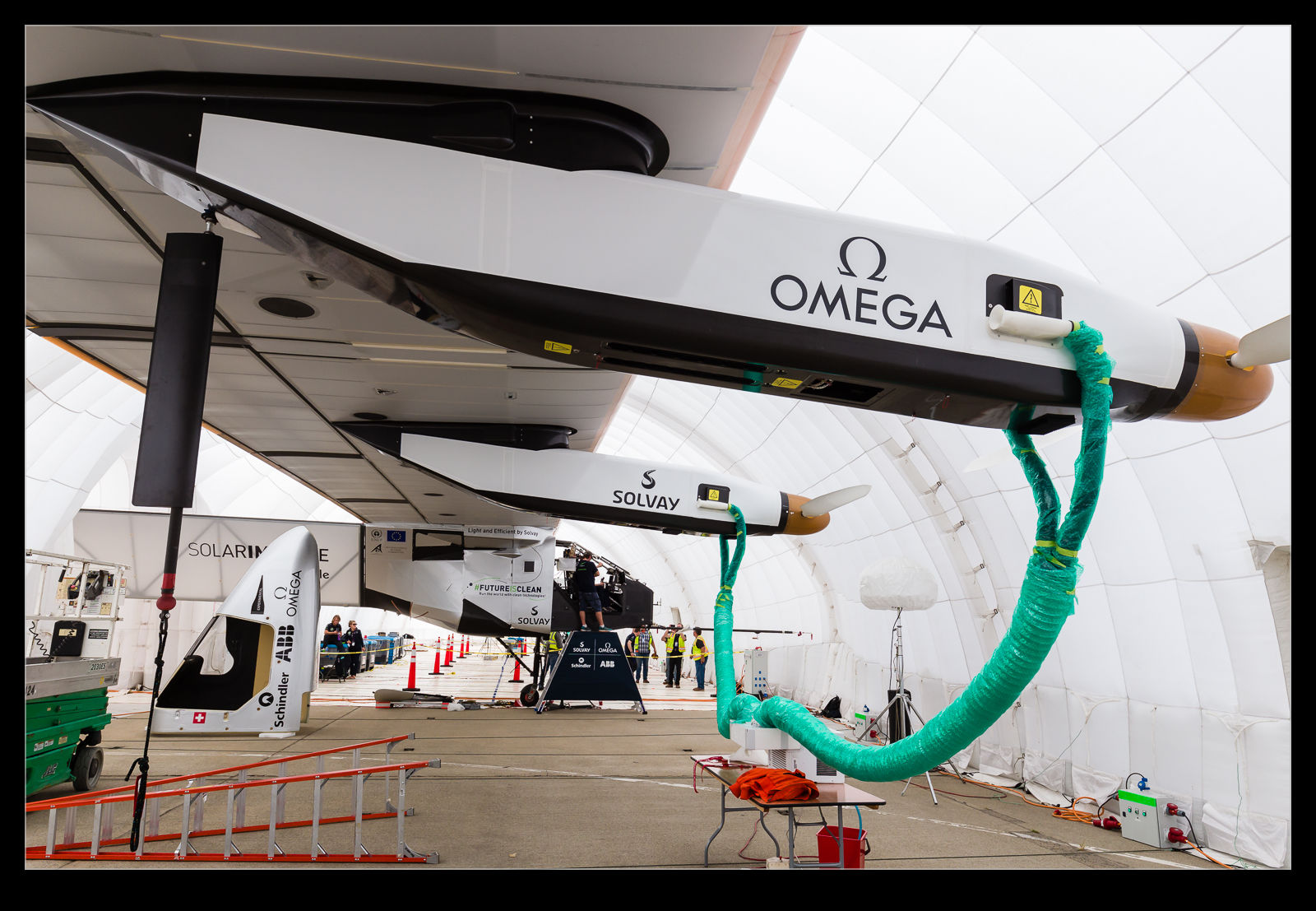
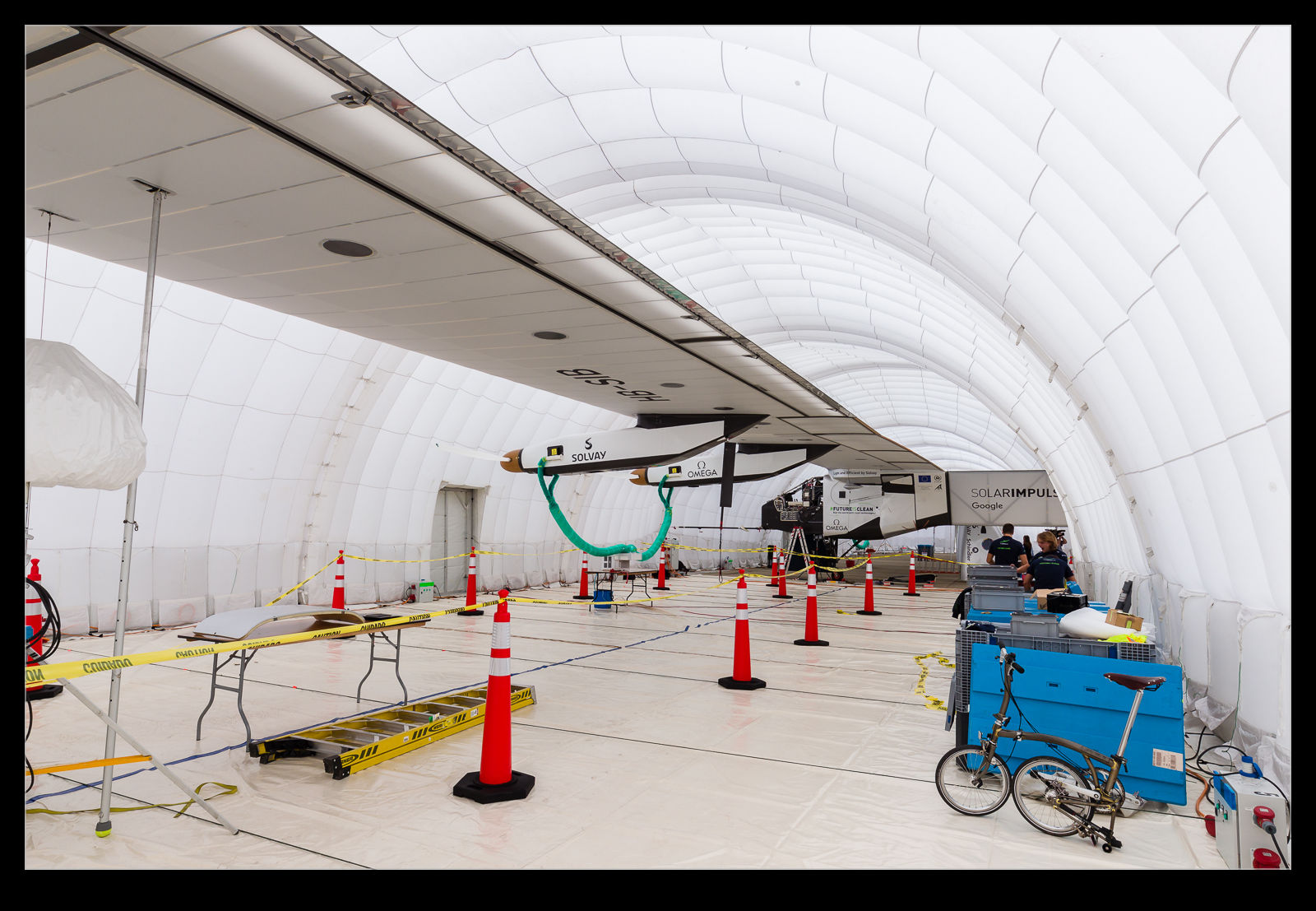
AU0E4554.jpgSolar Impulse was on the ground at Moffett for over a week while they waited for a good weather window for the next leg to Phoenix.  They kindly invited me to go and have a look around in the more relaxed time compared to the arrival!  The hangar was located on the apron at Moffett and they weren’t able to have a secure way to have visitors so, sadly, they could not have everything open to the public.

AU0E4640.jpgThe hangar itself was pretty hot.  It was white so reflective but it still warmed up quickly in the sun.  The batteries were the only part of the aircraft for which this was a problem so they were permanently connected to air conditioning packs that kept them at the required temperature.  I was a touch jealous.

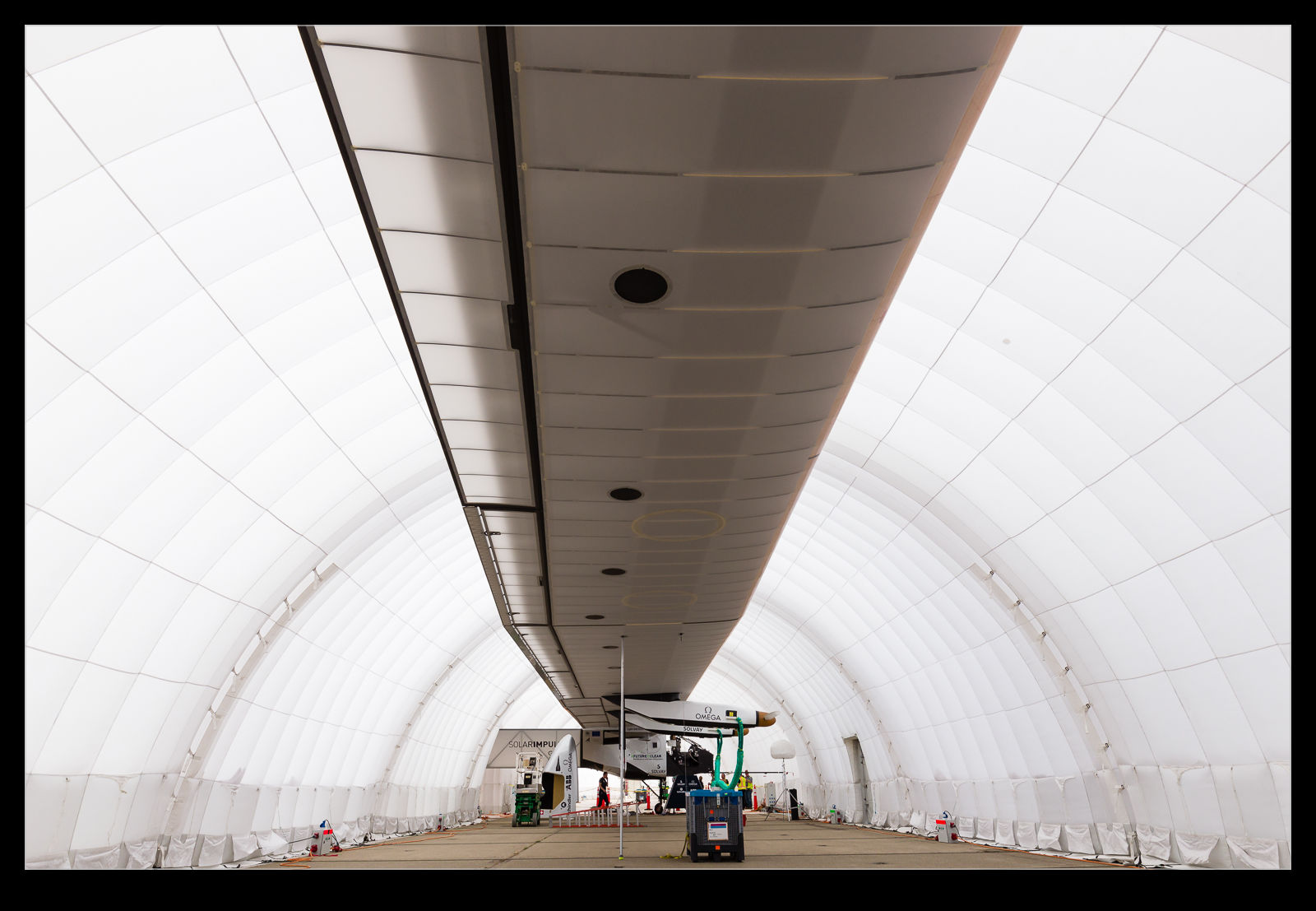
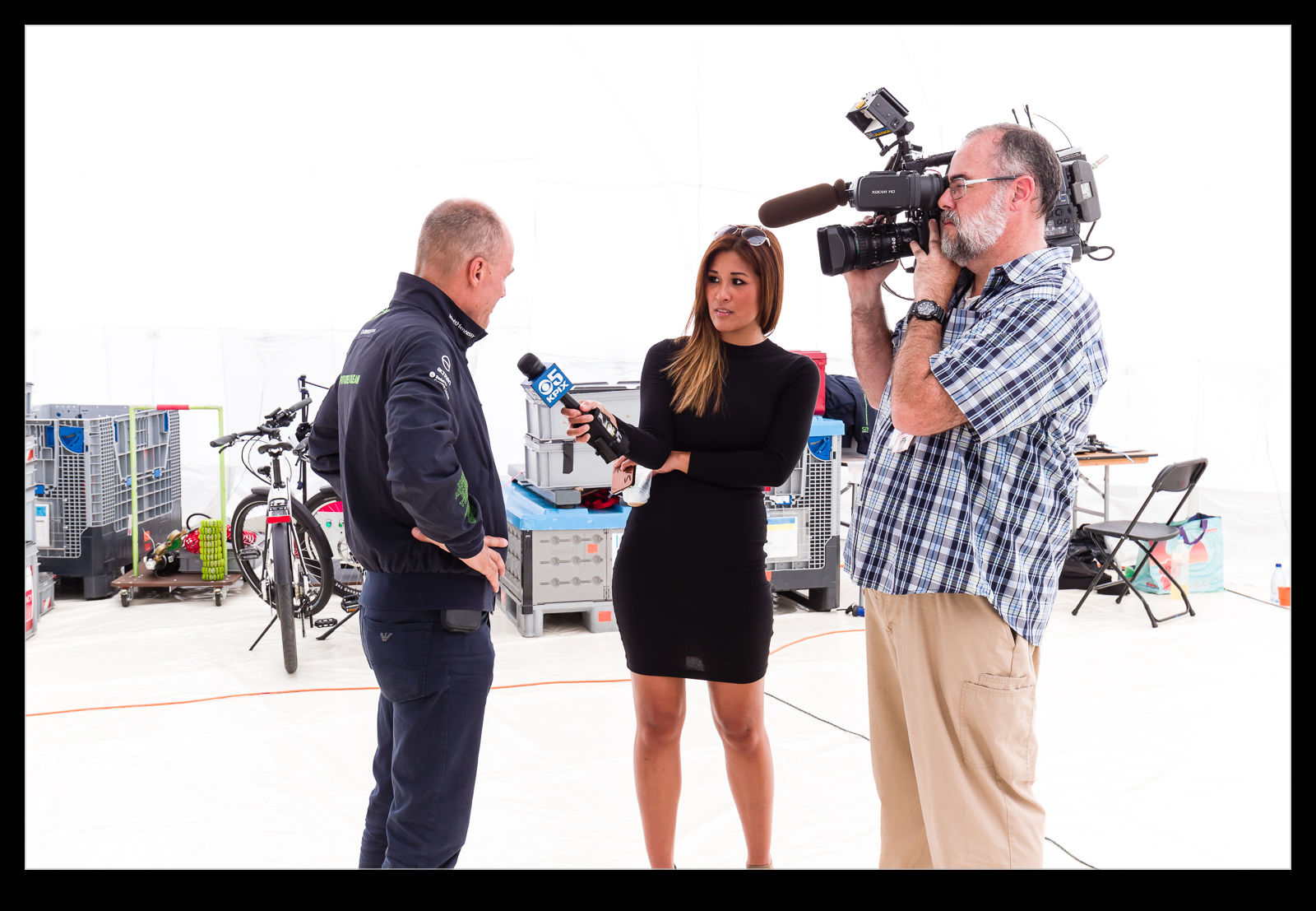
AU0E4601.jpgThe aircraft fitted snugly into the hangar given that it was custom designed.  The air data boom had to be folded out of the way thought.  The maintenance team were pretty busy checking out systems ready for the next leg whenever it would occur.  Meanwhile, media attention was high and I wasn’t the only one there.  A local TV crew were conducting interviews with Bertrand.  When they had finished, he was happy to chat for a while.

AU0E4537.jpgThe team were very generous with time and access but were very nervous about touching the aircraft itself.  I wasn’t about to upset them so managed to get what I needed without causing any trouble.

AU0E4551.jpg AU0E4533.jpg

A Different Angle on the Parallel Approaches

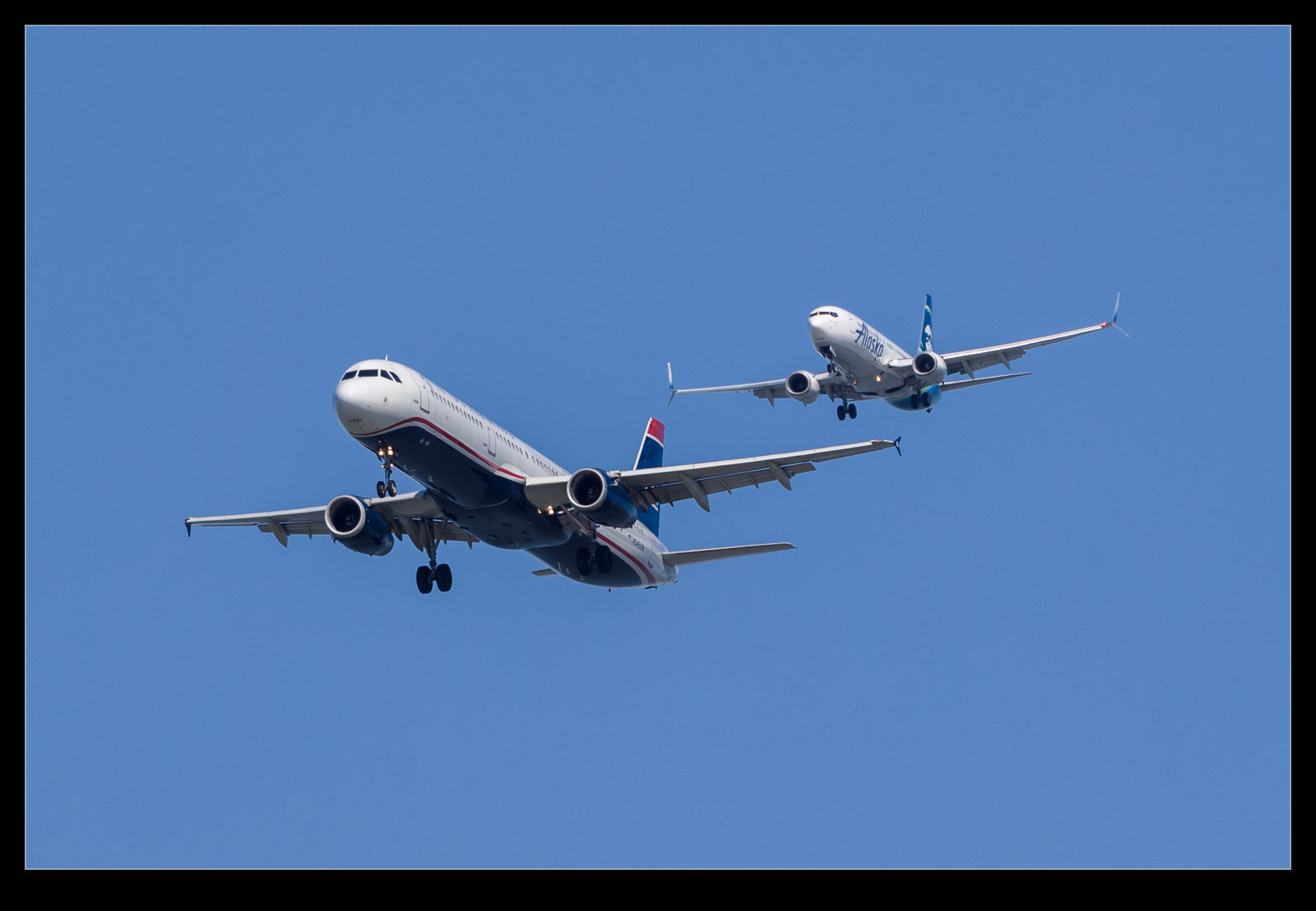
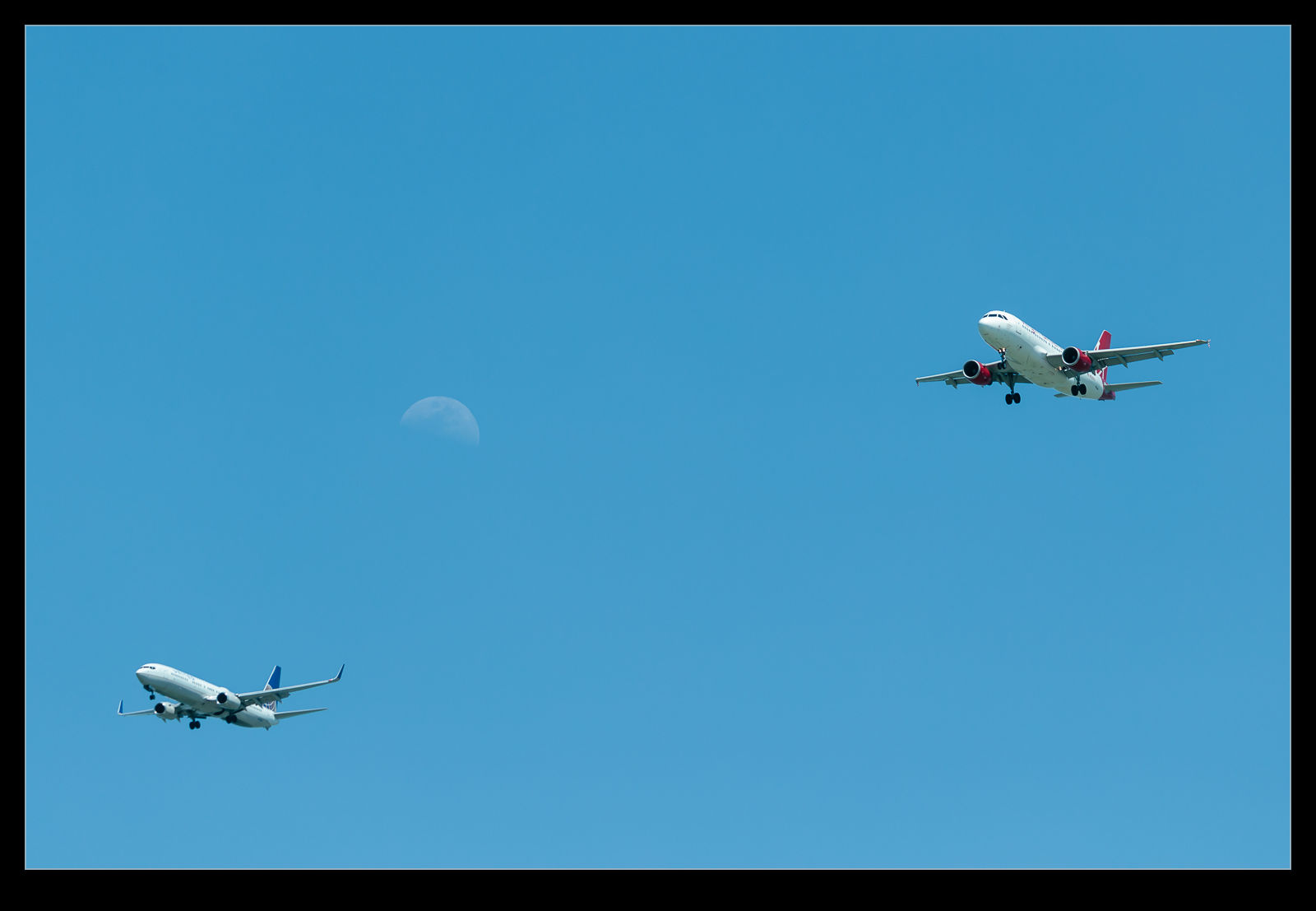
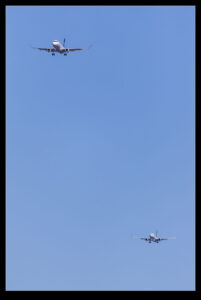
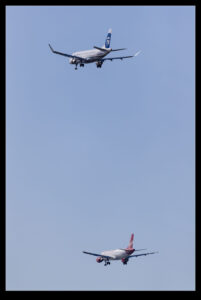
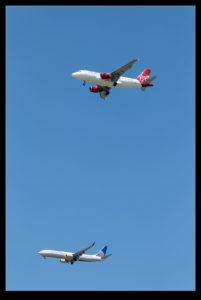
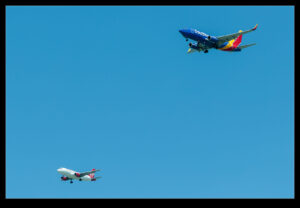
B11I0568.jpgThe parallel approaches to SFO are well known and have been the subject of previous posts here. This time I was looking for something different on this theme. I was at a favorite location of mine, Coyote Point. This is further out on the approach and a lovely park area. If nothing is happening, this is still a very relaxing place to be. It sticks out in to the bay with the result that you are much closer to the approach flightpaths. This makes for good opportunities to get shots of the aircraft and, in the warmer months, it reduces any problems with heat haze. However, it does change your alignment with the planes and the possibilities for parallel approach shots since the places appear to be stepped down from your angle.

B11I0258.jpgThis is not necessarily a problem so you can go vertical if you want. Also, it does make you well aligned for shots when the approaches are not happening in sync. You can find the second aircraft turning in further out is actually quite well lined up with the first since it is offset vertically as well as horizontally. The shots are not the classic parallel approach shots but they are still something a little unusual.

Mean and Moody Sky

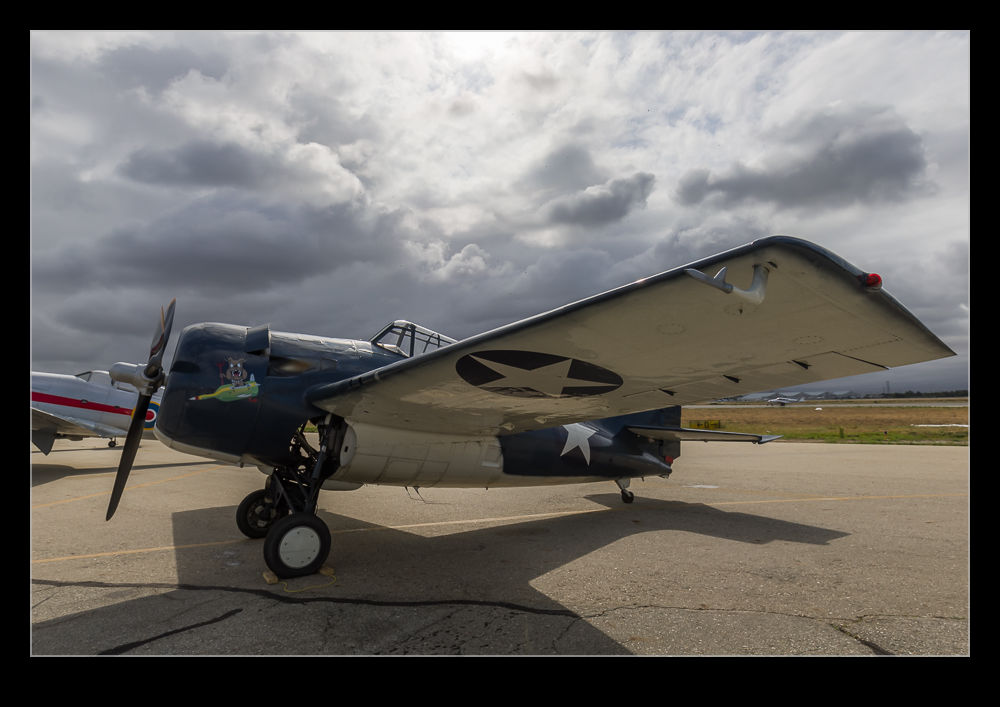
AU0E6095-HDR.jpgIt’s always a nice combination when you can get some light on the foreground subject of the photo and have a really dark and menacing cloud structure in the background.  The brightness of the foreground exposure is much higher than the background so it makes the clouds look even more dramatic when exposing for the subject.  Having a play with post processing will also help to make things look more dramatic.  This Wildcat was parked on the flightline at Chino for Planes of Fame just as the lighting worked to my advantage.  I may not have been happy about the weather conditions but this was one of the upsides to a cloudy sky.

Japanese C-130

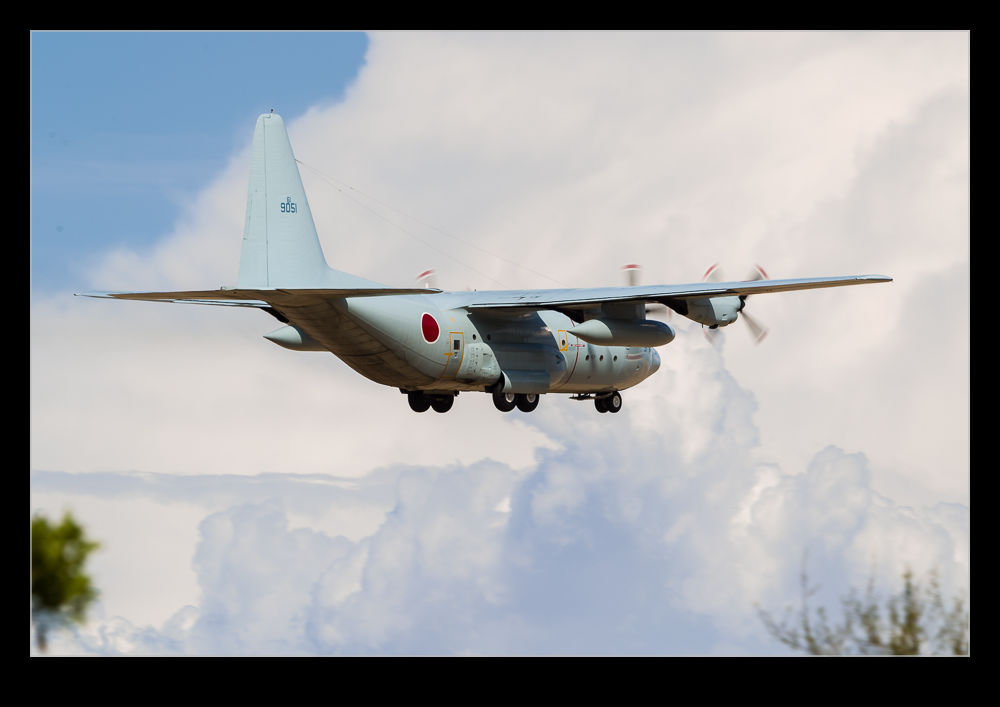
C59F3902.jpgA couple of years ago I was in Tucson for an exercise I was covering for GAR.  There was some time when I was shooting the arrival of the A-10s on the base.  In between the Hawg movements a few other aircraft came in, most of which were what you might expect.  One unusual arrival was a C-130.  I was trying to work out what unit it might belong to as it came in because it was a pale color.  As it got closer, the markings were clearly those of the Japanese Self Defence Force.  This was something I hadn’t seen before.

C59F3922.jpg

Westland Black Hawk

Scan 2-1611.jpgThe Sikorsky Black Hawk is a ubiquitous helicopter. They are in service around the world and Sikorsky has a second production facility getting established in Poland. What is not so well known, though, is that Westland attempted to become a license producer of the helicopter for the UK and other markets. They went as far as to build an airframe from a knocked down kit. Meanwhile, another airframe was converted to with what was then the Rolls Royce/Turbomeca RTM322 turboshaft engine for testing purpose. Together, these two airframes were demonstrated at Farnborough. The Westland derivative was not ordered by anyone and both airframes were ultimately converted to other configurations and sold on to other operators.

Scan 2-1637.jpg Scan 2-1610.jpg

Add an Ilyushin to the Recent Visitors

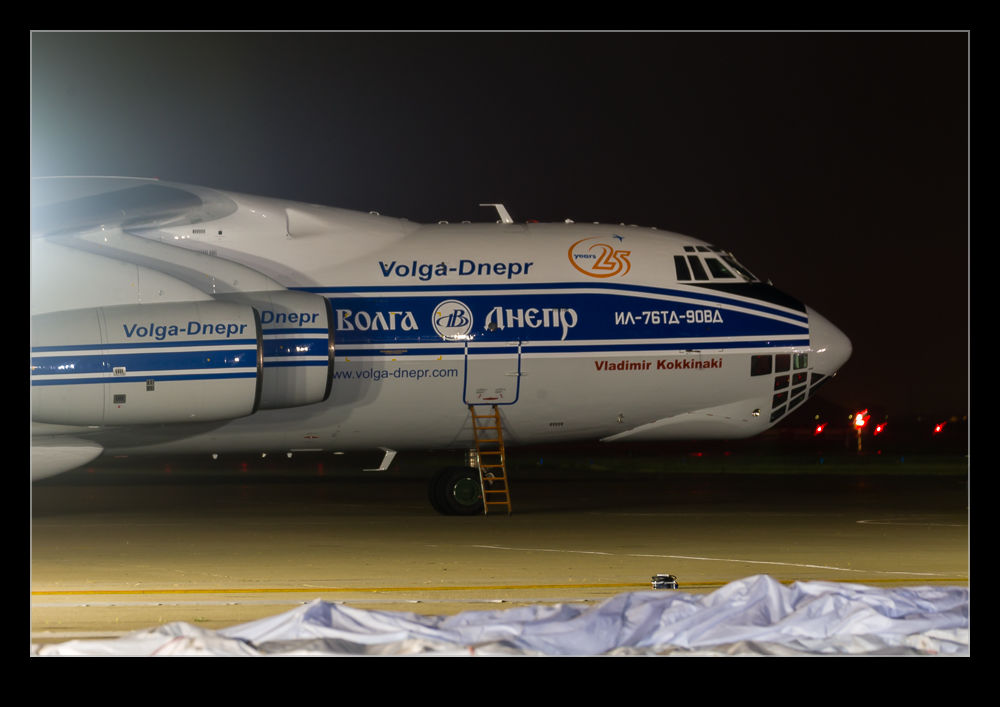
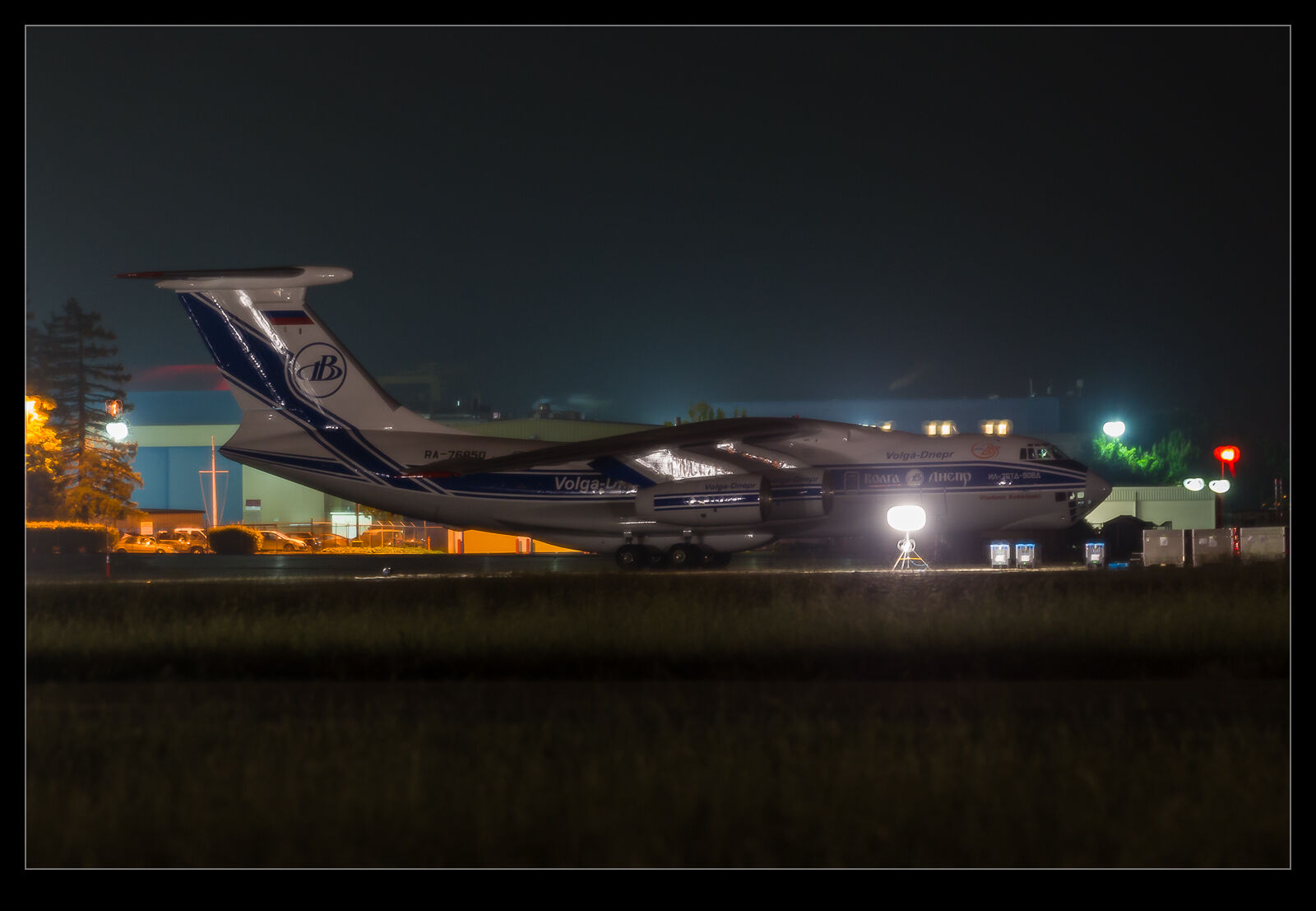
C59F6062.jpgThere have been a bunch of AN124s popping in to Moffett Field recently, one of which I saw while at the Solar Impulse arrival event.  When I went back for the departure (which I covered for Global Aviation Resource in this article), I was surprised to see another freighter from the old Eastern Bloc.  At his one was a more recent version though.  It was an Ilyushin IL-76 but one that is fitted with the PS90 engine.  It had been brought in to transport the ground crew and their gear for Solar Impulse.  They were heading to Phoenix next and, since it was a short flight, everything needed to move quickly.

C59F6109.jpgI didn’t get a great chance to photograph the plane.  It was a long way up the ramp and there were too many lights between us to make for a great shot.  However, I got what I could.  My friend Hayman works nearby and he was able to get the departure later in the morning.  I’m not jealous…

Helos This Way Please

C59F0114.jpgI love helicopters and getting to see two in close quarters at Salinas recently was the sort of thing to make me smile.  An Astar had come up to drop someone off and was heading back out again.  Meanwhile, a local Robinson R-44 had been moved out on to the ramp next to it for its pilot to have a local flight.  They ended up starting up and departing at almost the same time.  What I hadn’t realized was that the departure path for both of them was going to take them right past me.

C59F0035.jpgI had figured that they would start up and then hover taxi to the runway before departing in the runway heading.  Instead, the approved profile made use of the taxiway next to where I was.  The result was that they both pulled to the hover and then turned in my direction before accelerating right by.  That was a lot better than I was expecting.  The need to gain speed before climbing to minimize time in the “avoid curve” means that you get a nice low view of a helicopter when it takes off.  This is far better than the fixed wing alternative in my view.