Tag Archives: vintage

Solent Sky Museum

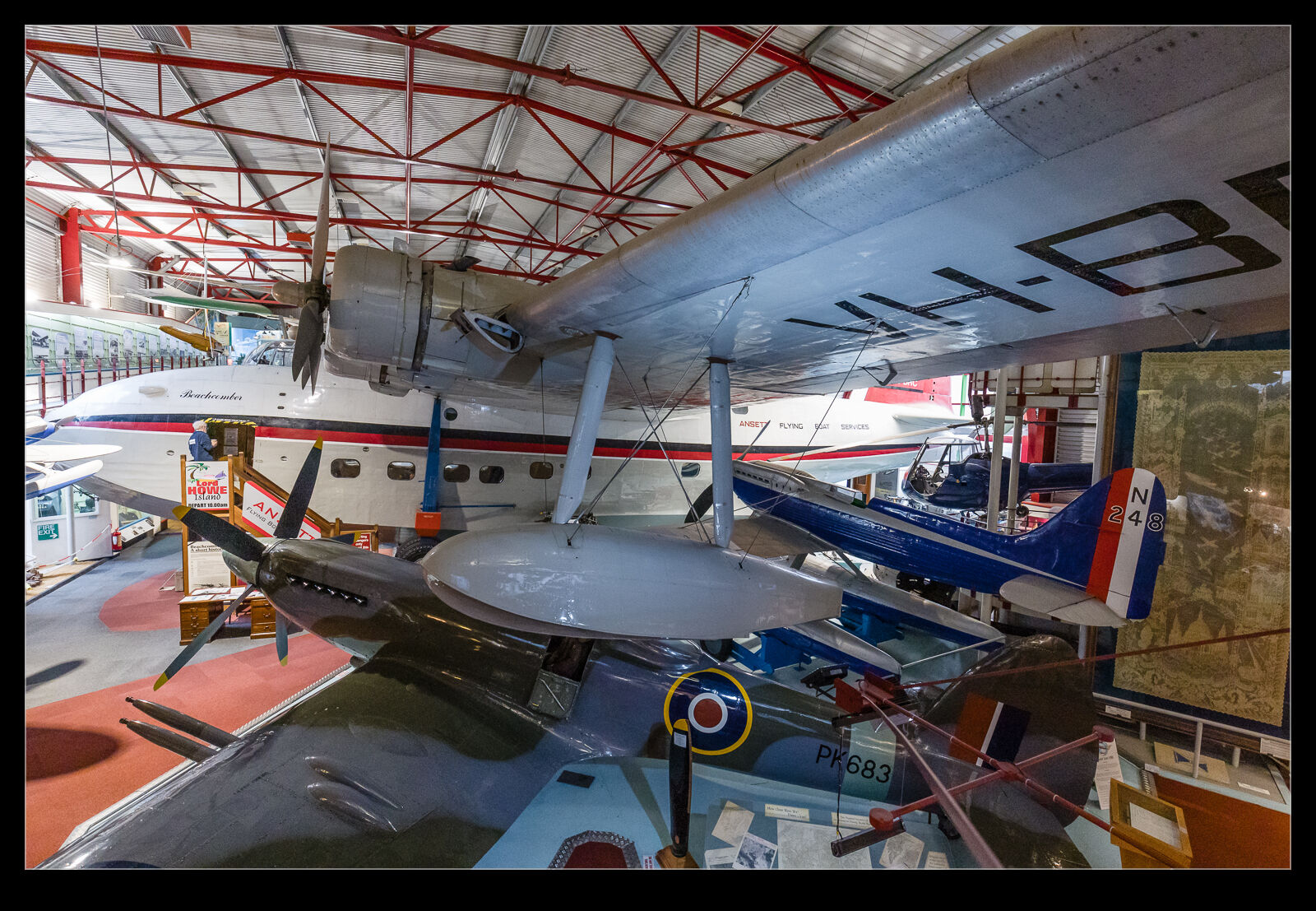
I guess I knew that there was an aviation museum in Southampton because I had heard about it in some place or other, but I wasn’t really au fait with what was there. However, I did know that it had a Shorts Sandringham flying boat which was a conversion of the Sunderland. One wet afternoon, I decided to head down and see what it was like. This proved to be a very good choice because it was a far better museum than I had expected.
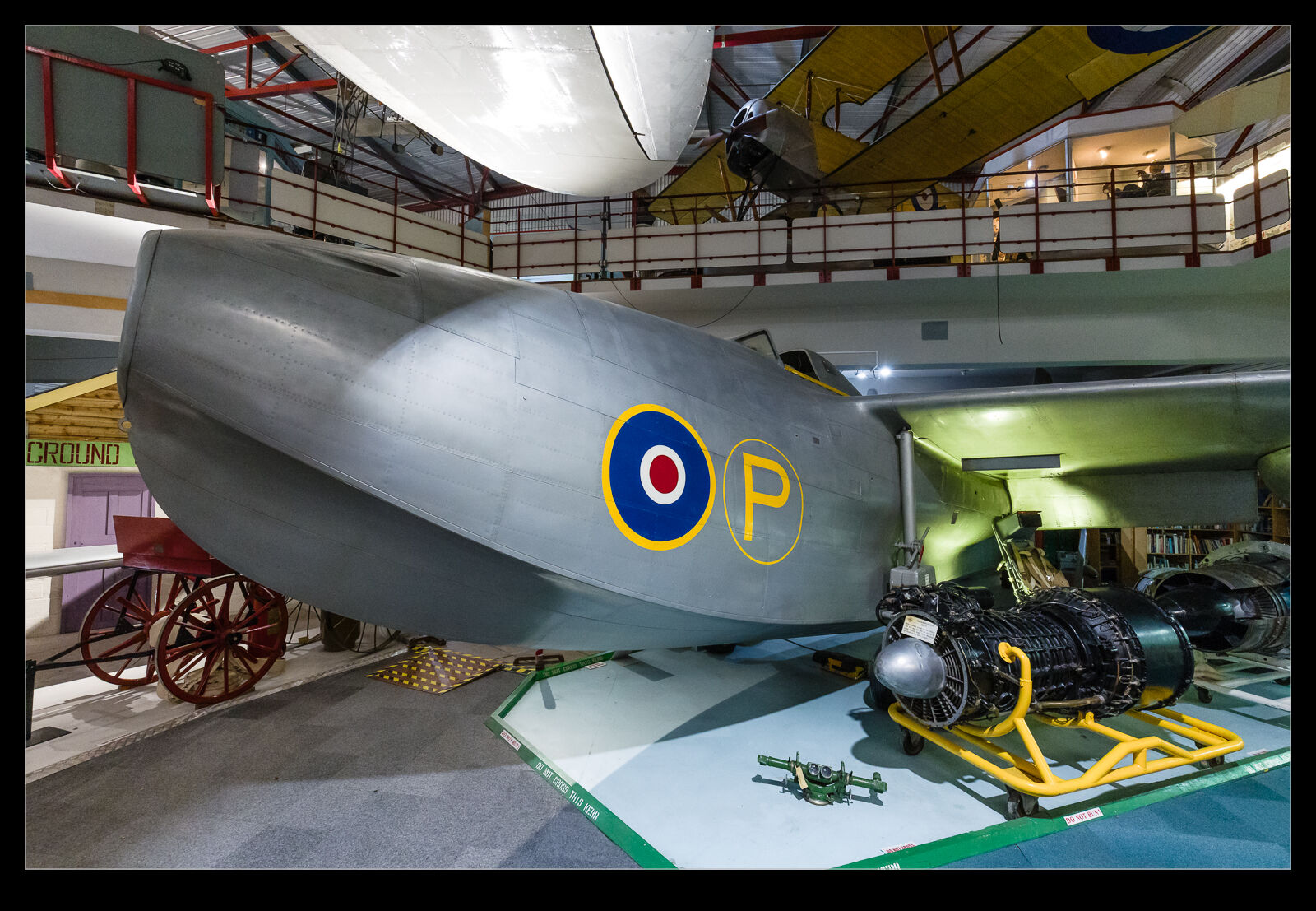
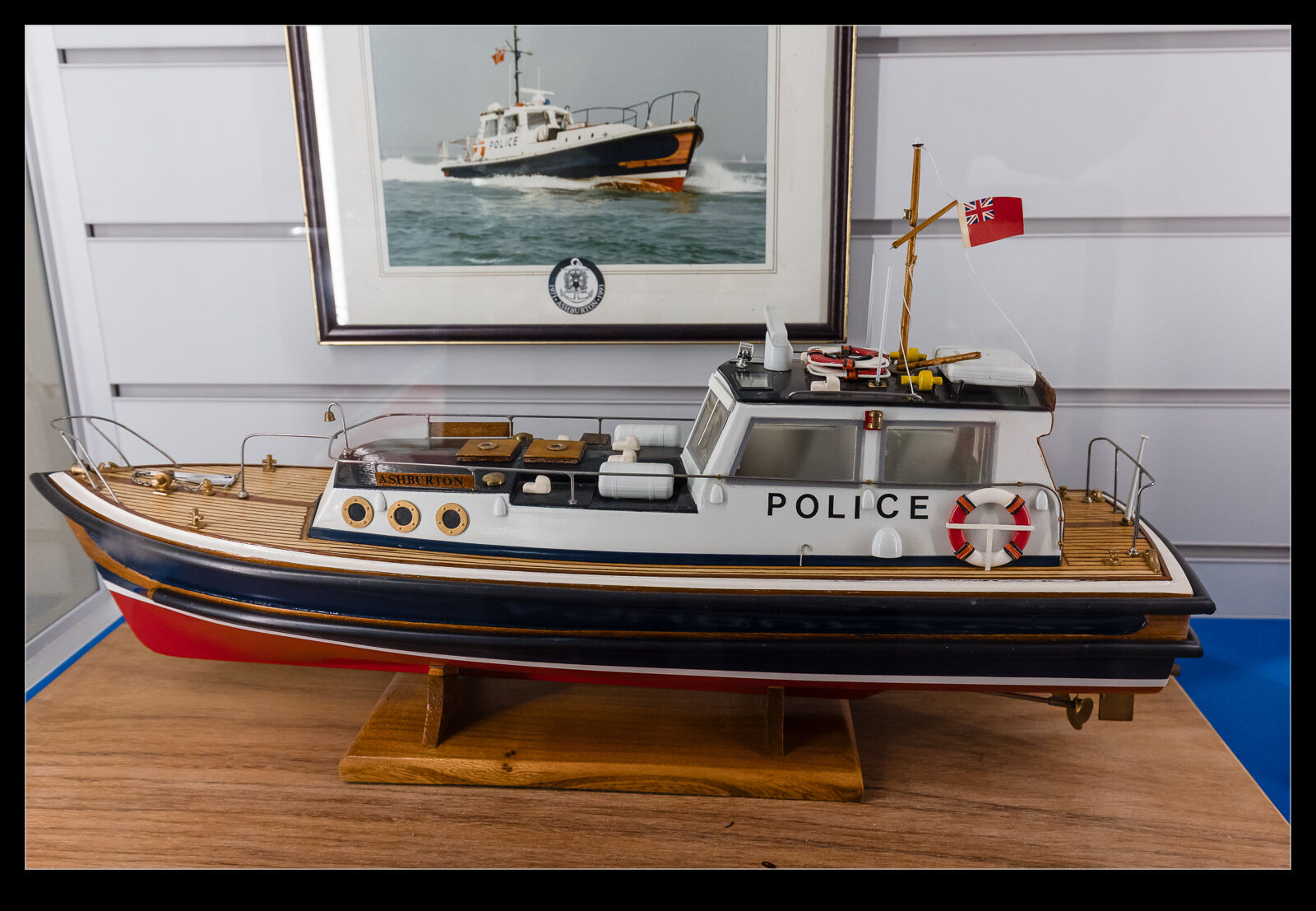
Located a short distance from the centre of the city, Solent Sky museum is actually three museums in one. Aside from the aviation collection, there is a museum of Hampshire policing and of the fire service. There is also a selection of exhibits of Southampton’s history during the Second World War. Plenty to take a look at if you are able to dedicate some time.
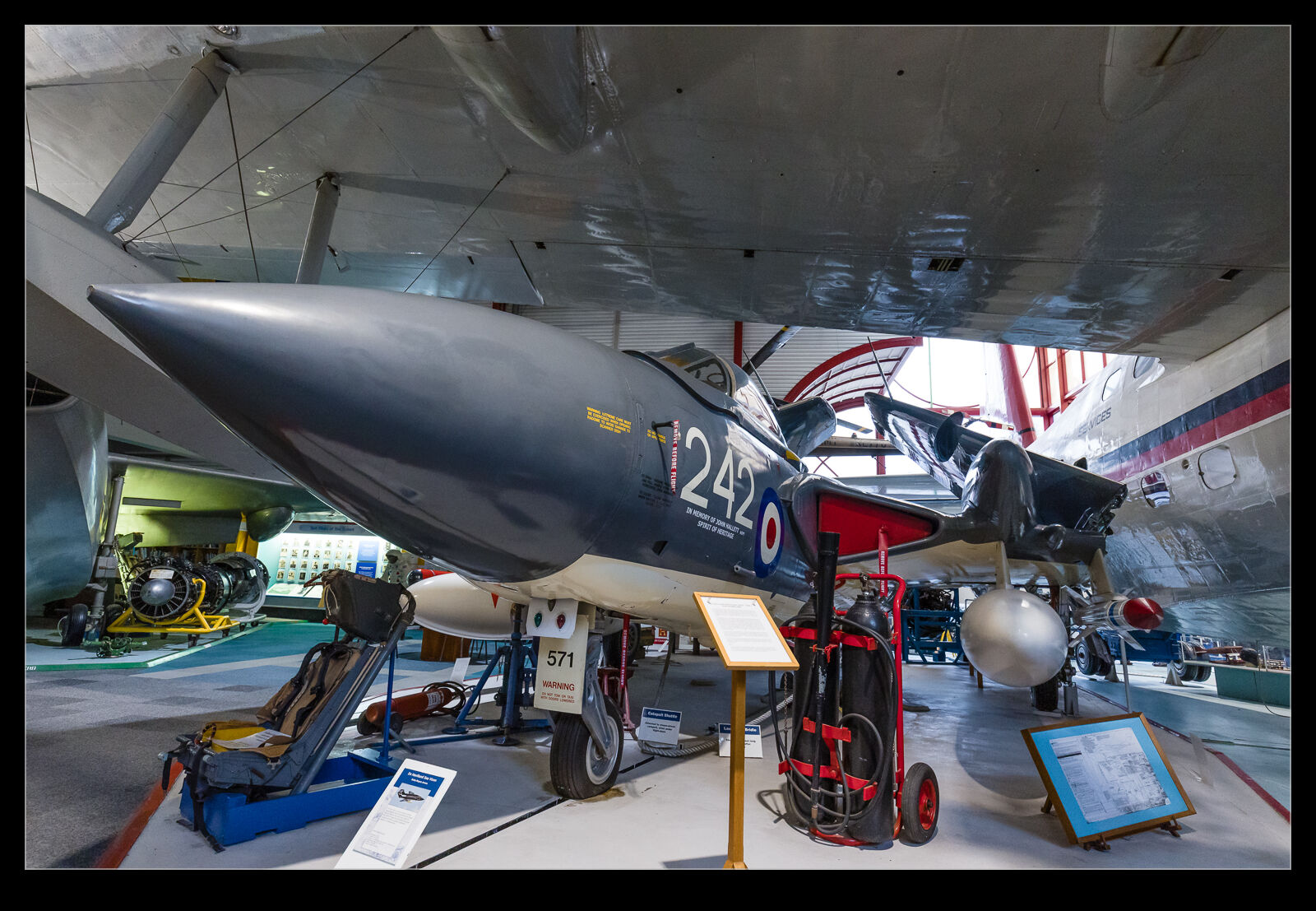
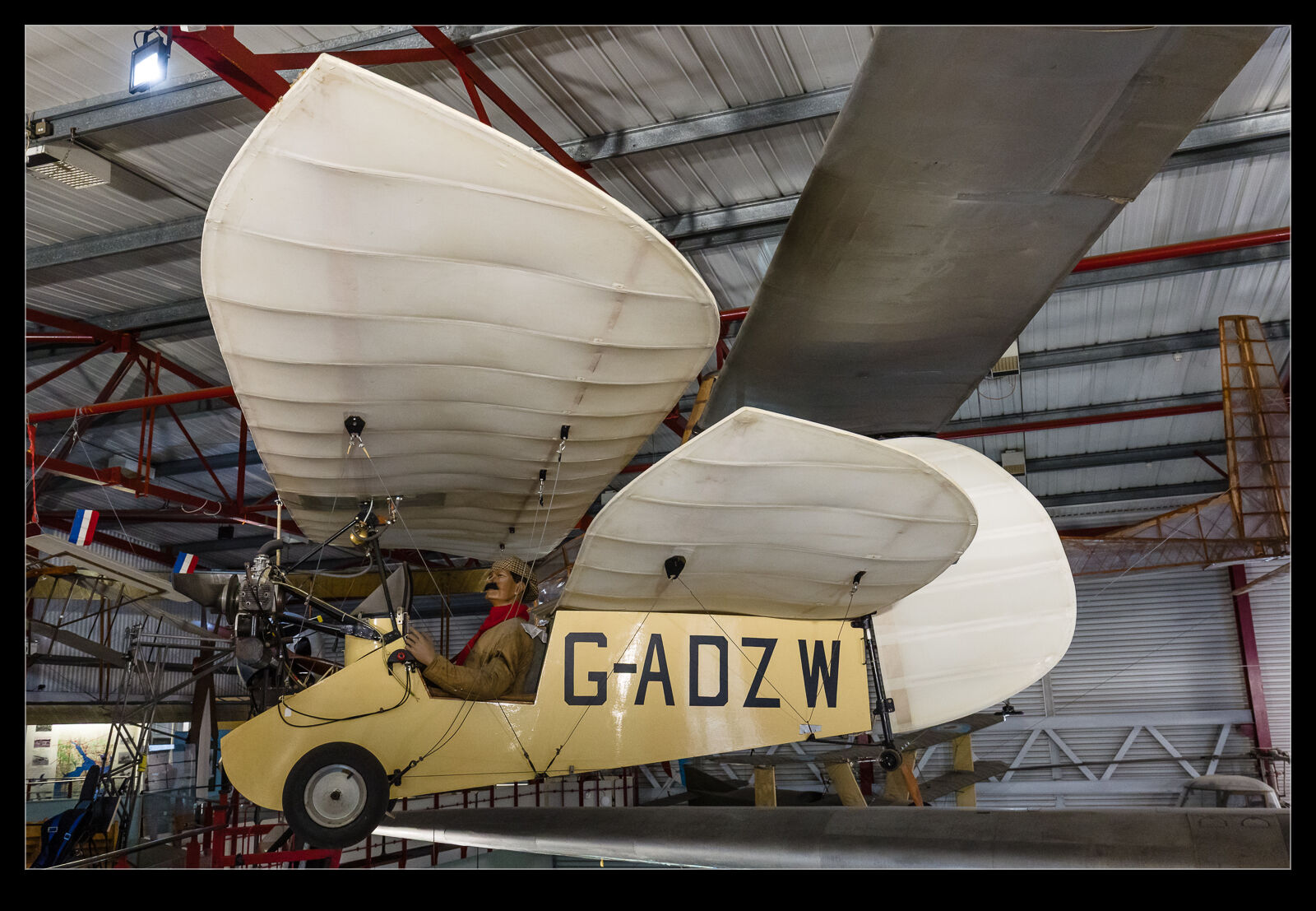
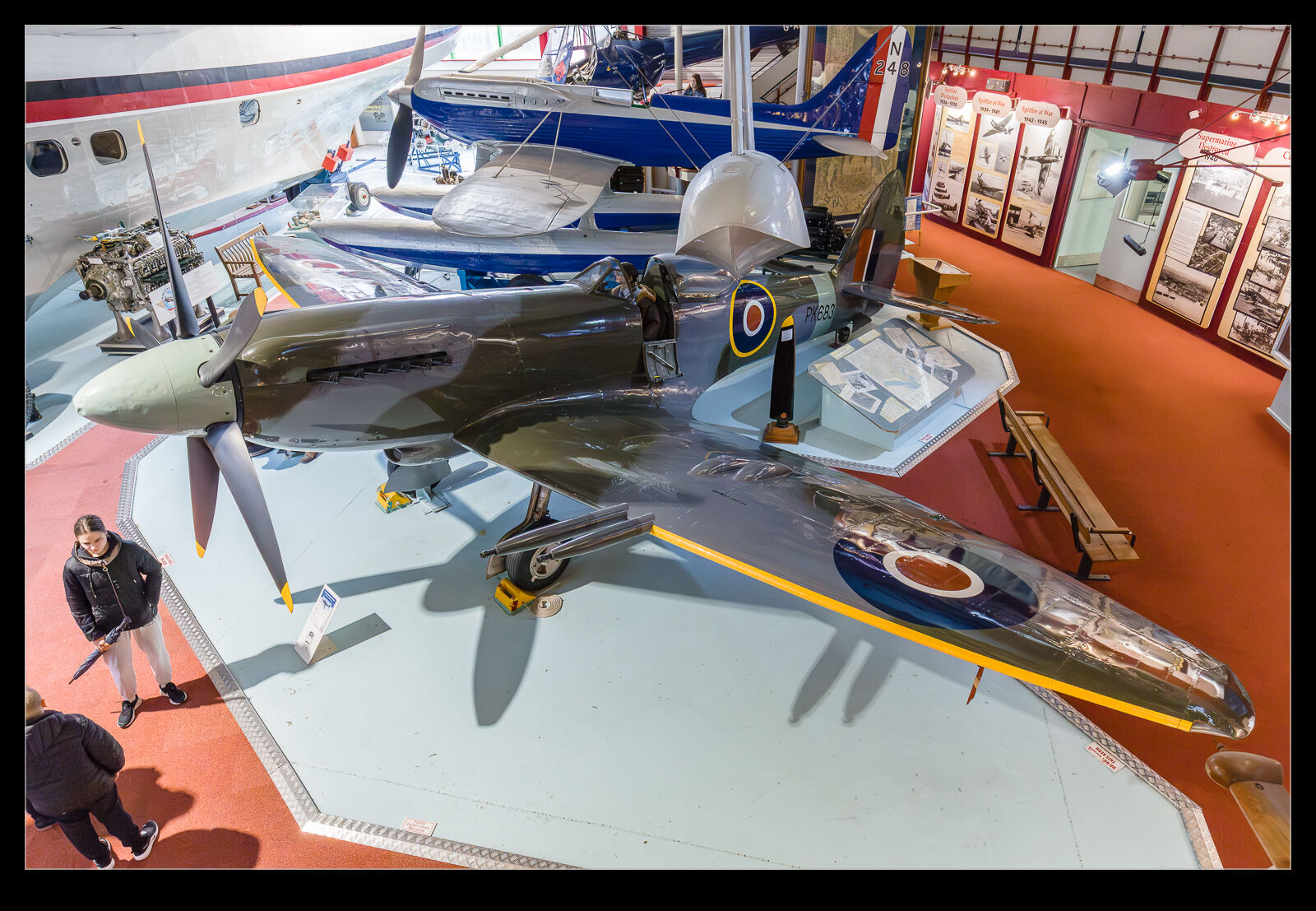
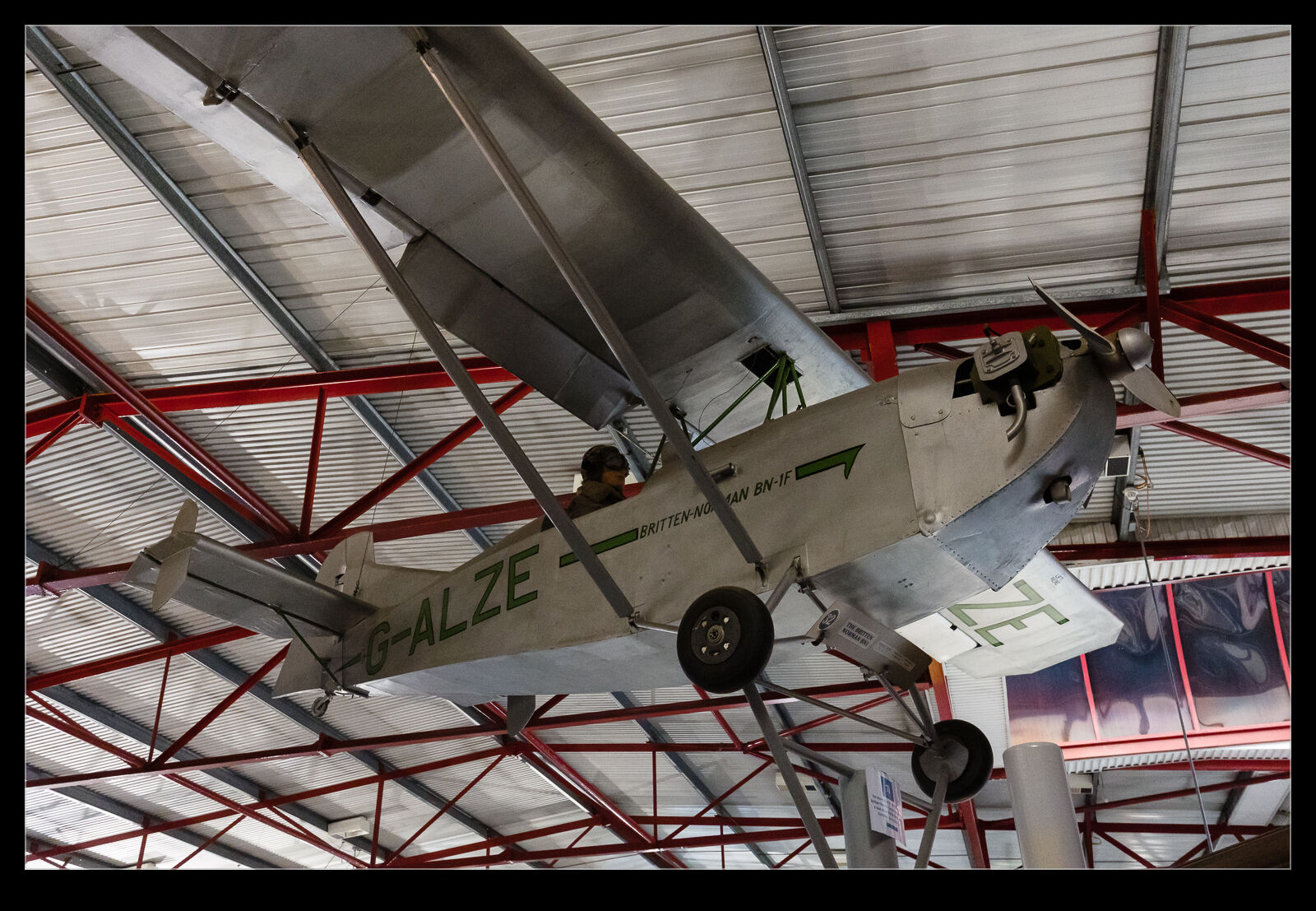
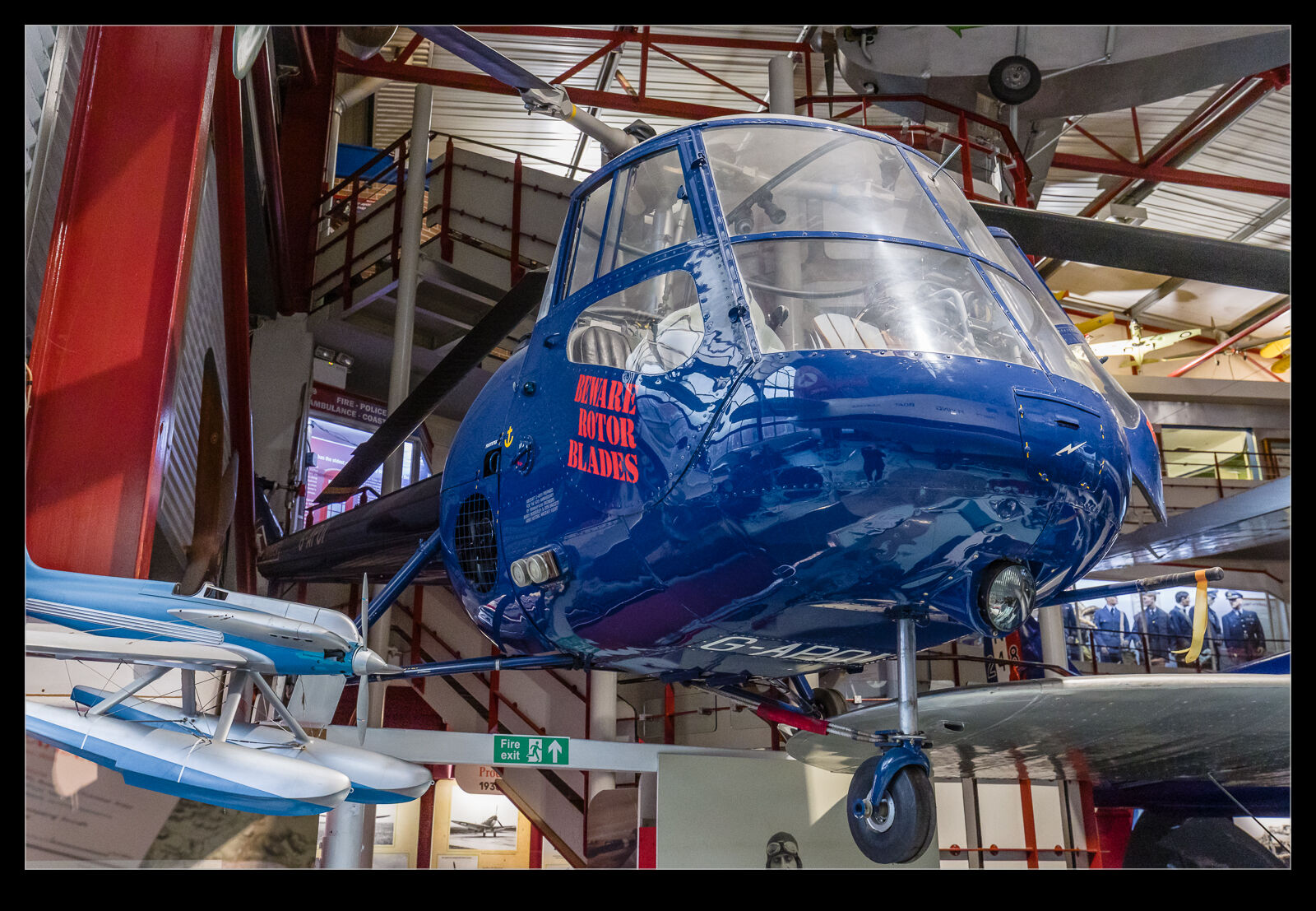
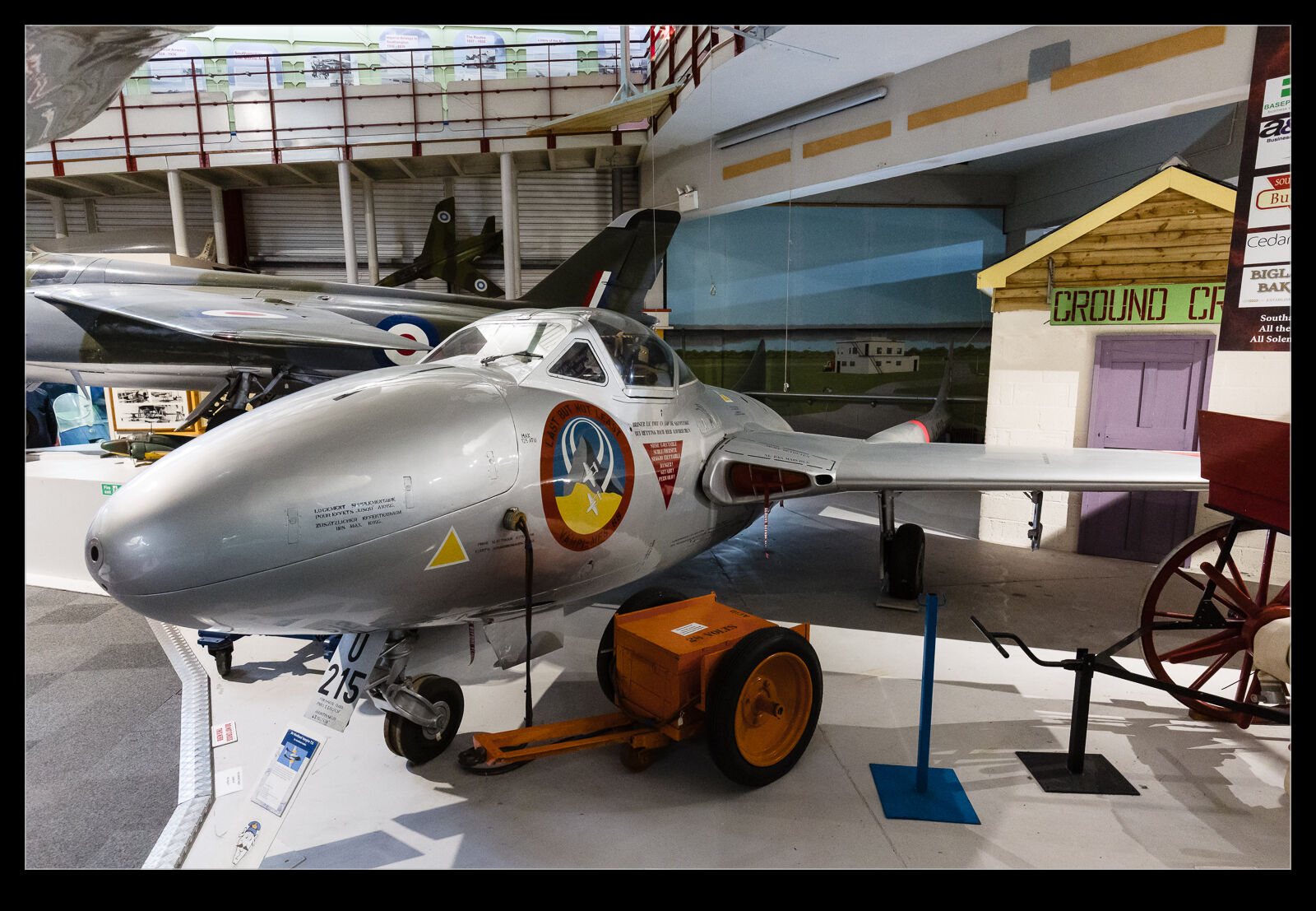
The Sandringham dominates the main hall, and it will get its own post in due course so, other than it appearing in a wide shot, I won’t include specific pictures of it here. It is not the only flying boat. There is also a Saunder Roe SR.A/1 which is a very unusual type to find. Things are pretty crammed in because the building isn’t massive, and the collection is extensive. Tucked under the Sandringham is a Sea Vixen – a favourite of mine). There is a single seat Gnat, a Spitfire – a plane with strong Southampton connections – and a Supermarine S6 which will also get its own post. There are some human powered aircraft and some weird and wonderful types along with some Saro Skeeters!
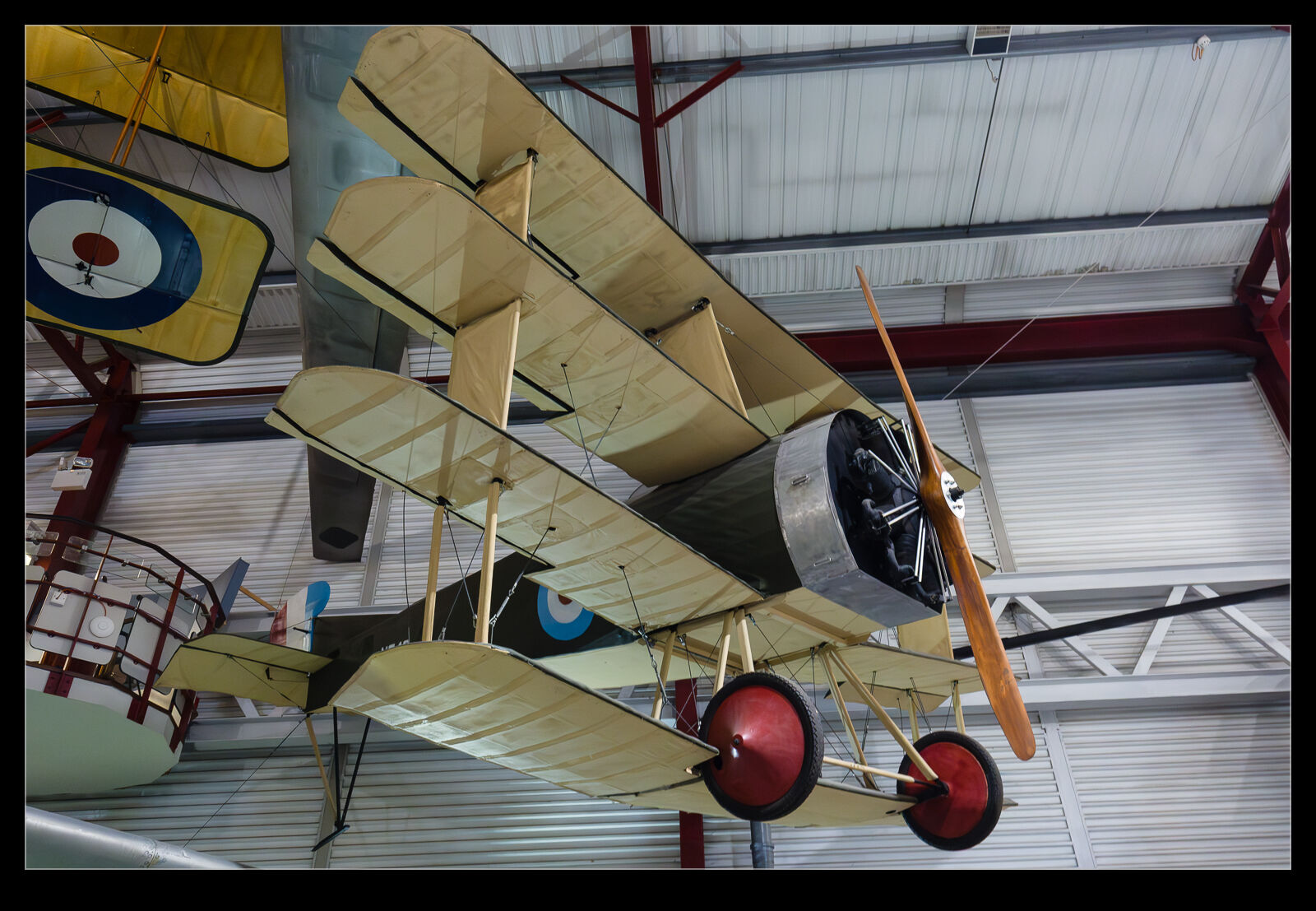
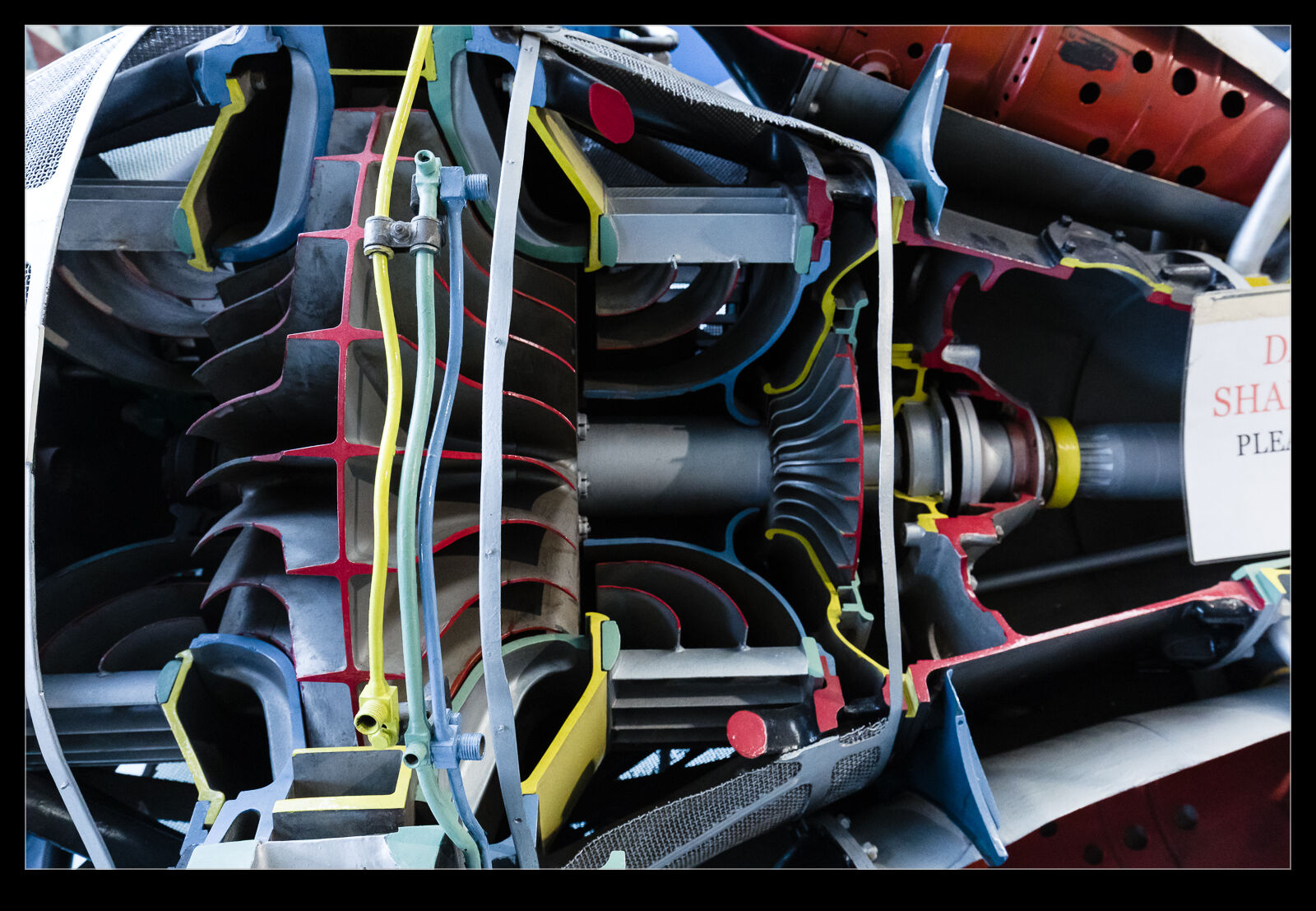
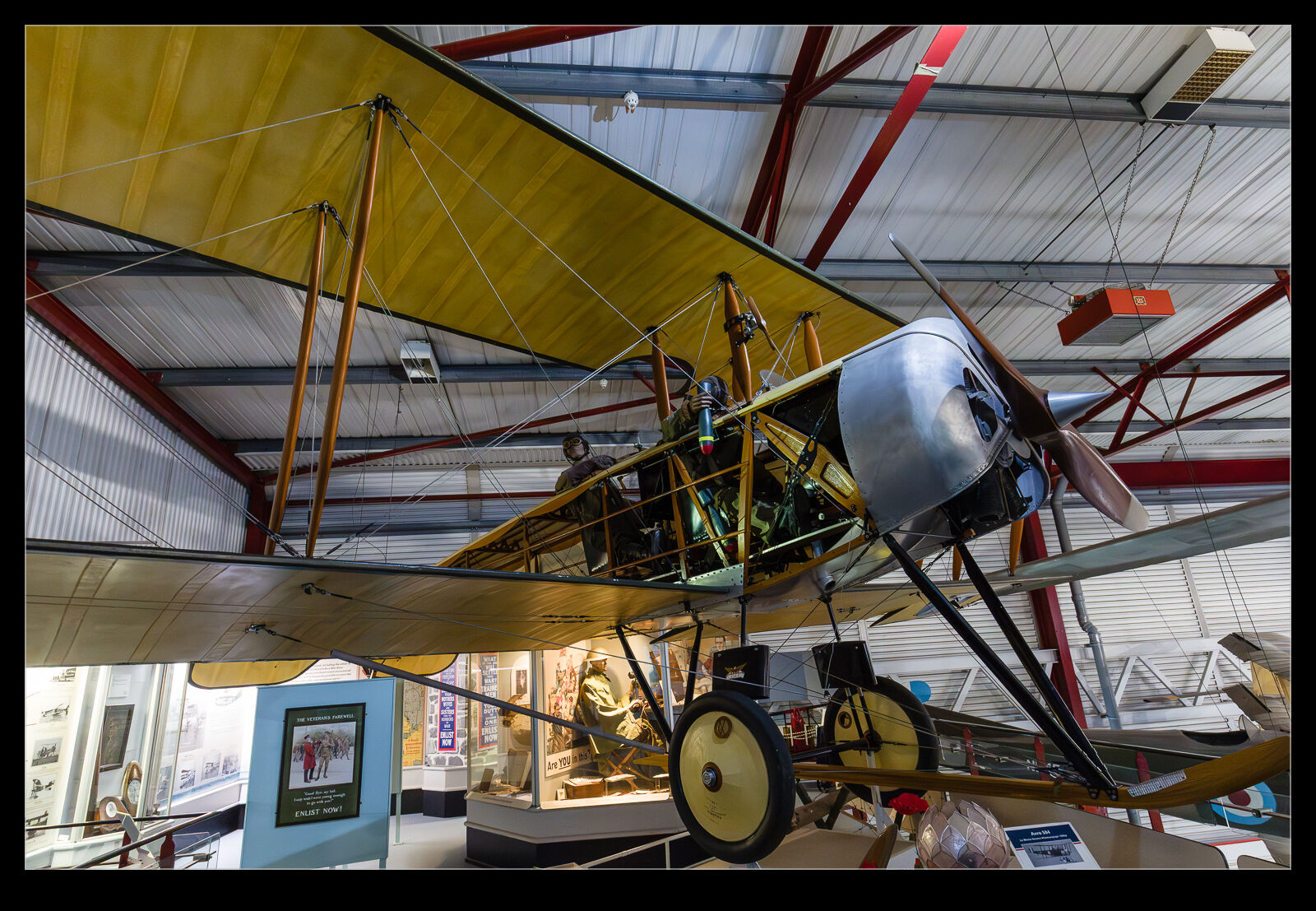
A unique aircraft is the Wight Quadroplane which was designed and built on the Isle of Wight, and which went through a few modifications before it ended up as a collection piece. Some other originals and replicas add to the collection along with engines. It is a great selection. I have also stuck in a couple of images of the non-aviation stuff. Outside is the fuselage of an old QinetiQ BAC1-11and I understand a TrIslander has been delivered but is not yet on display. I guess I’ll have to go back for that at some point. What a pleasant surprise on a dreary afternoon.

Retro Frecce

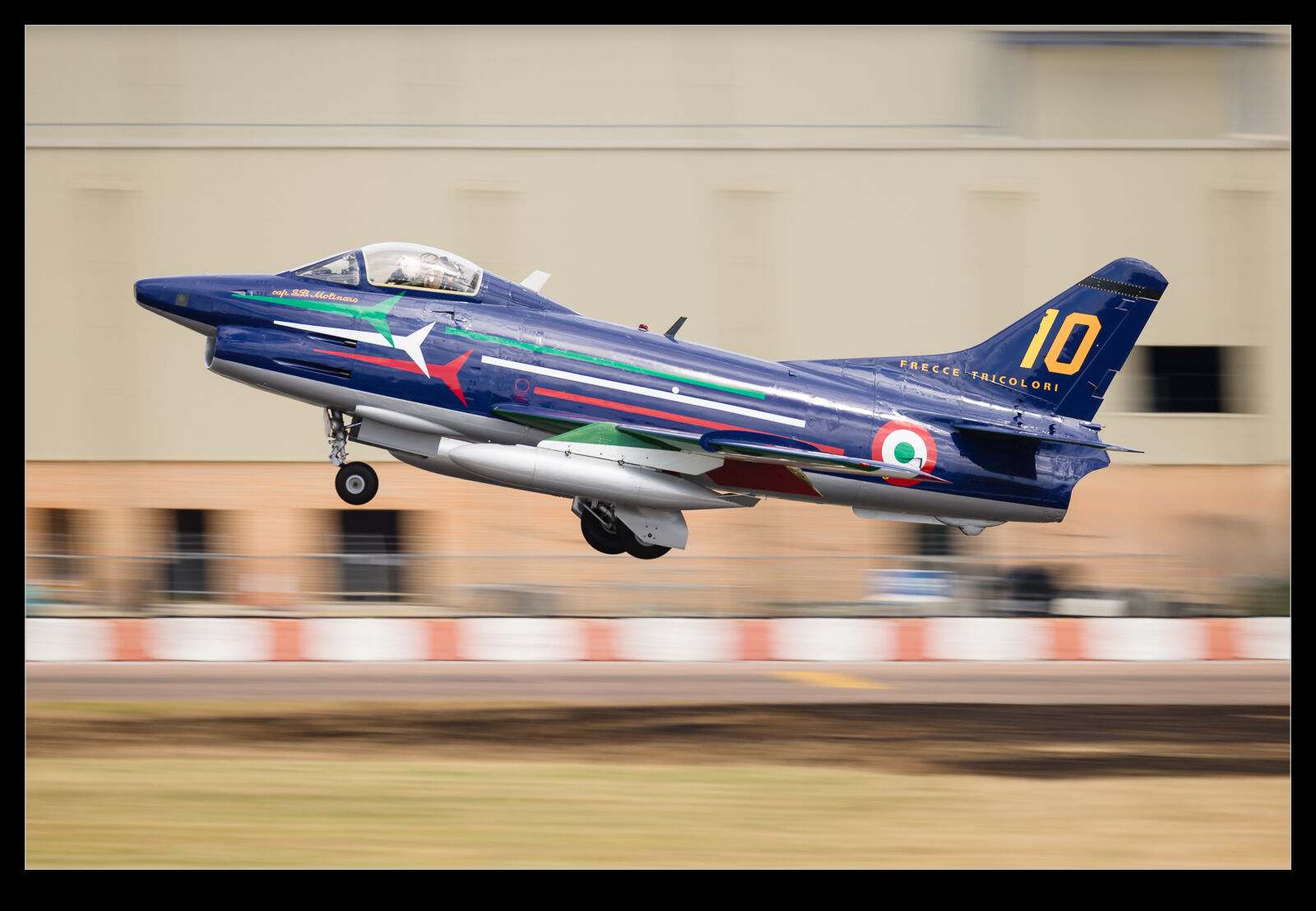
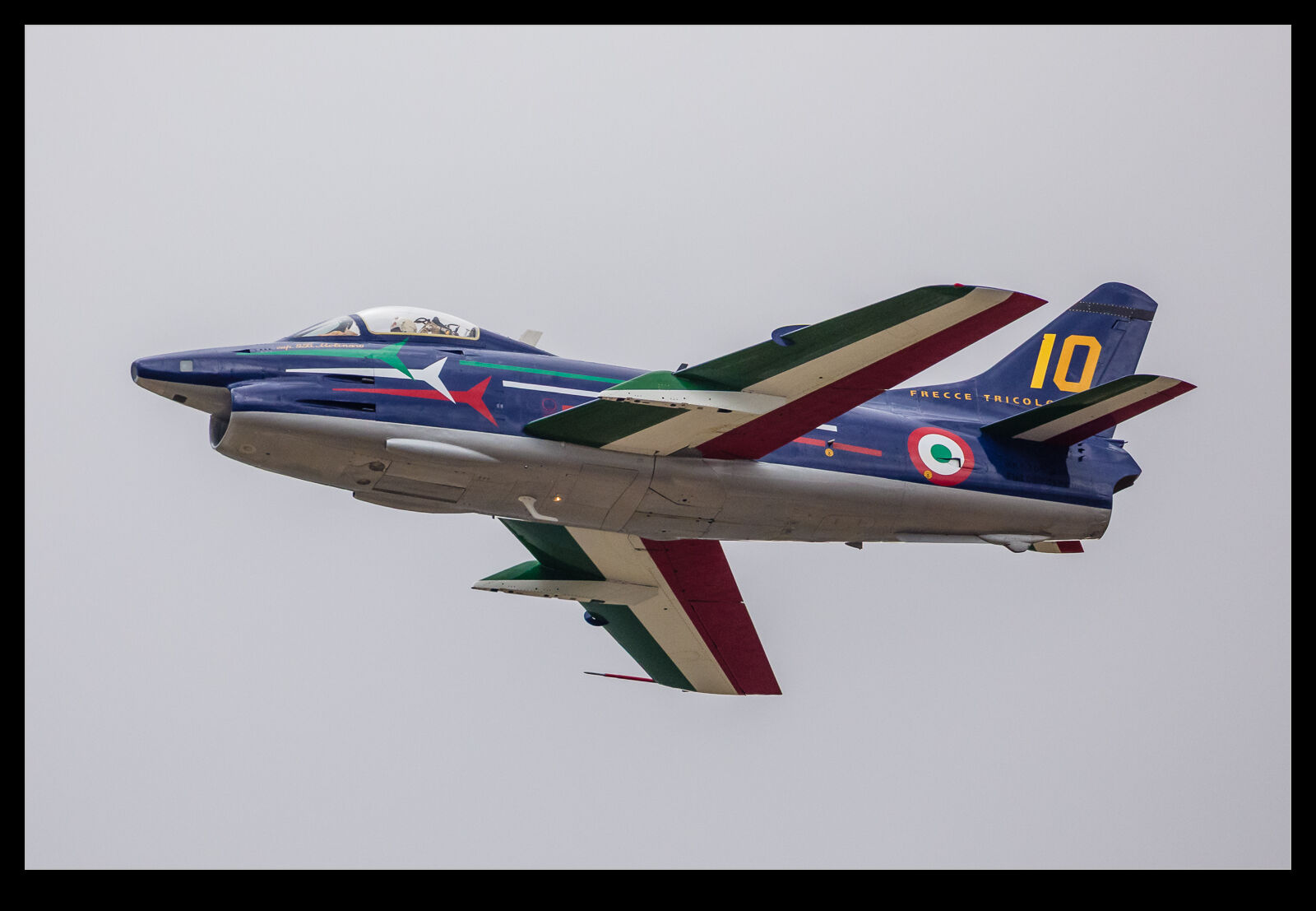
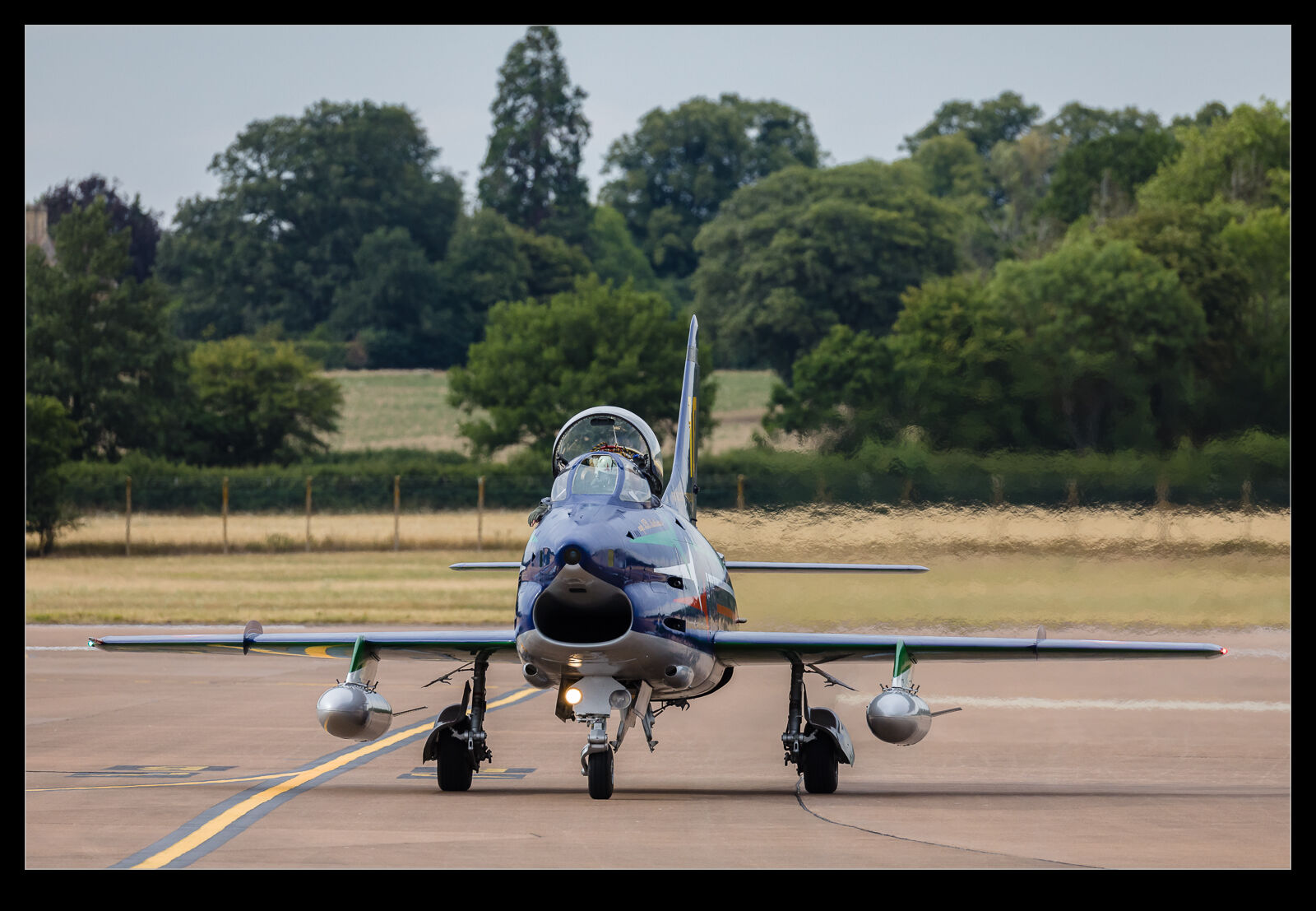
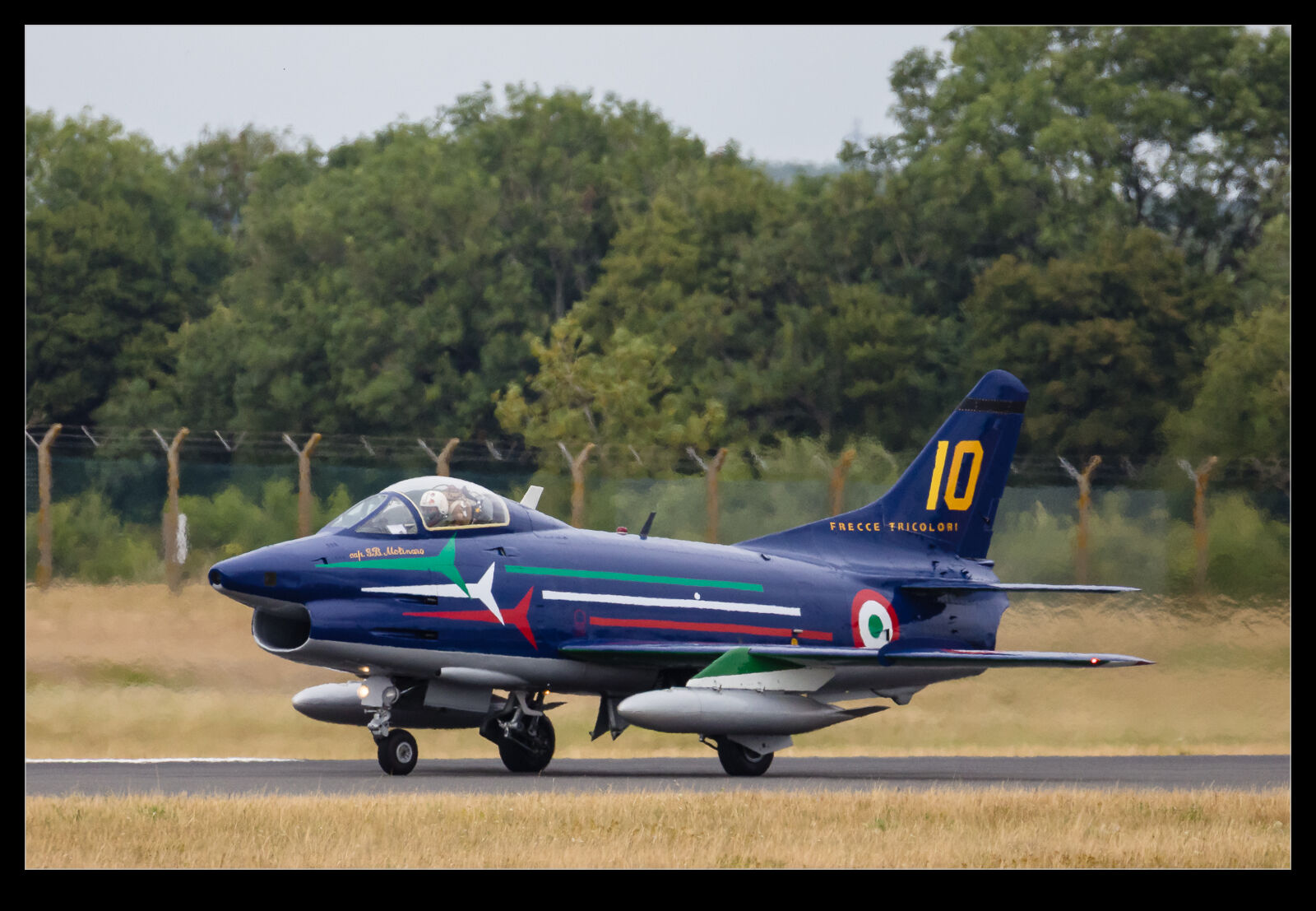
For as long as I have been going to air shows, the Italian Air Force’s display team, the Frecce Tricolori, has been flying the MB339. I knew that they used to fly the Fiat G91 but that was before my time. I have seen some G91s at museums marked up as Frecce jets but, whether they were actually previously in the team or just painted up in the same way that there are a ridiculous number of Hornets in Blue Angels colours, I didn’t know.

With the team getting ready to transition to the M346 before too long, it was an interesting comparison to have RIAT include a recently restored G91 display in Frecce colours. I think the original team jets has a pointed nose rather than the camera port on the majority of production aircraft, so I doubt this is an original team aircraft, but it is still something special to see. It did fly in formation with the M346 which is a nice before and after idea although not with the current team which would have been even better. Here is a selection of images of it from across the weekend of RIAT.

Festival of Flight Other Stuff

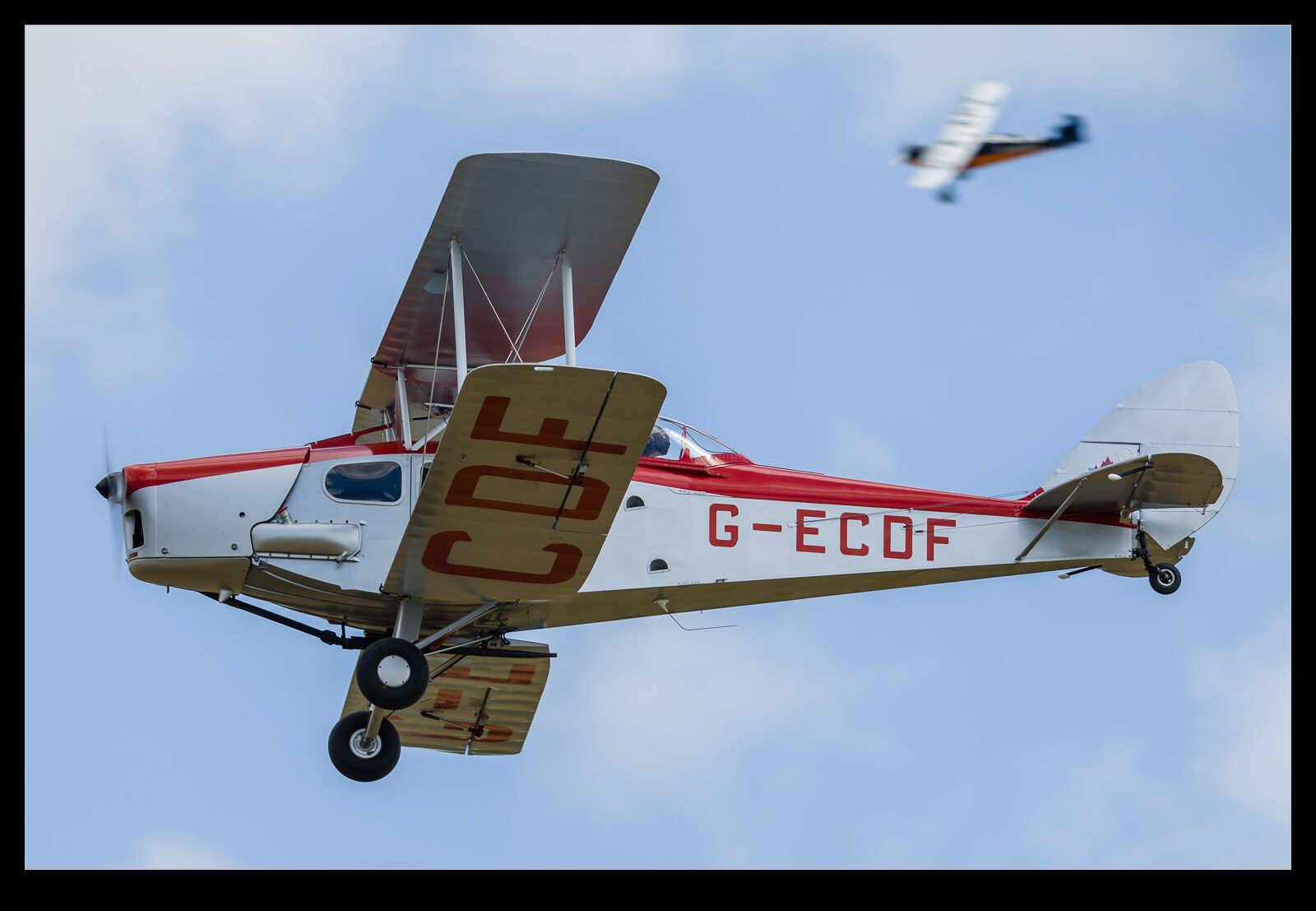
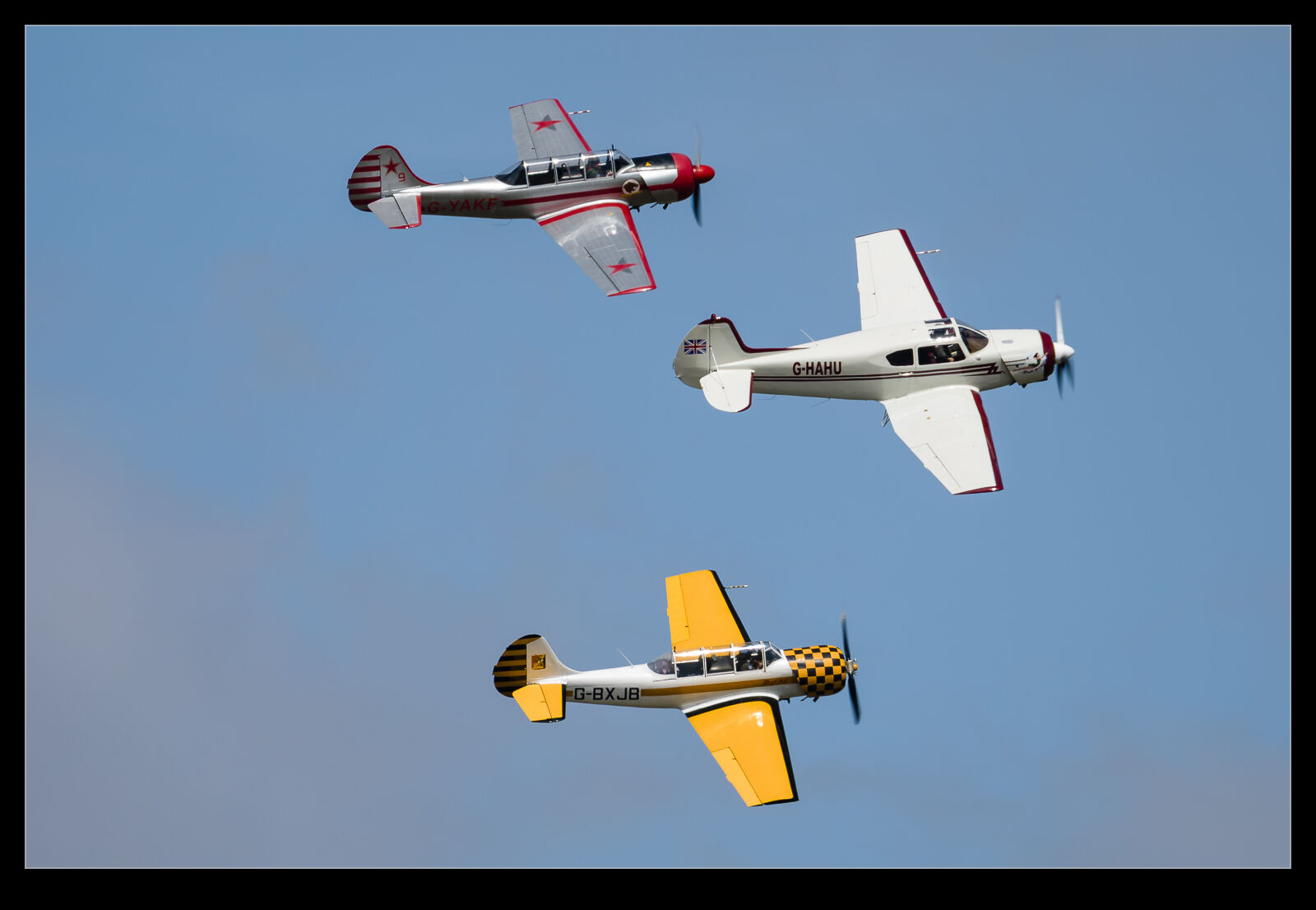
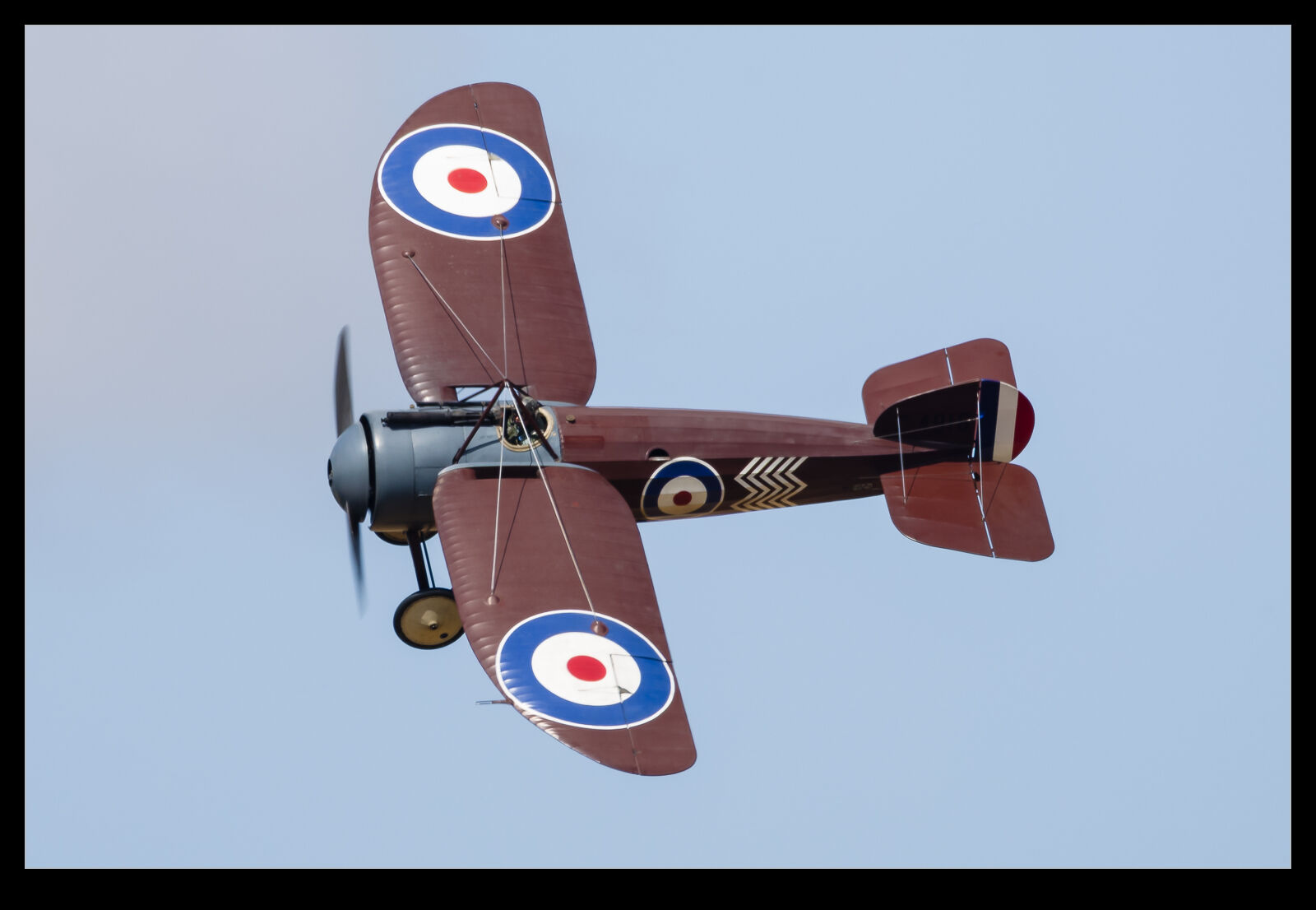
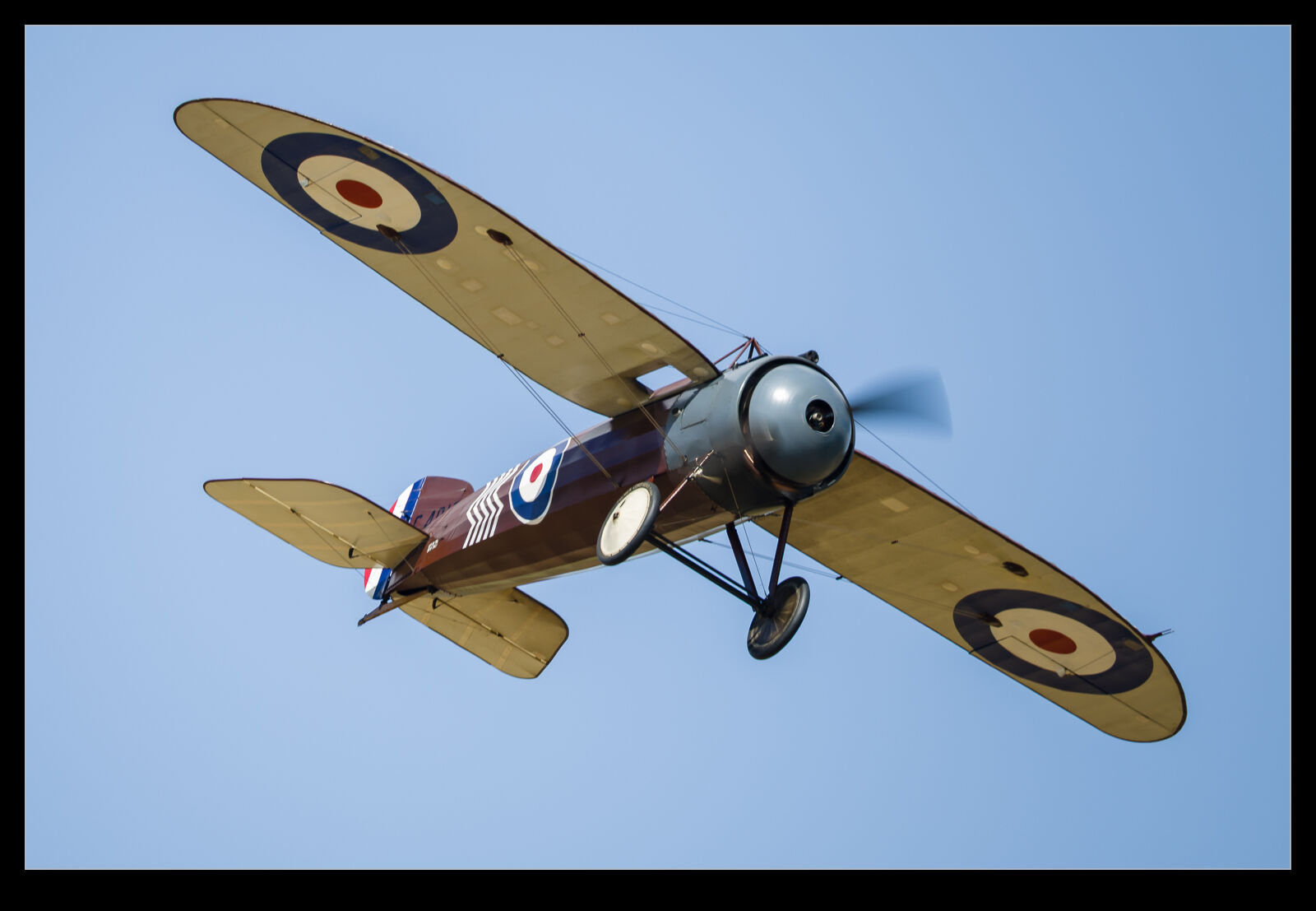
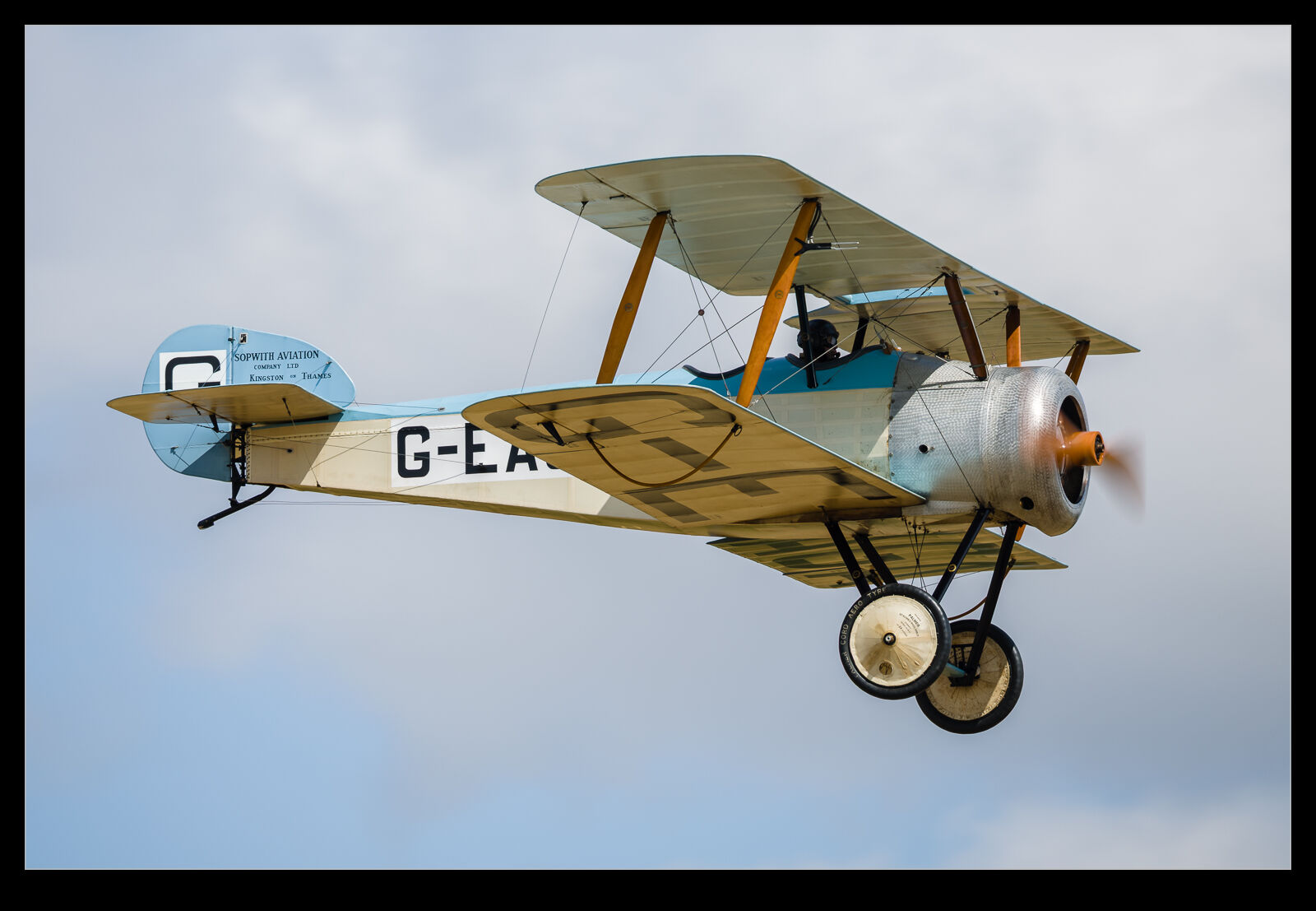
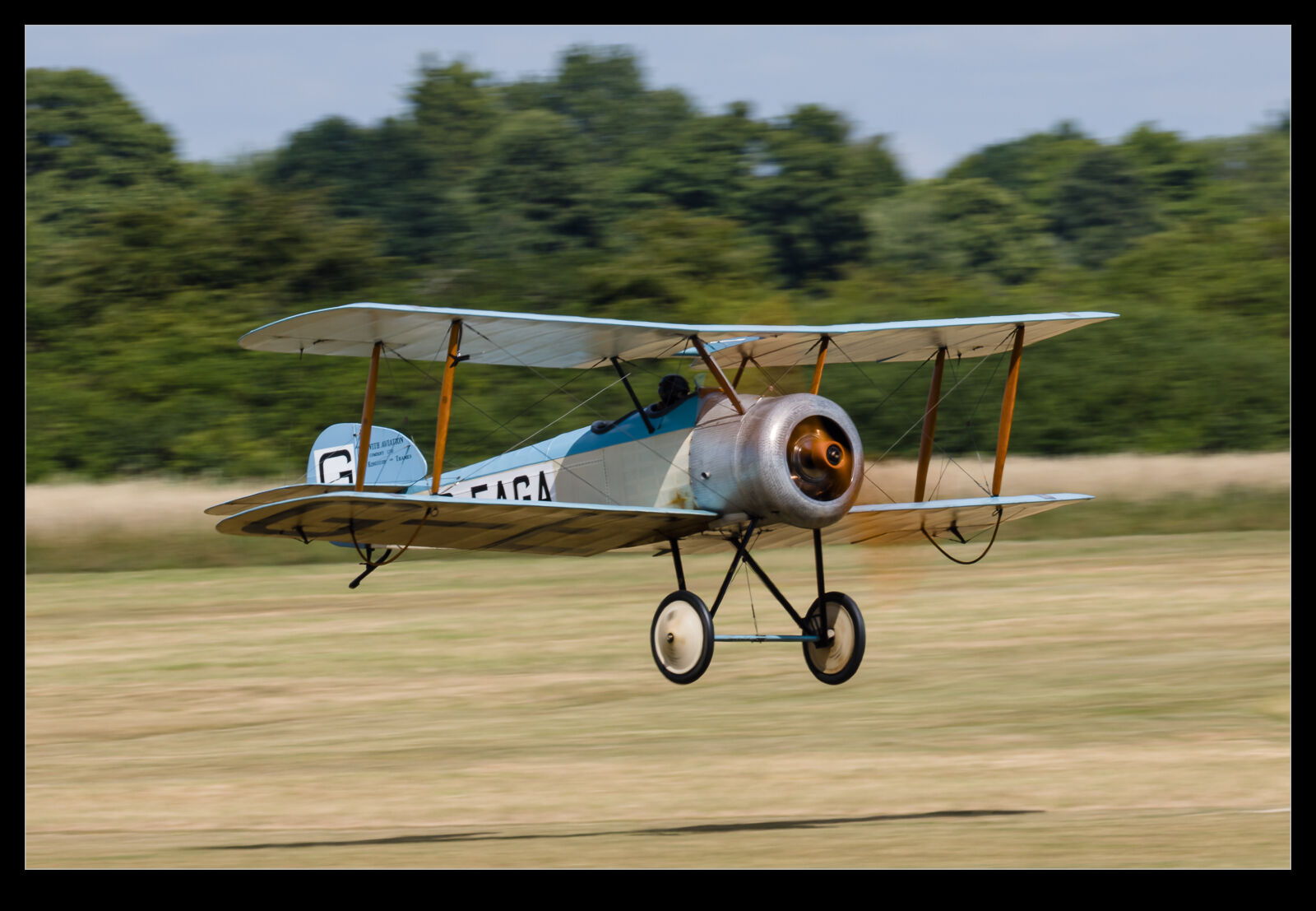
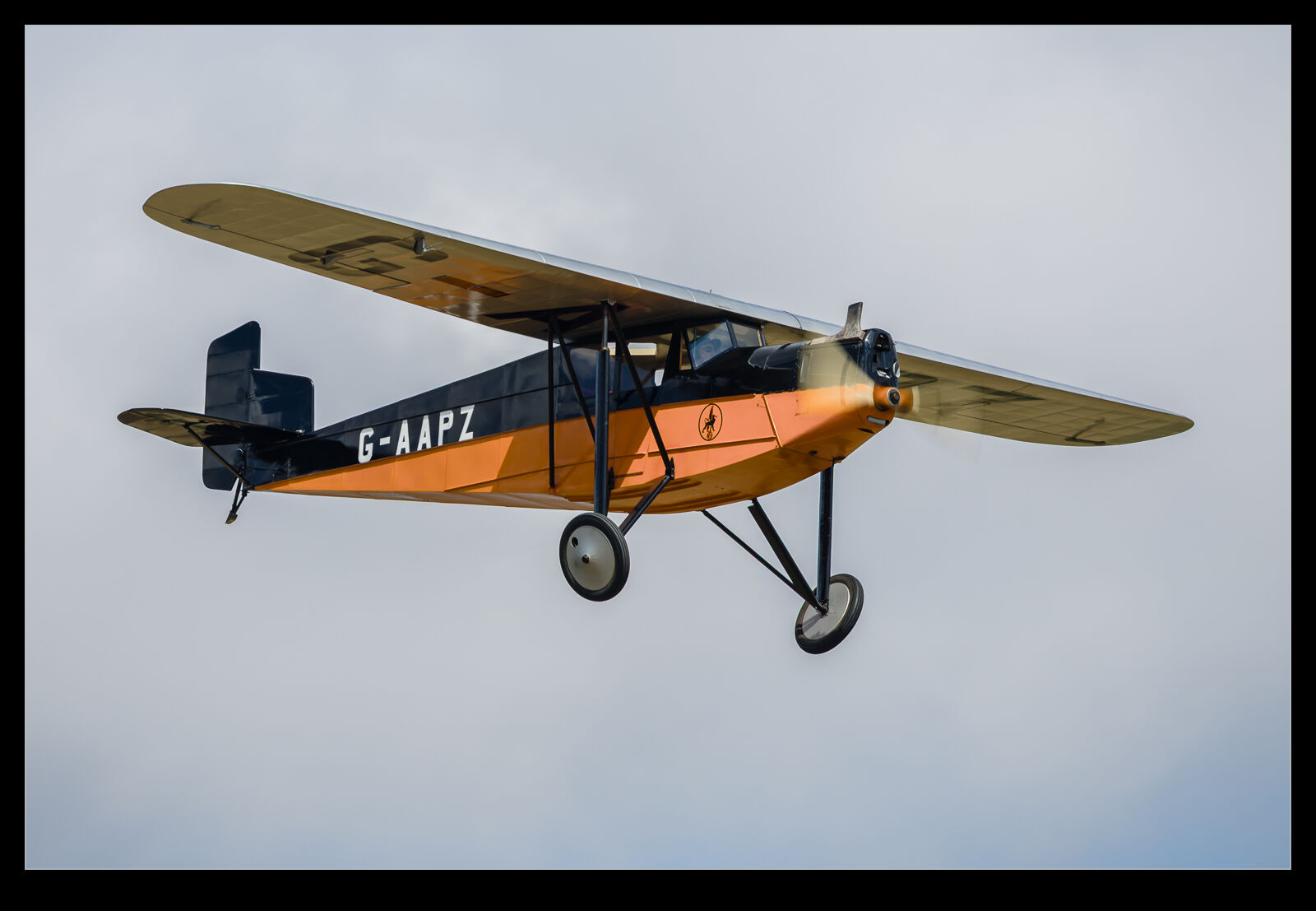
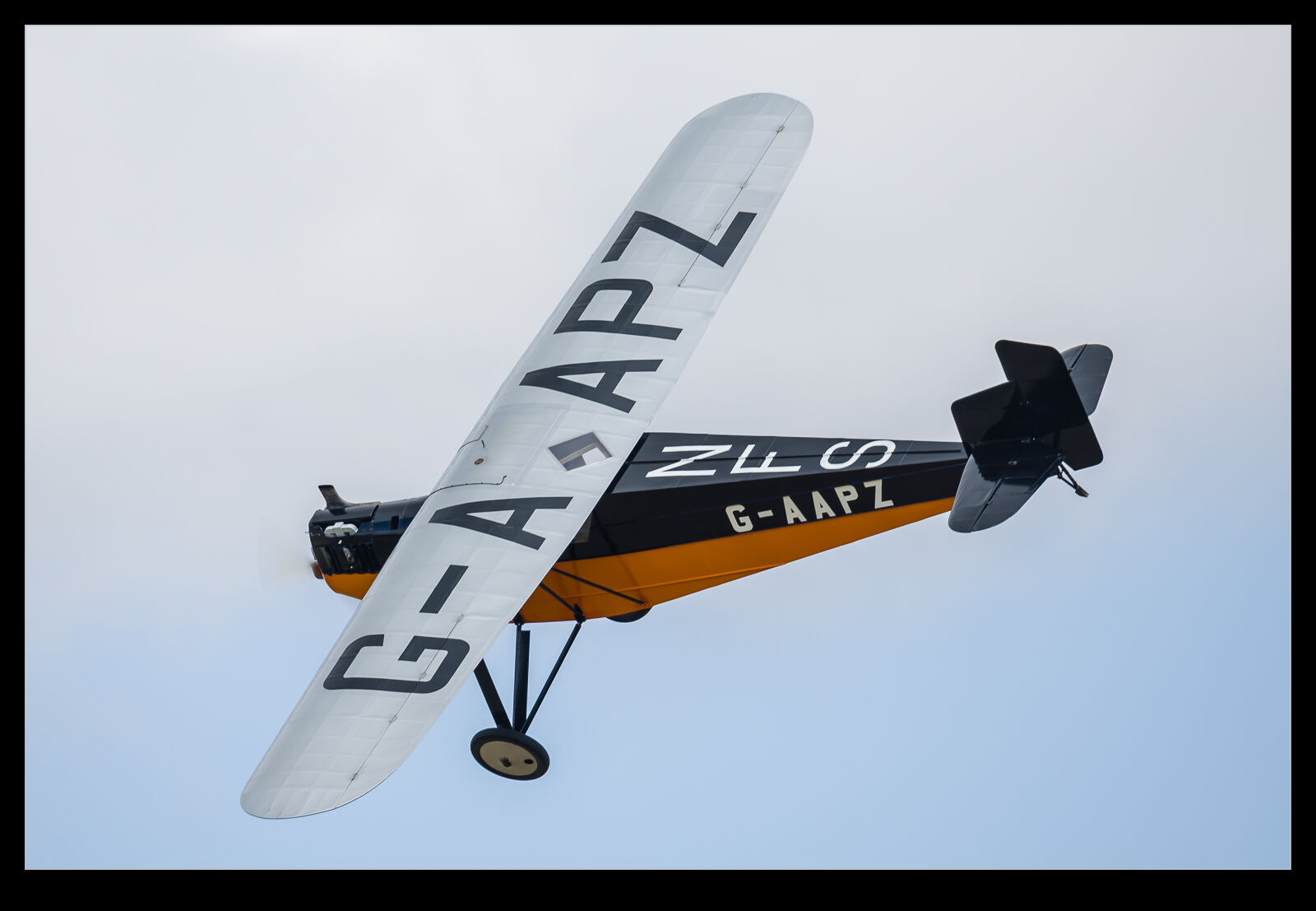
There have been a few posts of specific aircraft from the Shuttleworth’s Festival of Flight this summer. While those planes were of specific interest to me, there was an extensive display with many other types of planes taking part. Some of these were familiar types but some were new to me. This included variants of the de Havilland Moth family and an old Sopwith. I have run through the many shots I took that day and here is a selection of images of the displays although by no means a comprehensive one!

A Pair of Edwardians in Gorgeous Light

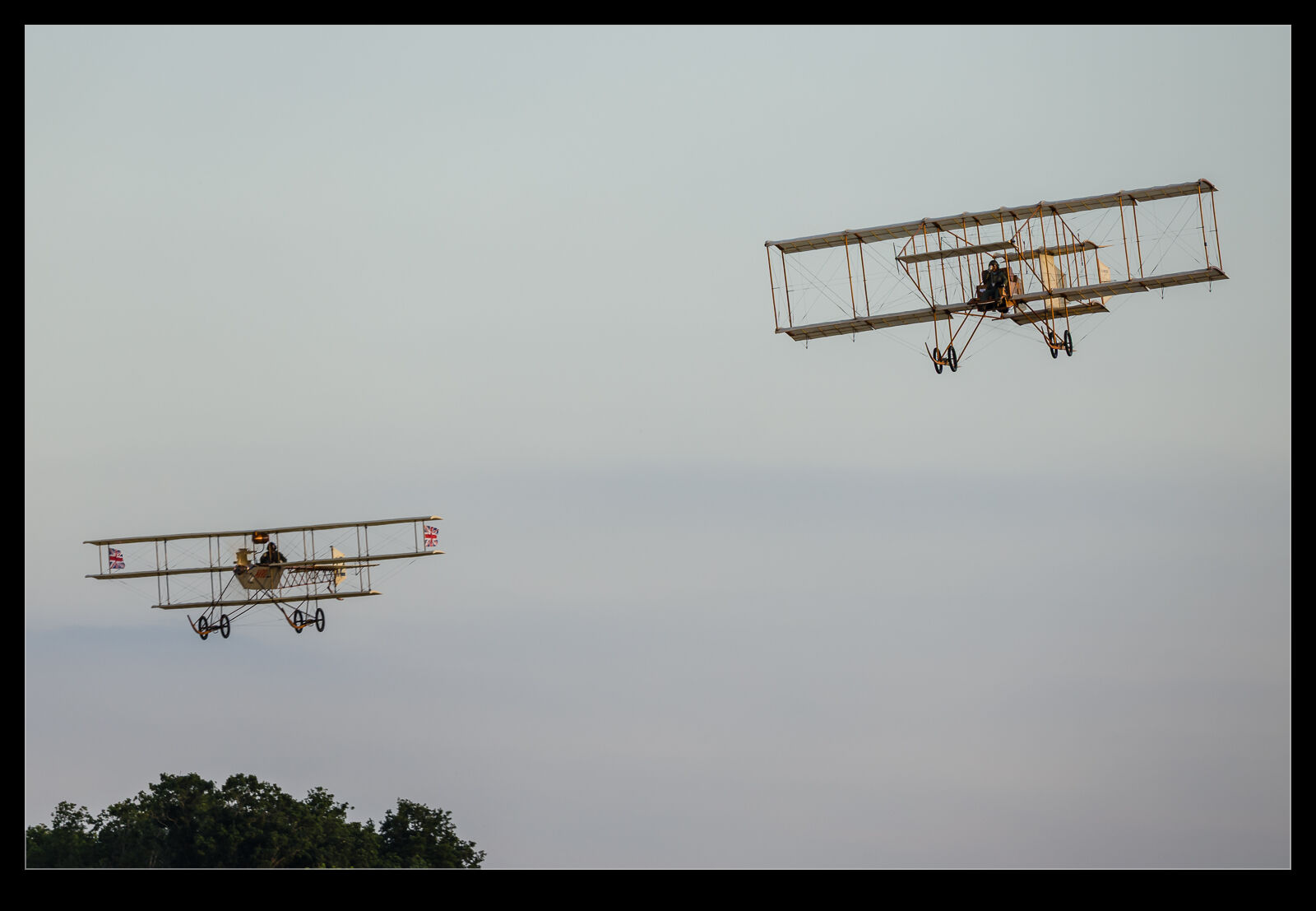
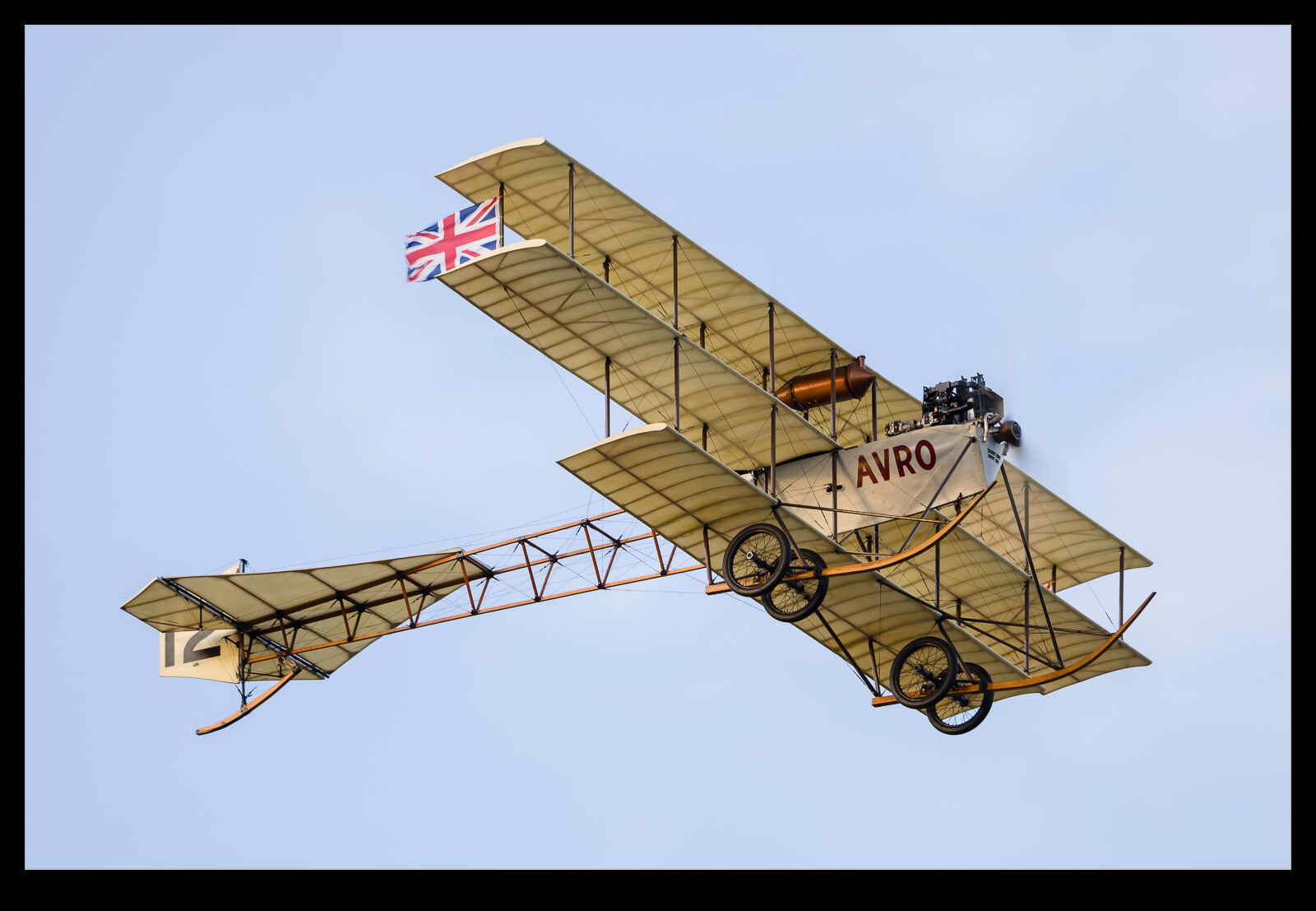
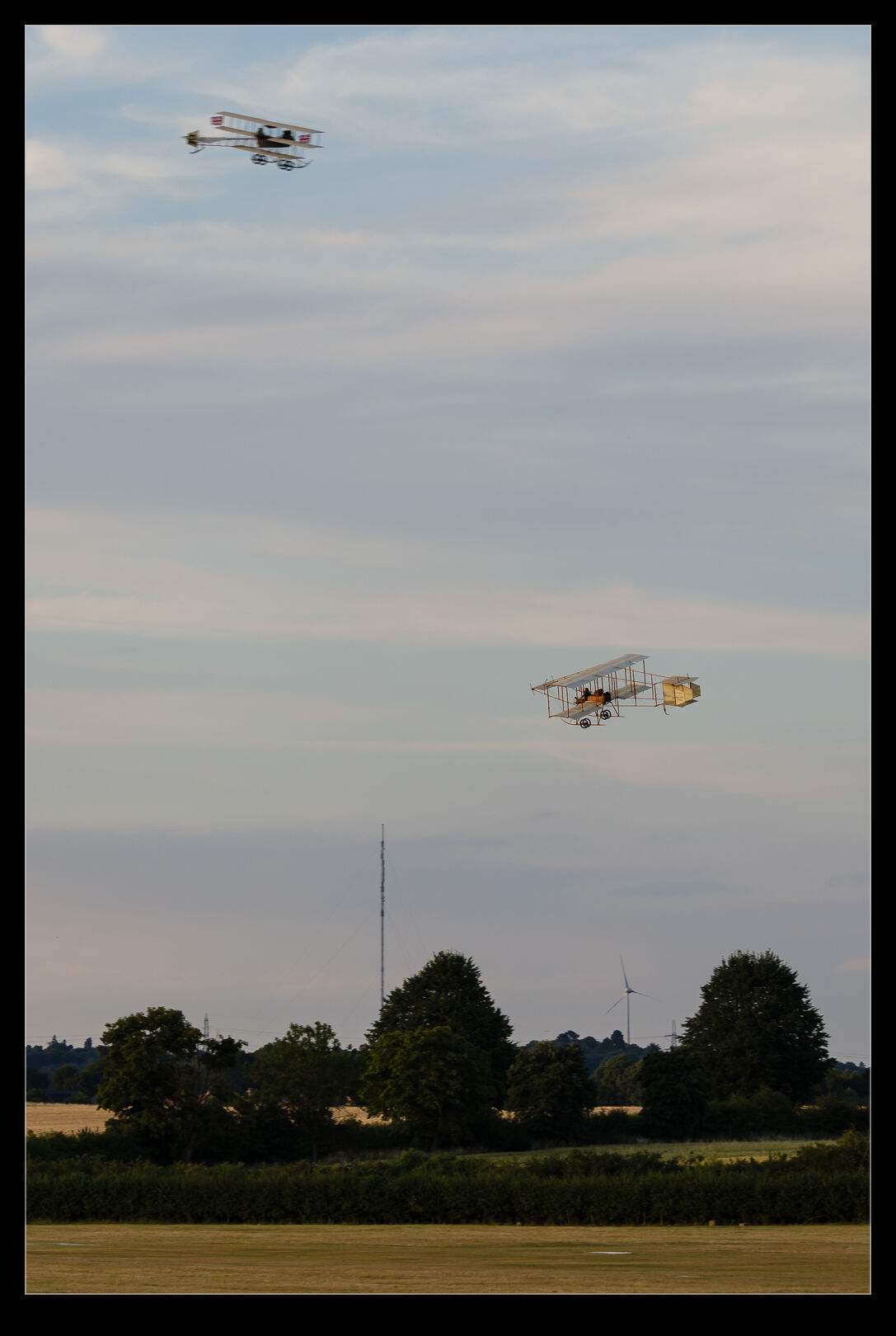
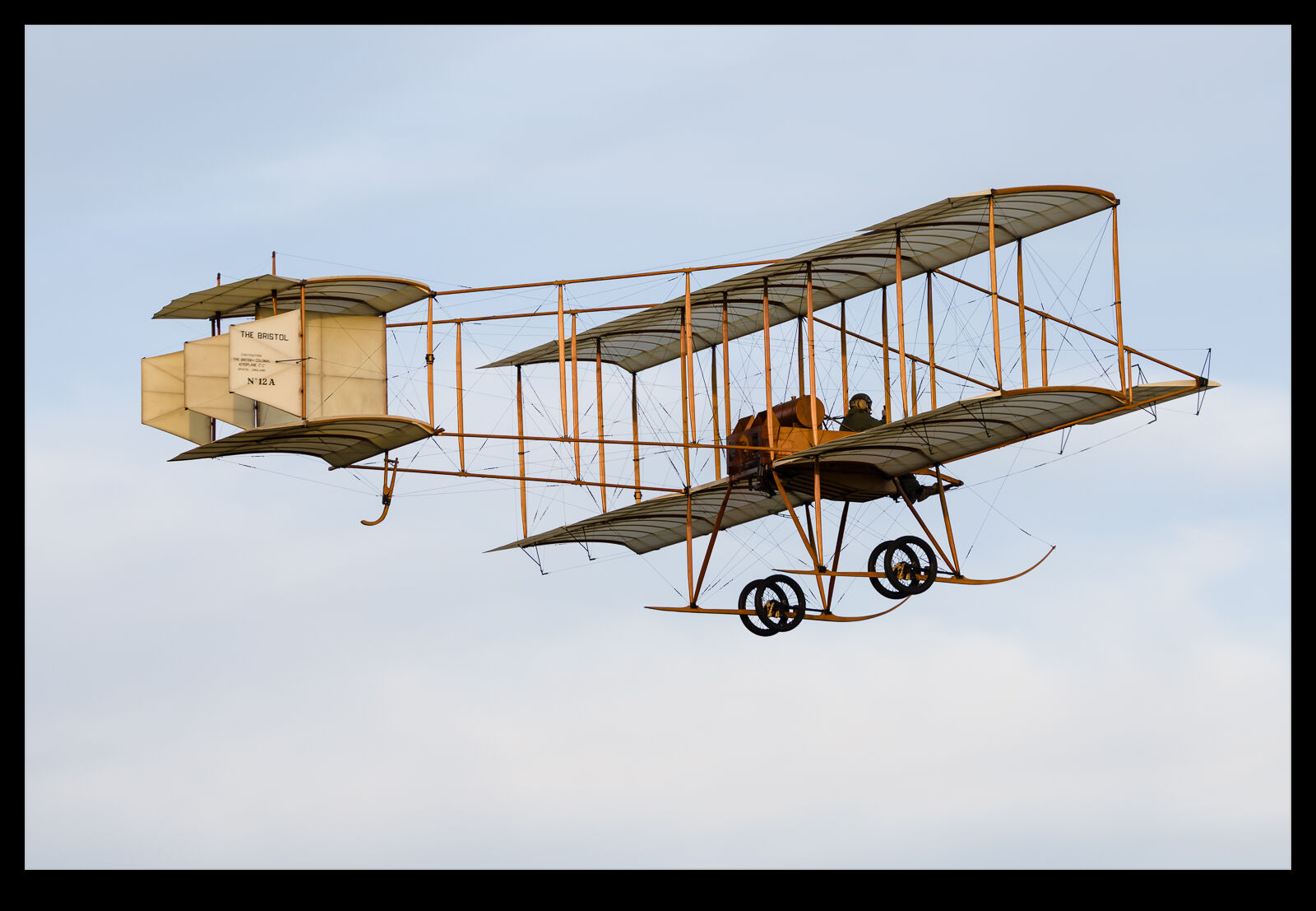
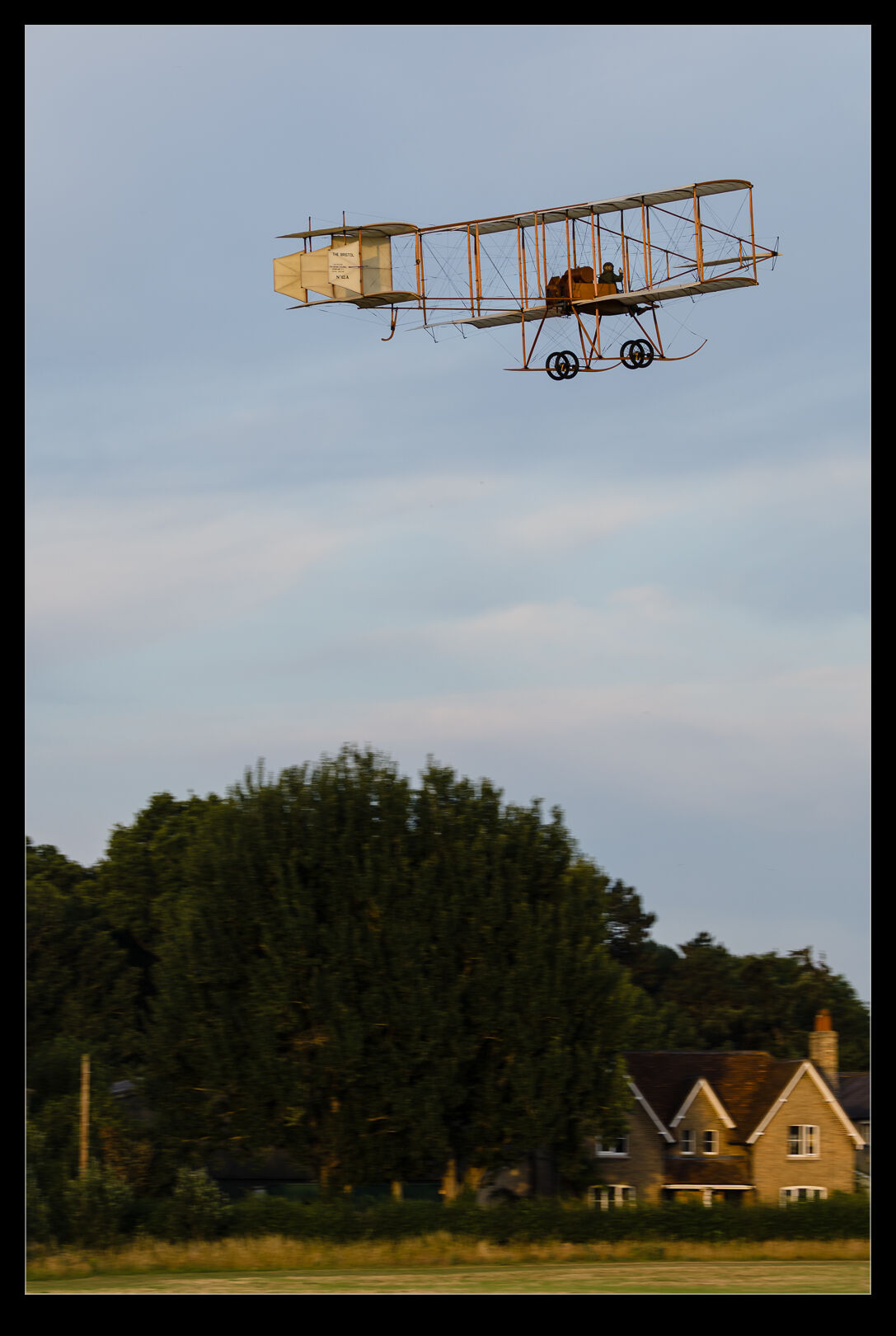
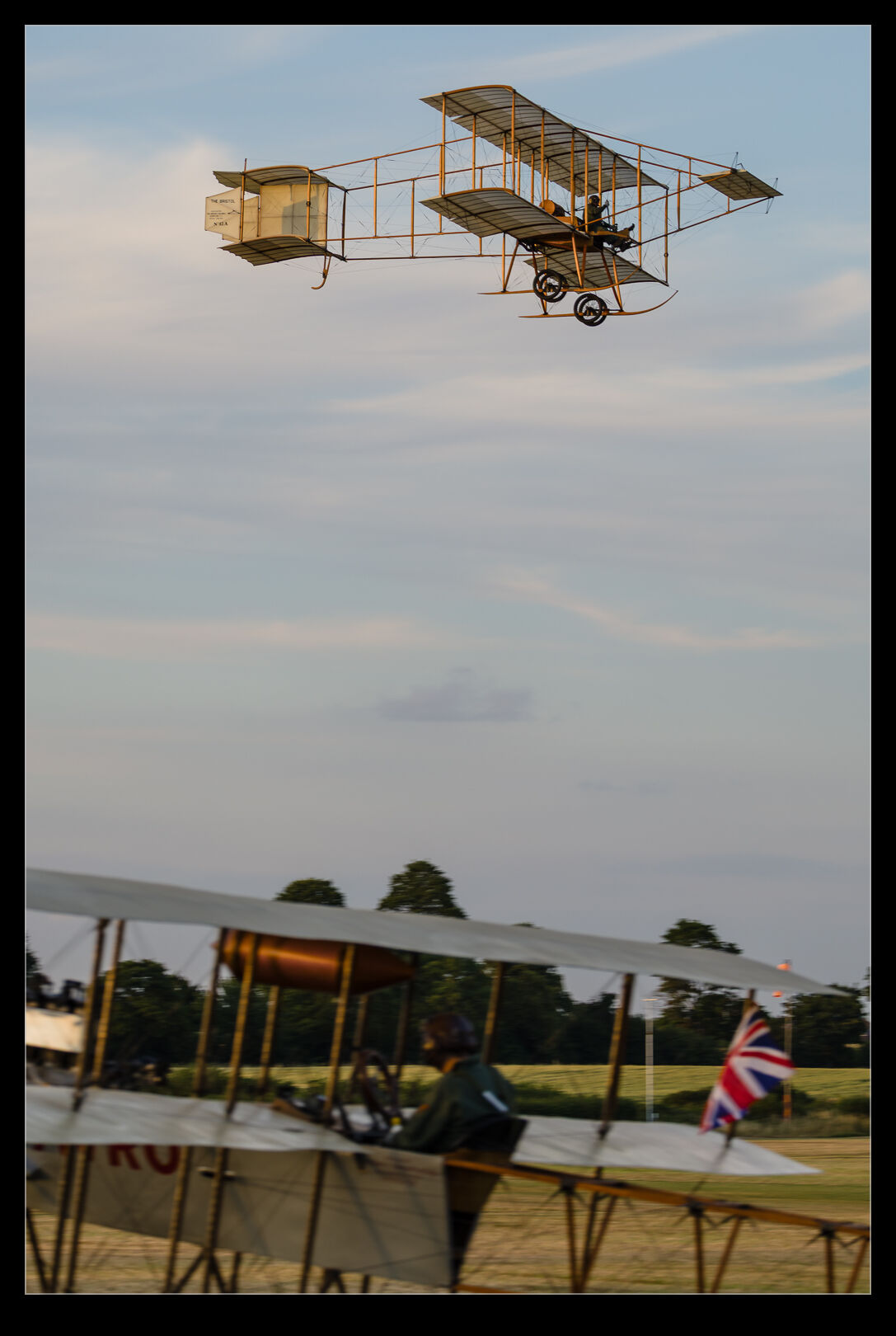
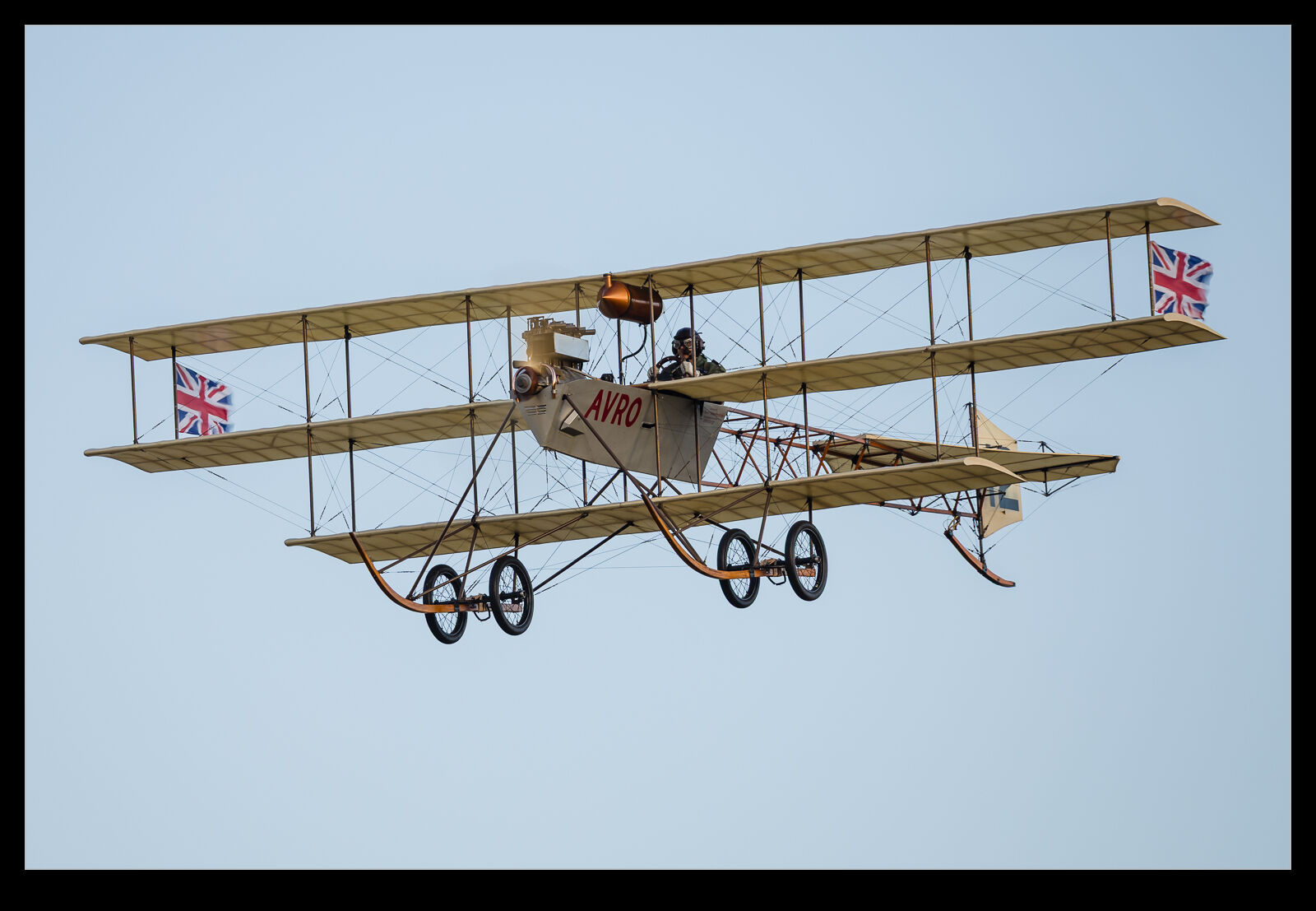
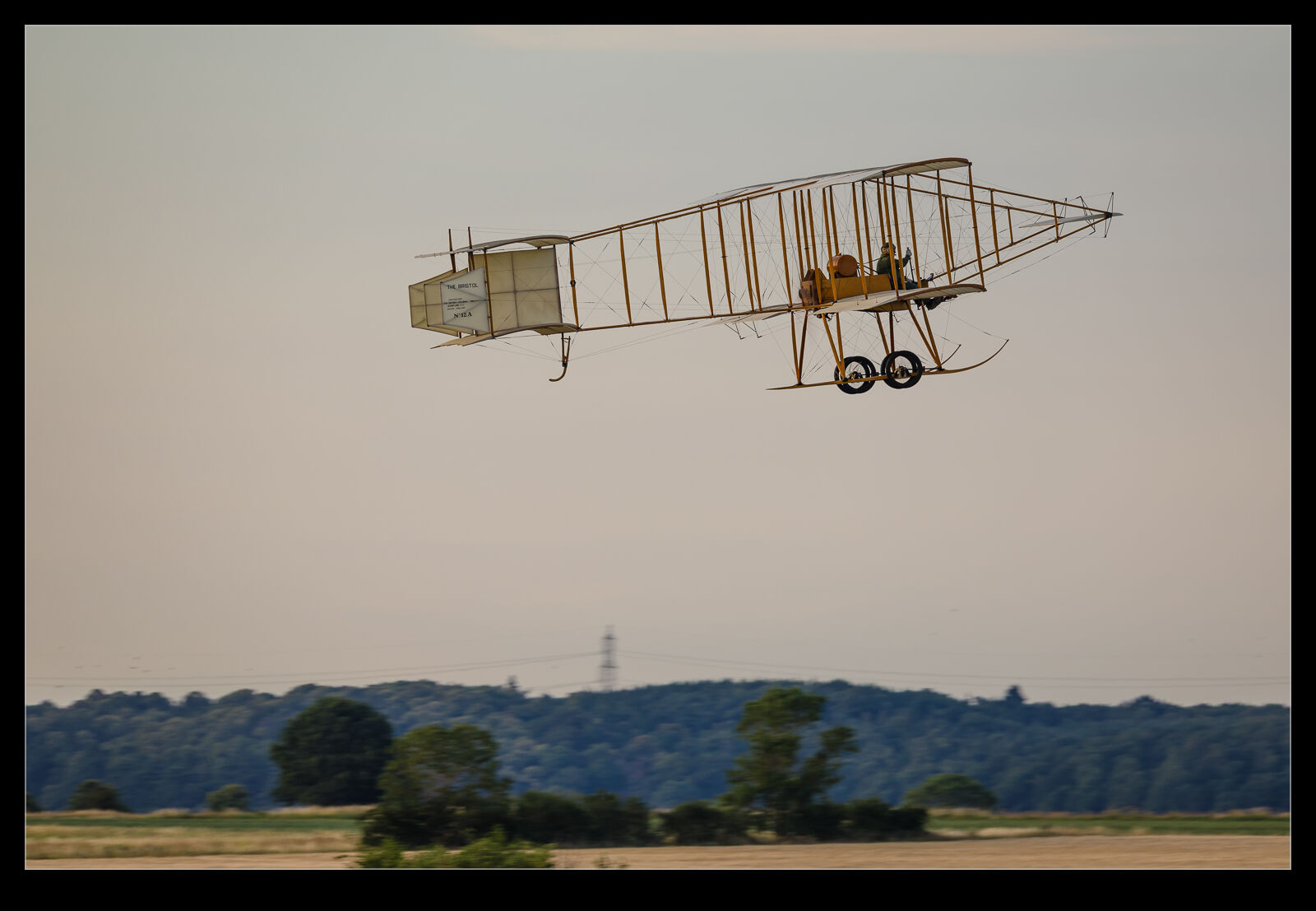
The great conditions for Shuttleworth’s Festival of Flight Sunday show meant we got to see a lot of the more fragile types fly. Later in this section of the show, we had the Bristol Boxkite and the Avro Triplane take to the sky. I know they are both replicas but that doesn’t make them any less rare or vulnerable. They flew around for quite a while and, since they are not speedy aircraft, they can keep it all close in front of the crowd. The light was definitely at its peak during their display. Here are a few shots of the two of them putting on a show.

Coming Across an Old Car Meet While Out on the Bike

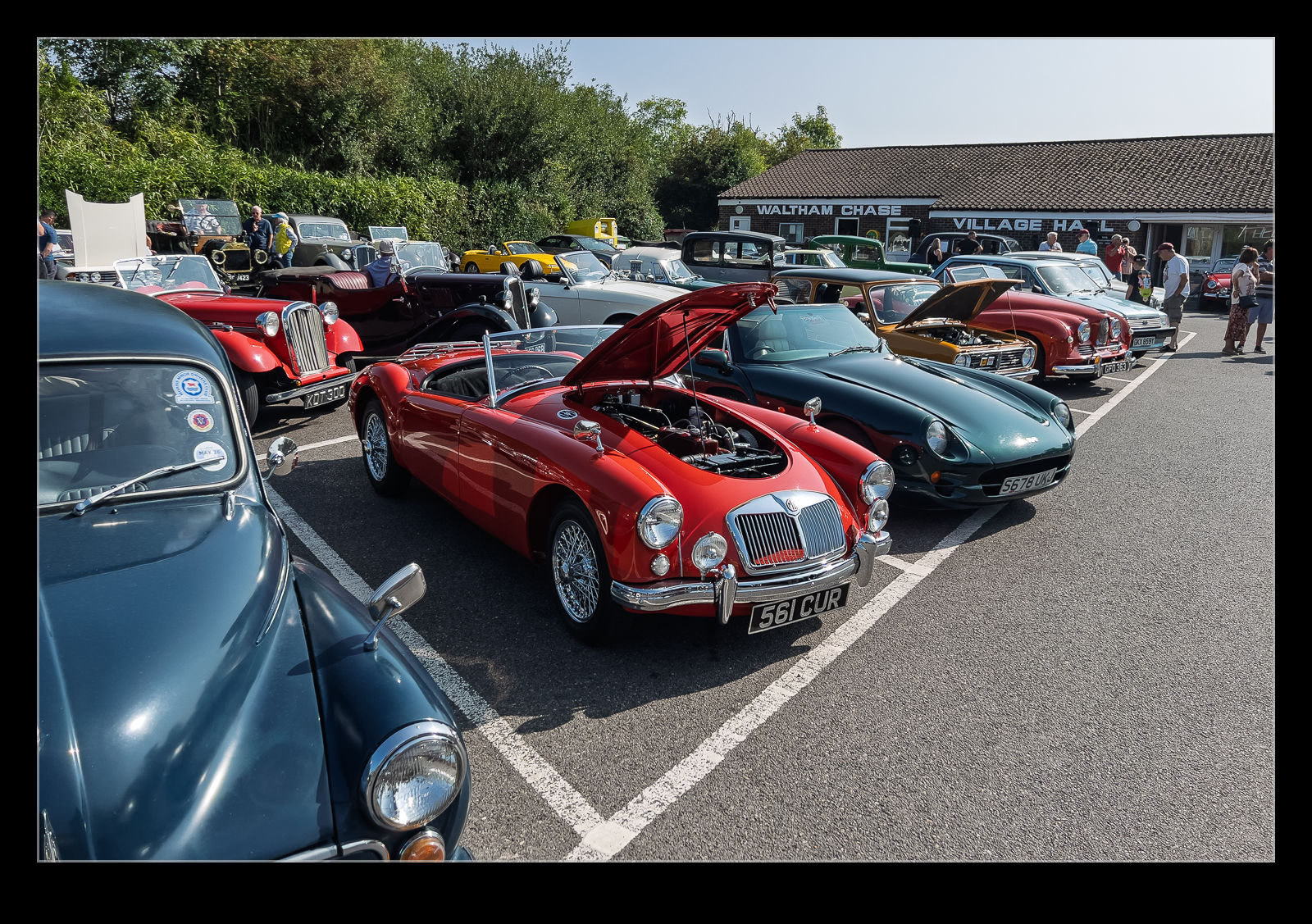
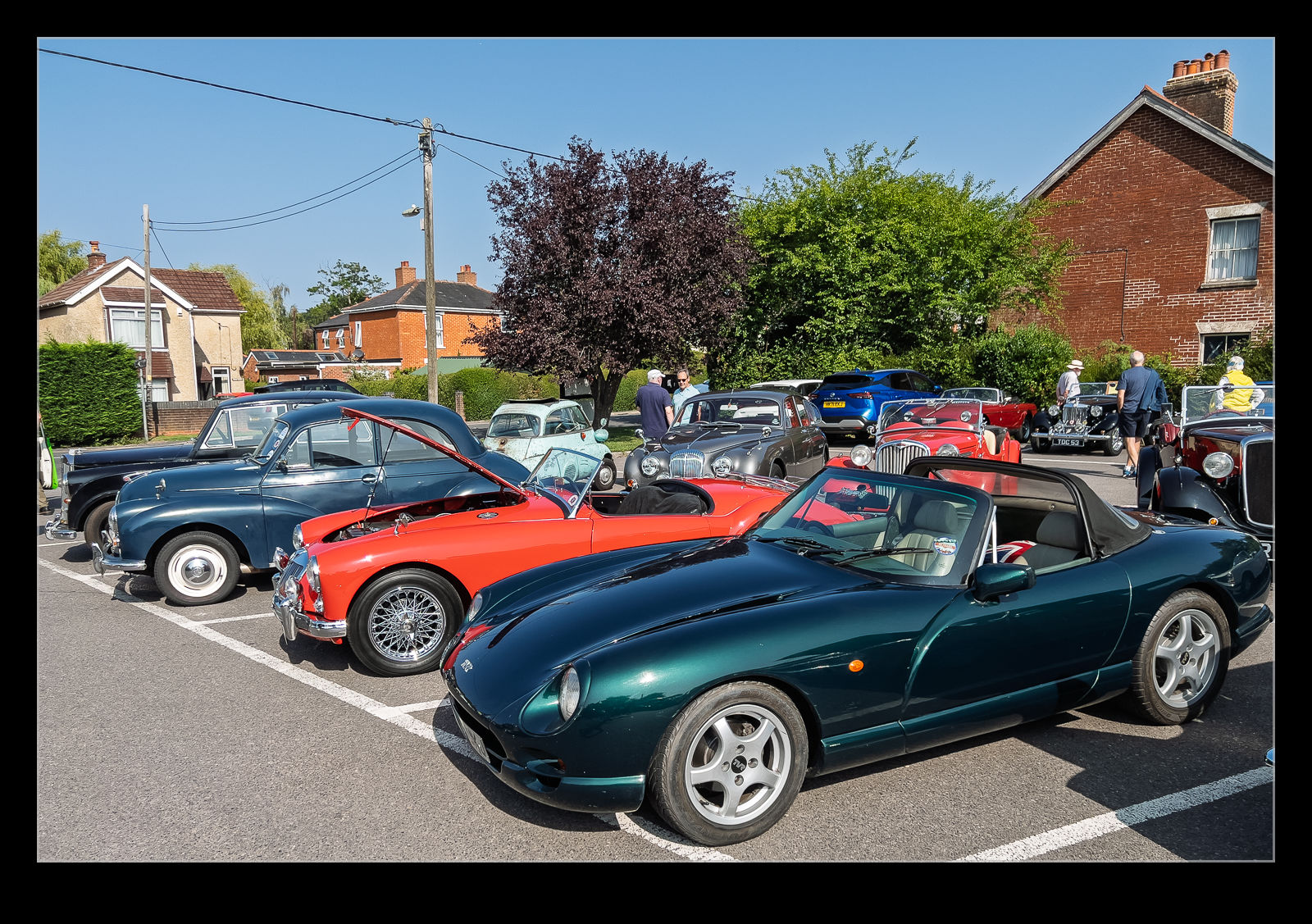
As part of my prep for the long charity bike ride I undertook in September, I was doing some longer rides from home to get some miles in. On one of these rides, I headed from home to the coast. To be honest, I had planned the route on the computer, and I didn’t really know many of the places I was going through. A lot of it was countryside but I did come through some towns. As I was heading out of one of them, I passed a bunch of people and cars parked in a car park.

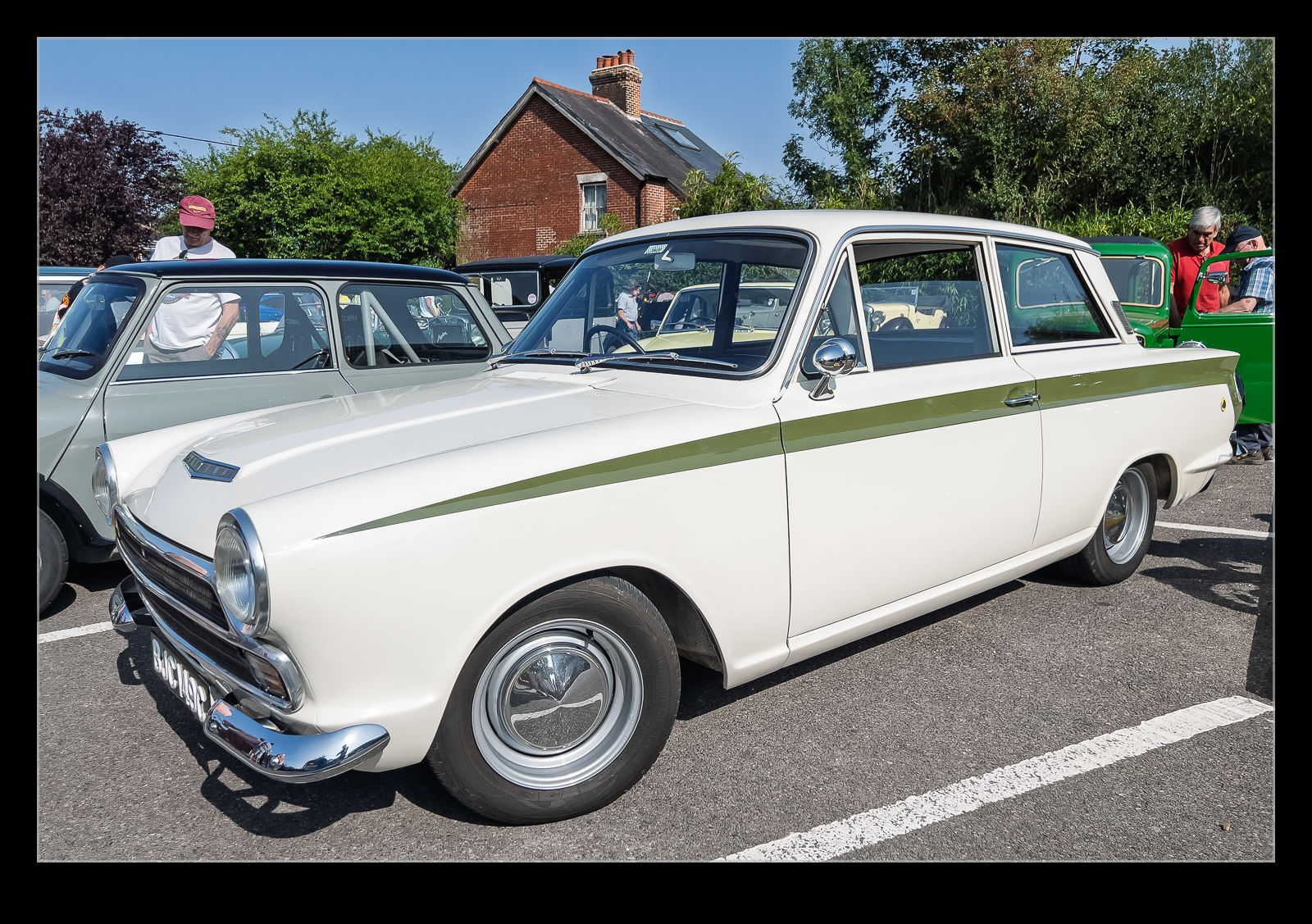
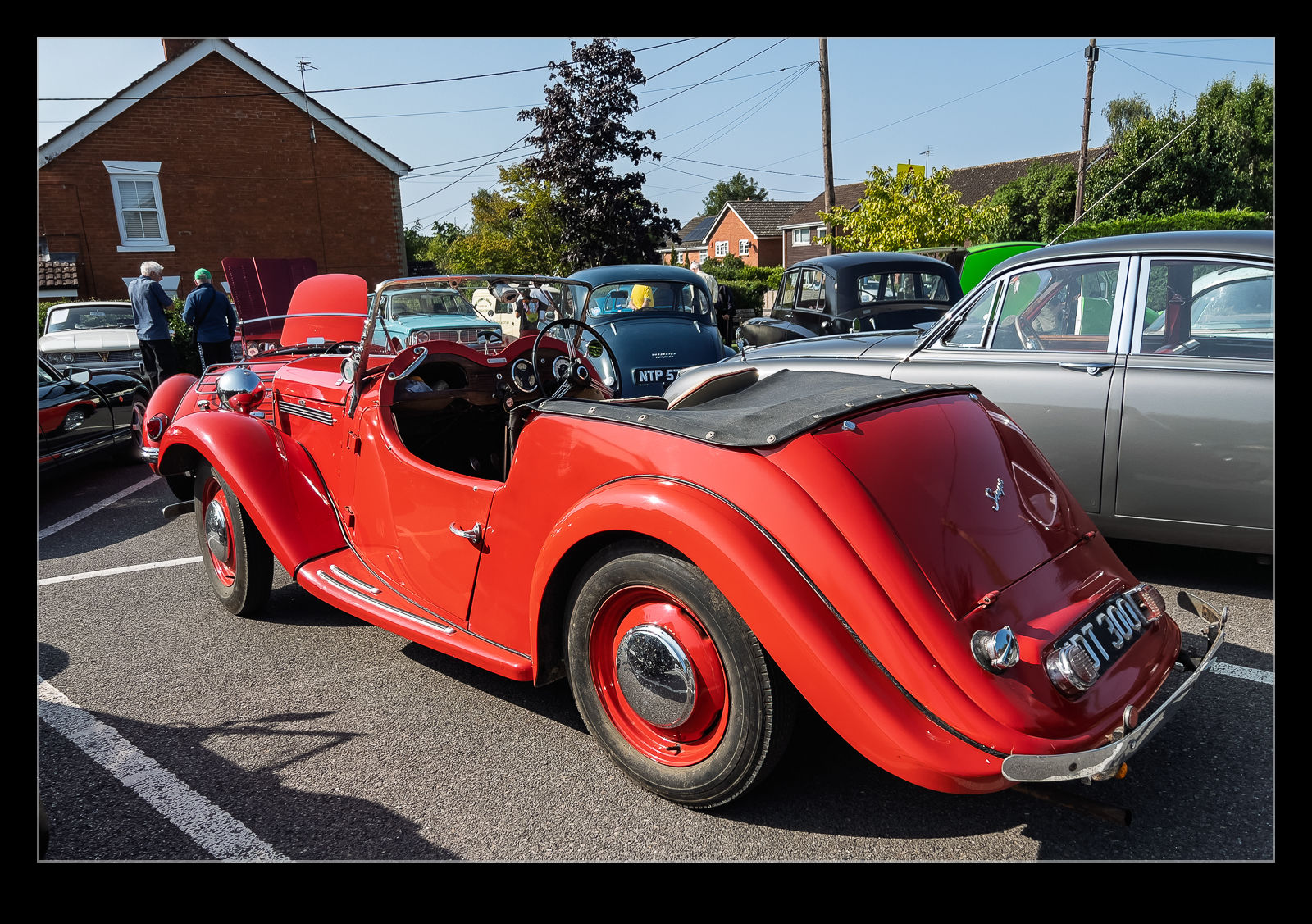
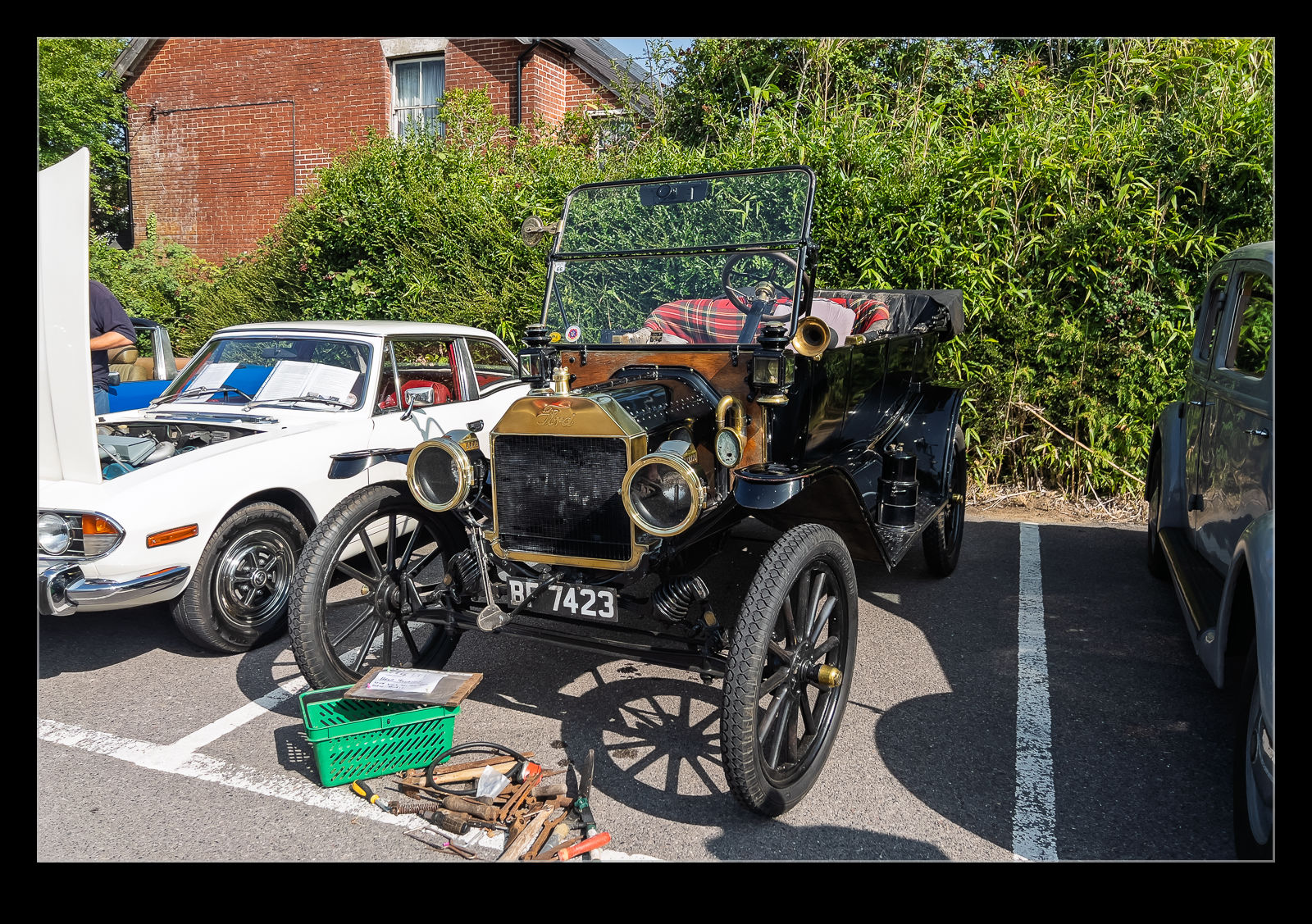
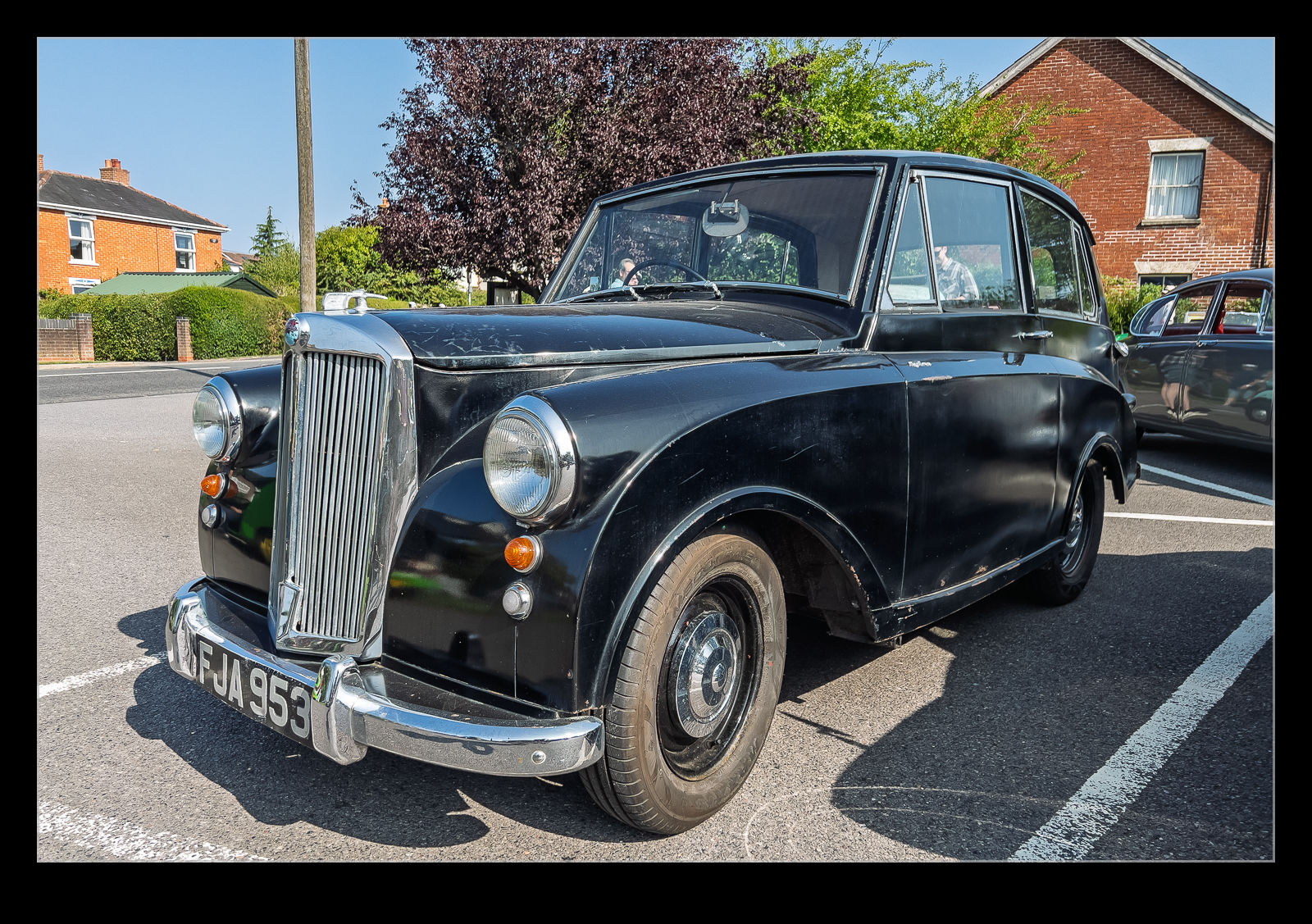
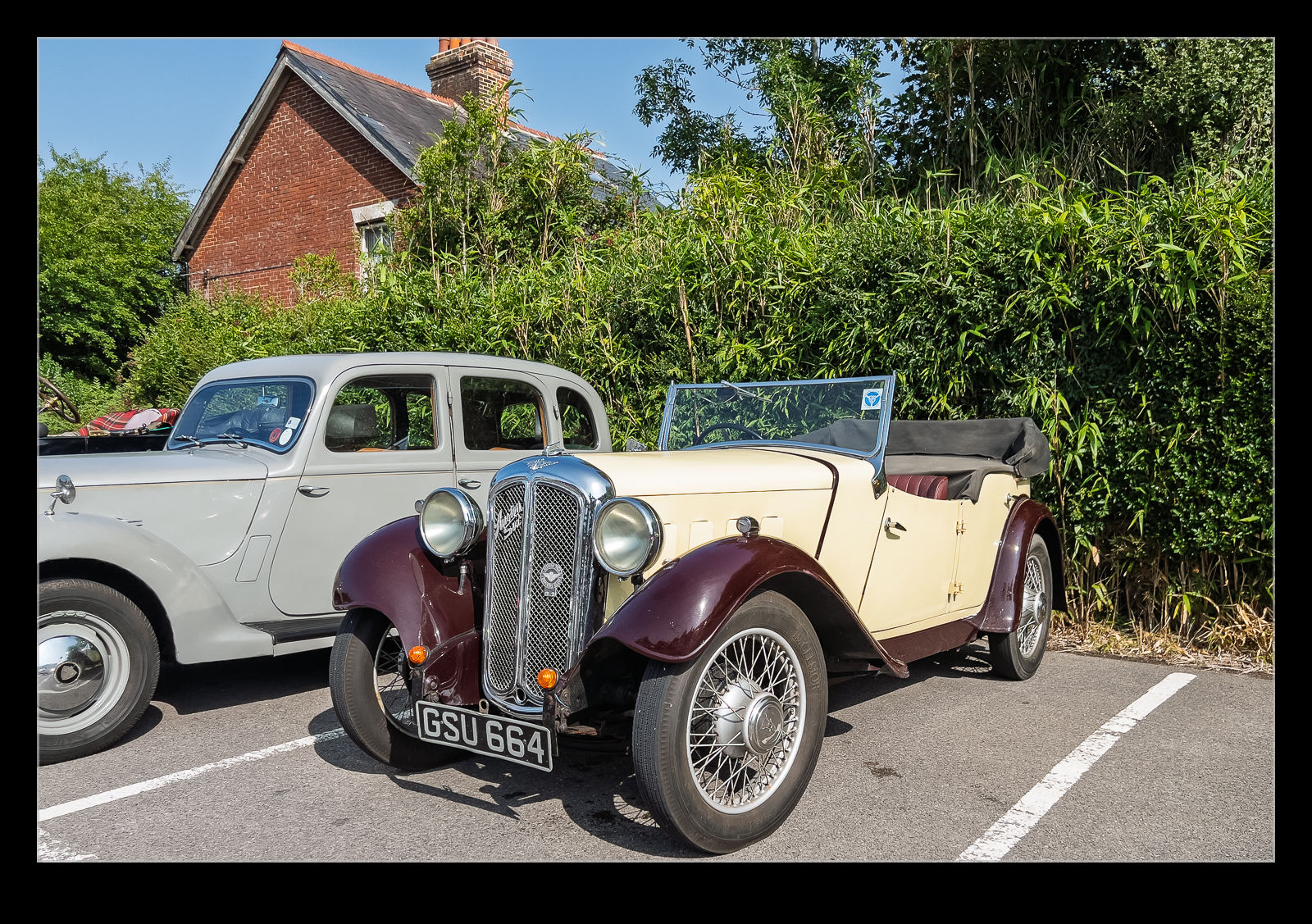
I stopped and went back to see what sort of vehicles these folks had brought along. There was quite a selection of old vehicles and some that weren’t so old. However, I guess it is a question of perspective because some of the cars that were there seemed recent to me until I thought of when they were registered. Then it was obvious that they were now rather old – just like me! Yes, we had some more familiar “vintage” vehicles but in the background of one of the shots you might spot an Austin Metro! I didn’t hang around too long because I was on a mission, but it was a fun break and rather amusing!

A Day for the Bus Spotters

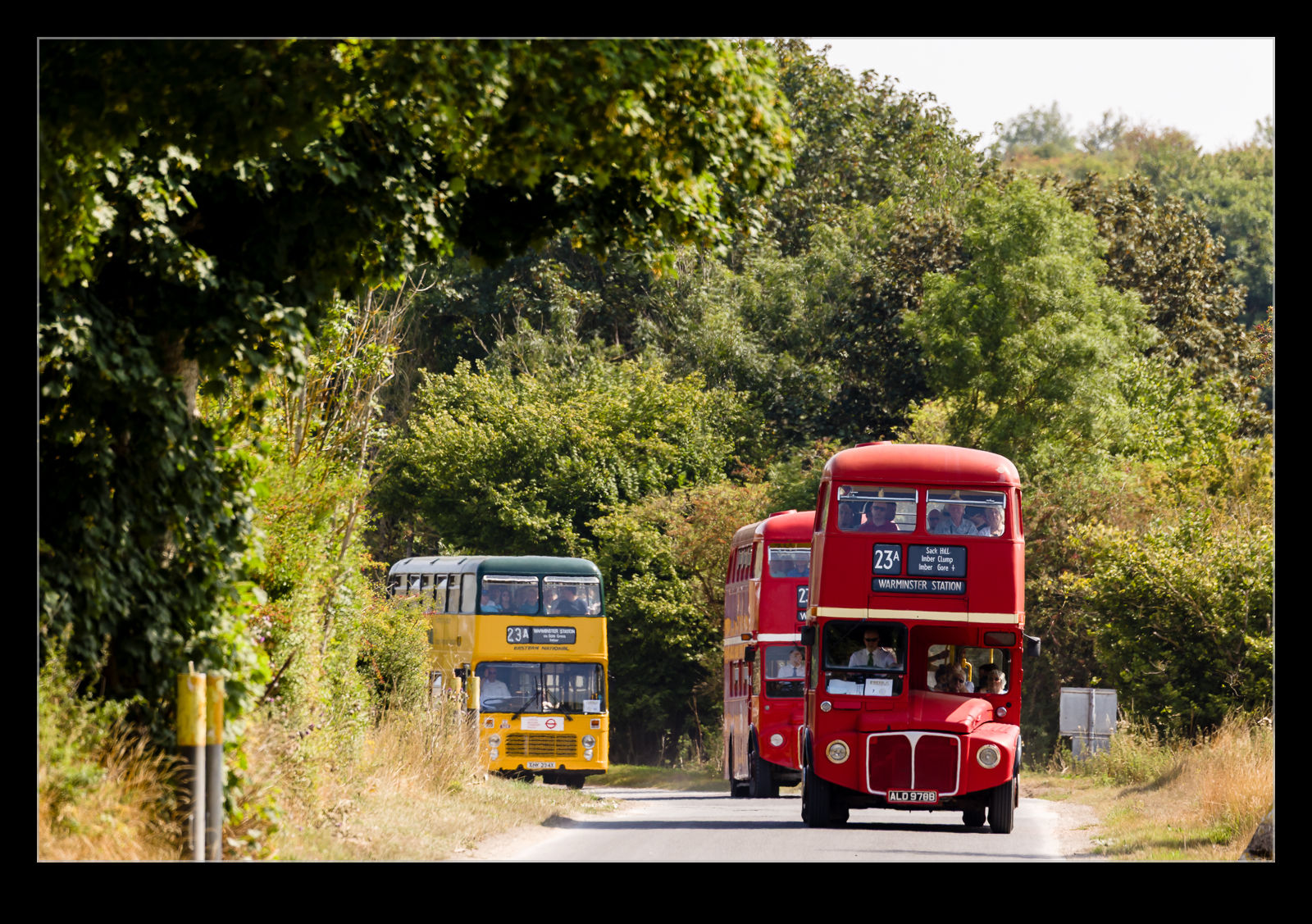
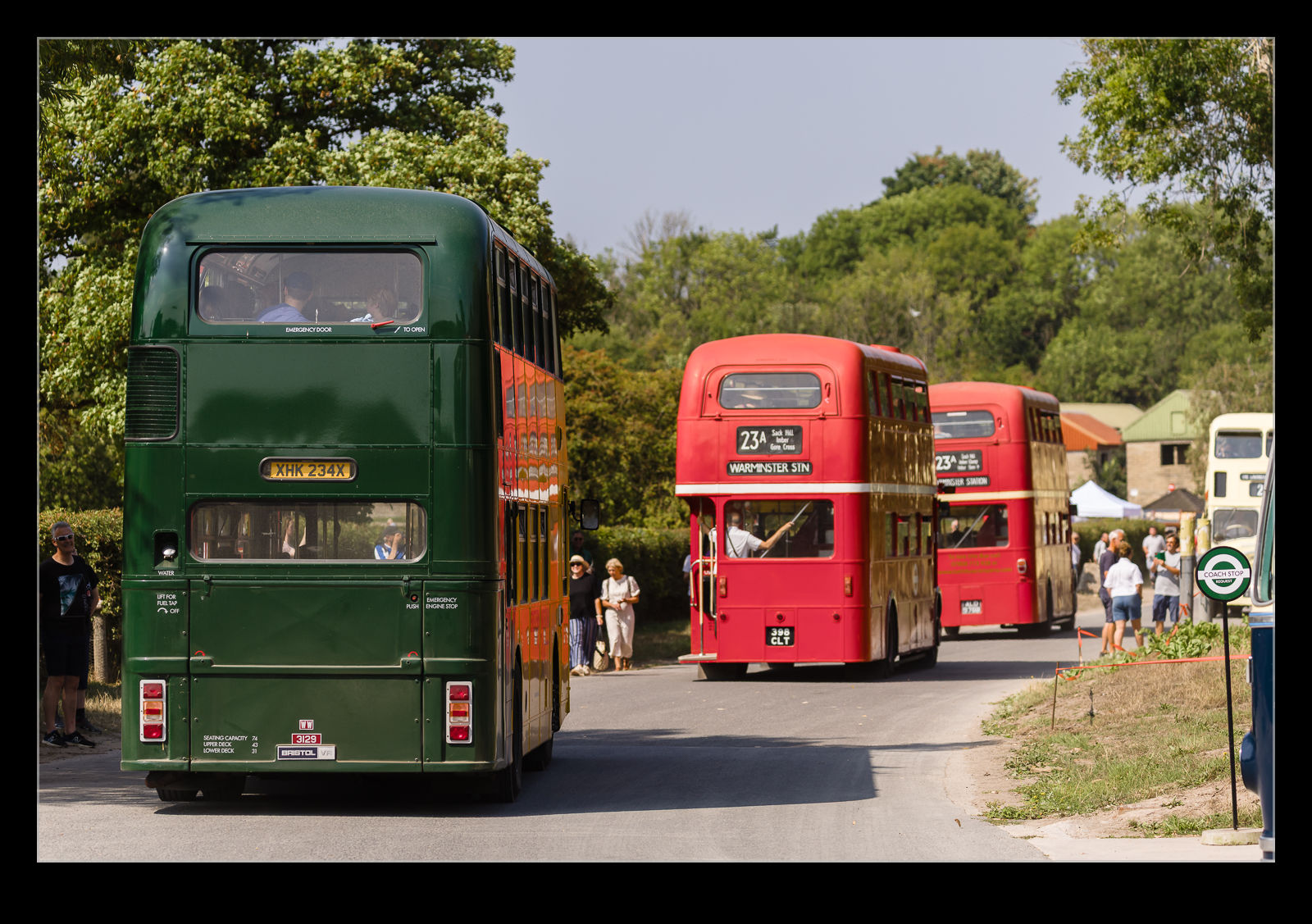
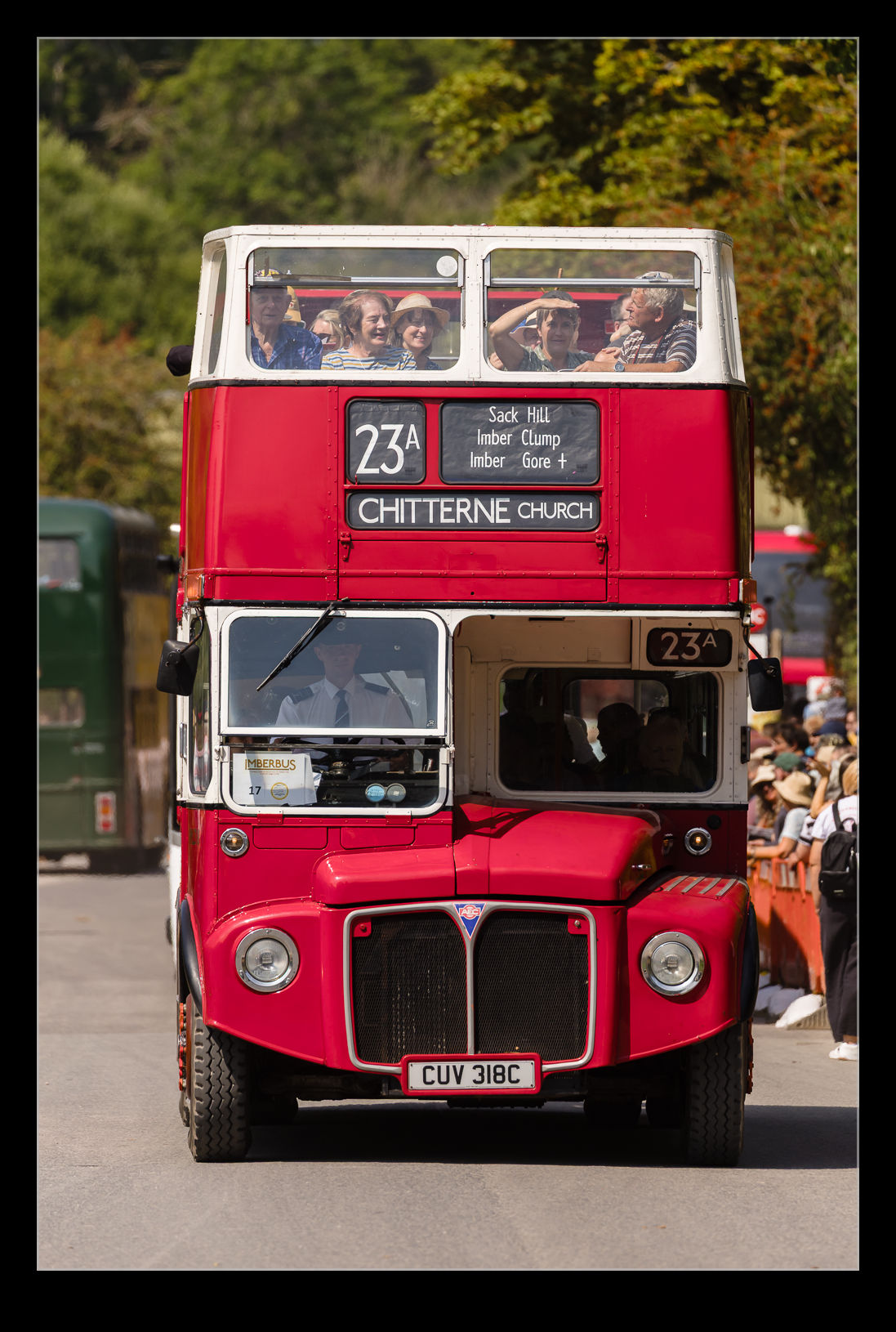
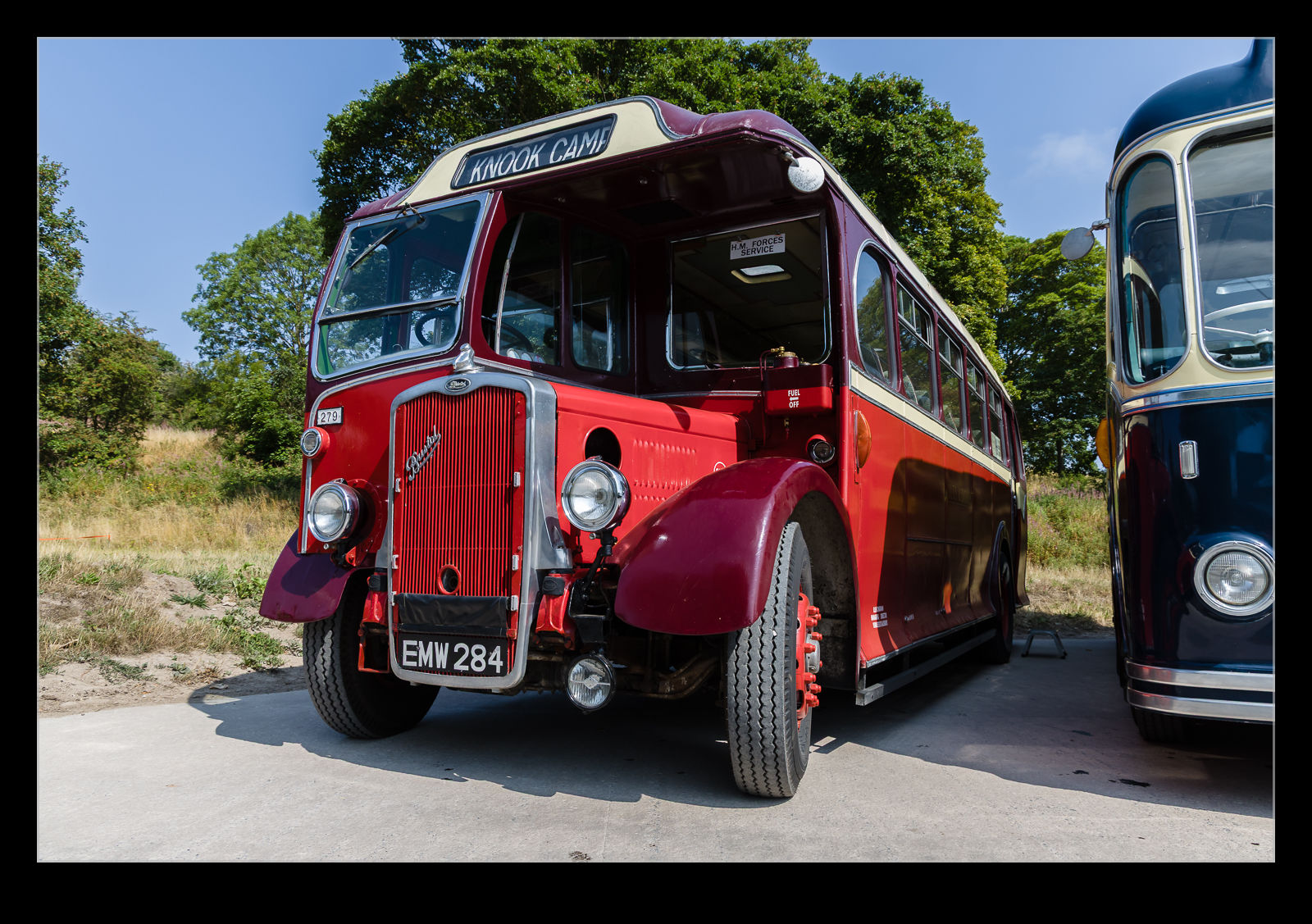
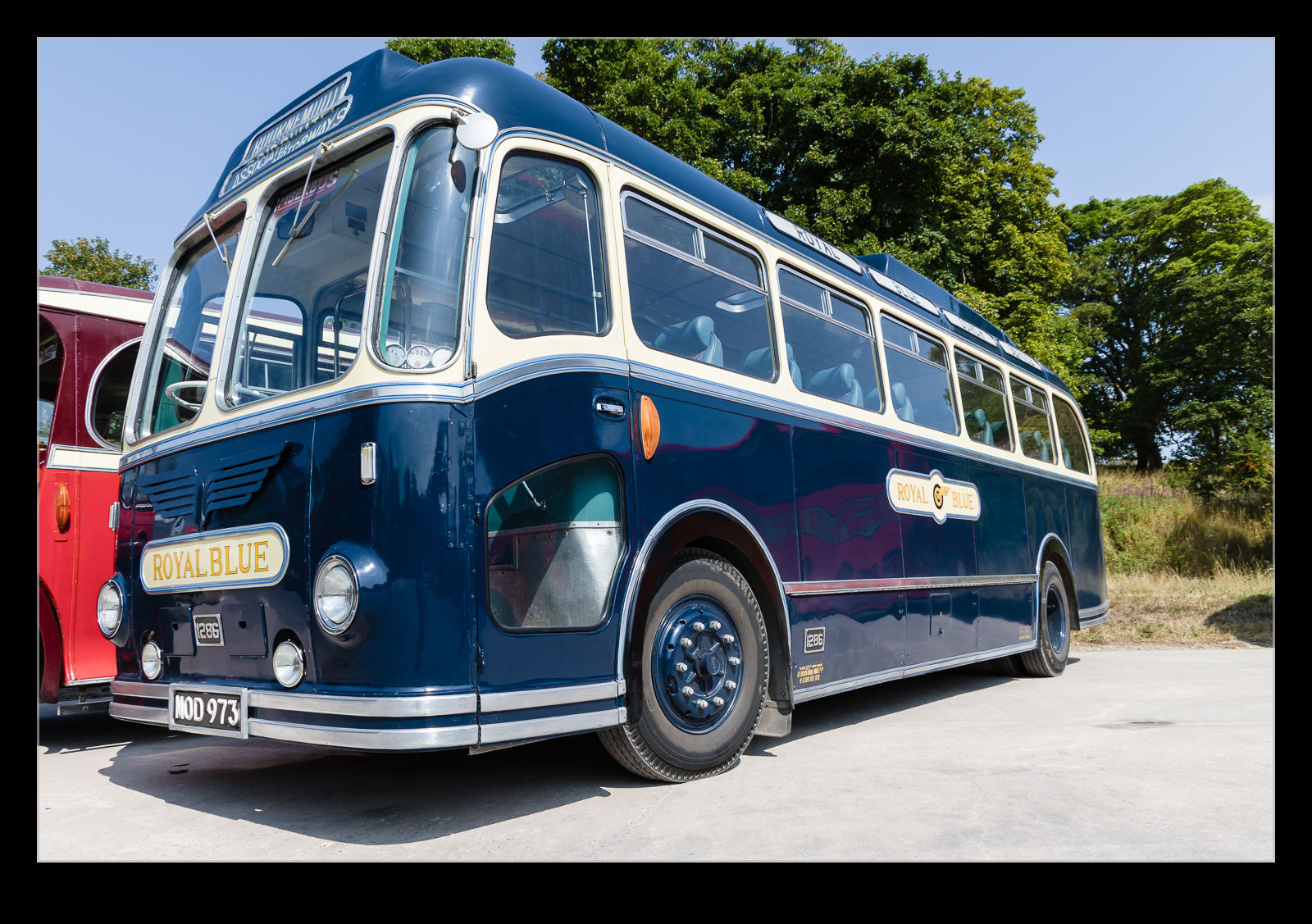
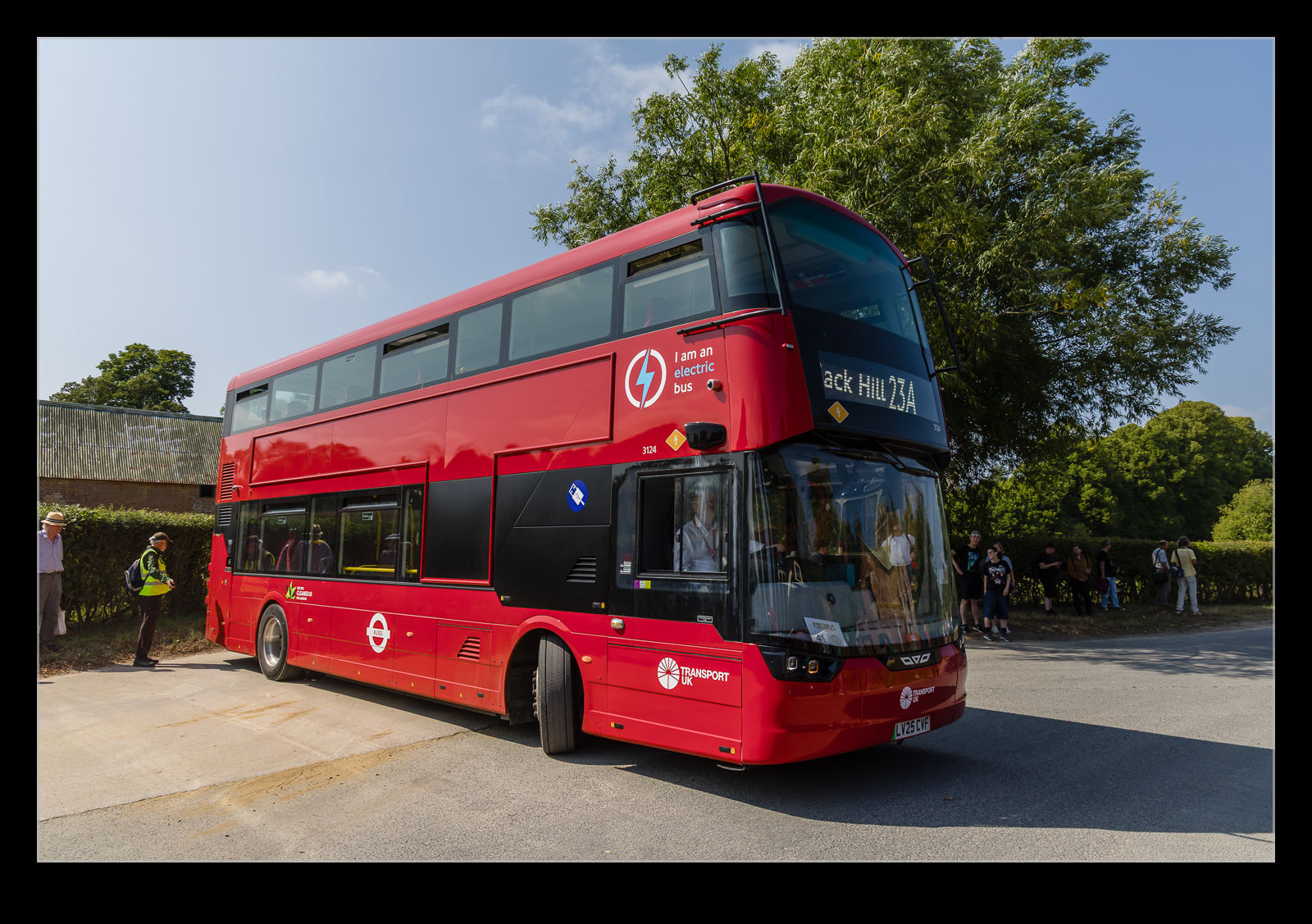
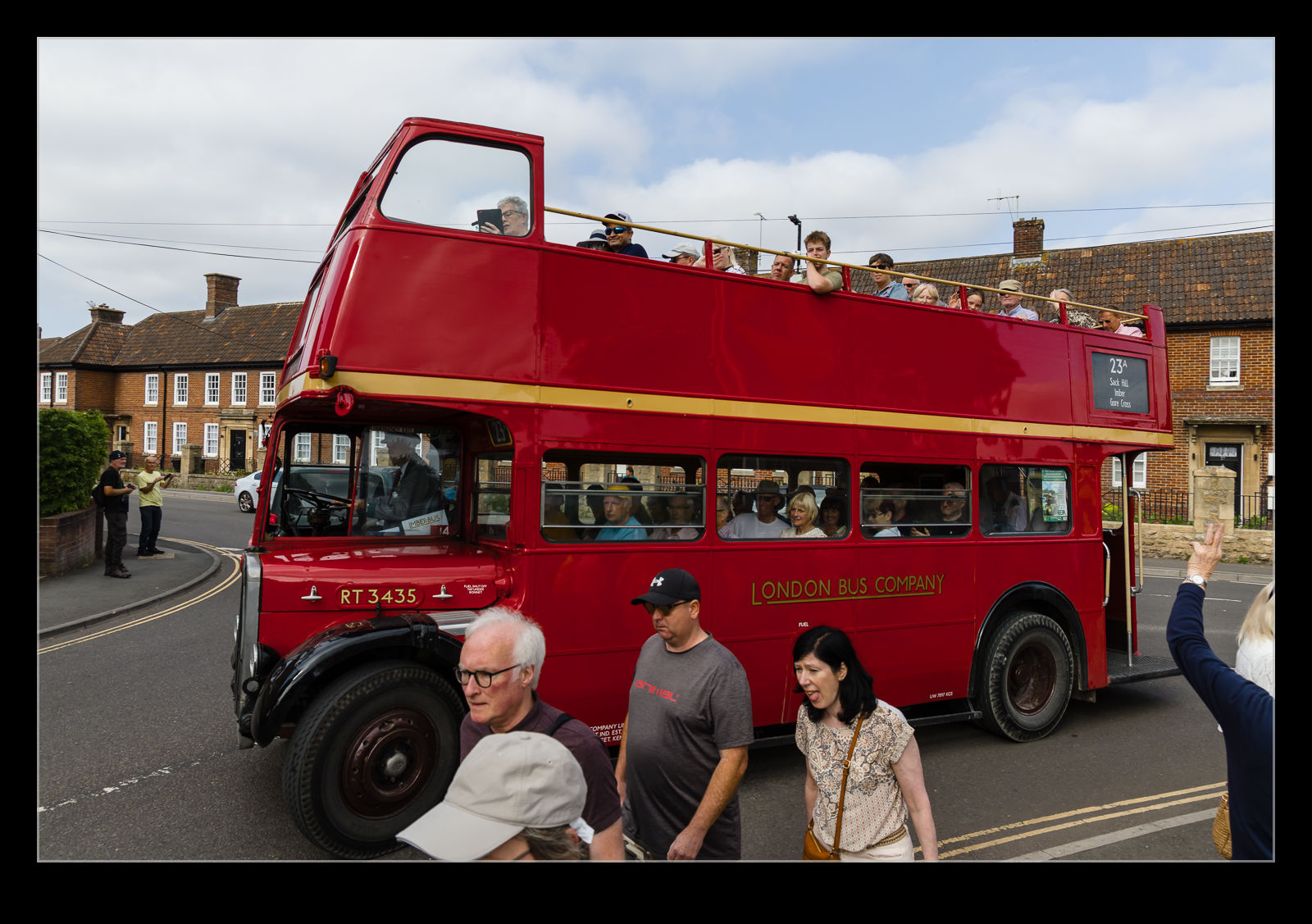
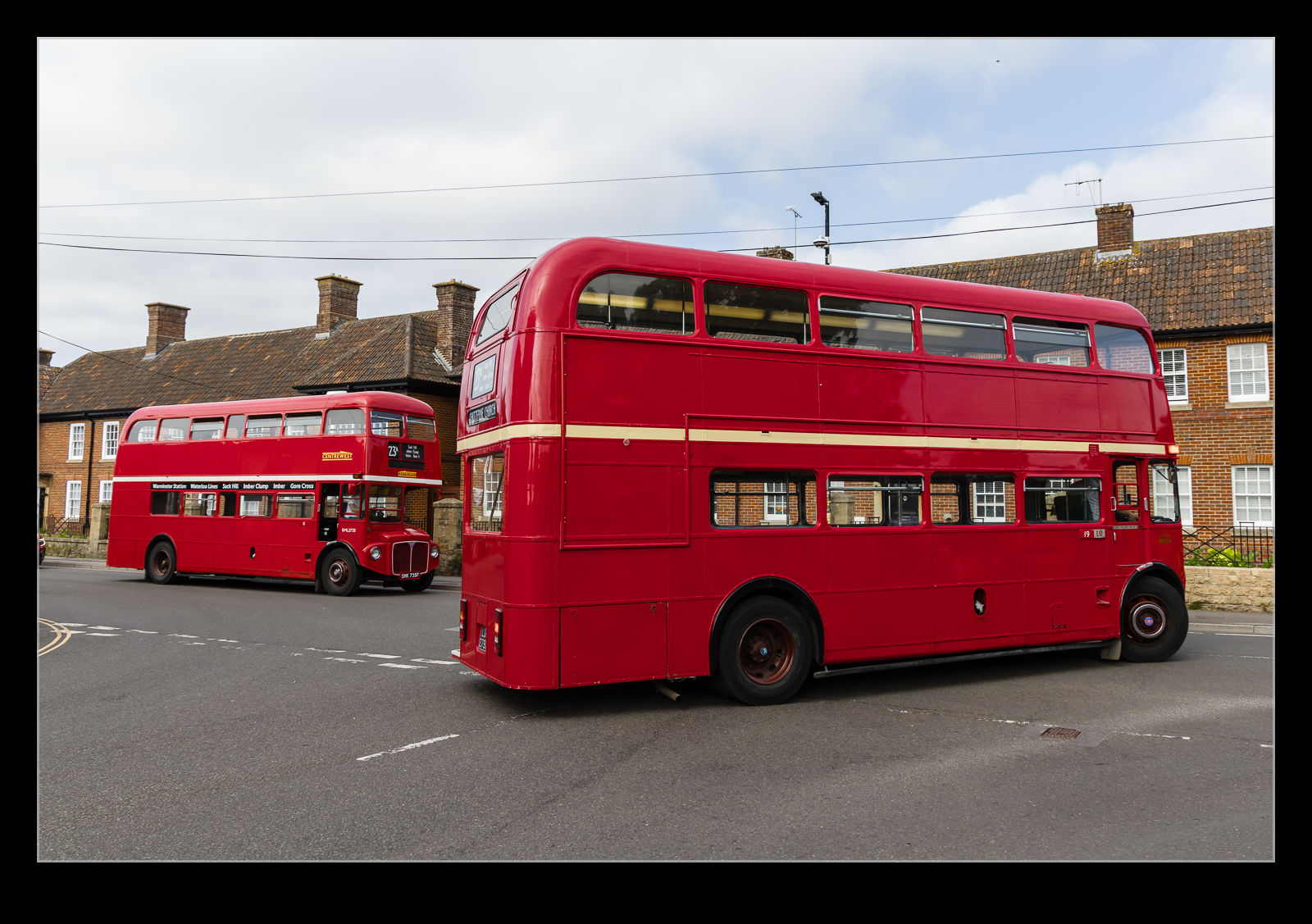
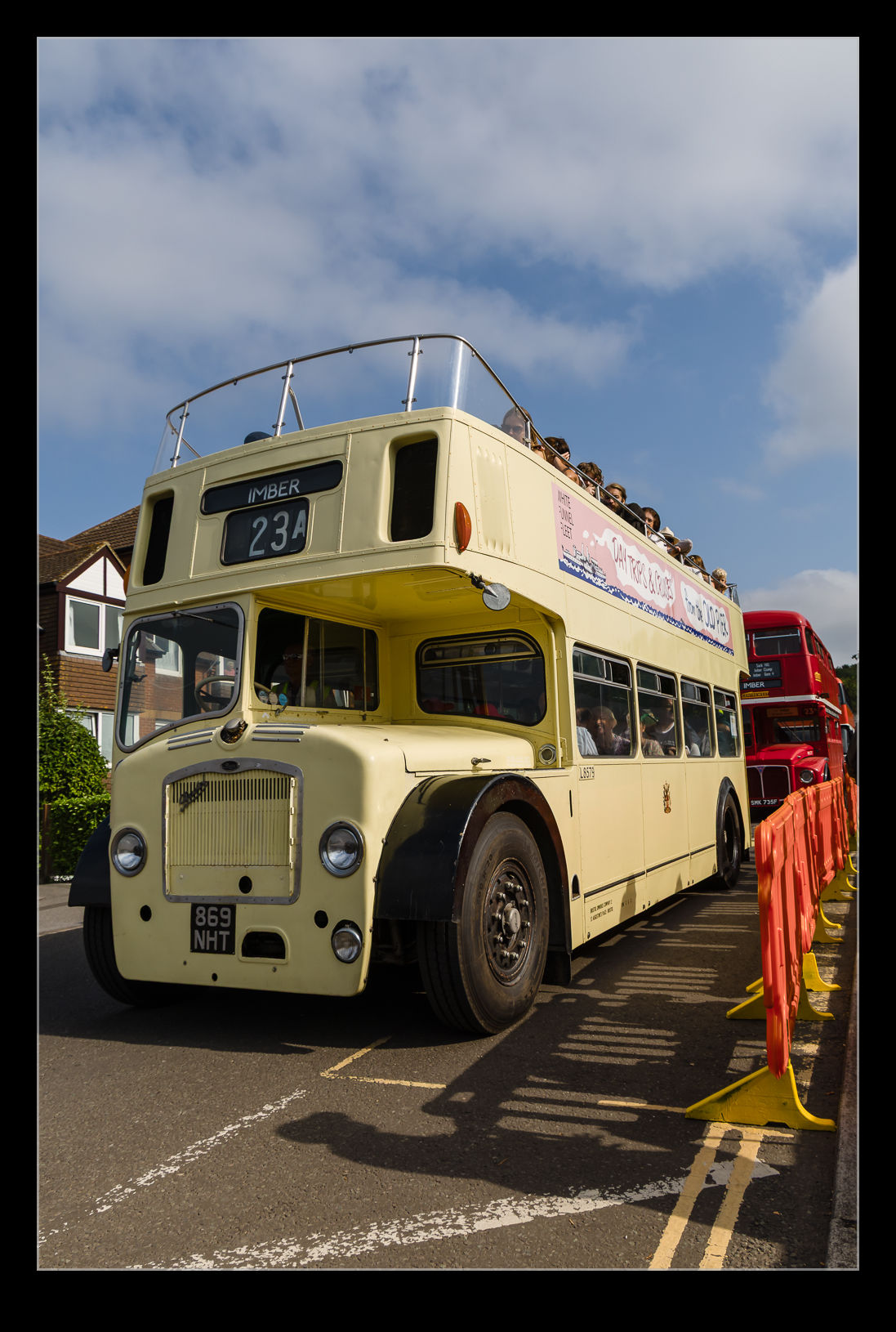
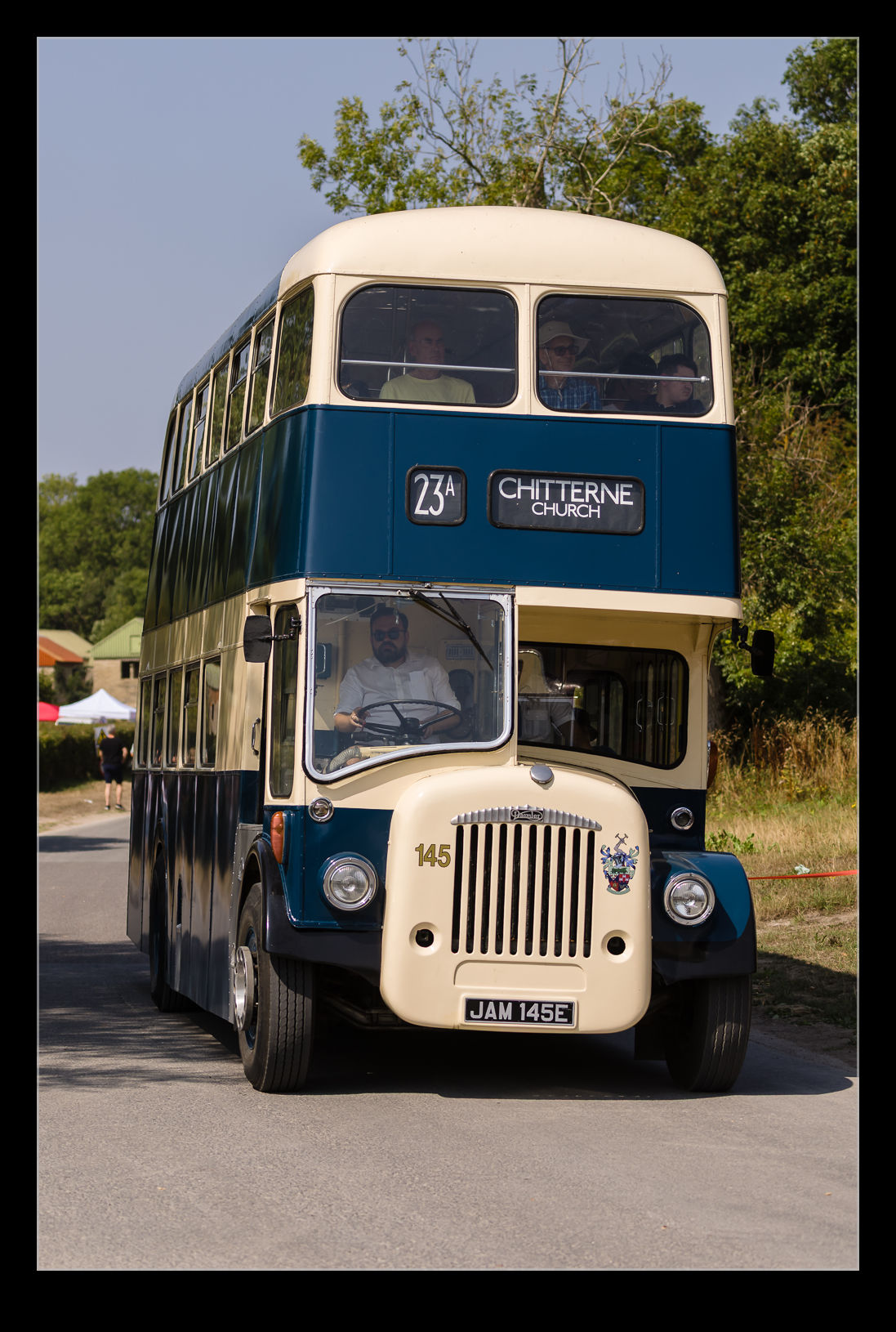
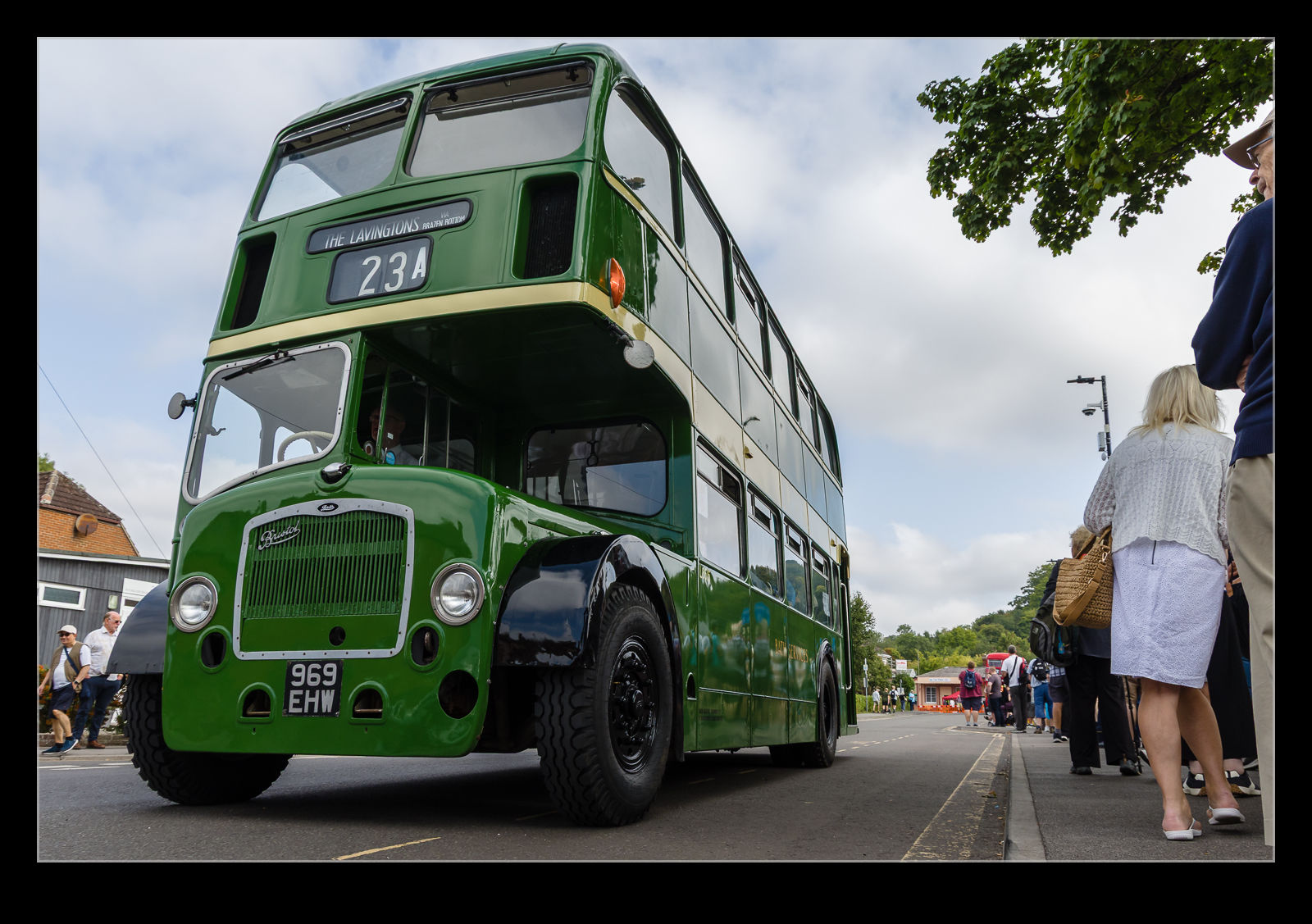
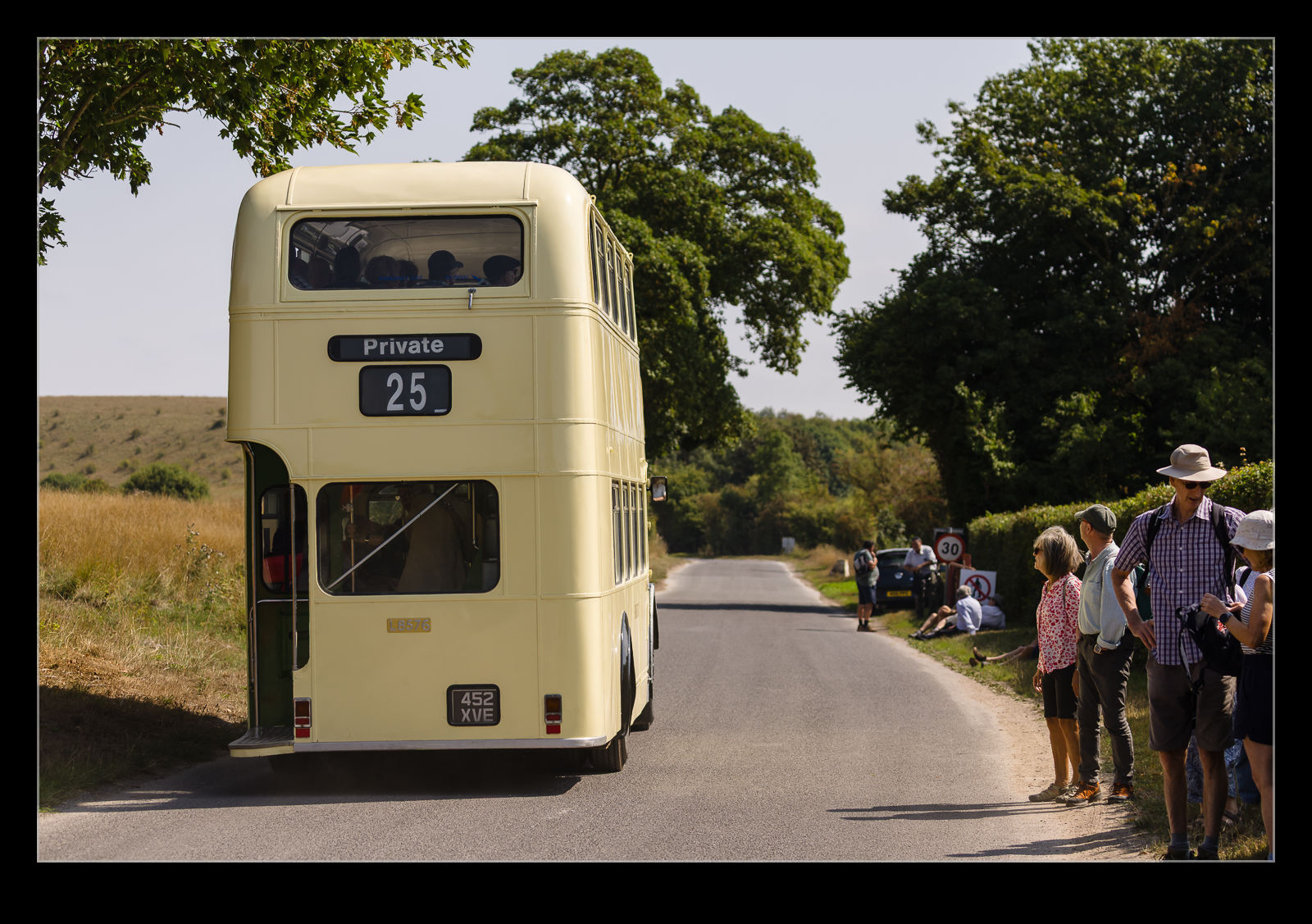
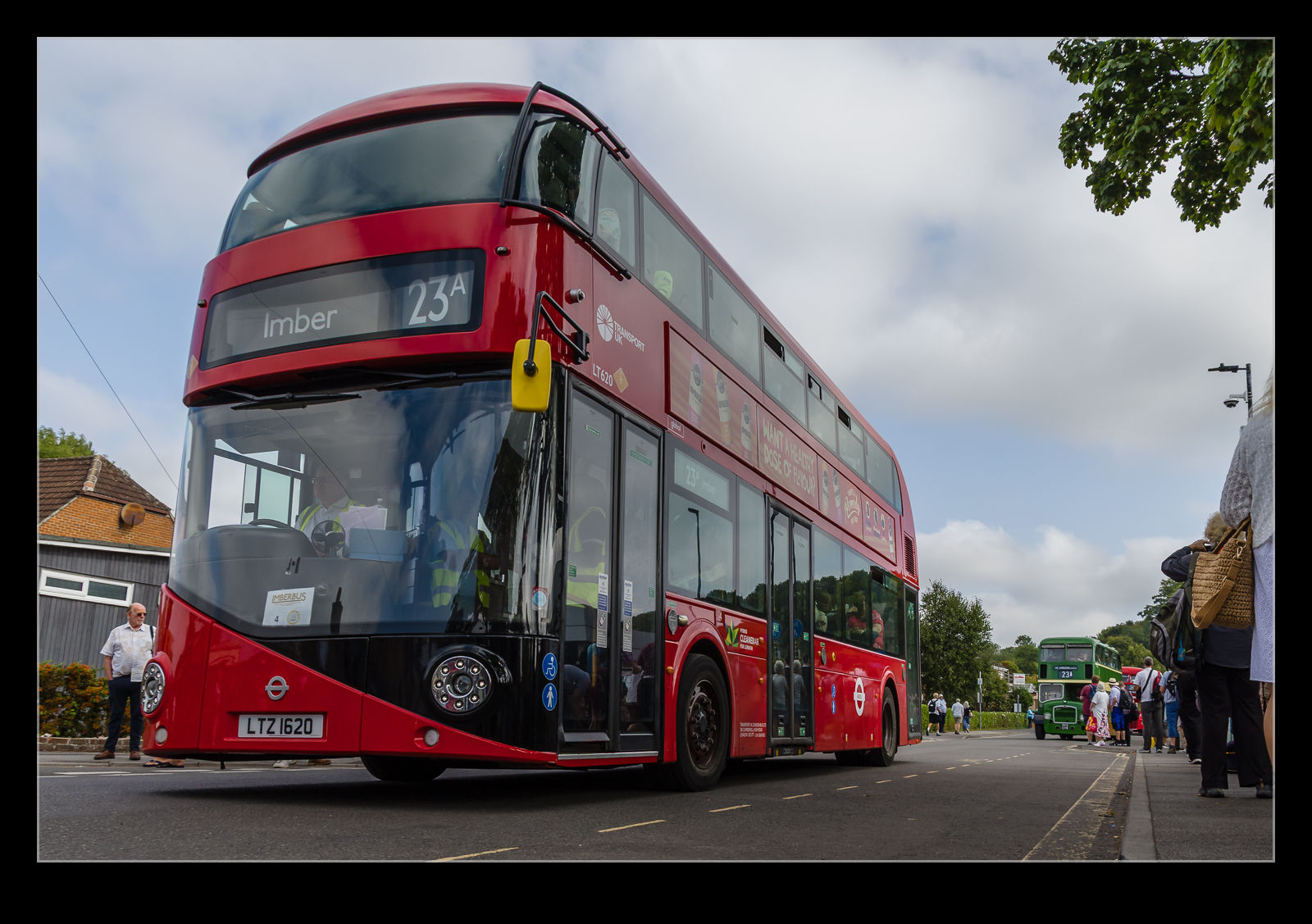
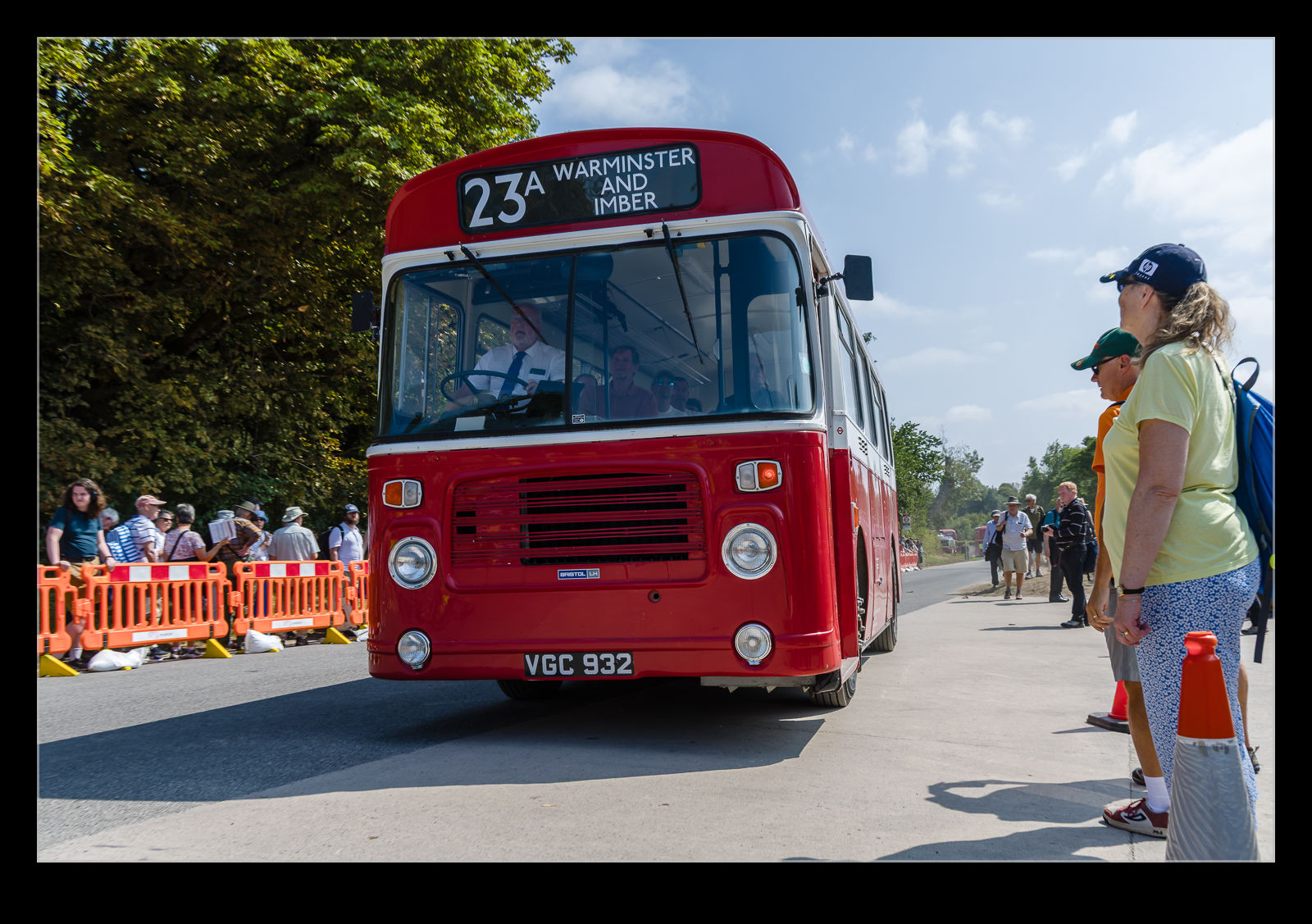
The visit to Imber that I recently posted about was facilitated by a fleet of buses. Many of these were quite old. Some were very modern. We had old Routemasters from London, open top double deckers and fully electric buses. For us they were a means to get onto Salisbury Plain, but this was clearly a great day for bus spotters. Now, I have be known to take a passing interest in aircraft and there is nothing wrong with that. Is bus spotting okay? That’s a different thing entirely!!

There was a lot to keep the enthusiasts happy. I have no idea whether any of these buses was more special than the next. They did seem to be maintained in immaculate condition. The ride was definitely not as comfortable as a modern vehicle and the rough roads across the Plain showed that up. It was quite interesting to see a small convoy of buses making there way in to and out of Imber. I did see some guys getting quite animated as they tried to photograph a bus while one of the volunteers was marshalling it into place. I think his need was greater than theirs.
This is Not a Canberra or a Lightning!

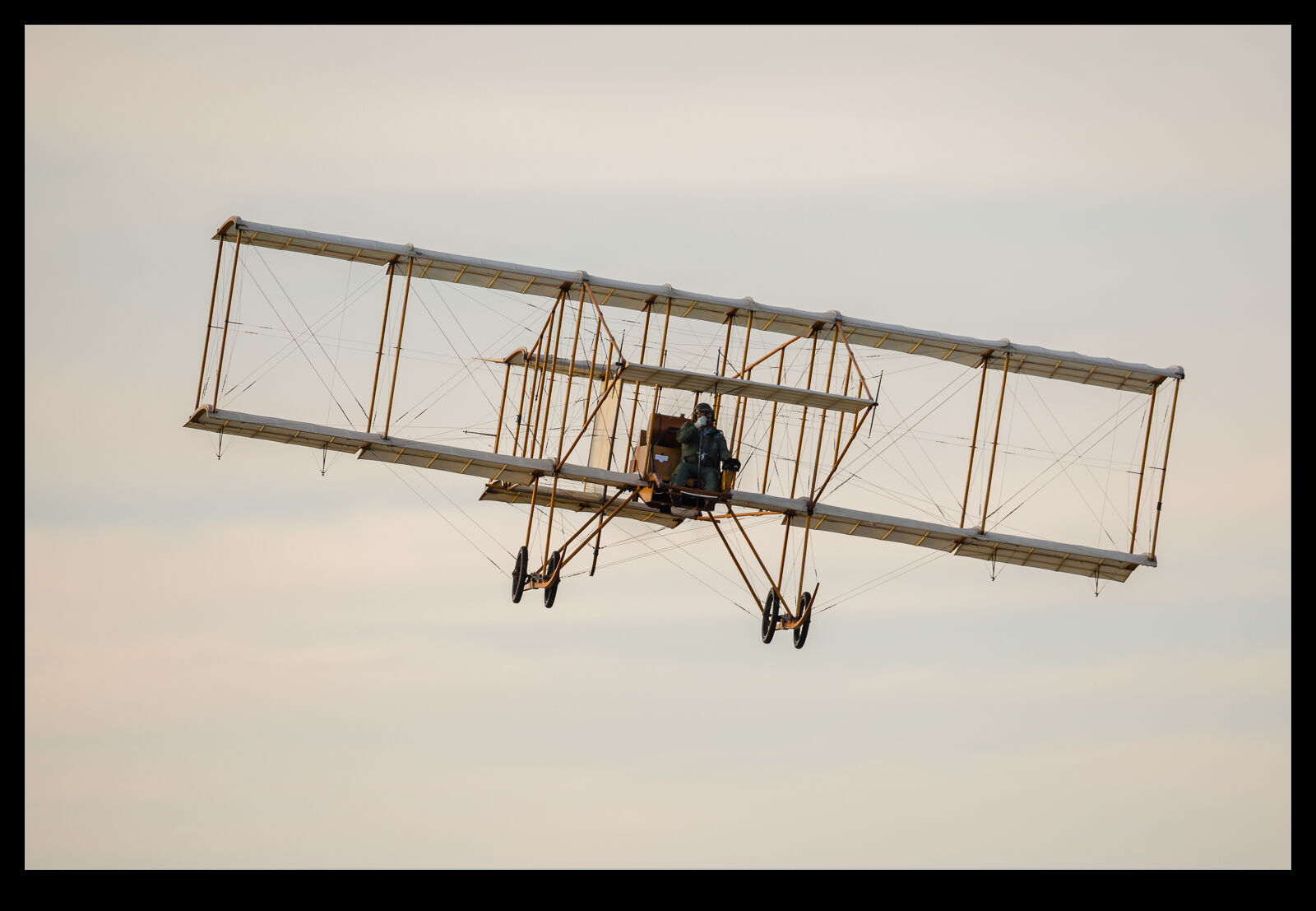
The name English Electric is well known in aviation circles. Before it was subsumed into the British Aircraft Corporation, it had produced the Lightning interceptor and the Canberra bomber. The Lightning might have got more glory, but the Canberra was by far the more successful type with excellent performance. However, there is a lesser-known type that came from the company a long time before.

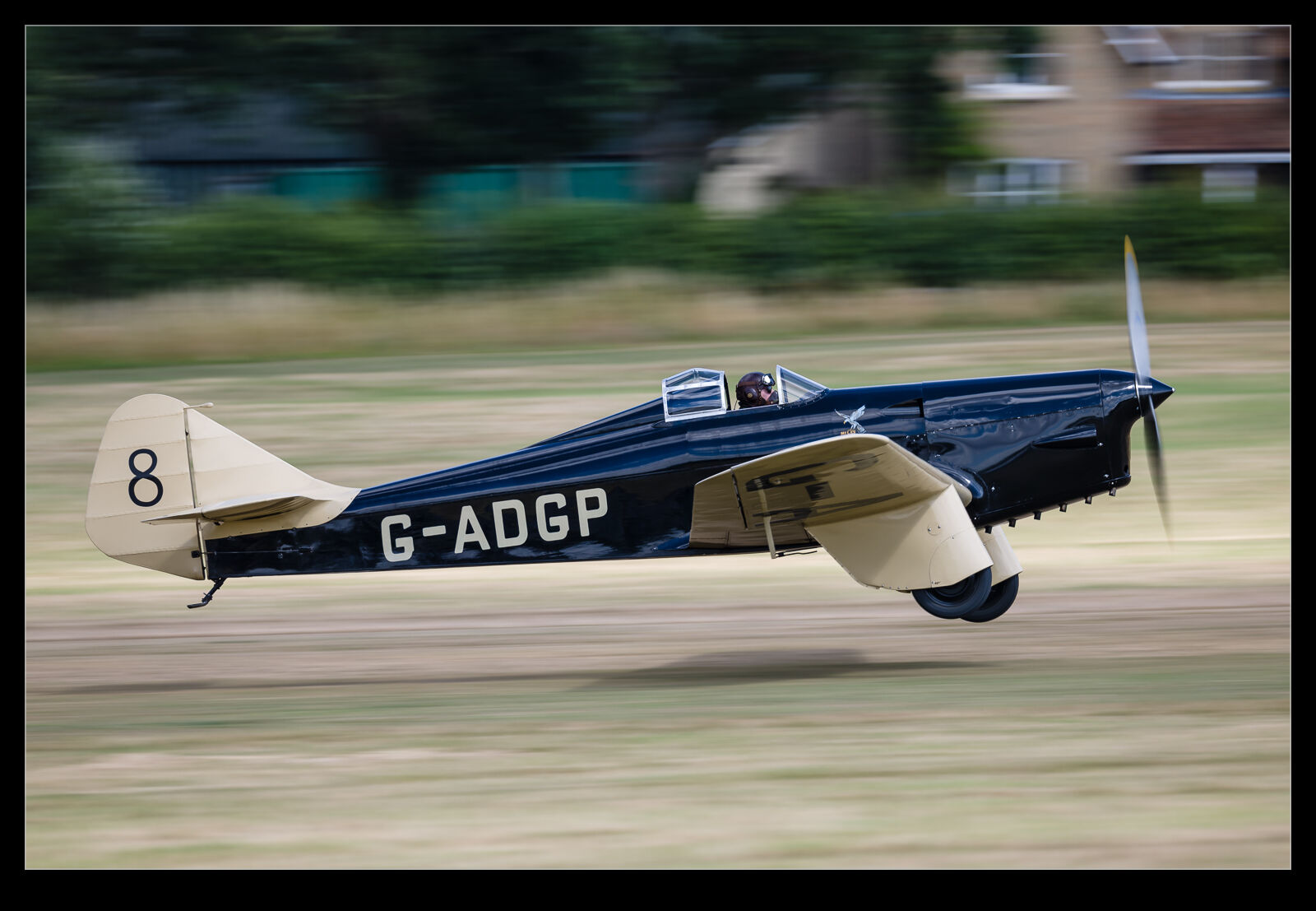
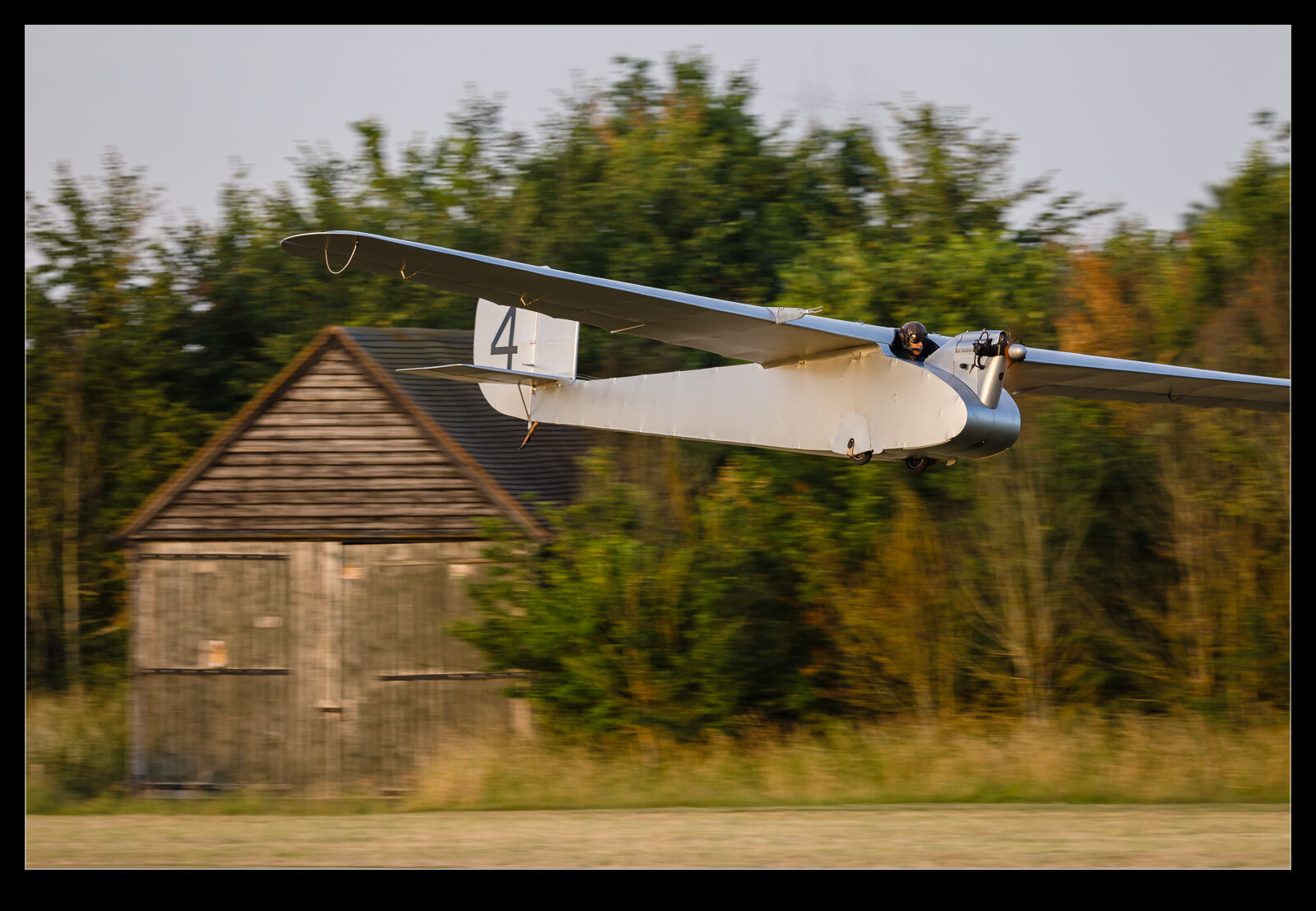
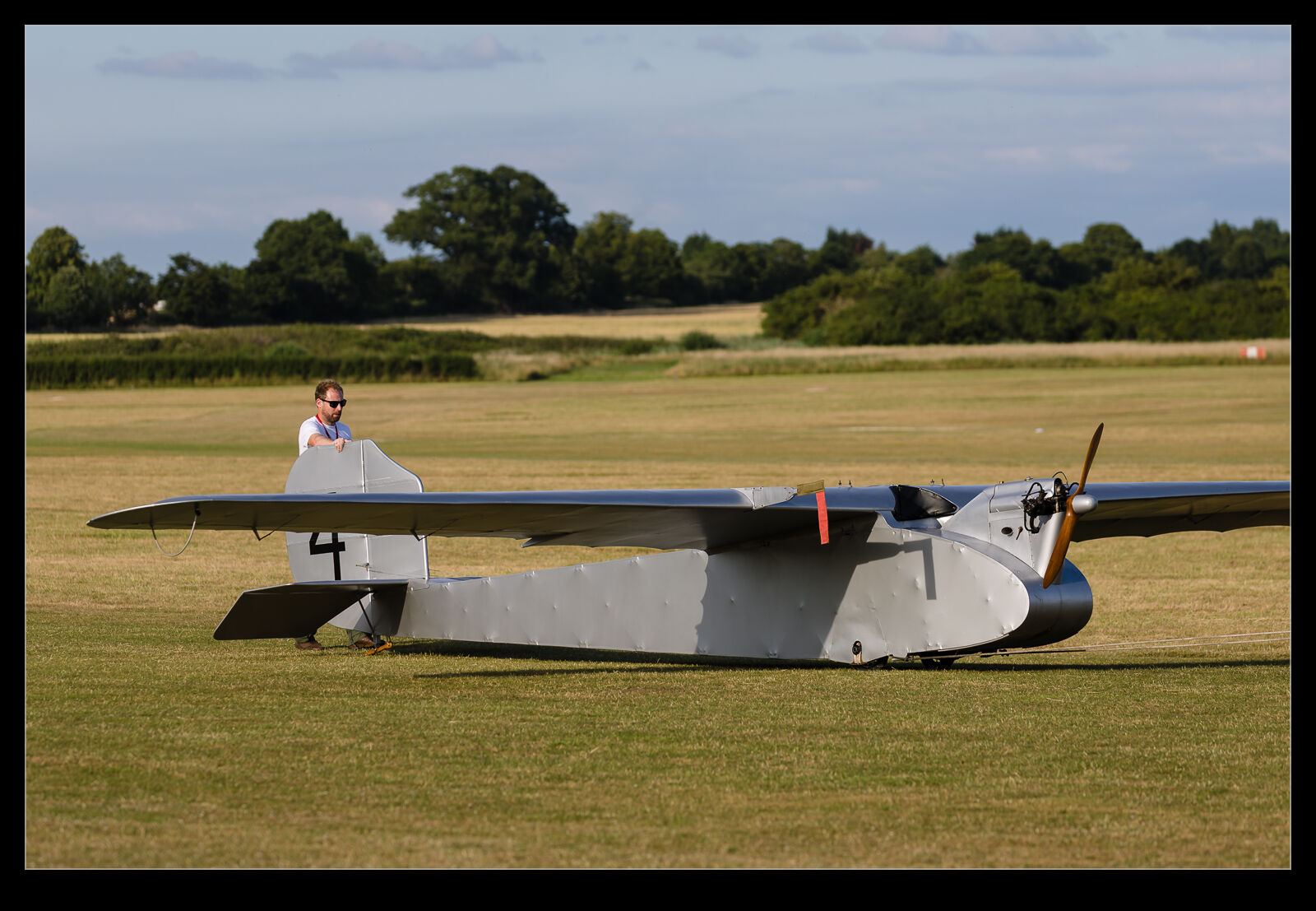
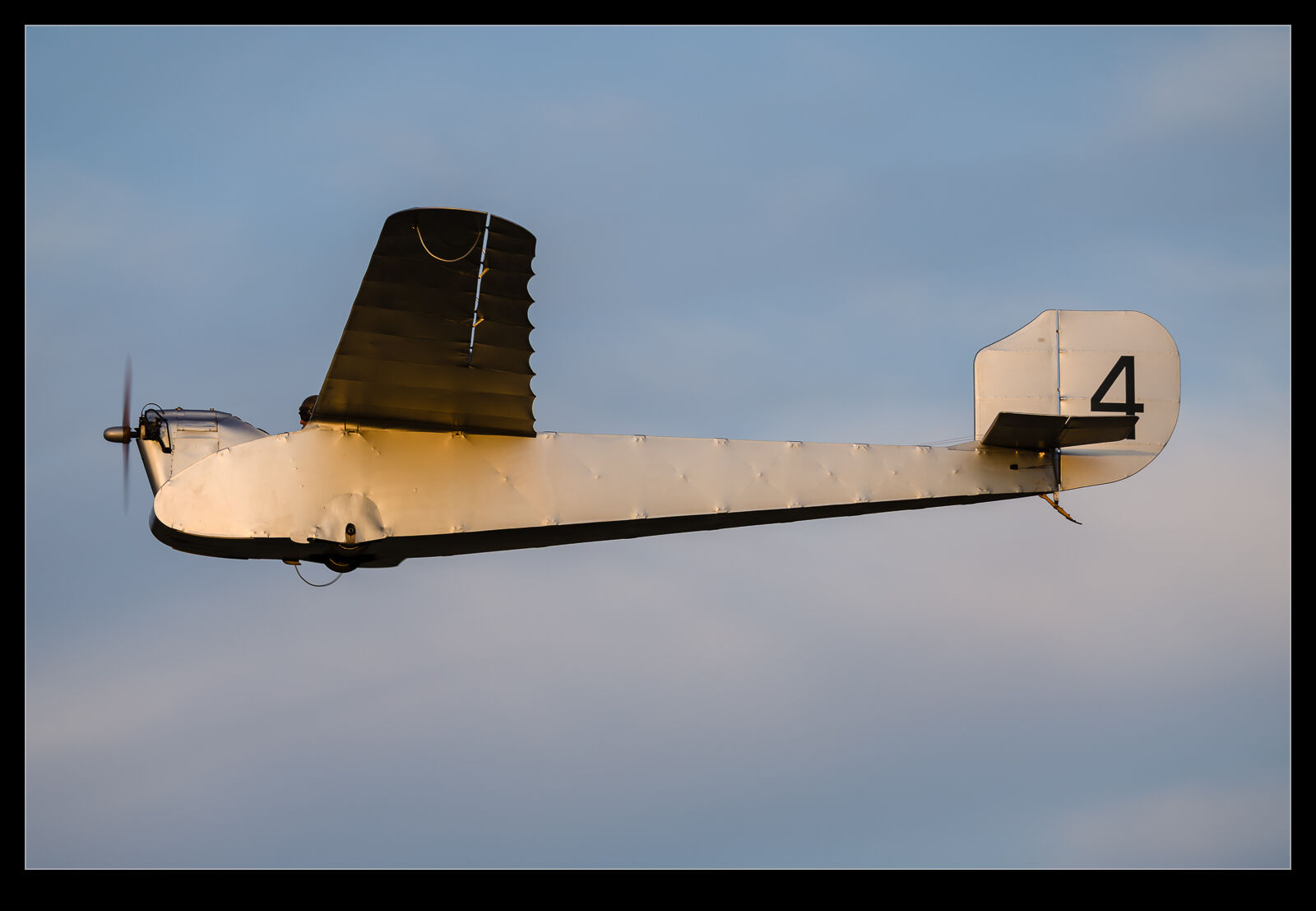
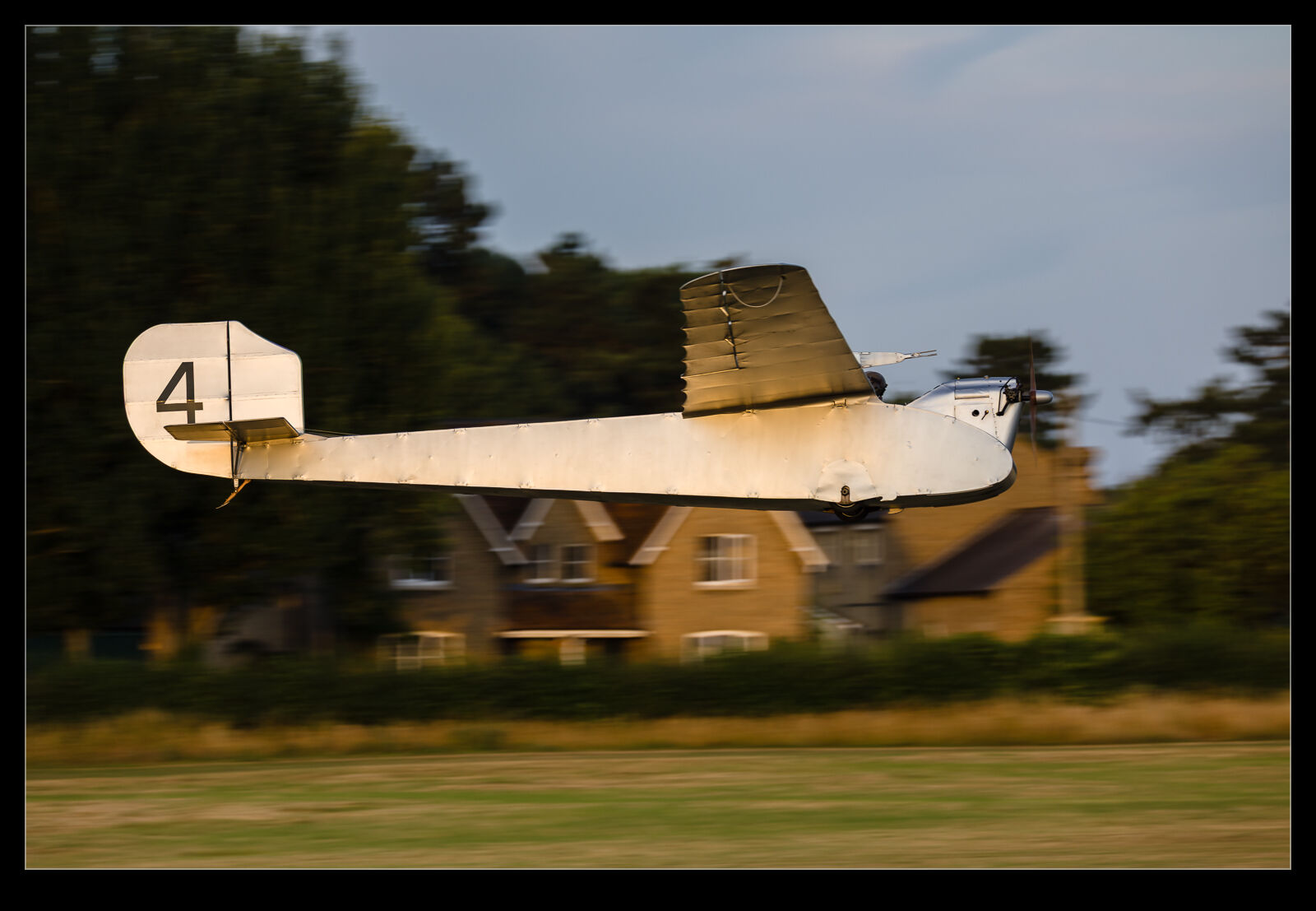
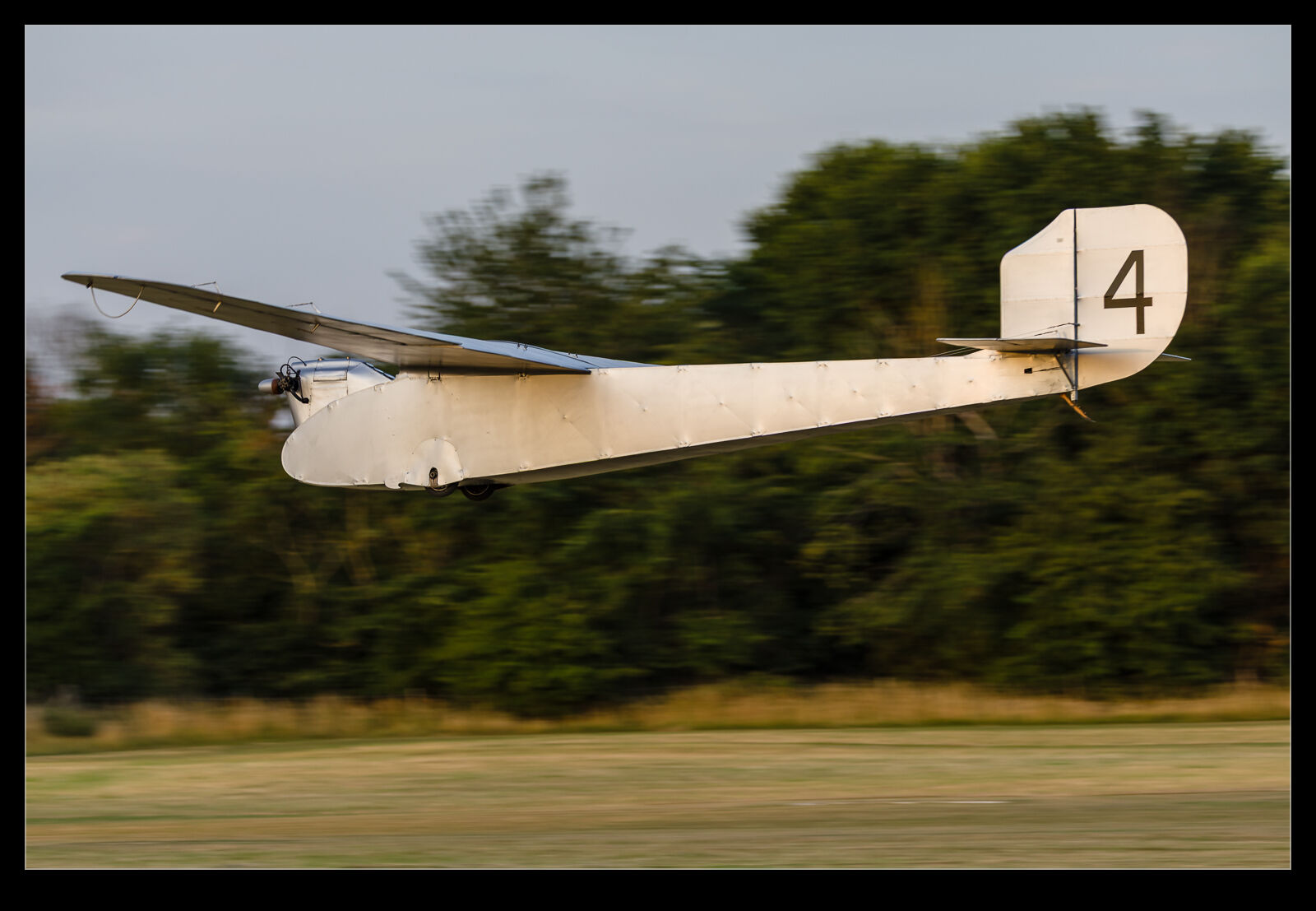
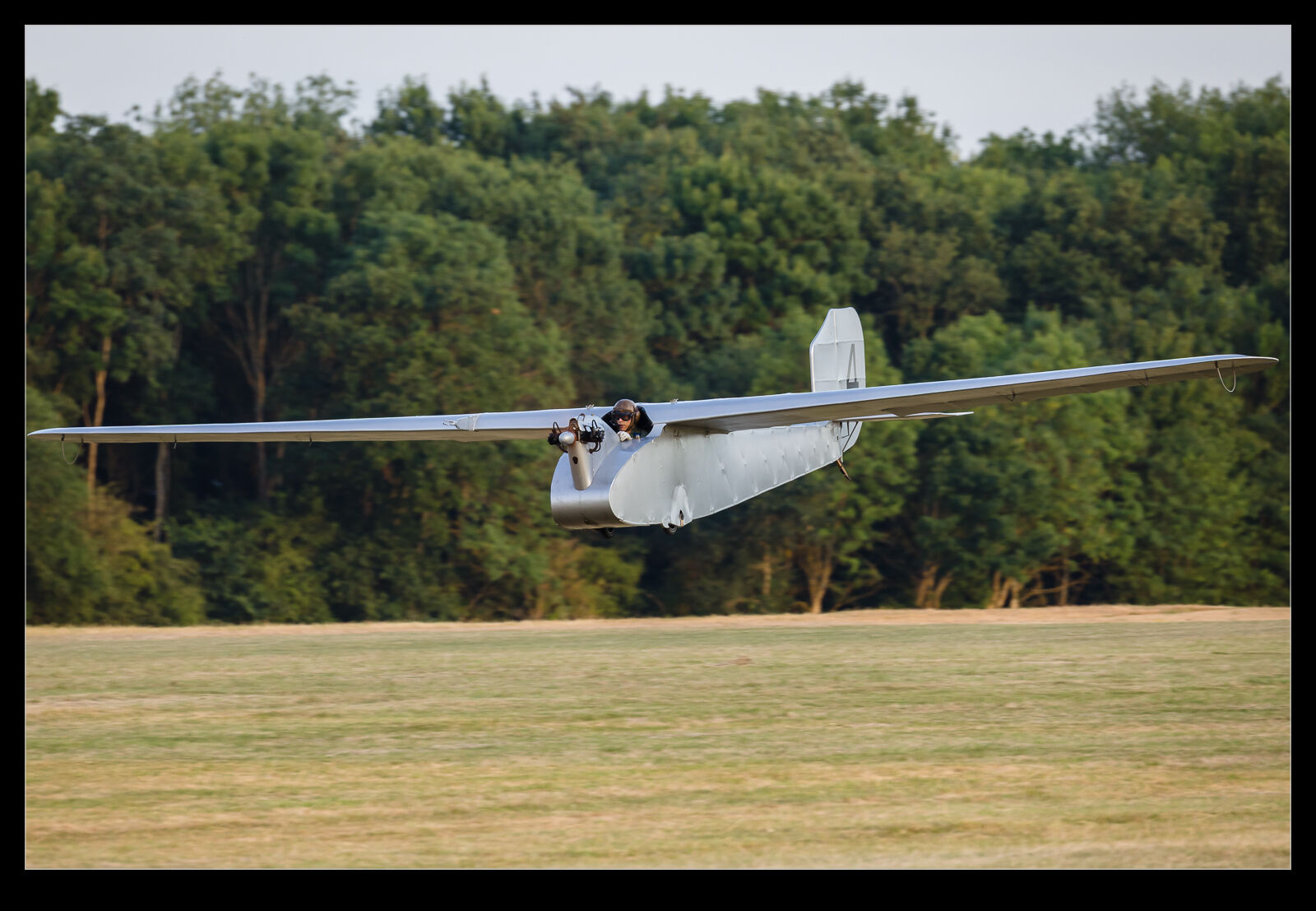
I first heard of the Wren when I read about it in Roly Beamont’s book. He was the chief test pilot at English Electric, and he described this vintage aircraft with very limited power that the company restored and hopped along the runway at Warton many years before I worked there. The aircraft now lives at Old Warden and it was brought out to fly during the Shuttleworth Festival of Flight. It was towed up to the far end of the field in preparation for its flight. The conditions were smooth, so it was going to be able to perform.

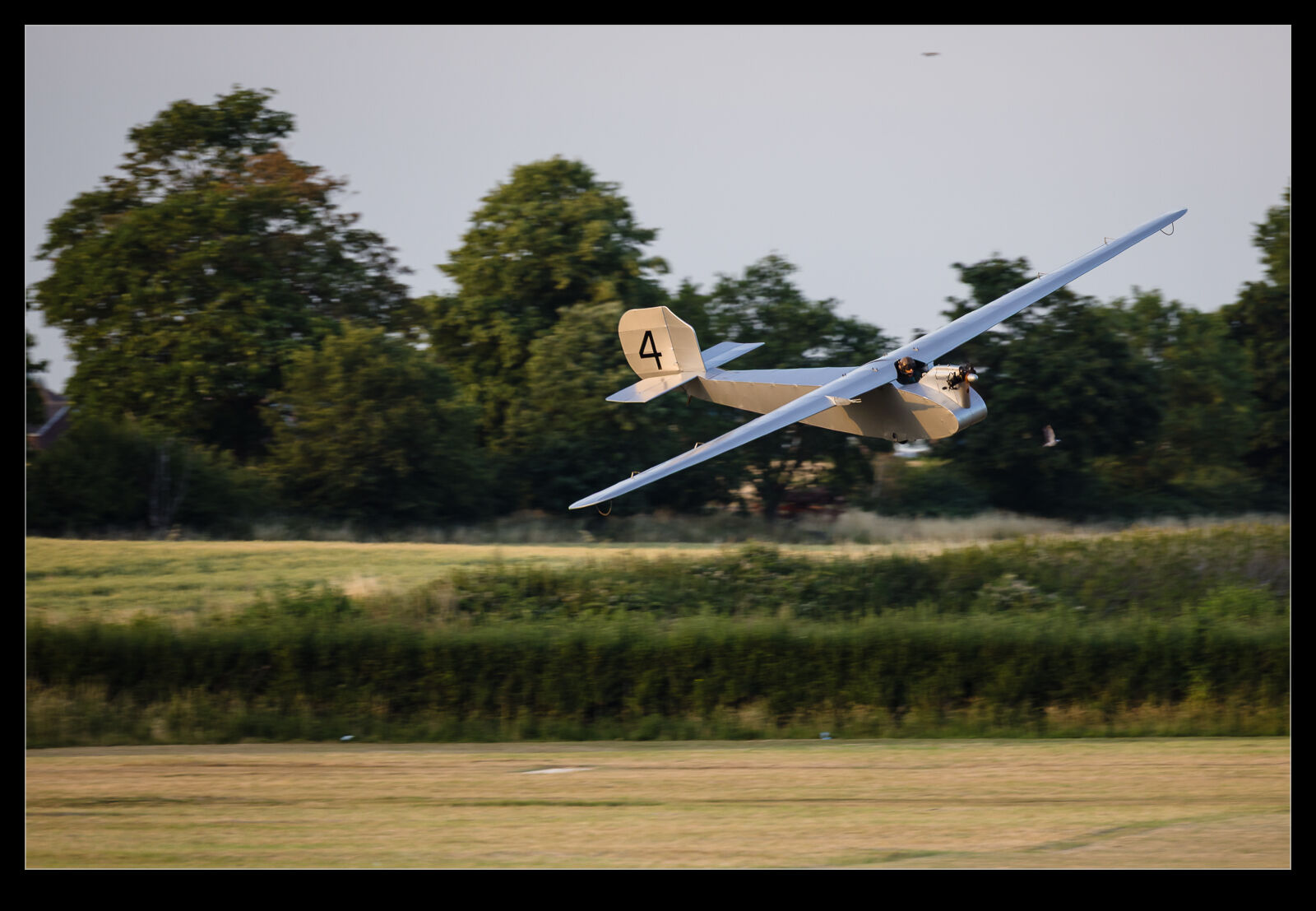
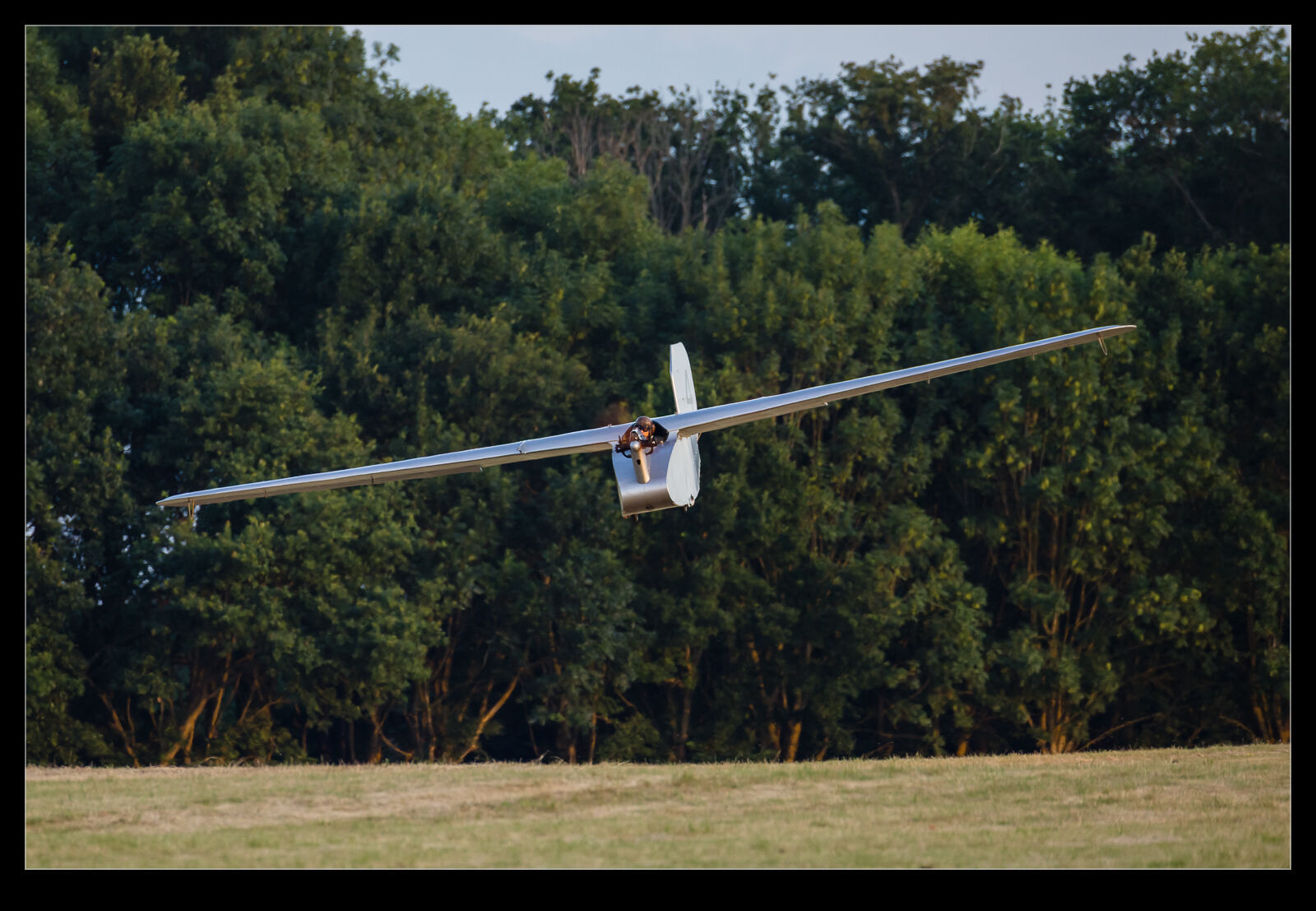
Having read that it was not over-endowed with power and that the Warton tests had involved some basic hops along the runway, this was what I had anticipated would be the case here. However, they were more ambitious. After flying the length of the field, a turn was made for a return run. I have to admit, when I first saw the turn, I did fear that all was not well. The whole flight was at low level, so the turn was also low. The angle made it look like the plane was heading for the trees. However, this was quite normal and in control. Even so, every turn made me tense up slightly. I guess by the end of the flight, I was getting used to it. Even so, it was quite unlike most flying I have watched.
Multiple passes were made during the flight. The light was definitely playing ball along certain parts of the passes so I was able to grab quite a few shots. It’s not the most elegant looking plane and I imagine the view for the pilot is pretty minimal. Even so, as rarities go, it is right up there so to see it fly was a nice result.

The Oldest Flying British Aircraft

The very earliest days of aviation meant a lot of experimenters and innovators were trying their hand at flying. Some had success and many didn’t. Most of those early planes were never preserved (and many probably didn’t deserve to be. Even those that led to further success for their creators didn’t necessarily get to survive because things were moving on so fast and the historical significance would only become apparent many years later.

Consequently, it is quite a treat when something this old not only survived but is still airworthy. The oldest flying British aircraft is the Blackburn Type D. I guess the fact it is a Type D tells you that Blackburn had three preceding types that either didn’t work or didn’t survive (or perhaps both). This plane dates to 1912 although the engine is a later version. It has been in Shuttleworth’s hands since the late 1930s and it will fly if the conditions are right. Fortunately, they were when I was there for the Festival of Flight.

Unlike the two older planes that flew before it, the Type D seemed a lot more capable a plane and it was able to climb and manoeuvre around the display area with relative ease. The conditions were good to it, and we got to enjoy a lot of time with it before it landed. An amazing piece of history to witness on display.

The Bleriot Gets Airborne – Just!

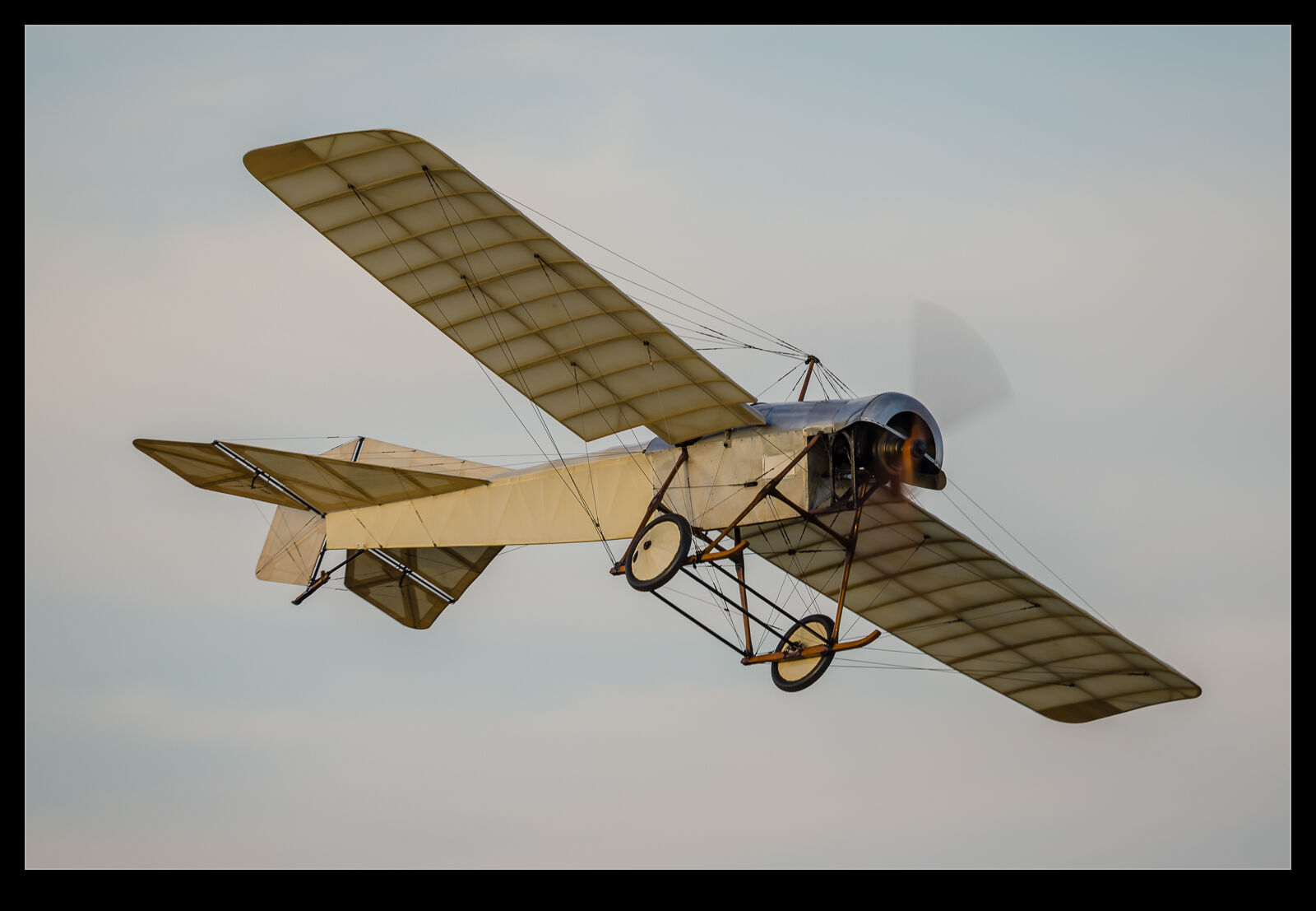
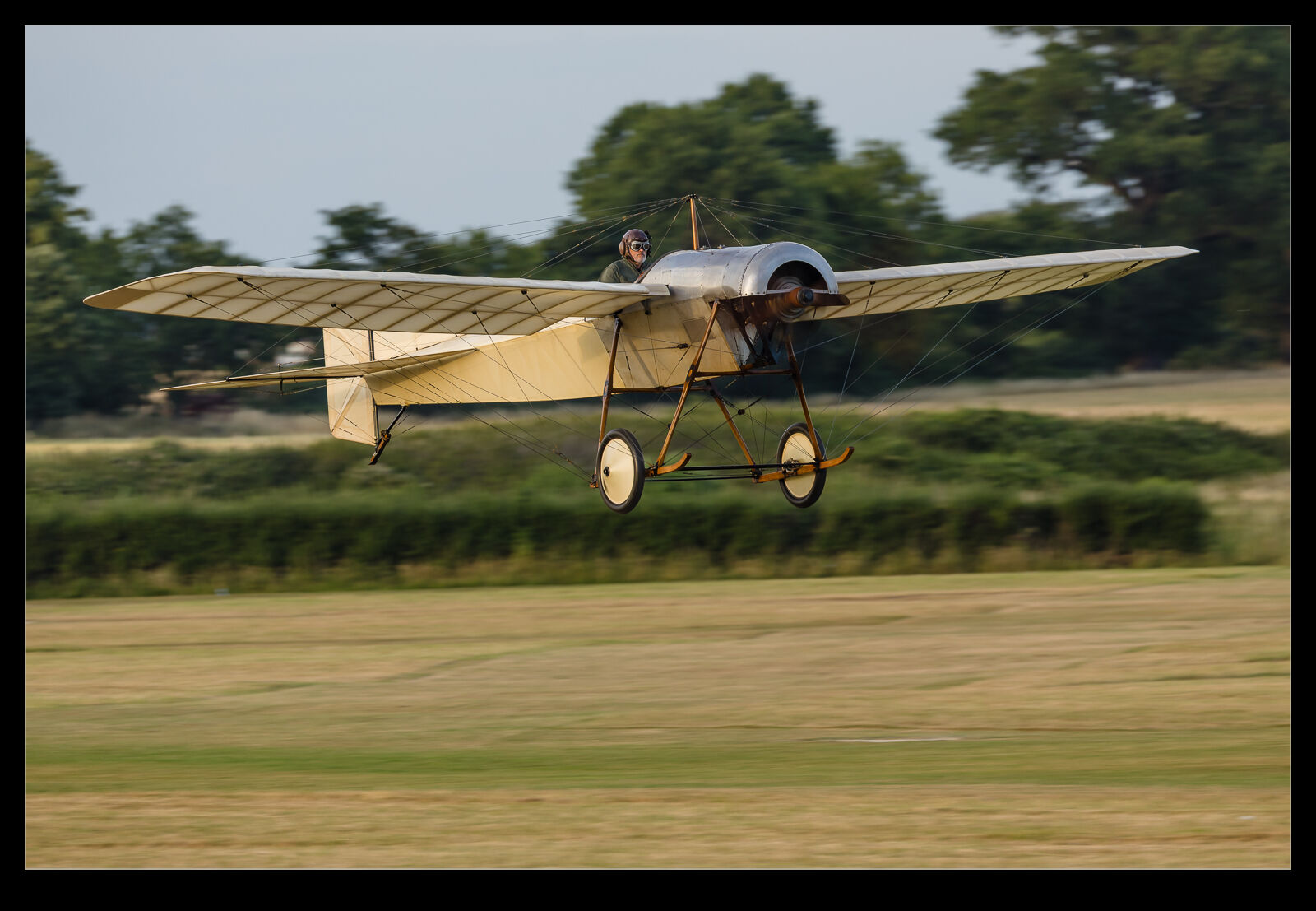
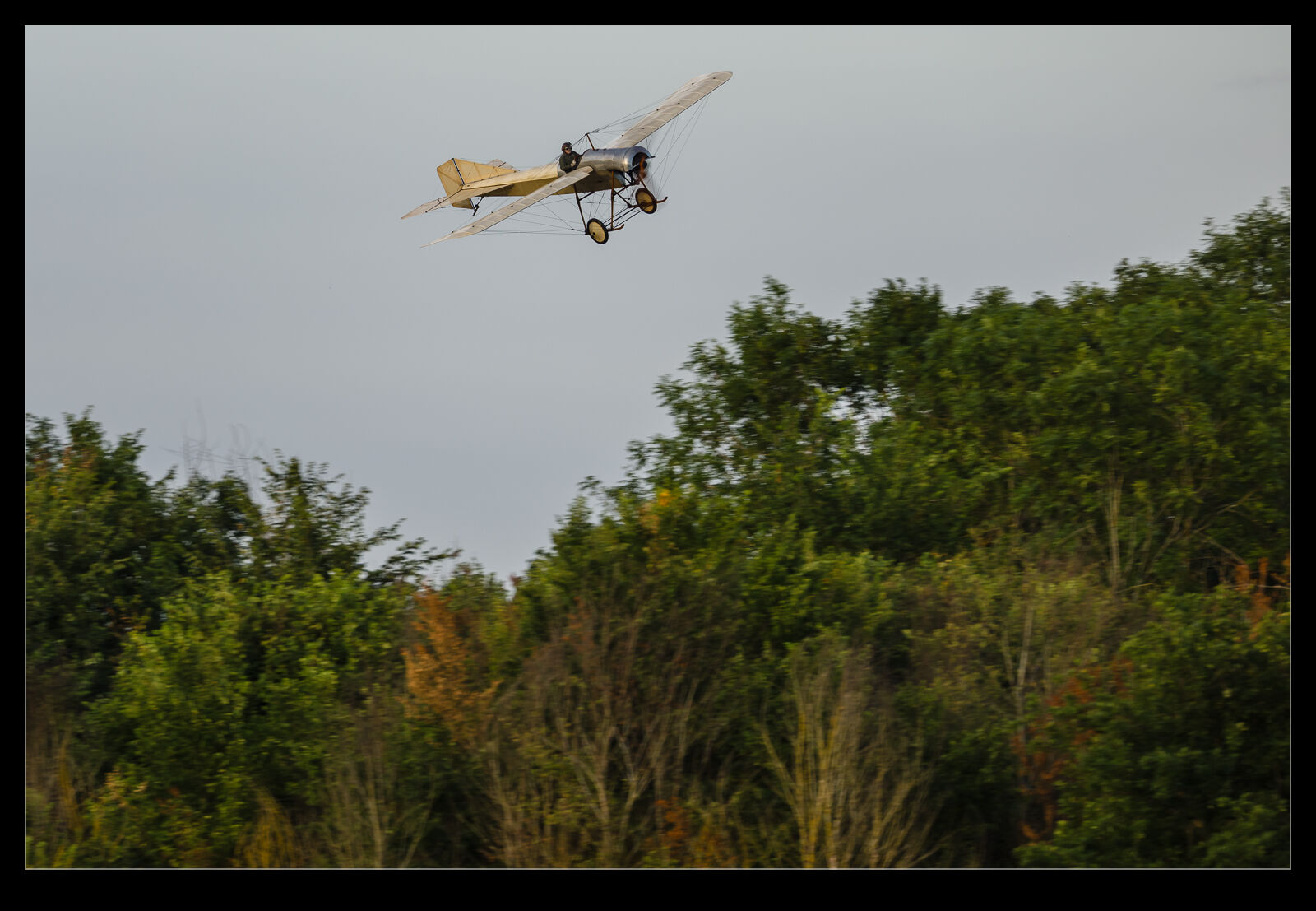
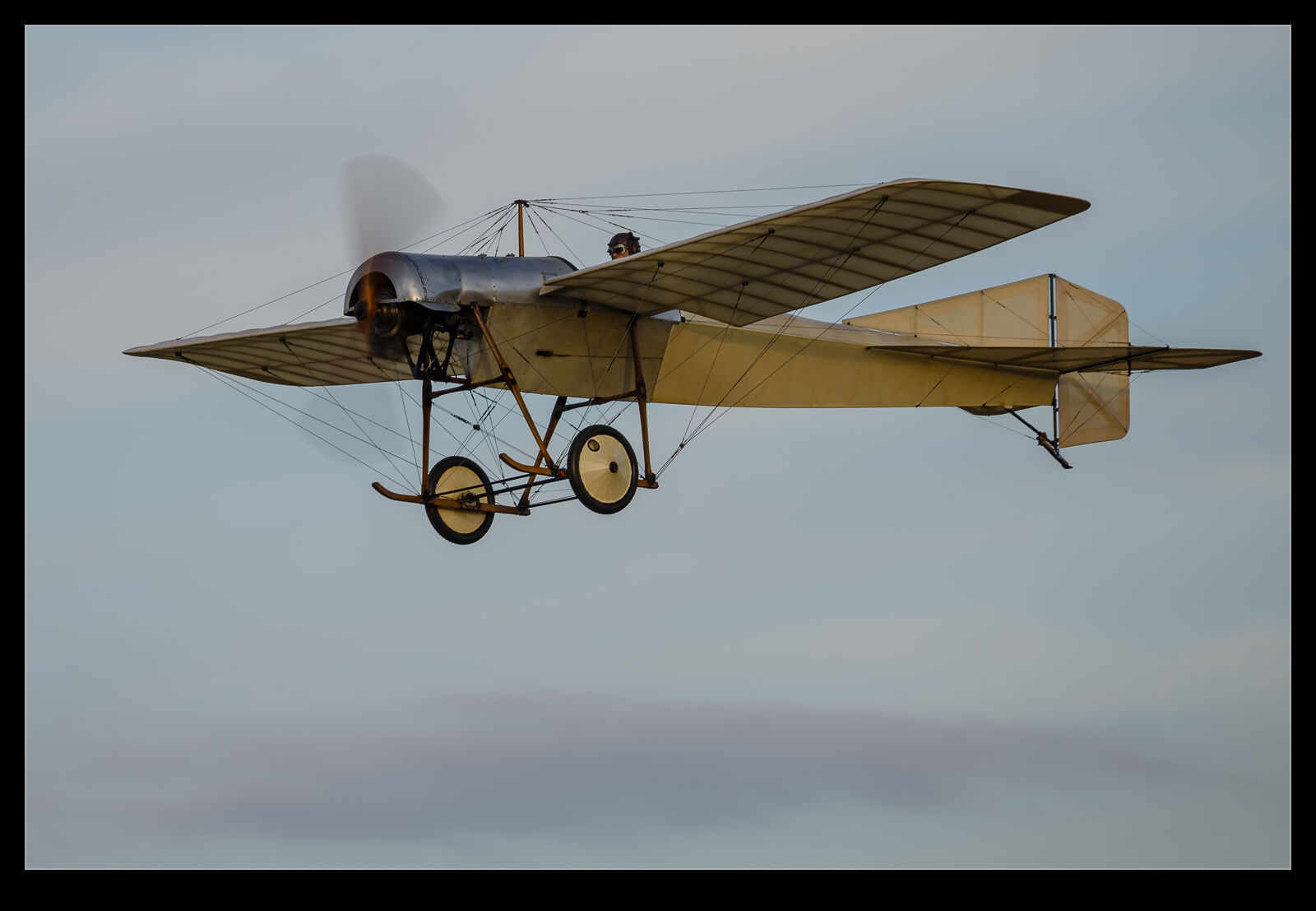
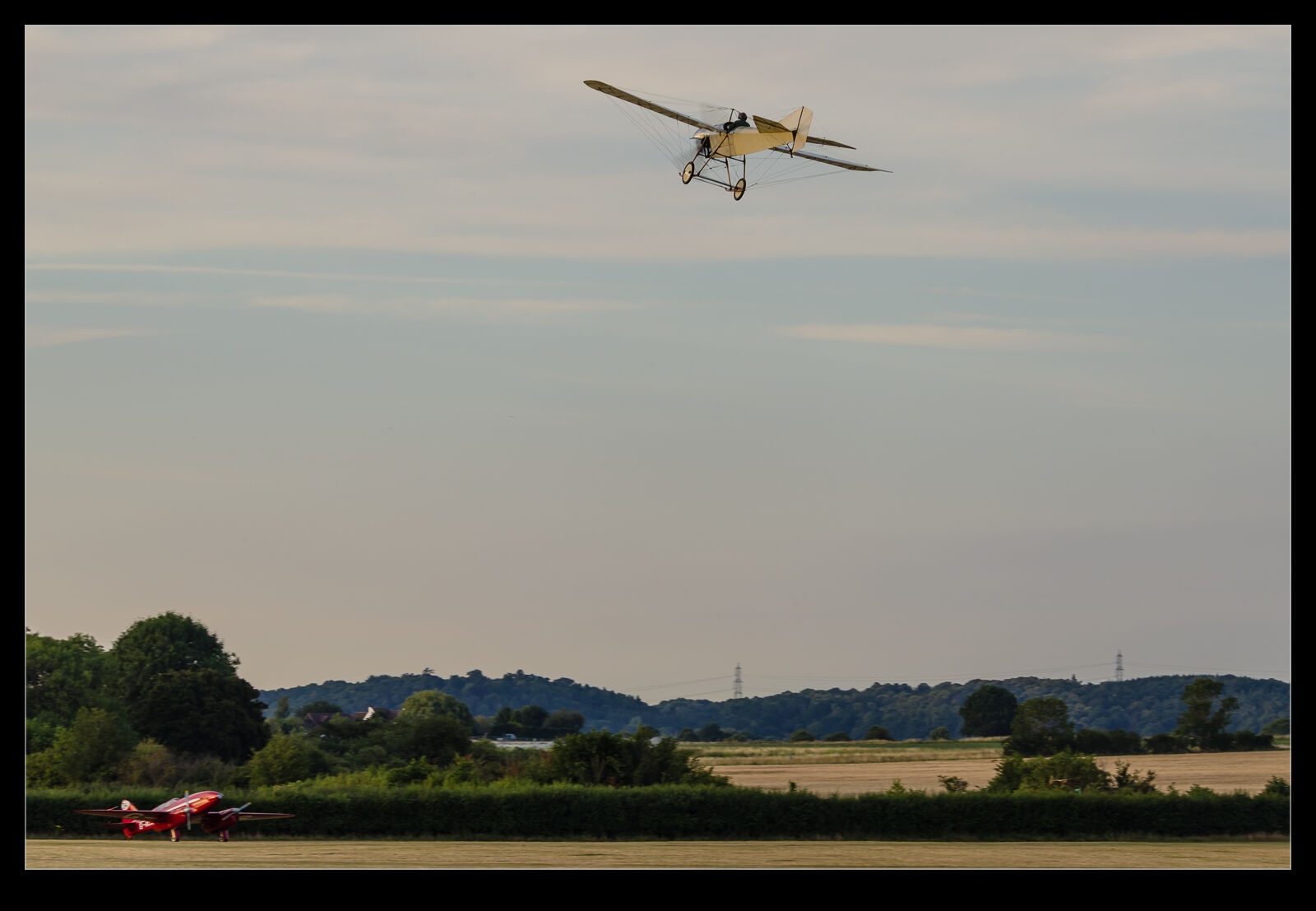
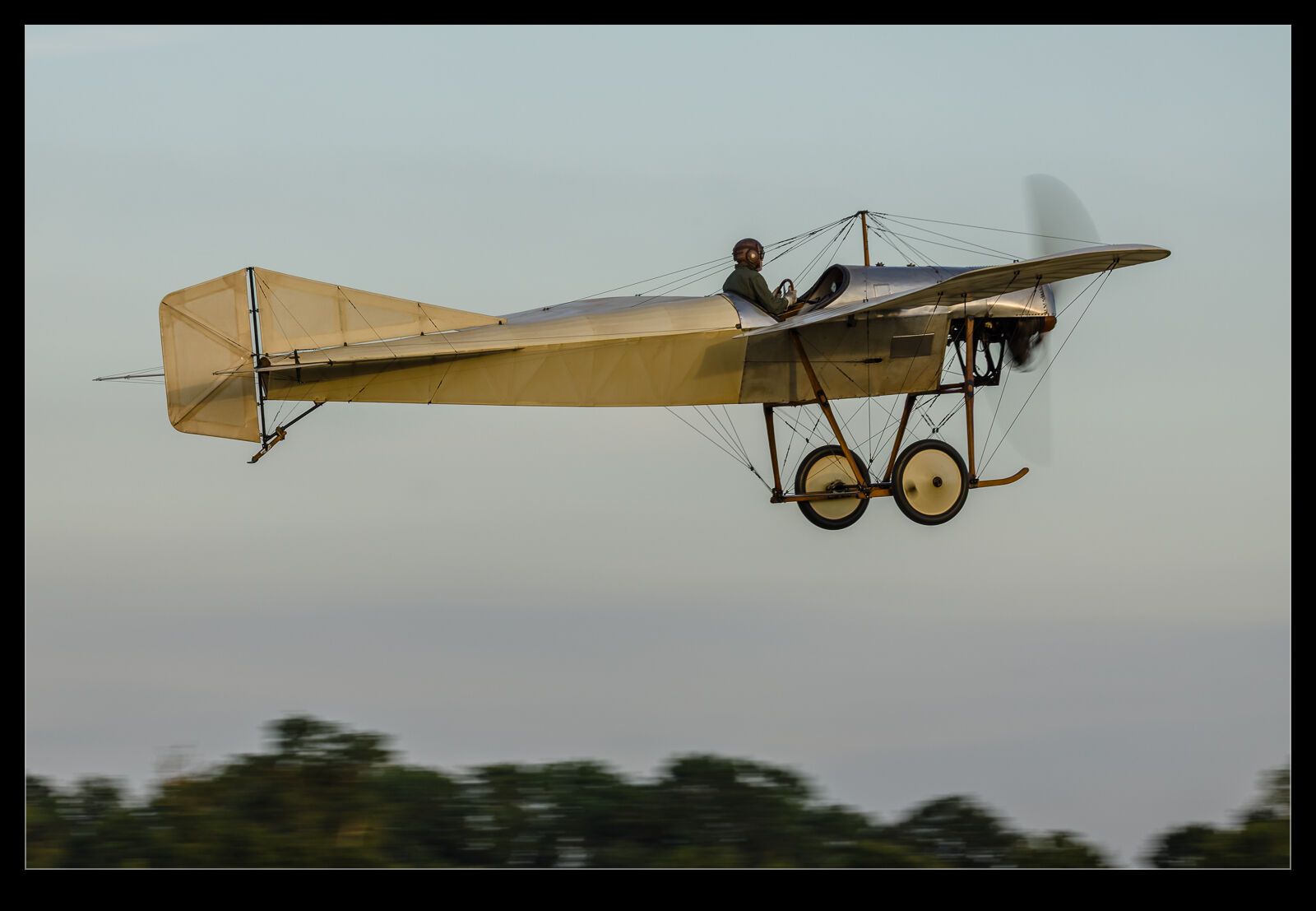
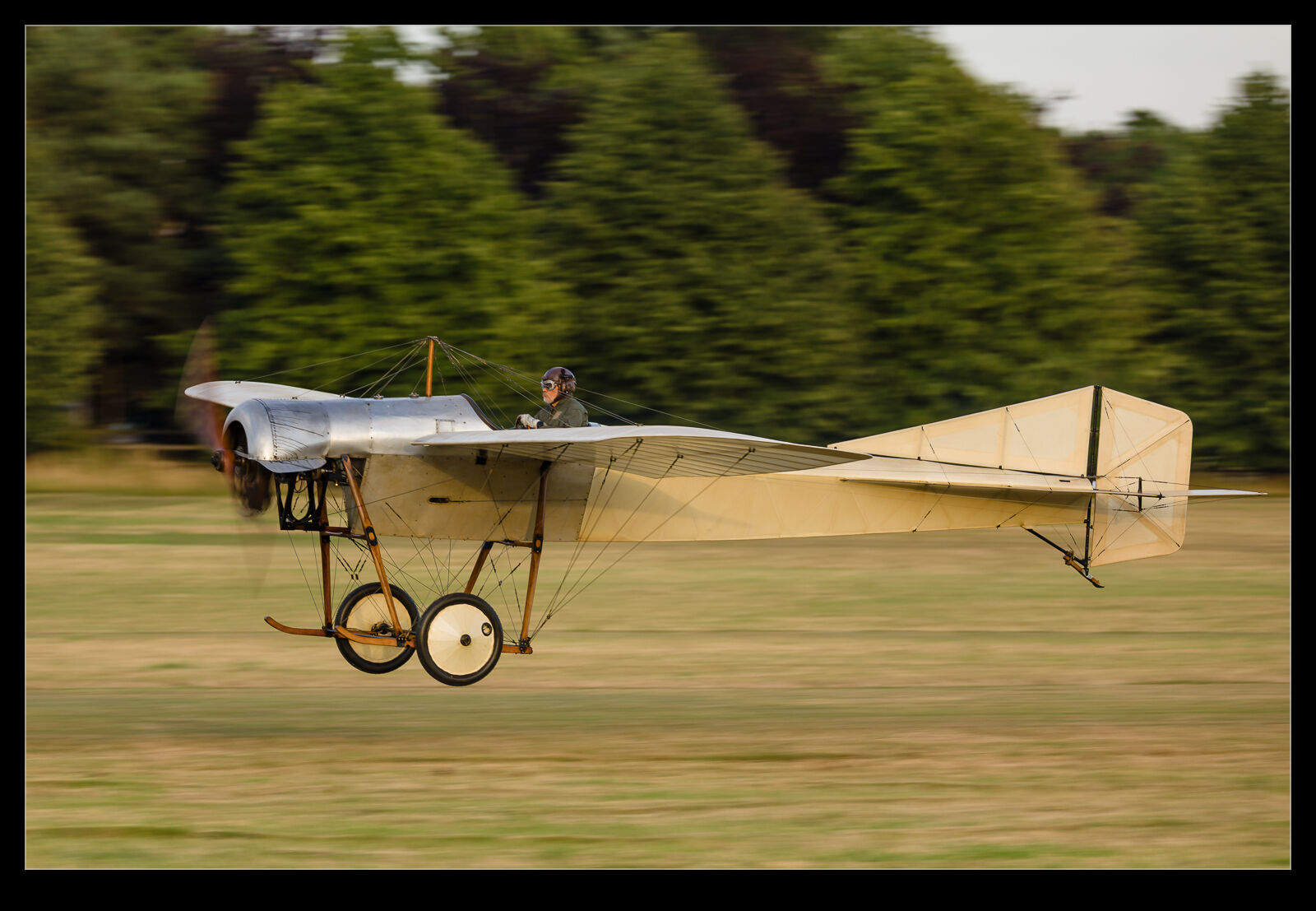
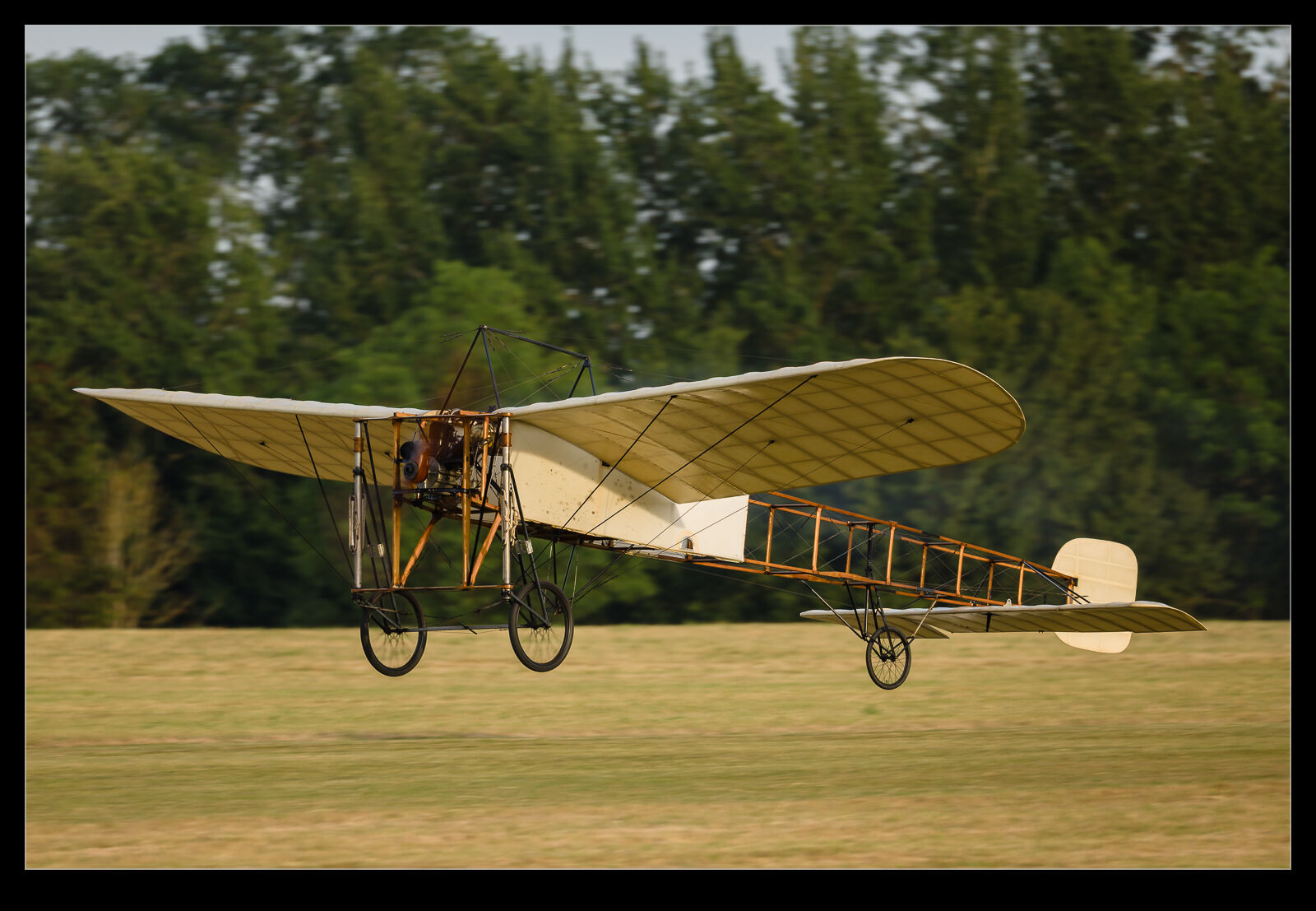
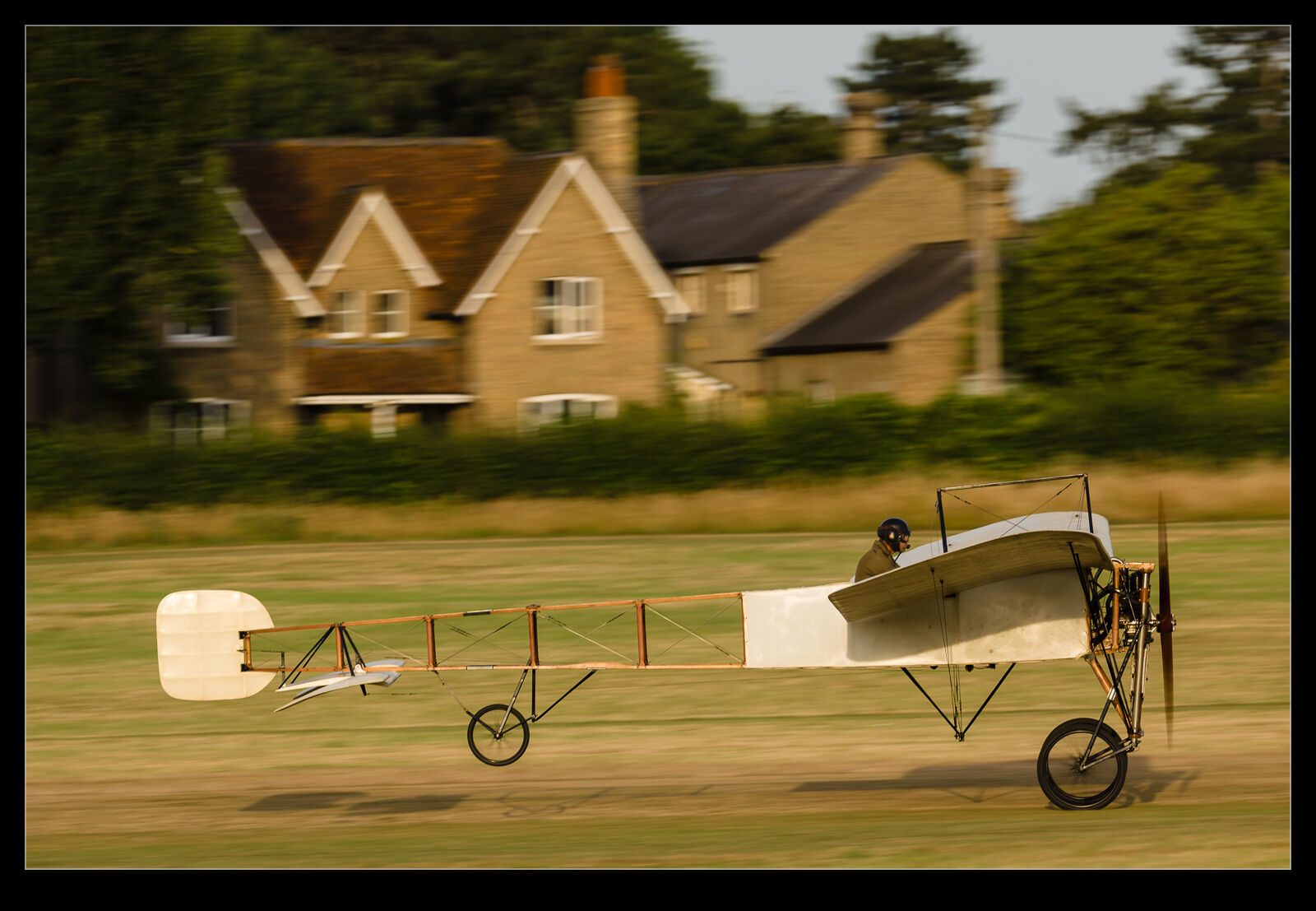
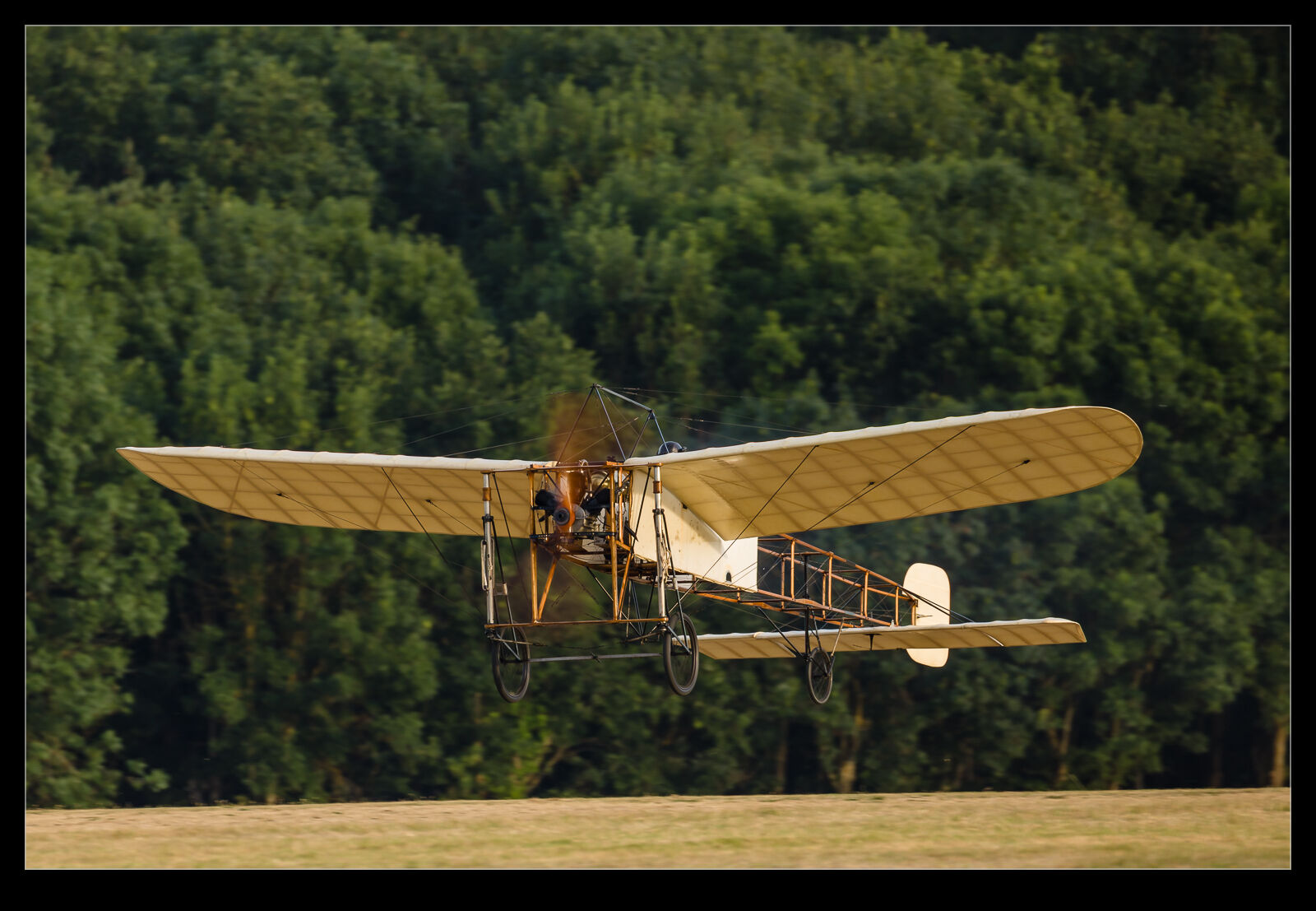
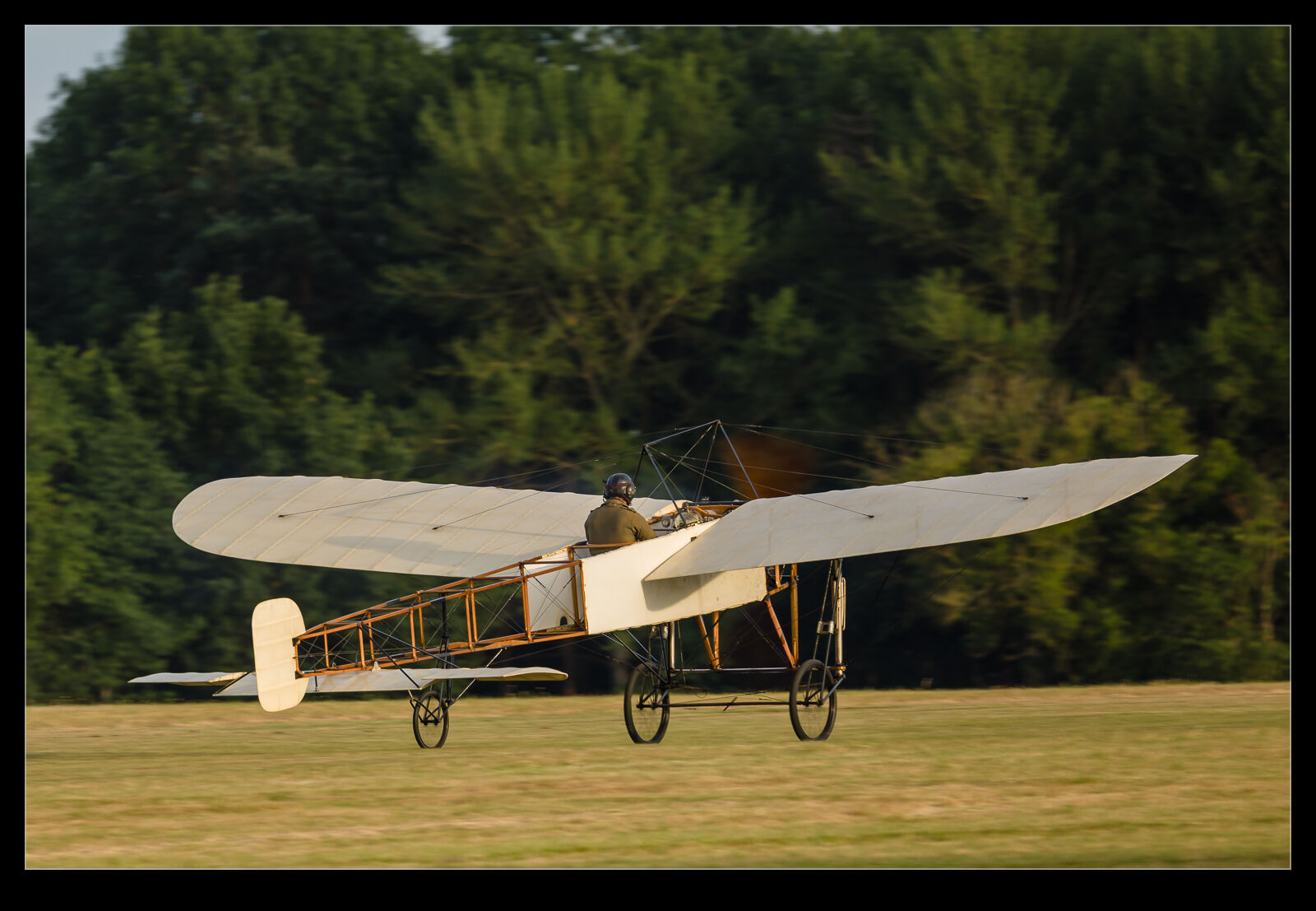
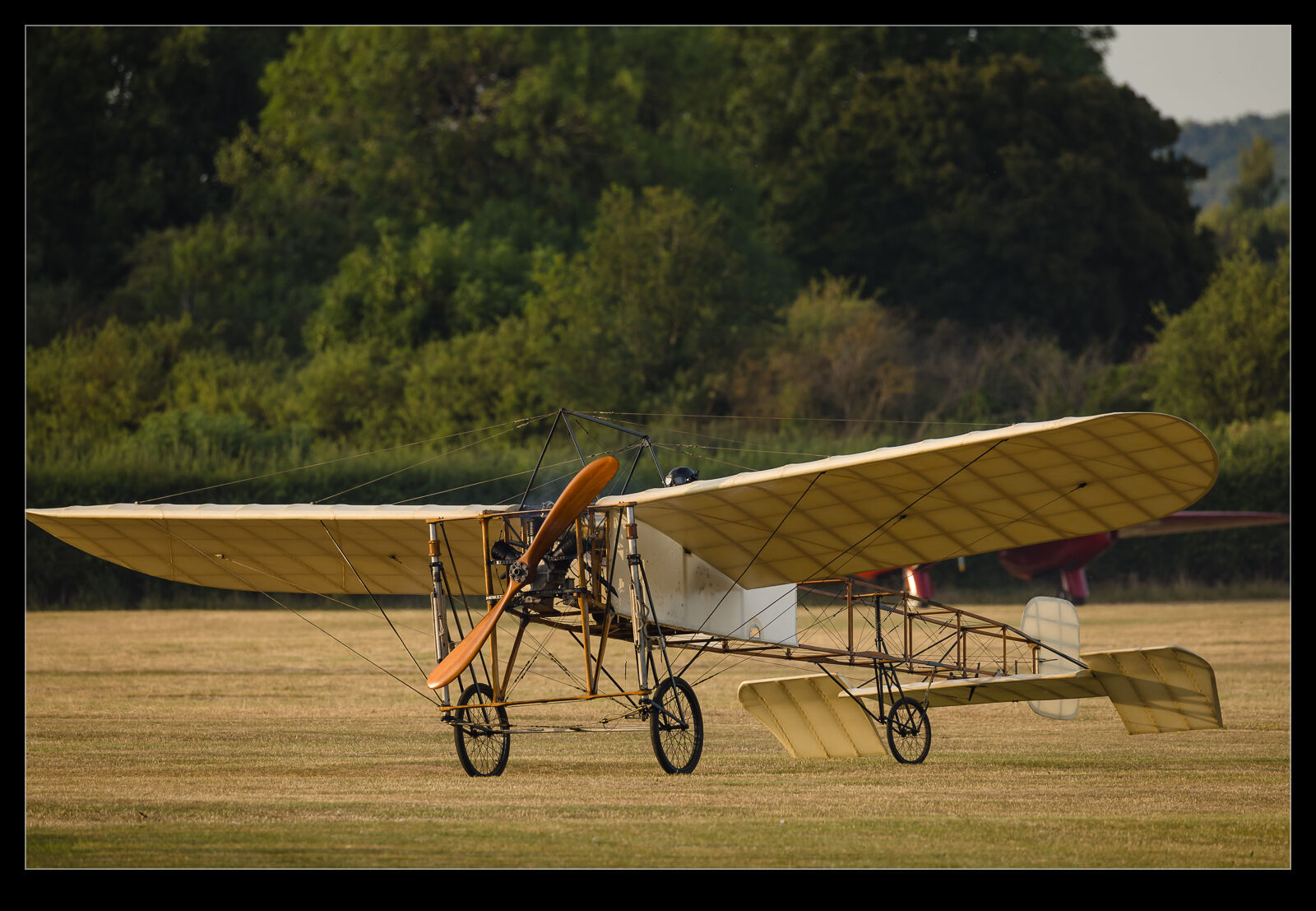
The Shuttleworth Trust has a Bleriot XI aircraft that is airworthy. This is not the first one I have seen because I saw the one Eric Presten kept in Sonoma, but I never got the chance to see that one fly. The Festival of Flight show at Old Warden had ideal conditions for flying the old planes and the Bleriot came out. They limit it to flying up and down the runway. No messing around with turns. Instead, they hop along the runway, turn around on the ground at the end and then come back.

It is not an overpowered aircraft, and I did wonder whether it would get airborne or not. It would bounce up off a bump and then fly along for a while, before settling back down. I don’t know how much they push the performance given that this is an extremely rare and valuable aircraft so maybe it could do more. However, watching it I did find myself wondering about what would make someone want to take something like this across the English Channel.

I Need to Be Grateful to the Flamant

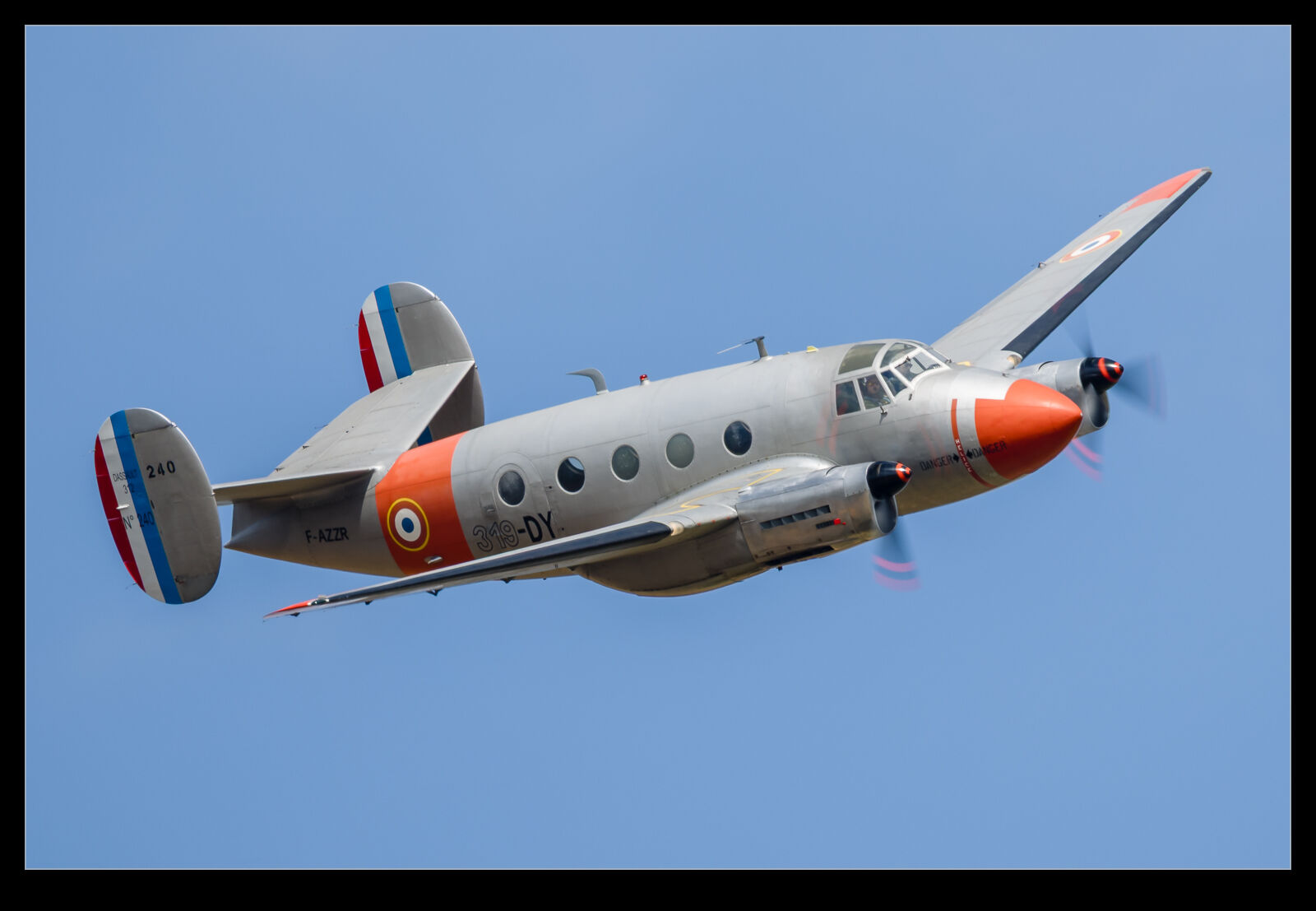
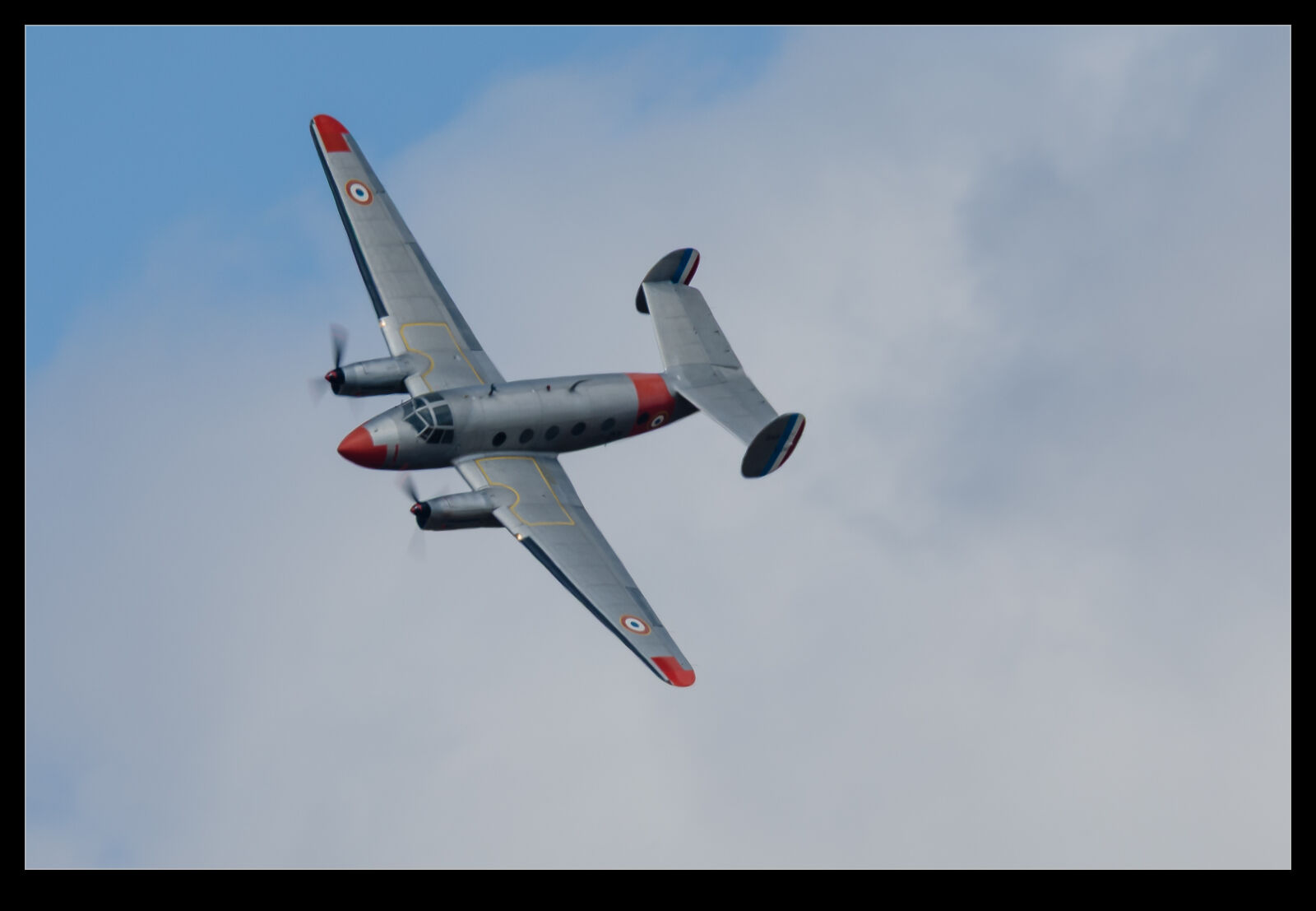
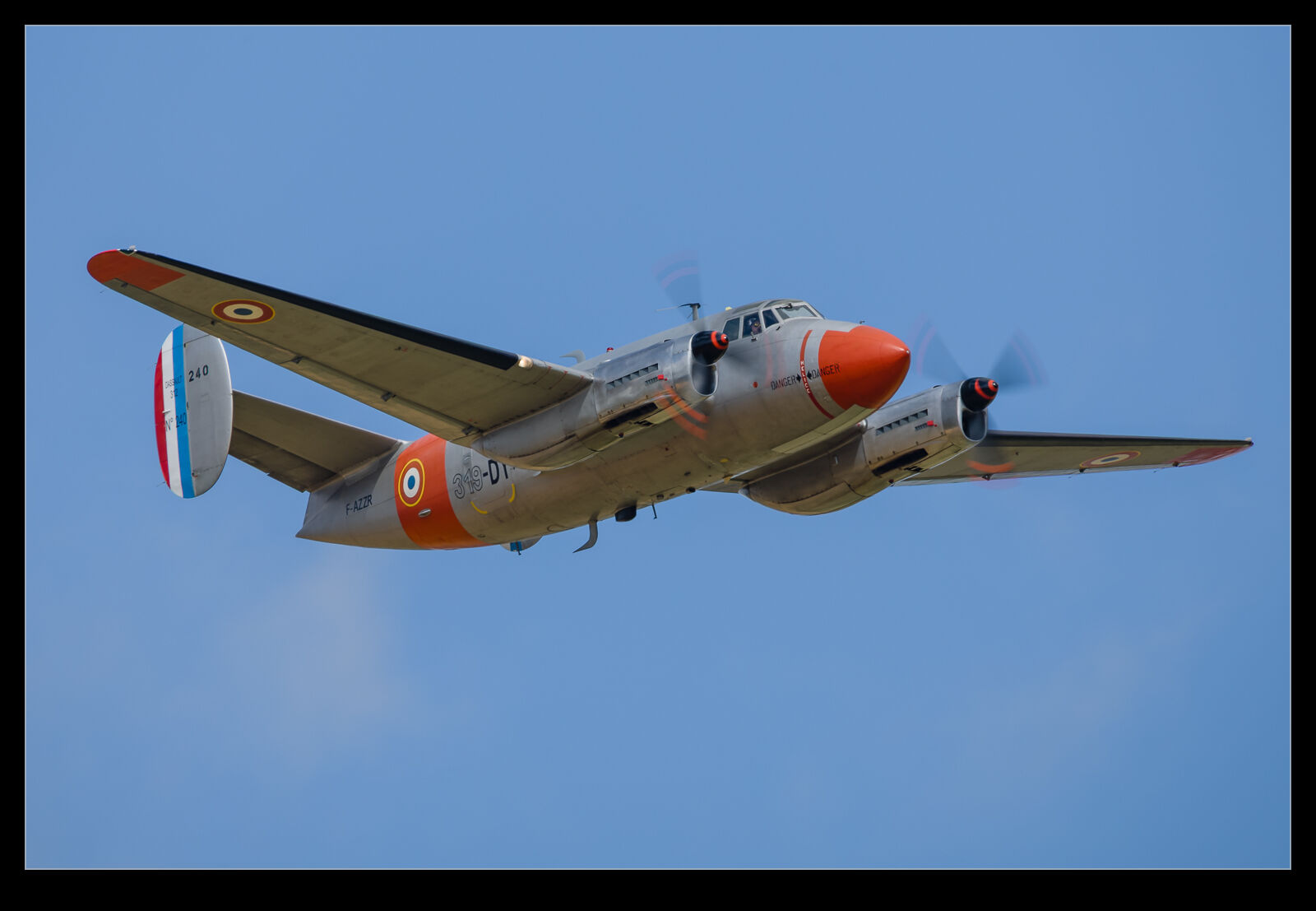
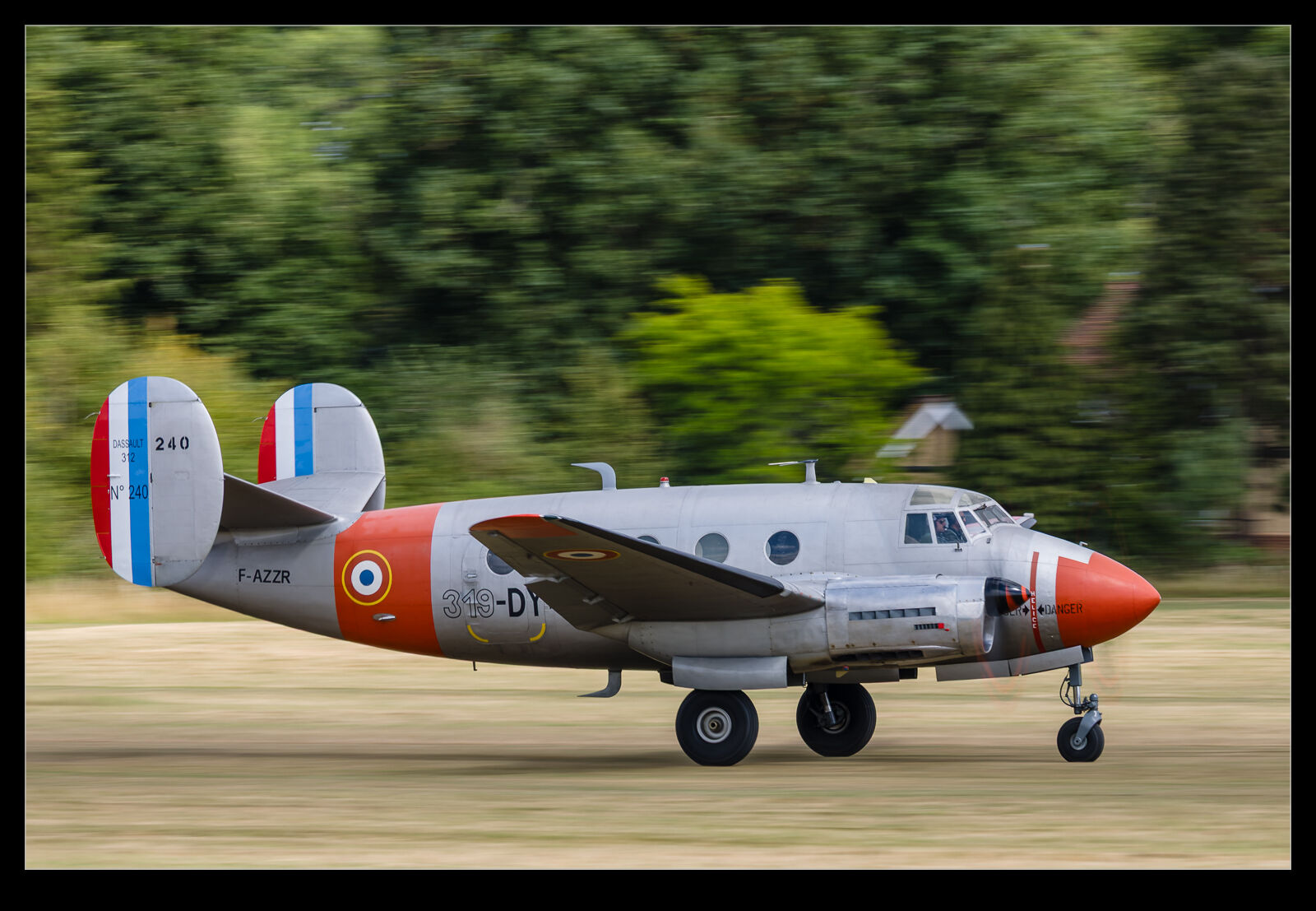
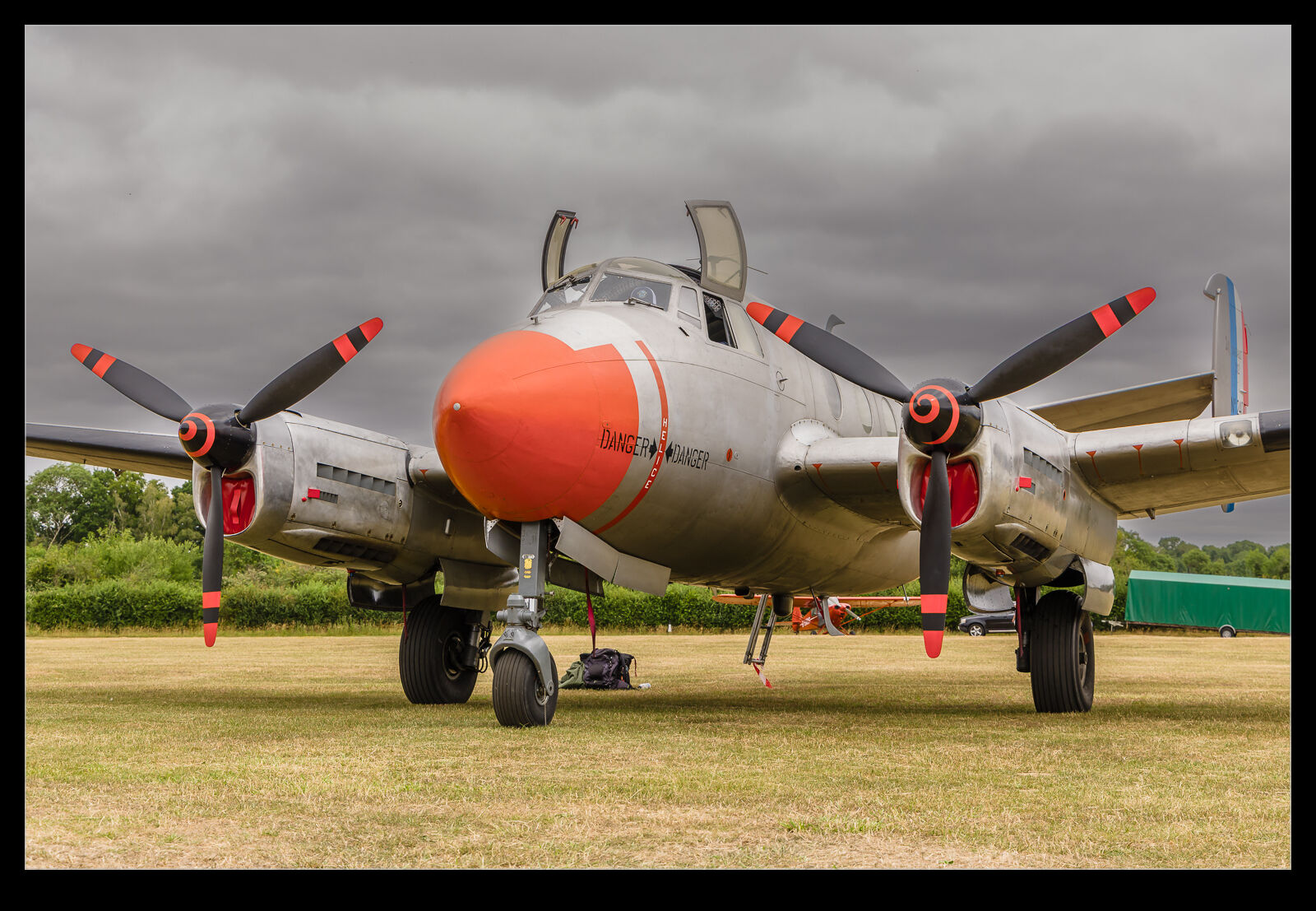
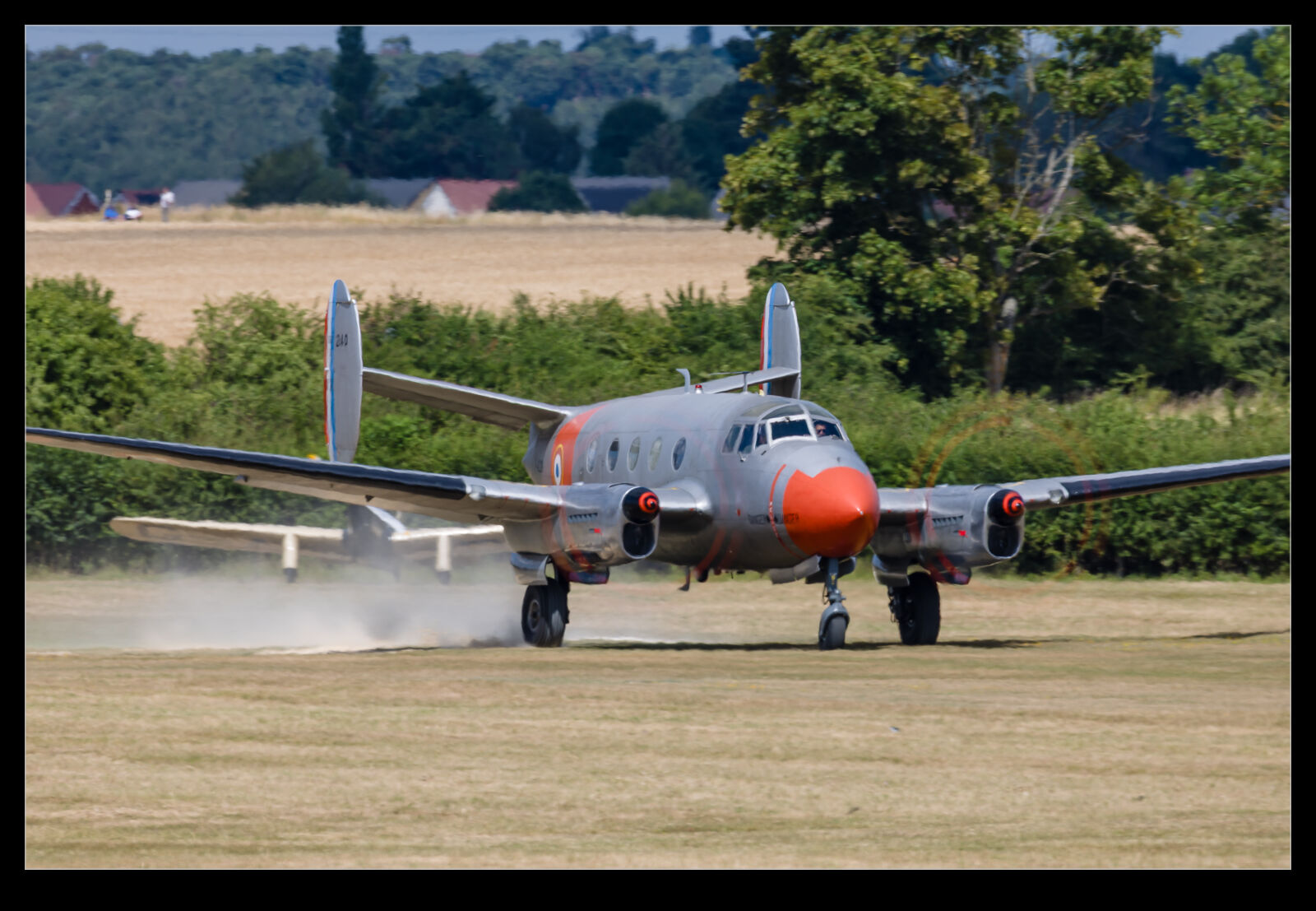
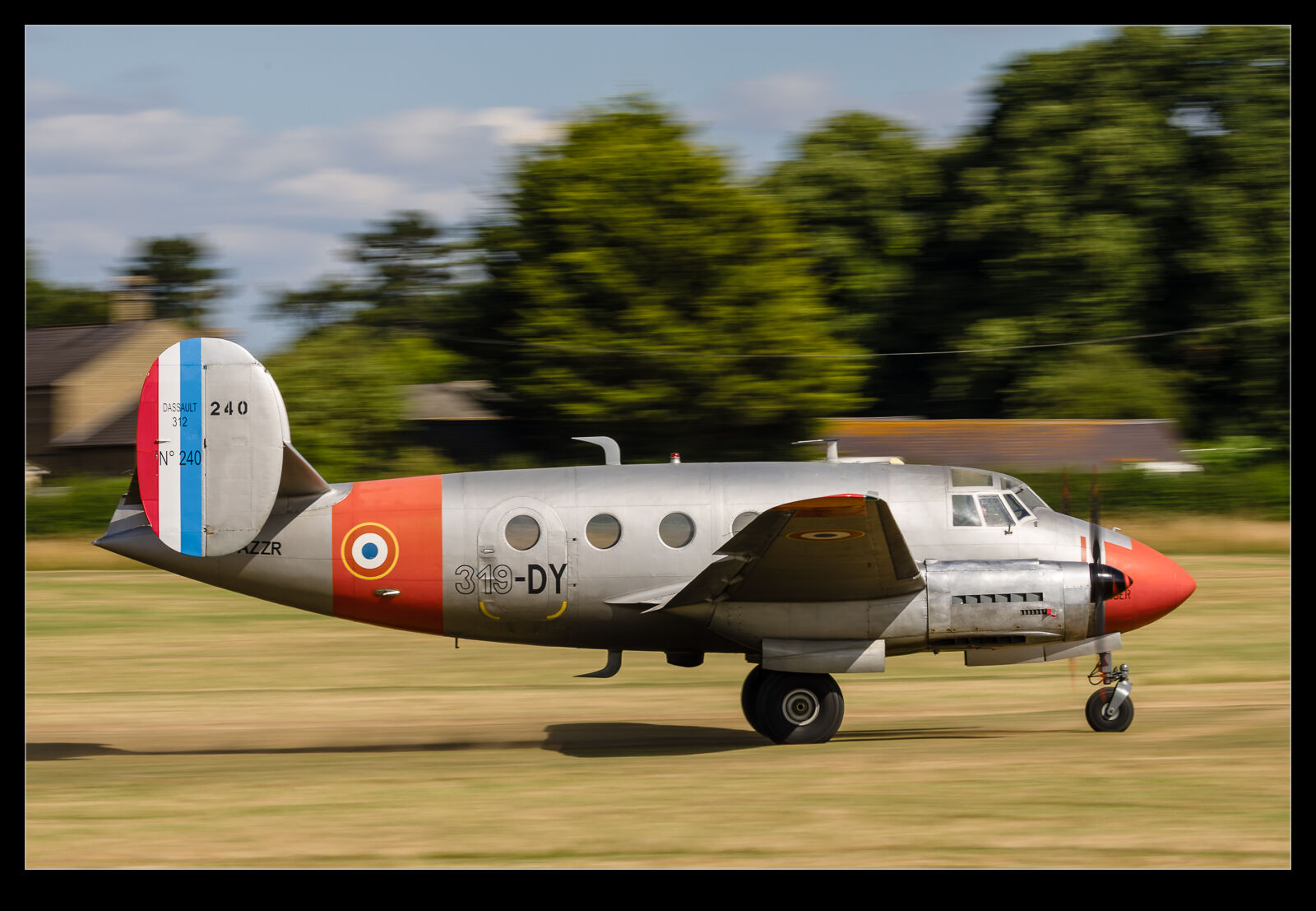
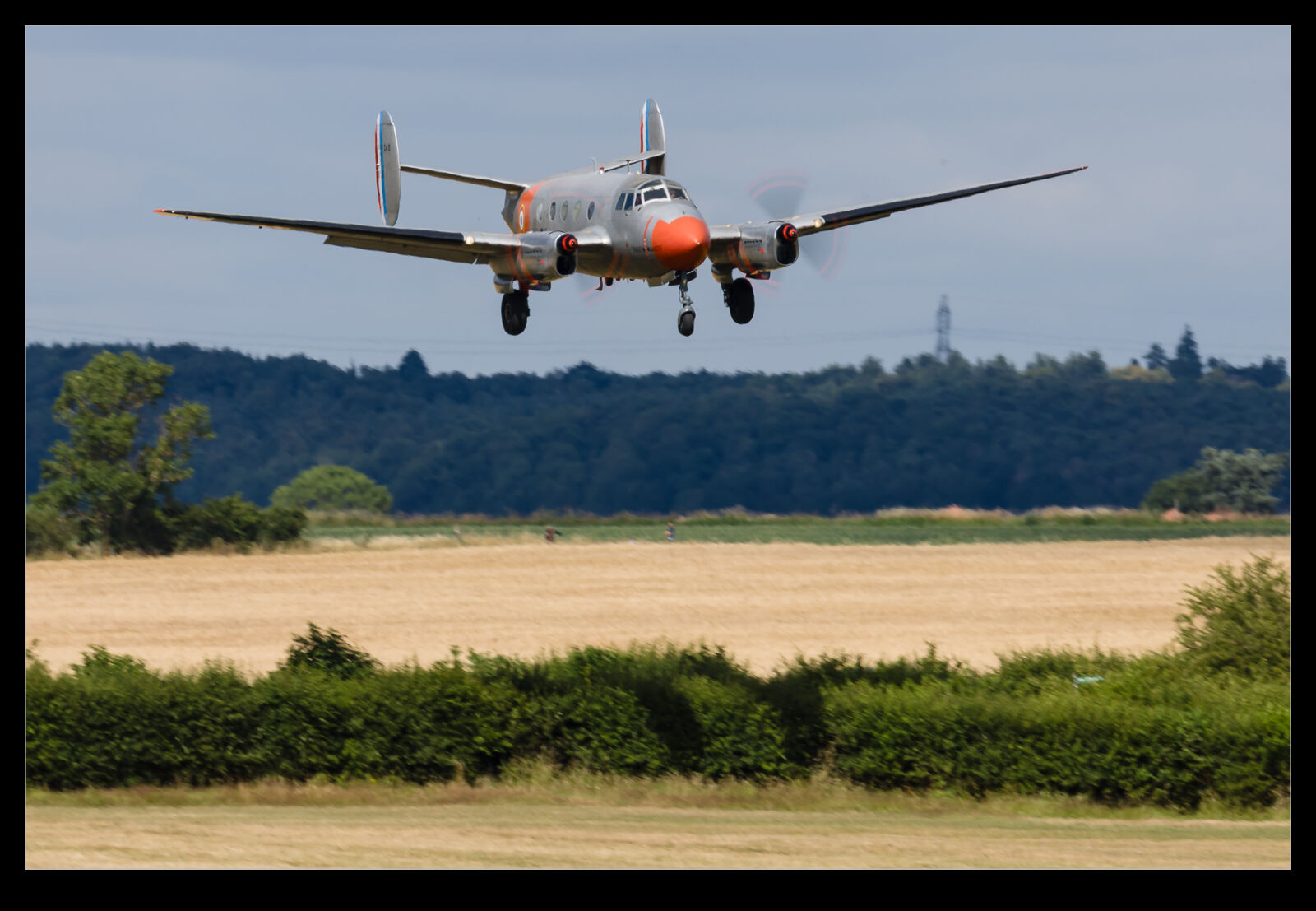
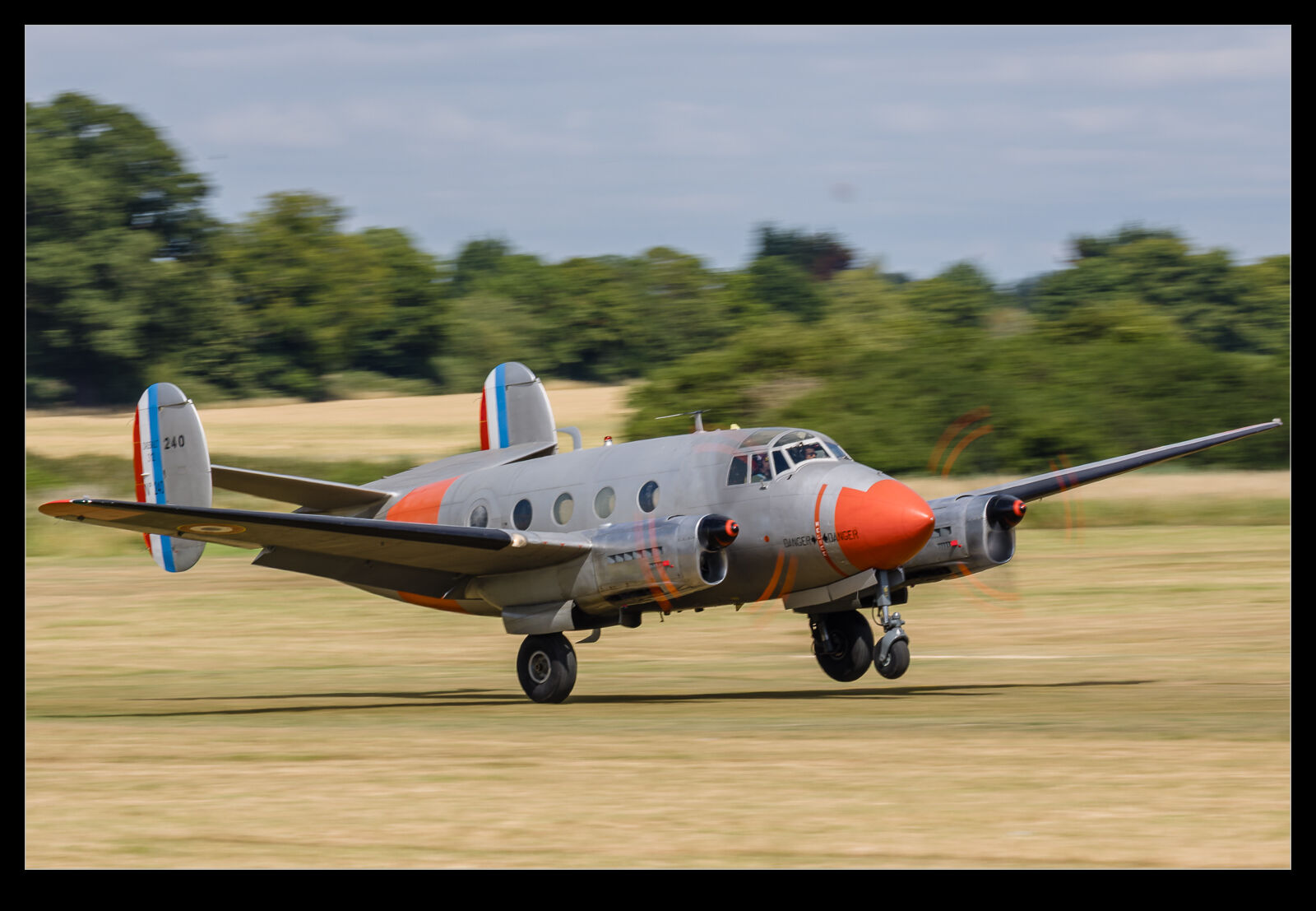
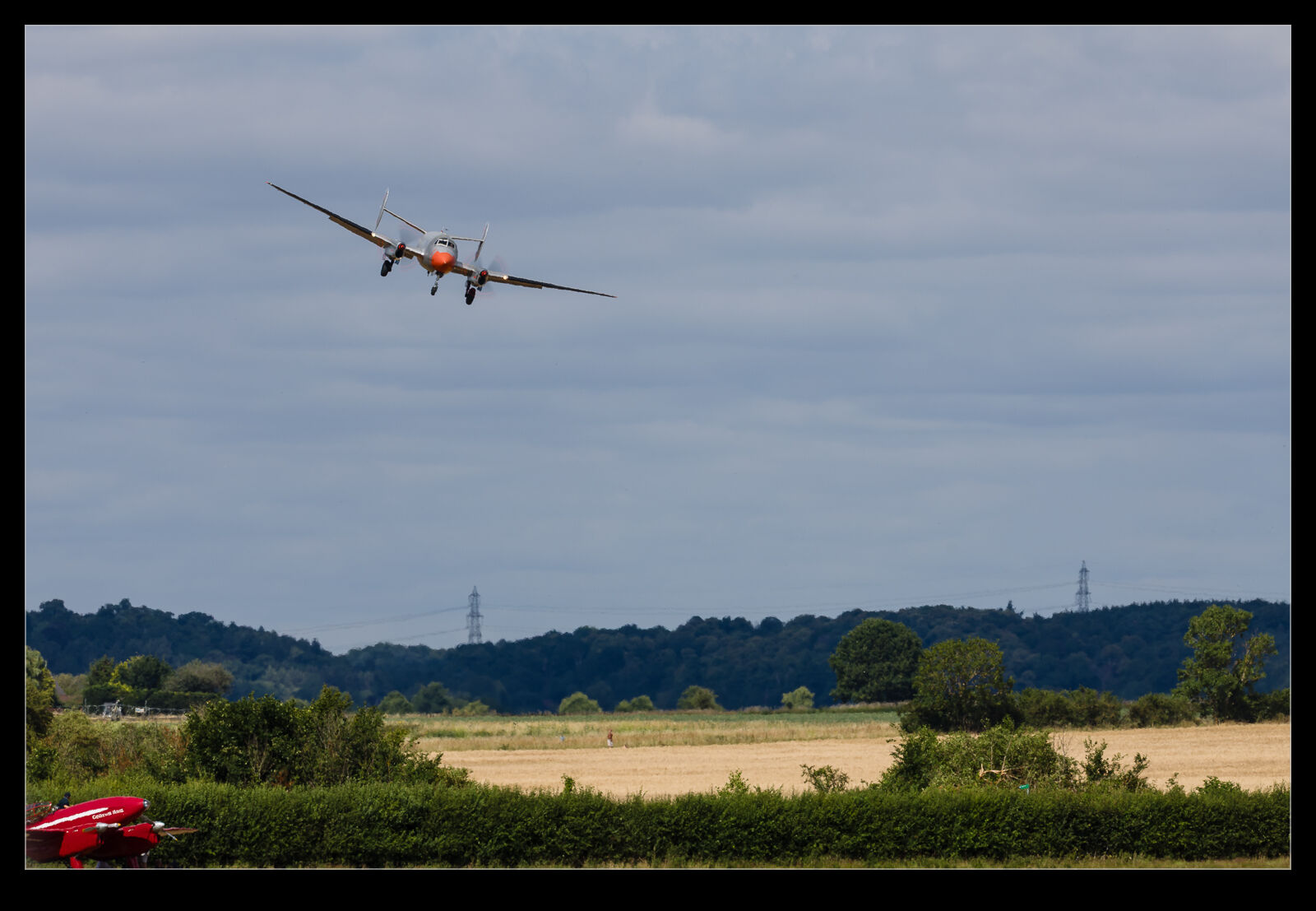
When I went to the military air show at Shuttleworth earlier in the year, I had a really good time. I then saw a bunch of advertising for the Festival of Flight which they described as their biggest show of the year. Having had a really good time previously, I didn’t feel a strong need to go back. I was quite happy to skip this one until… On the Friday, I saw some images from people that were there of the planes arriving. There was a lot of stuff there including all sorts of unusual old types. One plane in particular caught my attention and that was the Dassault Flamant.

Now I was thinking about going. Saturday we already had plans, and I wasn’t going to mess with those. Sunday was a bit more open, and the forecast was certainly looking better. When Nancy said she didn’t have anything specific she wanted to do, I made the decision to go. This was absolutely the right call. The show turned out to be an absolute blast. The afternoon displays were excellent and then, after the pause, the evening display was started a little early. I will talk about the rest of the show during other posts, but this one is all about the Flamant. A transport aircraft that Dassault built for the French military, a few of these are apparently still around. It is such an interesting looking plane and seeing it operate at close quarters in such a nice location was great.