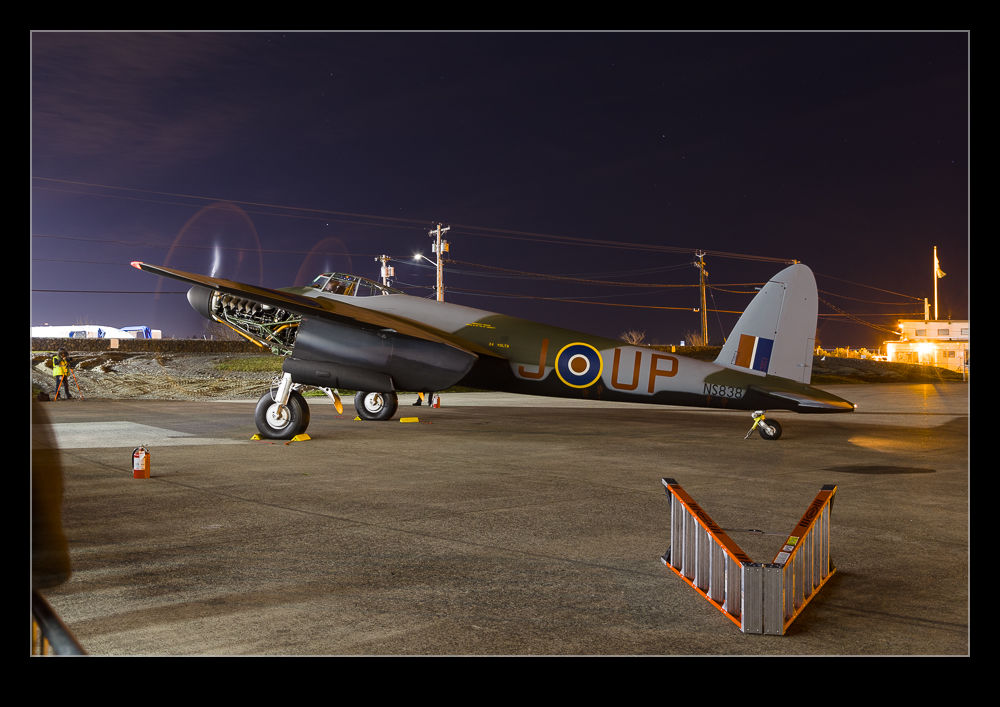
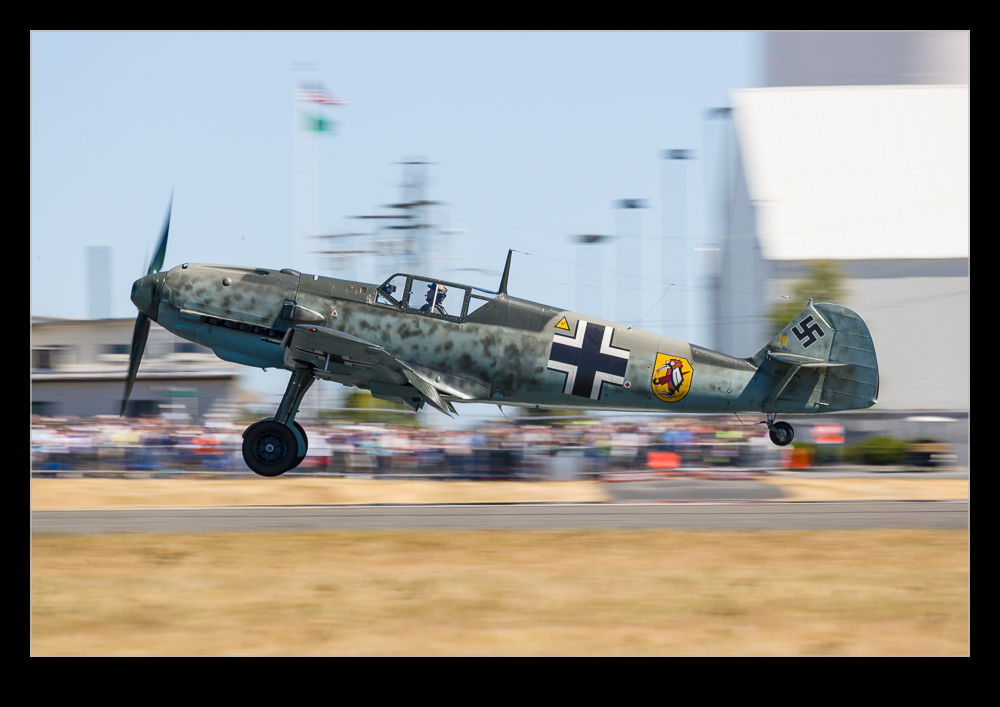
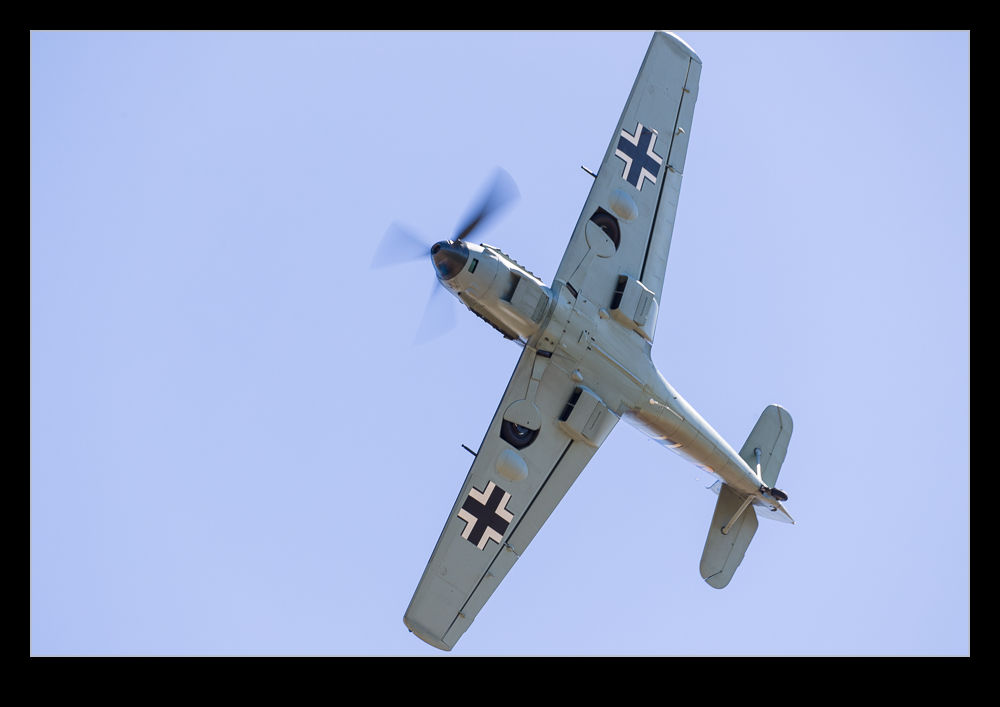
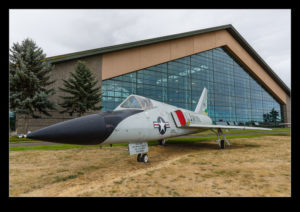
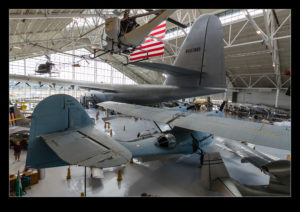
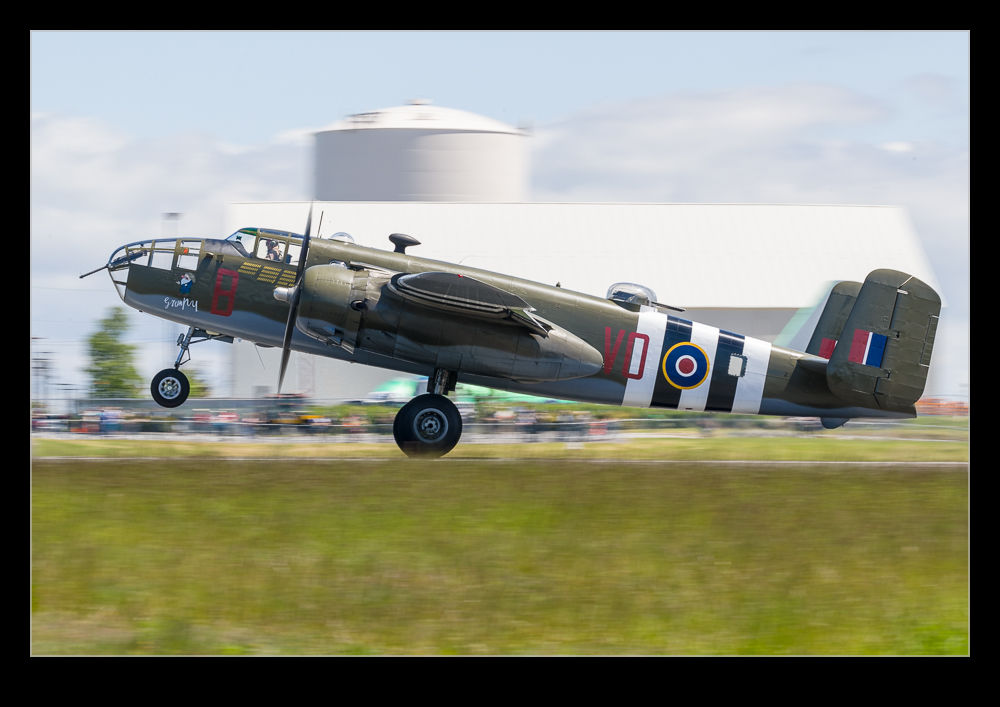
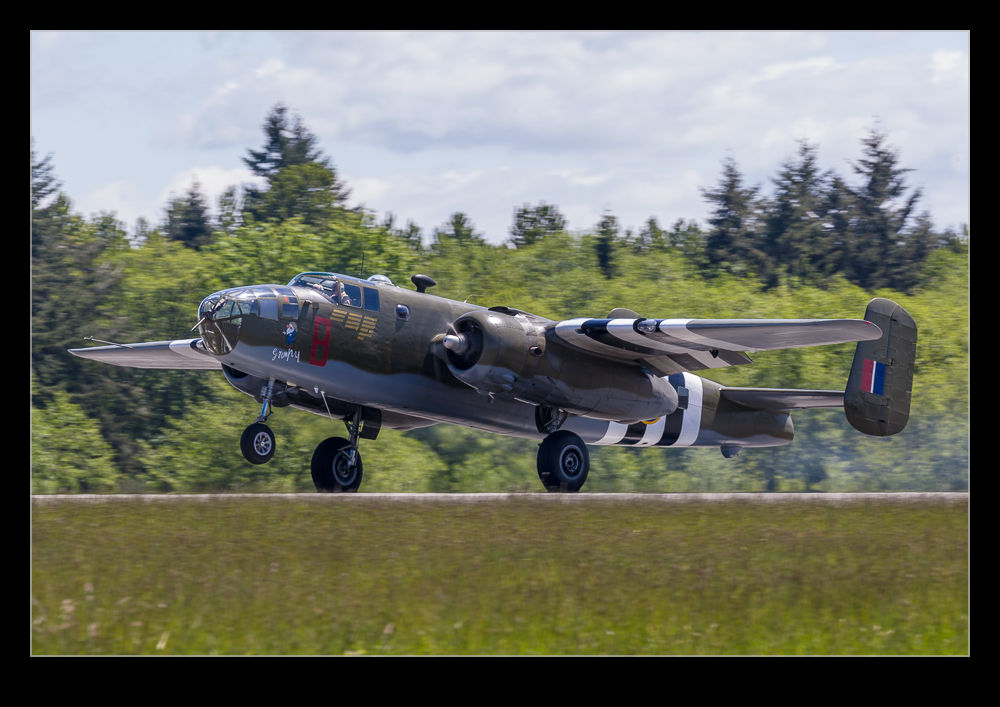
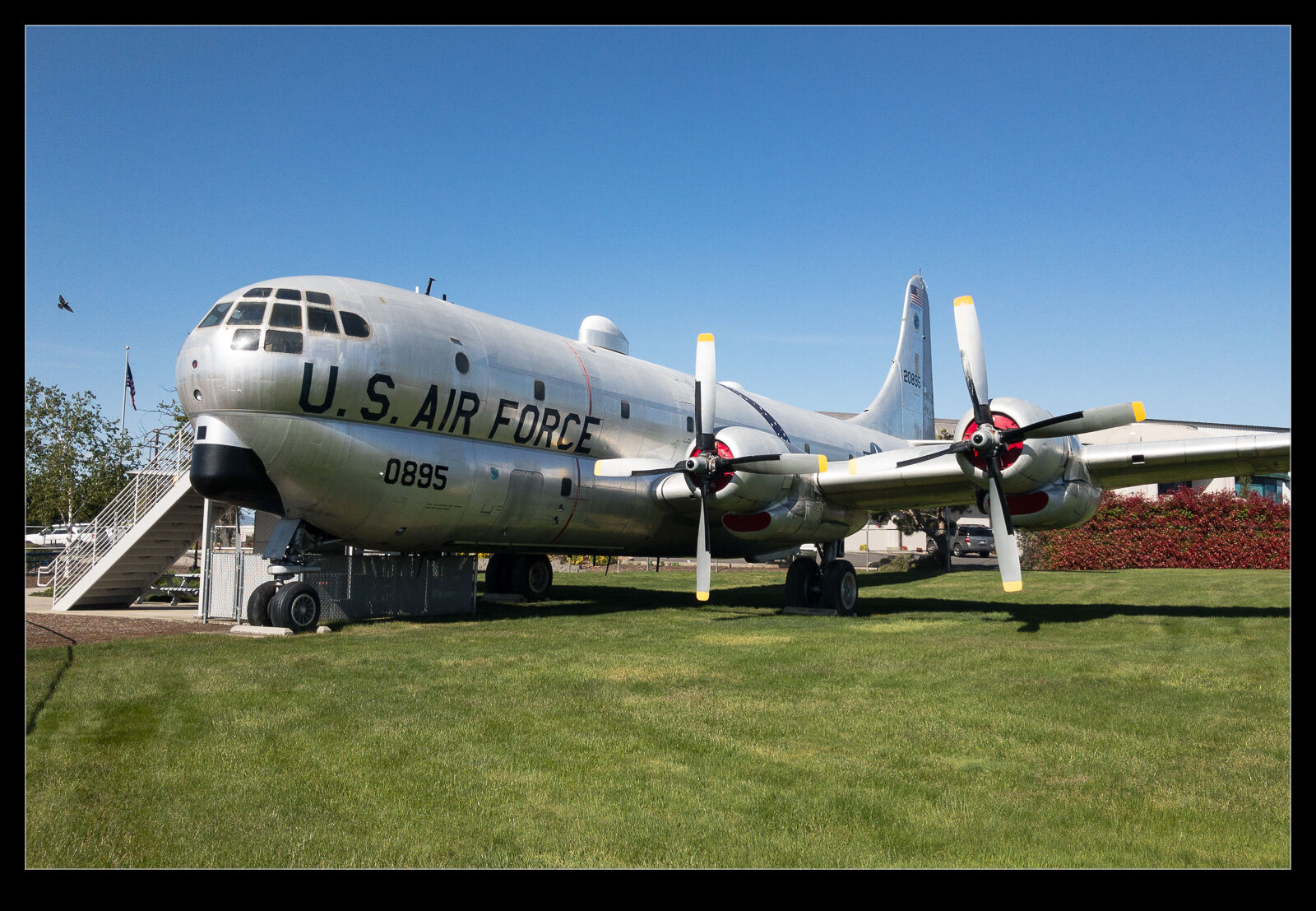
I have made one previous visit to the Evergreen Aviation Museum in McMinnville Oregon. That was probably ten years ago. I was in Portland for the morning Open House at the ANG unit so, having gone that far, I decided to go to the museum to see what had changed. I underestimated a couple of things. One, McMinnville is a bit further from Portland than I thought it was so it took about an hour to get there and that hour was also going to be added to my return journey. Also, a lot of things have changed so I was going to spend more time there than I thought. I was not getting home early that evening!
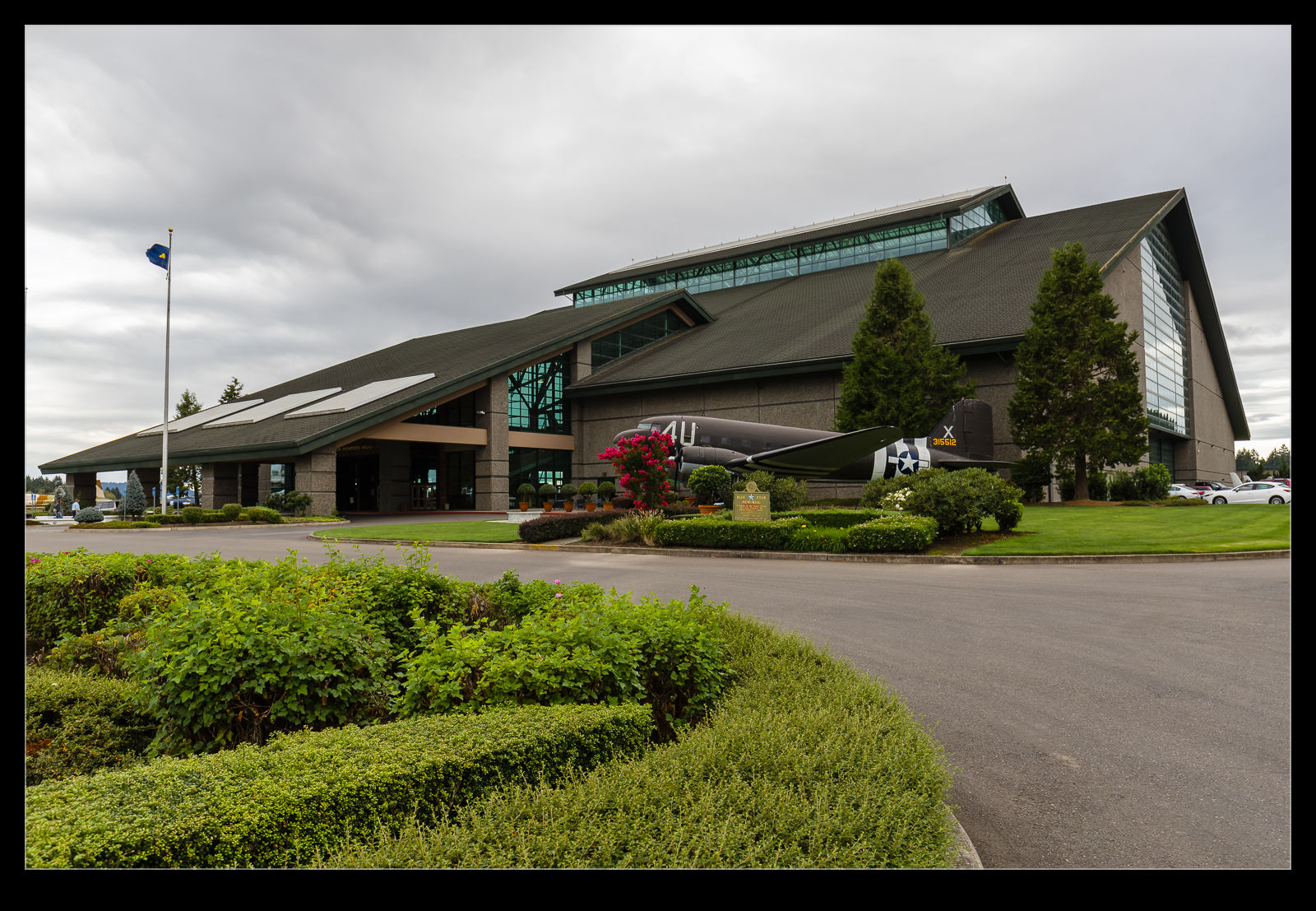 When I last went, one building housed the exhibits and a second was being built. It was close to completion and they were talking of space exhibits and, hopefully, a Space Shuttle. That didn’t work out but now there is certainly a lot more to see. There are two main exhibition buildings – pre-Vietnam and post-Vietnam eras – housing civilian and military exhibits. There is also a theater building. None of this includes the water park that is close by.
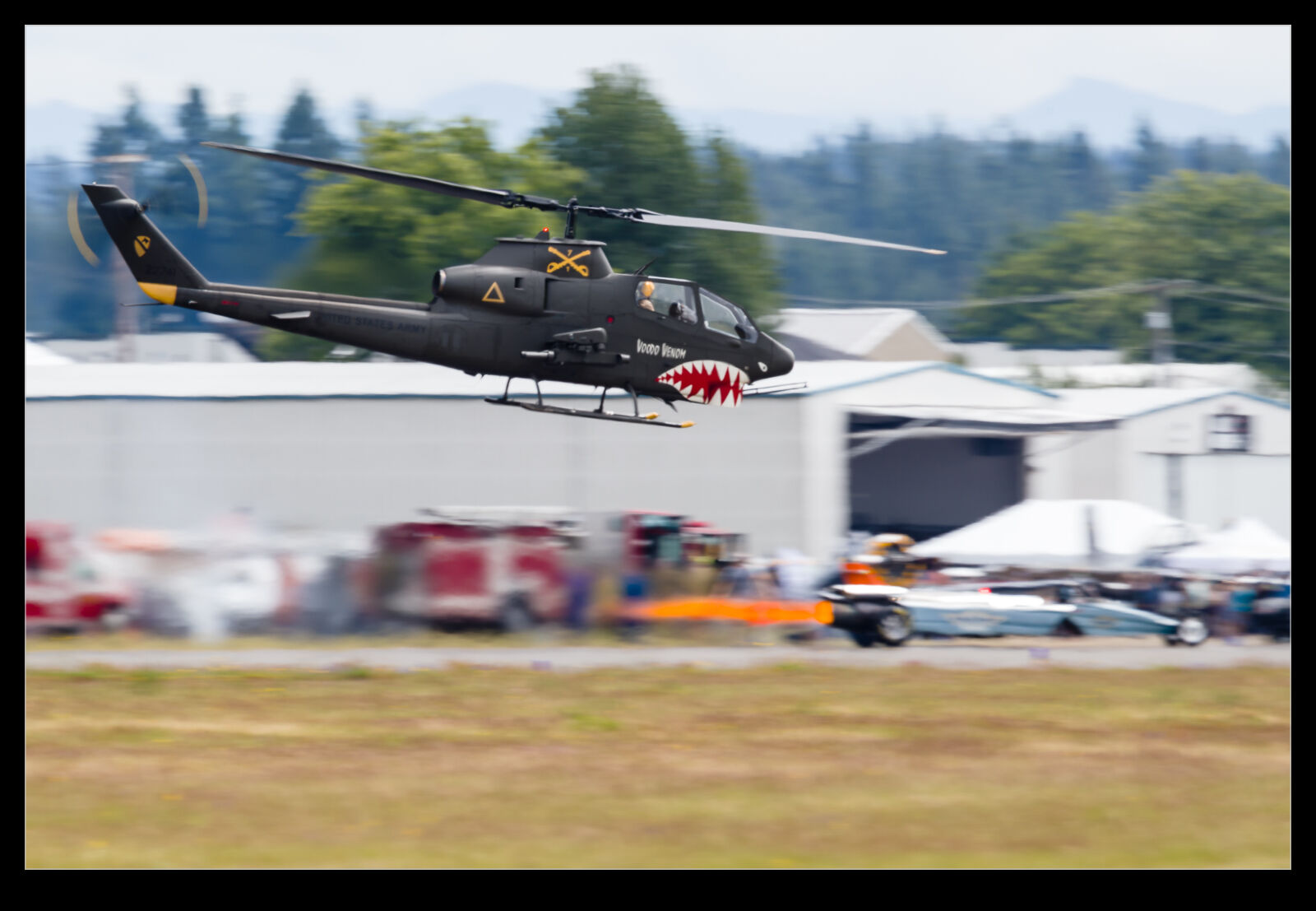
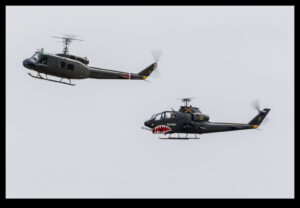
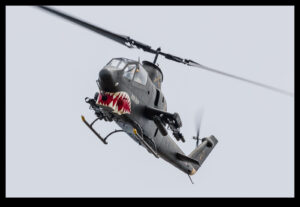
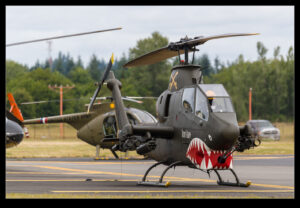
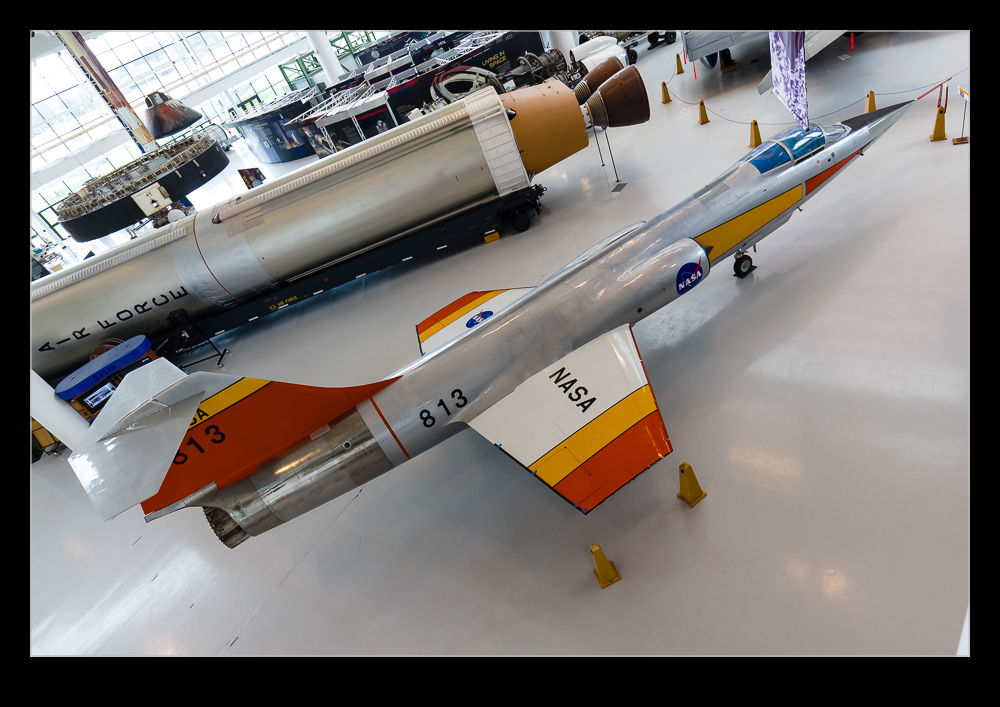 The amount of space means that the exhibits are not crammed upon each other although some areas are a little more cramped than others. Some helicopters that I rather liked were jammed together. There is a shortage of space I guess, though, because lots of exhibits are outside and there are a few still scattered around the parking lot awaiting restoration. That is not a criticism though. The museum has plenty of great stuff to see (although the Beech Starship was in the parking lot last time I was there and still is, looking a little more forlorn now than it did then).
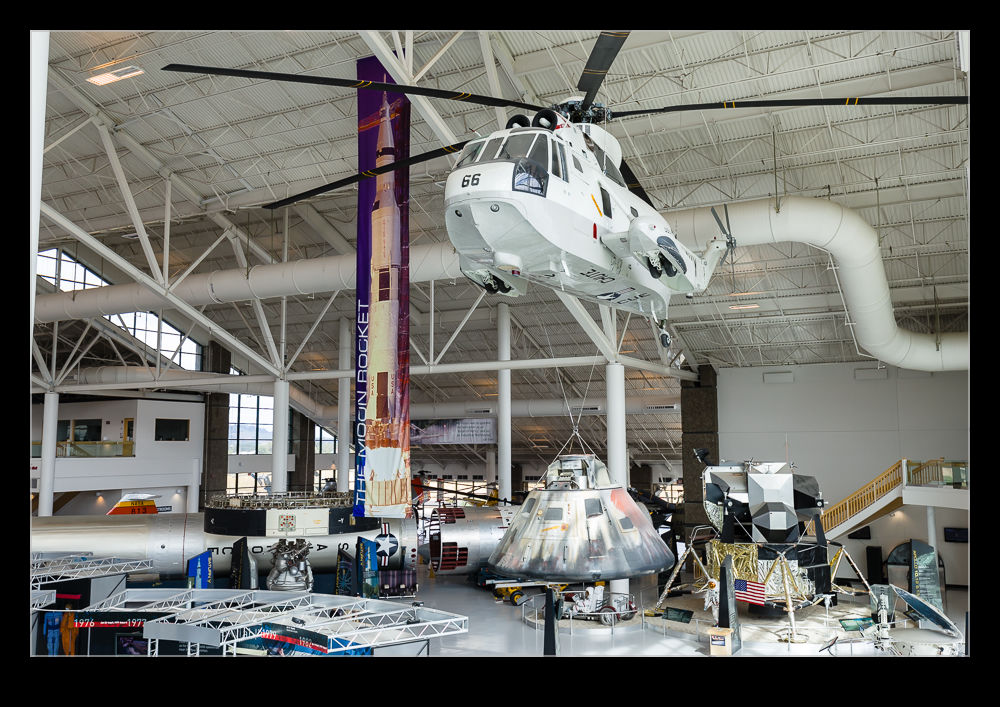 If I were to try and pick out highlights, it would be tricky. The Spruce Goose is the main feature of the original building and it still dominates things there. Indeed, it is so large that, at times, you actually forget it is there because it either is way above you or it fills the view becoming invisible in the process. The SR-71 is a delight to see at any time and the way that one engine pod is opened up is a nice touch and gives a good idea of the installation for a unique engine.
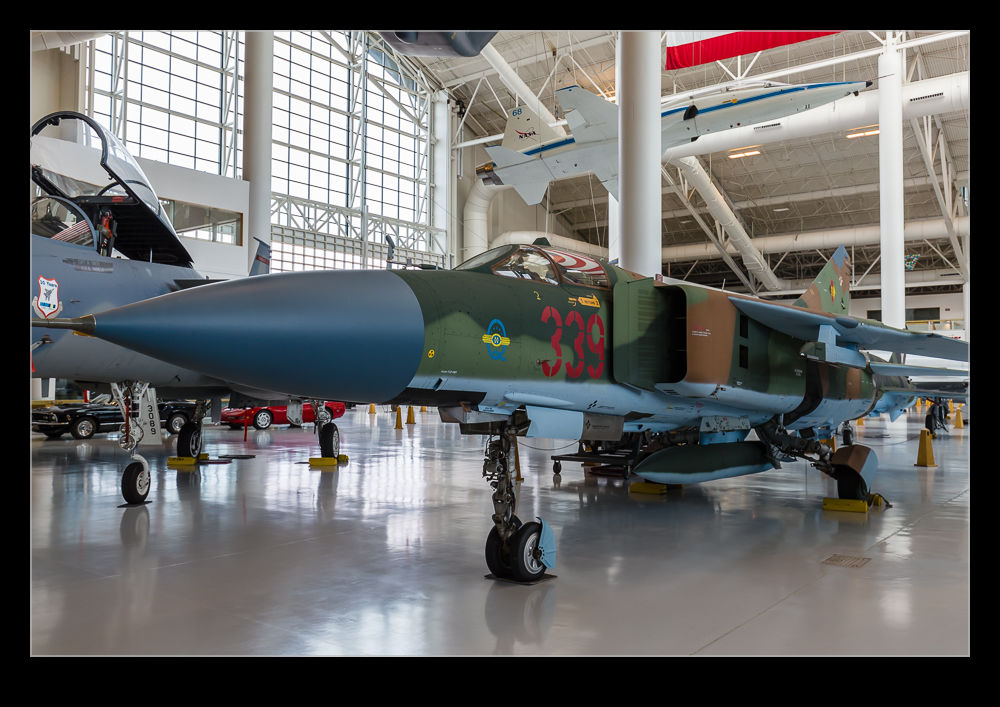 The rockets and missiles are well displayed and I shall come back to them in another post. Some of the aircraft are painted up in unusual schemes although these are not always original to the airframe on display. Even so, they are a change from what you might normally see. Having a 747-100 parked outside the front of the museum is a nice touch too – a reminder of Evergreen’s operations before the airline went bust.
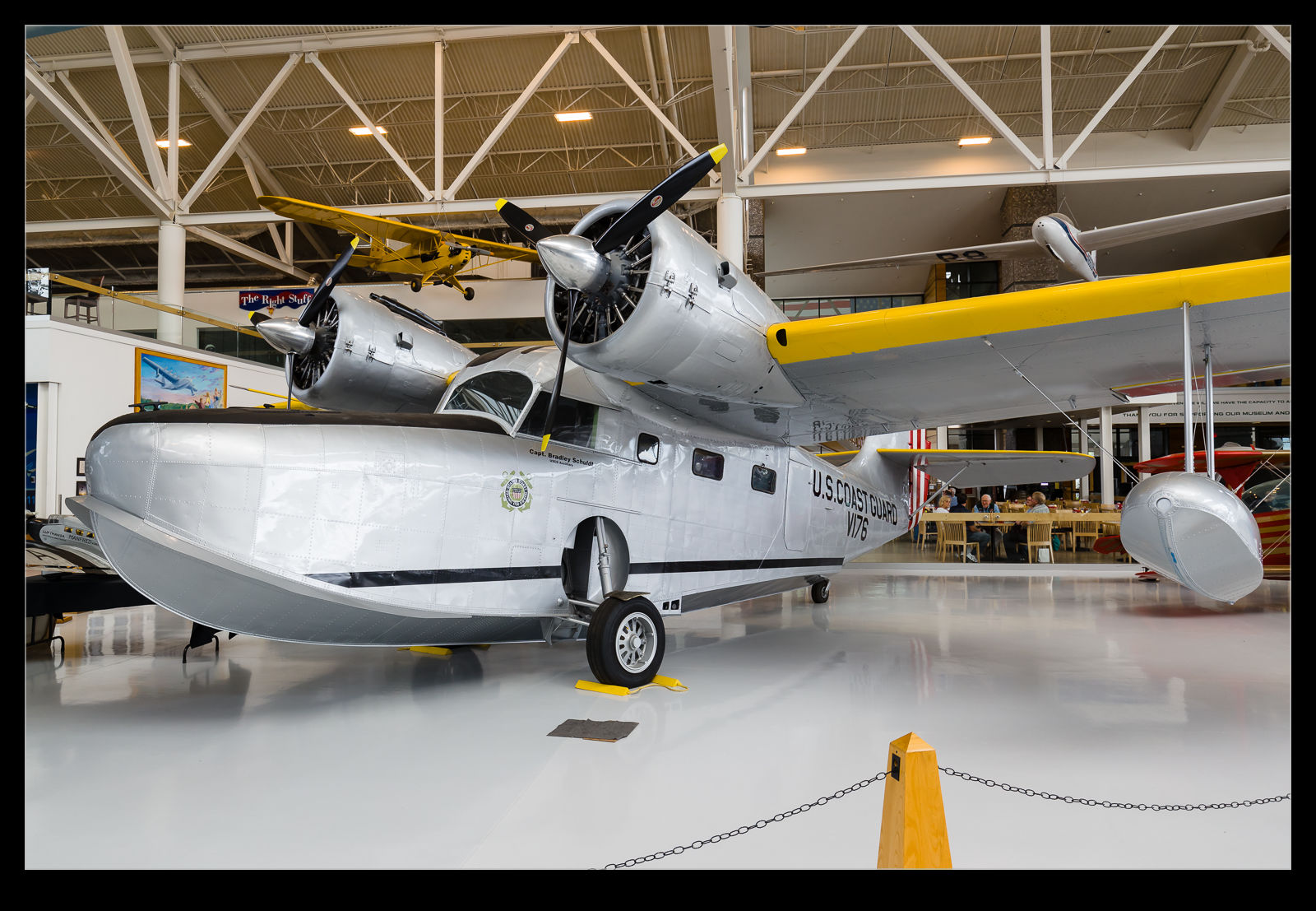 I only had a couple of hours so I was in a bit of a hurry working my way around but this is definitely a place that you could spend a lot of time. The journey there is long enough to make doing so something that you should really plan for. I saw plenty that I had seen before but plenty that was either not there or was not displayed in the same way. If you are in the vicinity, make a trip to McMinnville.
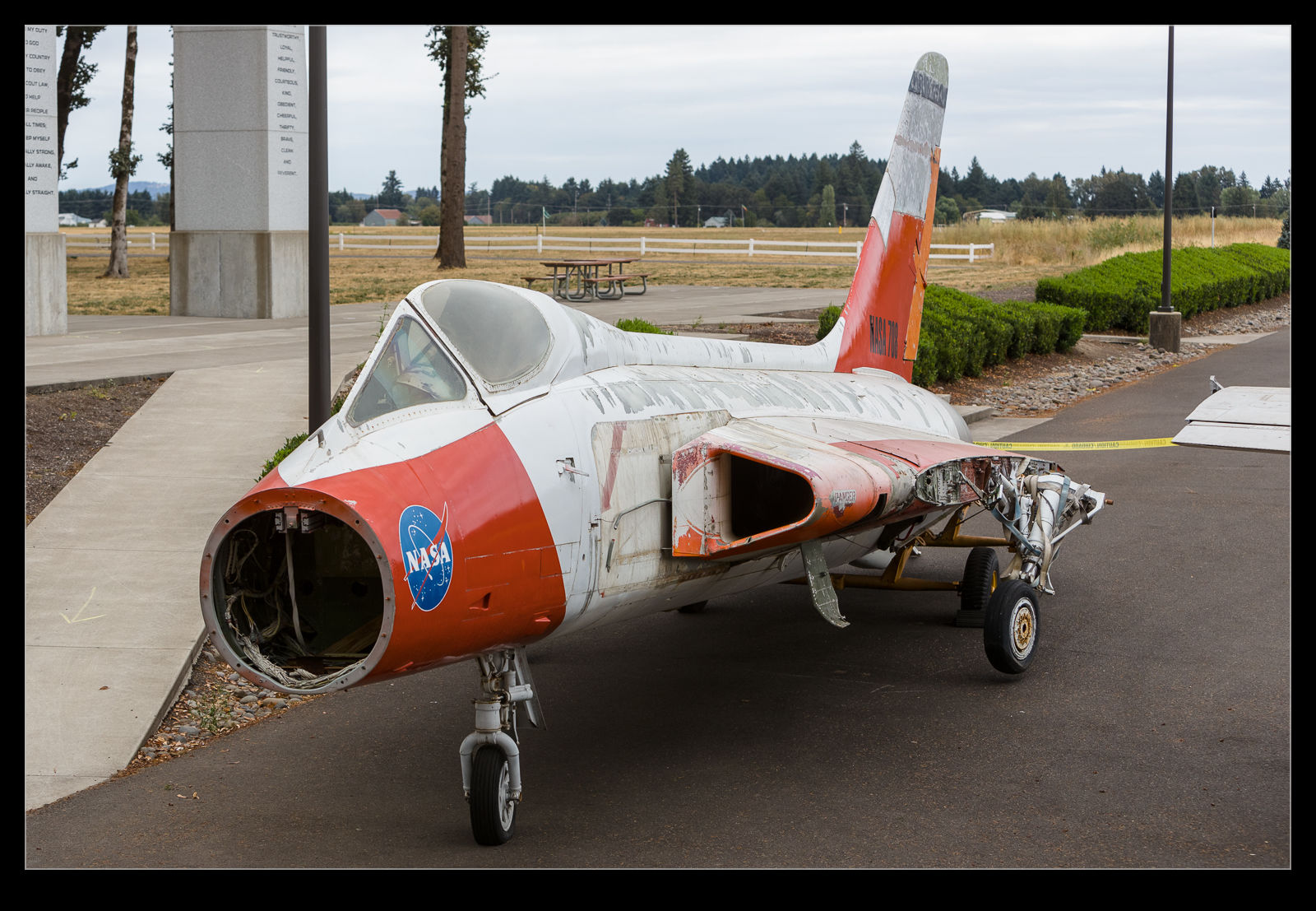
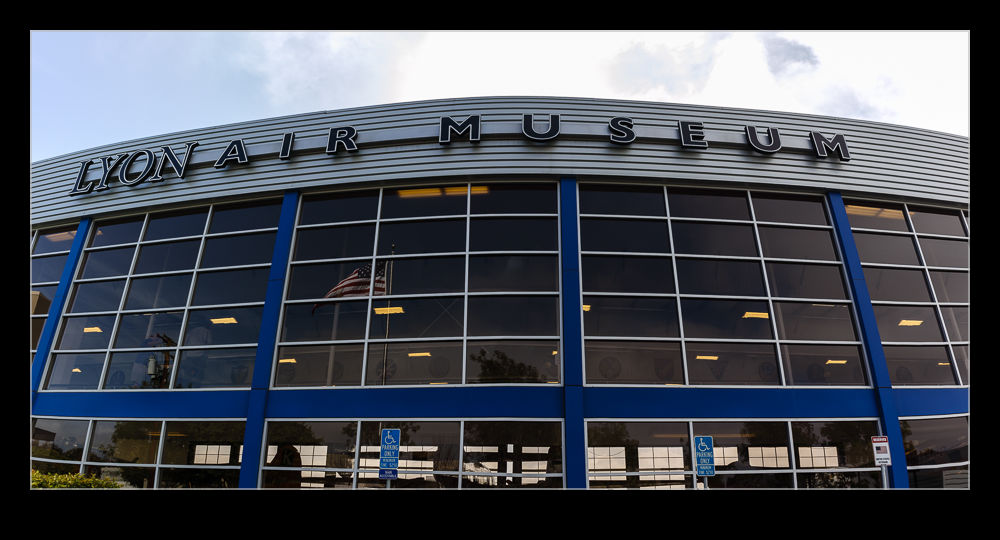 A weekend in Southern California for work was not my idea of fun but I did have a few hours free on the Sunday morning so I headed down to Santa Anna to the Lyon Air Museum. It is located on the opposite side of John Wayne Airport from the main terminal building and is not terribly obvious unless you look hard. Even the entrance road is a bit obscure and could be easily missed. However, once there, it was definitely worth the time.
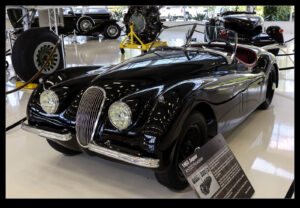
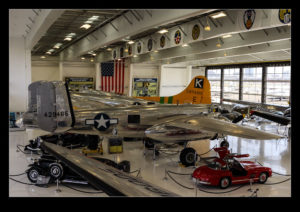
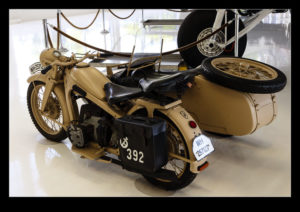
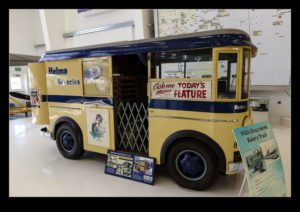
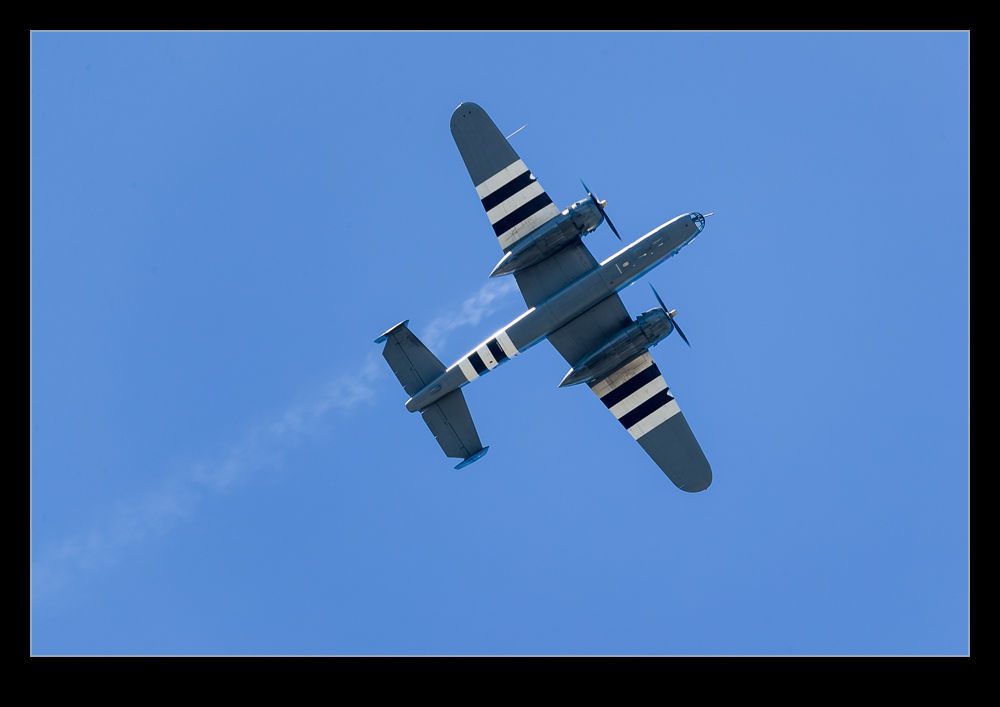
 The museum is in a modern structure and has an impressive collection. Supposedly the planes are all airworthy and they have some interesting ones there. Some of the collection will get their own posts. For now, here is an overlook of the museum and a few of the side exhibits that don’t get their own story.