Tag Archives: nevada

ASRAAM Self Portrait

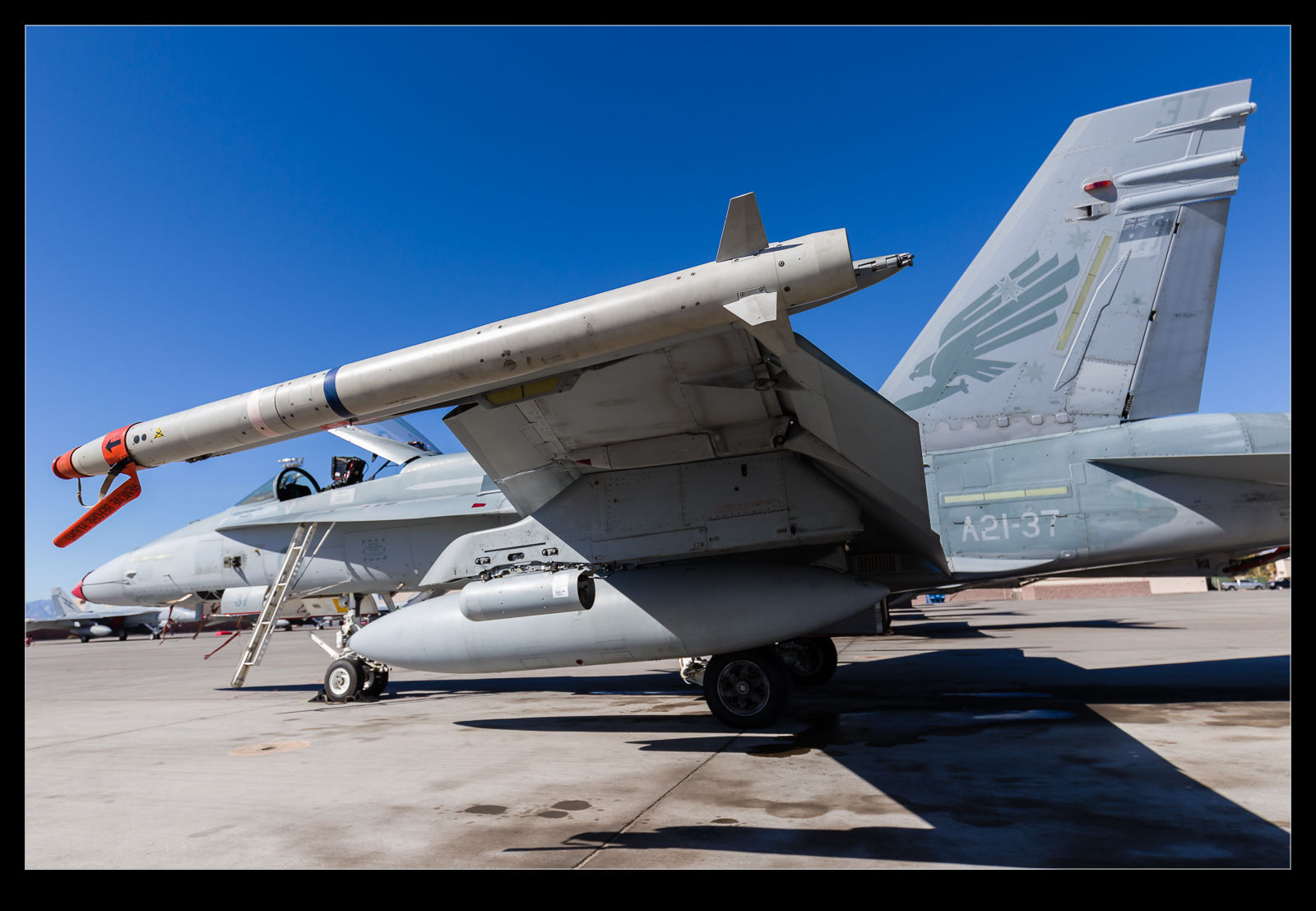
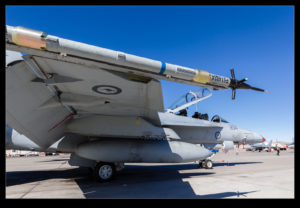
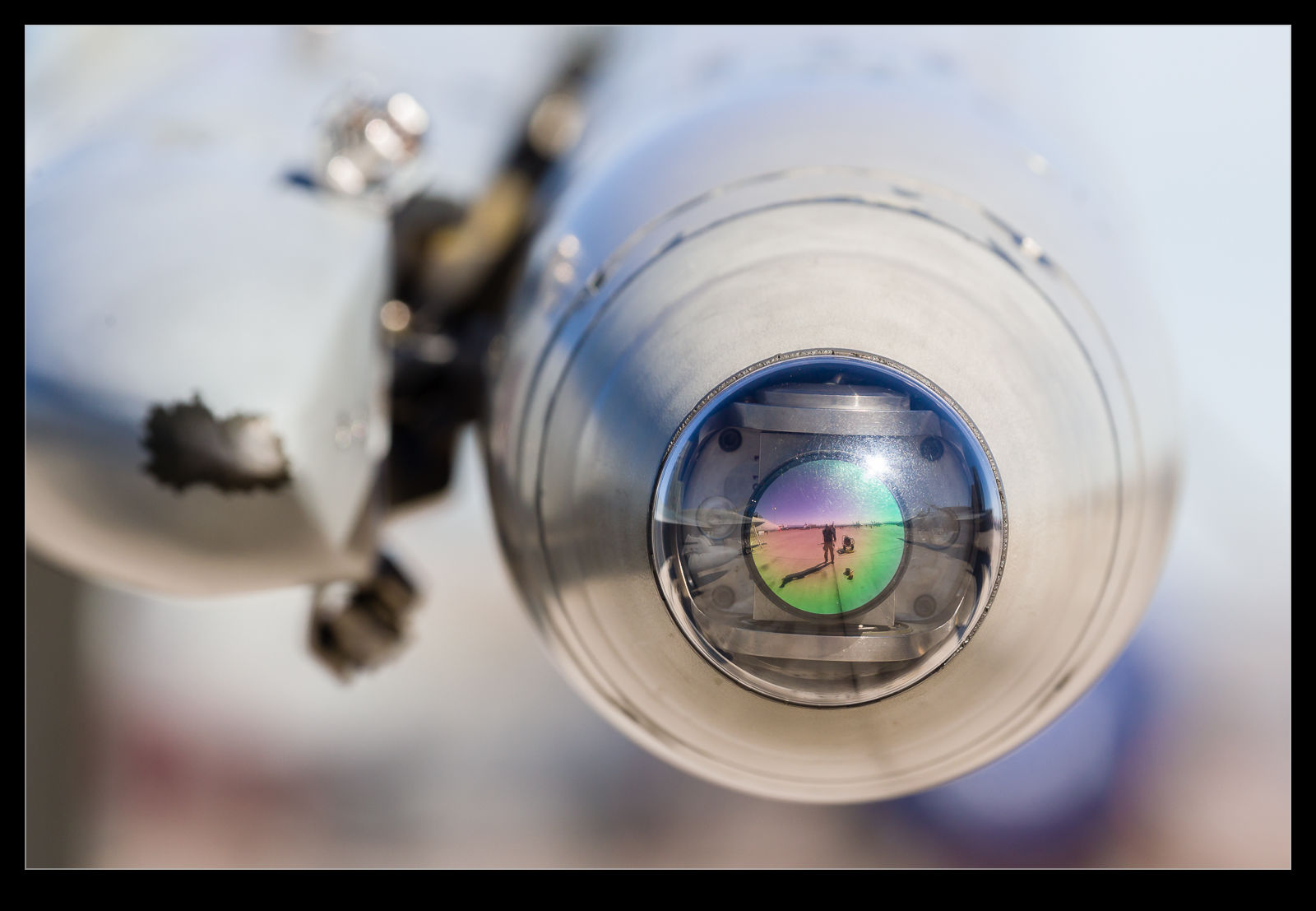
C59F5739.jpgWhile waking along the ramp occupied by the RAAF Hornets, one of the ASRAAM missiles on the wingtip launch rail of an A-model Hornet had its seeker cover removed. It was dangling by a strap and I was going to ask one of the ground crew if we should replace it. Then I got distracted by the seeker itself. It looked pretty cool and was reflecting light in an interesting way. Naturally, when you are near something reflective, the idea of a self-portrait jumps to mind if you are a little self-obsessed so I couldn’t help myself. Many years ago I worked on an ASRAAM seeker development related task using the company Jetstream testbed so I can pretend all of this is a technical interest and not narcissism at all.

Another Night Launch on a Cold and Windy Night

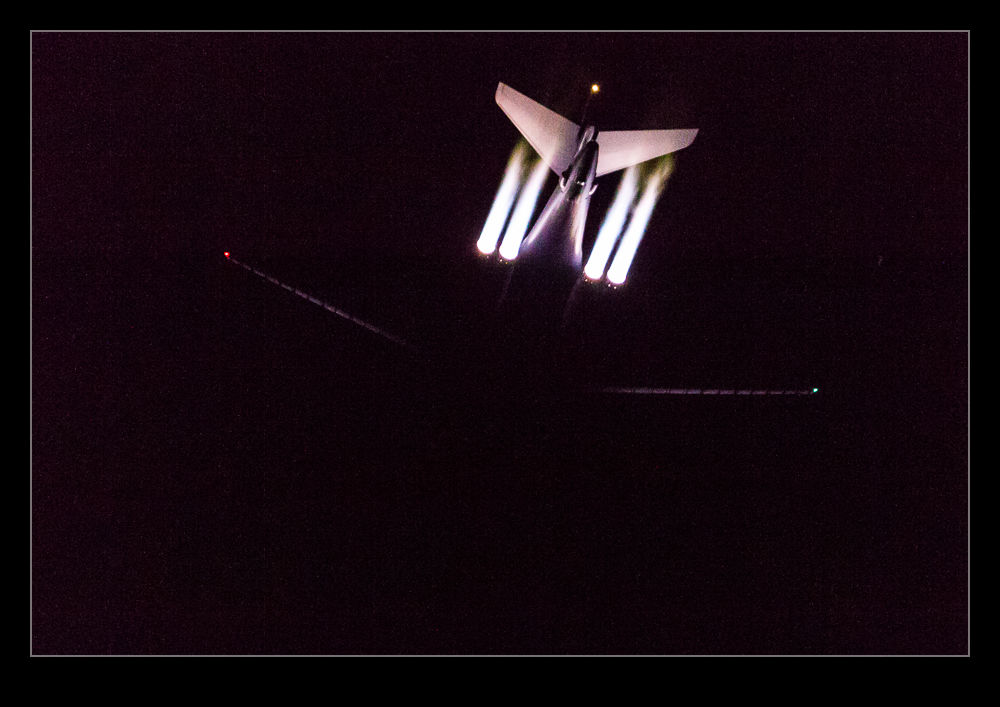
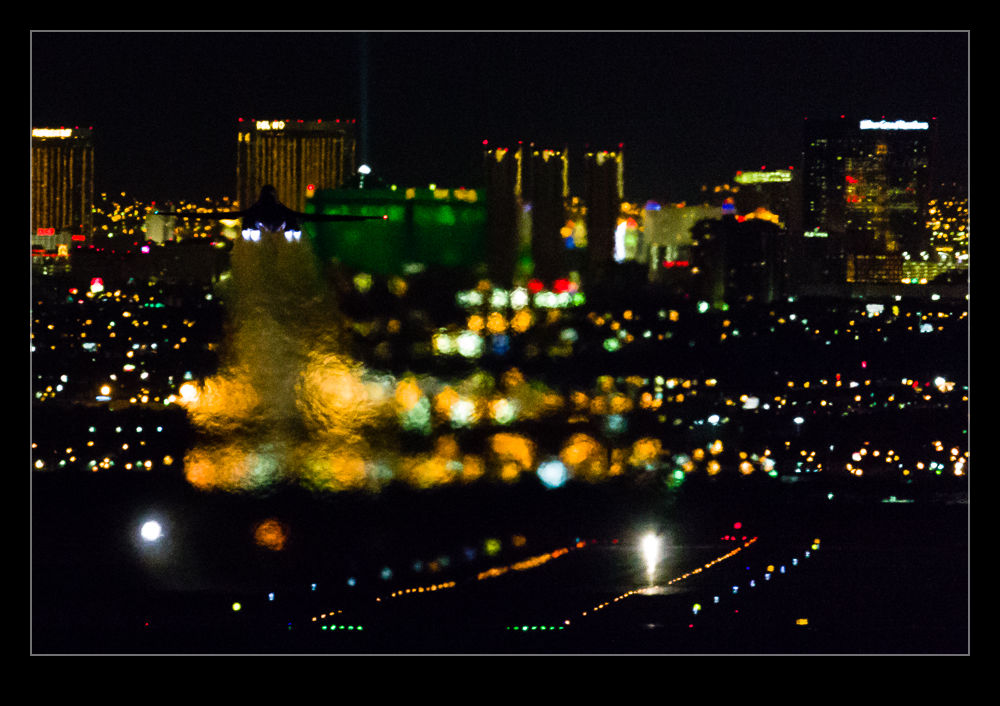
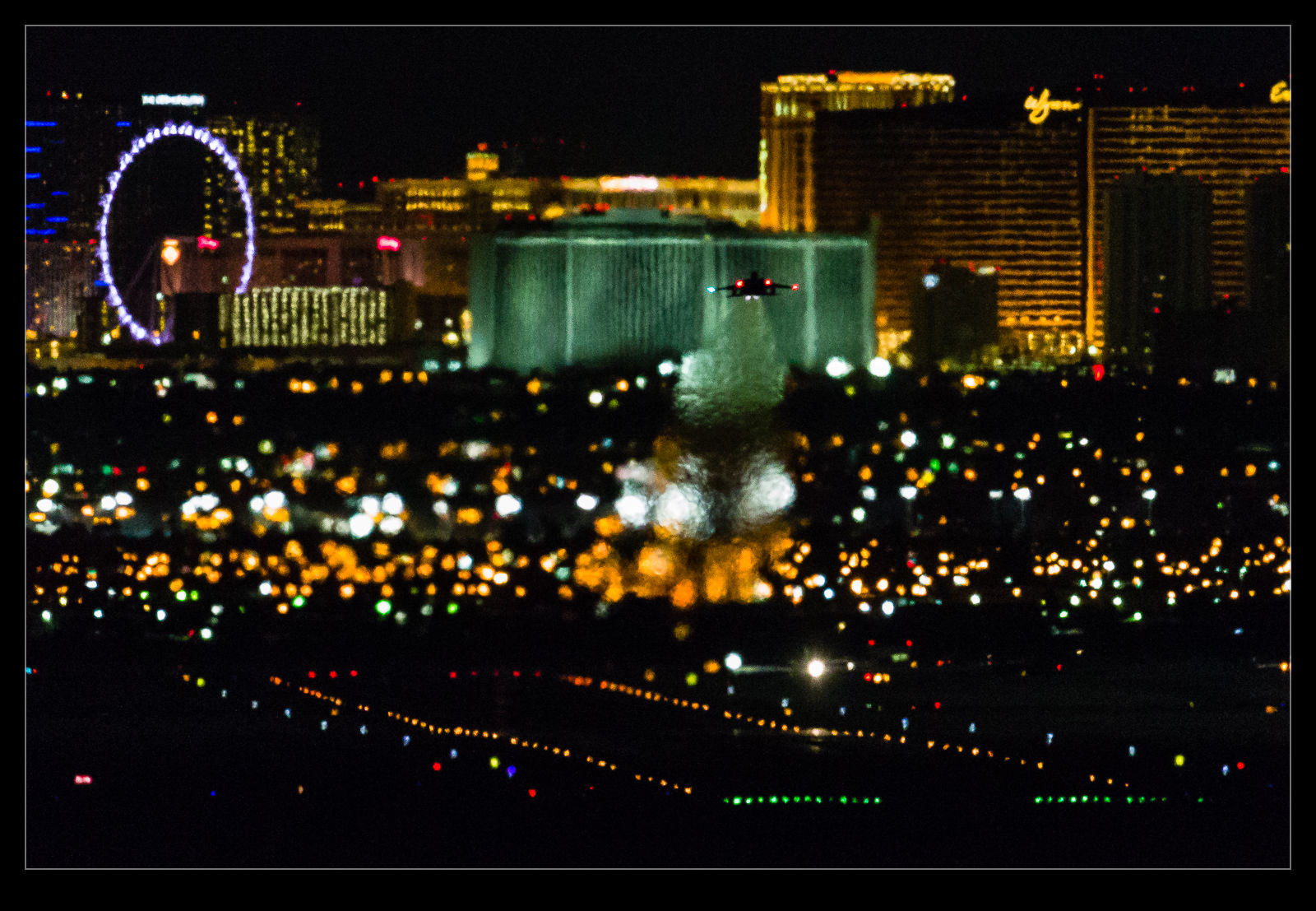
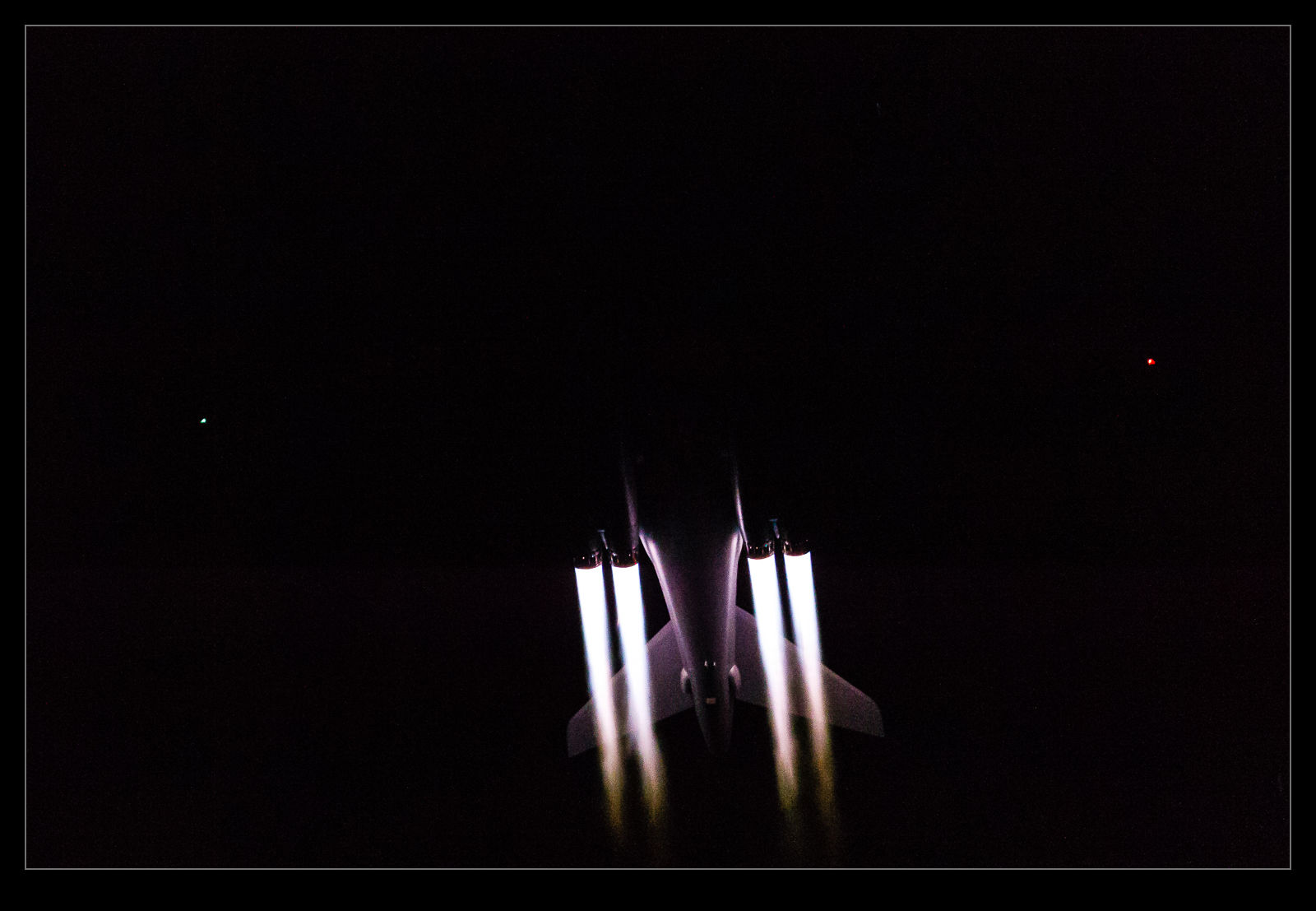
C59F5307.jpgThe evening launch at Red Flag is something I have had a go at on a number of occasions. Consequently, regular readers that pay close attention may feel that this post is a bit repetitive and they would be correct. I was a bit better prepared for the night launch than on previous occasions. I had brought a cable release and a Gorillapod to allow me to have a bit better a set up for the time lapse video of the launch. Meanwhile, I was shooting handheld with the second body.

C59F5147.jpgSadly, a couple of things were not working in my favor. First, it was pretty windy and, while I had the camera set up on the hood of the car, it was a bit vulnerable to movement as the car moved in the wind and the camera vibrated on the pod. Consequently, some of the video is less than ideal. However, conditions did seem to settle down a bit and the later part of the video seems to steady up a bit.

C59F5534.jpgSecond was that there was no moon. It was very dark and cold out there. I managed to get some shots of the B-1B launches but the only illumination was from the burners. No ambient light at all so they didn’t look as good as on previous attempts. I did try to stay for the whole launch and not to get the time lapse showing things in full swing when it ends but there is a limit to how long you want to hang out in the cold when everyone else has gone. I got most of the launch but I did see a bunch of jets head out as I passed the speedway. I probably should have tried getting some shots from there as they were still in burner at that point.

C59F5286.jpg

A Feel for the EOR

During the recent Red Flag 16-1, which I was covering for Global Aviation Resource, I got to spend a portion of the day at the South EOR.  EOR means end of the runway and this is where the planes come prior to taking off.  They go through their final checks before launching and we get to be very close to them.  I was mainly taking stills for the GAR feature but I got some video while I was there.  I wanted to have something that shows what it feels like and how close we were.  Consequently, some of the shots involve my fellow photographers so you can have some context of where we were.

The Aussies Are in Town

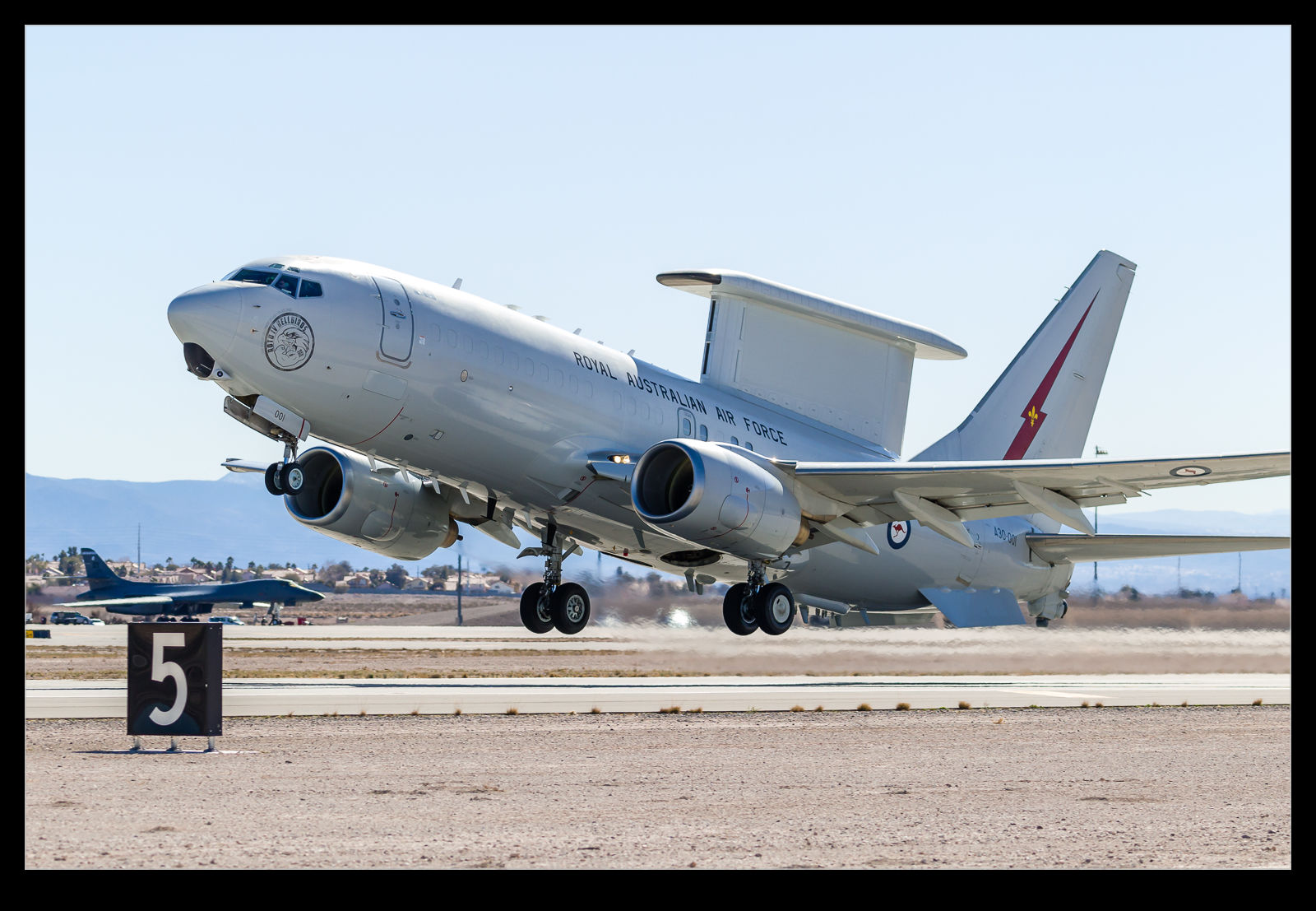
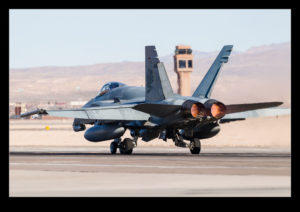
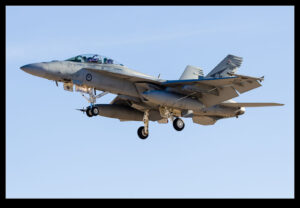
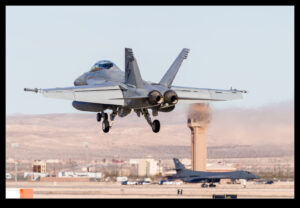
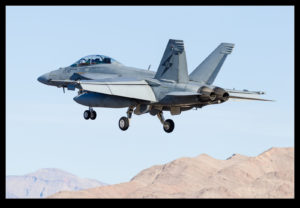
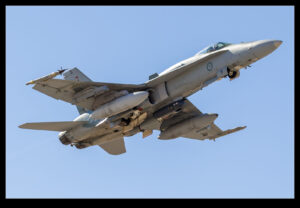
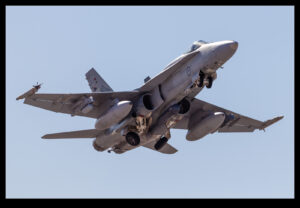
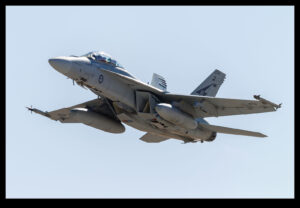
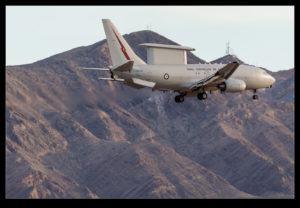
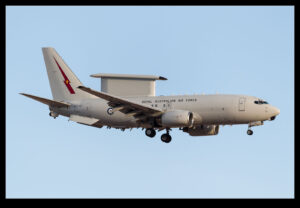
C59F3347.jpgOne of the things that I was really looking forward to about Red Flag 16-1 was the large Australian contingent that was going to be present. The Aussies were coming with Hornets and Super Hornets as well as a P-3 and an E-7 Wedgetail. They were also tanked across by a KC-30 although that sadly went somewhere else so I didn’t see it while I was there. Another benefit of the Aussies is that they bring some fun to the media panel. Sometimes these can be rather dull affairs and like pulling teeth. Previous RAAF officers have been very chatty and informative. This time was no exception.

C59F4262.jpgI was pleased that the Wedgetail flew on the main media day. They were alternative AWACS resources and whether this was planned or luck I don’t know. I am just glad I got to see it fly. The Hornets have been to previous Red Flags but this was the first exercise for the Super Bugs. They have been deployed on operations, though, judging by the mission markings some jets were carrying.

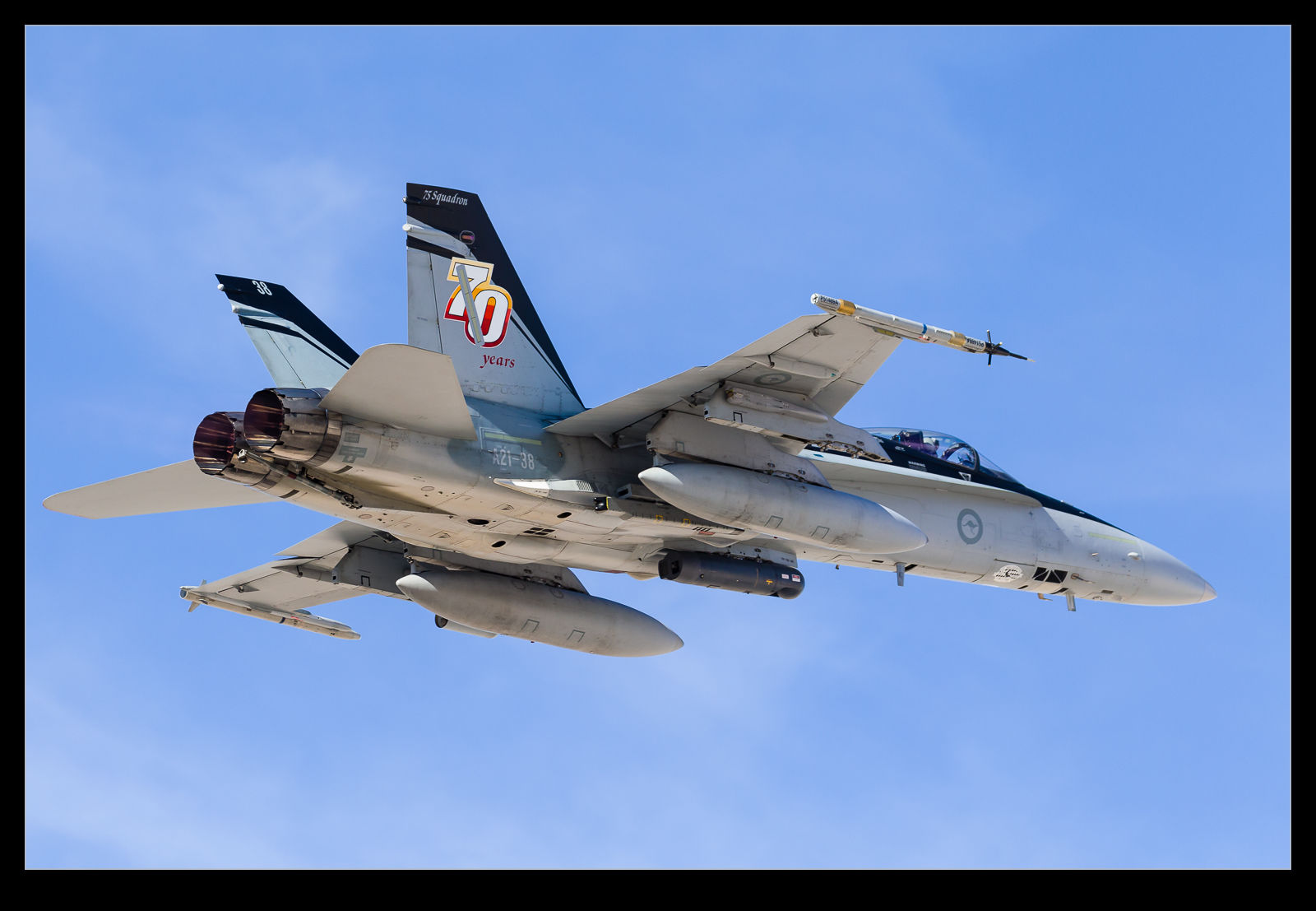
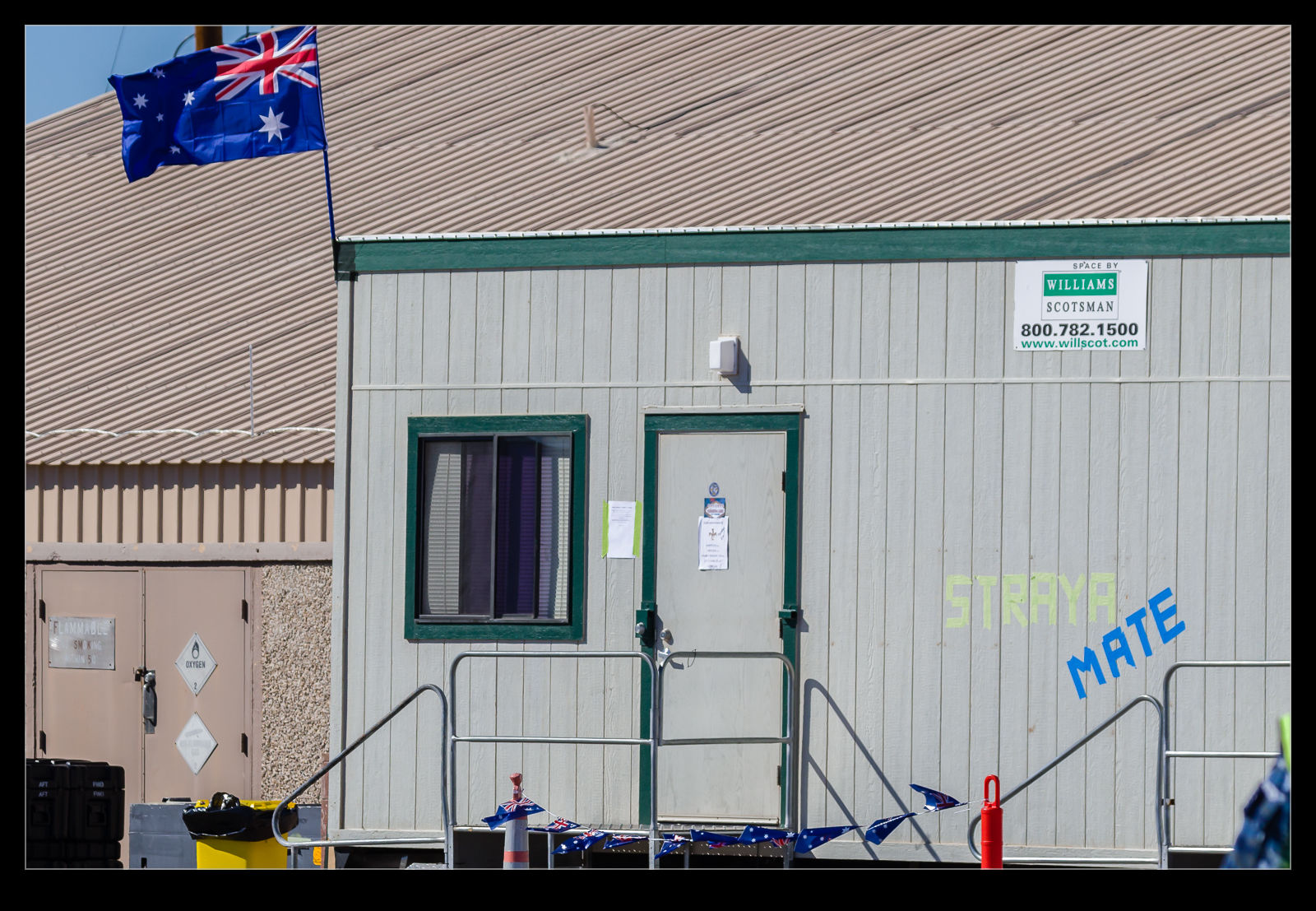
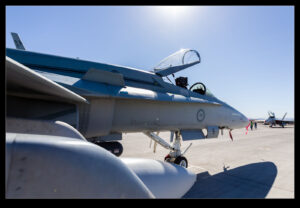
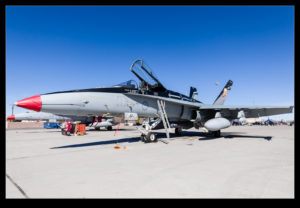
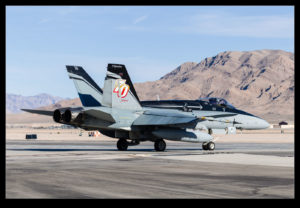
AU0E8446.jpgI was included in a second day on base when we got to spend some time on the Aussie ramp prior to the launch of the first mission. A team of RAAF personnel escorted us around as we got a chance to check out both generations of Hornet. One of the legacy Hornets was carrying squadron anniversary markings which looked good on it. The team was operating out of a building that they had temporarily adorned with something more personnel. If you don’t immediately get it, say the phrase out loud as a response to the question “Where are you from?”

C59F5748.jpgThe team was also selling a bunch of squadron swag. I am not a collector of this stuff but it looked pretty cool so I was happy to part with some cash for the squadron funds. Then we retired to the EOR for the launch. Of course, that also included both types of Hornet taxiing out past us on their way to the runway. Cheers to all of the team for being so friendly and accommodating.

Kfirs

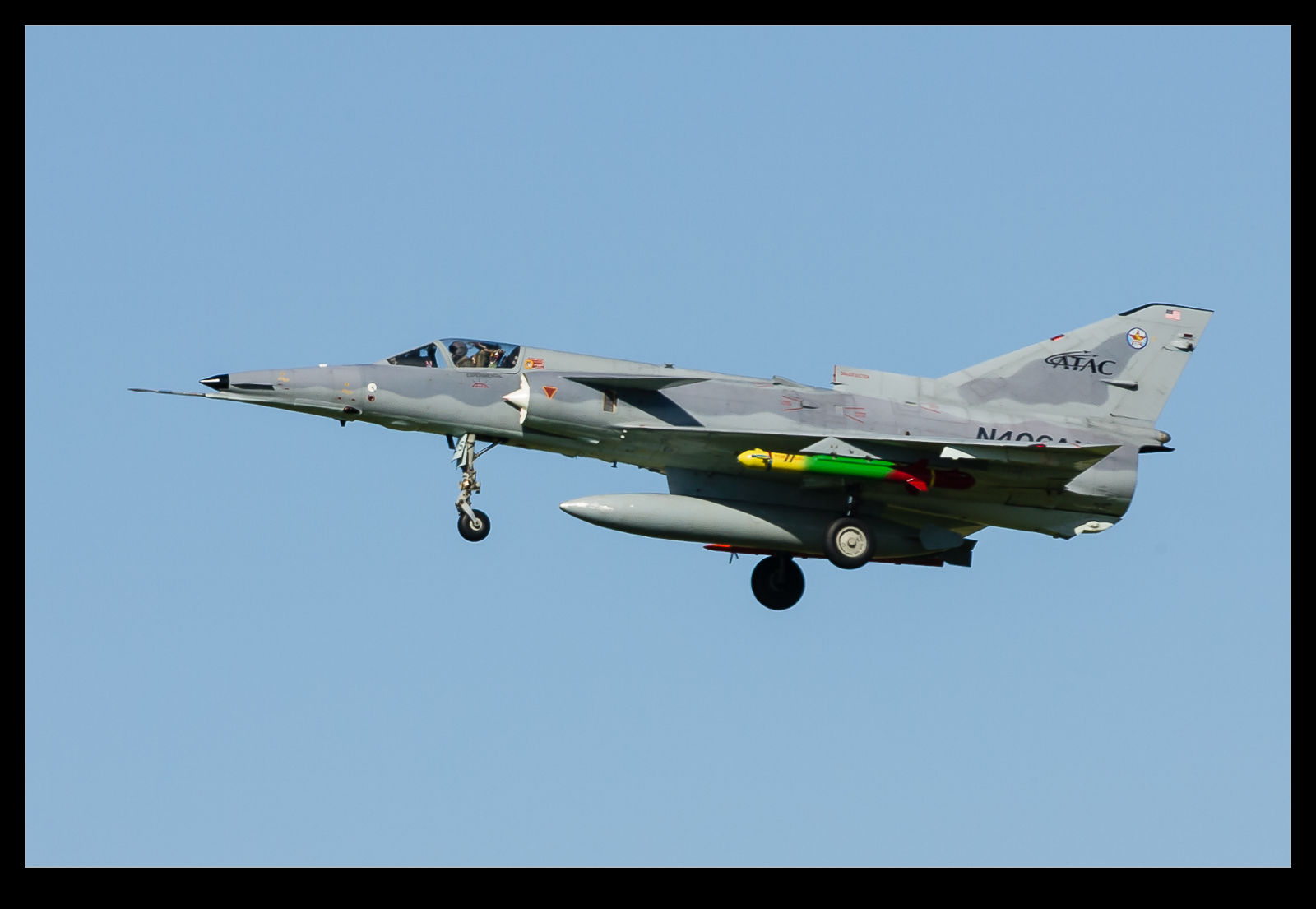
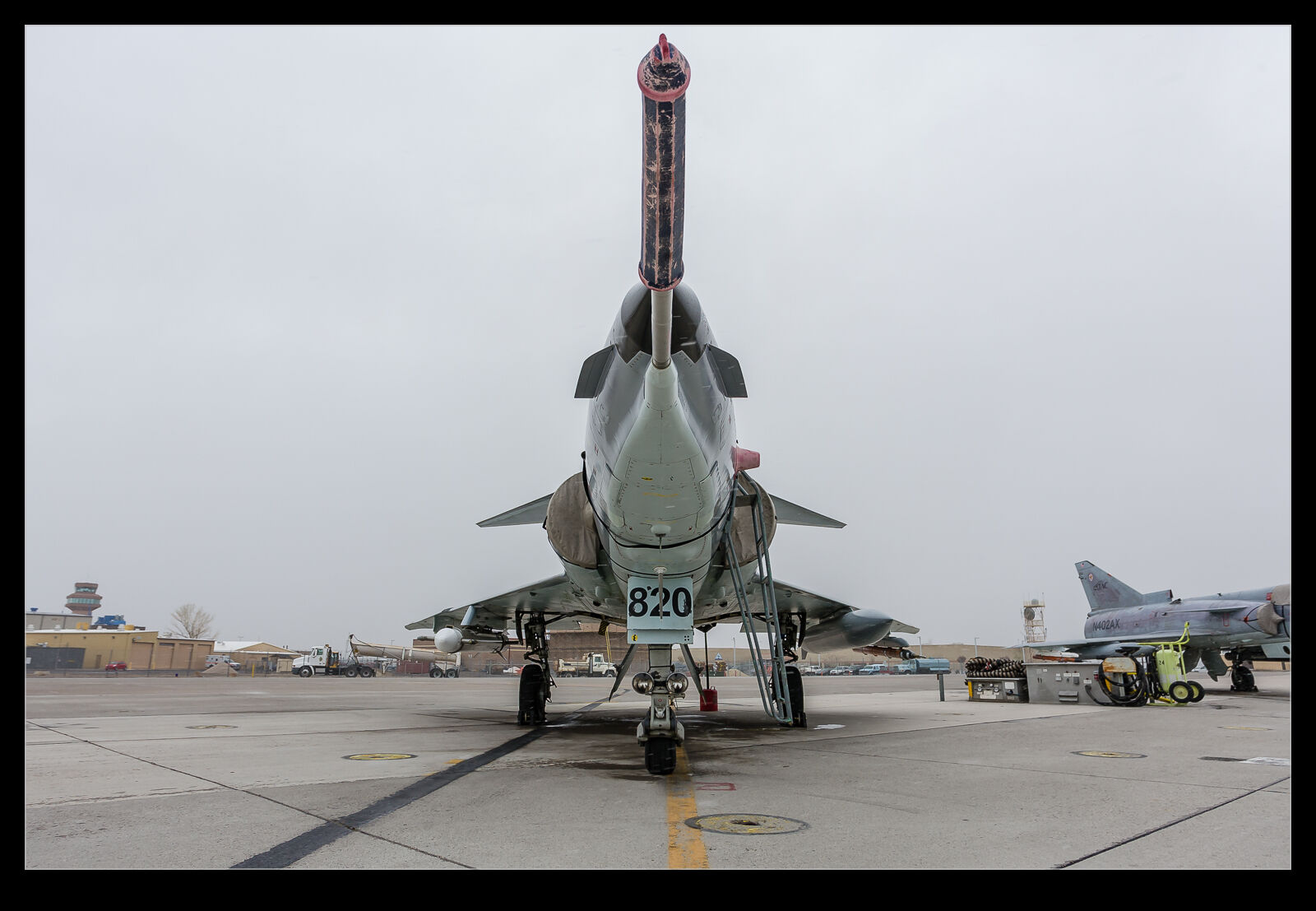
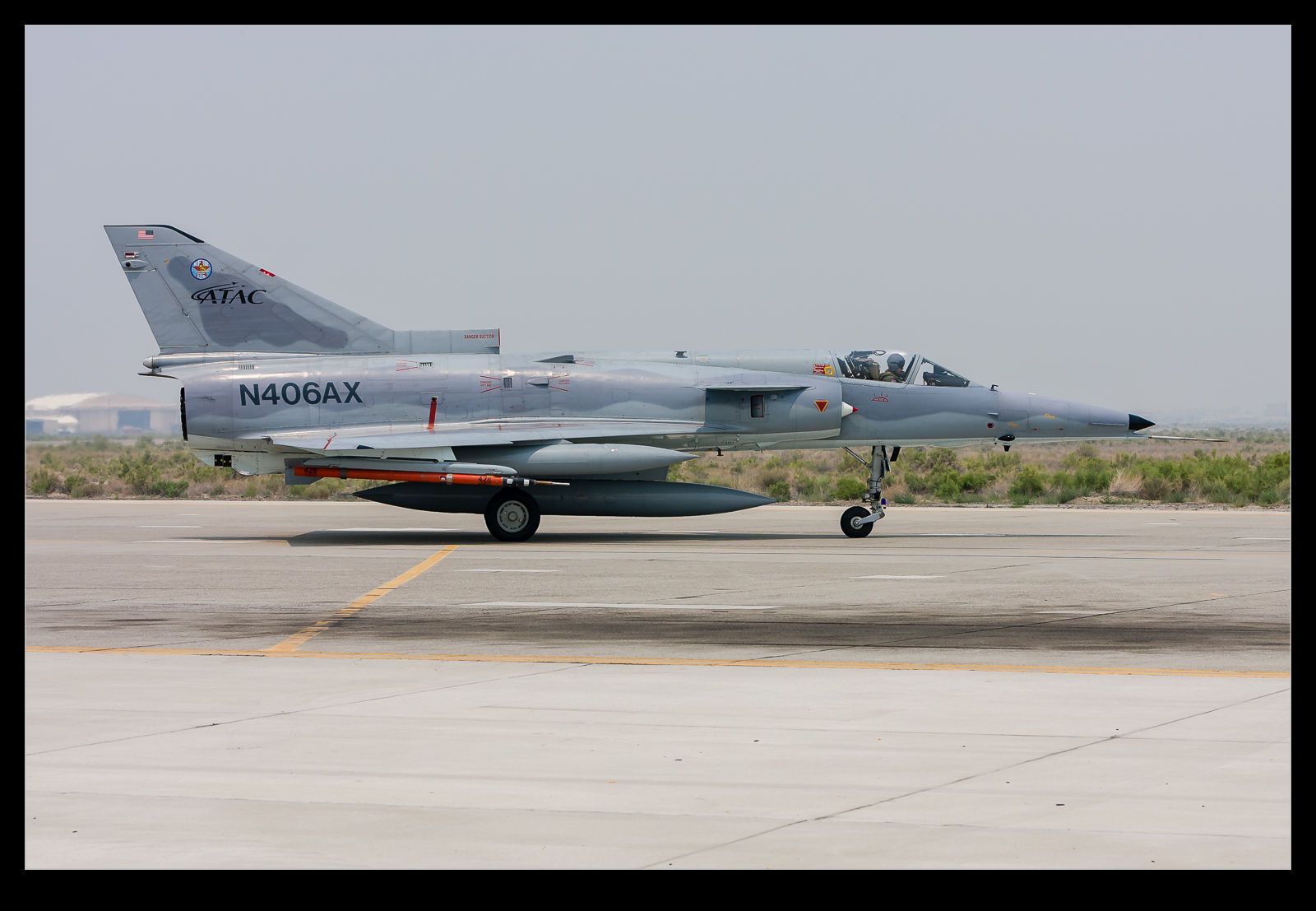
QB5Y8635.jpgTime for another post on a specific military aircraft. This time it is one with an interesting history. The Israeli Air Force was a customer of Dassault’s Mirage aircraft and had good experience with it. However, Dassault/France declined to sell further aircraft to Israel. Instead, the Israelis decided to make their own version. A combination of covert acquisition of design drawings and the introduction of a new engine resulted in the creation of the Kfir.

CRW_5695.jpgDuring the 1980s, a number of Kfirs were supplied to the US Navy to be operated as aggressor aircraft under the F-21 designation. Their use in service was not terribly long but, once they were withdrawn, they were acquired by private companies to use in support roles for training. I have come across them a couple of times. One was at Pt Mugu in California when an example was shooting approaches. The other time was during a visit to NAS Fallon in Nevada where they were launching on training missions.

QB5Y7331.jpgThe Kfir is quite a mean looking aircraft. The original delta wing design has many good attributes but approach speed is not one of them and they really do seem to be motoring when they come down the approach. I imagine they will remain in service for a number of years to come so I hope to see more in due course.

QB5Y5125.jpg

Nemo the Seahawk?

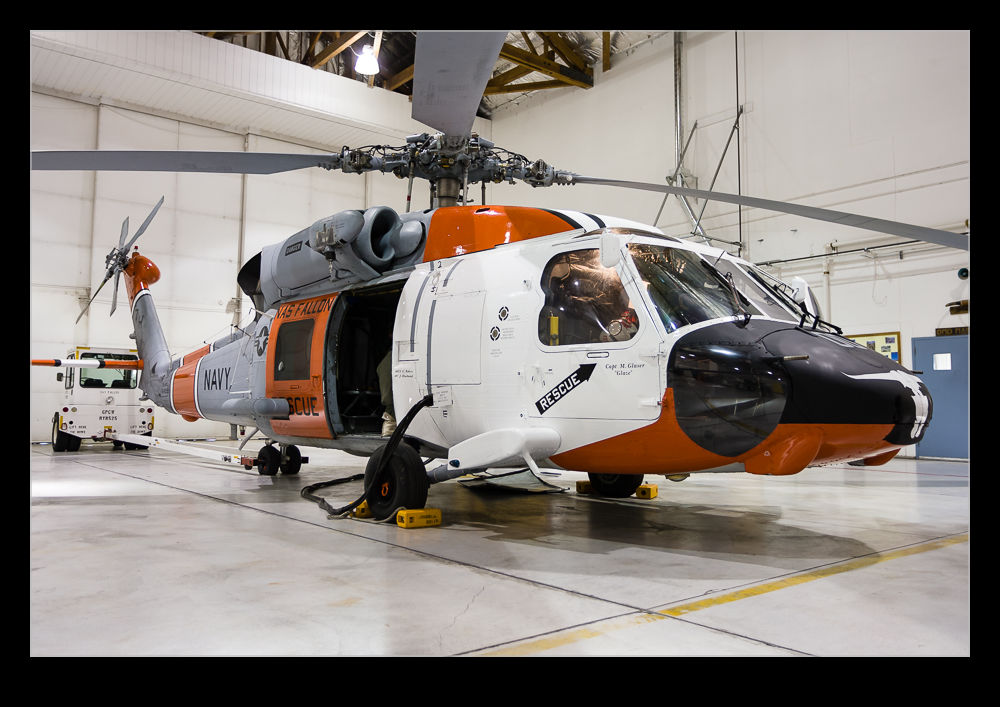
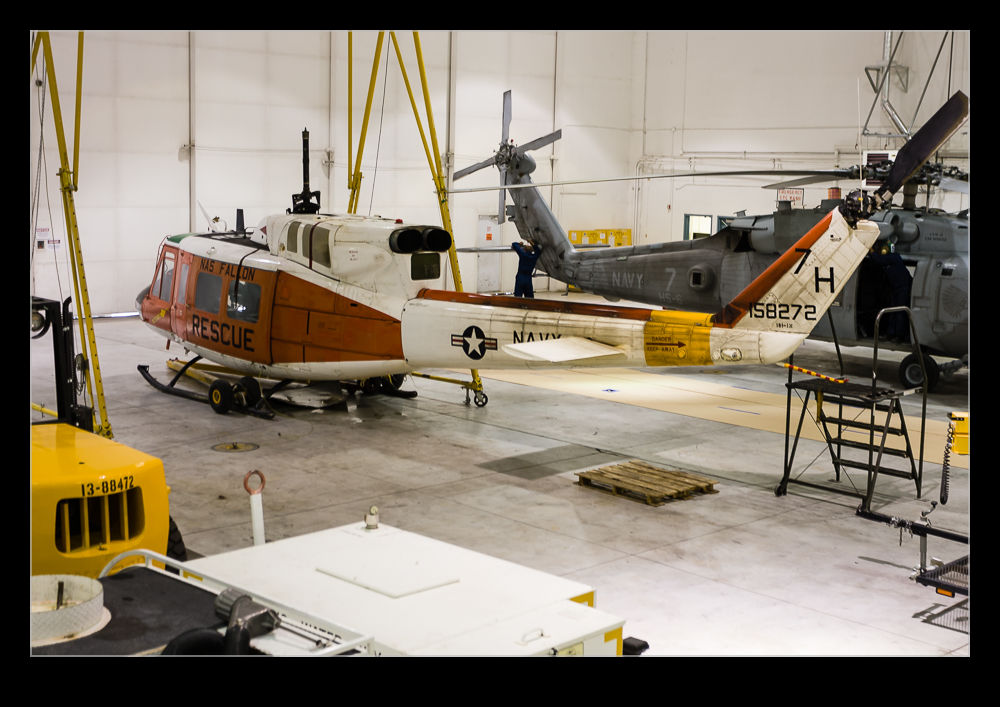
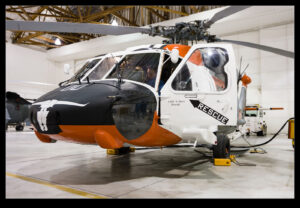
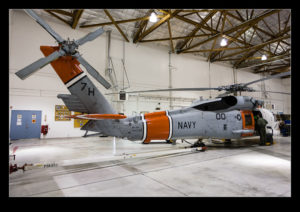
QB5Y7366.jpgA few years ago I was on a visit to NAS Fallon. As part of the visit we headed to the hangar used by the local search and rescue unit. They were just in the process of transitioning from the Huey to the Seahawk airframe. The Huey had been painted in a bright white and orange scheme and there was some discussion as to whether the Seahawk would get the same treatment. Would it get to look like Nemo. The thought was that low viz would end up being the rule.

QB5Y7385.jpgAt the time, their new Seahawk was in a hybrid scheme. We were pleased to see it since it was thought it might not last. As it has turned out, they have adopted some far more vibrant colors on the airframes since according to the images I have seen online. Hopefully I will get up there again some time to see what they look like now.

Does This Airfield Exist?

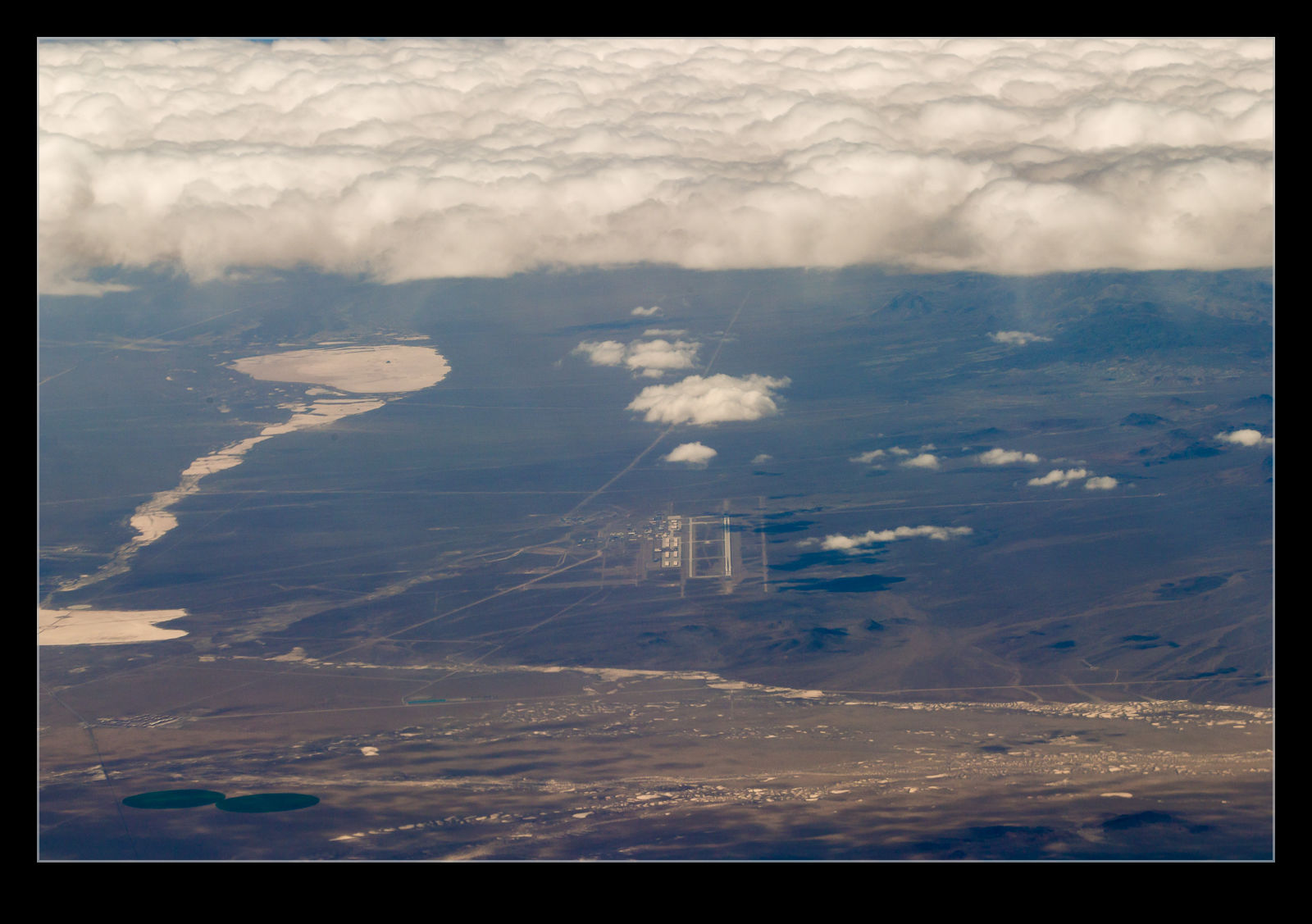
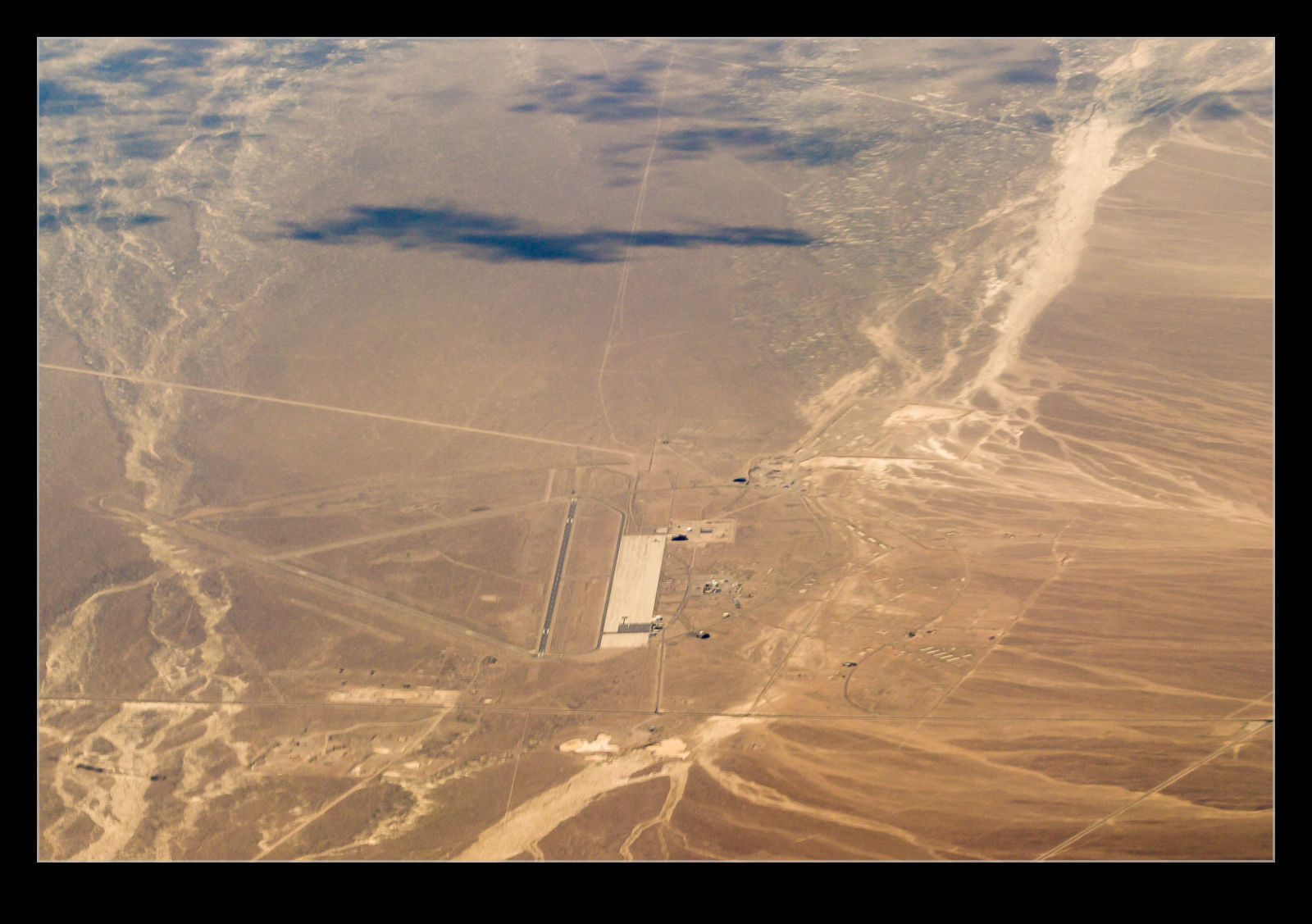
AU0E1088.jpgWhen you fly across from Chicago to Oakland, you come across Nevada including some parts of it that are not open to the public. I normally sit on the opposite side of the plane but on this trip, I had a view of Tonopah. While it is a bit far off, here is an airfield that has been home to some strange things in the past and, hopefully, still is today. There is also Tonopah’s other airfield which I think is a normal civilian field. I guess The Test Range field does officially exist these days. I could certainly see it!

AU0E1092.jpg

RAF Sentinel

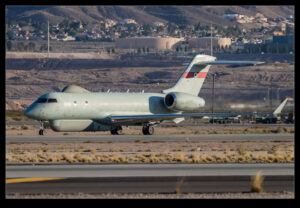
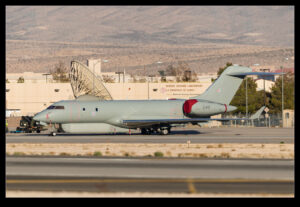
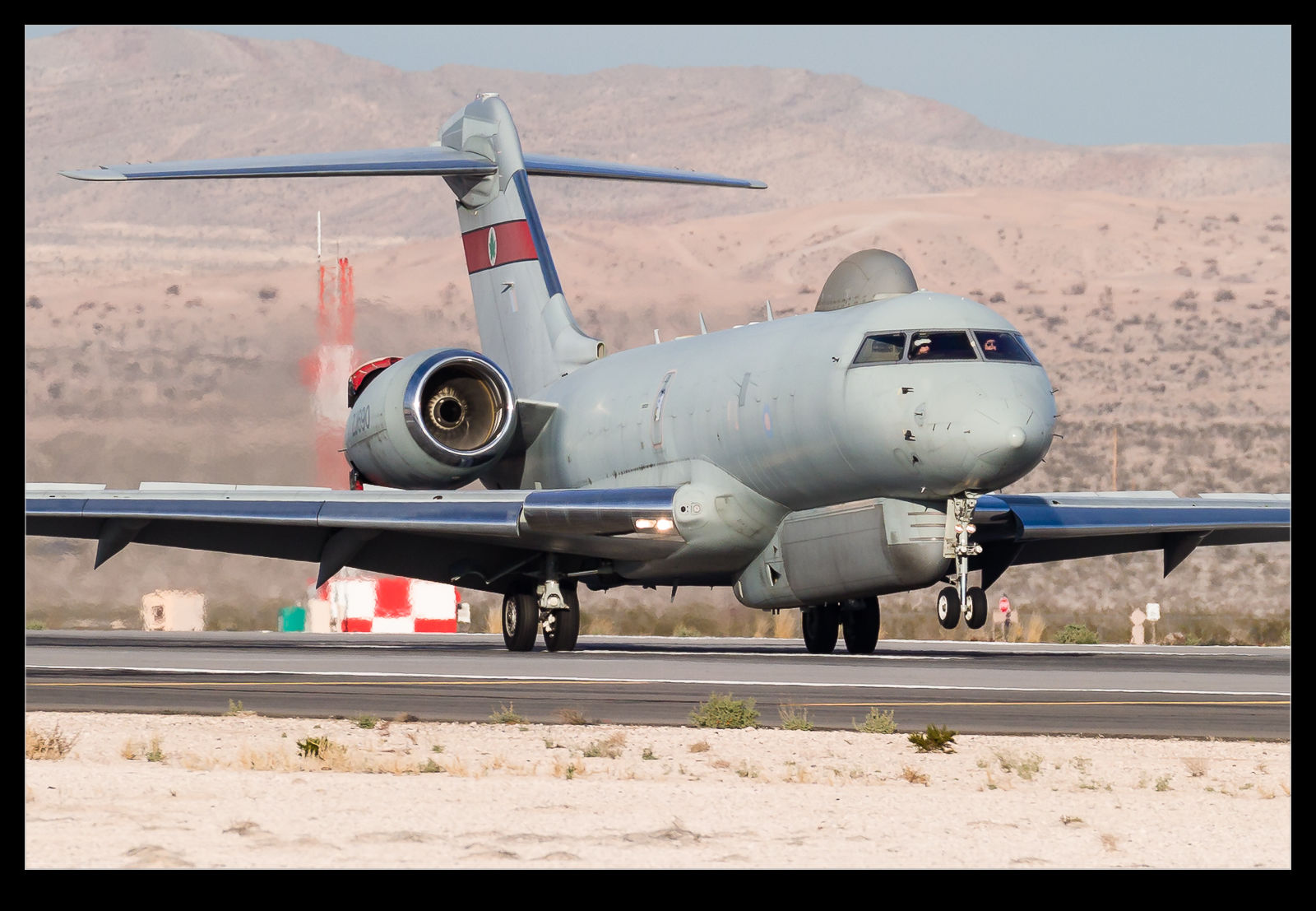
AU0E4737.jpgI really do appreciate an aircraft that looks elegant. One such type is the Bombardier Global Express. Built to take on the Gulfstream family, it is a great looking plane with a graceful front fuselage, cracking looking wing and even the empennage is stylishly done. Therefore, you might be forgiven for thinking that I was not impressed when Raytheon took a great looking plane and grafted on some enormous lumps and bumps to create the Sentinel.
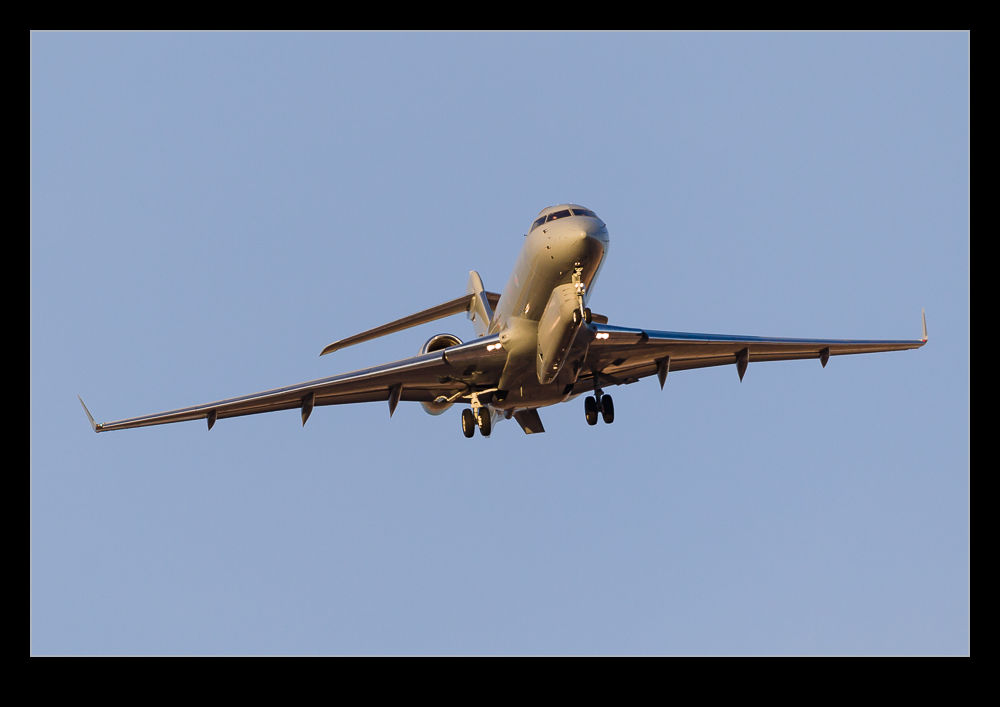
Built for Britain’s Royal Air Force, the Sentinel is a battlefield surveillance aircraft in the mold of the USAF JSTARS program but a generation on a bit more compact. It also makes use of a more modern airframe as its starting point. While the changes have not done anything to make the plane look pretty, I do have a soft spot for unusual aircraft configurations and large radomes and sitcom covers fit with this idea. Consequently, I rather like the Sentinel. Seeing them in action at Red Flag was a nice opportunity.
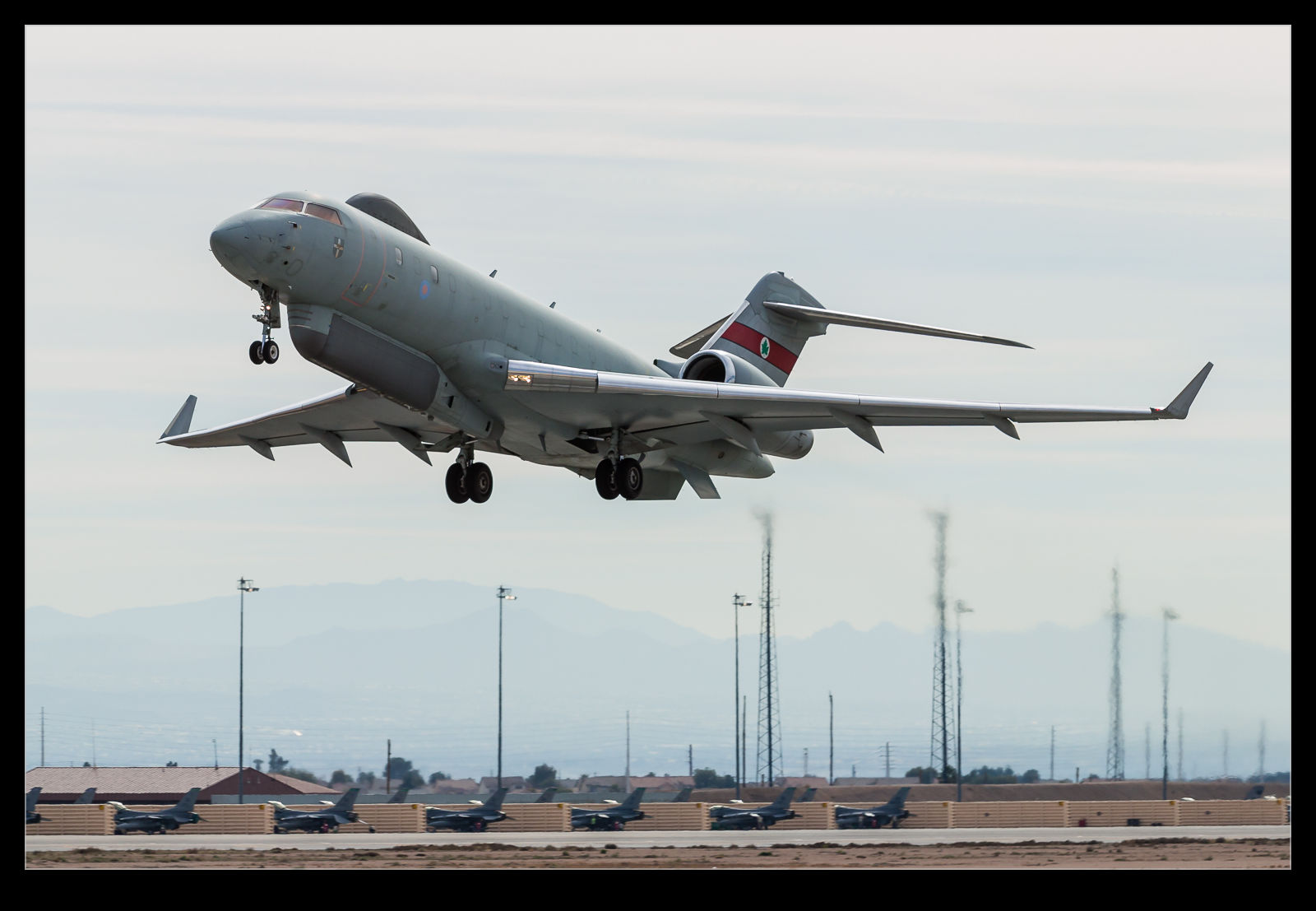
AU0E3119.jpgHaving spent a lot of money on the Sentinel, the UK government announced that, with the reduction in involvement in Afghanistan, the Sentinels would be retired. Retirement sounds inappropriate for something so new but that was the story. Fortunately, it appears that the plan has been adjusted and they have been reprieved for now. We shall see how that develops.

The aircraft are operated by 5 (AC) Squadron of the RAF. 5 Sqn was one of the early Tornado ADV squadrons when it converted to Lightnings. I liked their colors with the maple leaf on a red background. When I worked at Warton, one side project I got involved with was the repainting of a restored Lightning in 5 Sqn colors before it was put on display. Having the Sentinels showing up from 5 Sqn was nice, not least because one of the two jets had the squadron colors displayed over the usual dull grey finish. Both aircraft flew while I was there both day and night. They are an unusual sight to see so it was good to catch them at work.
F-16 Inlet Vapor

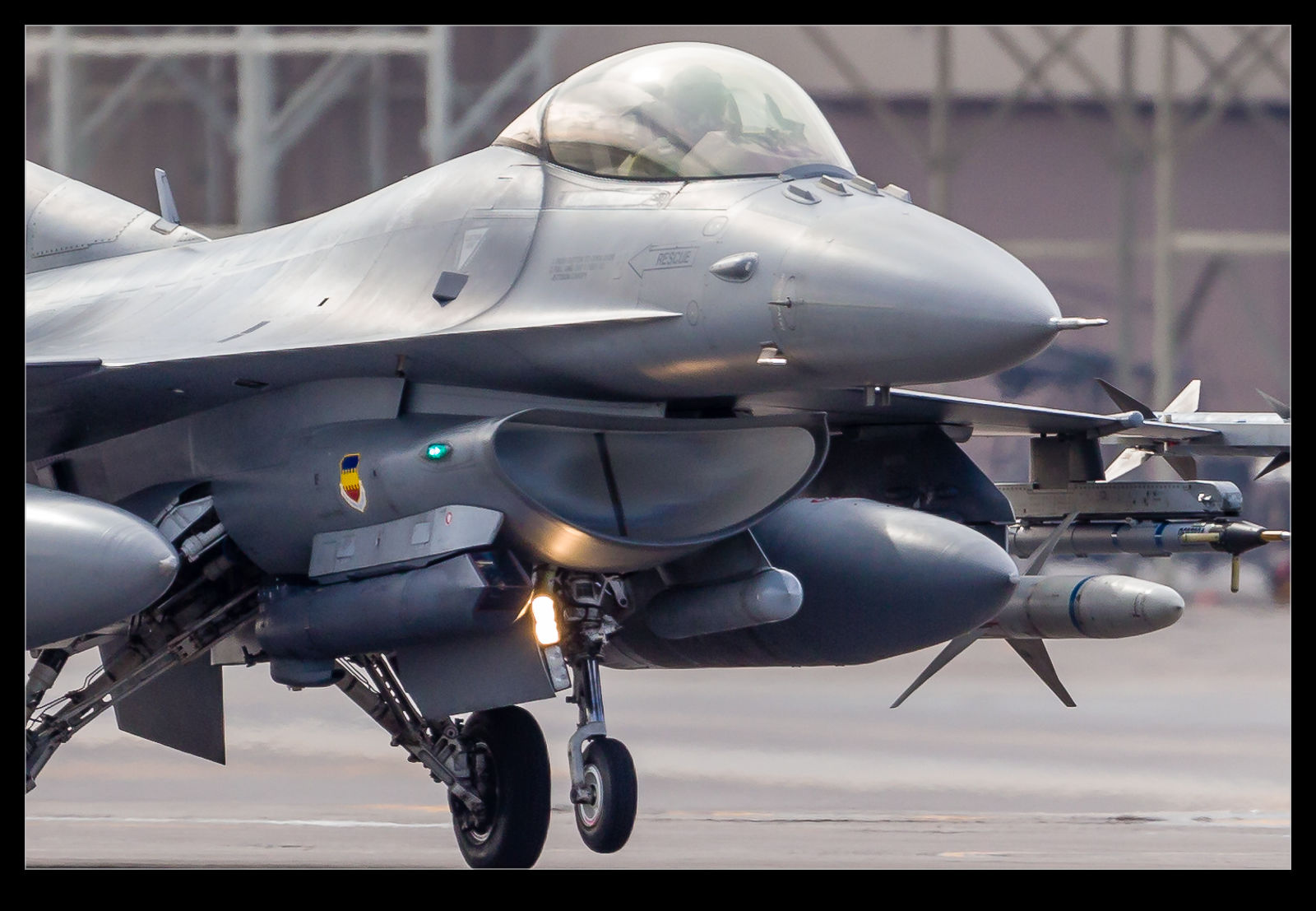
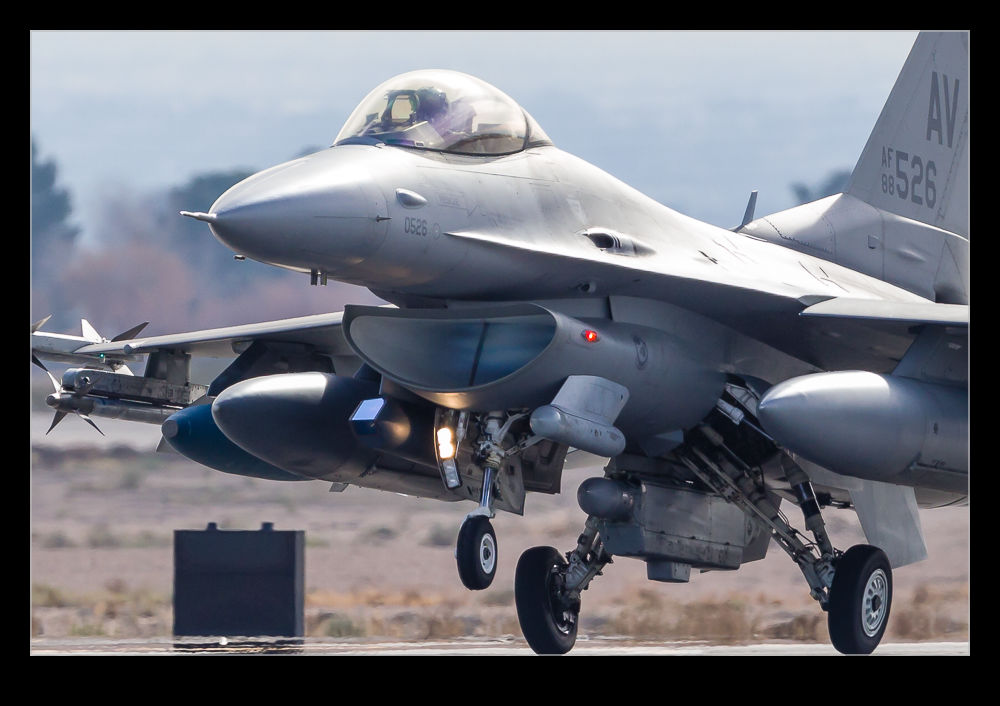
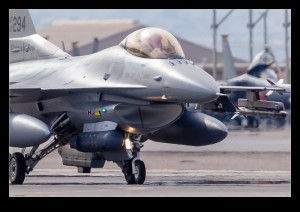
C59F9240.jpgThere are some aerodynamic effects that always catch my eye when I am going through images and one of these is vapor forming in engine inlets. The combination of lower airspeed with high thrust settings and moisture can result in puffs of vapor forming in the inlet, either continuously or, more often, as little flashes of cloud. The F-16 can often demonstrate this phenomenon when taking off although the formation is a little way back in the inlet.
C59F9570.jpgOn a recent Red Flag, the F-16s were out in force and, since it wasn’t the hottest and driest day that Nellis can provide, they were getting a bit of vapor to show up. Here are a few of the jets squeezing the moisture out of the air (even though it is the opposite of squeezing that makes it happen!).

NASA T-38

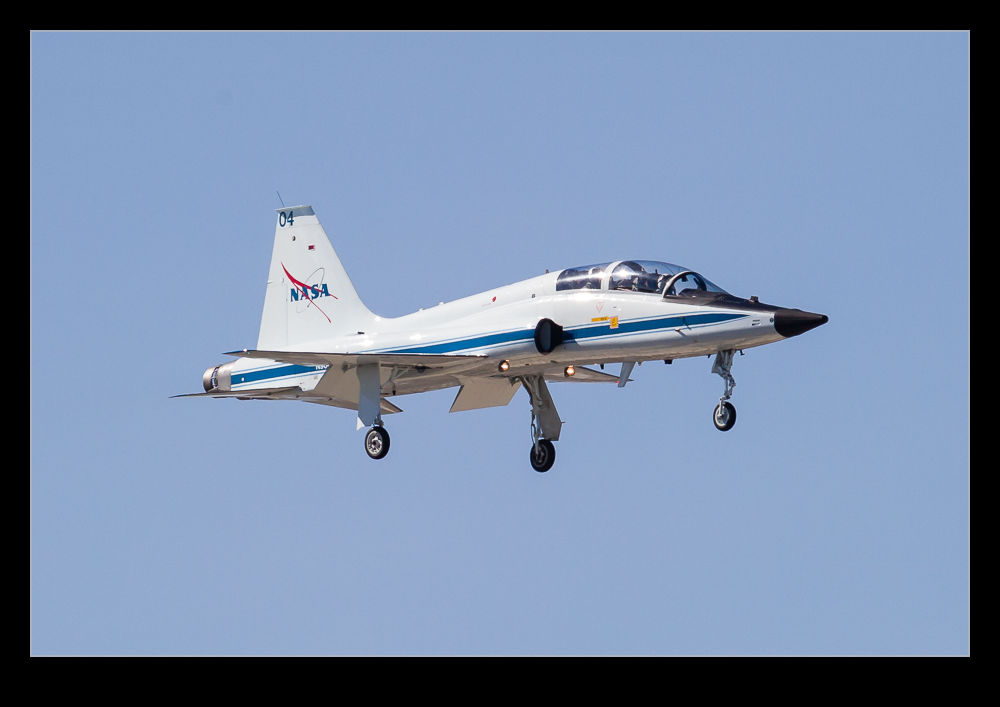
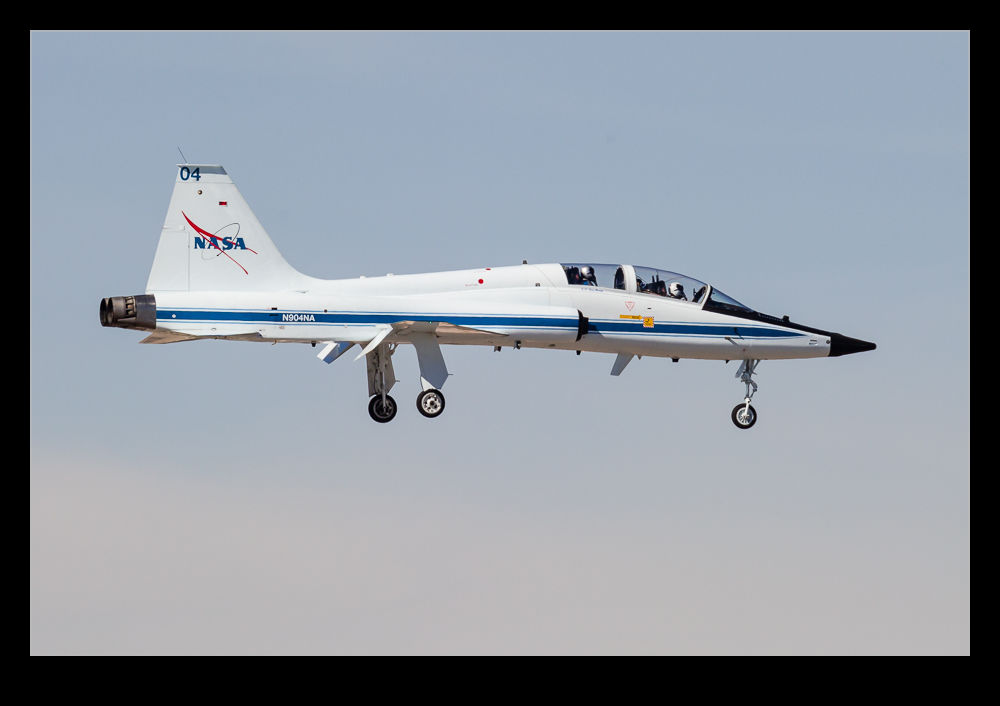
wpid13234-AU0E7922.jpgAs the visit to McCarran was getting towards the time we needed to leave for the Red Flag launch, we checked Flightaware and saw that a NASA T-38 was inbound. This was worthy of some attention. The question was, which runway would it land on? We hopped in the car and headed off to a spot near the 25 threshold. This was the direction it was coming from. If it made a straight in approach, we would catch it here. If it was directed to the 01 approach, it would need time to reposition and we would be able to move to a more suitable location.

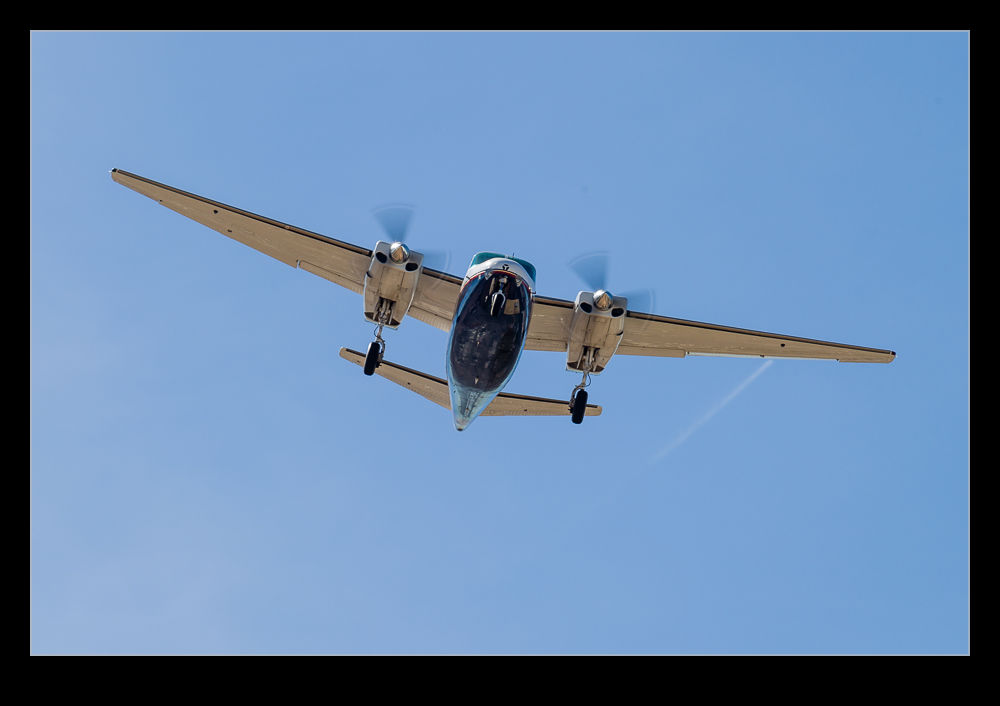
wpid13230-AU0E7884.jpgWe tracked the plane online and a look at the line of airliners up the approach told us it was going to 01. A hasty change of locations followed and we got to a suitable spot. An Aero Commander landed first which gave us an idea of the approach path. Then, the T-38 came into view. As is the case with the Talon, it was motoring down the approach. A quick adjustment and a few shots and then it was gone. All rather brief but a nice way to wrap up the visit.

wpid13236-AU0E7931.jpg wpid13232-AU0E7900.jpg