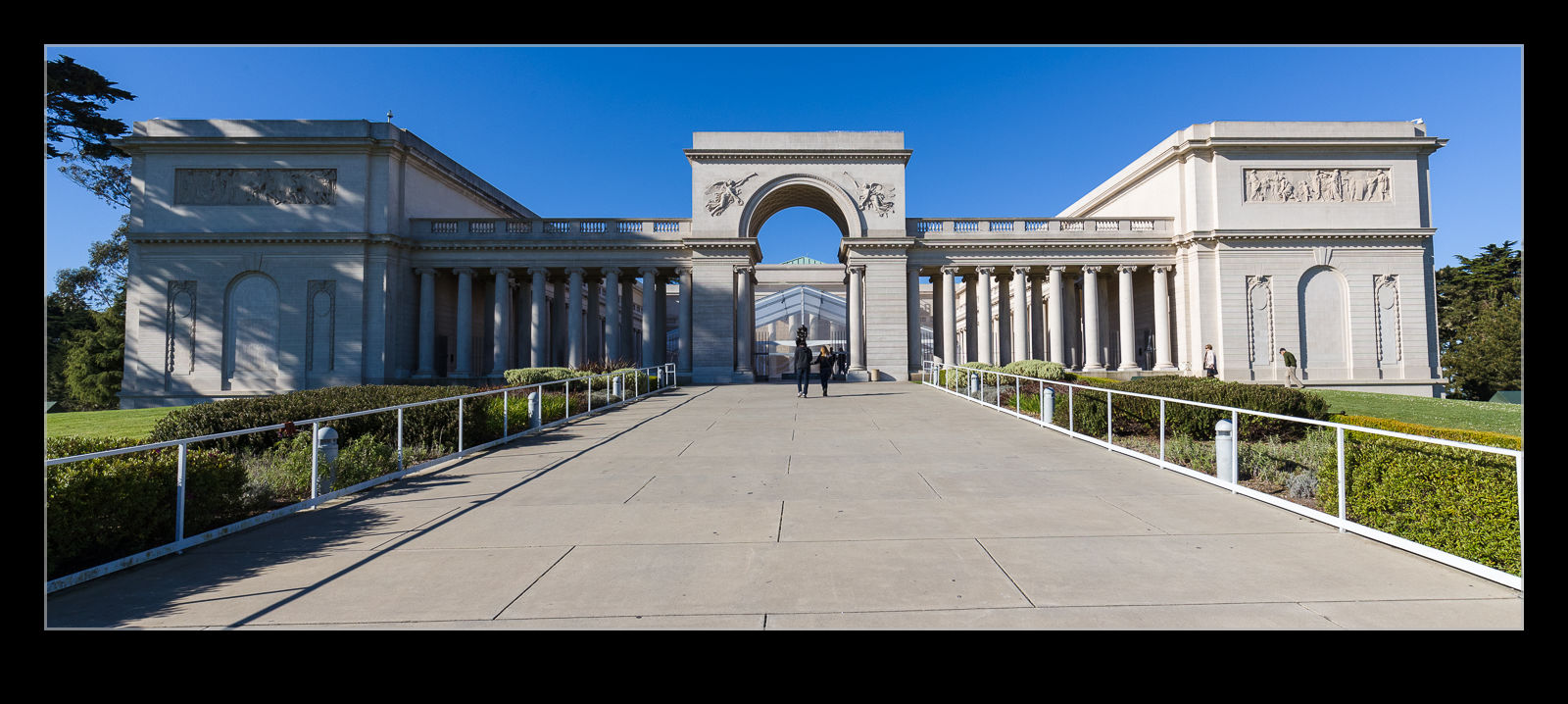
 Perched up on a hill overlooking the entrance to the Golden Gate sits the Legion of Honor. This is an art gallery that, while including quite a variety of art styles, is synonymous with the sculpture of Rodin. I first visited in 1990 during my first trip to the west coast. I hadn’t been back since and Nancy had never been. She is a fan of some of the impressionist painters so I thought this might be a good day out for her. What I hadn’t realized was that they had a special exhibit on of Monet’s early years. Turns out it was a bit more appropriate than I realized.
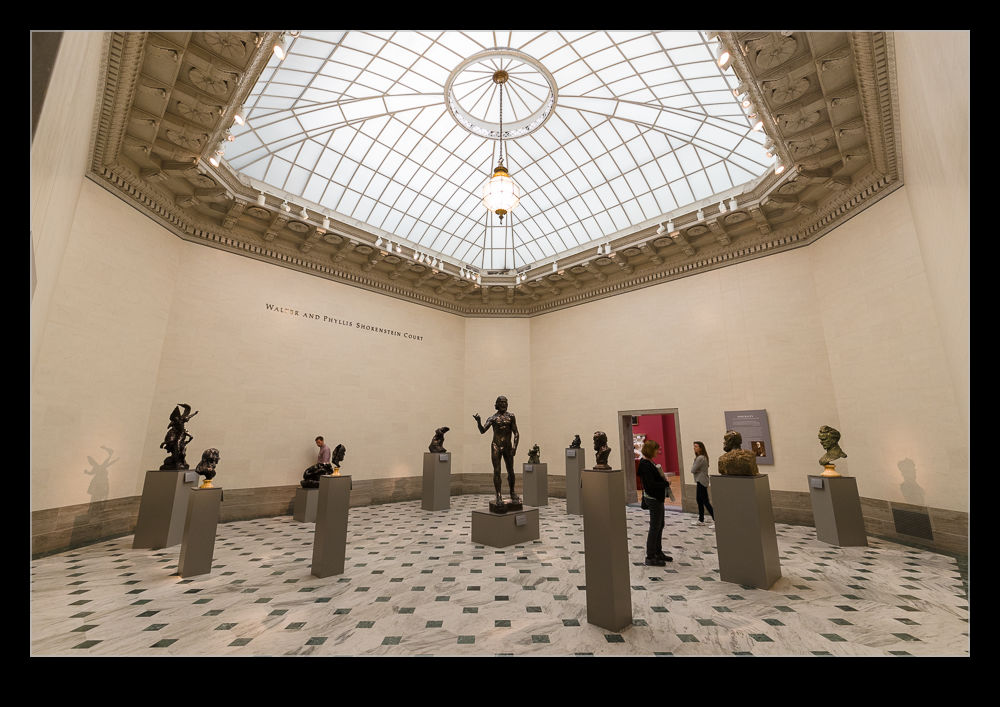 It was a lovely day to be in the city. The sun was out and the temperatures were on the low 70s. We had started out early to try and get there before it got busy. We hadn’t anticipated the exhibit though. Consequently, it was already quite busy when we got there. It only got busier so we still were getting the better side of things. We went straight to the exhibit and spent a fair bit of time in there. Afterwards, we strolled through the galleries of the collection.
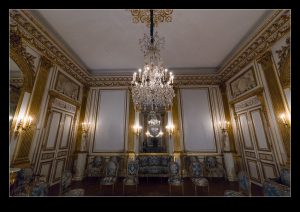
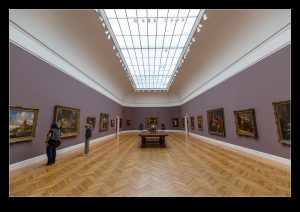
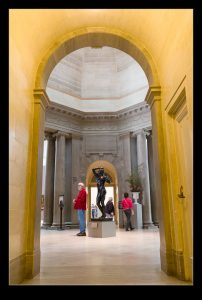
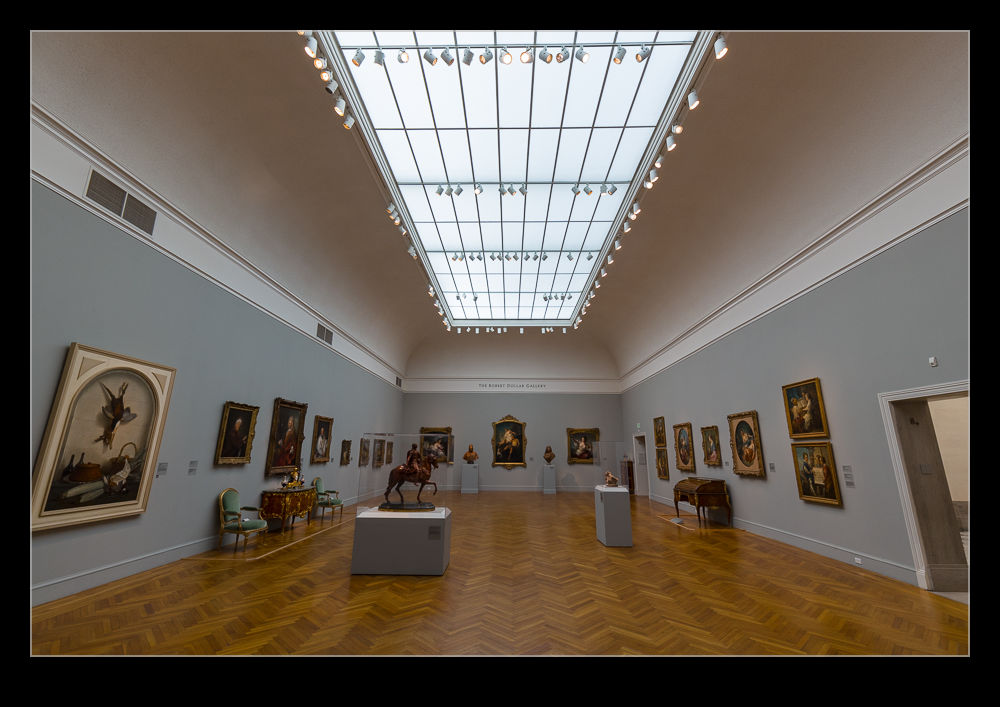
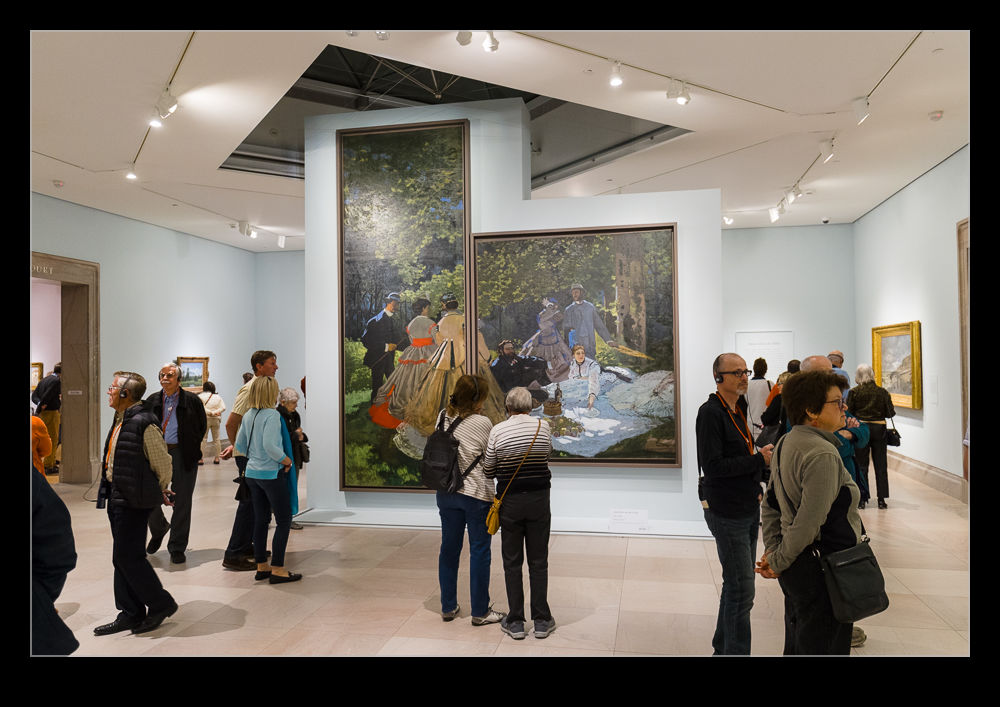 The different galleries are very nicely laid out. Nothing felt too crowded and the light in the rooms was very nice. Each gallery had a different style of decoration so you felt the change as you moved from room to room. Natural light through the roof made it feel a lot less oppressive than some museums. They did have some sections set up as rooms from old houses and these were a lot more subdued.
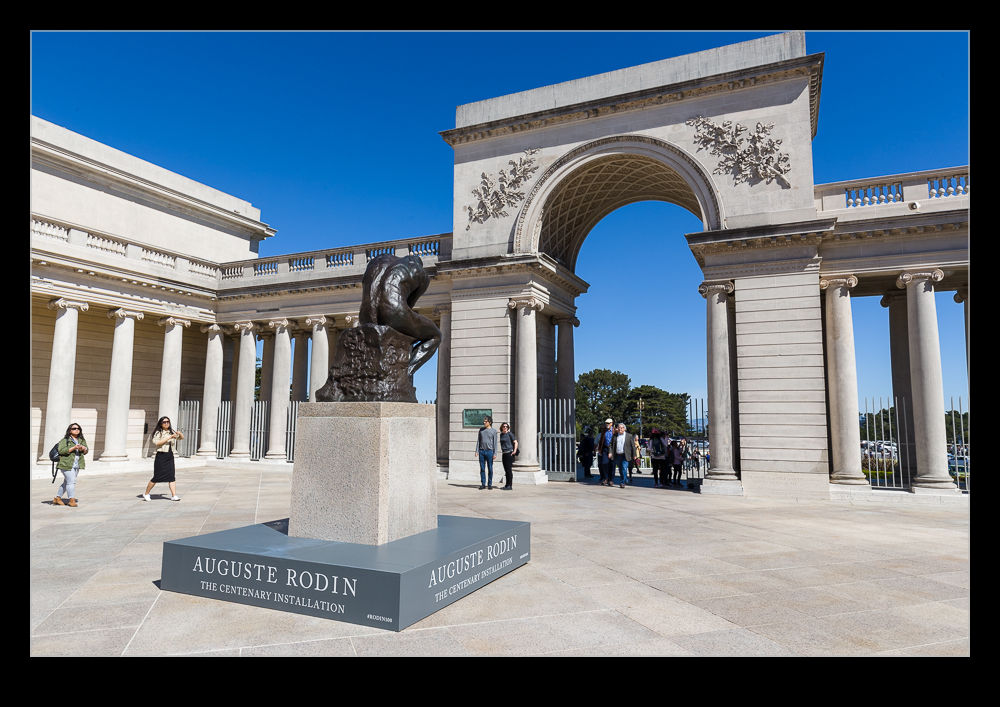
 The sculpture section was very interesting. The Spreckels family started the collection and they were avid supporters of Rodin’s work. The Thinker sits in the forecourt while there are two rooms of his work. These included bronzes, plaster and marble sculptures. Rodin liked marble apparently but I find the bronze castings to be the most impressive since they show the texture of the work in a way that is lost a little with marble for me.
 When I visit art museums, I find I have a limit of how long I can last. When we were in Florence, I discovered just how many Madonna and Child pictures I can look at before I am done. This museum is actually well sized for me. I was able to check out the whole collection in about the time it takes me to be maxed out. I didn’t reach the point of either my feet hurting, my back aching or just not wanting to look at another picture. About the perfect size. The collection is not as diverse as you will find in some big cities but it works well for a day out. Check it out if you have the time.
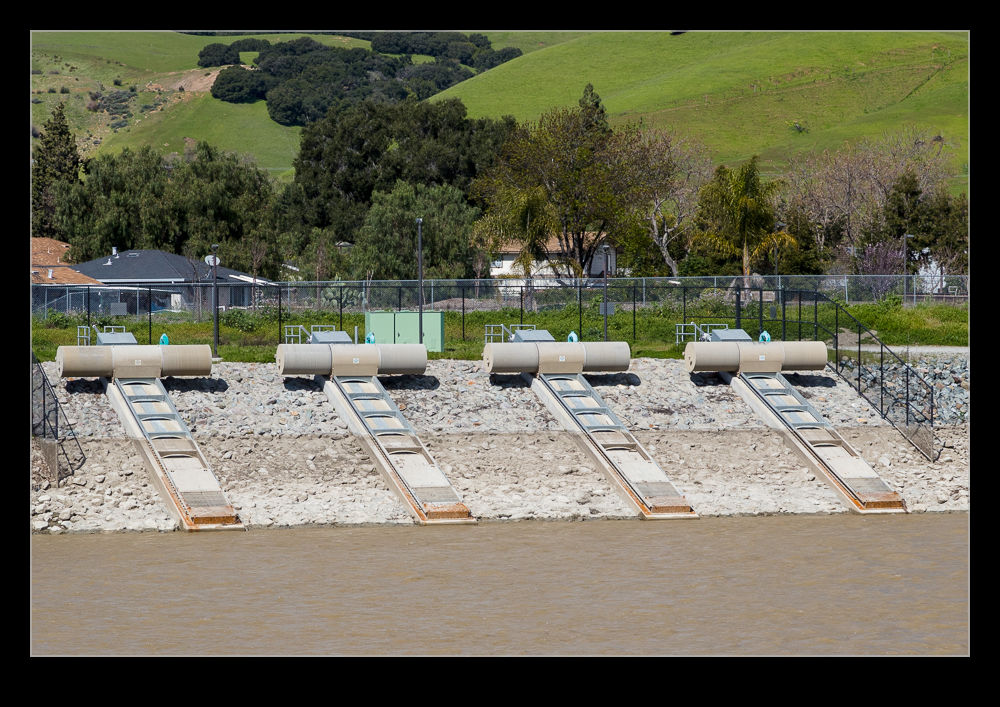 This post is a question for whoever might be able to help me out. I was walking along Alameda Creek and I saw various sets of these devices along the levee banks at different locations. I was curious as to what they could be. They looked like they would float so I wondered whether they are designed to start at the bottom of the track and then float up as the water levels rises. Perhaps this then reports back to some control location so everyone knows the level of the creek? However, that is just a guess. Does anyone know the real story?