Tag Archives: Navy

Blue Angels at Oceana (And High ISO)

I have only been to the Oceana show once.  I headed down there with my friends Ben and Simon.  We weren’t terribly lucky with the weather.  There was flying during the show but things were overcast and deteriorated as the show went on.  The finale of the show was, naturally for a big Navy base, the Blue Angels.  I was shooting with a 1D Mk IIN in those days and that was a camera that was not happy at high ISO settings.

The problem was, the light was not good and the ISO needed to be cranked up a bit.  Amusingly, if you were shooting today, the ISO levels would not be anything that caused concern.  Current cameras can shoot at ISO levels without any noise levels that would have been unthinkable back then.  However, I did learn something very important with this shoot.  The shot above is one that I got as one of the solo jets got airborne.  I used it as a test for processing.

I processed two versions of the image, one with a lot of noise reduction dialed in and one with everything zeroed out.  I think combined them in one Photoshop image and used a layer mask to show one version in one half of the image and the other for the second half.  When I viewed the final image on the screen, the noise in one half was awfully apparent.  It was a clear problem.  However, I then printed the image.  When I did so, things were very different.  If you looked closely, you could see a little difference.  However, when you looked from normal viewing distances, there was no obvious difference between the two.

My takeaway from this is that viewing images on screens has really affected our approach to images.  We get very fixated on the finest detail while the image as a whole is something we forget.  We print less and less these days and the screen is a harsh tool for viewing.

Get Those Shock Waves Showing

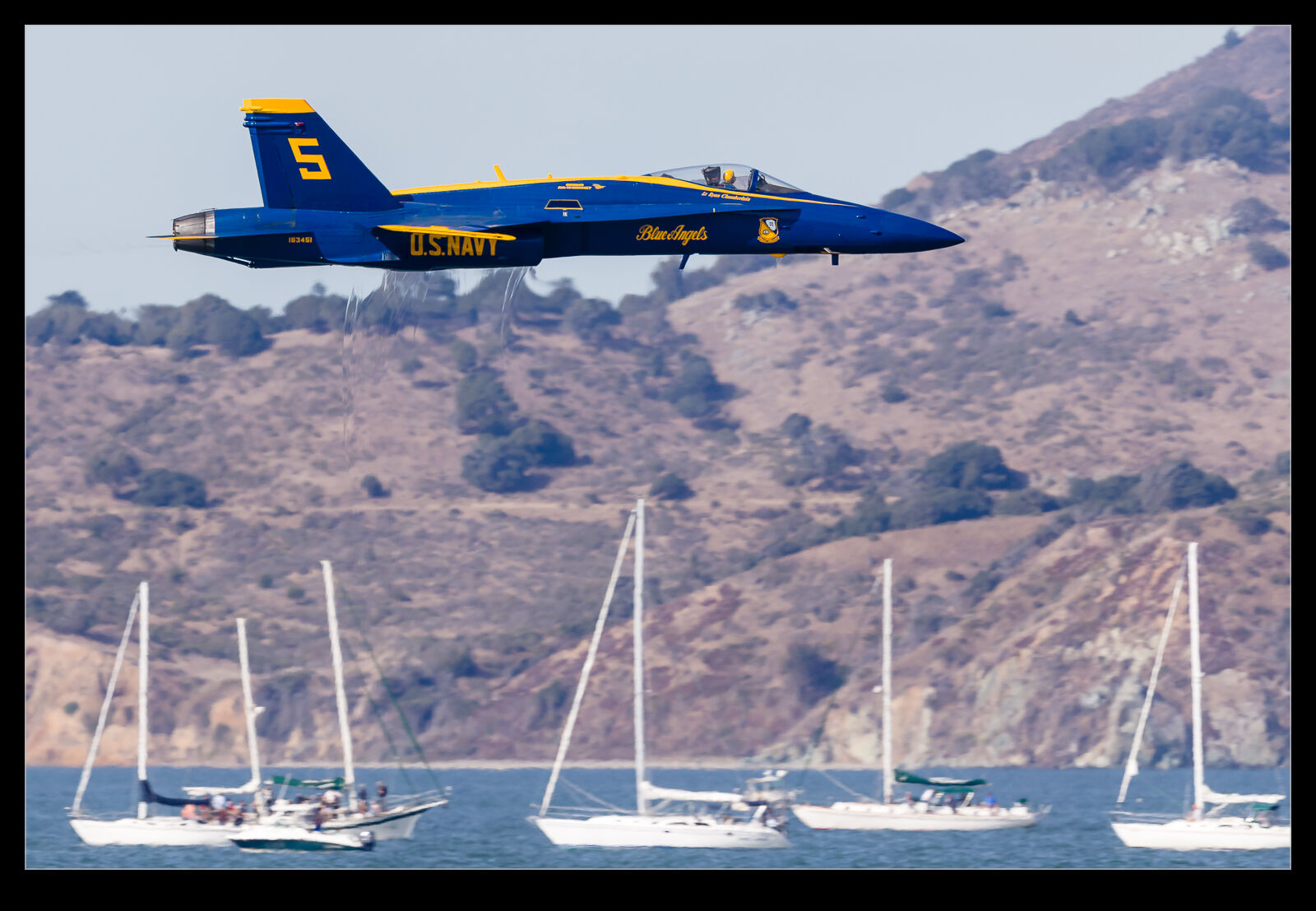
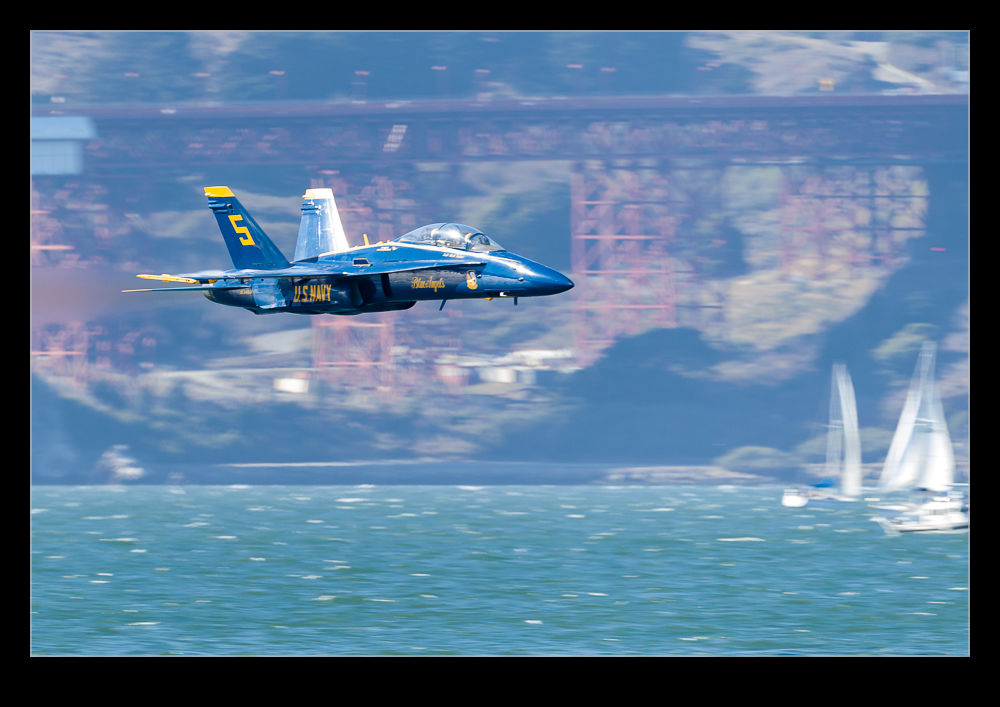
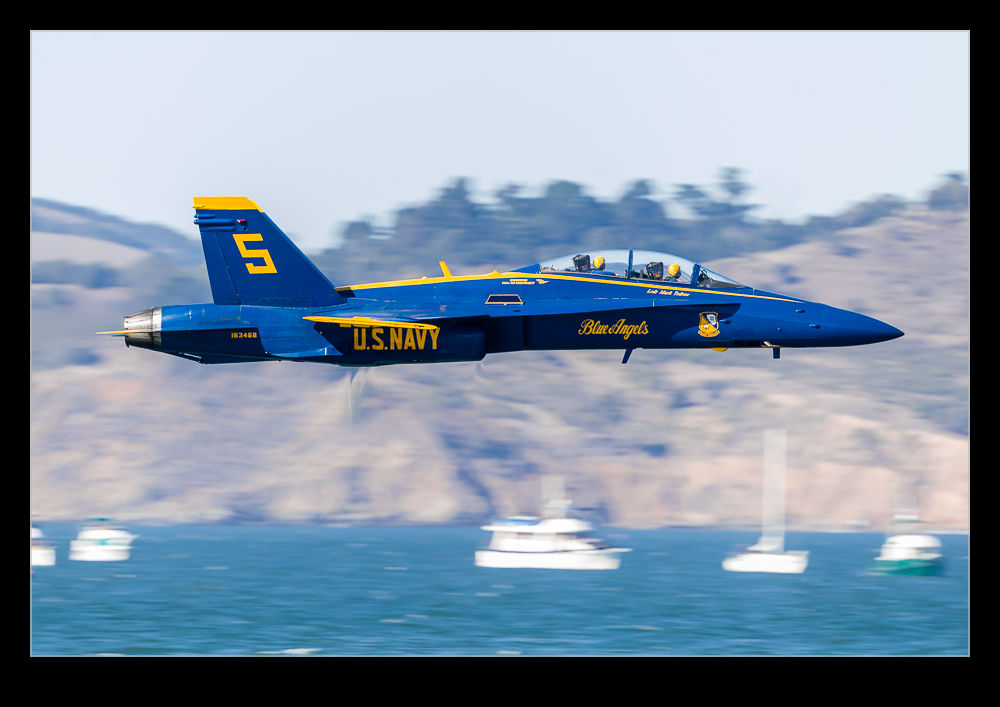
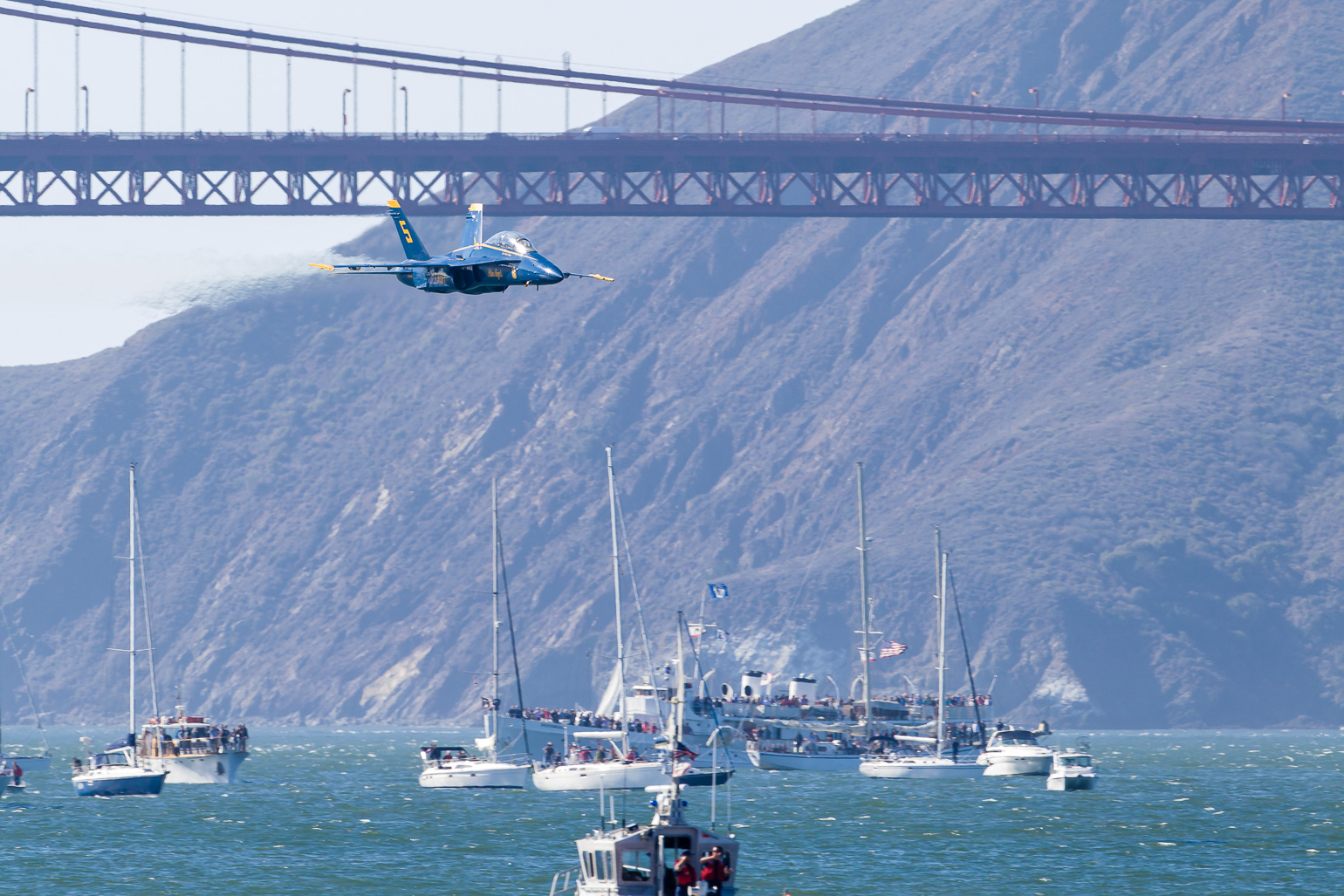
The Fleet Week air show in San Francisco is wrapped up by the Blue Angels.  The sneak passes made by the pair are an opportunity to try and get something interesting.  Since they display over the bay and the city is known for having high relative humidity, I am always hoping to get some good vapor shots.  This time out, that wasn’t to be.  The air seemed to be pretty dry and there was not a lot of vapor on show.  However, the fast pass from left to right takes the jet in front of the hills and Alcatraz which provides some detail to show up the distortion caused by the shock-waves.  The large number of boats and associated masts meant a clean shot was tricky but I got a couple I was pleased with.

Hello Surprise Hornets

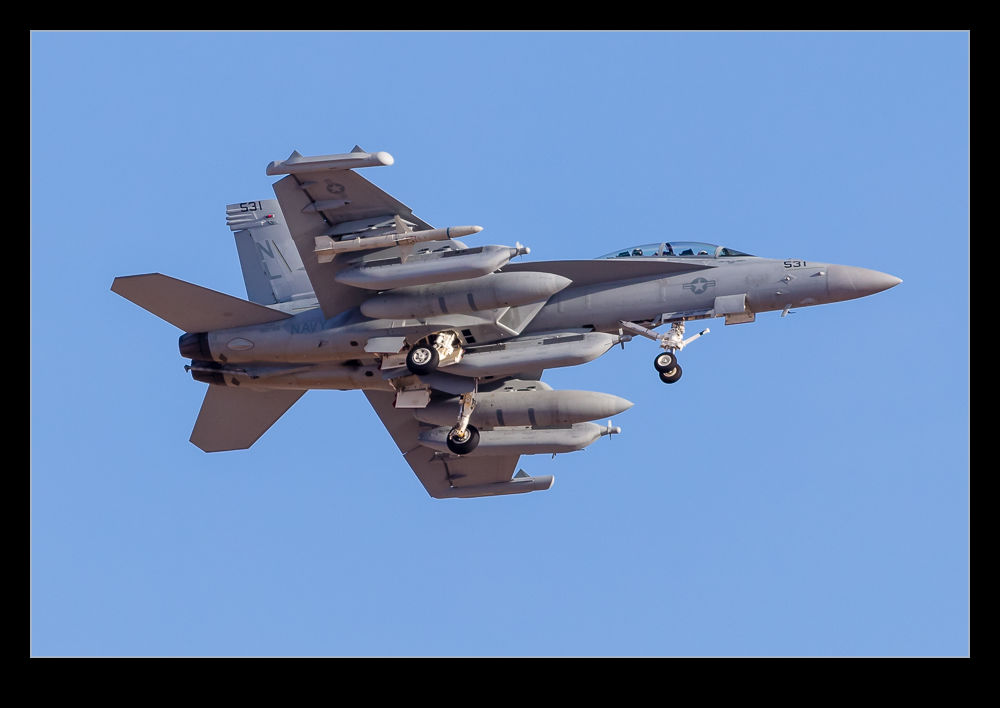
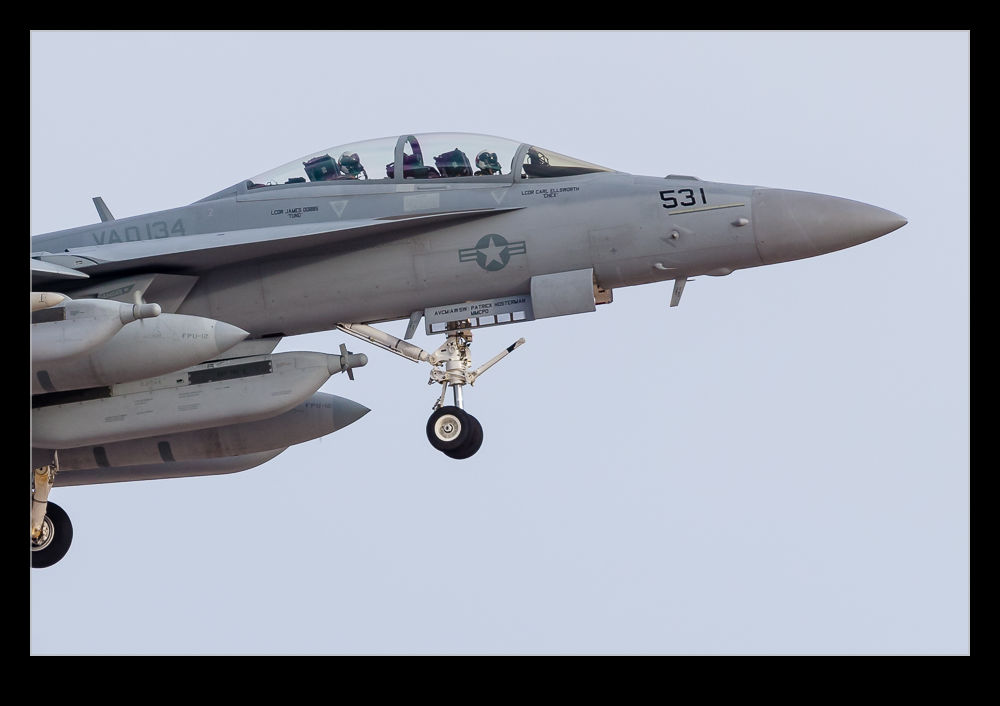
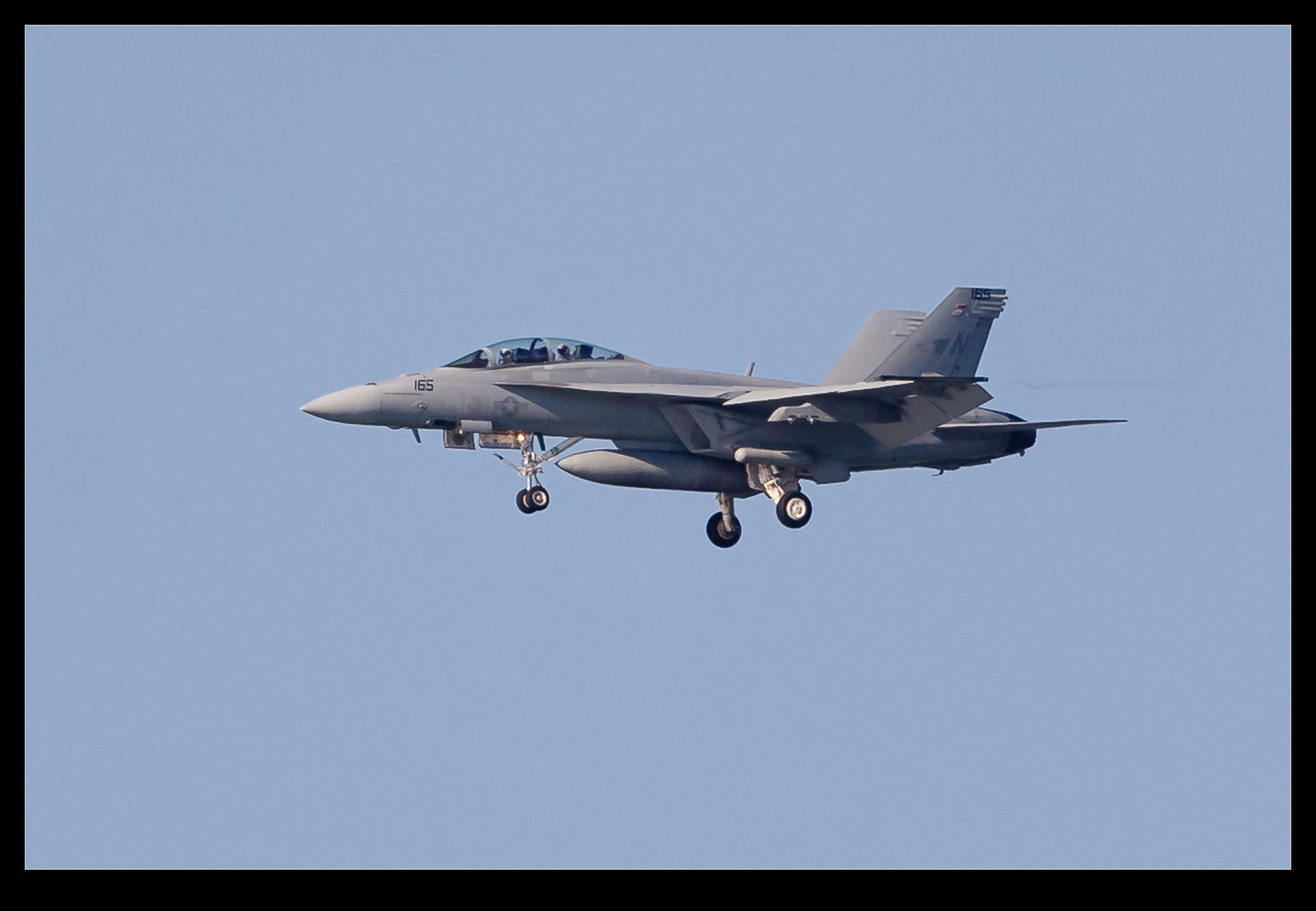
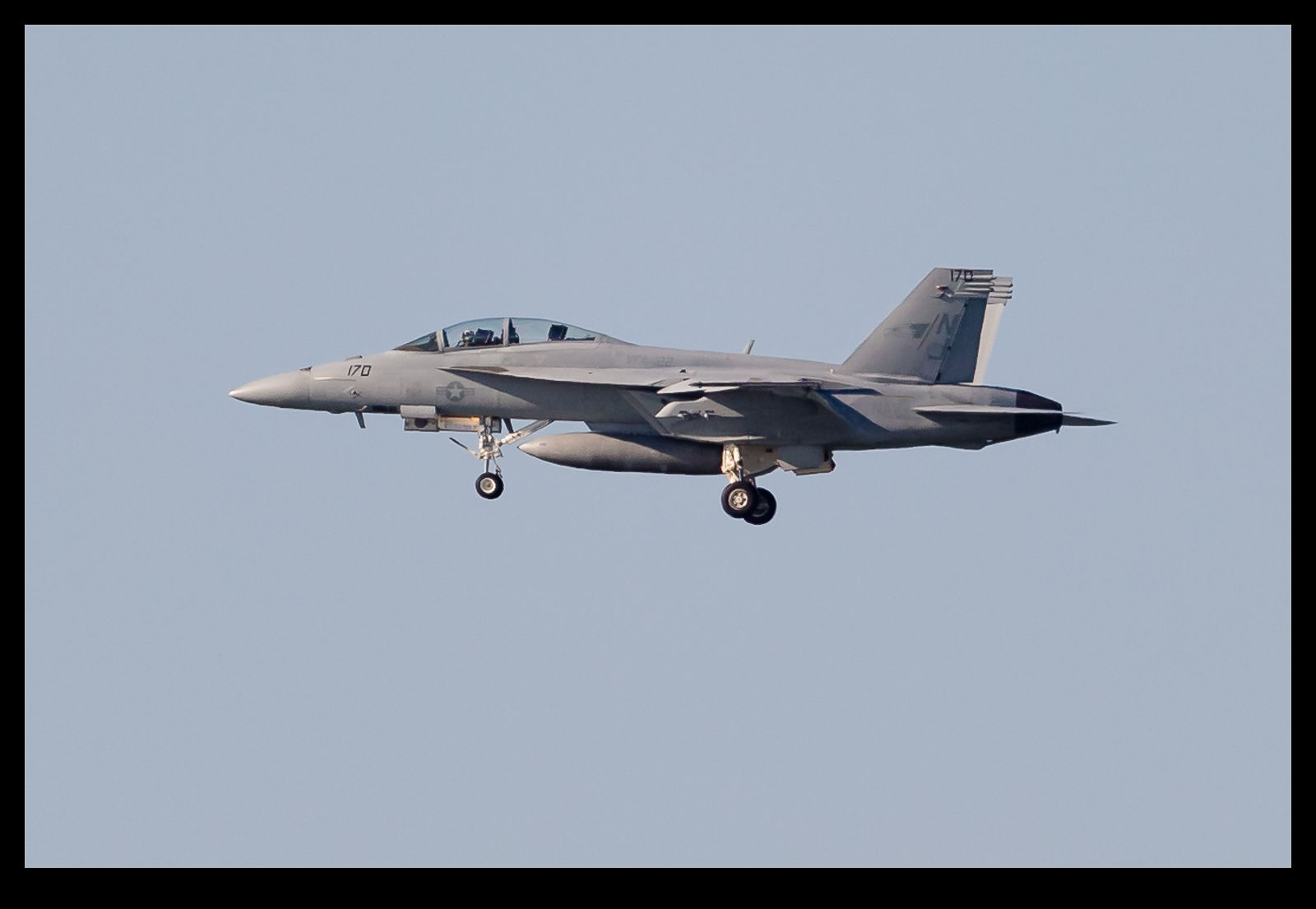
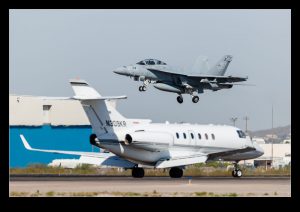
AE7I1090.jpgSFO might get the occasional military movement but it is primarily civil traffic you see there.  Roger and I were chatting when we noticed something small on the approach.  Initially I assumed a business jet but then the shape became clearer and it was a Super Hornet.  In fact, there were two with the second close in trail.  From our location they were a bit far out but still an interesting pair of visitors to photograph.

AE7I1130.jpg

Seahawk on Display

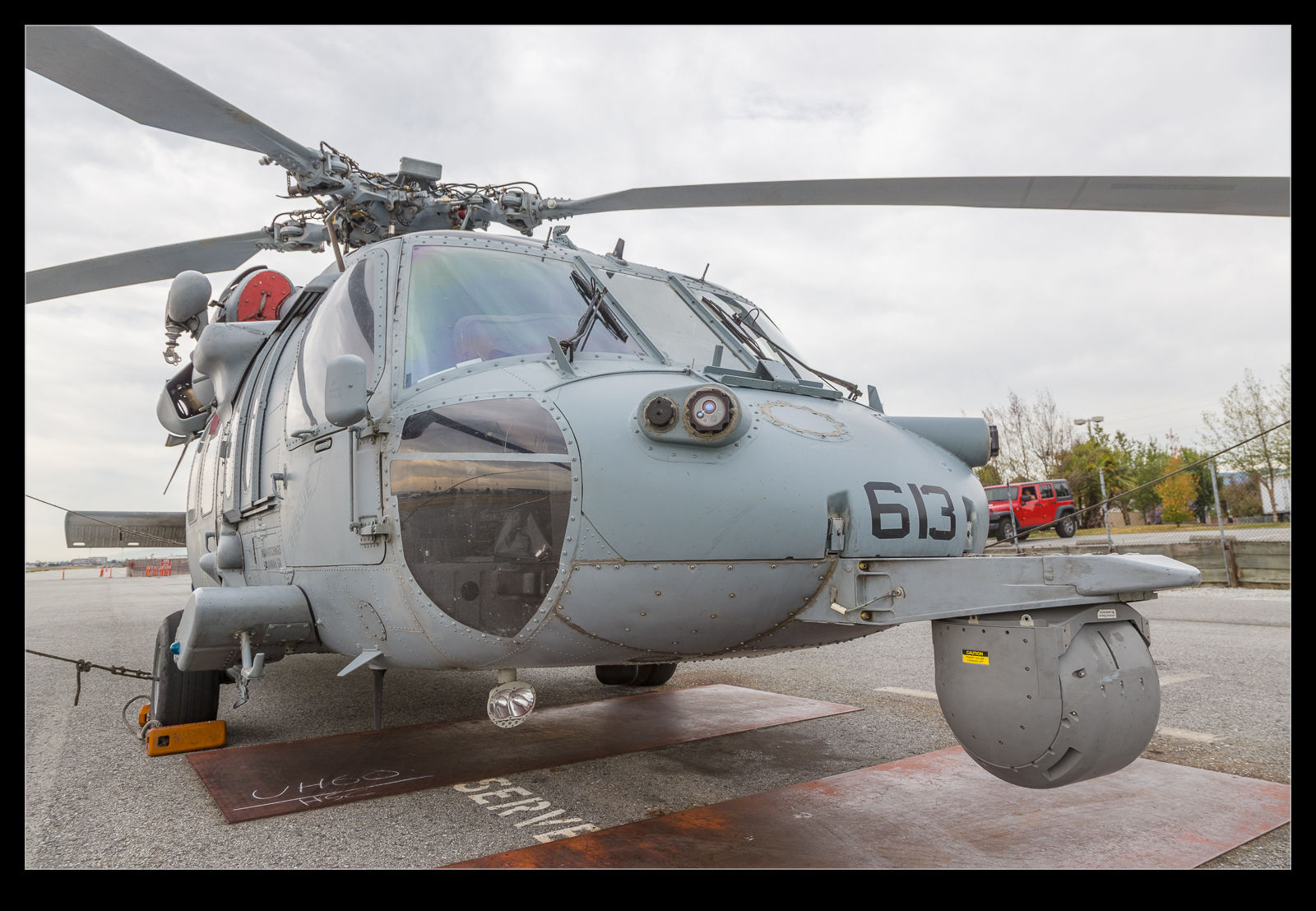
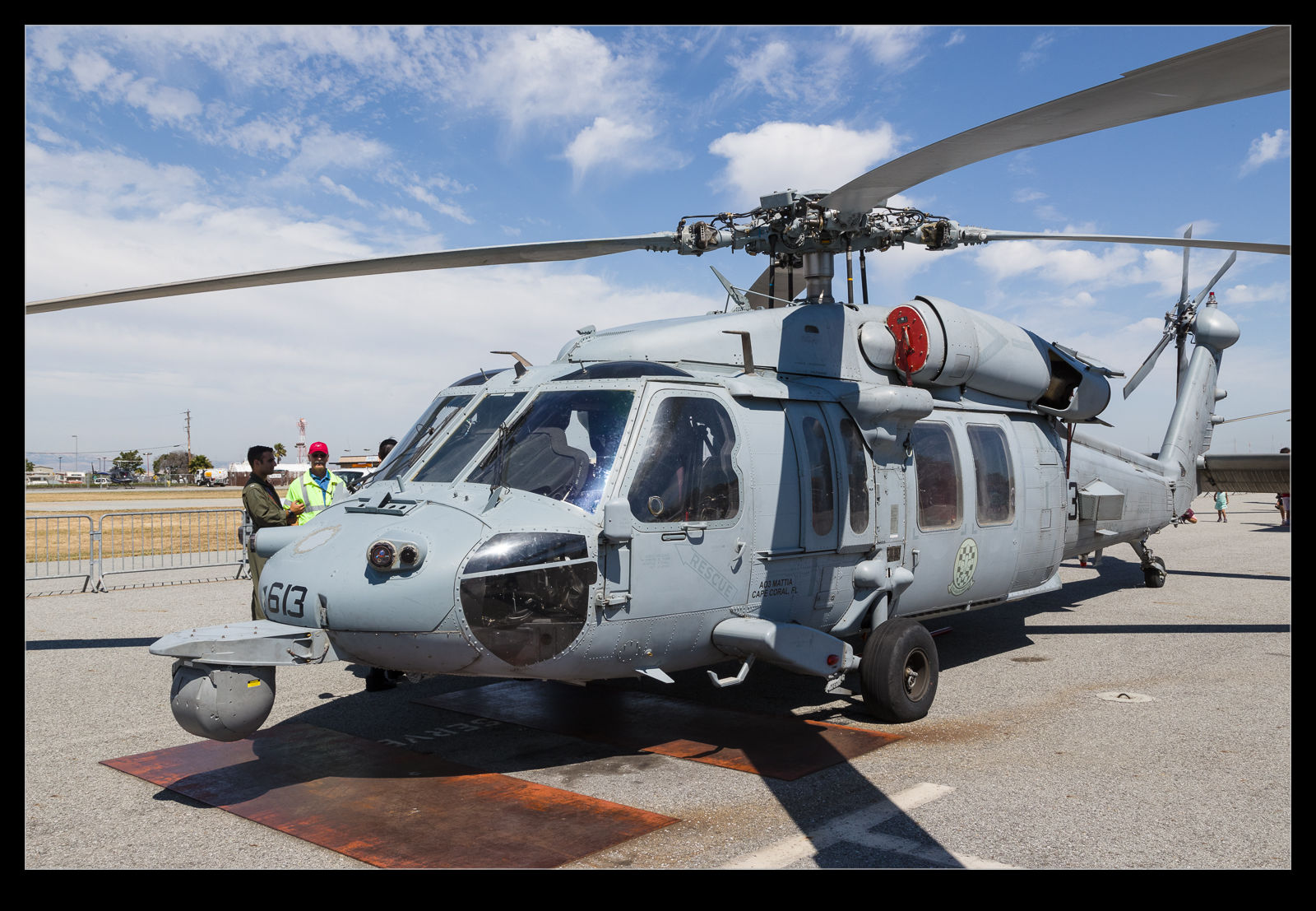
B11I6622.jpgThe visitor that came the longest distance for Heli Fest is probably the MH-60S that the US Navy sent from North Island NAS down on Coronado Island near San Diego.  They had needed one fuel stop to get there with a transit of about four hours each way.  As with all of the military assets on show, they got a lot of attention from the visitors.  The aircraft was open for anyone to check out and the kids certainly seemed interested.  Since they had come so far, they were not just having a day visit.  They had arrived the day before and were not heading back until the following day.  Consequently, while everyone else was departing, they were locking up the helicopter for an overnight stop.

B11I6855.jpg

Vampires Out in Daylight

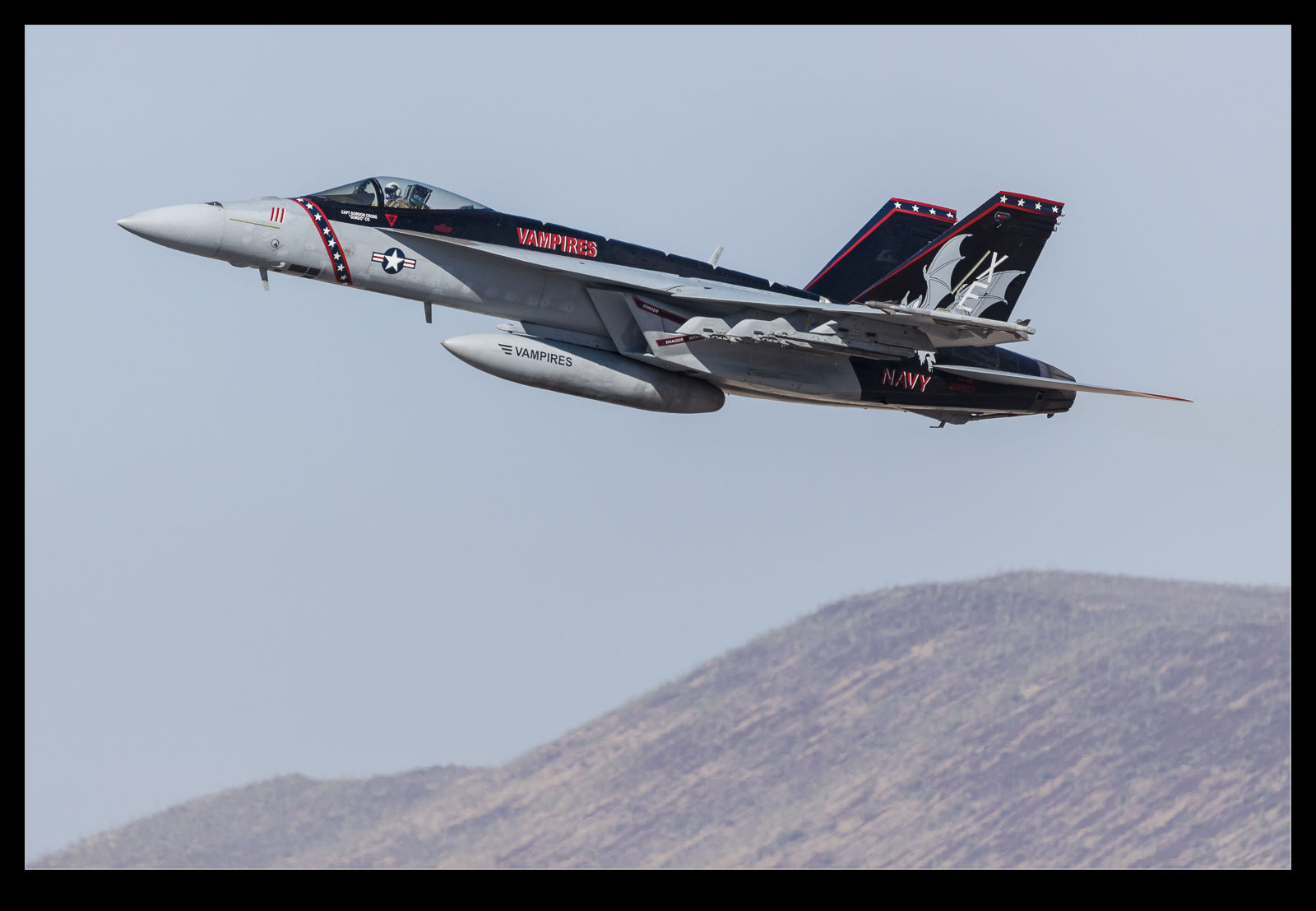
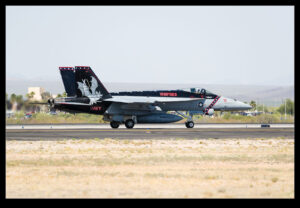
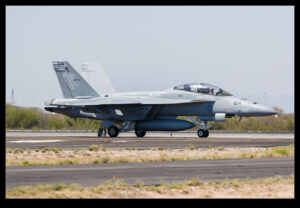
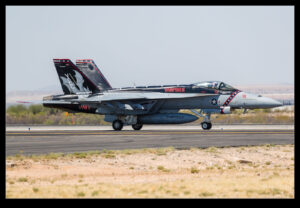
B11I5928.jpgTucson International is a place I was expecting to shoot F-16s of various nations.  I had not expected to see any Super Hornets.  However, the Navy had other plans.  A couple of VX-9 Vampires jets were detached and carrying out missions with some of the based test aircraft.  One of them was the color jet too!  This was a very pleasant surprise.  They took off in the morning for a mission and we got to see them head off.  They returned ahead of my expectations and I wasn’t in the right place to get them on approach.  Even so, a great addition to the day.  I was flying home later that day and, while looking out of the window at the gate, they taxied by again so I guess they were getting a lot of flying in.

The Camera Might See But Autofocus Doesn’t

C59F0628.jpgAnd I could barely see much myself!  We were on the ramp at Moffett Field for the arrival of Solar Impulse.  There was some time to wait while we were out there.  As I looked around, I thought I could see something parked further down the ramp.  There was very little light but there appeared to be some aircraft.  I figured it was worth a look given that I had a tripod.

In the days of film shooting, I couldn’t trust the camera metering for long exposures.  Reciprocity failure was part of the issue but the cameras were a lot less advanced in those days.  In this case I trusted the camera for the first shot and it worked out really well.  Sadly, there was nothing to focus on so I made my best forts at focusing on what was visible and it was some background lights.  Sadly, they were too far away to get focus on the aircraft.  The sensor was able to gather the feeble light without any problem though.

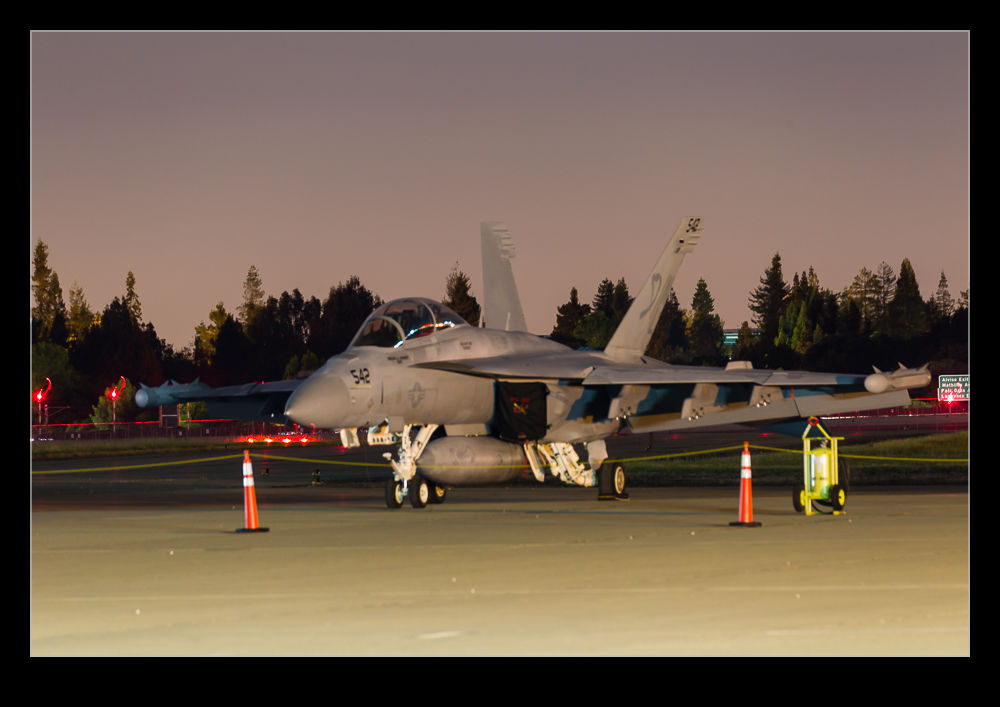
It turns out that there was a pair of Navy E/A-18G Growlers sitting on the ramp.  Leave the camera to it and you get a reasonable exposure.  When I saw the shot appear on the screen, I was quite amazed.  I was looking at the jets and I could barely make anything out.  The camera was able to see the whole thing – just out of focus based on my inability to focus it properly.

Mare Island Museum

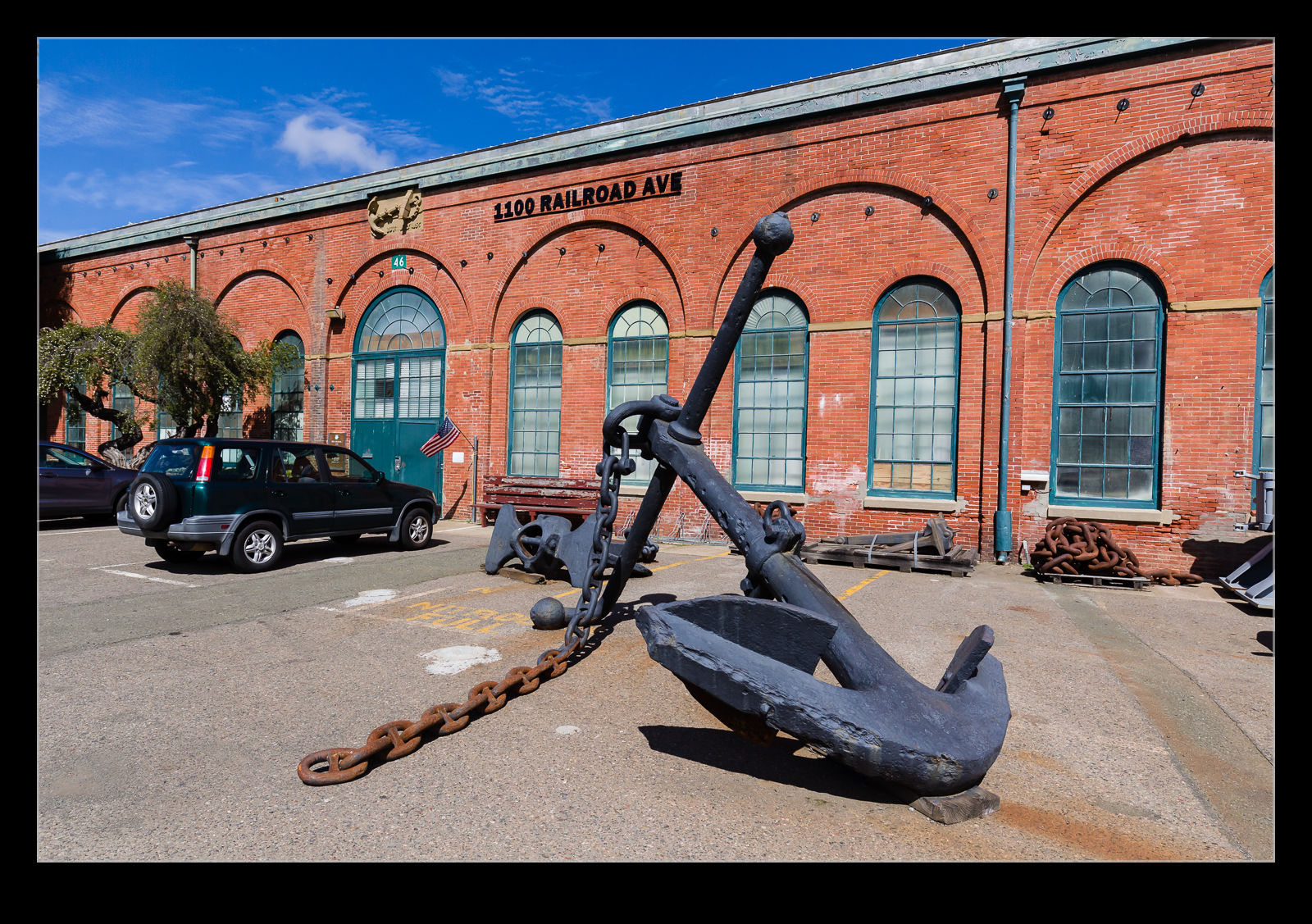
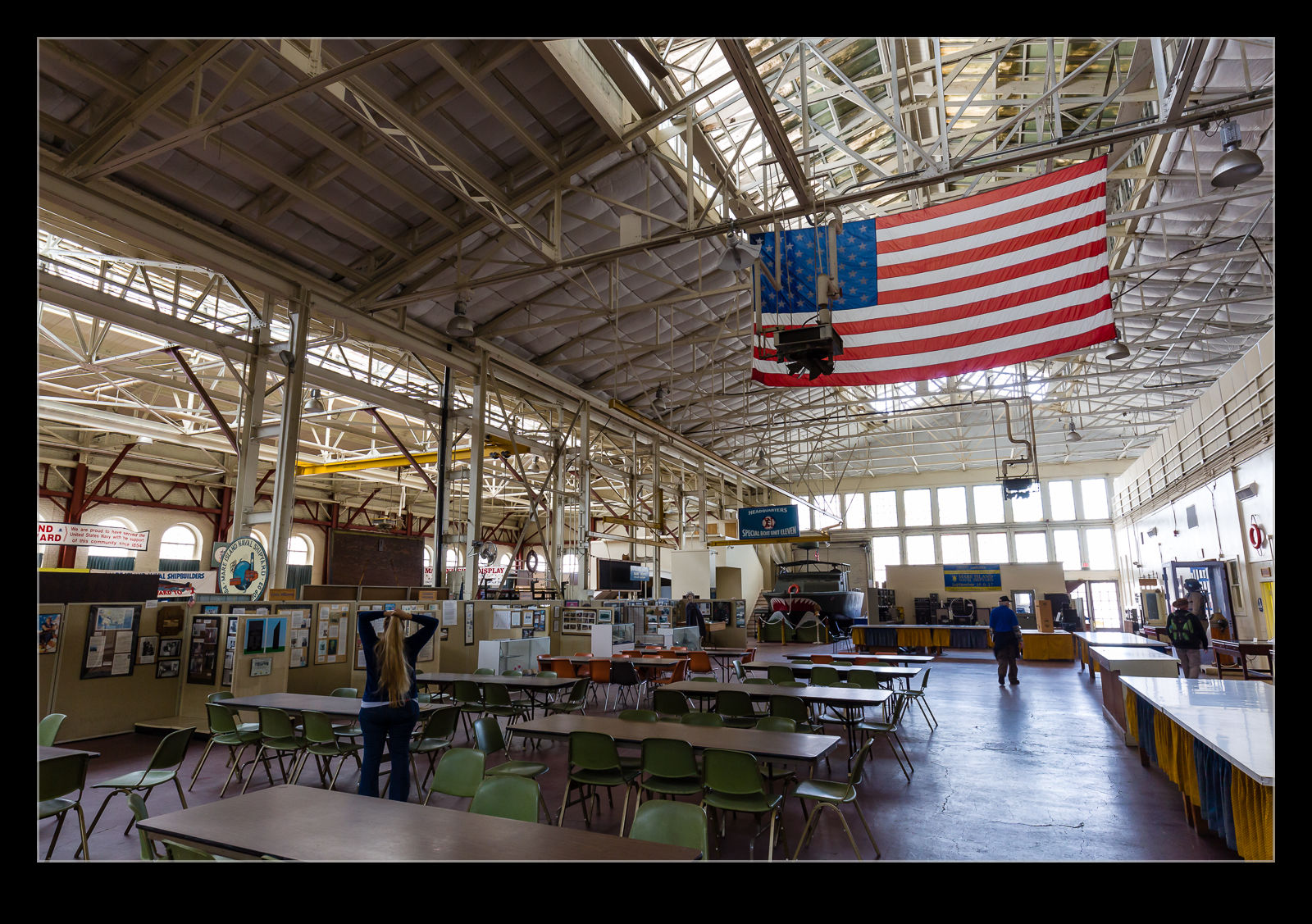
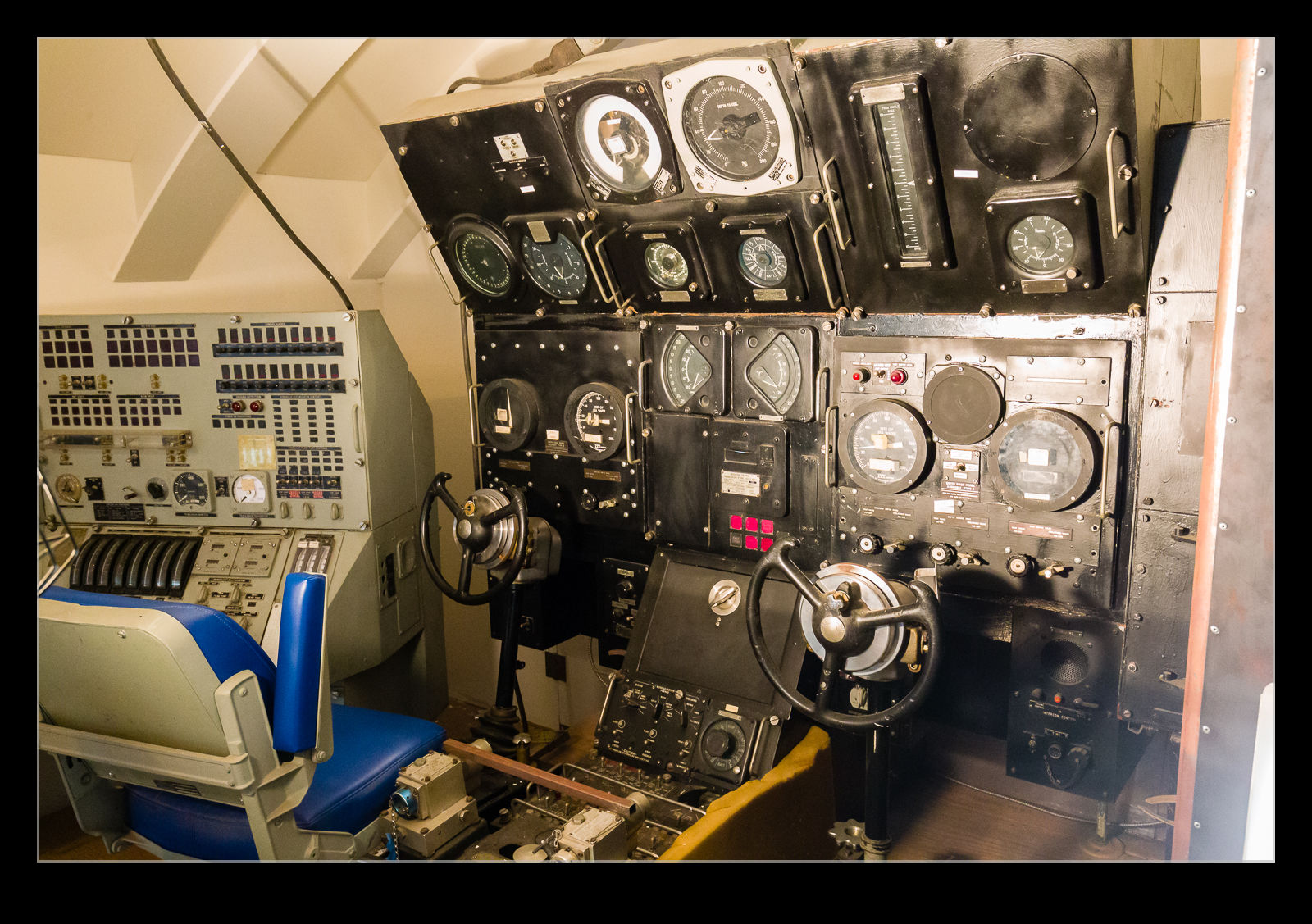
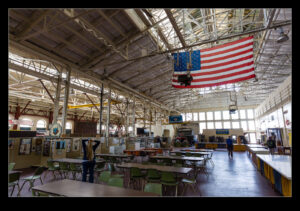
C59F7901.jpgThe Society of Aviation History organized a visit to Mare Island recently and I went along.  The tour started at the museum and walked to a number of locations before ending up back at the museum which we were then free to roam around.  I will start at the end today and cover a little about the museum itself.  That should set the scene for the follow up posts about elements of Mare Island that we took a look at.

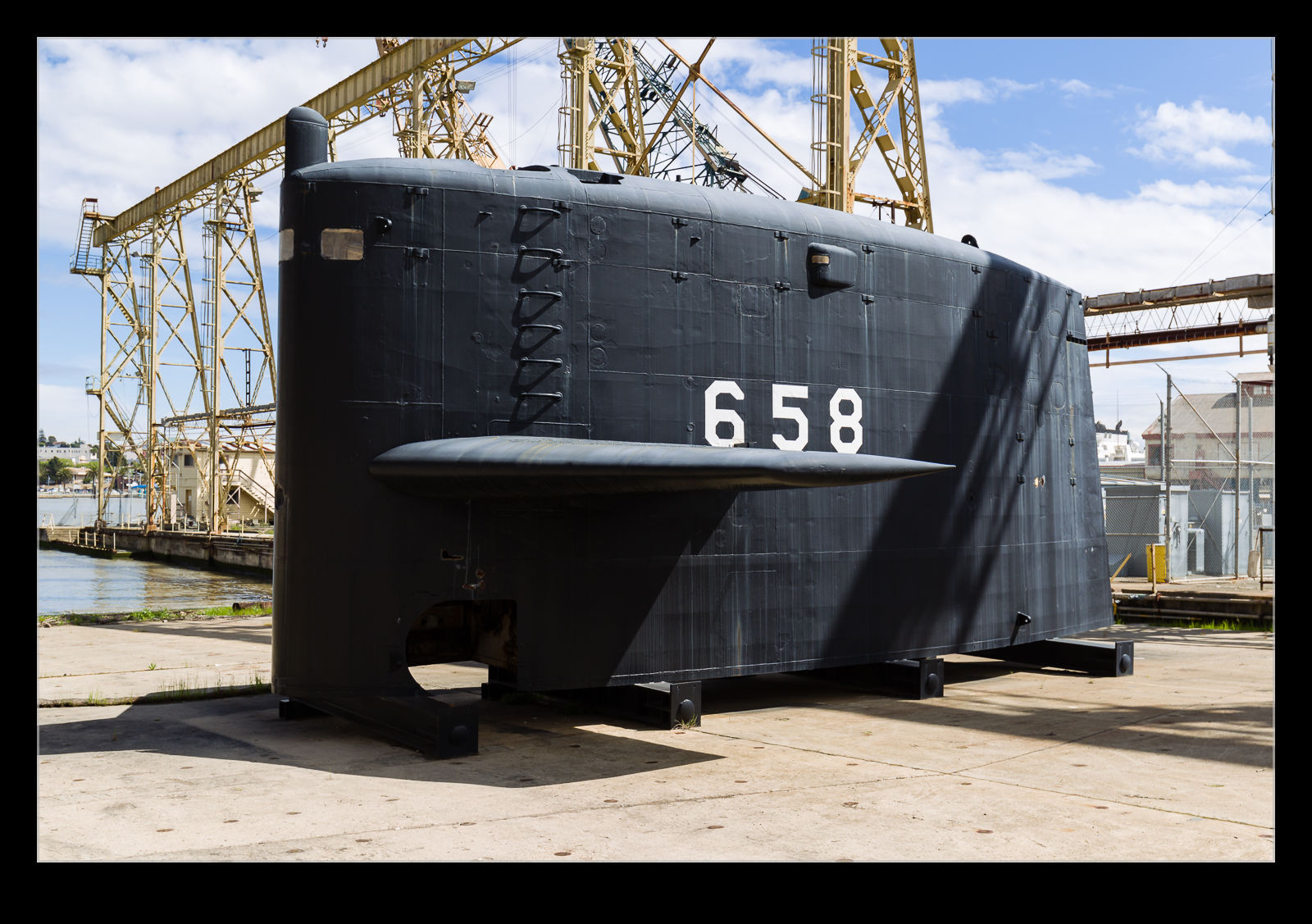
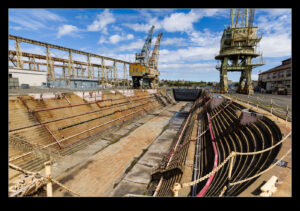
C59F7860.jpgMare Island was a naval shipyard.  From its earliest days it grew into a major shipbuilding facility.  In its later days, it was involved in building many nuclear submarines.  Ultimately, as part of the reduction in bases undertaken in various phases around the US and beyond, Mare Island was closed as a naval facility and returned to the local community.  Much ship related work is still undertaken but the location is a faction of what it once was.

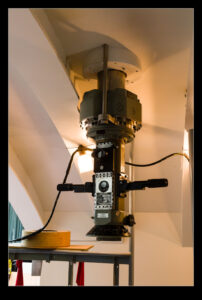
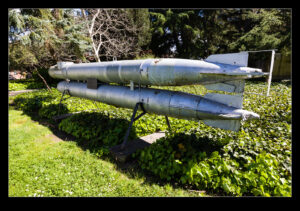
C59F7843.jpgThe museum has a lot of displays of what went on at various stages in the history of the yard.  Outside there are some missiles and cannons on display covering old wooden frigates through to a Polaris missile from a nuclear ballistic missile boat.  The submarine theme shows up in many of the displays and a periscope has been recovered from a submarine and erected in the museum.  You can operate it and survey the surrounding area.  The clarity of the optics is quite amazing.

C59F7850.jpgThe running of the museum is not cheap – not least because the local town of Vallejo charges them a substantial tax each month.  Therefore, getting people to visit is an important issue for them.  If you have a free day, I would certainly pay them a visit and see a little of the shipbuilding history of the area.

Leap Frogs

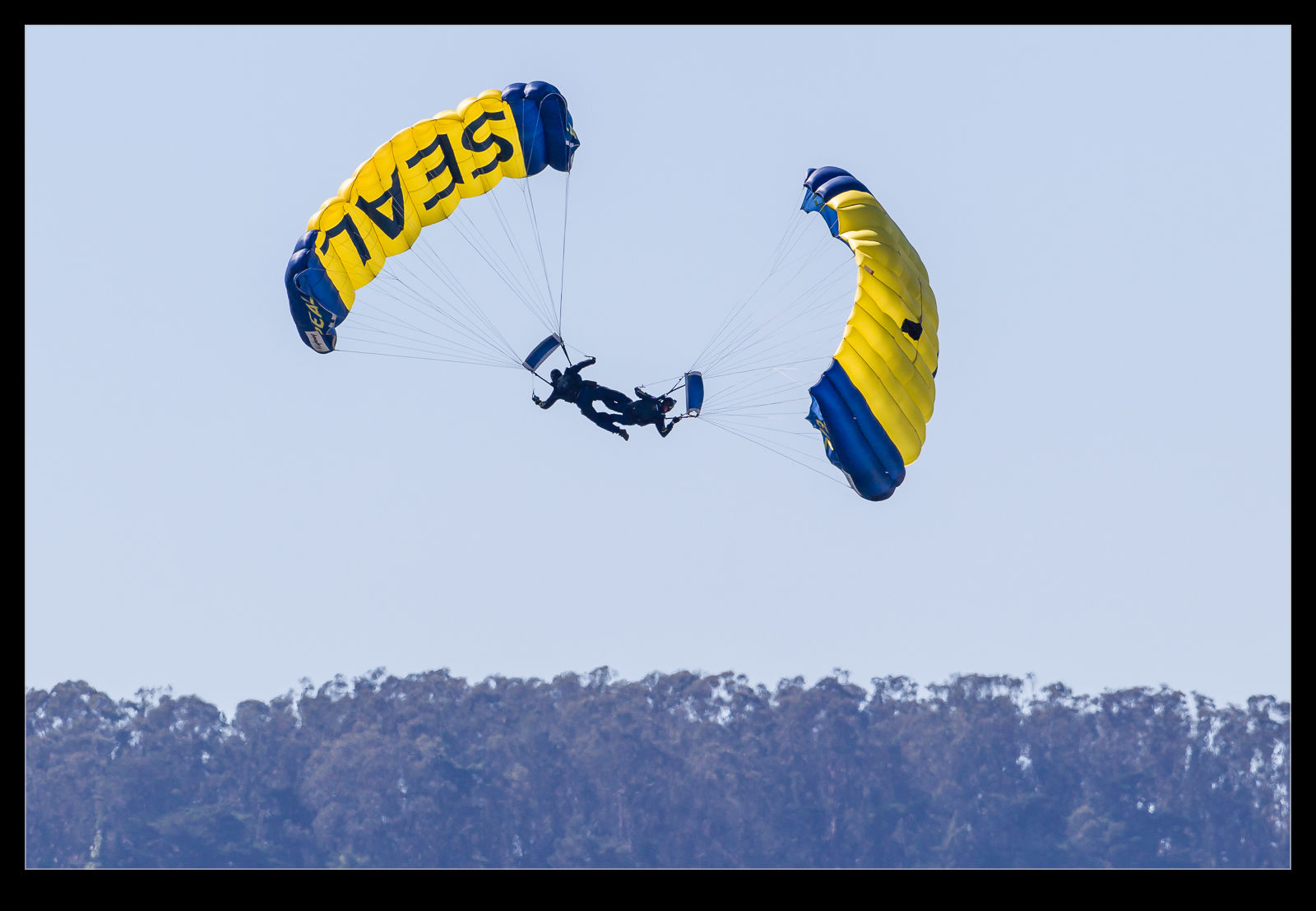
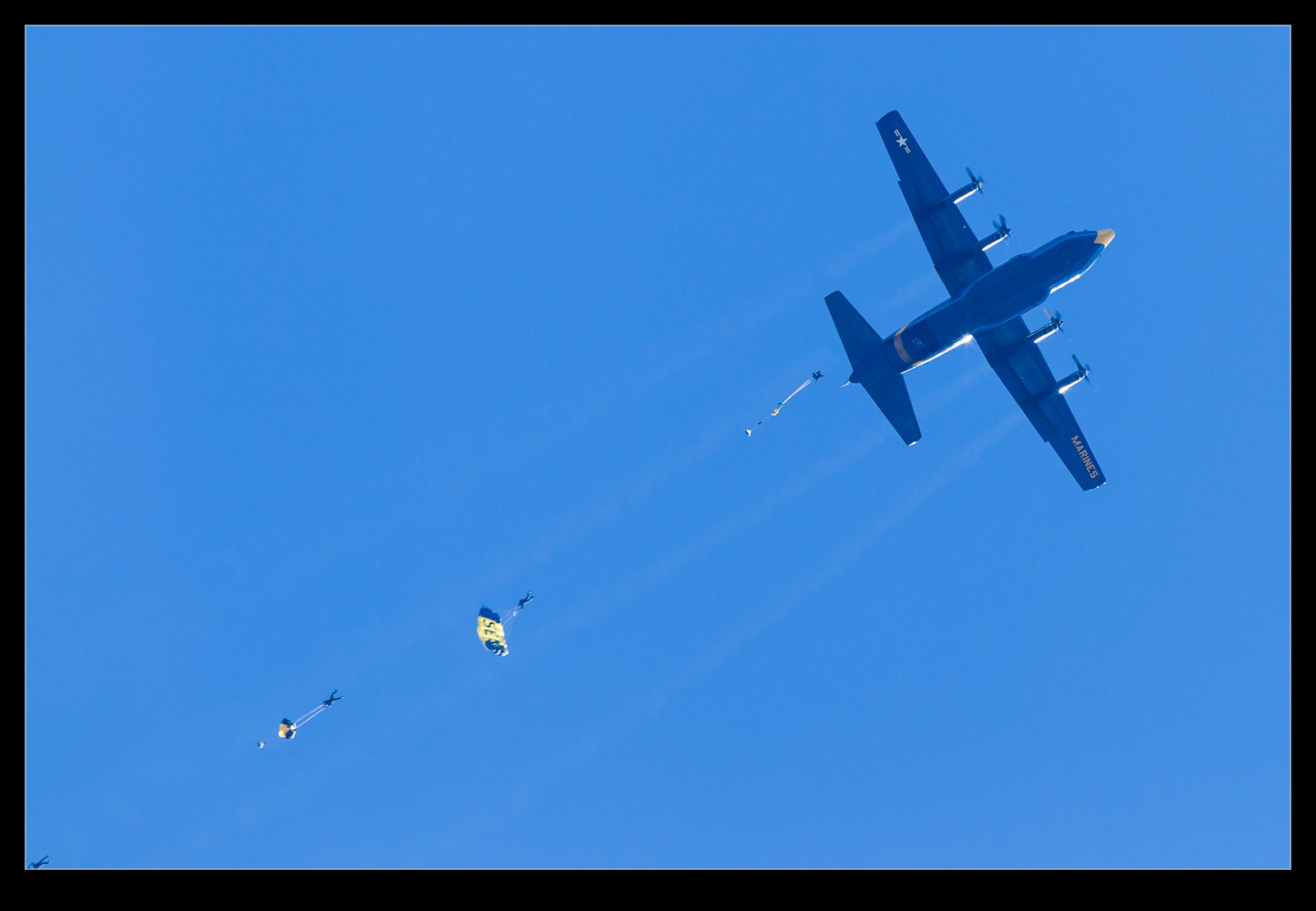
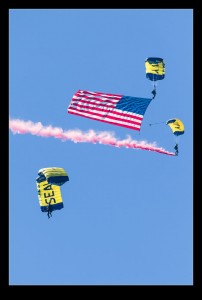
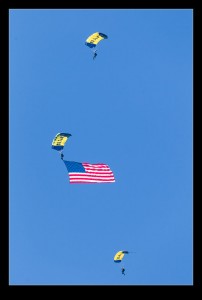
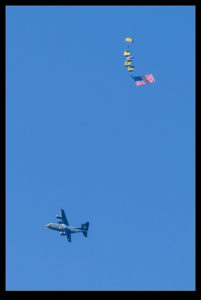
C59F4224.jpgThe Leap Frogs are a parachute display team from the Seals. I have seen them a few times at shows in the Midwest – sometimes working with the Golden Knights of the US Army. During Fleet Week the Leap Frogs jumped to open the main part of the air show. On the day I went, they jumped from Fat Albert, the C-130 of the Blue Angels. Apparently, they also used an Air National Guard C-130 over the weekend.

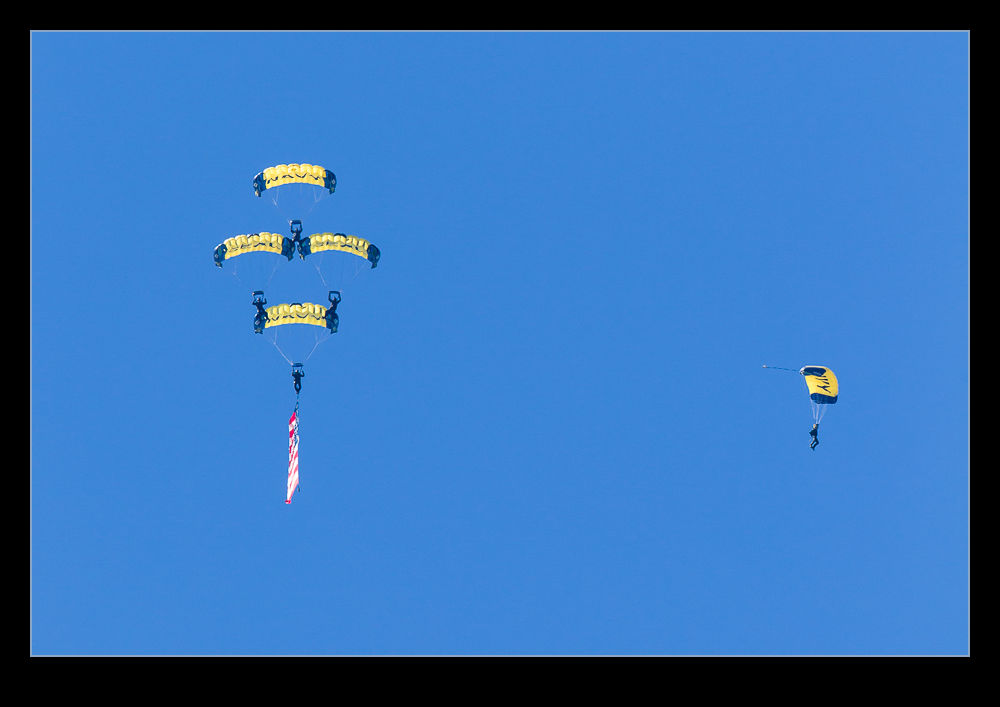
C59F4112.jpgTheir jump routine is pretty cool. They do a lot of coordinated work once under canopies. They make a cool four canopy stack which takes a while to form up but, when formed, looks neat. I just wish they would hold it until they were a bit lower. They also do a nice pairs arrangement where two jumpers hook legs and end up plummeting downwards breaking just in time to land. Always a good way to get the crowd on edge!

C59F4021.jpgMy shots of parachute teams have tended to get a bit samey over time but I still like getting some shots of them as you never know whether you will get a slightly different angle on something or that the lighting will show something special.

Sneak Pass

C59F5630.jpgI have seen a large number of displays by the Blue Angels over the years.  Their display is a good one generally (although the ground portion is a little time consuming in my opinion).  The sequence does not vary much from year to year but it works well enough so that is probably no big surprise.  One of the fun parts is the sneak passes.  The four ship head off in one direction to distract you and a solo jet streaks in from the left at low level and high speed.  This catches a lot of people by surprise.

C59F5638.jpgJust as everyone is getting over this, the other solo jet does something similar from crowd rear to make you all jump again.  The displays that are held over water provide an added option for the first sneak pass.  With no obstacles, the aircraft can end up very close to the water.  This makes things look even more impressive.  Also, the high speeds can result in some impressive vapor formations in the shock waves.

C59F5622.jpgThe Fleet Week display on the Friday had great weather conditions but, surprisingly for the Bay Area, the humidity levels were not terribly high.  Consequently, while the sneak pass had its usual surprise impact, it did not result in any vapor on the jet.  The upside of this was that the optical distortion caused by the shock waves was visible in some shots when a reasonable amount of background was included.  Not what I was aiming for but not a bad alternative.

Castle Air Museum

AU0E4021-HDR.jpgIt’s quite strange to think that I live about 90 minutes from a major air museum but have not been to it since moving here. Such is the case with the Castle Air Museum in Atwater CA. Located on the edge of what used to be Castle AFB, the museum has an extensive collection of Cold War and Second World War types, predominantly from the US but also with a variety of types from other countries. The majority of the collection is located outside which, given this is the central valley, should mean it is pretty sunny. How I managed to get there on a cloudy day I do not know. However, it was indeed overcast when we started walking around. Things did clear up a bit later on, though, so I actually went back to get a few extra shots of things I had seen early on.

AU0E4048.jpgAs a one-time SAC bomber base, there are quite a few large bombers on display. From the B-29 and B-50 through the enormous B-36 Peacemaker (got to love irony) up to the B-47 and B-52 strategic jets, there are all sorts. Some rarer bomber types are also on show. Not necessarily successful ones but they add to the collection. The Brits are also represented with a Vulcan on display.

AU0E3943.jpgIt isn’t just bombers though. Plenty of fighters and trainers are included in the collection and a good number come from the US Navy so, despite the base having a USAF history, they have covered both services well. There is enough space to have all of the aircraft well spread out so you can appreciate them from many angles. You also get quite a walk in if you take a look at everything.

AU0E4062-Pano.jpgOne of the nice additions is an SR-71 Blackbird. There are a few SR-71s on display but not a huge number and seeing another one is always cool. However, they are quite tricky to photograph, particularly outdoors when the black paint scheme really makes for a strong contrast with the daylight. Still worth a go though.

AU0E3874.jpgThere are a few types on display that are worthy of a little extra time so I may post about them separately. If you have even a vague interest in planes, though, make a trip to this museum. Nancy came along and, while she is not a big fan of planes, she found the variety of types quite interesting. High praise indeed!

AU0E3802.jpg