Tag Archives: military

Cavanaugh Air Museum

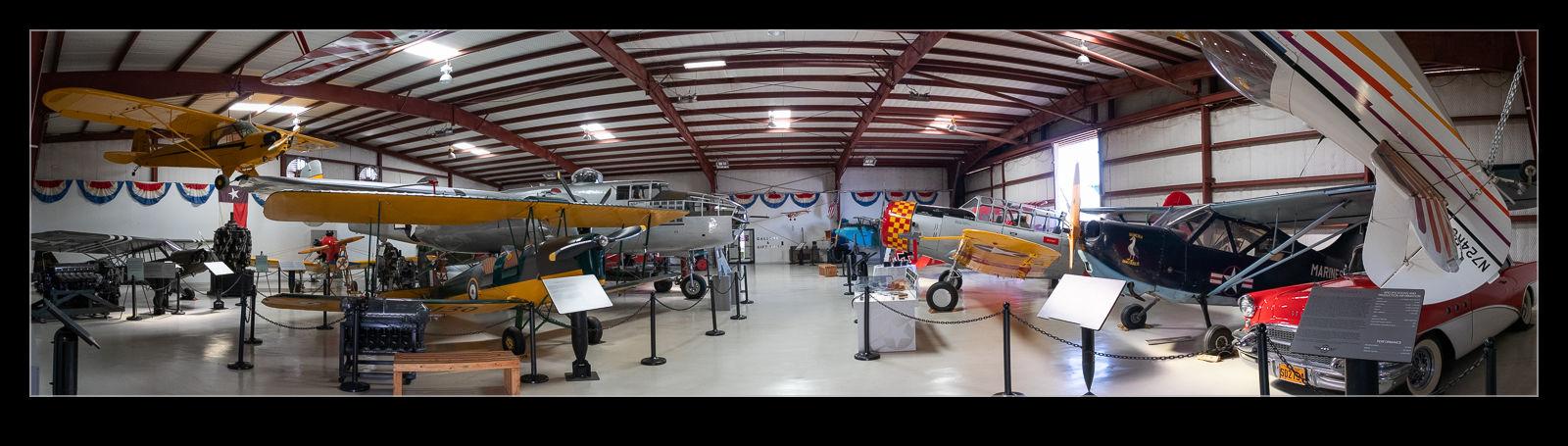
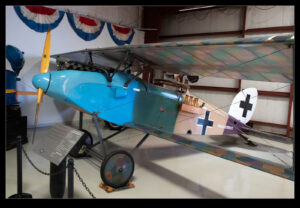
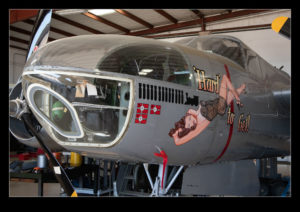
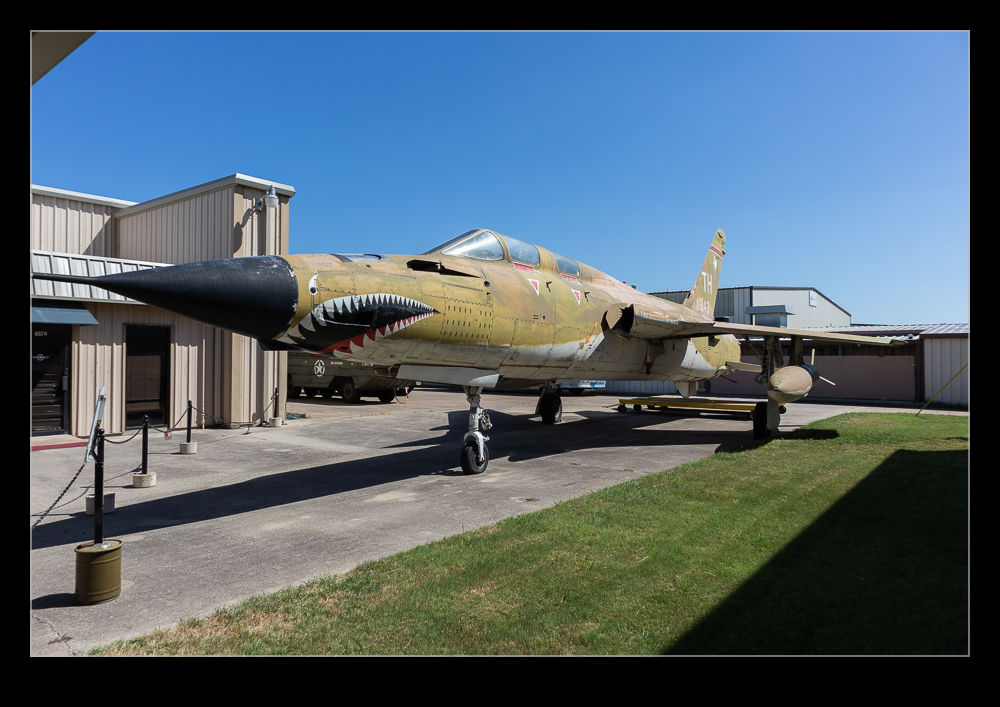
I have been to Addison in Texas a few times recently for work.  The trips have been pretty much in and out with little spare time so I have not been able to check out the Cavanaugh Air Museum before.  On a recent visit, though, my flight got in at a time that meant I could get there for the final 45 minutes that they were open.  Not a lot of time but better than nothing and the temperature was over 100 degrees so being out for too long was not going to be fun!

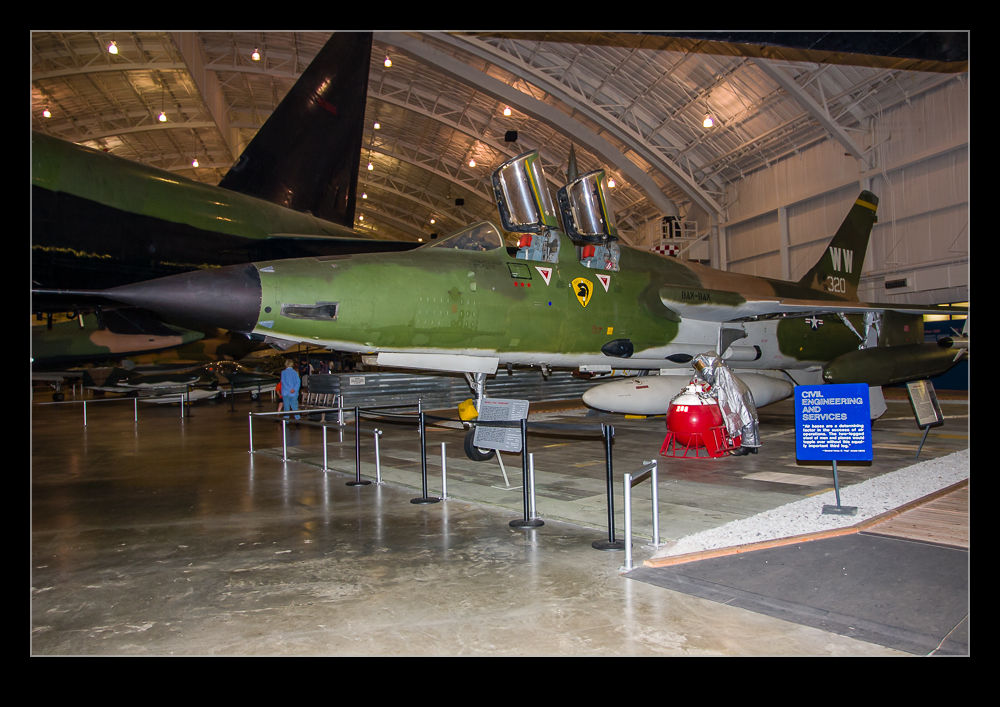
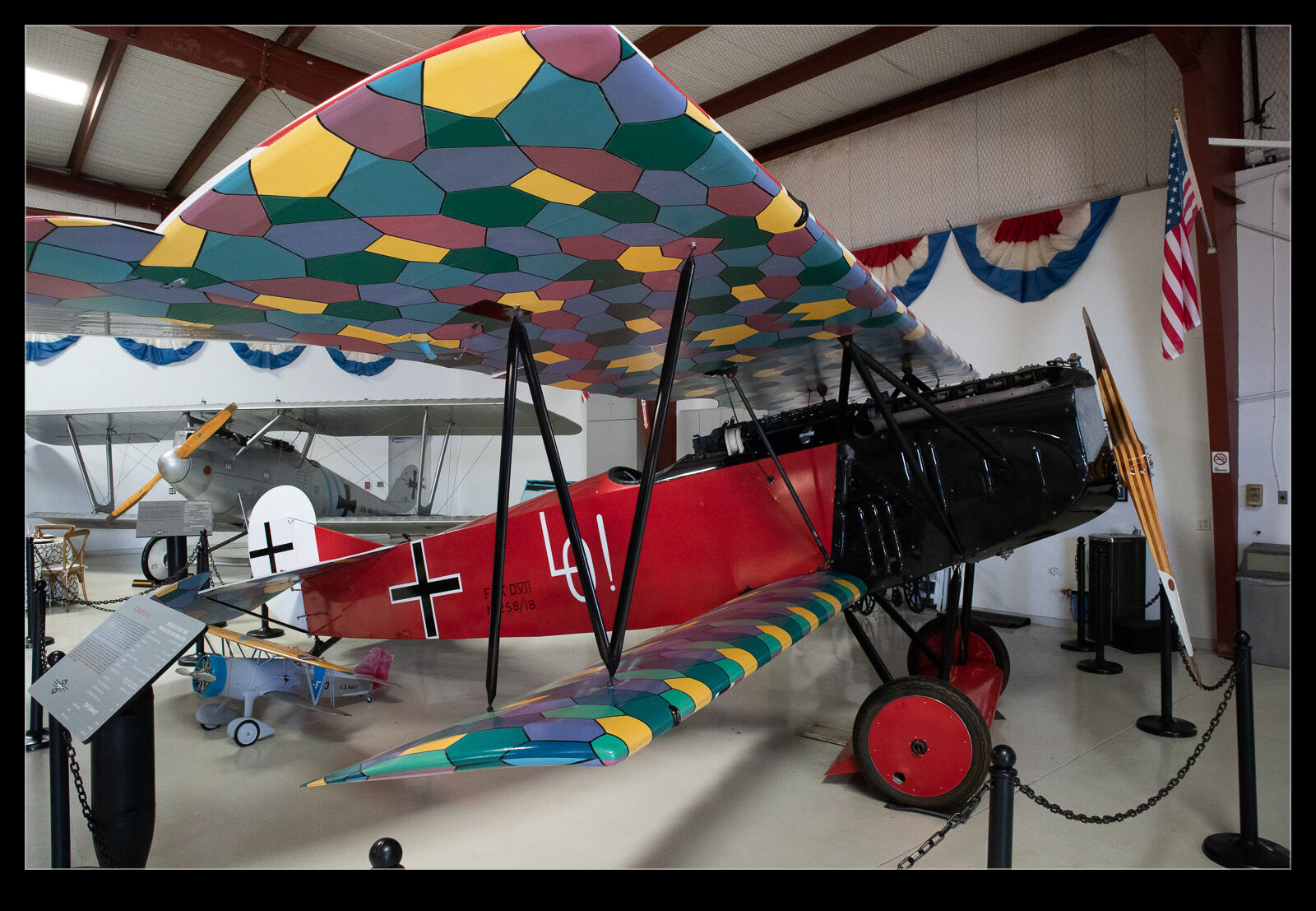
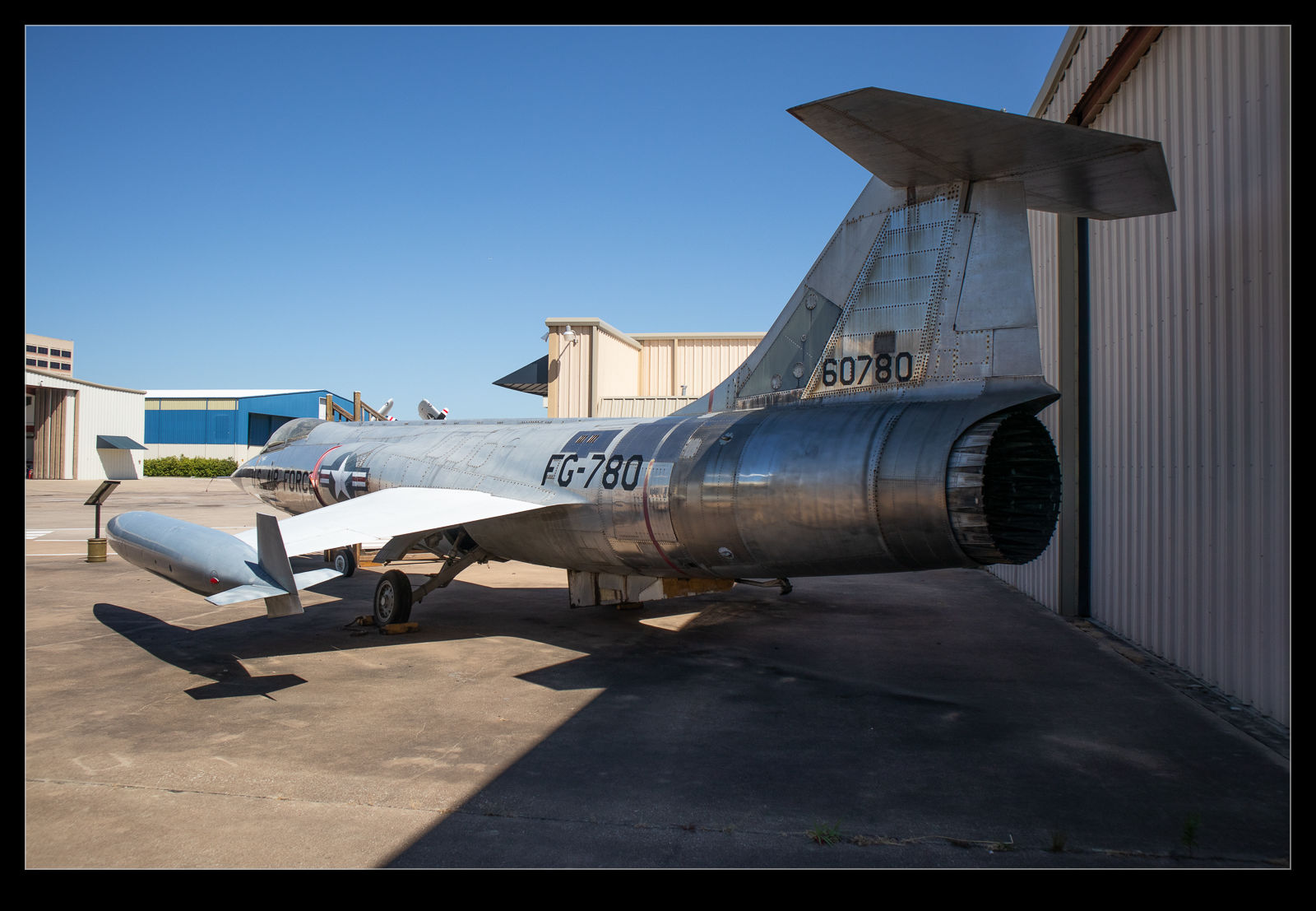
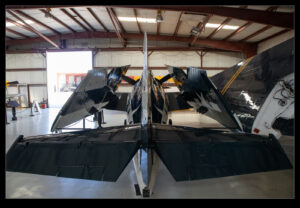
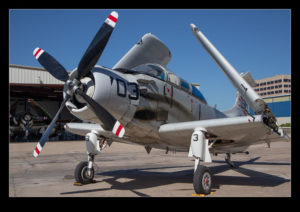
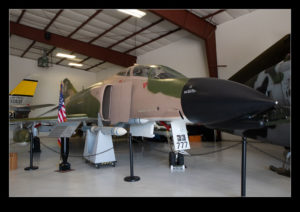
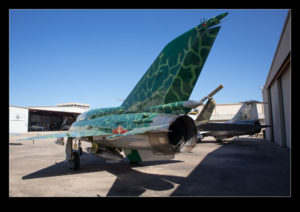
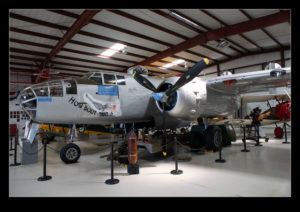
It was a quick trip around but still fun.  Some nice examples of aircraft in the hangars and a few interesting bits outside.  The intense sun meant they were hard to photograph and I wasn’t going to hang around out there too long.  The ramp was reflecting the heat even more so it was roasting out there.  Lots of nice stuff but the F-104 and the pair of A-1 Skyraiders were probably the high points for me.  The painting gallery was also well worth a look and it was in the air conditioning so definitely a welcome spot.

A Pair of Douglas’s Finest

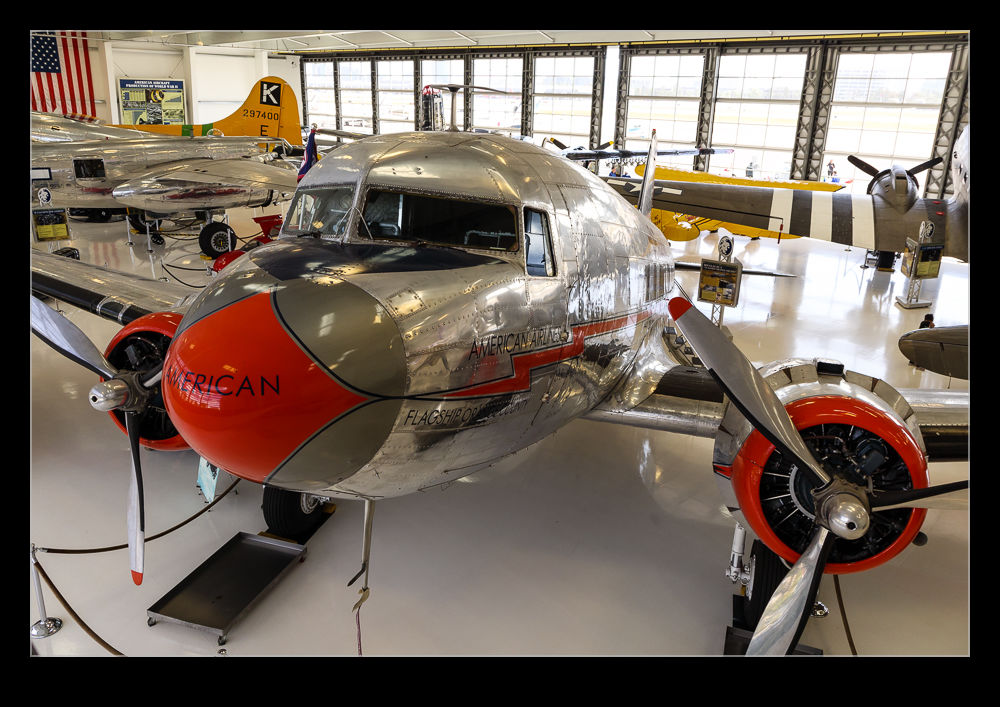
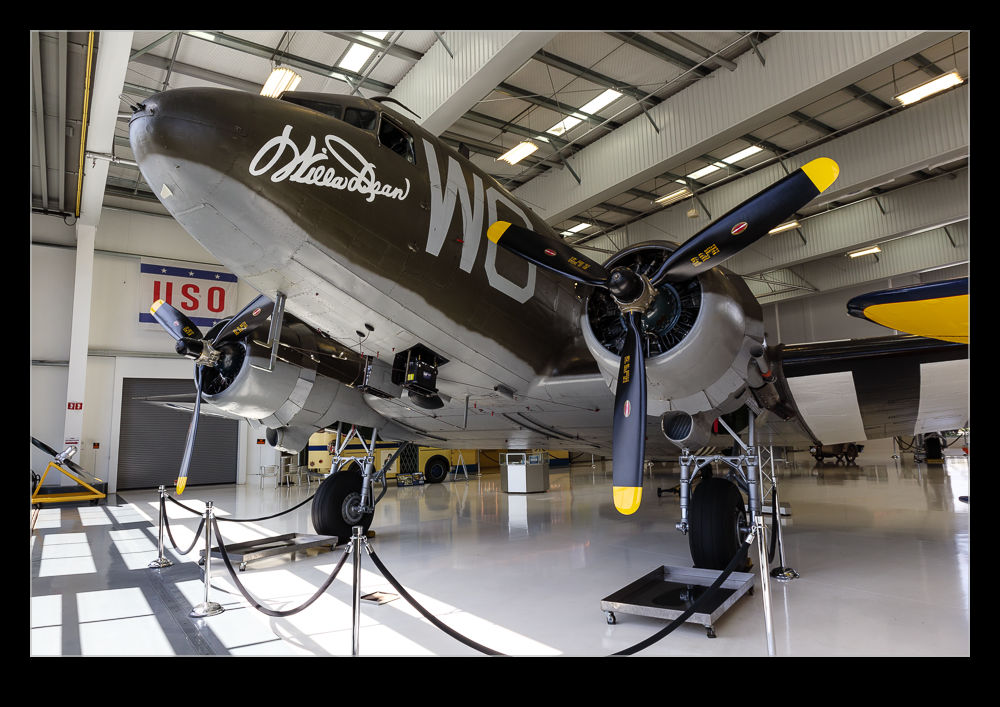
The Lyons Museum included a few larger types in the hangar.  At one end they had both a DC-3 and a C-47.  While notionally different types, they are in principle the same aircraft and one that Douglas churned out in huge numbers.  The DC-3 was configured in a slightly more comfortable way than the C-47 though.  Troop transport was not a luxury business.  Get as many people and bits to where you are going as you can.  The paying passengers were a more demanding crowd and the interior is designed to make them feel like they were being treated accordingly.  Either way, they are both great looking aircraft.
The End of the Day is Always Better

How many times in this blog have I commented on the nice light at the end of the day being the provider of my best shots.  It isn’t just about the shot though.  Stuff just looks better (hence the better shots) when the sun is low.  Mark and I had spent a good day at Coupeville and then at Ault Field but, as the evening was beginning to draw in, we knew a few jets had launched earlier and were due back.  As a result, we anticipated some nice arrivals.  Mark had also scoped out a better spot for the final turn the jets would be making.

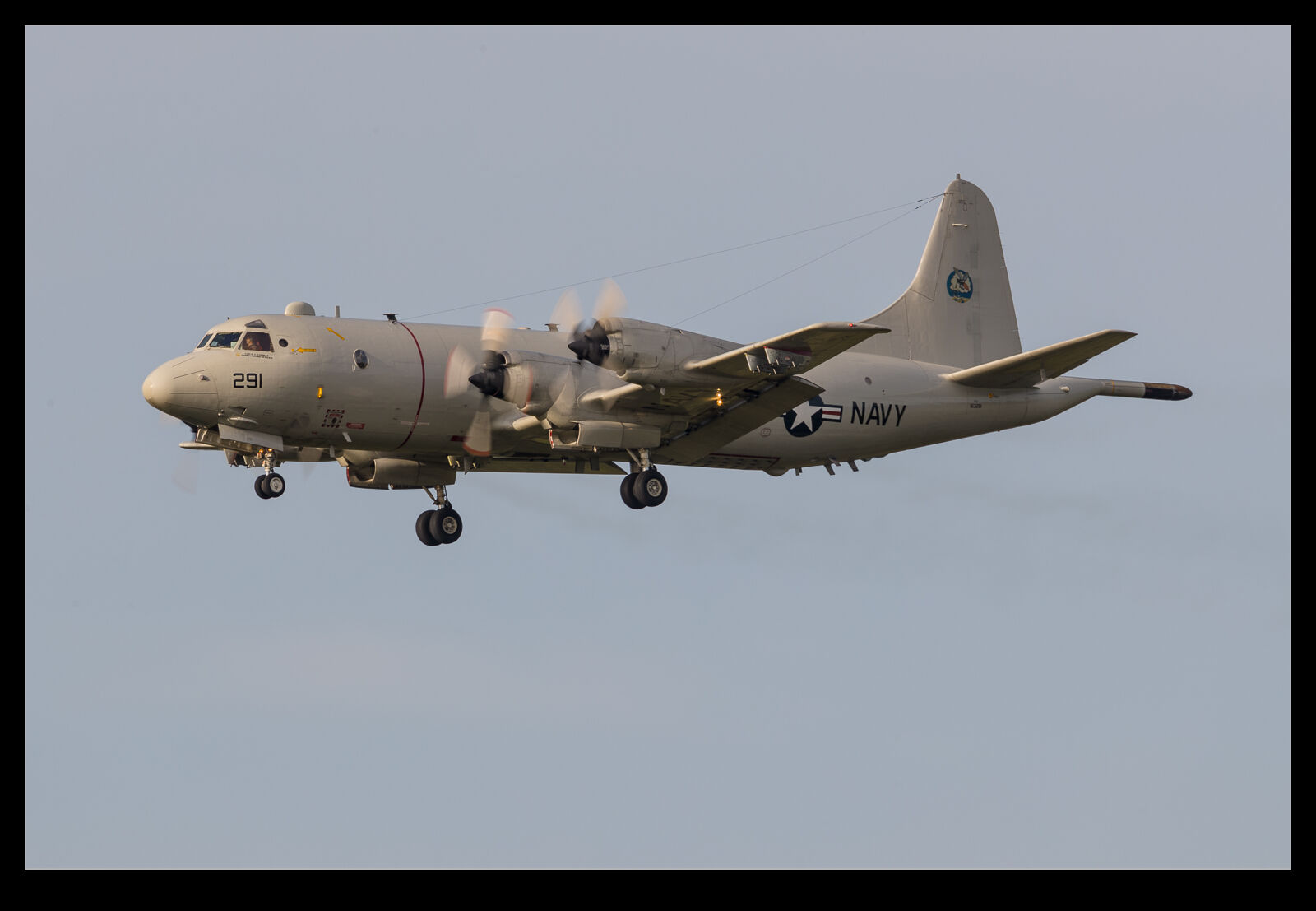
It wasn’t long before we heard some calls on the approach frequency and so we headed to the new location.  Our first trade was not the jets we had expected though.  Some maritime patrol training was done and a couple of aircraft were making straight in approaches.  A P-8 and a P-3 were welcome additions.  They may not have been flying particularly interesting approaches but we would have taken them at any time and in this light all was good.

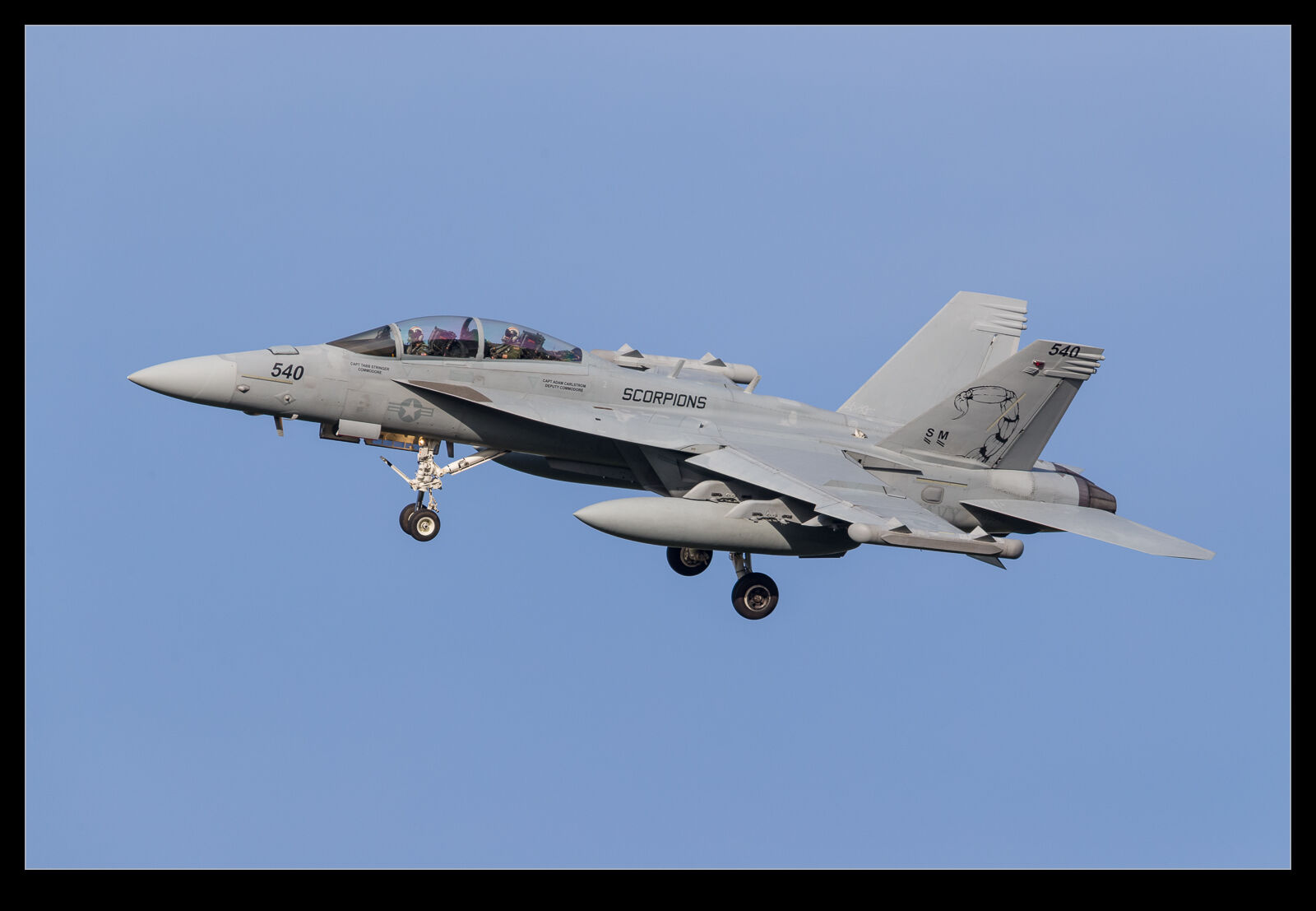
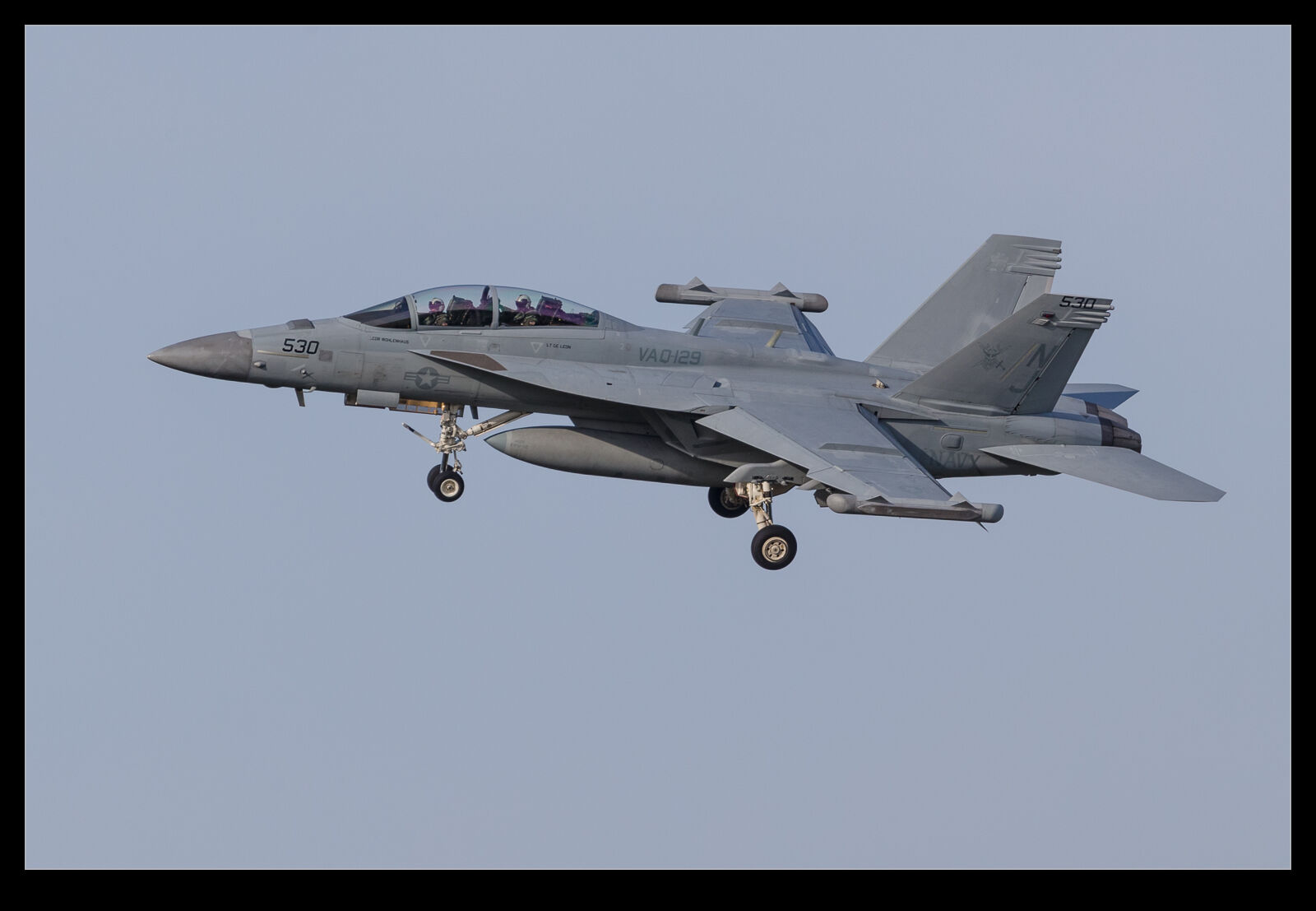
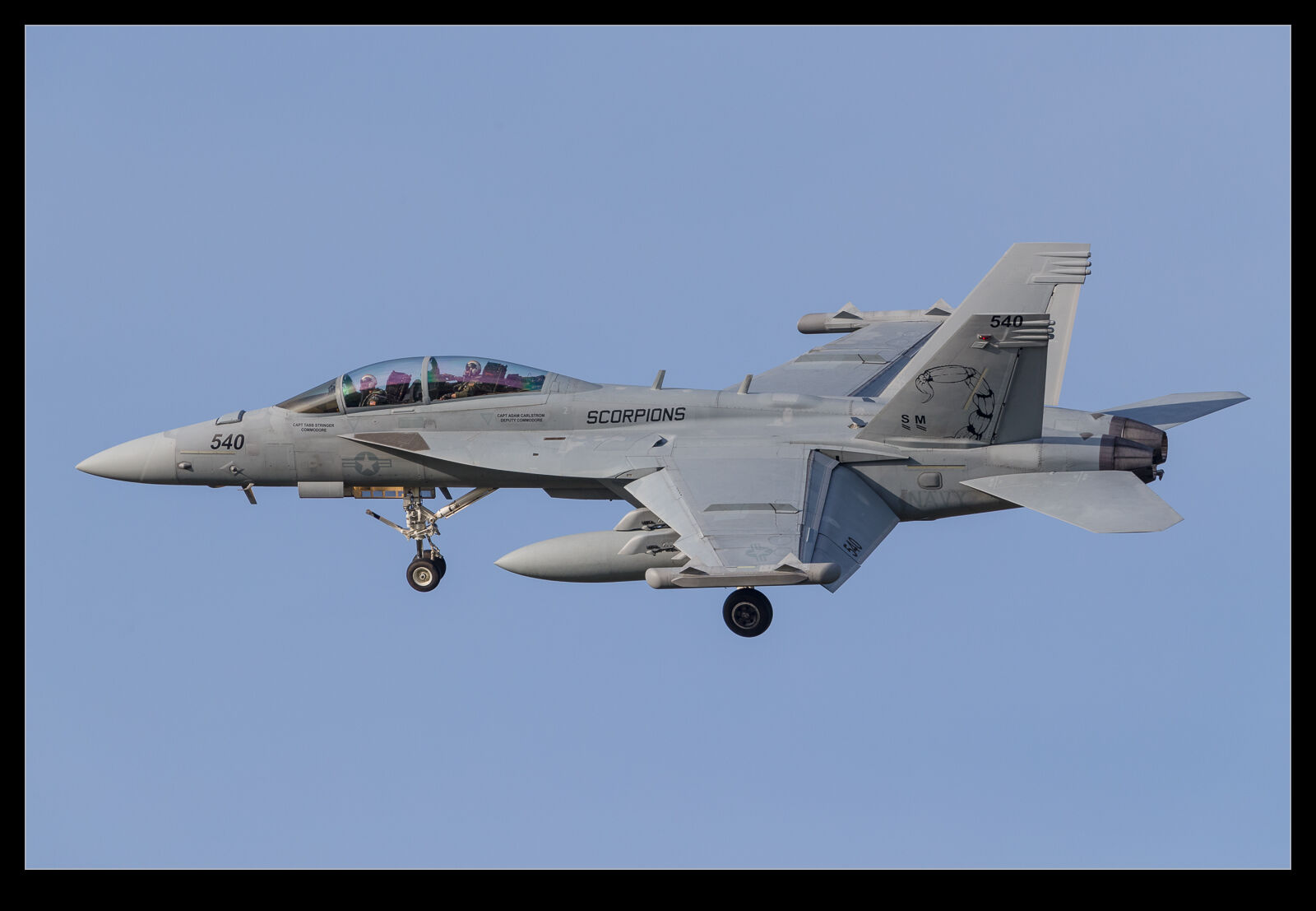
Then the Growlers showed up.  The flew some nice curving approaches around us and the evening light was illuminating their topsides in a great way.  Clearly these were going to be the shots of the day that we were most happy with.  Not only that but they did the decent thing and didn’t land straight away.  Instead, a couple of patterns meant we got a good chance to get some shots of them.  Once they were down, the radio was quiet and we both had drives home to make so we called it a day.  (Sadly, as I got on to I-5 to head south, a C-5 flew over me heading in what appeared to be the direction of Whidbey.  That would have arrived in gorgeous light as it looked really nice as it passed over me!)

Sunny Huskie

I almost didn’t make it to the Olympic Air Show in Olympia this year.  I had been on the road and picked up a cold that had left me feeling pretty crummy.  The drive down and back was not appealing if I was feeling bad but, when I woke up on the Saturday, I didn’t feel too rough.  I wasn’t going to get up and out early to make it inside for the show but there was the chance of meeting up with the guys to shot in the afternoon and that is what I did.  No need to walk much and the drive wasn’t too energetic so I could go with it.

The main reason for going was the Huskie.  Last year I got my first experience of it flying but the light had been pretty flat and overcast.  This year the forecast was for sun so I didn’t want to miss the chance to shoot it in good conditions.  I’m glad I went.  The display was a nice routine but restrained as you would imagine for something that only flies one weekend a year.  It came close to us on a few occasions so I was able to get some shots.  If they flew a little later in the day, that would be good but I got what I went for.  It may not have been the greatest idea, though, because I felt decidedly crap on the Sunday.  I guess the cold had not run its course after all.

Fuddy Duddy

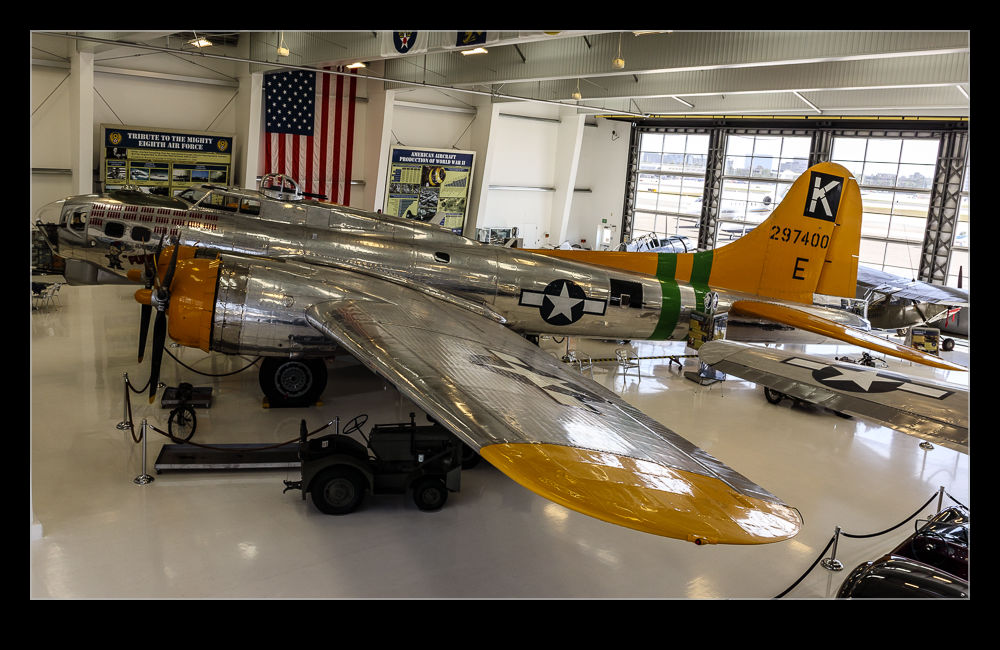
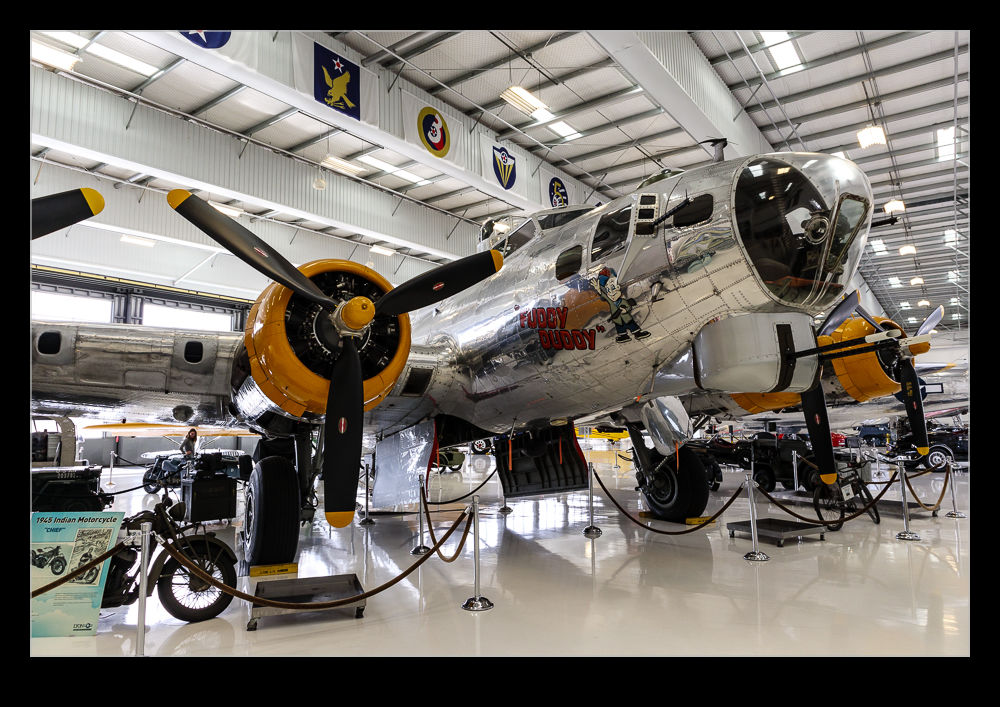
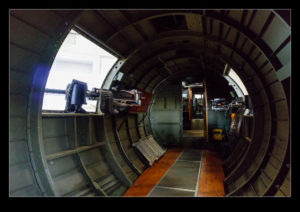
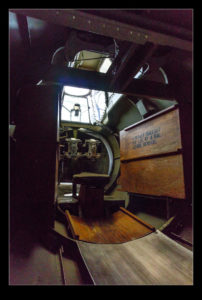
The Lyon Air Museum has a B-17 as part of its collection.  Named Fuddy Duddy, I was told by a docent that it is airworthy.  I don’t know whether that means it is still flown or not and a quick search has not brought up any recent photos of it but maybe it is out and about at times.  I walked around it in the hangar and got a few shots of it in amongst the rest of the museum collection.  It looked to be in great condition but I have no idea what is beneath the skin.

Hellcat Surprise Pattern Work

I had gone to Paine Field for an Antonov arrival that has its own post here.  We got a nice bonus while there.  A Hellcat was up for a Check flight of some sort which I didn’t even know about until it flew a pattern overhead.  I had figured it was just another light aircraft making a midfield departure.  The overhead was nice to see but a bit distant.

However, whatever the check flight was for was obviously done quite quickly as they called for an approach.  As they came down final, another light aircraft was ahead of them and was not going to vacate in time so they were told to go around.  Two approaches!  Thank you.  The first had been straight in but the second was a nice curving approach with a good top side view.  That will do nicely.


P-3s Coming Out of the Sun

When Ault Field is operating on 25, the aircraft taxi out to the departure end along a taxiway that gradually brings them into view from the crash gate.  The sound will usually precede them and, in the case of the P-3s, that is a pretty distinctive sound.  As the day wears on, they are coming at you out of the sun so a bit more silhouetted but that helps to make them look more interesting.  They pull around to the hold point, sometimes mixing in with the Growlers before departing off to the west.  This is a sight that will soon be gone as the P-8s take over.

Aussie P-8

With the progressive retirement of P-3 Orions around the world, the Boeing P-8 Poseidon is starting to take over as the dominant maritime patrol aircraft.  The US Navy is the principal customer, but Australia was relatively quick to order the type too.  They are now in the process of being delivered and I happened across one coming back to Boeing Field at the end of a test flight.  Since it was operating from their military ramp, it taxied back along the field after landing and right by giving me a good look at the configuration the Aussies have gone with.  India has been another customer and, before too long, the first of the RAF jets should make it through production.

More FCLP at Coupeville

My buddy Mark let me know that some more FCLP training was scheduled for Coupeville on a day with a good weather forecast.  Sadly, the wind suggested they would be operating in the opposite direction to that of my last visit (as discussed here and here) but there was the possibility of some morning flying which might mean the sun was on the right side for a while, even if a bit on the tail of the jets.  Unfortunately, the unit didn’t get the memo and they showed up in the middle of the day for the first round of flying so, while the conditions were okay, they were working against us.

Still, there are a lot worse things to do than watch Growlers bouncing through FCLP training.  You can move along the fence line at Coupeville to try and vary the angle, so Mark and I were zipping to and fro in order to try and find something different.  There are some bushes on the field that can be a touch inconvenient when looking to capture the moment of touchdown but a little experimentation and you could get a good result.

The jets appear to come through a tunnel in the trees as they are on final approach and the trees provide a nice backdrop for touchdown.  As they power up and away again, the light angles are most favorable so you can get a few good shots.  However, they end up pretty samey pretty quickly.

We expected a second batch of jets in the early afternoon so headed to the other side.  Here you are a lot further from the runway so the jets on the ground are rather distant and heat haze is a bit of a problem.  We got a few movements and then headed back to a nearby park where the jets tend to turn over the top of you as they enter the downwind.  The light is a bit better here but, again, the shots are pretty repetitive.  The only change is when the jet is done and it climbs straight out cleaning up as it goes.

With a decent amount of shots made, we decided it was time to try our luck elsewhere.  The Growlers would get back to Ault Field pretty quickly but we were going by car so it was a little longer for us.  However, there was much to justify the trip and that will be apparent in some upcoming posts.

One of the Early F-16s

The early versions of jets are often repurposed throughout their life.  They serve a role for testing but they are not configured like production jets and to make them so is too expensive to be worthwhile.  Besides, they are instrumented to some extent so they can be useful for carrying out alternate tests.  As a result, they often get used for trials, research tasks or development of alternate concepts.  The early F-16s did a lot of this sort of work and ended up in some odd programs like the AFTI effort.  Sitting outside at the Frontiers of Flight museum is one of these test aircraft.  It spent its life with General Dynamics (now Lockheed Martin) at Fort Worth and, once it was done with, it found a new home at the museum.  Compared to the average F-16, this jet will have had a lot of interesting experiences!