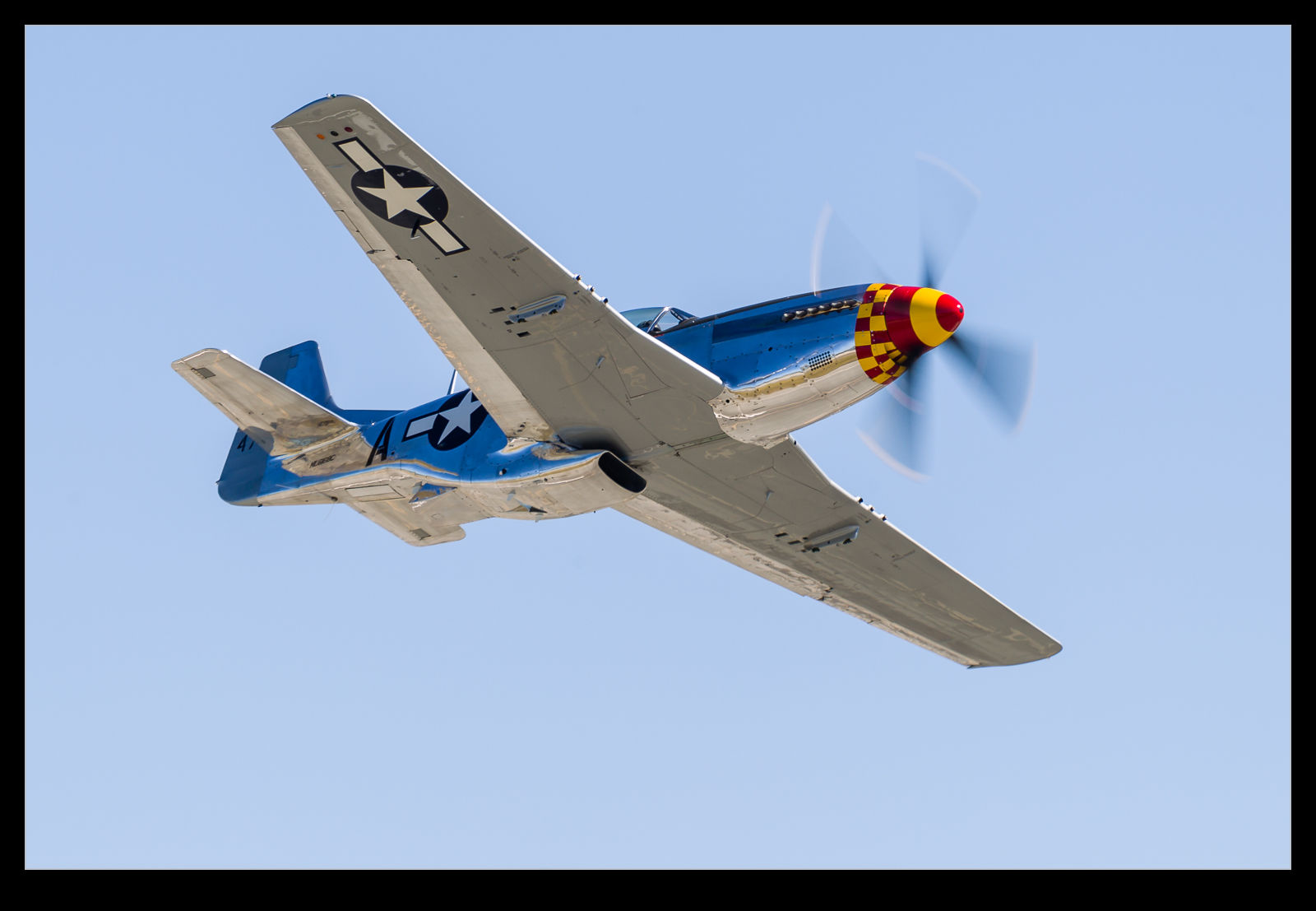
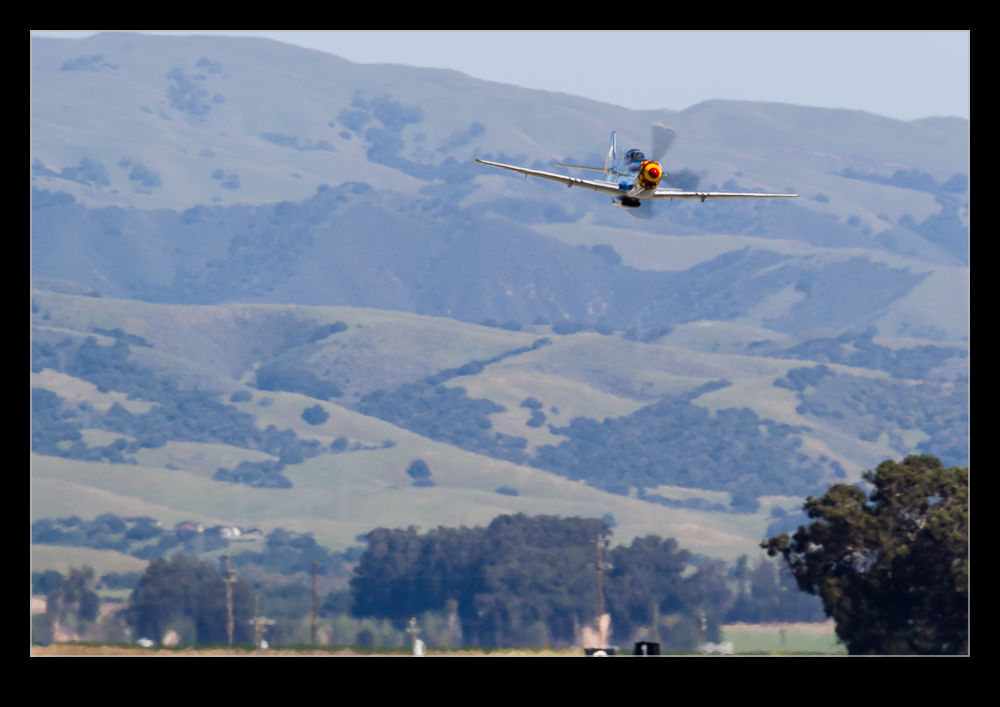
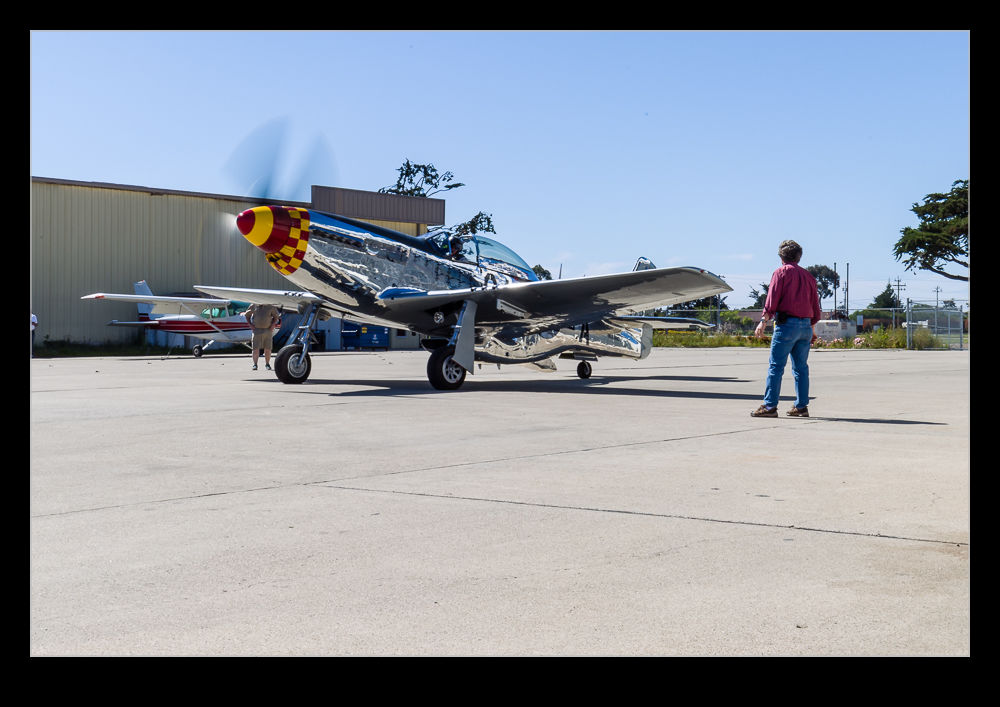
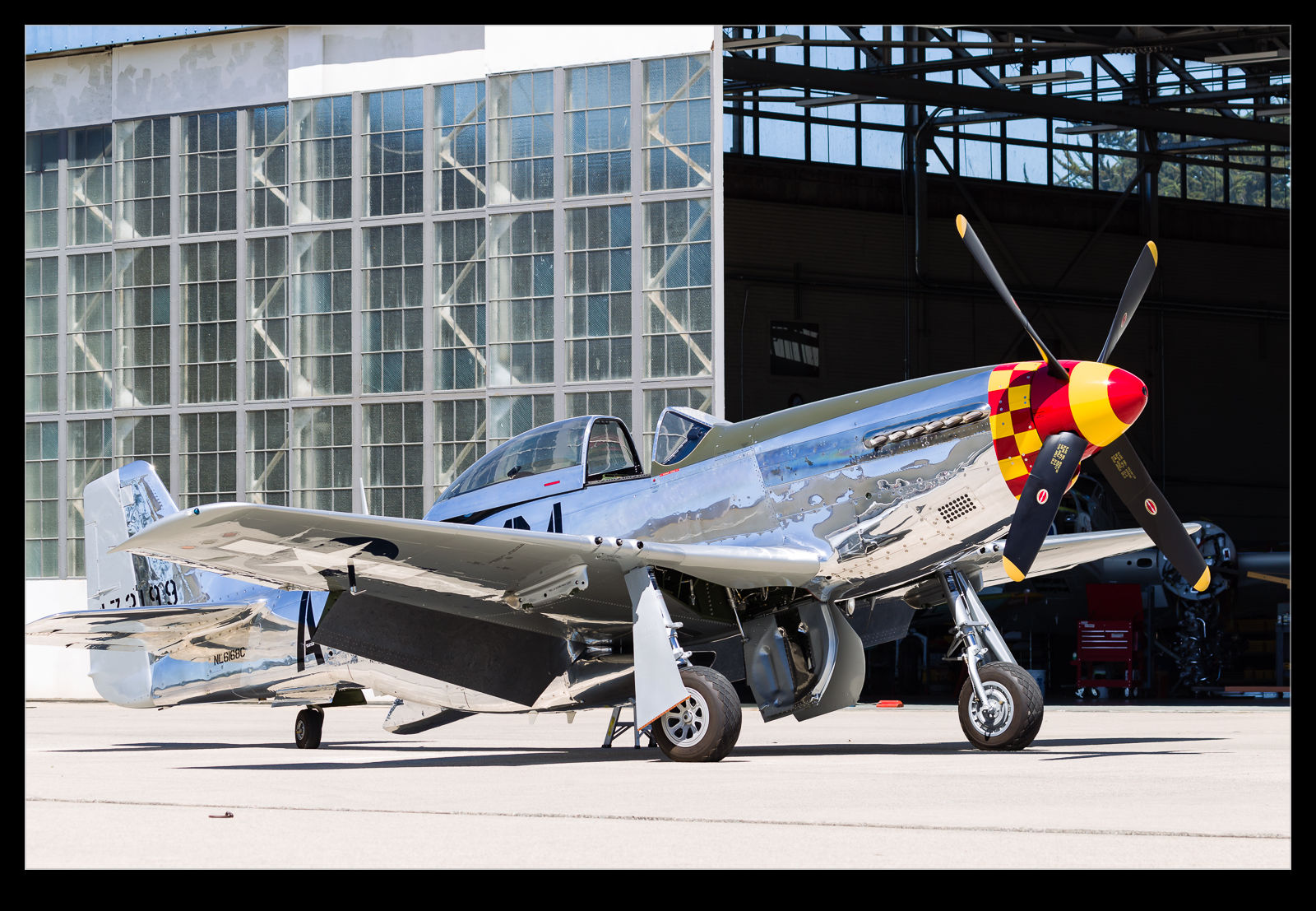
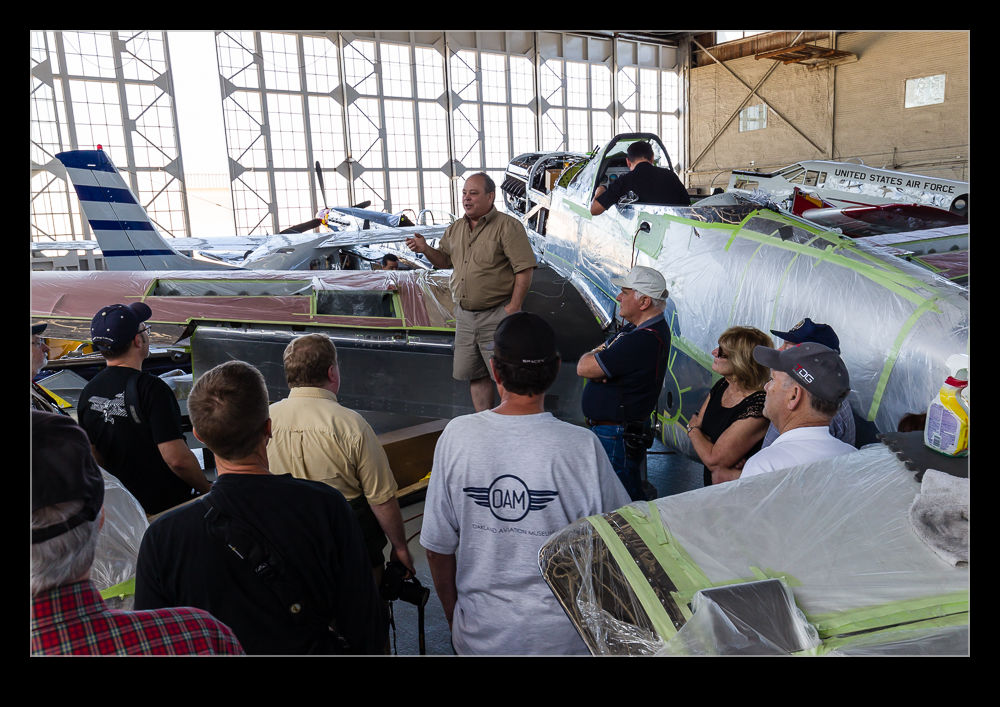
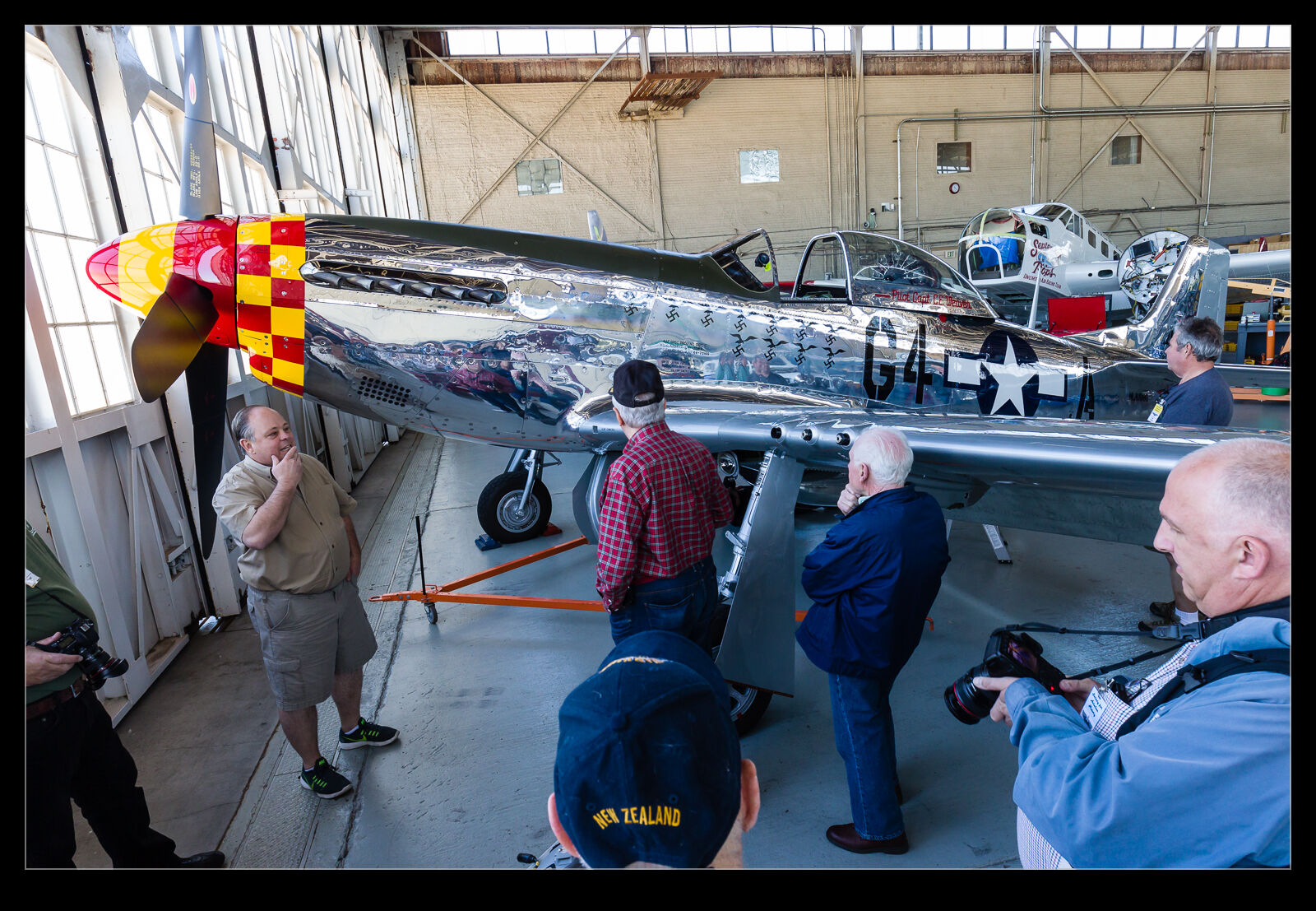
 The Society of Aviation History organized a visit to Salinas to the facility of Airmotive Specialties. Owned and run by Dave Teeters, Aviation Specialties provides a number of services but the thing that brings them most attention is the restoration of warbirds with a strong focus on P-51 Mustangs. During our visit, there were seven Mustangs in the hangar in various states of restoration. There were some other types too as well as some more commonplace types undergoing maintenance.
 Dave has spent his life in this business having started working for his Dad before setting up on his own. He supplies parts to his Dad’s business and vice versa as they both operate in the same field. Dave has really committed to the processes and capabilities needed to restore these vintage aircraft. His team is one that he has trained and many of his staff have been with him for years. He has also invested in technology. So many parts for these aircraft are hand crafted but Dave has acquired numerically controlled machines to assist in producing a large number of components. These machines are also capable of digitizing the outline of existing components to allow him to reproduce them as needed.
 The investment in these machines is substantial but the pay off comes in how quickly he can produce replacement parts once the process is done. Hand crafting these parts is an intensive business and, when sufficient are needed, the business case is straightforward. Even so, there are still many pieces that require the hand skills that are in short supply and are becoming rarer. Dave maintains capabilities with many old tools and techniques in order to make sure that they can always provide what the customers need.
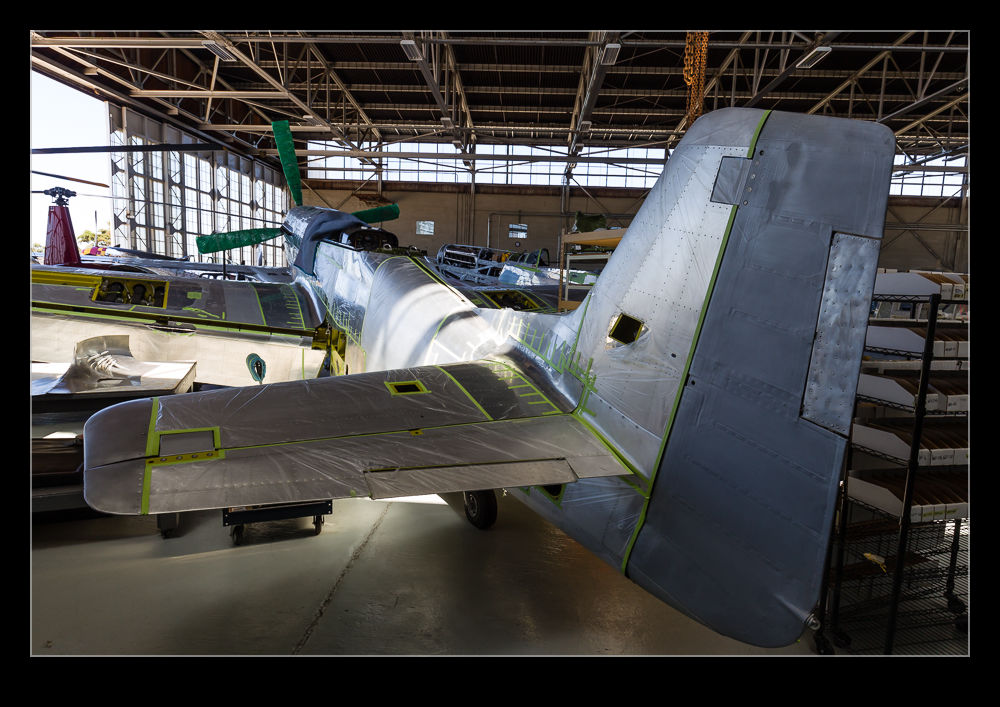
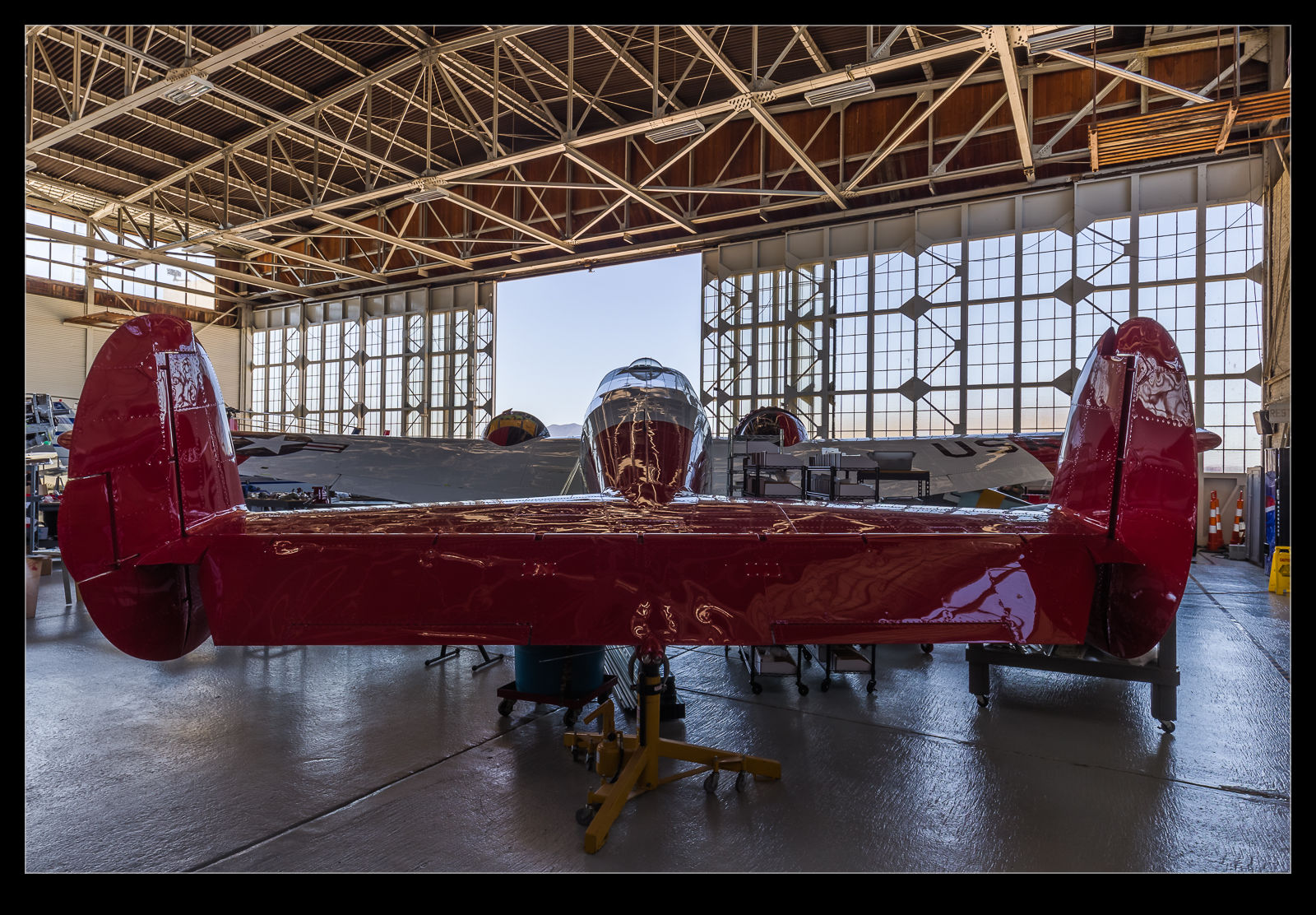
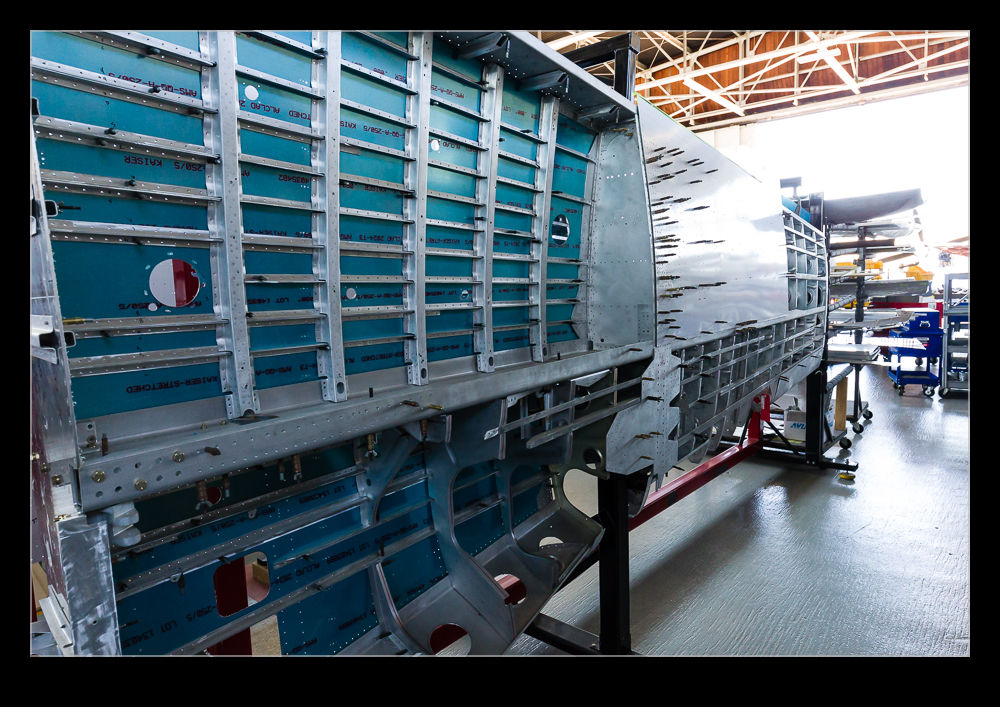 The hangar was full of interesting projects in various states. Some were disassembled completely with rework on fuselages and wings plus various subassemblies. Others were fully complete and were just in for ongoing maintenance. A great looking Beech 18 was at the front of the hangar along with a P-51 due to be picked up by its owner. A couple of Robinson R44s were also parked in with a JetRanger – one of the R44s flew off later in the day.
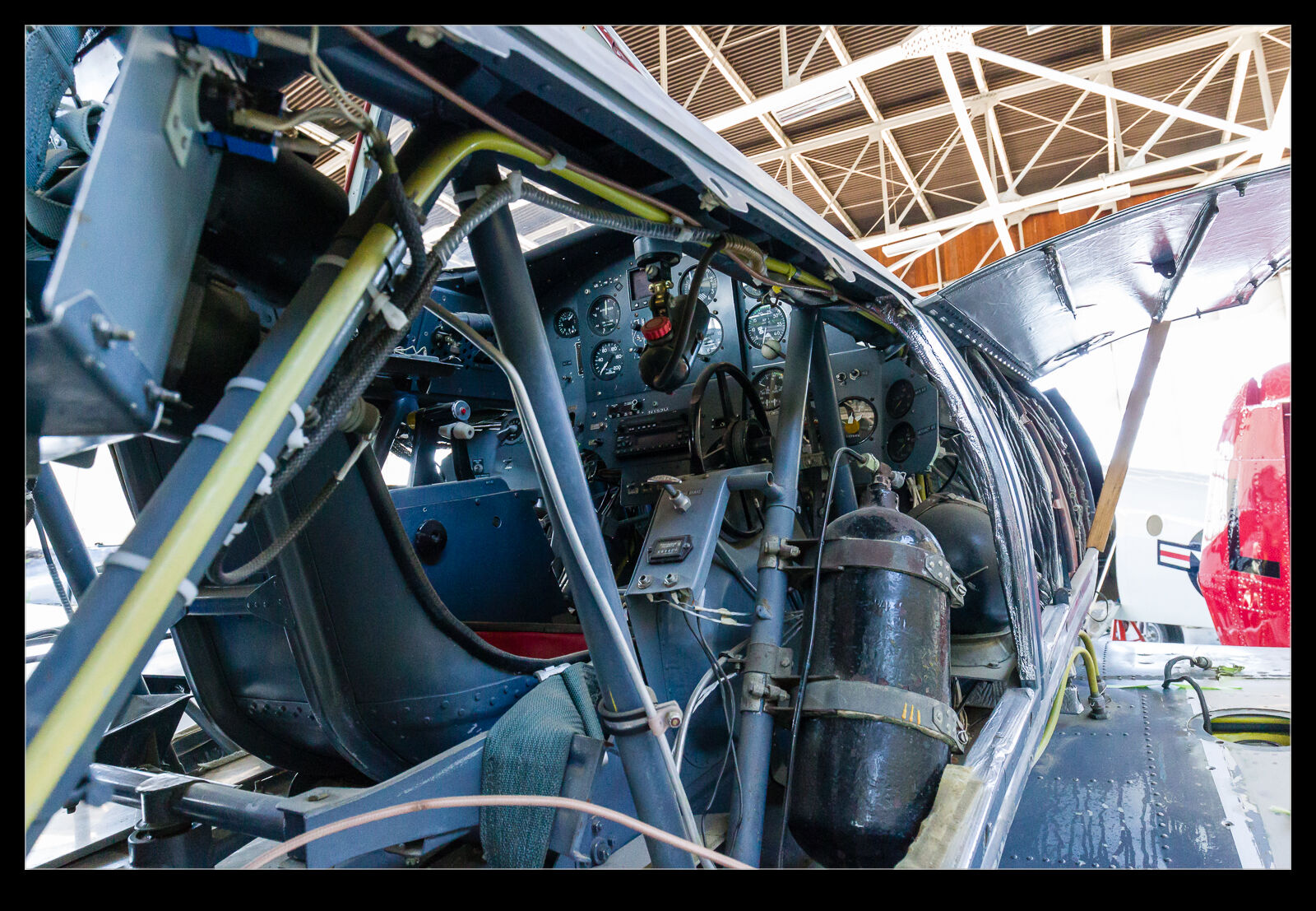 Dave provided great access to our visit and was exceedingly generous with his time. He explained exactly how they work and answered any questions the group had for him. The hangar has some nice facilities for customers but, while they were very comfortable, the contents of the working area were of most interest to us and Dave gave us freedom to wander as we wished. It was a great time. Many thanks Dave.
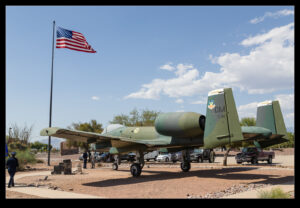
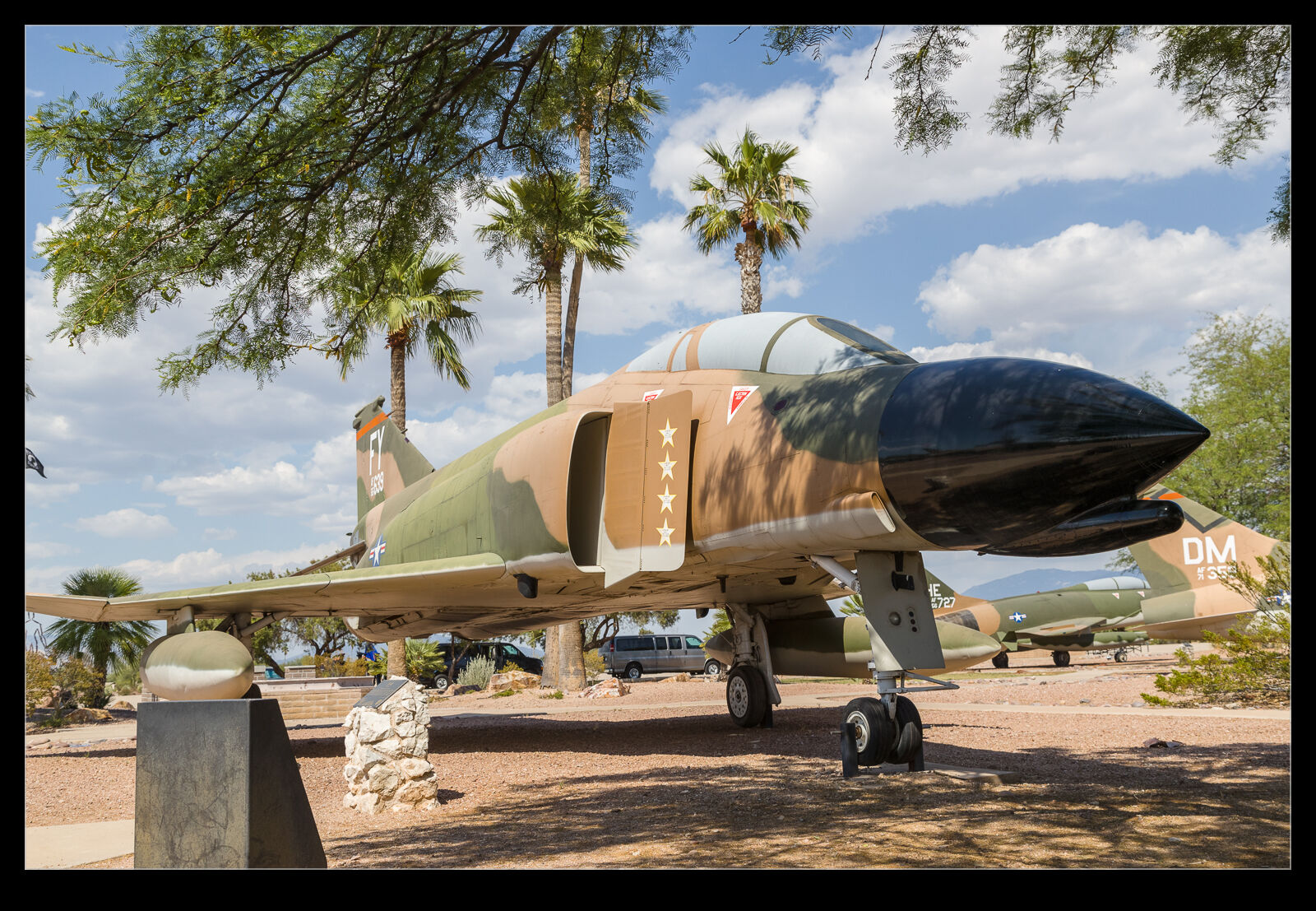 Many airbases have a selection of historic aircraft on display to show something of what has gone before on the base. Sadly, they are often unavailable to shoot when you visit. Davis Monthan AFB has quite a few different planes on display and, fortunately, the location of the Fallen Hawg ceremony during Hawgsmoke was in front of the display A-10. While everything was being set up, we had some time to kill and I was allowed to wander around the other planes.
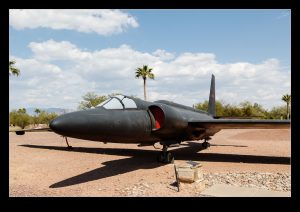
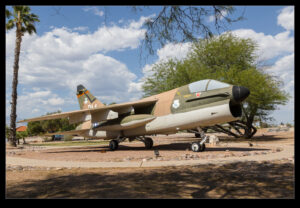
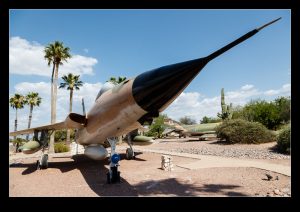
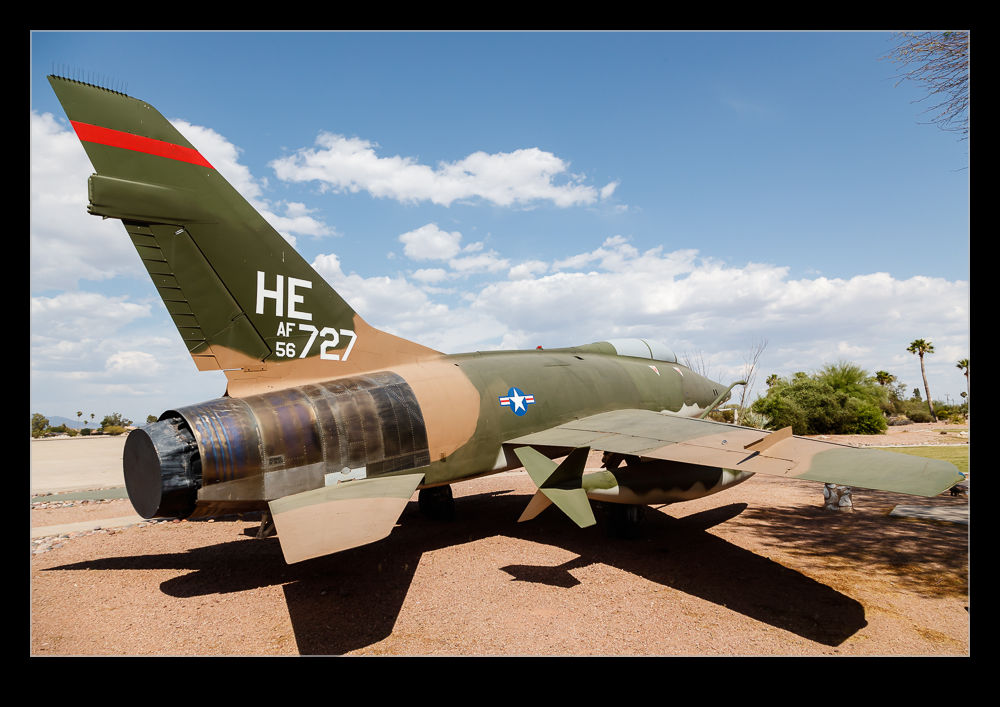 The selection included some obvious DM aircraft like the A-10 and A-7 (even if it was actually a Navy A-7E that they had repainted). A U-2 was a slightly more surprising one to see. I’m not sure how that qualifies but I wasn’t complaining. The F-105, F-100 and F-4 all looked good too. Not only was it nice to be able to shoot them but it gave us something to do since we had got in place pretty early!