Tag Archives: california

Interesting Raptor Control Inputs

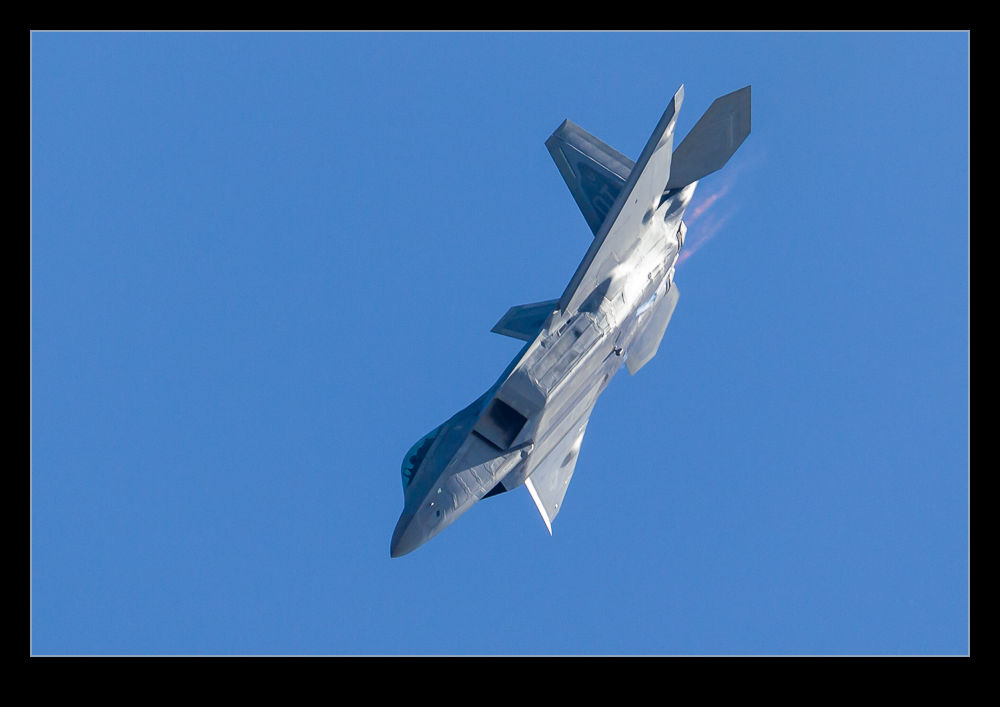
C59F1416.jpgIt might be a long time ago that I did anything closely related to the engineering of fighters but there is still a part of me that is a stability and control type of guy. Watching the control inputs and responses of planes is cool as far as I am concerned. With the advent of fly by wire designs, there was considerable scope to play around with the use of the control surfaces to achieve different aims. With no direct linkages to the stick, the pilot can be totally unaware of the choices the system is making for control combinations.
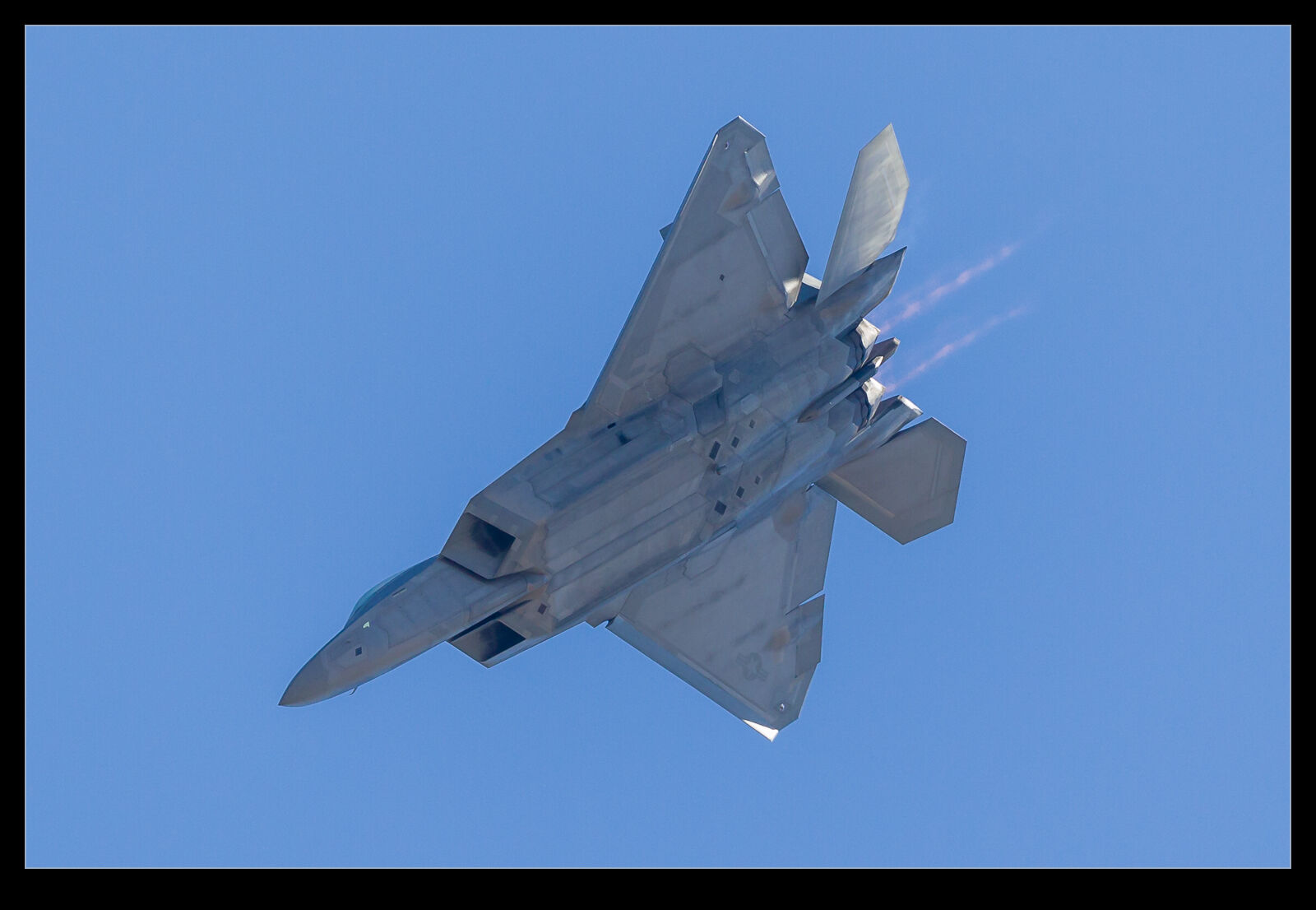
C59F1422.jpgThe engineers may have chosen to program the trailing edges to have different deflections inboard and outboard to offload the outer portion of the wing for example. The F-22 makes use of a variety of interesting control inputs. For example, it doesn’t have a traditional speed brake. I assume this was removed for stealth reasons. Instead, the control surfaces move counter to each other. You may have inboard flaps going down and outboard flaps going up. The moments cancel out but all increase drag incrementally so the effect is like having a speed brake deployed.

Since the aircraft is also unstable, you may have tail deflections that seem at odds with the maneuver being flown. During the Chino show, the usual routine was flown (usual for an F-22 but not many other jets) and, as I look through a bunch of the shots, I see some quite unusual control inputs. If you are in to such things, these may appeal to you. Gary, are you reading this?

Windy Day at SFO

AU0E8838.jpgThe winter brings days with clear skies and nice light angles. That is not all it brings, though. It can mean strong winds. One of my visits to SFO last year coincided with some very strong winds. The wind was gusting over 40kts on a regular basis. This was far to strong to allow operations on all of the runways. With the wind almost directly down the 28s, those runways were in use for arrivals and departures.

AU0E9796.jpgThe wind might have been strong but the conditions weren’t bad for photography. The sun was actually out and the light on the planes was pretty nice. However, using a long lens was a bit more tricky with the wind since it tended to blow the lens around a lot. I spent a lot of time trying to stay in the lee of a tree to shield myself from the worst of the gusts.

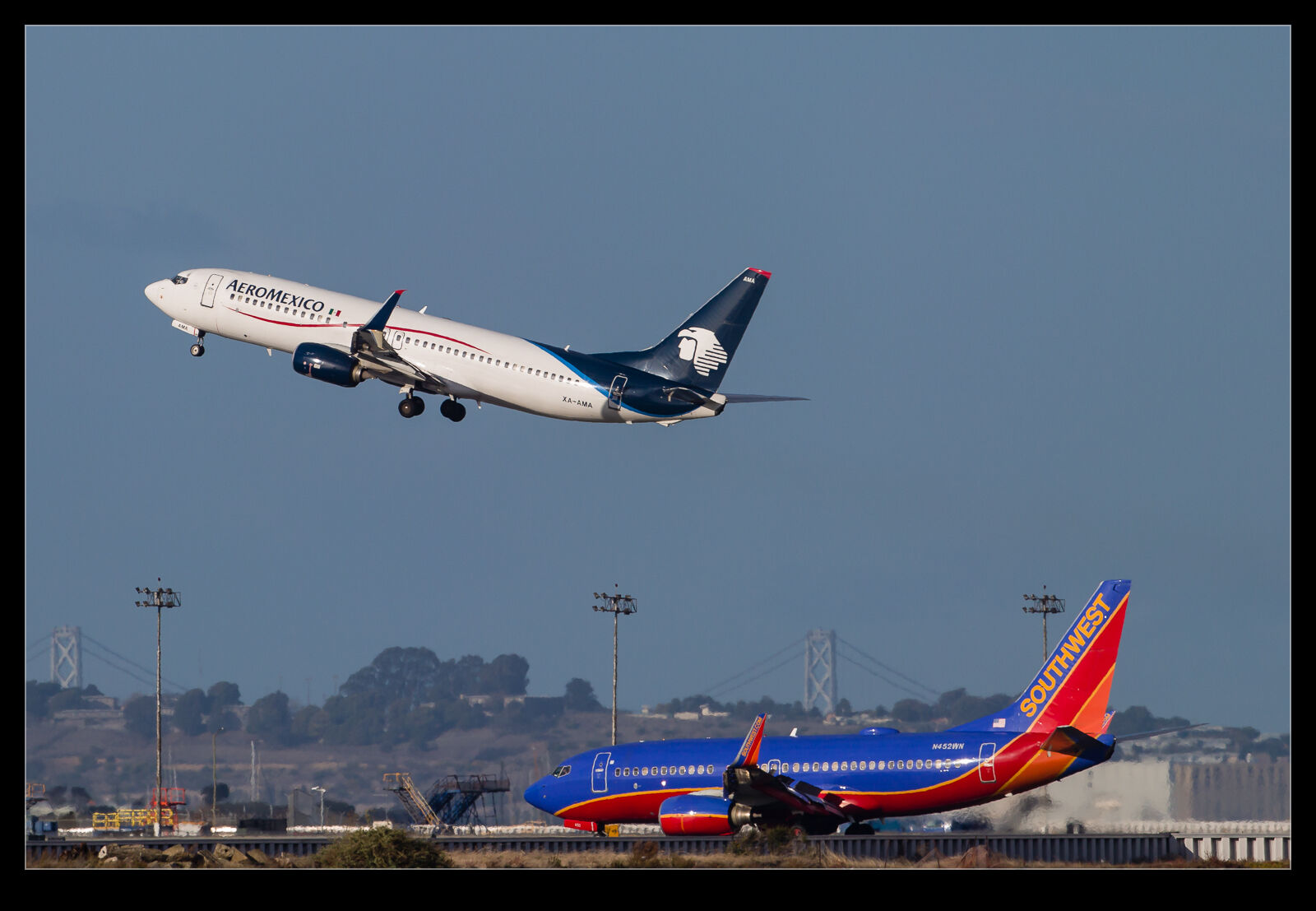
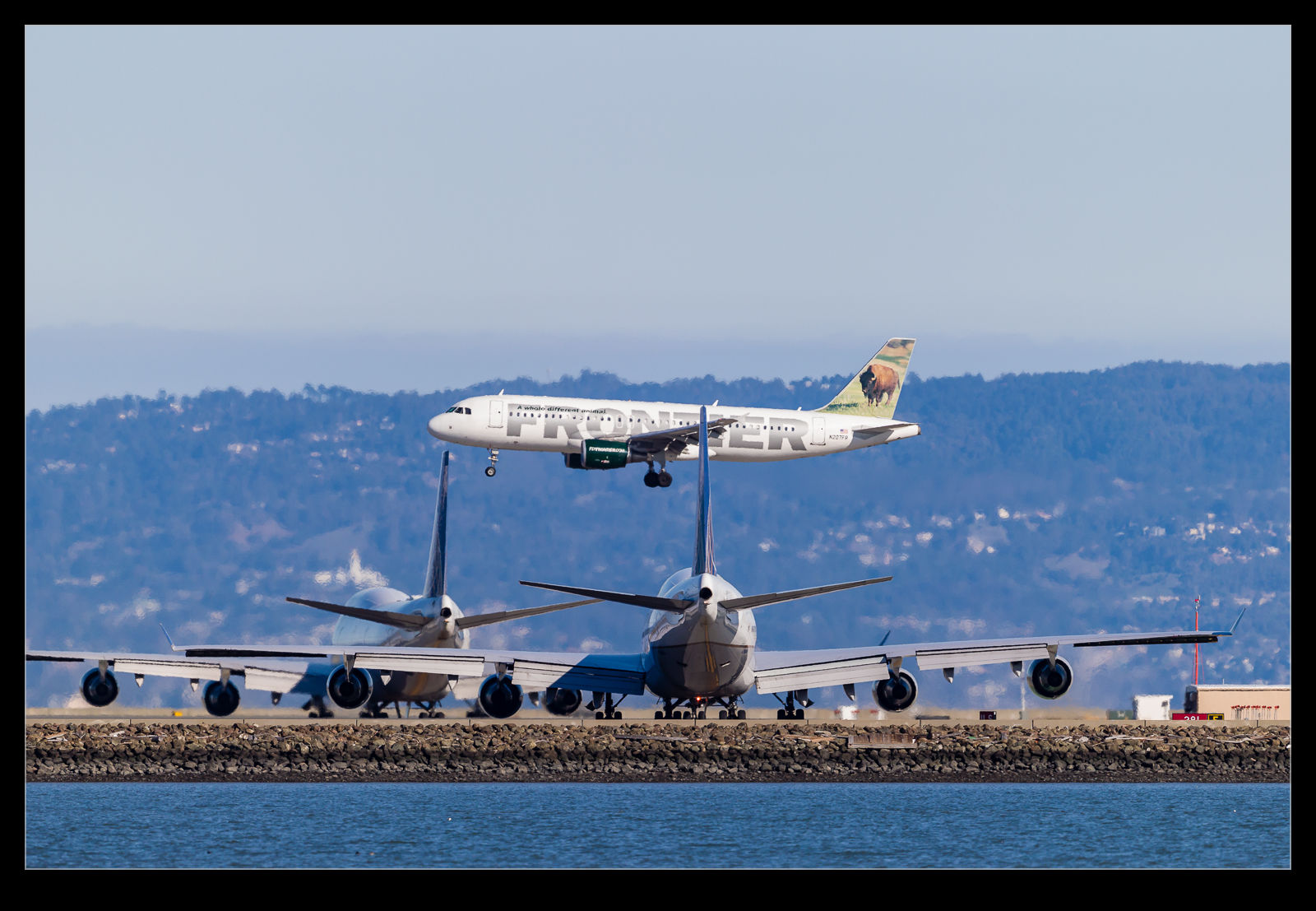
AU0E9424.jpgConsolidation of all operations on the two runways meant that things could get pretty congested near the thresholds. Plenty of jets were lined up ready for departure in between the arrivals. Having so many jets up there is relatively unusual. It is a bit problematic for some shots though. The arriving jets are behind those awaiting departure slots. The waiting jets produce a lot of distortion from the heat of their engine exhausts. This can be quite frustrating since the number of jets means that clear space for a shot is limited.

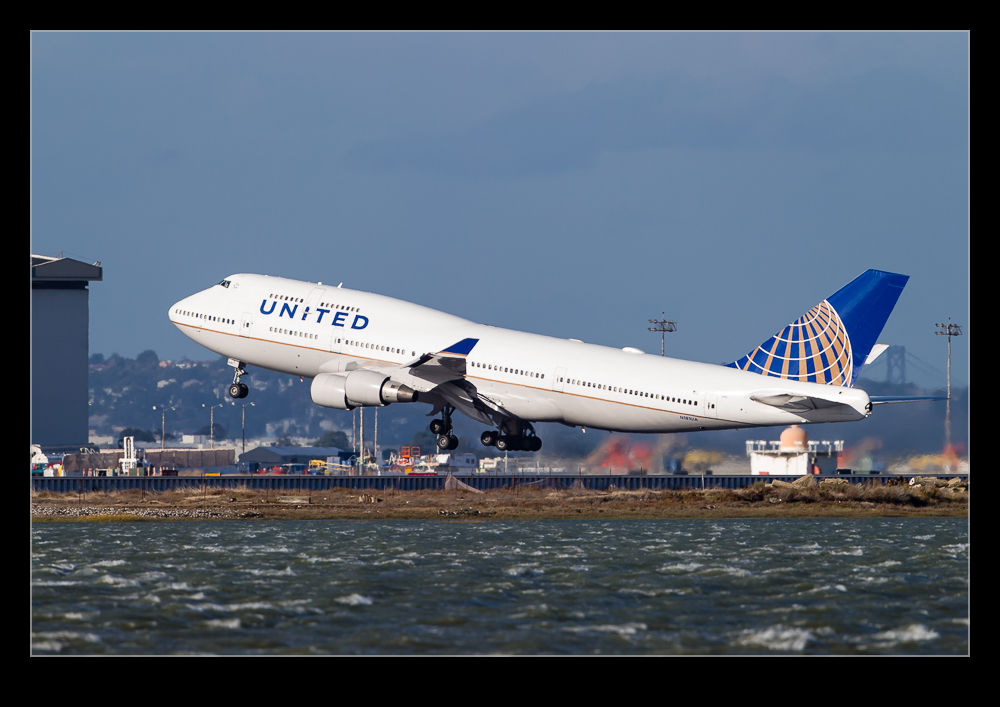
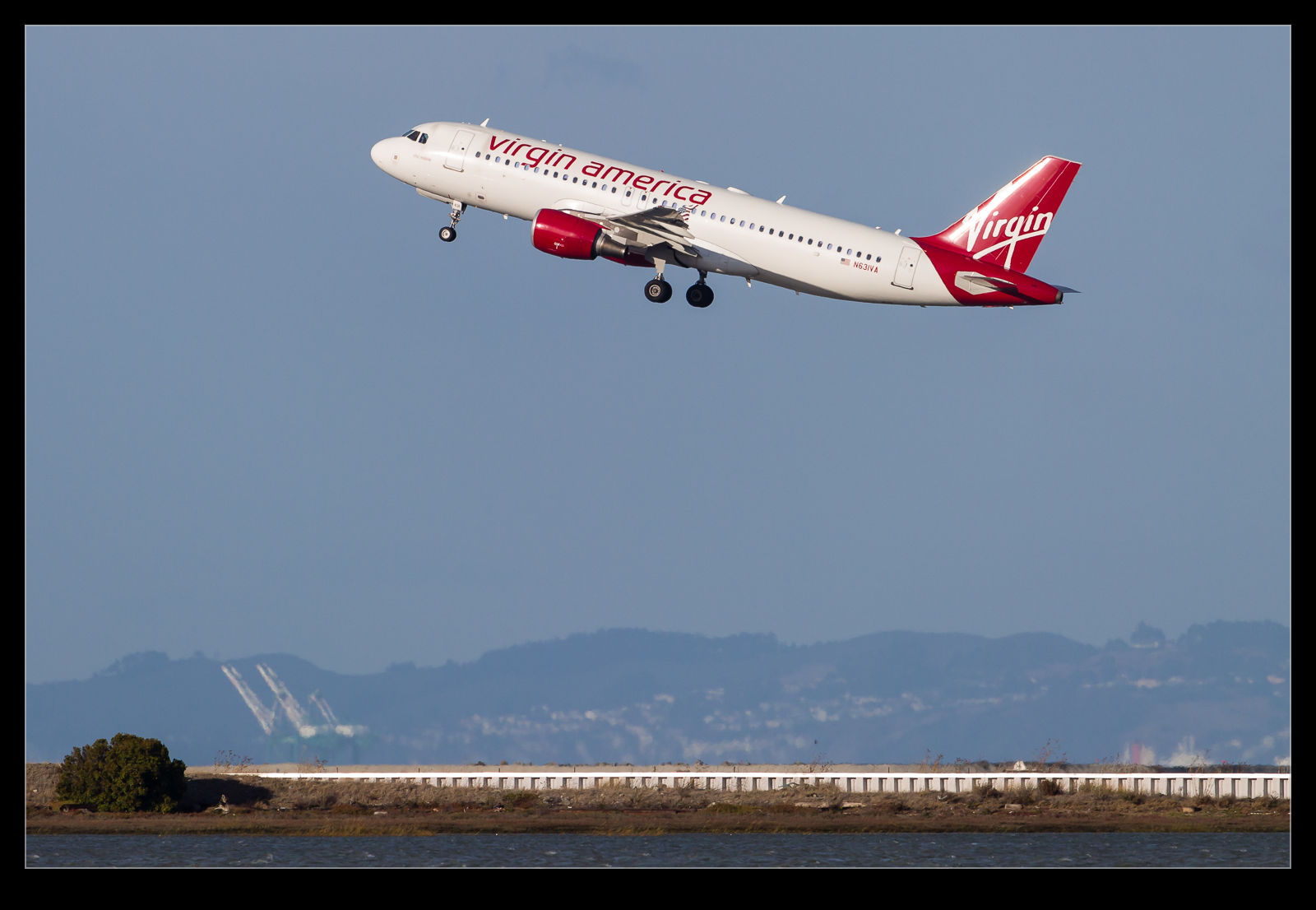
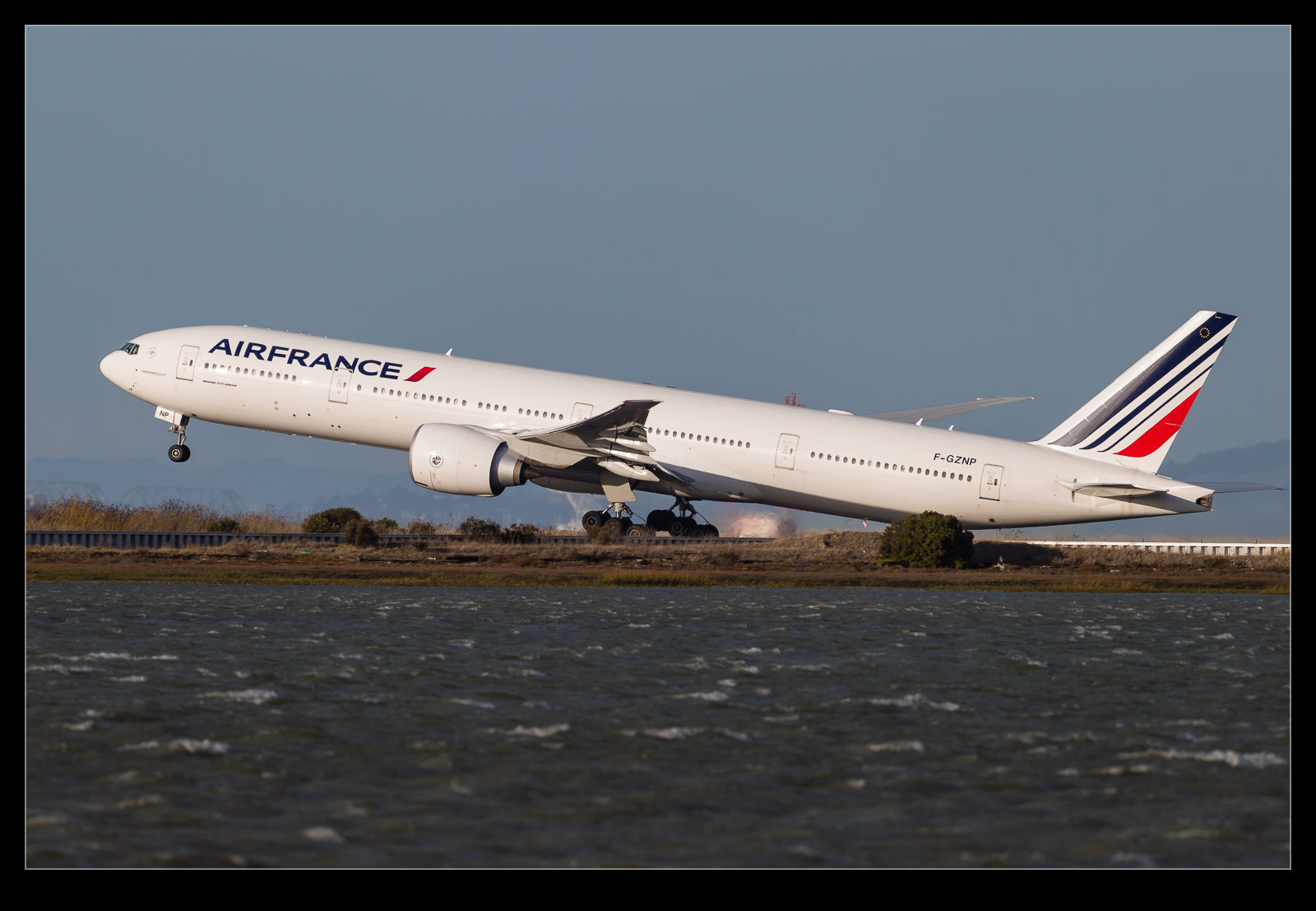
AU0E9118.jpgThere are more benefits of course. Having very strong winds straight down the runway means the departing jets have a big advantage. Nearly 40kts on your ASI while standing still means a lot less ground roll is needed to get airborne. The narrow bodies were jumping into the air long before they got off peninsula extending the runways out into the bay. The same was true for the wide bodies. The heavy 747s always have a longer roll but they were getting up before the cross runways. The big twins were getting up very quickly. I had a pretty good view of the 777s as they departed and got what is probably my clearest view yet of the truck rotation on the 777-300ERs – a quest familiar to the regular readers.

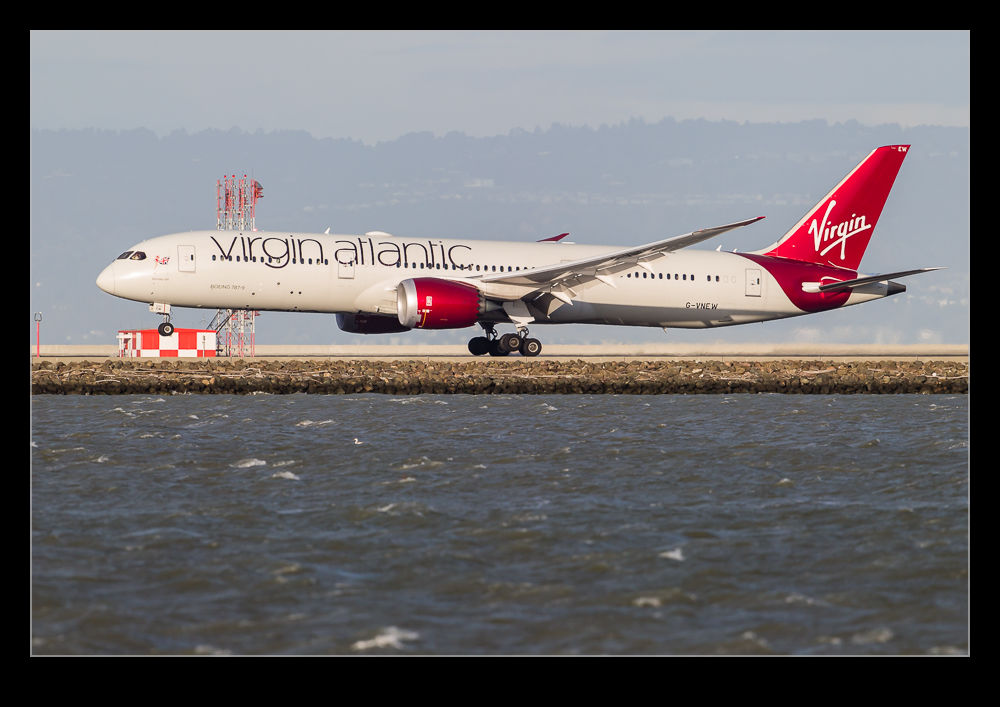
AU0E9548.jpgFighting the wind made for a tiring day. I decided I would wait around until the Virgin 787-9 showed up and then call it quits. This was due to be one of the last big arrivals prior to the sun disappearing. When it came in, the light was very nice. I got some good shots and then packed up to go. Going back through the shots since, it was quite clear that the wind was a big factor in my shooting. The sharpness of some shots suffered but the bigger issue was tracking accurately. Far to many extremities of planes got chopped off. Despite, that, the opportunities a day like that offers made it well worth doing and I would be back in a heartbeat if the conditions come together.

AU0E9926.jpg

Rainbow Fireboat

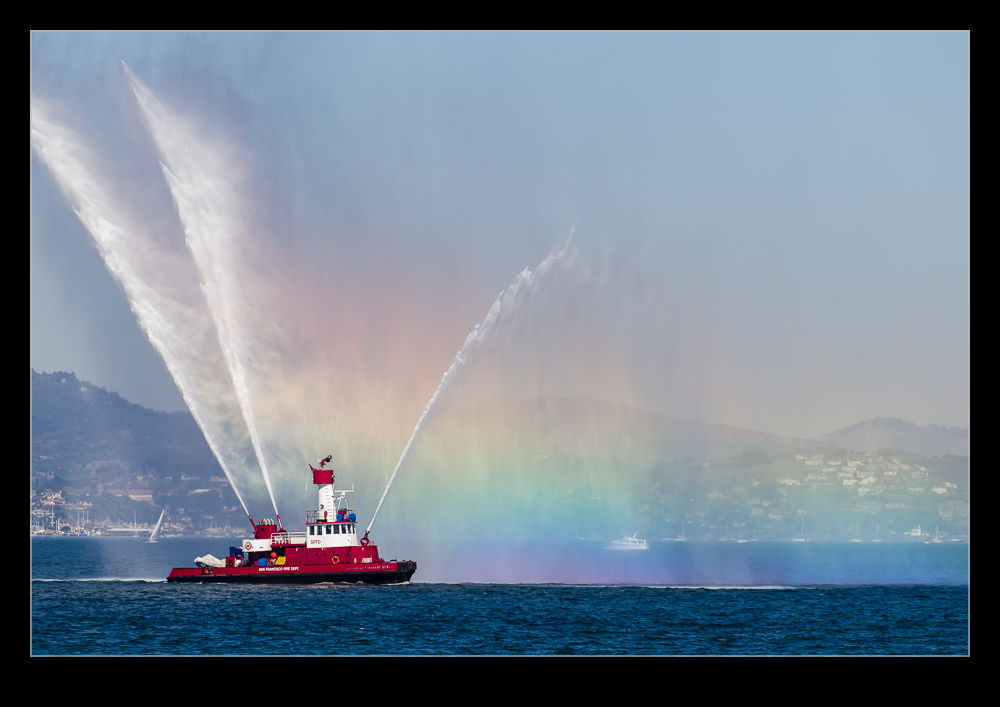
AU0E4281.jpgDuring the Parade of Ships for San Francisco Fleet Week, the first warship was led by a fireboat from the City. It sprayed water from its hoses to provide a focal point to the parade. As it got closer to us, the angle of the light and the mist from the fire hoses resulted in a clear rainbow forming in front of the fireboat. It looked pretty cool and I am not sure the photos really do it justice. However, here is a shot to show you pretty much what we saw.

Did Anyone Bother With This Livery Design?
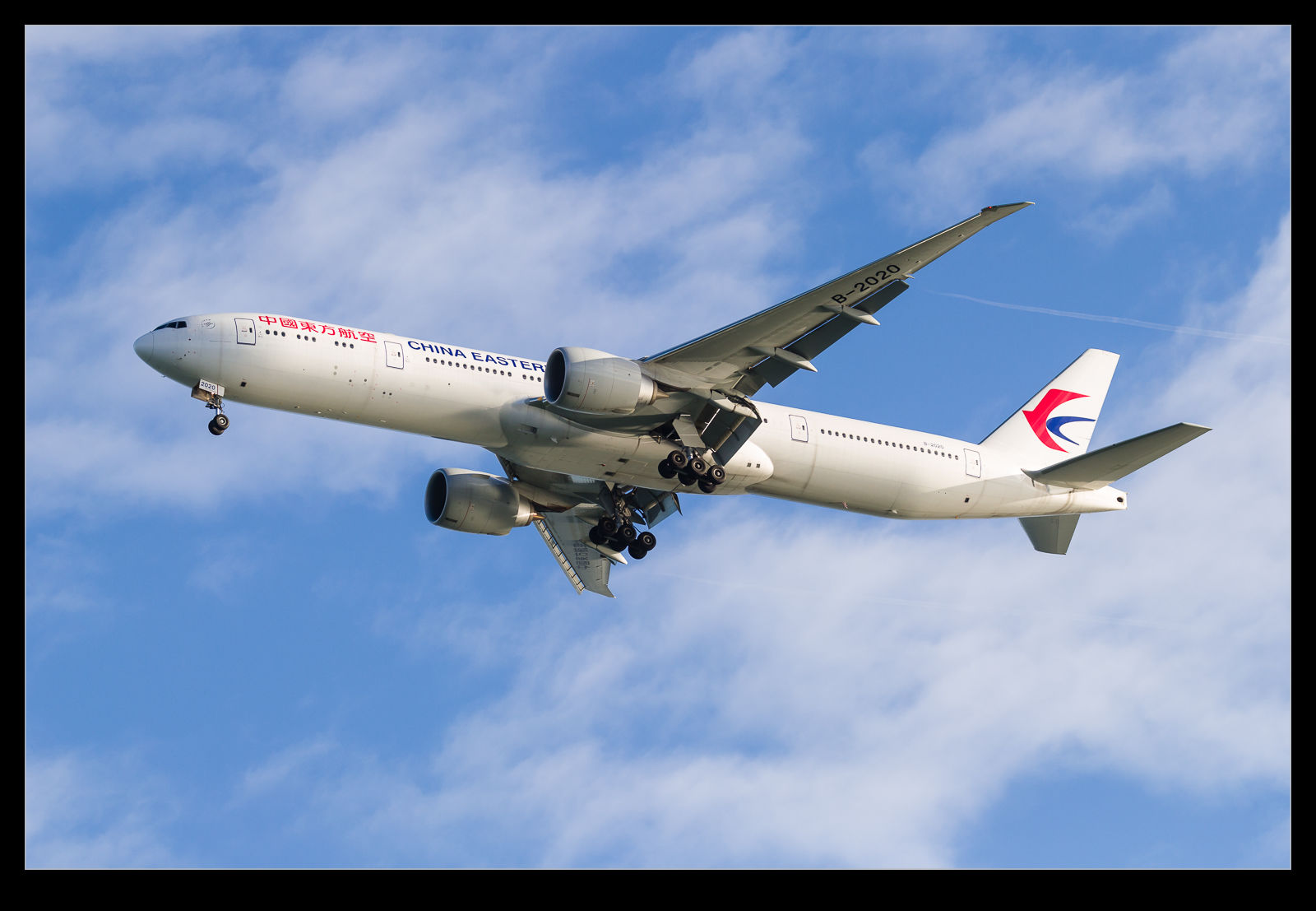
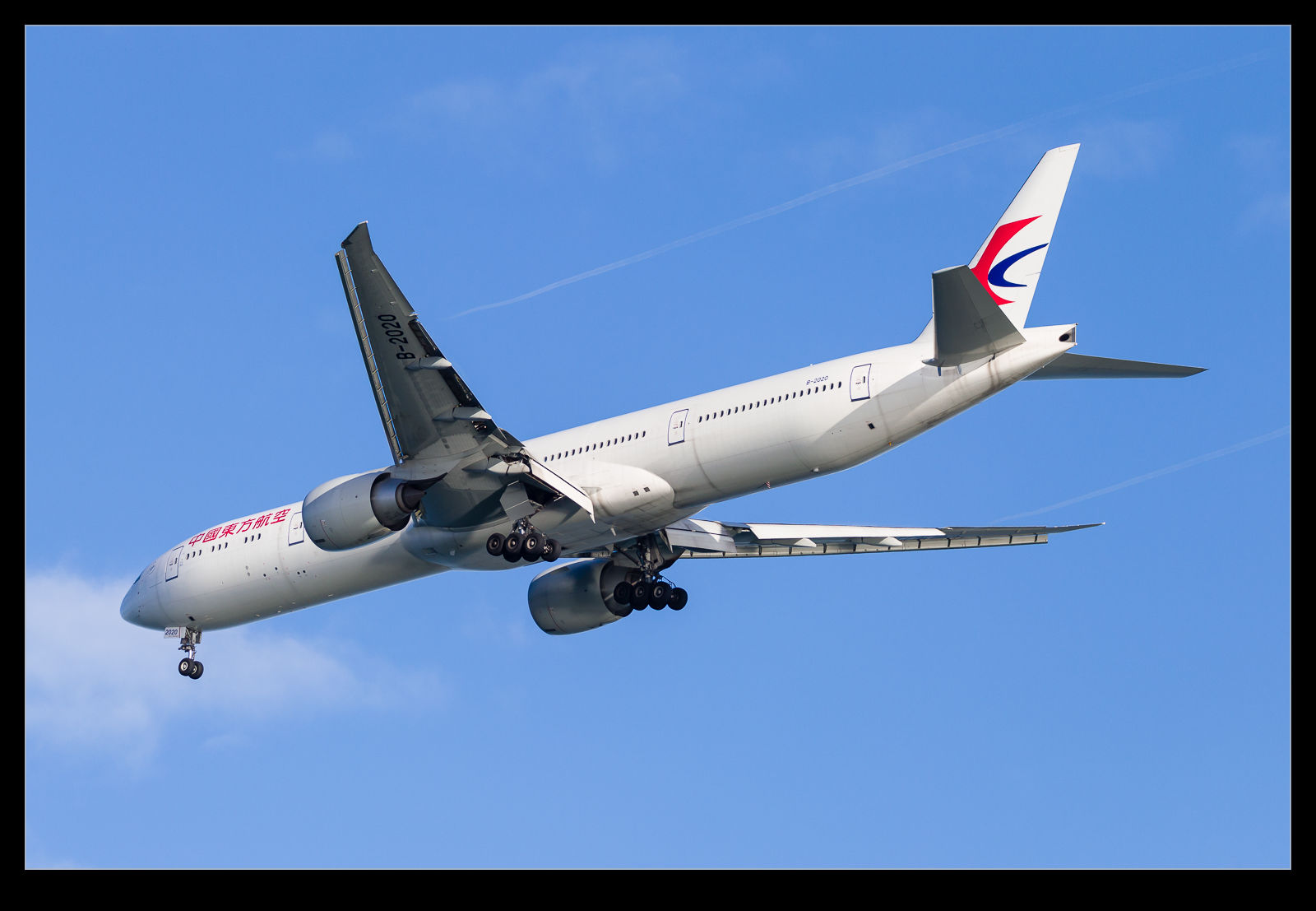
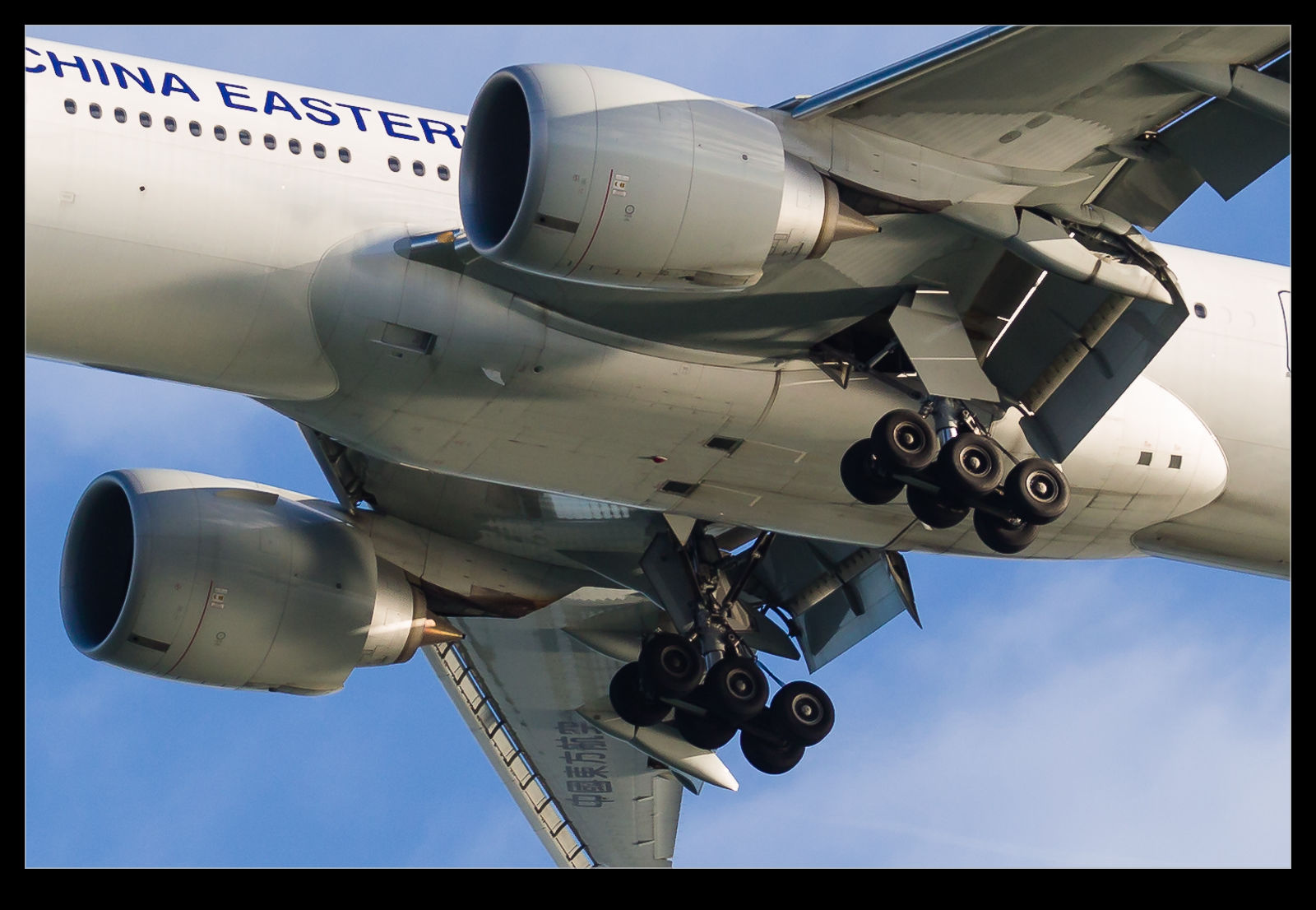
AU0E1538-2.jpgNot long ago I complained about the dirty condition of a China Eastern A330. At the time, I thought it might be a non-standard jet because the livery was basically white with a couple of distinguishing marks. It turns out that I hadn’t appreciated that China Eastern have replaced their previous colors with a new and less colorful scheme. Since then I have seen some 777s come in with the new scheme. In an era of relatively bland airline colors, it seems to me that China Eastern have gone a stage further and taken any interest at all from the livery. Not a cool effort on their part I think. They should check out what China Southern is doing by comparison.

AU0E1559.jpg

JetBlue’s 200th Aircraft

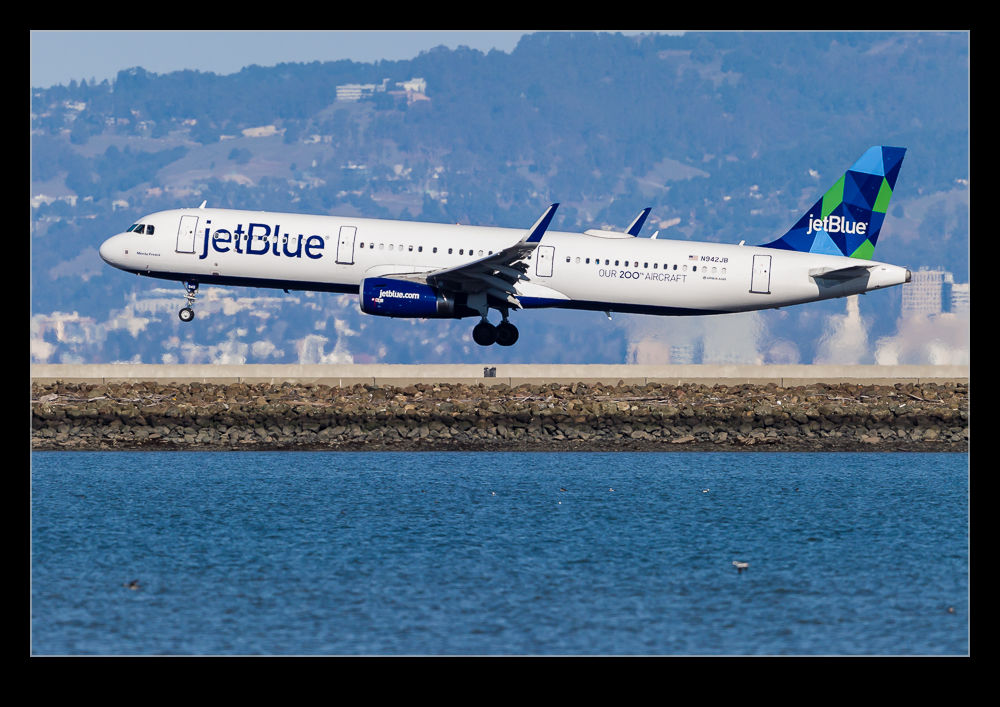
AU0E5008.jpgThe repetitive nature of the same airlines and the same types is what you expect of airports these days. Every once in a while, though, the airlines put some extra decoration on their aircraft. Usually you can see that there is something there before you get to see what it actually says. JetBlue have an Airbus A321 that is apparently their 200th aircraft. It has a big decal on the rear fuselage to highlight this fact. It apparently joined them over a year ago so a bit late for congratulations.

747 Formation Takeoff – Well, Nearly

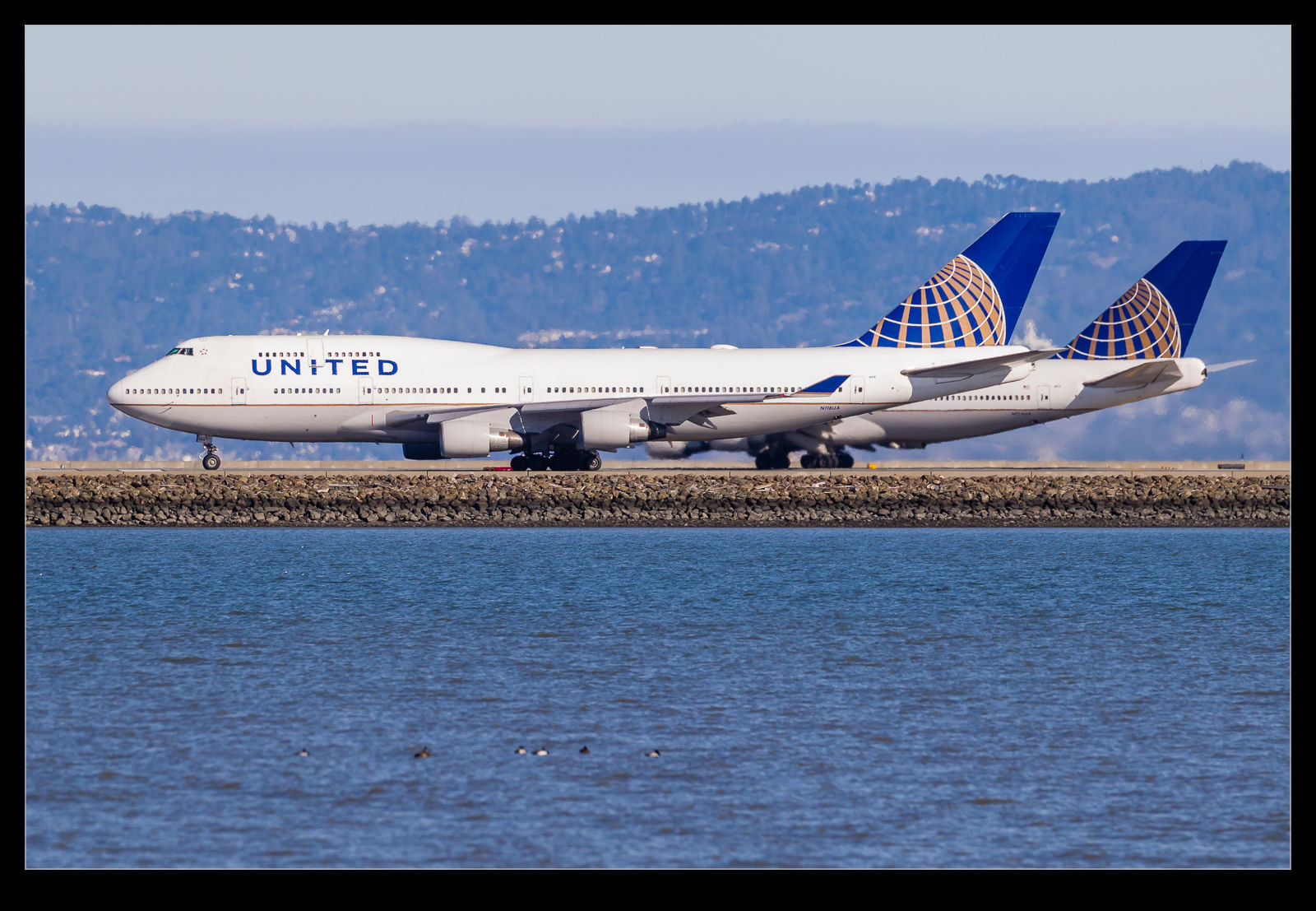
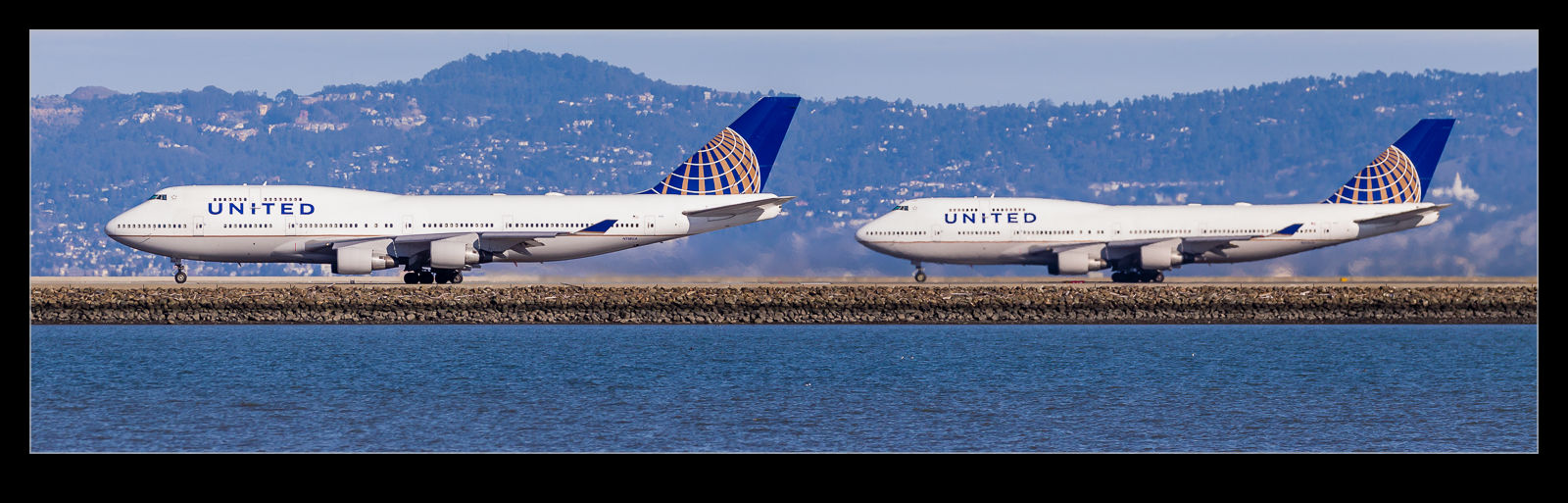
AU0E4529.jpgWhile the world’s 747 fleet is progressively running down, United is still a big operator of the type and SFO is a focus of their operations of the type. Consequently, during the surge of departures to Asia in late morning, you will have a pretty steady stream of Jumbos taxiing out and taking off. While Roger and I were out, a couple of them taxied out at the same time. We had one holding short of 28L and the other was in the gap between 28L and 28R as incoming aircraft approached. I joked with Roger that the two of them should line up on parallel runways and depart in formation.

C59F7901.jpgWhen the inbound jets had landed, both aircraft moved forward again and, sure enough, they lined up on both runways. We couldn’t help but laugh at this since they seemed to be following our instructions. You will regularly see parallel departures on the 01 runways but we couldn’t believe that we would have the same thing here. Sadly, we were right. The closer jet departed first and was then followed a short while later by the second. It would have been very cool to see them climb out side by side but that was a bit too much to ask.

C59F7912.jpg

Late Runway Change for Southwest

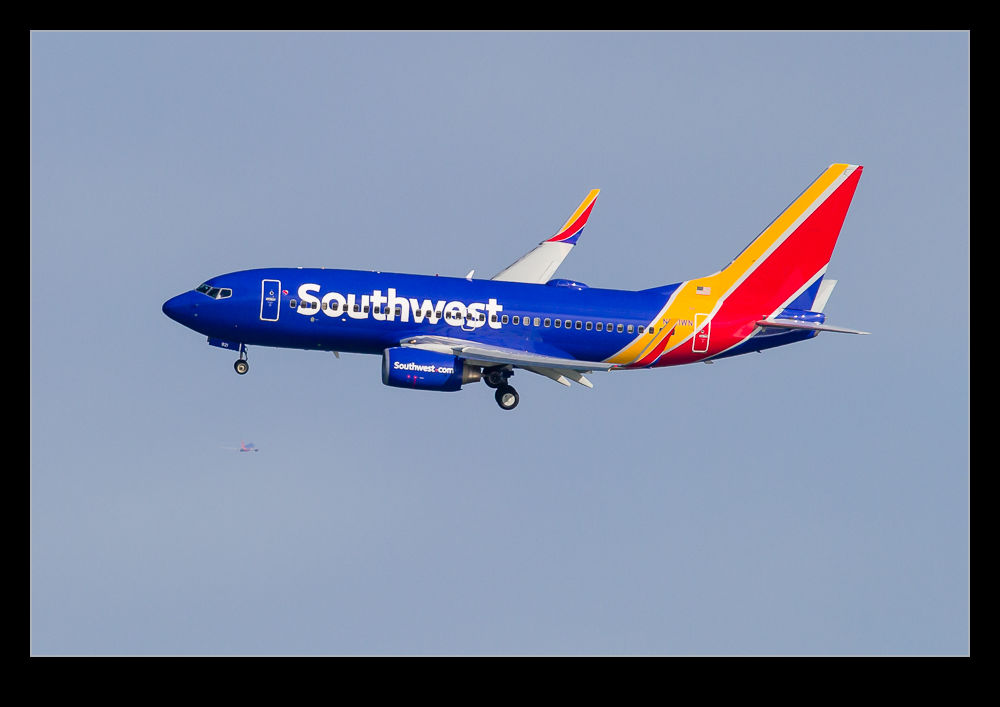
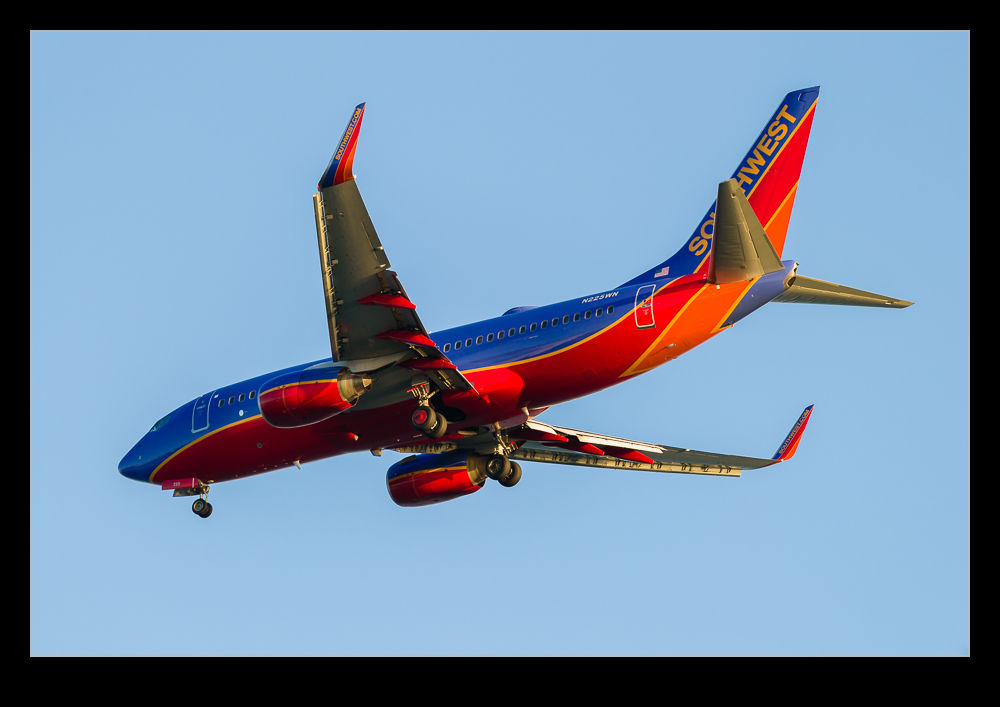
AU0E1708.jpgSFO controllers are known to make some late runway changes for the arriving aircraft. The two runways are very close together to the sidestep maneuver required is not too drastic but it is still not necessarily something the crews want to deal with. A Southwest 737 was on approach and passing near us on the shore when it apparently got the change instructions. We got a sudden topside view as it turned towards us followed by a reversal of bank as it straightened up on the new runway. Compared to the average arrival, this was quite a bit of excitement! Also, if you look closely, you can see another Southwest jet in the background that had just departed.

Korean 747-8 Again

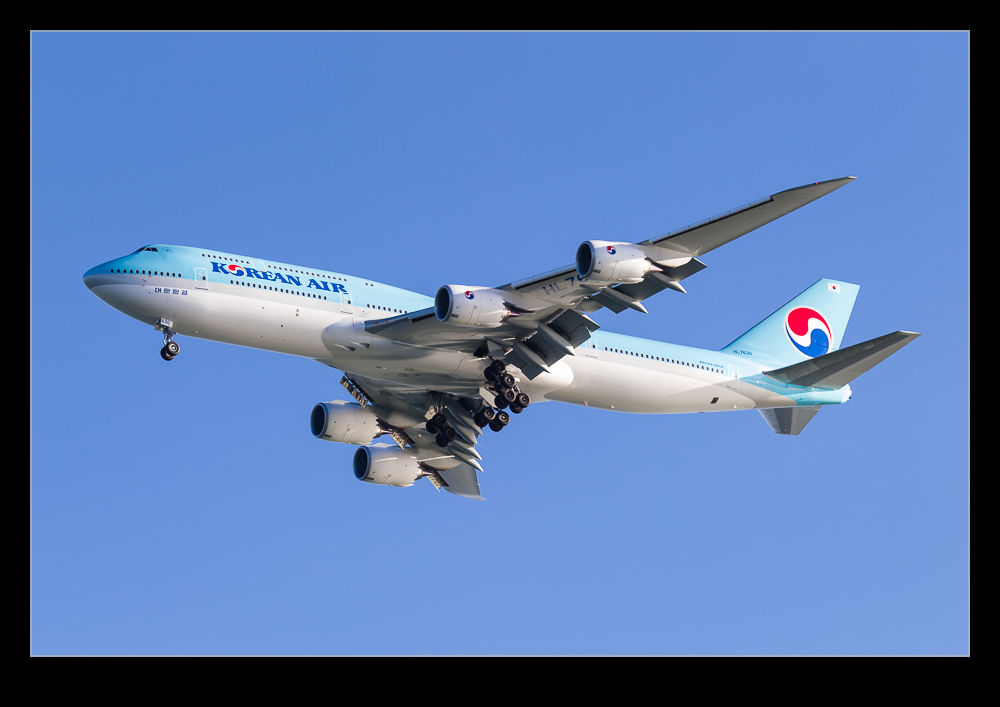
AU0E1648.jpgI nearly got myself late for an arrival when waiting for a Korean 747-8 a while back as I mentioned in this post. I thought at the time that it was silly to focus on the Korean jet since it would be showing up on a regular basis. Sure enough, I have seen them again since. This one I got at Coyote Point with some nice early morning light. The low light angle meant the underside of the jet got a lot of light and the plane seemed to glow to me as I was shooting it. A nice way to get this type again.

It’s Cold Up High

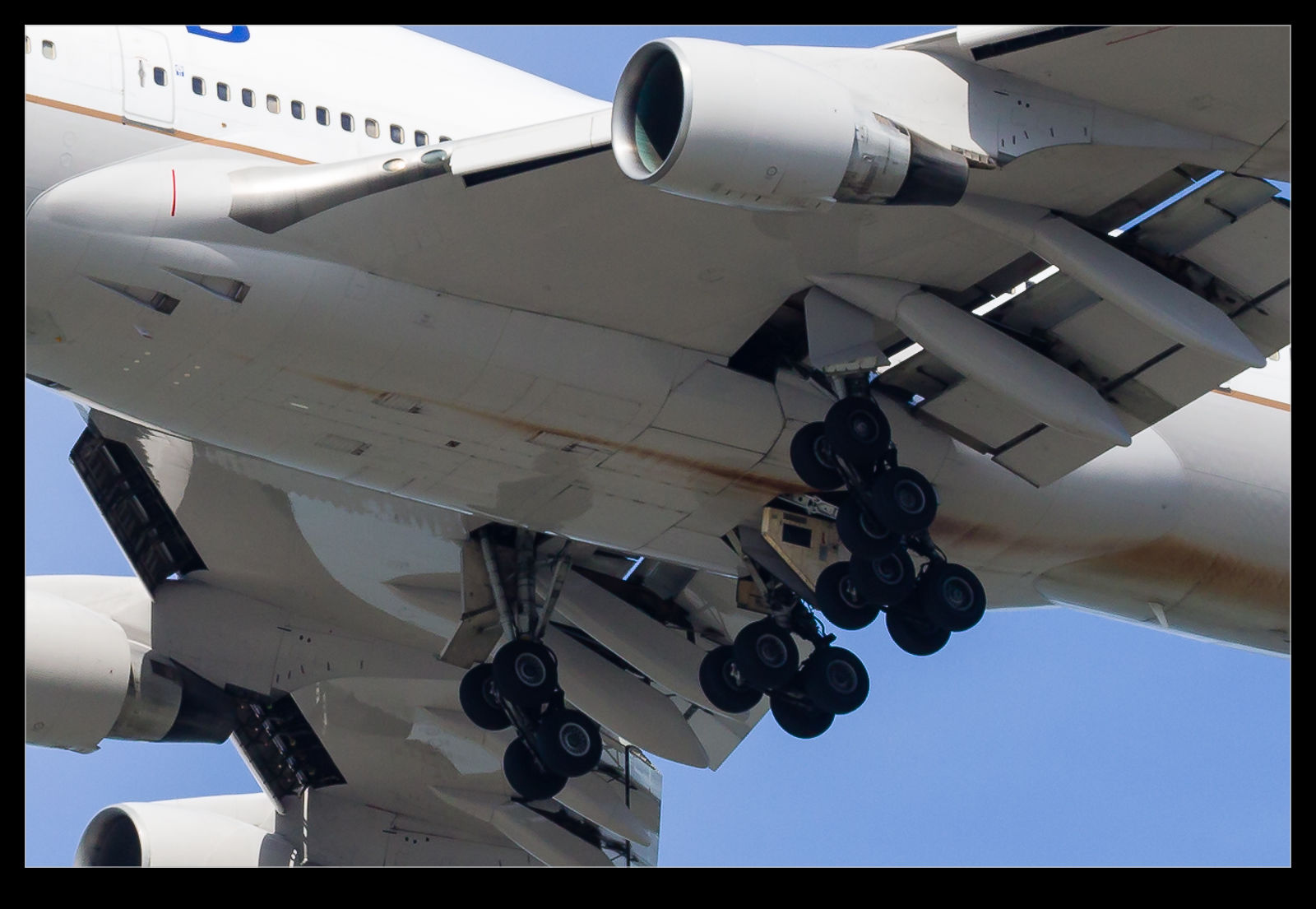
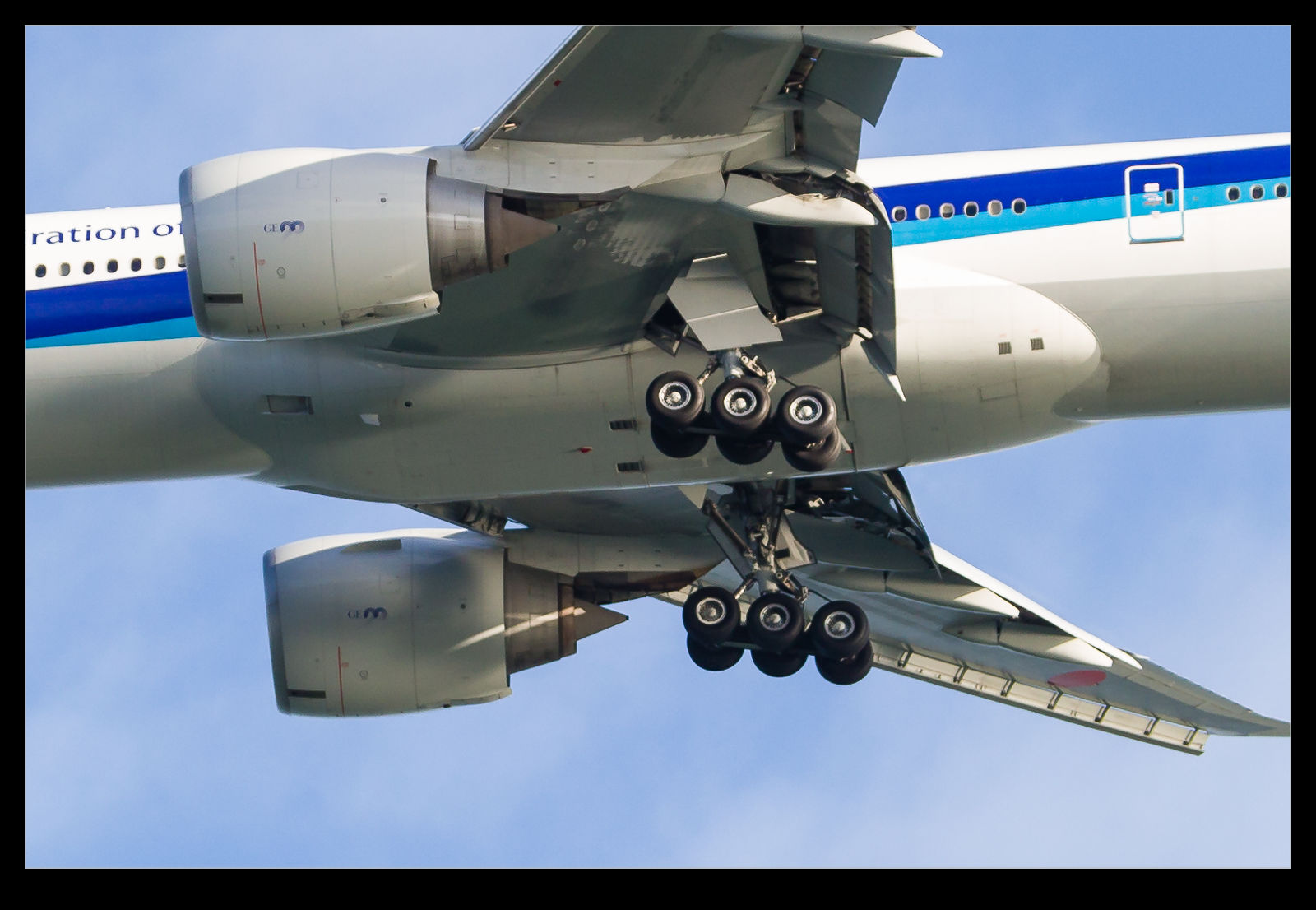
C59F7593.jpgOne element of shooting at Coyote Point that I particularly like is the way you can get a good view of the undersides of the jets as they come in. The long haul flights often have an added feature. The wing fuel is mostly burnt down by the time they land but there are reserves still in the tanks to cover unforeseen events. Many hours at altitude has chilled the fuel down nicely so, as the plane descends into the moist air over the bay, a nice frost forms on the underside of the wings where the fuel is still sitting.

AU0E1413.jpgI have seen this on various jets over the years so this post is a compilation. Some of these shots are recent and some are from older shoots. Rather than show the whole plane, these are focused on the areas where the frost forms. They give you a good idea of the internal structure of the various types involved.

AU0E1538.jpg

Early Morning Light at Coyote Point

AU0E0725.jpgEarly morning is not usually a good time to shoot anything at SFO. The sun is behind the planes as they come in so you don’t get a particularly appealing light angle. However, the middle of winter means the sun rises a long way south so, while it still starts out a bit behind things, it quickly moves to an angle that starts to work well. The planes end up with good lighting as they pass and the light on them as they head away can be very conducive to nice shots.

AU0E1376.jpgI was continuing my program of testing the 100-400 post the repairs it received at Canon. Coyote Point was a good place to start the day since it has better possibilities this early and it also allows for shooting down the approach path as the planes head to the runway. I also wanted to have a further go at multiple exposures to stack the images of the planes to make a composite of their flightpath. The early morning is also good because the relative humidity levels are up and the planes can trail some nice vortices.

AU0E0753.jpgAs the light angle comes around, it is still quite low in the sky. The result is some nice lighting on the underside of the airframe – something that is not normally something that you get. Rather than the warm glow you get with a setting sun, the light seemed a lot crisper and cleaner and I really liked the way the planes looked.

AU0E0975.jpg