Tag Archives: airliner

Trailing Static Cones

For the people that don’t care for my aviation posts, this one won’t be of interest.  For the aviation fans that don’t care about the techie stuff, this will also be of limited interest.  That probably leaves a very small group of readers by now (Gary, I am trusting you are still here).  This is about a piece of flight test instrumentation that often causes questions when people see it.  It is the trailing static cone.

The aircraft has sensors that measure air data, two of the most important of which are the pitot probe and the static port.  The pitot probe measures the dynamic pressure of the air which increases as the speed increases.  The static port measures the air around the aircraft.  The difference between the two is used to determine the speed of the aircraft and the static is used to determine the altitude.  These are both vital information for a pilot.  However, the aircraft affects the flow of the air around it so, while you can calculate what the pressures should be, you need to validate what the actual readings are.  The first flights are carried out prior to calibrating the system so you need to have a bit of margin in the speeds you use until you have confidence in the readings.

Measuring static pressure is hard to do.  The plane will have a static port on the skin of the plane as well as possibly incorporated with the pitot head.  However, the air has accelerated to go around the fuselage so it is assumed to have a lower pressure than ambient.  Because the plane is disturbing the flow, you need a way to measure the pressure some distance away from the plane.  The answer is a trailing static cone.

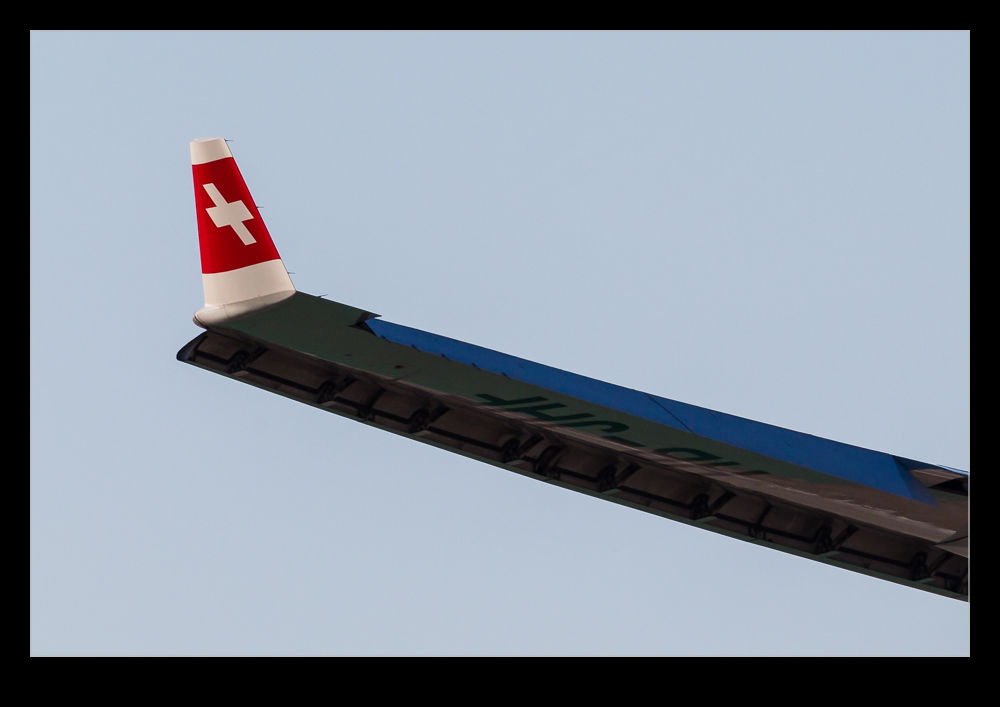
This cone incorporates pressure measurement sensors and it attached to a long cable.  This is held on a reel inside the aircraft and fed out of the aircraft at the rear.  For airliners, this is usually through a modification to the top of the fin.  A comparison between the test aircraft and a production jet will show the different structure.  The cable dangles out of the fin and, as the speed increases, the cone pulls the cable taught and streams backwards.

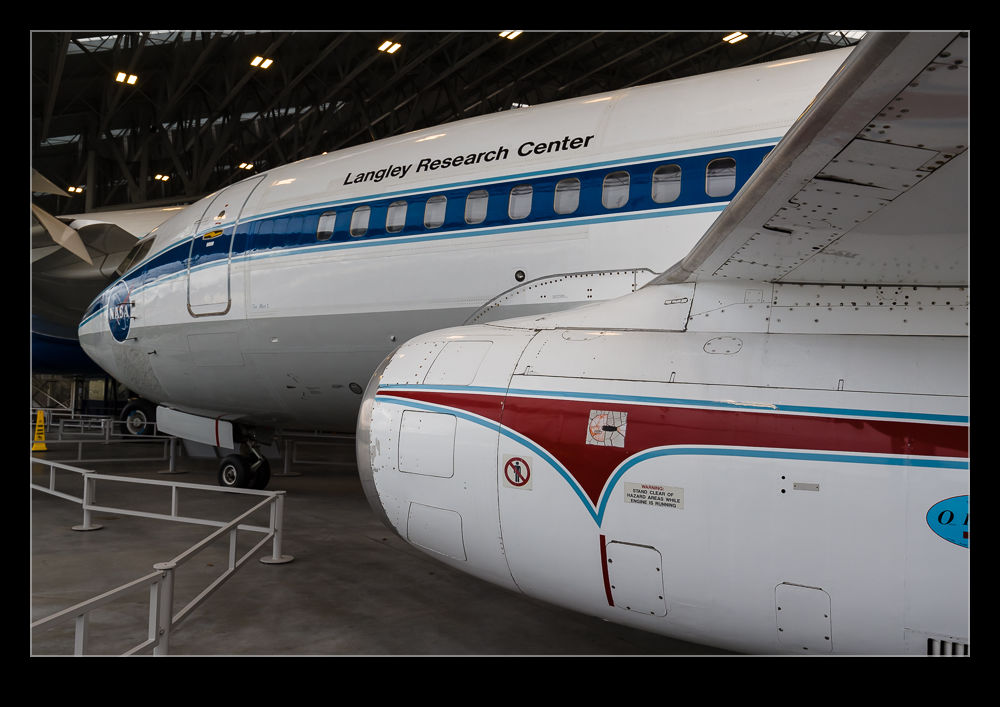
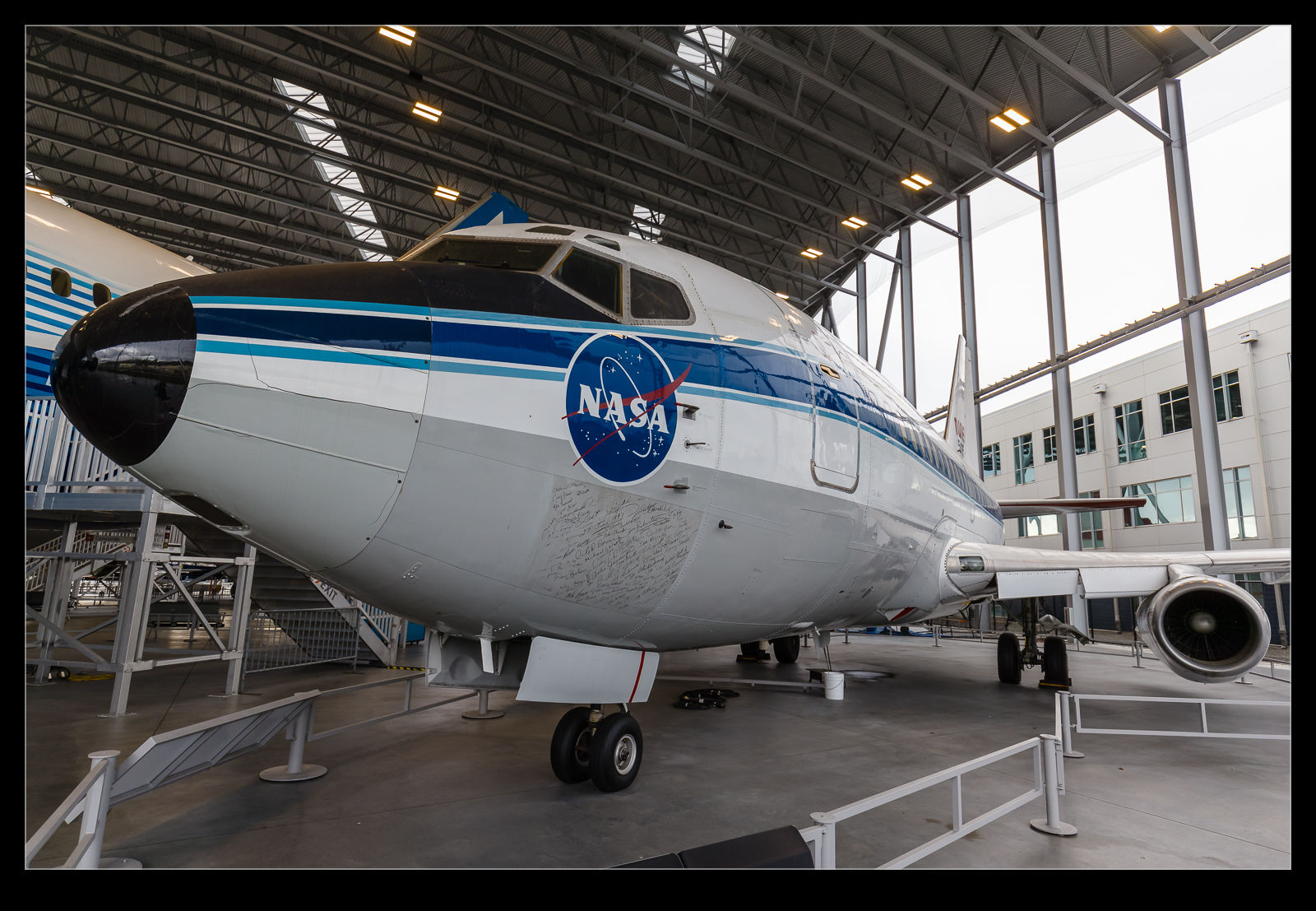
When the testing is required, the cable is winched out and the cone is a long way behind the aircraft in what is relatively undisturbed airflow.  If you go to the Museum of Flight, the prototype 747 is on display and it includes the trailing cone equipment in the fuselage.  The reel is shown in its mounting location and the trailing cone is hung inside to allow you to take a look at it.

Korean Air Dreamliner on Test

I had a couple of encounters with the same jet while it was on test.  (It’s brake dust already showed up in this post.)  This 787-9 is, by now, part of the Korean Air fleet.  I saw it depart from Paine Field one evening in pleasant light.  The low sun angle really brought out the shape of the underside of the wing in a way that normally you just don’t get to appreciate.  It showed up a second time while I was out to get the farewell flight of the Delta 747 which I wrote about here.  It came in at a similar time and the wet weather helped to make the pale blue color scheme pop a bit more.

One More Chance With Virgin’s A340s

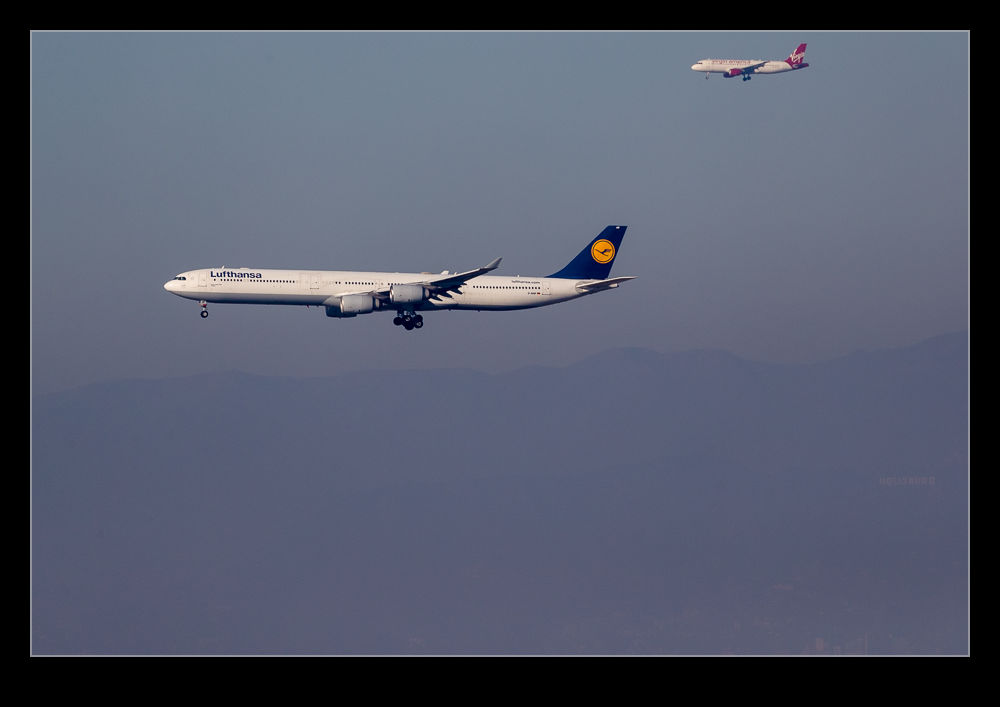
Substitutions on the Seattle route are not just limited to Lufthansa.  Virgin Atlantic has been flying the route with the 787-9 but, as with a lot of the Rolls Dreamliner operators, Virgin has been suffering from engine shortages while the blade cracking problems are dealt with.  They have brought the A340-600 on to the route in the interim.  I thought I wouldn’t be seeing these again after the last examples at SFO I saw but I got another chance.  Not great light but it was good to see one more time.

Lufthansa Retro Jet

Lufthansa have painted up one of their 747-8I jets in a livery that is based on their old color scheme.  Until recently, the Seattle route was being flown with a 747-400 so I didn’t anticipate the chance to see it.  Then, in the aftermath of the Air Berlin bankruptcy, Lufthansa deployed some 747s on domestic services to bolster capacity.  This meant some 747-400s were pulled from routes and the 747-8I was subbed on to Seattle.  I was down there on a crummy day to get the IL-76 and the special jet was due in.  I figured I couldn’t miss it, even if the conditions weren’t great.  The light was not great as it came down the approach but the shot from behind as it got to the threshold was a bit better.

Qatar Cargo Recycles the Seahawks 747-8F

Boeing announced the sale of a couple of 747-8F freighters to Qatar Cargo and then immediately delivered one of them.  I was confused at the time as I thought it would be a while before the deliveries took place, but it turned out that they had sold a couple of jets that had been previously built but had not been delivered.  The second of the jets was recently in flight test.  This jet is quite well known as Boeing had painted it up in Seattle Seahawks colors for a Super Bowl appearance and then for a few follow up flights.  Now it has been repainted and, when I shot it one weekend afternoon, it was close to being ready for delivery.

Cargo Conversion 737-700

Alaska’s cargo operation has used 737-400 freighters for a while.  They are now the launch customer for a cargo conversion of the 737-700.  I read about them taking delivery of the first aircraft but wasn’t too focused on seeing one.  I almost ignored this departure since SeaTac has a steady stream of Alaska 737s.  I did decide to shoot it though when something about it looked different.  Sure enough, it was the cargo conversion.  A lack of windows and the cargo markings set it apart.

Smoky Brake Dust on a New 787

This Korean Air 787-9 Dreamliner is seen taking off one Saturday afternoon from Paine Field on a production flight test.  It was lightly loaded so it was off the ground pretty rapidly and was already cleaning up the gear as it came toward me.  The wheels are braked before the gear comes up to stop them spinning before they enter the bay.  This can result in a burst of brake dust that blows clear in the slipstream and the shadow of the brake dust showed up clearly.  As they continued the climb out, they actually lowered the gear again.  I think this was to cool the brakes given they had done a high-speed taxi run prior to the takeoff.

Xiamen Airlines

Since moving to Seattle, I have seen an airline that I had never heard of before Xiamen Airlines is a Chinese airline but their livery looks a lot like Kuwait Airlines and that was what I initially thought it was when I first saw one.  Since then I have seen a few in the air and now recognize them.  It’s not the most exciting scheme in service but I guess I recognize it now so that must have some value.

Delta Bids Farewell to the QOTS

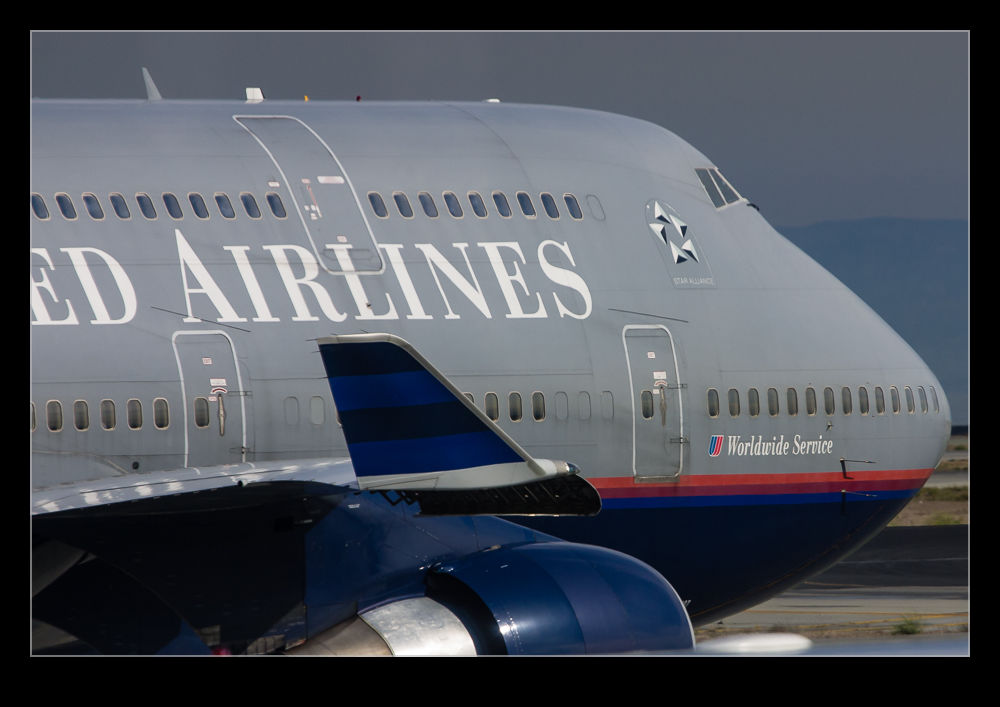
The disappearance of the 747 from the world’s airline fleets continues apace.  The most recent company to bid the Queen of the Skies farewell is Delta.  Delta did operate 747s in the early days but its current fleet was acquired as a result of the takeover of Northwest.  Northwest has operated plenty of 747s over the years and was the launch operator of the 747-400.  They continued to operate older generation freighters for a number of years too.

Delta carried out a farewell tour for the type and it included a visit to Seattle.  Prior to going to SeaTac, the plane stopped off at Everett, the place where it, and every 747 before or since, was built.  It was a dismal day with low cloud and rain.  The plane emerged from the clag on final approach and zipped low over the threshold to touch down before reversing thrust in a cloud of spray.  It parked up at the Boeing facility next to the Future of Flight Museum where it stayed for a few hours before heading to SeaTac.

Here are a few shots of the Northwest/Delta aircraft I have photographed along with the farewell tour jet as it landed at Everett.

The Sun is Setting! Too Late…

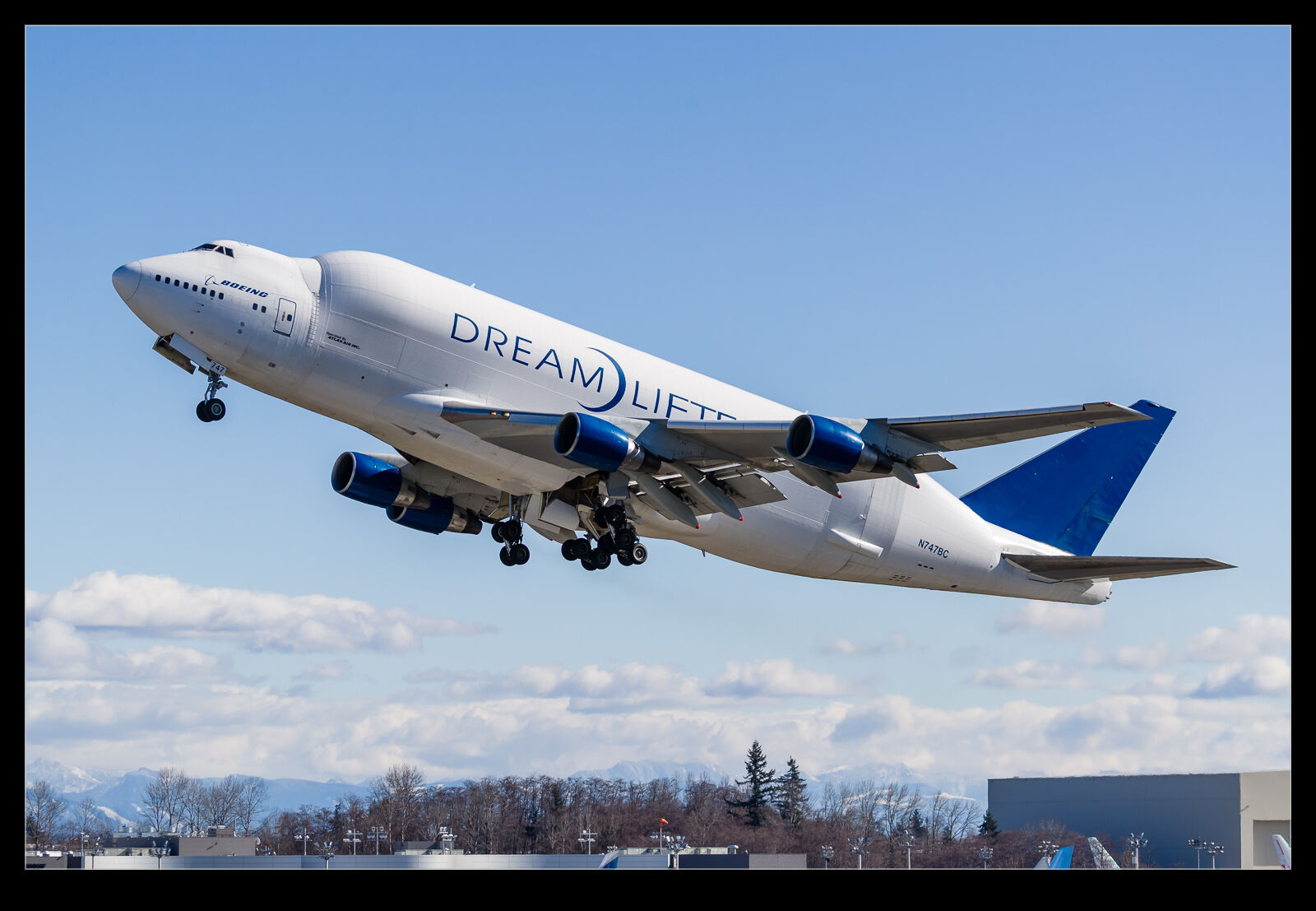
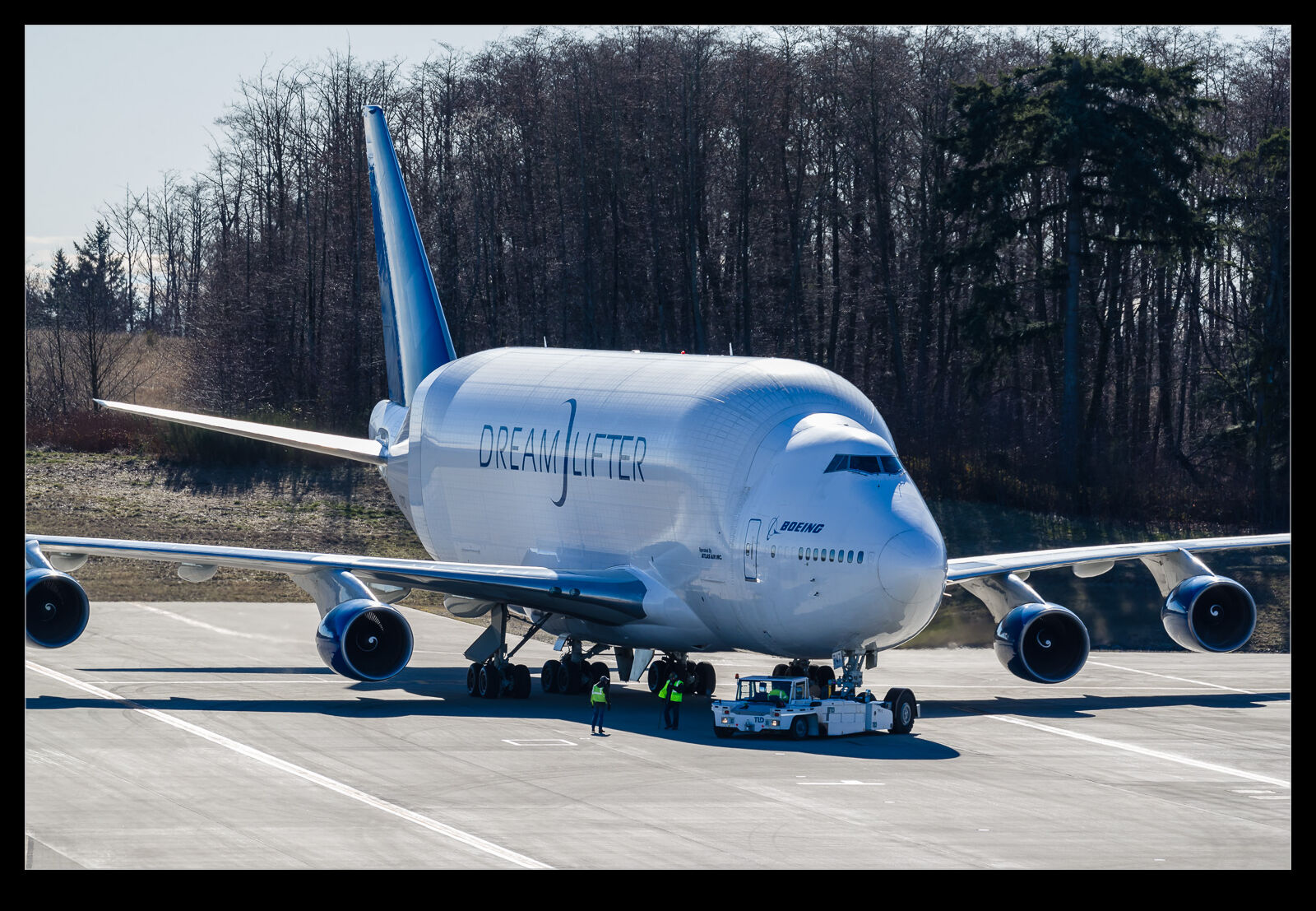
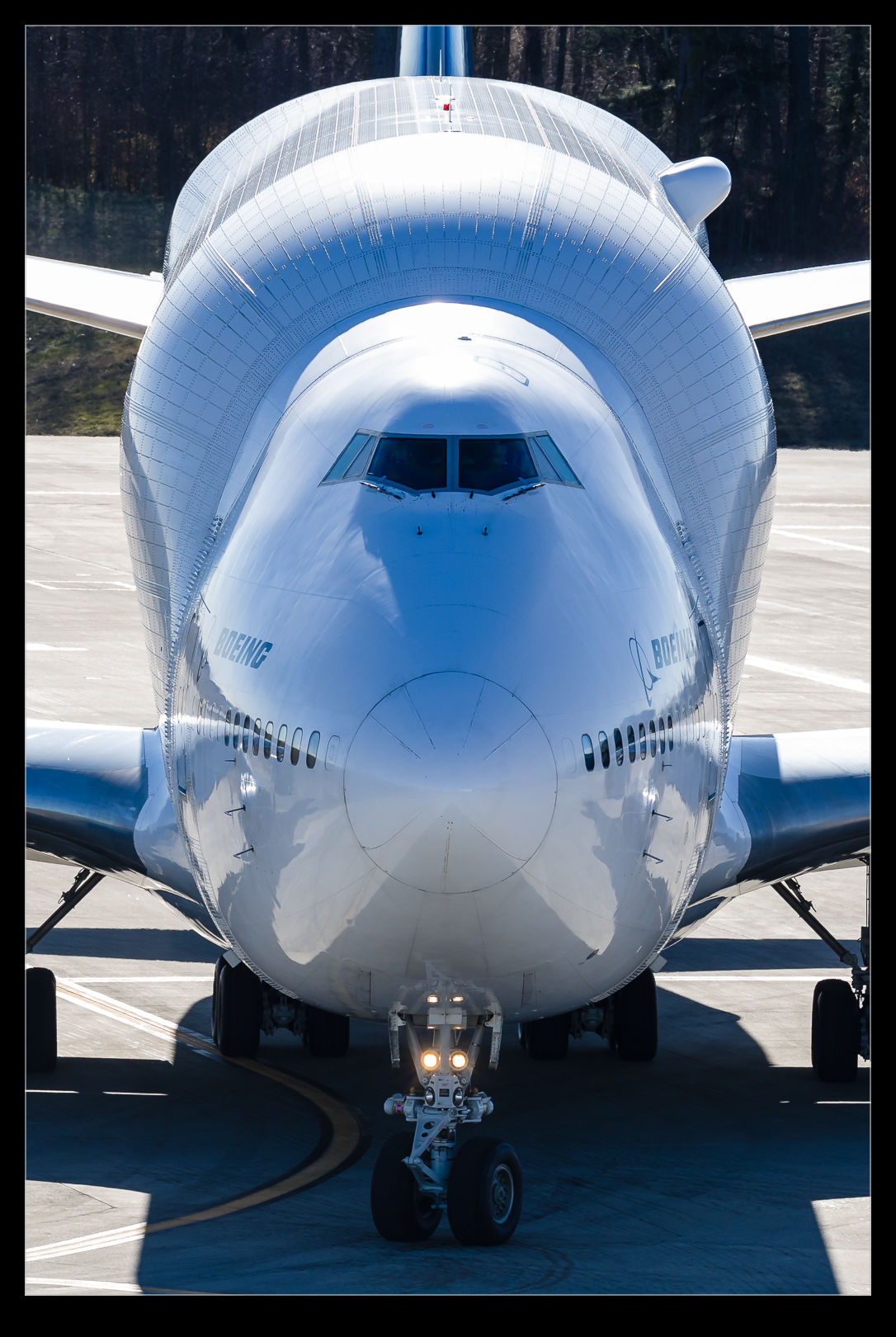
The Thai delivery flight I wrote about in this post went out in lovely light.  It was due to be followed by a Dreamlifter flight to Nagoya.  That is a long leg so means a heavy jet which should use a good amount of the runway.  The scheduled departure time meant it should be just before sundown.  They didn’t start on time, though, and the light was beginning to fade.  A bit of cloud on the horizon meant that sunset was going to be okay but the light was going to go before that.  Meanwhile, once the jet called up, they advised the tower that they needed to burn down a bit of fuel to get to the required takeoff weight.  Great, not what was needed!

By the time they were ready to go, the light was gone.  However, I had waited long enough so I figured I wasn’t giving up now (although I was now getting pretty cold!).  The ISO was being ramped up rapidly as I had to keep assessing the conditions while I waited and it got steadily darker.  Finally, they called for departure and lined up.  Looking up the runway over the ridge, I could see the jet approaching.  Something interesting was making the plane look very squashed!  Once it got over the ridge, they rotated and got airborne very close to me.  Everything was very flat but at least it was something different to shoot.