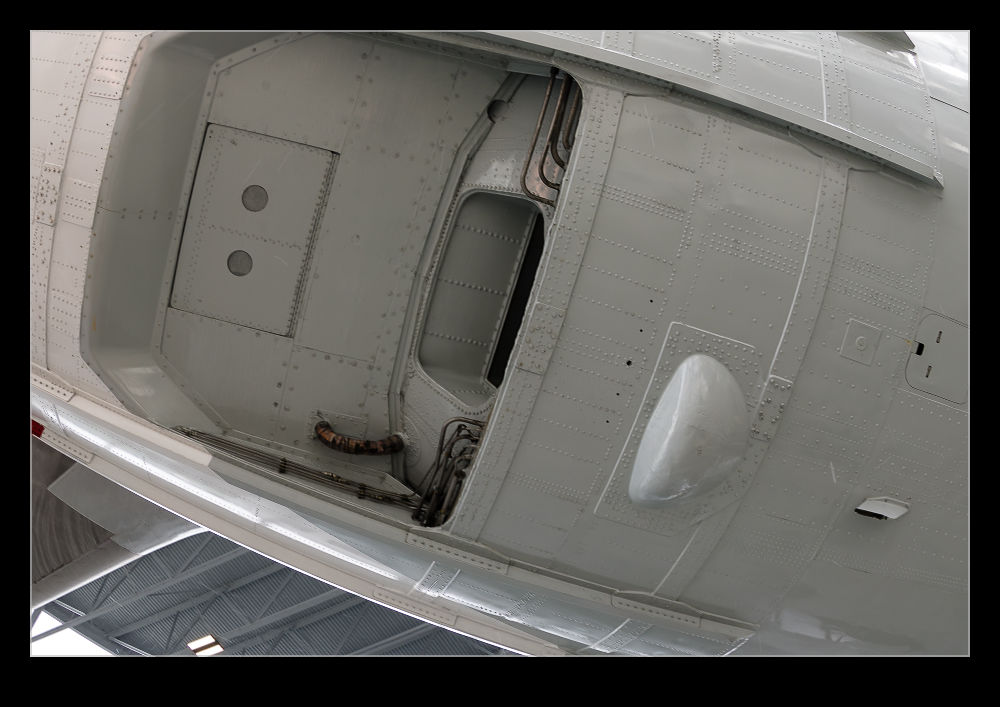
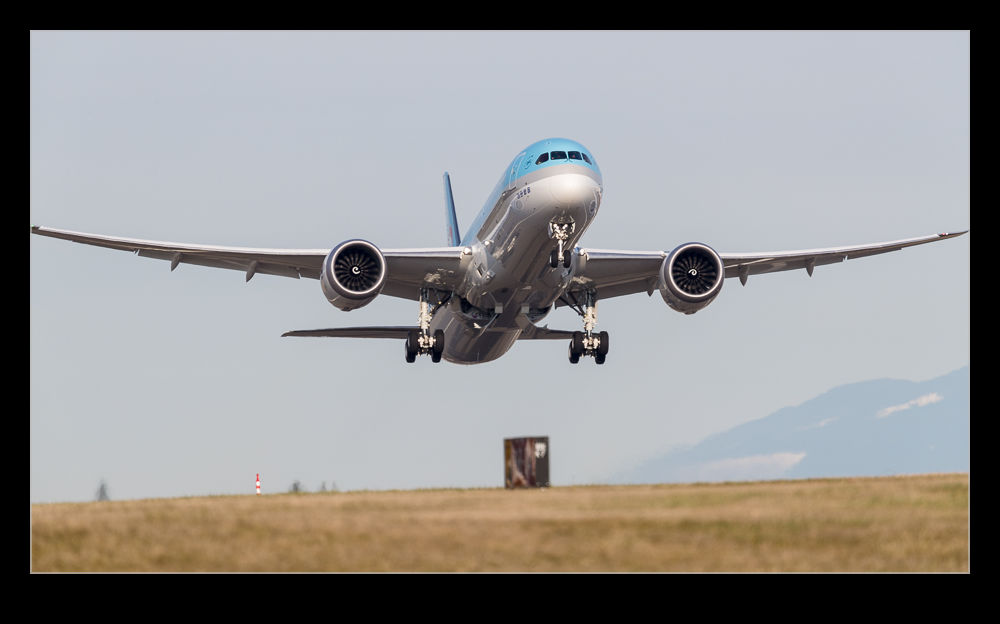
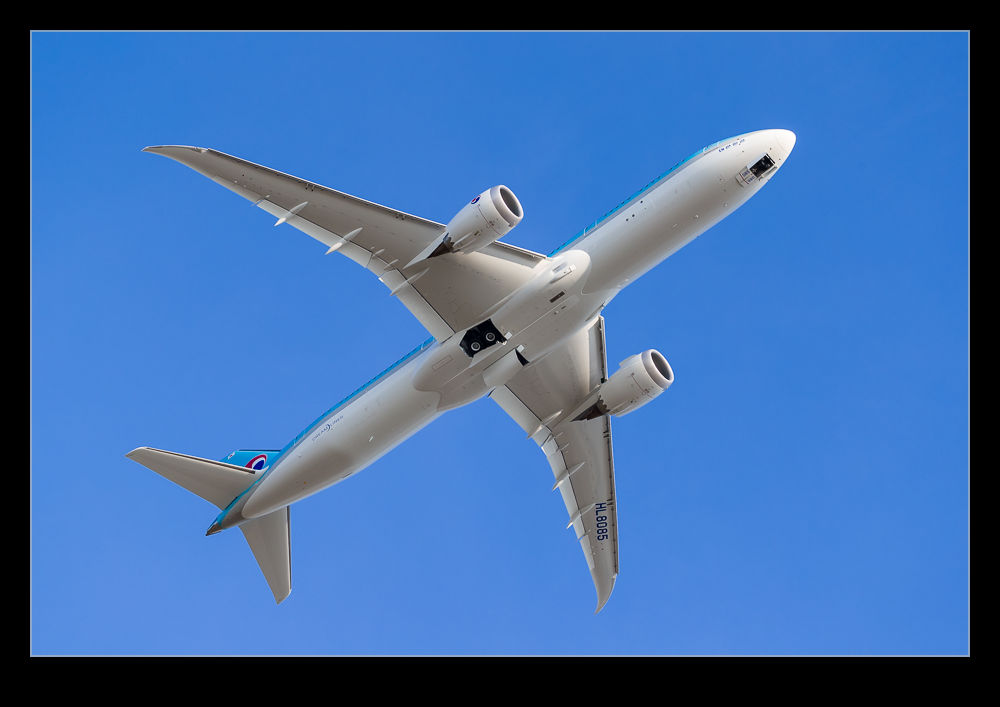
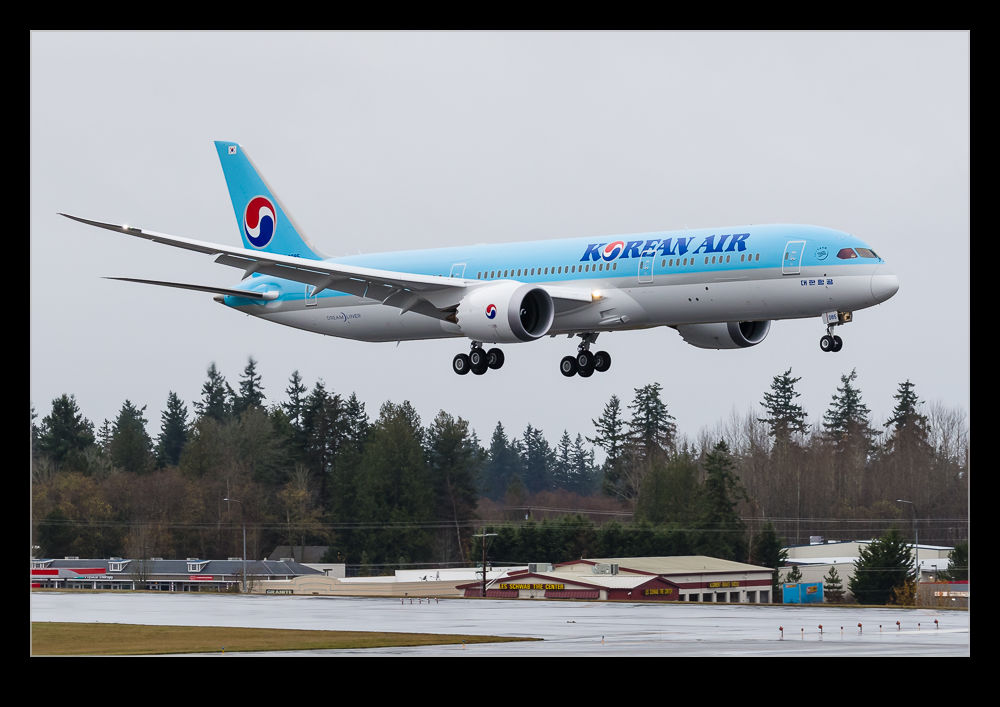
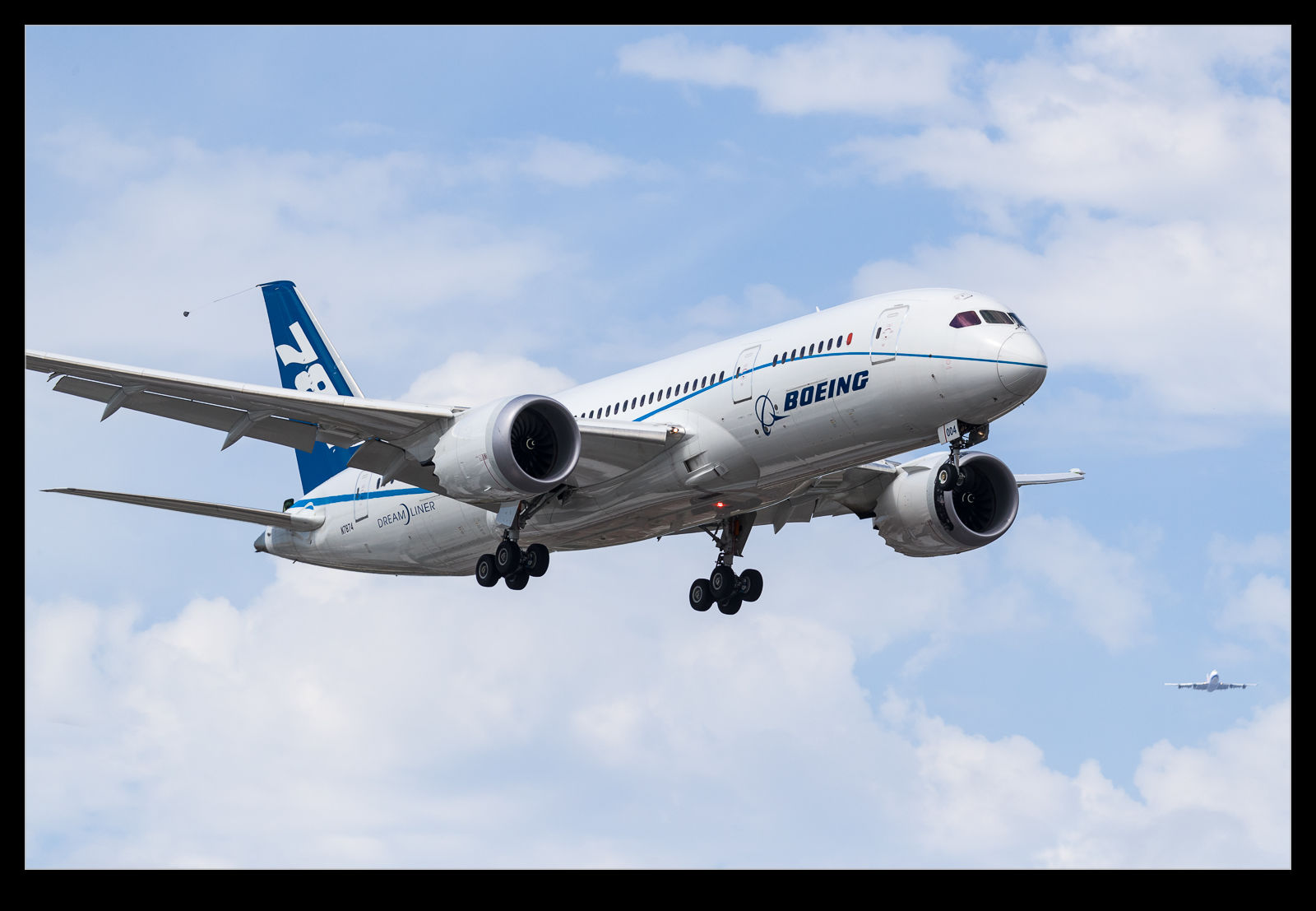
 For the people that don’t care for my aviation posts, this one won’t be of interest. For the aviation fans that don’t care about the techie stuff, this will also be of limited interest. That probably leaves a very small group of readers by now (Gary, I am trusting you are still here). This is about a piece of flight test instrumentation that often causes questions when people see it. It is the trailing static cone.
 The aircraft has sensors that measure air data, two of the most important of which are the pitot probe and the static port. The pitot probe measures the dynamic pressure of the air which increases as the speed increases. The static port measures the air around the aircraft. The difference between the two is used to determine the speed of the aircraft and the static is used to determine the altitude. These are both vital information for a pilot. However, the aircraft affects the flow of the air around it so, while you can calculate what the pressures should be, you need to validate what the actual readings are. The first flights are carried out prior to calibrating the system so you need to have a bit of margin in the speeds you use until you have confidence in the readings.
 Measuring static pressure is hard to do. The plane will have a static port on the skin of the plane as well as possibly incorporated with the pitot head. However, the air has accelerated to go around the fuselage so it is assumed to have a lower pressure than ambient. Because the plane is disturbing the flow, you need a way to measure the pressure some distance away from the plane. The answer is a trailing static cone.
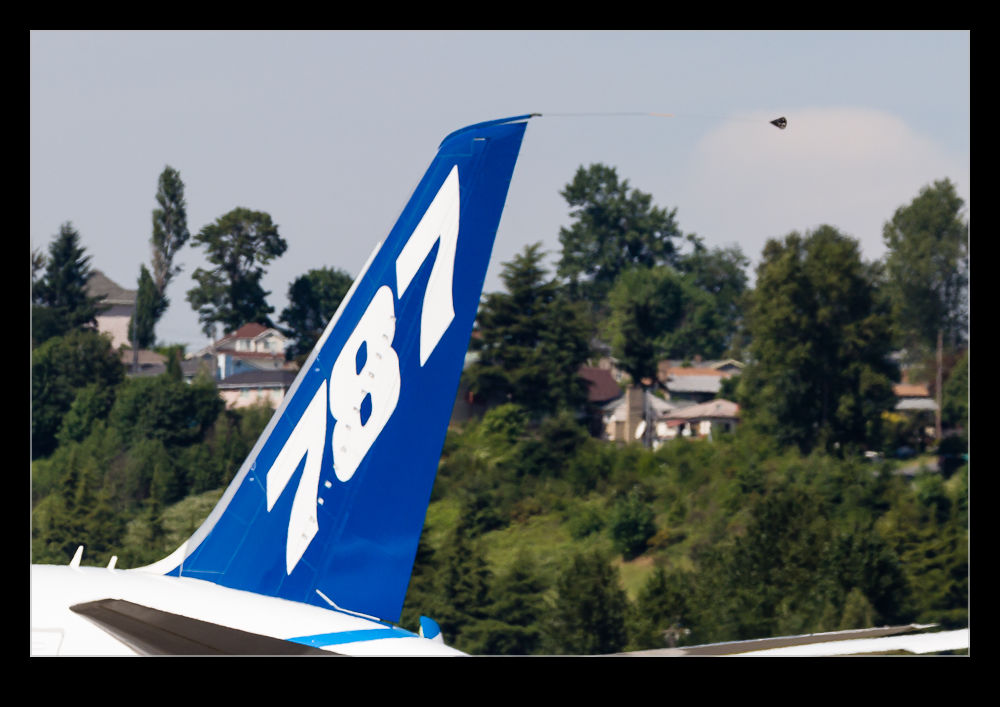
 This cone incorporates pressure measurement sensors and it attached to a long cable. This is held on a reel inside the aircraft and fed out of the aircraft at the rear. For airliners, this is usually through a modification to the top of the fin. A comparison between the test aircraft and a production jet will show the different structure. The cable dangles out of the fin and, as the speed increases, the cone pulls the cable taught and streams backwards.
 When the testing is required, the cable is winched out and the cone is a long way behind the aircraft in what is relatively undisturbed airflow. If you go to the Museum of Flight, the prototype 747 is on display and it includes the trailing cone equipment in the fuselage. The reel is shown in its mounting location and the trailing cone is hung inside to allow you to take a look at it.
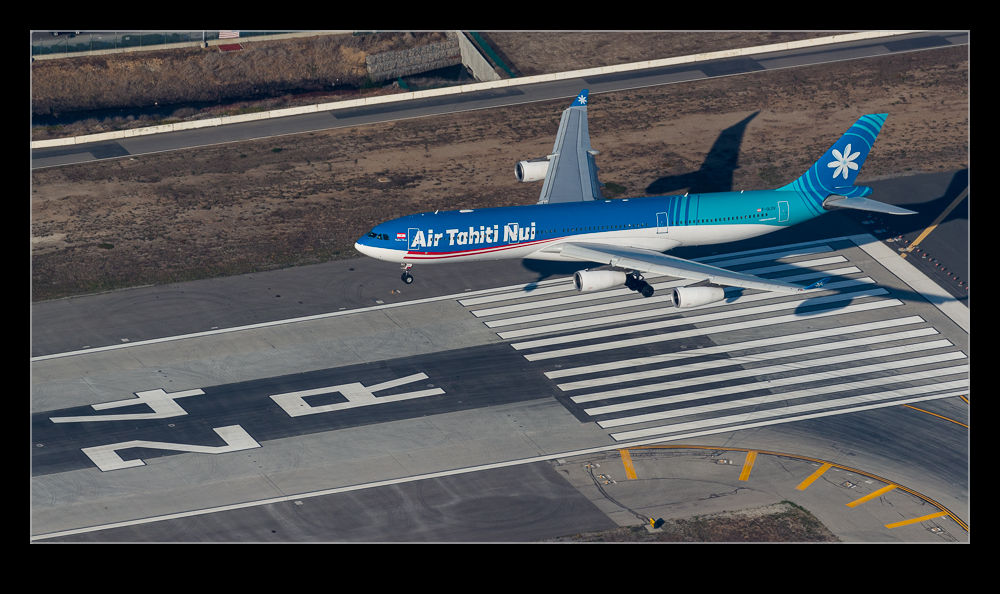 A favorite airline of mine is Air Tahiti Nui. I have never flown with them but they have a colorful livery and they still fly Airbus A340-300s so they get points from me on two fronts. The only place I ever get to see them is at LAX. Normally they operate off the southern runway complex and I saw a couple on the ground while I was there on a recent trip. While I was doing my flight over the airport to photograph operations, I knew the timing was right for one of their flights to come in. However, things were pretty busy that day and we were reluctant to move over to the southside to get them arriving as we feared we might not get back into the center area to shoot arrivals on the northside again.
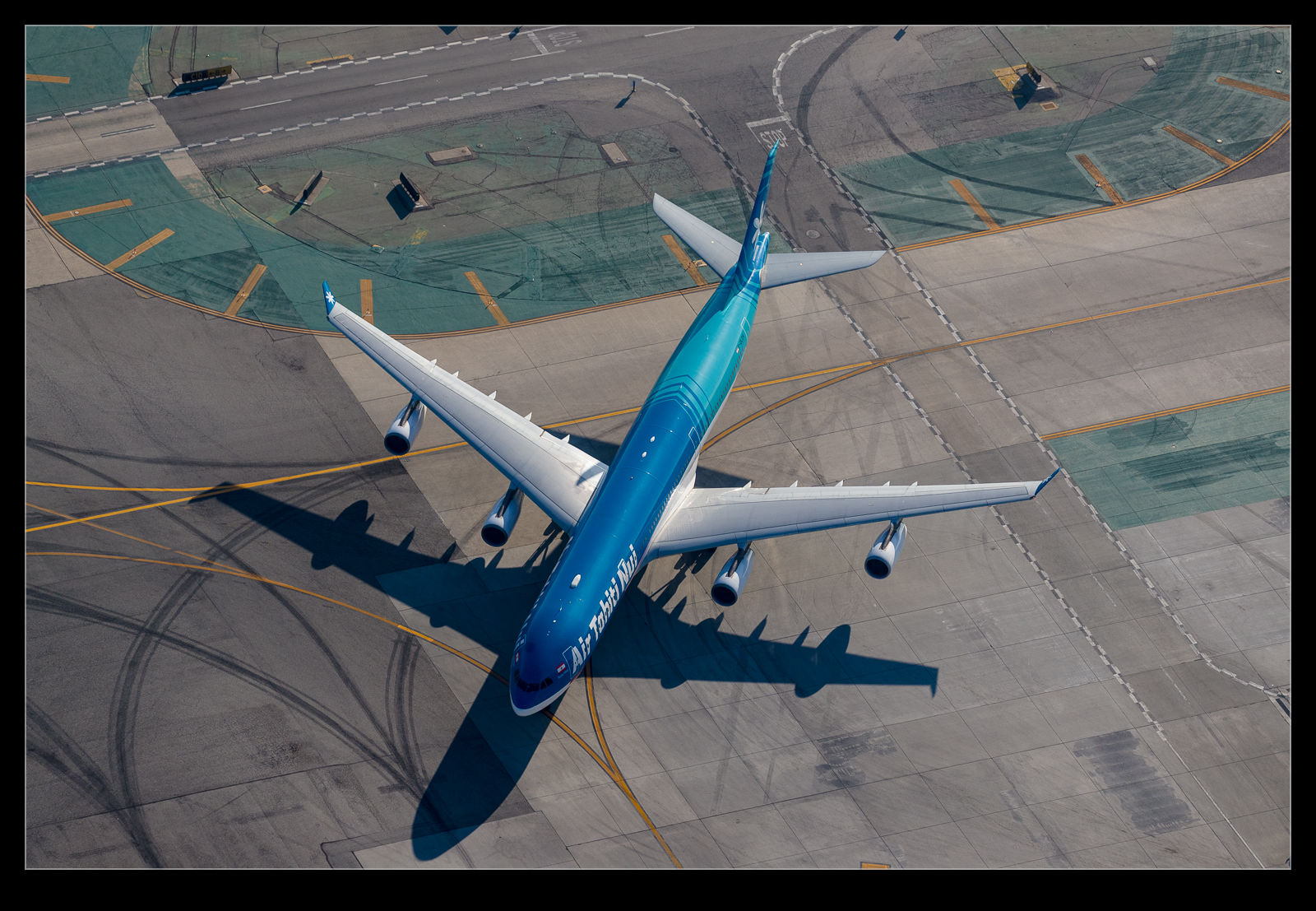 I was resigned to not getting them when my lucked took a very positive turn. For some reason, and I don’t know what it was, the controllers brought them in to the north runways. They came to me! I didn’t have to do anything to reposition and I hadn’t even been aware at first that they were coming that side. Needless to say, when they appeared on final, I was pretty stoked. I imagine these jets will be replaced before too long so I was delighted to get these shots of them airborne.