 In September 1990, I started work at what was then British Aerospace at Warton in Lancashire. I was part of the aerodynamics department so couldn’t have been happier fresh out of an aeronautical engineering degree. The walk from our office to the staff canteen could be done along the road but, why do that when you can cut through the hangars. 2 Hangar was the easiest route and also happened to be the location where the front fuselages for the Eurofighter were being assembled.
 The programme went through a reworking as the German government considered its continued role post the end of the Cold War, but it did end up continuing even if one of the prototypes was deleted and the others got renamed. The first two planes were P01 and P02 which were German and British respectively. They became DA1 and DA2. DA2 made its first flight while I was away on a project, but I got to see it fly shortly after I returned.
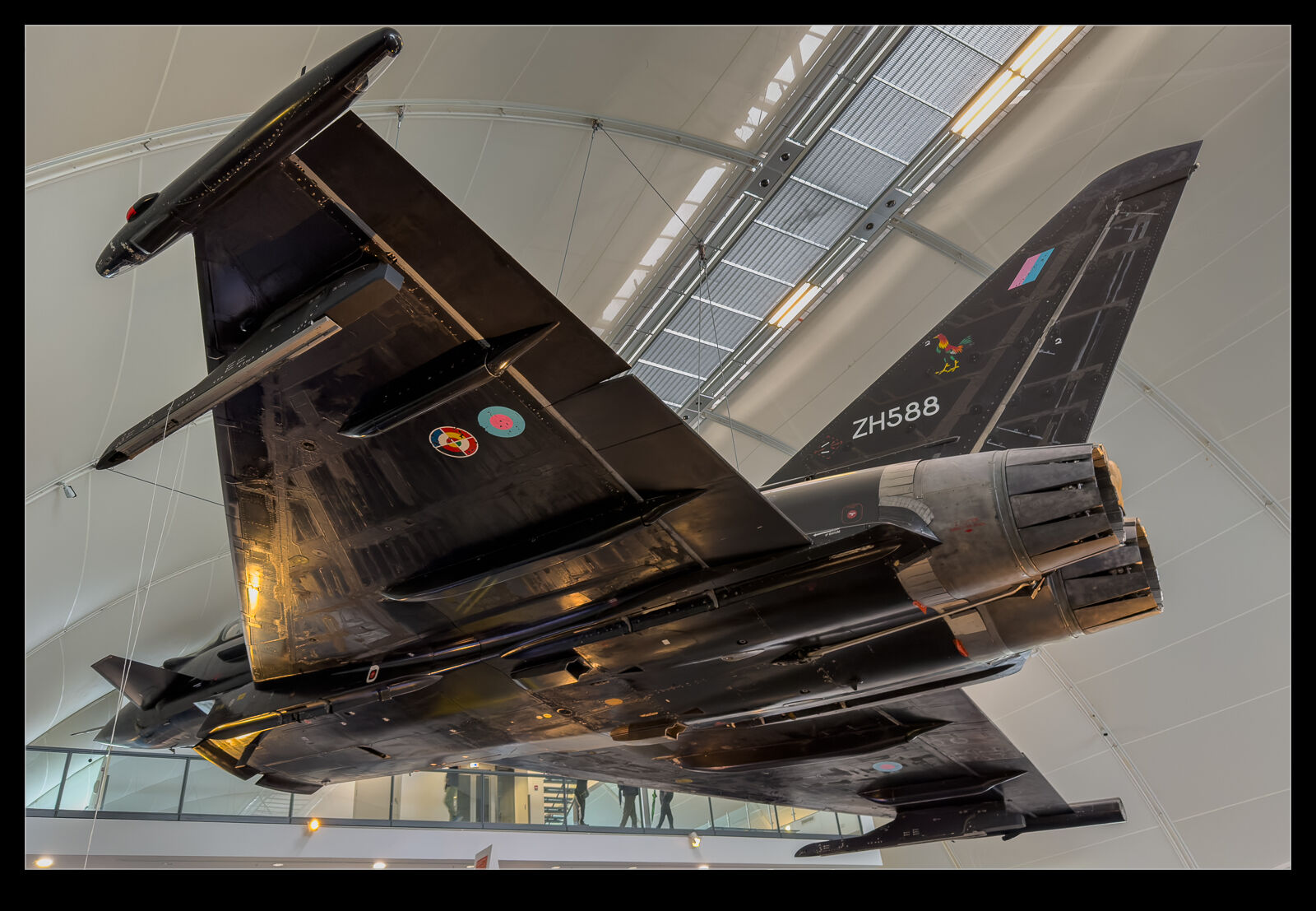
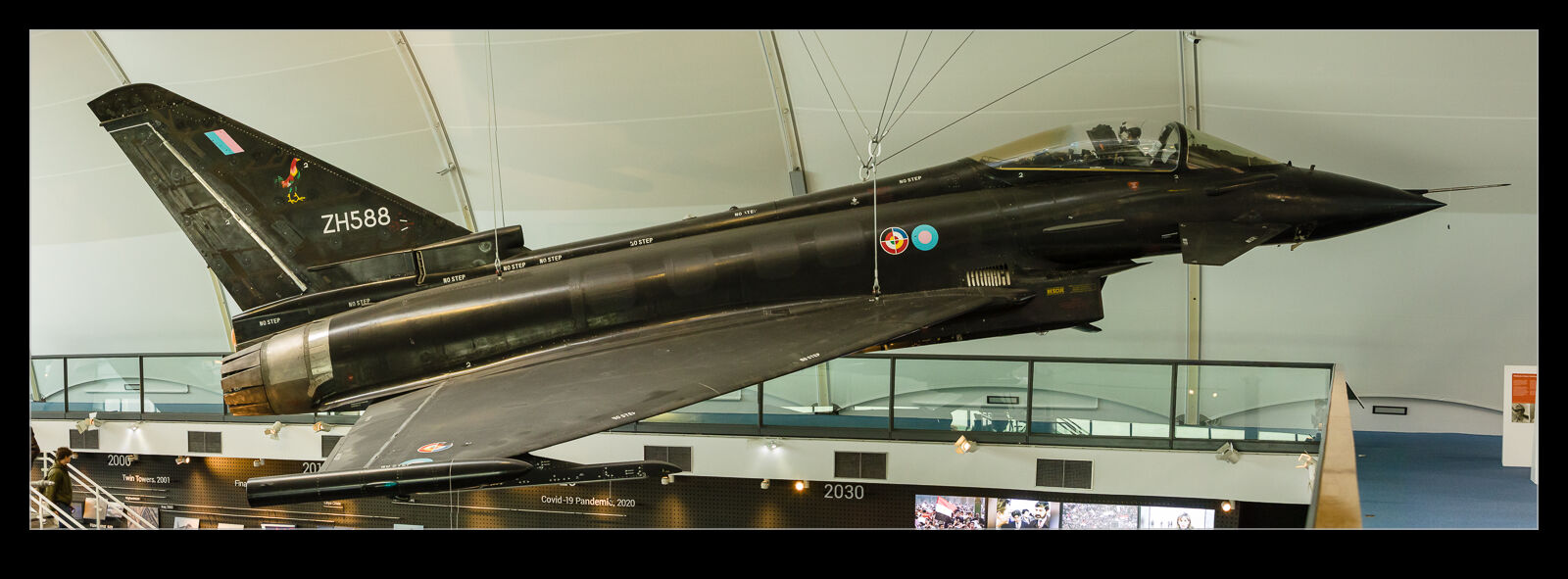 I then got to see it fly a lot over the coming years. Initially it was in a grey paint scheme but, when it had the pressure mapping sensors fitted, it was painted black overall. I recall there was a justification for this, but I always felt it was because the initial Rafale had been painted black and looked really cool.
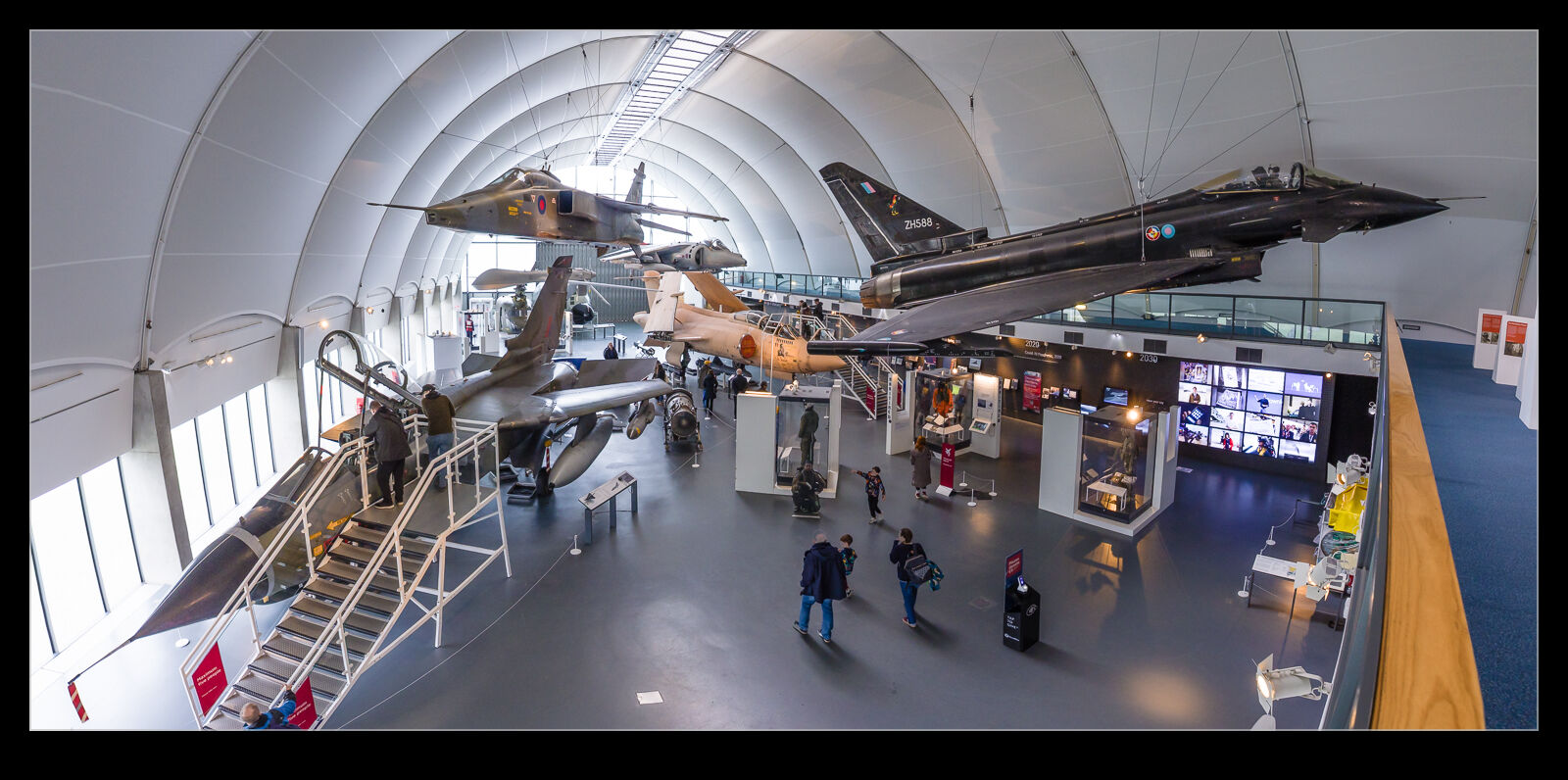
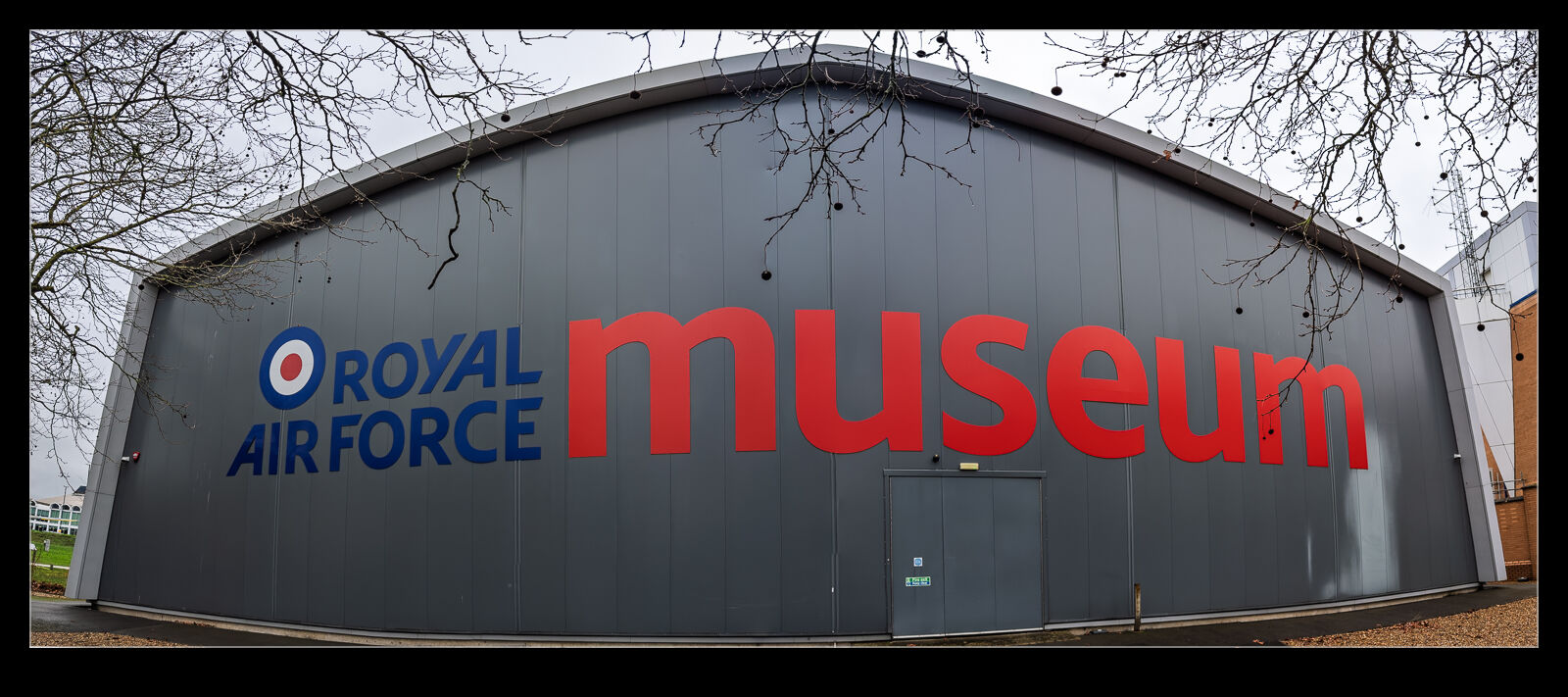
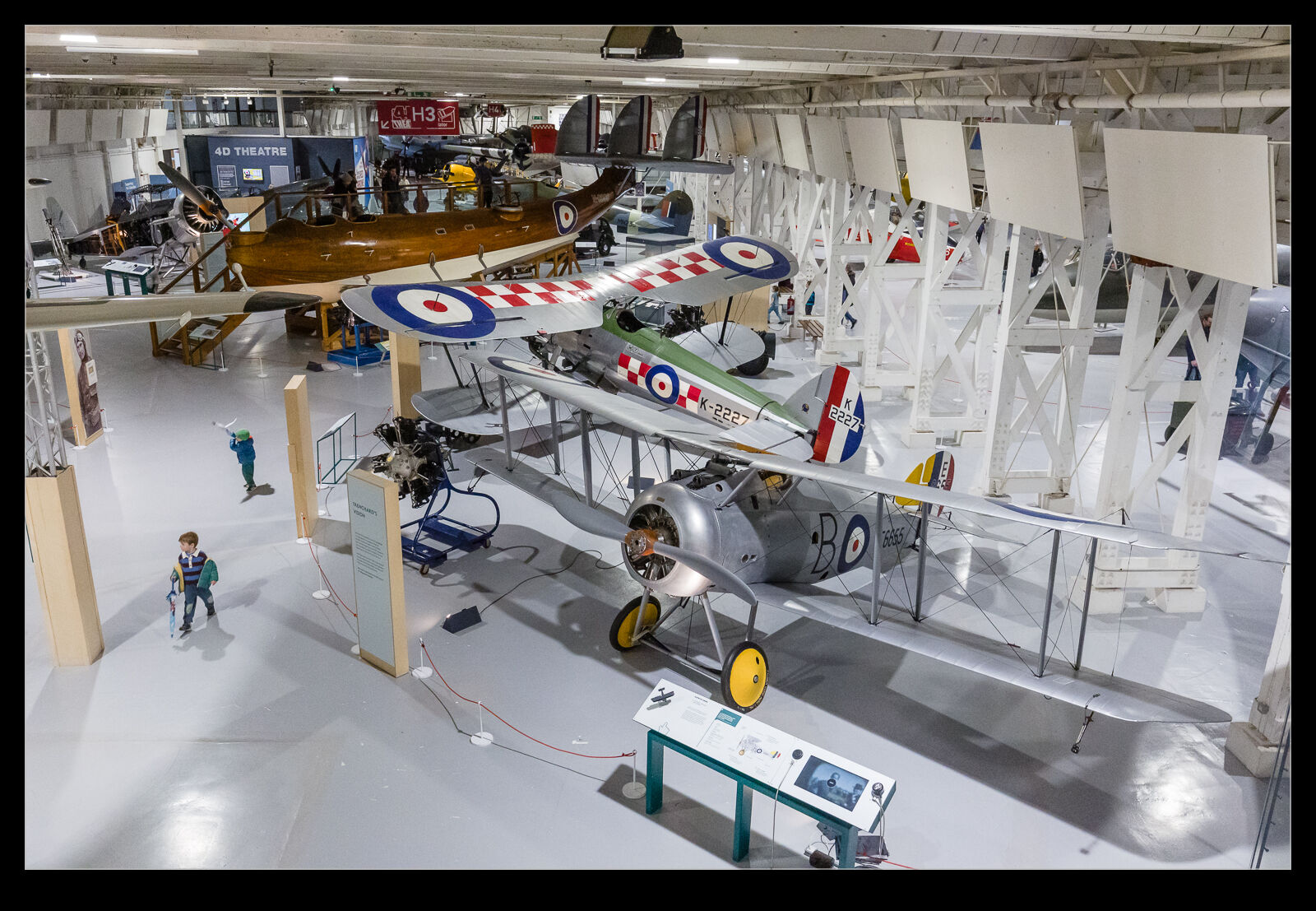
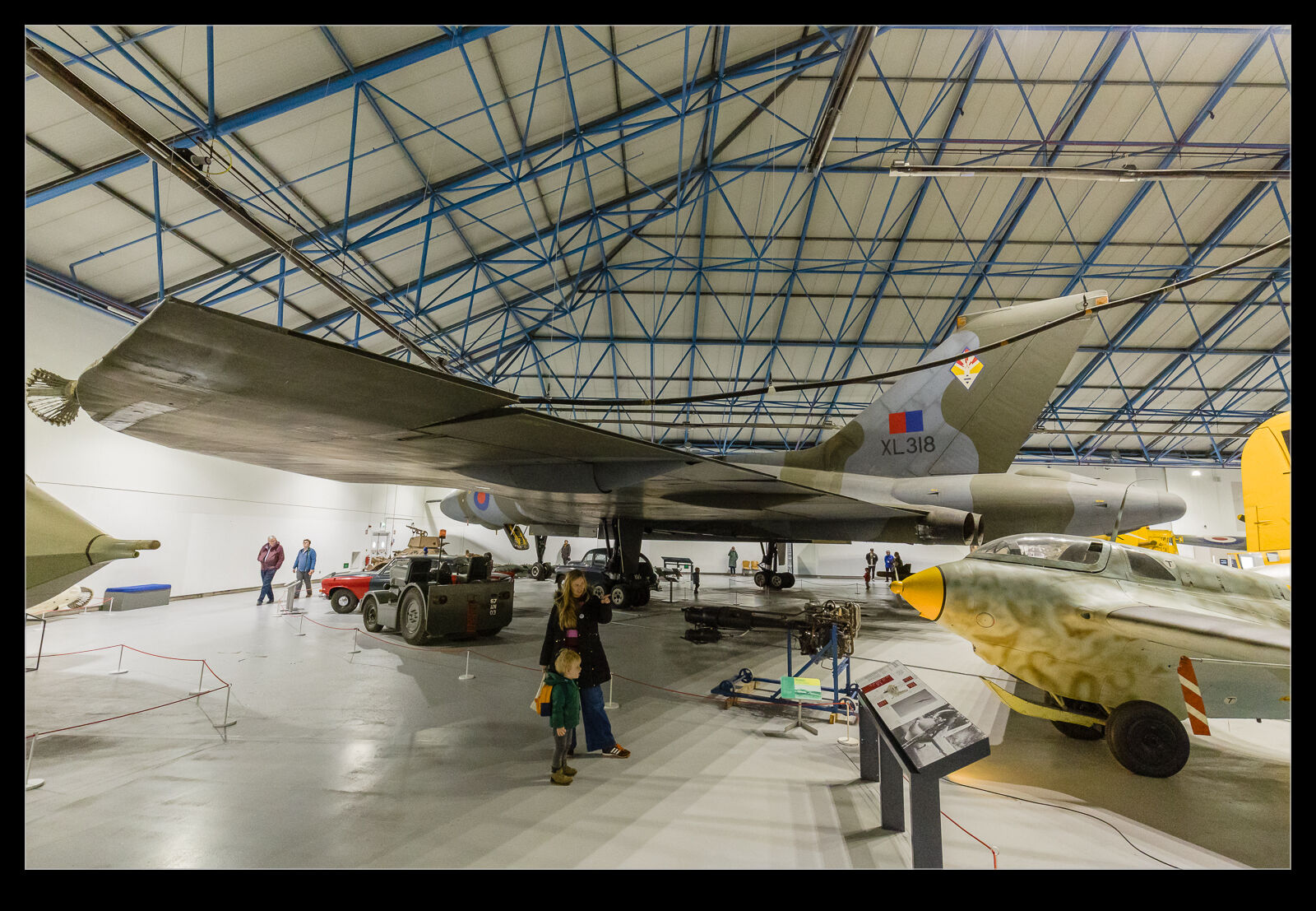
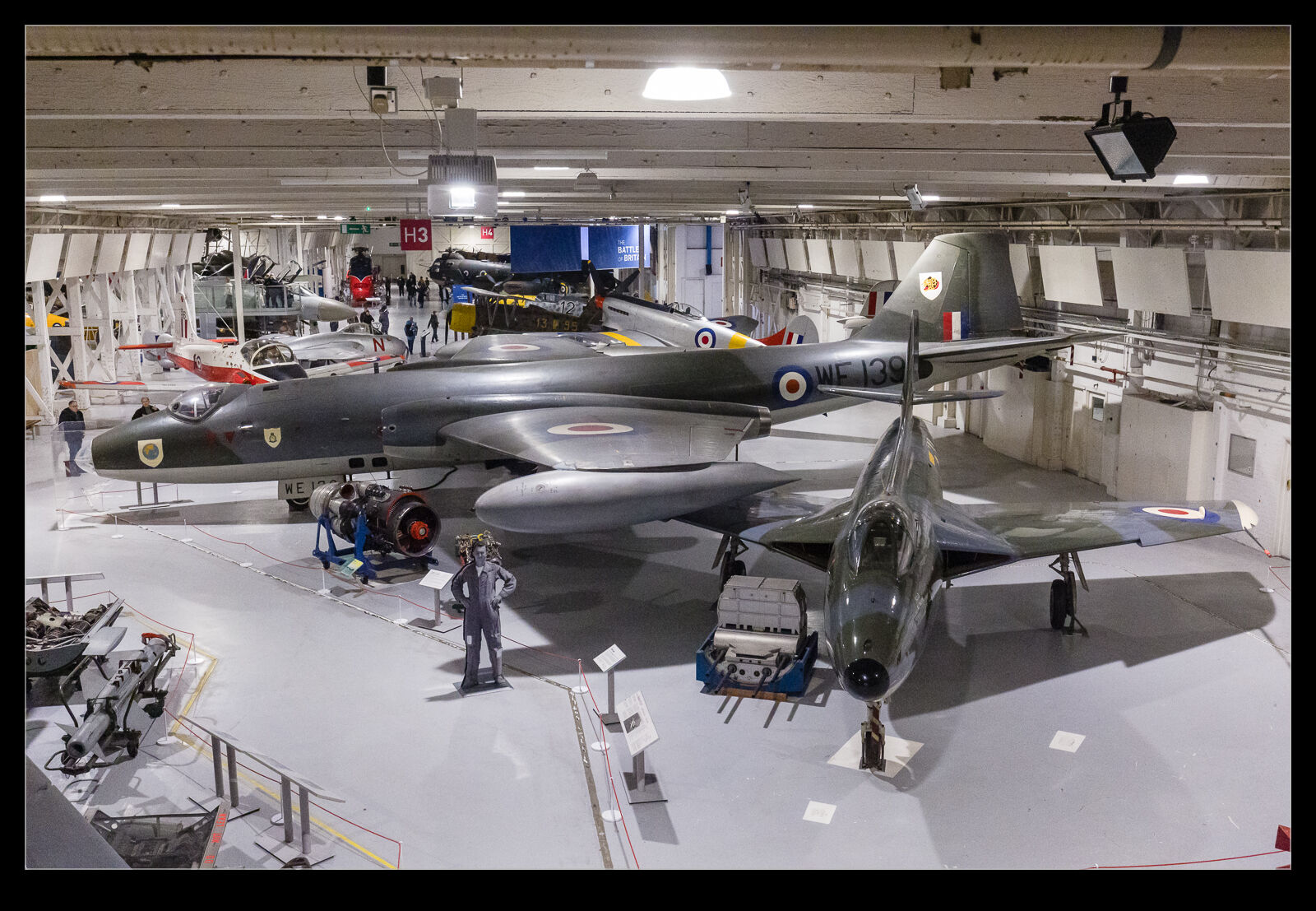
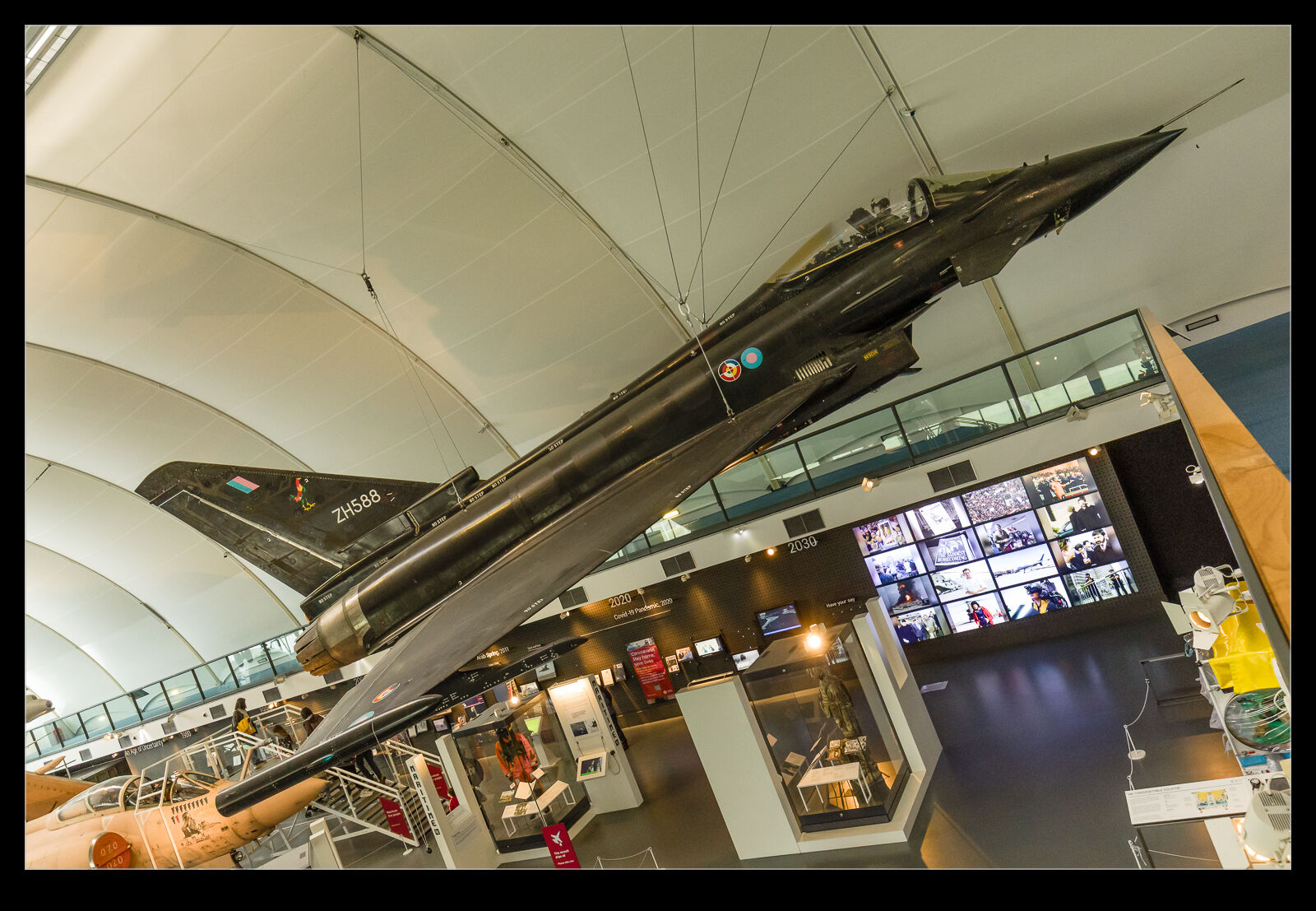
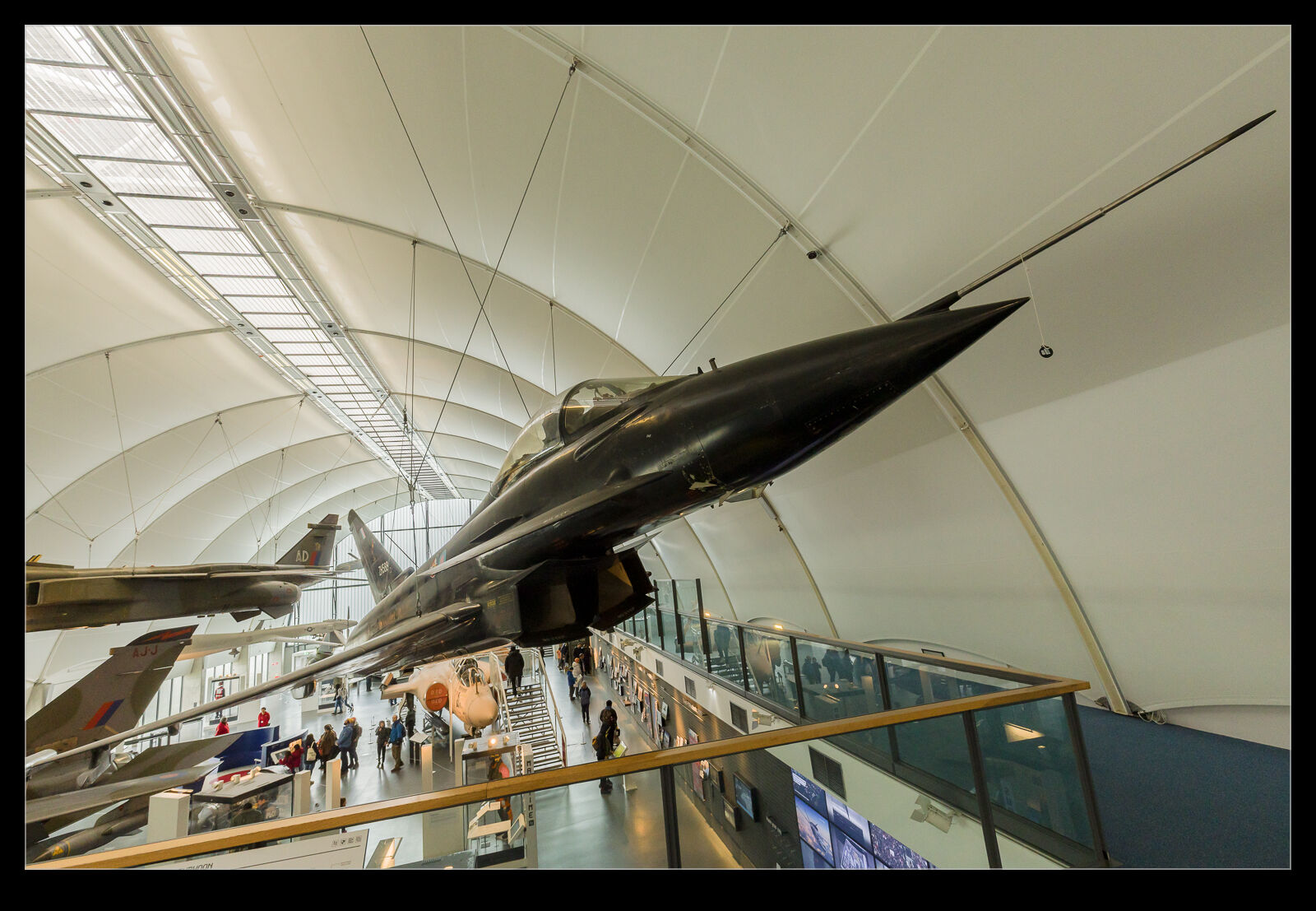 Military aircraft prototypes don’t usually have a long life. Usually, the development programme means that they are quite different from the final article and so not a useful platform for continued development. As instrumented versions of the production aircraft come online, the prototypes are superfluous. That was the case for DA2, and it found its way into the RAF Museum’s collection at Hendon. It is suspended from the roof of one of the hangars. This makes for a dynamic pose rather than just standing on its gear. However, it is a bit more limiting from getting angles on it.
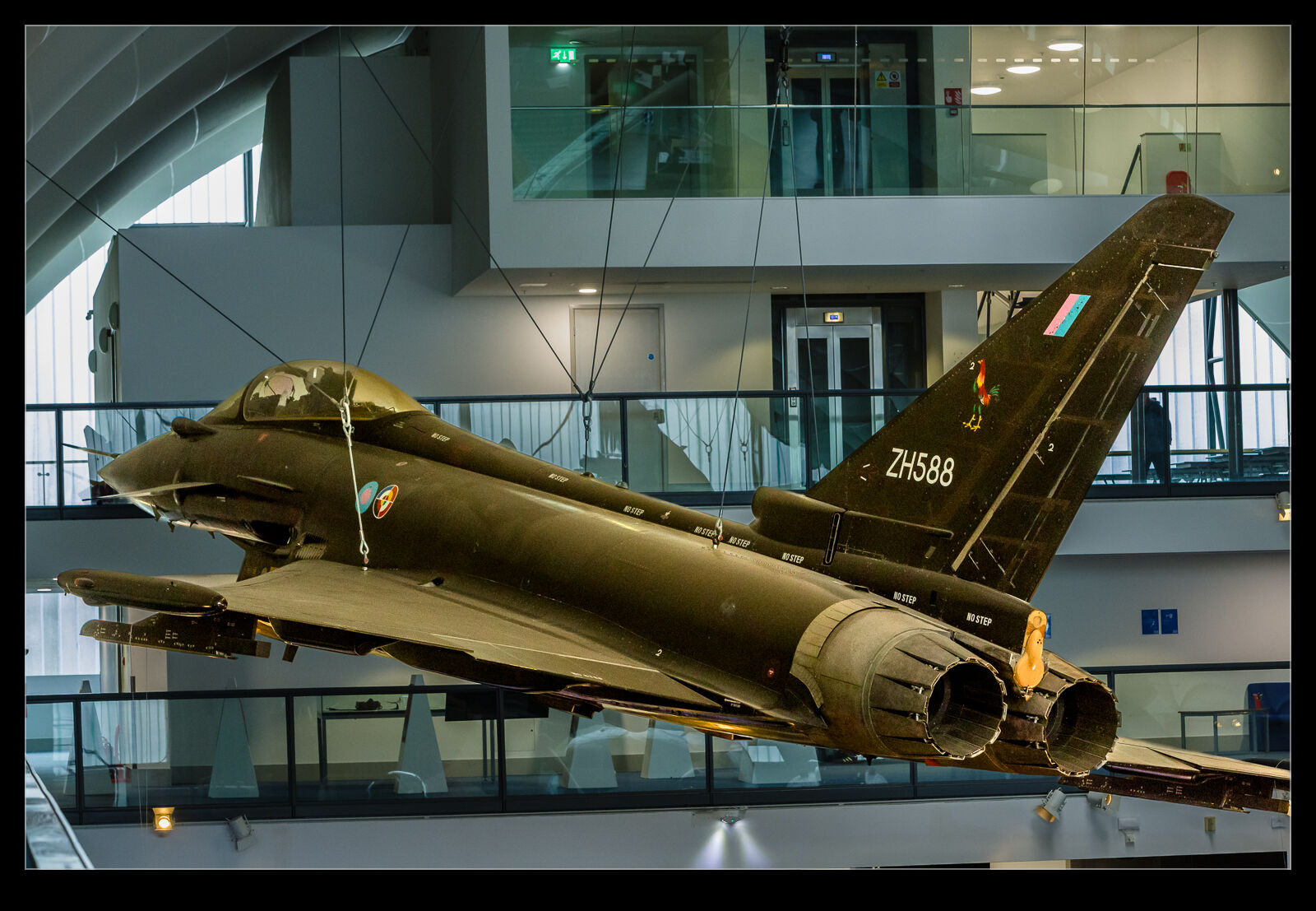 Thankfully, the museum has a couple of balconies at that end of the hangar that you can access so you can try a variety of different positions to get a shot. There is always a problem with a black painted aircraft when photographing it indoors. The light is a bit limited and the backgrounds are quite bright compared to the subject. Definitely some challenges with taking the images and then processing them to show what you want without making it look wrong. Then again, that’s part of the fun, I guess. It was fun being reunited with a plane that I haven’t seen for a very long time, and I am glad that it has found a home that means many people can get to enjoy it too.
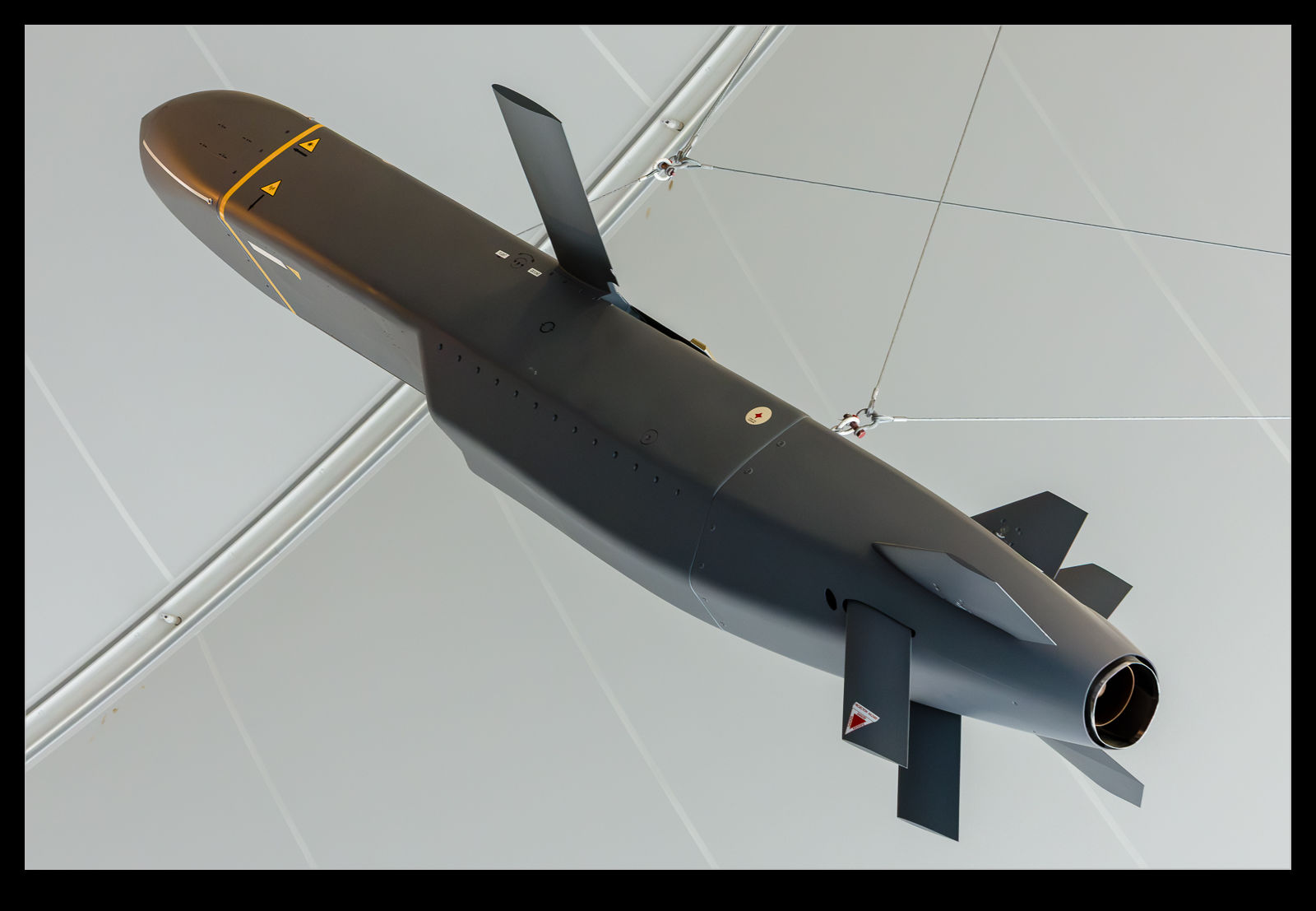 The Storm Shadow is a long-range strike missile that was jointly developed by the UK and France and is in service with the RAF. An example is on display at the RAF museum in Hendon. When I first graduated, there was a predecessor programme to this called REVISE. The Research Vehicle into Inflight Submunition Ejection was looking at a similar airframe but that would dispense munition rather than have a large warhead like Storm Shadow. It was dropped from Tornado BT6 over the West Freugh range where, unfortunately, the parachute recovery system failed, and it hit the water at some speed.
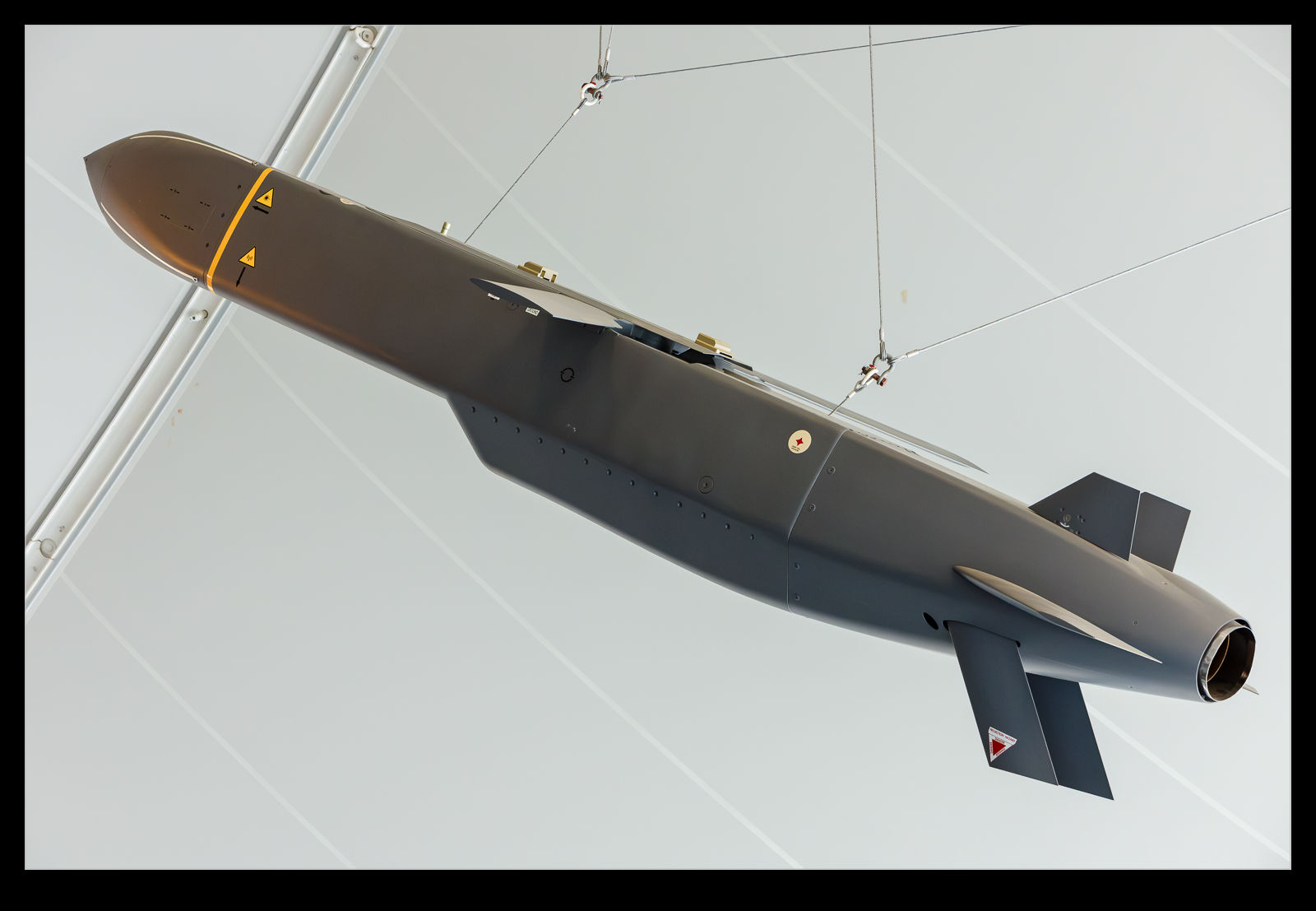 When I saw it afterwards, it was rather mangled. Others had been built but the programme was scrubbed. REVISE Plus was supposed to follow it and I ran a wind tunnel test programme to understand the handling impact of the missiles on Tornado. It was a really fun thing to manage when you were a young aerodynamicist. I don’t know whether any of that data was used when Storm Shadow came along but I doubt it. Still, it does feel like a connection of some sort to me.