Tag Archives: fighter

Rafale A Demonstrator

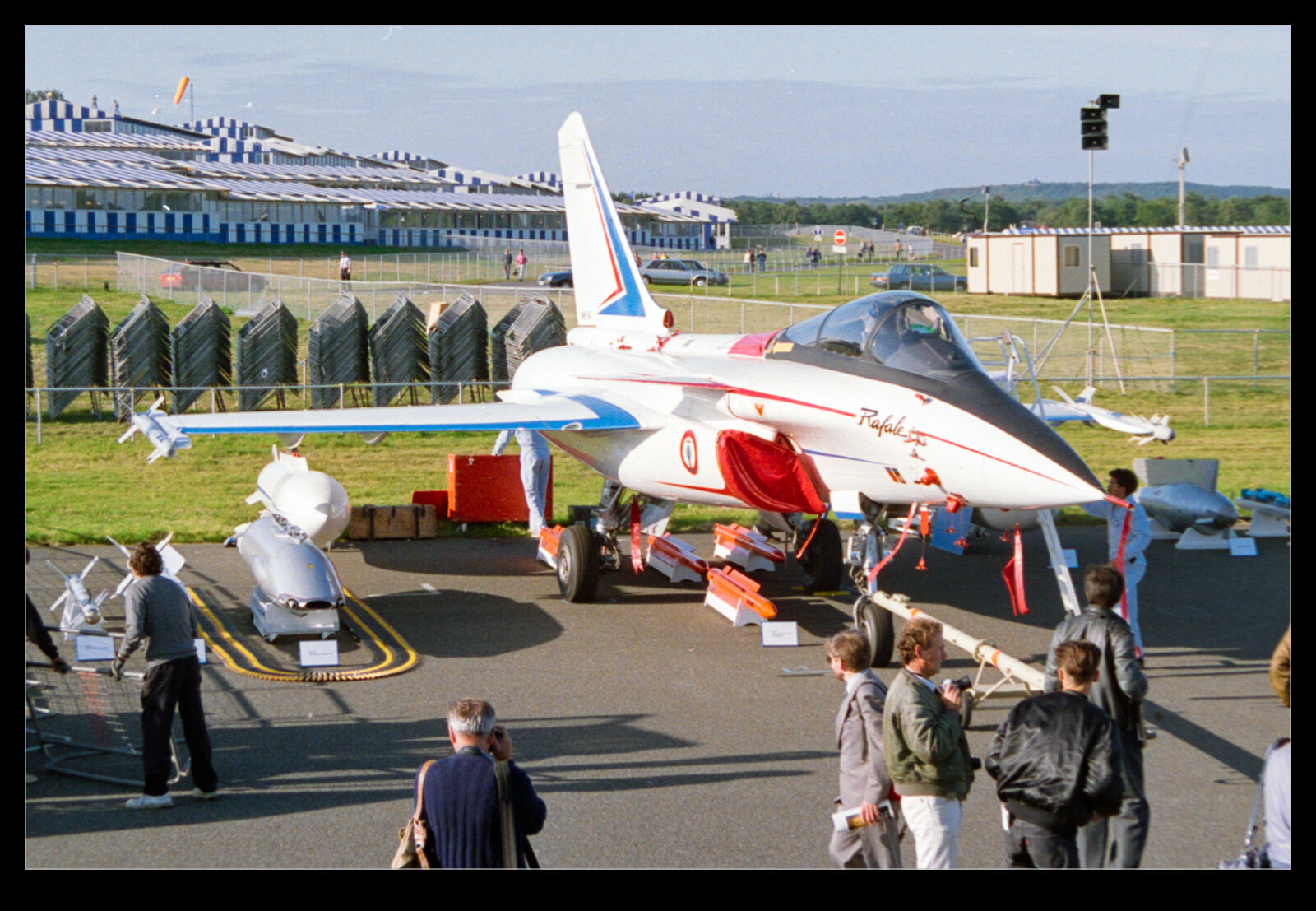
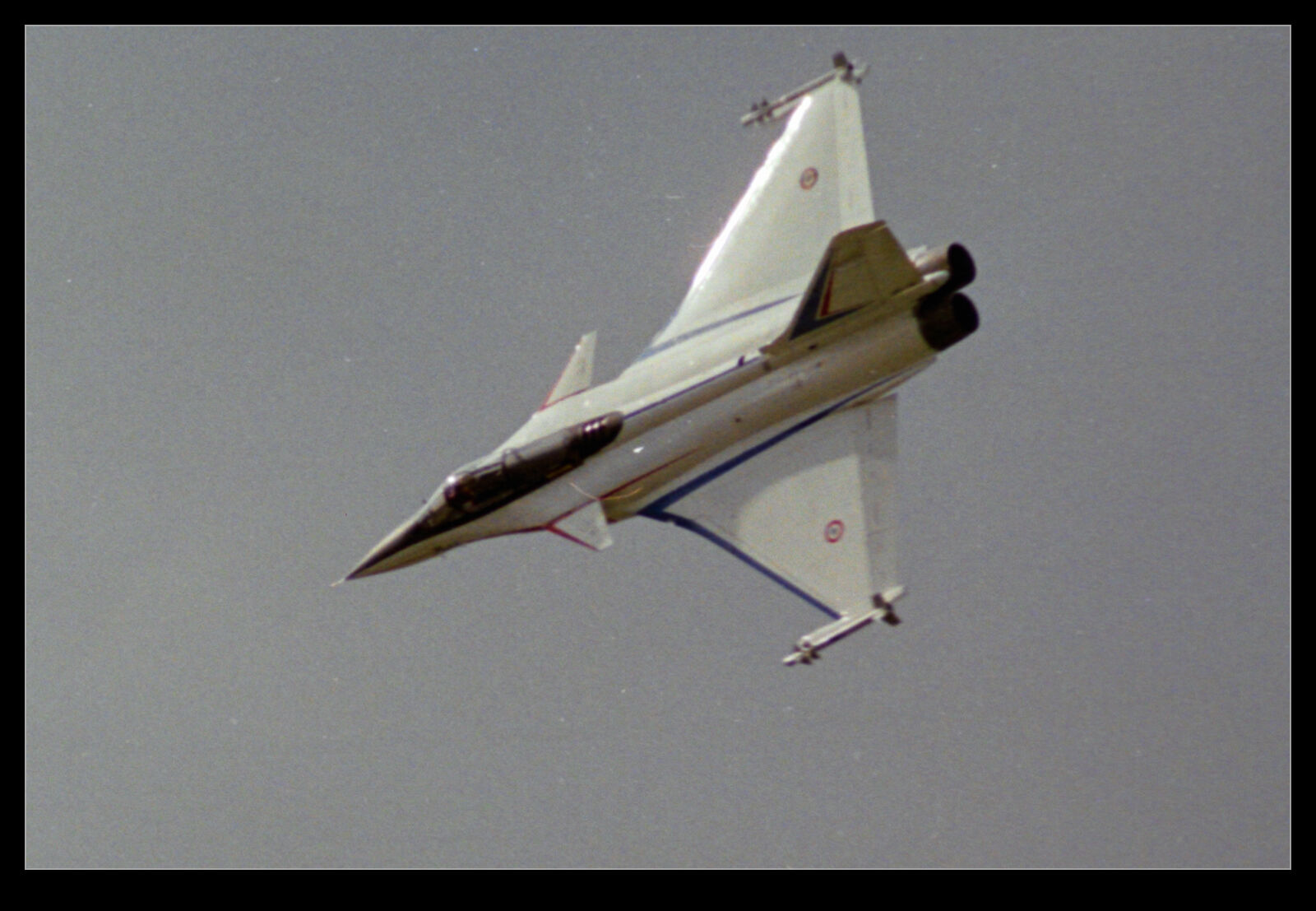
Scan 2-1502.jpgThe Dassault Rafale is a fantastic looking aircraft. Gradually being built in reasonable numbers, it has broken into the export market and has customers in Egypt and Qatar and probably India although exports to India are always hard to pin down! The French air force and navy will no longer be the sole operators. The Rafale B is a two seat version and the C is the Air Force’s single seat version. However, there was the Rafale A. One of them was built in the mid 1980s as a demonstrator. It looks almost identical to the production version but was actually slightly larger. Painted in Dassault’s house colors, it made a number of air show appearances. At the time, it was competing for attention with BAe’s EAP demonstrator. I didn’t get to see EAP until I got to Warton where I wasn’t able to photograph it!

Scan 2-1535.jpgHere are some shots of the Rafale A. It was originally powered by GE F404 engines although later one was swapped for the M88 that would power the production Rafale. The first Rafale C was rolled out in an all black paint scheme which made it look very cool. The size difference is not immediately obvious but a number of detail design changes were incorporated too including lots of sensors required for an operational type rather than the demonstrator. The wing planform was also altered slightly based on the experience gained with the demonstrator. I understand that, when the aircraft was retired, it went to the Museum at le Bourget in Paris.
Scan 2-1536.jpg

Mean and Moody Sky

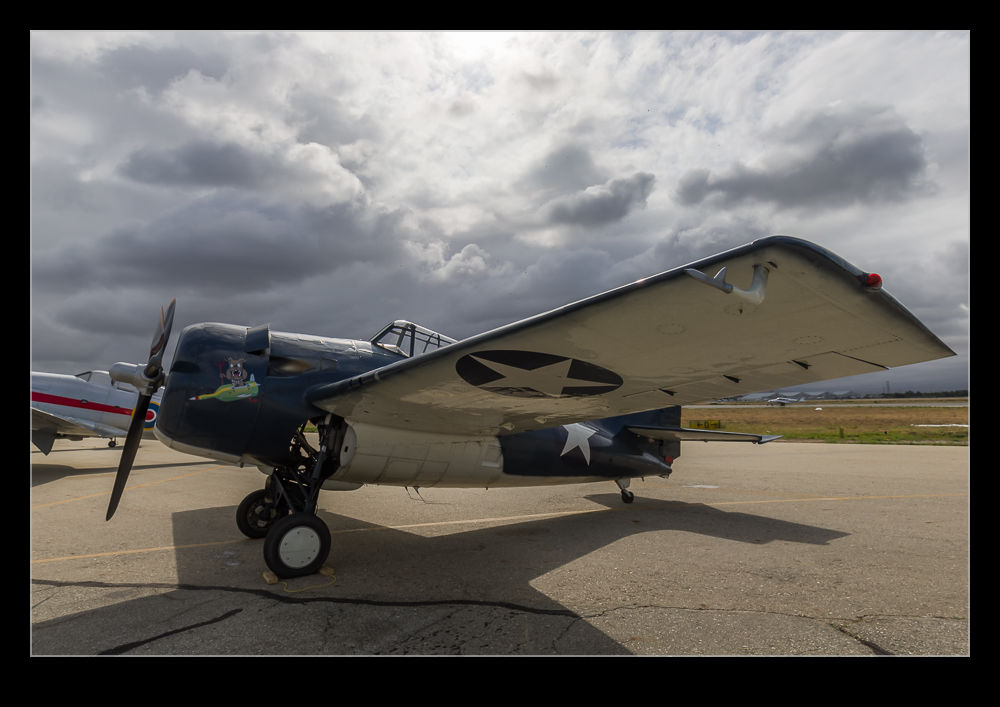
AU0E6095-HDR.jpgIt’s always a nice combination when you can get some light on the foreground subject of the photo and have a really dark and menacing cloud structure in the background.  The brightness of the foreground exposure is much higher than the background so it makes the clouds look even more dramatic when exposing for the subject.  Having a play with post processing will also help to make things look more dramatic.  This Wildcat was parked on the flightline at Chino for Planes of Fame just as the lighting worked to my advantage.  I may not have been happy about the weather conditions but this was one of the upsides to a cloudy sky.

The Camera Might See But Autofocus Doesn’t

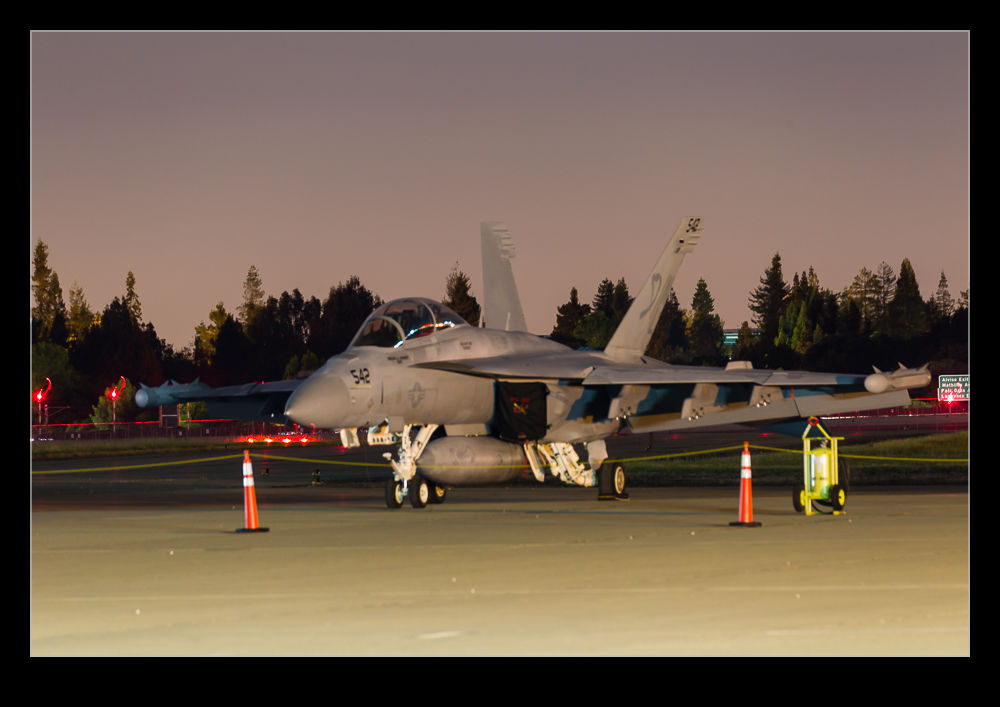
C59F0628.jpgAnd I could barely see much myself!  We were on the ramp at Moffett Field for the arrival of Solar Impulse.  There was some time to wait while we were out there.  As I looked around, I thought I could see something parked further down the ramp.  There was very little light but there appeared to be some aircraft.  I figured it was worth a look given that I had a tripod.

In the days of film shooting, I couldn’t trust the camera metering for long exposures.  Reciprocity failure was part of the issue but the cameras were a lot less advanced in those days.  In this case I trusted the camera for the first shot and it worked out really well.  Sadly, there was nothing to focus on so I made my best forts at focusing on what was visible and it was some background lights.  Sadly, they were too far away to get focus on the aircraft.  The sensor was able to gather the feeble light without any problem though.
It turns out that there was a pair of Navy E/A-18G Growlers sitting on the ramp.  Leave the camera to it and you get a reasonable exposure.  When I saw the shot appear on the screen, I was quite amazed.  I was looking at the jets and I could barely make anything out.  The camera was able to see the whole thing – just out of focus based on my inability to focus it properly.

The Royal Navy Comes to Farnborough

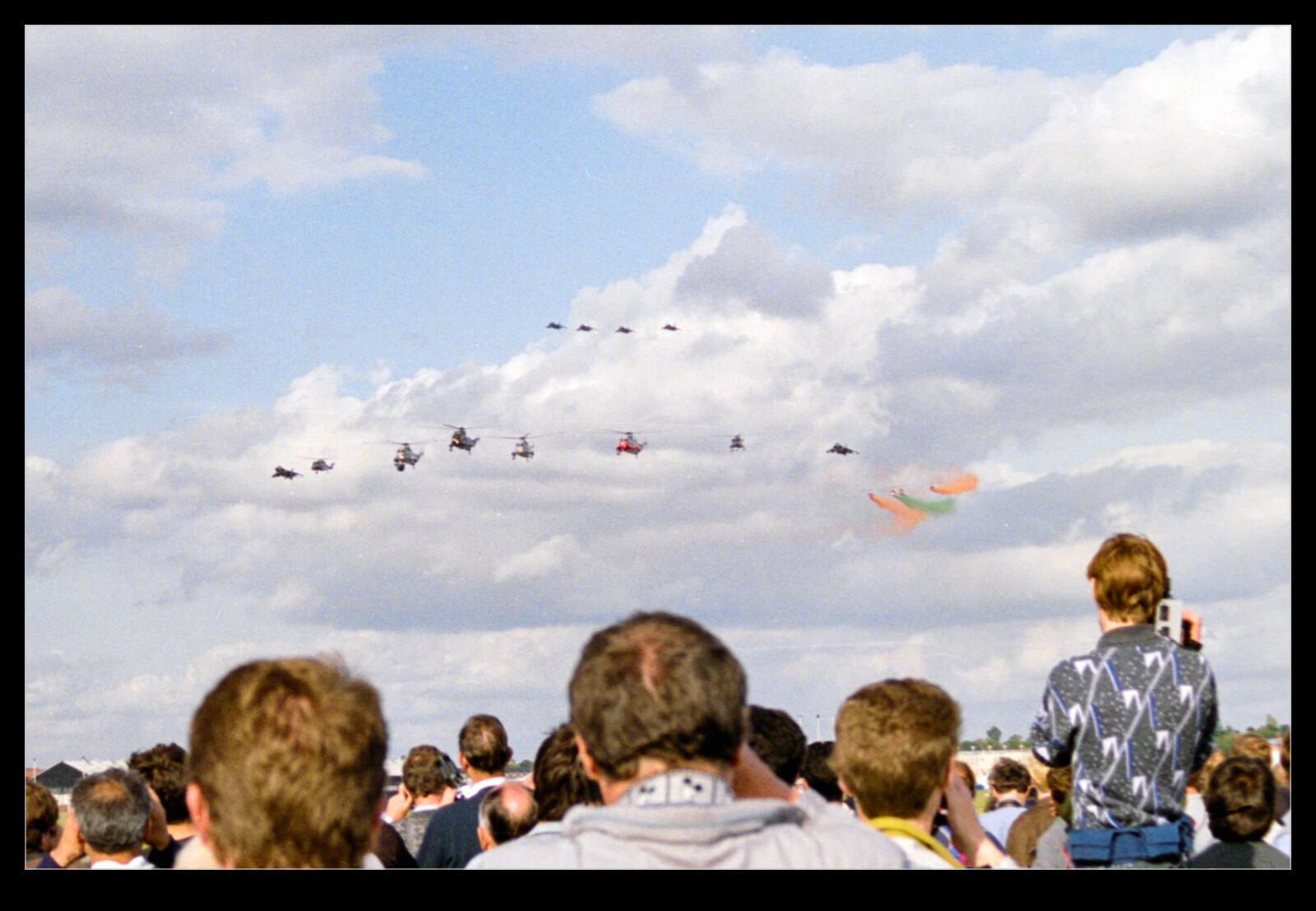
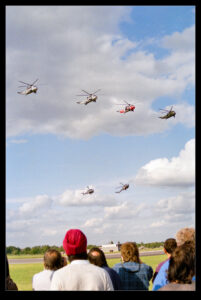
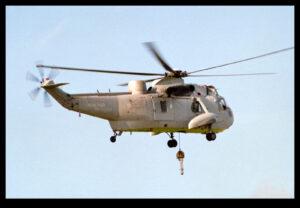
Scan 2-1586.jpgAnother flashback post today.  This one is an old Farnborough airshow and it included a rather large flying contribution from the Royal Navy.  I don’t now recall exactly why the Navy was so committed to this show.  This wasn’t even on the public show days when the display is often modified for the public from the format used for the trade days.

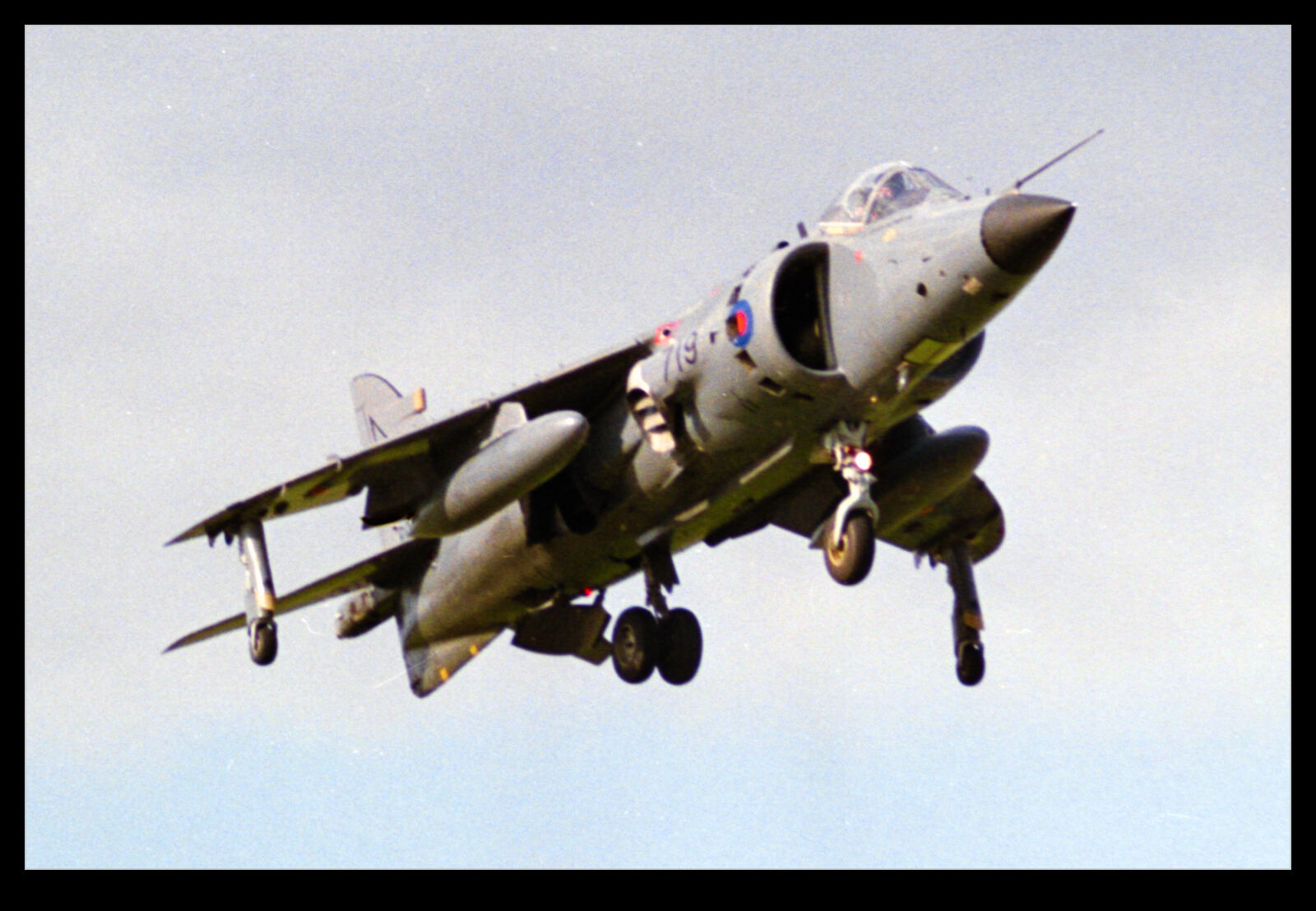
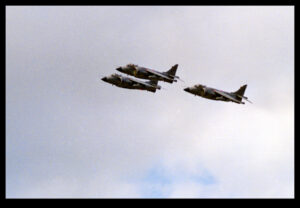
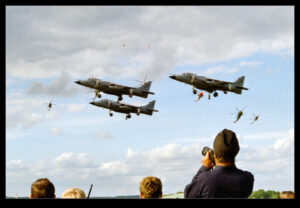
Scan 2-1585.jpgThe main element of the display was six Sea Harriers.  These were FRS1 models prior to the F/A2 upgrade program.  The aircraft took off in groups of three and included a formation hovering routine with the jets arrayed along the runway providing a jet in front of most of the viewing crowd.  Some fast flying was also a part of the display of course.

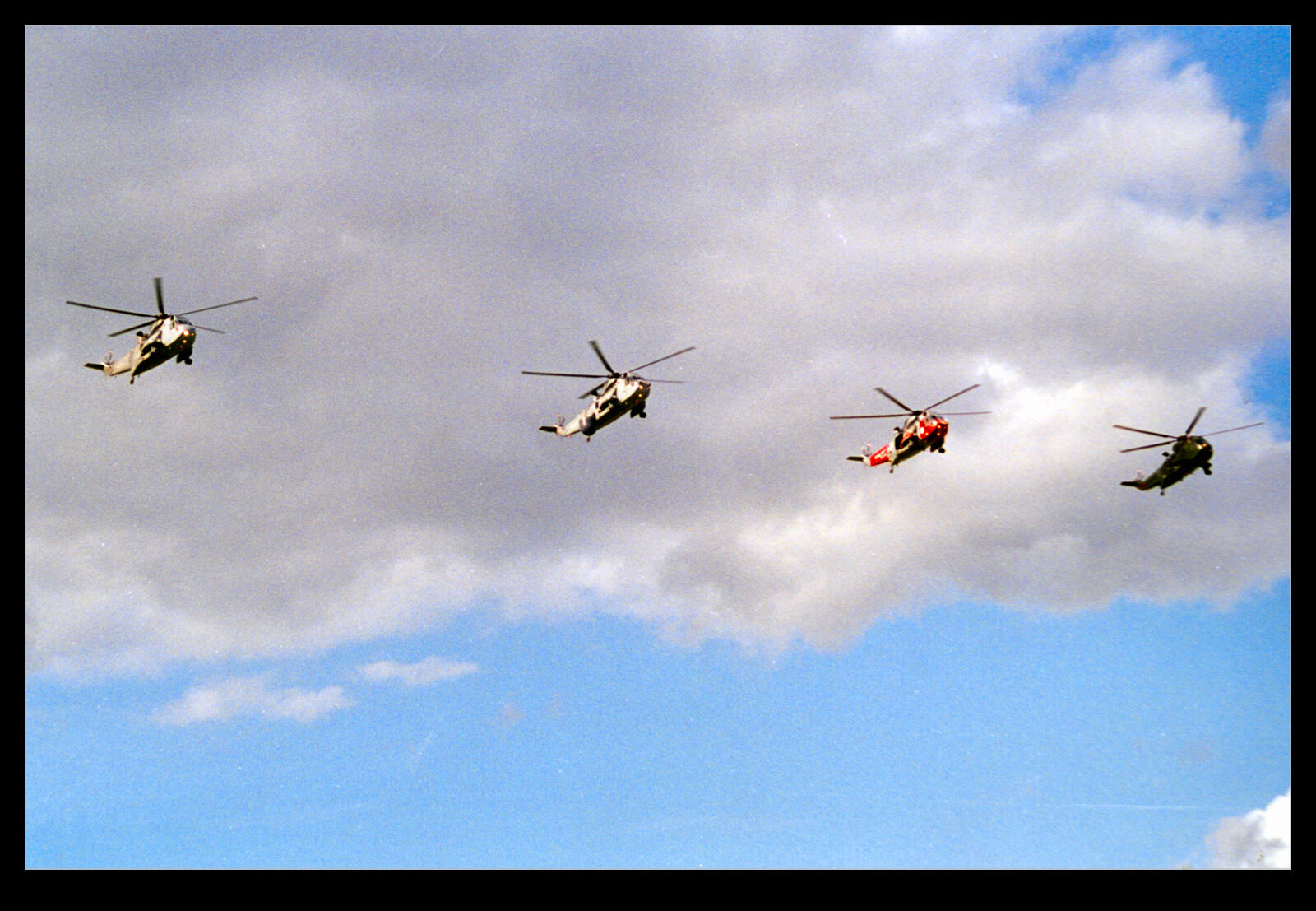
Scan 2-1579.jpgHelicopters also contributed to the display and the low speed capabilities of the Harrier meant that it was possible to combine the fixed and rotary elements together in one formation.  The whole thing made quite an impression as a recall.  The sound of six hovering Harriers was certainly enough to give the eardrums a workout!

Back to My Roots with the Typhoons

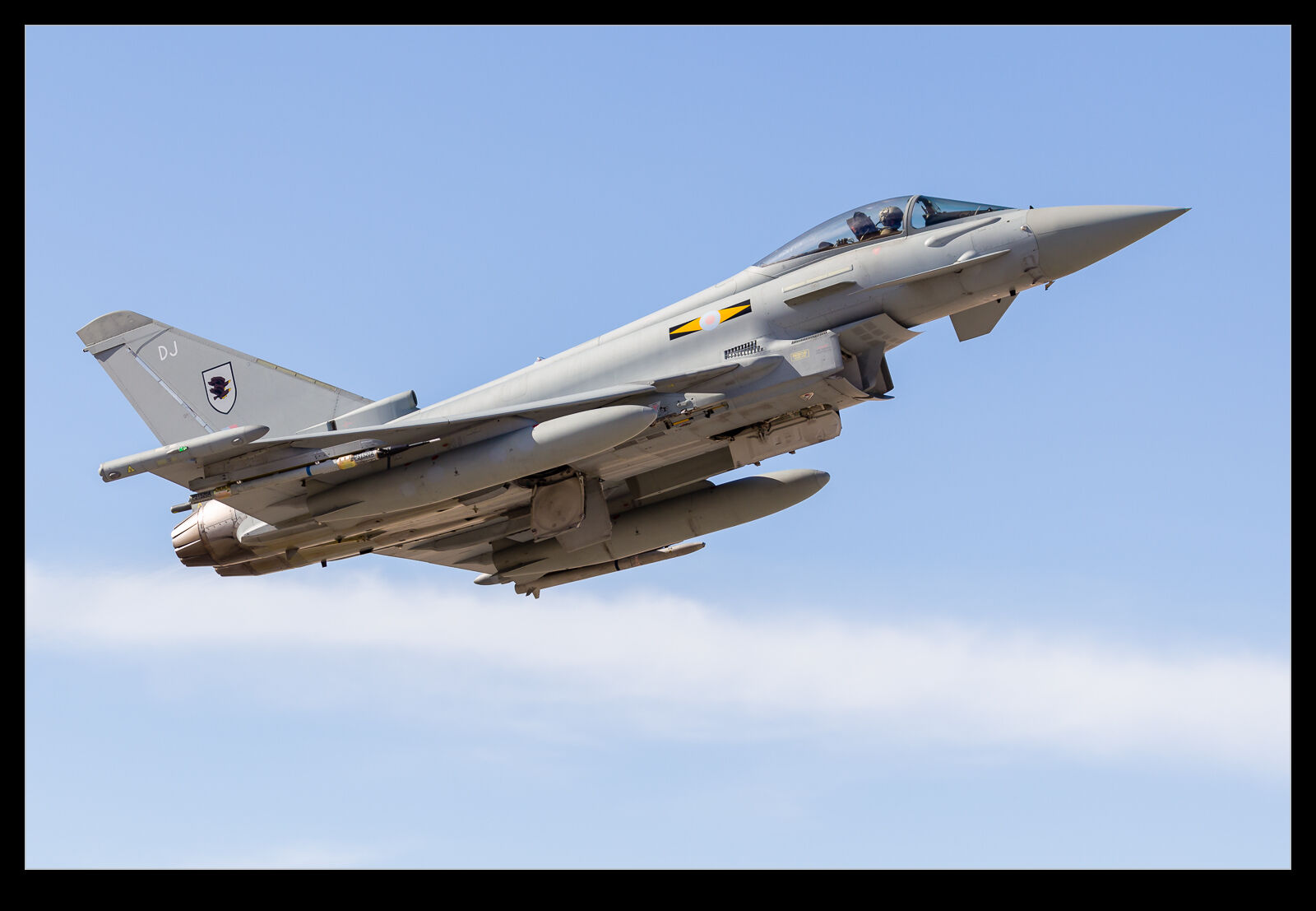
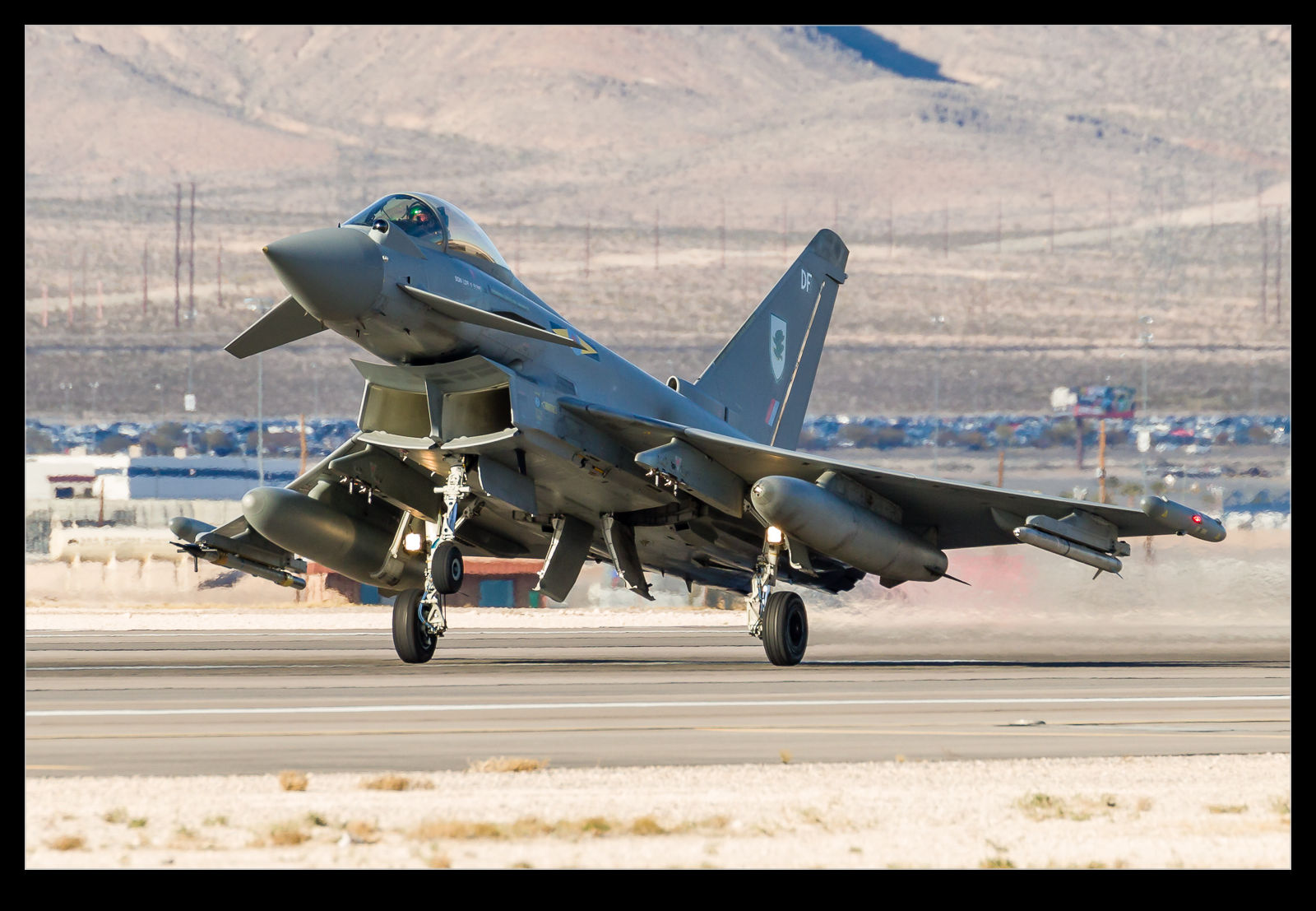
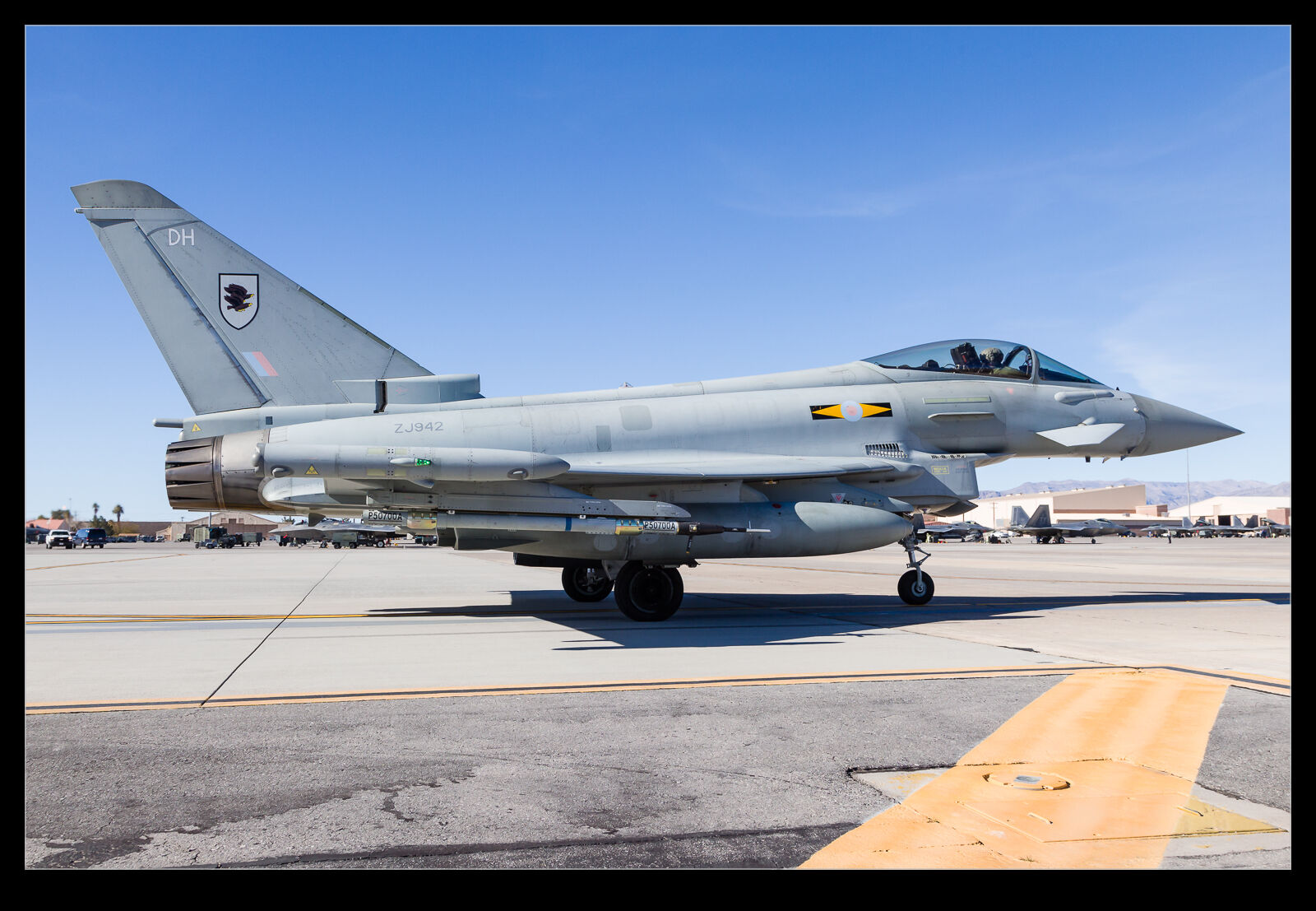
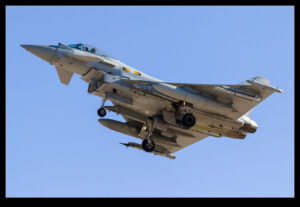
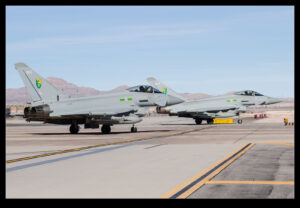
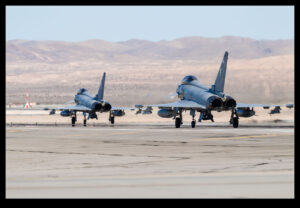
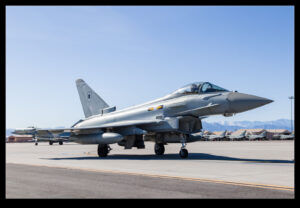
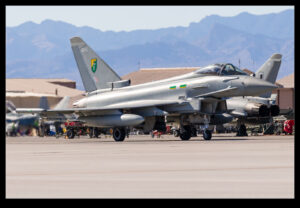
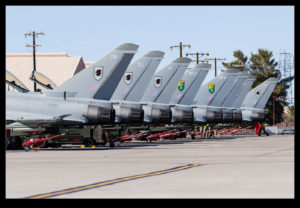
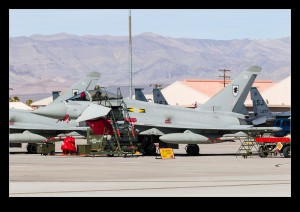
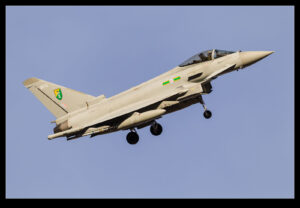
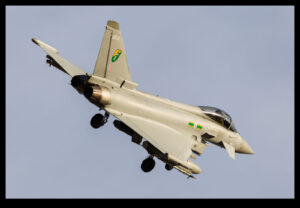
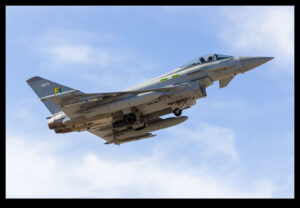
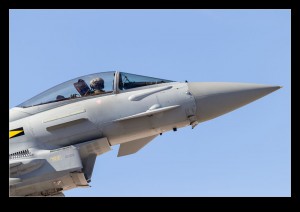
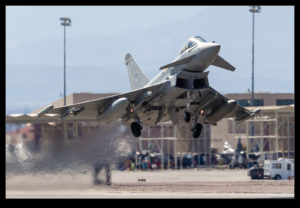
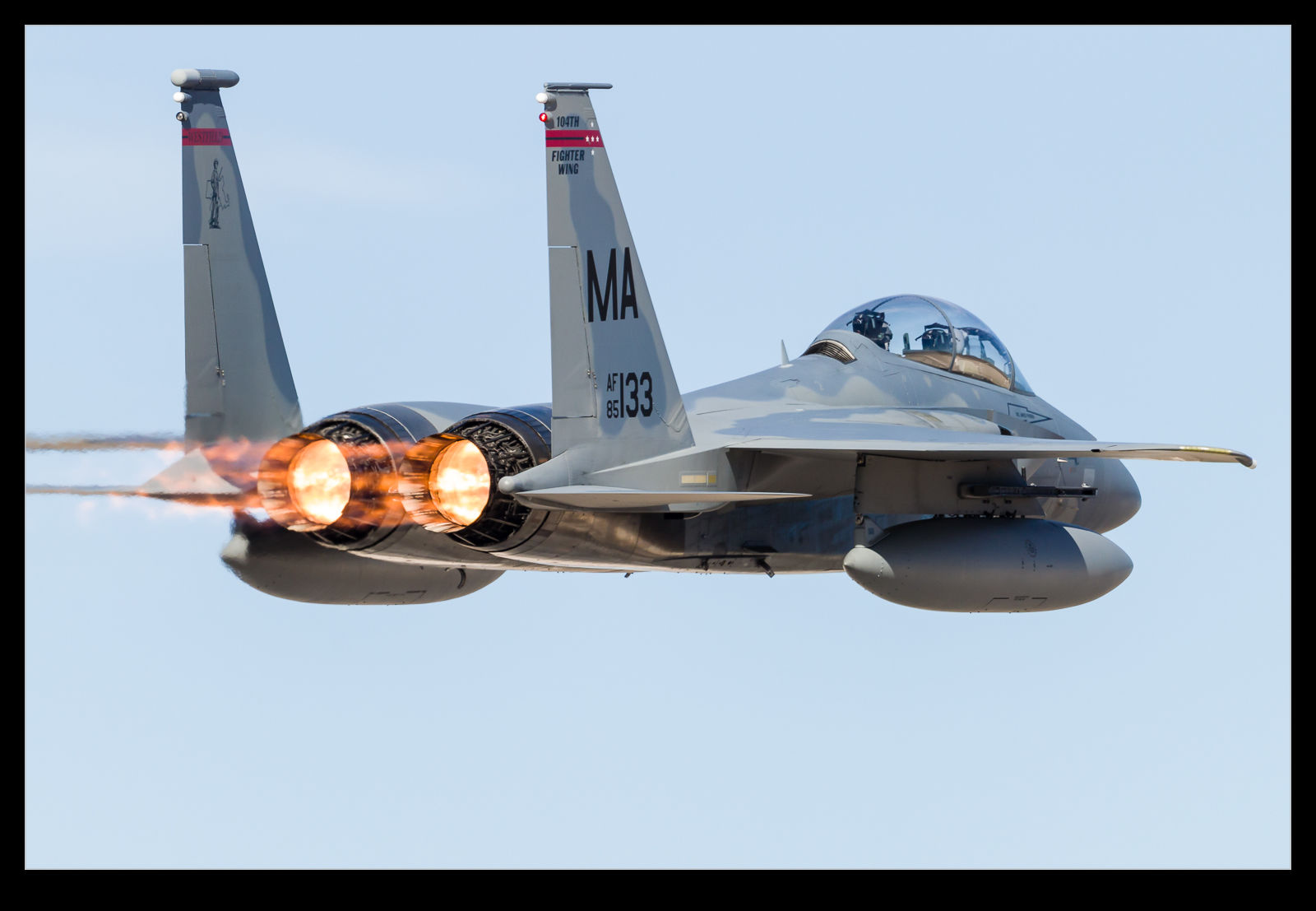
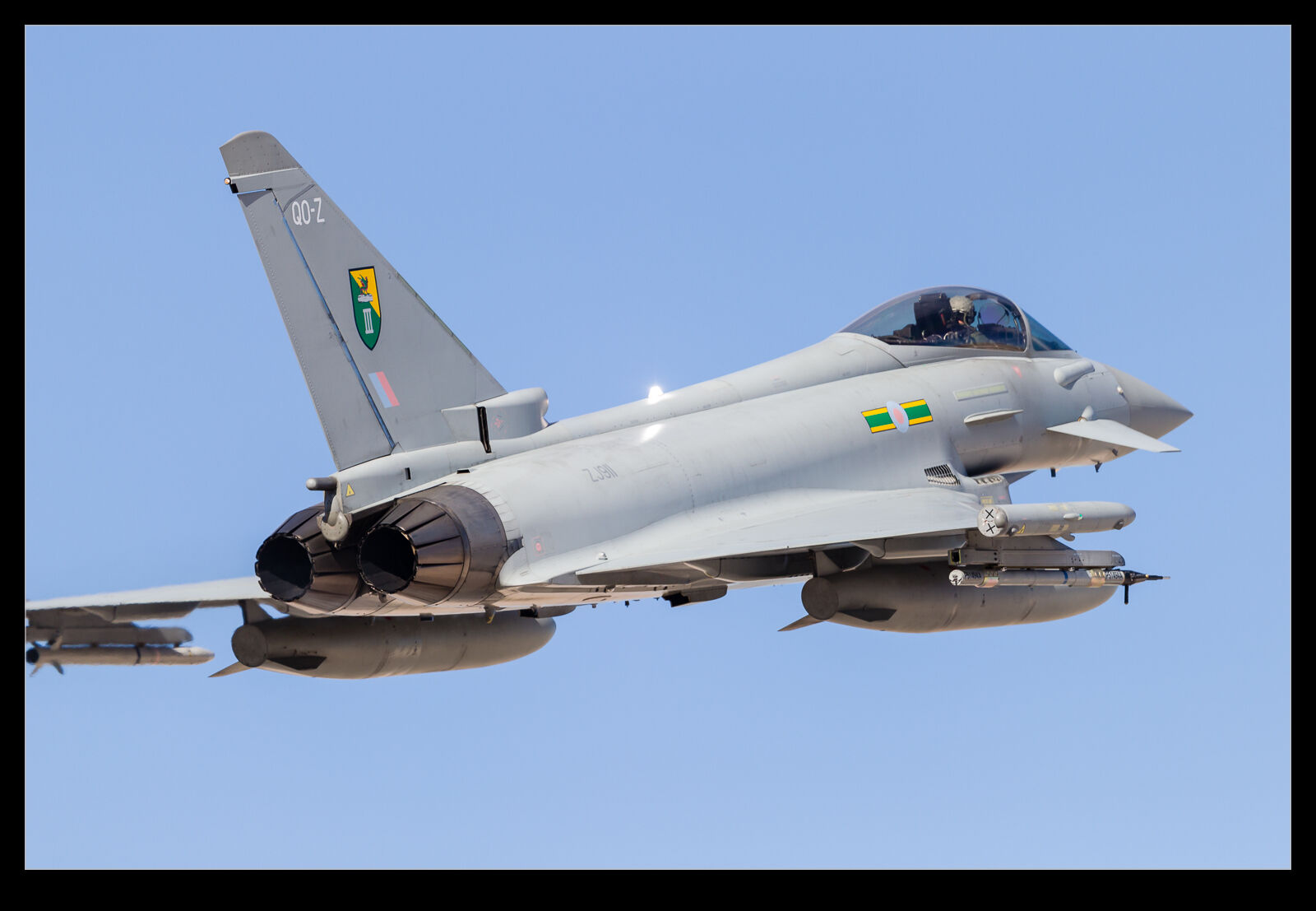
C59F3875.jpgThe Brits were at Red Flag in numbers too for 16-1. An E-3D Sentry was part of the AWACS fleet while a C-130J Hercules launched each day I was there. Judging by the dust and dirt on the underside, they were landing on rough strips out on the ranges during their missions. However, the thing I was most looking forward to seeing was the Typhoon. The RAF brought eight jets from 3 and 11 Squadrons. Most days six of them launched.

C59F4789.jpgIn my youth, I worked on what was to become the Typhoon in my BAE days. I was an aerodynamicist looking at airframe loading and the possible flight envelope for the first flight. I was not looking forward to the job when I was given it but working on loads turned out to be a great task and taught me a lot about structural limits, flight controls and the process for expanding the flight envelope. A mentor of mine had told me it sounded dull but was very valuable and he was spot on. I guess he is a smart guy because he has gone on to be rather successful in the company!

AU0E8613.jpgBack on topic, the Typhoon is something I am very pleased to have worked on. Getting to see them in action is great. The launches when we were out by the runways were great. When we were by the EOR, we were directly across from the ramp that the Typhoons were using so I managed to see them crewing up for the launch. Then, of course, they had to come right by us as they taxied out. I know it was a long time ago but I can’t help but still have a soft spot for them when I see them in use.

Two Aborts in One Launch

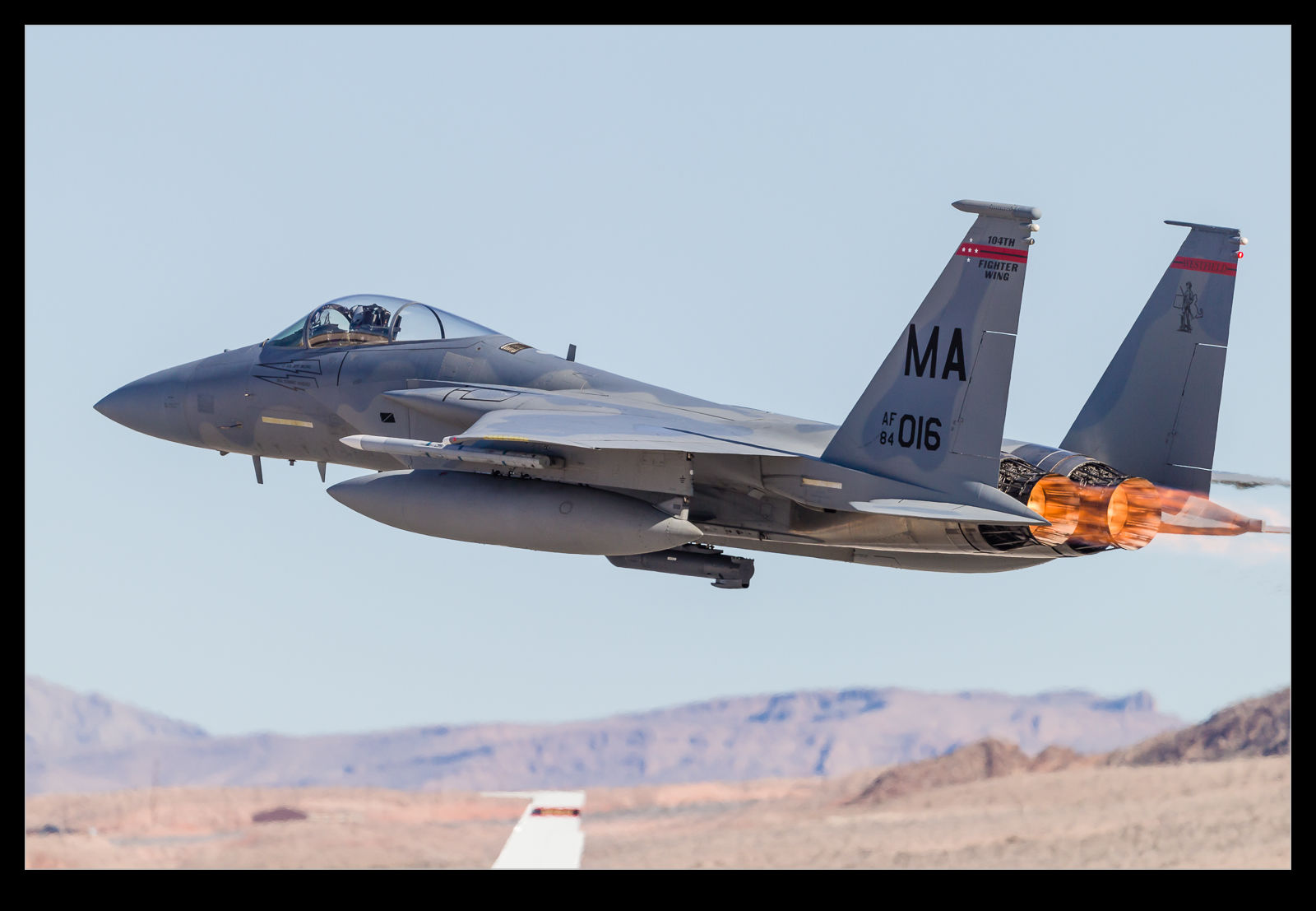
C59F6599.jpgRed Flag missions are two periods of intense activity with an intermediate phase of nothing much. The launch develops in to a steady stream of jets taking off as everyone gets airborne for their phase of the mission. They have been preceded by the tankers and AWACS who are setting up to manage the throughout of the smaller jets. Once everyone is gone, the simulated war is occurring somewhere else. Then, everything starts to come back with a steady stream of the jets breaking overhead and landing before the tankers and AWACS come back at the end.

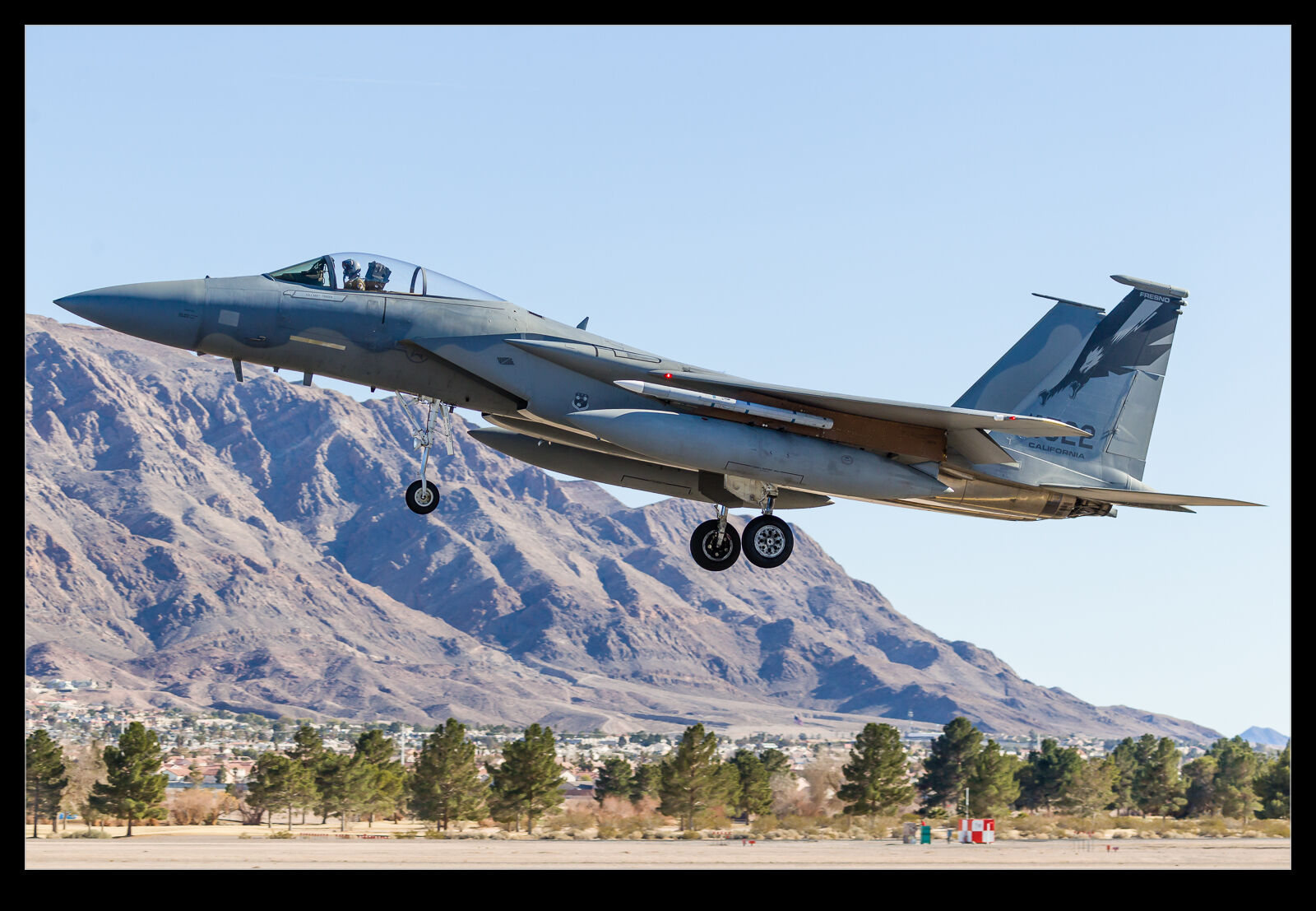
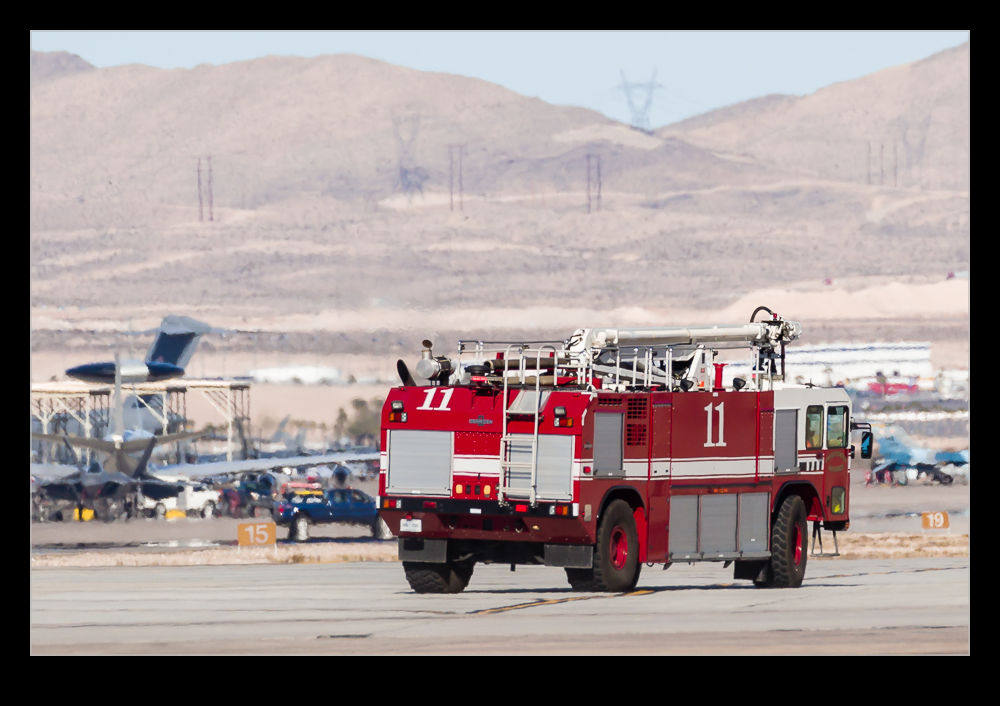
C59F6489.jpgAfter the majority of the launch, we were at the EOR watching the occasional straggler go out or some based planes fitting in. Then we got a pair of F-15s come back. They flew an approach with one jet on the glide path while the other was clearly shepherding them in. The F-15 landed without incident and the wingman powered away to rejoin the flight. Some fire trucks rolled but everything seemed to be under control.

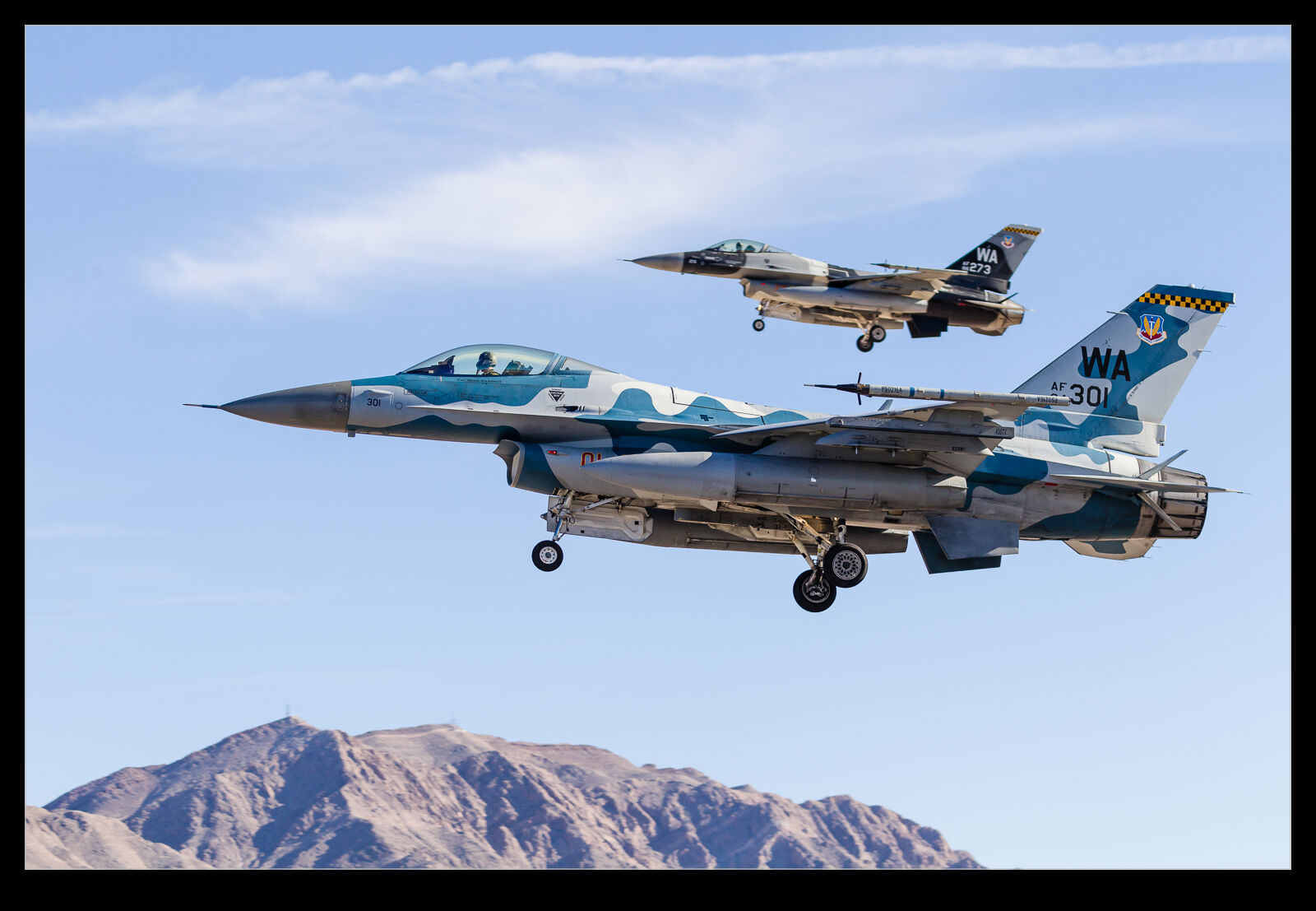
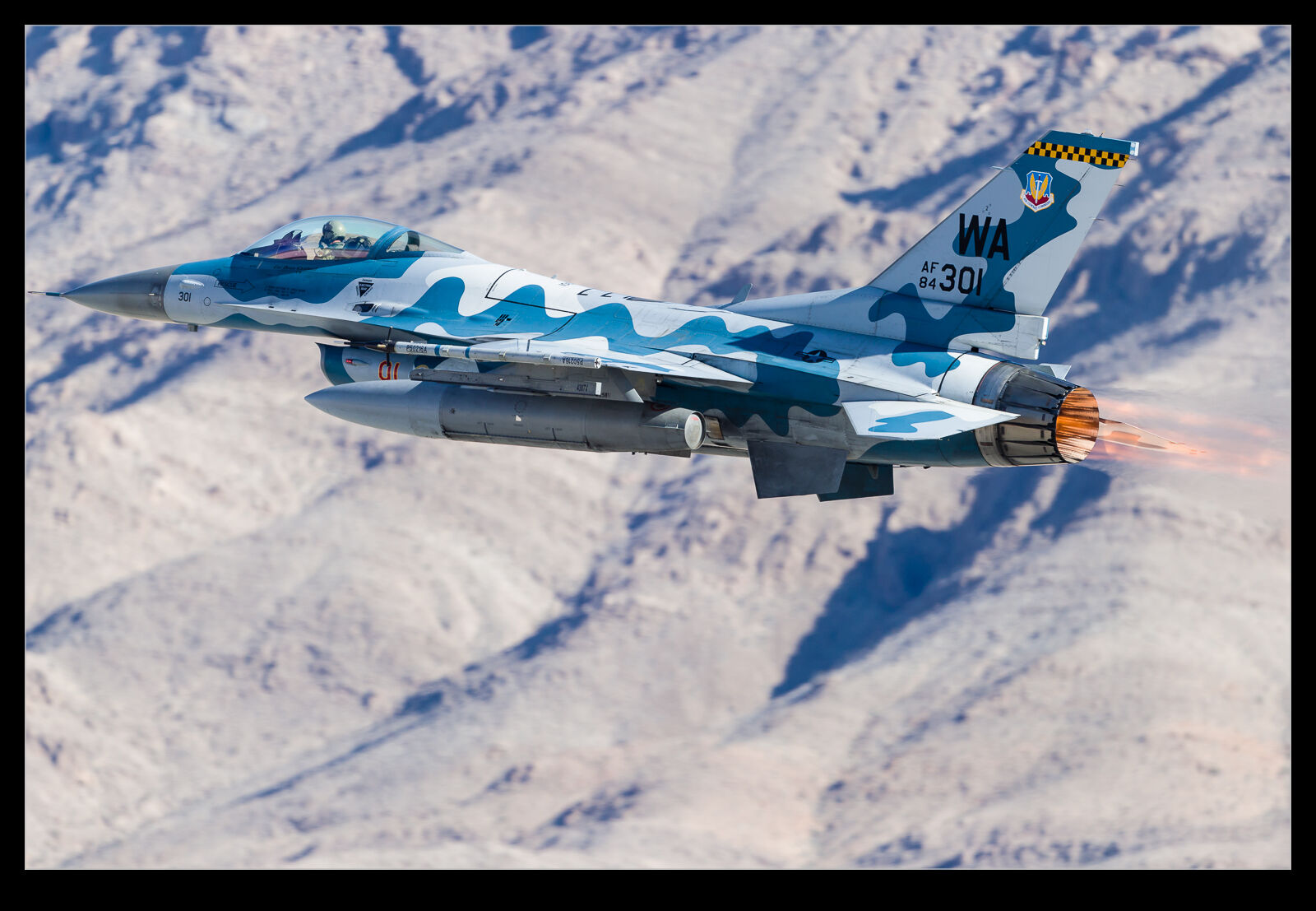
C59F6499.jpgNot long after we had stopped discussing this, a pair of aggressor F-16s came into view. The same procedure and one landed while the other shadowed them down the approach. With a safe touchdown, power on and back to the battle. Technical issues are not uncommon but I was surprised to get two in close succession. Everyone seems to have handled them appropriately and they appear to have ended without further incident.

C59F6497.jpg

Red Flag 16-1 Launch

AU0E6309.jpgI might not be as regular at Red Flag exercises as some of my colleagues but I do try and get to at least one a year. The different events have differing levels of appeal. The winter means less hot weather but the sun angles can be very tricky. Sometimes there is a lack of overseas participation. In the case of 16-1, there was a planned attendance from the Royal Australian Air Force with a variety of types as well as the RAF bringing Typhoons and a Hercules. My UK friends would be interested in the other participants but I like to see the RAF stuff because I don’t normally see it.

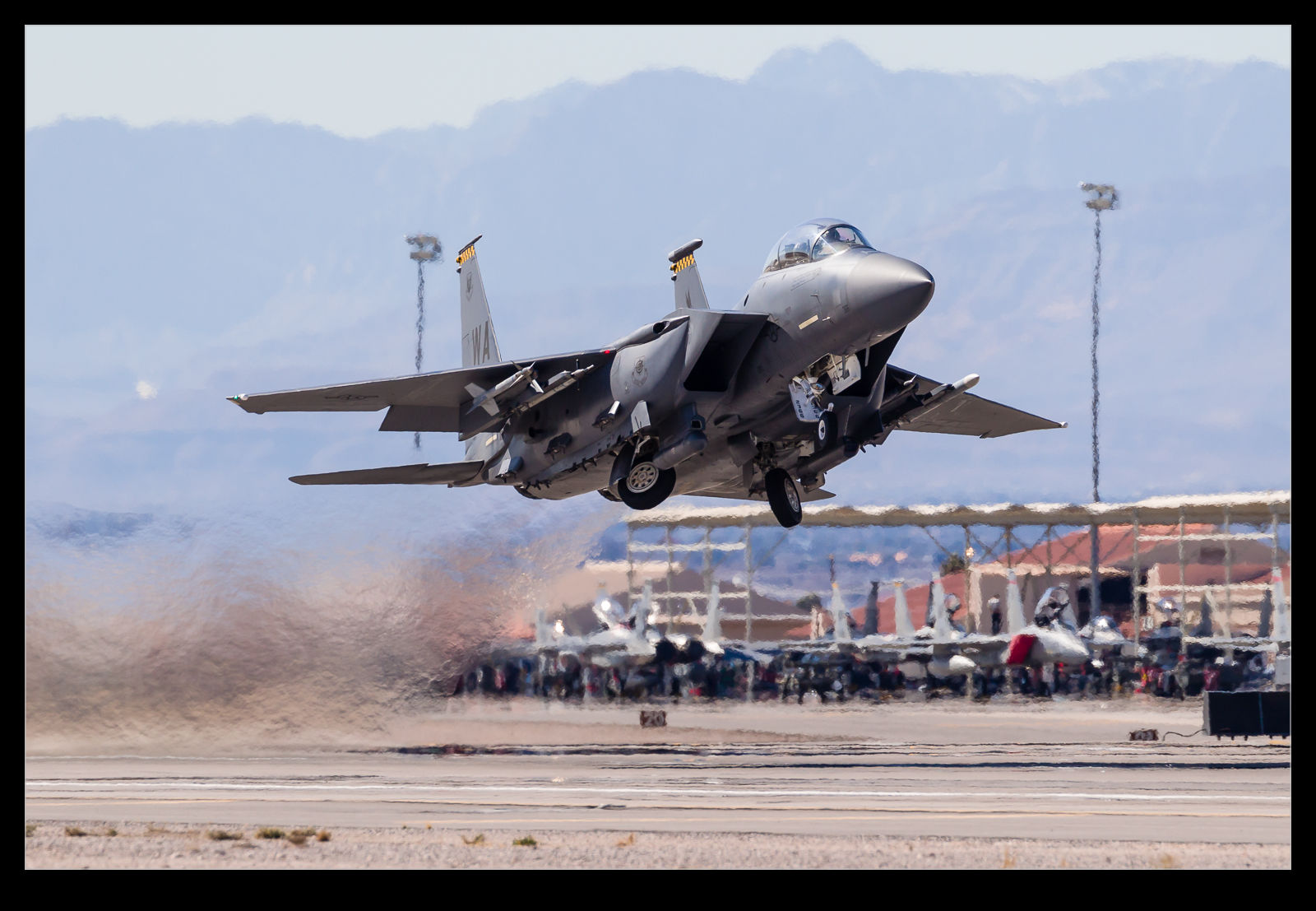
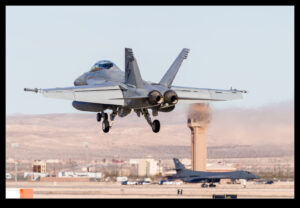
C59F3356.jpgLaunches follow a pretty regular pattern. The AEW aircraft gets up first followed by the tankers. Then the bombers head up and the rest of the aircraft stream out. They tend to launch to the northeast and recover in the opposite direction. The launch means a lot of backlighting of the aircraft. There have been times when they launch to the southwest but, sadly, I have never been there for one of those. Recoveries are into the light usually which helps. Unfortunately, some changes in the procedures meant that we did not get a full recovery on base.

C59F3291.jpgWe were quite lucky as the following day the winds picked up and the recoveries were made in the same direction as the launch which would not have made for good photo opportunities. The launch is always an interesting challenge. They launch from both runways so you find yourself deciding which side is going next and scurrying back and forth. You also have some aircraft on the banned list so you have to make sure you know what each plane is before you shoot it. This can involve being able to shoot one unit’s aircraft of a given type but not another’s. Still, it’s better than being at work.

AU0E6577.jpgAU0E6551.jpgAU0E6689.jpg

Another Night Launch on a Cold and Windy Night

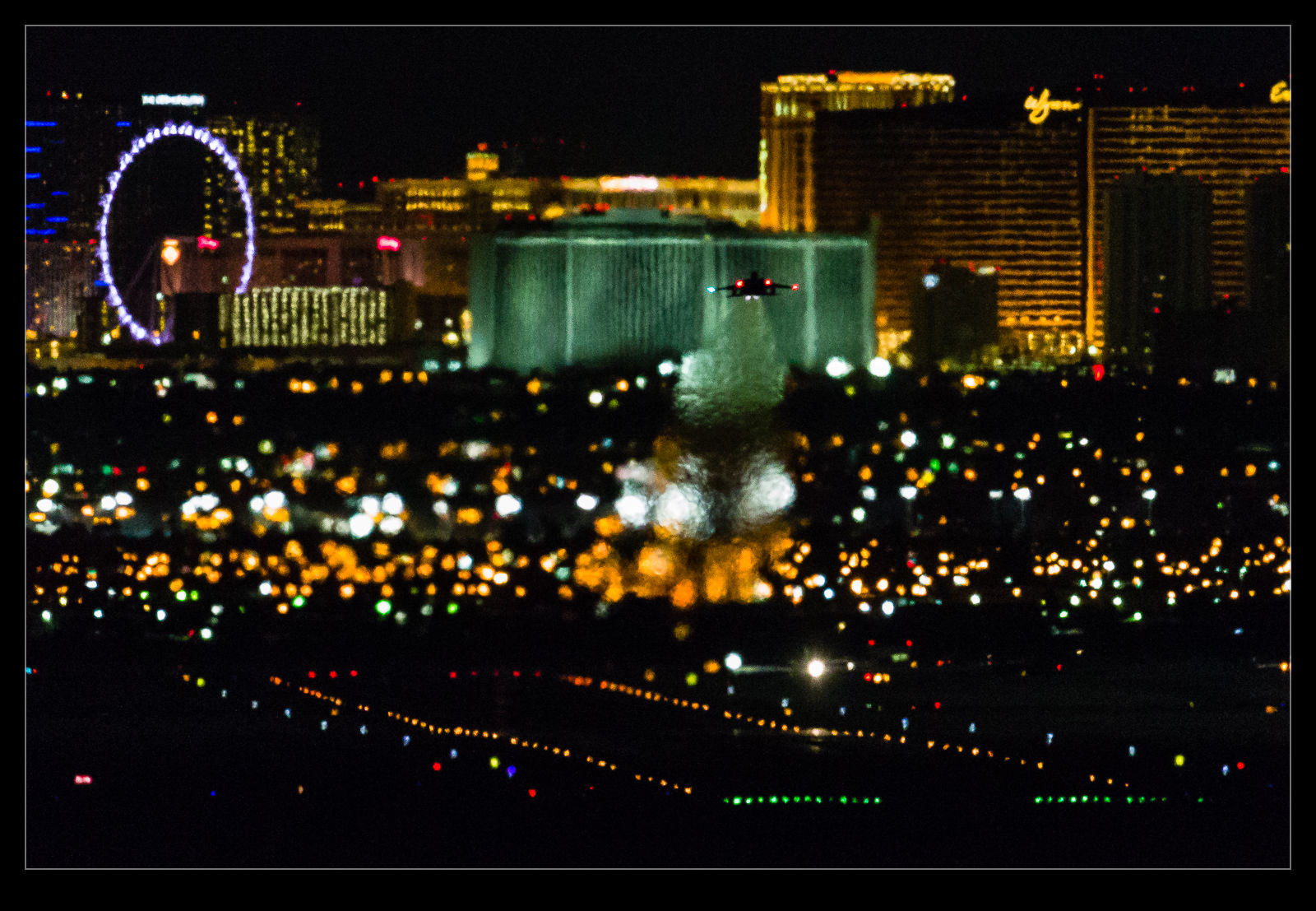
C59F5307.jpgThe evening launch at Red Flag is something I have had a go at on a number of occasions. Consequently, regular readers that pay close attention may feel that this post is a bit repetitive and they would be correct. I was a bit better prepared for the night launch than on previous occasions. I had brought a cable release and a Gorillapod to allow me to have a bit better a set up for the time lapse video of the launch. Meanwhile, I was shooting handheld with the second body.

C59F5147.jpgSadly, a couple of things were not working in my favor. First, it was pretty windy and, while I had the camera set up on the hood of the car, it was a bit vulnerable to movement as the car moved in the wind and the camera vibrated on the pod. Consequently, some of the video is less than ideal. However, conditions did seem to settle down a bit and the later part of the video seems to steady up a bit.

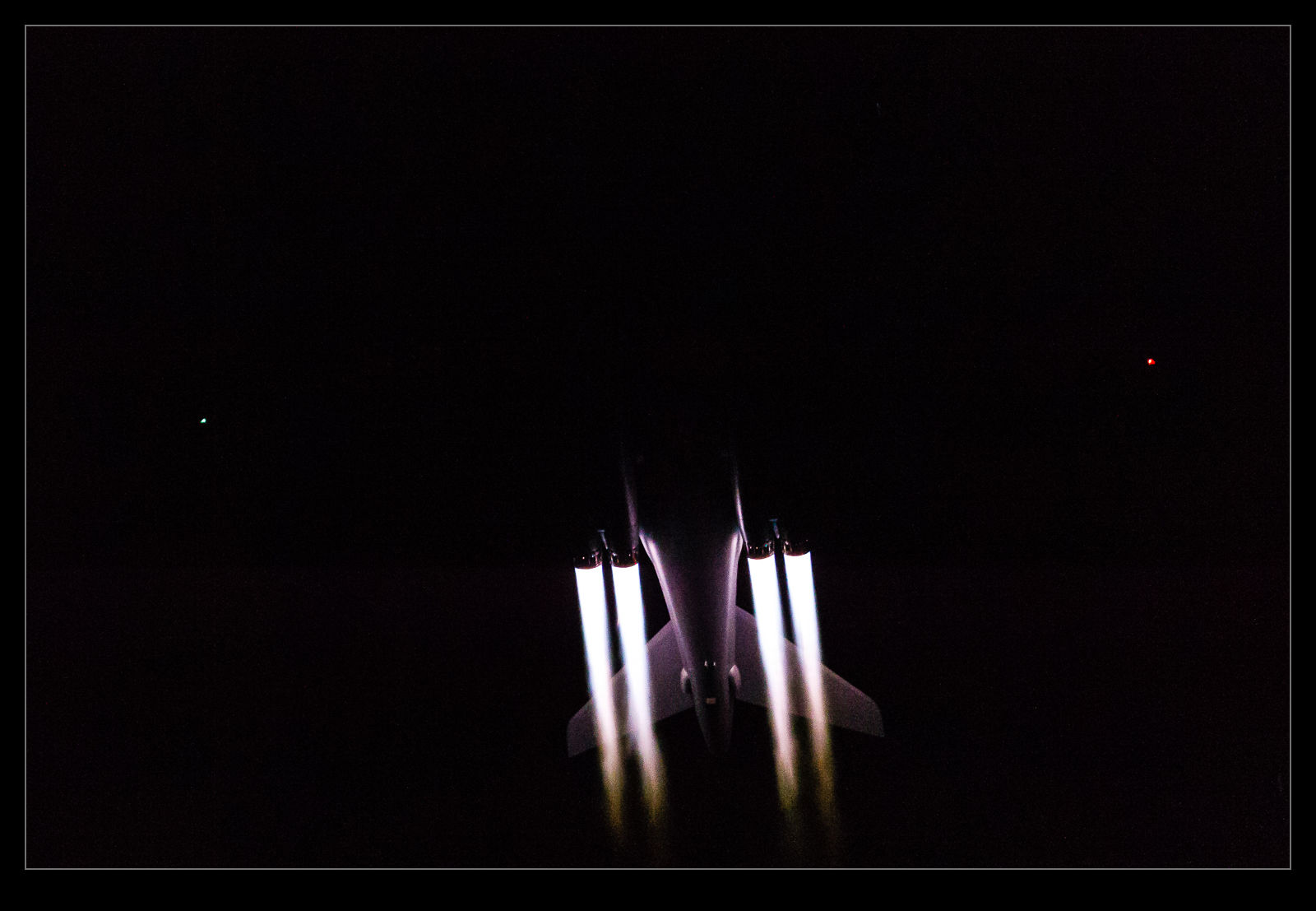
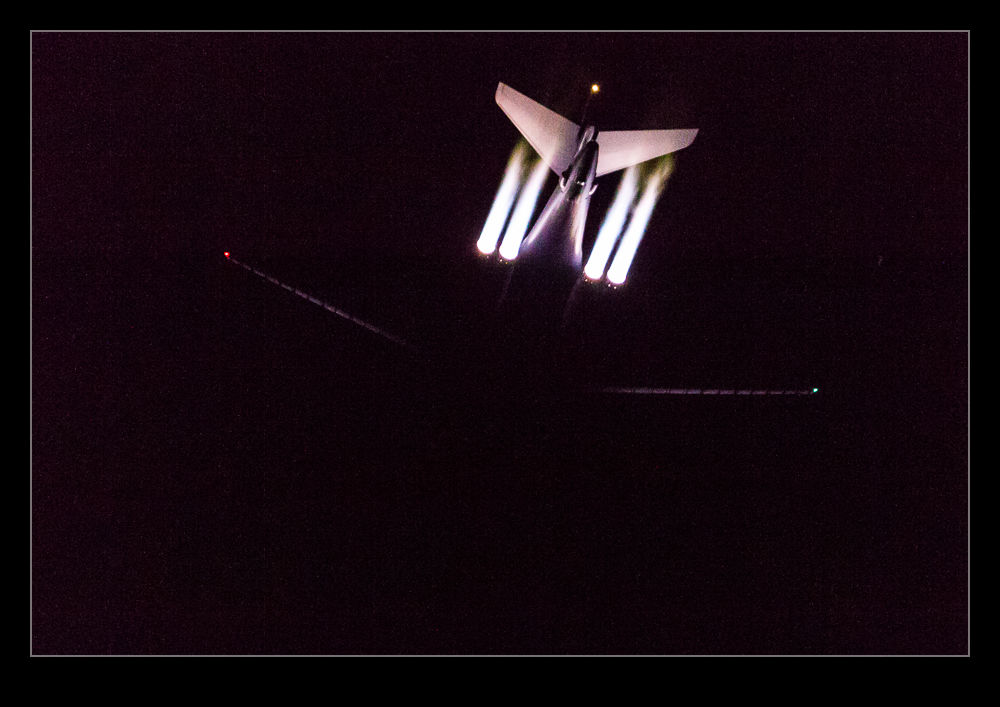
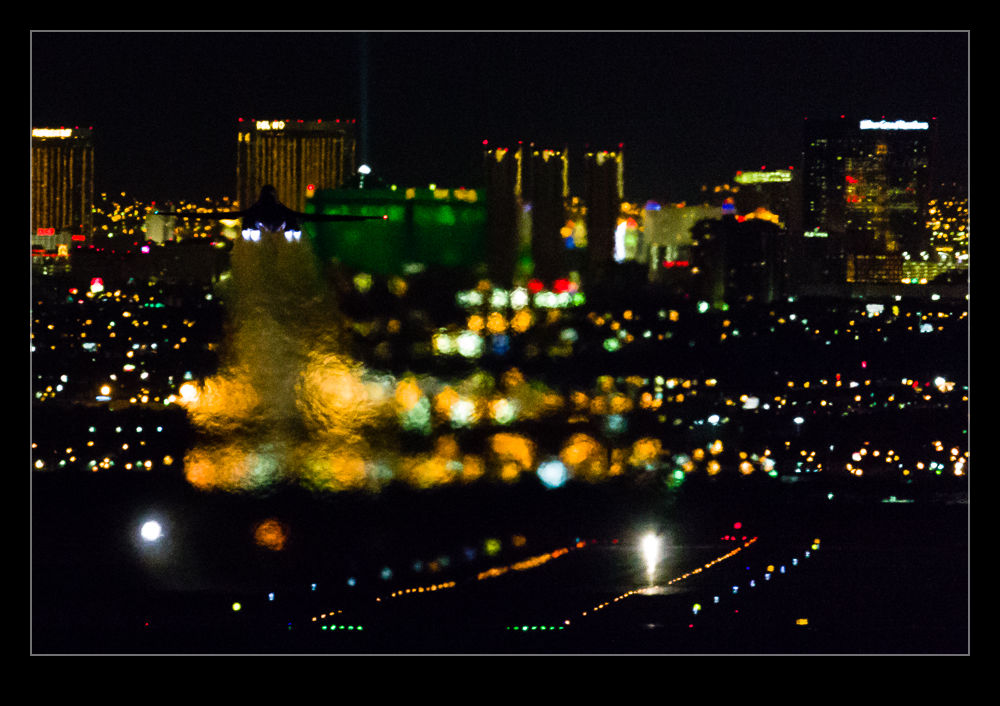
C59F5534.jpgSecond was that there was no moon. It was very dark and cold out there. I managed to get some shots of the B-1B launches but the only illumination was from the burners. No ambient light at all so they didn’t look as good as on previous attempts. I did try to stay for the whole launch and not to get the time lapse showing things in full swing when it ends but there is a limit to how long you want to hang out in the cold when everyone else has gone. I got most of the launch but I did see a bunch of jets head out as I passed the speedway. I probably should have tried getting some shots from there as they were still in burner at that point.

C59F5286.jpg

A Feel for the EOR

During the recent Red Flag 16-1, which I was covering for Global Aviation Resource, I got to spend a portion of the day at the South EOR.  EOR means end of the runway and this is where the planes come prior to taking off.  They go through their final checks before launching and we get to be very close to them.  I was mainly taking stills for the GAR feature but I got some video while I was there.  I wanted to have something that shows what it feels like and how close we were.  Consequently, some of the shots involve my fellow photographers so you can have some context of where we were.

The Aussies Are in Town

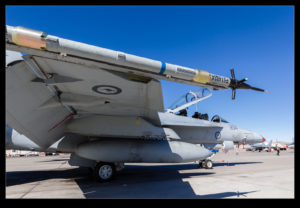
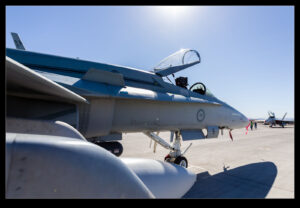
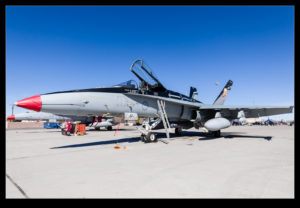
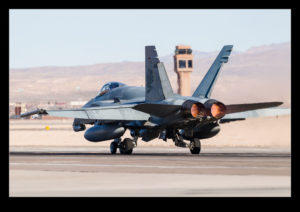
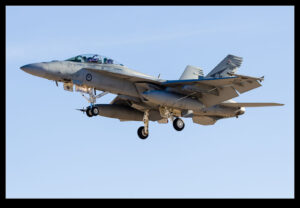
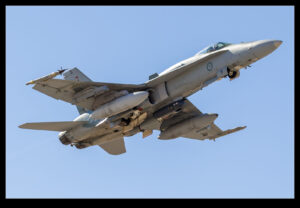
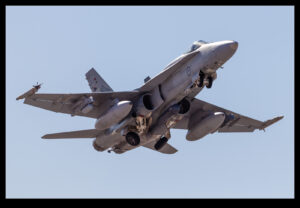
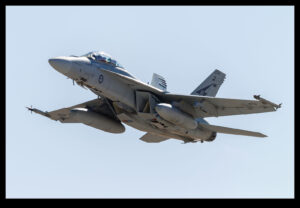
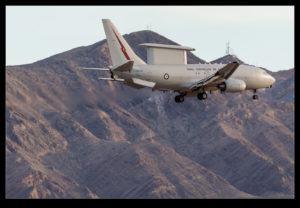
C59F3347.jpgOne of the things that I was really looking forward to about Red Flag 16-1 was the large Australian contingent that was going to be present. The Aussies were coming with Hornets and Super Hornets as well as a P-3 and an E-7 Wedgetail. They were also tanked across by a KC-30 although that sadly went somewhere else so I didn’t see it while I was there. Another benefit of the Aussies is that they bring some fun to the media panel. Sometimes these can be rather dull affairs and like pulling teeth. Previous RAAF officers have been very chatty and informative. This time was no exception.

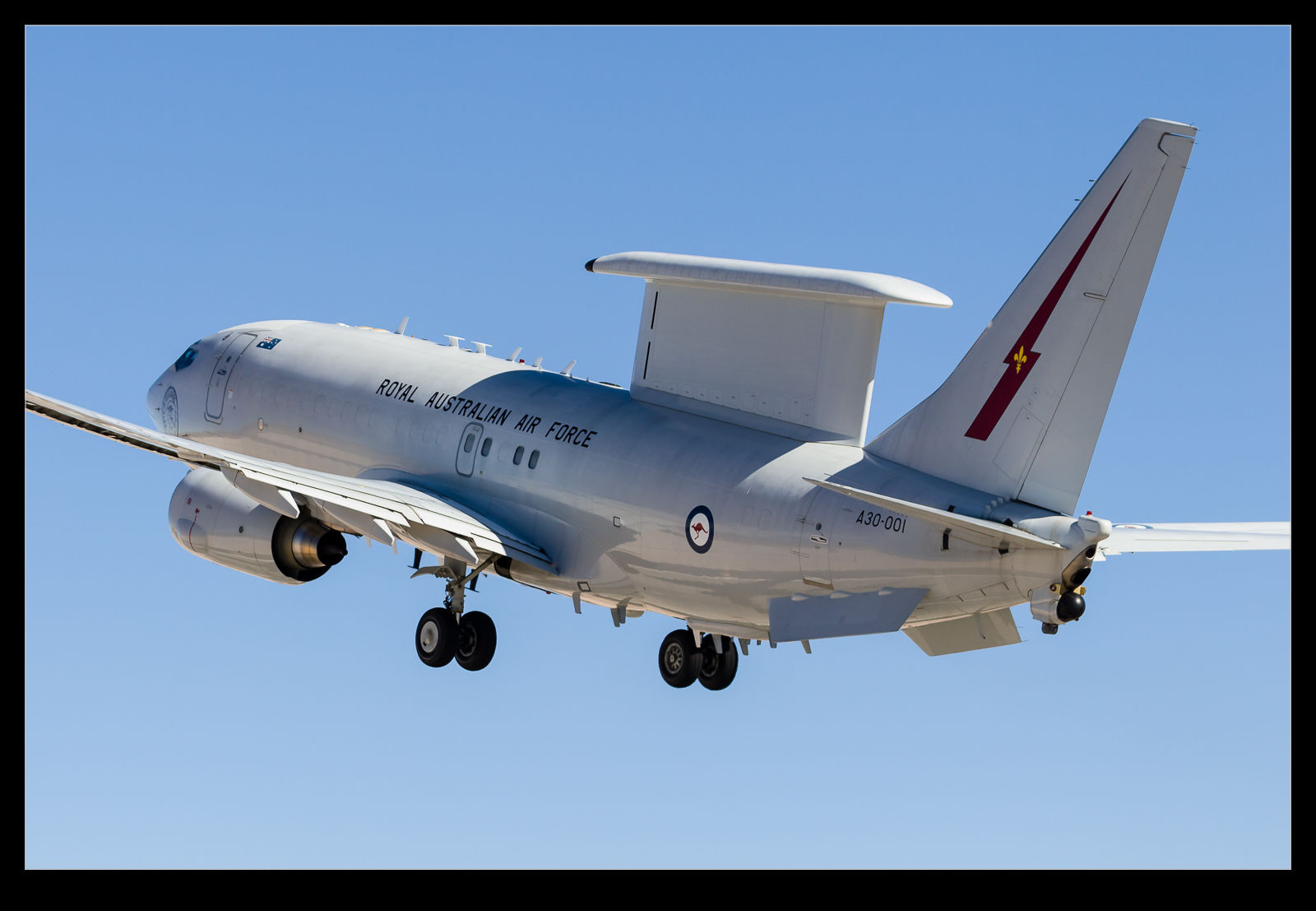
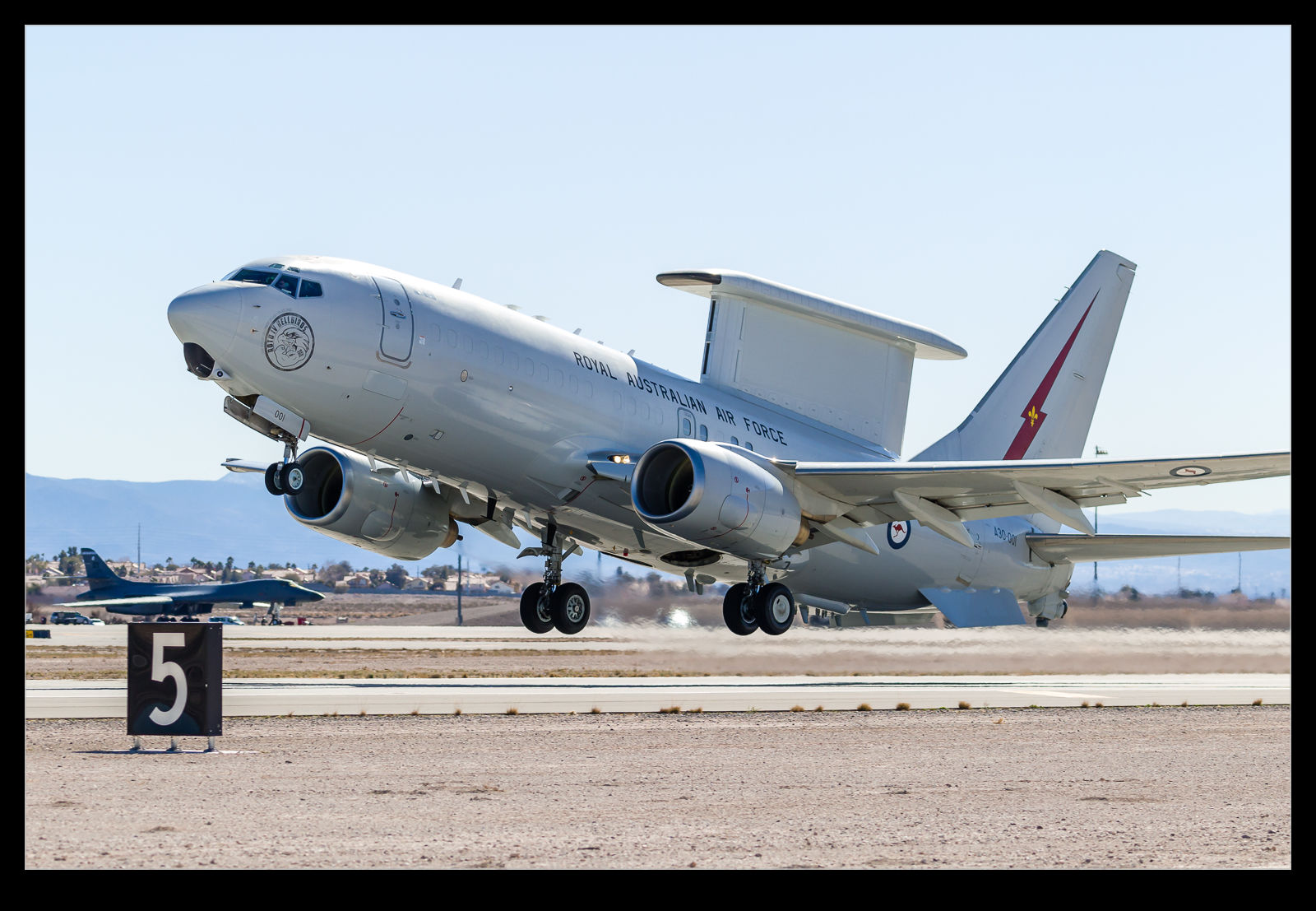
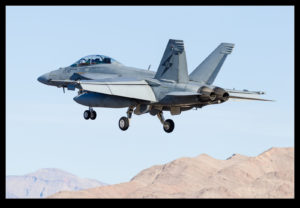
C59F4262.jpgI was pleased that the Wedgetail flew on the main media day. They were alternative AWACS resources and whether this was planned or luck I don’t know. I am just glad I got to see it fly. The Hornets have been to previous Red Flags but this was the first exercise for the Super Bugs. They have been deployed on operations, though, judging by the mission markings some jets were carrying.

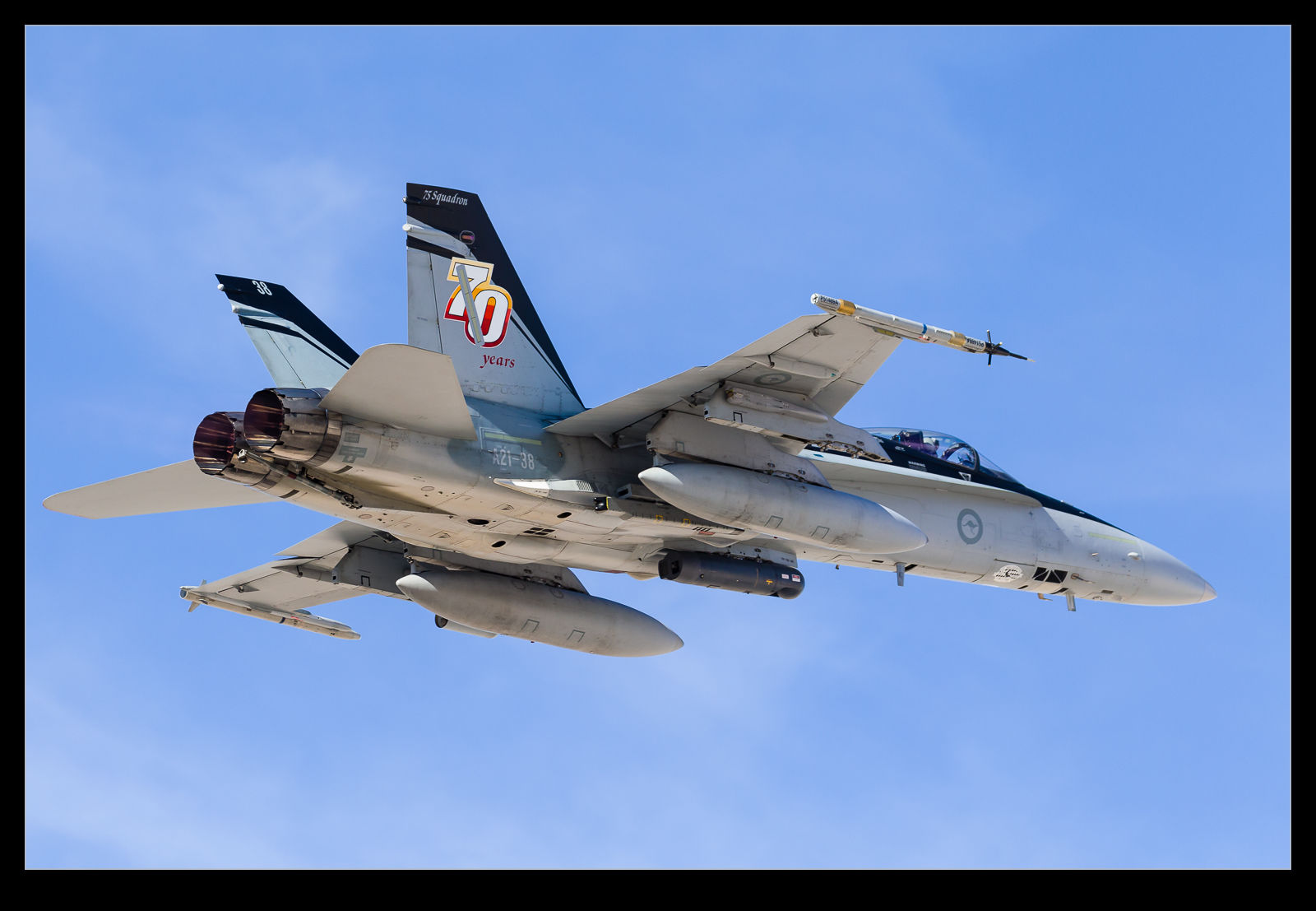
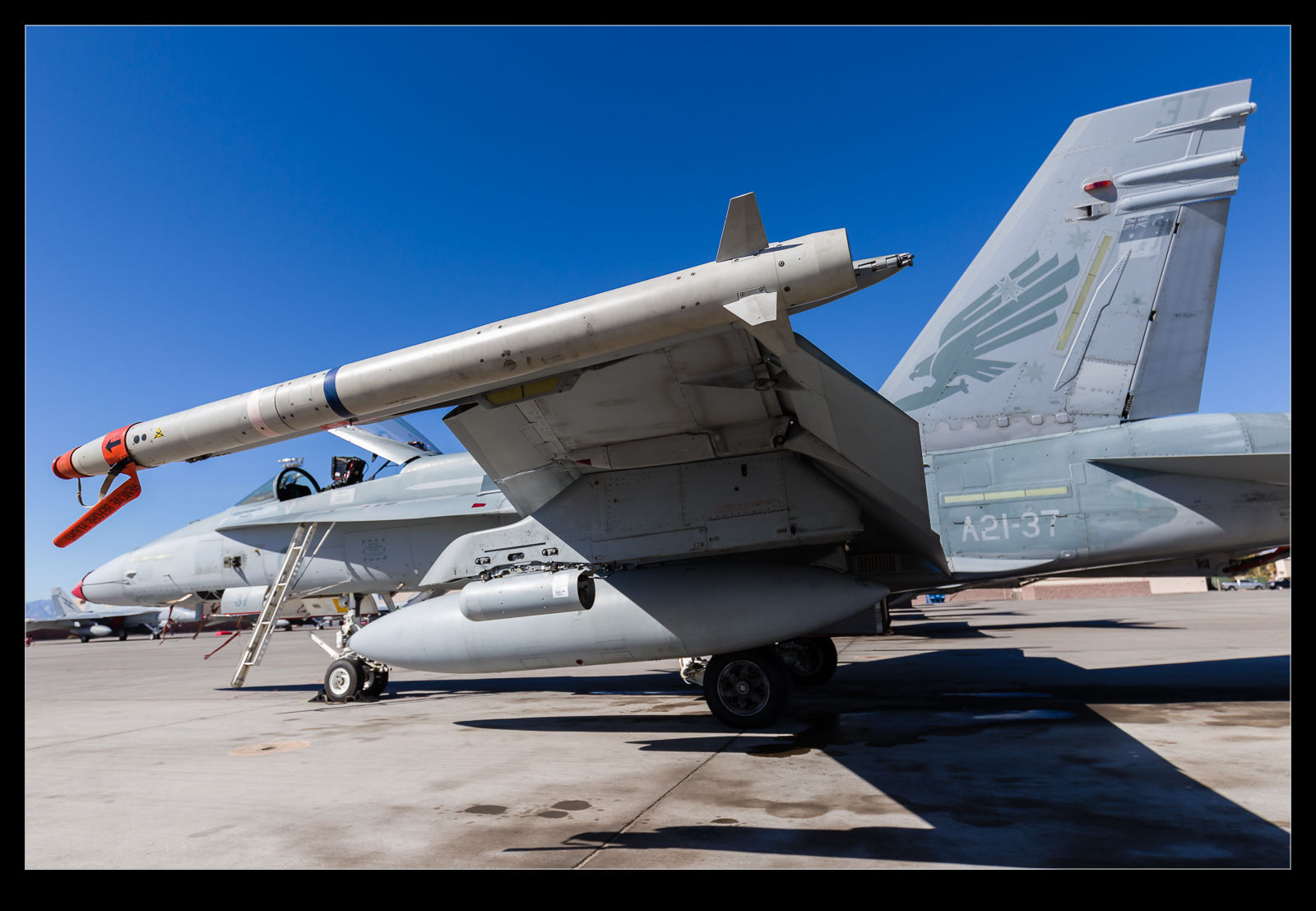
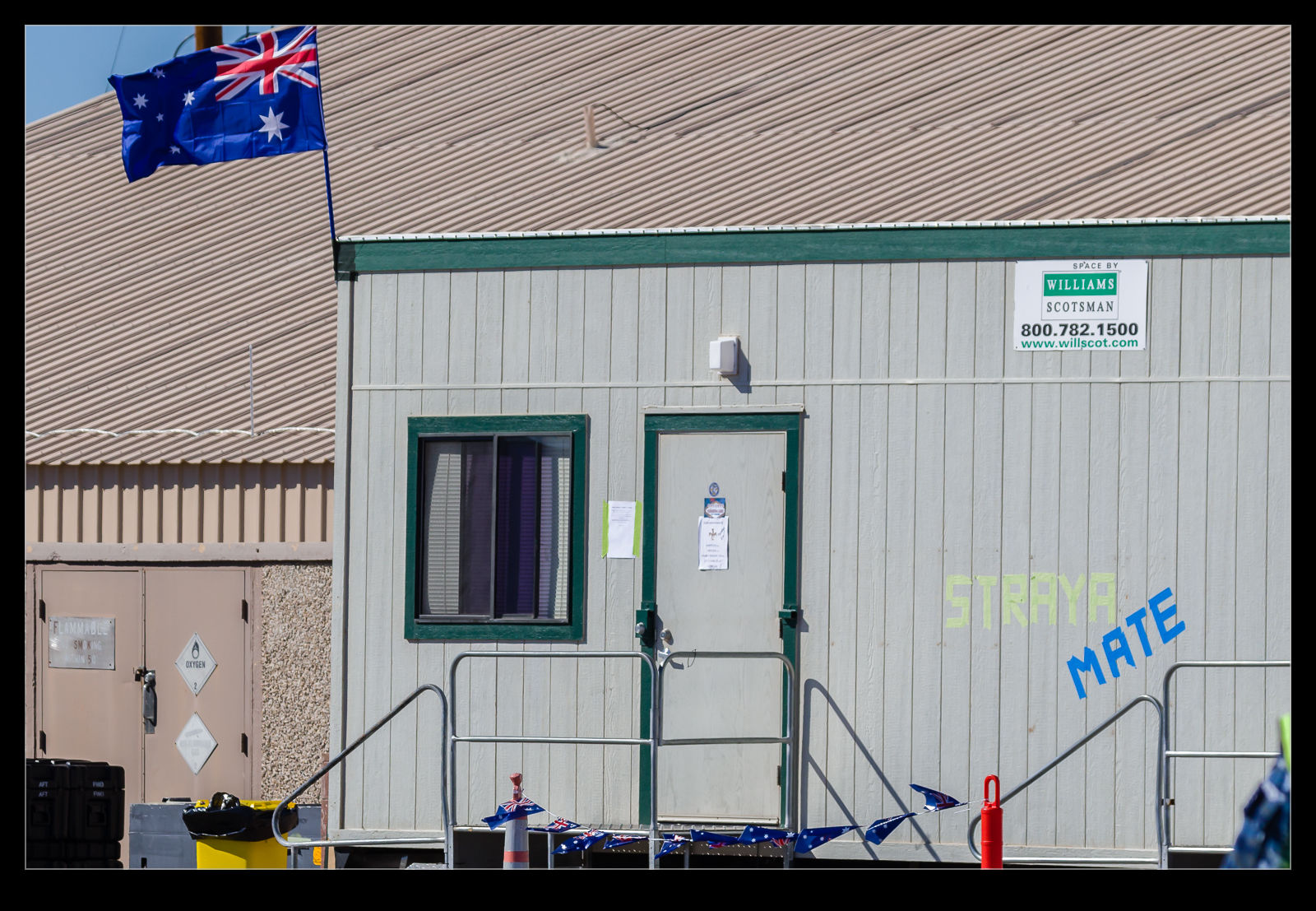
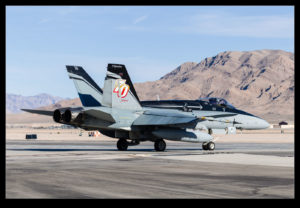
AU0E8446.jpgI was included in a second day on base when we got to spend some time on the Aussie ramp prior to the launch of the first mission. A team of RAAF personnel escorted us around as we got a chance to check out both generations of Hornet. One of the legacy Hornets was carrying squadron anniversary markings which looked good on it. The team was operating out of a building that they had temporarily adorned with something more personnel. If you don’t immediately get it, say the phrase out loud as a response to the question “Where are you from?”

C59F5748.jpgThe team was also selling a bunch of squadron swag. I am not a collector of this stuff but it looked pretty cool so I was happy to part with some cash for the squadron funds. Then we retired to the EOR for the launch. Of course, that also included both types of Hornet taxiing out past us on their way to the runway. Cheers to all of the team for being so friendly and accommodating.