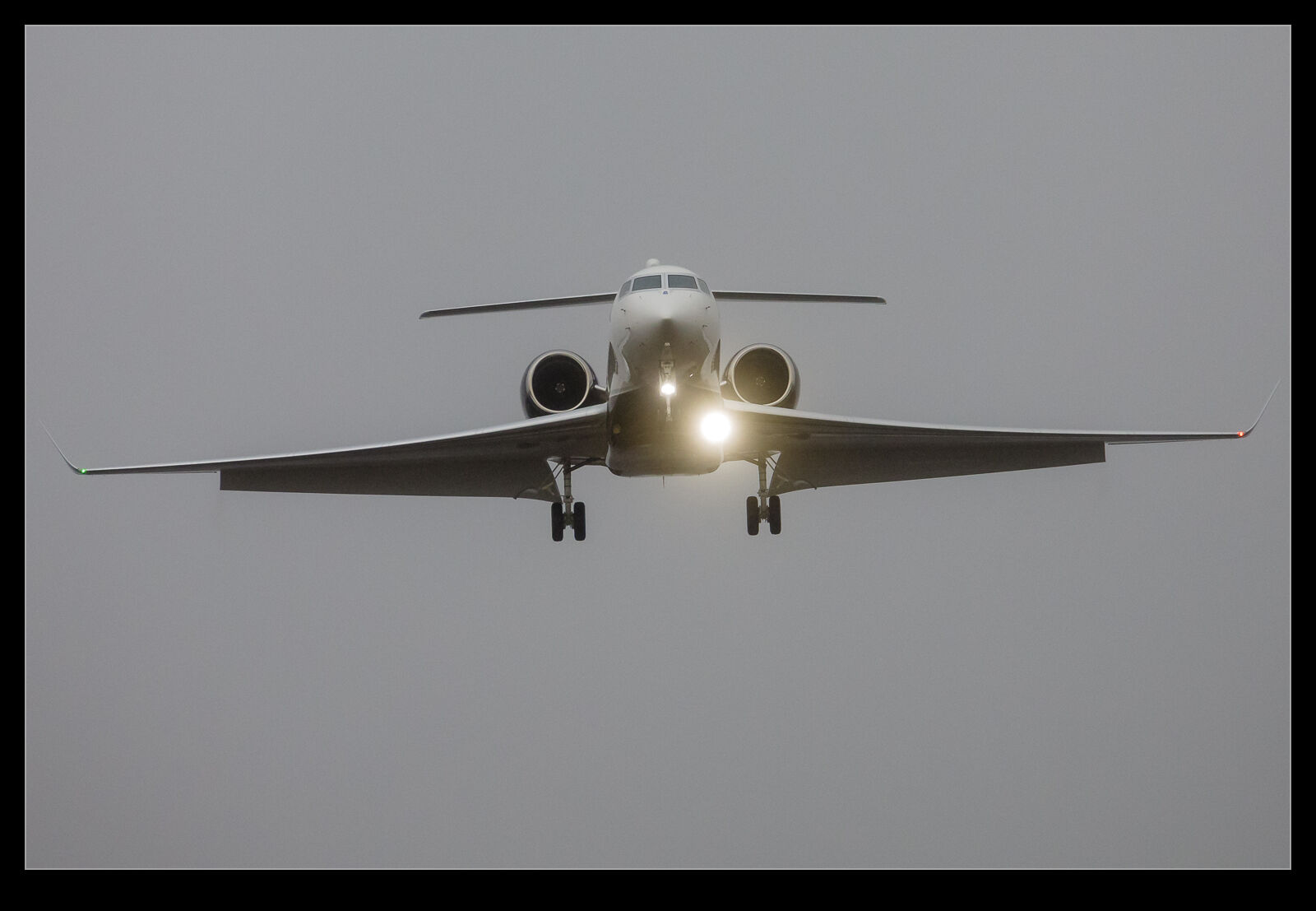
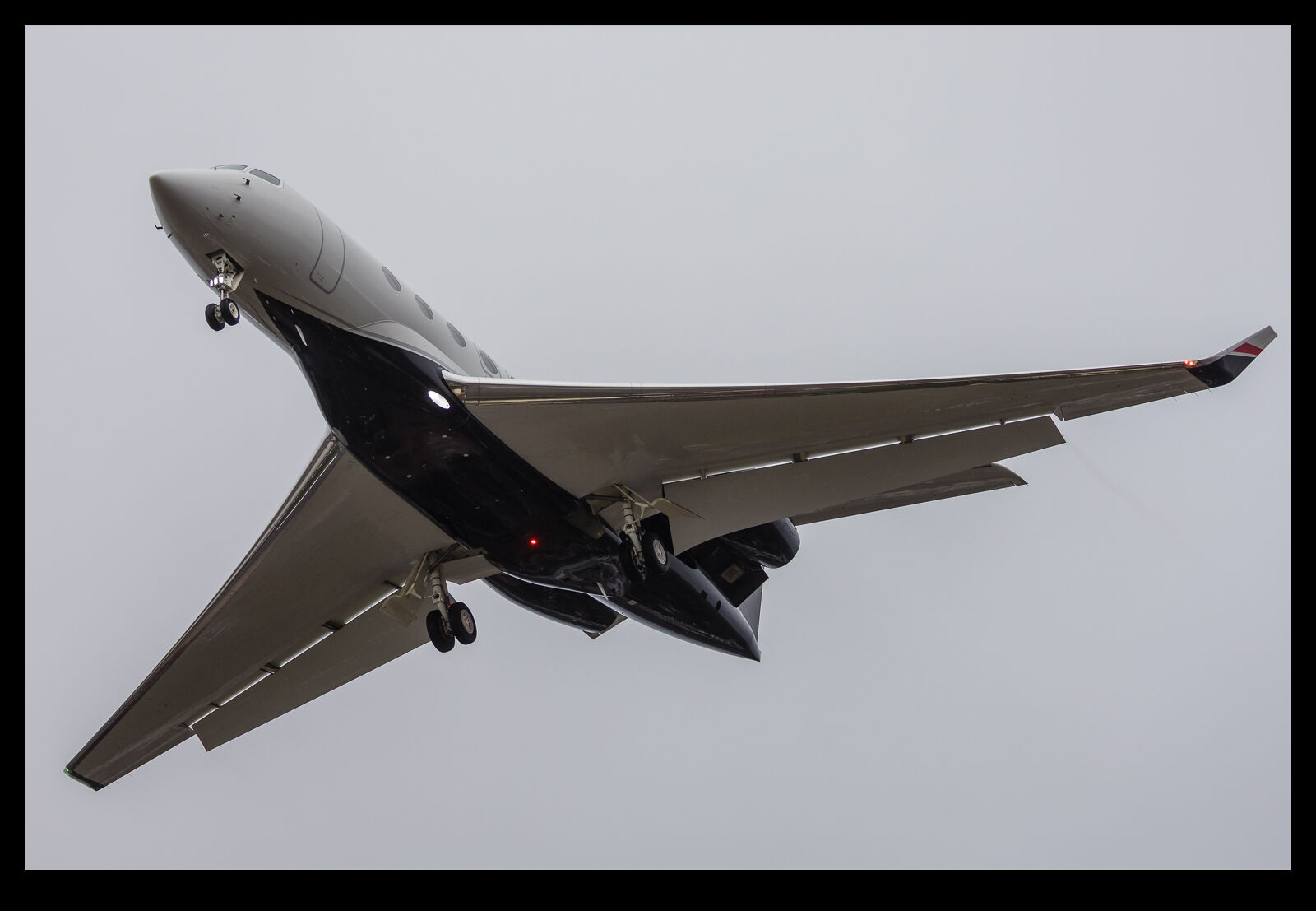
This G600 was coming into land at Farnborough while I was visiting. The conditions were far from ideal for photographing anything flying but I am not going to pass one up if the chance presents itself. I was close to the approach path so had an almost head on position. Not ideal but it would be fine. However, what struck me as I looked at the images afterwards was the flaps. Gulfstream has never impressed me with their wing designs. They always seem to have just gone with a larger wing to achieve whatever performance was needed and the flaps on all of their jets seem to be barn doors rather than some advanced design. It seems that the current generation of jets is no different. I guess it doesn’t matter enough to their sales so why bother?
Tag Archives: Farnborough
Farnborough’s Older Buildings
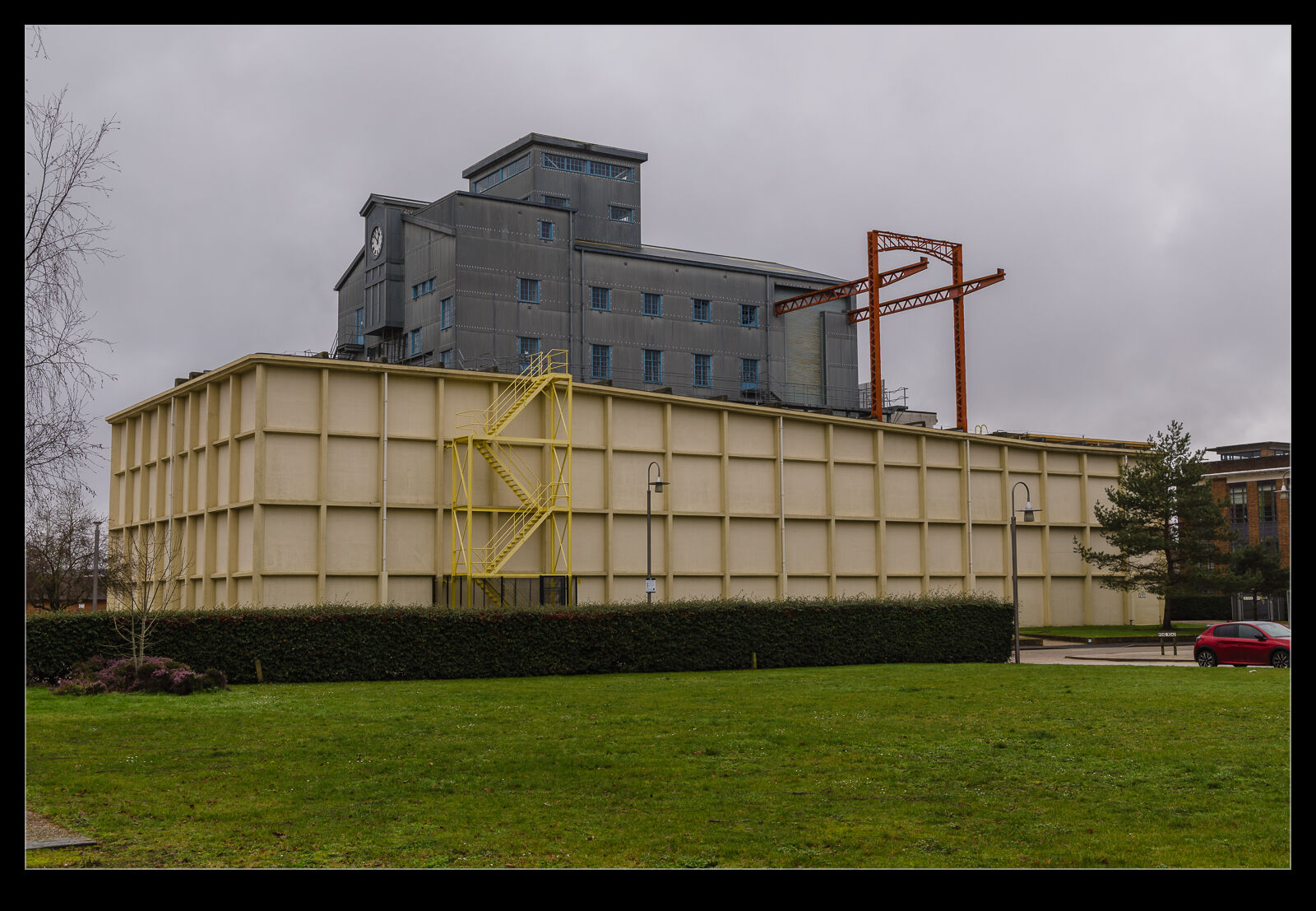
In my days working in aerospace, I dealt with people at the RAE/DERA, but I never had any visits there. I went to the show, of course, and BAe moved the headquarters there and I spent plenty of time in those offices, but I never was on the government side of the site. Now it has been handed over to private developers, you can drive around the various buildings. Much of it is new development or refurbishment of old buildings.
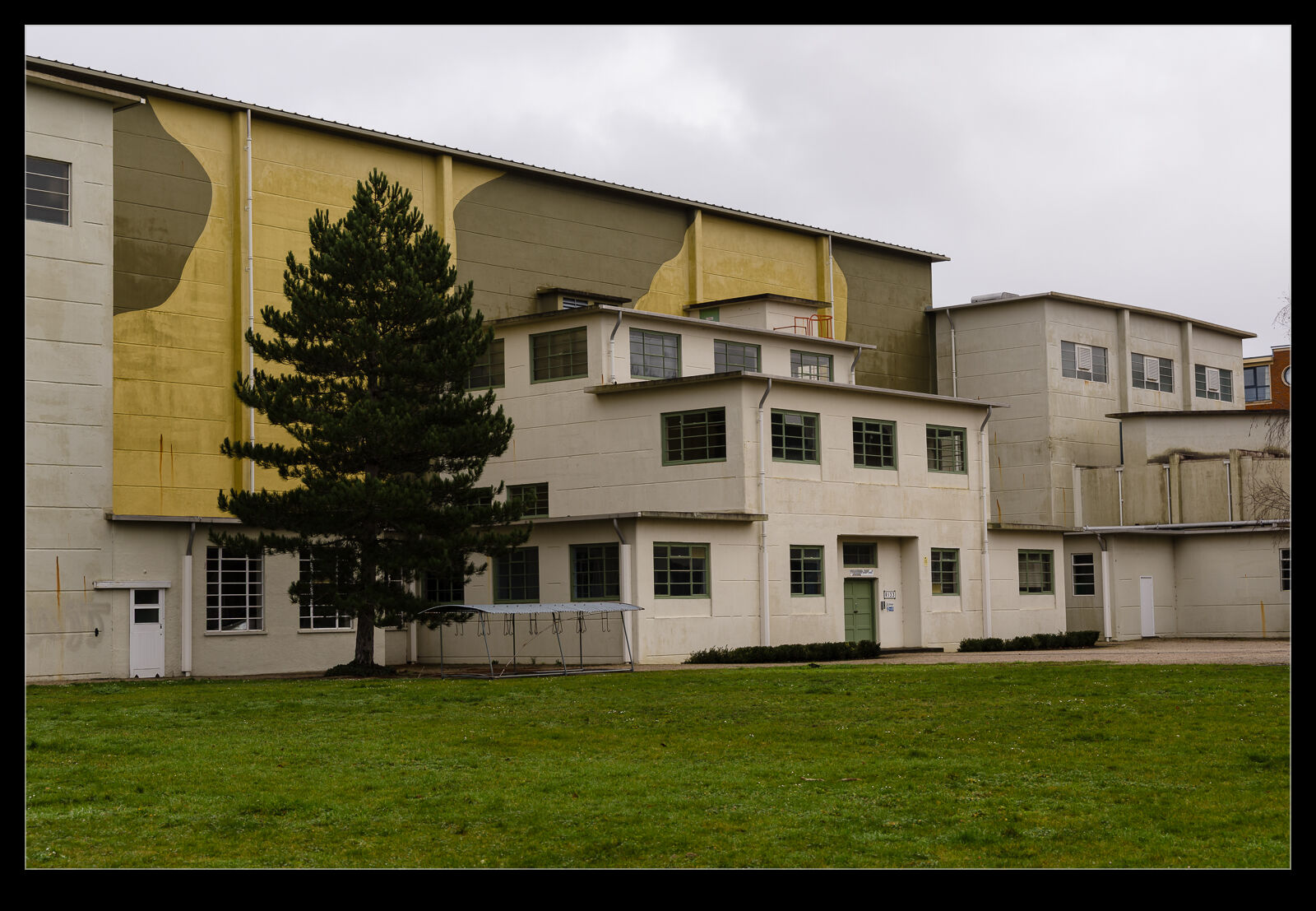
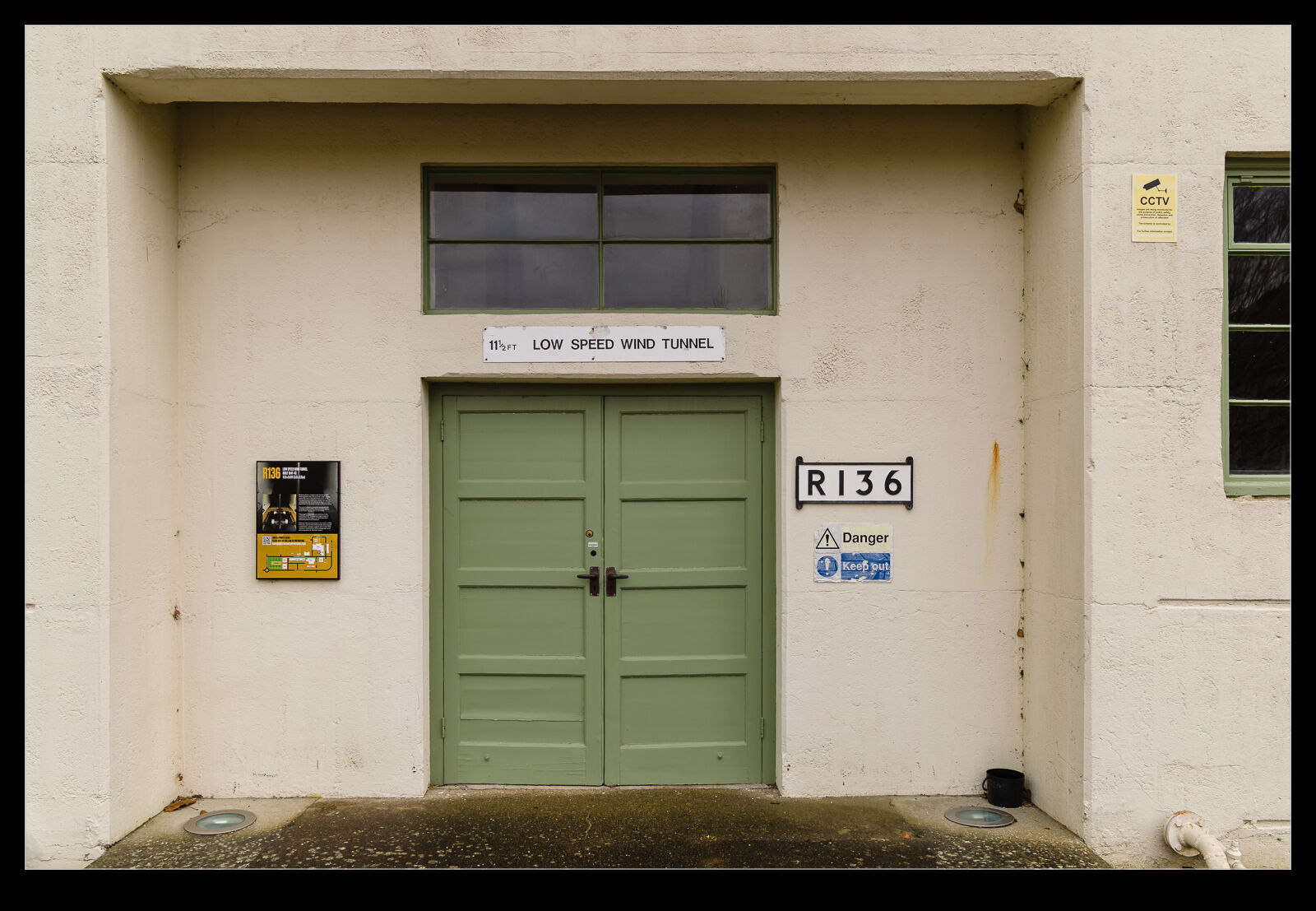
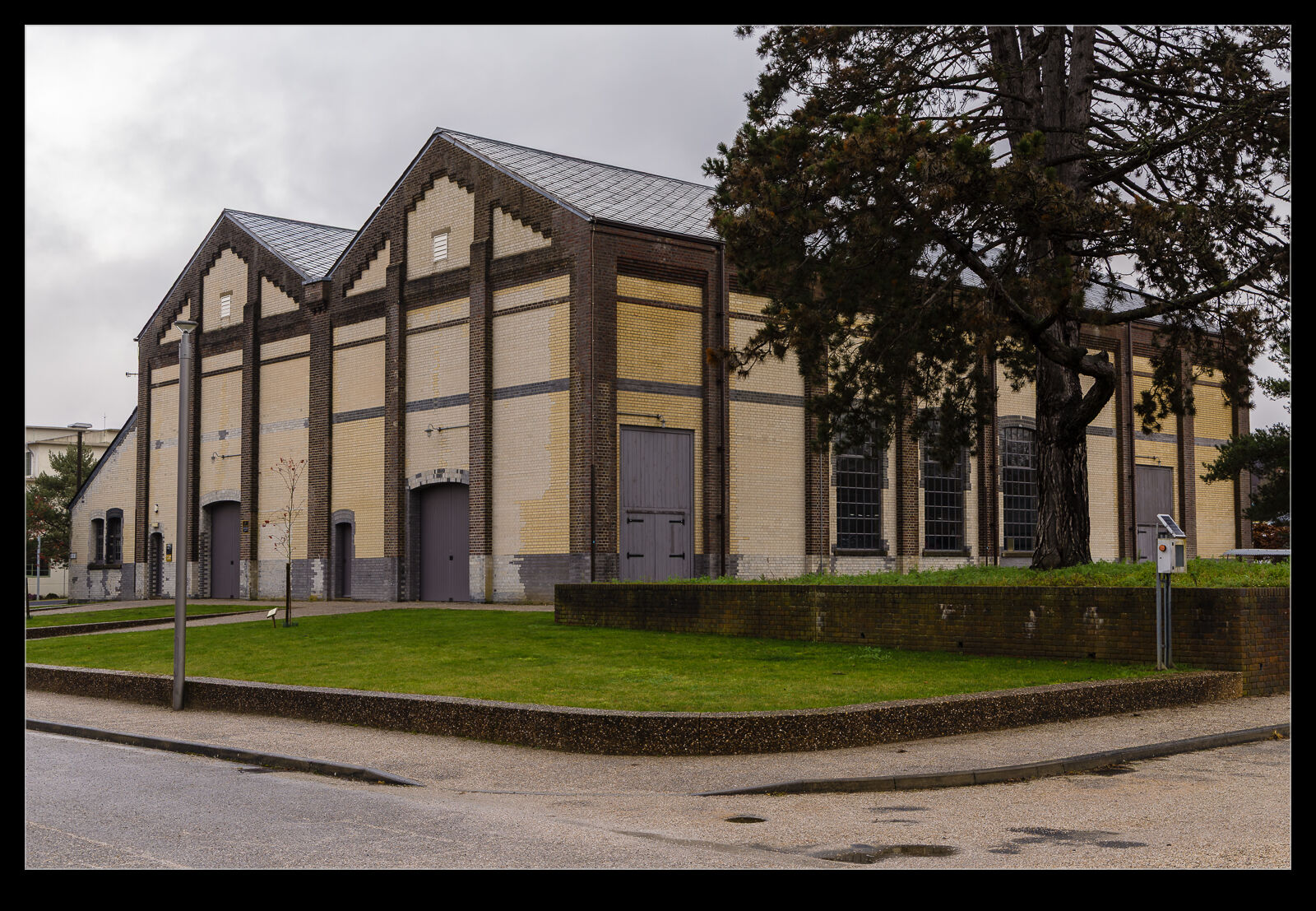
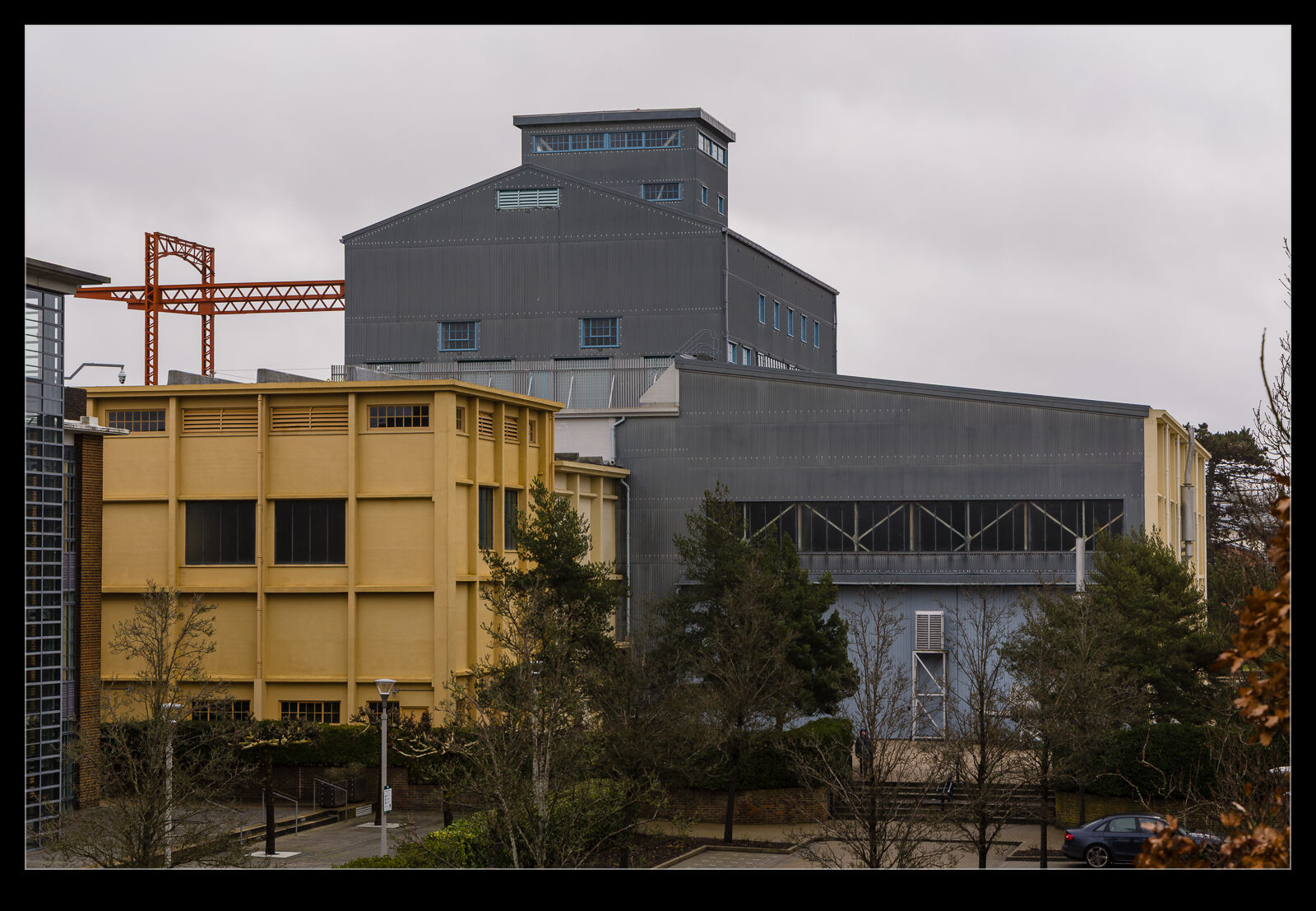
There are some of the old facilities still there, though. A couple of wind tunnel buildings are in place – one of which has camouflage paint for some reason! There are plaques on the various buildings to give a bit of their history. I know of many test programmes that were undertaken in these facilities, and I believe they are still in use since some of the capabilities are still in high demand.
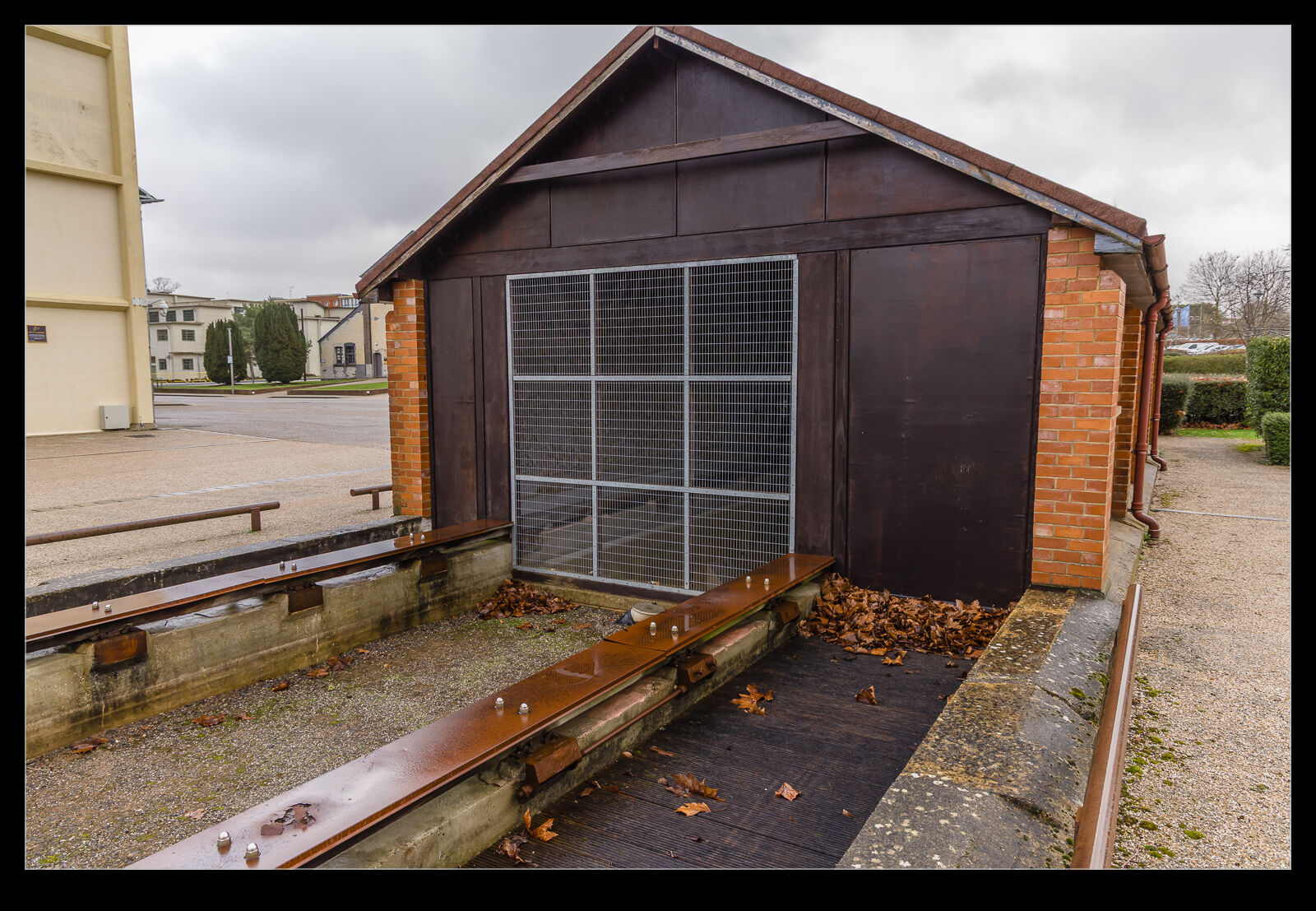
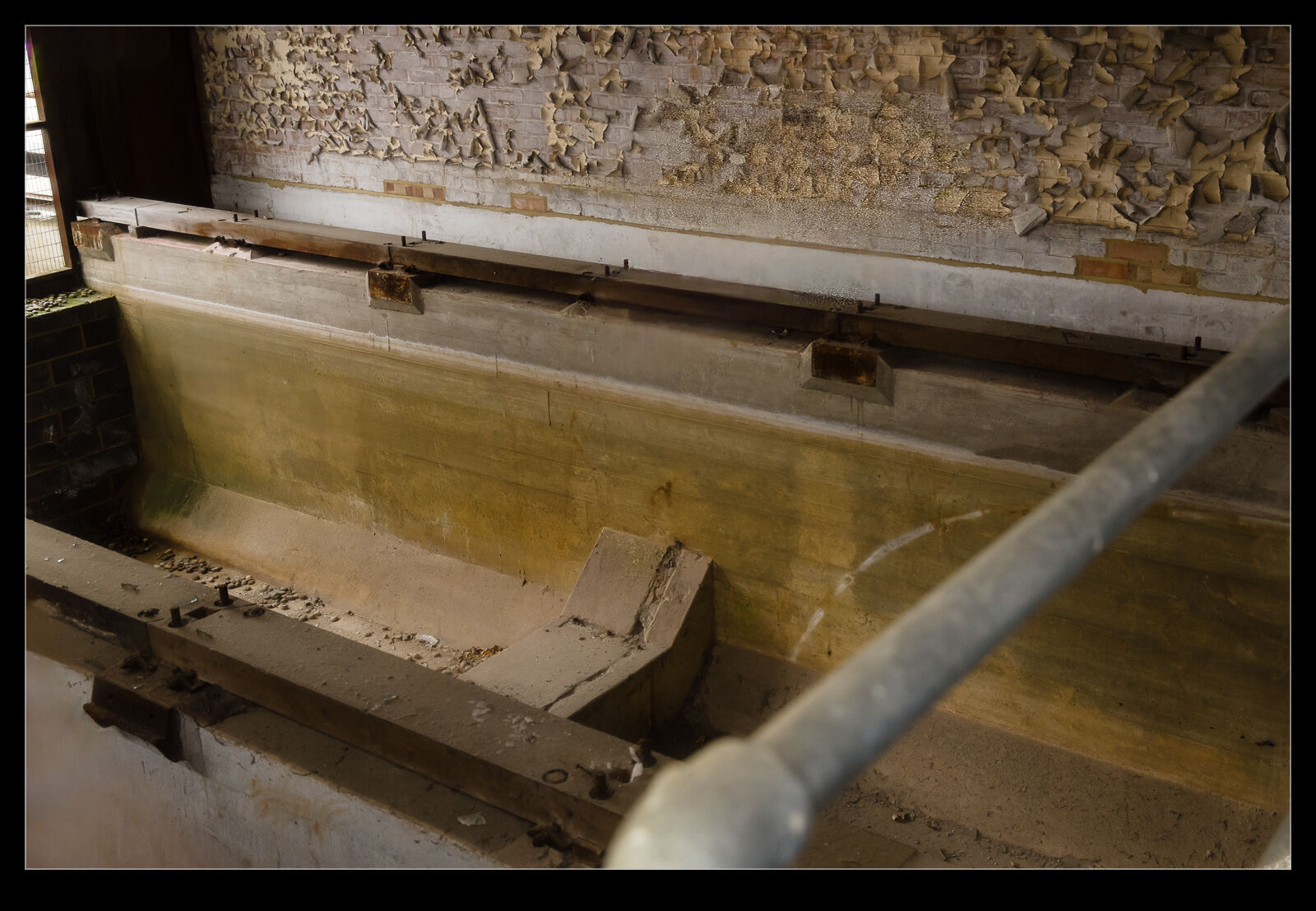
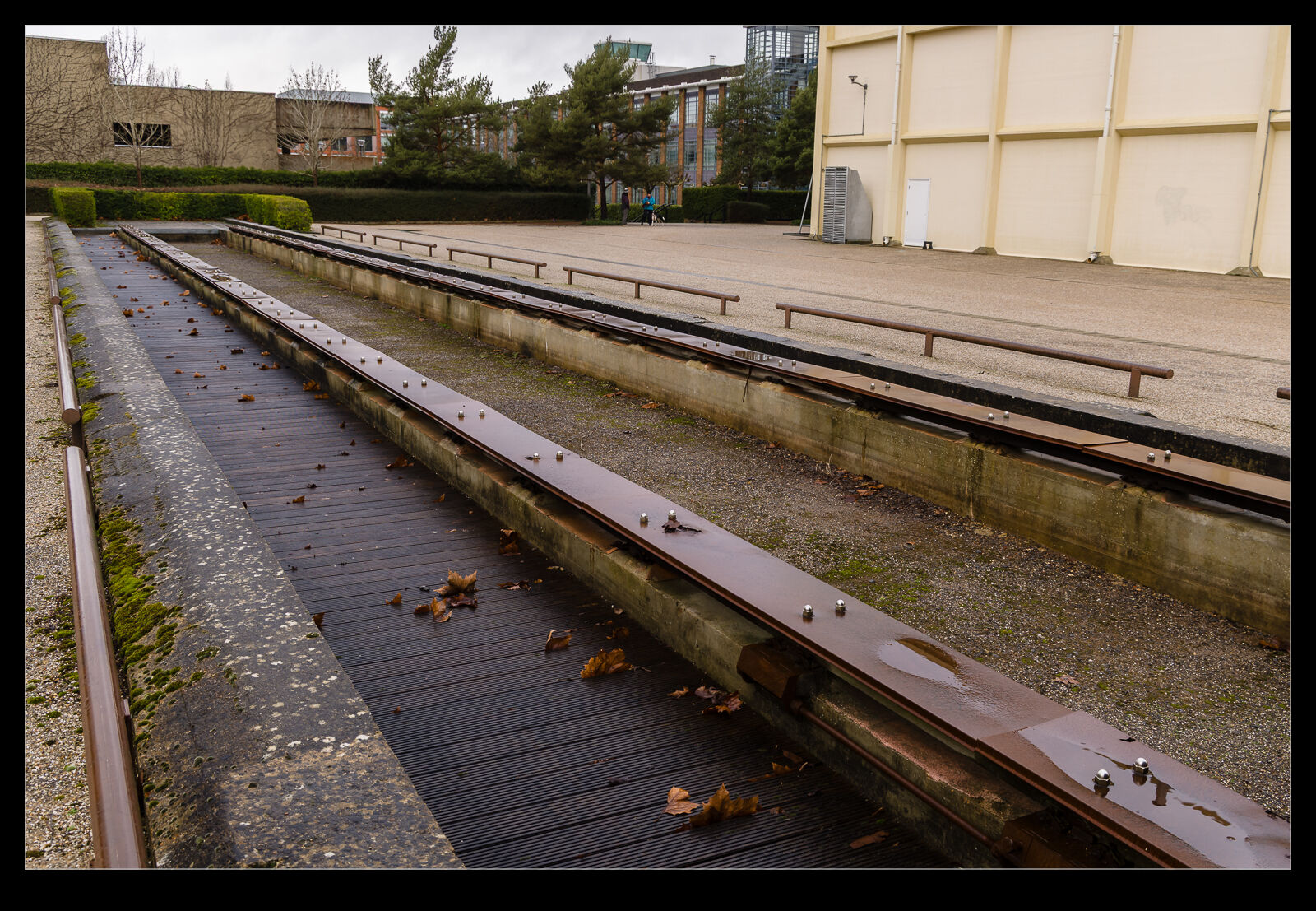
One smaller building is the remains of a water test tank. This was apparently shortened at some point and now the building still has the tank profile inside while the outside has the test rails but seems to have been filled in. It is good that so much of the original facilities is still there even as redevelopment has taken place. Sadly, I won’t get to experience what it was like when it was at its busiest.
Frame for a Balloon Hangar
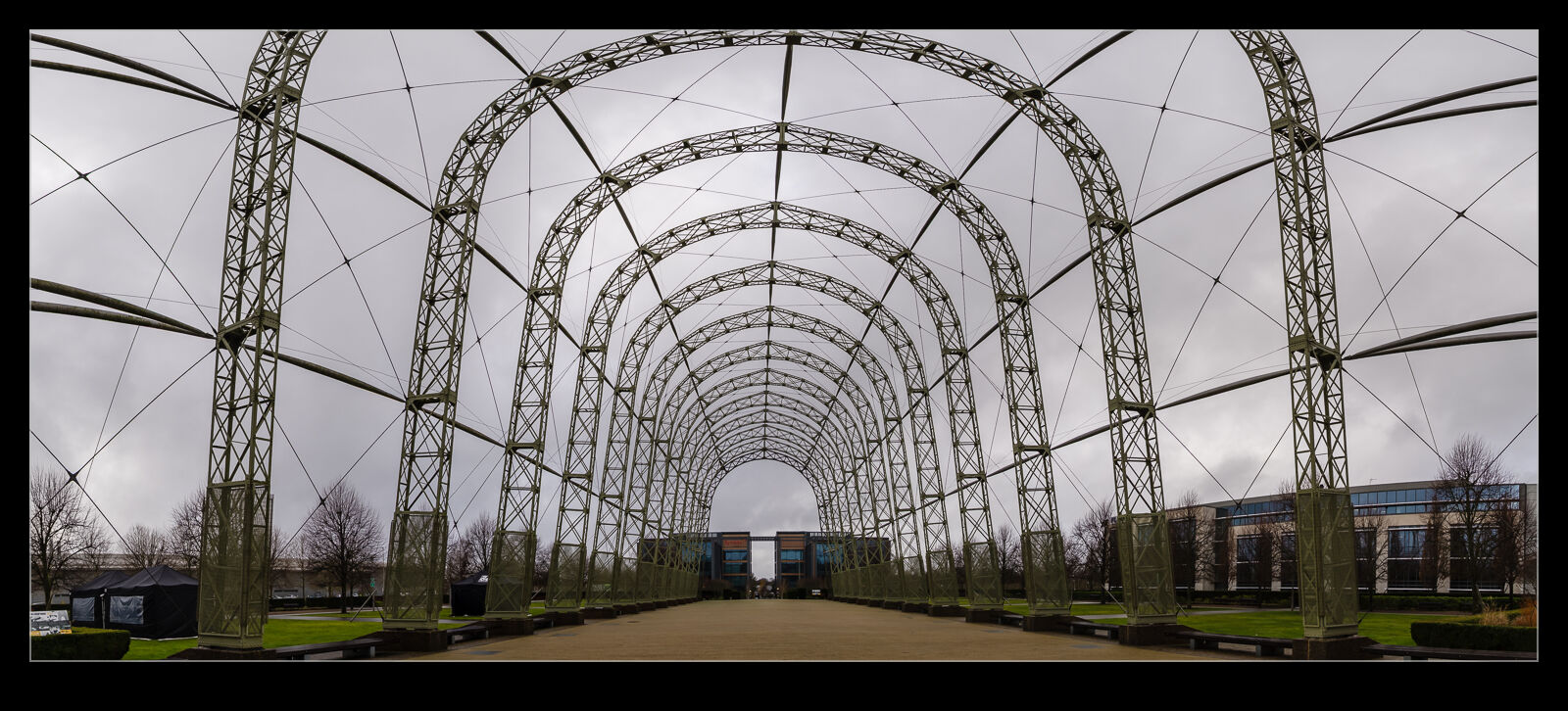
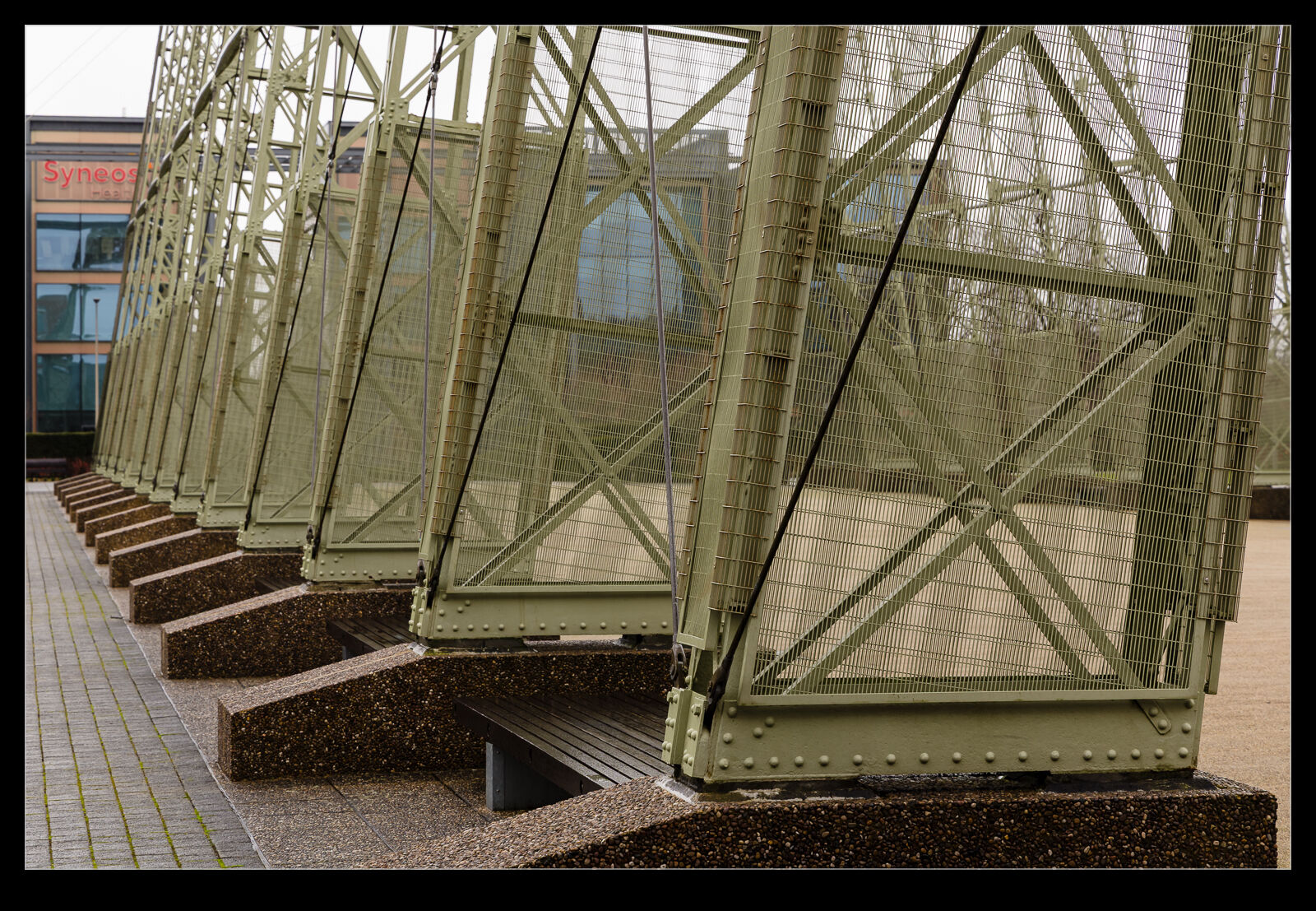
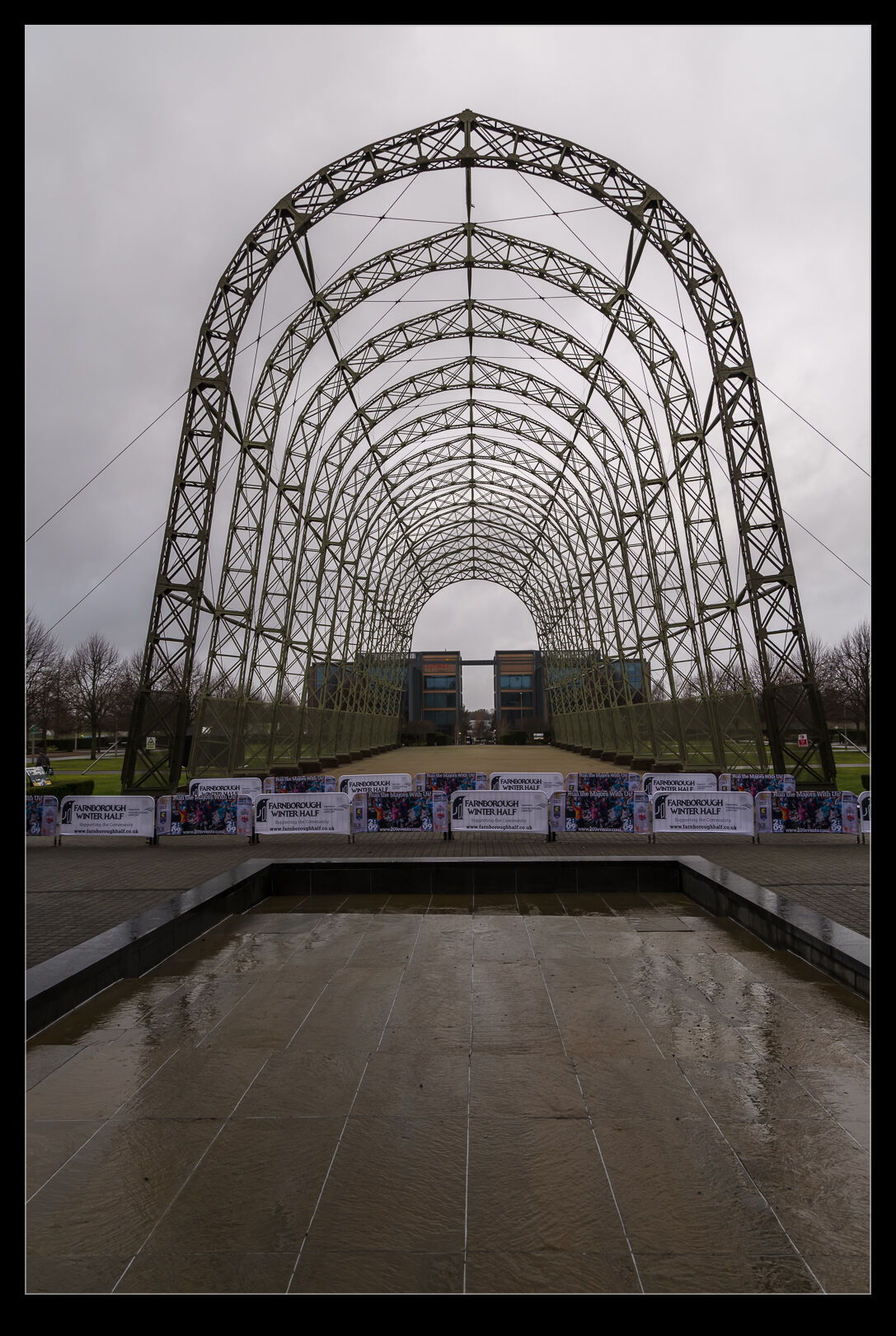
Aside from the buildings at Farnborough, there is also the frame from a balloon hangar. This was a fabric covered structure with the fabric having been lost in a storm many years ago. I read that the frame was previously in another location but was moved to this space as part of the redevelopment of the site. Some elements needed repair or replacement but much of it is original. It was repainted and assembled with some minor additions to prevent people climbing the structure. On a gloomy day, I decided a combination pano and HDR was needed to record it. Not anything like the grand scale of the hangars at Moffett Field I used to see but still cool.
Seeing a Kodiak Again
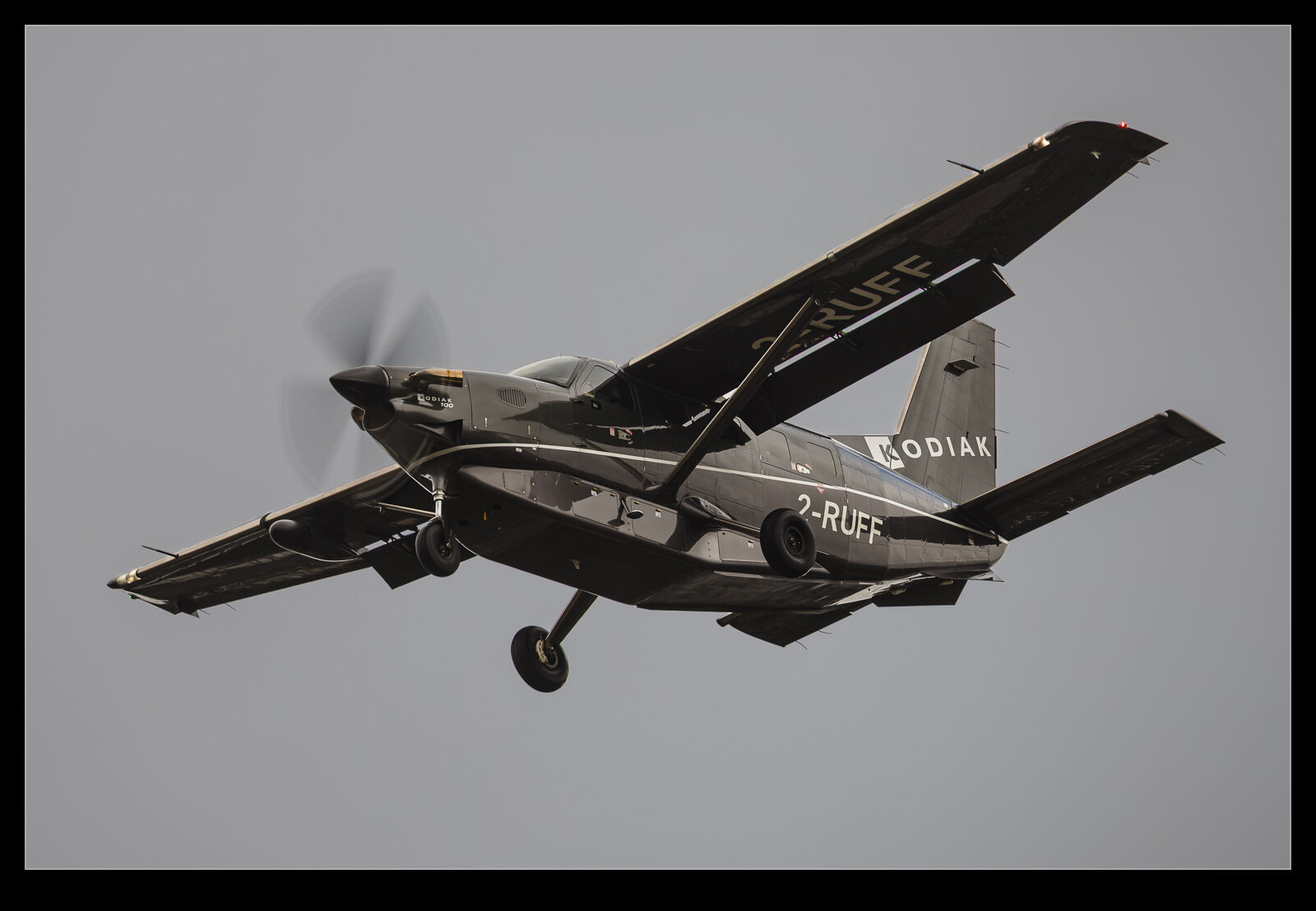
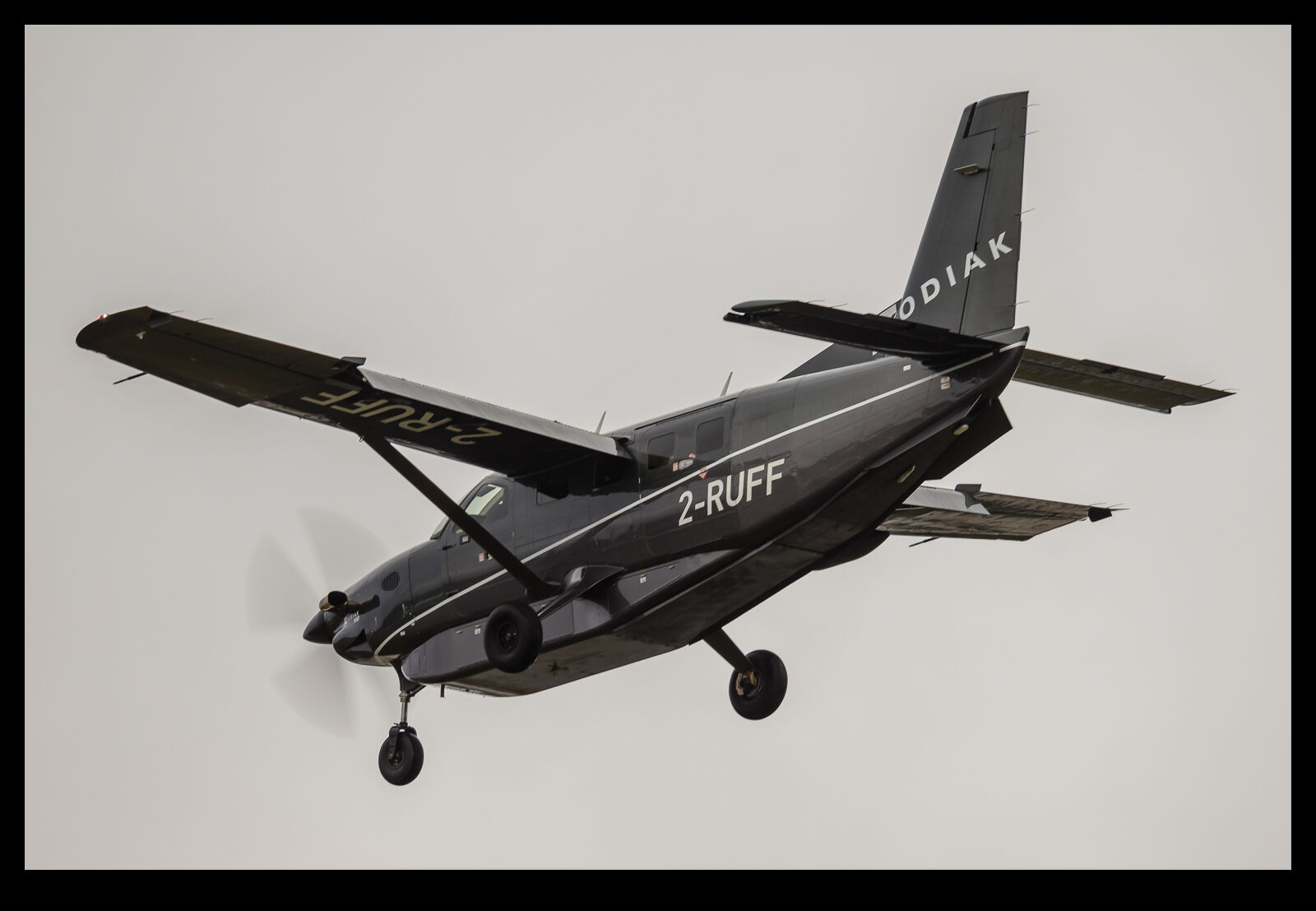
The Pacific Northwest was a great place to see Daher Kodiaks. They were built over in Idaho and there were plenty of them in the Seattle area. Even so, I was still keen to see them as there is something about their chunky functionality that appealed to me. When I came back to the UK, I wasn’t expecting to see them around. Consequently, when I got to the FAST museum at Farnborough, I was pleasantly surprised to see that one was inbound shortly from Guernsey. It was really overcast with the base very low. The instrument approach would result in popping out of the clouds quite late. I went with my preferred technique for shooting in such conditions with a couple of stops of overexposure with the goal of having enough light on the airframe and then post processing to bring the sky back down to something sensible.
I wasn’t exactly sure what the angle on the plane would be from the area outside the museum and where the plane would come into view, but it wasn’t too bad as it worked out. I had a reasonable sighting line and enough time to react. Having a dark grey aircraft in such dreary light was not helping but I think I got something reasonable from it.
Chichester Miles Leopard
The late 80s and early 90s was a time when a lot of unusual planes were being developed and, much like the later time when VLJs were the trend and now with the EVTOL craze, most of them never made it past the test phase and in to service. One such plane was the Chichester Miles Leopard. I originally saw this plane at a Farnborough air show when it was displayed by their test pilot – a guy that also flew our Jetstream when I was on my Cranfield flight testing course as part of my degree.
Even at the time, I thought the thing looked ridiculous. It had this angular fuselage shape and was a tiny thing. The prototype was powered by a little turbojet by a company called Penny and Giles. I had never heard of them before, and I imagine the engine came from some sort of missile or other. Supposedly the plan was for it to be replaced by some (slightly) larger turbofan which would have improved performance, reduced fuel consumption and the noise! I don’t think that ever came about.
The Bournemouth Aviation Museum has an airframe on display. Looking at it closer up than I was able to at Farnborough showed just what a strange concept it was. I remember it looking spindly when I saw it previously but now it looks so fragile as to be hard to believe. The fuselage is stripped out, but it doesn’t look like it would have made for a comfortable ride. I will have to do some reading on how the testing went. All I can ponder when I see this is that someone thought it was worth spending a ton of their own money on. I wonder how those around them felt about it.
Rafale A Demonstrator
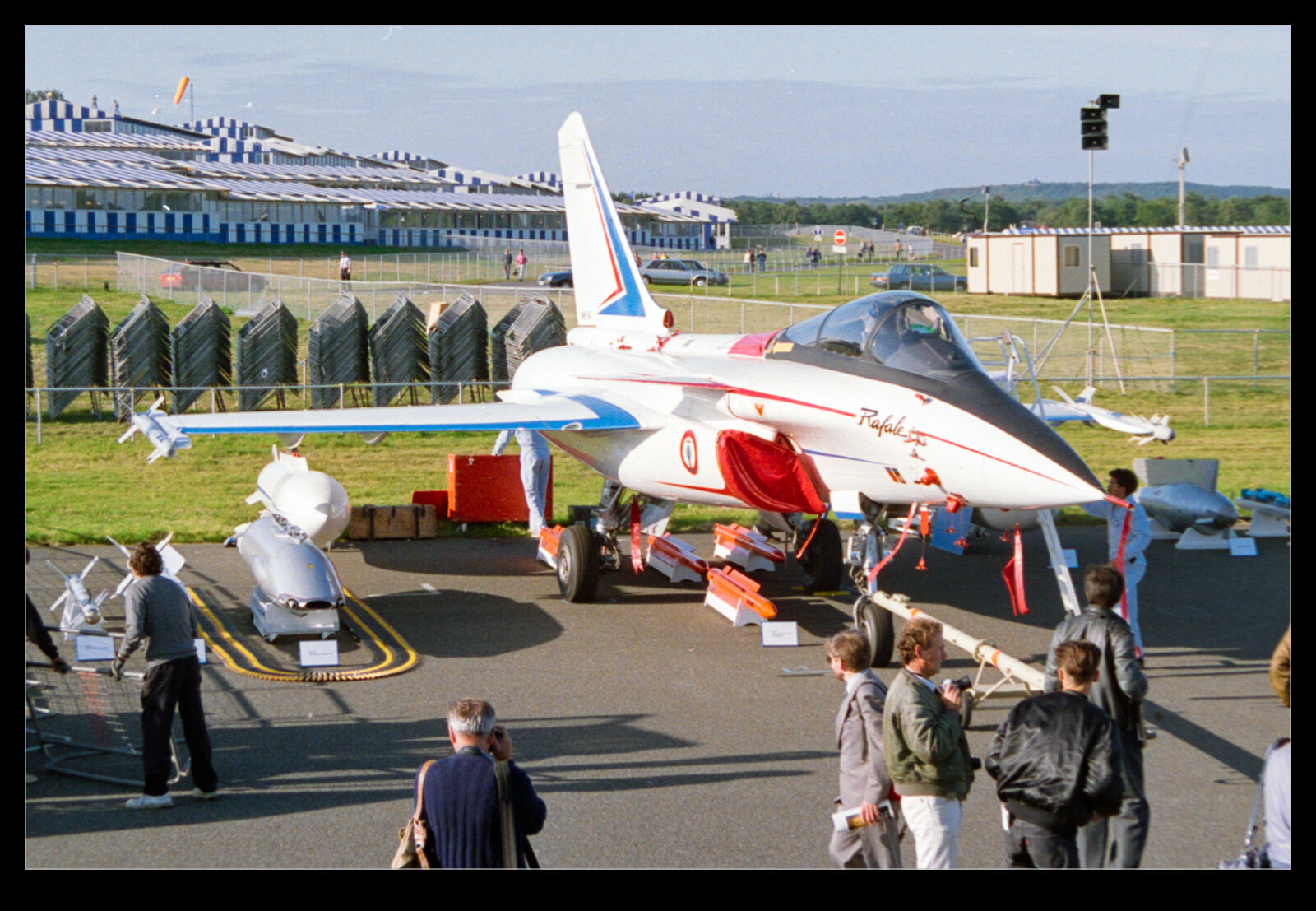
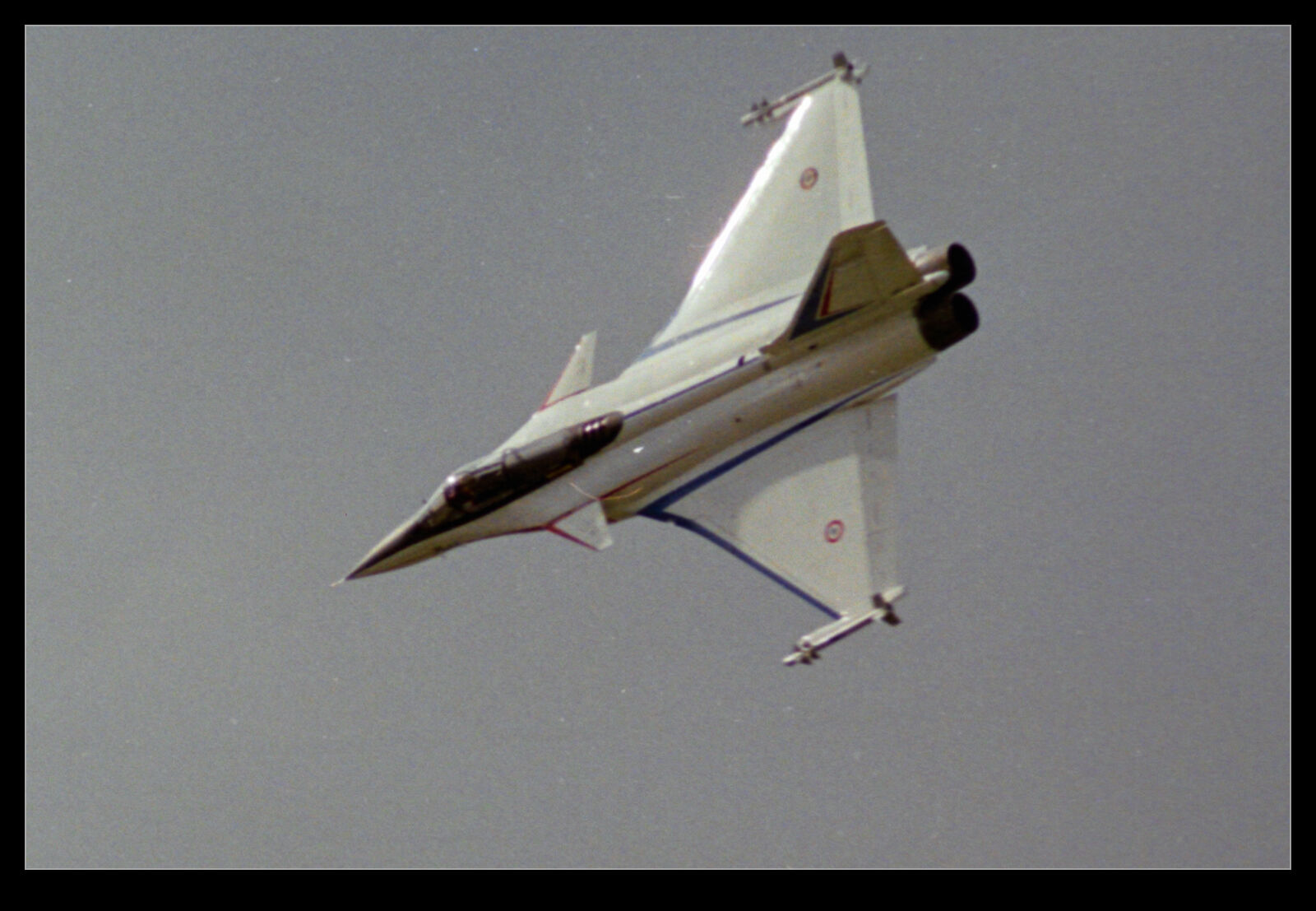
The Dassault Rafale is a fantastic looking aircraft. Gradually being built in reasonable numbers, it has broken into the export market and has customers in Egypt and Qatar and probably India although exports to India are always hard to pin down! The French air force and navy will no longer be the sole operators. The Rafale B is a two seat version and the C is the Air Force’s single seat version. However, there was the Rafale A. One of them was built in the mid 1980s as a demonstrator. It looks almost identical to the production version but was actually slightly larger. Painted in Dassault’s house colors, it made a number of air show appearances. At the time, it was competing for attention with BAe’s EAP demonstrator. I didn’t get to see EAP until I got to Warton where I wasn’t able to photograph it!
Here are some shots of the Rafale A. It was originally powered by GE F404 engines although later one was swapped for the M88 that would power the production Rafale. The first Rafale C was rolled out in an all black paint scheme which made it look very cool. The size difference is not immediately obvious but a number of detail design changes were incorporated too including lots of sensors required for an operational type rather than the demonstrator. The wing planform was also altered slightly based on the experience gained with the demonstrator. I understand that, when the aircraft was retired, it went to the Museum at le Bourget in Paris.
Optica Flashback
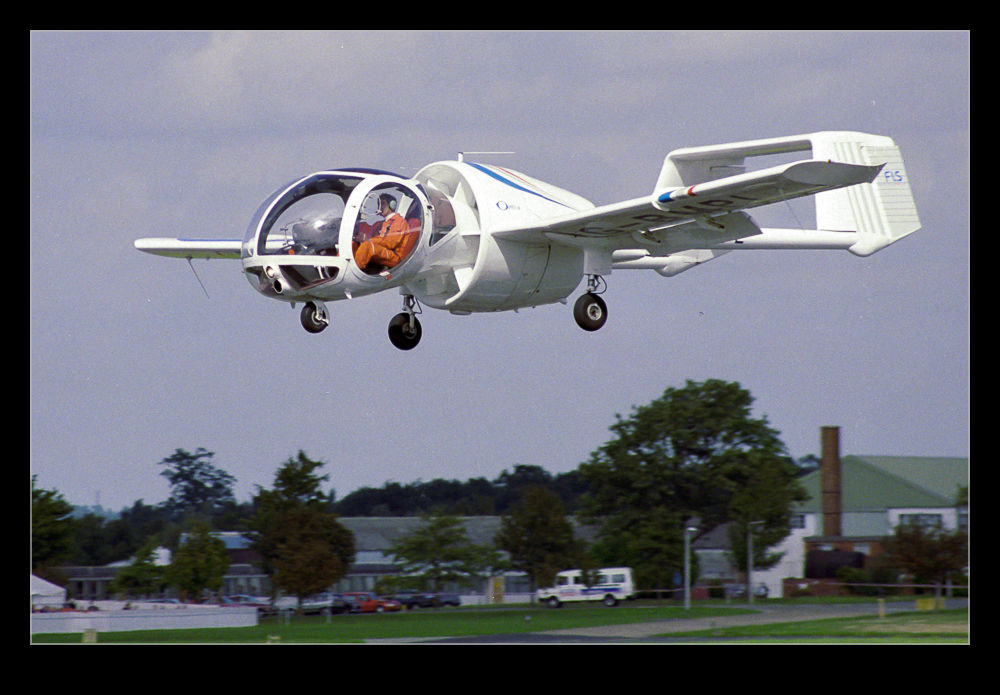
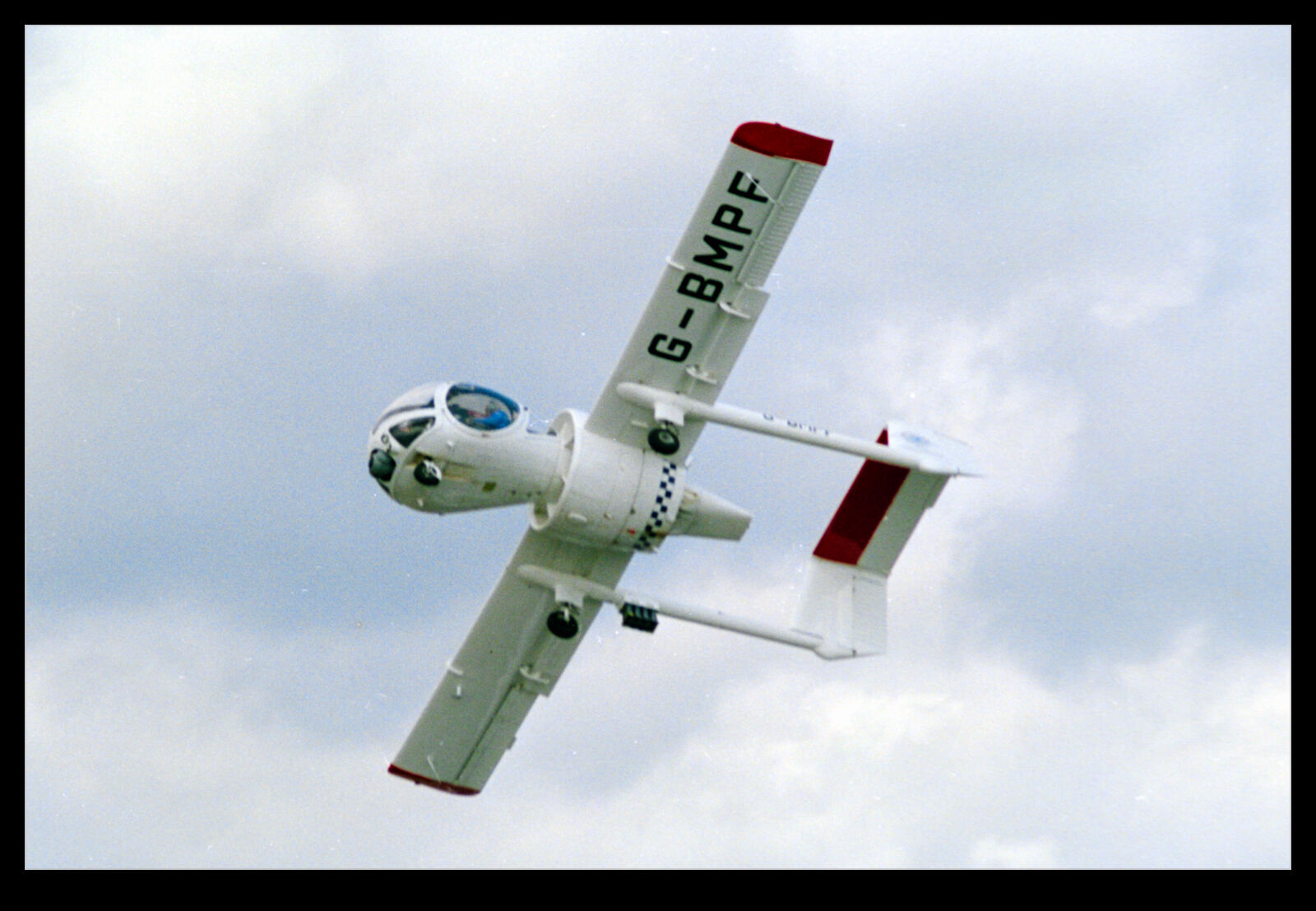
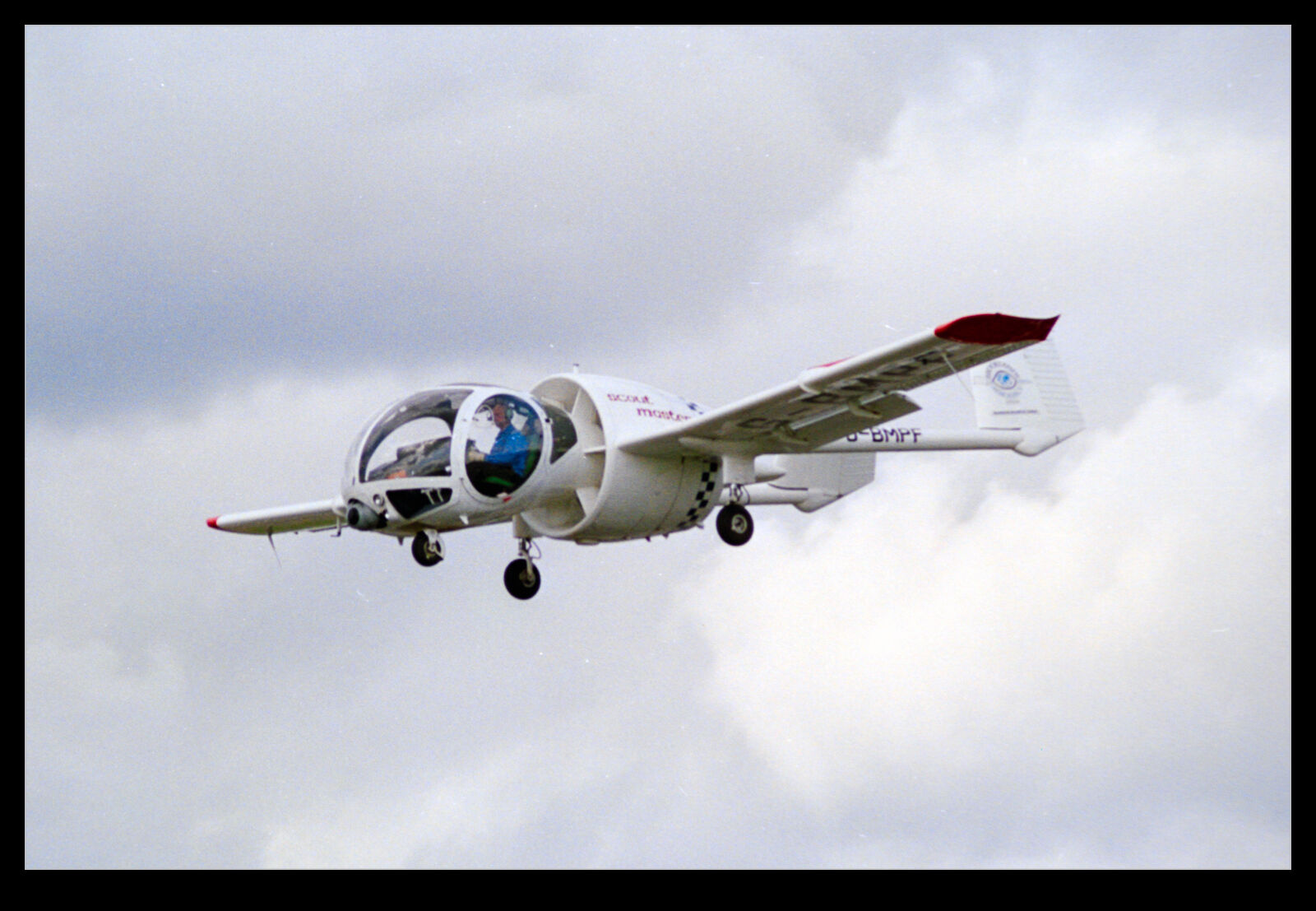
A few outlets have recently been covering the reemergence of the Edgley Optica. In the 80s, his was an aircraft that was coming in to production. Designed as an observation platform, it is a rather interesting looking airframe. A bulbous fuselage sits ahead of the wing and the powerplant is mounted in the rear driving a ducted fan. The unrestricted view is supposed to make the aircraft ideal for seeing what is going on below. Supposedly, the ducted fan makes for a low noise signature which helps the “stealthiness” of the aircraft.
The ownership of the design moved through a few entities and the program experienced some setbacks including a crash and a fire that destroyed a number of in production aircraft. Ultimately, the whole thing sputtered to a stop. A few airframes are still in use around the world but John Edgley, the original designer, has bought back the rights and is now trying to relaunch the project. I saw the aircraft at Farnborough back at the end of the 80s and beginning of the 90s. These shots were taken then. I really would quite like to track down some of the currently active airframes.
MiG29
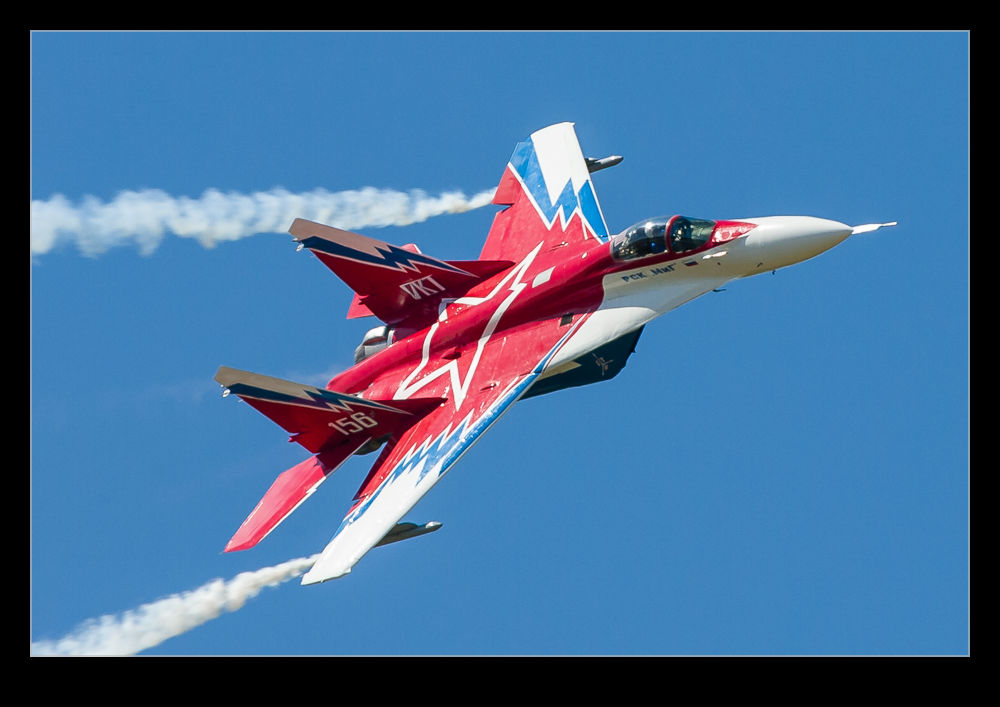
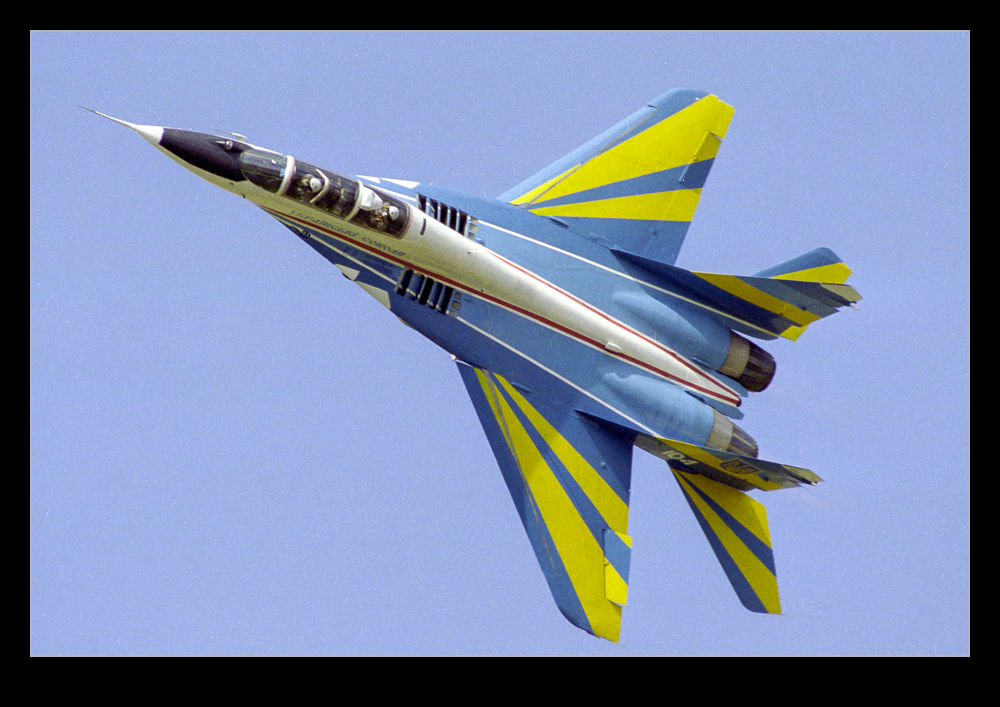
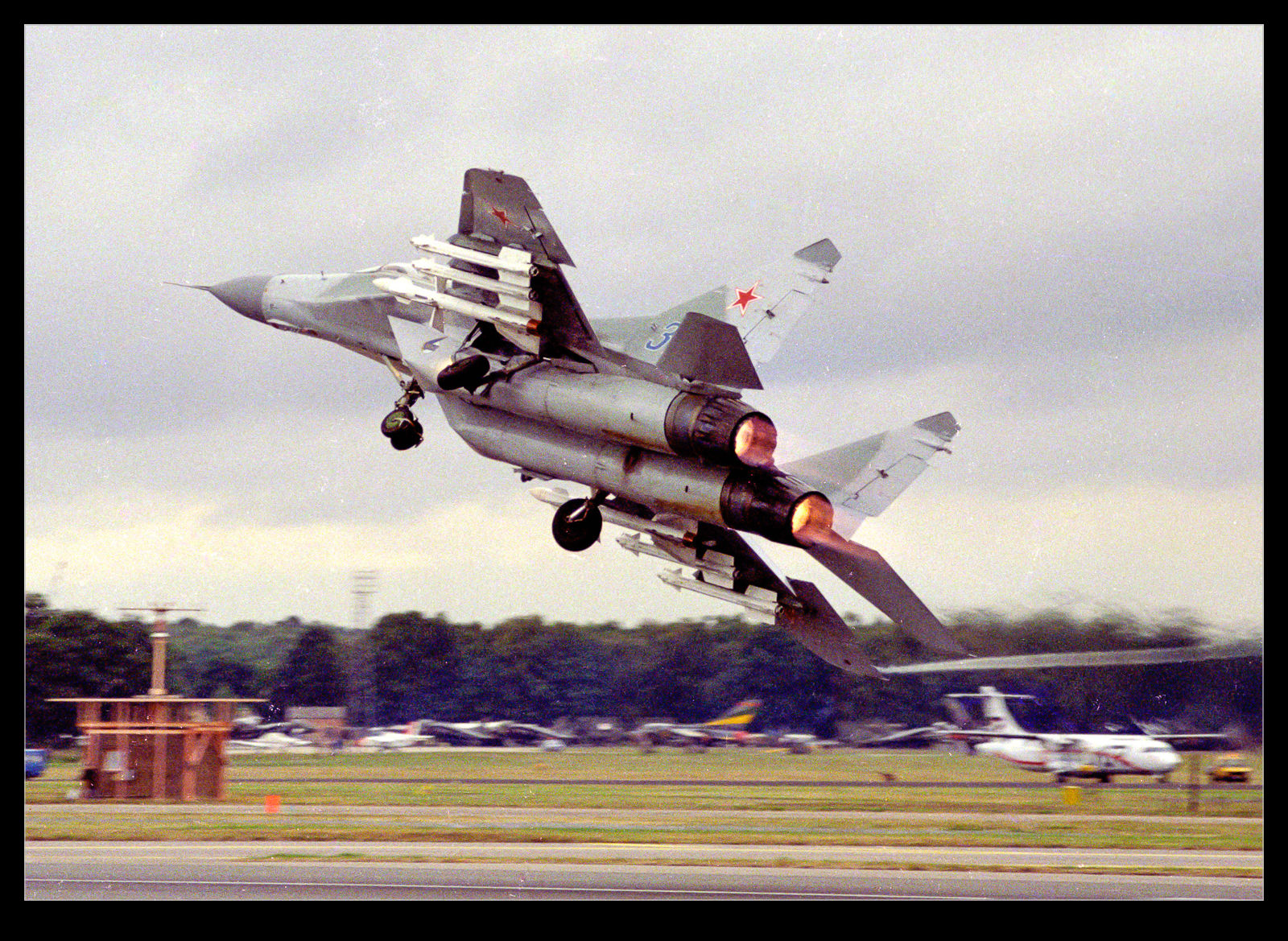
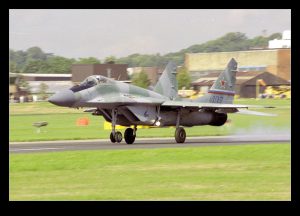
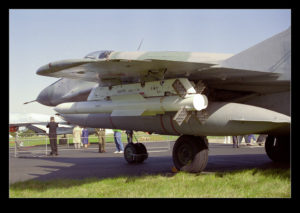
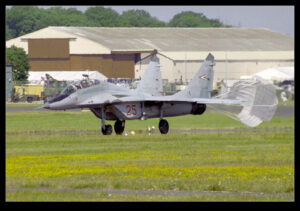
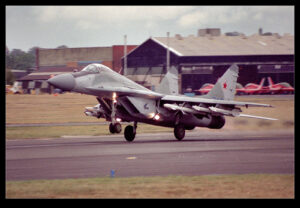
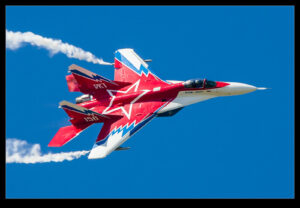
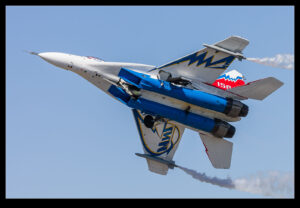
Continuing through my theme of looking at individual types, I came across some old pictures of the MiG-29. I figured I could get a post out of them so here we are. I saw quite a few of the Fulcrums in the late 80s and early 90s when they started traveling further afield. My first encounter was when the Russian Air Force brought a pair to Farnborough. They showed up again in a later year and then examples from other eastern bloc air forces started coming to the UK once the wall came down.
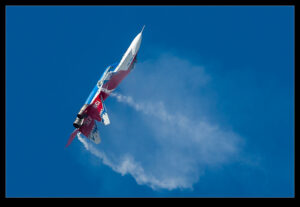
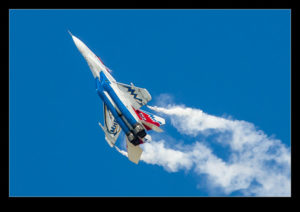
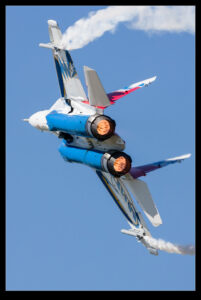
The quality of my film shots from those days is not great but you can see a bit of what was on offer. The Ukrainian aircraft showed up in some really cool colors. The best shots I have are of the MiG-29OMT which was a demonstrator that came to the UK in 2006 and displayed at RIAT. It had thrust vectoring nozzles to enhance maneuverability and put in a pretty impressive display.
Lots of the operators today are starting to look at replacements. The age of some airframes along with the support issues are pushing them to renew while interoperability with NATO forces is another driver for change. I’m not sure how many more I will see flying although there are a good number in museums. There are a couple in private hands here in the states (one of which I saw being towed from across Paine Field) so they might be my best bet.
Farnborough ’92 – The Rest
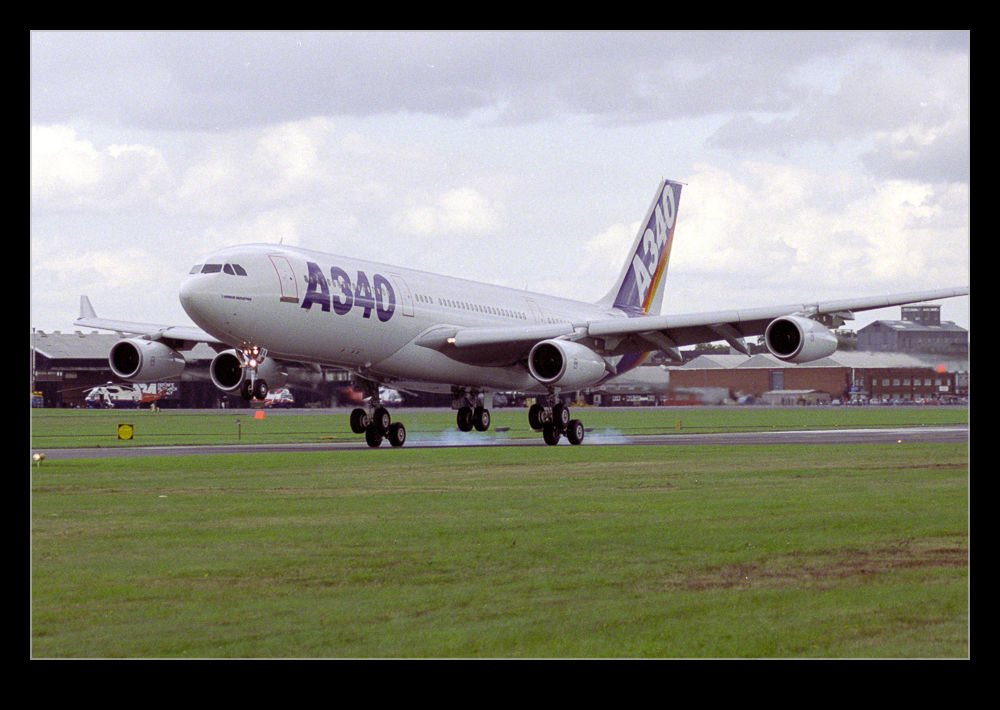
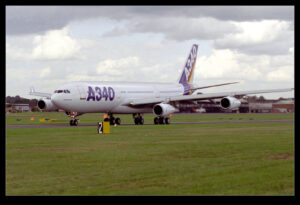
The attendance of the Russian contingent at Farnborough in 1992 was pretty impressive but they weren’t the only game in town. There were plenty of other aircraft on display. The Rafale prototype was there to follow up from the demonstrator a few years before. The first A340 was also part of the flying display.
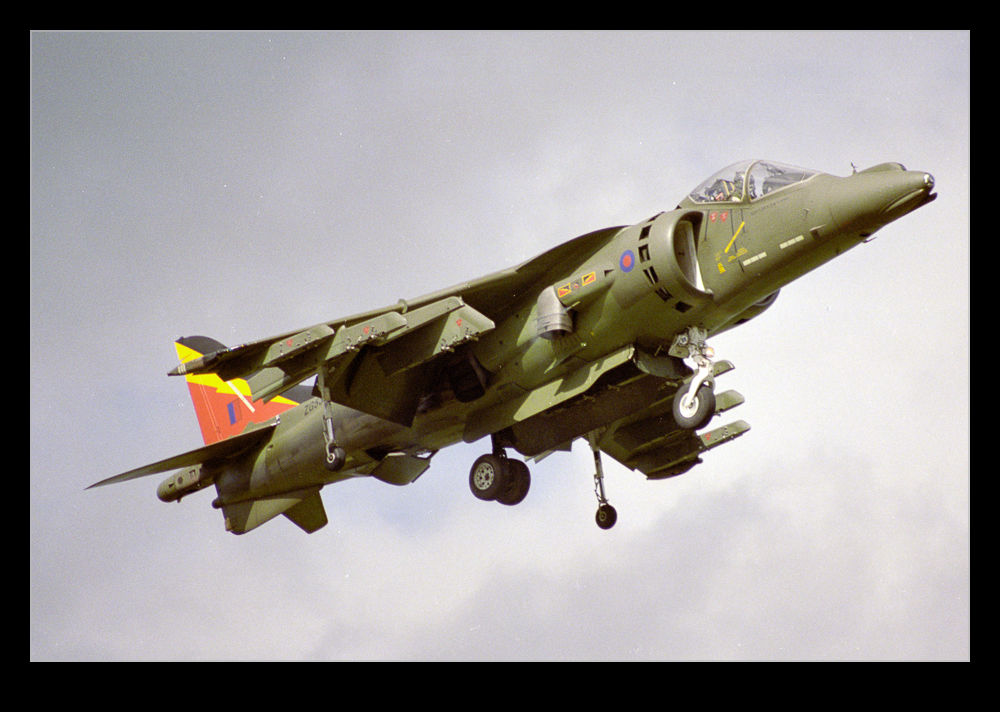
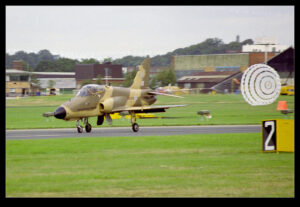
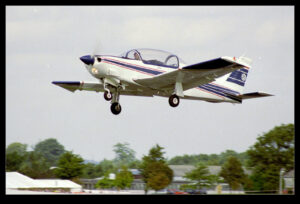
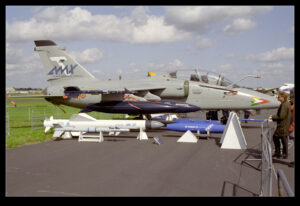
Plenty of smaller types were on show including the Optica and the Pillan. Harriers and Hawks flew and the Gripen development program was represented by one of their jets. The Tucano for the RAF was taking part and the US military had a Black Hawk in the static display. Quite a variety of stuff to enjoy and interesting to see what is still in production today and what has disappeared from service.