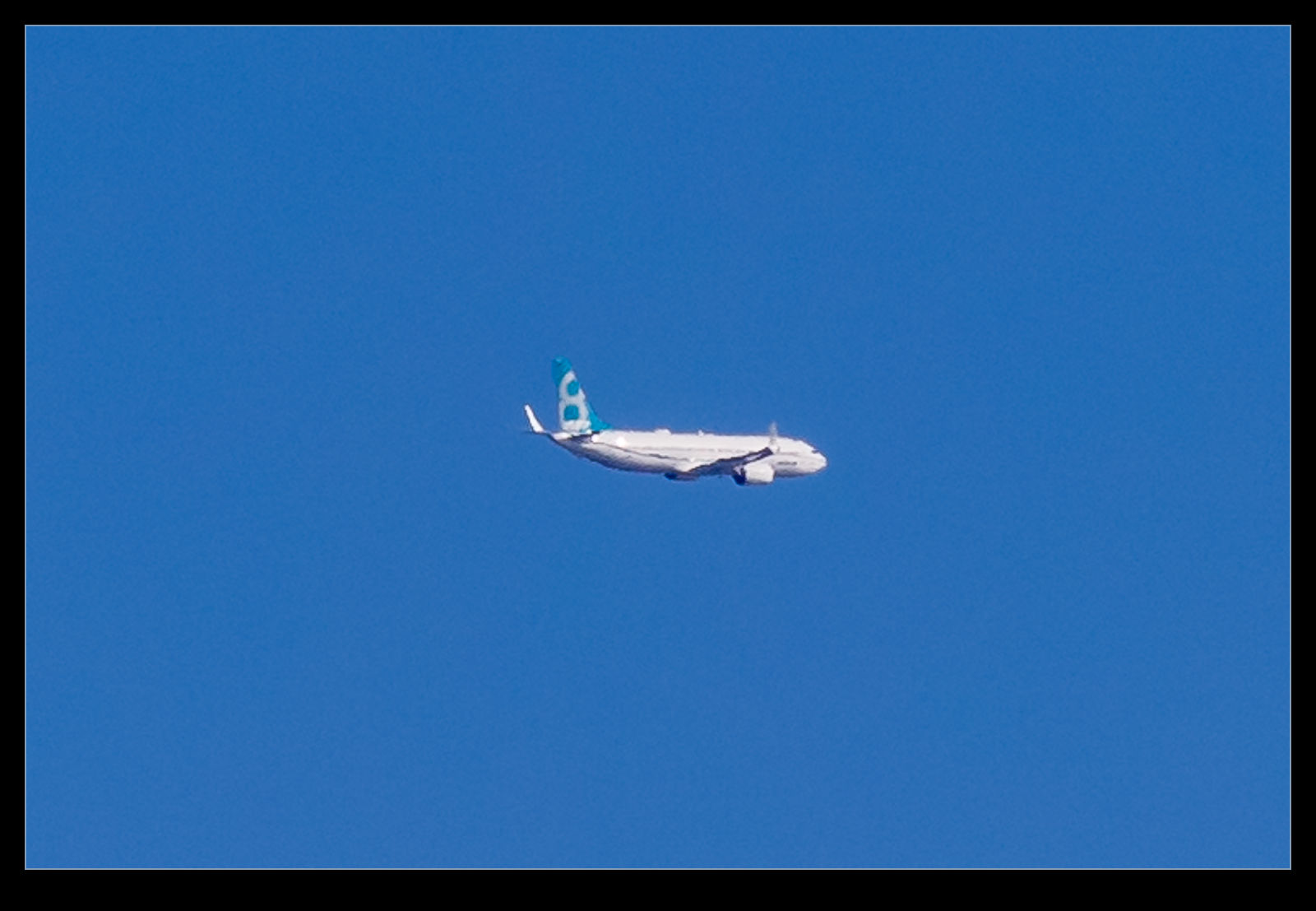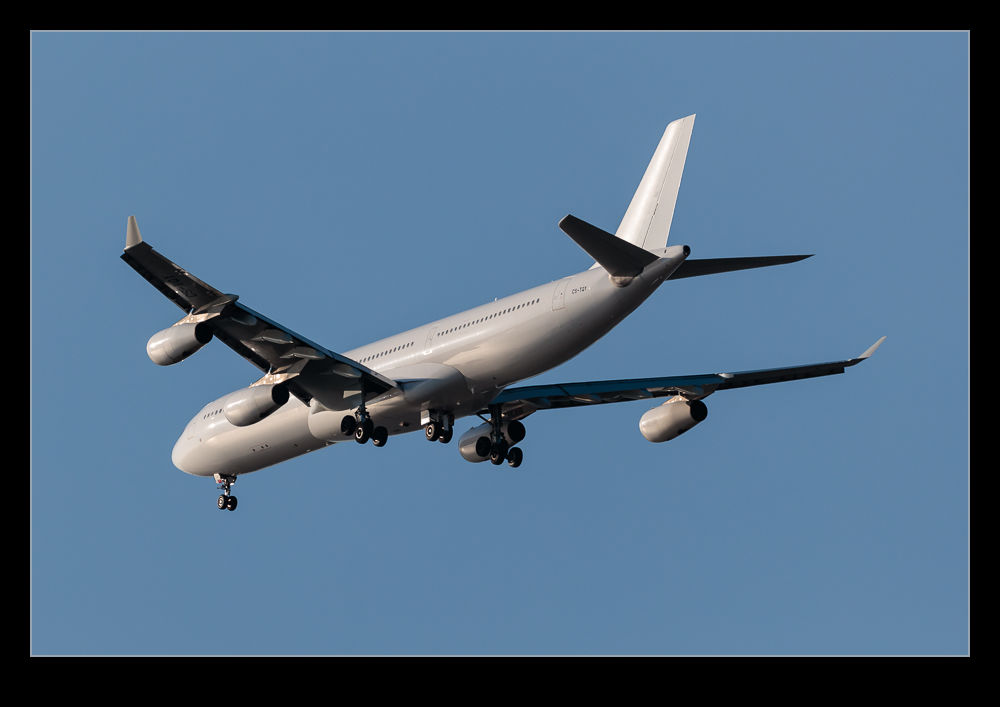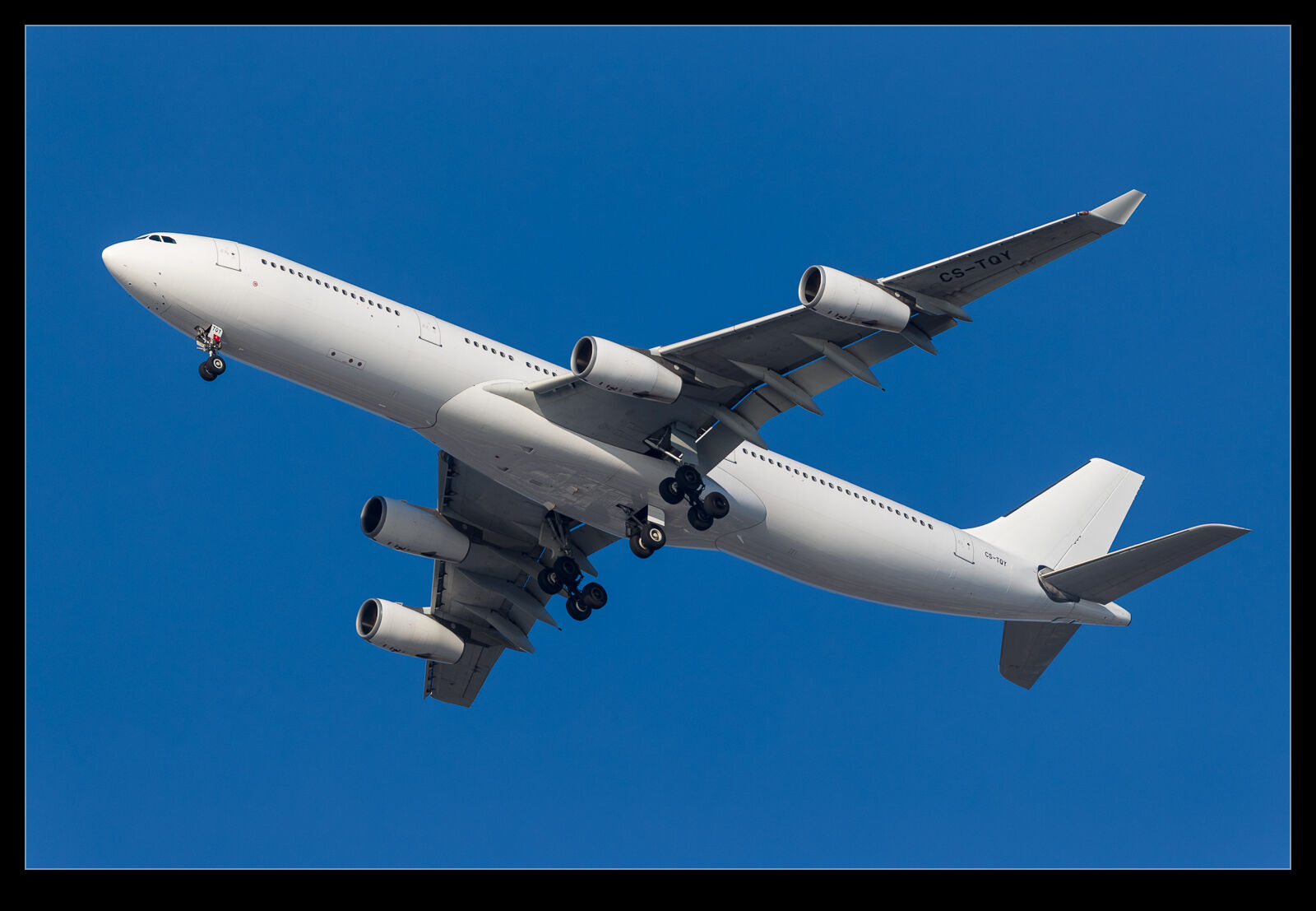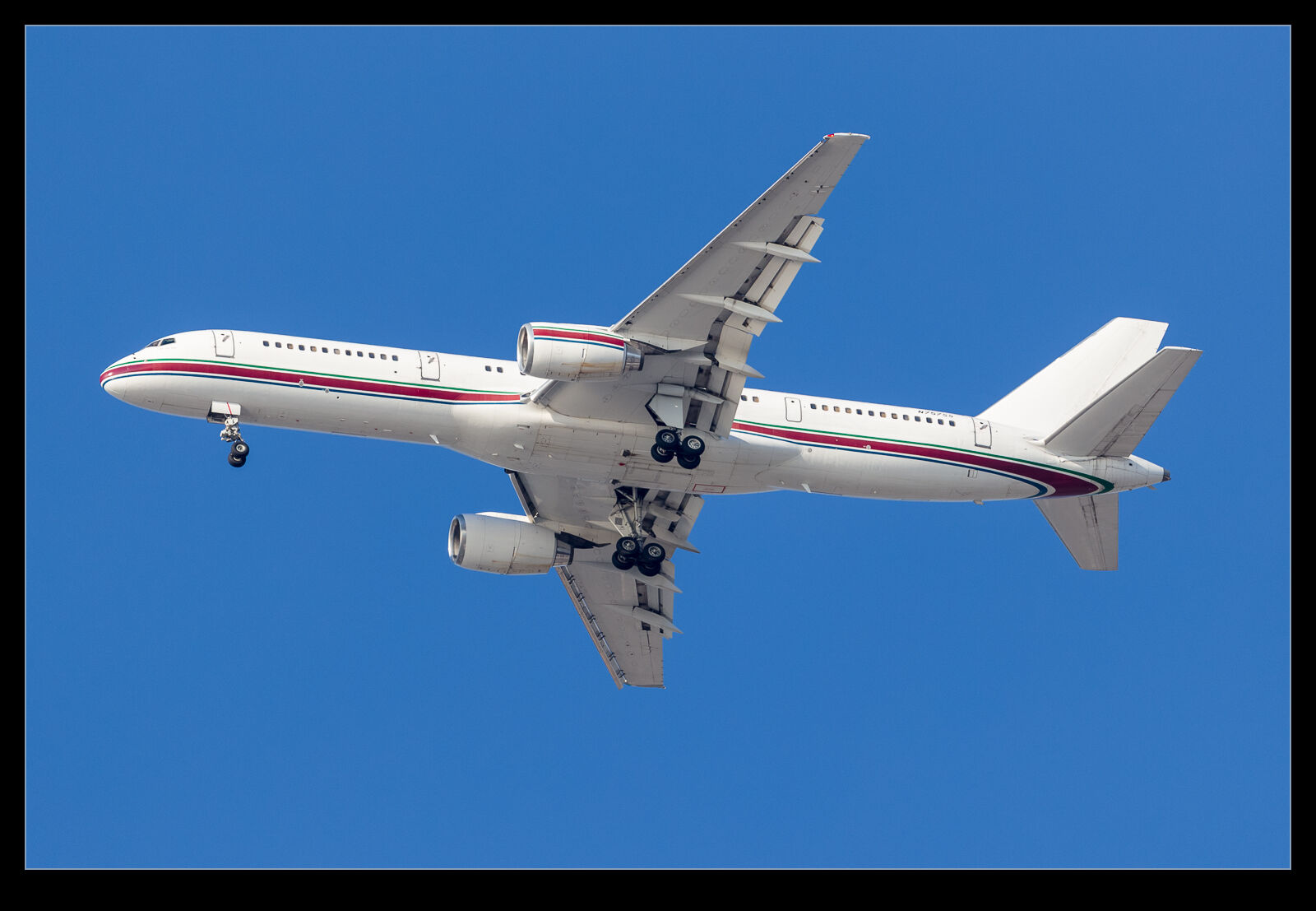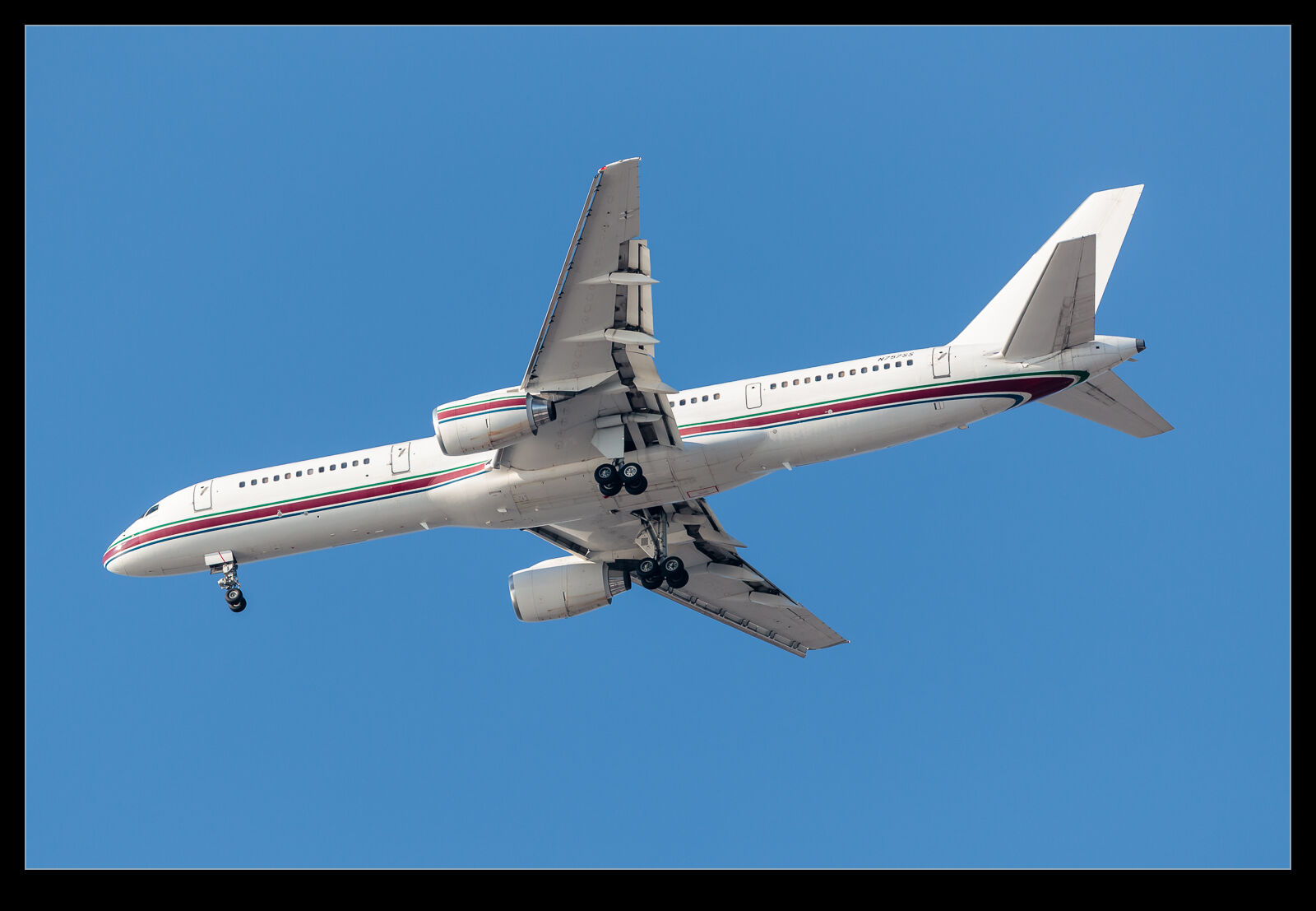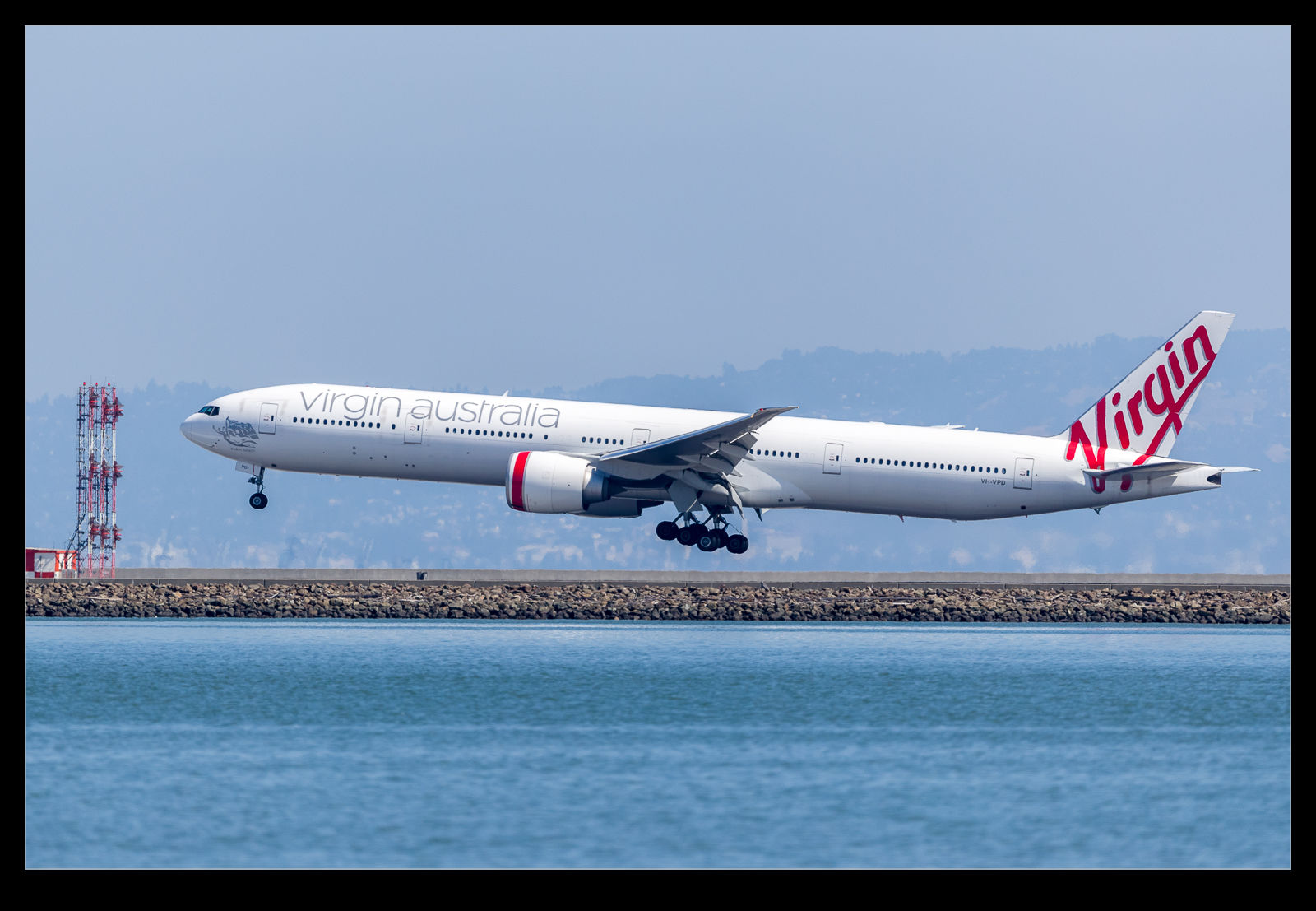
Boneyards can be interesting place to explore. Old stuff and things from odd locations abound. On one side of Tucson International Airport is a place filled with old airliners. Some are being worked on and will fly again. Others are being stripped for the useful parts that they have. I didn’t get to go inside but instead wandered along the fence line seeing what was going on. Interestingly, having seen one of the last flights of the Texas 737 for Southwest, I was surprised to find it here a few days later. It was being broken down already. Other 737s were looking short of key parts and a few MD-80s were looking unlikely to move any time soon. A couple of A320s were there and they did look like they might be on the move at some point. One was being repainted which I imagine means it has a future.
Tag Archives: civil
Rolls’ Testbed Flies While I Am There – Twice!
On my previous visit to Tucson, I saw the Rolls Royce owned Boeing 747 engine testbed. This was converted for the Boeing 787 Trent engine development program (hence the registration N787RR). The Number Two engine was removed and replaced with the test engine. The other three Rolls RB211s are unchanged. At various times the testbed has been reported to be without an engine in the test location but there was something there when I was last here – it’s just they didn’t fly. This time was different.
I saw the testbed when I left the airport after my flight landed. The following morning, I headed out to see what F-16 traffic there was and saw online that a flight plan had been filed for the testbed. I only had a certain amount of time before I was due to be at Hawgsmoke but it was supposed to fly long before that. Of course, test flying is not usually something that happens to a tight schedule and the takeoff time came and went. We were beginning to think we might miss it when the sound of some large engines spooling up reached us. A while later, out she came.
Engine testbeds require some careful control. Since one engine is significantly different in thrust from the others, there is a balancing act required to keep the thrust differential within the ability of the control surfaces to overcome. That means the max thrust is not always going to be used. Consequently, they use a good portion of the runway for takeoff rotating just passed our location. That meant I didn’t get the front quarter rotation shot I had in mind.
No matter, I still got to see it fly. The return was about six hours later and I was busy elsewhere at that time. I figured that was it for this trip. I was wrong. The morning of my departure, I had a little time to spare so went back to see what was happening. Amazingly, the testbed was already being crewed as I drove up. We got a repeat of the previous day and some similar shots. I guess I was compensating for not seeing it fly last time!
Departure of Solar Impulse
Having been to Moffett Field for the arrival of Solar Impulse and then made another visit to the hangar while they were there, I wasn’t going to miss the departure. This might not seem like a difficult decision to make but if I tell you I had been away in Southern California for the weekend and having driven back on Sunday and then finding out that departure was scheduled for 5am on Monday and we would be required to get there at 2am and I would need to be up at 1am, you can see why this was a bit tougher to do.
However, I was committed at this point (or should have been) so I slept in the spare room so as to not disturb Nancy. Off for an early run. Traffic was no problem at that time as your might imagine. Once there it was back to the same issues as we had faced with the arrival. It was very dark. Hayman did the stills and I went for video but got some stills as well. Unfortunately, they chose not to back-track the aircraft as had been briefed so it took off from ahead of us and went away. We still got some good shots and, while it got airborne very quickly, it got to a certain distance when it seemed like it had stopped moving.
Then, it was time to go. We wrapped up and got on our way. I actually was back at home a little ahead of my normal time to get up so I did my normal routine and headed in to the office. It would be fair to say that I was not at my most perky that day!
What Does 40 Years of Design Get You?
The Boeing 747-8 has not been a terribly successful program. Boeing decided to update the 747 family with new engines and revisions to the wing along with a stretch to the fuselage. The resulting jet was delayed by its own and other program issues and it came around at a time when there were few passenger airlines interested and the freighter market was taking a kicking. The result has been anemic sales and a production rate that has steadily reduced as a result of the low demand. However, from a technical point of view, it is a nice upgrade.
The wing came in for a lot of attention and was significantly redesigned. The most conspicuous change is the introduction of the swept tips common to many Boeing designs these days. Less obvious is that the flap system was completely redesigned. The original 747 flaps, carried through on the 747-400 are very complex. Sections are triple slotted. The Boeing aerodynamicists came up with a single slot design to replace this which apparently has good performance but I imagine is a lot simpler to make and maintain. Only from the rear on approach can you see the difference. These shots compare a 747-400 from Air New Zealand with a Korean Air 747-8 and you can see for yourself how much simpler the new design is.
Inflatable Hangar for Solar Impulse
Solar Impulse was on the ground at Moffett for over a week while they waited for a good weather window for the next leg to Phoenix. They kindly invited me to go and have a look around in the more relaxed time compared to the arrival! The hangar was located on the apron at Moffett and they weren’t able to have a secure way to have visitors so, sadly, they could not have everything open to the public.
The hangar itself was pretty hot. It was white so reflective but it still warmed up quickly in the sun. The batteries were the only part of the aircraft for which this was a problem so they were permanently connected to air conditioning packs that kept them at the required temperature. I was a touch jealous.
The aircraft fitted snugly into the hangar given that it was custom designed. The air data boom had to be folded out of the way thought. The maintenance team were pretty busy checking out systems ready for the next leg whenever it would occur. Meanwhile, media attention was high and I wasn’t the only one there. A local TV crew were conducting interviews with Bertrand. When they had finished, he was happy to chat for a while.
The team were very generous with time and access but were very nervous about touching the aircraft itself. I wasn’t about to upset them so managed to get what I needed without causing any trouble.
A Different Angle on the Parallel Approaches
The parallel approaches to SFO are well known and have been the subject of previous posts here. This time I was looking for something different on this theme. I was at a favorite location of mine, Coyote Point. This is further out on the approach and a lovely park area. If nothing is happening, this is still a very relaxing place to be. It sticks out in to the bay with the result that you are much closer to the approach flightpaths. This makes for good opportunities to get shots of the aircraft and, in the warmer months, it reduces any problems with heat haze. However, it does change your alignment with the planes and the possibilities for parallel approach shots since the places appear to be stepped down from your angle.
This is not necessarily a problem so you can go vertical if you want. Also, it does make you well aligned for shots when the approaches are not happening in sync. You can find the second aircraft turning in further out is actually quite well lined up with the first since it is offset vertically as well as horizontally. The shots are not the classic parallel approach shots but they are still something a little unusual.
Add an Ilyushin to the Recent Visitors
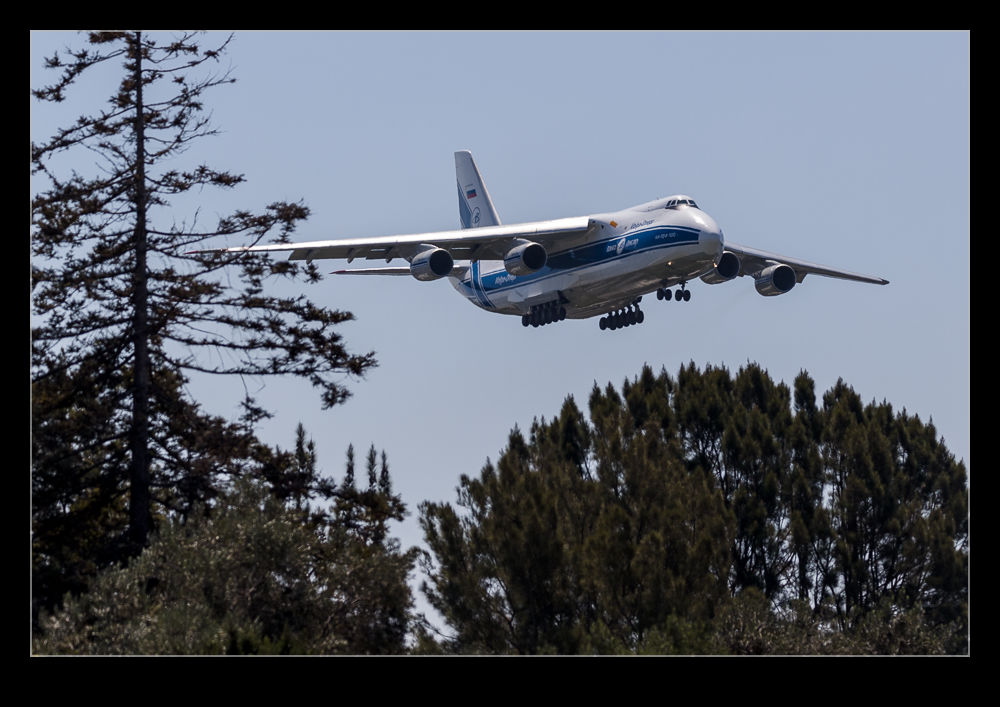
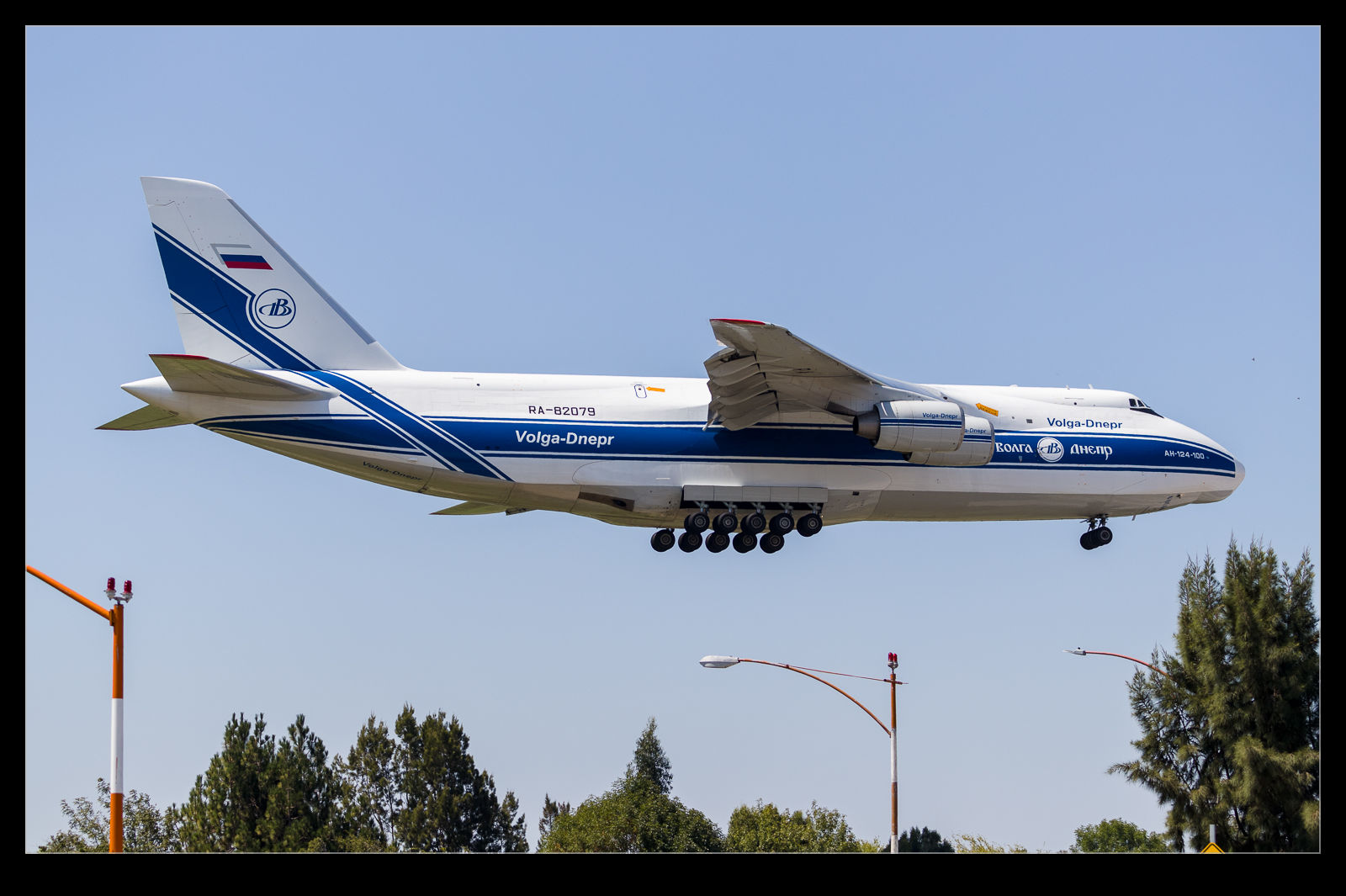
There have been a bunch of AN124s popping in to Moffett Field recently, one of which I saw while at the Solar Impulse arrival event. When I went back for the departure (which I covered for Global Aviation Resource in this article), I was surprised to see another freighter from the old Eastern Bloc. At his one was a more recent version though. It was an Ilyushin IL-76 but one that is fitted with the PS90 engine. It had been brought in to transport the ground crew and their gear for Solar Impulse. They were heading to Phoenix next and, since it was a short flight, everything needed to move quickly.
I didn’t get a great chance to photograph the plane. It was a long way up the ramp and there were too many lights between us to make for a great shot. However, I got what I could. My friend Hayman works nearby and he was able to get the departure later in the morning. I’m not jealous…
Helos This Way Please
I love helicopters and getting to see two in close quarters at Salinas recently was the sort of thing to make me smile. An Astar had come up to drop someone off and was heading back out again. Meanwhile, a local Robinson R-44 had been moved out on to the ramp next to it for its pilot to have a local flight. They ended up starting up and departing at almost the same time. What I hadn’t realized was that the departure path for both of them was going to take them right past me.
I had figured that they would start up and then hover taxi to the runway before departing in the runway heading. Instead, the approved profile made use of the taxiway next to where I was. The result was that they both pulled to the hover and then turned in my direction before accelerating right by. That was a lot better than I was expecting. The need to gain speed before climbing to minimize time in the “avoid curve” means that you get a nice low view of a helicopter when it takes off. This is far better than the fixed wing alternative in my view.
WestJet and the House of Mouse
Promotional paint schemes are not uncommon – particularly with certain airlines. Alaska has a bunch of them. This one was a new one for me. WestJet, a Canadian airline, seems to have a marketing tie up with Disney too. They have painted a 737 up in an all-over shame that certainly gets your attention, if only to wonder what on earth it is. I was pleasantly surprised to catch it having had no idea it was on its way.
What, No Winglets?
There is not a huge amount of variation in airliners these days so coming across something a little different is usually a moment of interest. While the name Alaska Airlines might suggest an airline focused on Alaska, it is actually headquartered in Seattle and seems to have a wide range of operations all across the west coast. Consequently, we see a lot of them in both Oakland and SFO. They have a large fleet of 737-800s and 737-900ERs and both types have been retrofitted with the APB Scimitar winglets. Apparently, not all of them though. This example I saw coming by Coyote Point and it not only doesn’t have Scimitars, it doesn’t have winglets at all. A rare beast these days.