Category Archives: civil

Turbine Bonanza

Any airport in North America on any given day will have a reasonable chance of a Bonanza showing up.  Them come in all vintages, shapes and sizes but they usually come!  I’ve therefore shot tons of them over the years.  However, I think I may have had a first in that I recently shot a turbine Bonanza.  It was on the approach at Paine Field and it was obvious that there was something different about it.  The noise was clearly a turbine and the tip tanks had been fitted with winglets.  Given the location, I assume they are for drag reduction since they wouldn’t add much to directional stability.  Tip tanks are probably a must given the rate at which turbines burn fuel compared to pistons.  It was a smart looking thing with the revised nose shape looking quite graceful.  Sadly the landing wasn’t as graceful but floating is fine when you have 10,000’ ahead of you!

More To Love A321 Shot for Work!

I had a brief visit to Seattle Tacoma International to get some images for work.  These images were not of the aircraft but the configuration of the roadways in to the airport.  Not a great opportunity for photographing an aircraft.  However, you could just see some of the ramp area and, as the sun came out, the Alaska Airlines A321neo in the More To Love markings taxied in.  It was just visible above the terminal buildings so it would have been rude not to get a shot!

Under the American Max

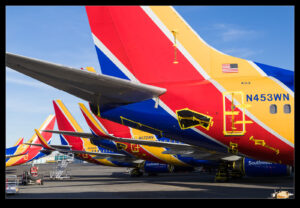
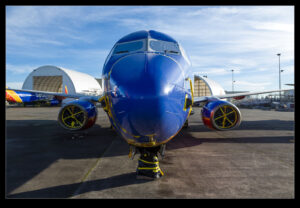
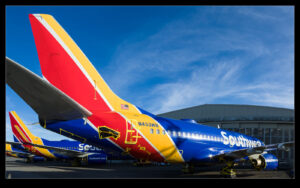
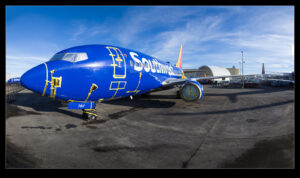
Production of 737 Max jets is underway again and that means some flight testing of new jets.  I was heading back from Boeing Field but stopped at the approach end to get a shot from the underside.  I almost didn’t get there in time so was not exactly where I wanted to be to take the shot but it still worked out reasonably well.  I do like a different angle every once in a while and underneath is certainly worth a go every once in a while.

Kodiak Buzzing the Pattern at Paine

Unusual visitors to an airport are obviously welcome and give you the chance to get something new.  However, that also means you want to make sure you get the shot so you don’t want to experiment too much with settings.  Having someone bashing the circuit for a long time and flying a variety of different approaches means that you can take as many shots as you like and try all sorts of different things.

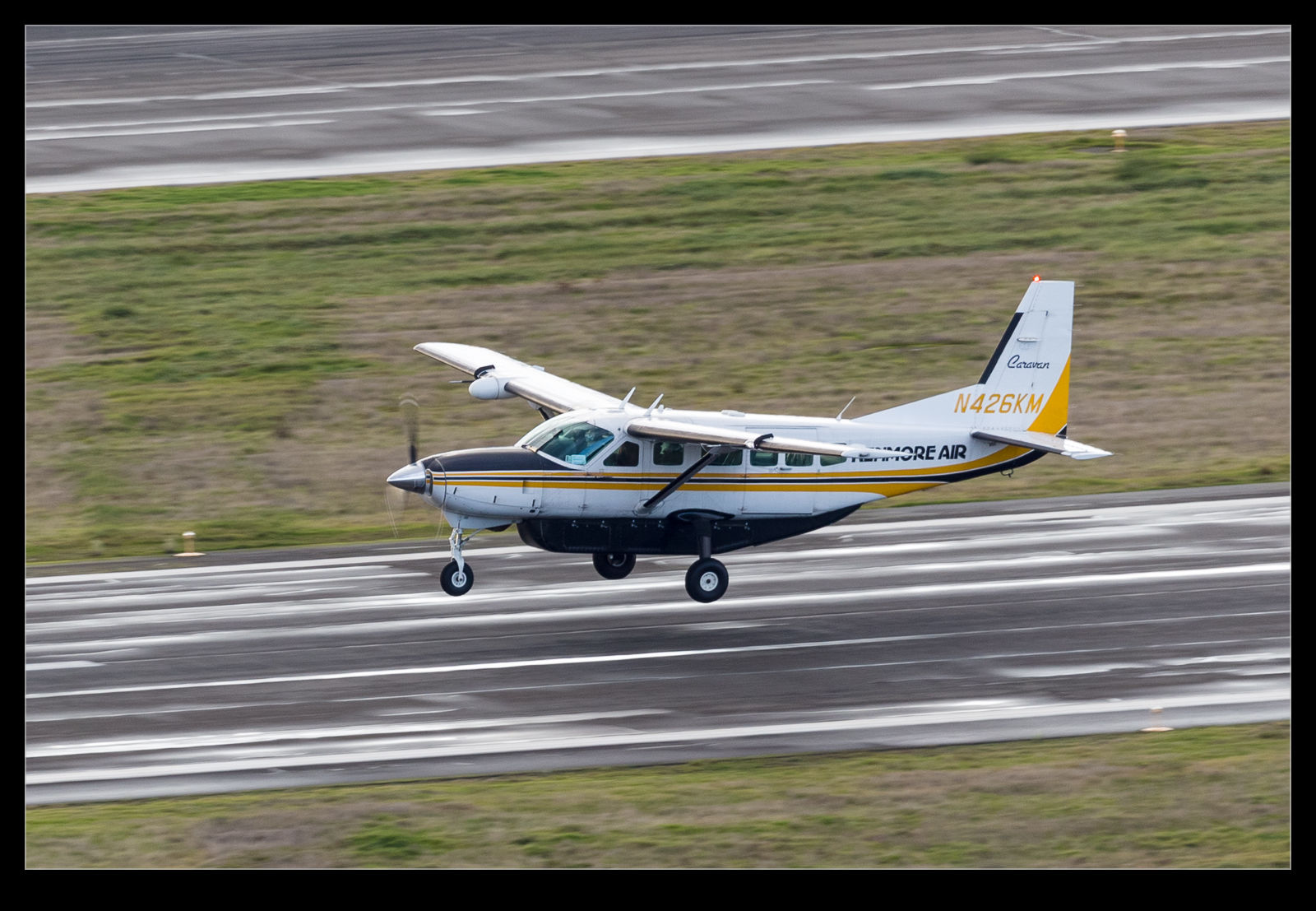
My Sunday at Paine Field included a pretty smart looking Quest Kodiak doing some training flights.  Lots of approaches, some straight in and others curving.  All the opportunity I could want.  Wide shots, tight shots, how low will I dare go with the shutter speed?  I had the 1.4X teleconverter on the 500mm so shooting at 1/100th of a second at 700mm is going to have a pretty low success rate but I was pleasantly surprised how many came out nice and sharp.  Not bad to have a day of panning practice.

The Kodiak is an interesting looking plane.  Having a turbine means a nice high prop speed on approach which certainly helps but it is also something that can be thrown around easily so the training flight included a bunch of different approaches.  I appreciated the effort they made on our behalf.  Now to get the light on the prop to show it up nicely!

Omni 767 Visits ATS

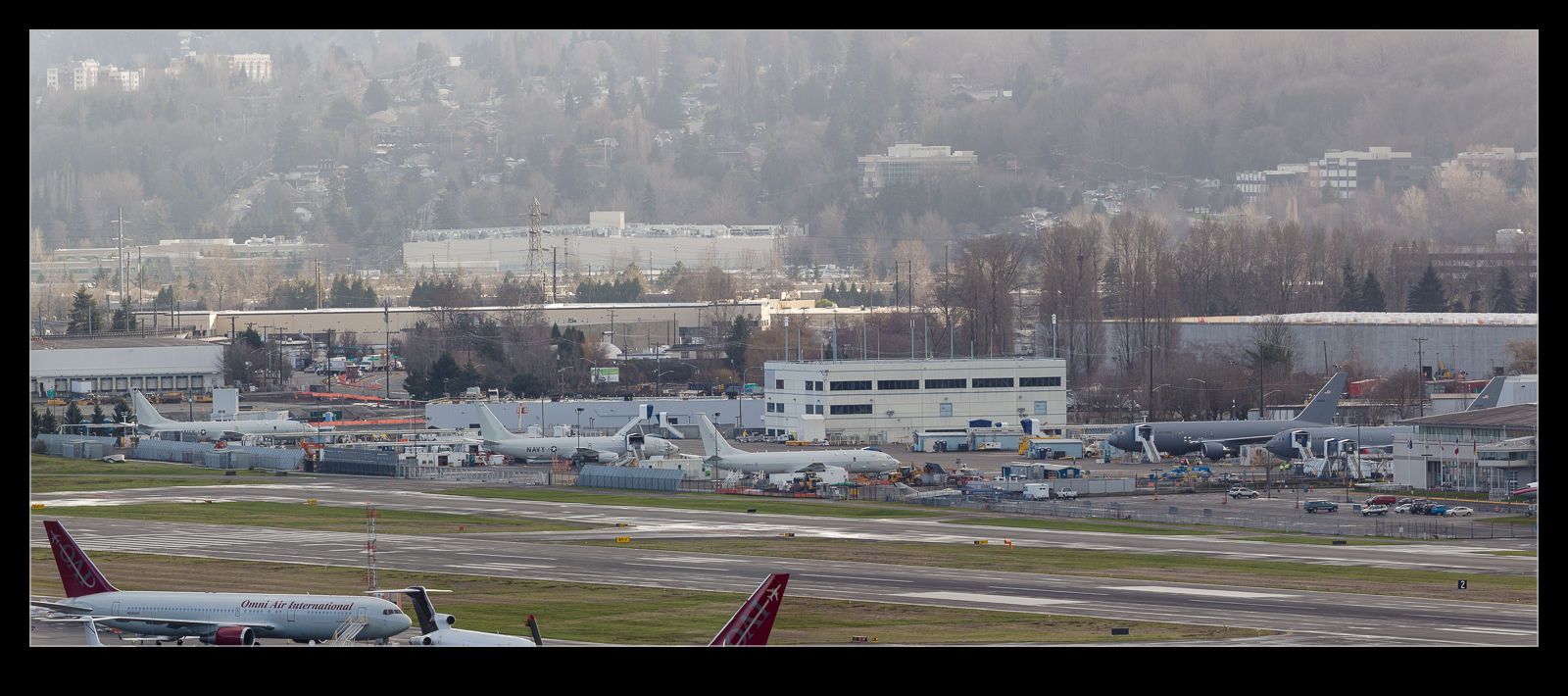
The Omni Air International 767s are a regular feature at Boeing Field.  I have even blogged about them recently when I caught one actually flying as opposed to the usual being parked up near the Kenmore ramp.  However, I have not seen one up at Paine Field before.  Having one arrive while up there at the weekend was a bit of a surprise.  I believe that it was heading to ATS for some maintenance work.  I guess it was a bit if an unusual thing for the crew too since, once they had run all the way to the far end of the runway, they seemed to struggle a bit with where they were supposed to go next.  They worked it out eventually, though.

Cirrus SF50

I have a soft spot for Cirrus SF50 jets.  They are not the most elegant of aircraft but they are quite effective and seem to be selling well.  There are quite a few based on the PNW and more seem to visit on a regular basis.  This example was coming in to Paine Field on a sunny Sunday afternoon.  Since it is a small jet, I can stick with the prime when shooting it there which can make for some nice sharp shots.  I would be interested to know what they are like to operate and whether they provide a good performance boost to their owners.

Noisy Buzz that is the Super Skymaster

The 777X wasn’t the only thing I got to see on my Sunday at Paine Field.  A buzzing from a distant plane was the announcement of the impending arrival of a Cessna 3337 Super Skymaster.  This is an unusual aircraft with two engines in a push-pull configuration.  It is a noisy thing and is often banned at airports that otherwise allow piston twins.  I understand it is a bit of a pain to maintain too!  I haven’t seen one for ages so was glad to get it on approach.

Even better, it didn’t stay too long so we. Got it taxiing out and taking off too.  Quite a novelty to get to photograph one these days.

A Day of Biz Jets

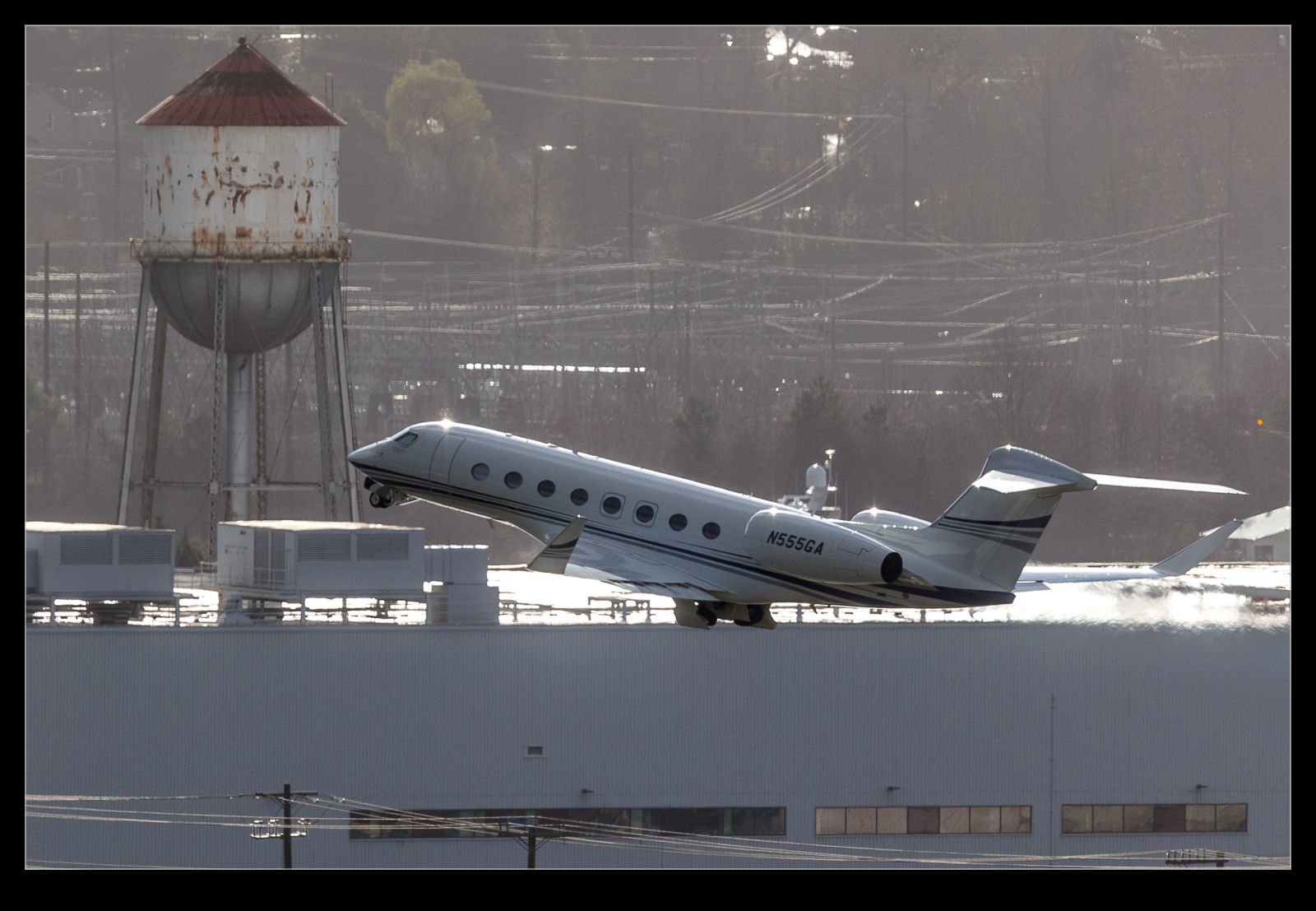
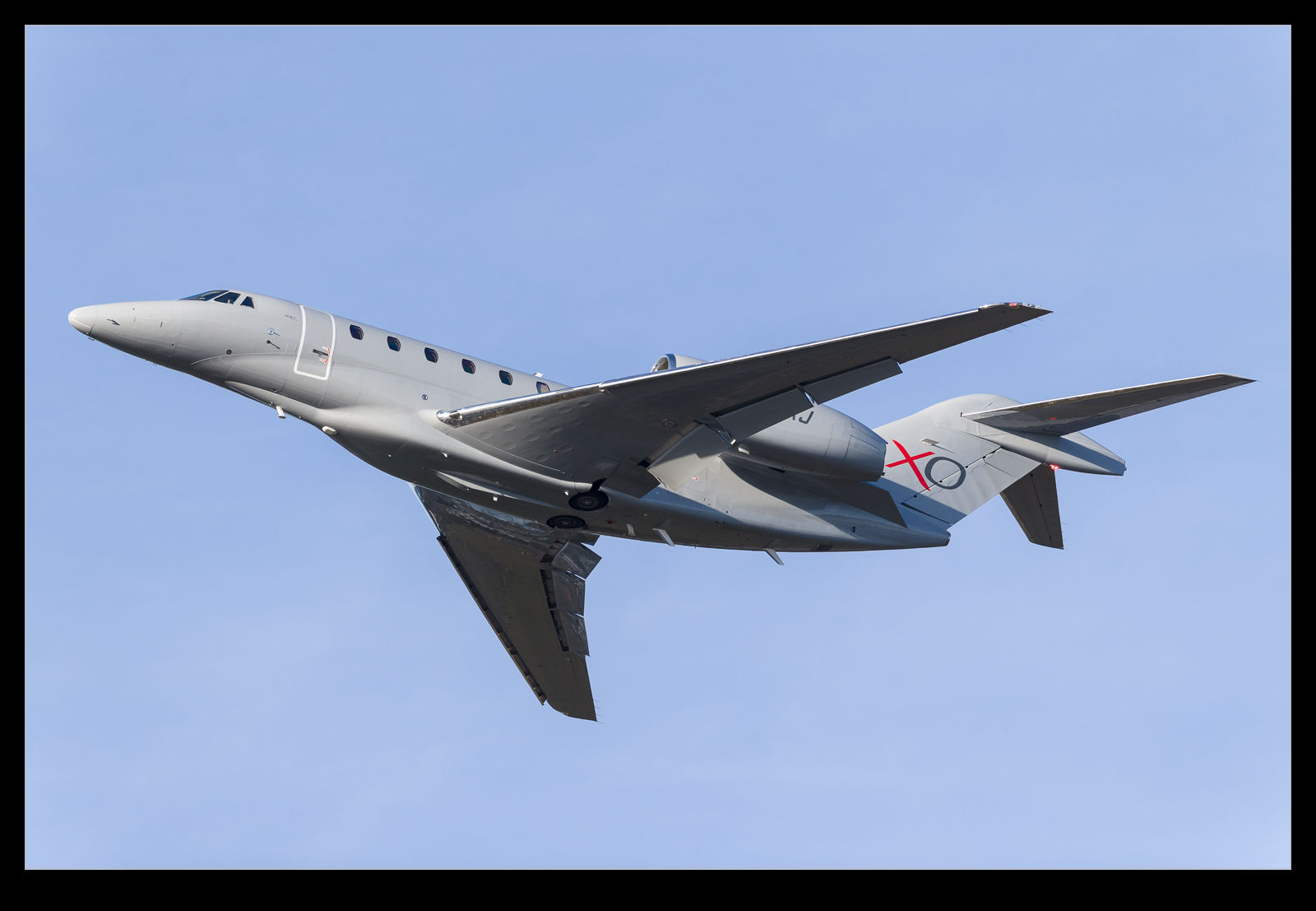
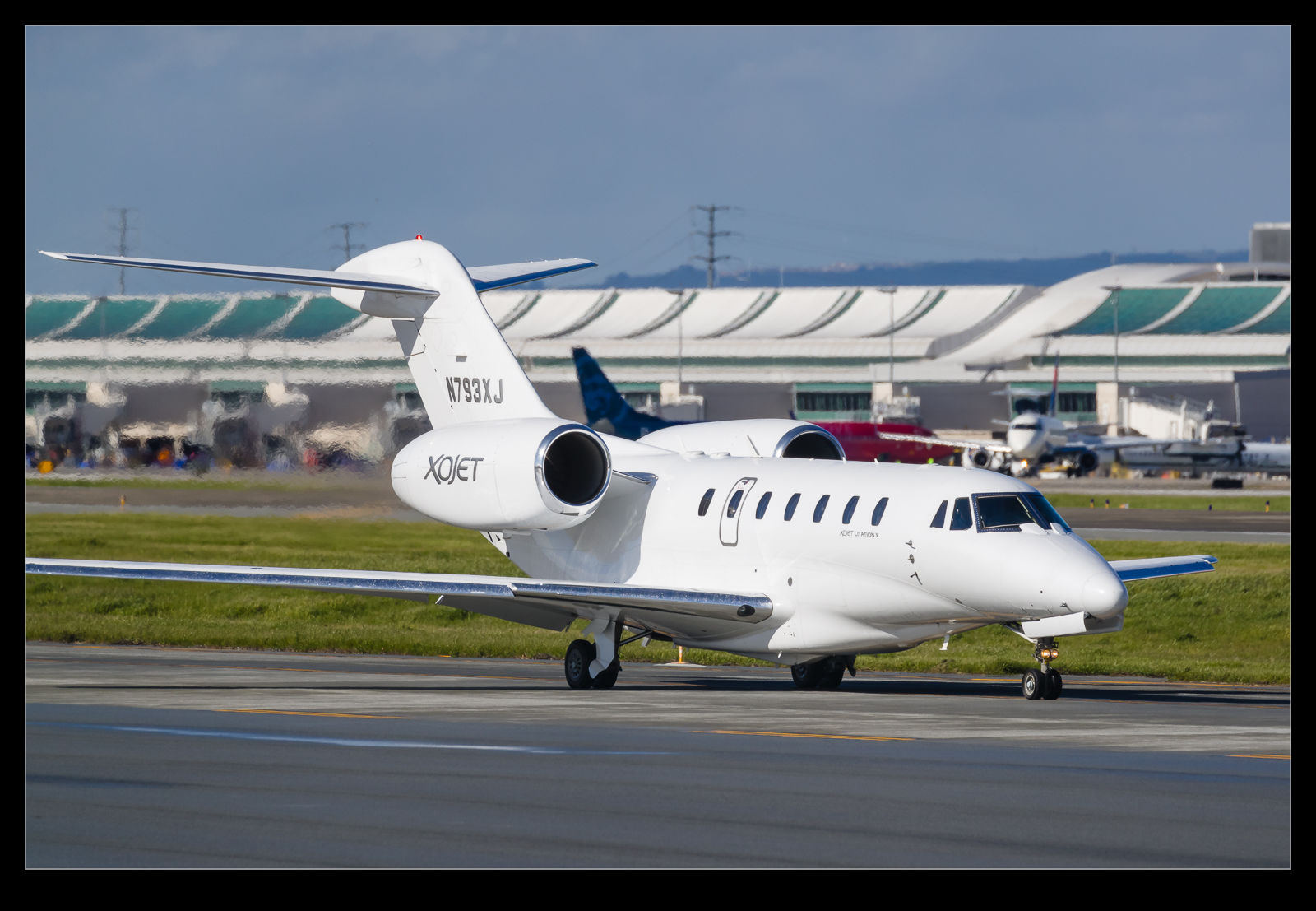
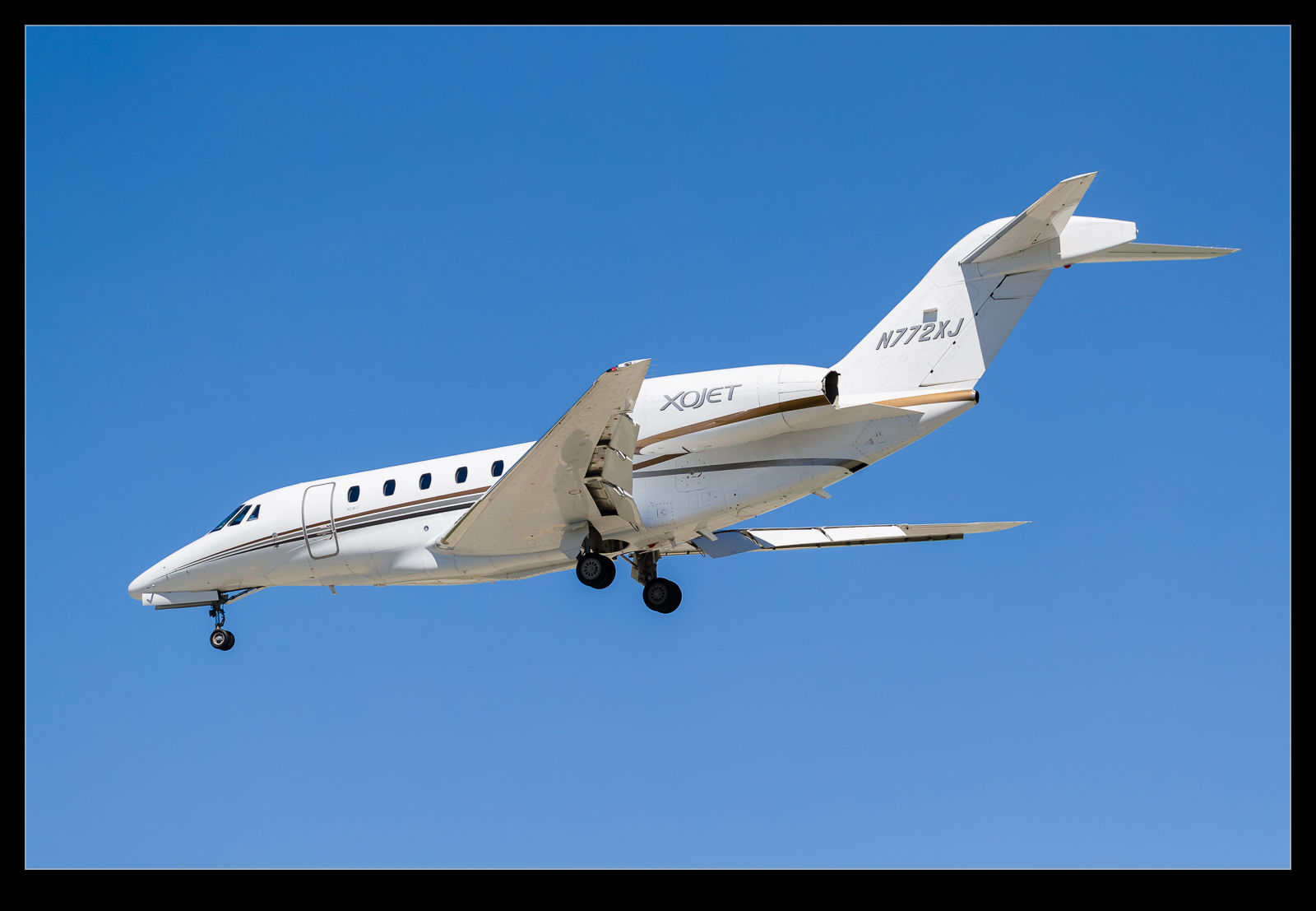
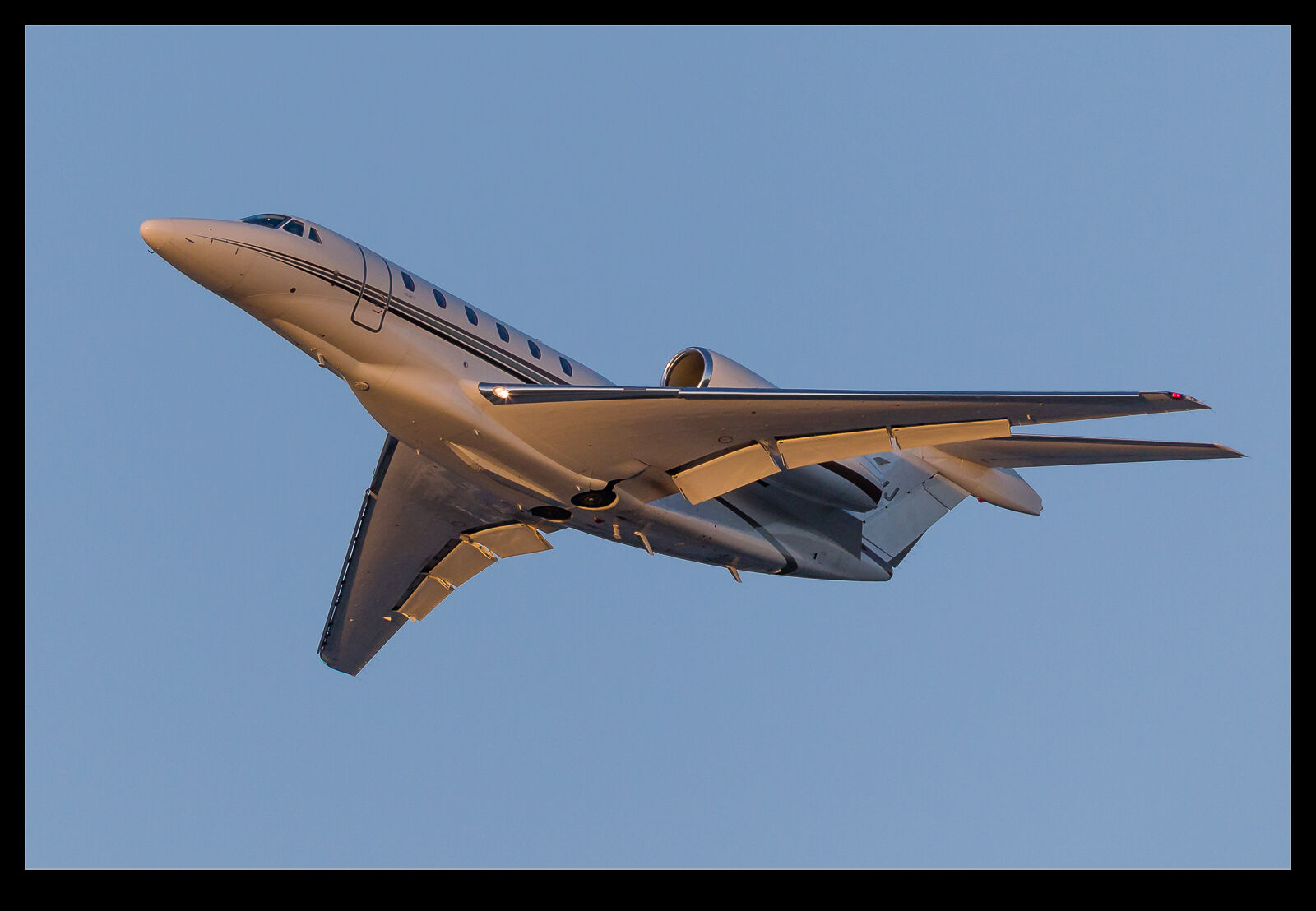
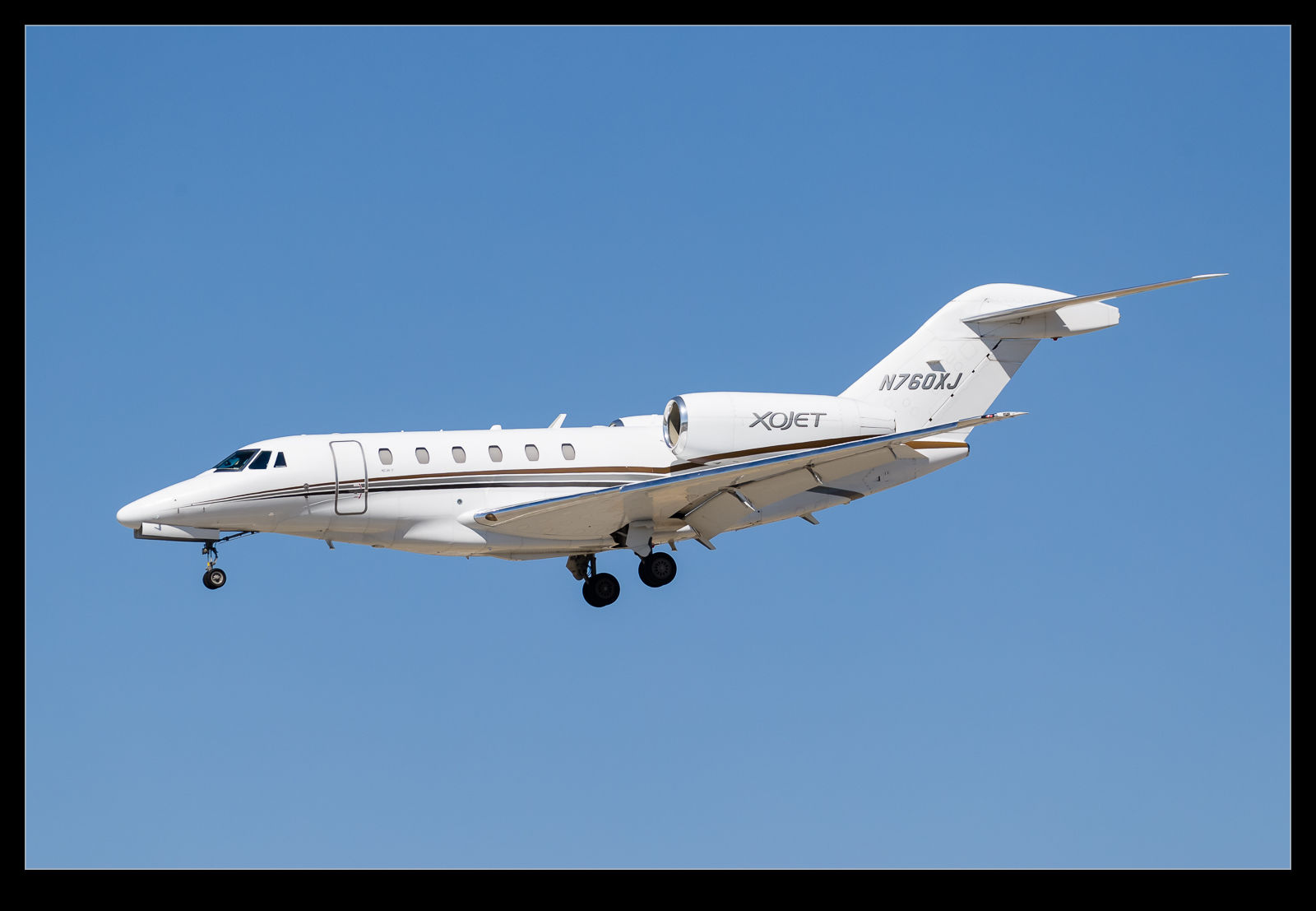
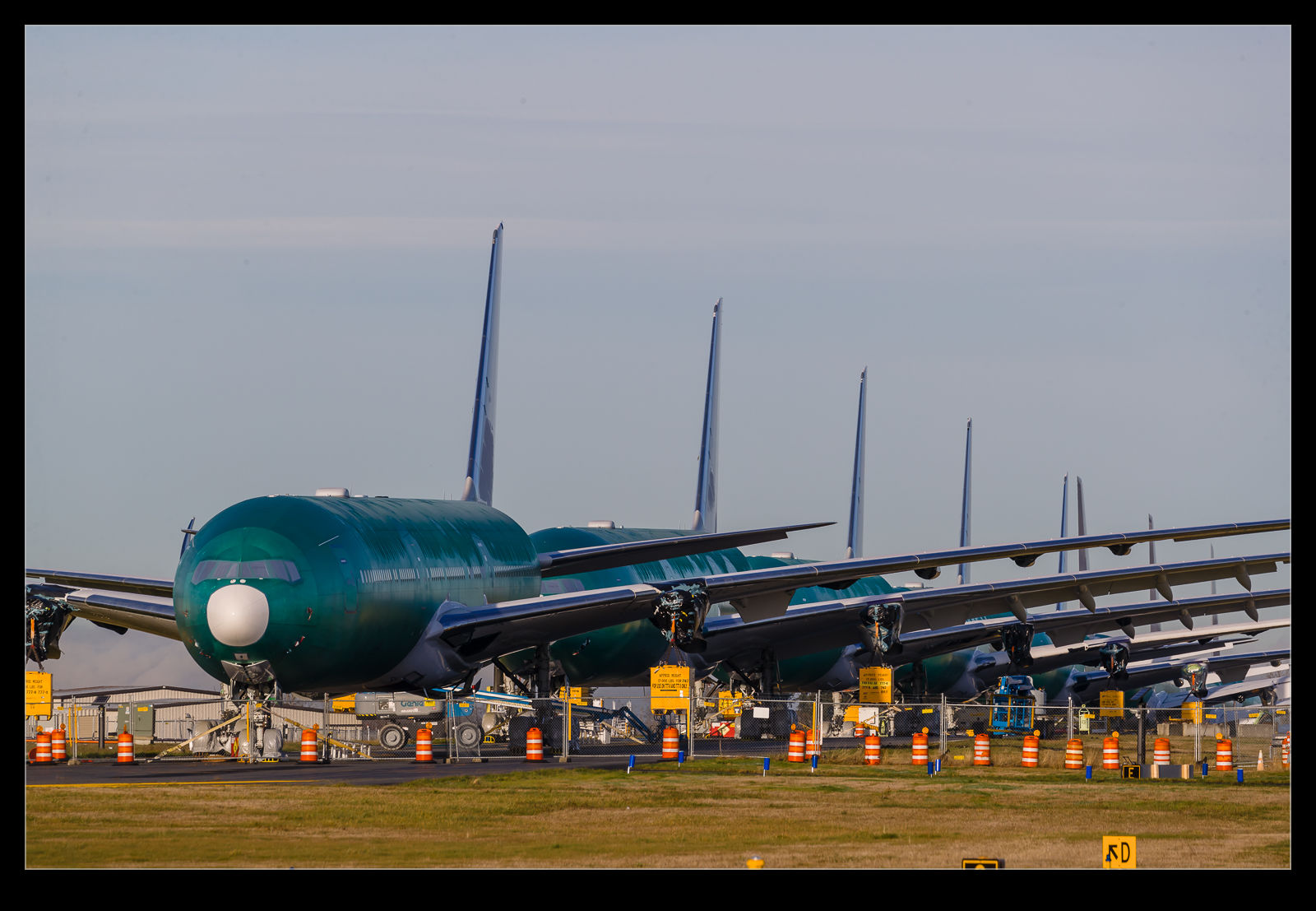
Sunday afternoon at Boeing Field awaiting the arrival of a 777X meant plenty of time to catch some incoming biz jets.  Sadly, rarely are they painted interesting colors.  XOJet has no colors, NetJets very little and FlexJet shouldn’t have been given access to the color chart given what they chose.  David and I were chatting during all of this and completely missed the G650ER that came in that was a nicer scheme but so be it.  There was a nice-looking Citation X in the mix, so some color included.  Here are a few of the arrivals we got.

T-33 Pattern Work

After such a long time of struggling to get shots of the Boeing T-33 chase planes, I seem to have had a lot more luck recently.  One showed up at Paine Field and, rather than just shooting an approach and departing straight to Boeing Field, it made a full stop landing, taxied back, took off, entered the pattern and came around again.  This was a welcome addition to a sunny afternoon.  There was only one crew onboard so I guess with was some continuation training.

As the plane taxied back to the threshold, I got a good look at the upper side of the front fuselage.  There appear to be quite a variety of antennae mounted on there.  I didn’t know whether they were GPS location antennae or other types but there are plenty there.  Whether they are used for different functions or are needed for validating test data and cross referencing, I have no idea.  Some of them may even be redundant but no one has seen the need to remove them.  Whatever the reasons, there are lots there!

Taking a Ride in a Balloon

My visit to the Albuquerque Balloon Fiesta was for an article I was going to write and, since I was there on a media pass, the organizers made a flight available.  I didn’t know who I would be flying with until close to the time but the opportunity was one I was really excited about.  When the time came, I was set up with a balloon crew from near Ottawa in Canada.  The pilot spoke mainly French with very little English but we managed to find a way to communicate well anyway.  Nancy was able to hang out with the ground crew.

I asked what I could do to help but they had things well sorted out and I was likely to be a hindrance rather than a help.  Besides, it did mean I could photograph everything that was going on.  The inflation of the envelope and then heating it up and getting it upright was great to see close up.  Then it was time to climb onboard and await our designated takeoff time.

When the wind is blowing in a certain direction, the balloons will fly off towards the river and is is common for them to drop down to the water and touch it with the basket before lifting off again.  I was hoping that this would be something we could do but the winds were not coming from that direction on this occasion.  Instead, they were doing something that is not uncommon at Albuquerque but is actually really cool.

The field is aligned north to south and, when the wind is blowing the right way, something they call the box is formed.  At about 1,000’ the wind is blowing north to south but, at about 2,000’ it reverses to south to north.  Consequently, you can climb up to 1,000’ and head south for a while before climbing up to 2,000’ and reversing course.  Once you get far enough north, you can descend and repeat the whole process.

Having never flown in a balloon before, I knew little about the process.  You can’t see upwards because the envelope is above you.  However, you can see sideways and down very clearly.  Therefore, the balloon above is responsible for maintaining separation from any balloons below.  We were all required to keep an eye on everything around is to be sure we stayed suitably separated.  Looking directly down on balloons with the ground behind them was something I found really cool.

The other thing I wasn’t prepared for was how quiet it was.  Sure, when the burner fires, the noise is loud.  However, most of the time you are drifting along with the wind so there is no breeze and everything feels remarkably still.  The main noise is other people’s burners or the conversation in the baskets nearest you.  You can hear a lot of other chatter.  It is a very peaceful experience and the views are lovely.  No windows between you and the view so a totally immersive experience.

After making our way around the box a couple of times, it was time to land.  Normally a balloon flight involves the ground crew tracking you across the sky and aiming to get to your landing zone when you do.  Flying the box meant we were able to land about 50 yards from where we had taken off and they could just wait for us to come back.  We drifted back down and touched down without any issues and it was time to jump out and let them deflate the envelope (which happened surprisingly quickly).

This is, so far, my first and only balloon flight.  I would be very happy to do it again.  I am not so sure that I would want to be in one of the large balloons that we see flying around here with big baskets to carry lots of passengers since that might feel slightly less relaxing but I would like to go again at some point.