Tag Archives: railway

National Railway Museum

I was fortunate a little while ago to have a tour of the National Railway Museum. Our company had sponsored some of the development at the museum and we were invited to come and see some of the parts of the museum that are normally out of sight to the regular visitors. This was a most interesting visit, and our team really appreciated the time there. This was actually the first time I had been to this excellent museum.

As part of the Science Museum, the National Railway Museum is free to the public. They are expanding the facilities a lot currently but, if you were to visit now, you would still have plenty to see. There are trains of all types and age. The main hall is focused on a turntable. Apparently, the collection does get moved regularly so what you see at any one time can vary.

The majority of the collection is UK trains but there are other exhibits. A series 0 Shinkansen is part of the collection. Additionally, there is a Eurostar cab vehicle. Some famous locos are there, like Mallard, holder of the steam speed record. There are other less famous ones like the last steam loco built for the UK. I liked seeing the HST power car having had a lot of involvement with that fleet earlier in my career.

There are many artefacts aside from the trains. The gates that used to be at Euston station are most impressive. The nameplates from many locomotives are on the wall. There are two nameplates from Earl of Mount Edgcumbe which made me smile. My time around the main collection was slightly limited by other work commitments and, ultimately, the need to get on a train to Derby. After so long having never visited, I am really pleased to have finally made it there. If you are looking for a day trip in the area, do consider it. It is a short walk from the station.

Paint Shows the History of This Unit

A work trip took me to one of our partners involved in overhauling a train for us. No need to identify the train or who was working on it. However, part o the scope is a repaint and the vehicle I was looking at had undergone surface preparation before going to the paint booth. The thing that caught my eye was the different layers that had been abraded as the team prepared it. The train is over 20 years old, and you could see the various different liveries that it had been given in the changes of colours cutting down towards the underlying metal. In close up, I liked the abstract nature o the patterns and colour combinations. For those that know the unit, they could probably identify the history of its various liveries.

Disused Platforms

I was walking back into Crewe Station on my way home after a work visit. Crewe was a major part of the UK rail industry at its peak and it still has many rail businesses. The station is sized for the significance that it once held. There are plenty of platforms. What I hadn’t noticed before is that there used to be more. As I approached the station, I saw these extra platforms that are now disused. Standing on what would be track level looking up at them, I wondered what things might have looked like when they were in use and things were really buzzing at this station.
A Few Trains in York

Work took me to York for the day. York is one of the parts of the UK rail network that was absolutely instrumental in the development of the nation’s railways, and it is still a major intersection. Trains between London and Scotland come through but it also has services across the Pennines to the west and to many local destinations.

After my meetings had finished, I headed back to catch my train to London. I was a little early for it so walked around the station to see what else was there. The Hitachi trains are now a big part of service with the LNER Azumas, the Lumo services and some Transpennine Express services. Then there are other types to be seen too. A lot has changed since I was last working in the industry in the UK, so it was interesting for me to see what is now in use and what is still around!

Metalwork Used to be More Complex

One of the cool features of older large stations in the UK is that their original owners were into making statements with the architecture. Consequently, you end up with some gran roof structures – not least to allow a number of tracks to be covered to keep the travelling public dry – it does rain in the UK occasionally. In the Victoria era, they would make sure every detail was taken care of. The cast iron pillars on which everything was built would not just be functional. They would let you know who built it. I loved the ironwork detail on this part of the station in York. The North Eastern Railway may have been superseded by many other companies, but they are still remembered here.

Some Unusual Maintenance Vehicles from CPKC

While we were staying in Canmore, we got plenty of train traffic passing us by. Most of the time, it was just the regular freight train movements but there was some maintenance work underway in the vicinity and we had a train come by that was not like the others. The locomotive was a different looking beast and it was pulling some flat cars including one with a backhoe loaded on it. I assume that they were heading to or from a work site, but I don’t know where it might have been. They train did look pretty clean so maybe it was not that old?

Denver Union Station

I had to make a quick trip to Denver not long ago.  My flight left the morning after the meetings, and it wasn’t too early, so I decided to take the train to the airport rather than an Uber.  It was only about a ten-minute walk to Denver Union Station from the hotel and it was a sunny morning, so it felt good to stroll down through the city.  The station has been redeveloped with the introduction of the commuter rail services and the general updates to the LoDo area.  However, the original station building is still at the heart of the facility.  It is a nice-looking structure.

Once inside, the area of the platforms for the services has been modernized.  A nice, glazed roof has been added over the platform areas to provide shelter for the passengers waiting for their trains.  It has a good feel to it and doesn’t look like it is out of place with the older structures and the newer ones.  A pretty good job by the architects in my opinion.  It was a brief visit before my train came but a nice way to start the journey home.

Rails on the End of the Bridge

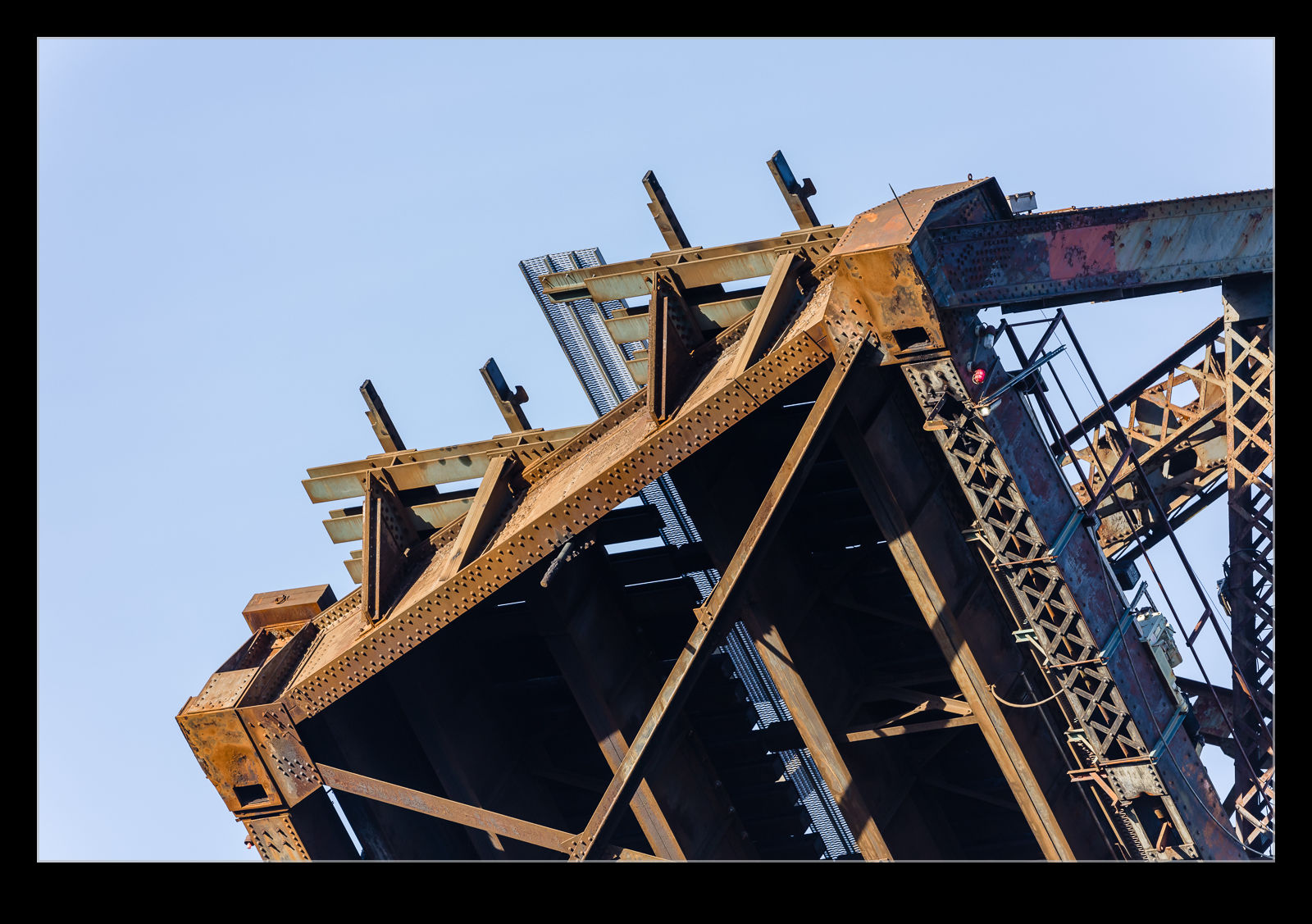
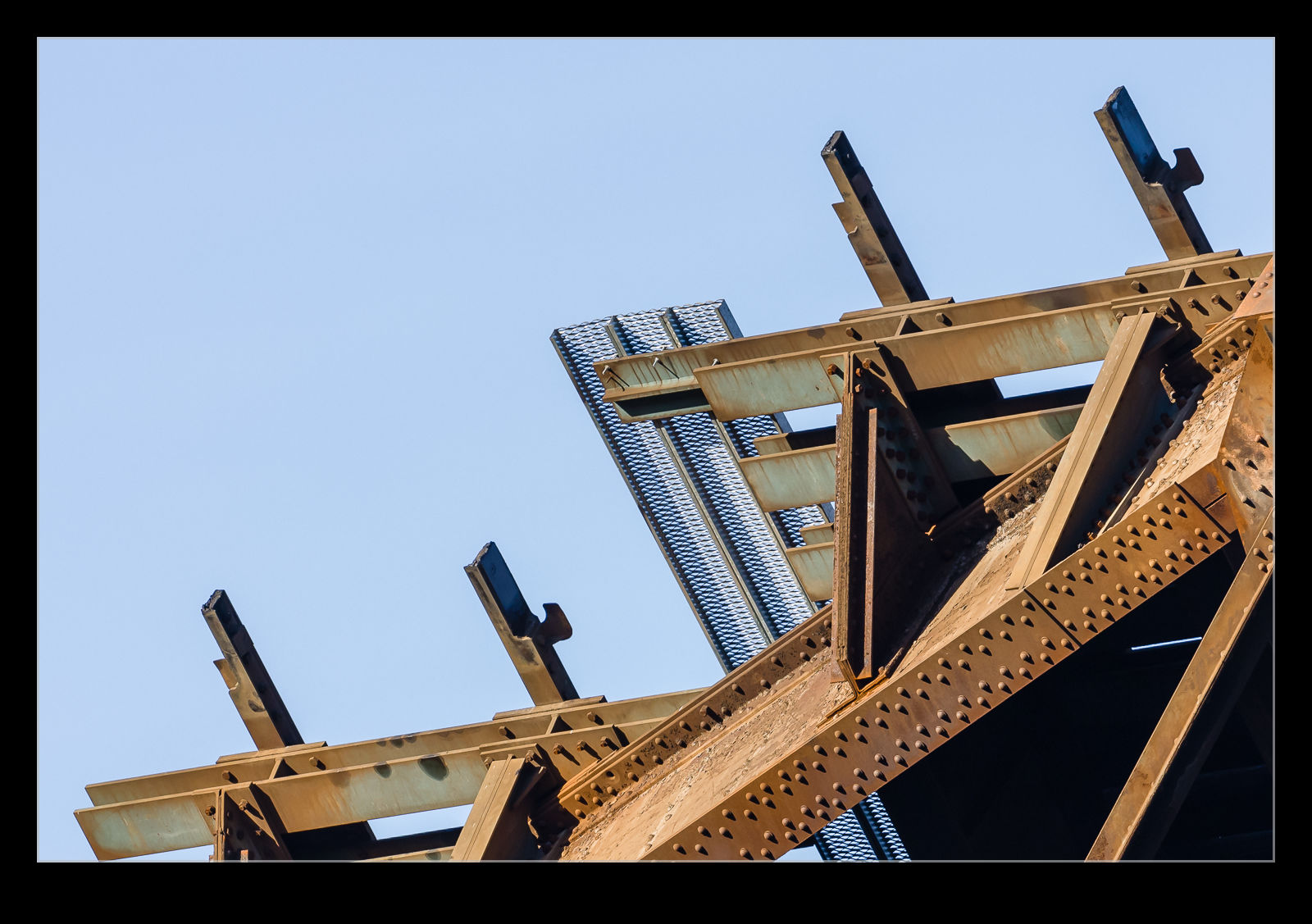
The railway that runs from Seattle up to Everett and either on to Vancouver or east across the Cascades crosses a bridge that is just outside the locks at Ballard.  The bridge is a bascule bridge and, since there is quite regular boat traffic including sailing boats with high masts, it is frequently opened.  The low winter light does a nice job of illuminating the underside of the deck of the bridge when it is open.  I was more interested in the shapes at the end of the bridge where the rails end.  They are clearly shaped to interlock with the opposite rails on the bridge approach and also to have a shape which allows the wheels to smoothly pass over without some sudden impact forces.  As they stand up in the air, they strike me as rather fascinating.

Kenyan Locomotives

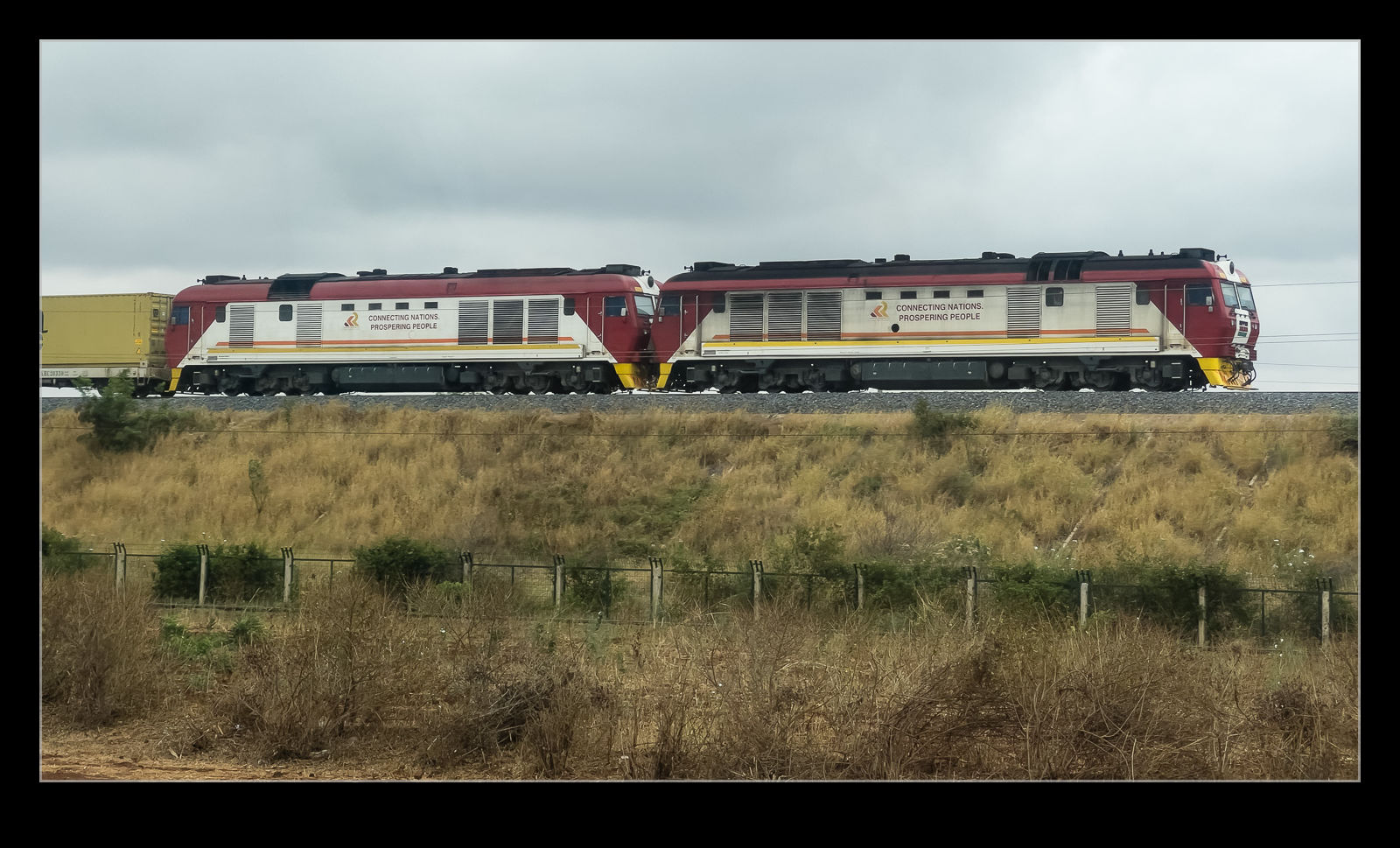
A combination of a travel image and the job stuff today.  We were driving from Nairobi to Amboseli on our first full day in Kenya.  The road we took initially is the main road to Mombasa which is the principal port for not only Kenya but some of its neighboring countries.  Parallel with the road is a railway and, as we headed southeast, a train was coming the other way.  A pair of diesel locomotives were pulling the train, and they had a message on the side about their role.  I understand they were built by CRRC in China.  One for the rail fans who read my blog, I think.

Dock Railway in Bristol

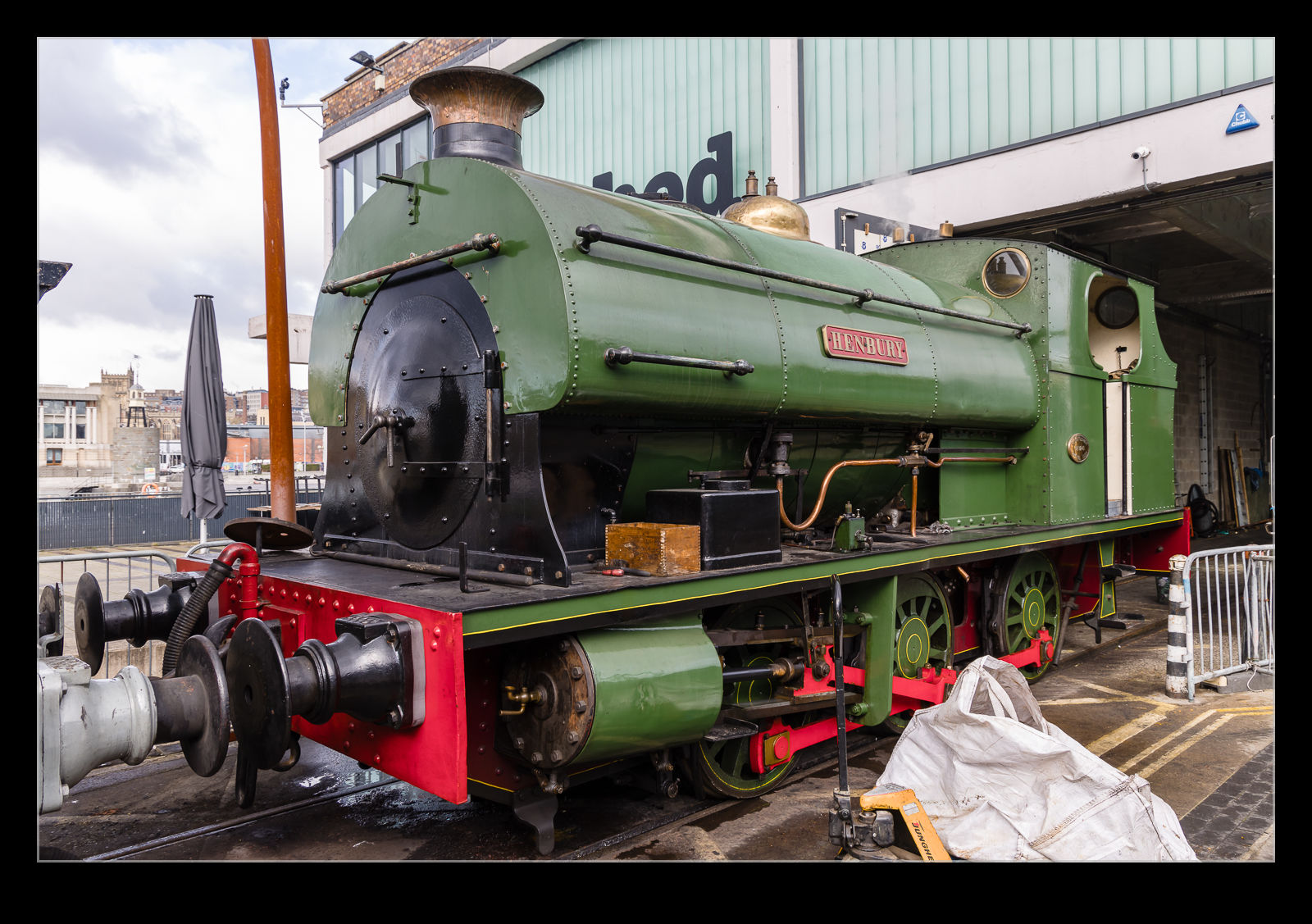
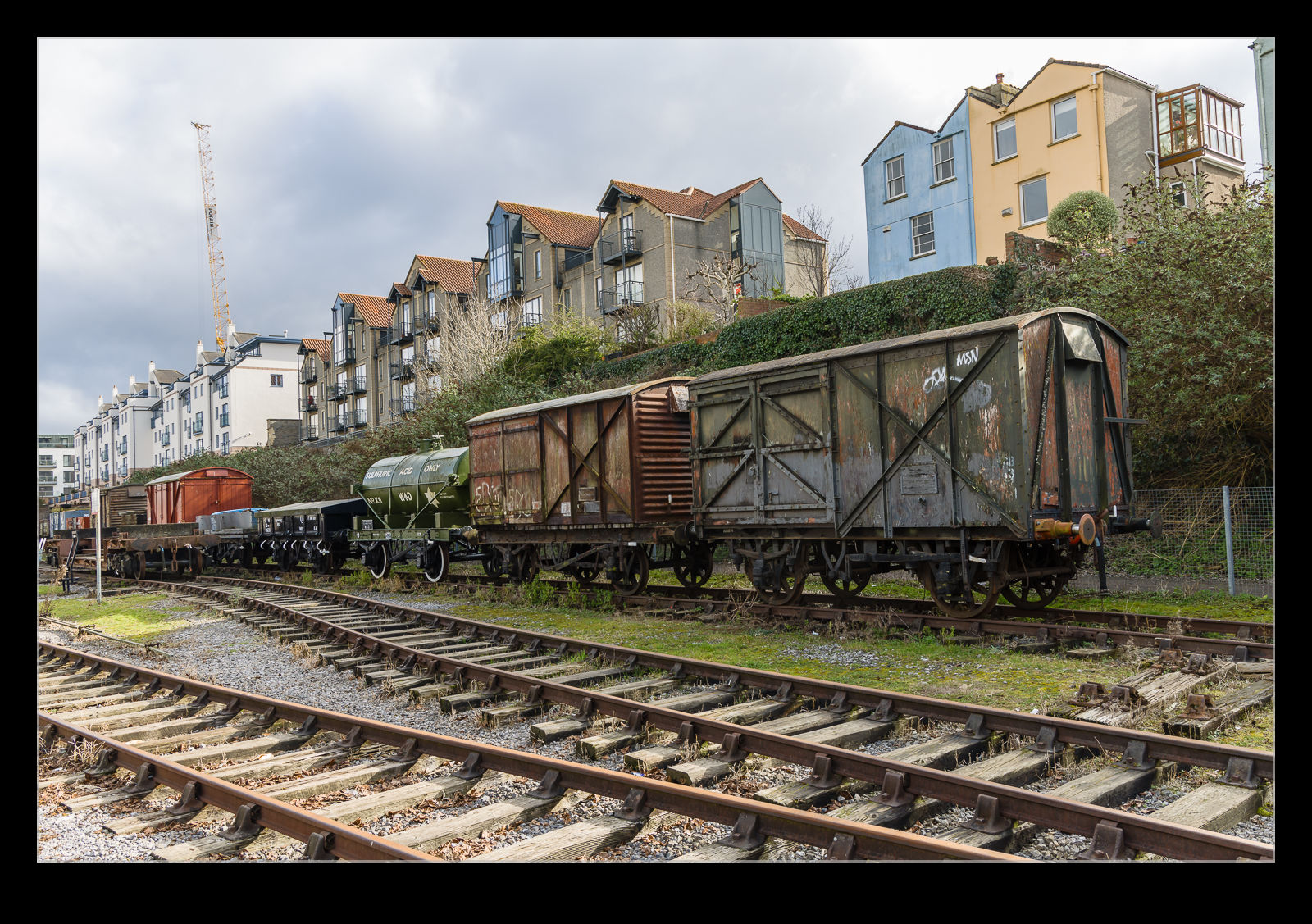
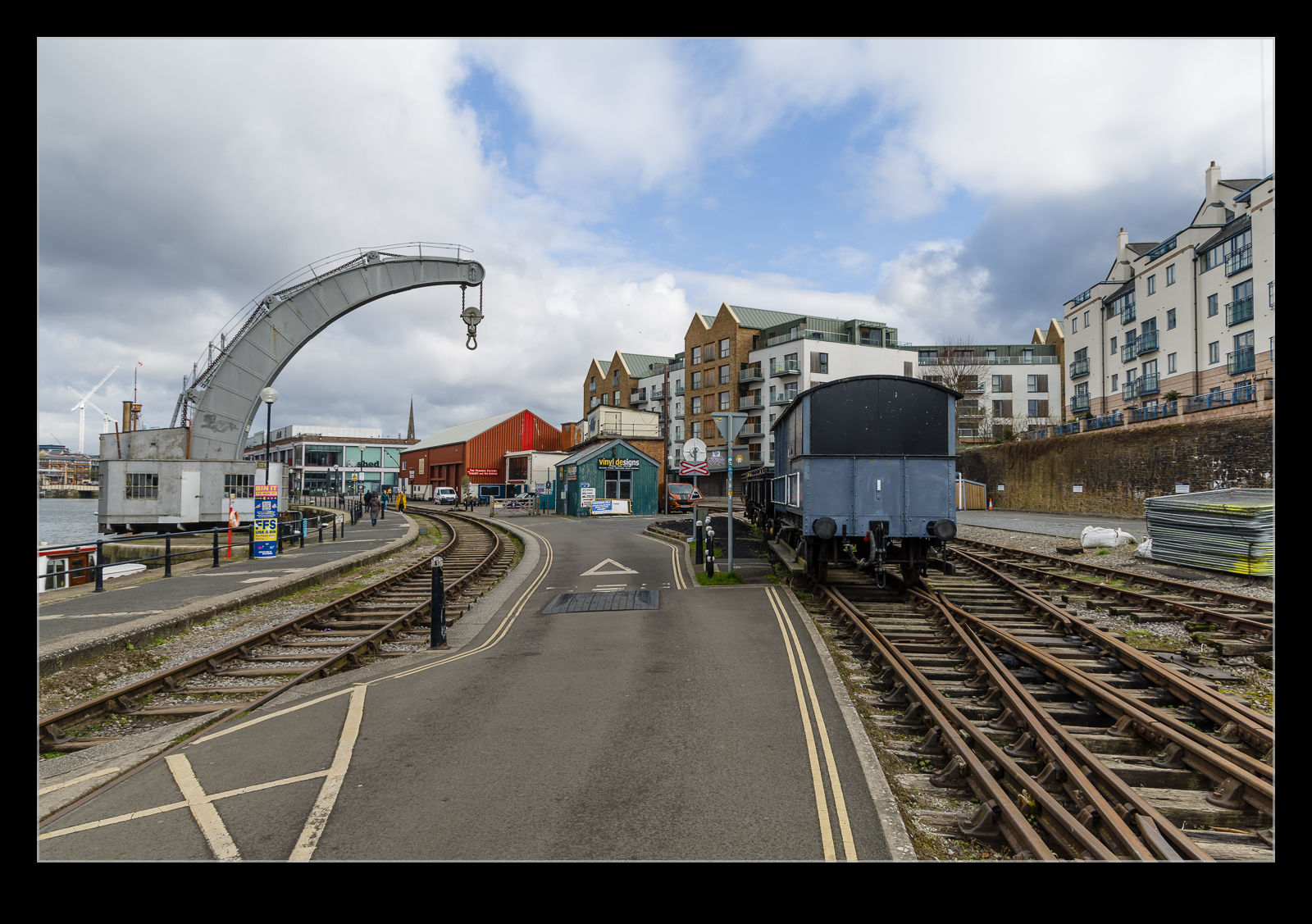
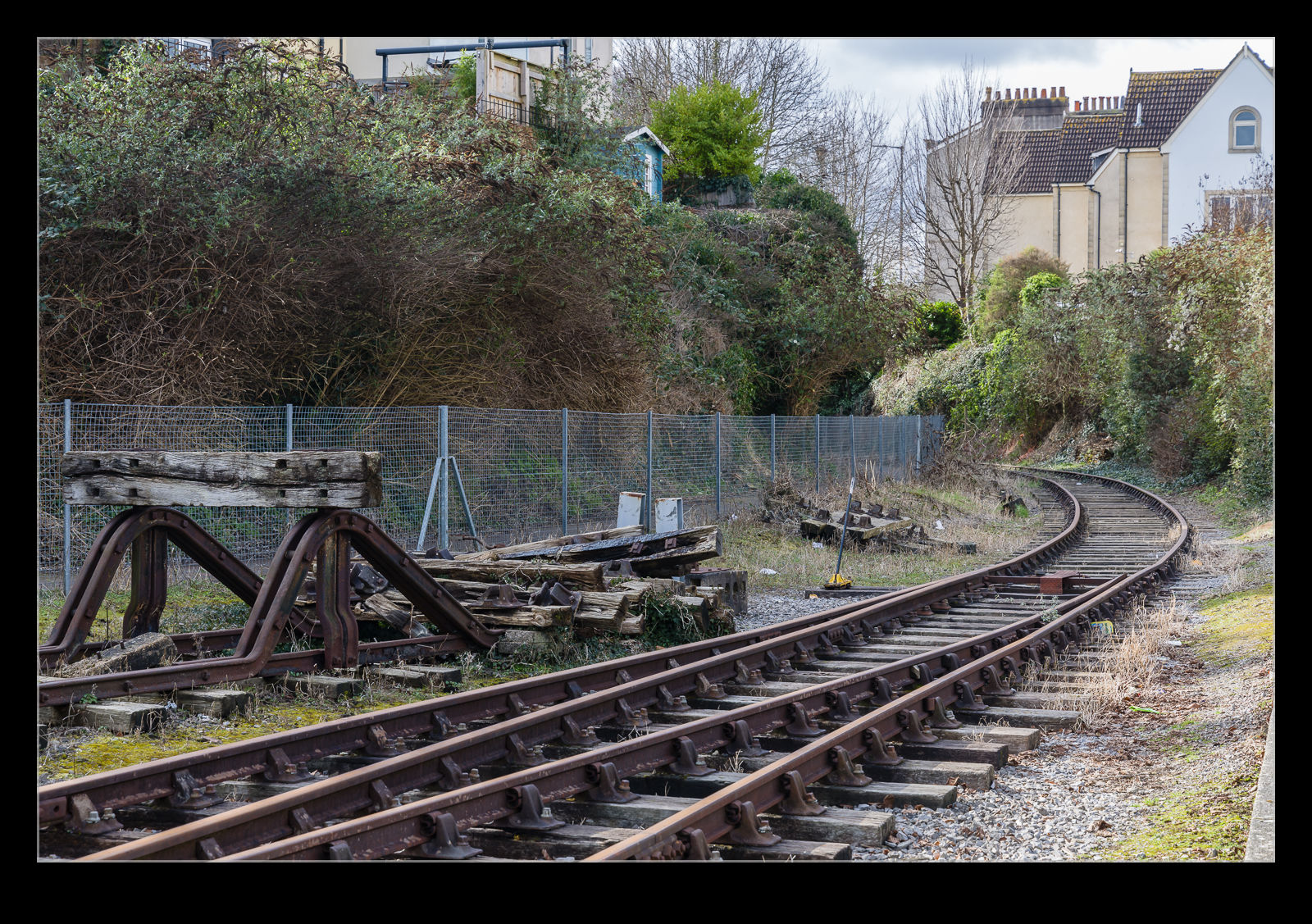
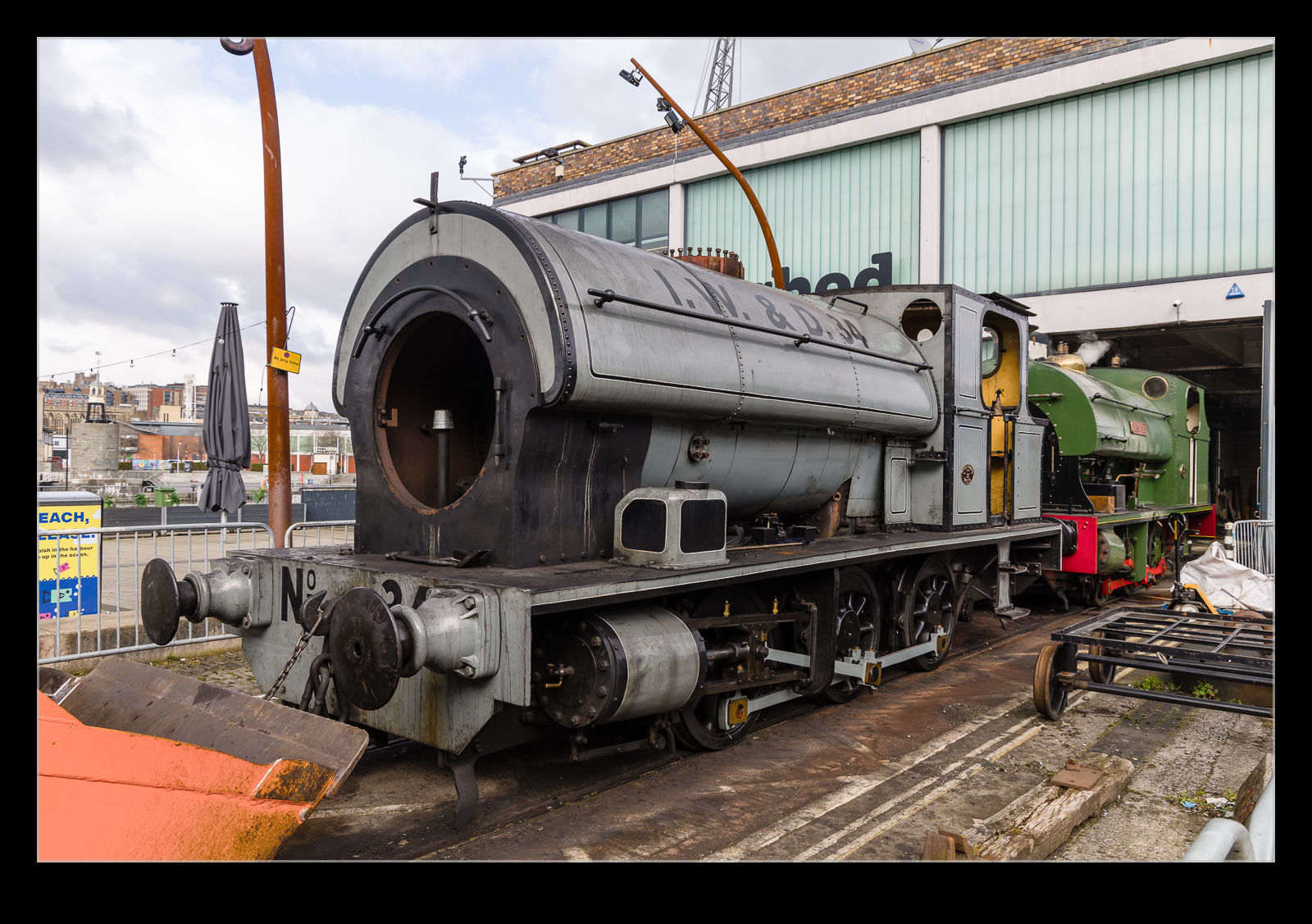
The Bristol Harbour Railway is a heritage railway in Bristol (what a shock!) that runs along the south side of the docks.  I understand it operates short tourist runs at various times up towards the SS Great Britain.  It wasn’t operating while we were there although one of the locomotives had been fired up for some purpose.  It was nice and warm to stand next to it on what was a bit of a cool and damp day.

There was a selection of locomotives and wagons both near the museum building and parked along the docks.  I don’t know whether they were all usable or some were exhibits.  There was one locomotive that was clearly undergoing a major refurbishment.  I imagine it is a popular attraction on weekends and busy summer days.