Tag Archives: fighter

Back to Coupeville for a Day Off

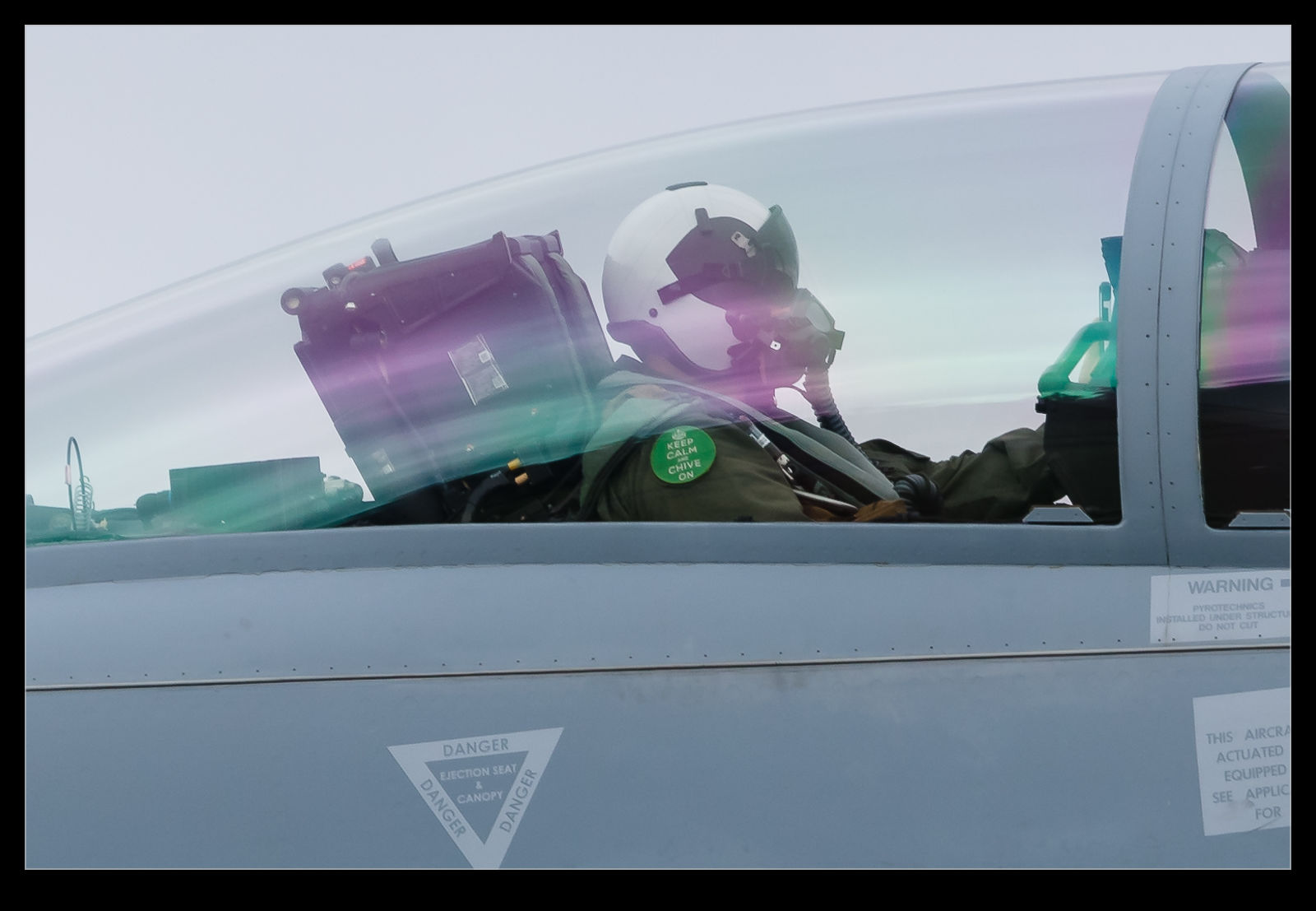
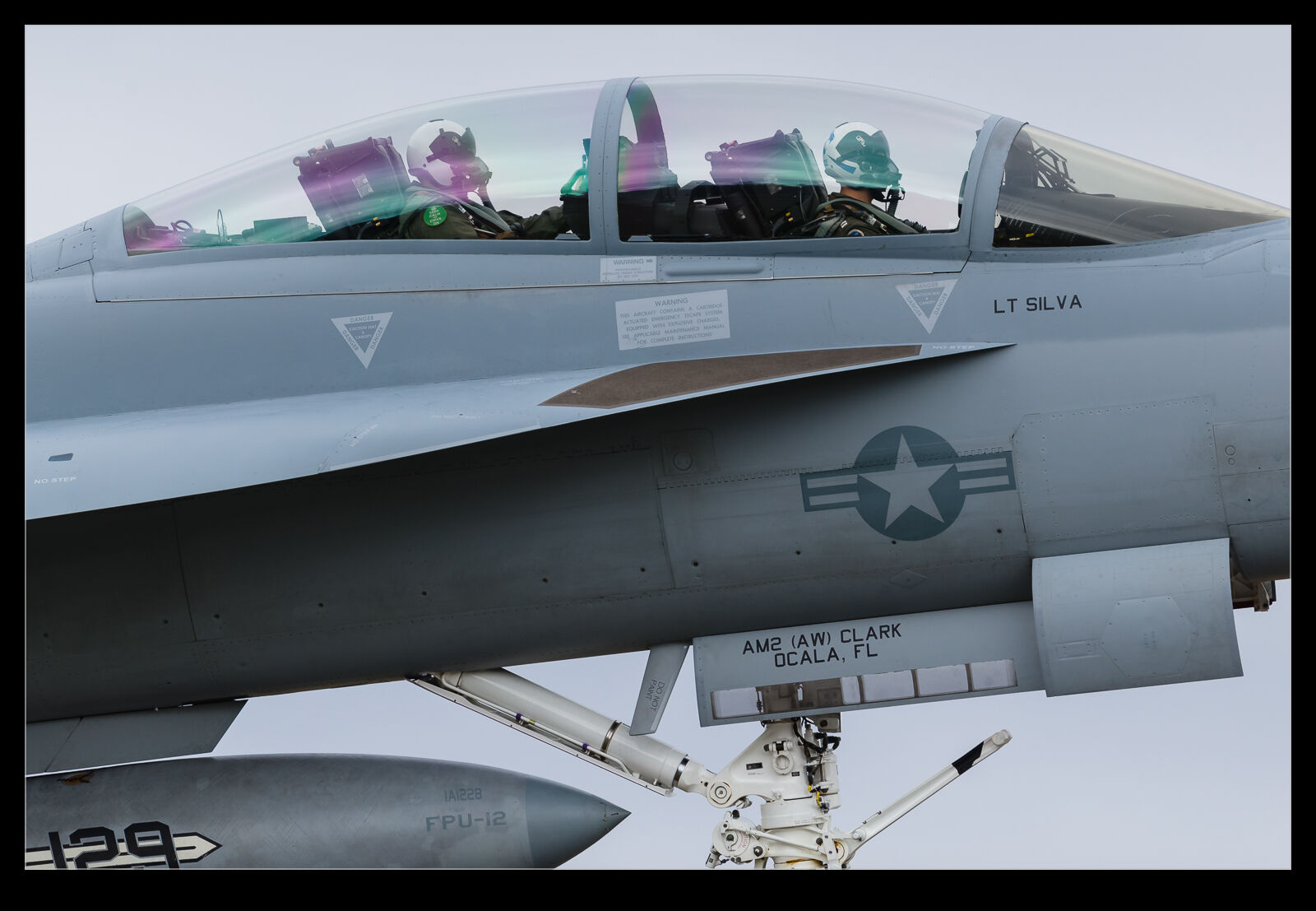
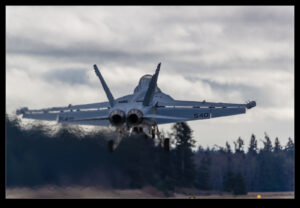
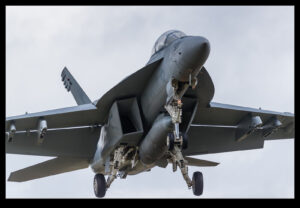
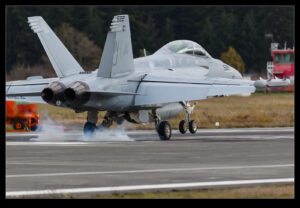
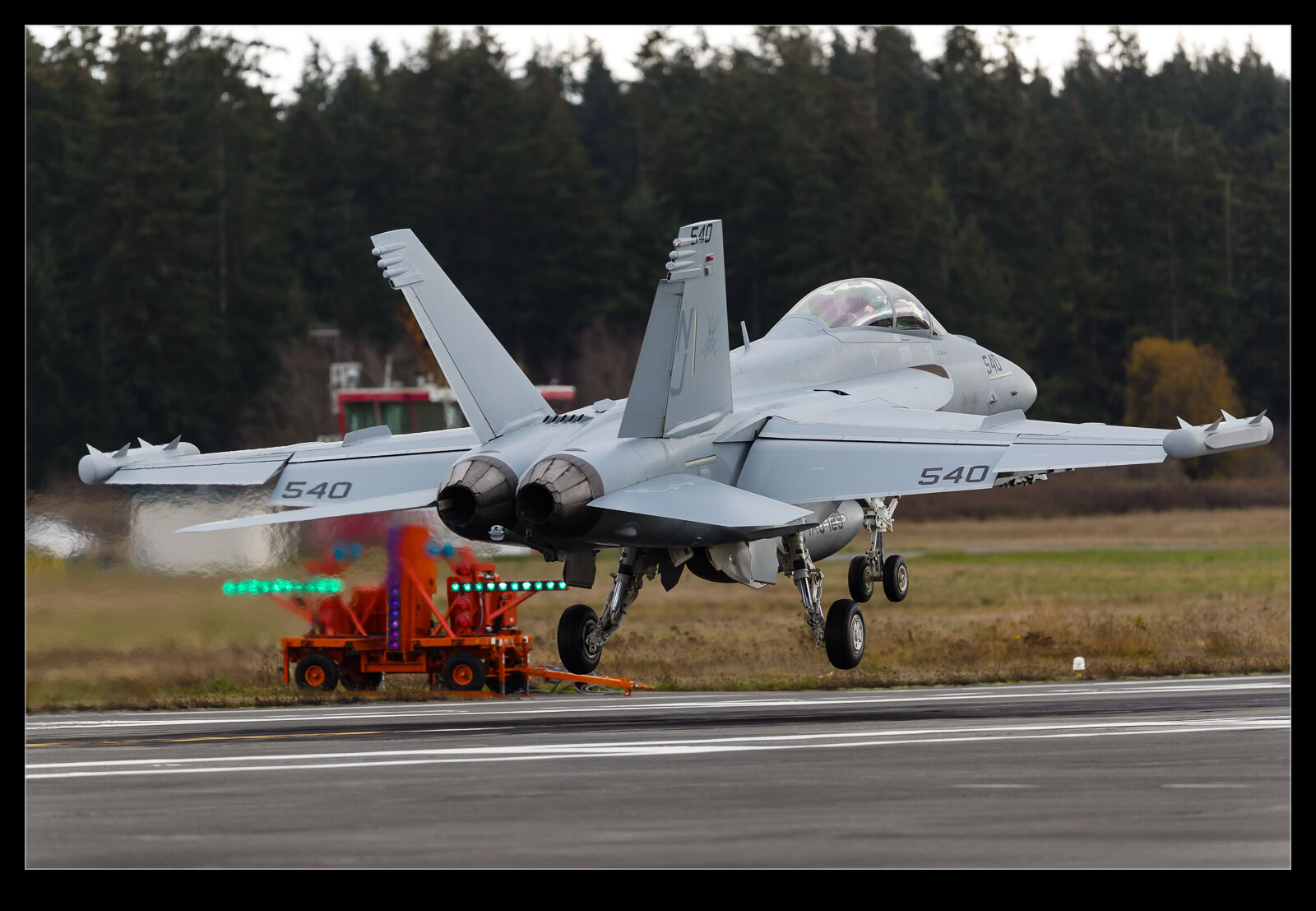
NOLF Coupeville was scheduled for FCLP training and strong winds from the Southeast were forecast which suggested the right runway would be in use.  I also had a day off scheduled.  While the rest of the weather was potentially not ideal, I figured I would make the trip.  Why. Not?  They were due to be flying from late morning but, as seems to be usual, it was just after noon by the time things started to look active.
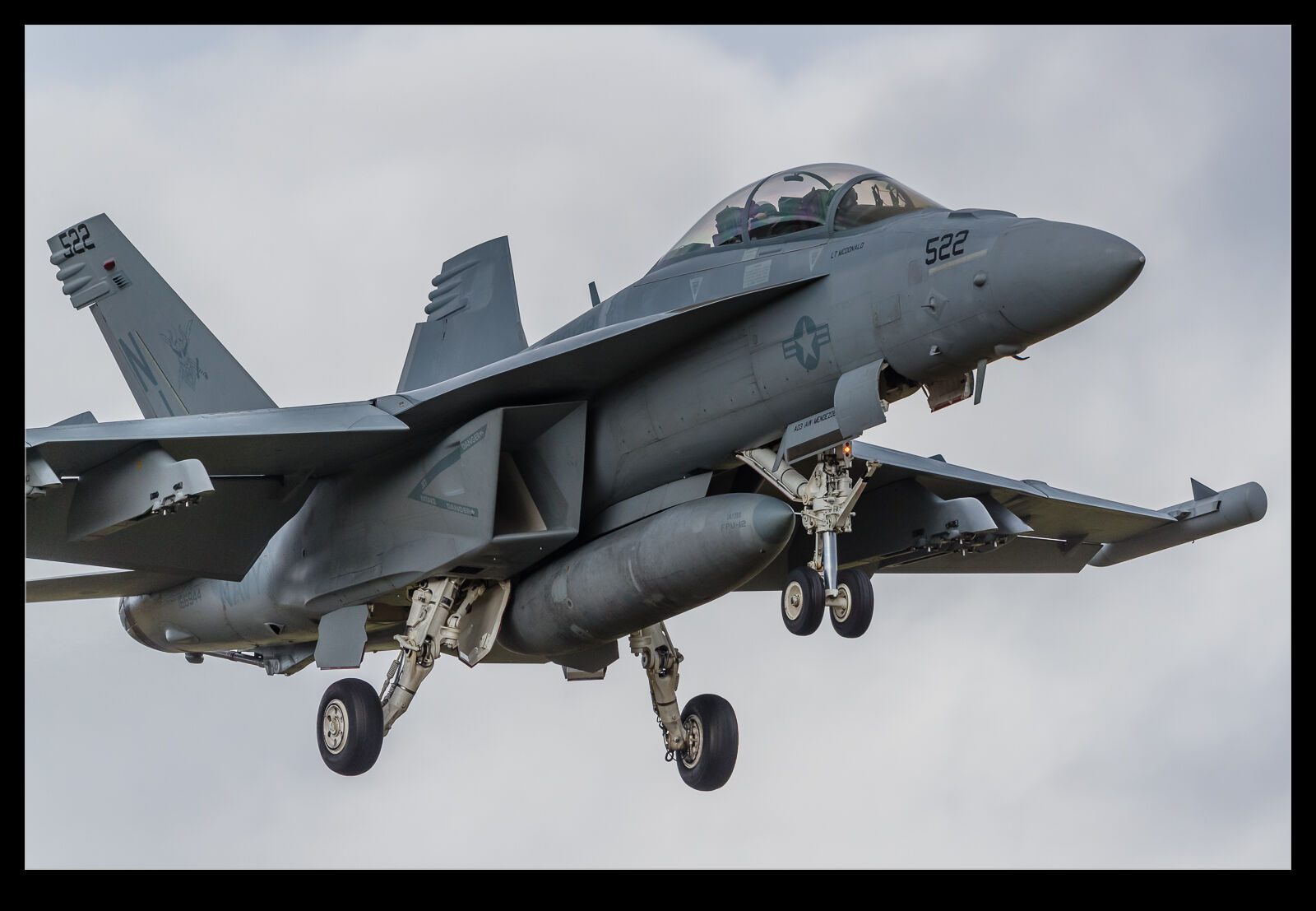
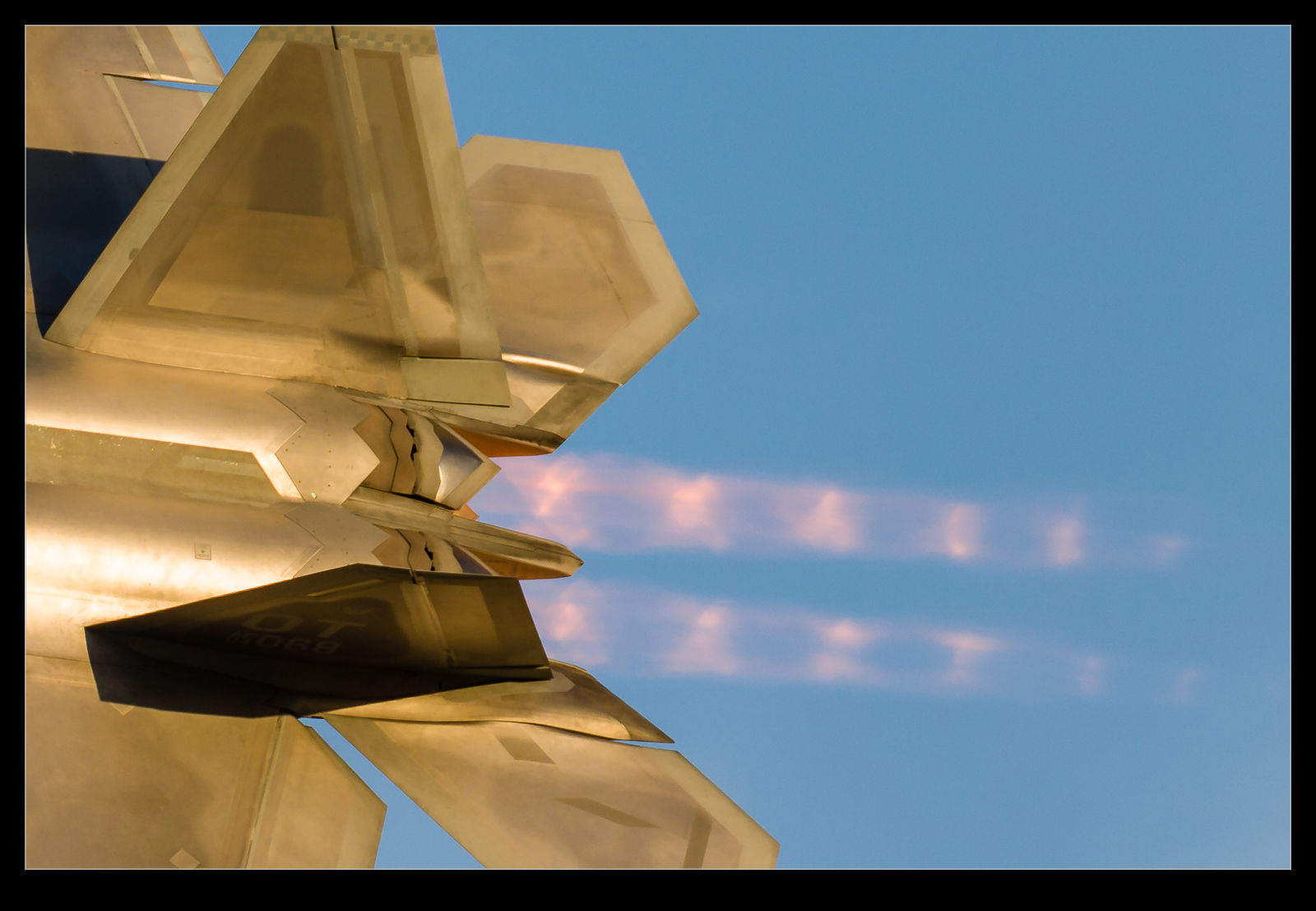
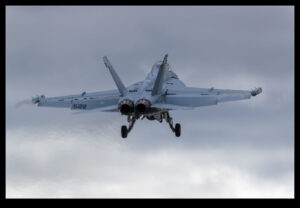
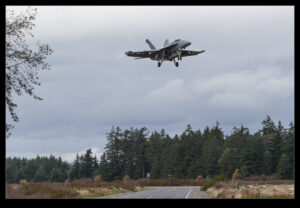
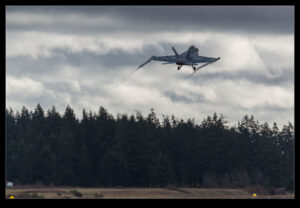
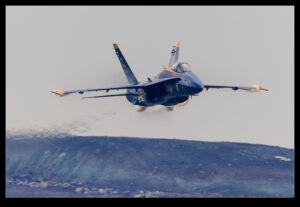
I was worried about the low cloud base but it was actually not a problem.  The wind was really strong gusting 20-30 kts.  This was giving them some interesting flying.  Early on, there was a hint of sun sometimes which really helped the photos.  As they climbed out after each touchdown, the skies behind made from interesting backgrounds and showed off the heat haze from the exhausts as well as the streaming tip vortices courtesy of the damp conditions.

After a while, I got a visit from the Navy Police.  The young lad informed me I wasn’t allowed to photograph the jets. I pointed out I could be he was most insistent that I couldn’t.  Rather than have trouble I decided the stop shooting.  As it happened, the conditions got a bit worse anyway so I had got the best of what was on offer.  I just watched the rest of the flying which included quite a few bolsters and some sketchy touchdowns as the wind got stronger.
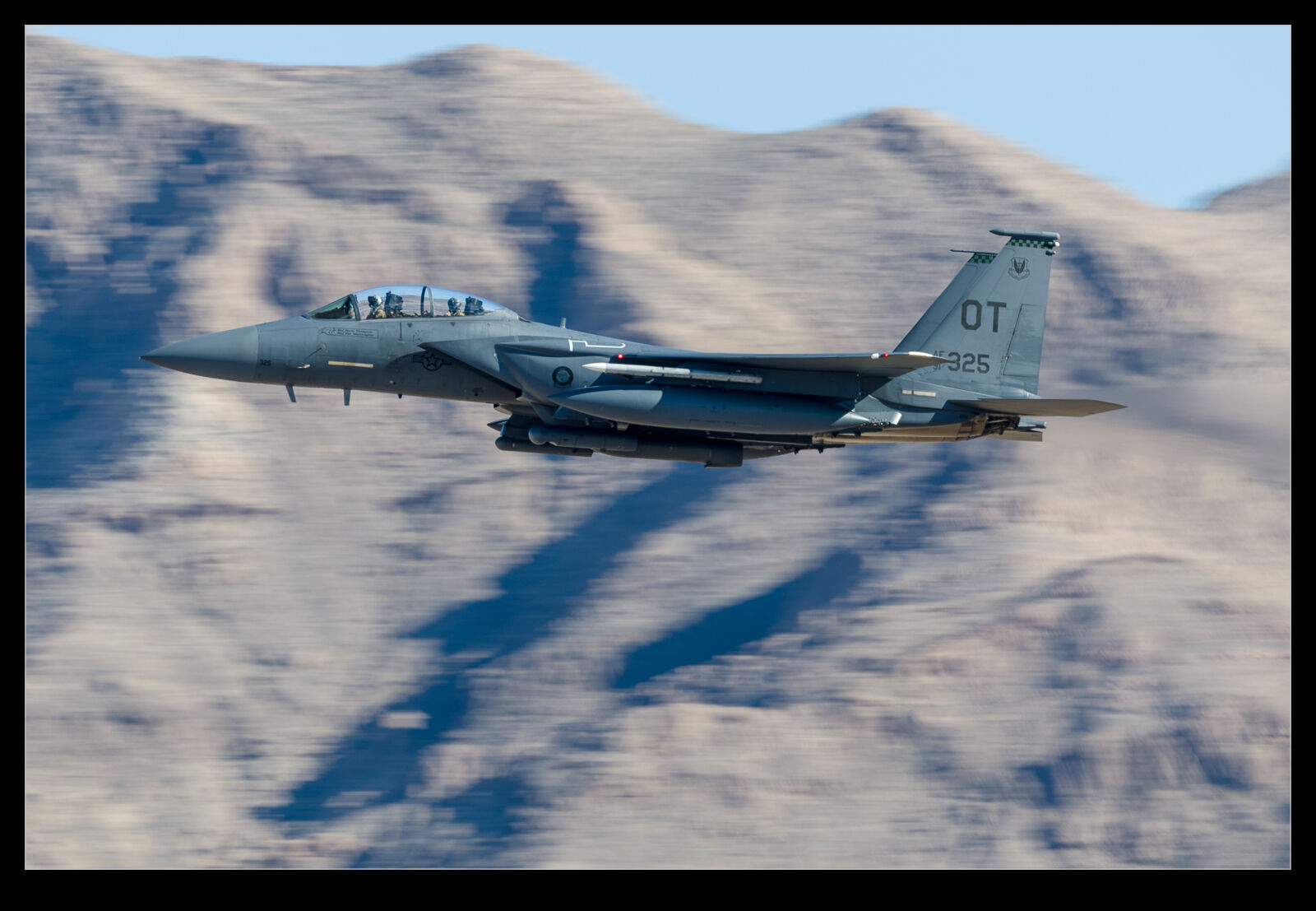
Blue Angels Legacy Hornet Retirement

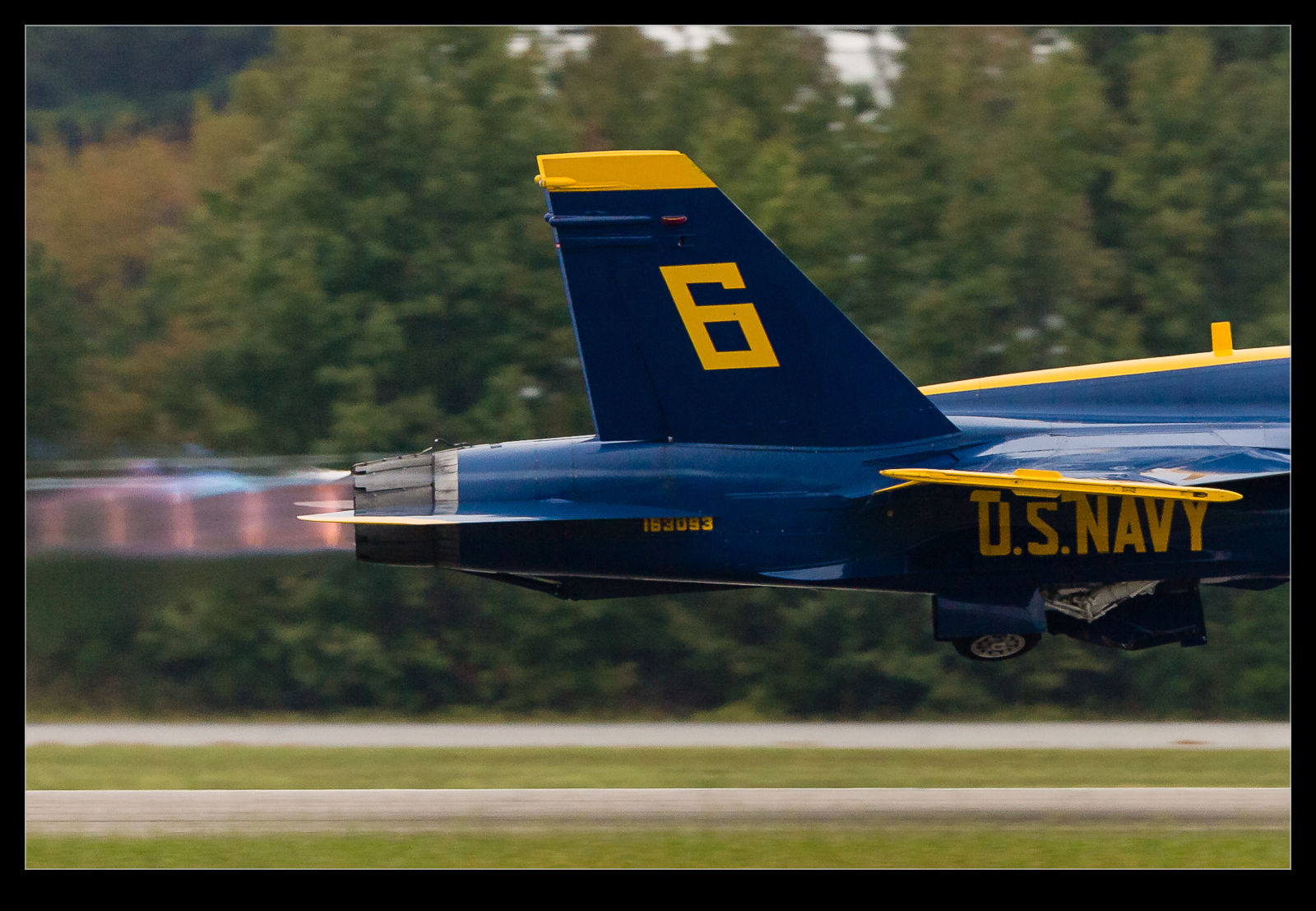
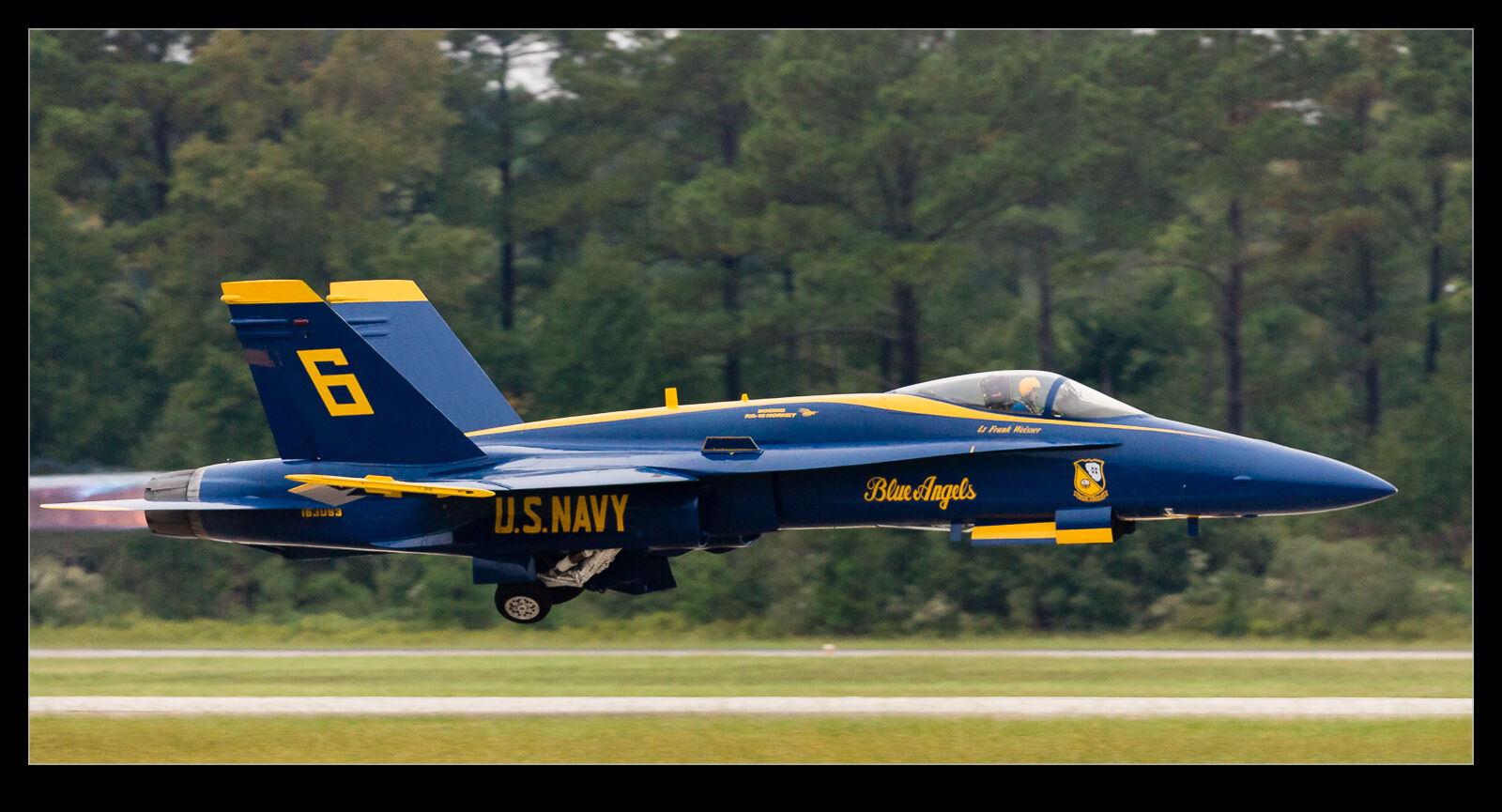
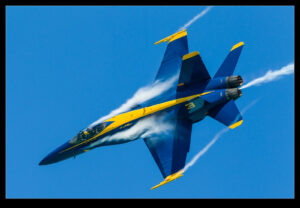
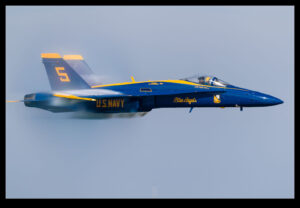
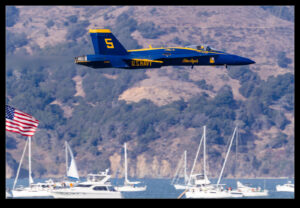
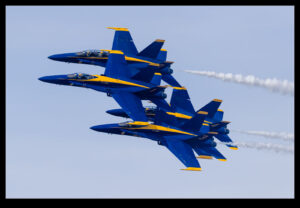
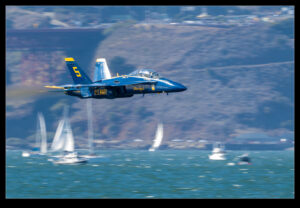
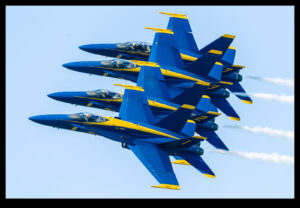
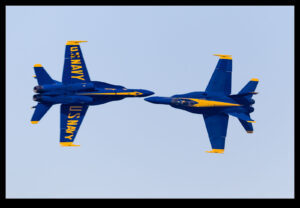
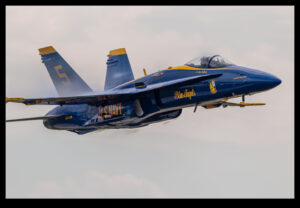
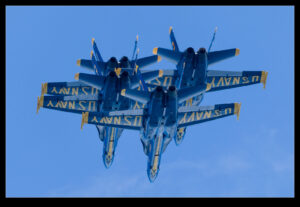
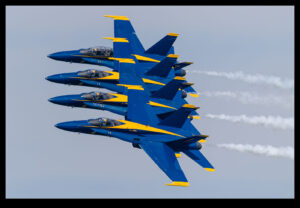
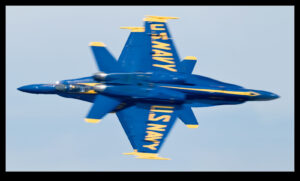
Recently, the Blue Angels made their last formation flight with the F/A-18 Hornet.  The team is transitioning to the Super Hornet ahead of 2021 and they have started working up with the new jets.  It has been a while since I last saw the Blue Angels demonstration so I thought a few shots with their aging legacy Hornets was in order.   They always got the oldest jets in the fleet so I hope they are happy to have some slightly newer airframes to work with.
Detail on a SHAR

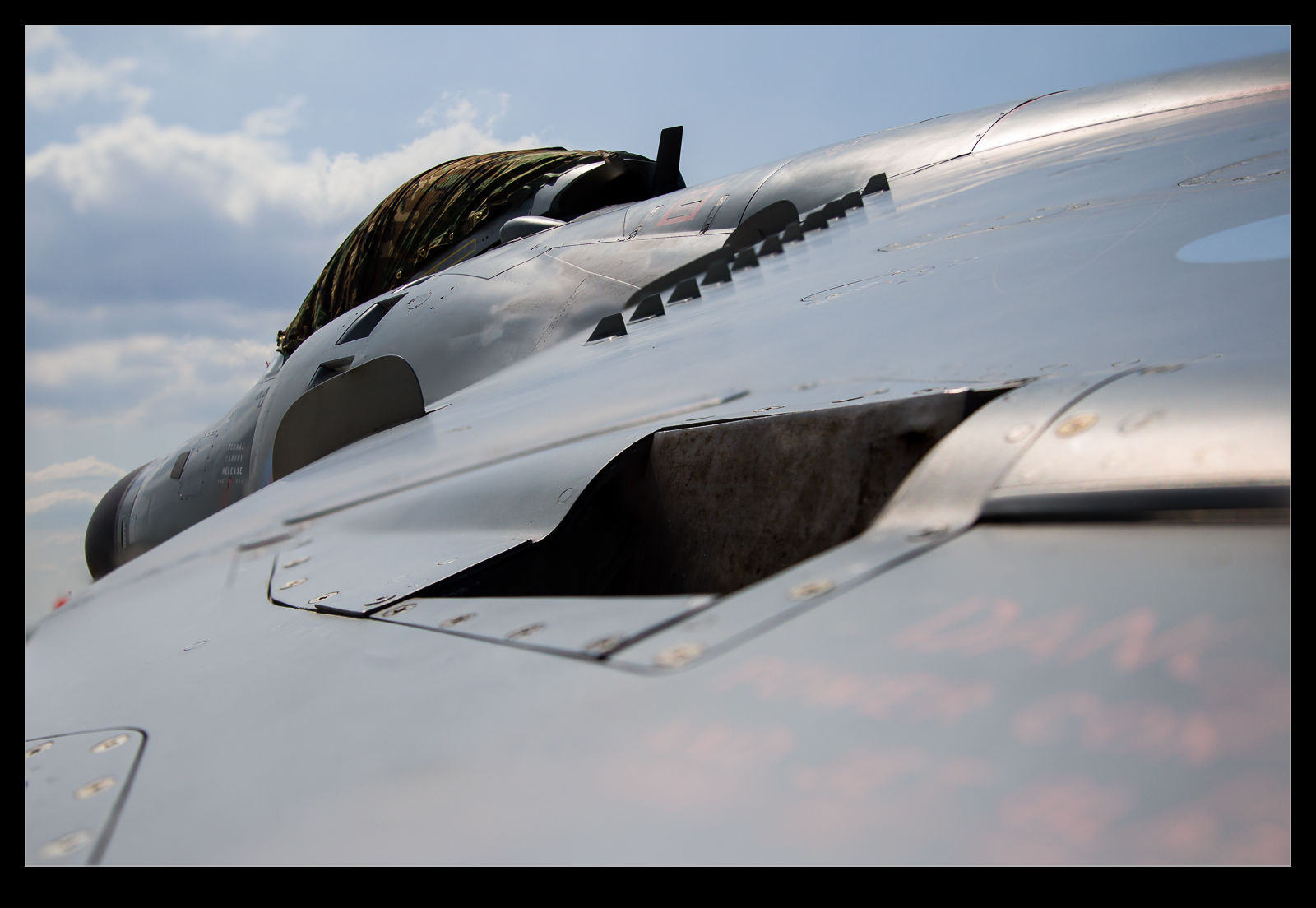
Another throwback post today to some of the time I spent with Art Nalls and Team SHAR.  Art is now selling his Harriers which is a big shame.  No idea who will buy them (assuming someone will) and what will happen to them but I hope they fly again.  The two-seater was close to flying again and I imagine there would be a few people interested in that.

I got a lot of shots with Art and the crew over the years but I recently found myself scanning through some detail shots of the plane.  I even played with a few shots from a single position where I had experimented with moving the focus point along the wing.  These seemed worth trying to focus stack.  I hadn’t aligned them shots perfectly when I took them so it didn’t stack perfectly but it made a reasonable job of it.  I hope to see this airframe again some time.

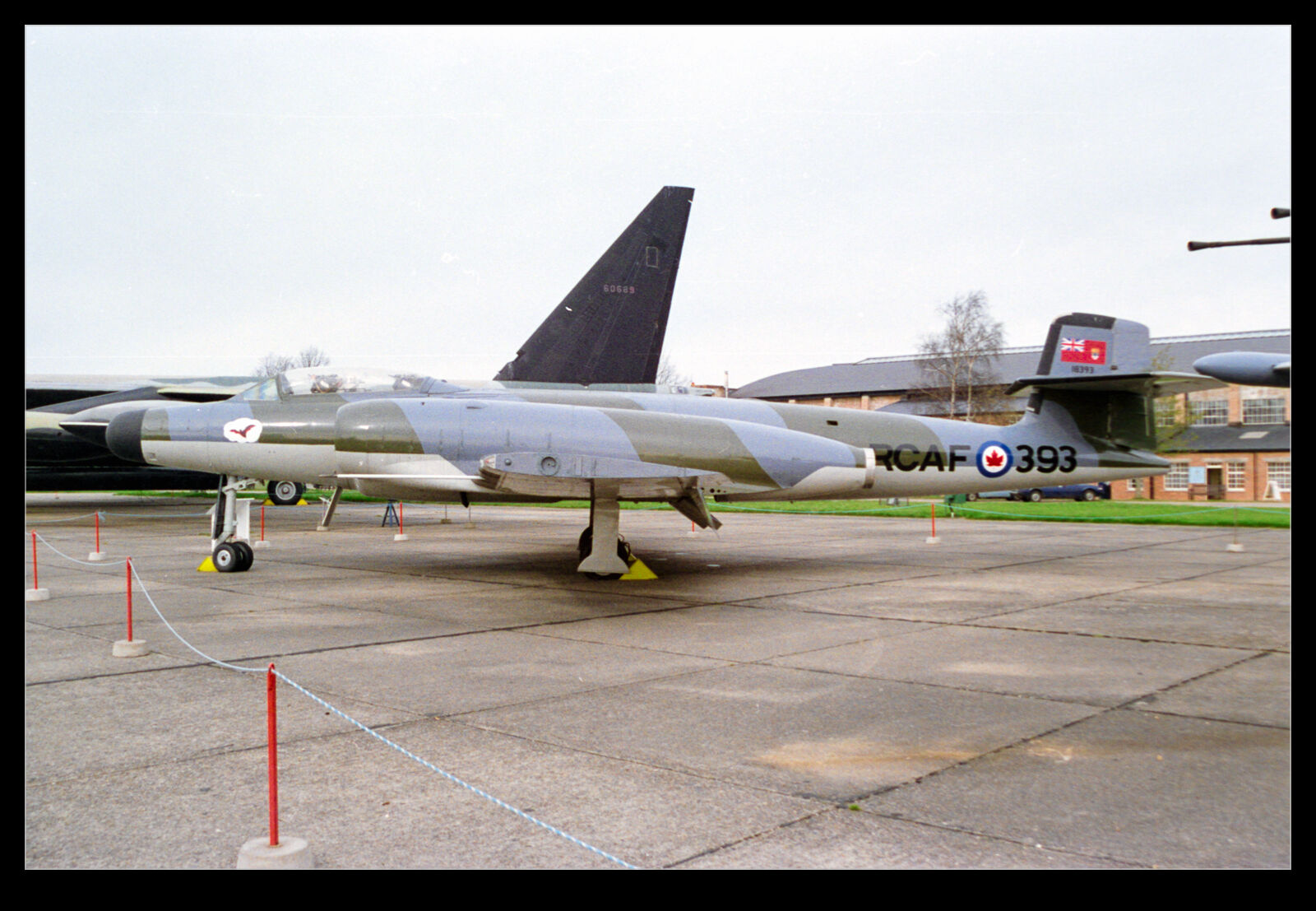
CF-100 Canucks in Museums

I can’t recall what prompted all of this but I found myself searching through my photos to see if I had any pictures of Avro Canada CF-100 Canucks.  I knew I had seen one at the Imperial War Museum at Duxford but had I seen any others?  I had been looking at the Wikipedia article on them as part of this theme and had seen where the remaining examples are.  Turns out I had also seen one in Castle AFB museum.  It’s a curious looking type but here are some shots including the IWM example from thirty years ago as well as last year.
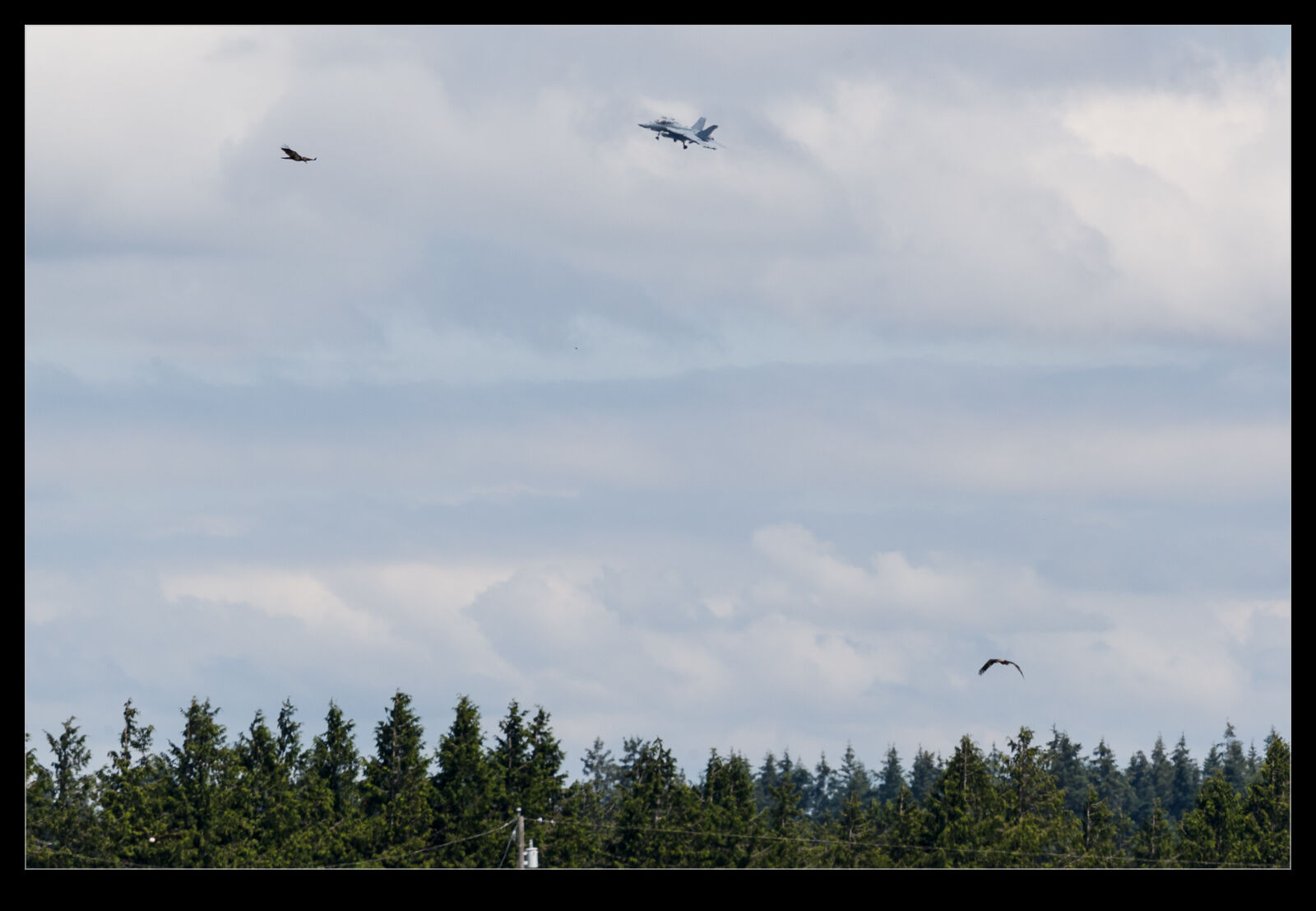
Eagles Versus Hornets(ish)

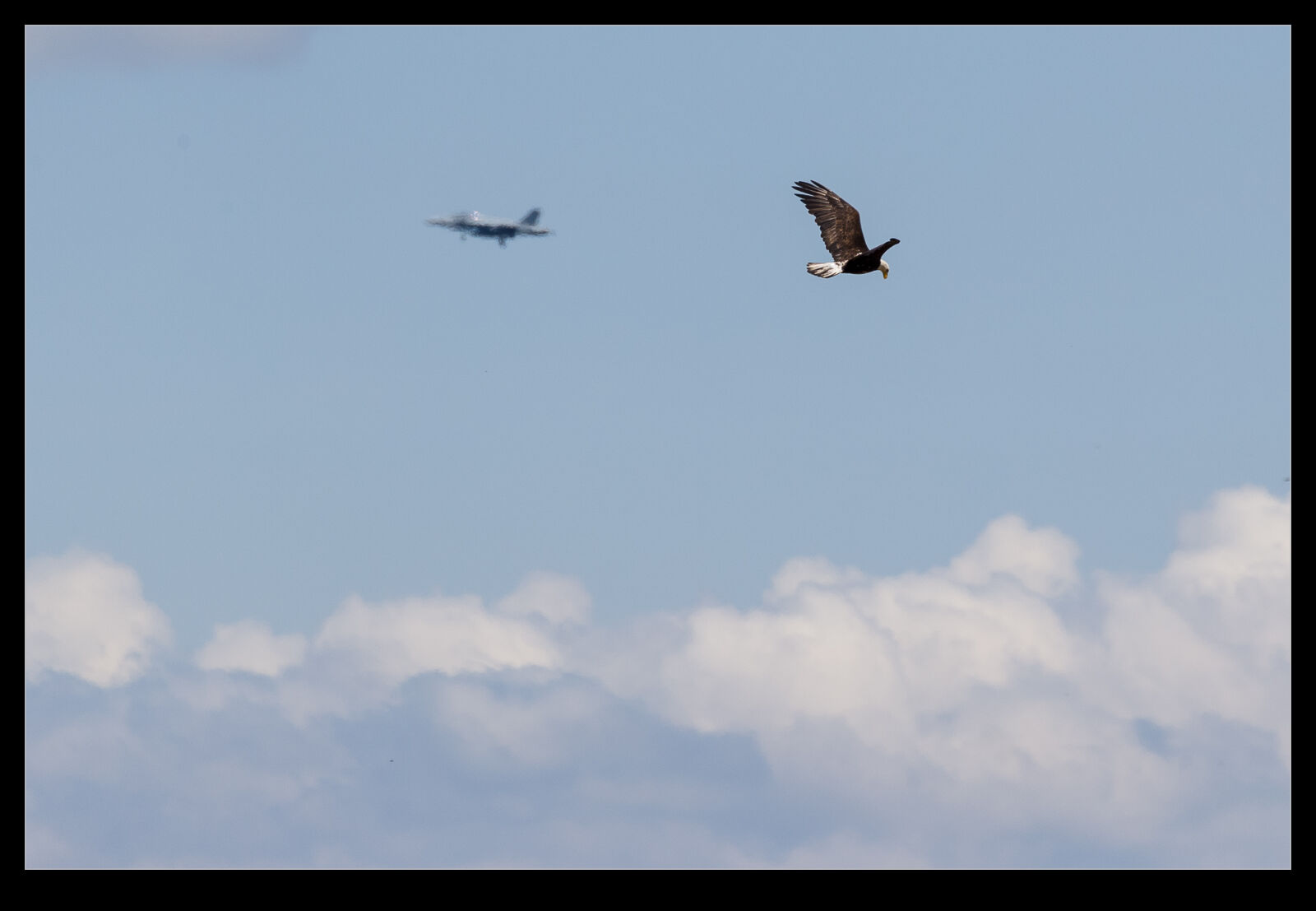
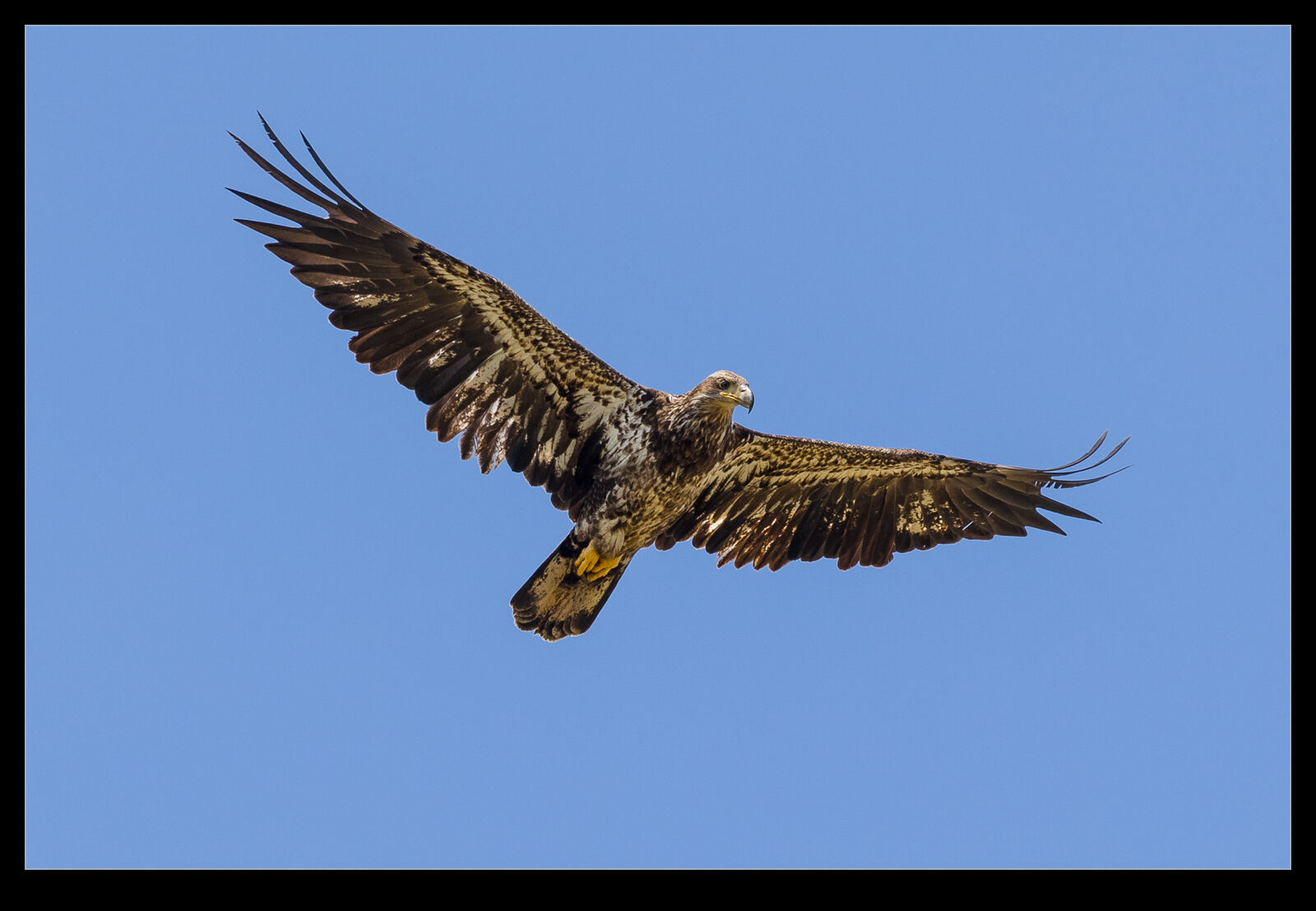
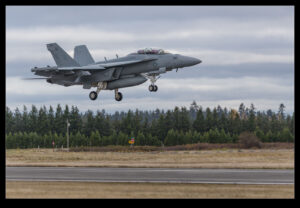
The Growlers weren’t the only things flying at Coupeville while I was there.  A bunch of bald eagles were also flying in the vicinity.  They were crossing the approach path for the FCLP training which had me a little concerned.  I thought they would get lost when the jets showed up but they clearly weren’t very concerned and were used the the jets.  They might have got close but they seemed to stay just far enough away to avoid any conflict.  A bird strike with a bald eagle would probably be messy for all concerned.
NOLF Coupeville Area

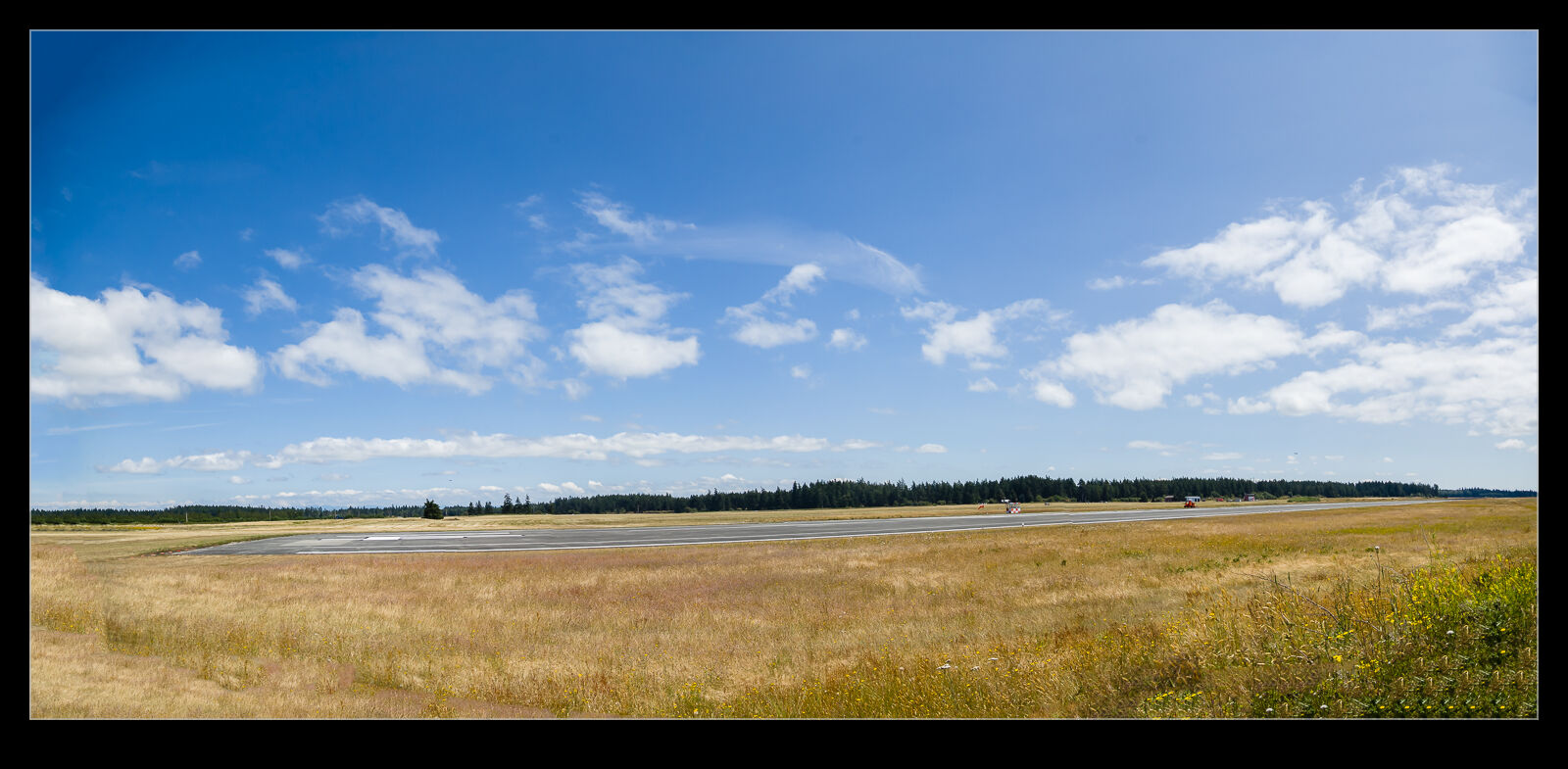
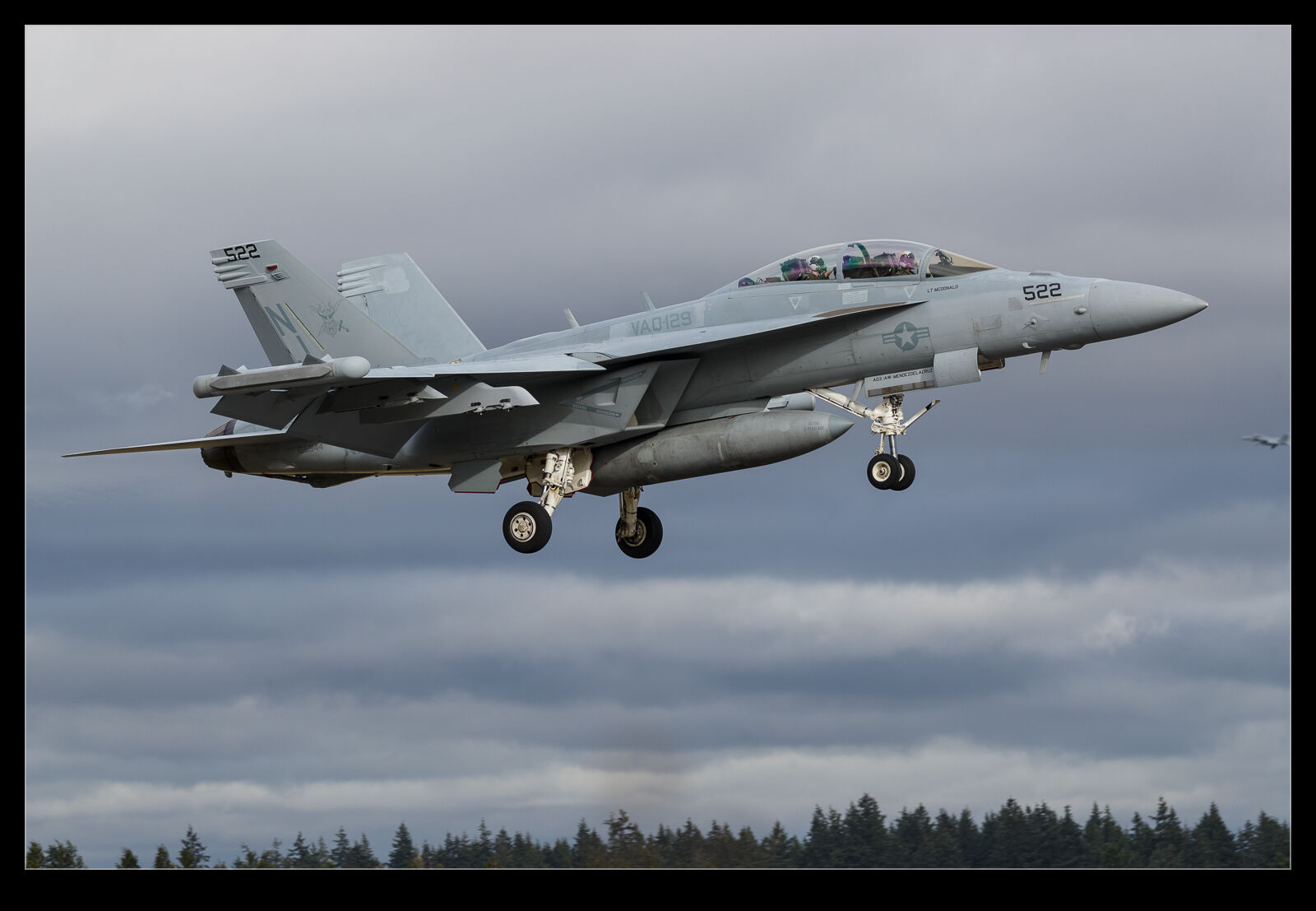
My trip to Coupeville to shoot Growlers undertaking FCLP worked out well as described in this post.  What I didn’t emphasize in that post is just how close the road is to the north end of the runway.  While southerly flow is not normal, when that is happening, you are very close to the action.  The pano at the top of the post is the view you get of the runway from the road and plenty of people will show up to watch the jets bouncing.

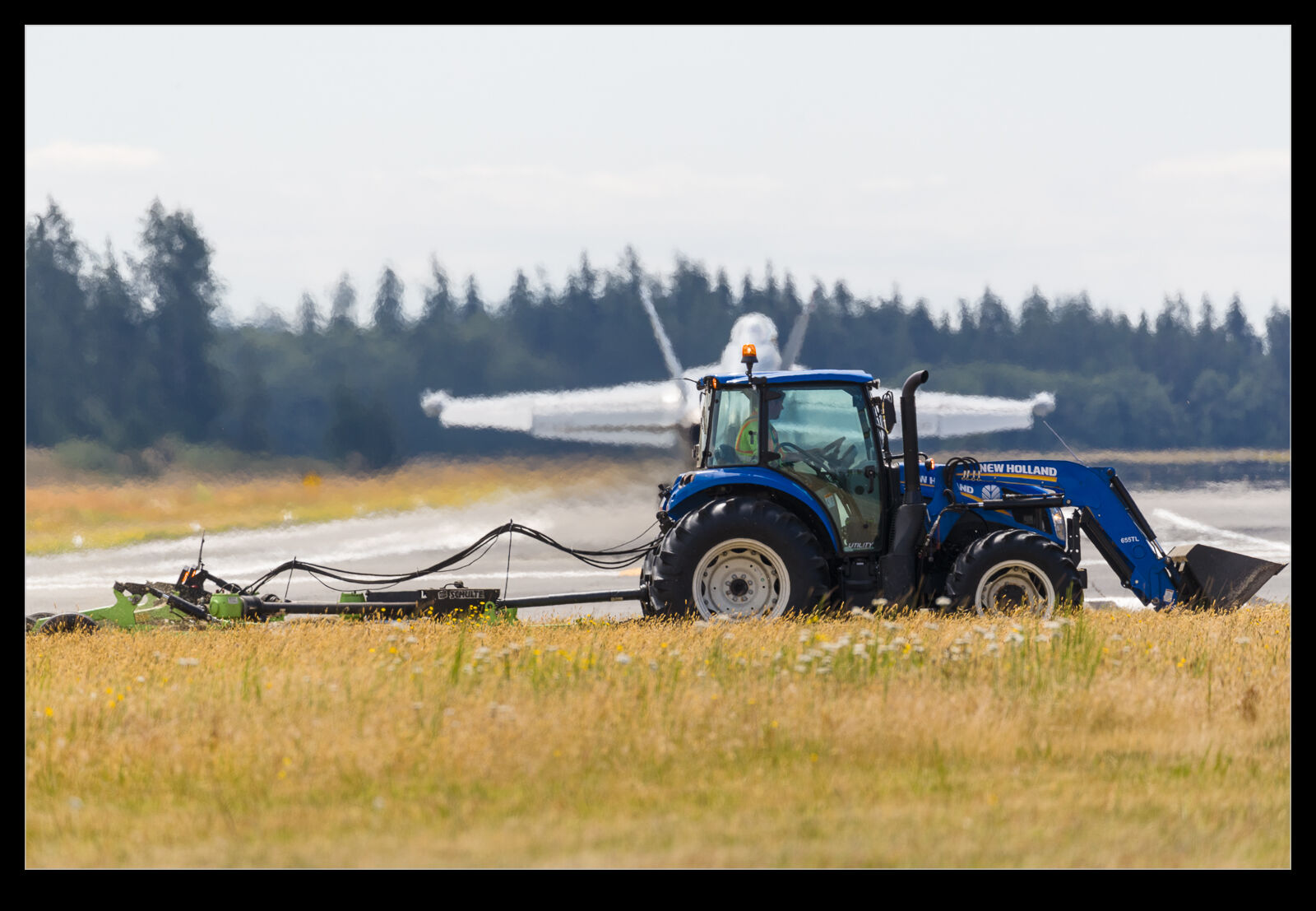
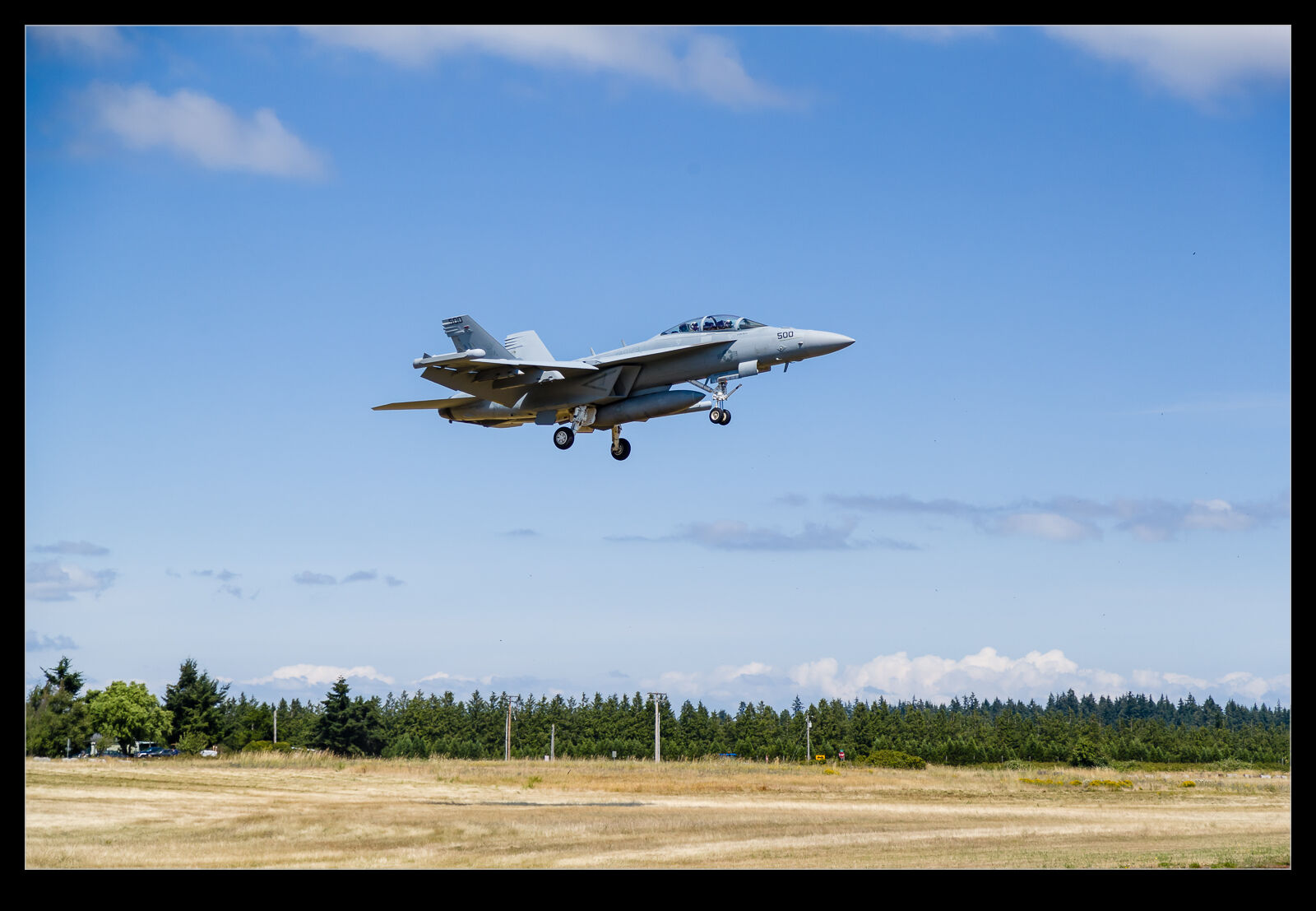
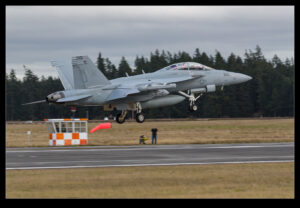
The fields around the runway need to be looked after.  There was a tractor cutting the grass while the jets were bouncing and you can see what a good view the driver probably had of the jets.  I assume he had good hearing protection on while he was working in those fields.    I also include a shot of a jet coming low over the field.  Hopefully that shows just ow close everything is to the road.

Growler FCLP Video

Lots of still shots from my visit to Coupeville and the FCLP training for their Growlers but I was there long enough and there were enough passes to allow me to stop worrying about stills and to try getting some video from a variety of angles.  Here is a video I put together of some of the jets.

Out on the Centerline at Coupeville

One of the fun things about shooting the FCLP proactive at Coupeville when they are on a southerly flow is that you can stand on the centerline a shot distance from the threshold.  The jets are passing very low over the road as they head for the runway so you get a very up close and personal feeling.  Hearing protection is definitely worth having.

I experimented with a variety of shots.  Looking head on at the jets as they turn on to final is good.  They come right over you so you can get a very close up shot head on or, if you want, go to a wider angle lens and have the view right up as they come over you.

You also get to look down the runway once the jets have passed over you.  You do have loads of heat distortion as a result of the jetwash behind the jets but that is a small price to pay.  You don’t get anything sharp from that angle but it is an interesting view and the jelly air gives a hint to what it is like being behind the jets as they pass overhead.

Growlers Out in the Sun

I’ve made a few trips to Coupeville to watch the Growlers undertaking FCLP training on the field there.  My first trip was lucky with the flow to the south and good light.  Sadly, I didn’t get to see much activity.  More recent trips have had plenty of traffic but they were flying to the north which doesn’t work so well for photography.  However, with a forecast for nice weather and a southerly wind so, having been stuck at home for ages, I was keen to get out and shoot some planes while staying a safe distance from everyone.

I got there a little early because I needed to take a work call before things were supposed to get moving.  The lighting was at the other end of the field so I was a little concerned that I might be out of luck but shortly after getting there, a pickup truck hooked up to the light trailer and pulled it to the north end of the field.  Result!

The jets showed up relatively soon thereafter and really didn’t go away for the next three hours.  There were jets arriving and leaving throughout this time but it was rare to not have a jet in the pattern at some point.  This gave me plenty of opportunity to walk along the road to try out different angles.  I also had enough opportunity to try shooting a bunch of video too.  That will show up in another post.  There was a fair bit of cloud initially but things cleared up to be very sunny as the afternoon wore on.  Here are a bunch of shots of the jets bouncing around the pattern.

Wildcat Has Looked Better

In 2012, A Grumman Wildcat was raised from the bottom of Lake Michigan.  The lake has numerous wrecks scattered across it as a result of the training that was undertaken during the Second World War with students ditching their aircraft.  Many have been raised over the years with some being restored to flight and others ending up in museums.  The one that was raised in 2012 was the subject of a piece I put together for Global Aviation Magazine.

The airframe was moved to a hangar under the control of Chuck Greenhill (who had financed the recovery) at Kenosha Airport after it was raised from the water and this was where I got to see it.  Opening the hangar door was quite a shock because the smell was pretty overpowering.  The airframe was covered in various creatures that had attached themselves over the years and they were not doing well in the air of the hangar.  It was a tough smell initially.  You got used to it a bit and having the hangar door open helped to get some fresh air in there.

The airframe was in several parts.  The wings were laid out in place and the tail section, which had separated at some point during the accident, was laid out behind it all.  Obviously, there was lots of damage to the aircraft given that it originally had crashed and then spent decades underwater.  The recovery process was delicate to avoid inflicting any further damage.

The airframe remains the property of the US Navy.  It was originally going to go to Pensacola for restoration but ended up going to the Air Zoo in Kalamazoo MI in the end.  It is currently undergoing restoration there.