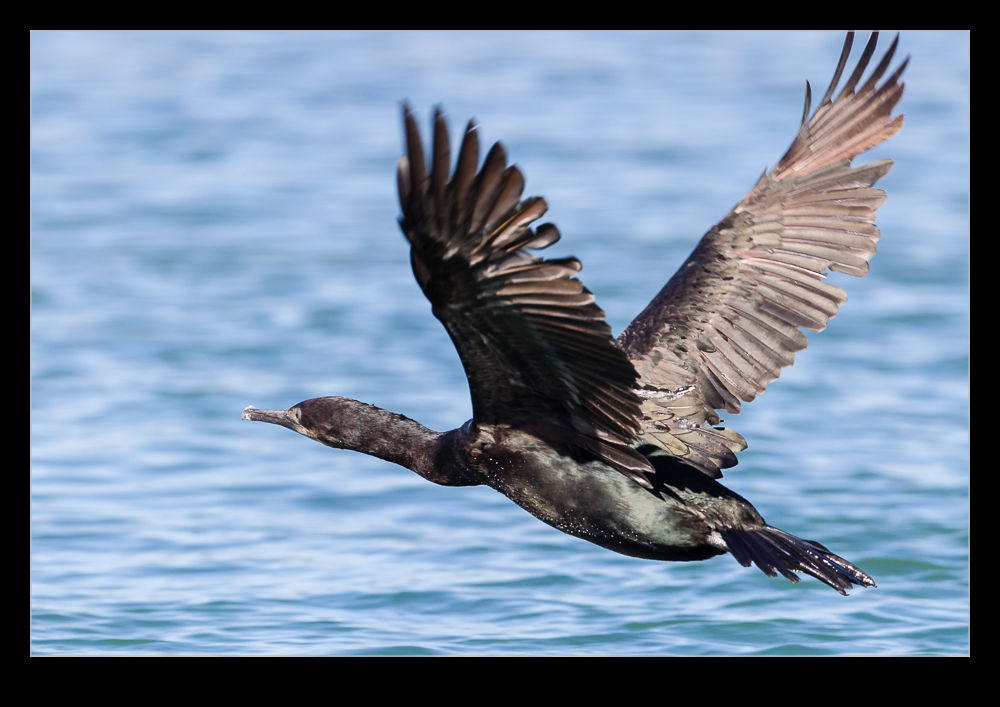
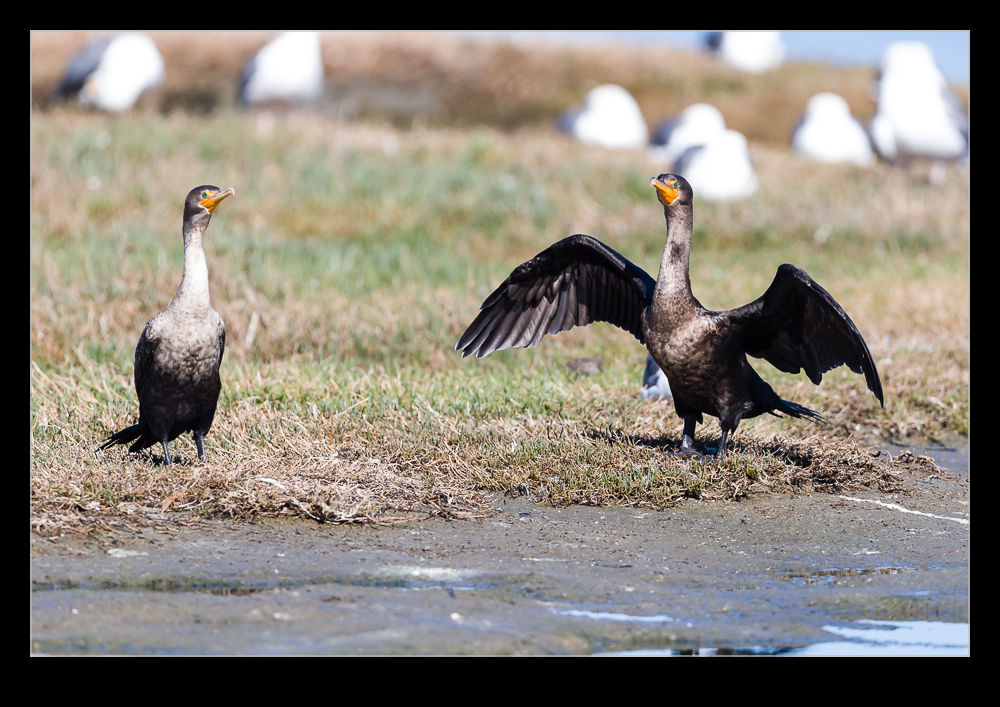
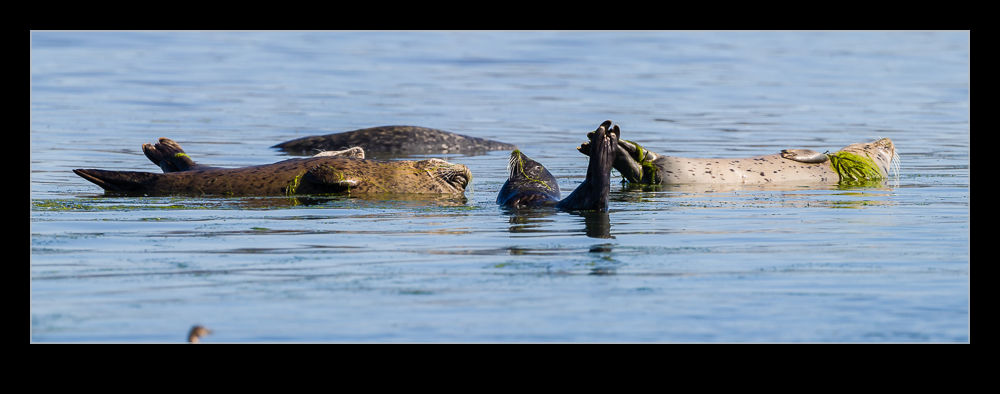
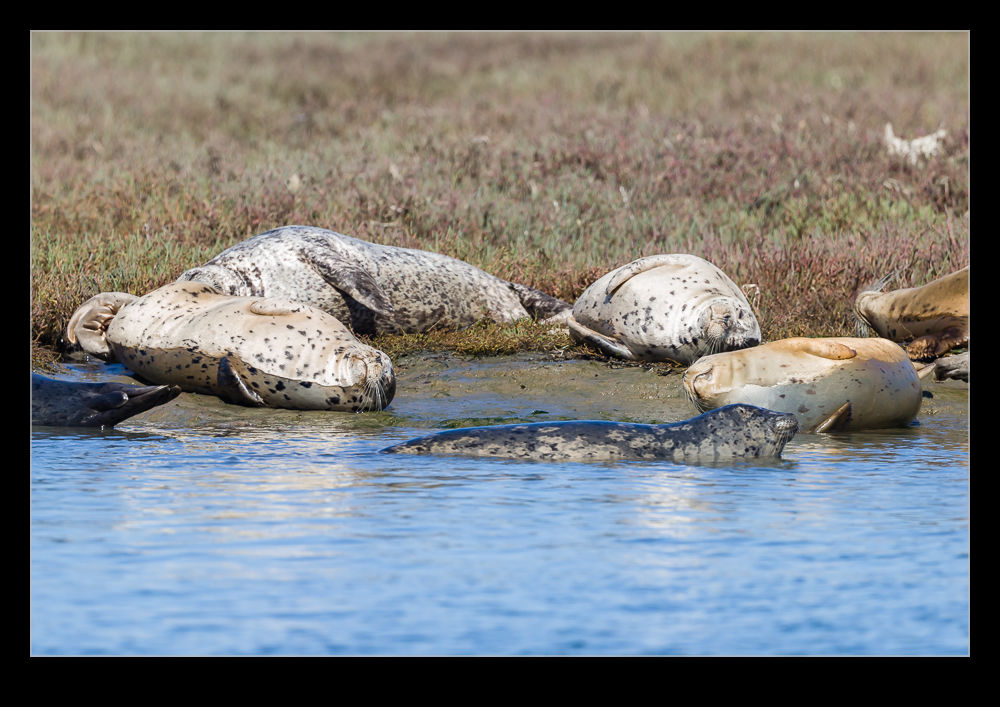
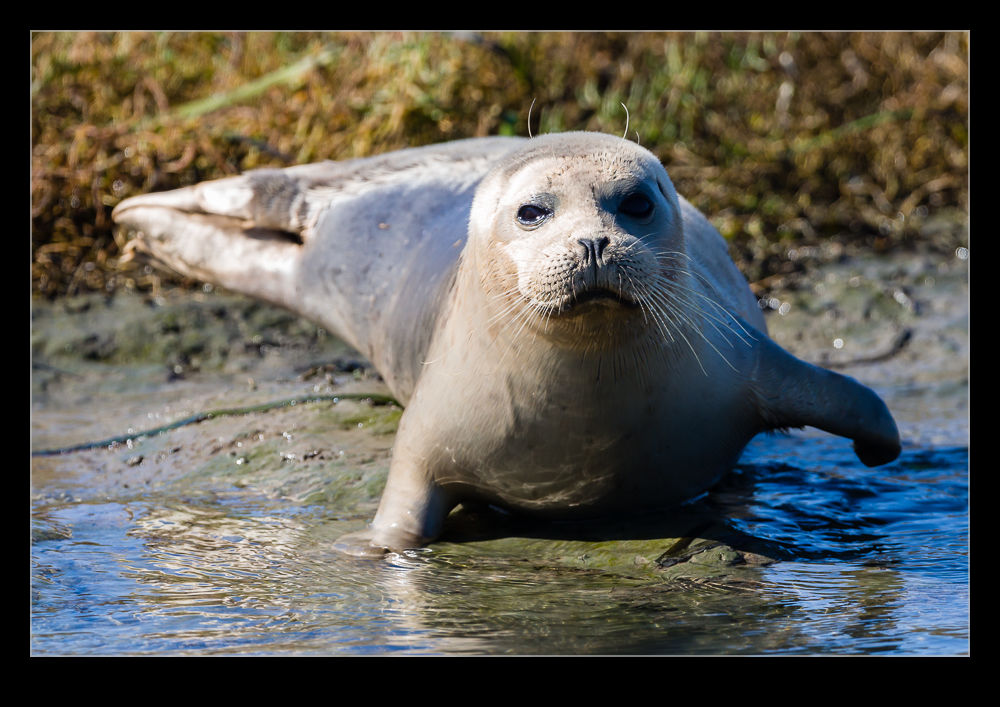
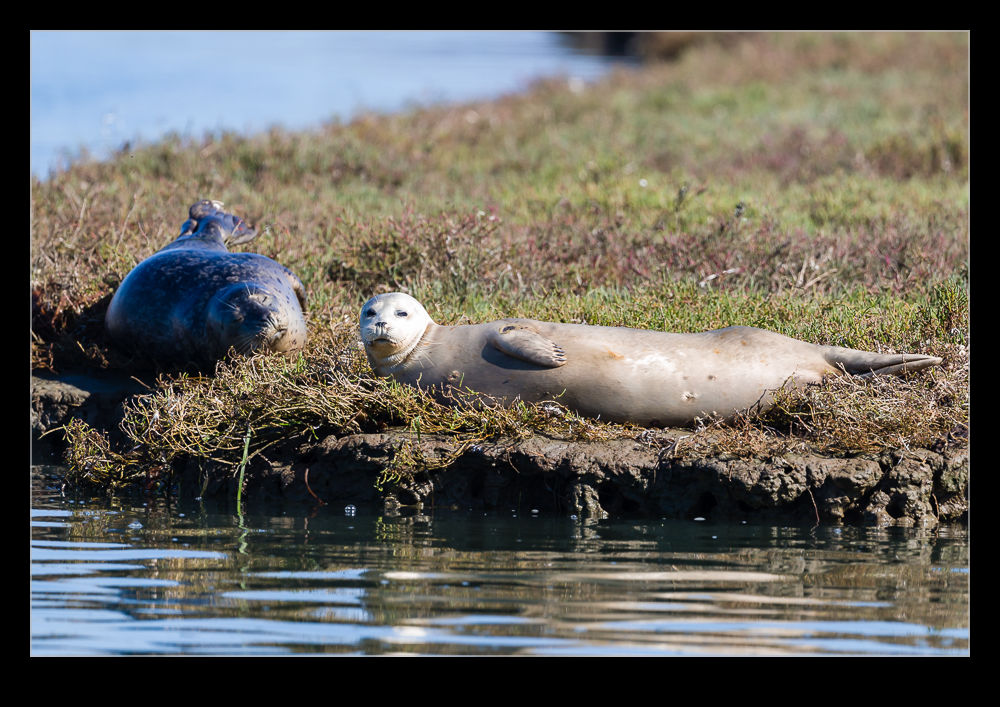
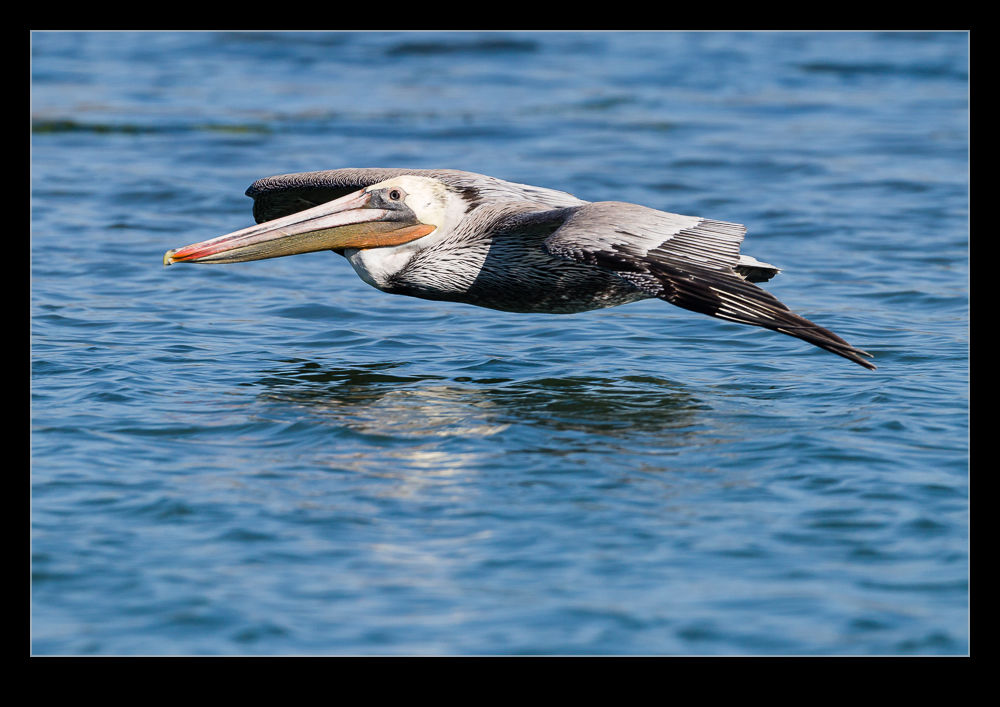
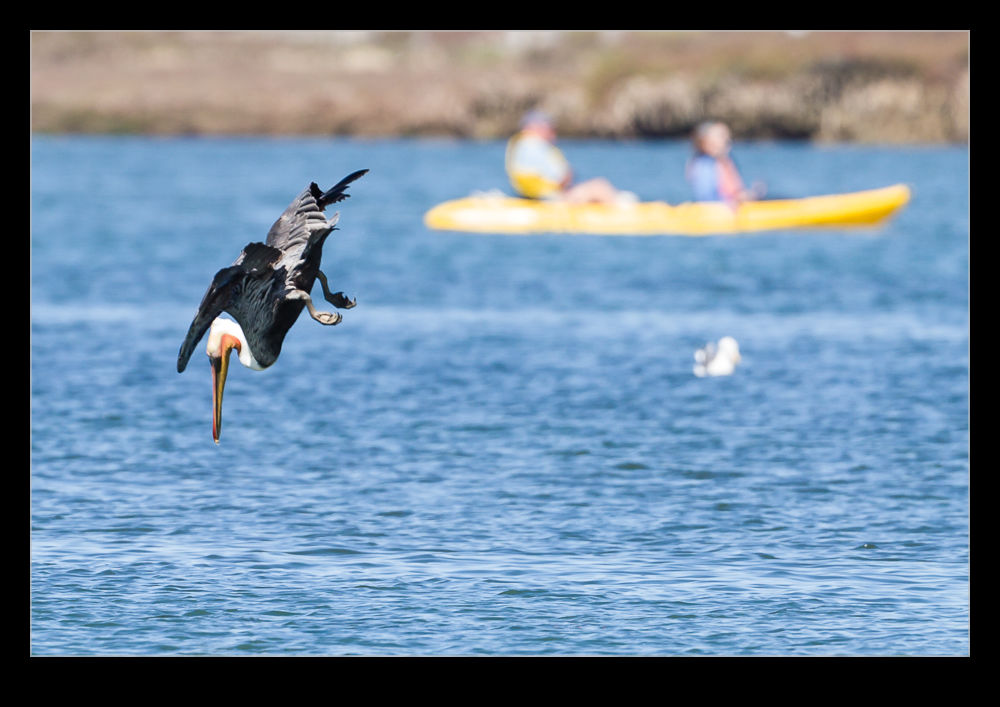
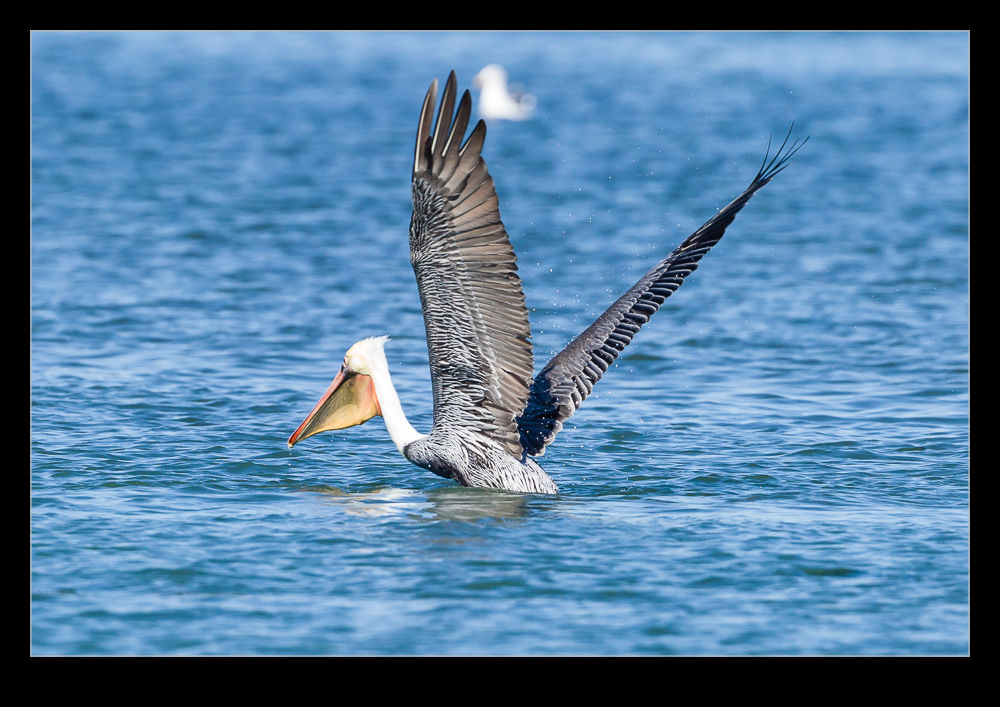
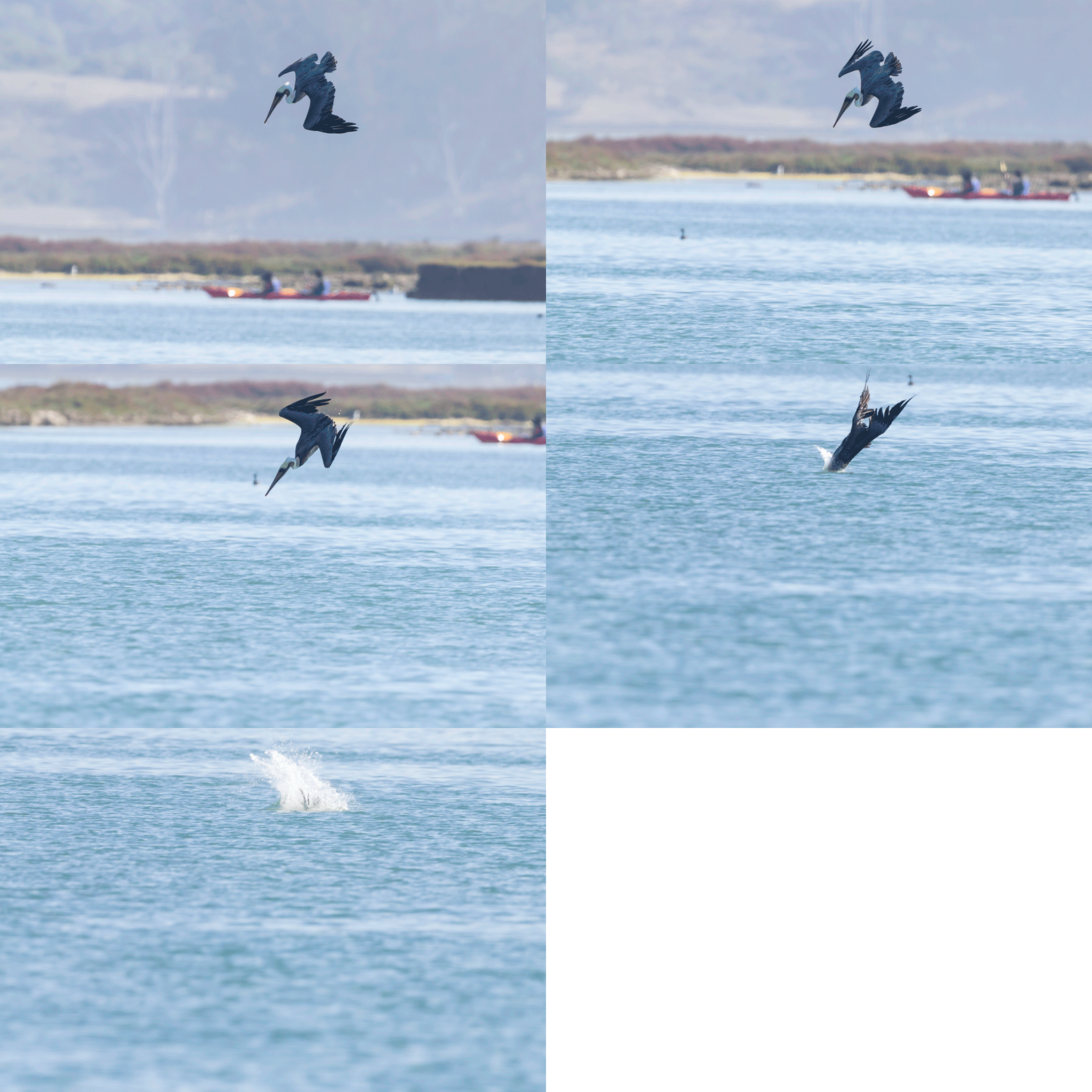
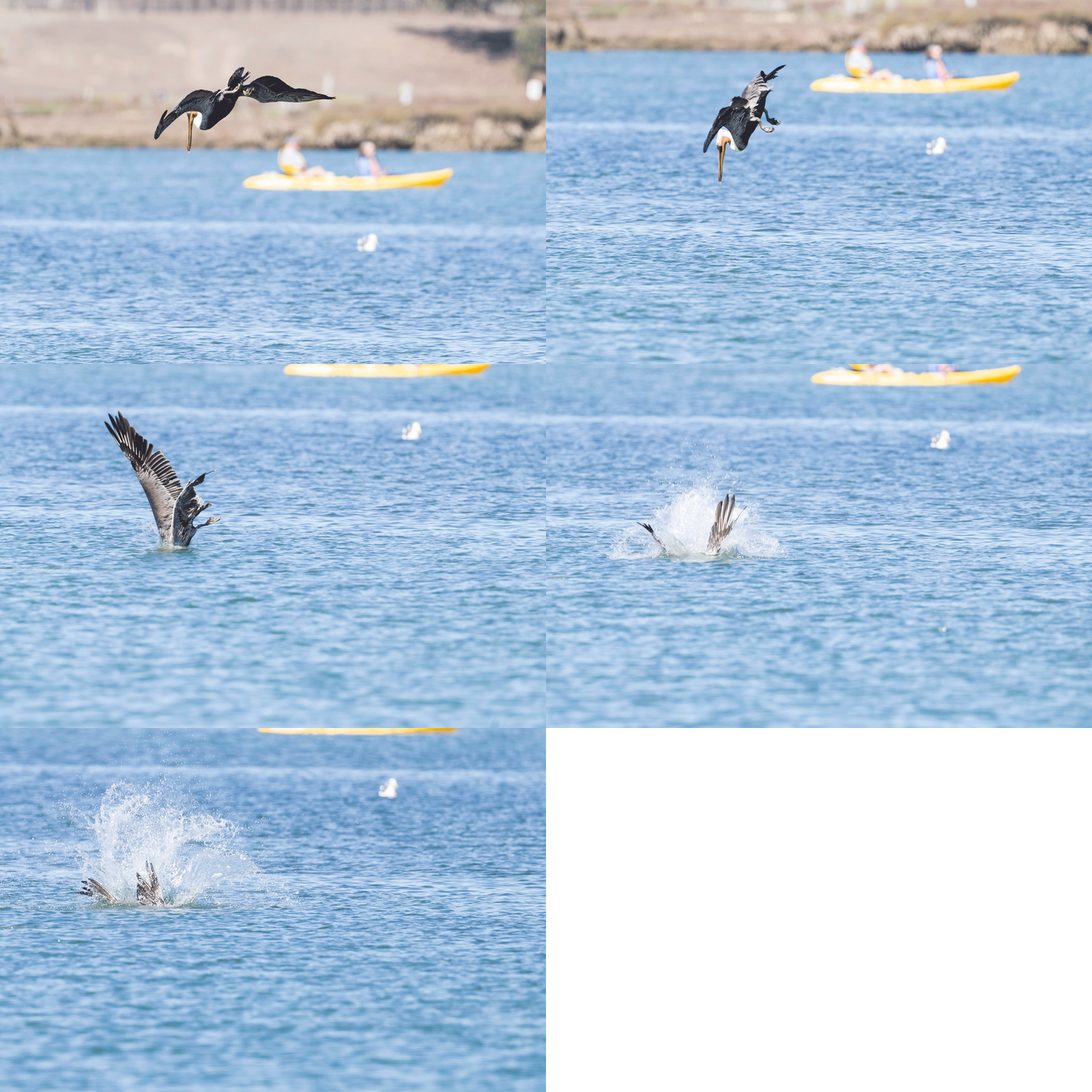
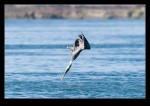
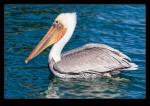
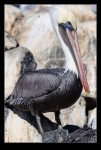
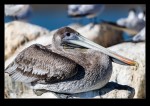
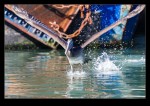
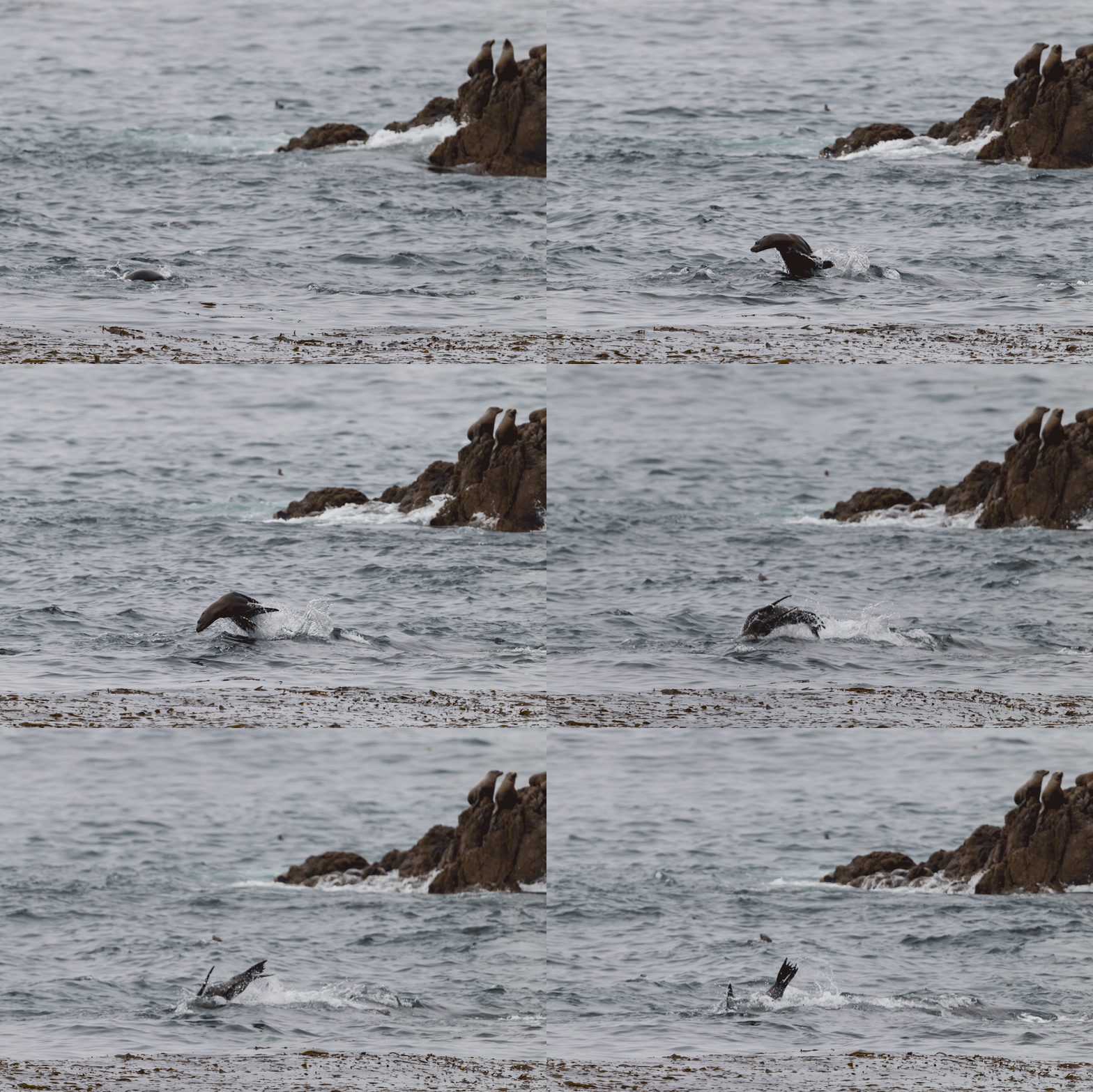
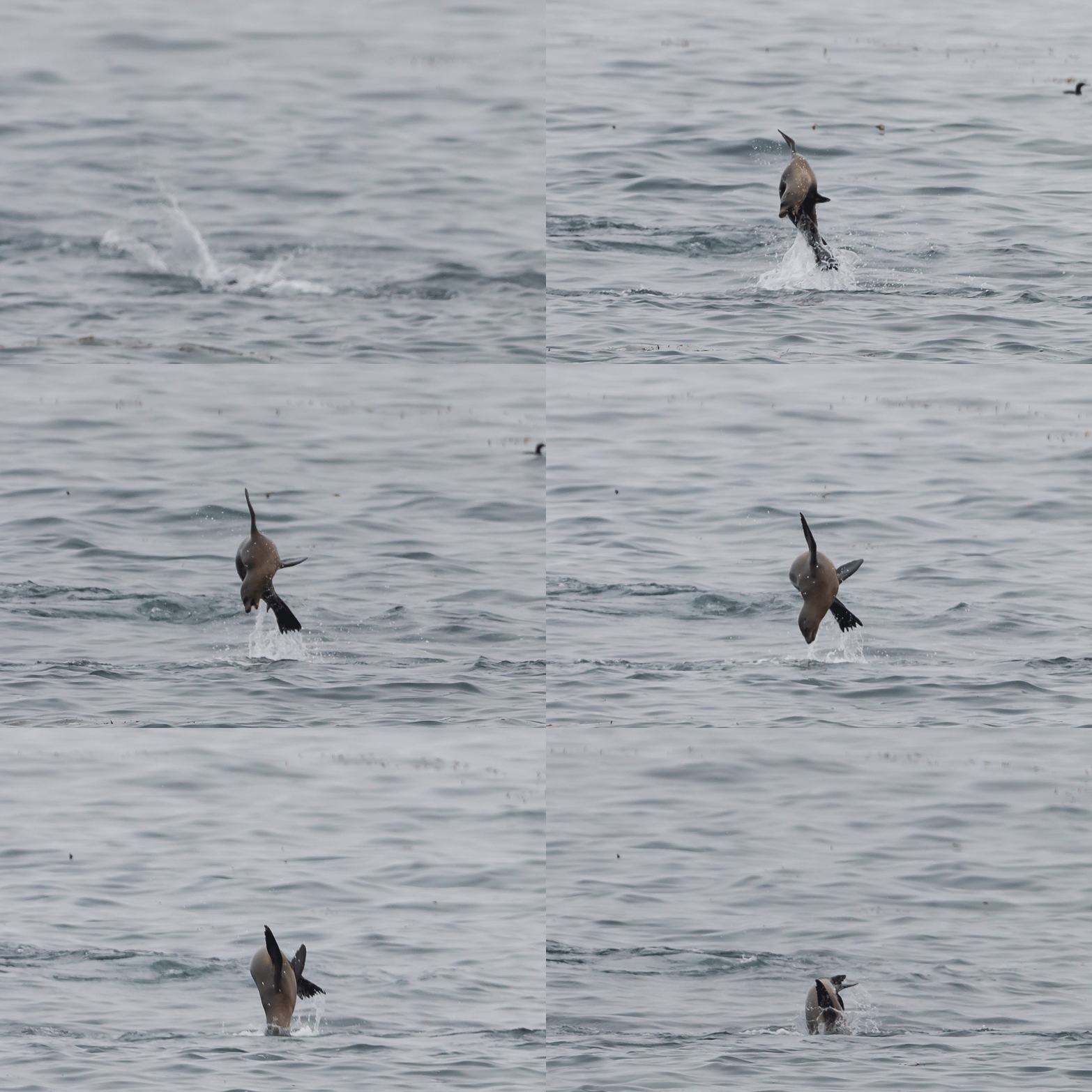
 We took a great trip to do a little wildlife spotting. Nancy found out about a tour operation in Moss landing on the coast of Monterey Bay. They are called Elkhorn Slough Safari and you can find out more about them at http://www.elkhornslough.com/ if you are interested. Elkhorn Slough is an estuary area that comes out at Moss Landing. It is absolutely packed with wildlife (so expect a few more posts). The company operates a pontoon boat that takes you through the marina and up into the slough. On the day we went, the boat was reasonably full but there was a bit of space. The captain was very helpful when he saw me carrying camera gear and cleared out space for me at the back of the boat which allowed me to move from side to side as anything came up. He constantly pointed out anything that could be of interest.
 I won’t tell you too much more about the tour other than to say that the two people taking care of us were great, very friendly, helpful at spotting things and they provided some great cookies which I wouldn’t have minded chomping the lot!
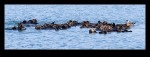
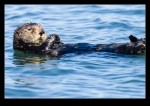
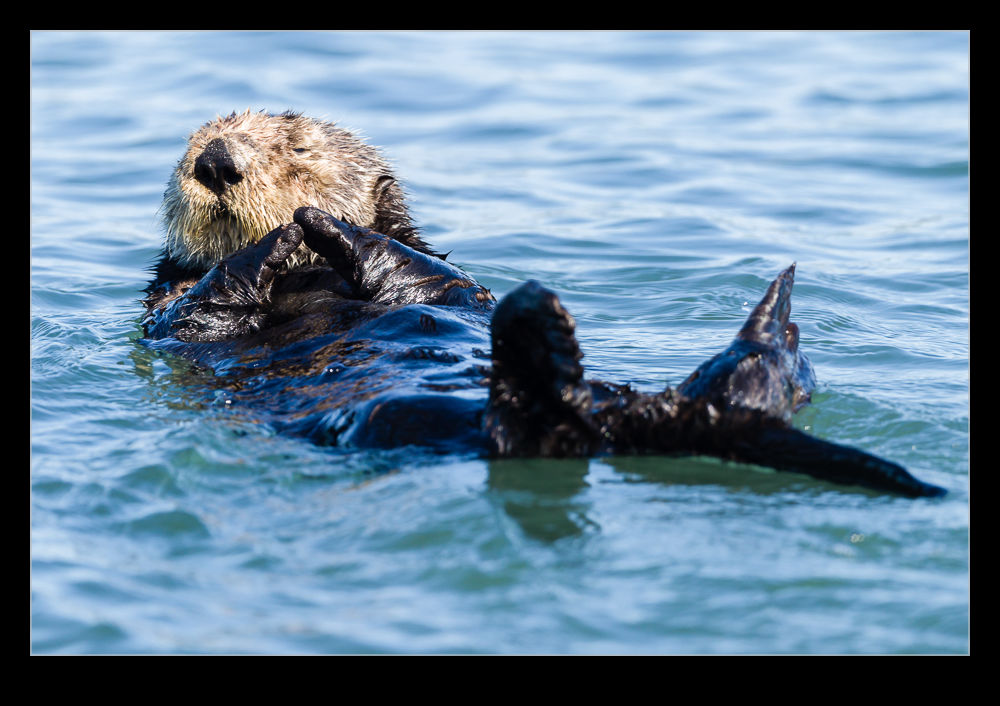
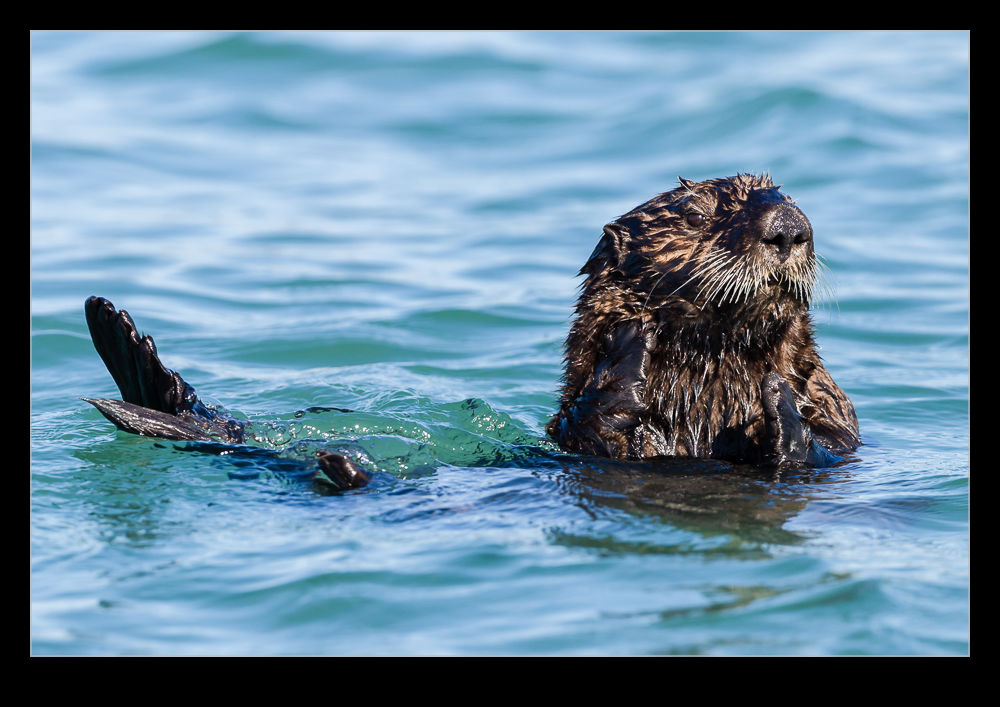
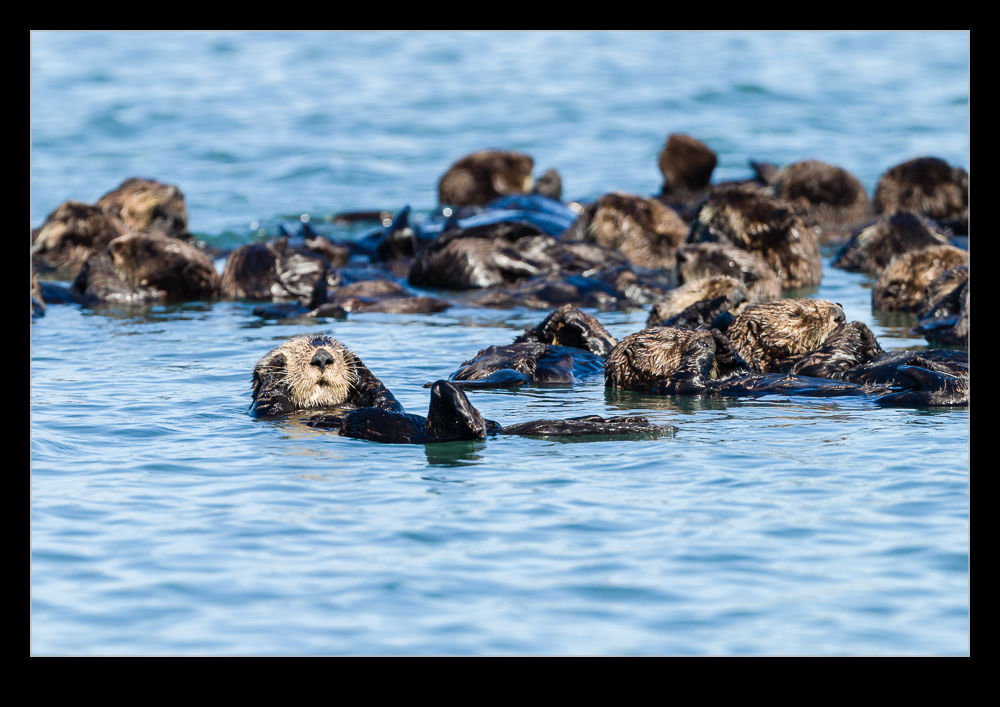
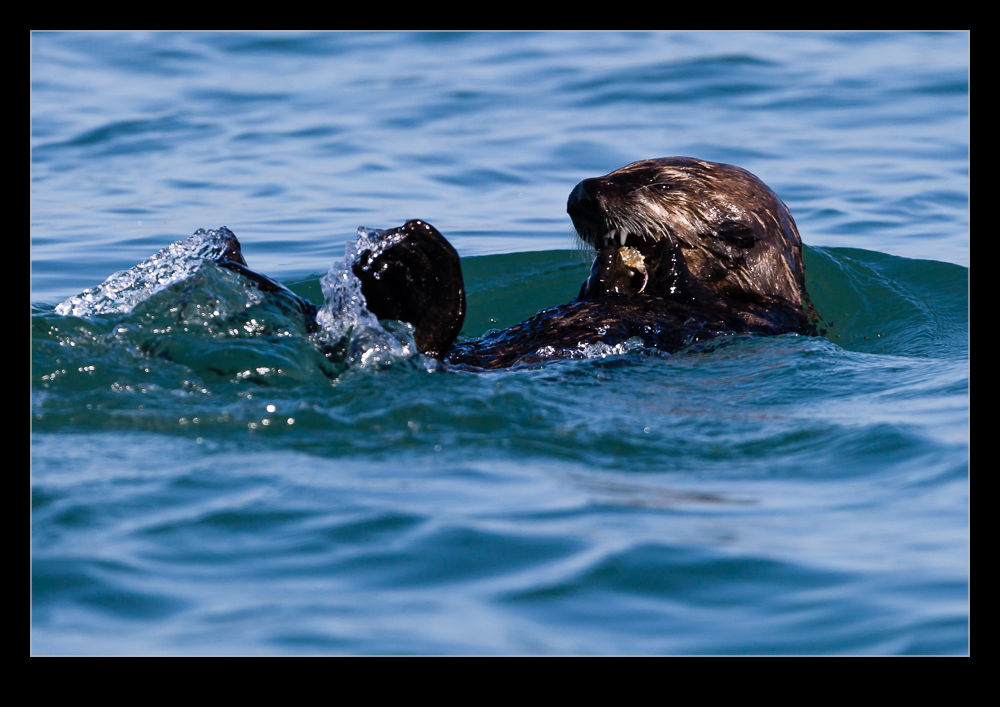 First in the posts will be the subject that probably attracts a lot of the visitors and that is Sea Otters. This part of the coastline has a very dense population of Sea otters. In fact, we probably got to see a substantial chunk of the California population on this trip. There are obviously lots more of them along the coast but here they are gathered close together. As we motored along the water, we saw a steady stream of them diving for food, eating their catch, playing around with each other or in one particularly impressive area, about 30 of them formed up in a large group just hanging out.
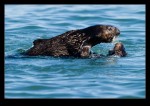
 We also came across a mother with a pretty fresh looking baby. She was floating on her back with the baby resting on her stomach. Apparently the babies float right away so she can go hunting and leave them to bob on the surface although other otters may hijack the kid until the mother hands over her catch. Sweet creatures!
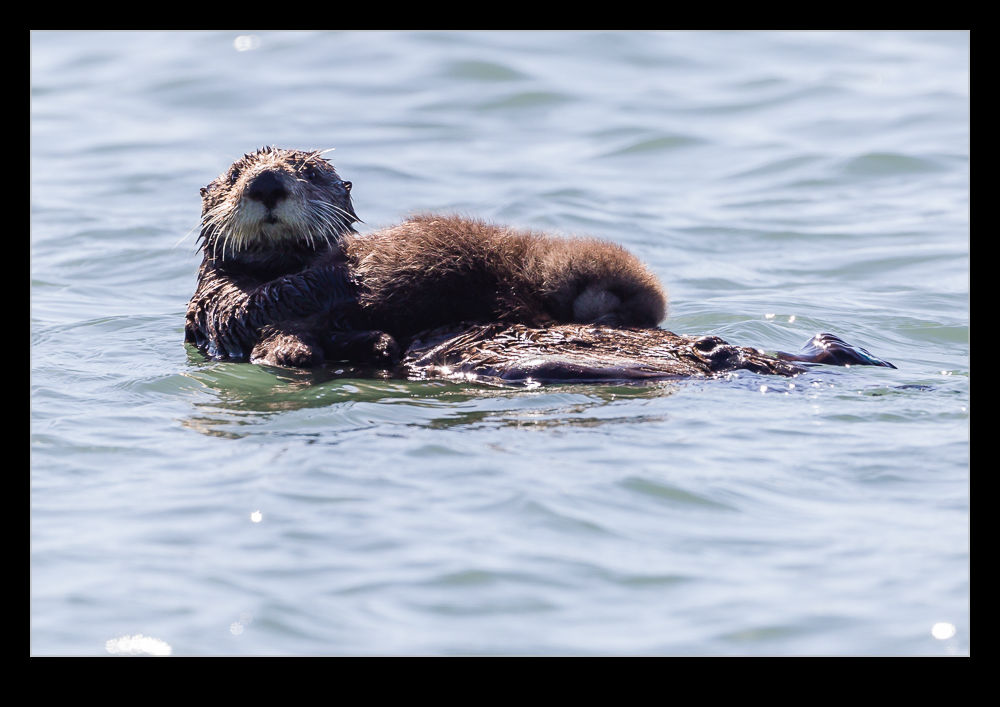 I won’t tell you how many otter pictures I took. Here is a VERY small sample of what I got that day.
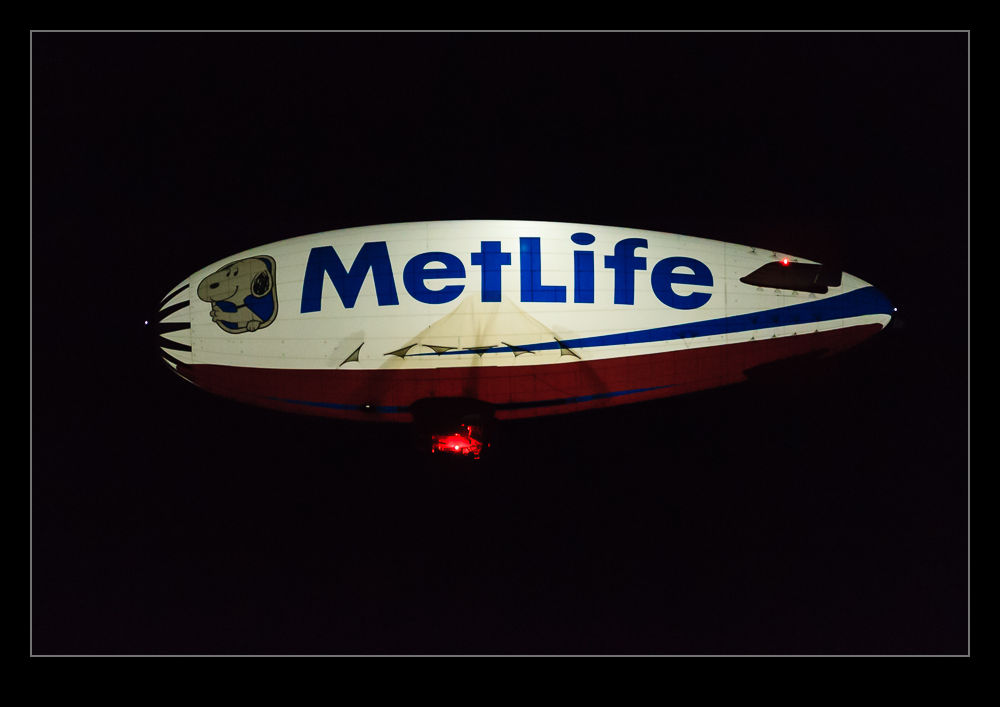
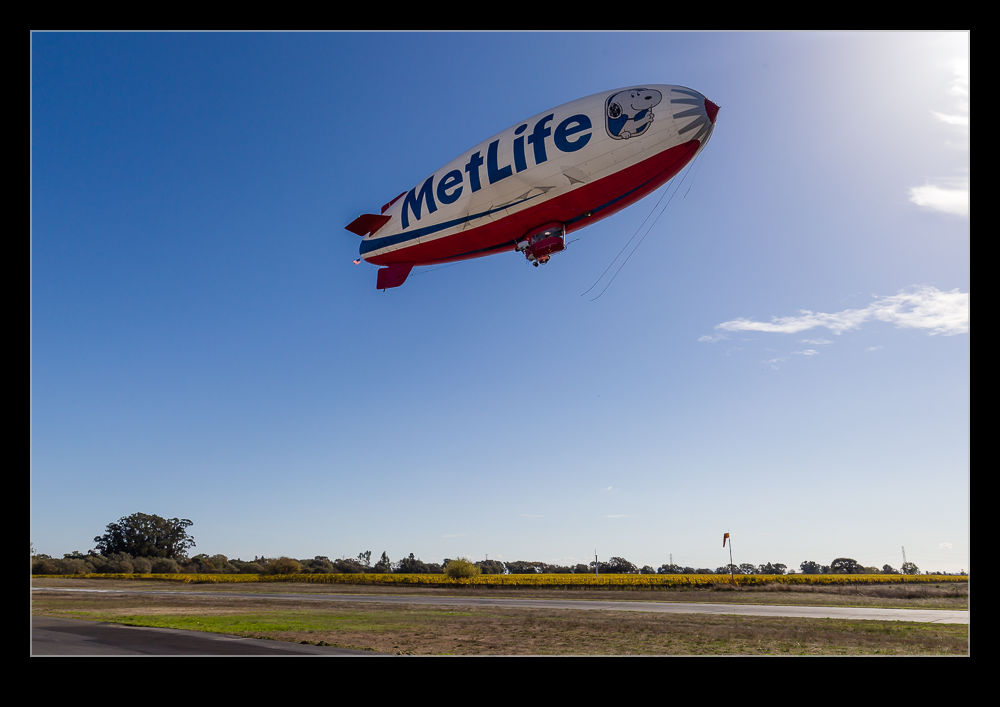 We have had the MetLife blimp flying around our area a lot recently. I don’t know what brought it to us. It may have been tied to some sports events or perhaps it is just a campaign for brand awareness. The blimp has been based out of Livermore Airport near us. Nancy had seen it at night over there lit up when she drove past.
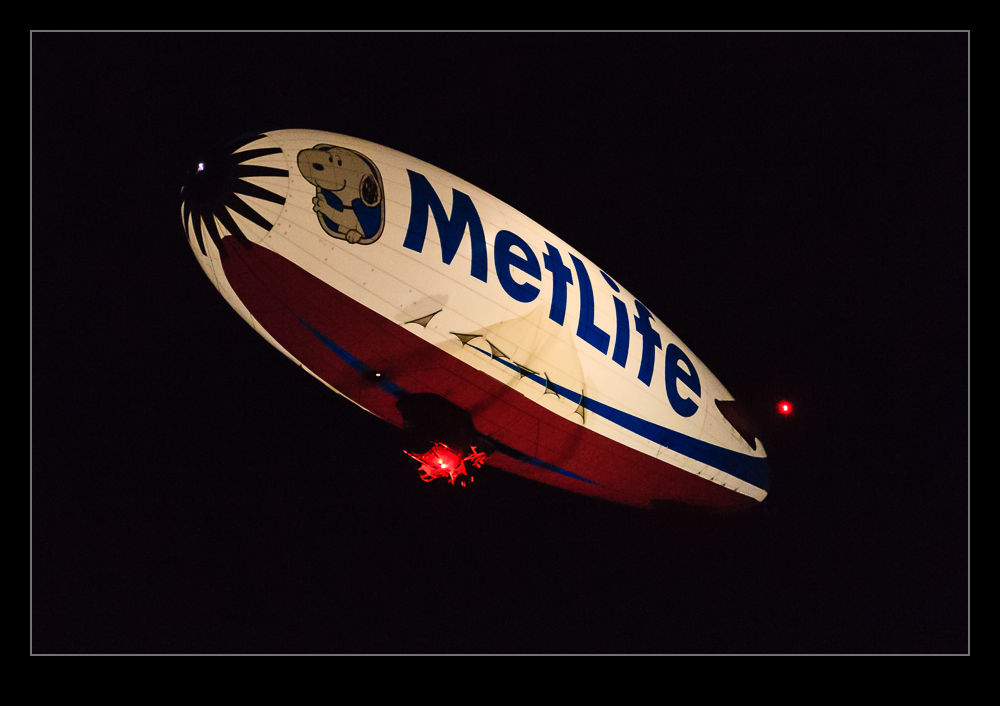 Then we had it flying one evening. I had seen it previously just before sunset but I wasn’t ready to get a shot and by the time I was, it had gone. Shame because the light was great. Then it showed up at night. It was pretty dark so I had to really take the ISO up. My camera has pretty good high ISO capability but nothing like the current generation of bodies. However, it did a reasonable job.
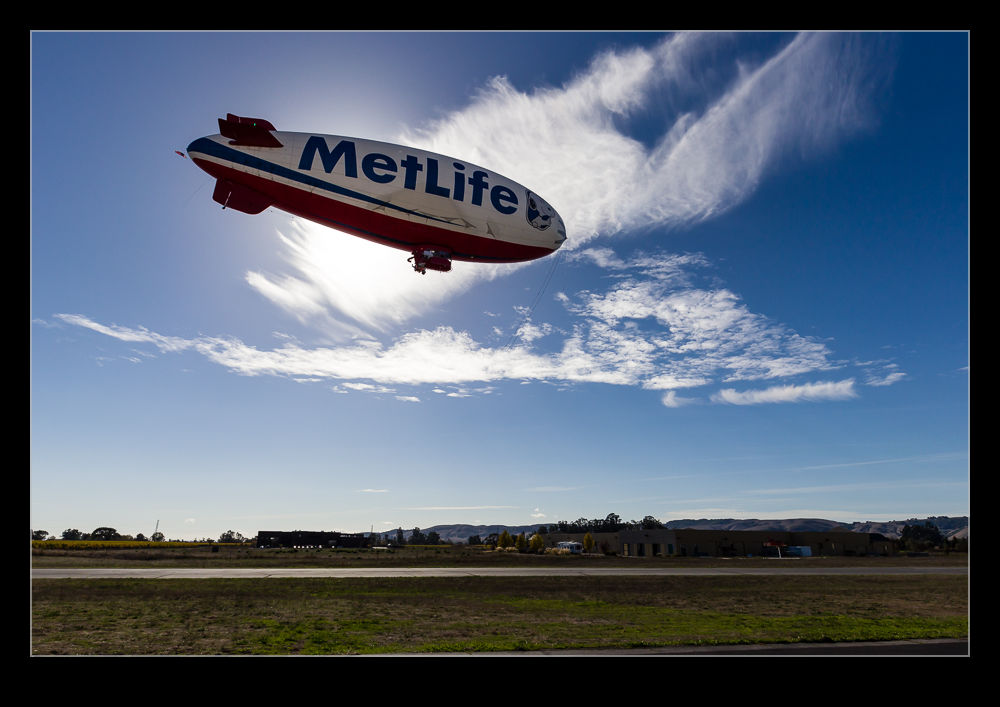 Next time I came across the blimp I was up at Sonoma. I heard an odd noise and thought it might be a helicopter. However, Skypark does not allow rotorcraft. Instead it was the blimp shooting a low approach. They weren’t on the banned list so I guess it was okay! The climb out was quite dramatic!