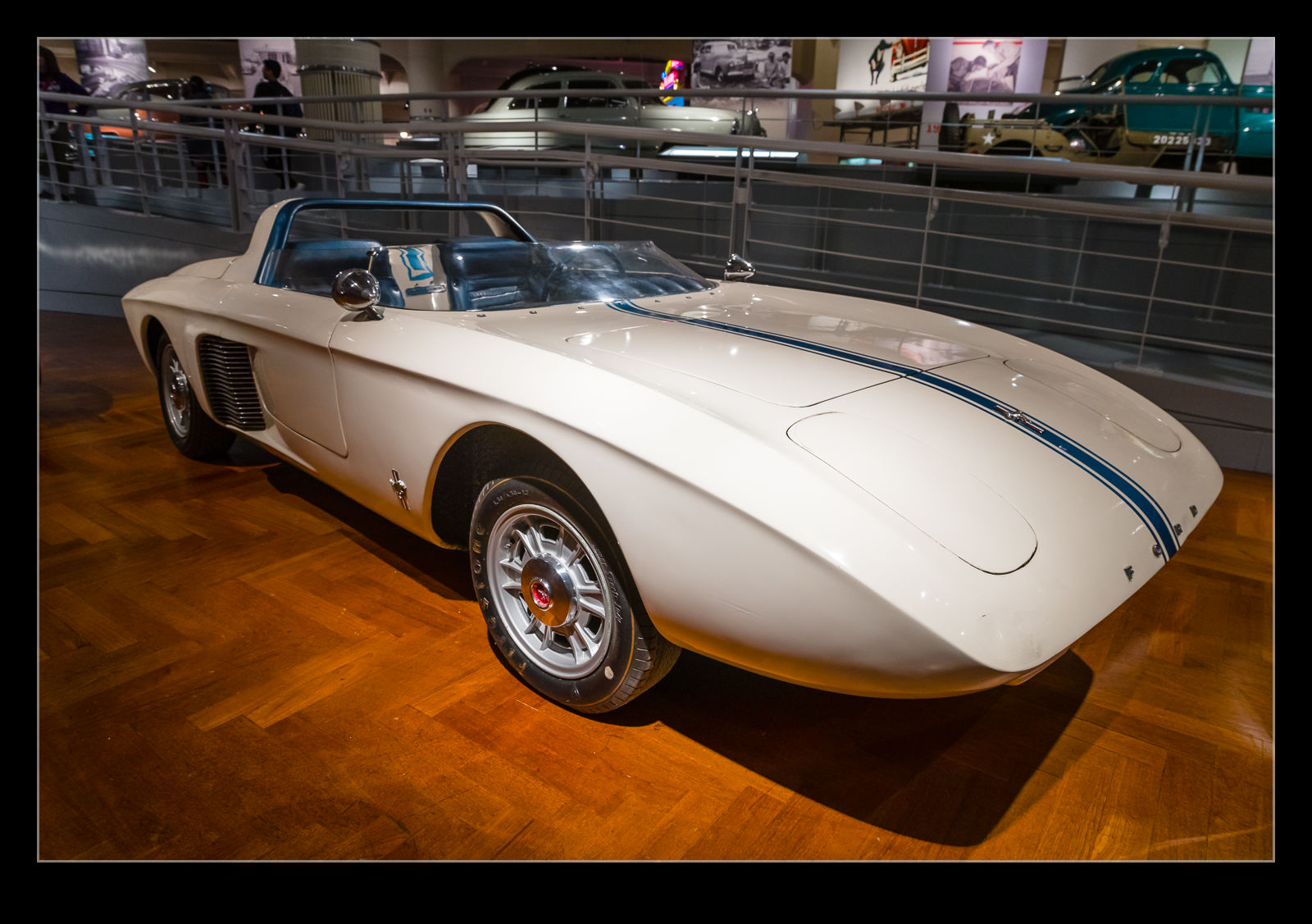
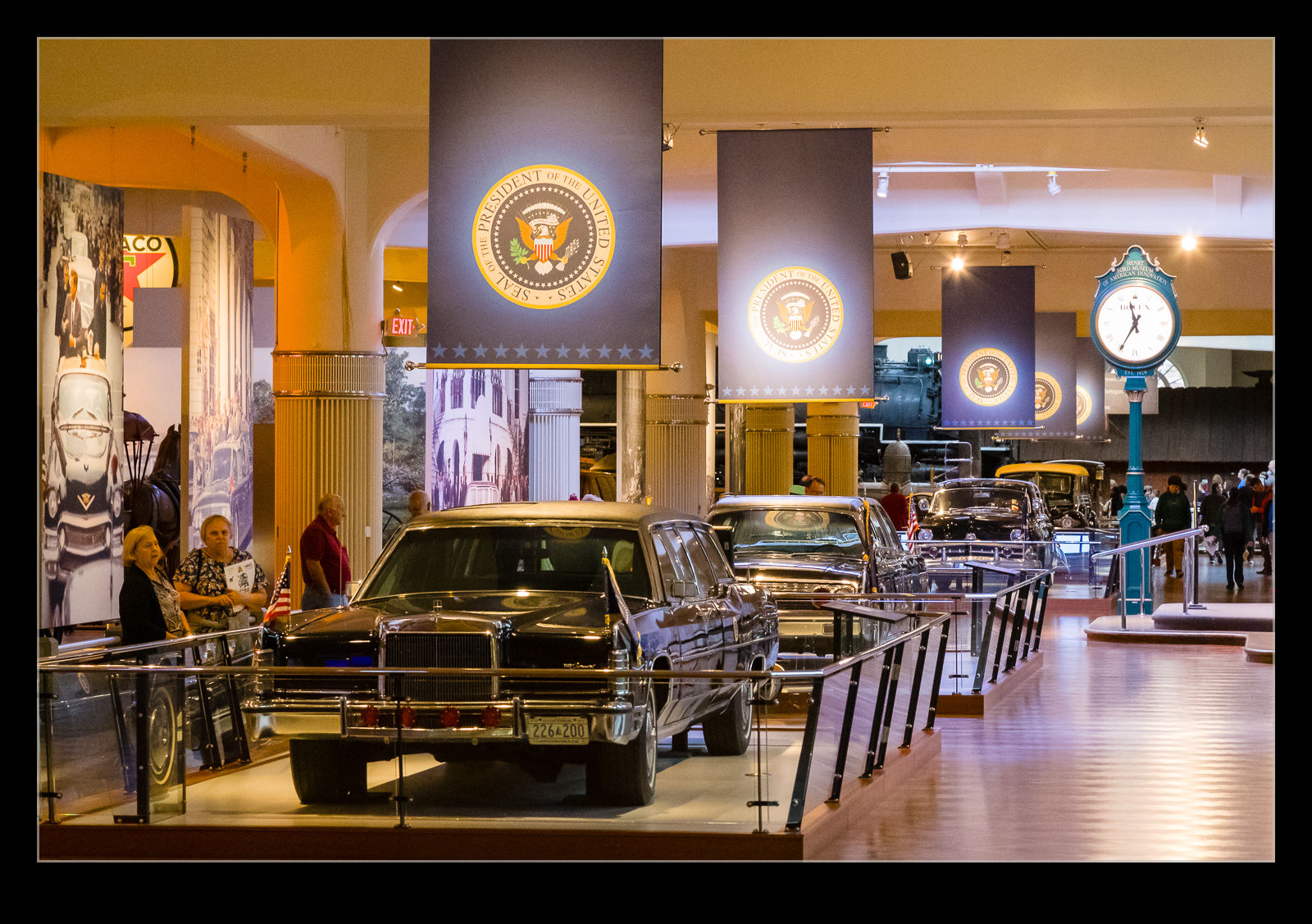
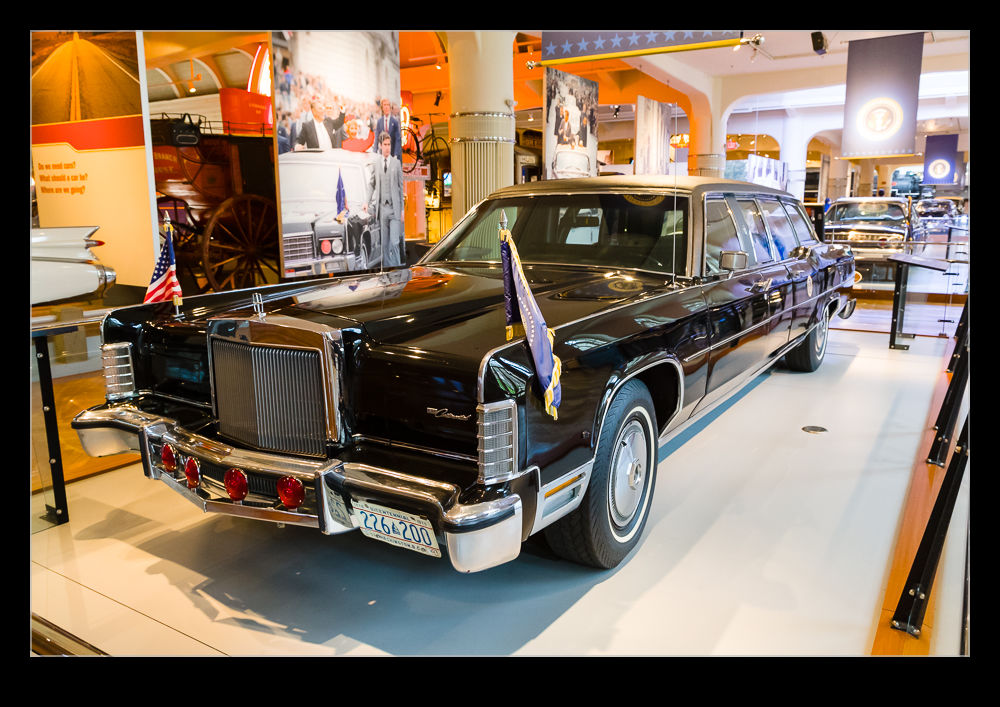
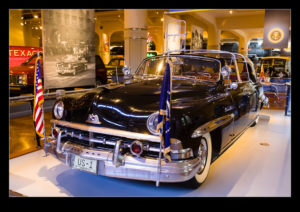
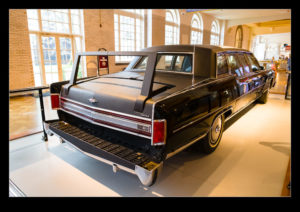
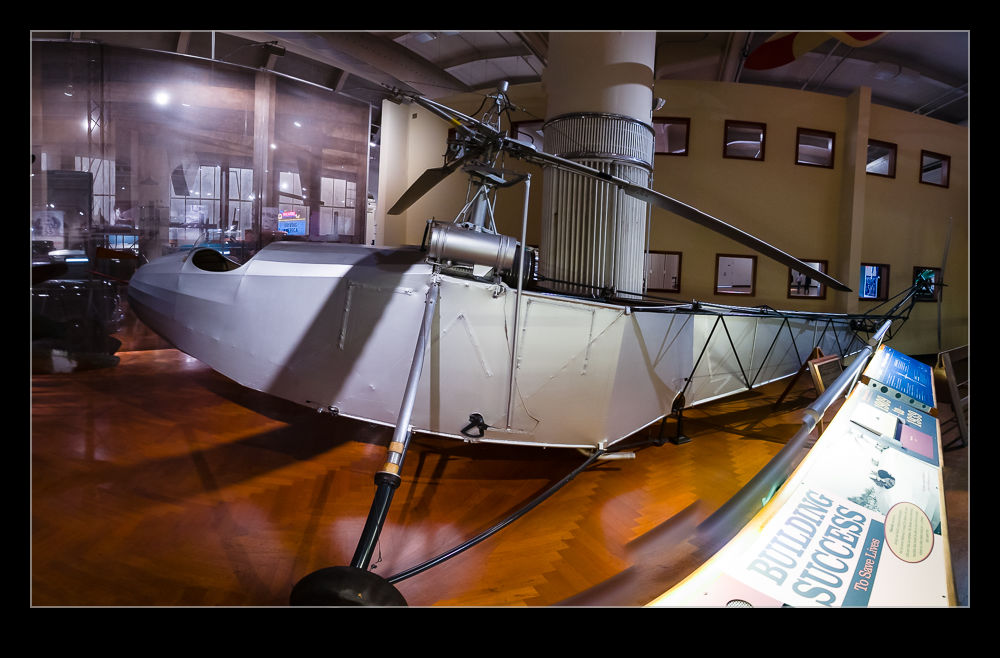
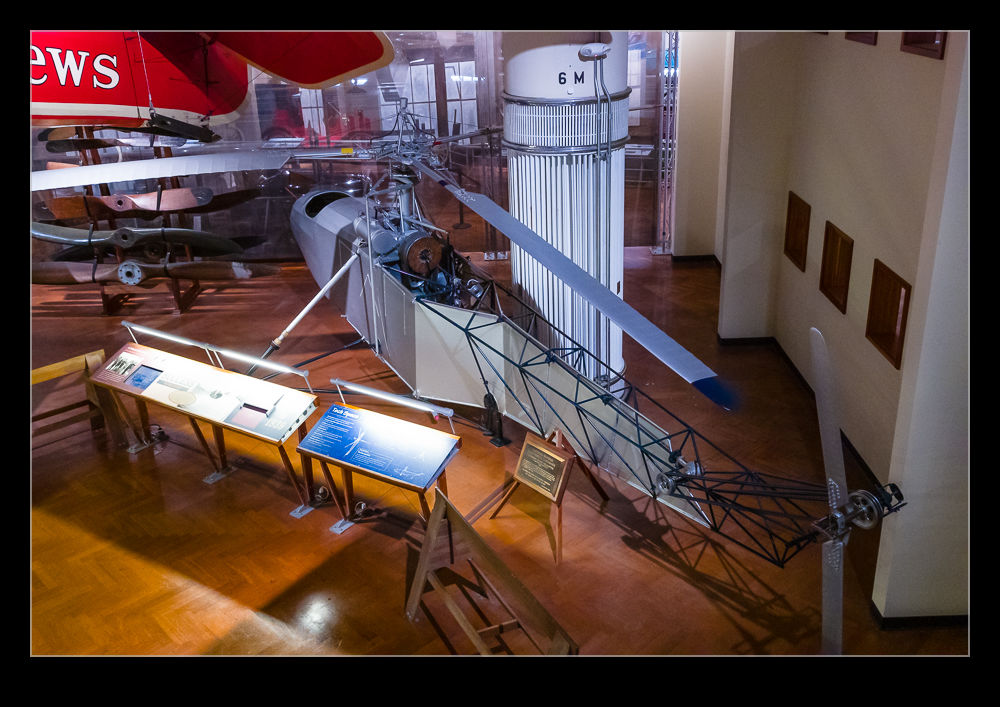
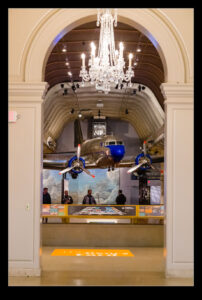
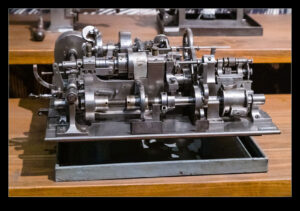
We headed to Michigan for a family event recently. We had a little time to spare and decided to check the Henry Ford (apparently it doesn’t have museum in the name but that is what it is). The museum complex includes many elements including a village and tours of the F150 factory but we only had time to try out one so we focused on the main museum building. As it turned out, we had way too little time to even do that justice. As is often the way with us, we spent plenty of time in the earliest elements and then were rushing to see the rest when time ran out.
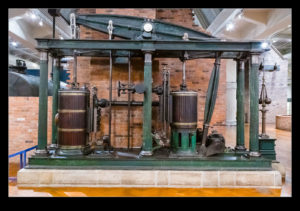
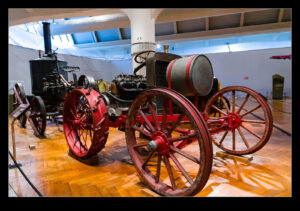
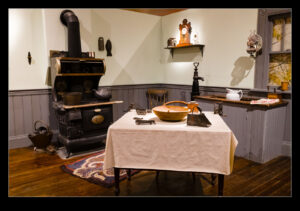
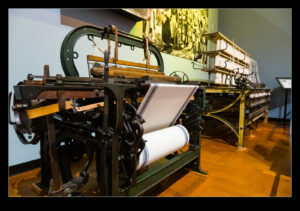
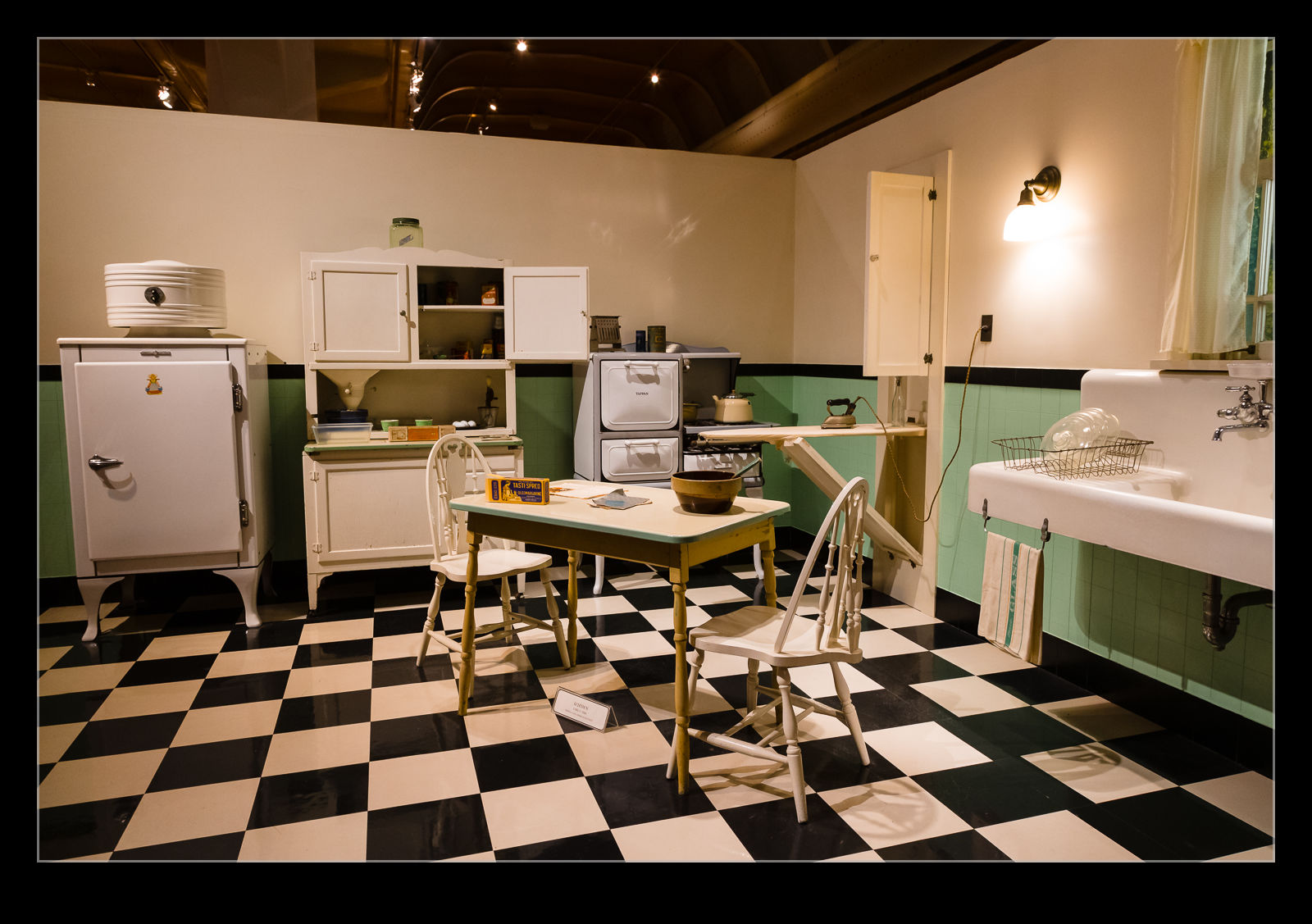 The museum is an eclectic mix of different themes, some of which will get their own posts. It included elements about the industrialization of the country, sections on how homes had developed, examples of furniture styles, many different cars (no shock there given where we were), aviation, rail transportation, math and science and so on. I have no idea how much of it we didn’t even see. With time ticking, we had a frantic last few exhibits! I could easily have taken a full day to check everything out. With the village next door not even looked at, we had plenty left.
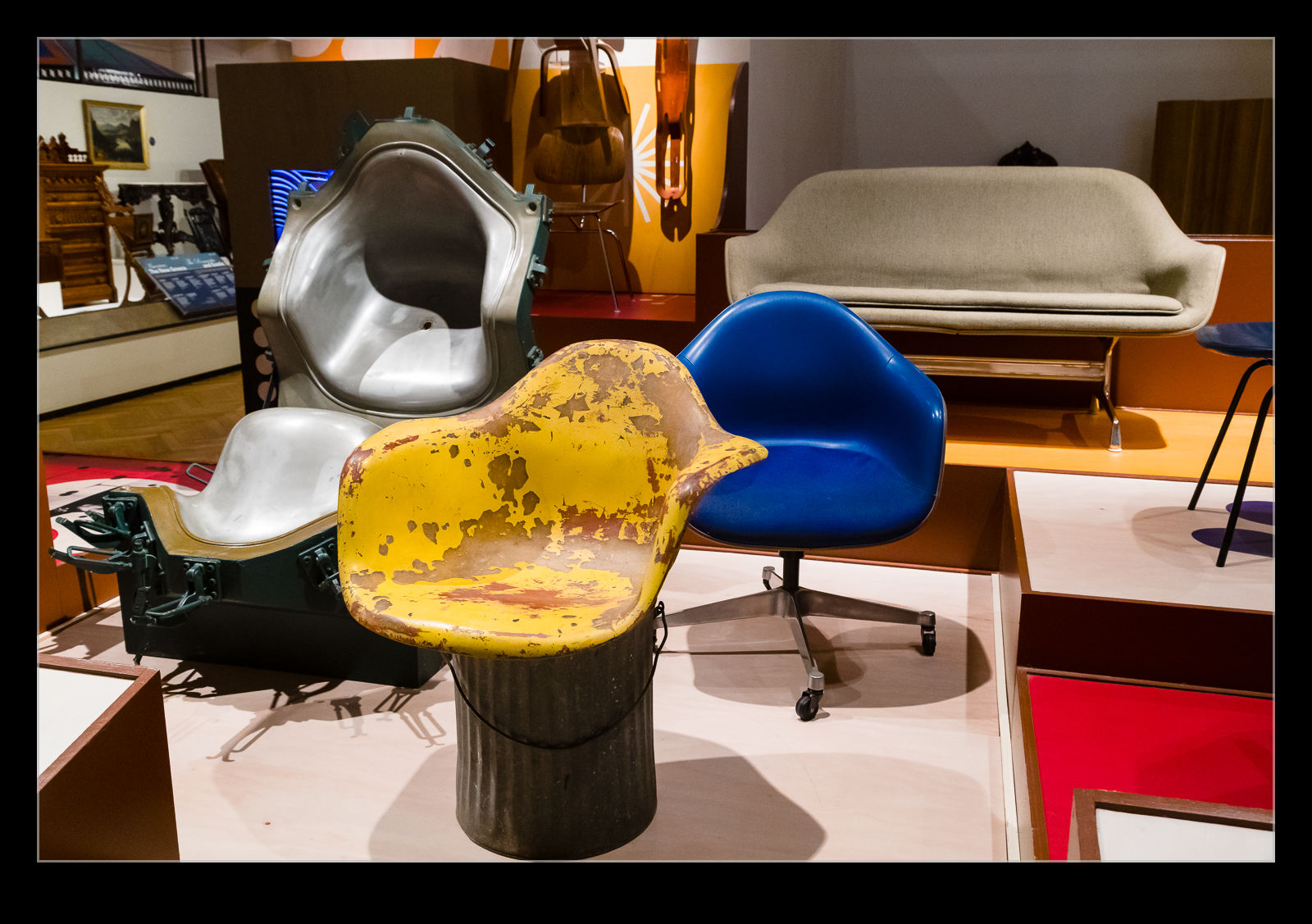 These types of museum have a difficult challenge. They curate a bunch of old items and new ones to provide a comparison. Of course, the newest ones are soon dated and there is a need to bring ever more in to provide some modern relevance. They seemed to have done a pretty good job of meeting this need. As we wrapped up and headed on our way, we were left contemplating how we had missed out on making a trip here when we lived in Chicago and this would have been a simple journey to make. I don’t know whether I will ever get back to the area but, if I do, I shall make an effort to go back and give it substantially more time!
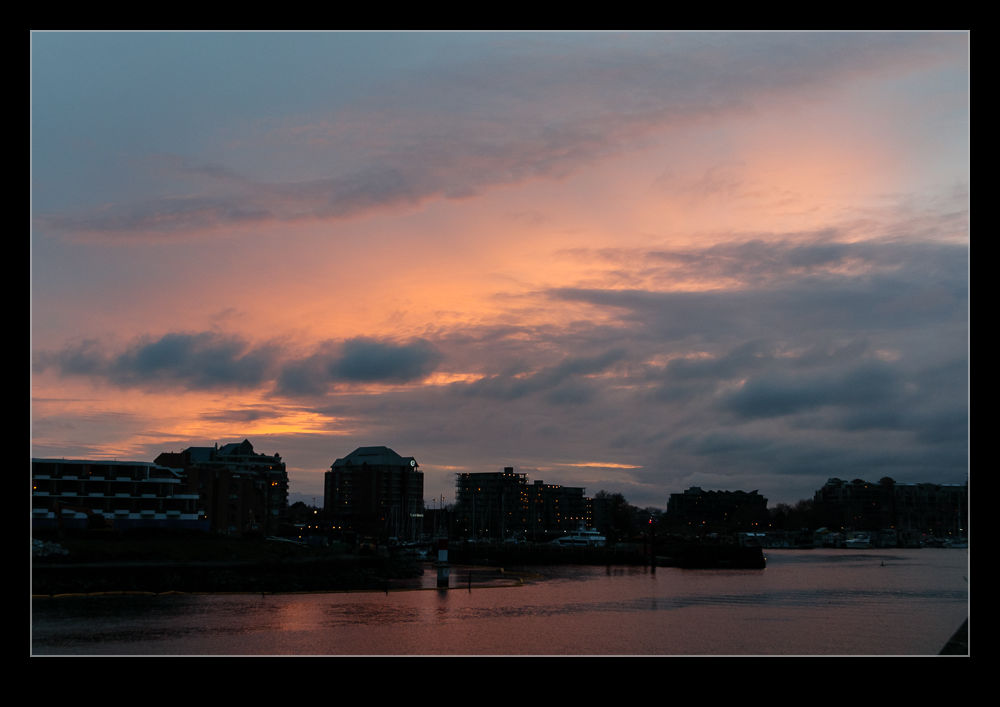
 The title gives this one away to be honest. I was walking back along the shoreline of Victoria Harbour and the sun was setting behind me. I looked back to see the view and the sky was looking rather appealing so I was hardly going to avoid taking a couple of shots.