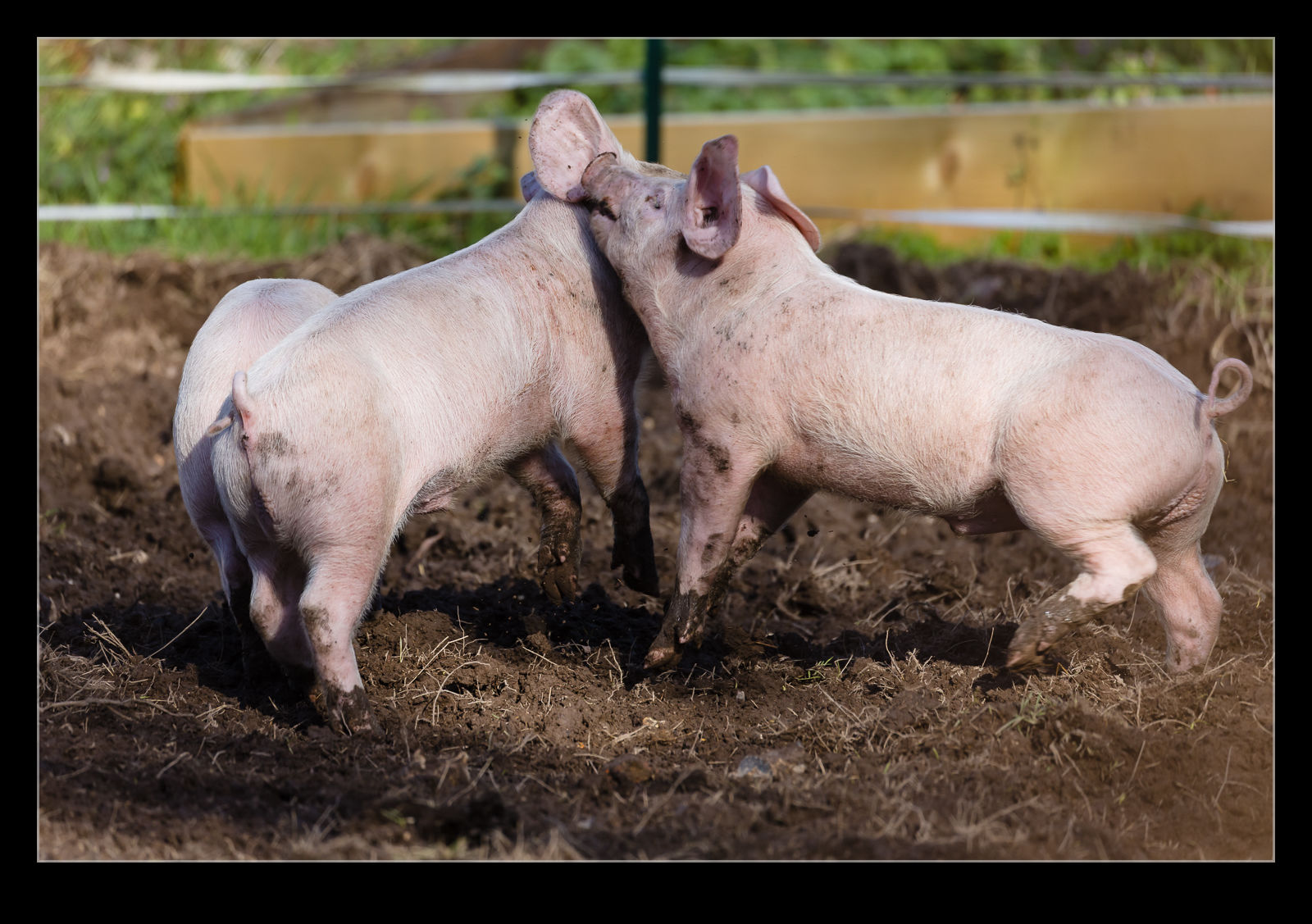
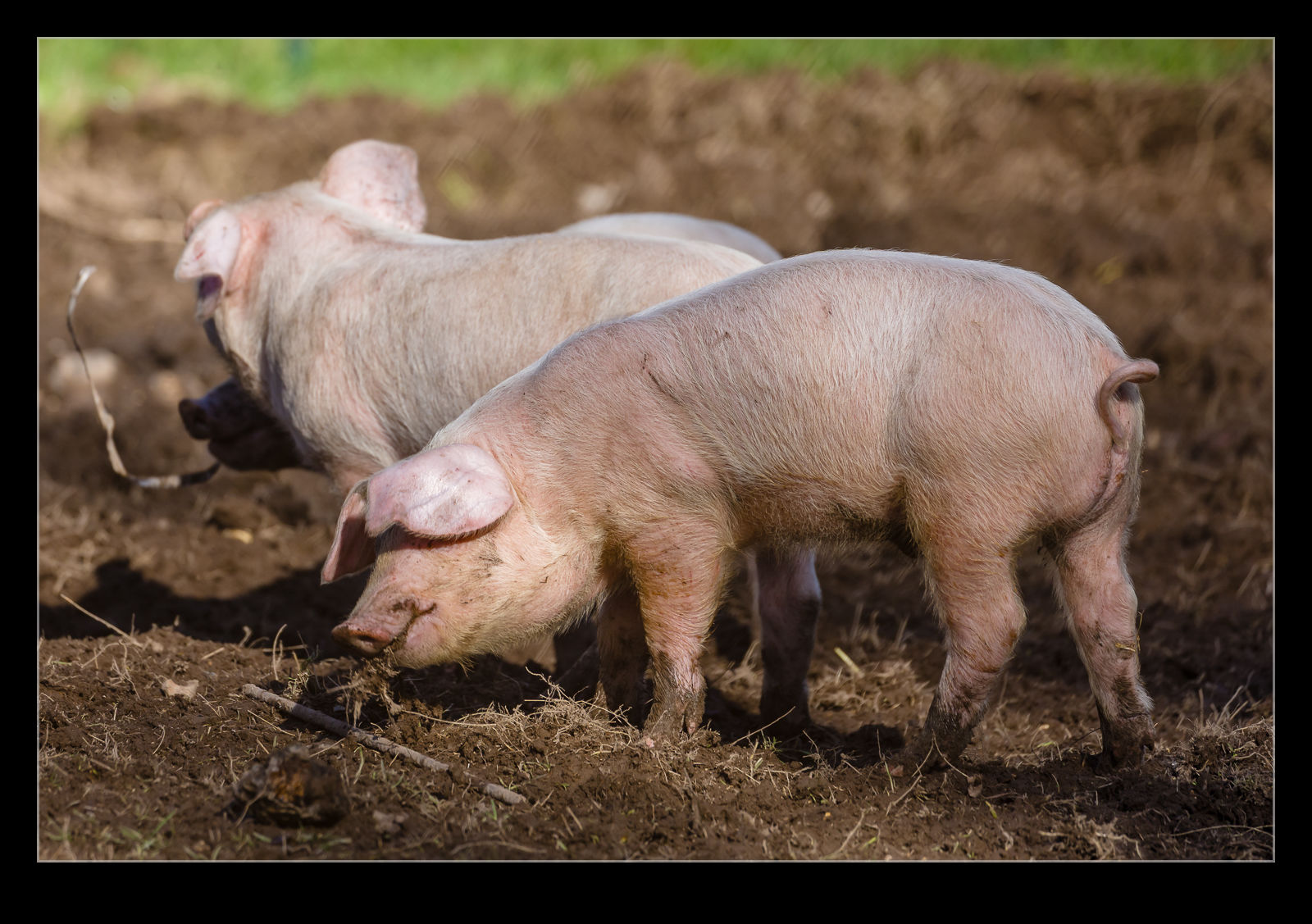
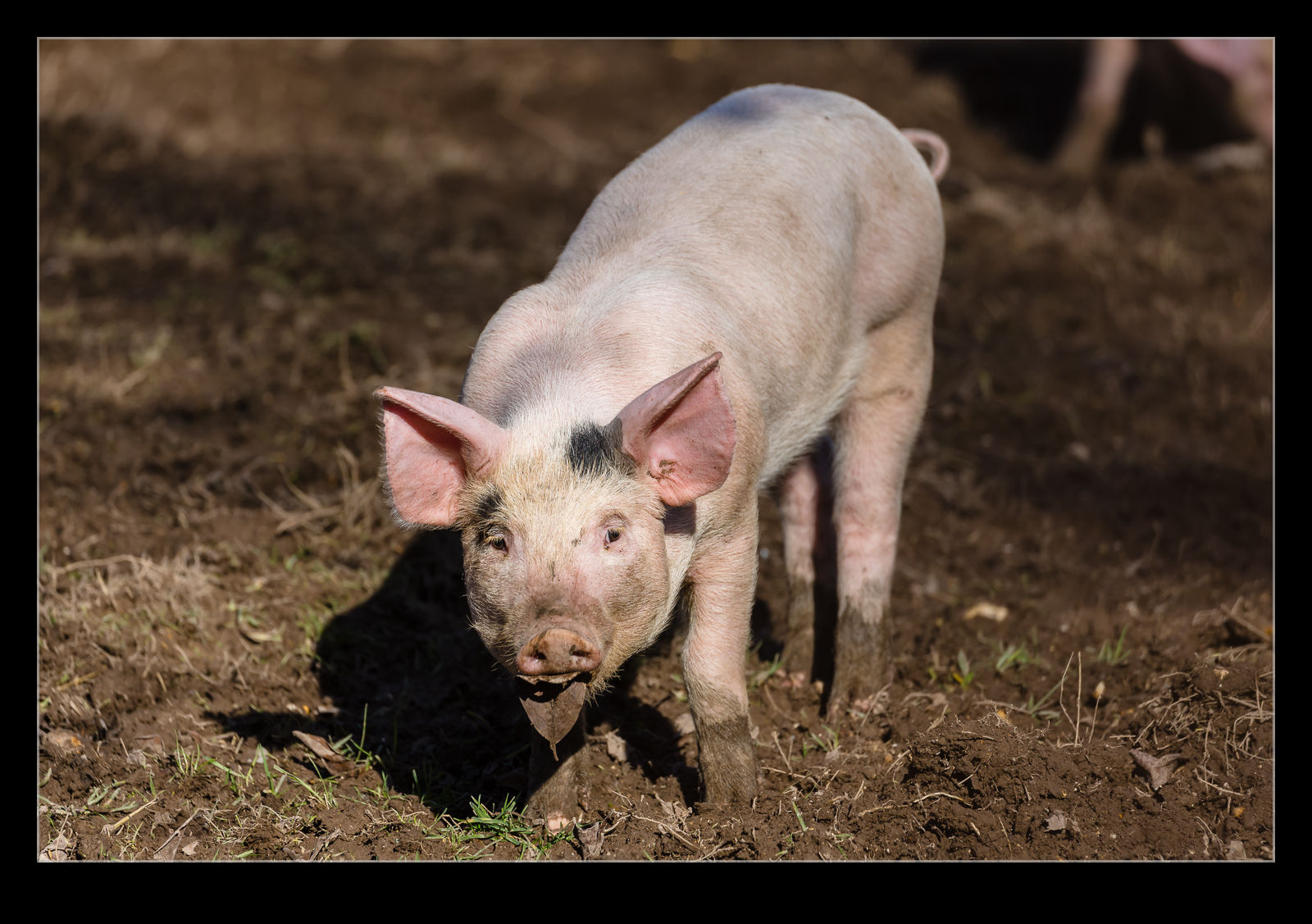
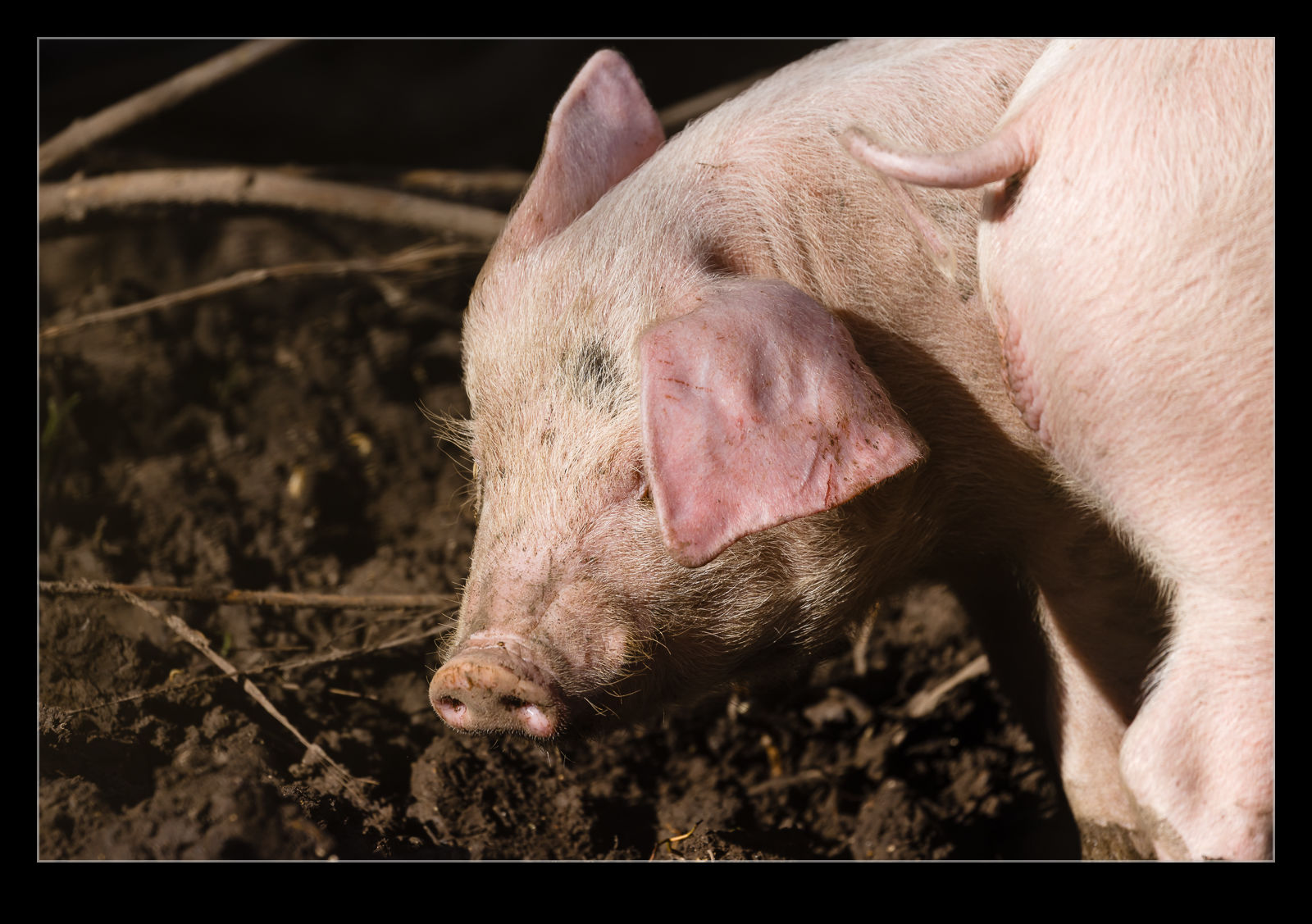
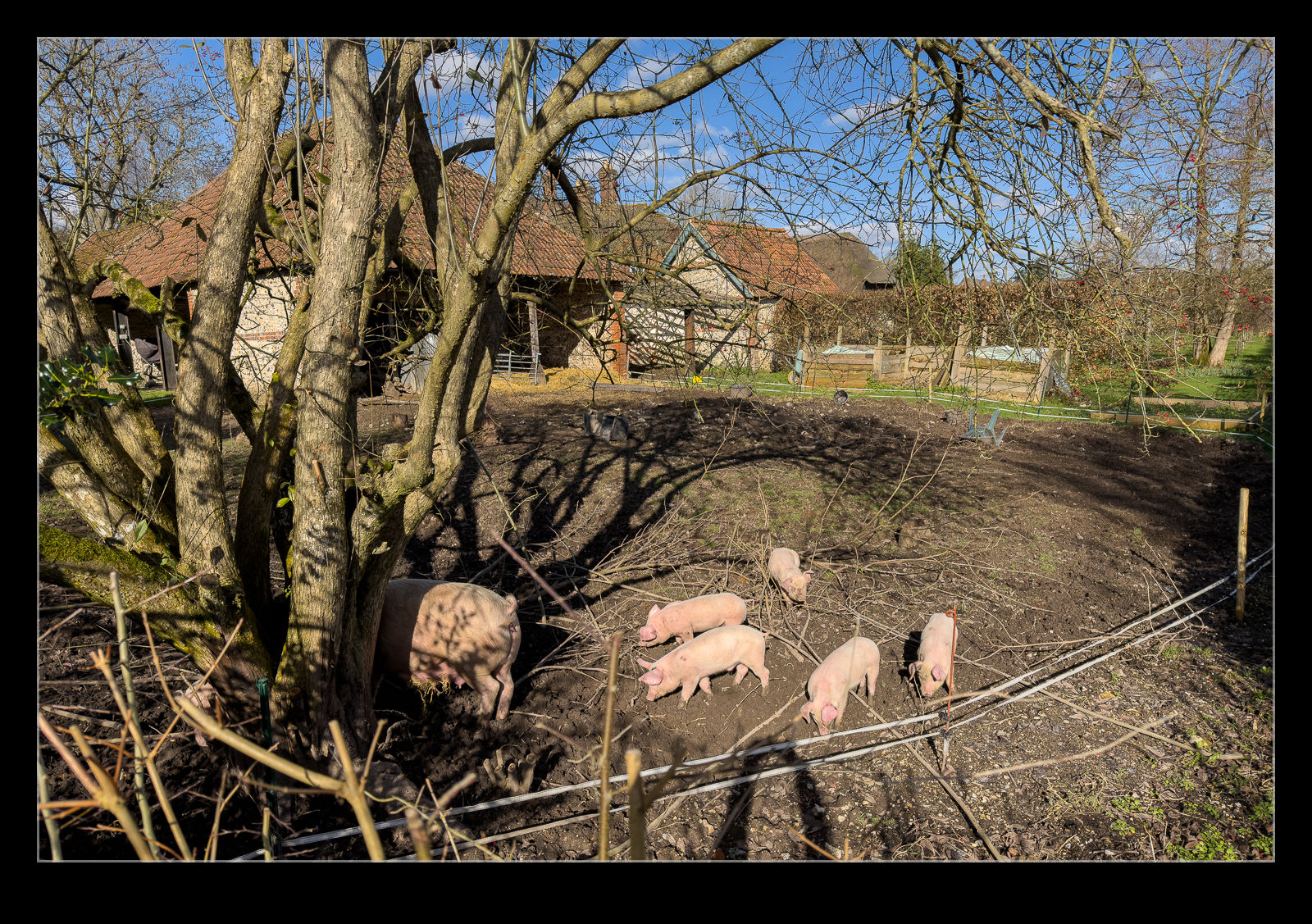
Walking through the village of Longstock, we looked across a yard and saw a family of piglets with a sow feeding on the other side. It seemed that the fence they were near was actually for a park, so we walked around the edge to the park entrance and backtracked to see if the piggies were still close in. Sure enough, there they were. Much feeding was underway, but the piglets were also jumping around and messing with each other as kids are prone to do. At one point, one of them upset another and it let out such a squeal that we were both startled by the noise. It was something else.
They were definitely cute looking little creatures. After briefly being interested by our arrival, they rapidly lost interest and were back to eating and bugging each other. Just the occasional look up to see what is going on. We left them to it and continued our walk.
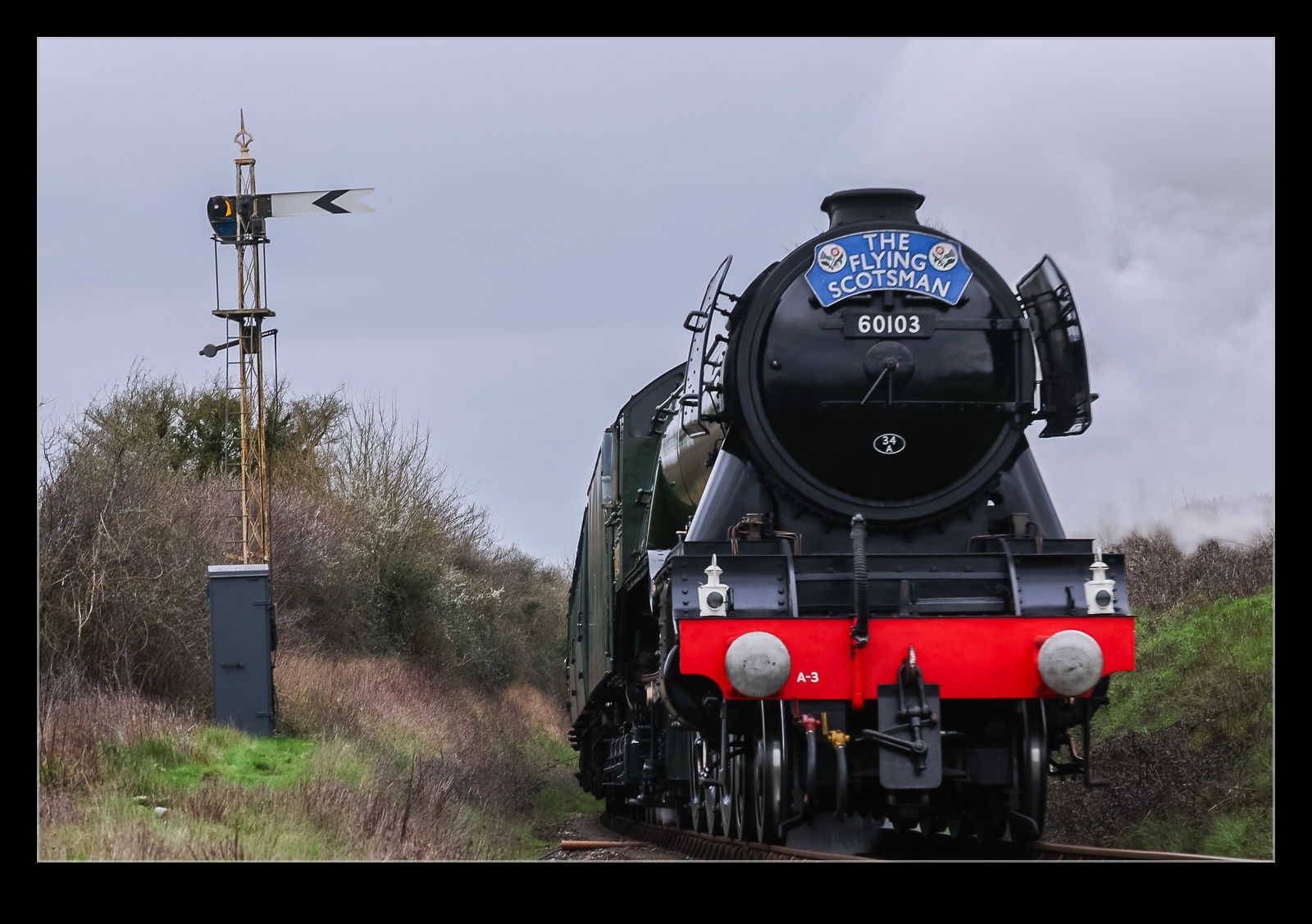
The Watercress Line had arranged for the Flying Scotsman to make a visit to the railway. This locomotive seems to really capture the attention of the public, so it was a major event for them. They even lengthened the platform at Alresford to allow longer trains to be formed meaning more passengers could be carried. They were running on two consecutive weekends, and my sister was interested in seeing it. I was always going to be game for a photo trip. She could only do one weekend of the two and I only had one day free that weekend so that was going to be the one.
Sadly, the weather wasn’t being very cooperative. It was very overcast and there was a decent chance of rain. Even so, there were plenty of people out at the crossing we were going to when we got there. Plenty of space for everyone but definitely popular. As the time for the loco approached, I changed a setting on the camera for a higher frame rate and got in position. I decided to take a couple of quick shots before it came in to view just to check all was well. It wasn’t!
As soon as I hit the shutter button, the screen was covered in a “Busy” message. This caught me out. It wouldn’t go away quickly. I turned the camera off, but it still took a while. When it came back on, I tried again and the same thing. This time I pulled the battery and reset. Third time the result was the same. By now the loco was coming into view. Since I didn’t know what the issue was and time was ticking, I tried switching over to video and that worked so I instead videoed the train as it came by.
The video was fine but not great and, if I had planned for that, I would have done things slightly differently. However, it did recover the situation to some extent. The video I took is below.
Once the train had gone, I went home and then pulled out the camera to see what had occurred. I had made a very dumb error. It would have been easily fixed too. When changing the frame rate, I had accidentally switched to the HC mode on the R3. This is the mode that allows 194fps in short bursts of up to 50 frames. Once you shoot like this, it locks up the buffer until everything has been written to the card. Then it is ready to shoot again. What a dope. Oh well, it wasn’t a total disaster and my sister got to see the train which was the main point of being there in the first place. However, now I was thinking about a second effort. More to come…
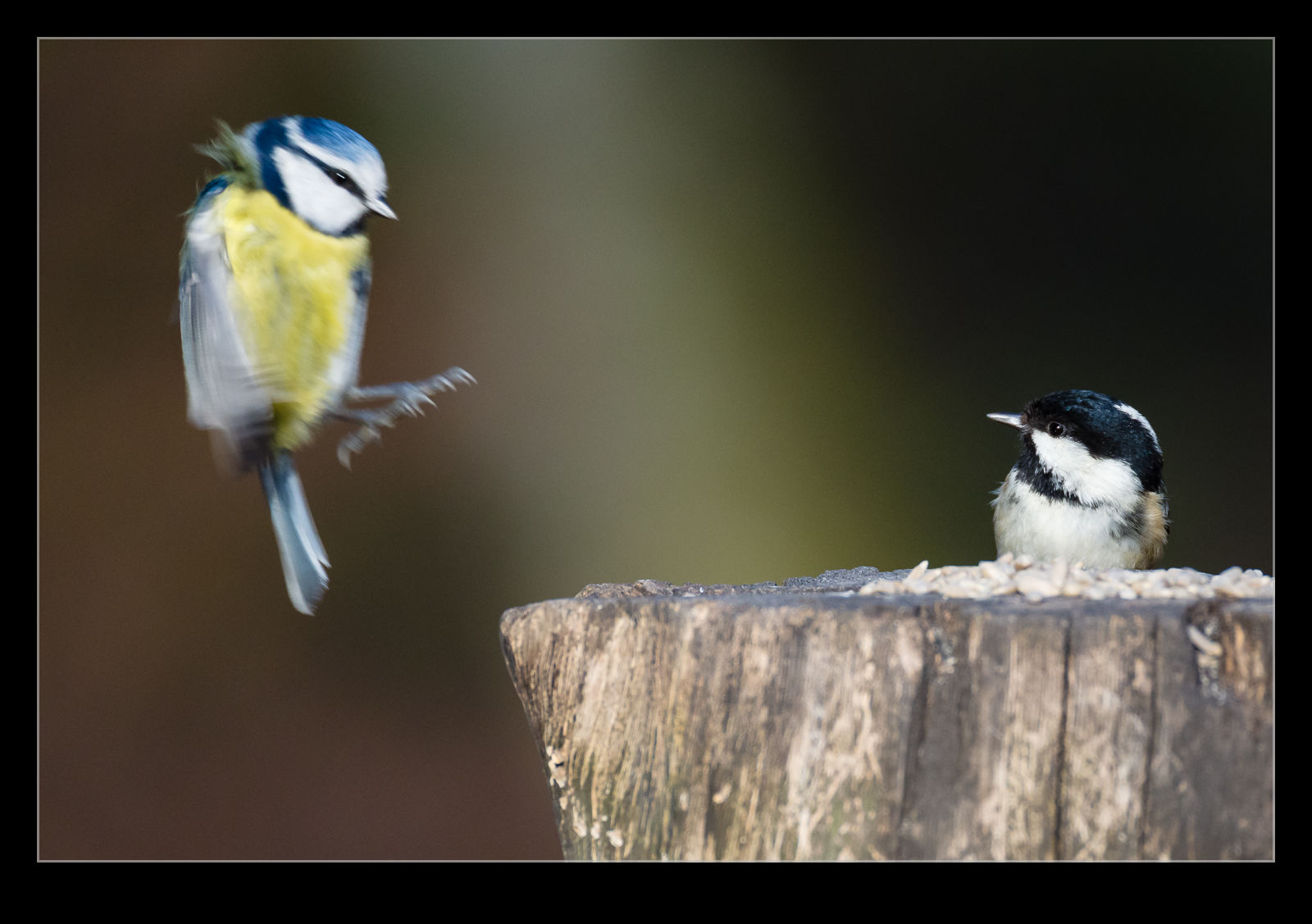
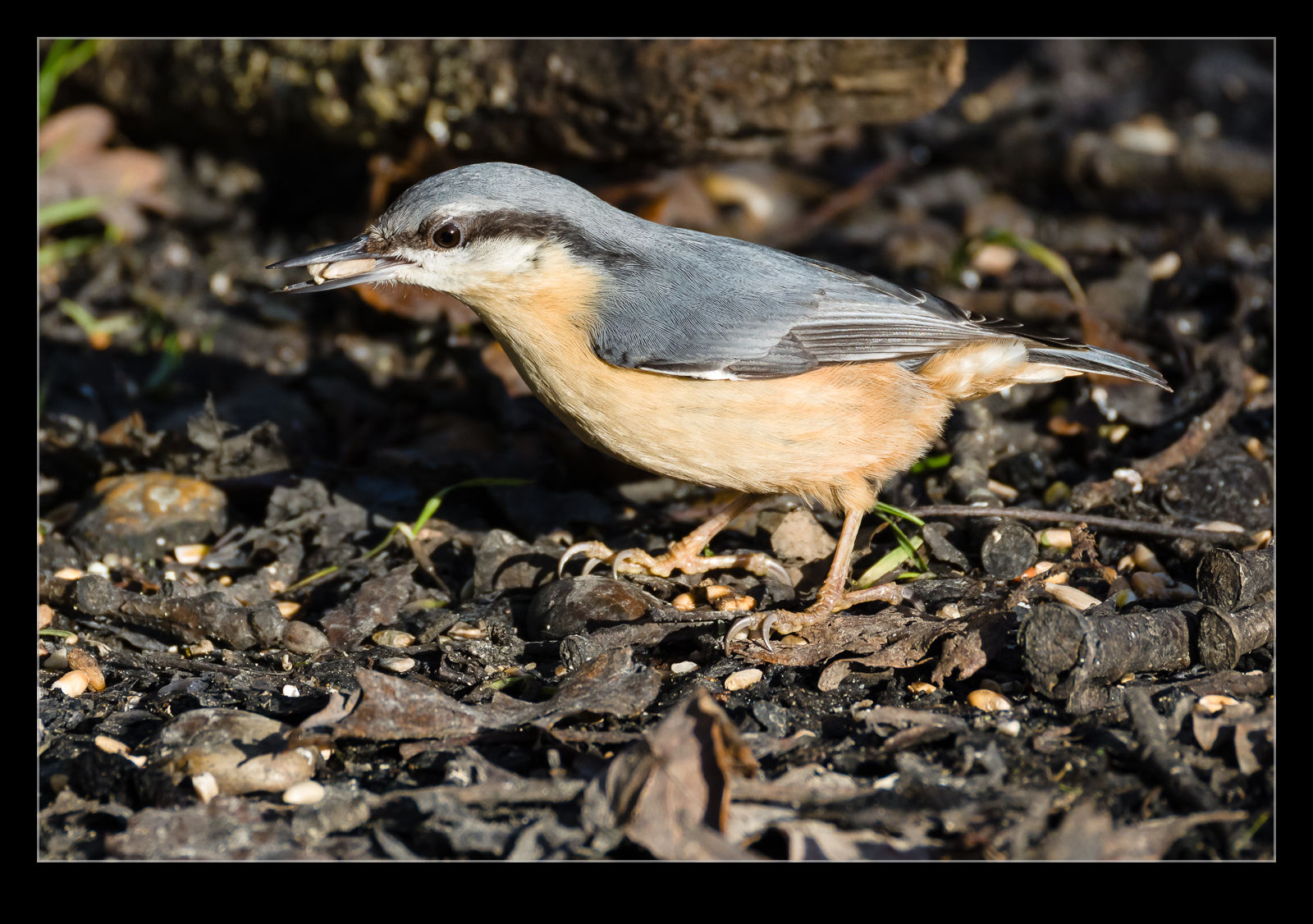
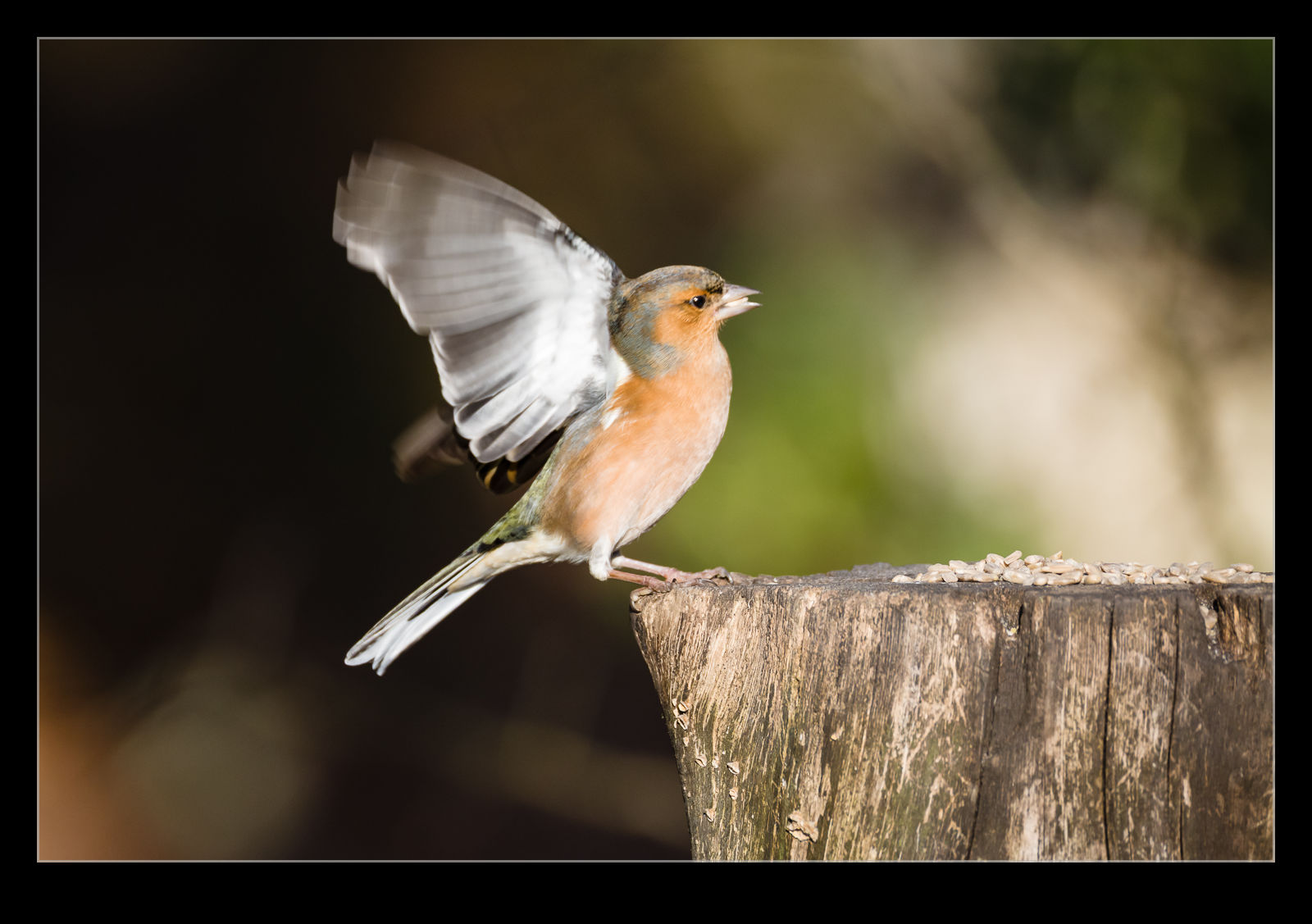
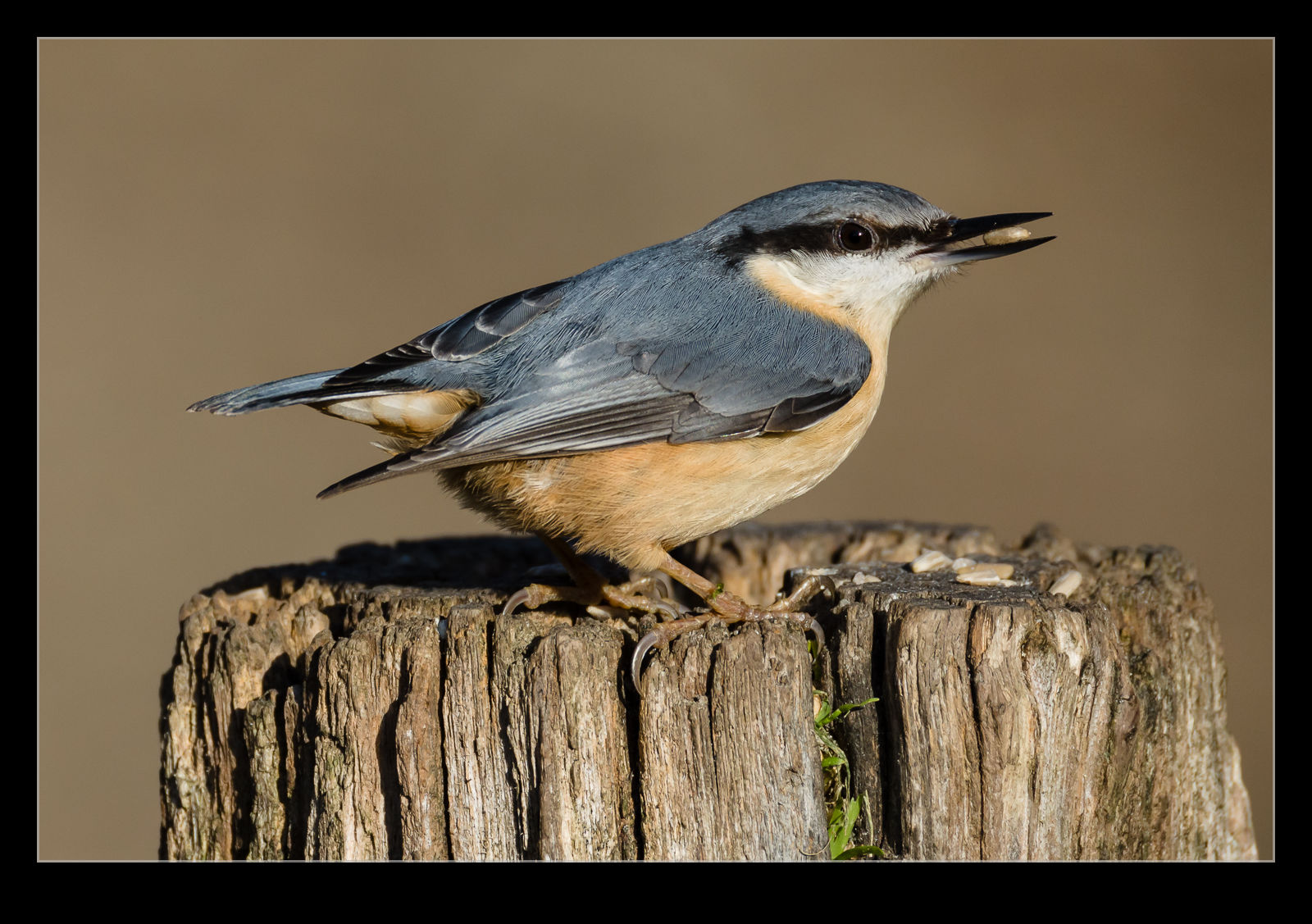
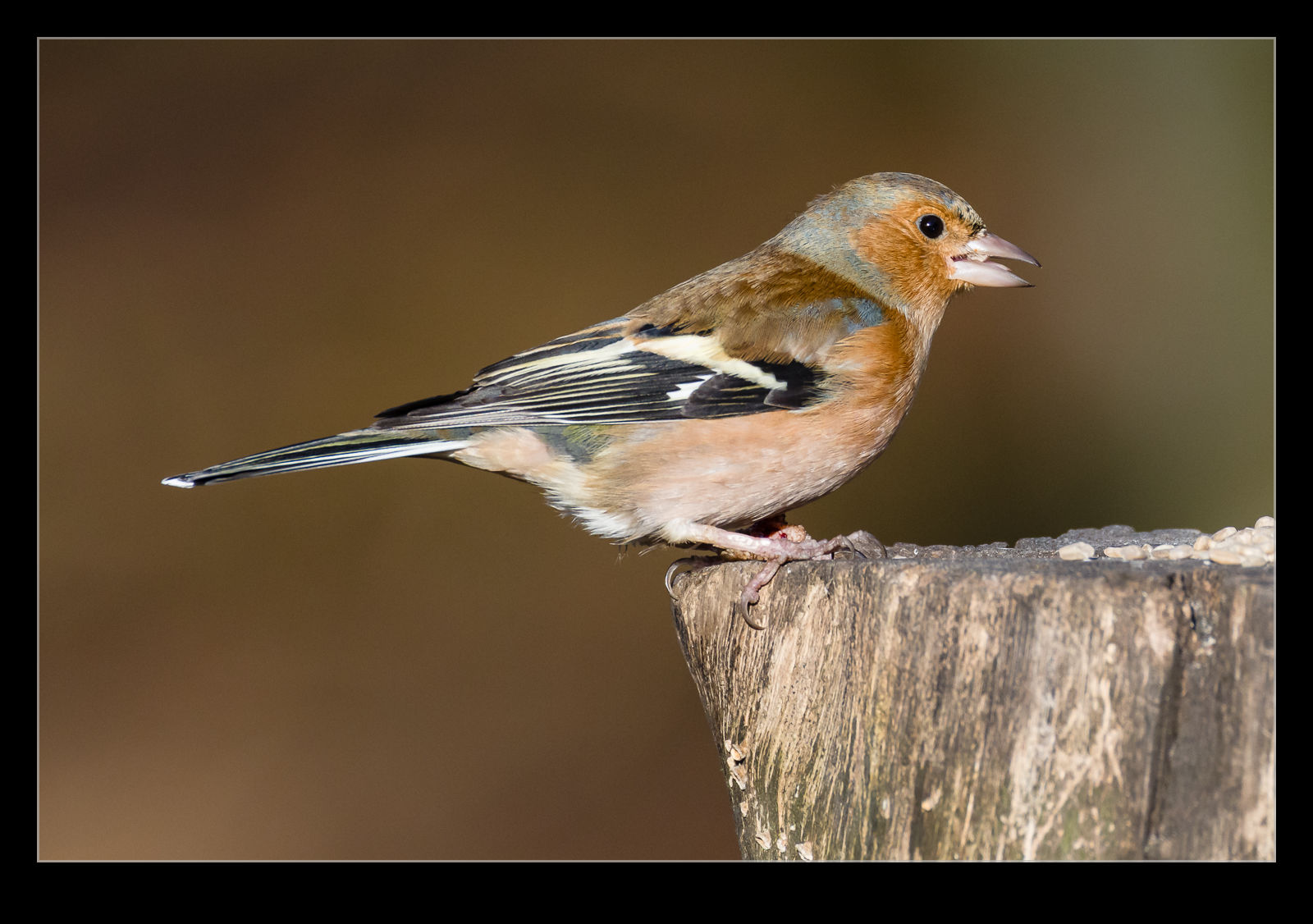
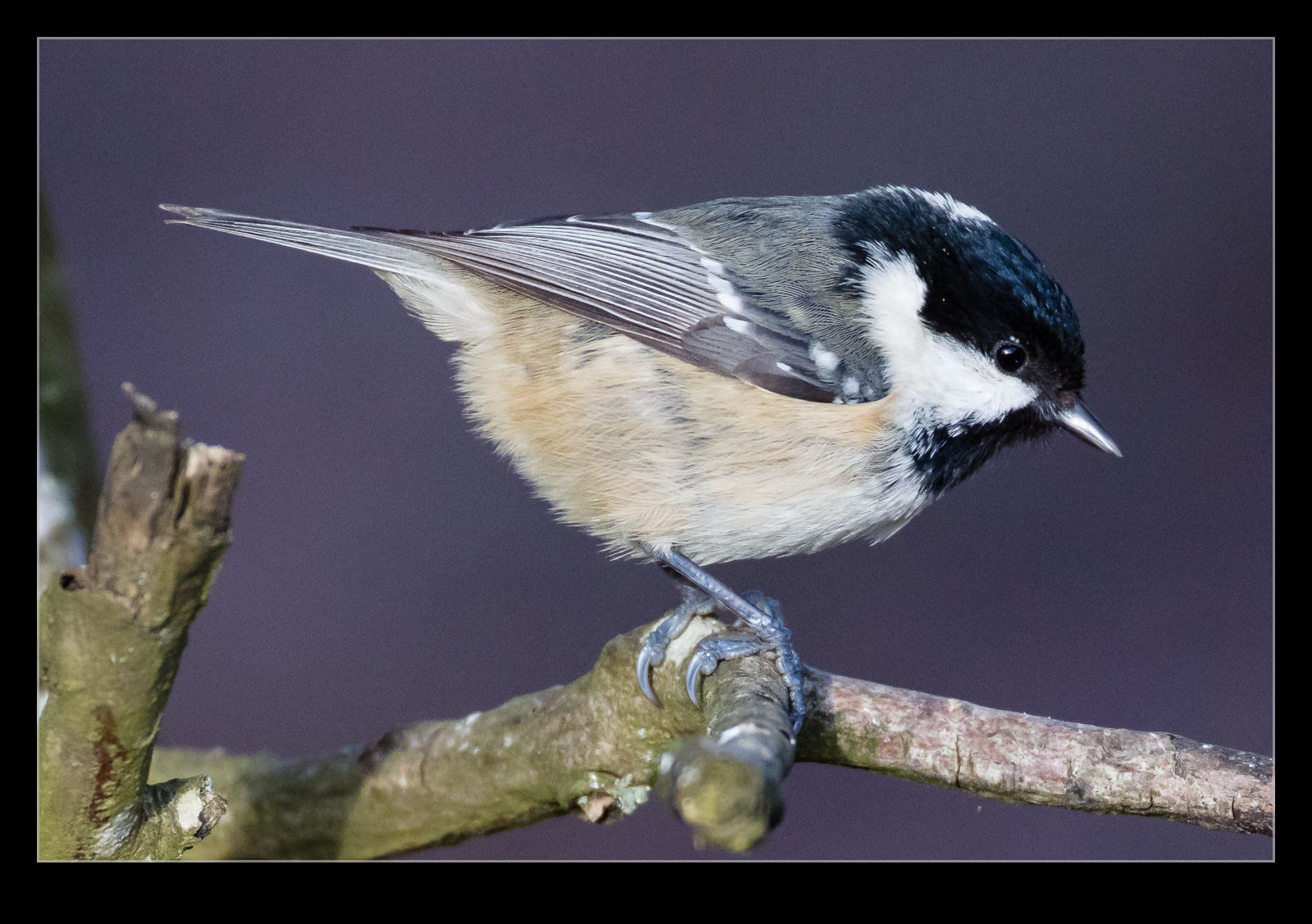
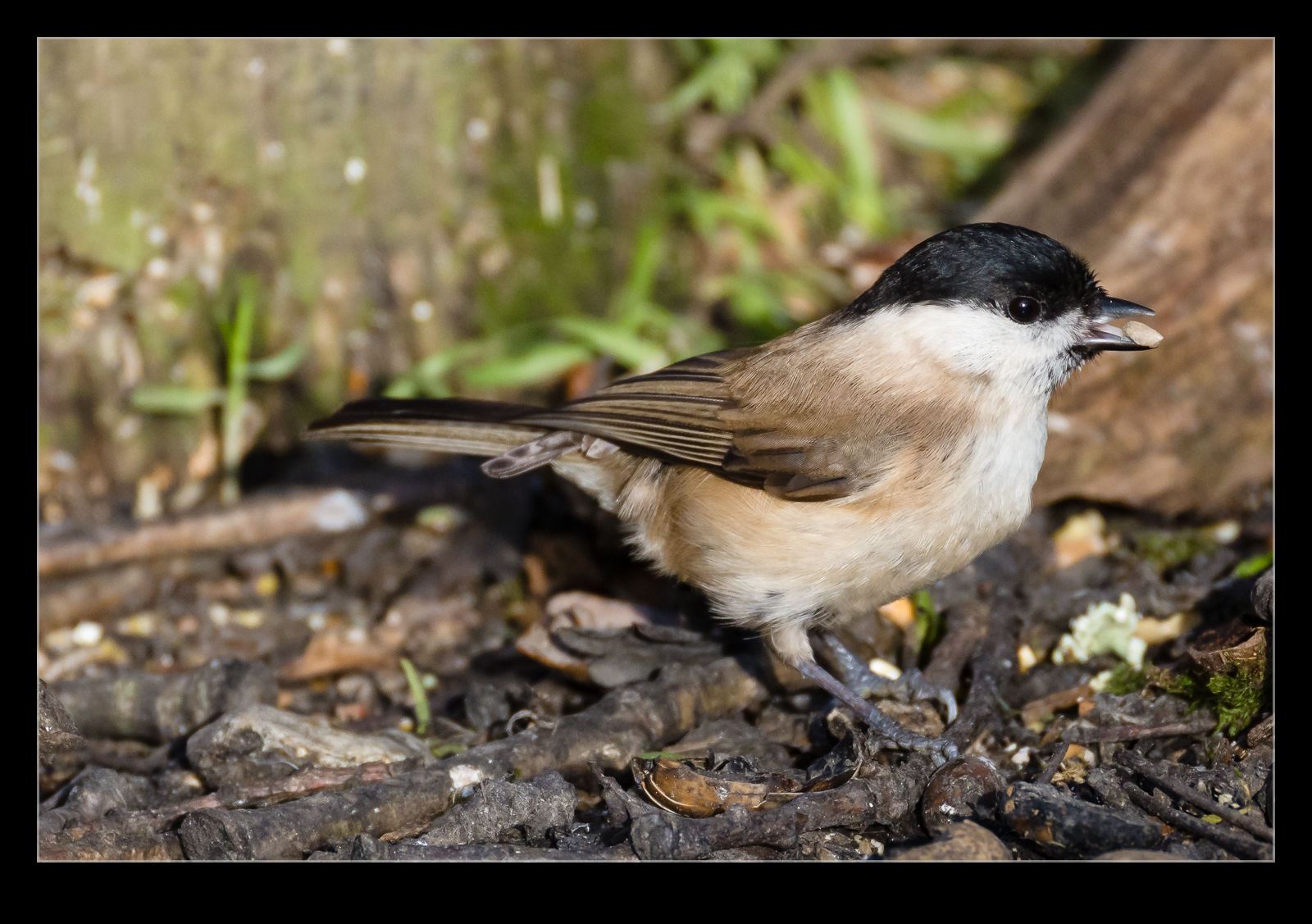
At the end of a walk we took in the New Forest, we were almost back at the car when we saw a gate with a load of little birds on it. At first, I didn’t understand why but then it became apparent that someone had left a load of seed on the gate for them. Then a lady walked up and told me that she was the one responsible for the food. It was very effective!
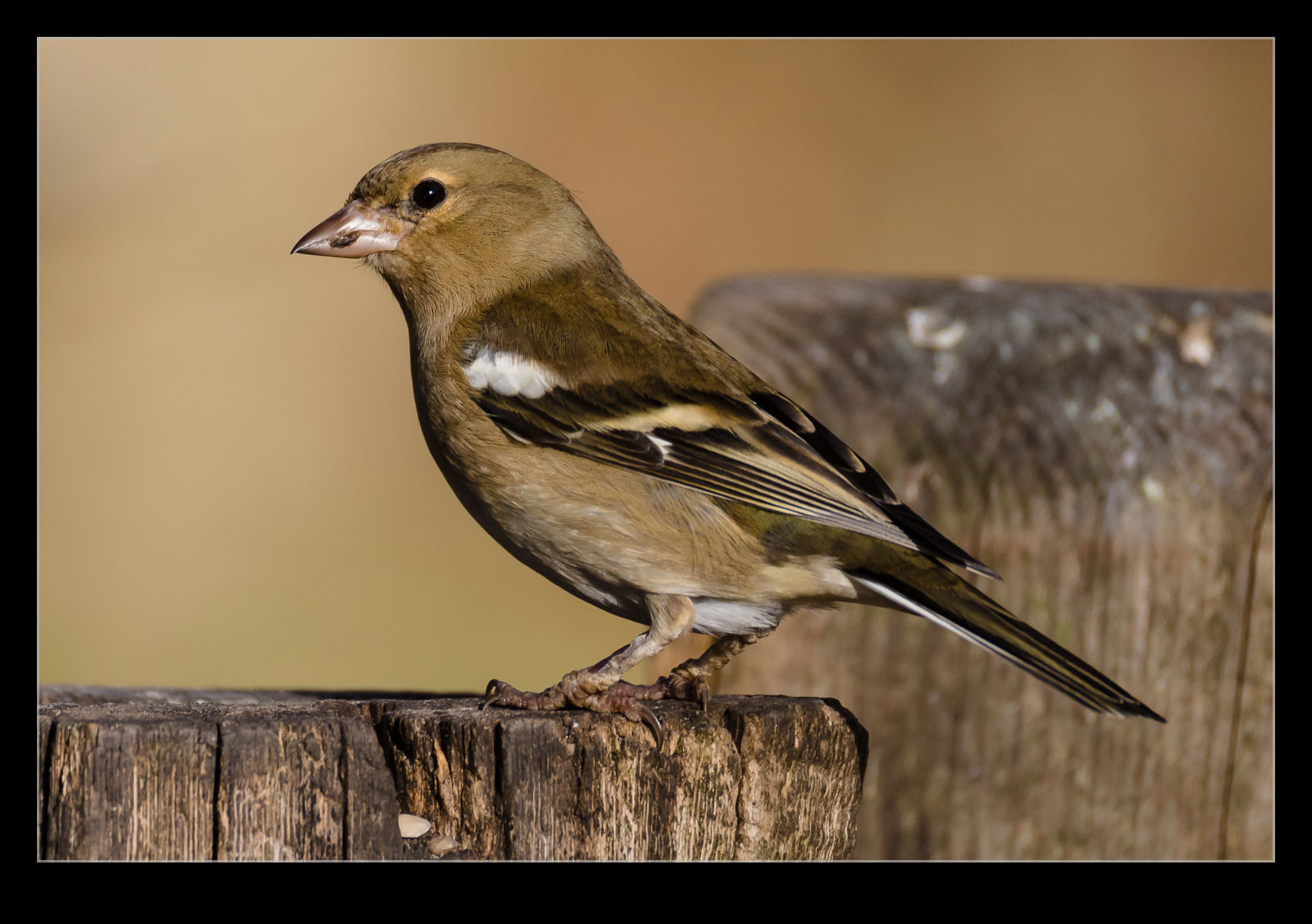
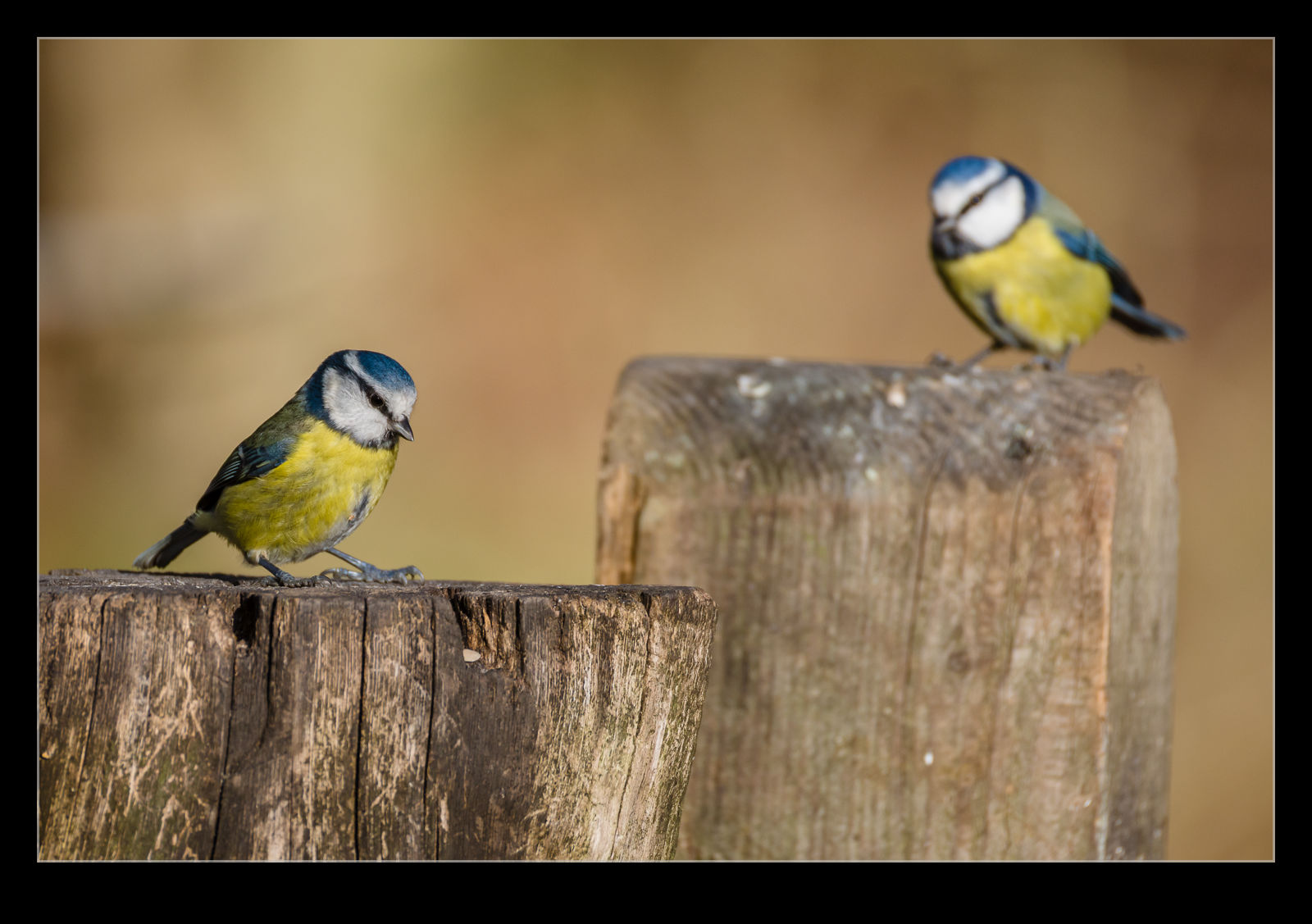
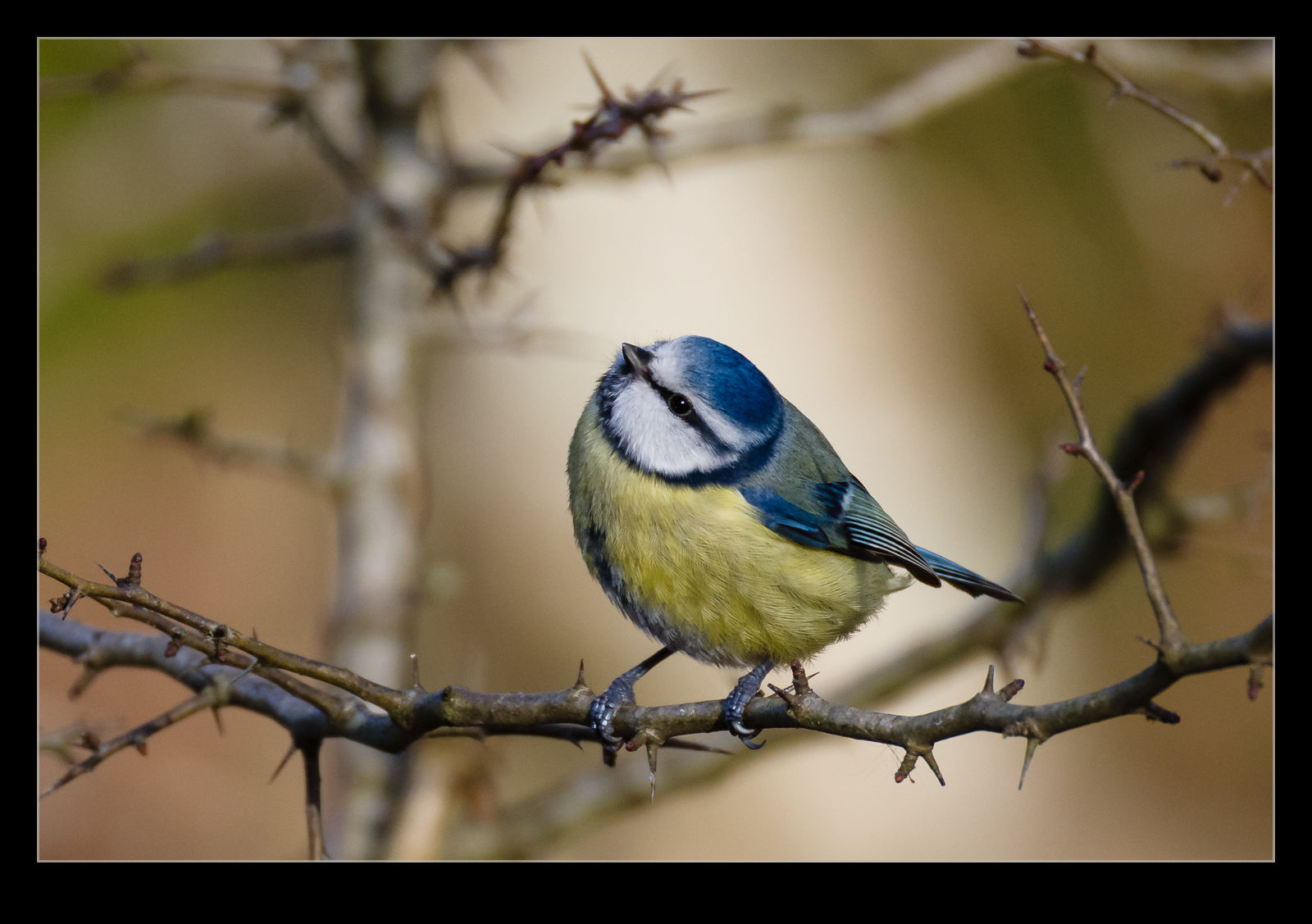
There was a wide variety of birds including blue tits, coal tits, great tits, finches and nuthatches gorging on the goodies. This meant getting shots was relatively easy. Small birds don’t hang around long in any one spot – they are pretty twitchy (see what I did there?). Consequently, getting photos can be tricky. However, when you know where they are going to be it makes getting shots a lot easier. I even got some of arrivals and landings. However, these were not well focused or with fast enough shutter speeds to be worth sharing but that is something I can fix another time.
Little birds are really interesting when you get close to them. They have colouration that is worth checking out and adopt poses that make them look like they are curious about what is around them. I spent a fair bit of time getting pictures, but it was still a cold winter morning, and Nancy was beginning to lose enthusiasm, so I headed off. Now I know what food they like, I might have to look out for good lighting conditions and go back with more of a photographic focus (no pun intended).
For a brief period, the UK was a space power with the ability to launch satellites into orbit. This was a brief moment, and the launcher was called Black Arrow. I am pretty sure I have posted something about this launcher before because it was developed on the Isle of Wight. The test facilities out near the Needles are now part of a National Trust location and you can see where the rockets were test fired over the cliffs.
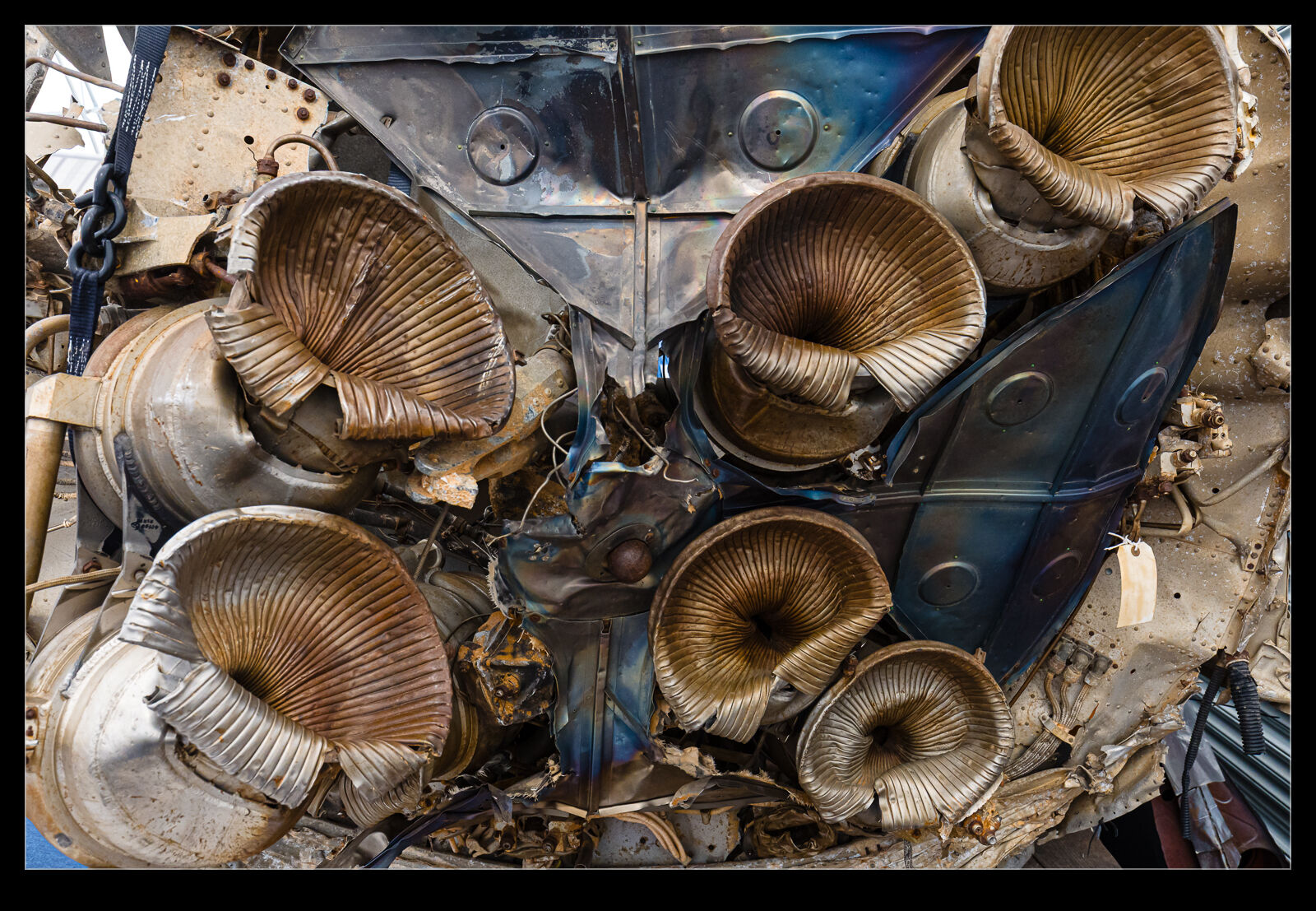
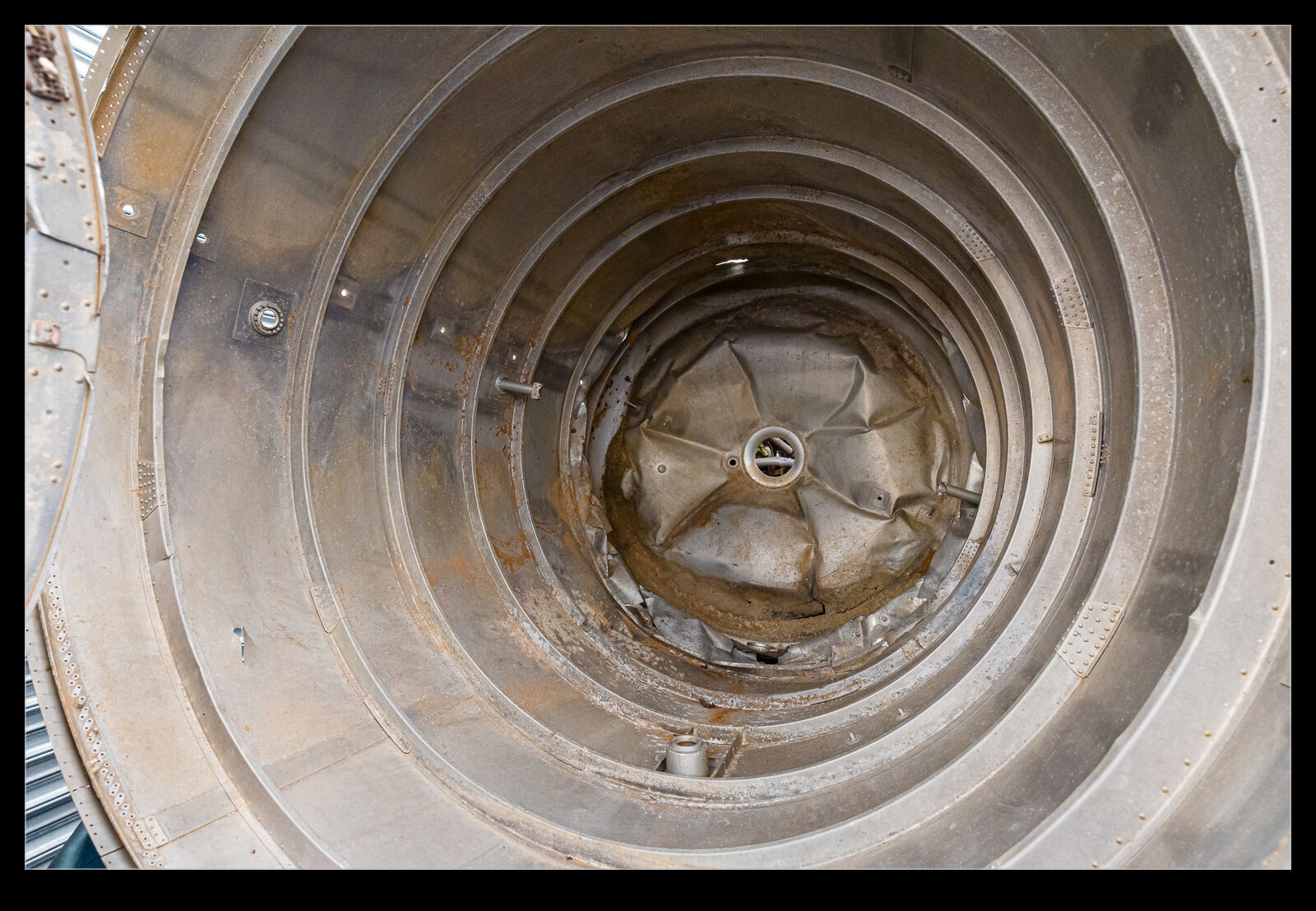
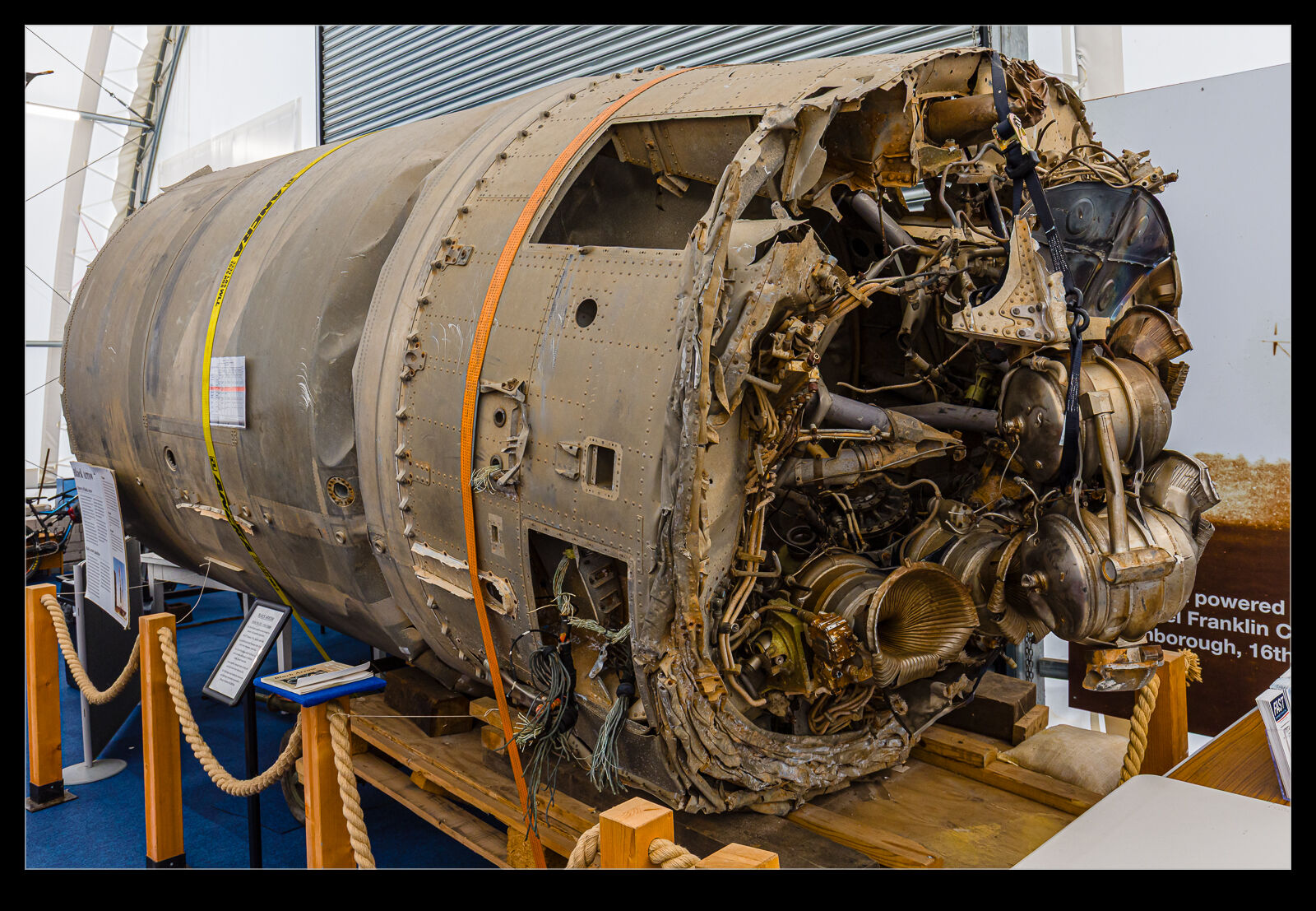
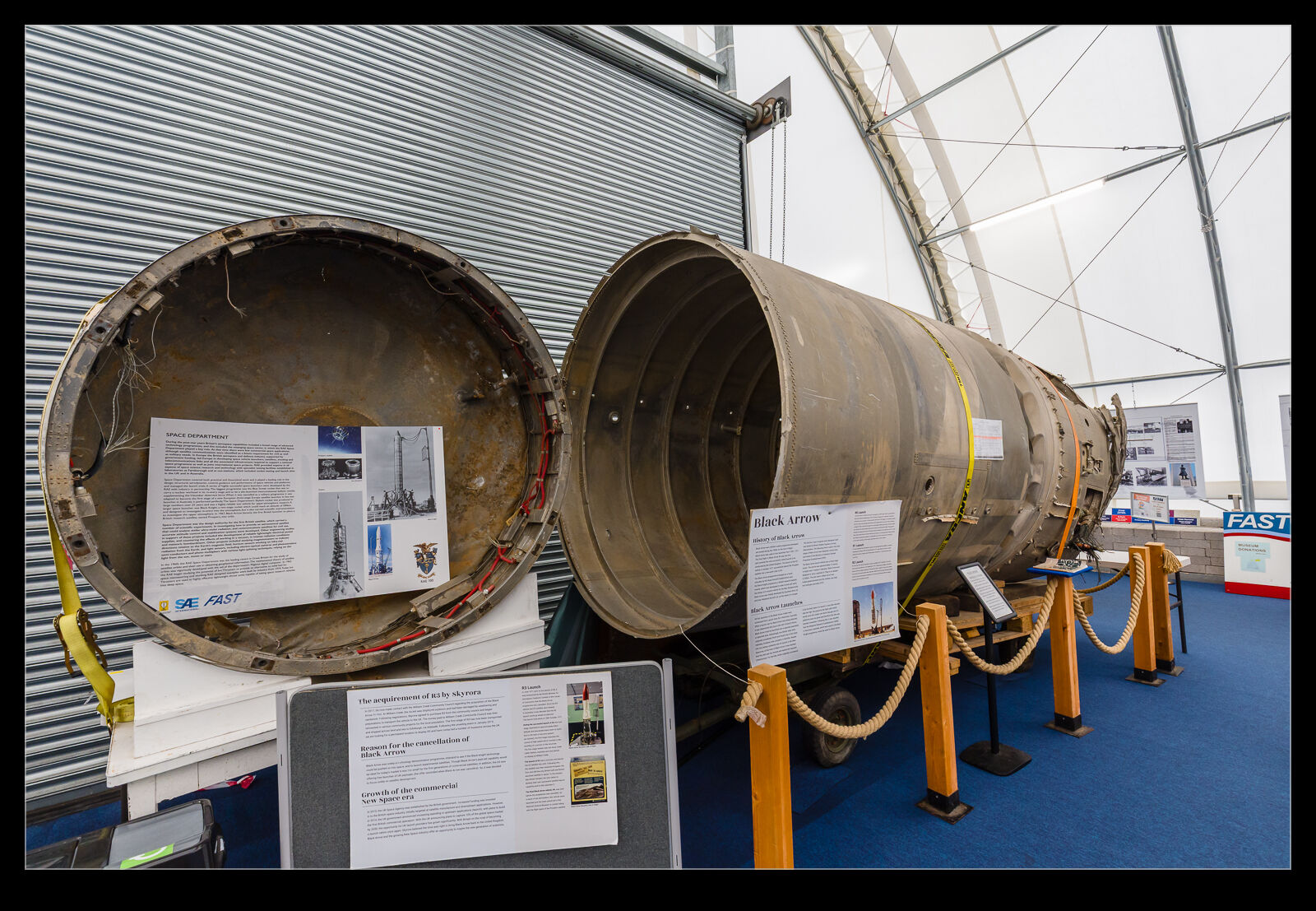
The FAST Museum at Farnborough has the remains of the one Black Arrow that was launched into orbit. The first stage is not designed to go to orbit and is discarded early in the flight to follow a ballistic trajectory back to the earth. It was launched from Woomera in Australia and the stage fell back into the desert. Consequently, it wasn’t hard to find unlike anything dropping into the ocean. It has now on display.
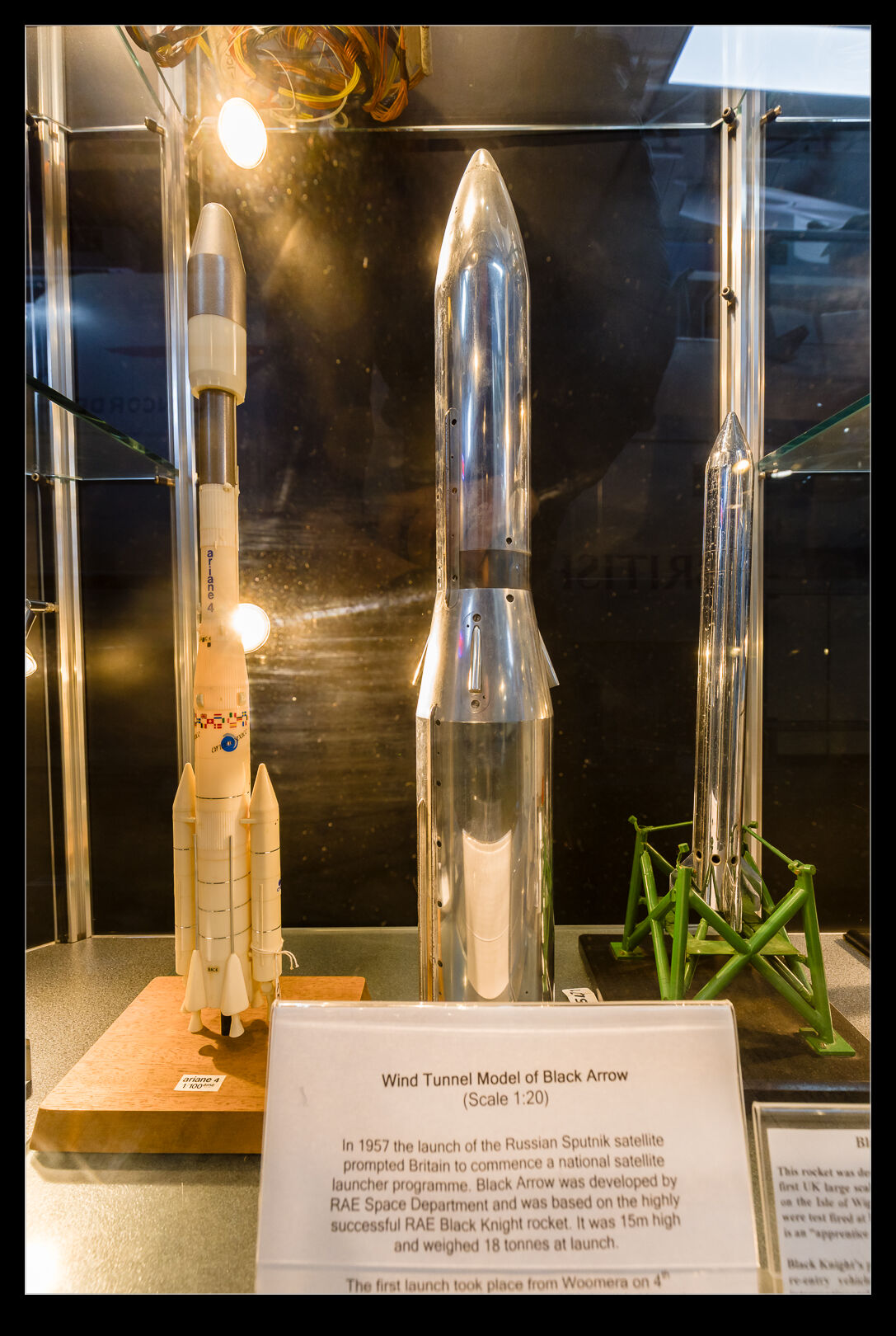
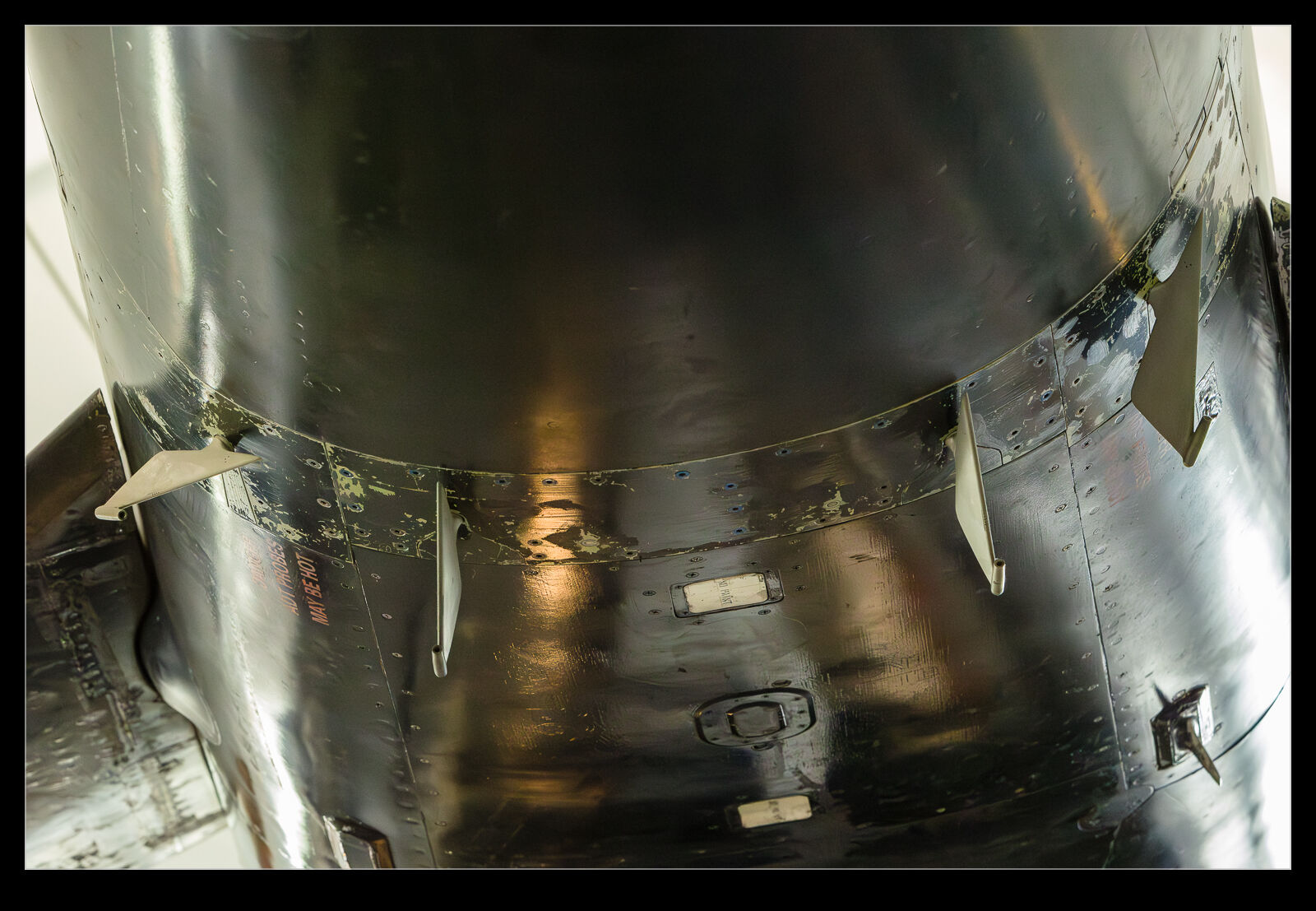
It looks in surprisingly good condition. I thought it would be totally crumpled but the cylinder is basically intact. The engine nozzles on the base have taken a bit of a beating but are still clearly recognisable. The shapes they formed particularly fascinated me so that is the top picture on the post. There is also a high-speed wind tunnel model of the launcher on display so you can see that it was a pretty compact rocket. A small payload although one that is apparently still happily orbiting the earth to this day.
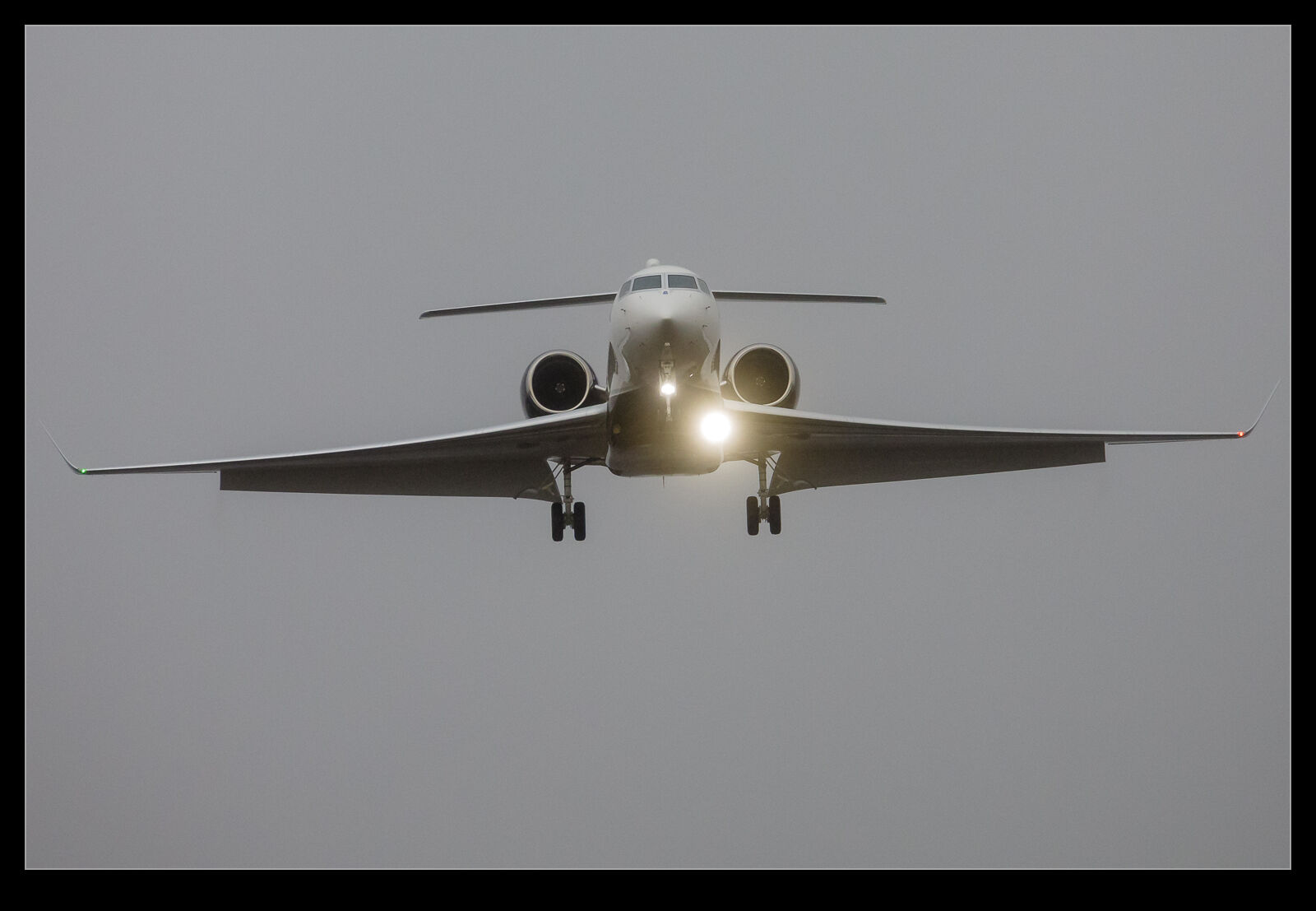
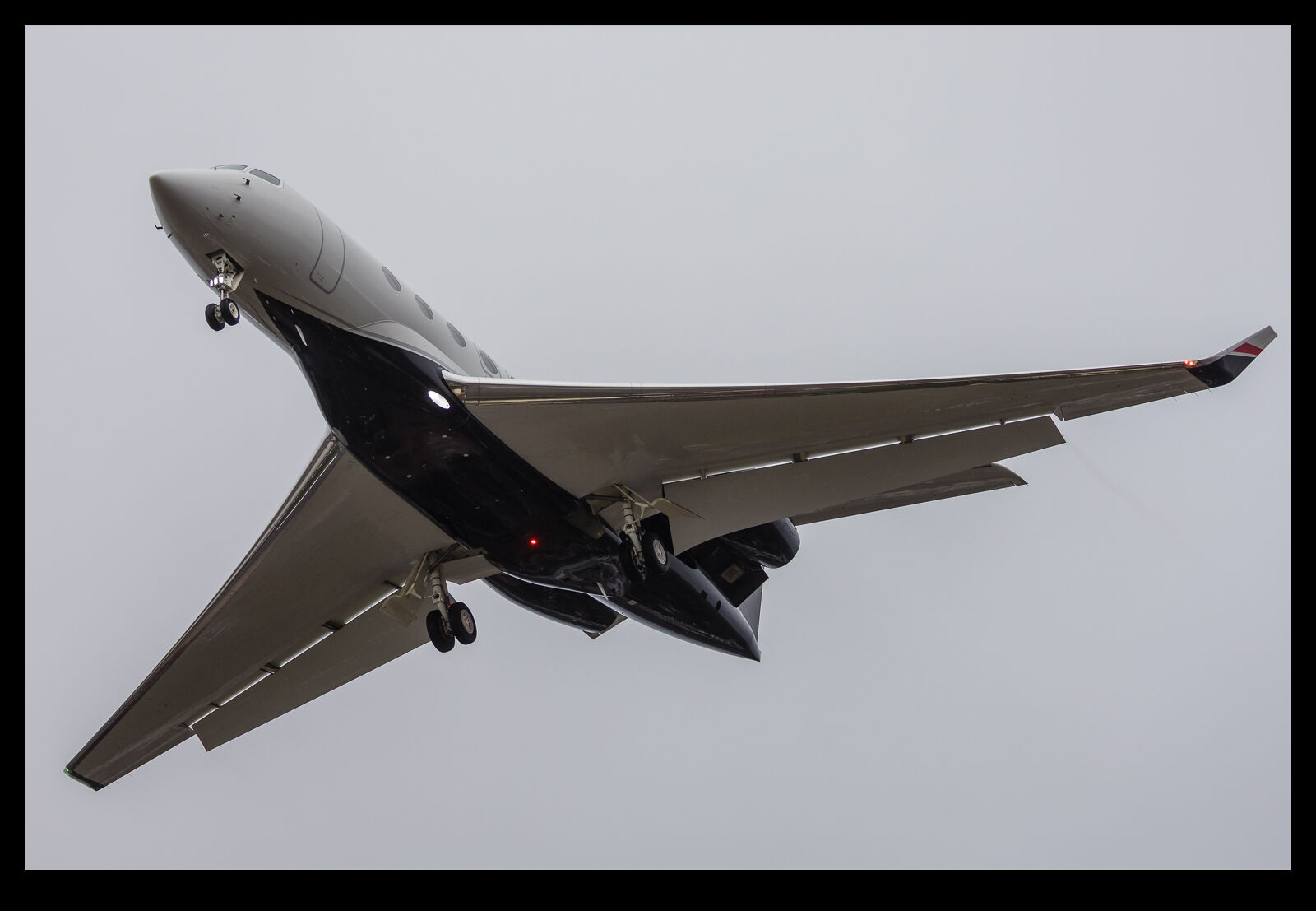
This G600 was coming into land at Farnborough while I was visiting. The conditions were far from ideal for photographing anything flying but I am not going to pass one up if the chance presents itself. I was close to the approach path so had an almost head on position. Not ideal but it would be fine. However, what struck me as I looked at the images afterwards was the flaps. Gulfstream has never impressed me with their wing designs. They always seem to have just gone with a larger wing to achieve whatever performance was needed and the flaps on all of their jets seem to be barn doors rather than some advanced design. It seems that the current generation of jets is no different. I guess it doesn’t matter enough to their sales so why bother?
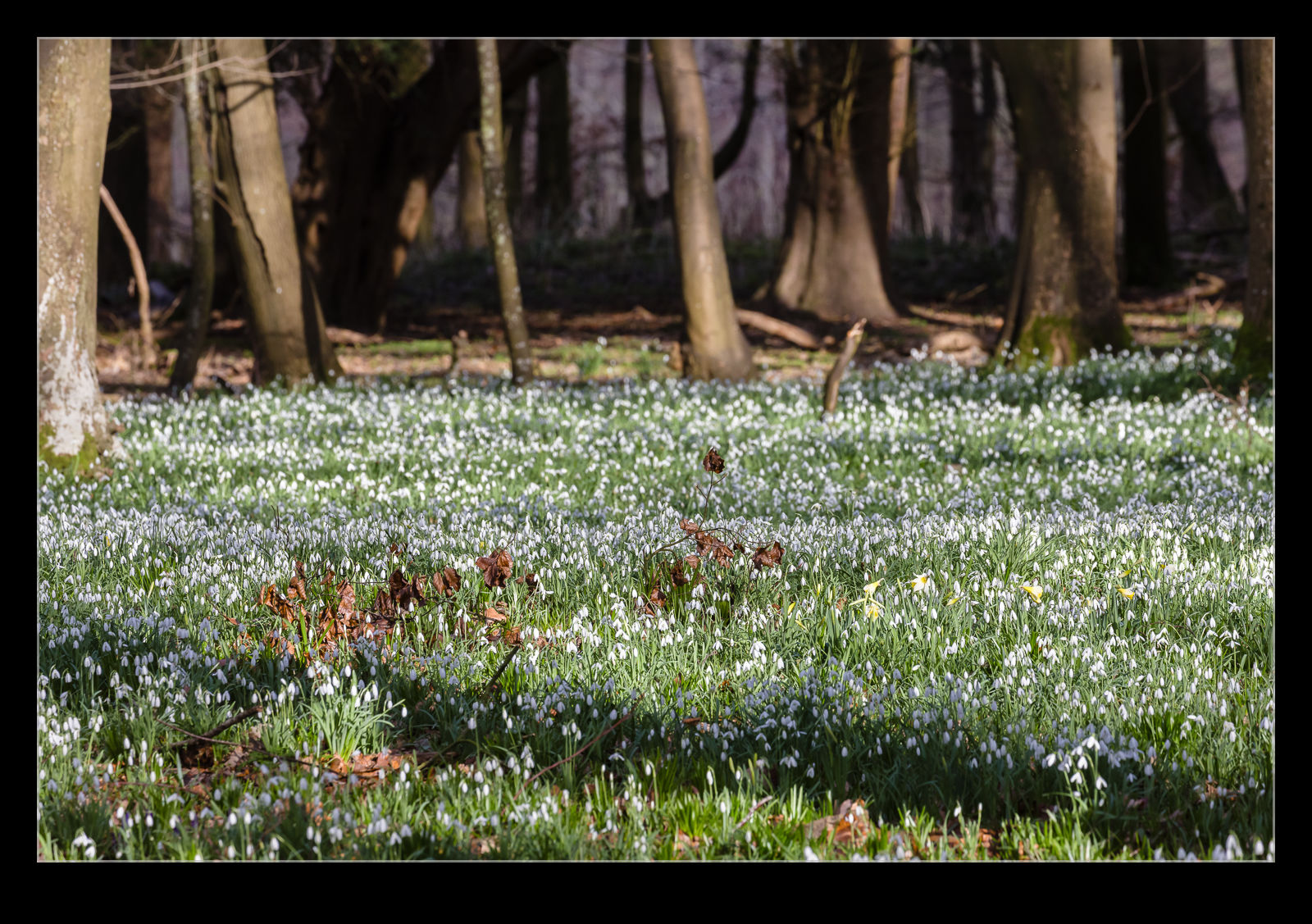
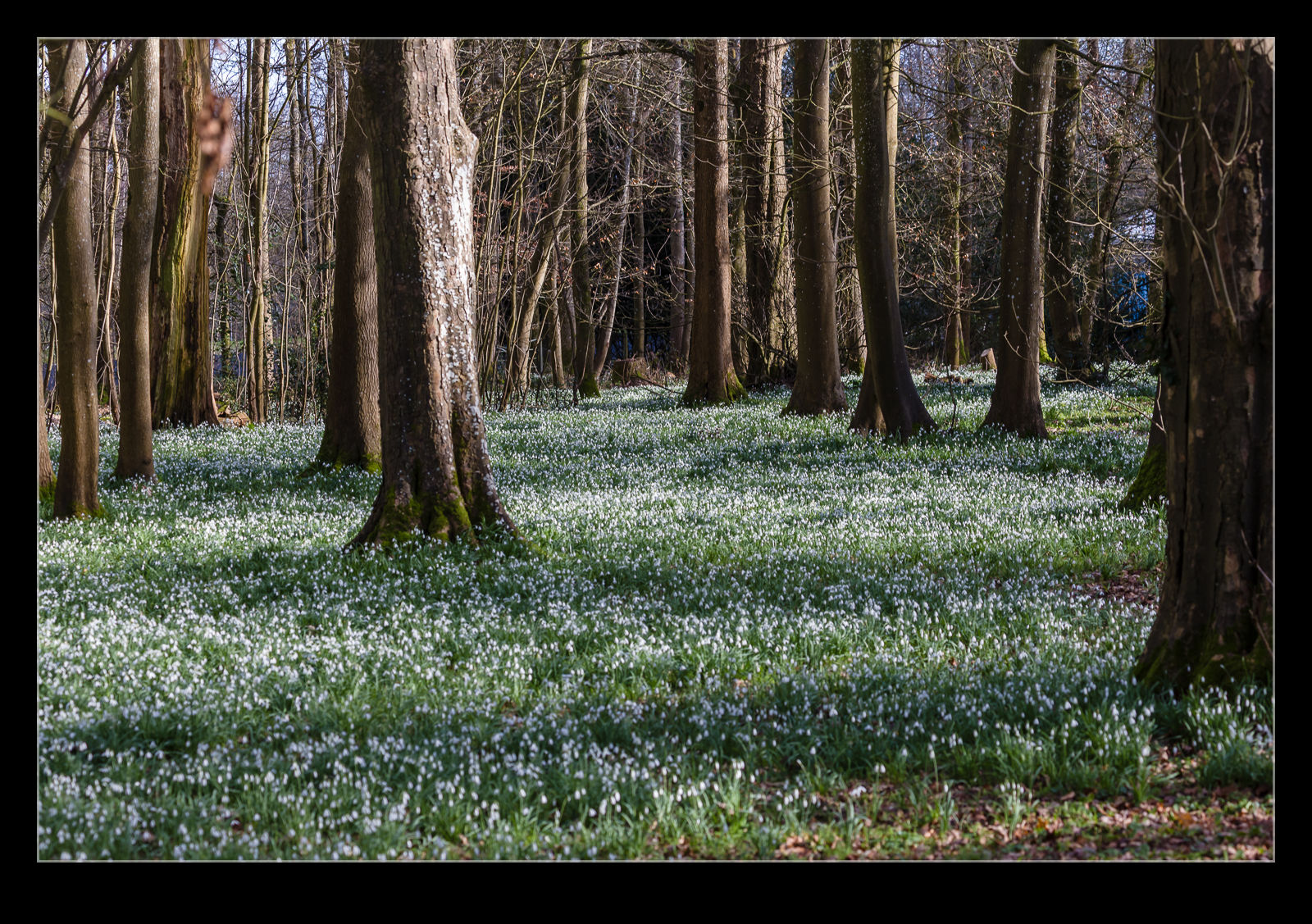
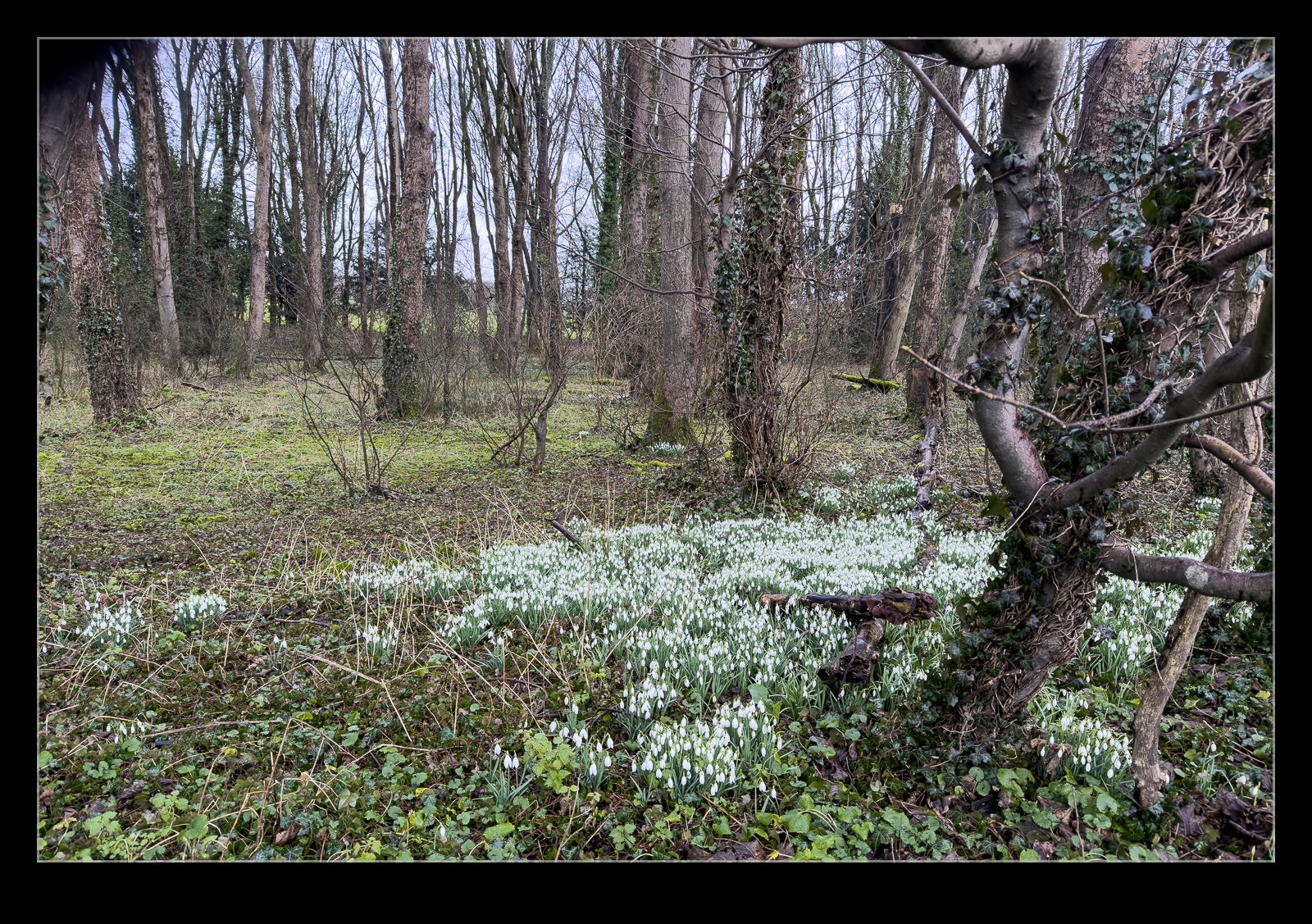
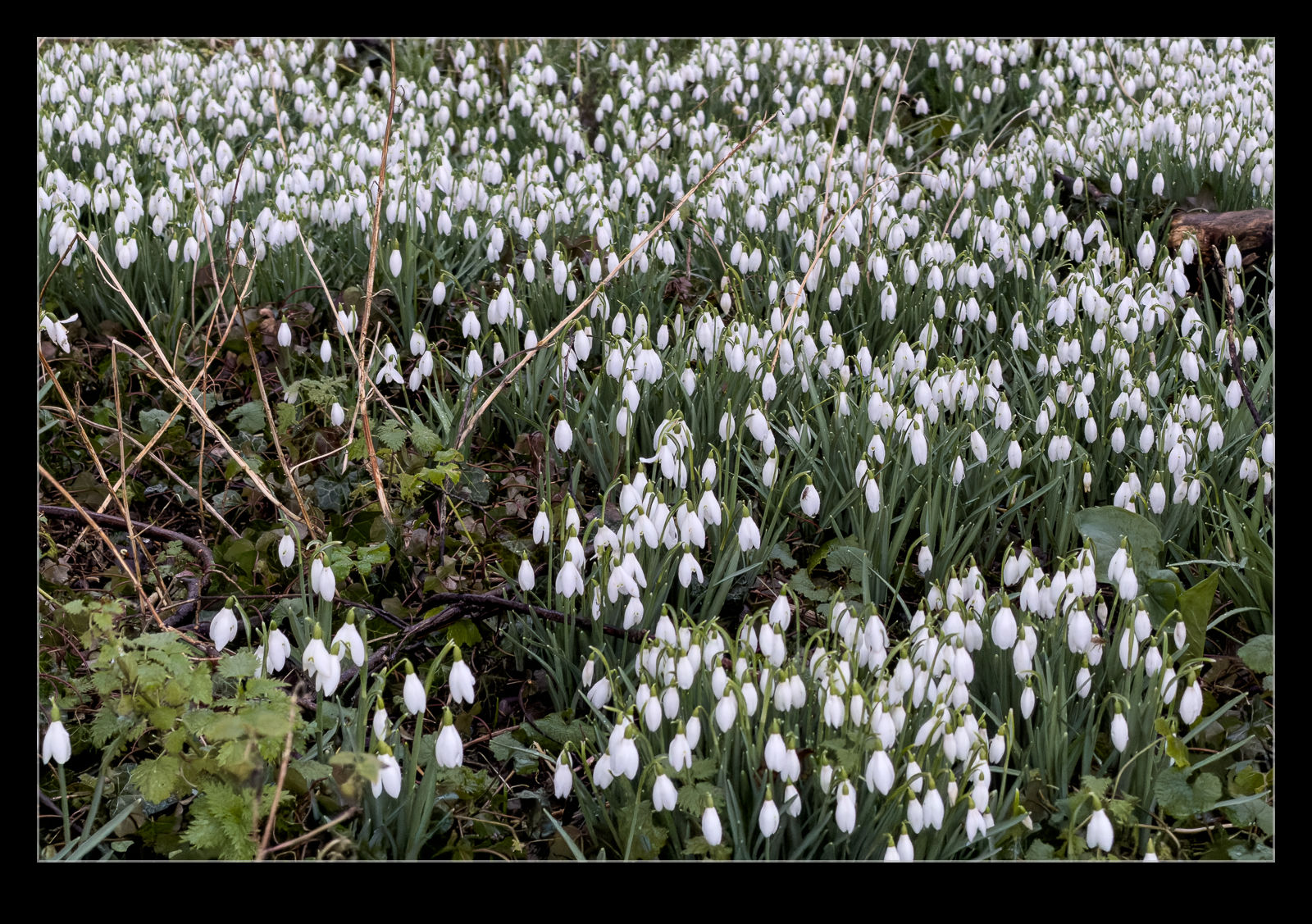
I am going to be repetitive on the blog for a while. I have already photographed some snowdrops on my bike rides and posted about it. Then I made a more specific visit to see some snowdrops. This will not be the last snowdrop post this year either. In Longstock, there is the Leckford Farm Shop run by Waitrose. Last year I saw lots of bluebells in the grounds when we visited. Dad told me it is a good place for snowdrops too, so Nancy and I diverted in there as part of a walk we were doing in the area.
At first, I only saw a few small clumps on flowers along the path. It had me wondering whether we had missed the peak. However, I just needed some patience. As we got closer to the shop, the area under the trees was covered in snowdrops. They looked really great. With snowdrops, if you are close, they appear to be quite well spaced. Taking shots from further back and lower down helps make them look really dense. They feel that way when you look at them but getting the photo to reflect that sense is a bit more of an effort.
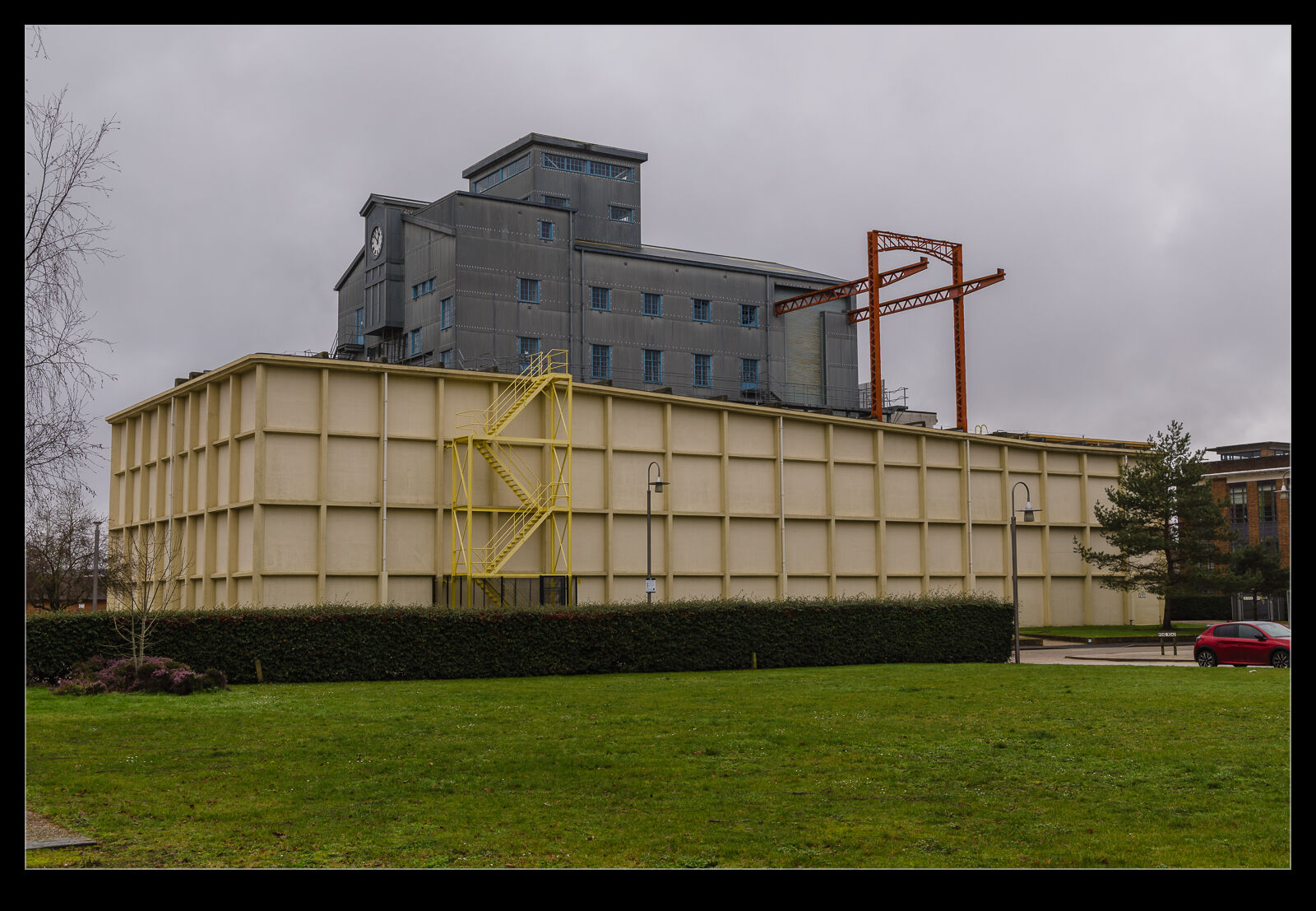
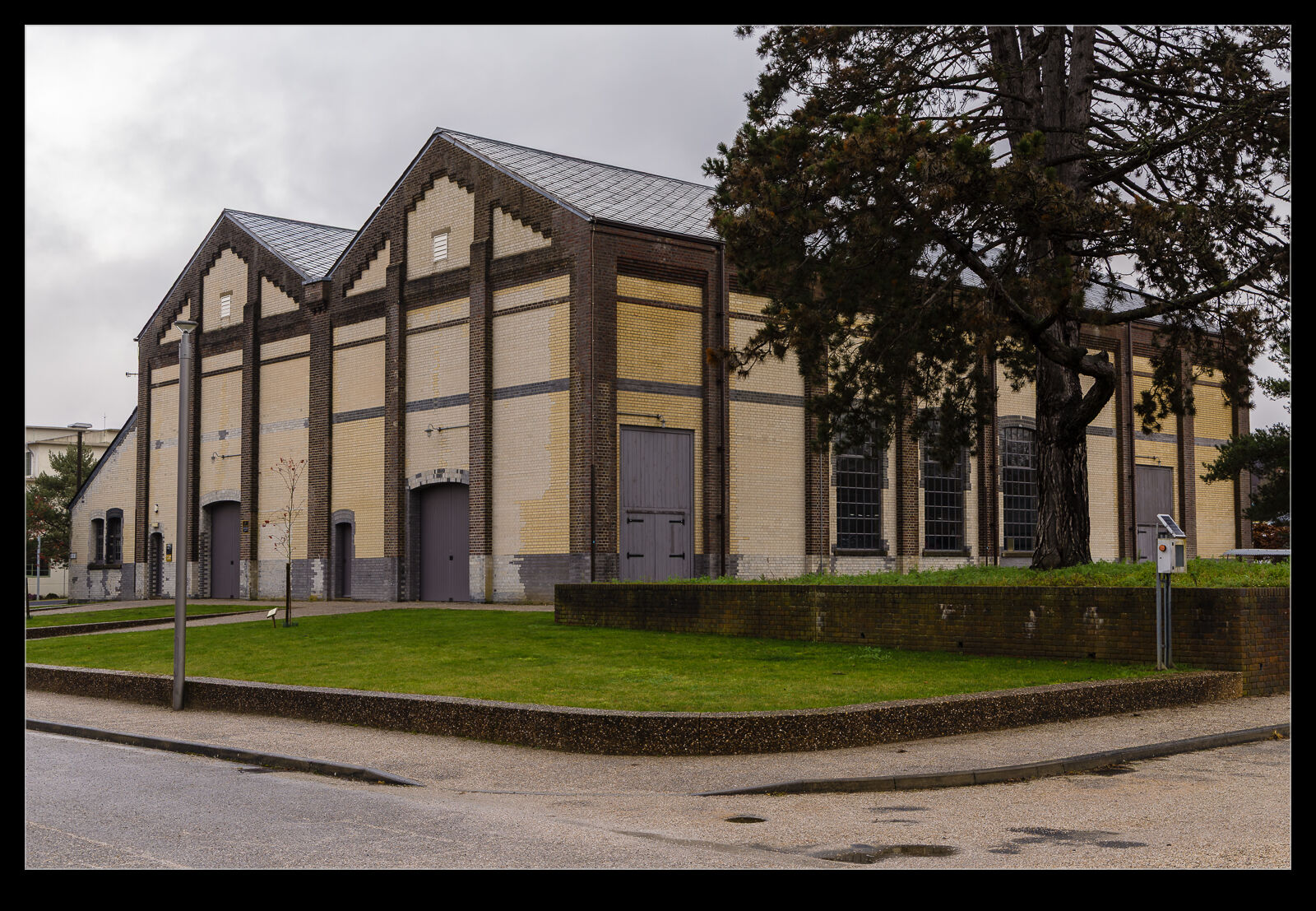
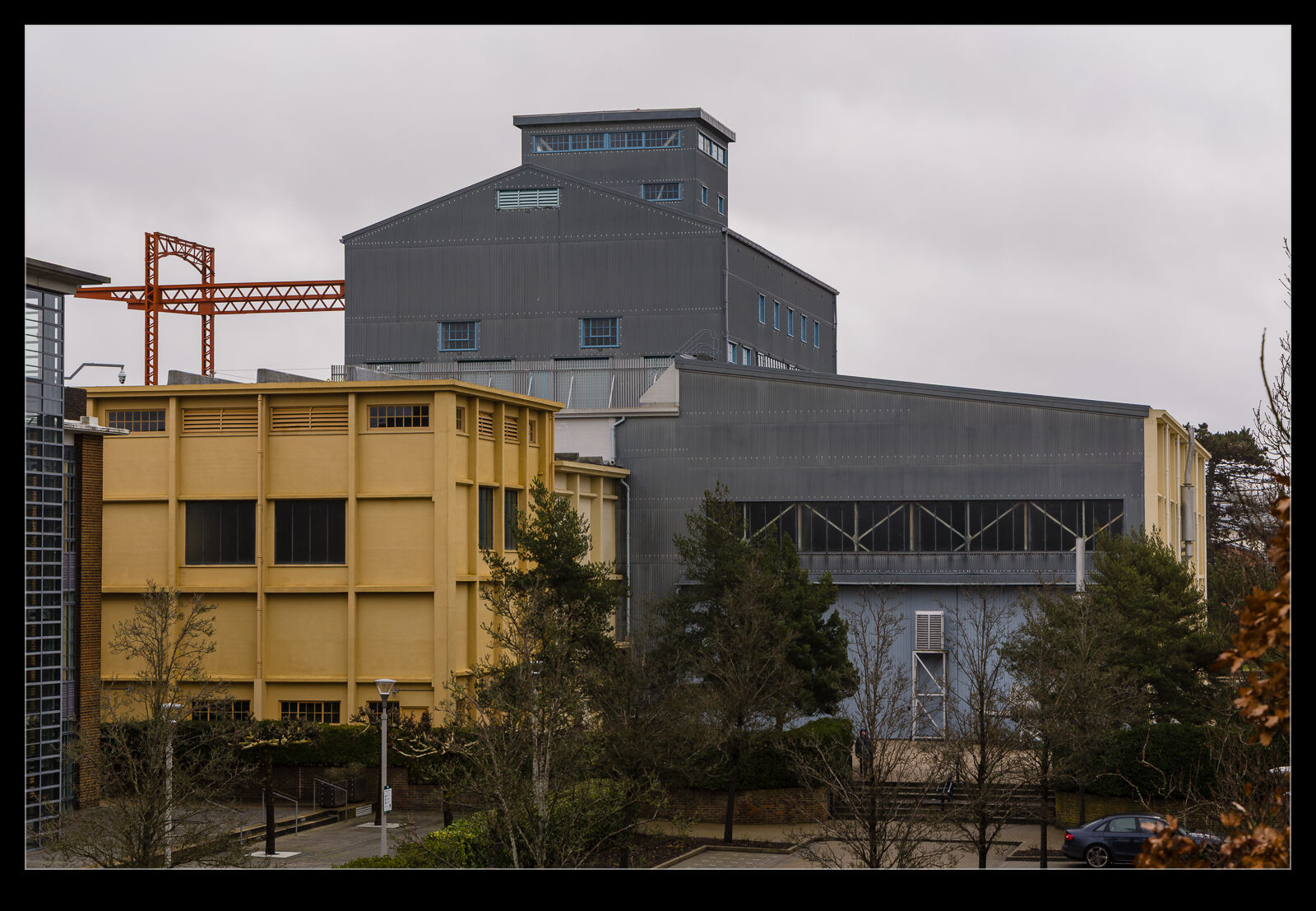
In my days working in aerospace, I dealt with people at the RAE/DERA, but I never had any visits there. I went to the show, of course, and BAe moved the headquarters there and I spent plenty of time in those offices, but I never was on the government side of the site. Now it has been handed over to private developers, you can drive around the various buildings. Much of it is new development or refurbishment of old buildings.
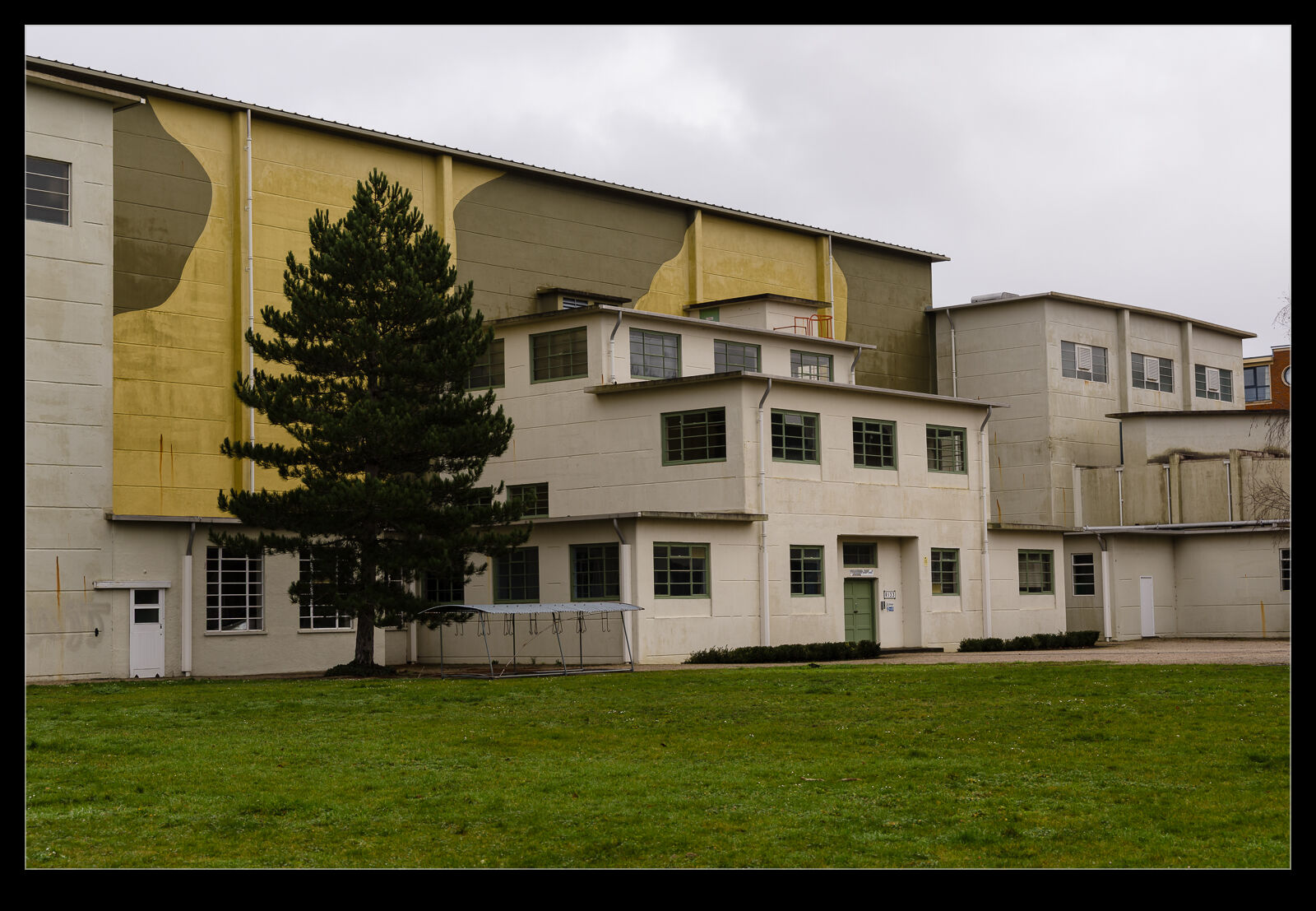
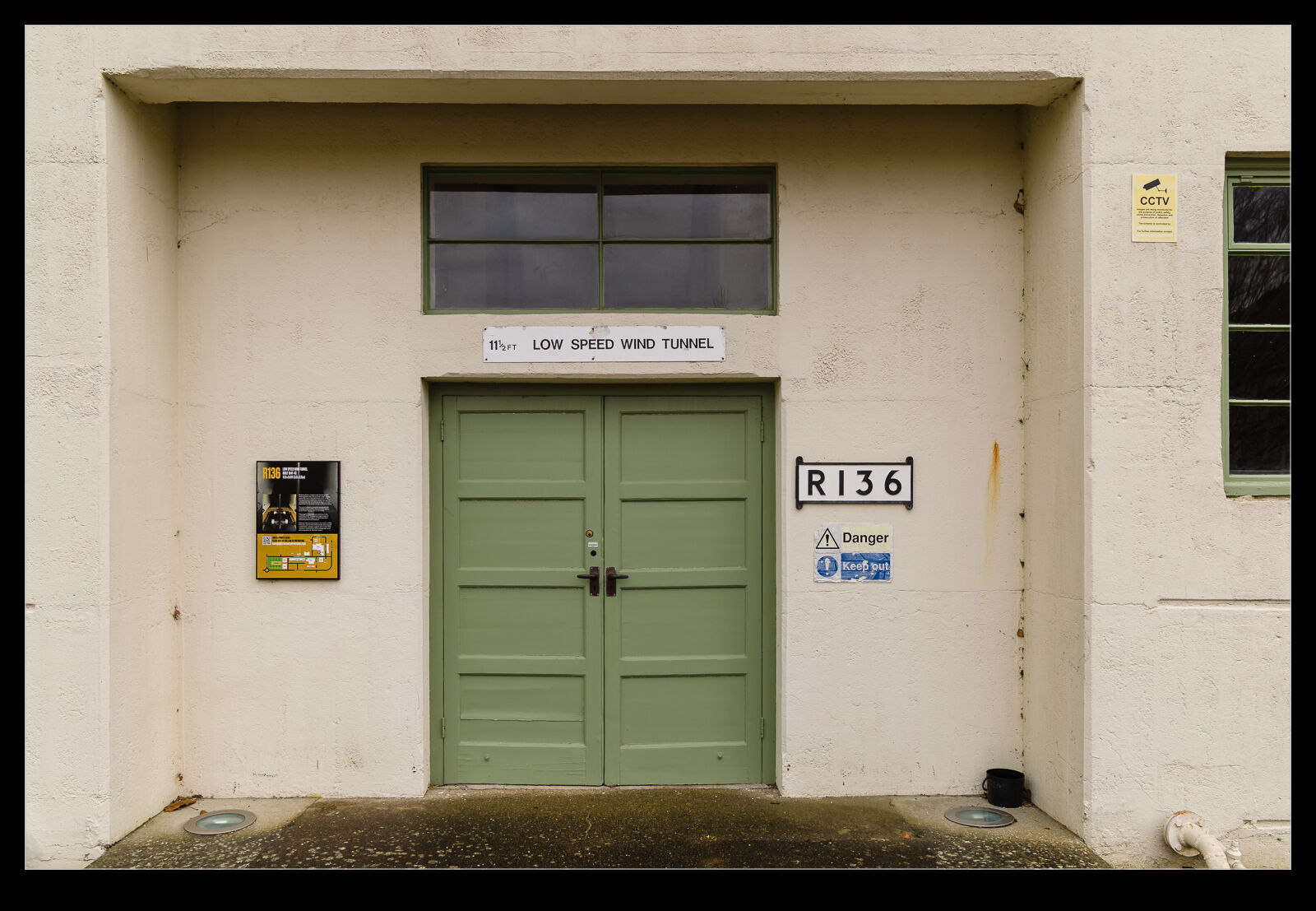
There are some of the old facilities still there, though. A couple of wind tunnel buildings are in place – one of which has camouflage paint for some reason! There are plaques on the various buildings to give a bit of their history. I know of many test programmes that were undertaken in these facilities, and I believe they are still in use since some of the capabilities are still in high demand.
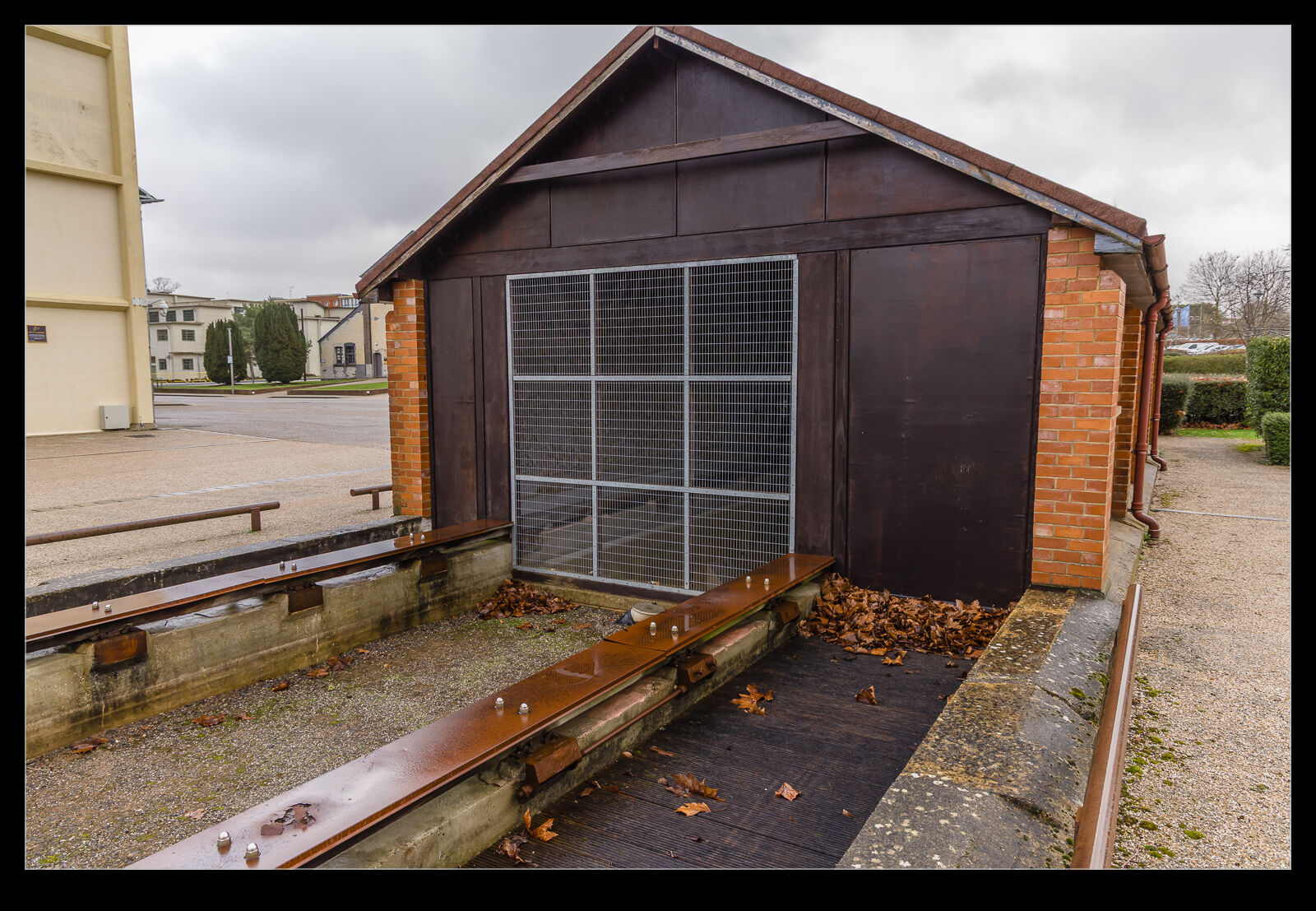
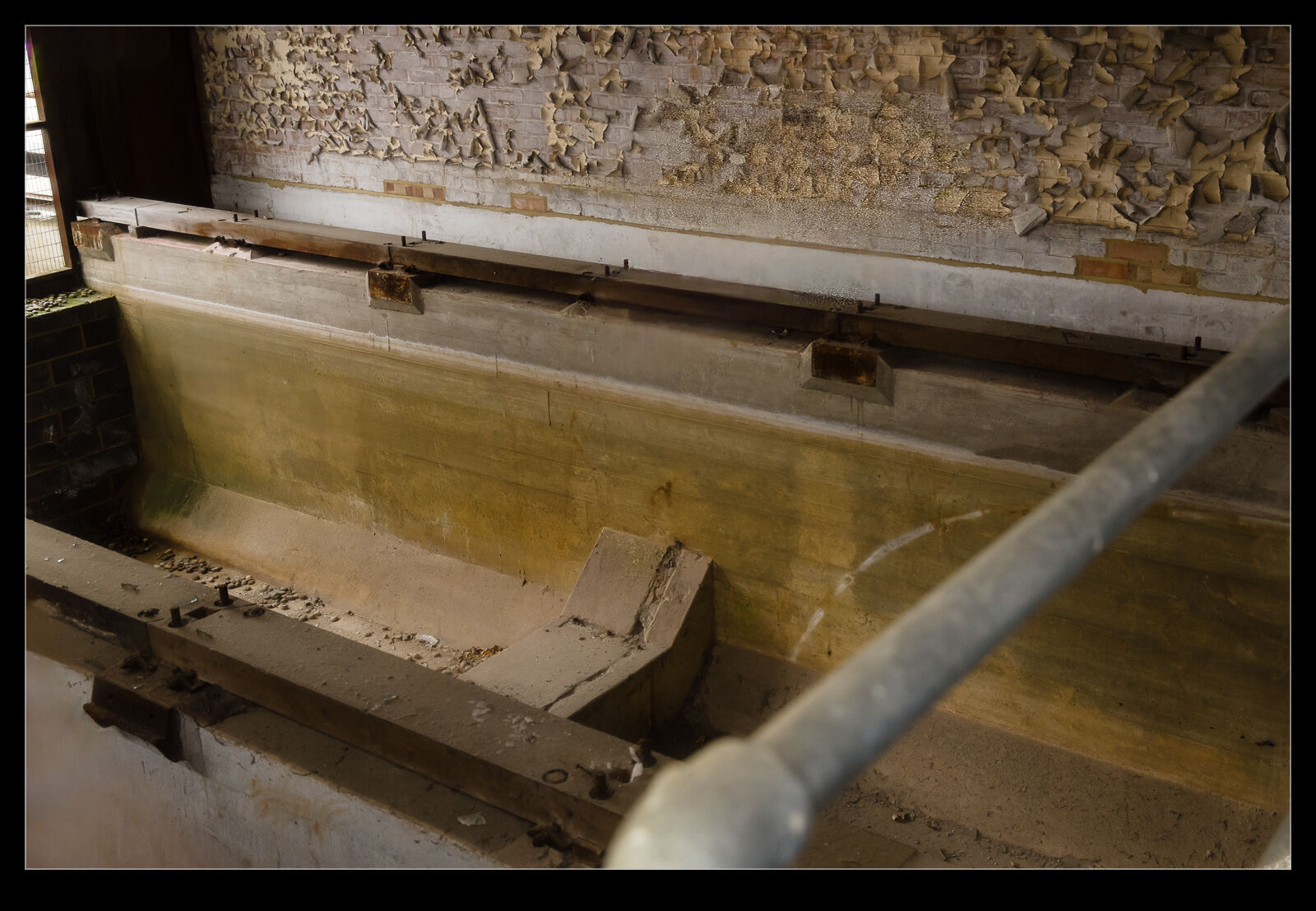
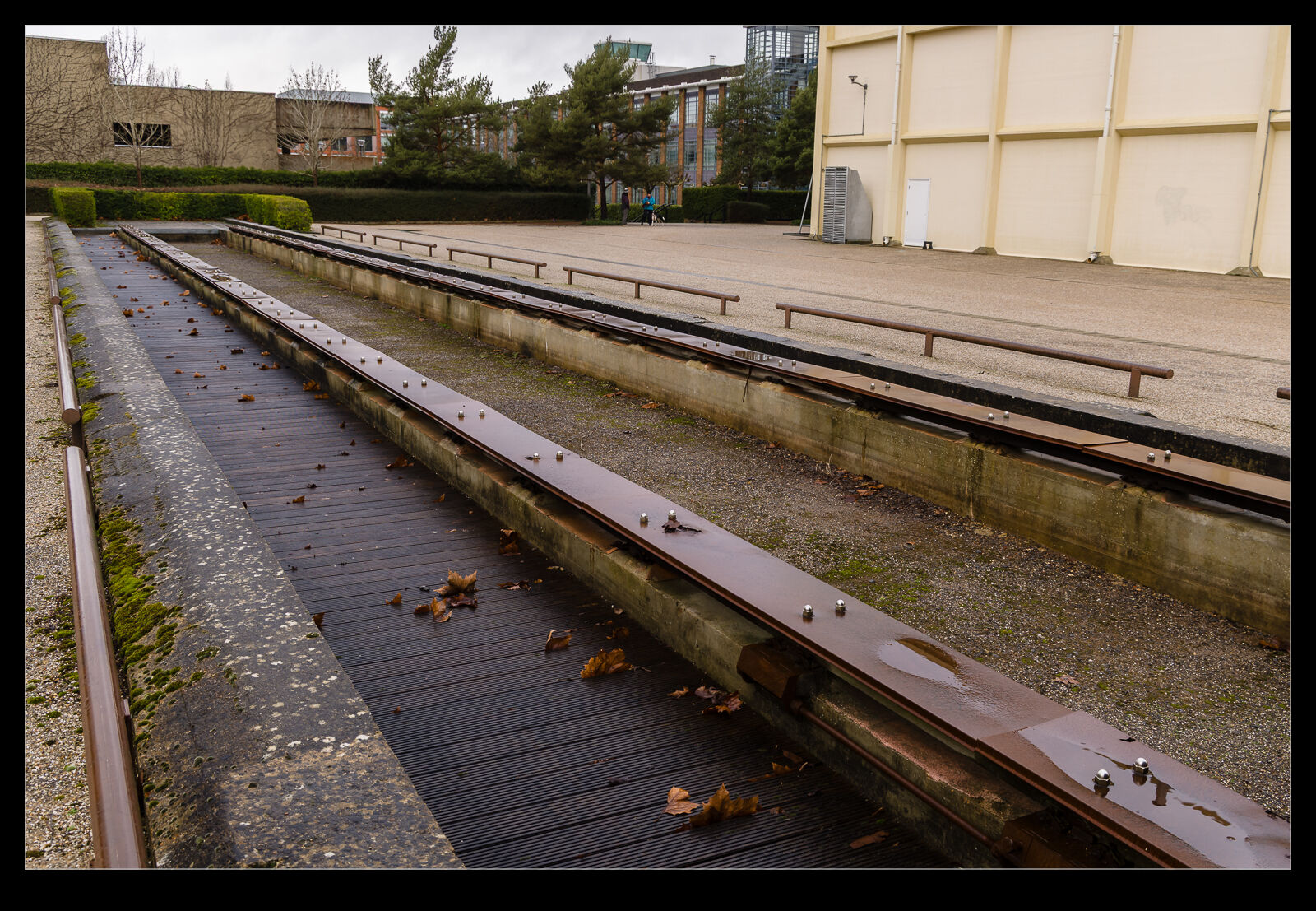
One smaller building is the remains of a water test tank. This was apparently shortened at some point and now the building still has the tank profile inside while the outside has the test rails but seems to have been filled in. It is good that so much of the original facilities is still there even as redevelopment has taken place. Sadly, I won’t get to experience what it was like when it was at its busiest.
The weather has not been great for cycling during the winter with it being wet. I have ended up riding the trainer indoors to try and keep in some shape. I did get one Sunday when it wasn’t raining but looked like it might. I decided to head out irrespective of the chance of it getting damp. I got lucky and, while it did drizzle occasionally, it was actually pretty dry. As I rode through the country lanes, there were loads of snowdrops along the side of the road and in the trees just off the road. I mostly rode on by but did stop on a couple of occasions to take some photos. Here they are.
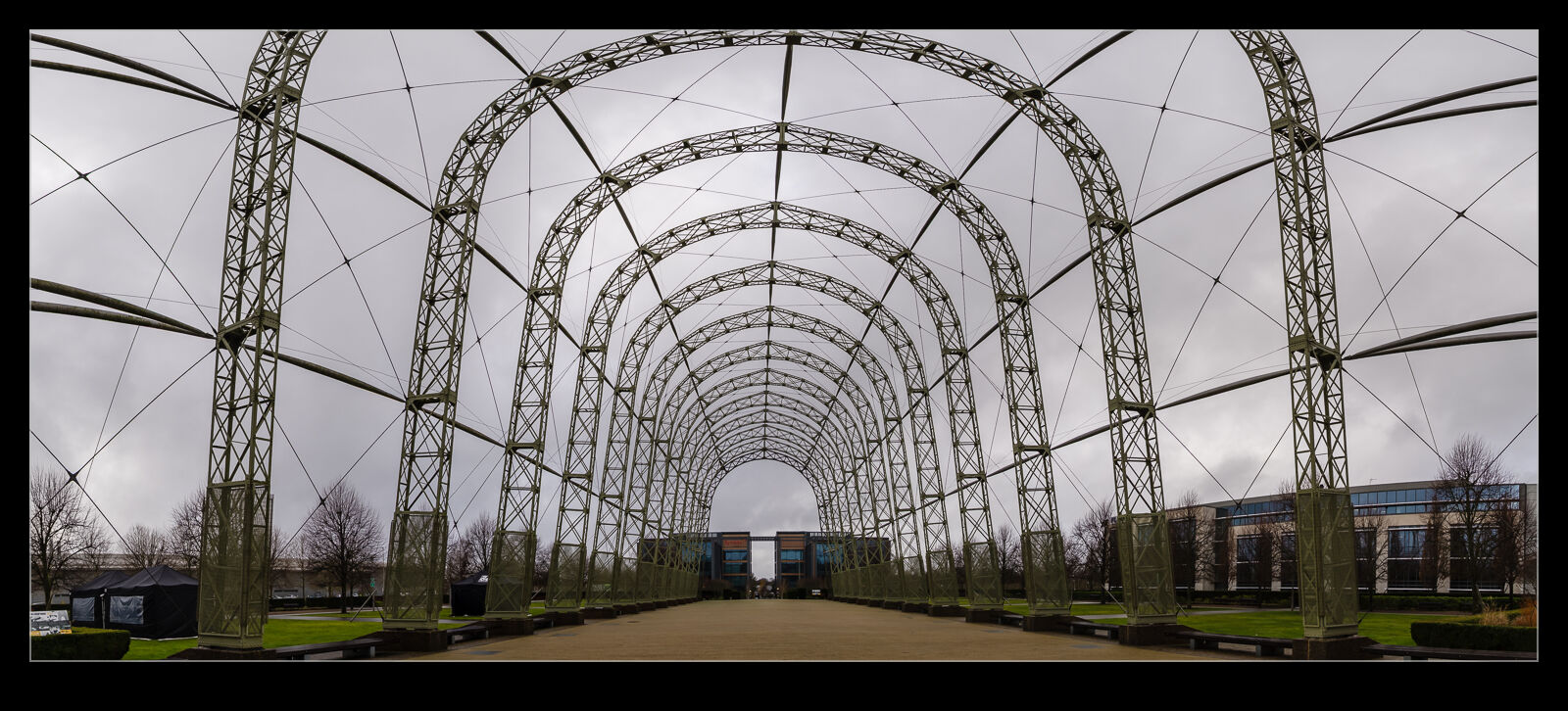
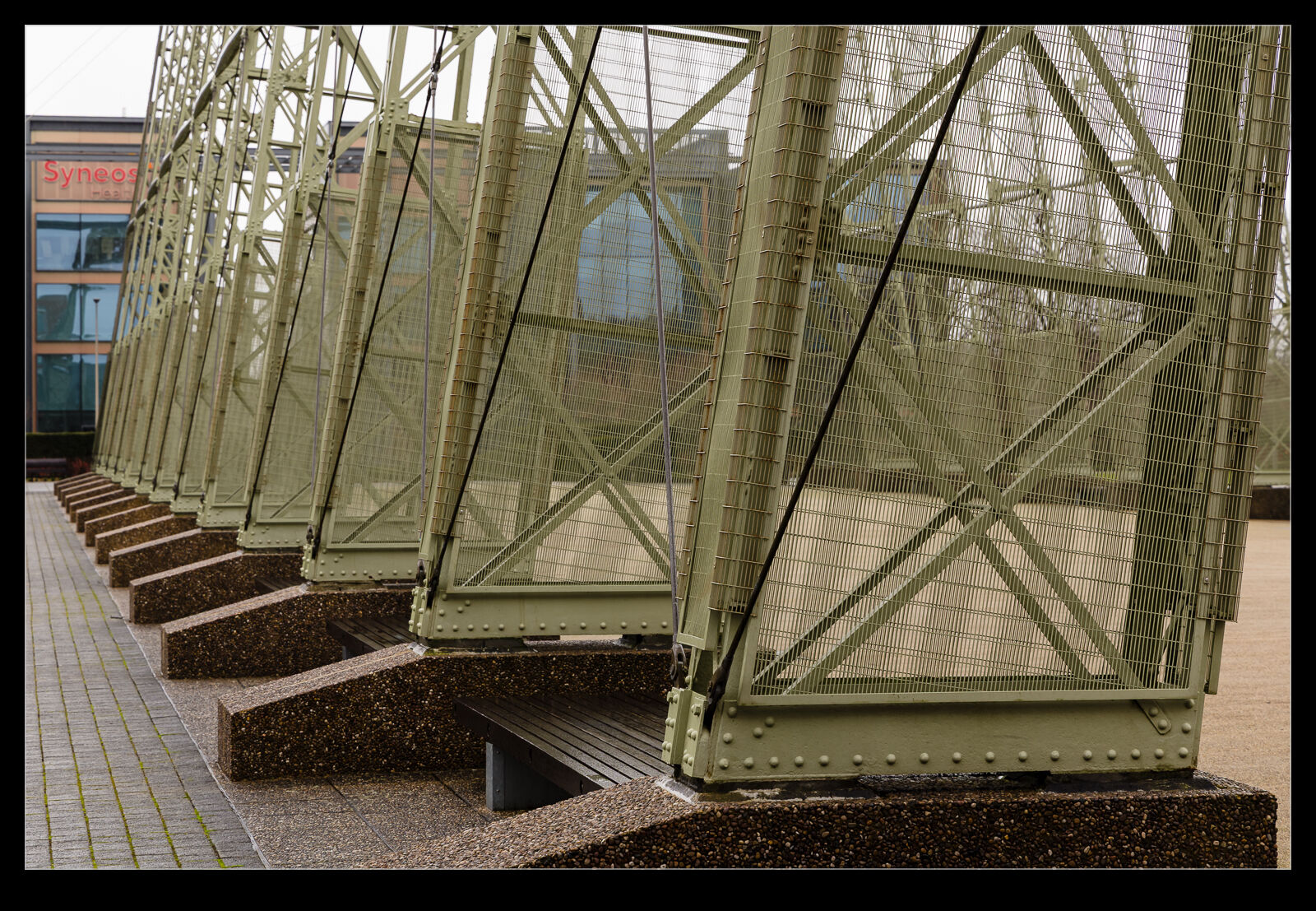
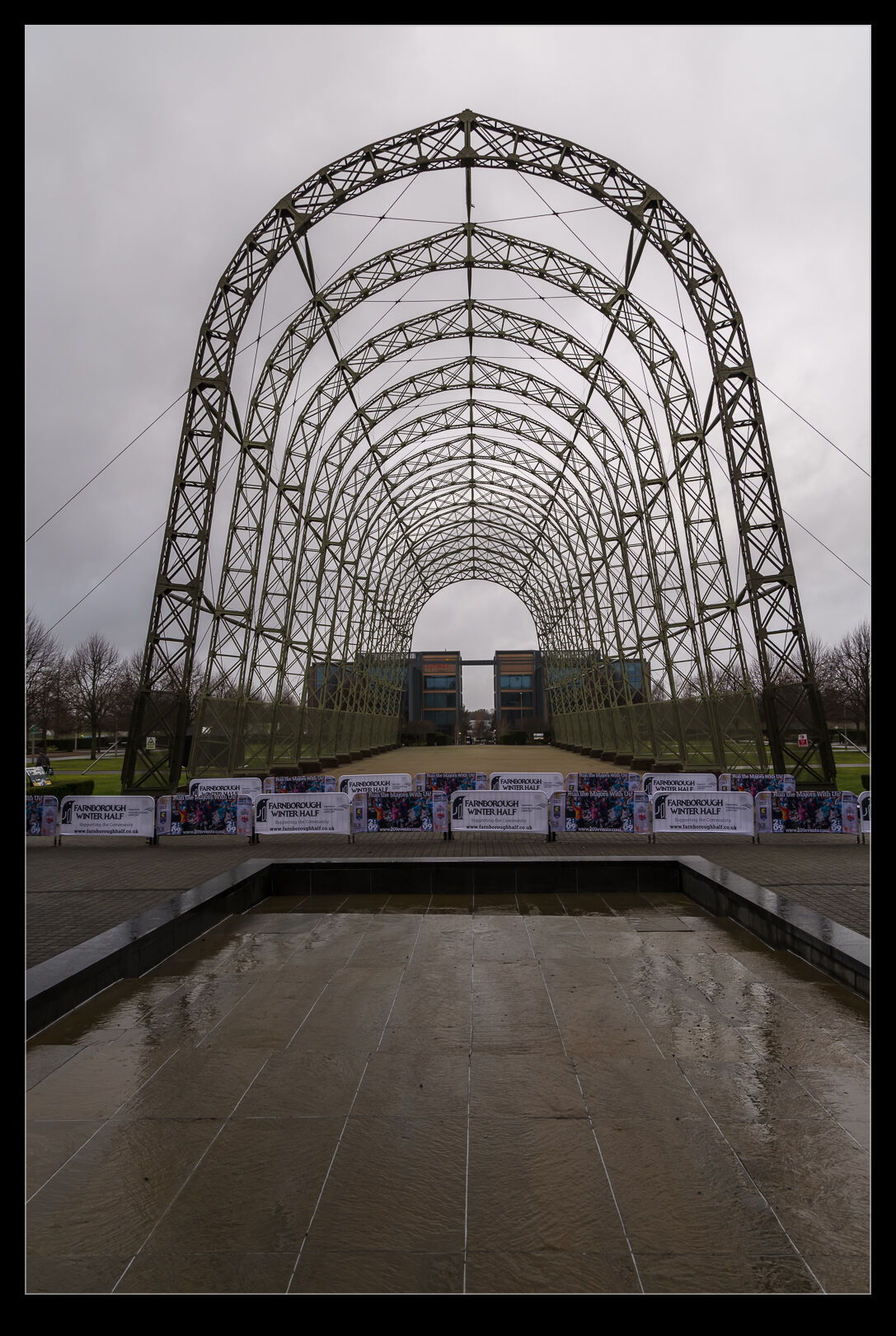
Aside from the buildings at Farnborough, there is also the frame from a balloon hangar. This was a fabric covered structure with the fabric having been lost in a storm many years ago. I read that the frame was previously in another location but was moved to this space as part of the redevelopment of the site. Some elements needed repair or replacement but much of it is original. It was repainted and assembled with some minor additions to prevent people climbing the structure. On a gloomy day, I decided a combination pano and HDR was needed to record it. Not anything like the grand scale of the hangars at Moffett Field I used to see but still cool.
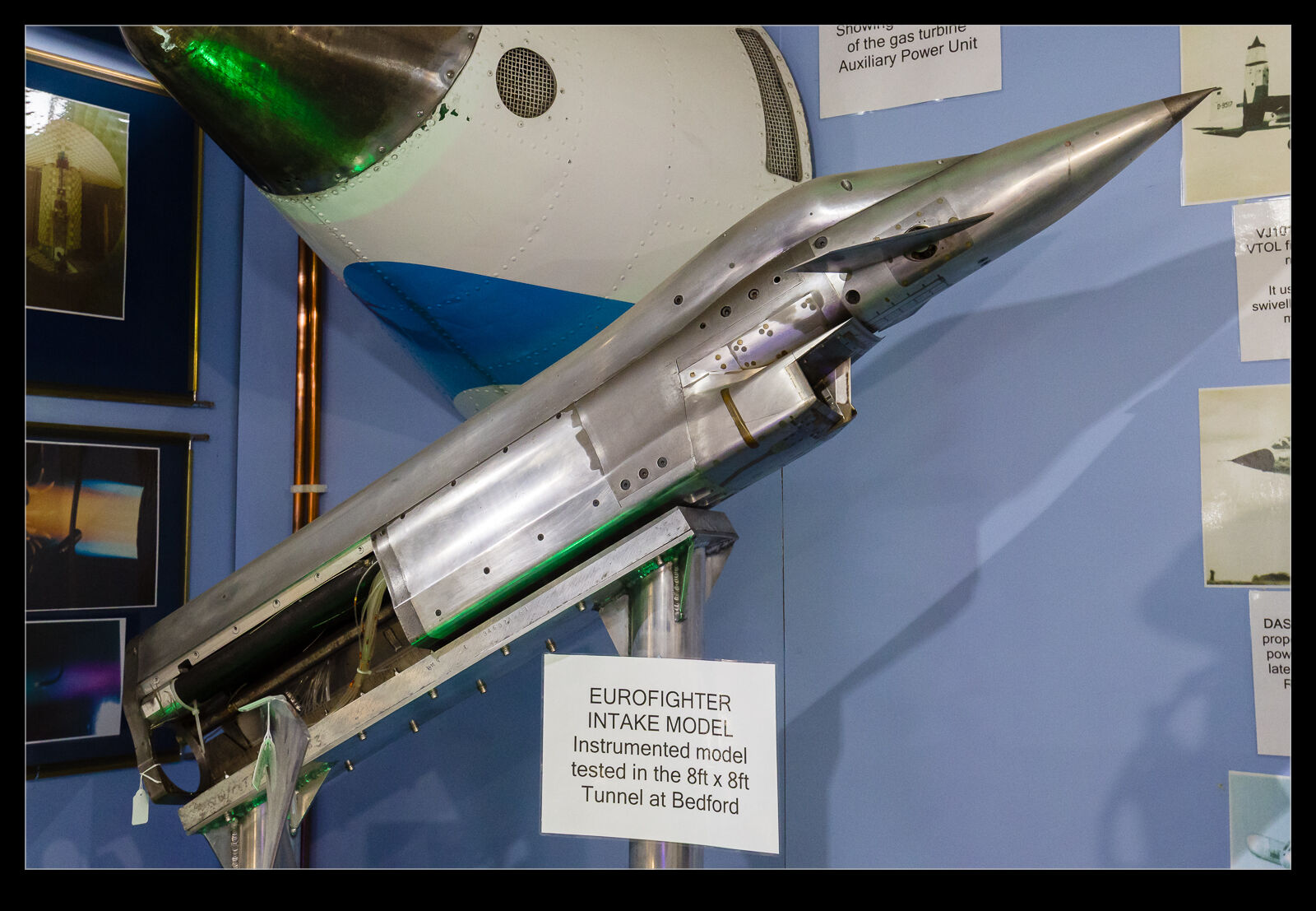
The FAST museum at Farnborough has an extensive collection of wind tunnel models – both low and high speed. One that caught my eye was one that an old colleague of mine had worked on. It was a high-speed intake test model for what would become the Typhoon. You might be familiar with whole airframe wind tunnel models that are used to assess the aerodynamic characteristics of a plane. However, there are many different types of wind tunnel testing that get carried out. Intake testing is one of them.
This model served a number of purposes. There is the more obvious one which is assessing the quality of air coming down in the inlets as the aircraft changes angles of pitch and sideslip. A rake of probes will be set where the front of the engine would be located and then the test programme can assess how distorted the flow is as the aircraft manoeuvres. This is then compared to test data on what the engine can accept before it starts to have problems.
The Typhoon has the two engine inlets side by side. This can result in a problem with one engine affecting the other one. If an engine surges, a pressure wave will come back up in the inlet, and this can then affect the flow into the other engine. This surge interaction needed to be investigated prior to the plane flying.
One less obvious test programme related to the testing of air data system inputs. Fly by wire aircraft are very dependent on the quality of the measurements of the aircraft’s pitch, roll and sideslip. As the aircraft changes its angles, the readings at the location of the probes need to be calibrated. Flight testing will refine this information, but you need to have initial data for the first flights before calibration can be demonstrated. The intake model is the one that was used to verify the flow field around these sensors. I’ve included a shot of the sensors on one of the development aircraft to show where they are.
This model was very important in the preparation of the Typhoon for flight test. Great to see the model has been preserved.
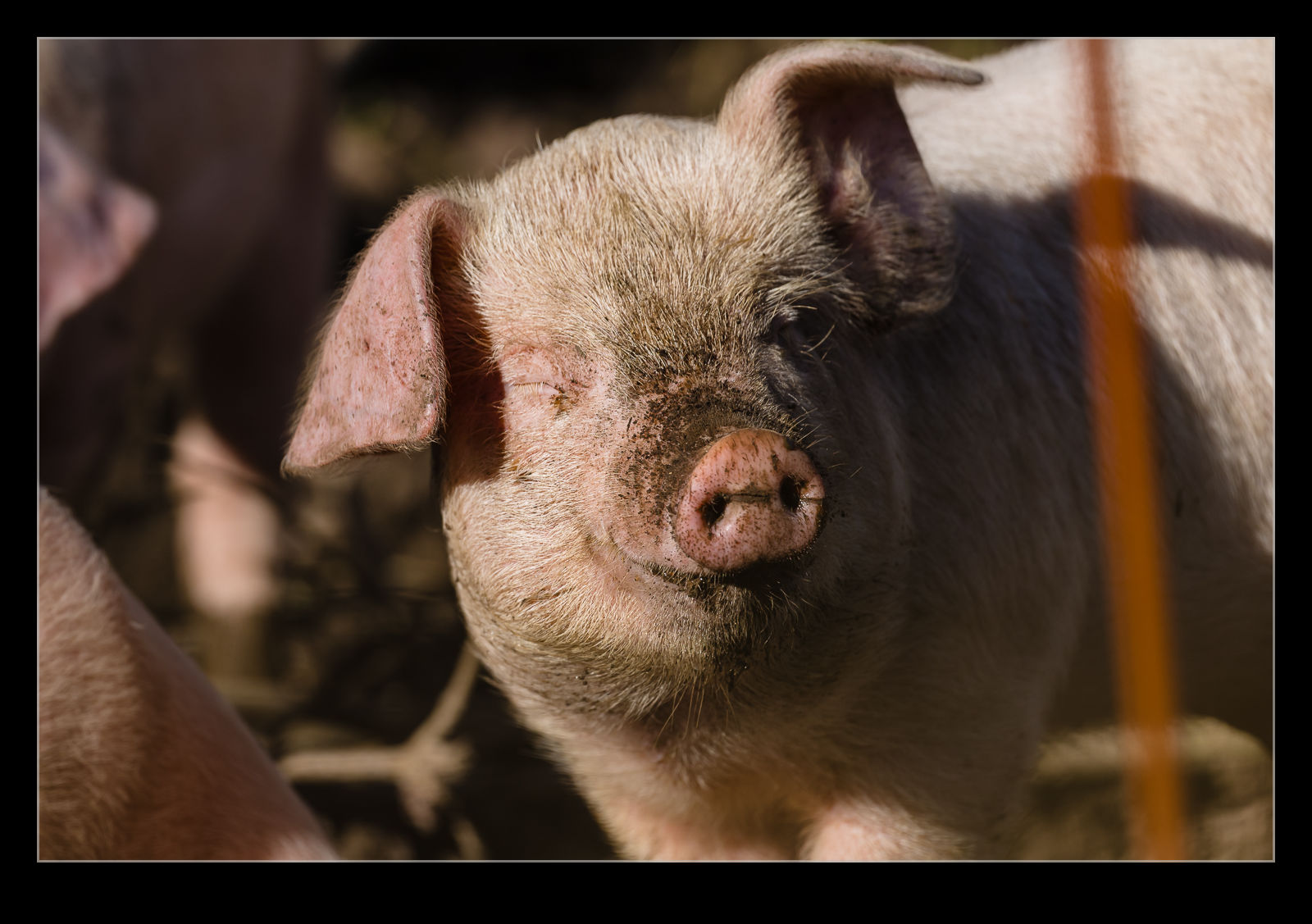 Walking through the village of Longstock, we looked across a yard and saw a family of piglets with a sow feeding on the other side. It seemed that the fence they were near was actually for a park, so we walked around the edge to the park entrance and backtracked to see if the piggies were still close in. Sure enough, there they were. Much feeding was underway, but the piglets were also jumping around and messing with each other as kids are prone to do. At one point, one of them upset another and it let out such a squeal that we were both startled by the noise. It was something else.
 They were definitely cute looking little creatures. After briefly being interested by our arrival, they rapidly lost interest and were back to eating and bugging each other. Just the occasional look up to see what is going on. We left them to it and continued our walk.