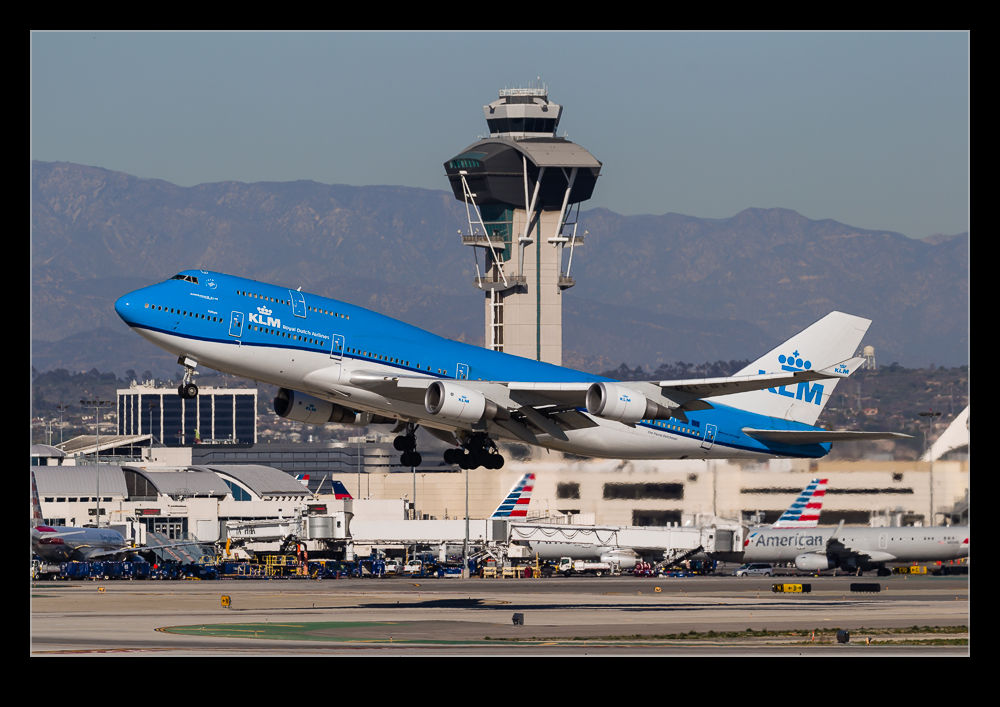
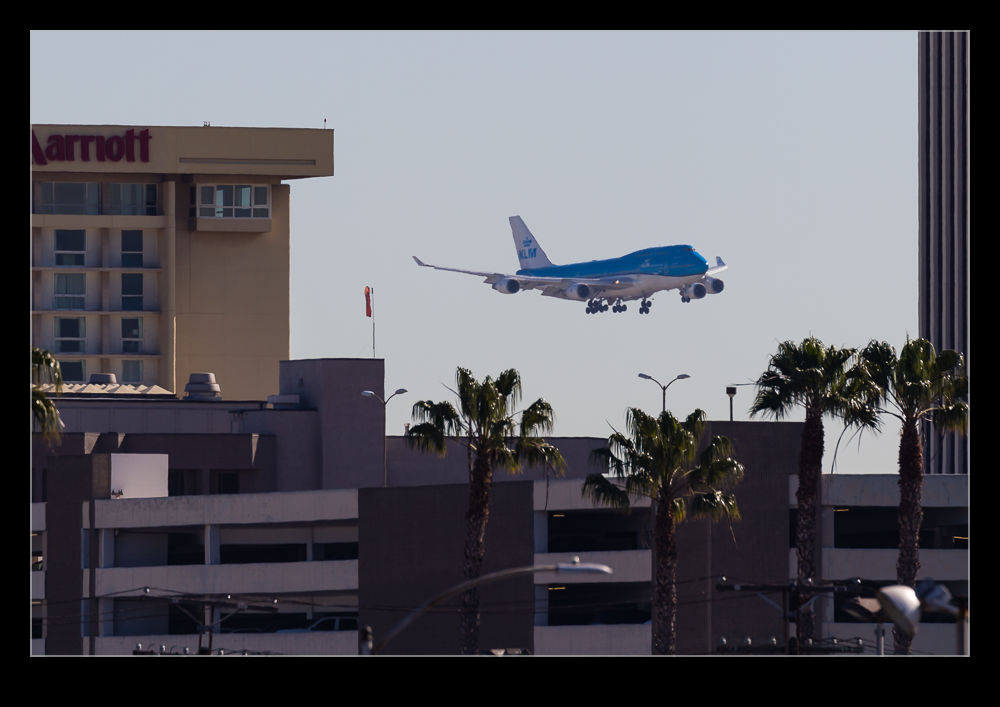
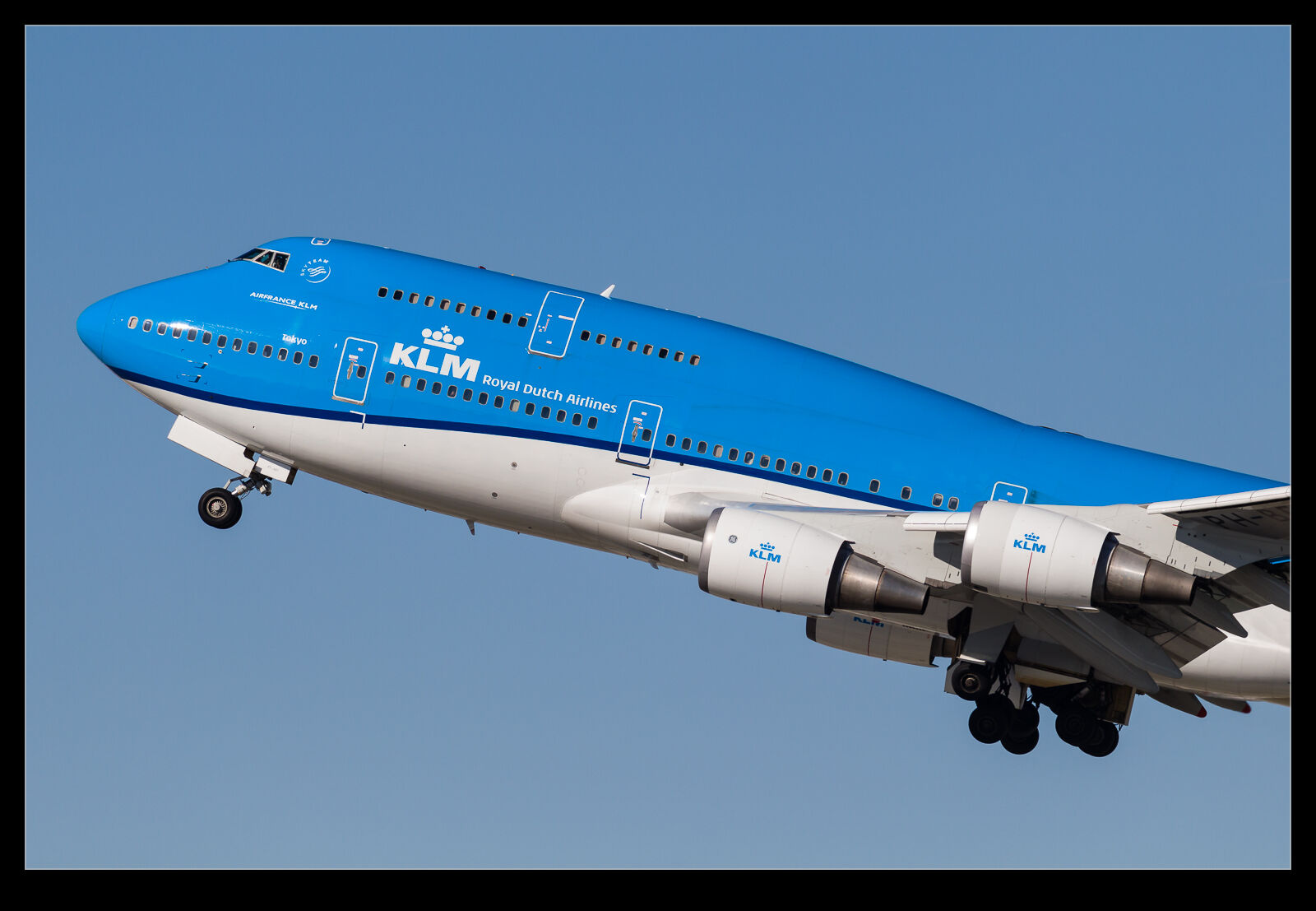
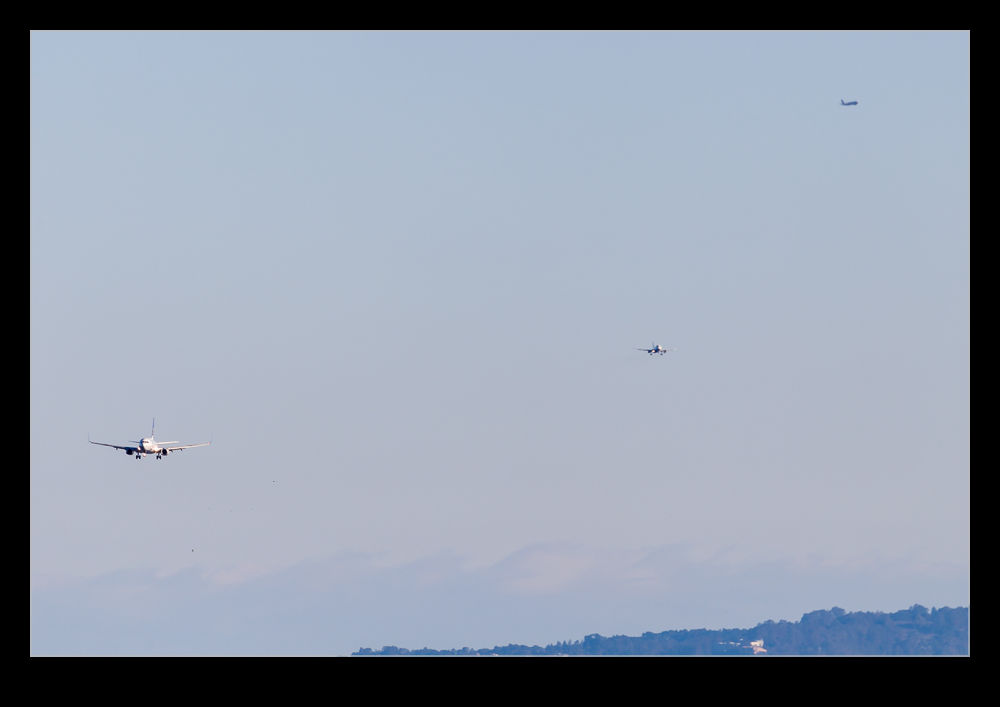
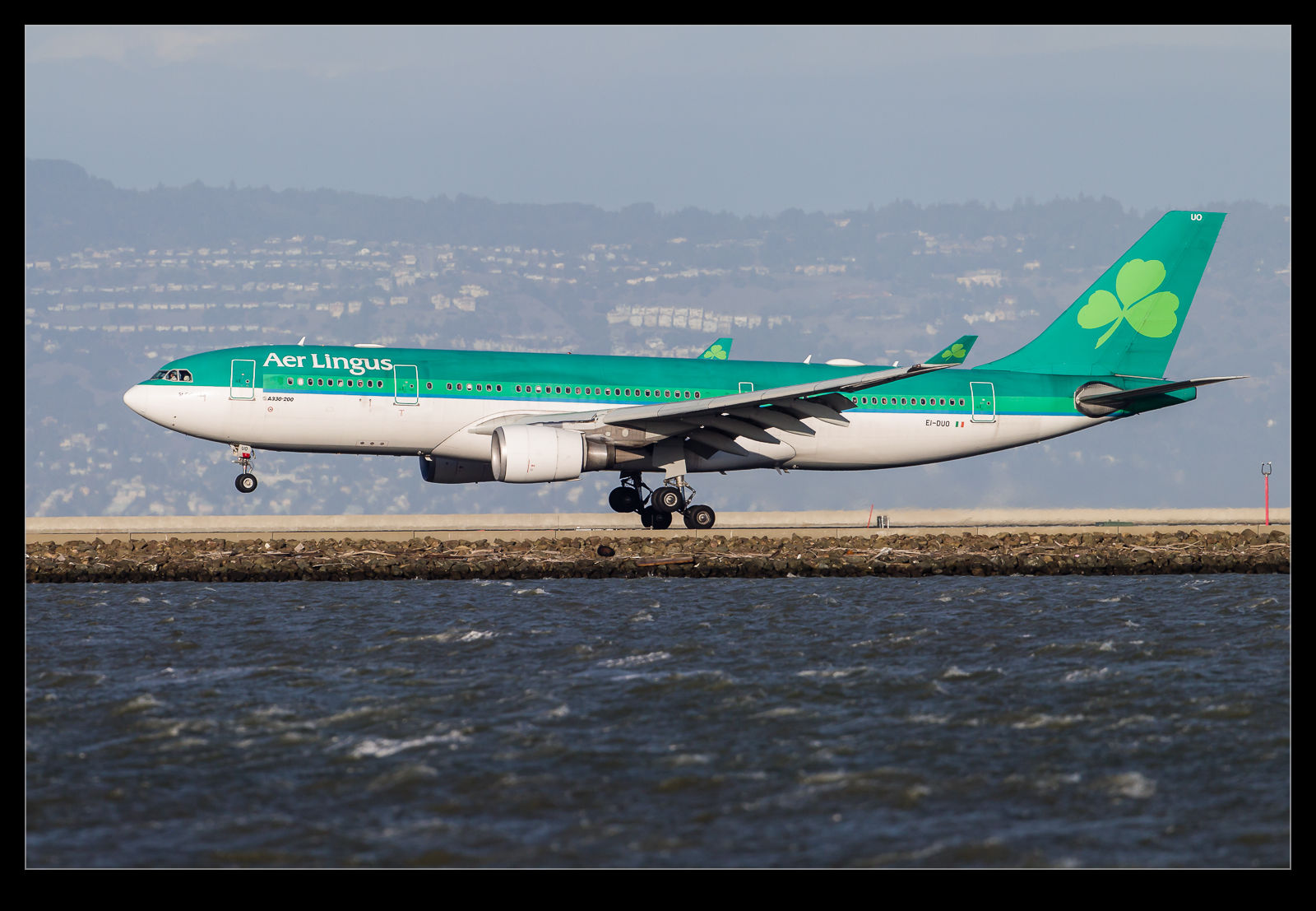
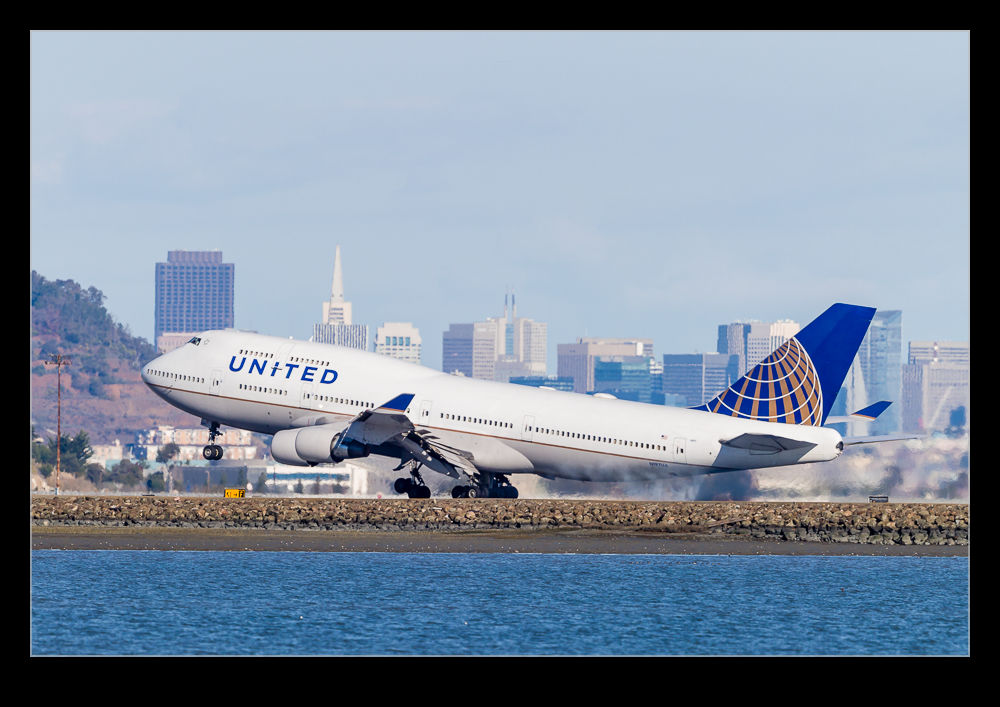
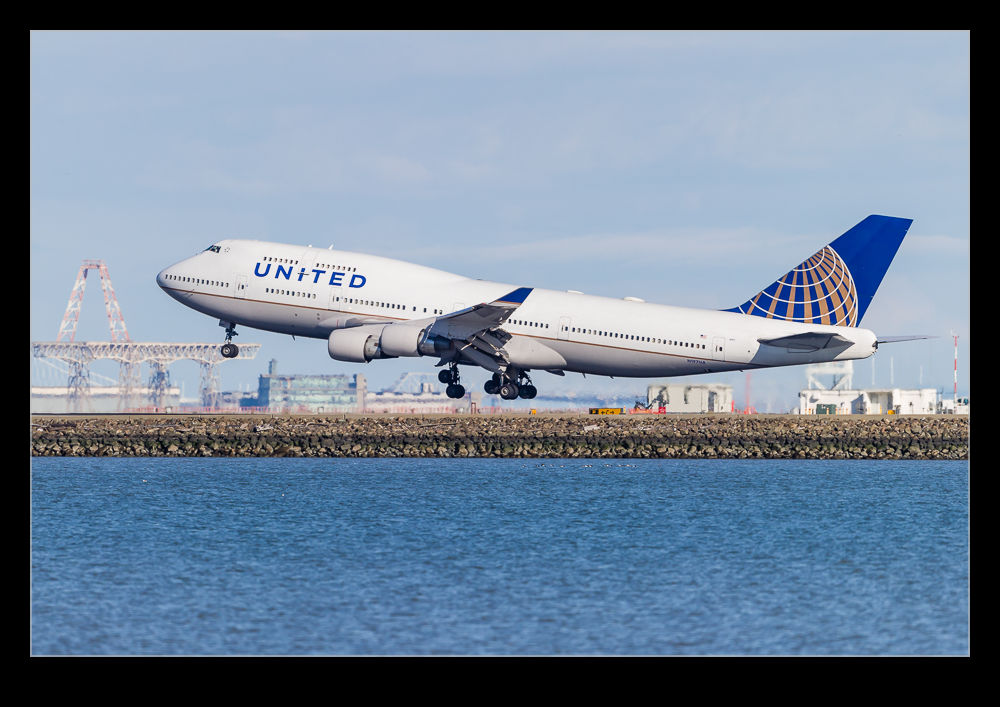
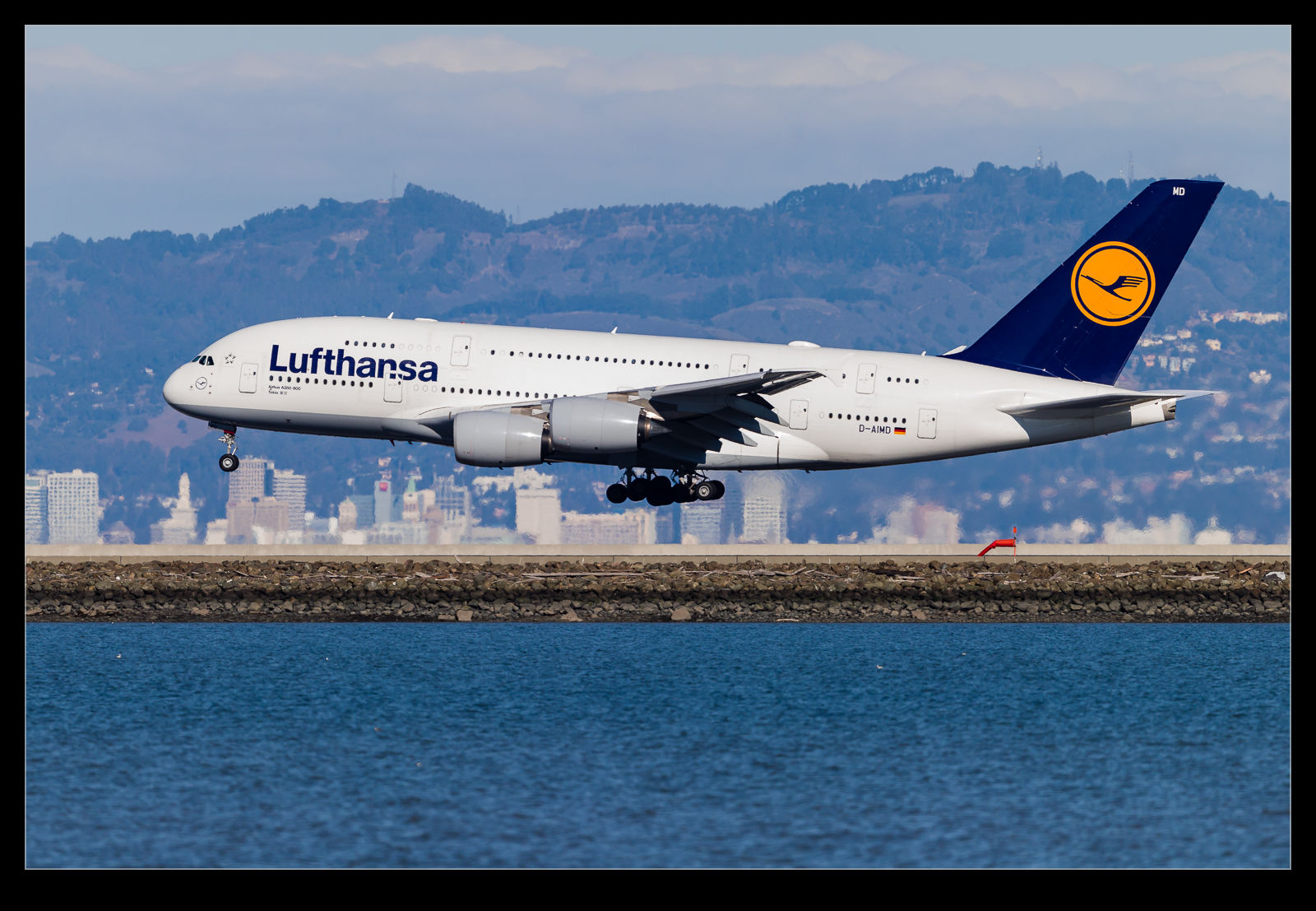
 What is one of the basic lessons of photography? Walk around a bit and see the different angles available to you before taking the shot. Given how often I have thought about this idea, I am quite annoyed at myself about the lesson I learned with my friend, Roger, recently. We met up by SFO for a relaxing morning of shooting. If you have followed the blog, you will know the various different places I have tried in the past when shooting at SFO to try and get a different perspective. Given all of these different locations, I have missed an opportunity that should have been obvious.
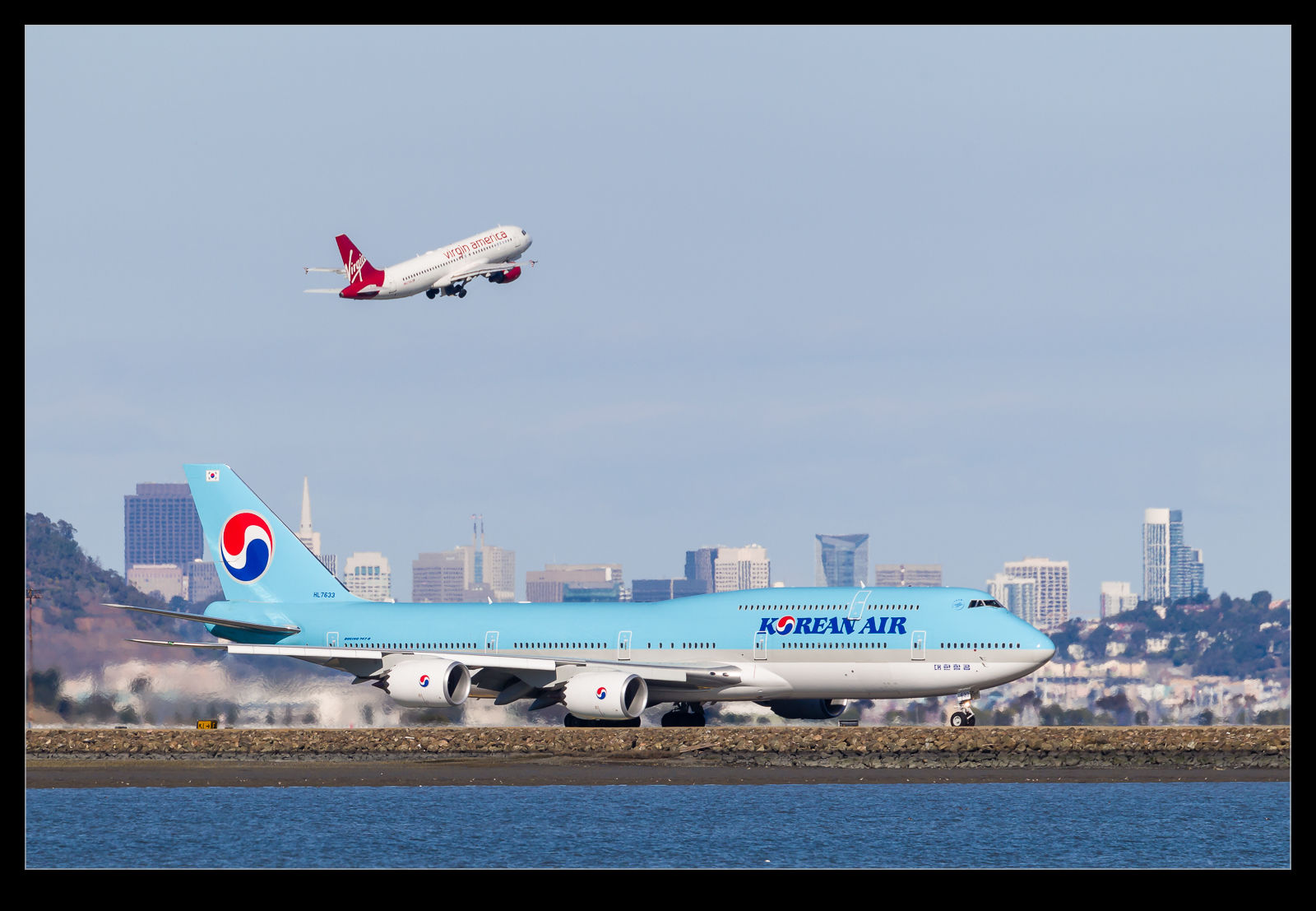 The bayshore trail near the Marriott hotel has been a regular spot for me over the years. When you look at the map, it is a place that brings you as close as you can get to the runways. Moving along the bay gradually takes you further away and, consequently, I had not given much thought to heading that way. Roger wanted to shoot along there (he has been shooting at SFO for years so his experience should not be overlooked) so I joined him. Turns out I have been overlooking a great location.
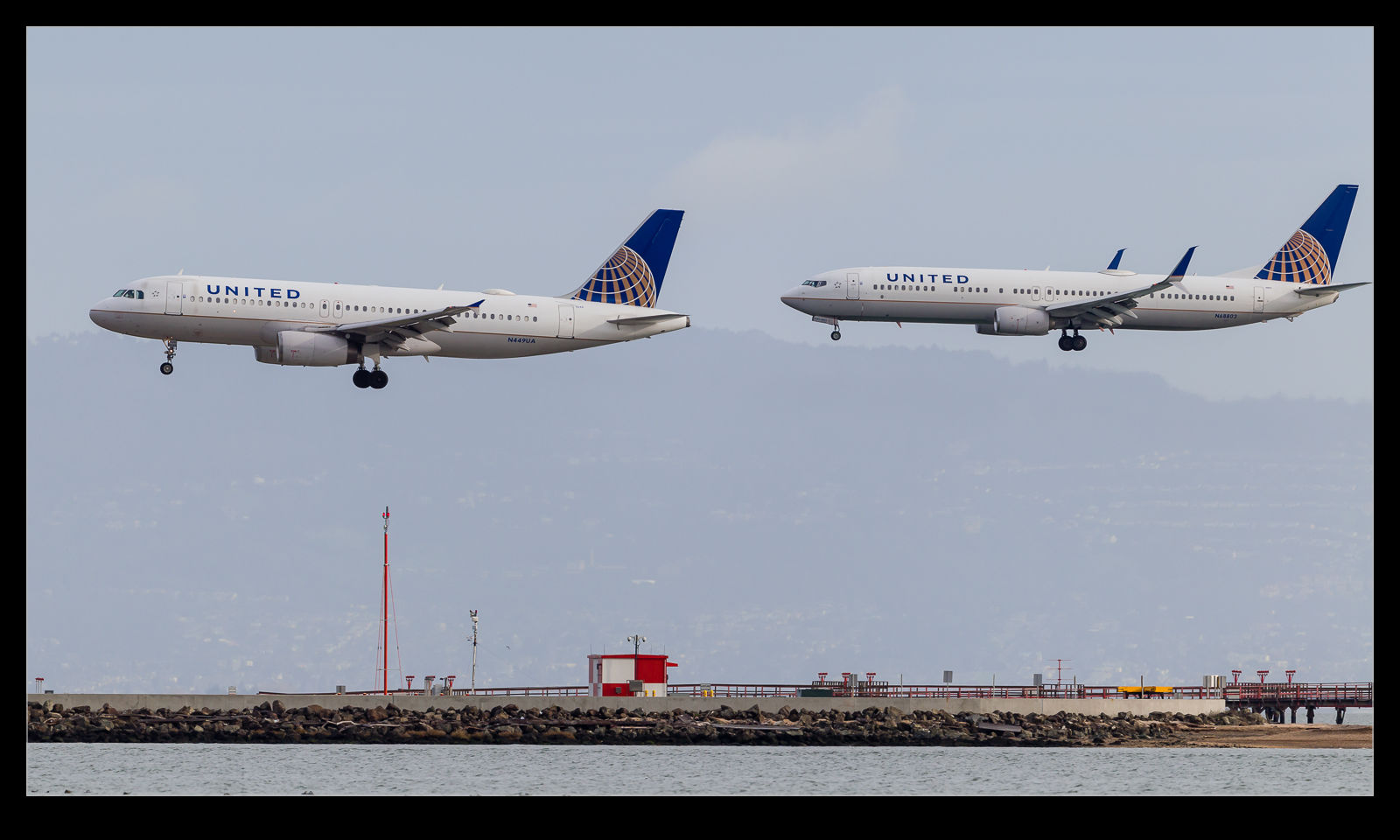
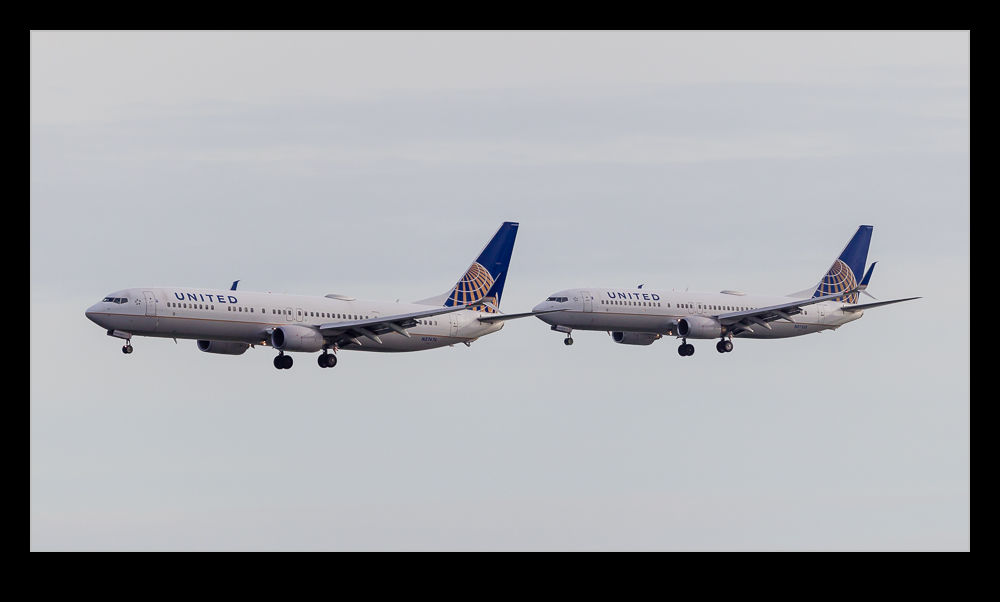
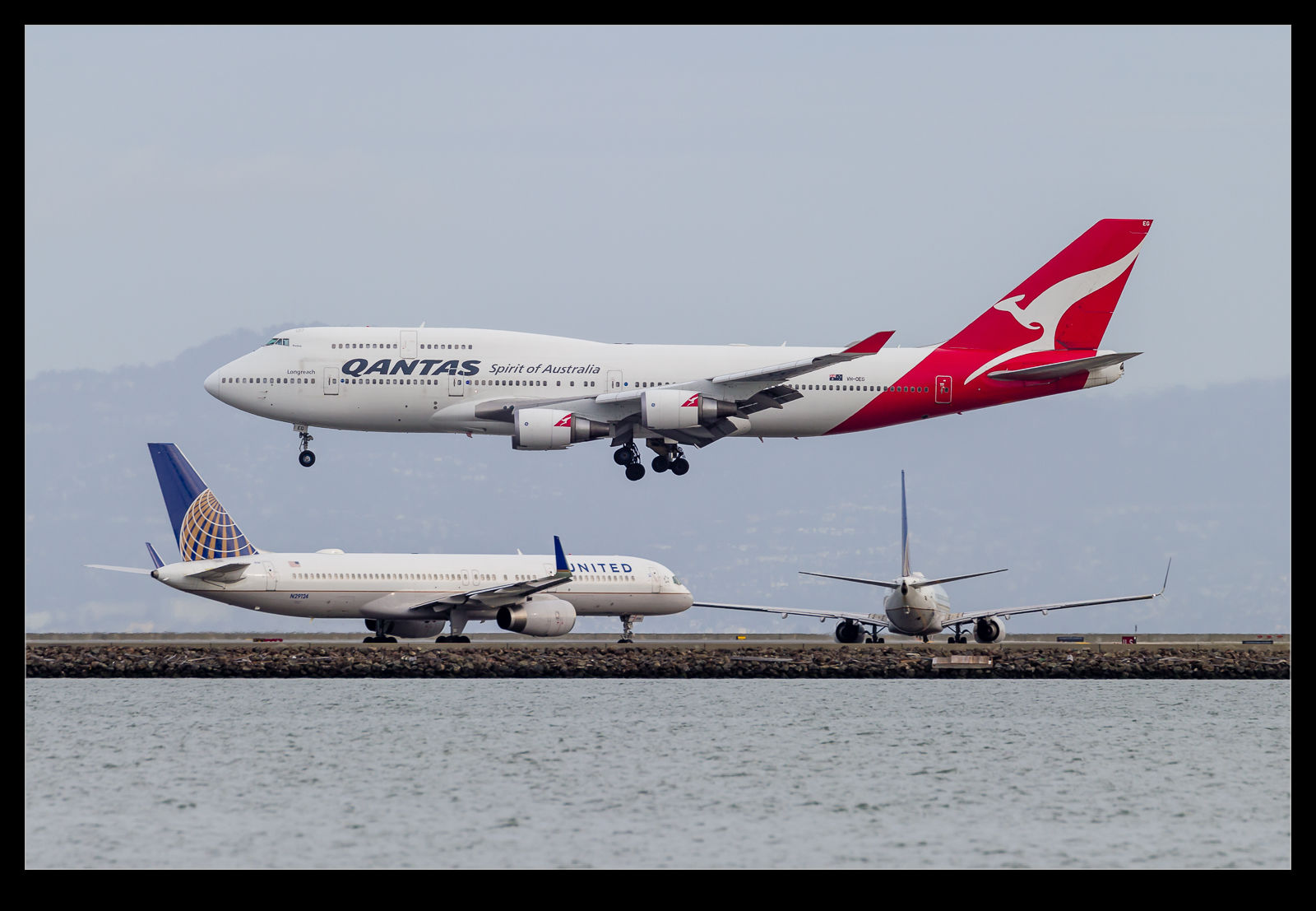
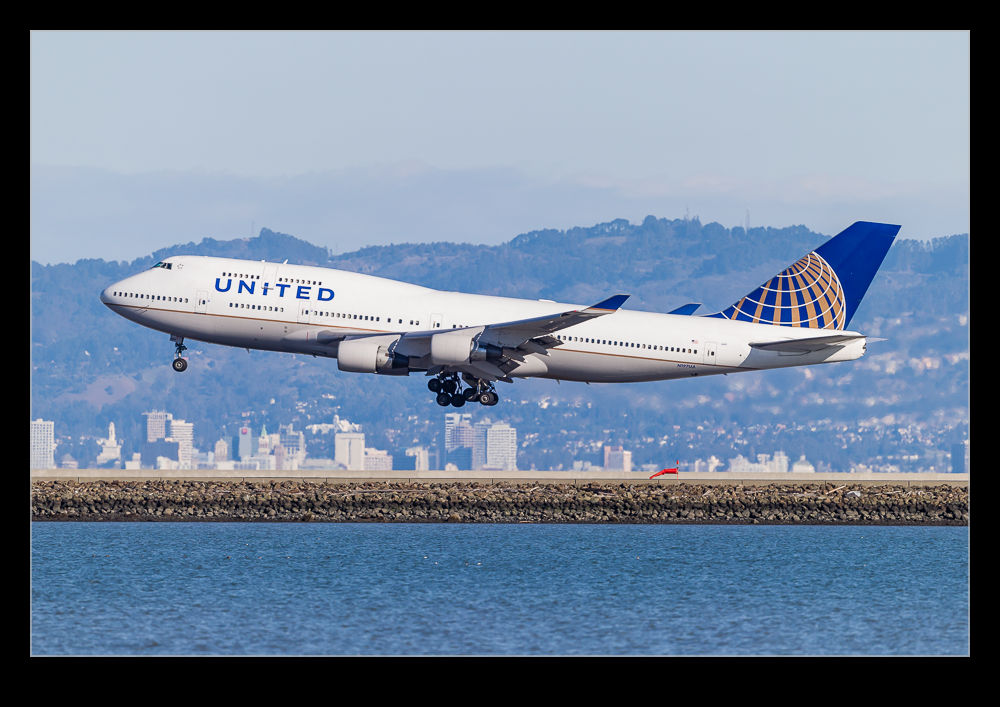
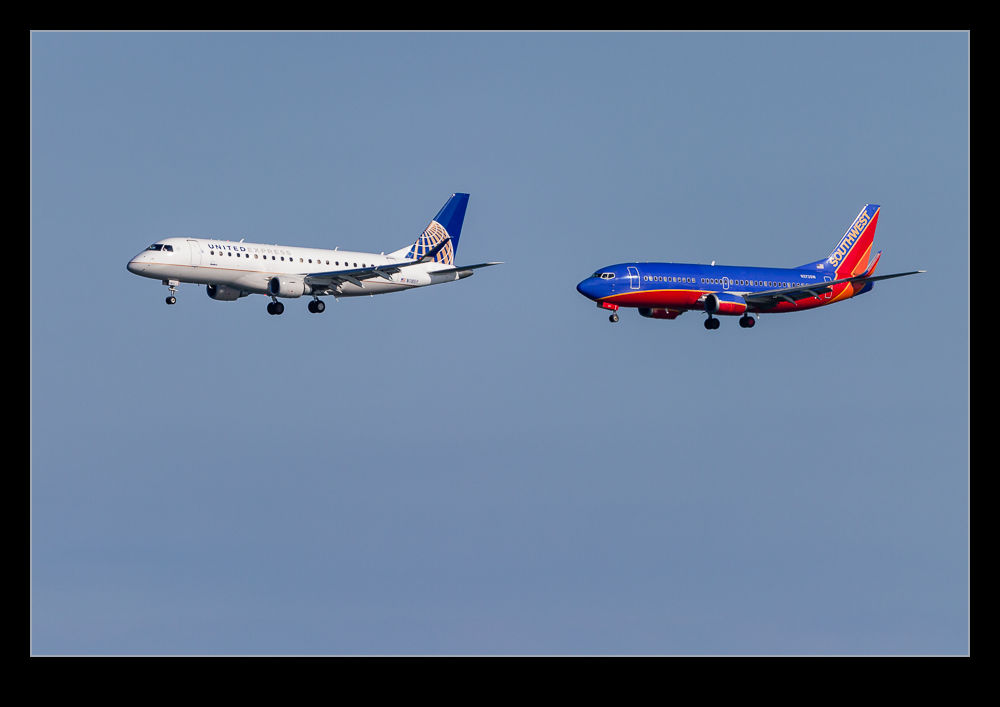
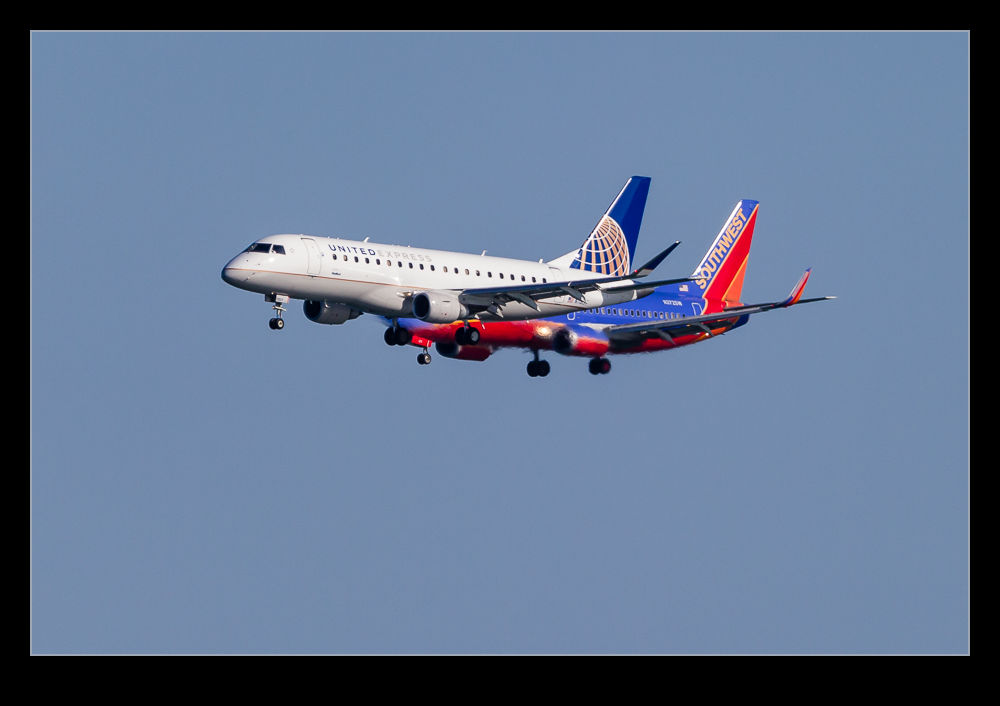
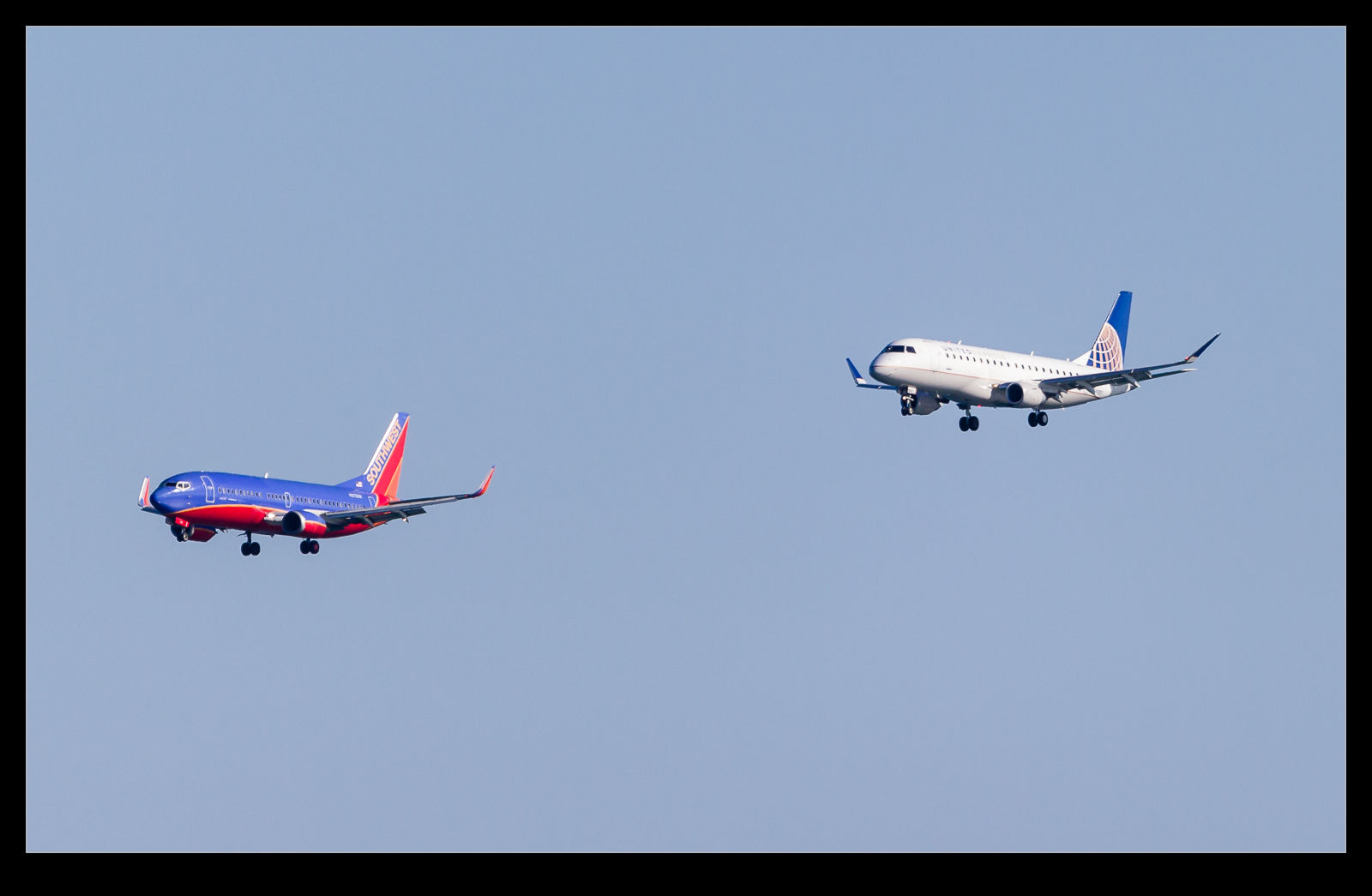
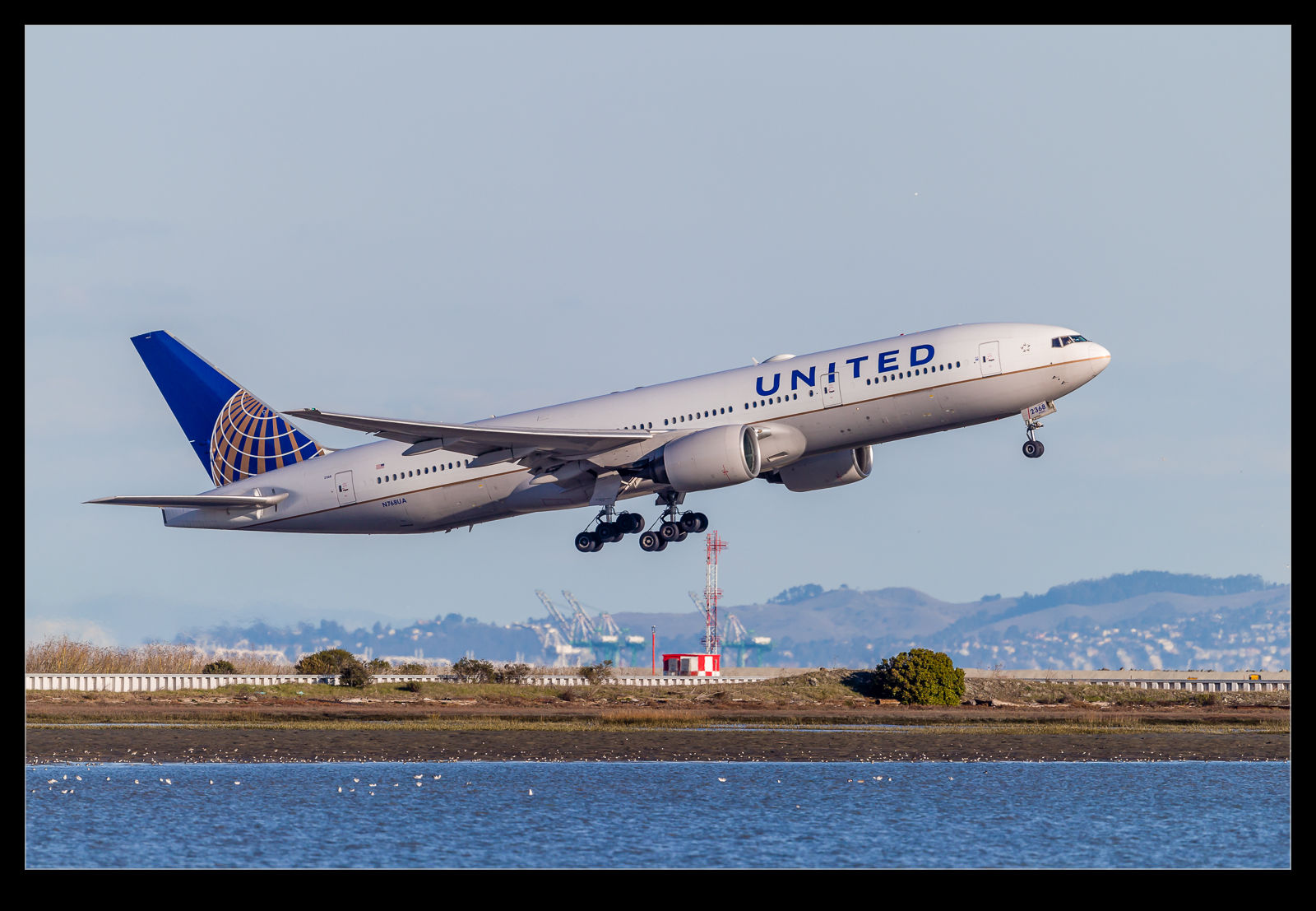
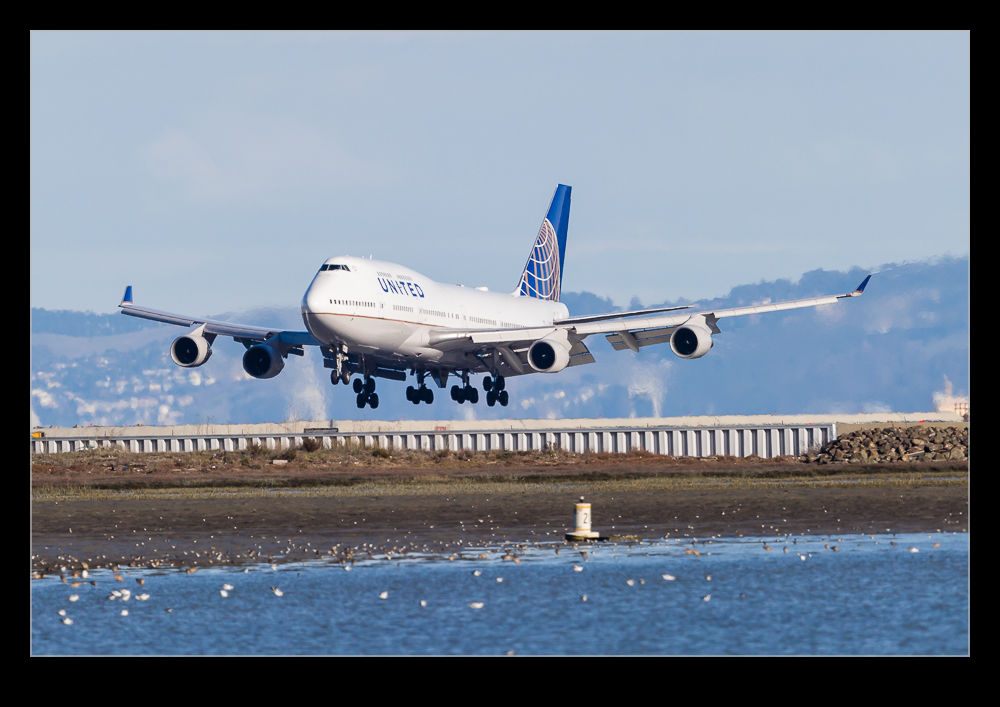
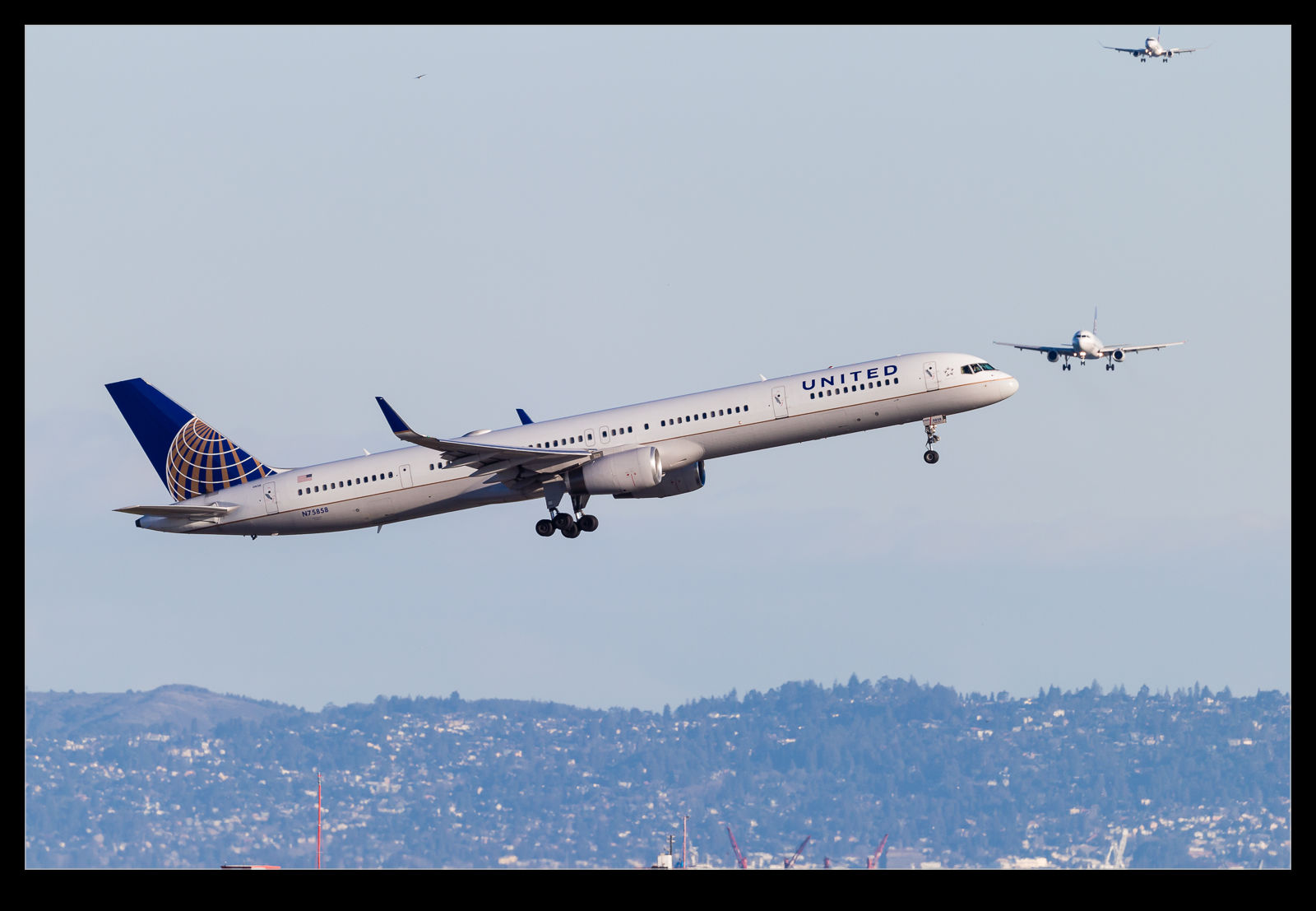
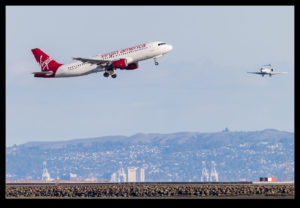
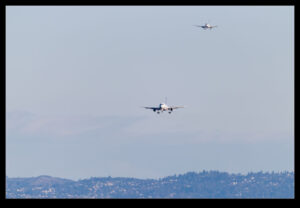
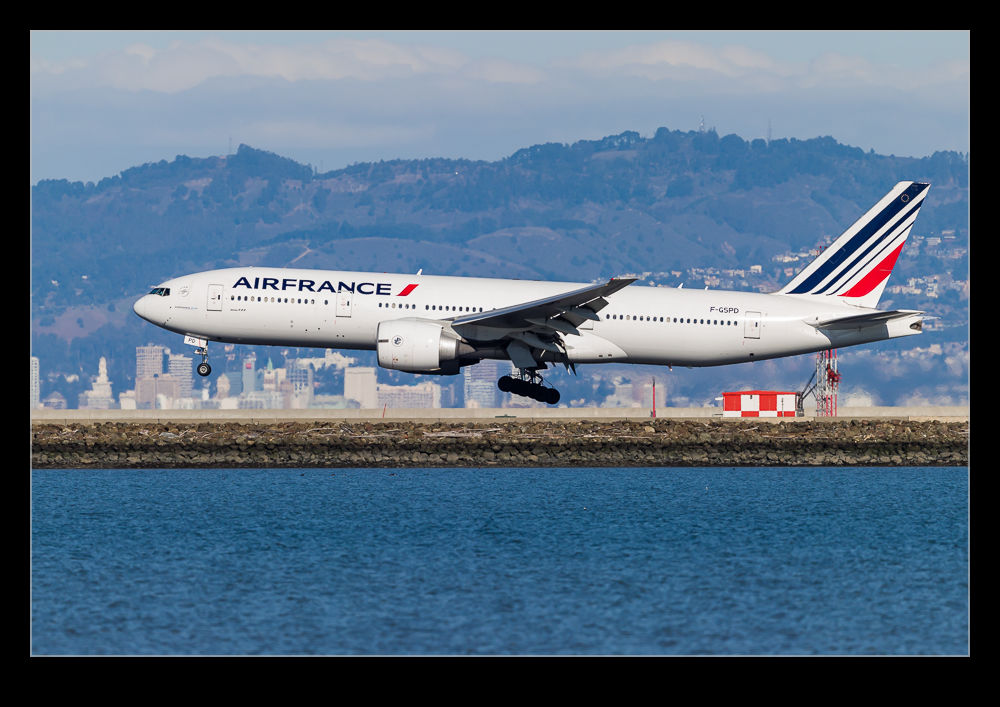
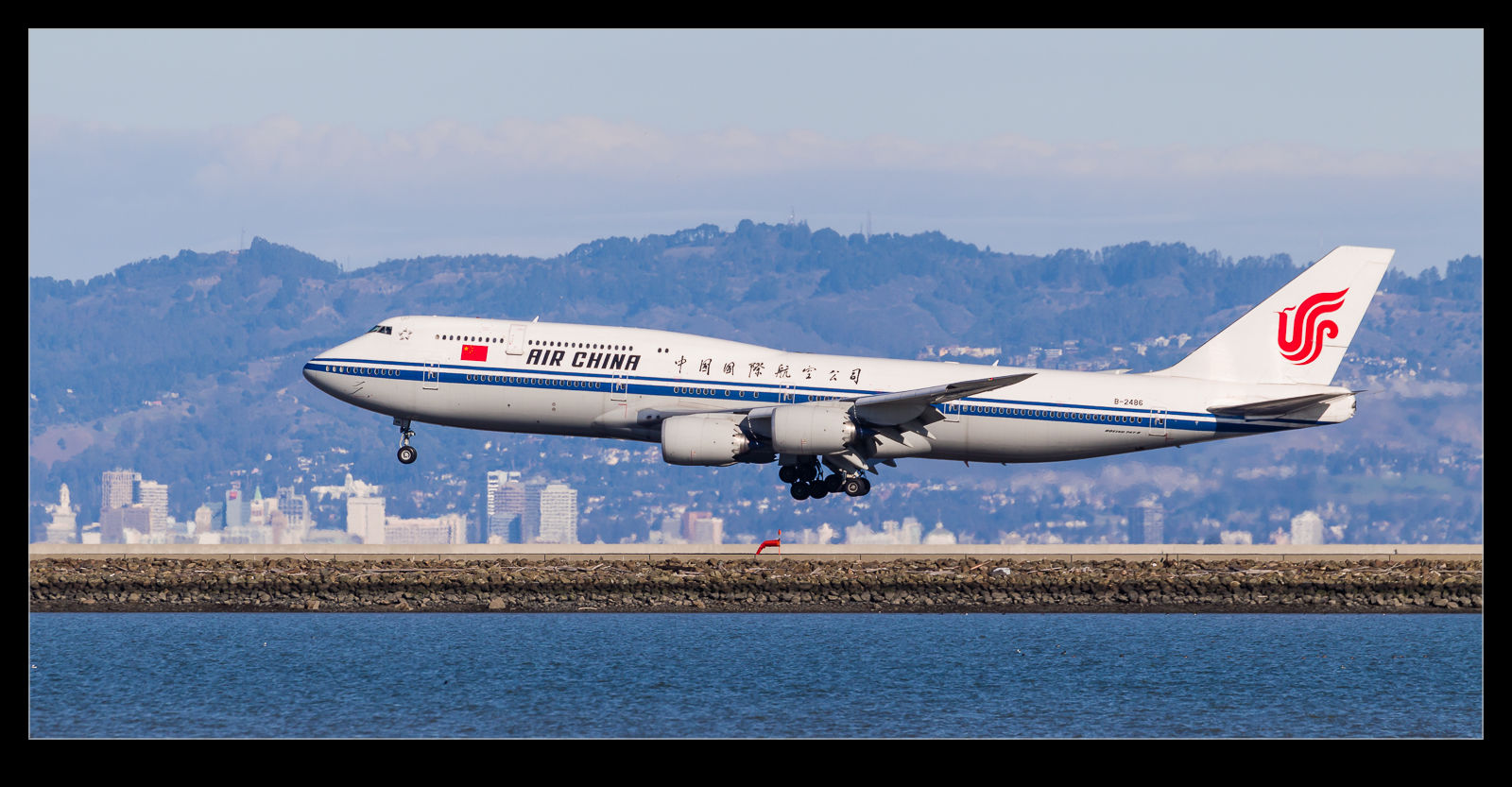
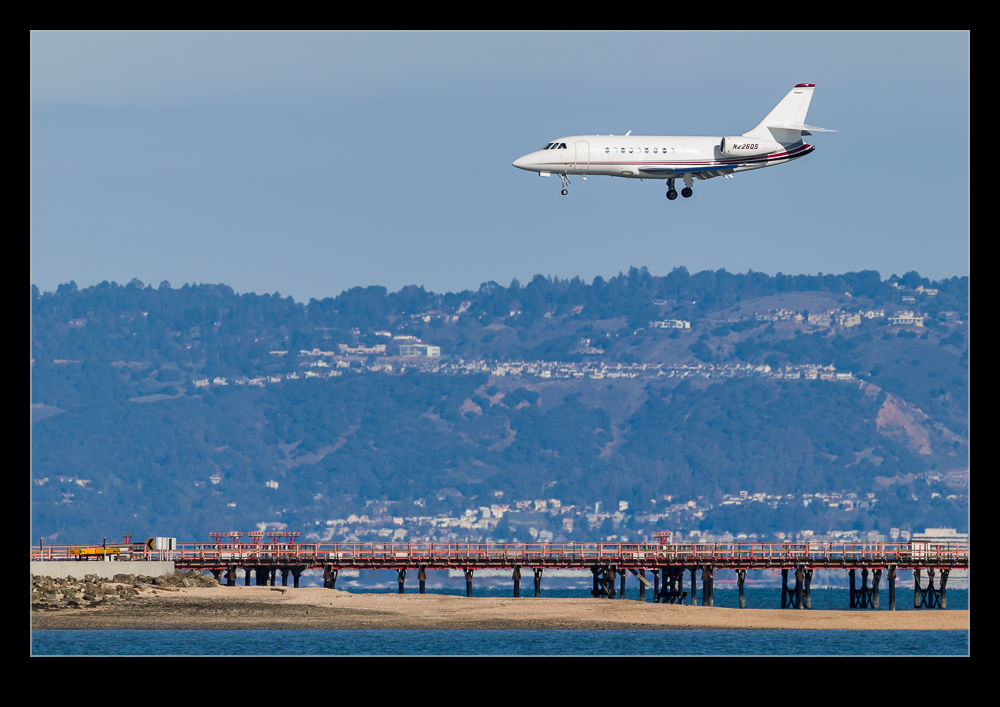 It is true that you are slightly further away from the runways. However, you are up near the threshold so have a different perspective on the approaches. Also, anything taxiing out comes past a backdrop of downtown San Francisco. You are further away from the cross runway departures but, with clear weather and less heat haze, the airborne jets are in front of the skyline. It makes for quite a nice shot and brings to mind the photos from Las Vegas that have the skyline in the background.
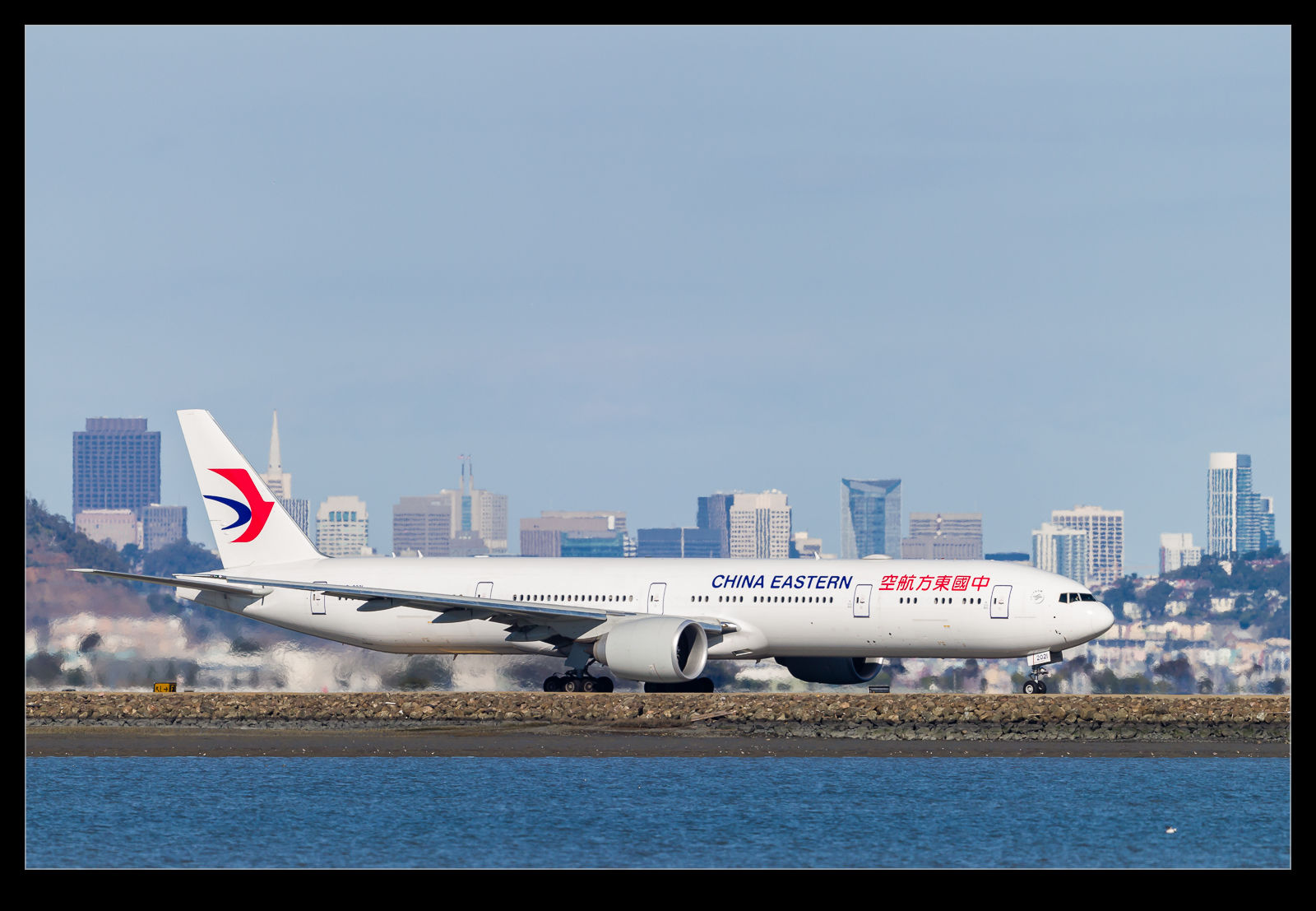 Another benefit comes as the tide goes out. The mudflats at low tide can be problematic from a heat haze point of view. Further along the shore, the water doesn’t retreat too far so you have more water and less distortion. I imagine summer will still be a problem but for winter shooting it works well. A different angle, a nice background, less haze and still not to far away. This is a good option. Also, you can park close by without trouble which is certainly not always possible at the bayshore given how popular a place it is. I am late to the game but glad to have learned my lesson.
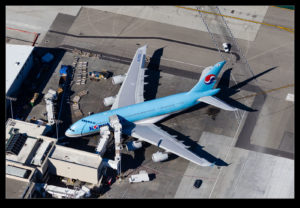
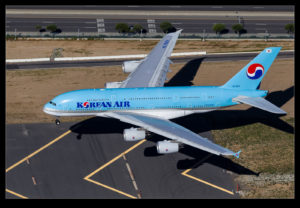
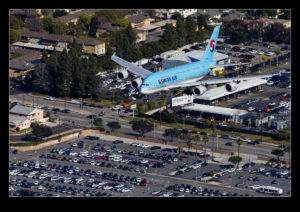
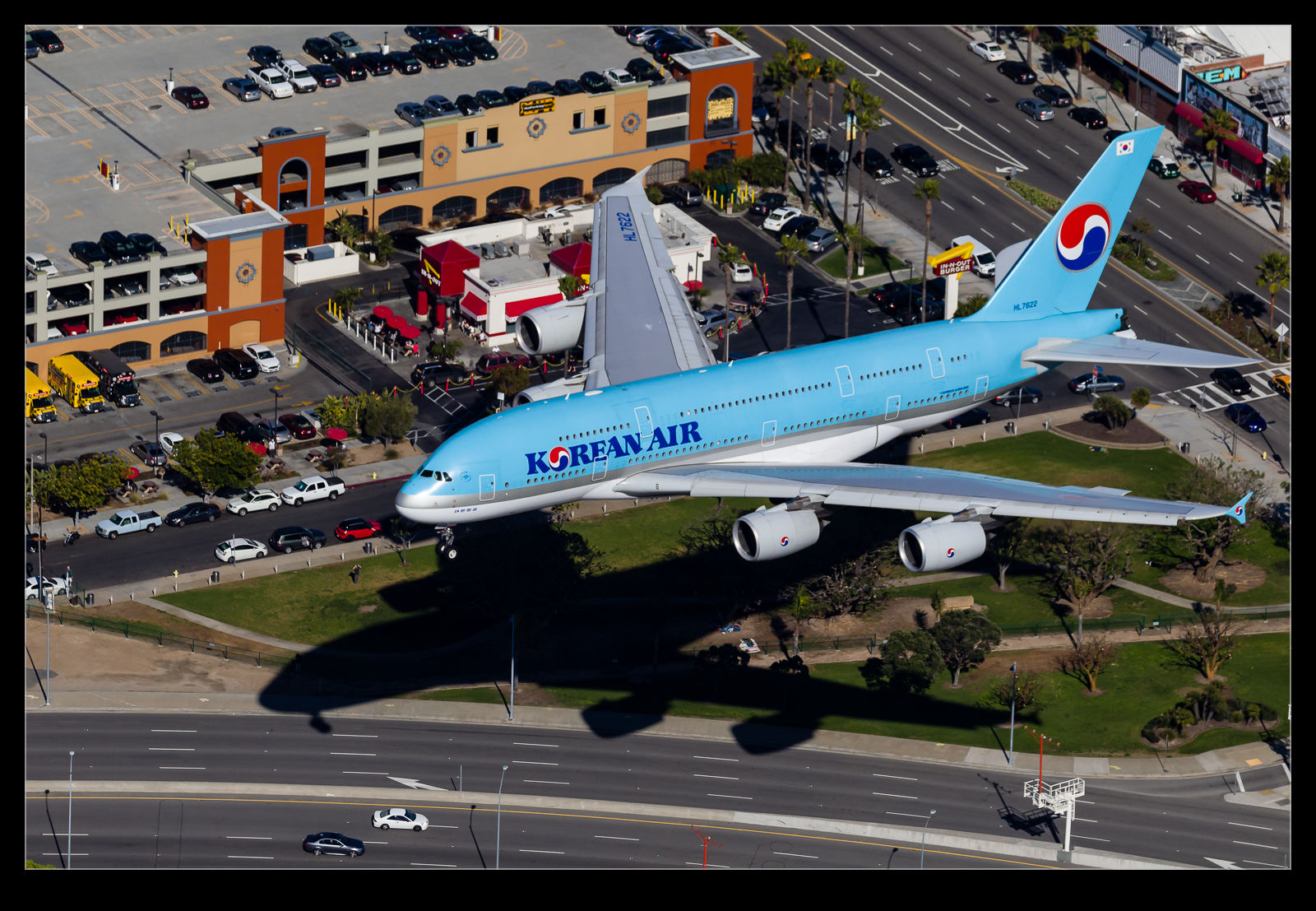 The Airbus A380 may be a lot more common now than it was a few years ago but they are still comparatively rare. LAX is a place that gets a lot of them so the chance of catching one airborne was high, particularly given the time we were flying. Korean Air were the operator that obliged. We picked up the aircraft as it was on its downwind leg. Knowing it was out there made it easier to keep track of it – particularly knowing which runway it was coming in on.
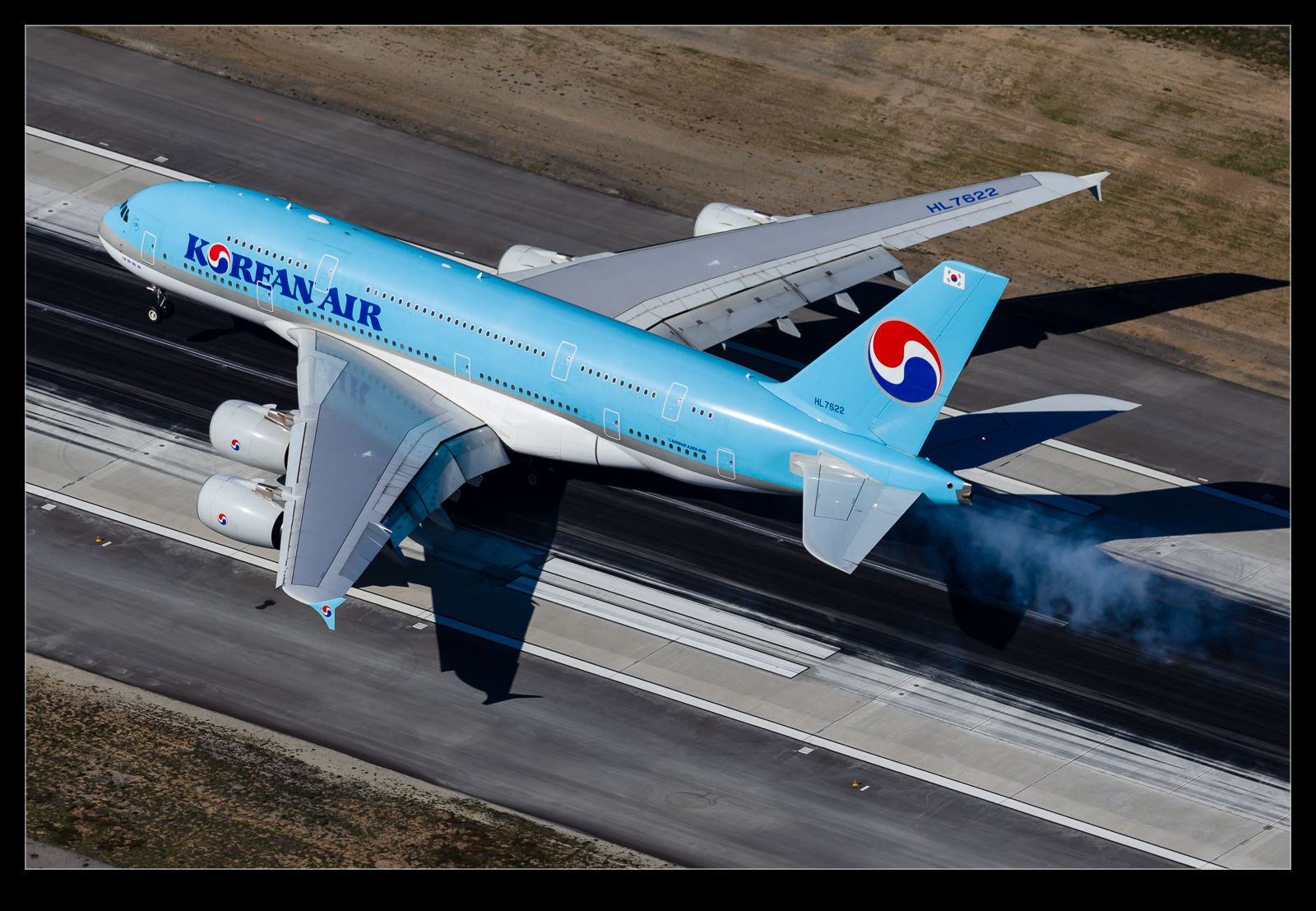 We spotted it when it was still well out on the approach. As it came across the buildings surrounding the airport were were able to choose how we wanted to have it line up with the background. Finally it was coming across the parking lots, passing the In’n’Out Burger and then coming over the threshold. A little float and then the tires smoked on touchdown. The angles and light were pretty much ideal and Paul, our pilot, had us ideally placed. We could also keep an eye on it as it taxied in including getting on the gate.