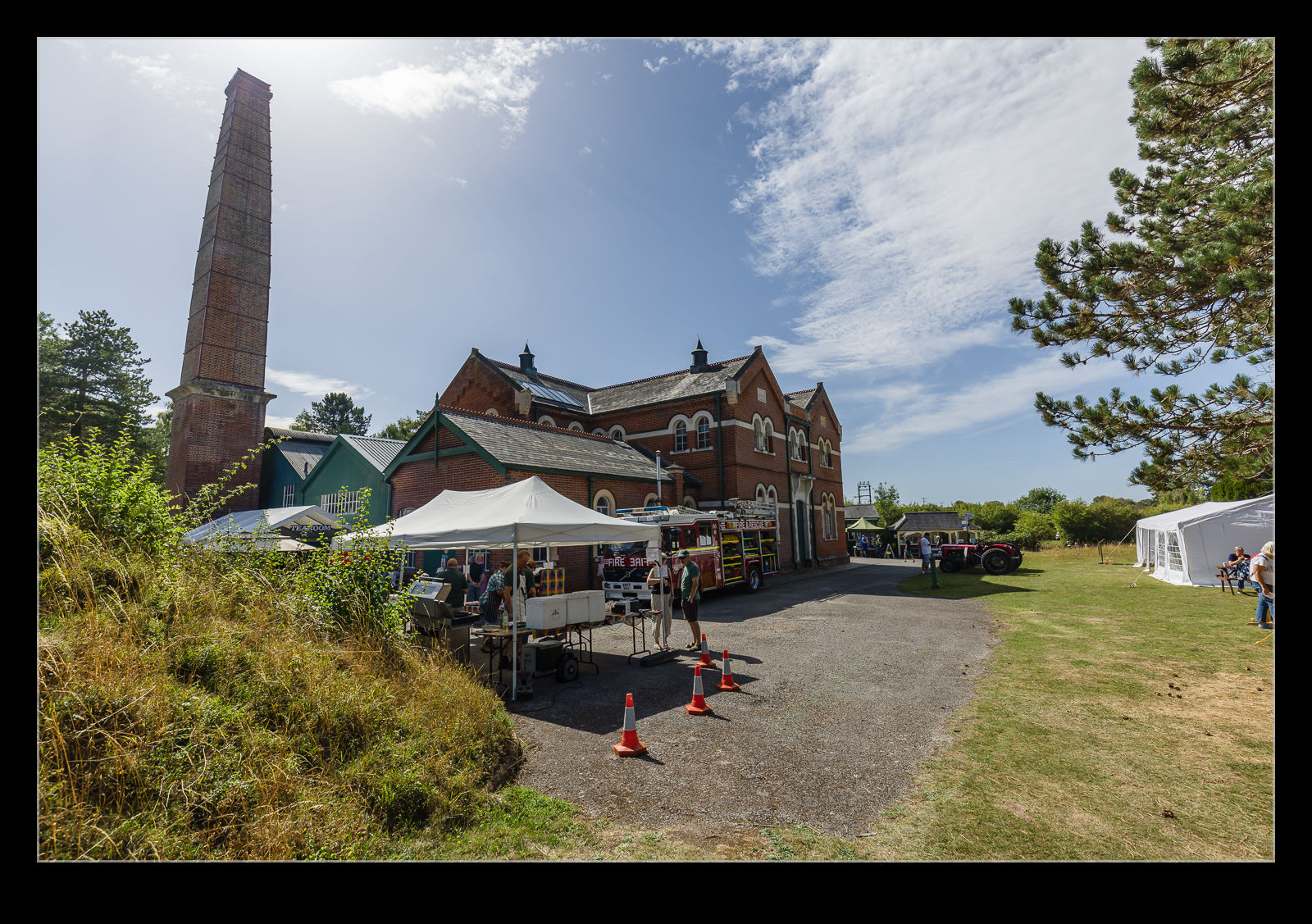
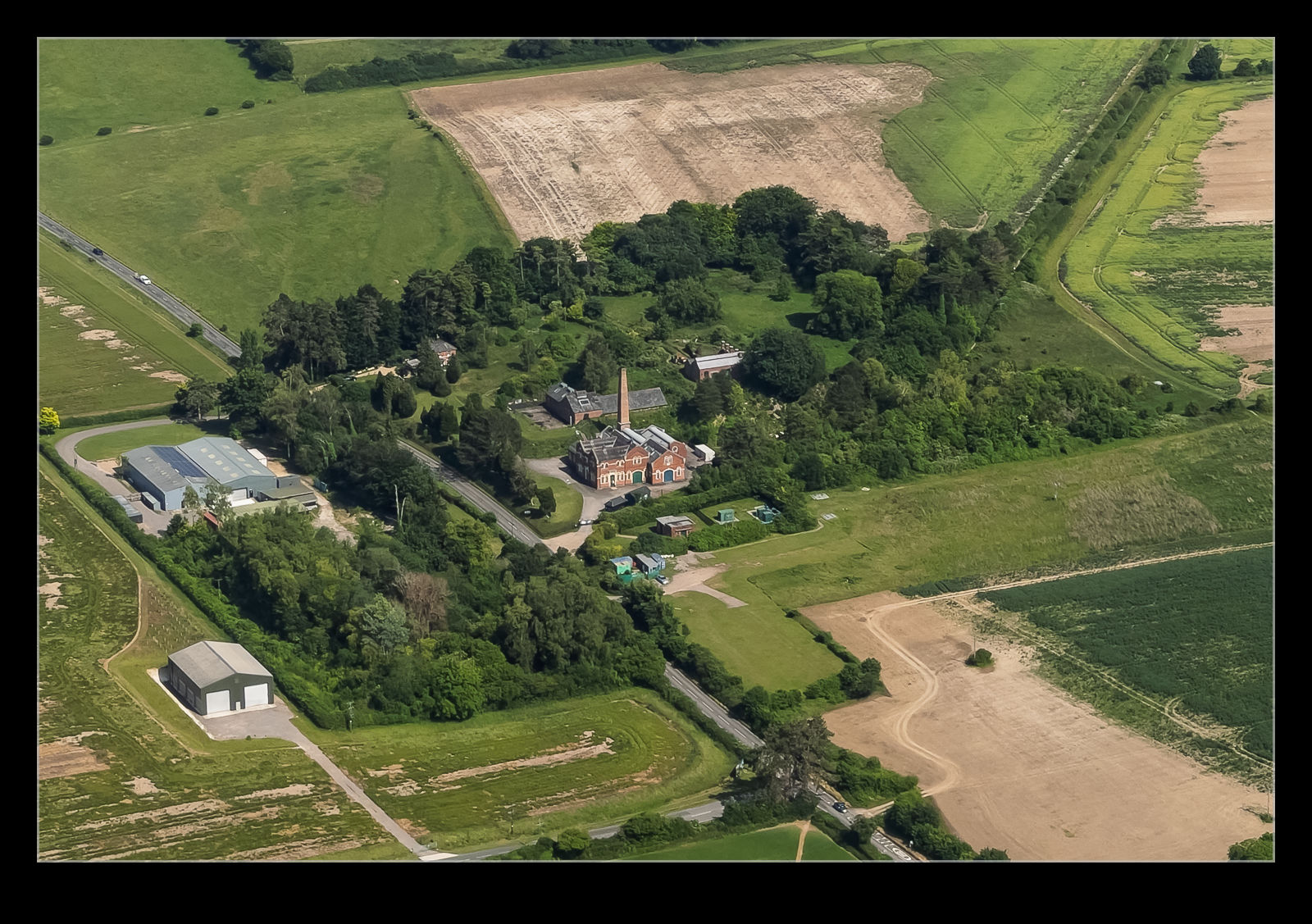
 When returning from a trip, I was flying into Southampton, and the routing includes a circling descent over Winchester. I saw an interesting looking structure on the ground which, some later research confirmed, was Twyford Waterworks. Turns out that they do open days on a regular basis so we headed up there one sunny Sunday to have a look around.
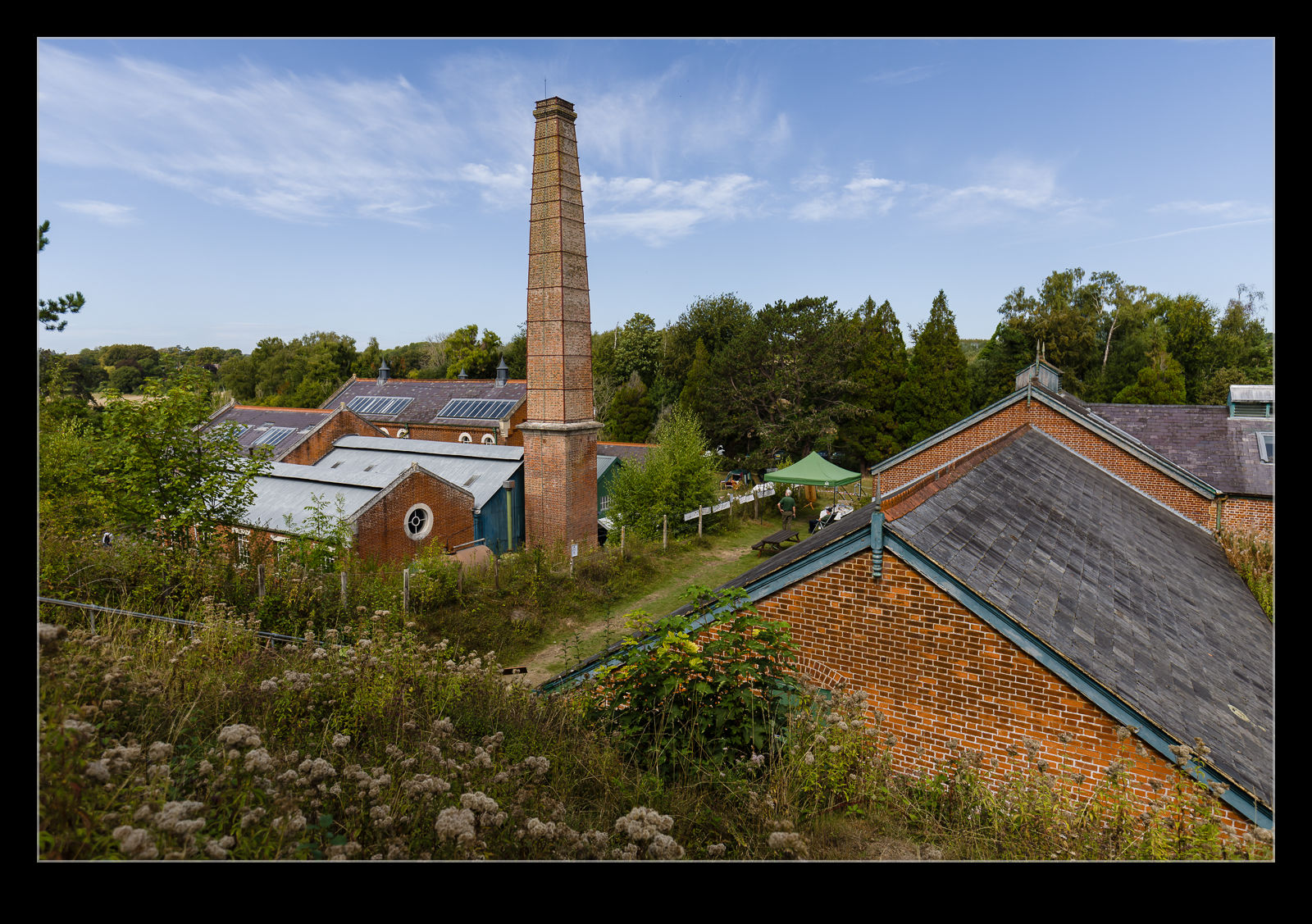 Located just outside Twyford’s centre, this has been a waterworks since the Victorian era. The chalk downs in this area soak up the rainfall and provide a great source of water for the surrounding towns and villages. This is still the case, and the waterworks is active supplying water to the region. These days, electric pumps are in the wells and are not only not visible from the surface but are also out of bounds given the critical nature of the water infrastructure. However, when it was built, it was steam powered pumps that extracted the water.
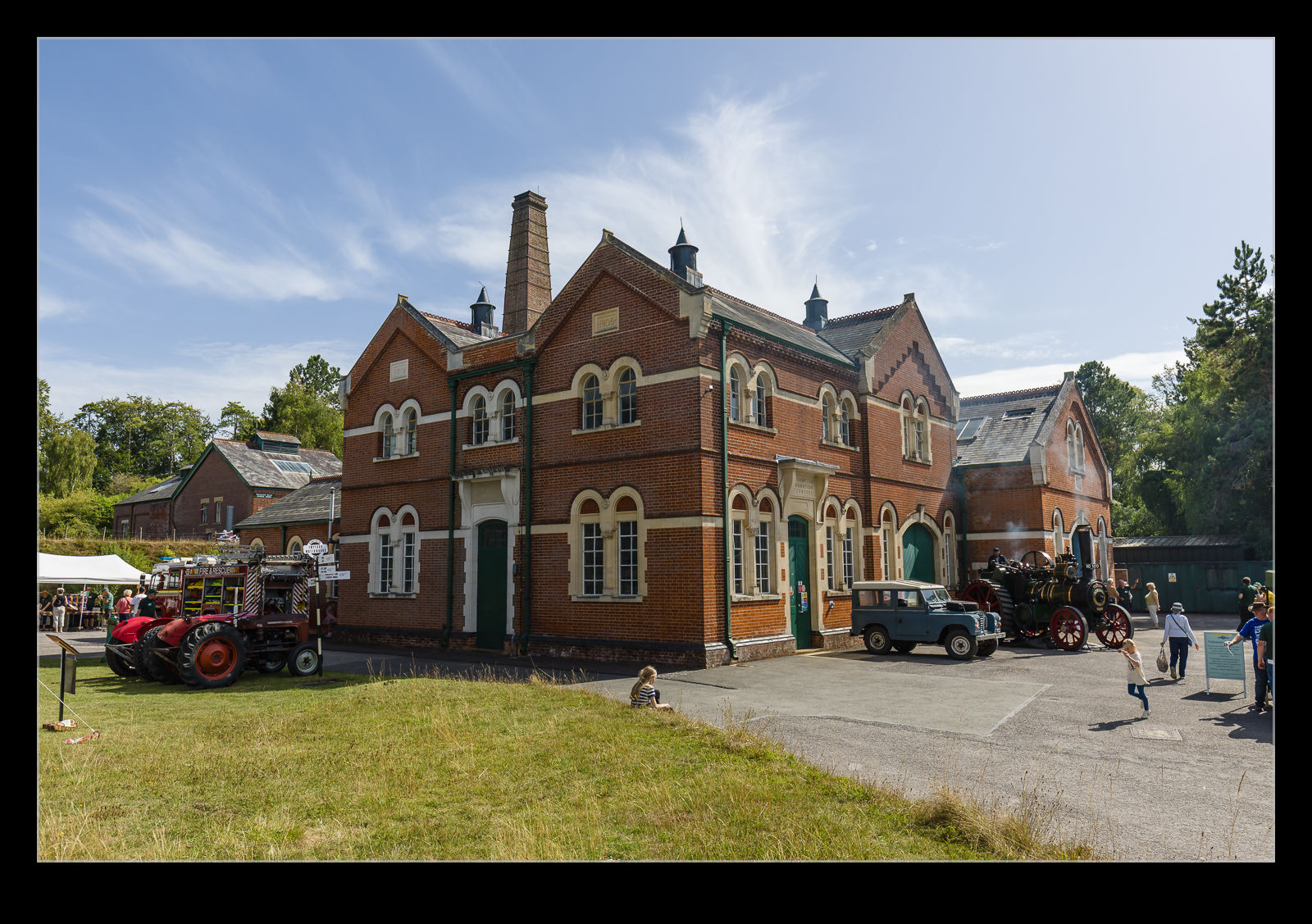
 There used to be many similar facilities in the region, but most have been demolished. However, a preservation order was placed on Twyford when demolition had barely got underway and it remains a historical record of how the water used to be provided. The facility is owned by the water company, and they are obligated to preserve the buildings but the restoration of the machinery inside is handled by a charitable organisation and the volunteers that carry this out are supported by the donations and entry fees from visitors to the open days.
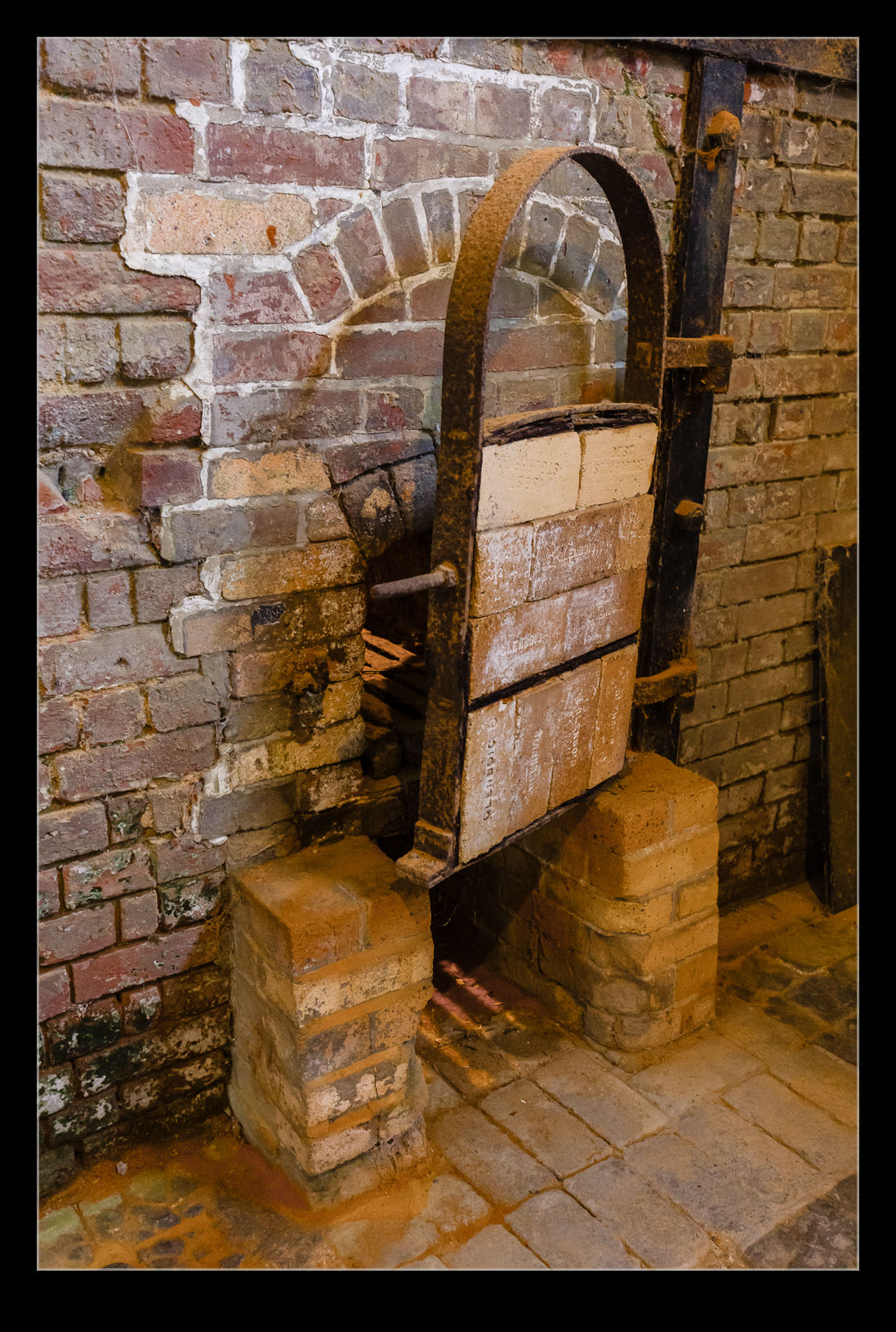
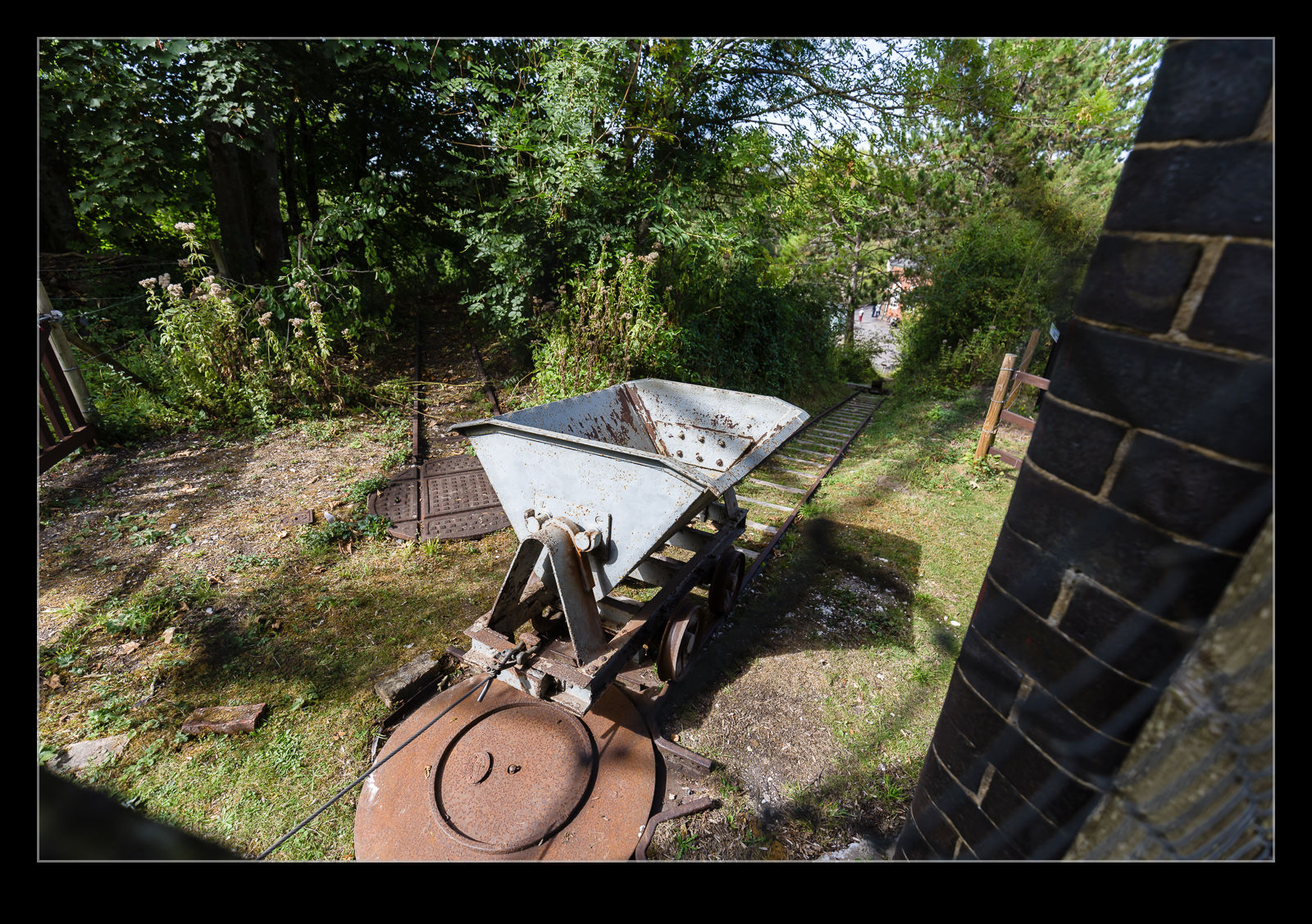
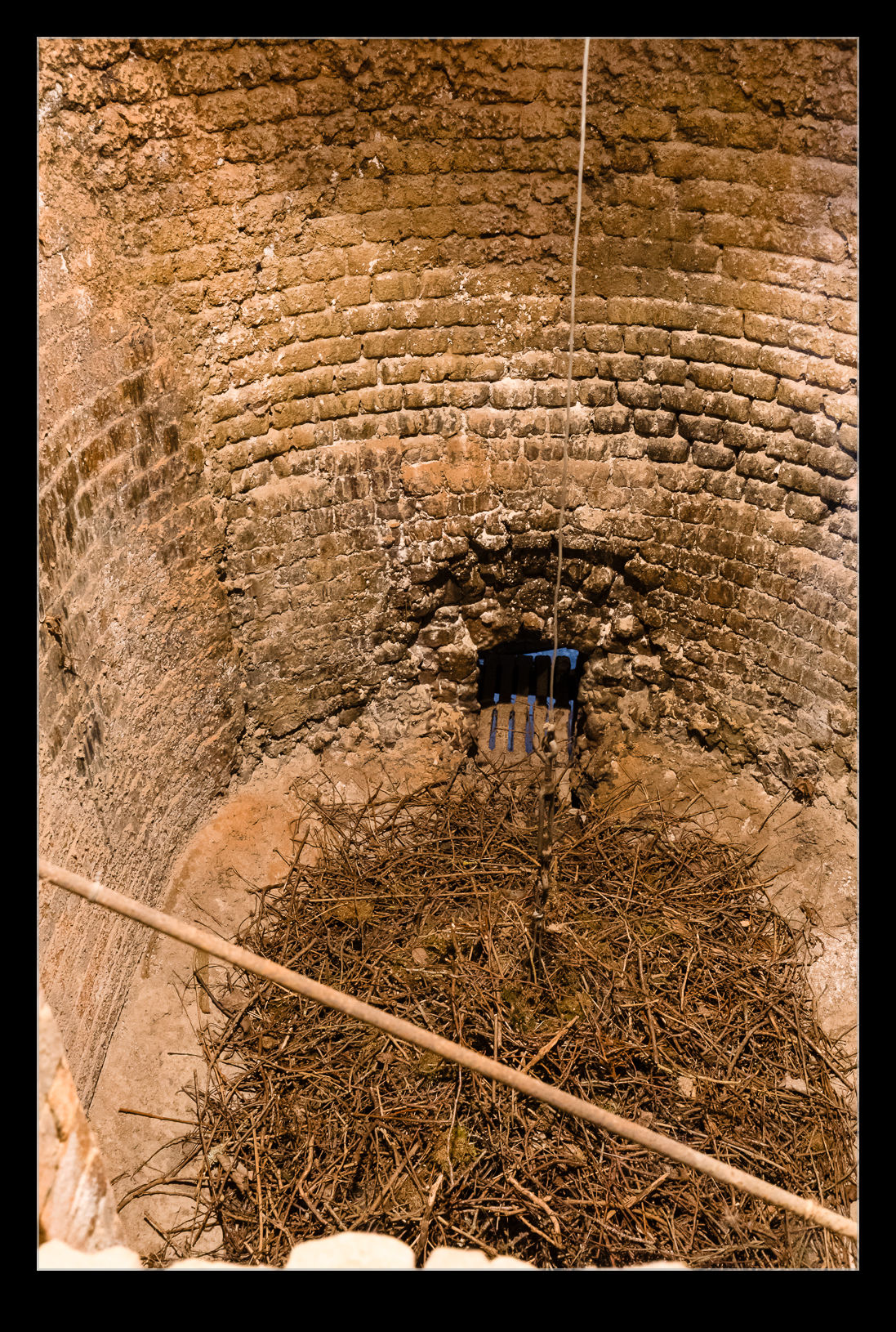
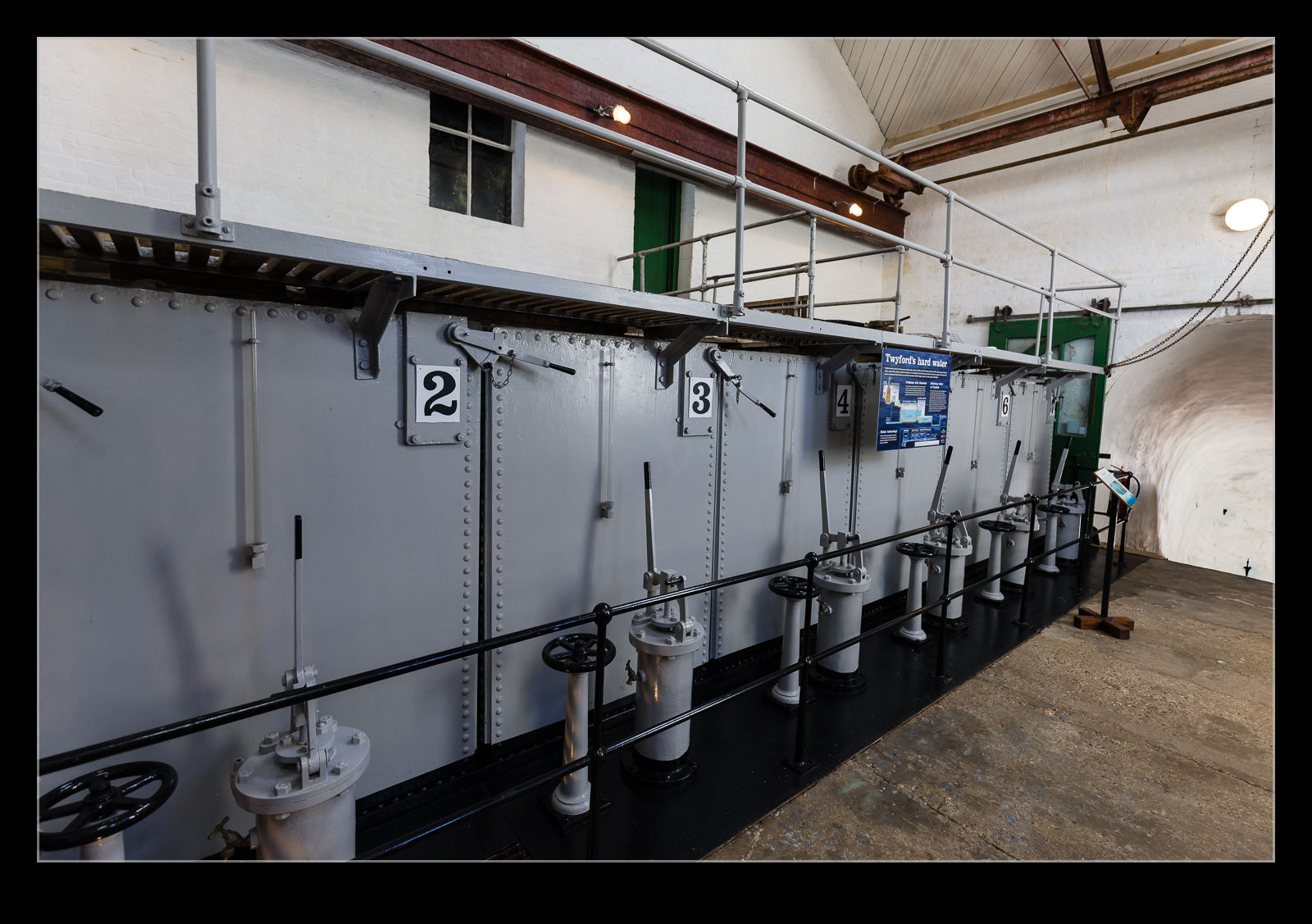
 When we arrived, I had anticipated wandering around for a while and taking some pictures while reading information boards. I think Nancy had thought this would be something she tagged along on but wouldn’t enjoy. However, just after arriving, a tour was starting so we decided to go along. We hadn’t anticipated that this tour would take about an hour and there was a good reason for that. It was a thorough and most interesting explanation of the history of the place, the reasoning for it being where it is and the processes that used to be needed for extracting and treating the water. This included lime kilns producing quick lime to treat water hardness.
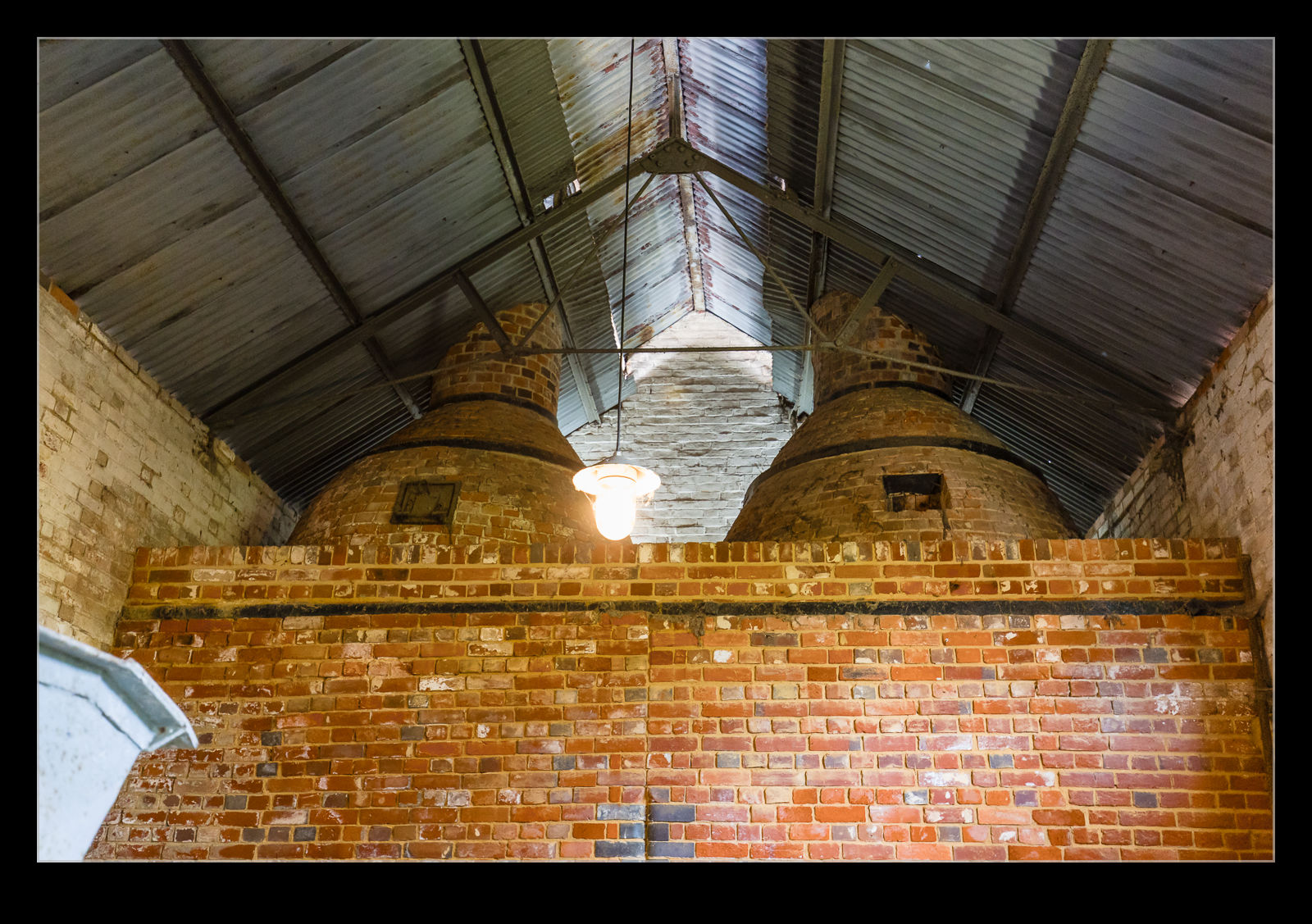 The tour was fascinating and our guide, Dave, was happy to take questions as we went around of which I had a fair few. One of the things that struck us was the difficult conditions that the workers experienced. In those days, no one was paying attention to the hazards, and you can imagine that there were lots of issues the workers will have suffered. I bet they didn’t all have long and comfortable lives! Once we had wrapped up, we were able to walk around the buildings and see the boilers and the triple-expansion steam engine that drove the pumps. It was an impressive looking machine.
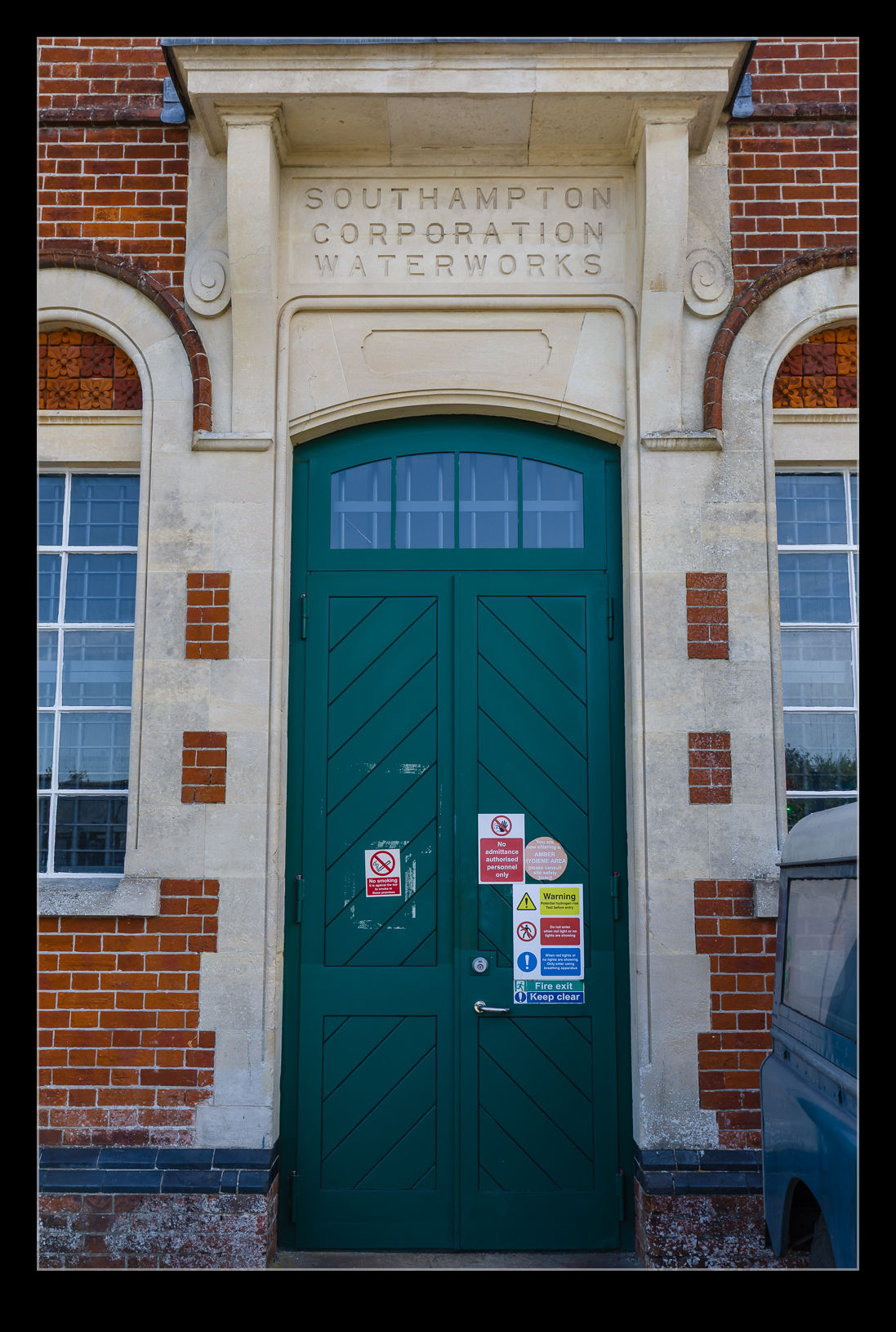 There are a number of similar waterworks that are around the country. If you have a chance to take a visit to one of them, if they are as well managed as Twyford is, I recommend you pop along. It could be interesting.