Category Archives: civil

Why Is the RAF Falcons Plane Canadian?

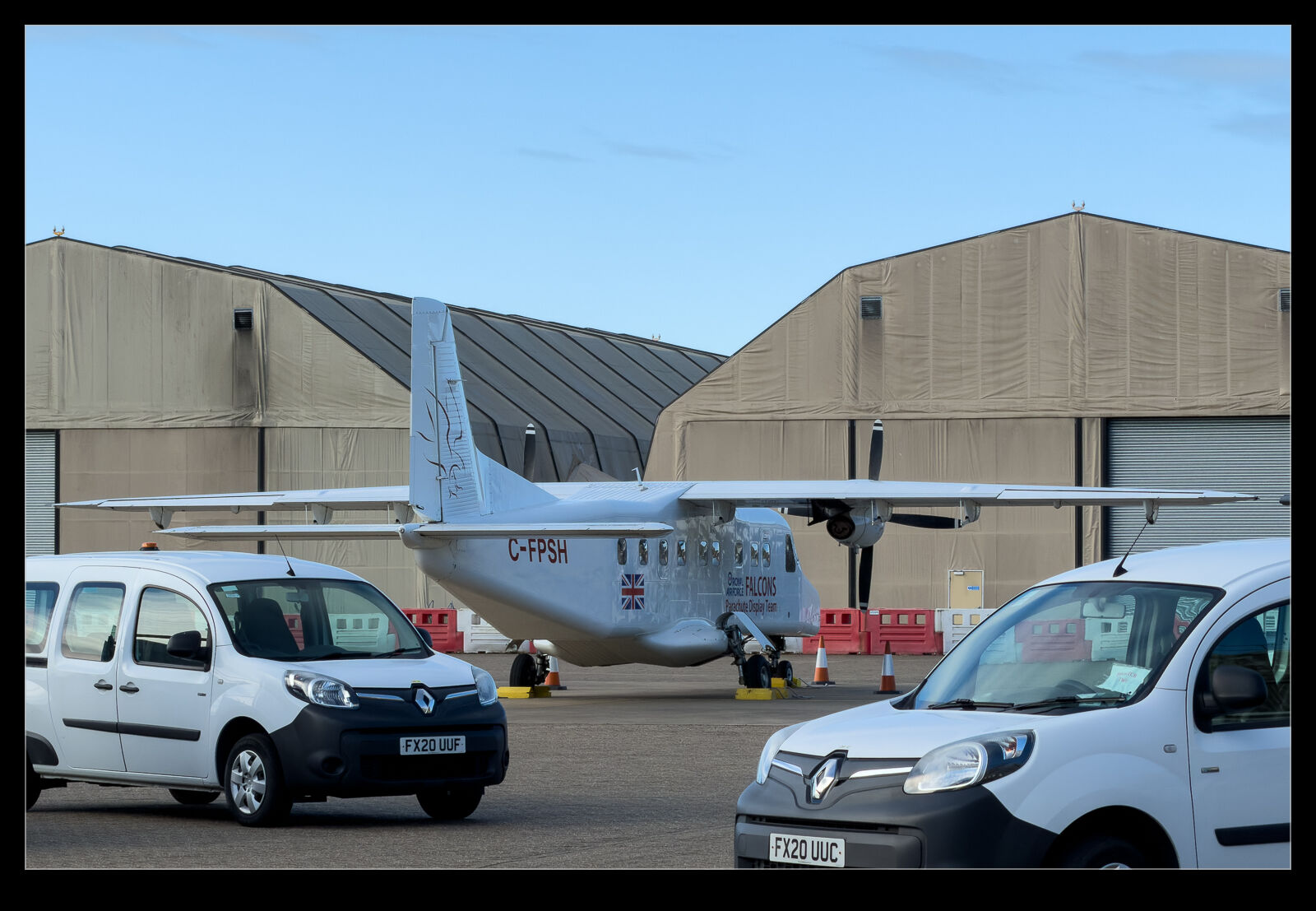
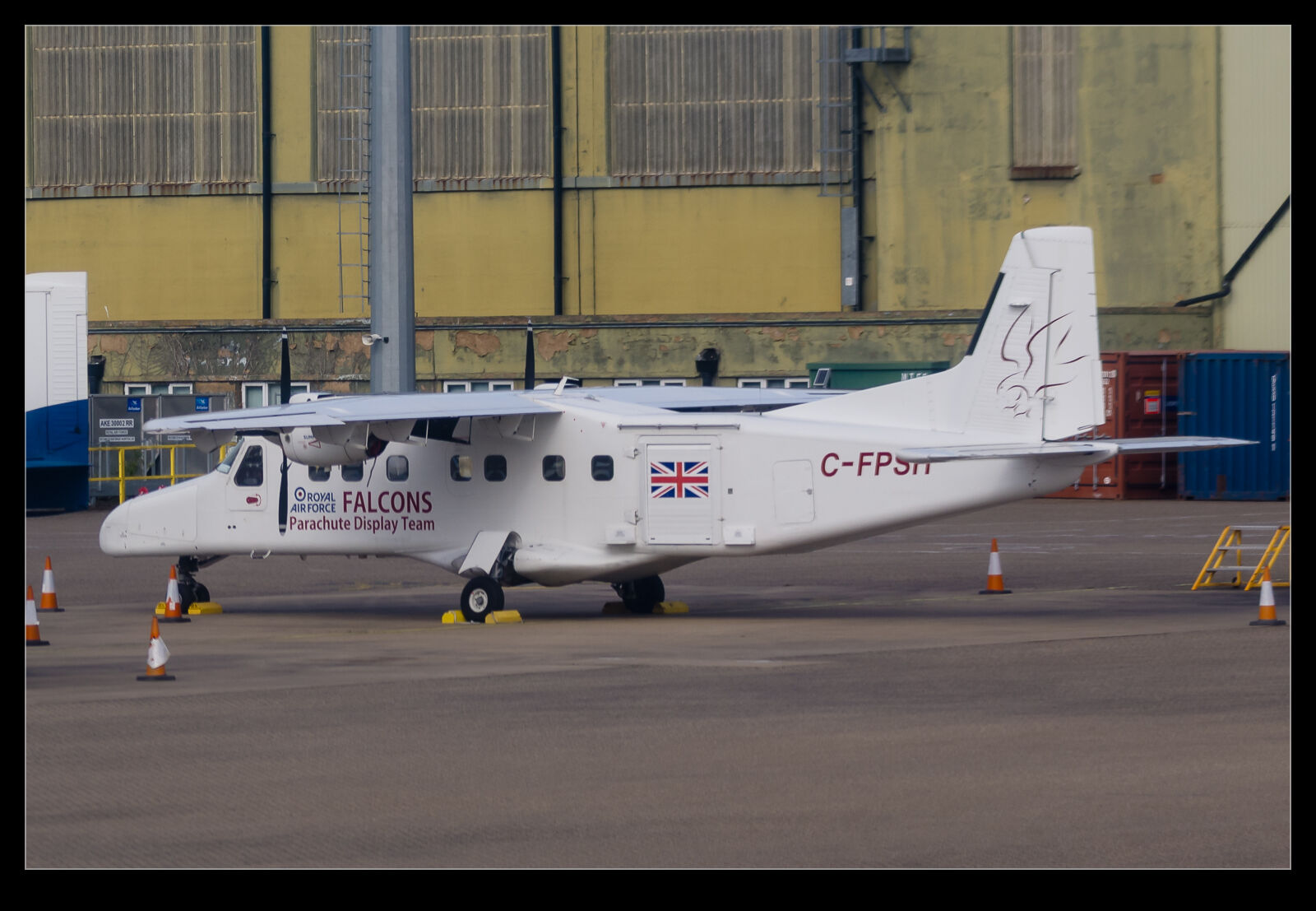
I recently saw this Dornier 228 which was carrying markings indicating it is used by the RAF’s parachute display team – The Falcons. I hadn’t seen the plane before, so it caught my eye. What left me a bit confused was its registration. It is on the Canadian registry. I have no idea why the RAF would need to use a Canadian registered plane. If anyone knows, please share the reasoning.

End of the Line for these Dash 7s?

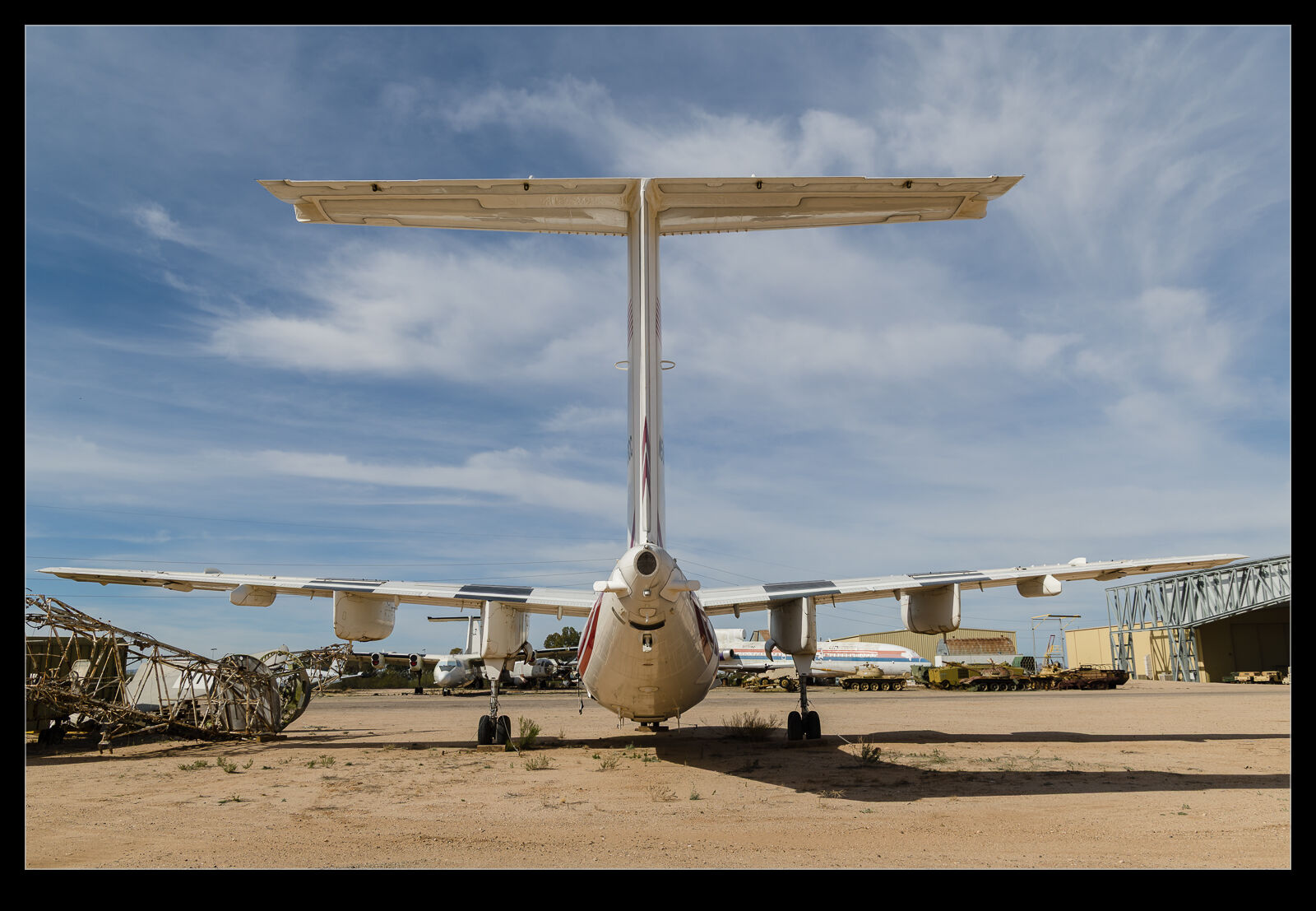
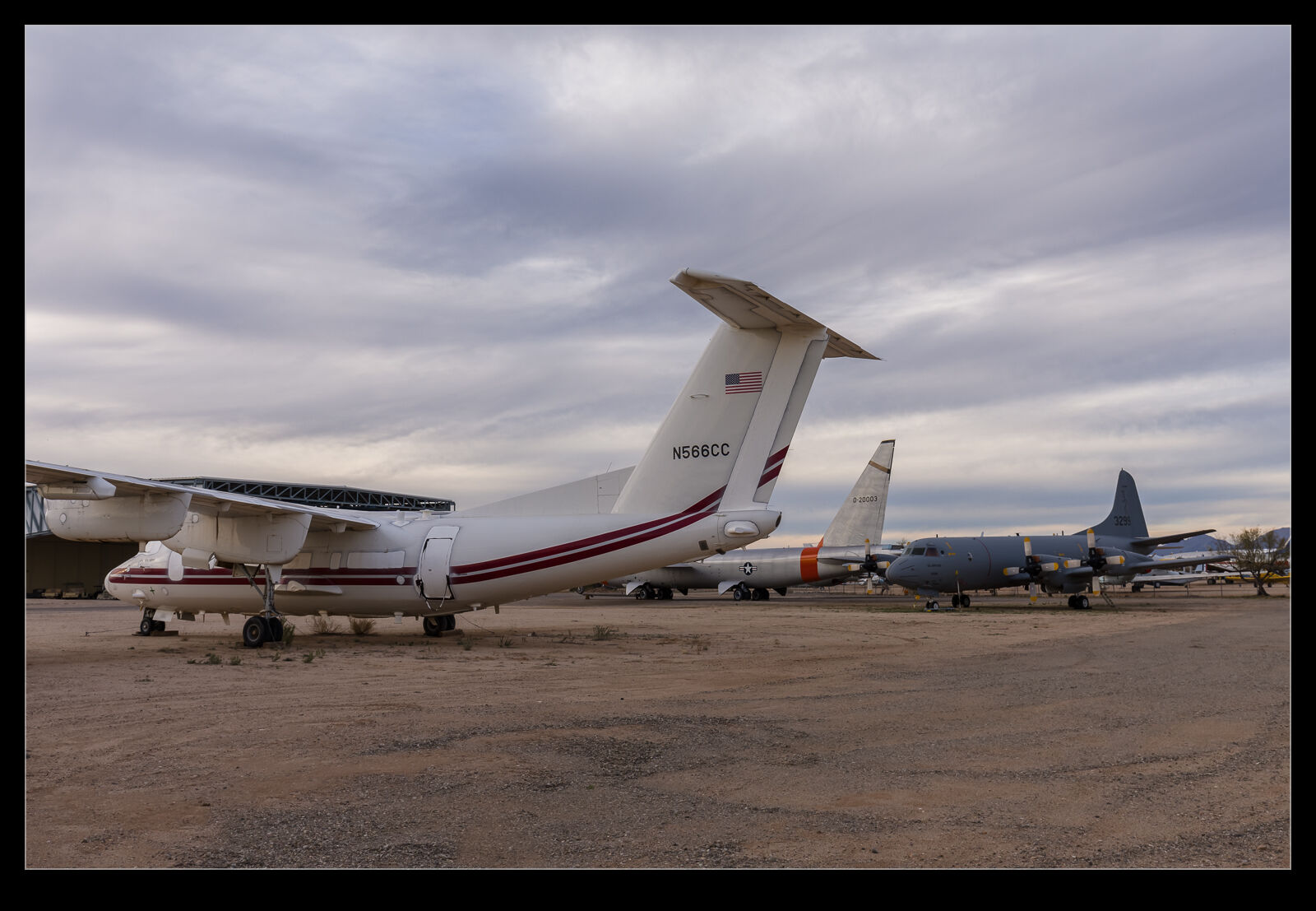
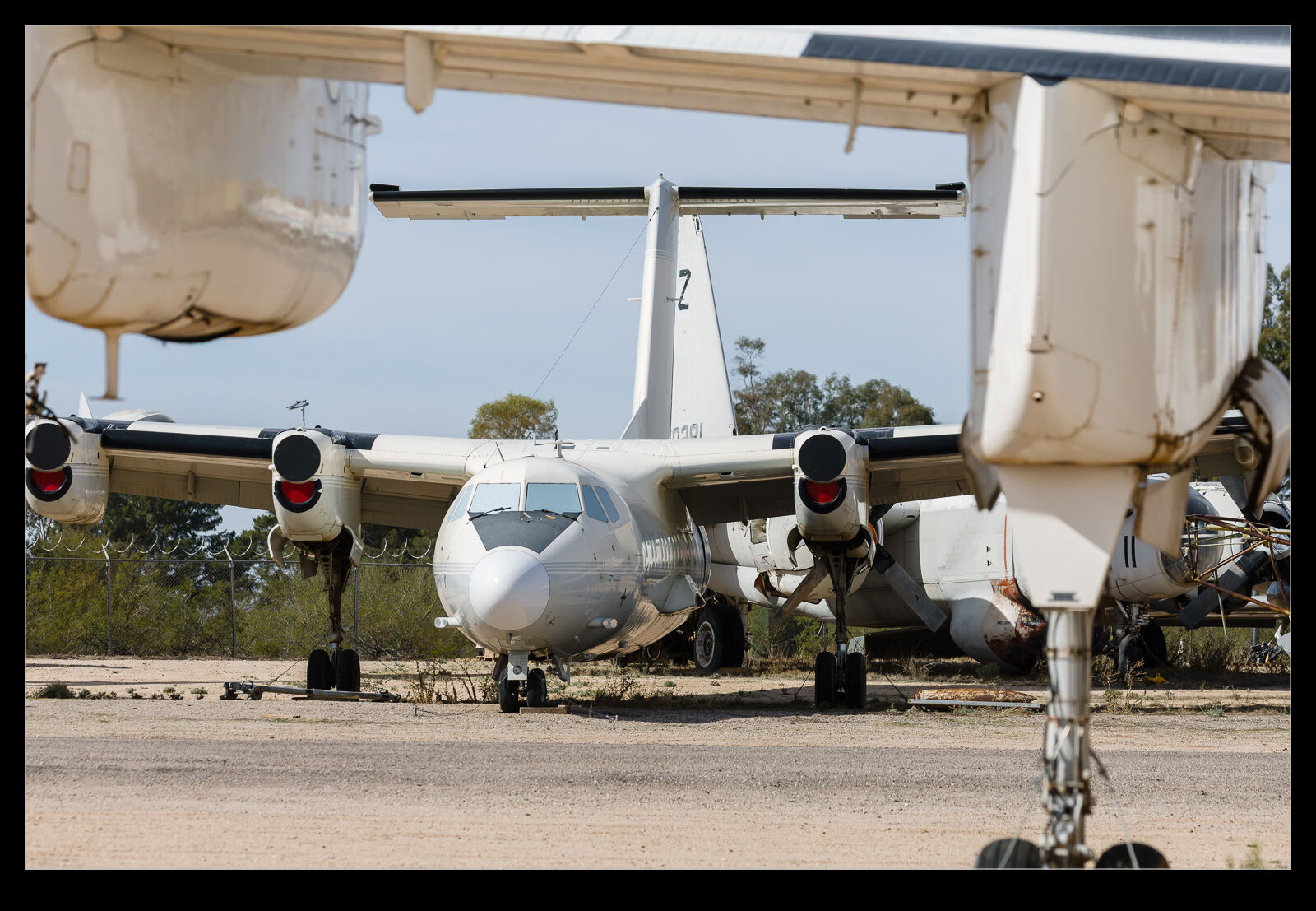
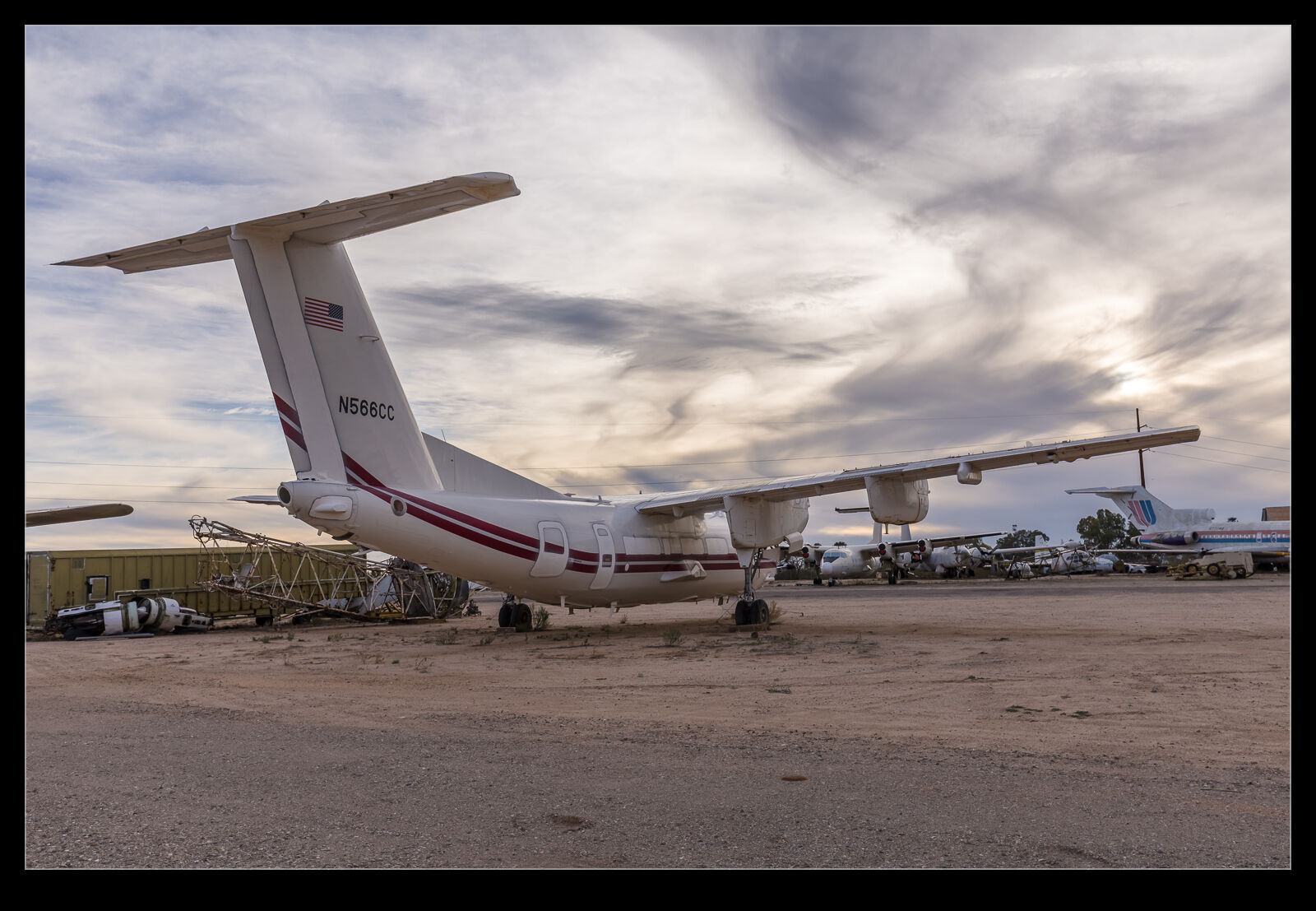
I have been on a bit of a streak on Dash 7 posts recently. A couple of years ago, I was visiting the Pima museum in Arizona with some friends. The museum is very interesting but there are often some airframes just across the fence that are even more interesting. There were a bunch of Dash 7s there. I think they had been used by the US military for assorted purposes and there were signs of fairings added that hinted at modification made.

Civil registrations had been applied to the planes, but they didn’t seem to look like they had an immediate future. The Dash 7 isn’t something in high demand so, while someone might have a specialised need for them, I do wonder whether this will be where they end their days.

More on the Dash 7 Theme

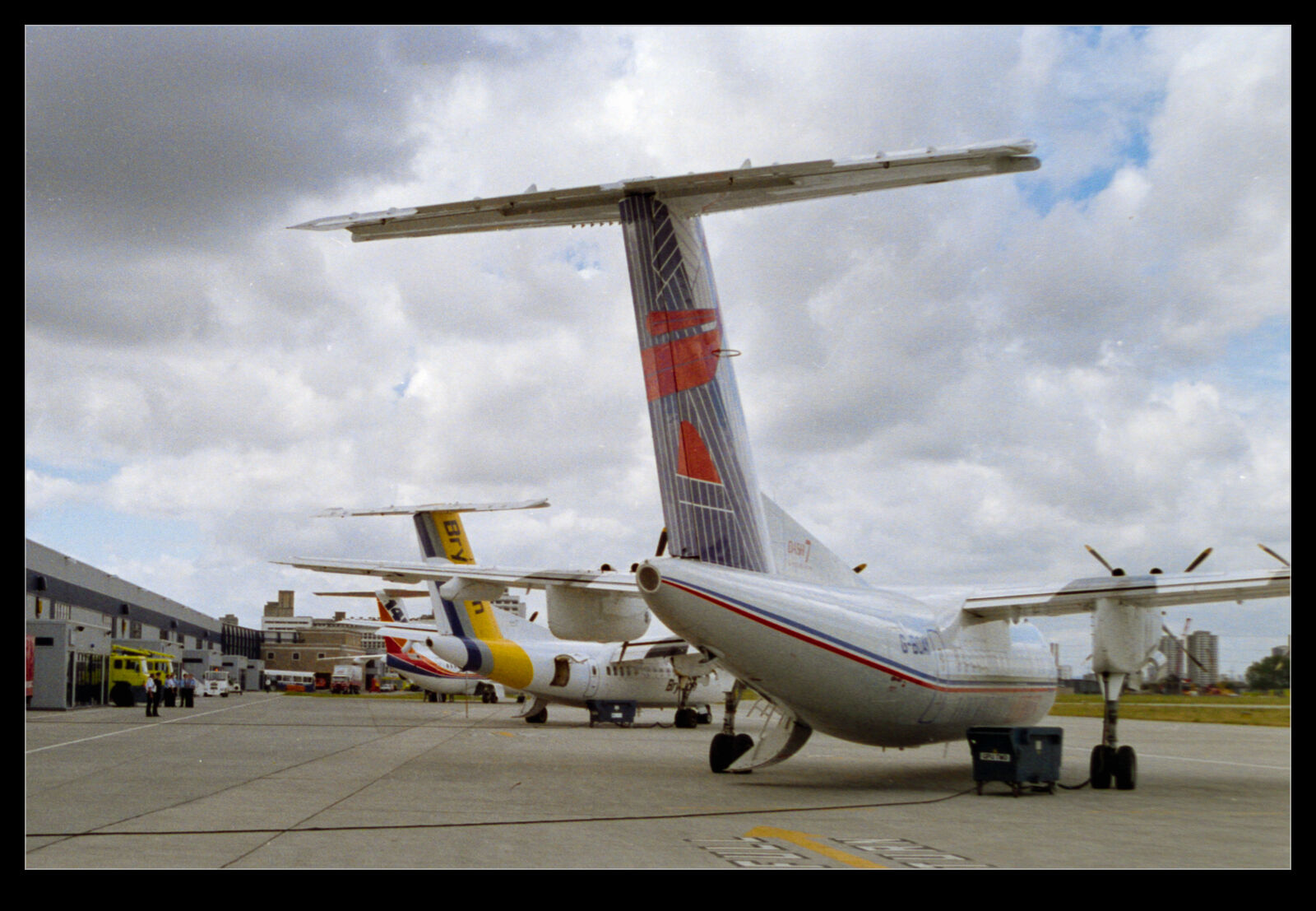
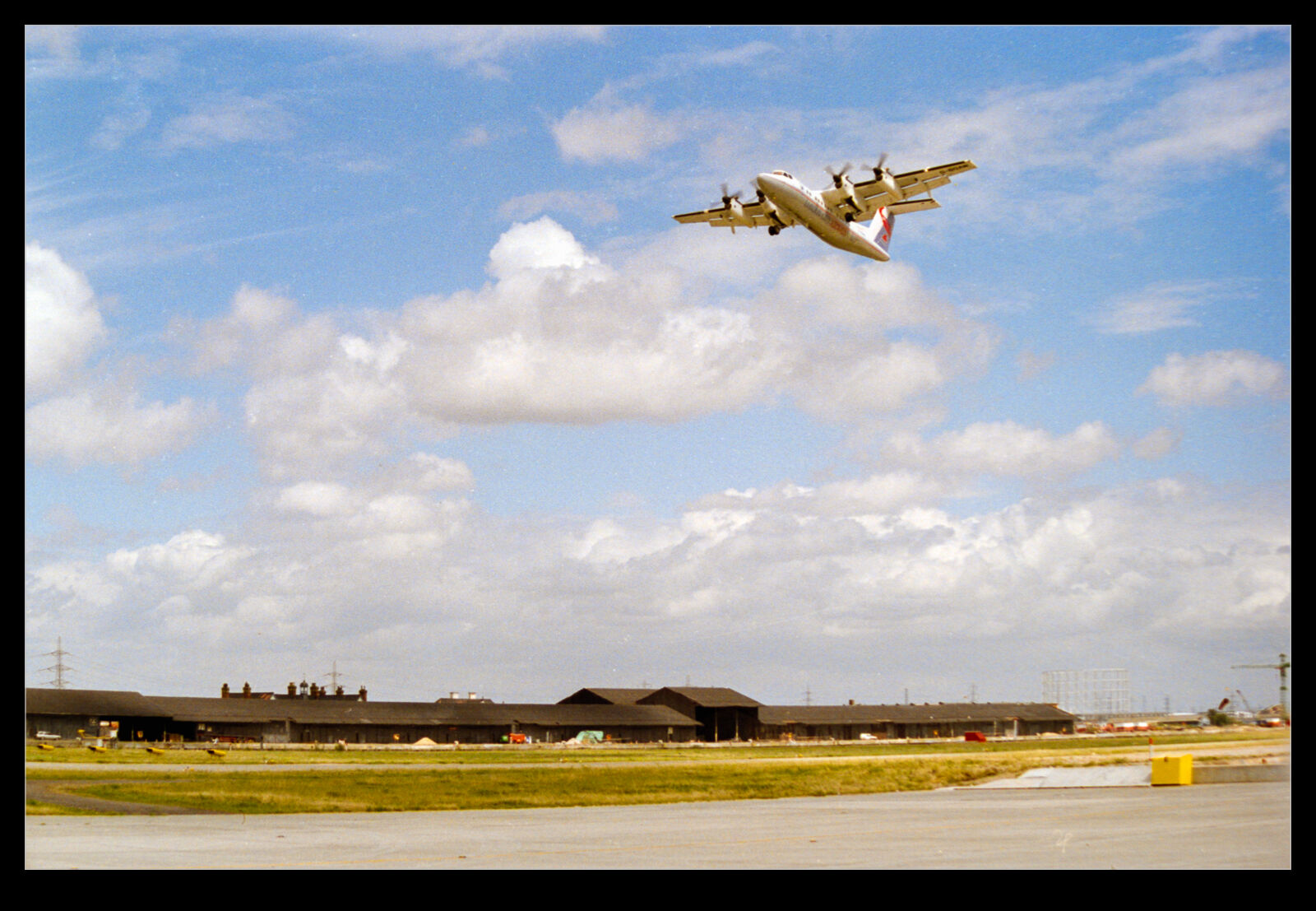
I had a recent post about a testbed Dash 7. That had resulted from finding some other shots that I was looking for to use in a project. That was regarding two defunct airlines that had operated from London City Airport when it first started operations. The only aircraft that was initially allowed to use the airport was the de Havilland Canada Dash 7. The initial operator was Brymon Airways that, if memory serves me right, was based in Plymouth.

A second operator joined them at LCY with the imaginative name of London City Airways. Their livery included a fin designed to look like a business suit. The target market was city workers that didn’t want to make the trek out to Heathrow. It wasn’t long before there was a push to get jet aircraft into the airport. The BAe146 was the only option at that point and a demonstration was undertaken in 1988. I was there for the CAA and had a chance to get out on the ramp at one point. I got these photos during that visit. The 146 did become a regular feature and then runway expansions allowed a variety of larger aircraft to use the airport with slightly less restrictive approach paths.

Virgin America A321neo

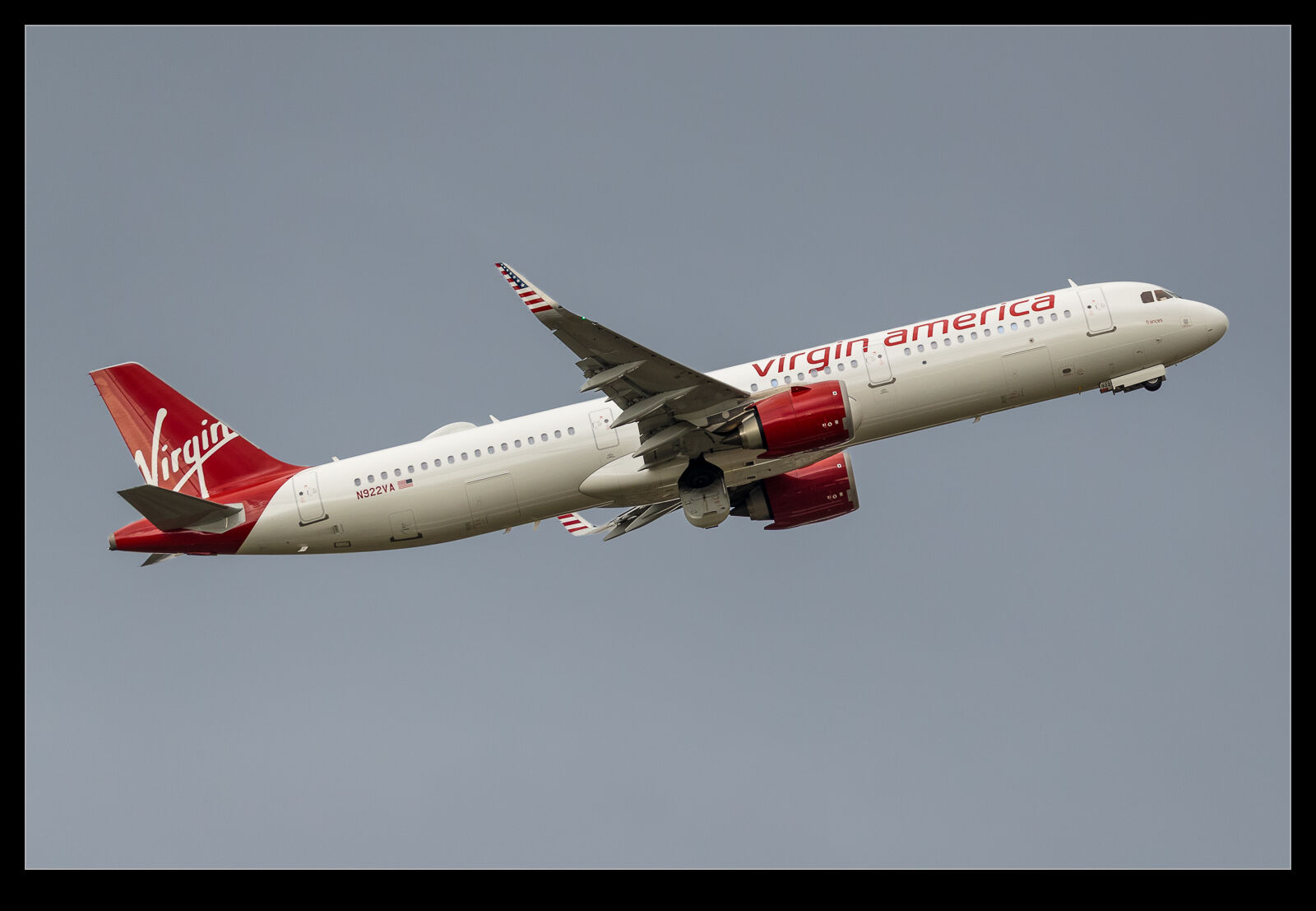
I recently posted a Virgin America A320 thinking back to when they were an airline before getting swallowed up. Then I got involved in looking for some other images of them and got thinking about their introduction of the A321neo. That got me to this image I took when they were early in their use. As with a lot of images recently, I took a fresh look at how to process it and went through my current approach to get a better result than I had achieved when I first took it. I like the look of the bigger engines on the neo and the A321 is a nicely proportioned plane.

The Sun Was Going Away Rapidly!

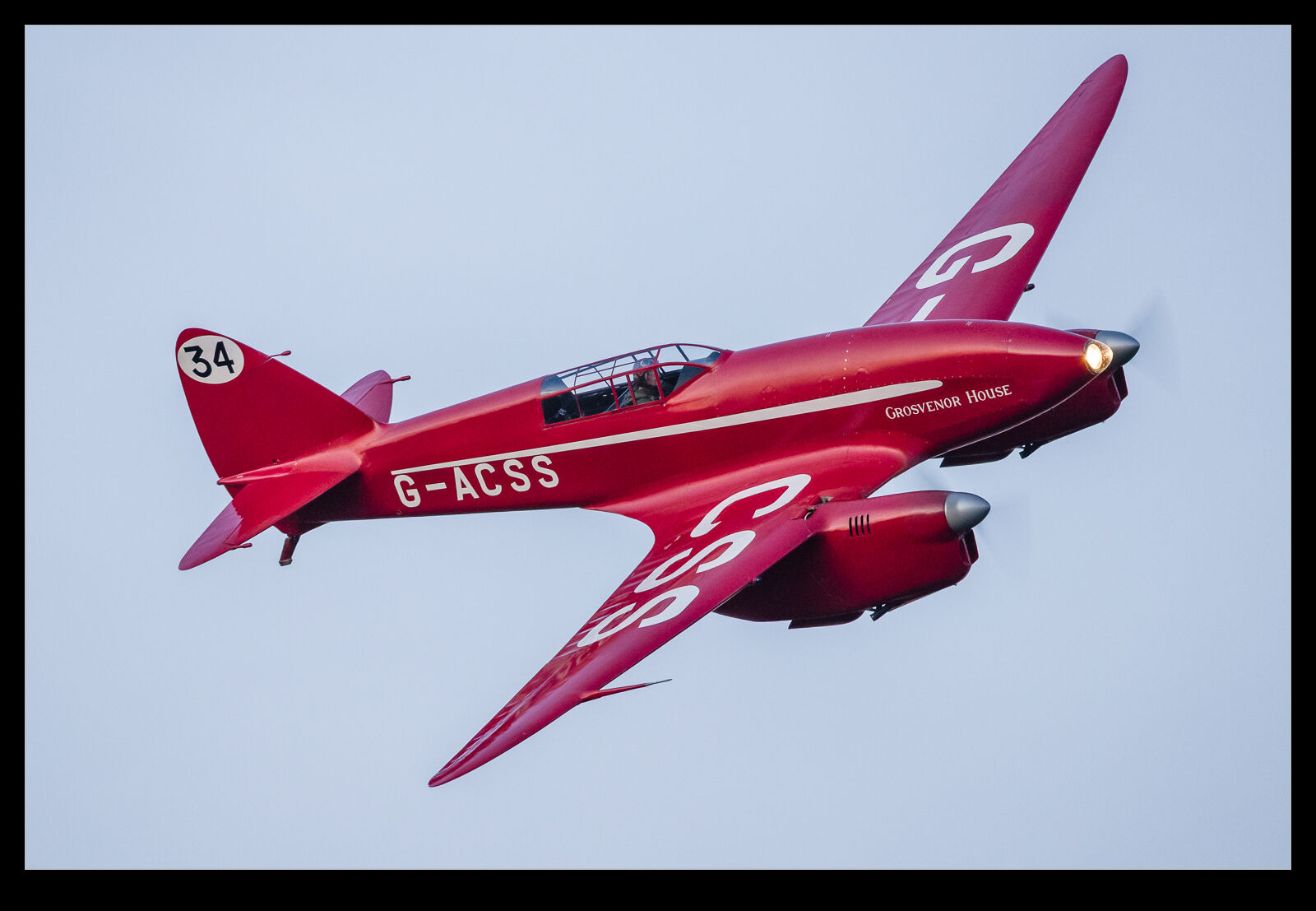
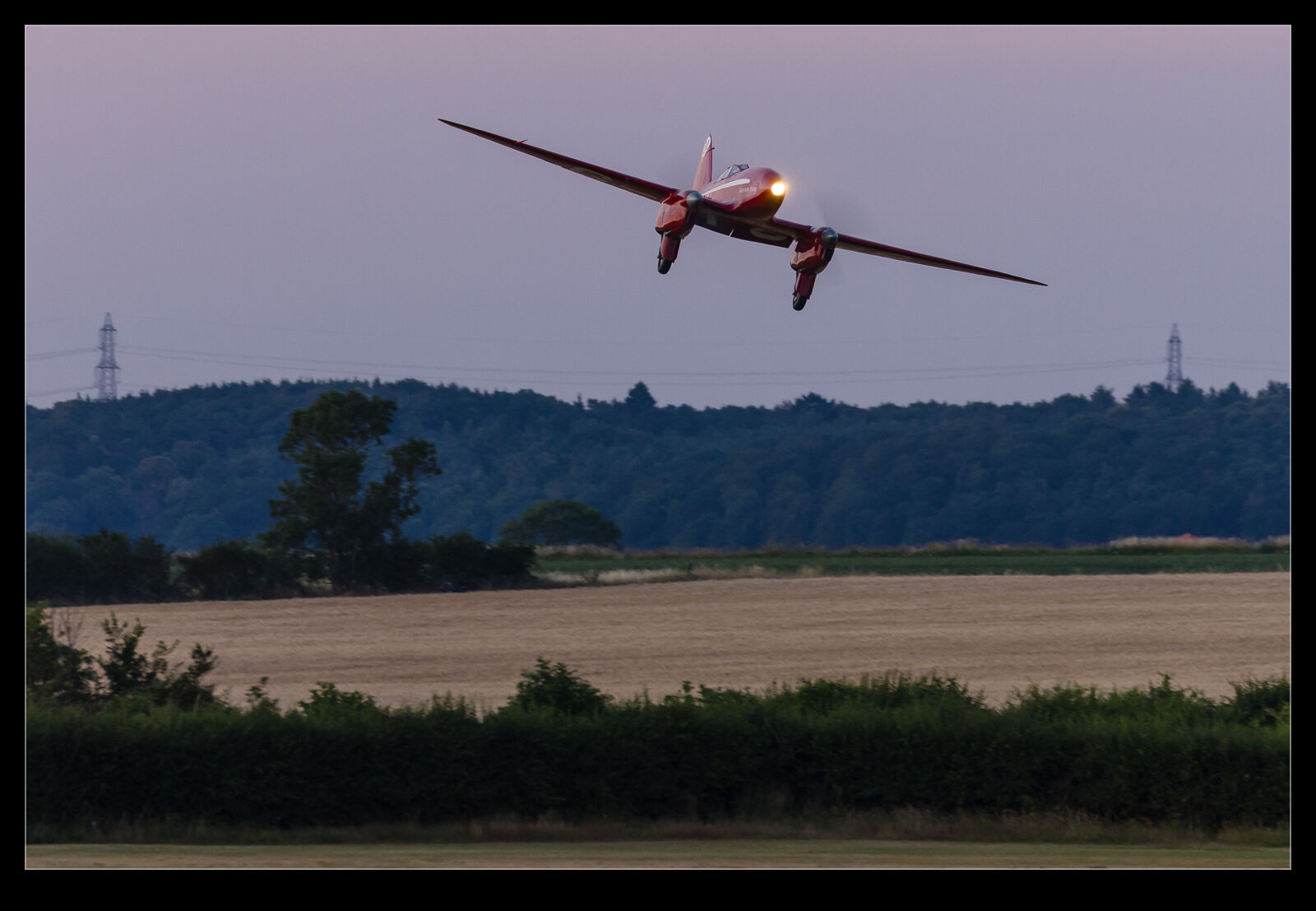
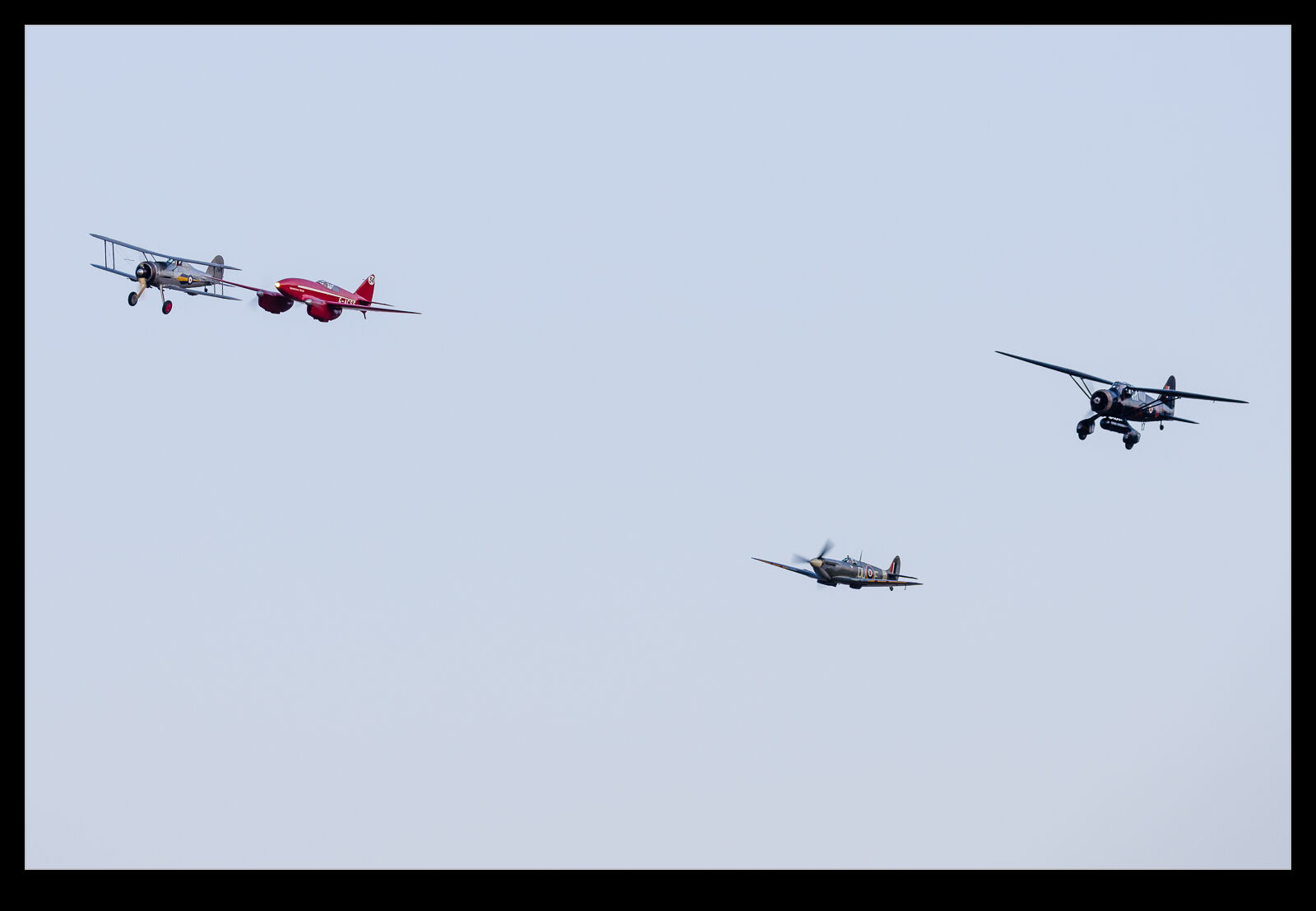
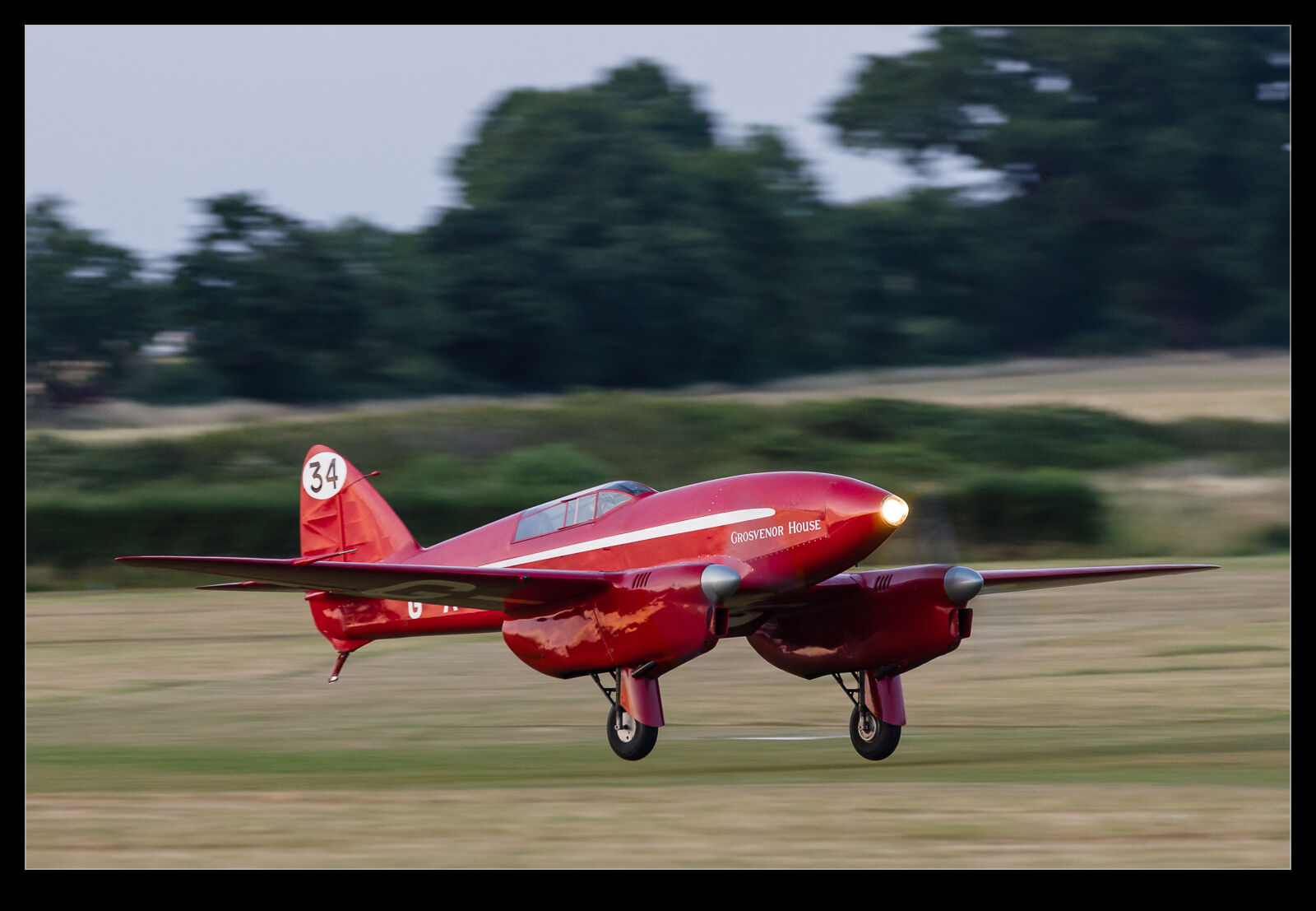
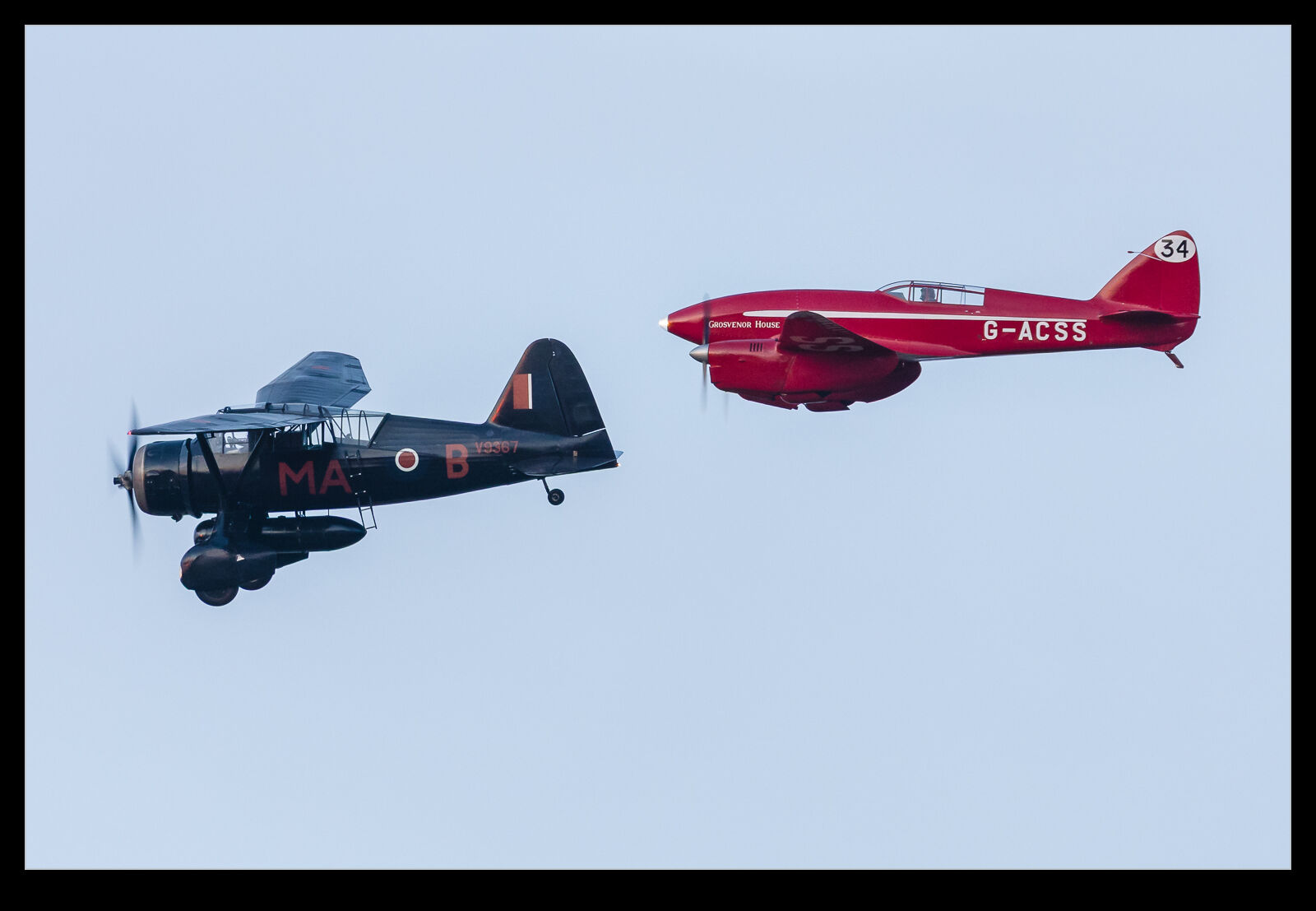
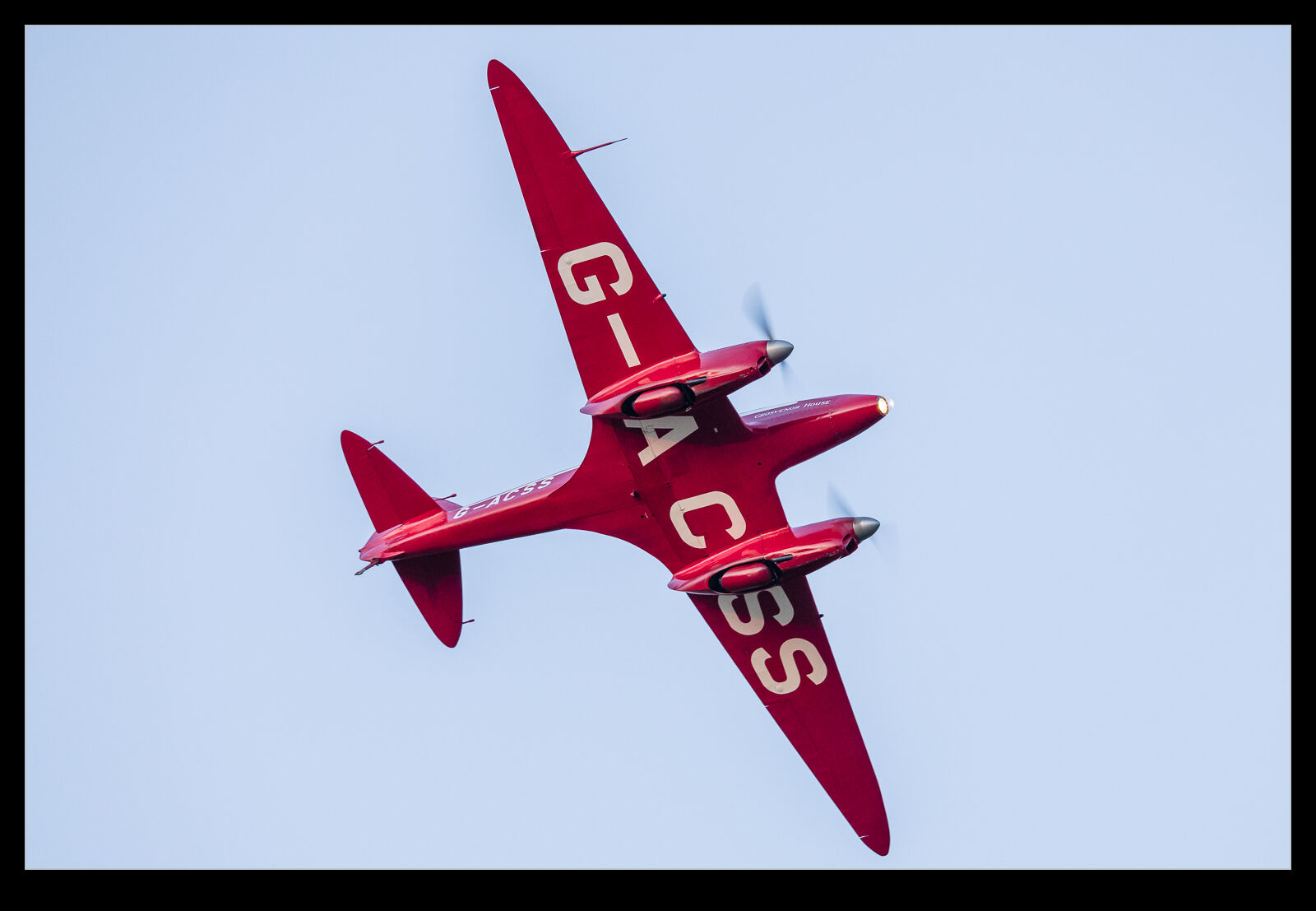
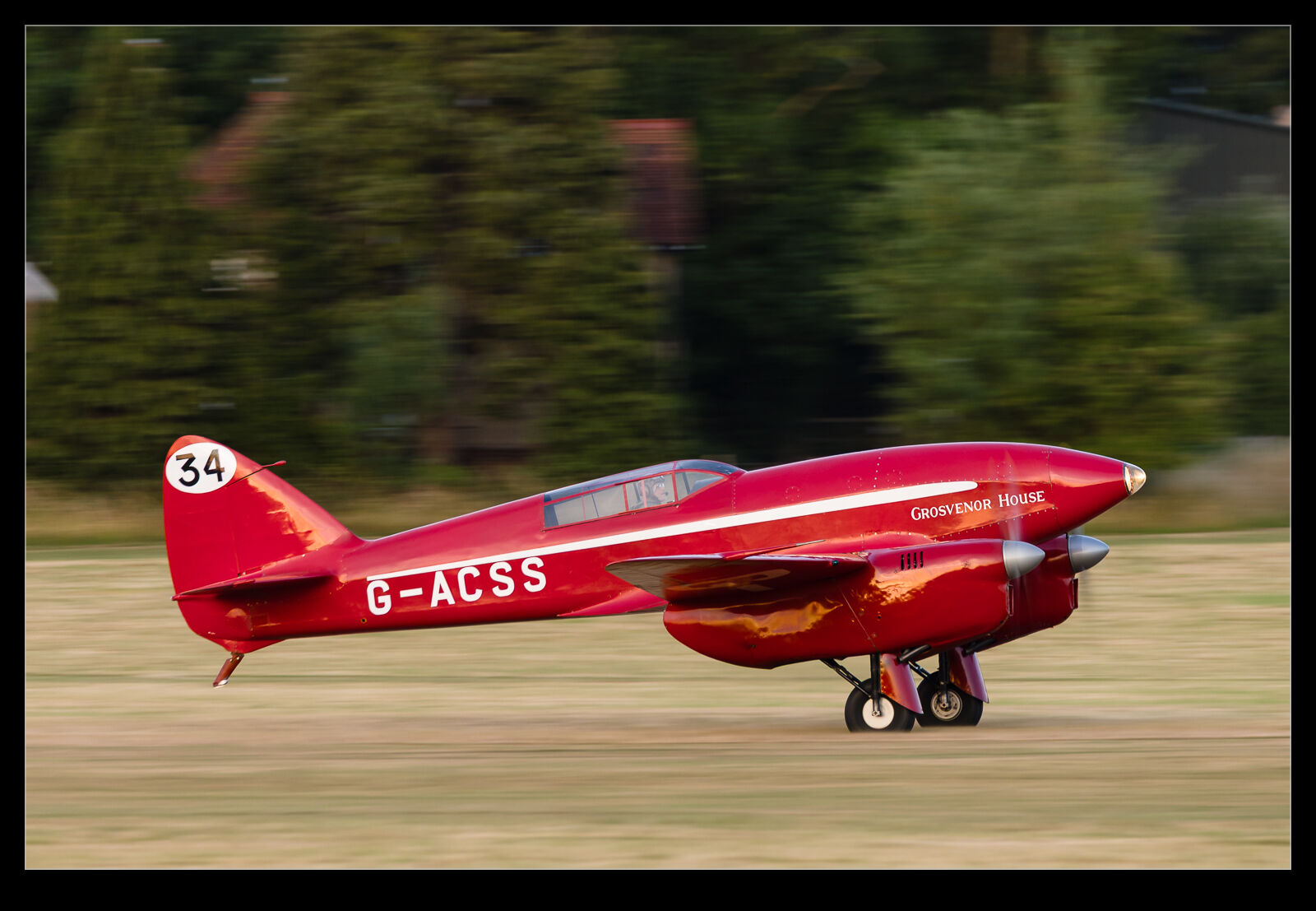
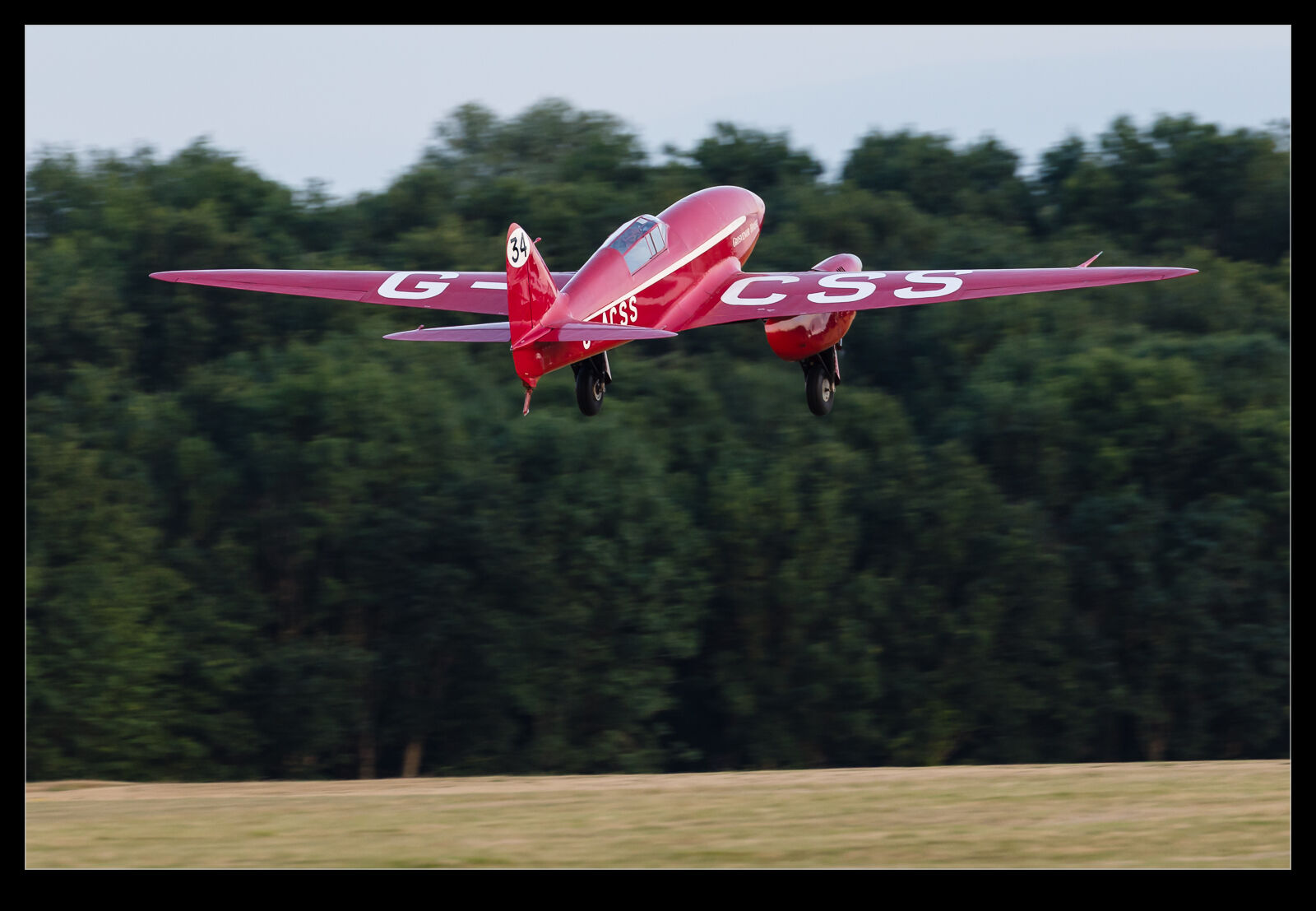
Last summer, the evening show at Old Warden included a flight by the de Havilland Comet. It was both in a formation and making some solo passes. The light had been absolutely excellent, but I was getting concerned that the light might be gone before it flew. The bright red paint has the potential to look excellent in very low angle sun, and I wanted to see that if possible.

It started out in a four-ship formation, and I was hoping that they would then do solo performances. Instead, the Comet ended up doing a series of formation passes with the Lysander. This was an interesting combination, but I was hoping to isolate it a bit. With a bit of luck and planning, I was able to get some individual shots that I liked. Sadly, the light was definitely on the way out by this time and, instead of having some gorgeous warmth on a red airframe, things were a little muted. Even so, not a bad thing to wrap up the air show.

Electrifying Dash 7

As a youth, the de Havilland Canada Dash 7 was, if not a widespread aircraft, one that was reasonably popular. This was a time when STOL operation was such a big deal with the idea that STOL aircraft would make operations from cities more of a thing. This idea didn’t last long but, at the time, a four engined aircraft with the ability to guarantee climb out in an engine out condition was important which also is why the 146 was a four engined plane.

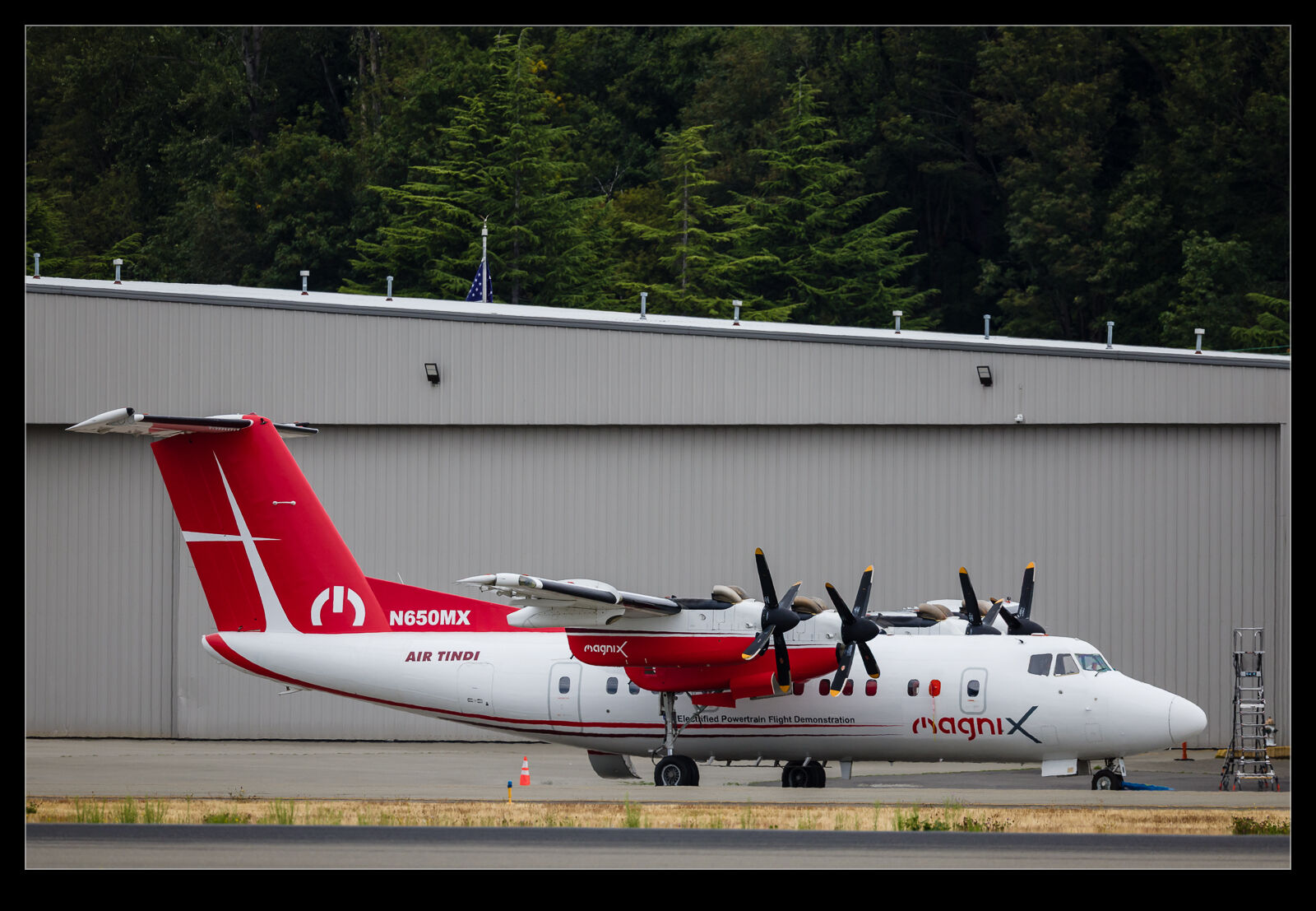
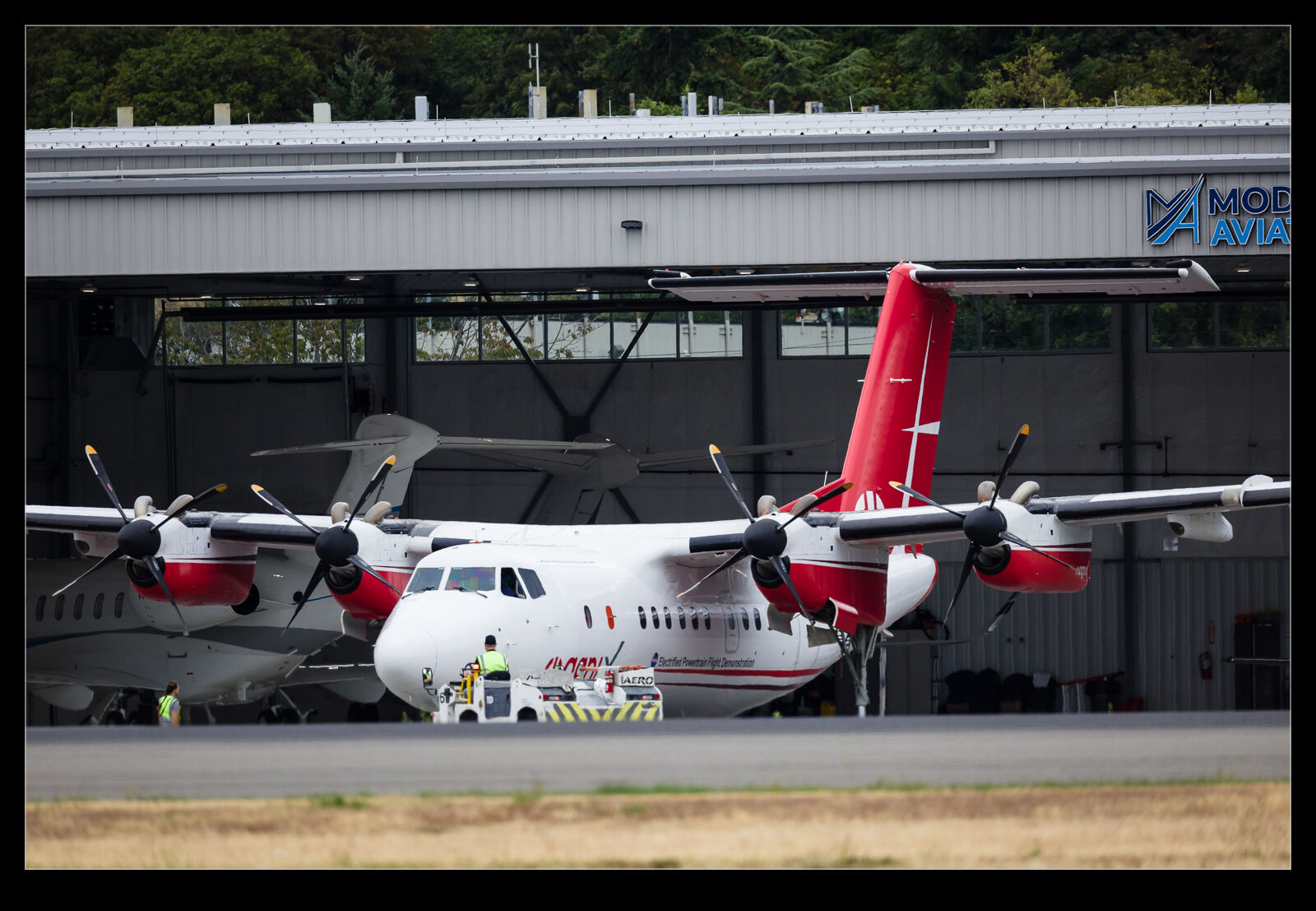
As the focus shifted to regular airports, twin engined turboprops took over including the same company’s Dash 8. The Dash 7 has hung around in niche uses but they are not easy to find. Air Tindi operates them in Canada and one of their airframes showed up in Seattle a while back. Magnix is a company that is making electric powerplants for aircraft and it is supposedly using a Dash 7 as a testbed. It showed up at Boeing Field for a publicity event. Sadly, I didn’t see it in flight, but it was out on the ramp at the FBO for a while before it was moved into the hangar for the event.

Reprocessing Some Backlit Shots from LAX

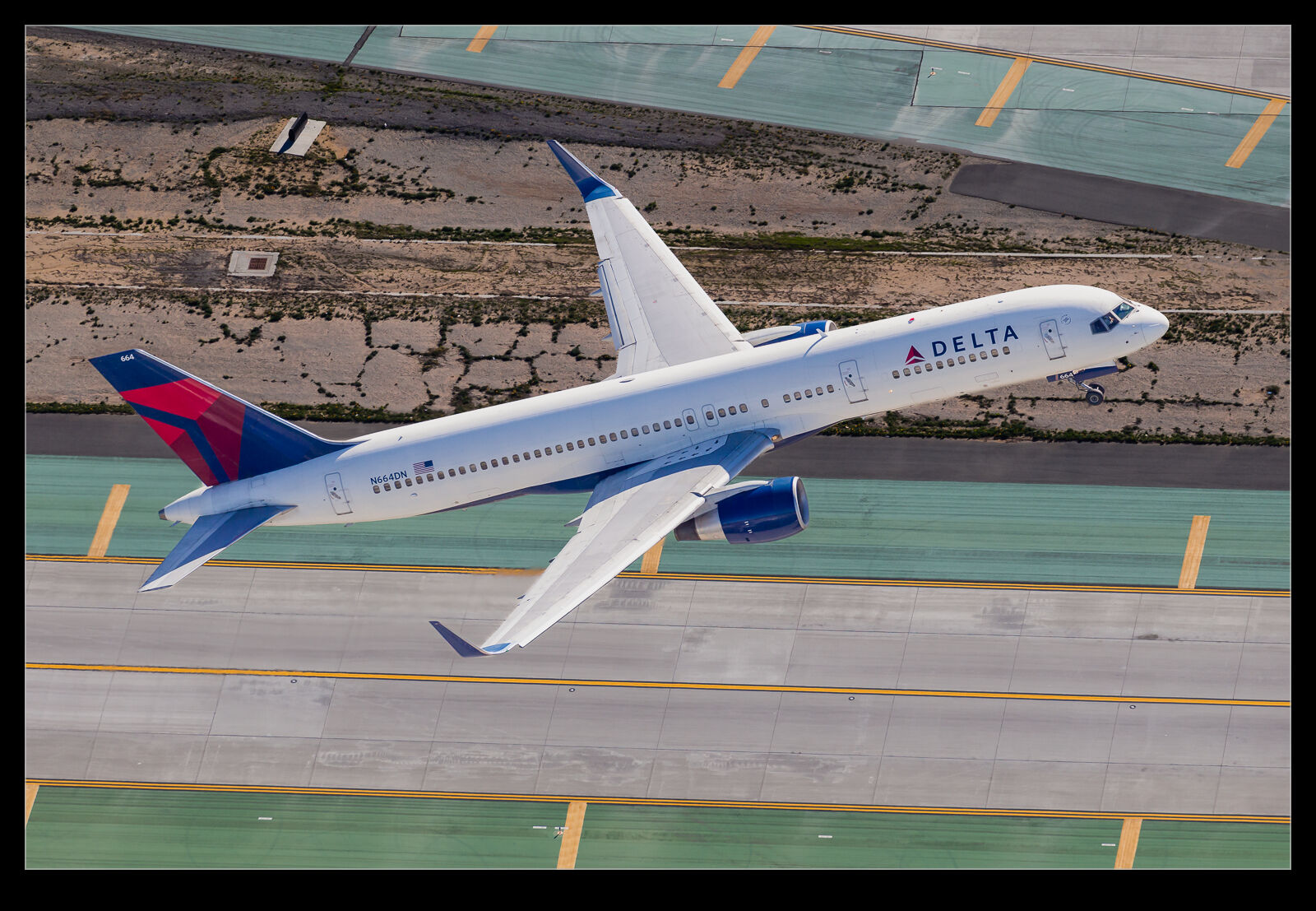
Every once in a while, I put together two things that I hadn’t previously connected. I have been playing around with the masking tools in Lightroom for ages to put different processing on aircraft versus the sky in the background. When I had done some photography from helicopters over LAX, the lighting had been good on the northern complex but the planes arriving and departing the south complex had been quite harshly backlit.

The processing approach I was using at that time did not make for very good results and so I had tended to ignore the shots I had taken on that side and focus on the north complex instead. Then, while looking at something from another photographer, it got me thinking that the masking tools would be a good option to revisit these backlit shots and try and get a more balanced looking image.
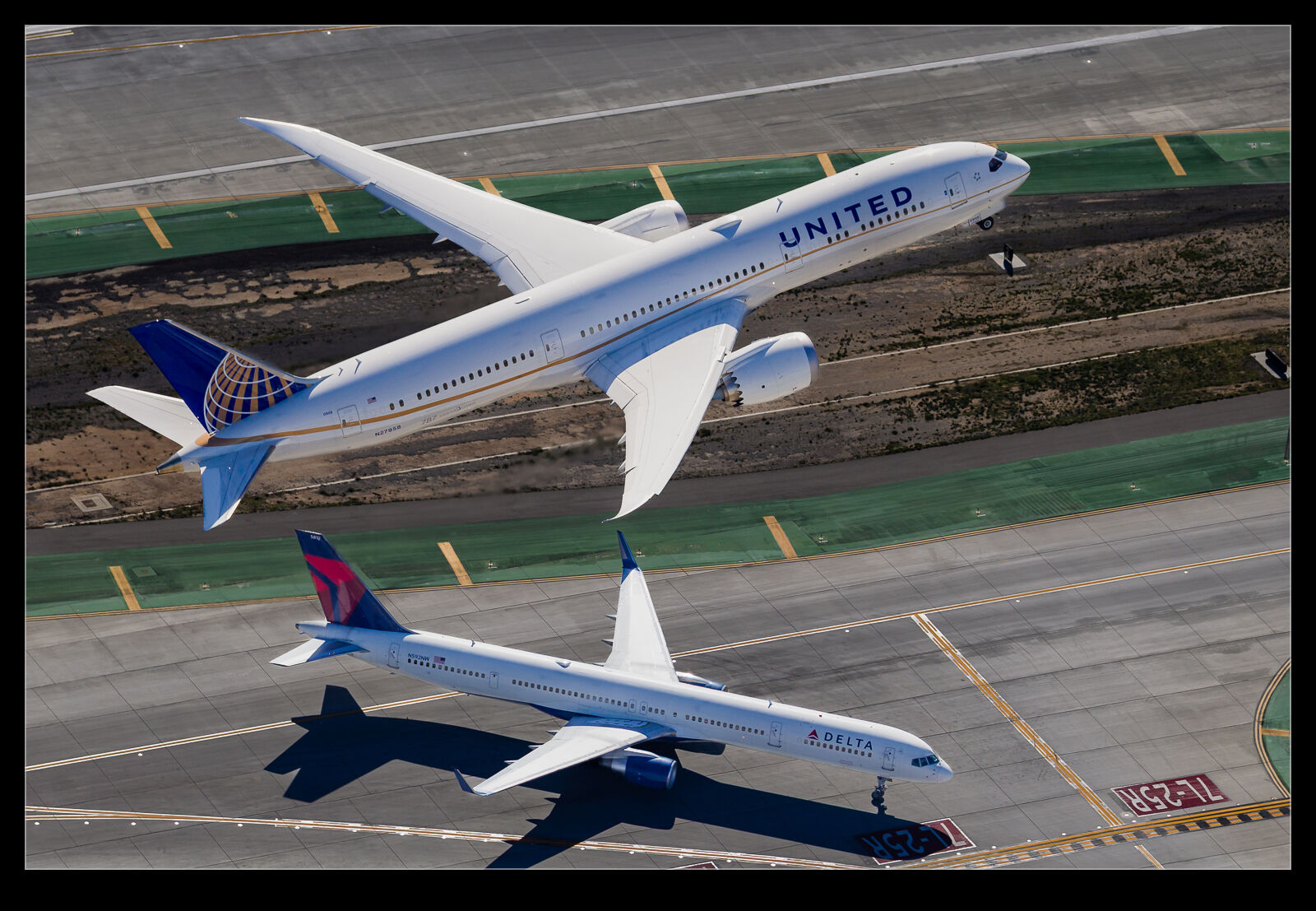
You can’t escape the fact that, if the original shot is not great, you aren’t ever going to turn it into something marvellous. However, there is the potential to come up with something significantly better than I had previously managed.

Selecting the airframe with a more cluttered background is a bit tougher for the automated tools so a fair bit of manual addition and subtraction was needed. However, because you are against a ground background rather than a sky, there is a certain amount of tolerance that you have for not getting the selection absolutely perfect. You don’t want glaring issues, but it won’t be as conspicuous as it is with a sky behind.
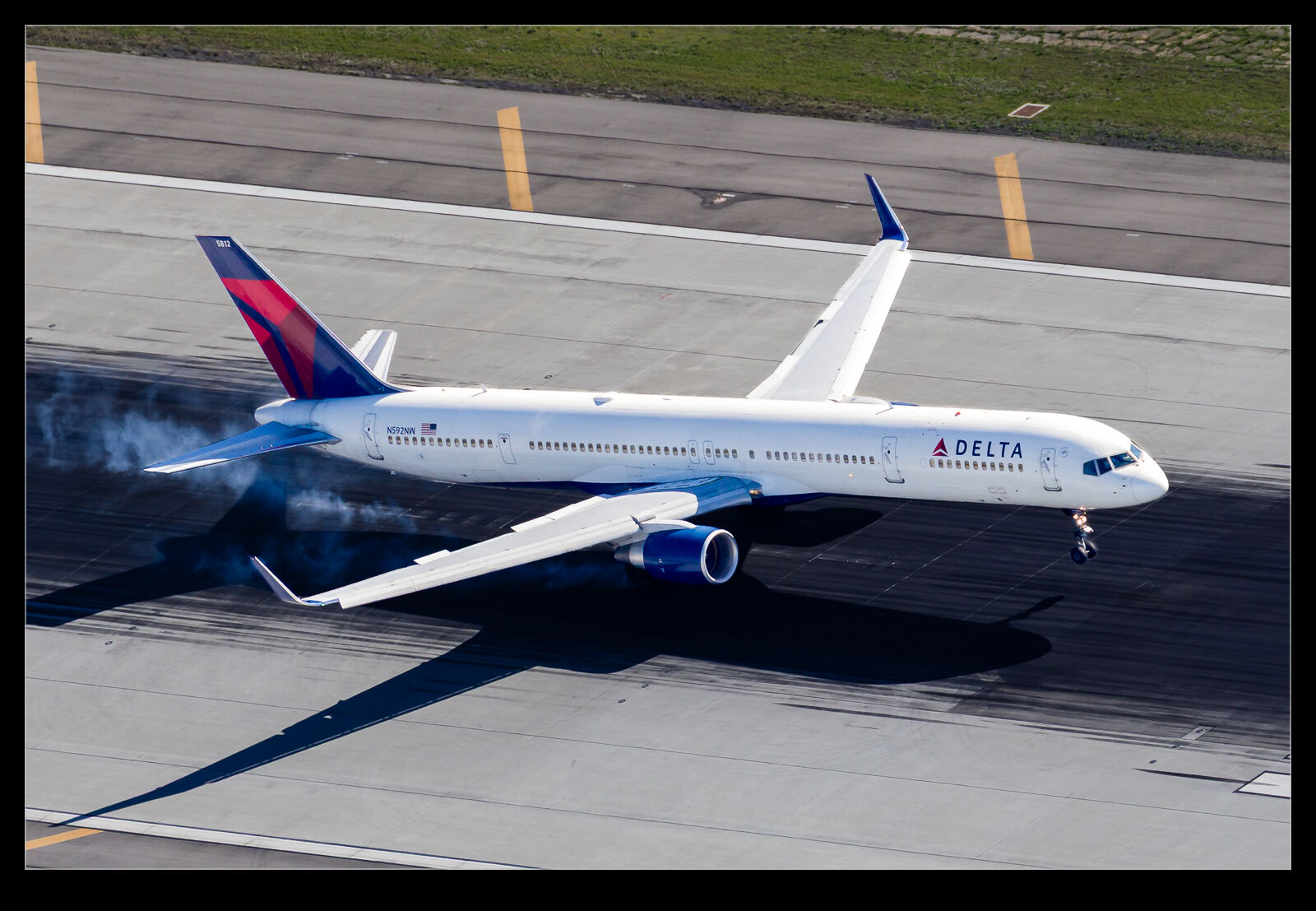
With the masking applied, it is a lot easier to come up with an exposure for the planes that looks a lot more like the eye would have perceived whilst still having a background that is okay. I can actually darken it a bit more in order to make the plane pop. On one of the shots, there was a second plane on the taxiway in the shot, so I selected it separately to give it a reasonable look without it taking over the image as a whole. This was a very satisfying process with some images I had previously left alone.
Virgin America Before Alaska Took Over

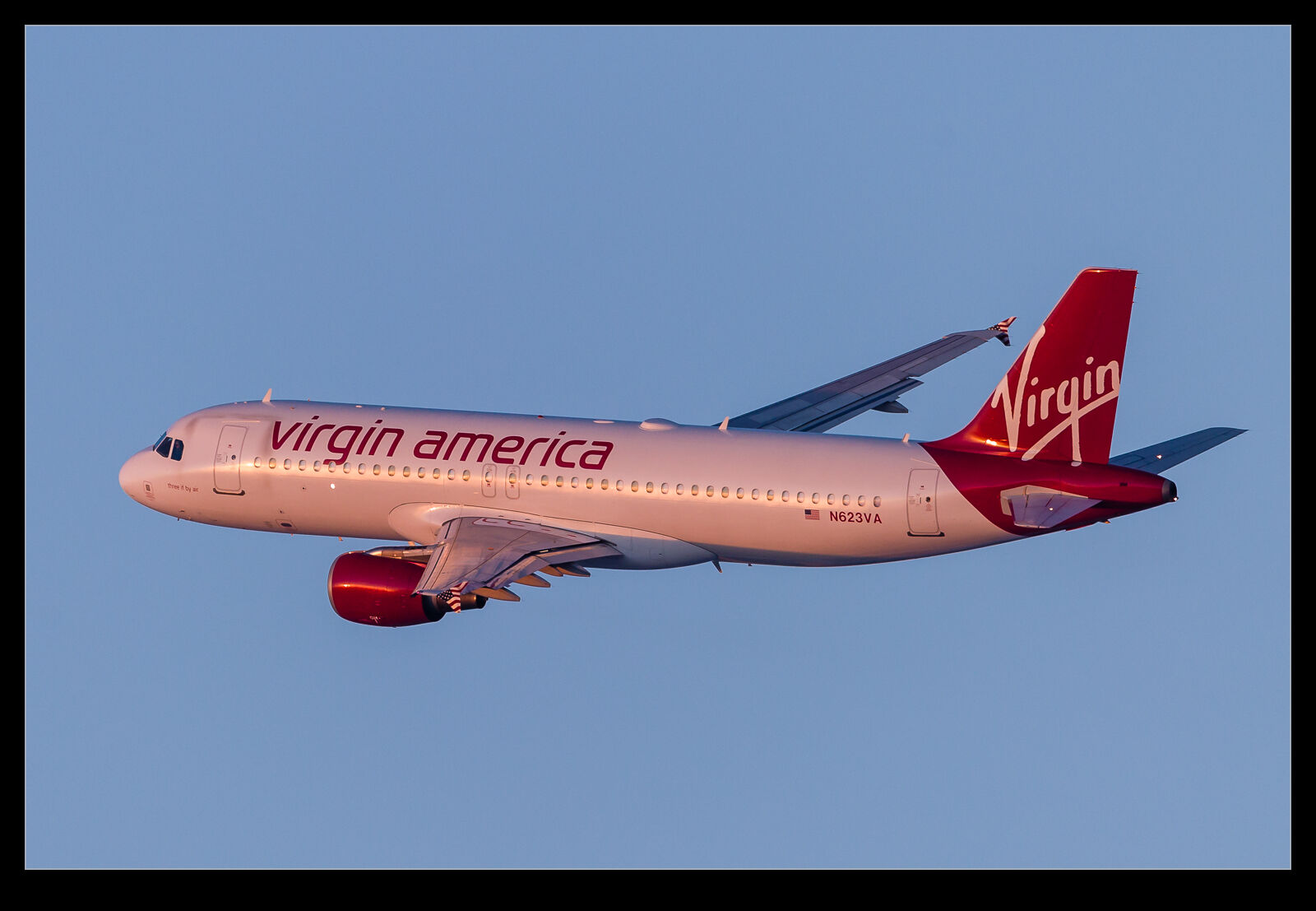
I just happened to come across this shot while looking for something else. It was a Virgin America A320. Virgin America did a reasonable job of building a profile on the west coast before they were swallowed up by Alaska. Initially their fleet was added to Alaska’s, but it wasn’t too long before Alaska disposed of the Airbus planes to focus on their Boeing fleet. They were good looking jets, and I flew inside one once after the merger where the interior finish certainly marked them as a bit different to the norm. I just figured I’d share this shot as a memory of something long gone.

Didn’t Expect an Airvan

I was down at Lee on Solent on a Saturday morning for a hovercraft encounter. It was a glorious day with lovely sunny conditions and not too much wind. The air temps were not high, but the sun made it feel great. I was pondering whether there could be anything interesting happening at the nearby Solent Airport but that wasn’t why I was there and I knew I had a visitor at home, so I wasn’t going to spend any more time self-indulgently than was already the plan.

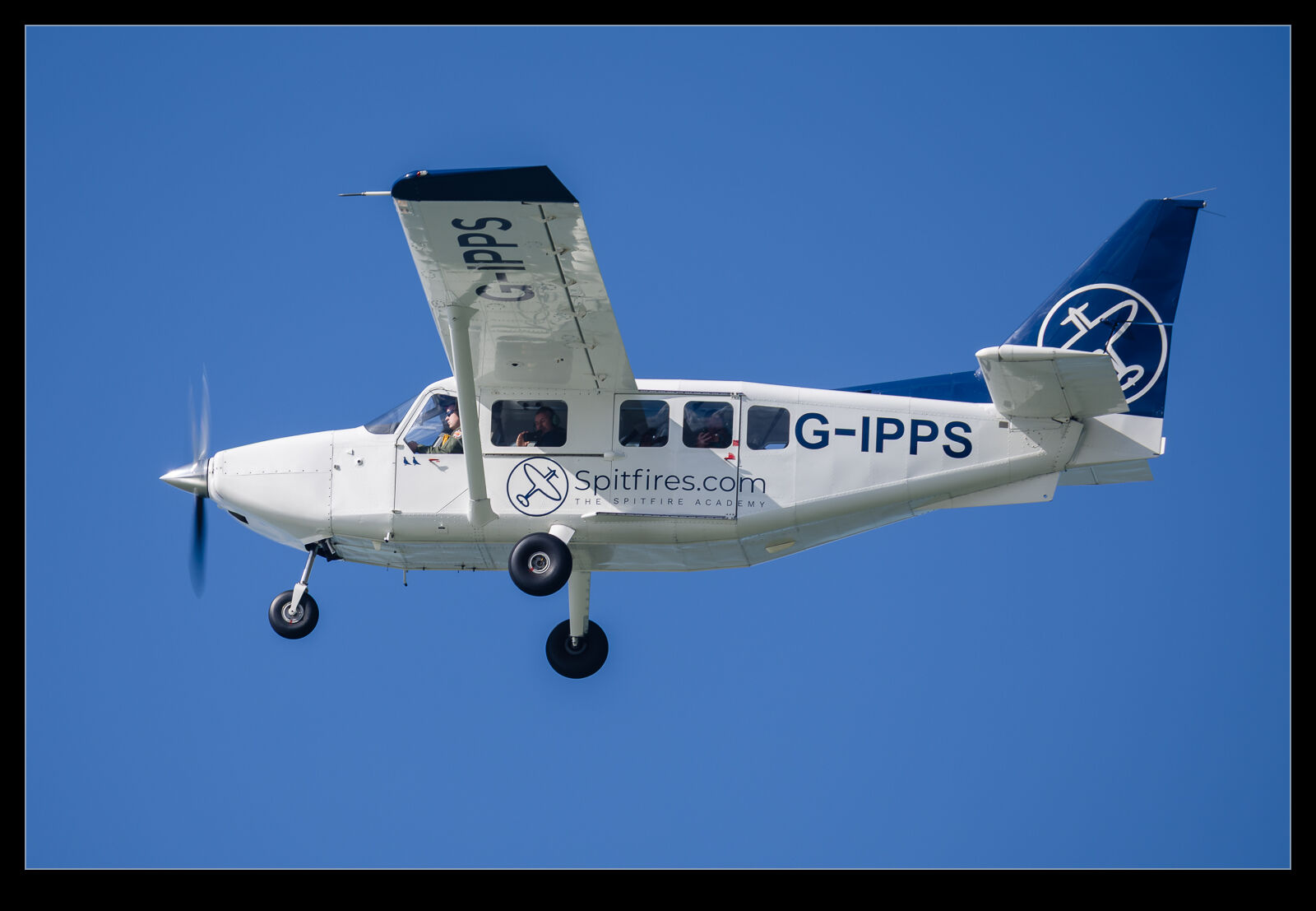
There was regular traffic departing from the airport, but I wasn’t paying it much attention since the straight climb outs were some distance from me. Then I saw one turning in my direction. It was a GippsAero Airvan. I didn’t have the right settings on the camera so fumbled inelegantly to try and get things close to right and grabbed a few shots of it as it flew by. Looking at the shots later, it has markings associated with a Spitfire operator which will connect with a post to come.

Early Morning Arrivals

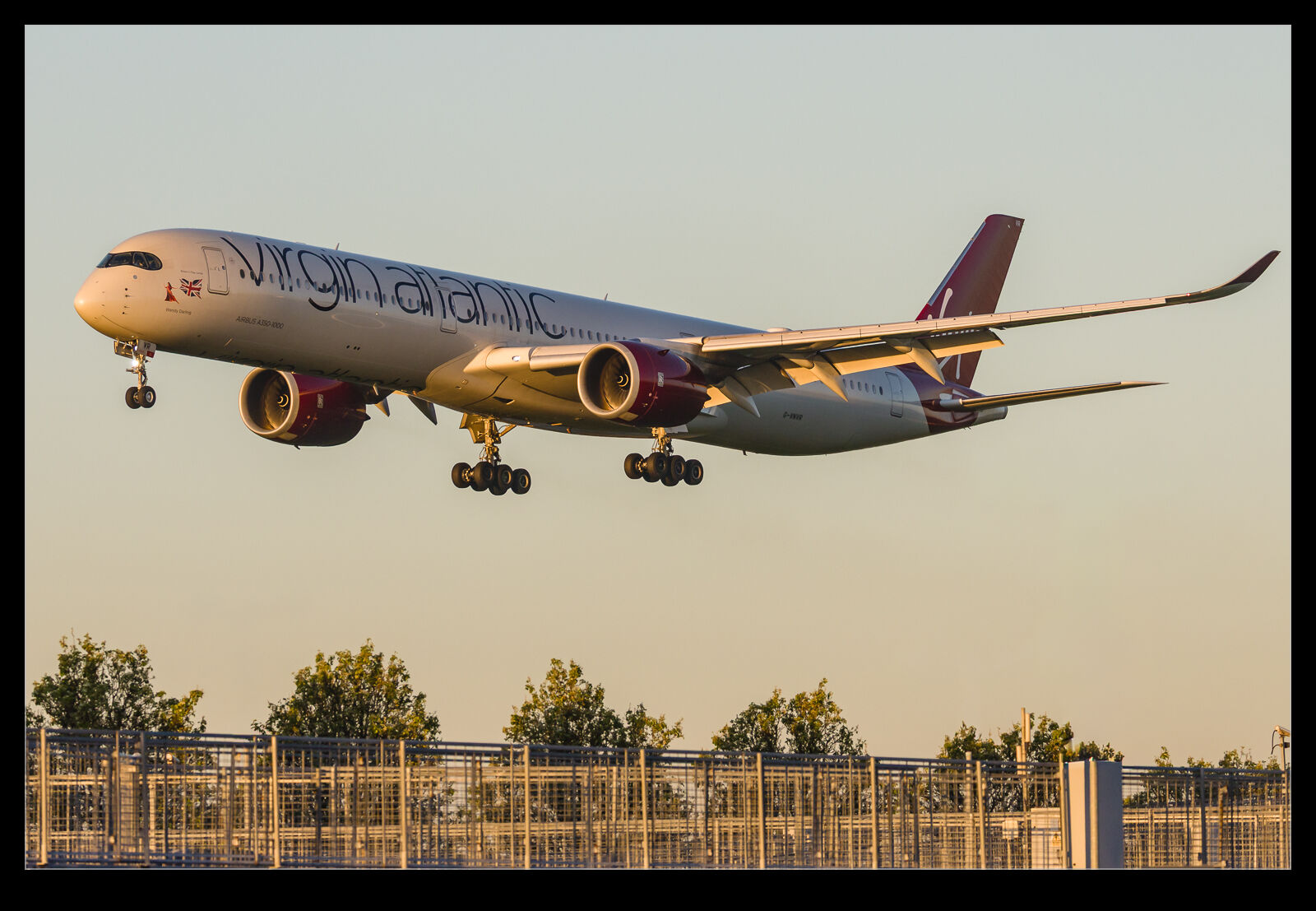
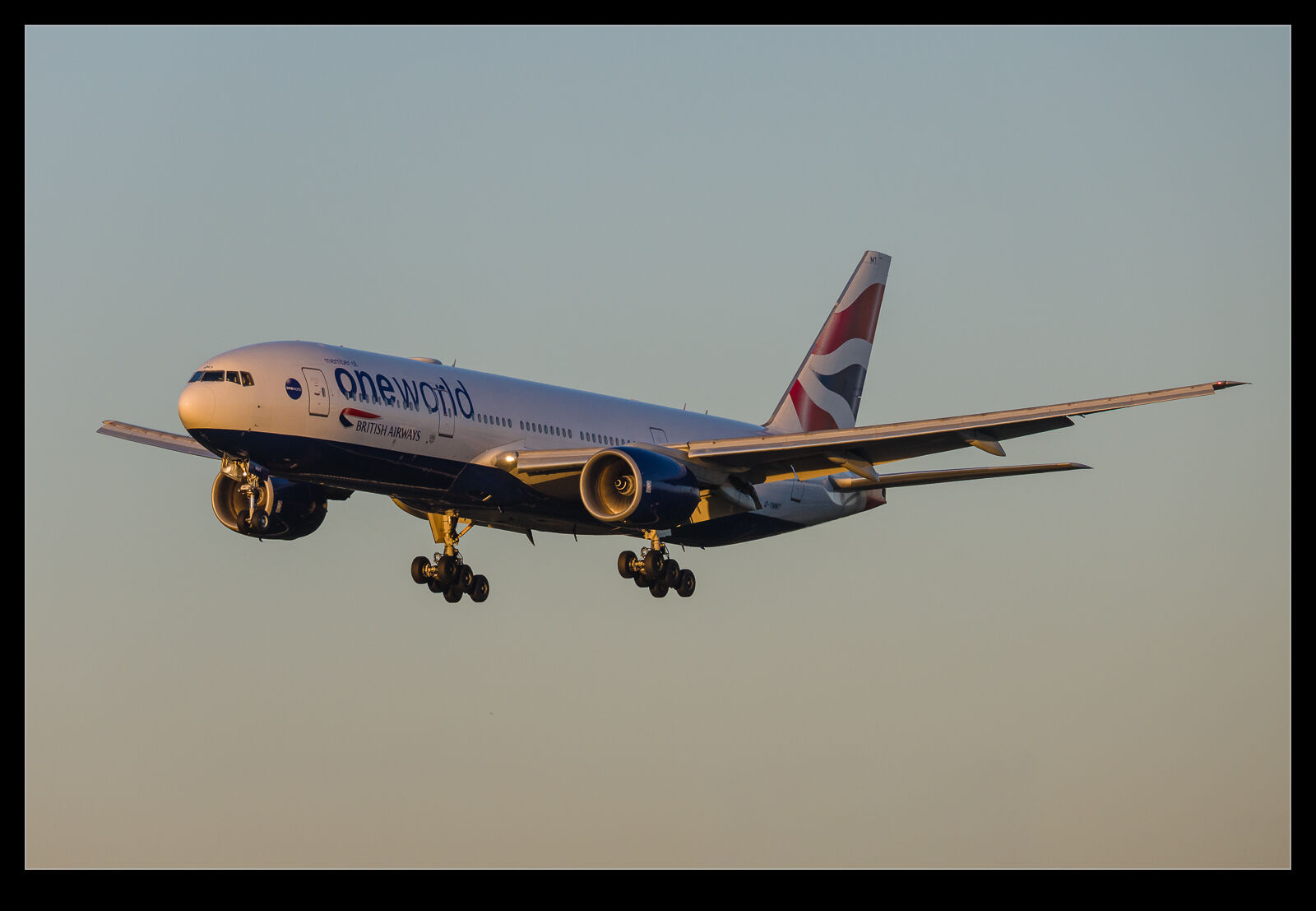
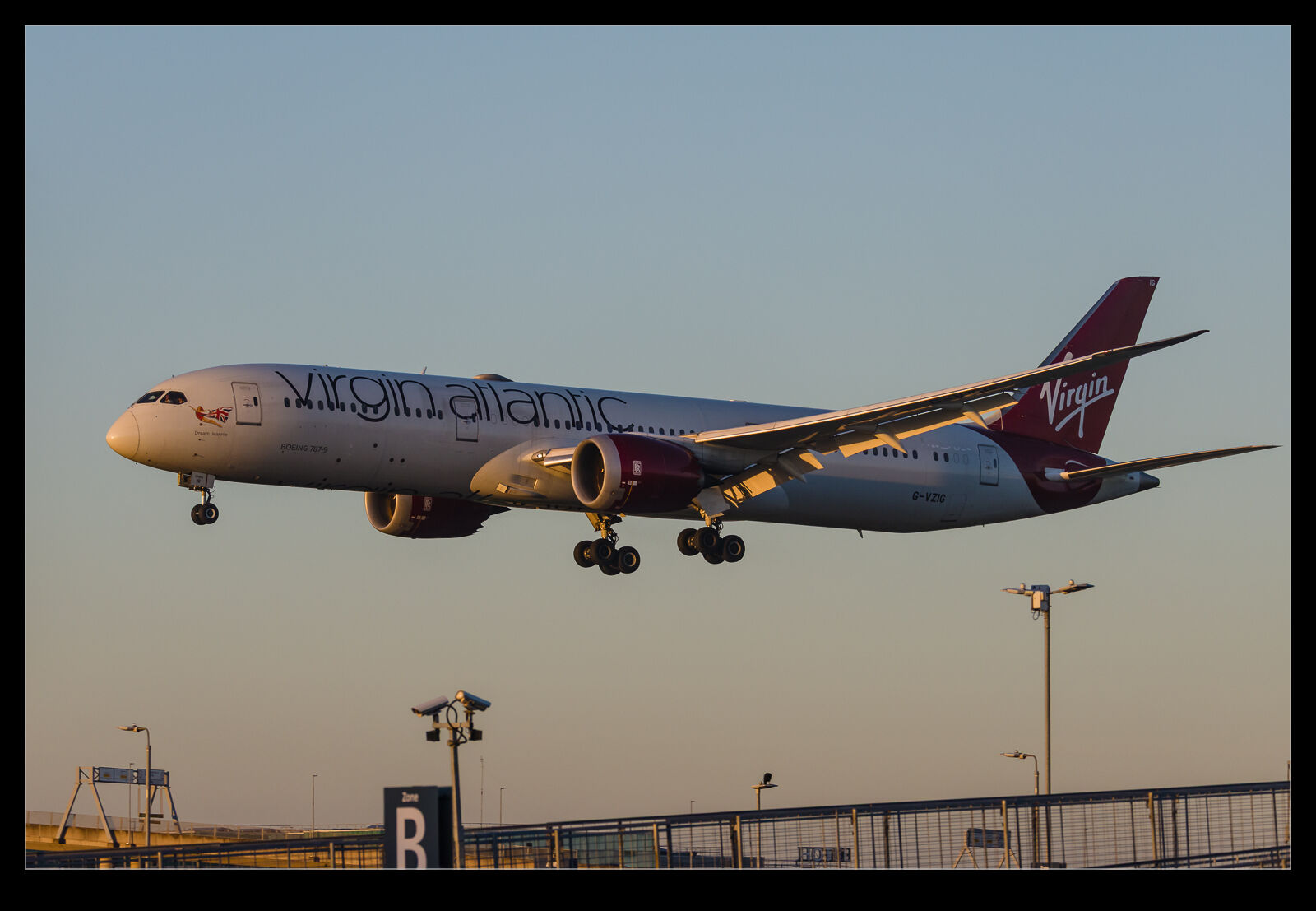
A work trip had me at Heathrow just as the sun was peaking above the horizon. It was very low and, as I drove along the perimeter road to the car park, it was right in my eyes. I suspect that wasn’t too much fun for the arrivals that were on the runway aligned to the east. It did mean that the light was right on the nose of the arriving planes. I had brought the camera along because – well when don’t I?

The traffic in had been quite light so I was a touch early arriving and had about ten minutes before I needed to head into the terminal. Consequently, I got a few shots of some of the jets arriving from locations around the world. The light was almost on my side of the planes which, given I was to the north, tells me that we are getting towards summer. Here are a few of the arriving planes.